Physiological Psychology-EXAM 2
 Call Kai
 Learn
Learn Practice Test
 Spaced Repetition
 Match
Match Flashcards
 Knowt Play
1/127

There's no tags or description
Looks like no tags are added yet.
Name | Mastery | Learn | Test | Matching | Spaced | Call with Kai |
|---|
No analytics yet
Send a link to your students to track their progress
128 Terms
Neuroaxis
- An imaginary line that shows the direction in which the central nervous system lies
- Thought to bend by 90 degrees
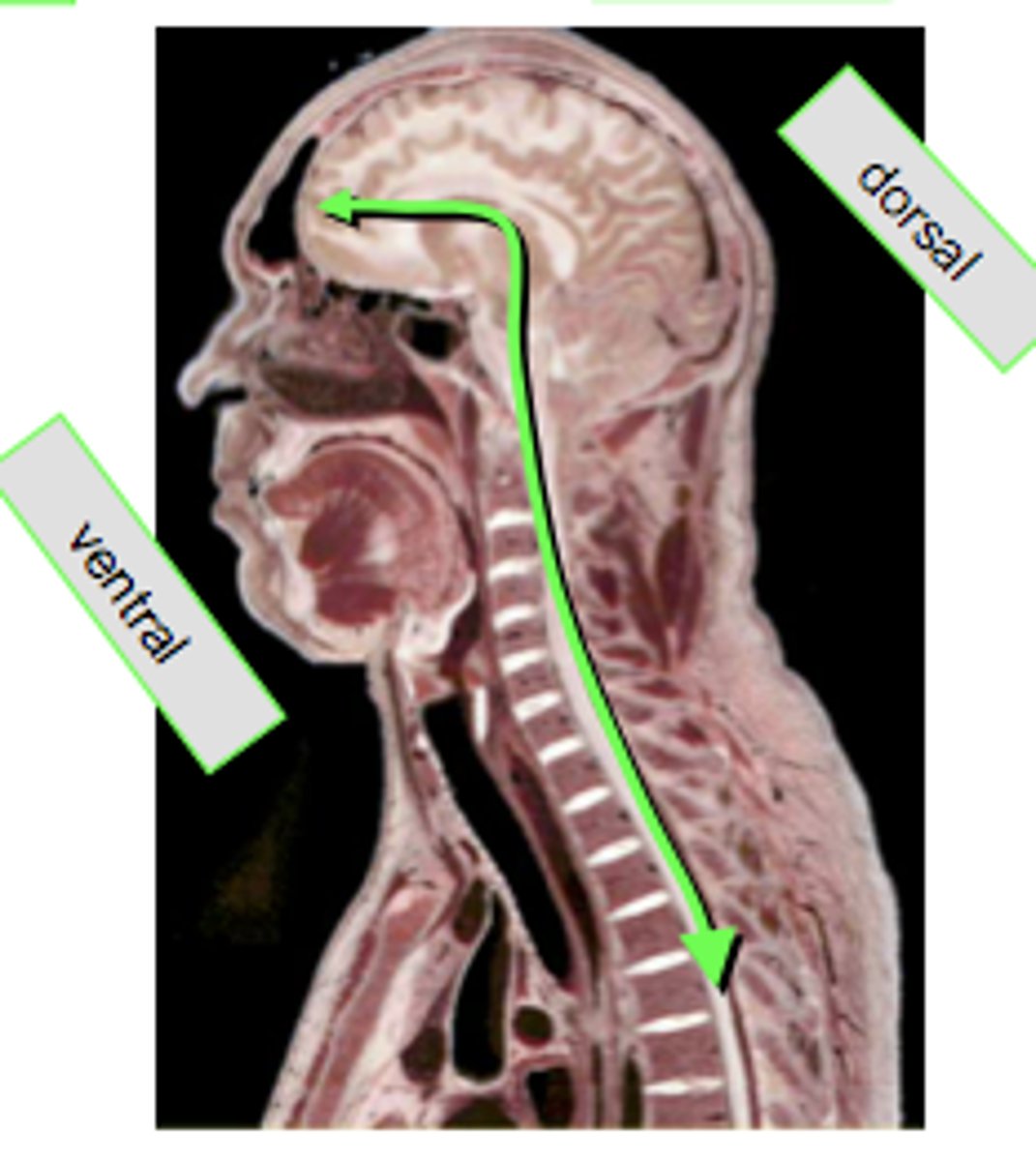
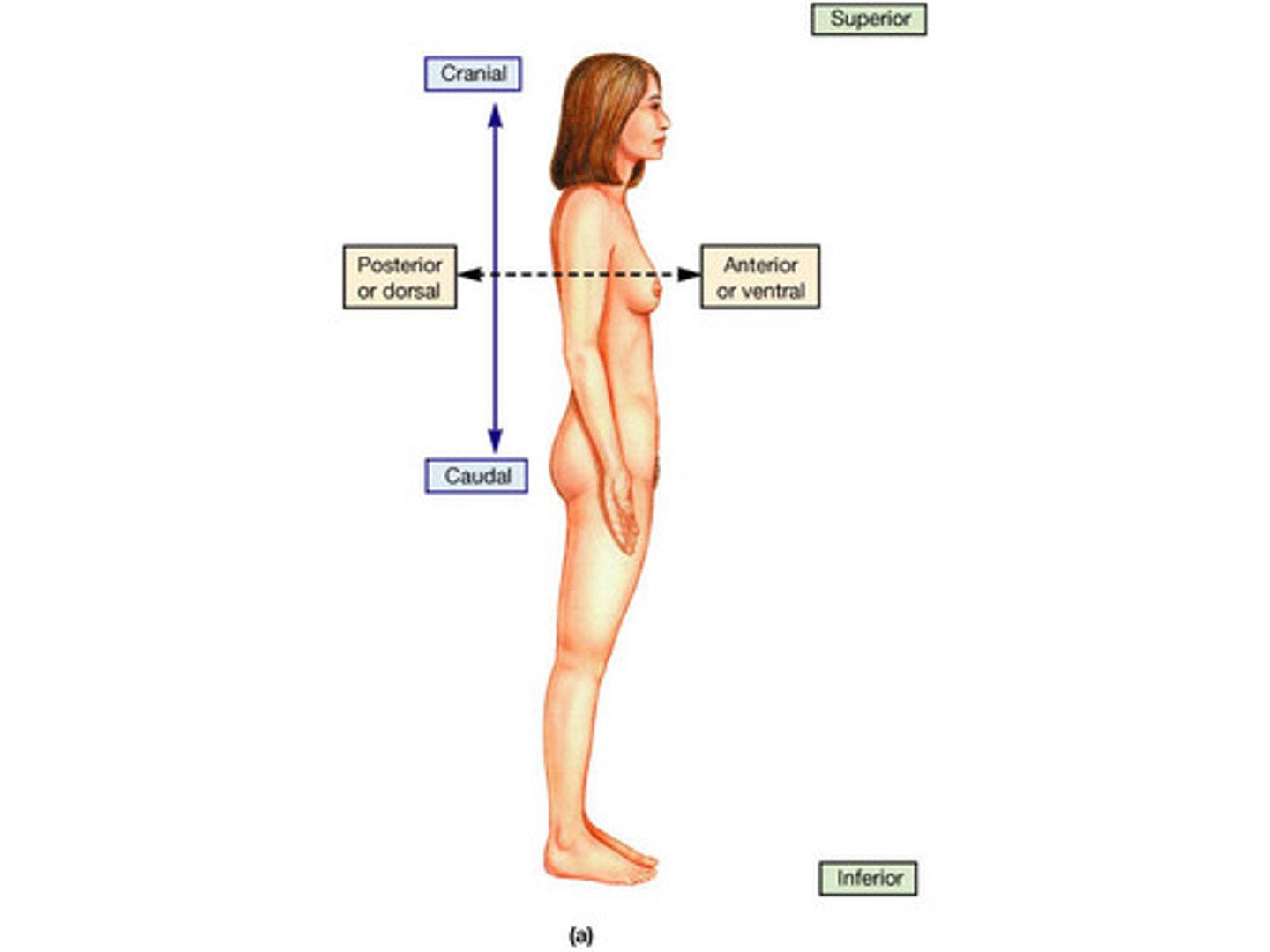
Posterior
- Relatively speaking toward the back
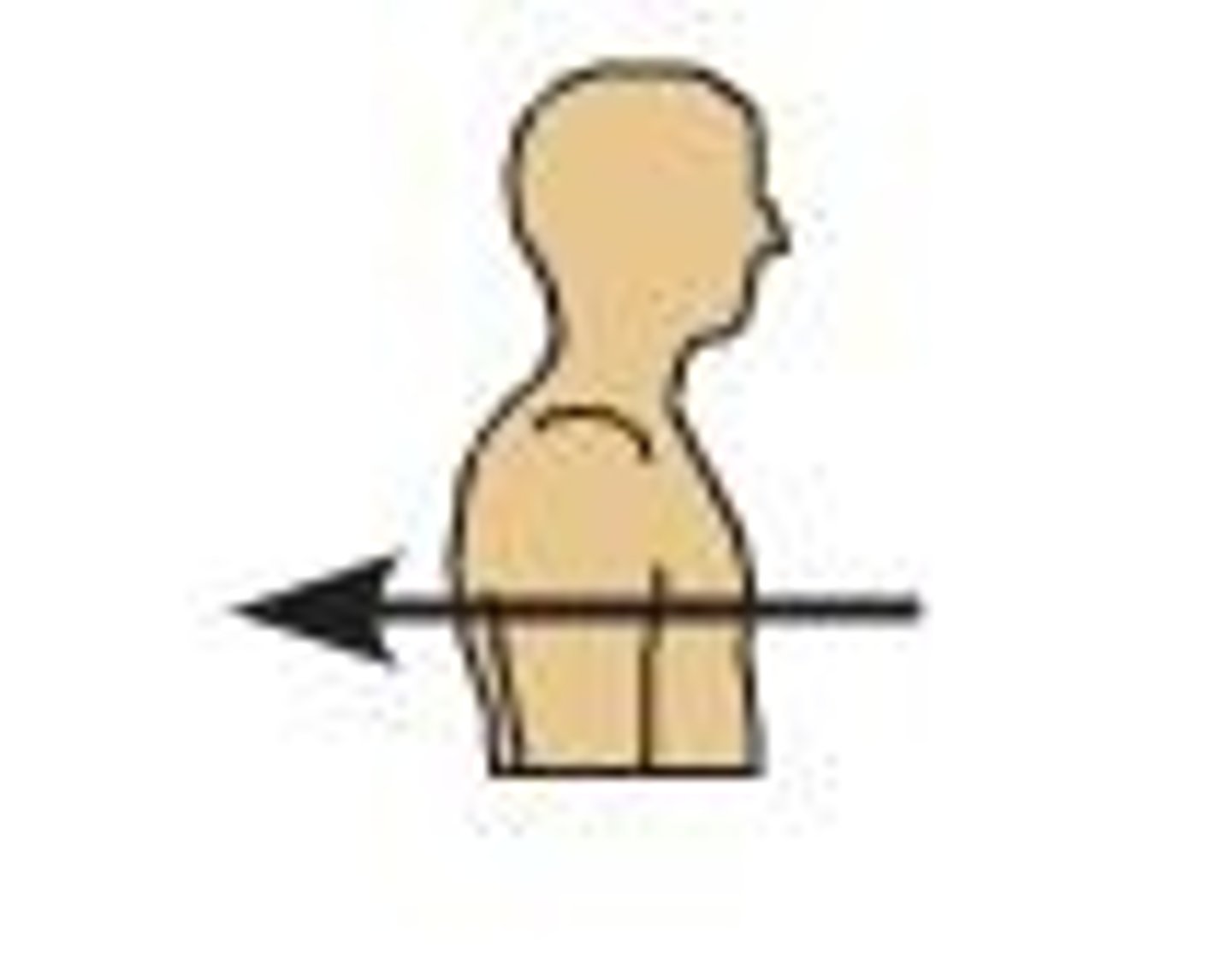
Anterior
- Relatively speaking toward the front
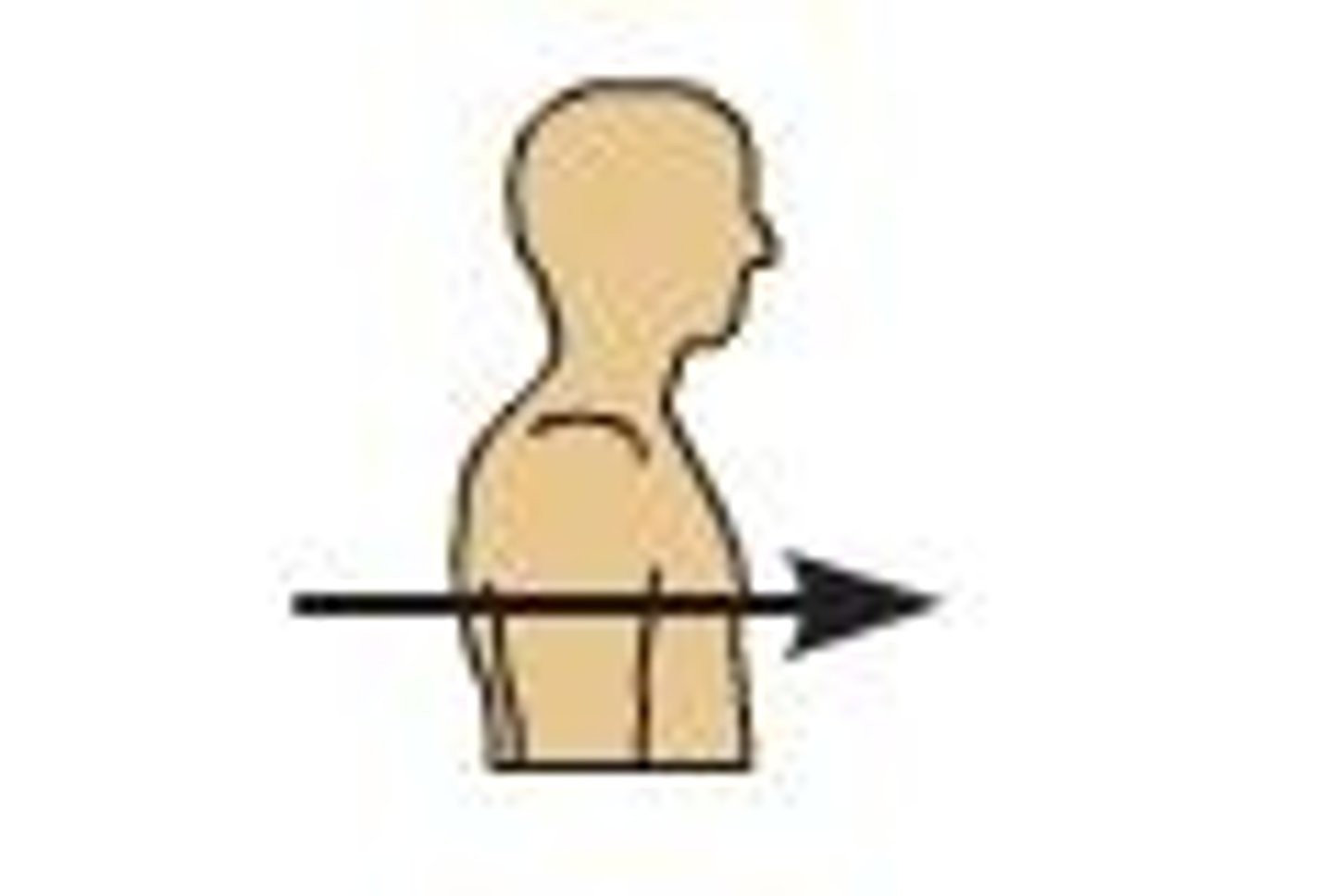
Dorsal
- Relatively speaking of the upper side or back
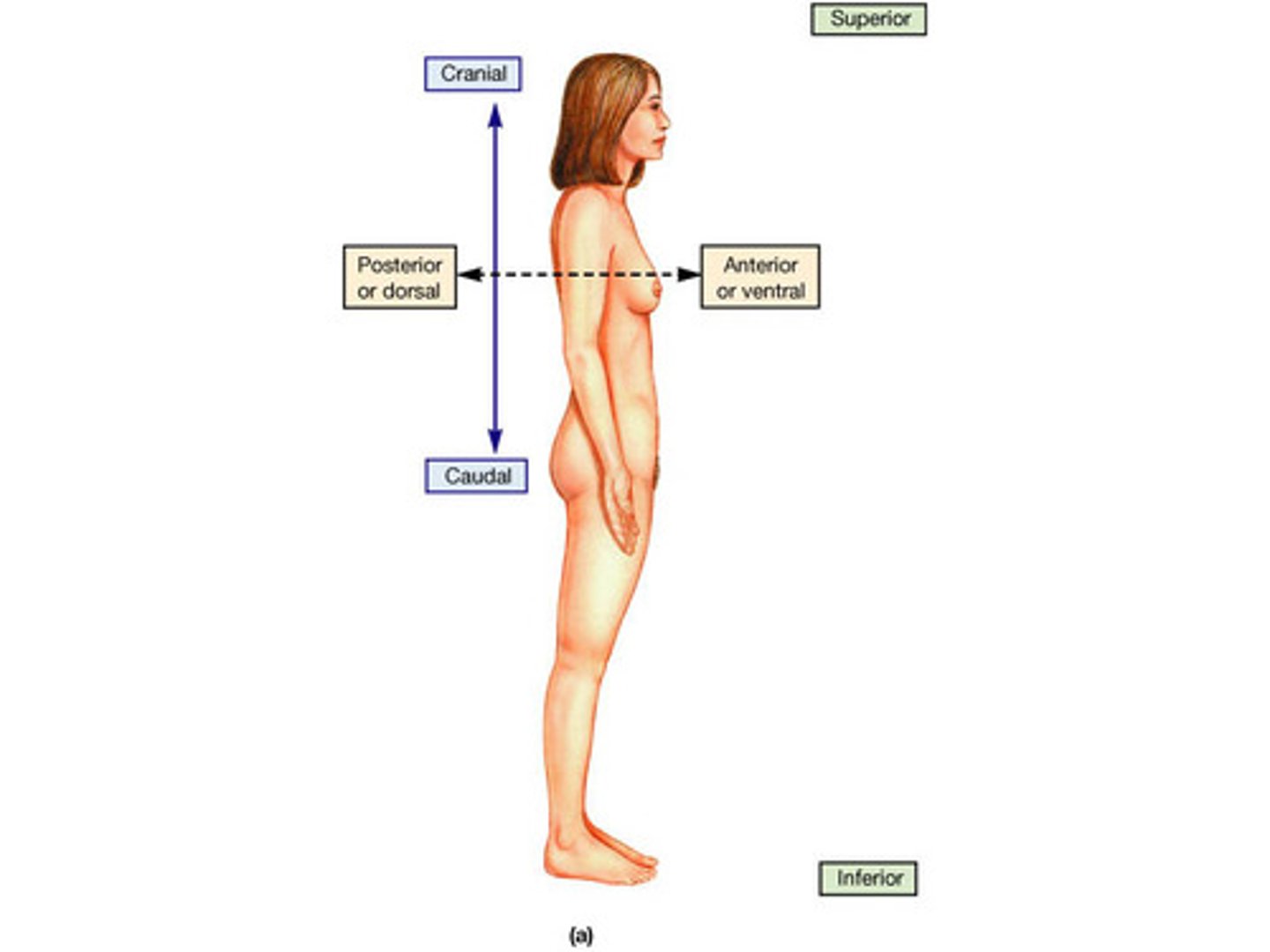
Ventral
- Relatively speaking of the under side
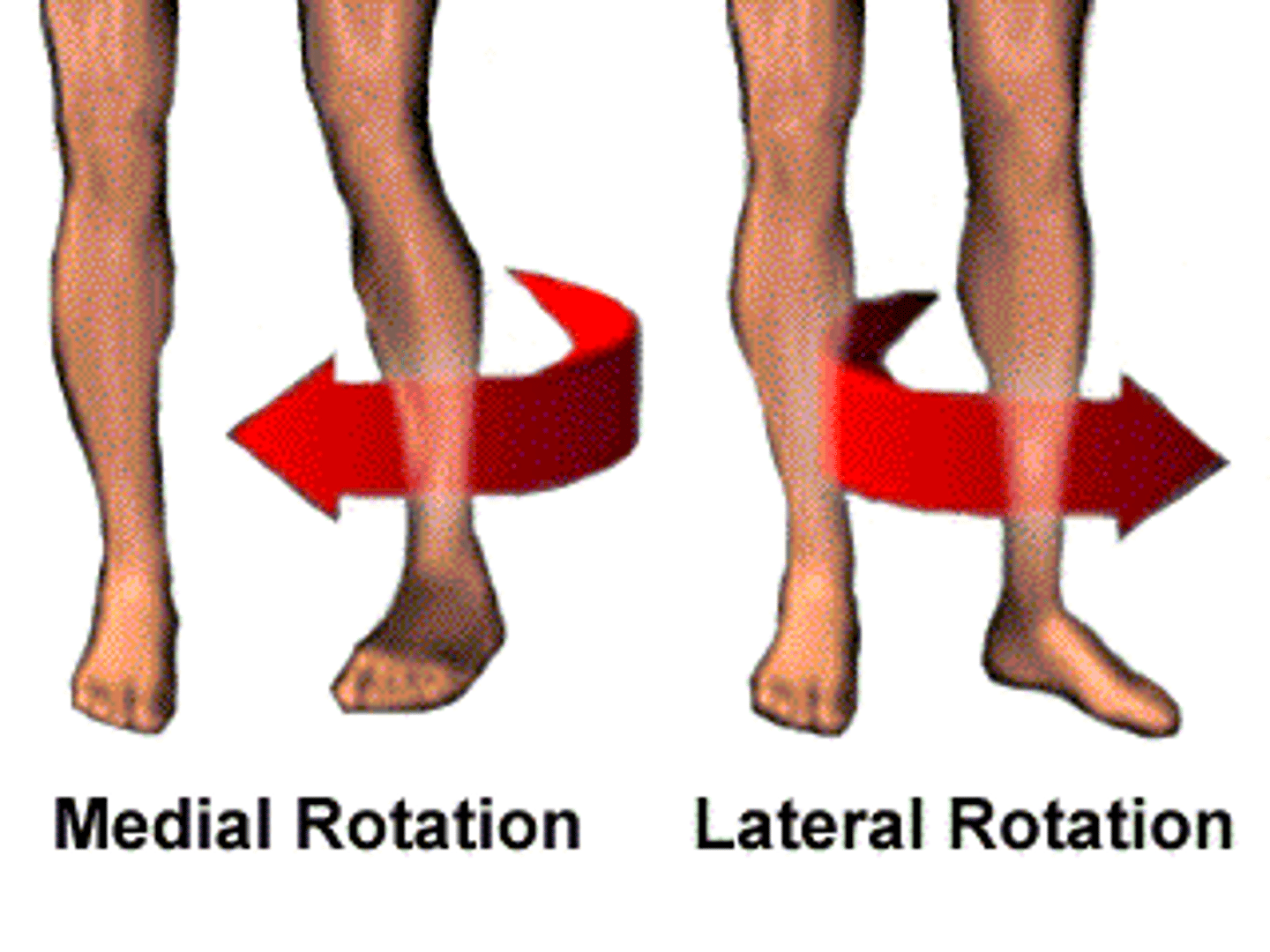
Lateral
- Away from the mid line
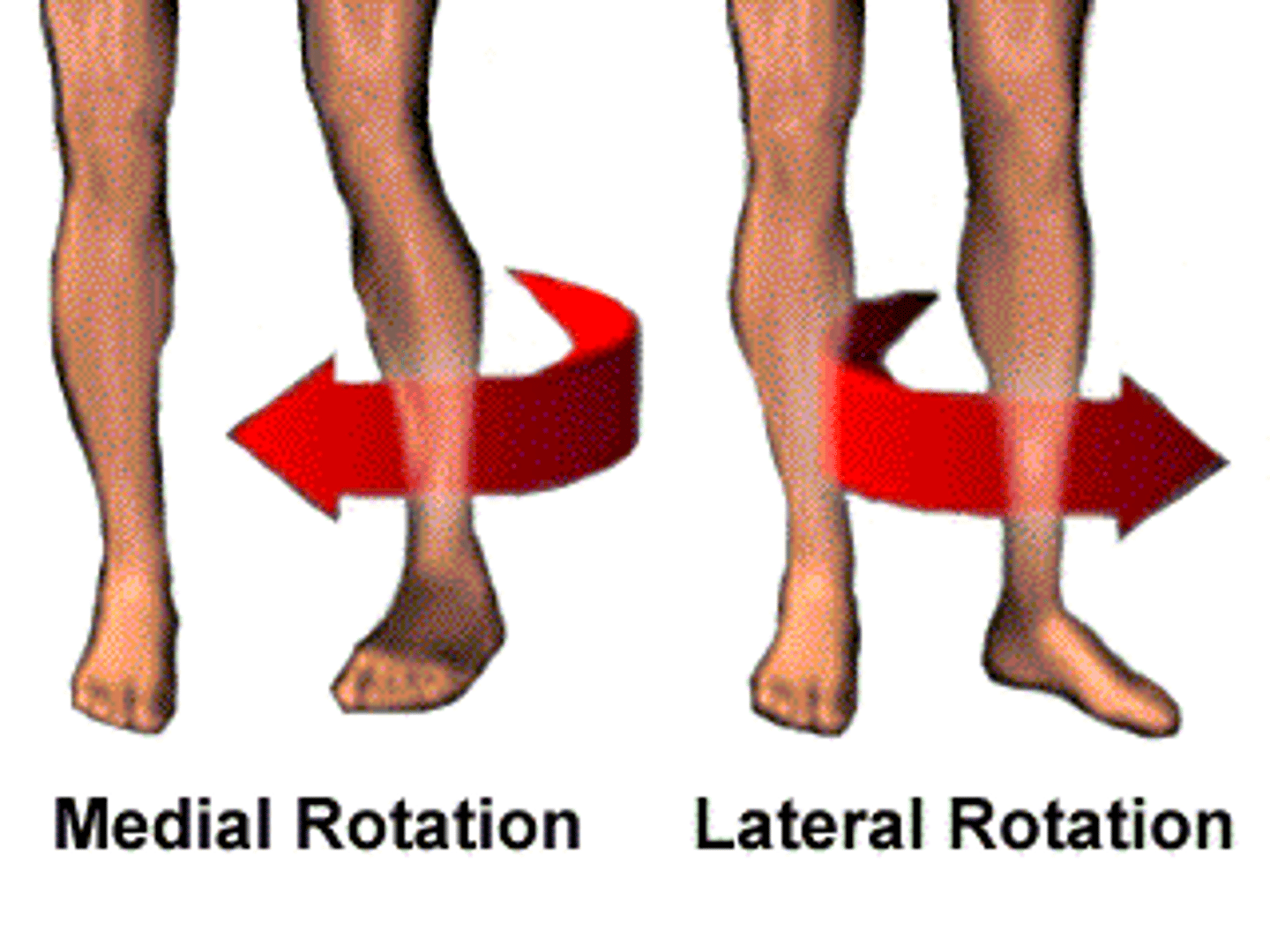
Medial
- Toward the mid line
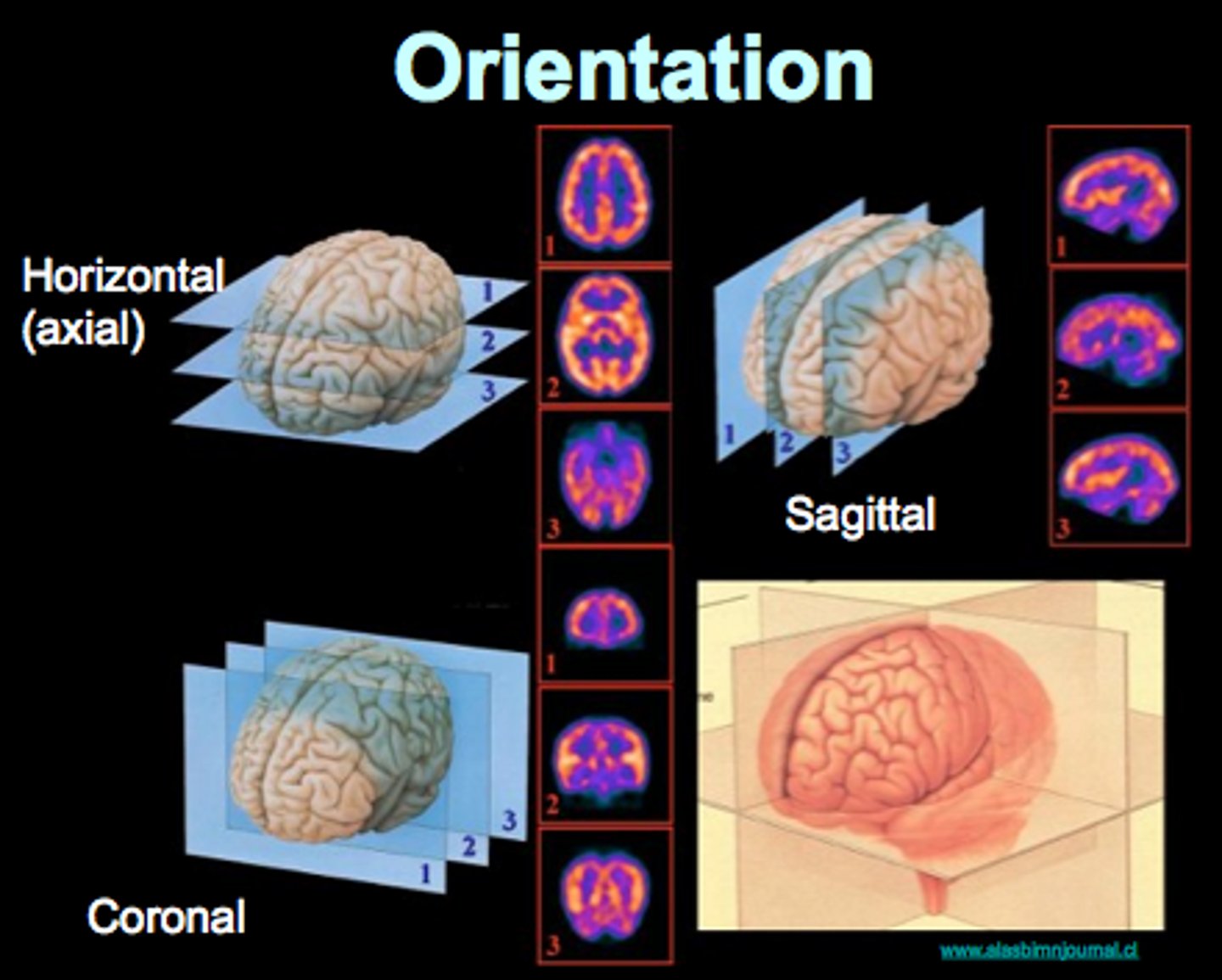
Coronal Plane
- An imaginary plane dividing body into dorsal and ventral parts (side to side)
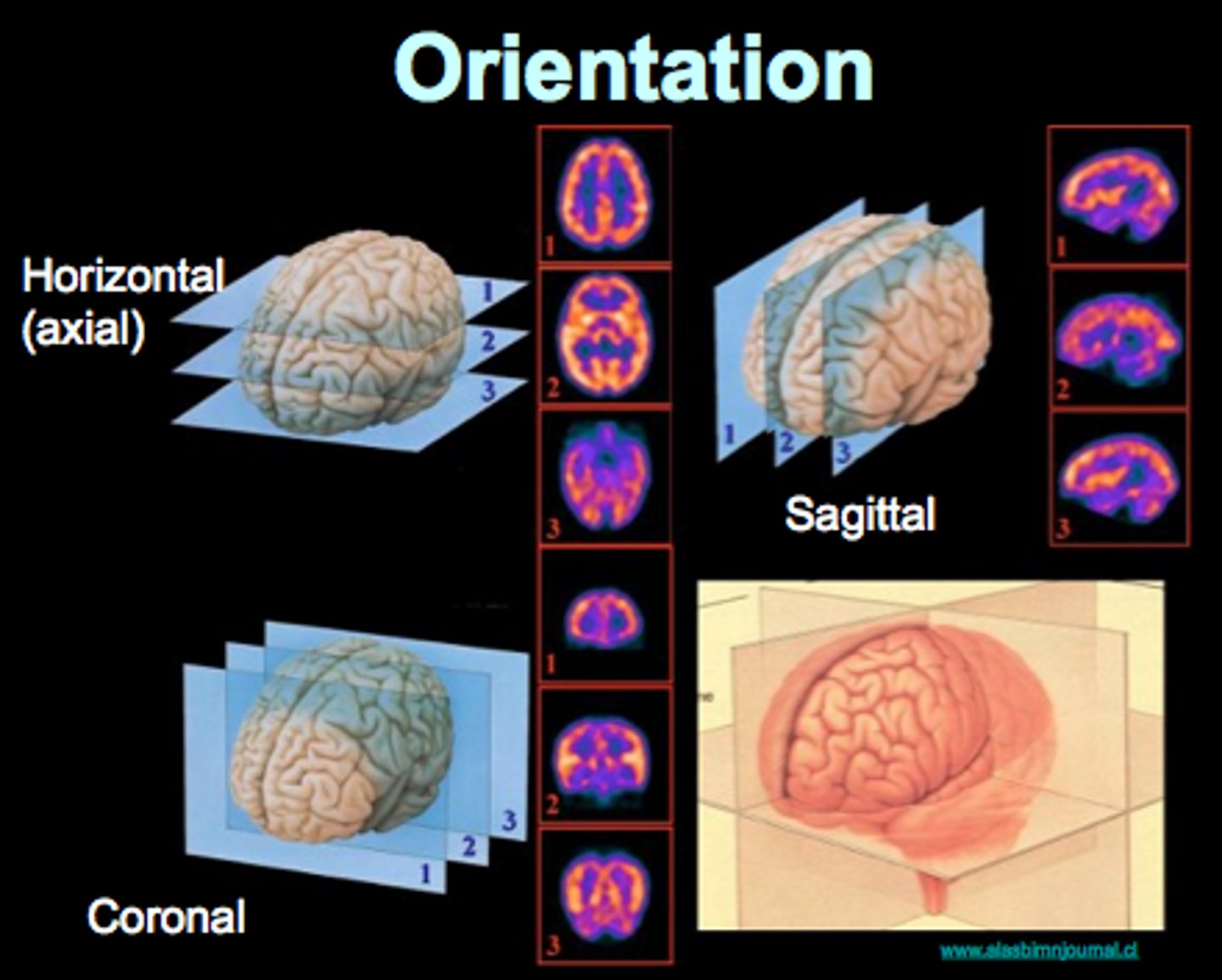
Horizontal Plane
- An imaginary plane dividing body into top and bottom
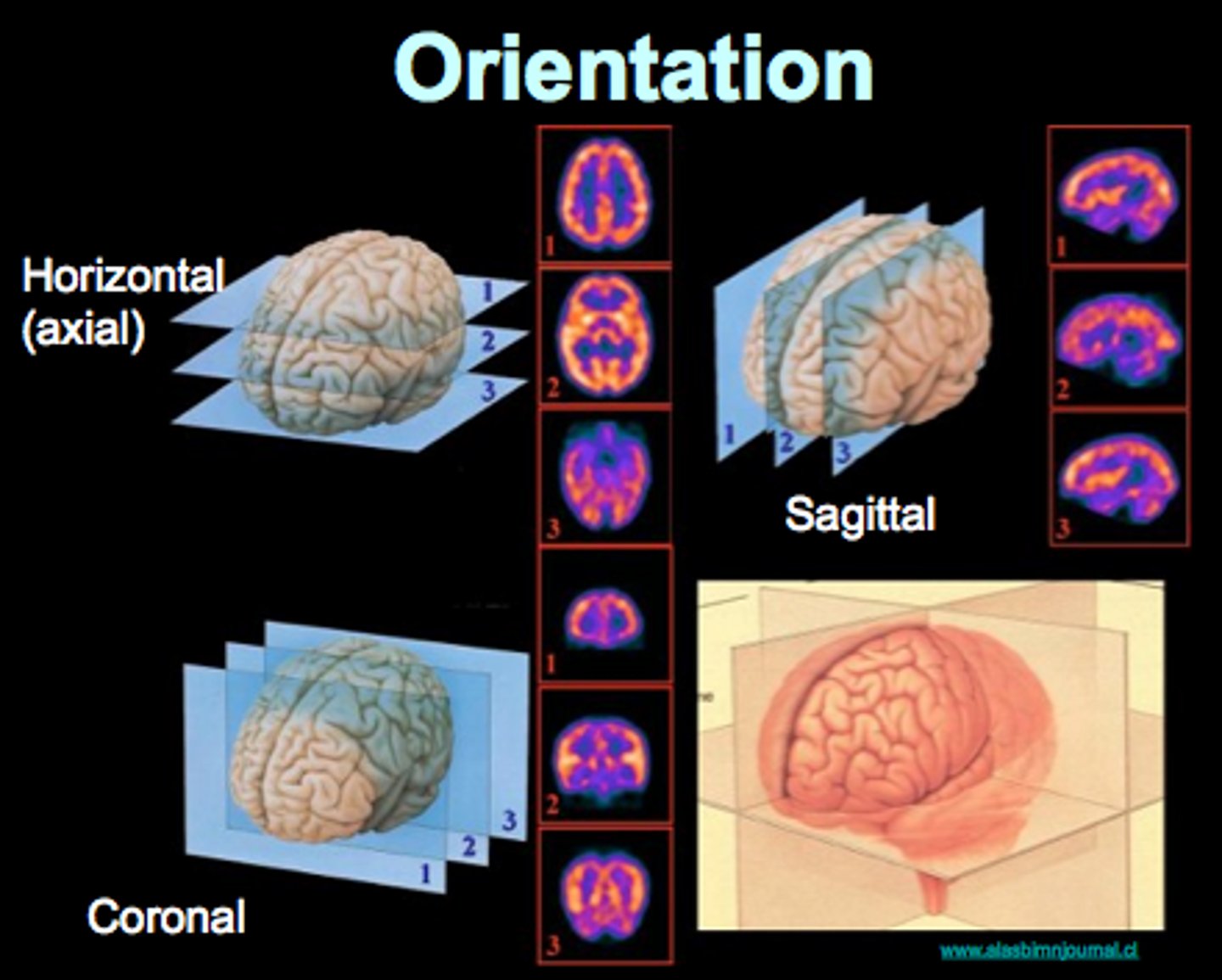
Sagital Plane
- An imaginary plane which passes through anterior and posterior dividing body into right and left halves
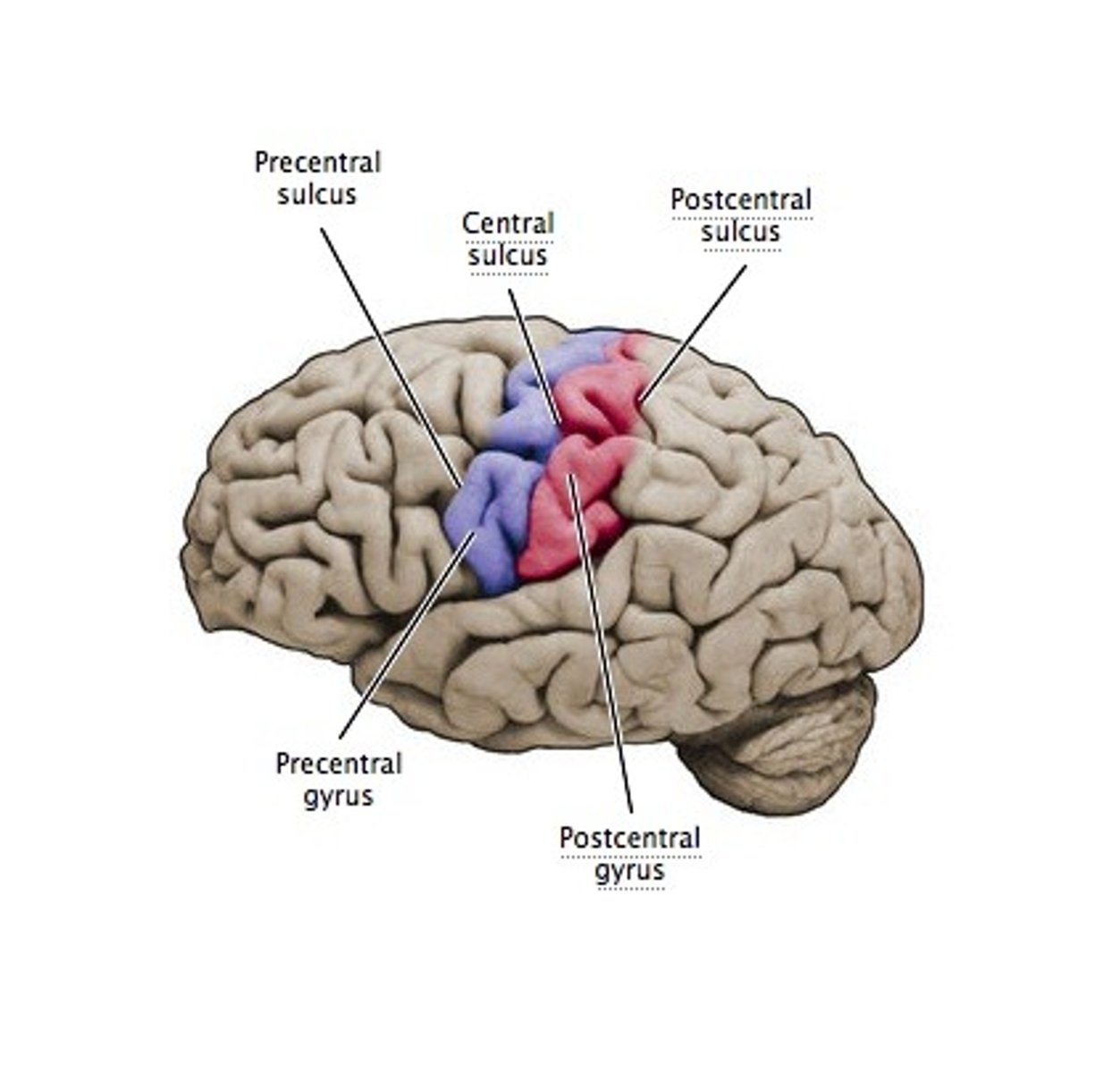
Pre-Central Gyrus
- Frontal Lobe
- Primary Motor Cortex
- Topographical Organization (map) of Muscles
Controls voluntary movement
- Crossing: One hemisphere controls the opposite side of the body
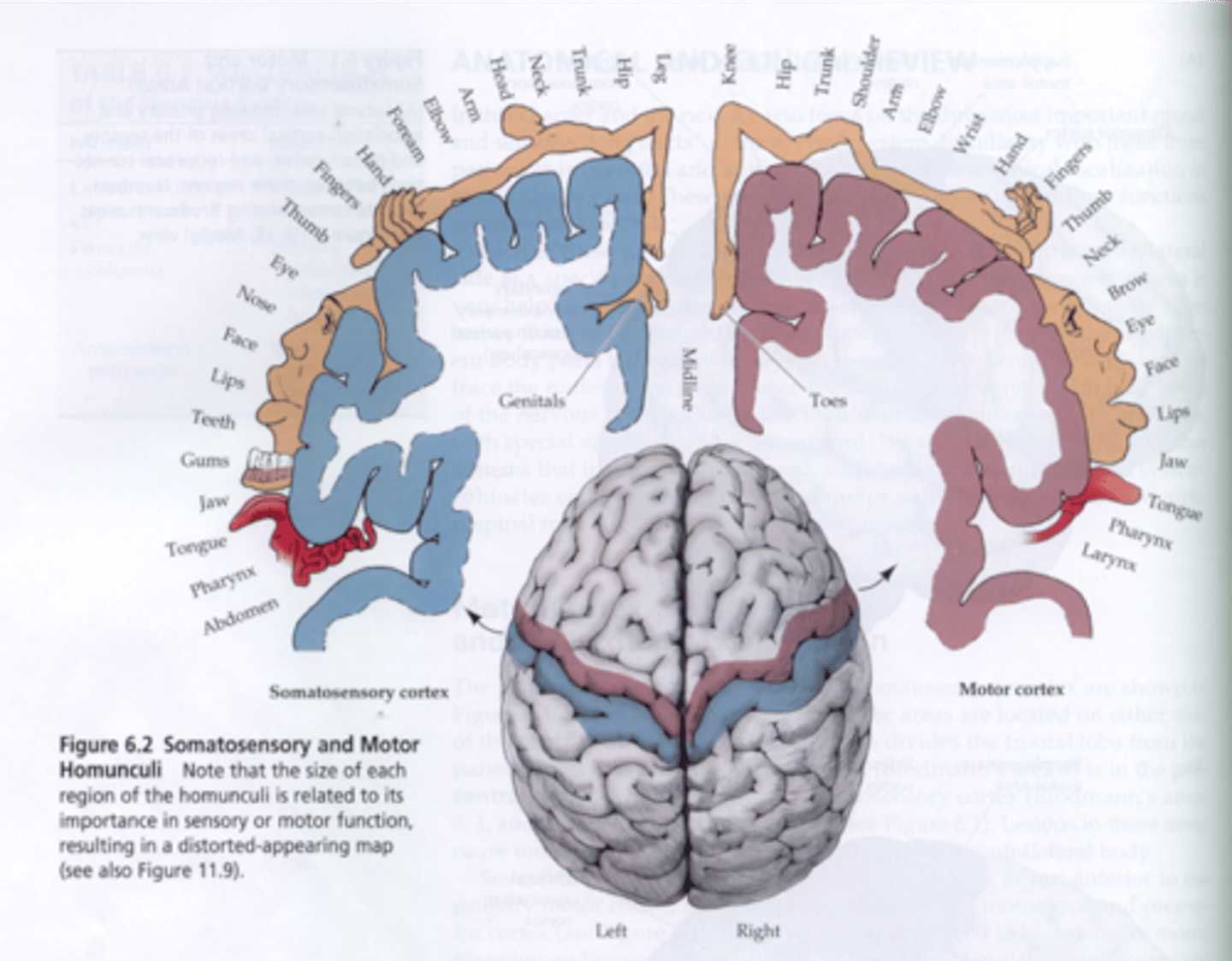
Topographical Organization (map) of Muscles
- Map of the brain
- Two Types:
Somatosensory Cortex
Motor Cortex
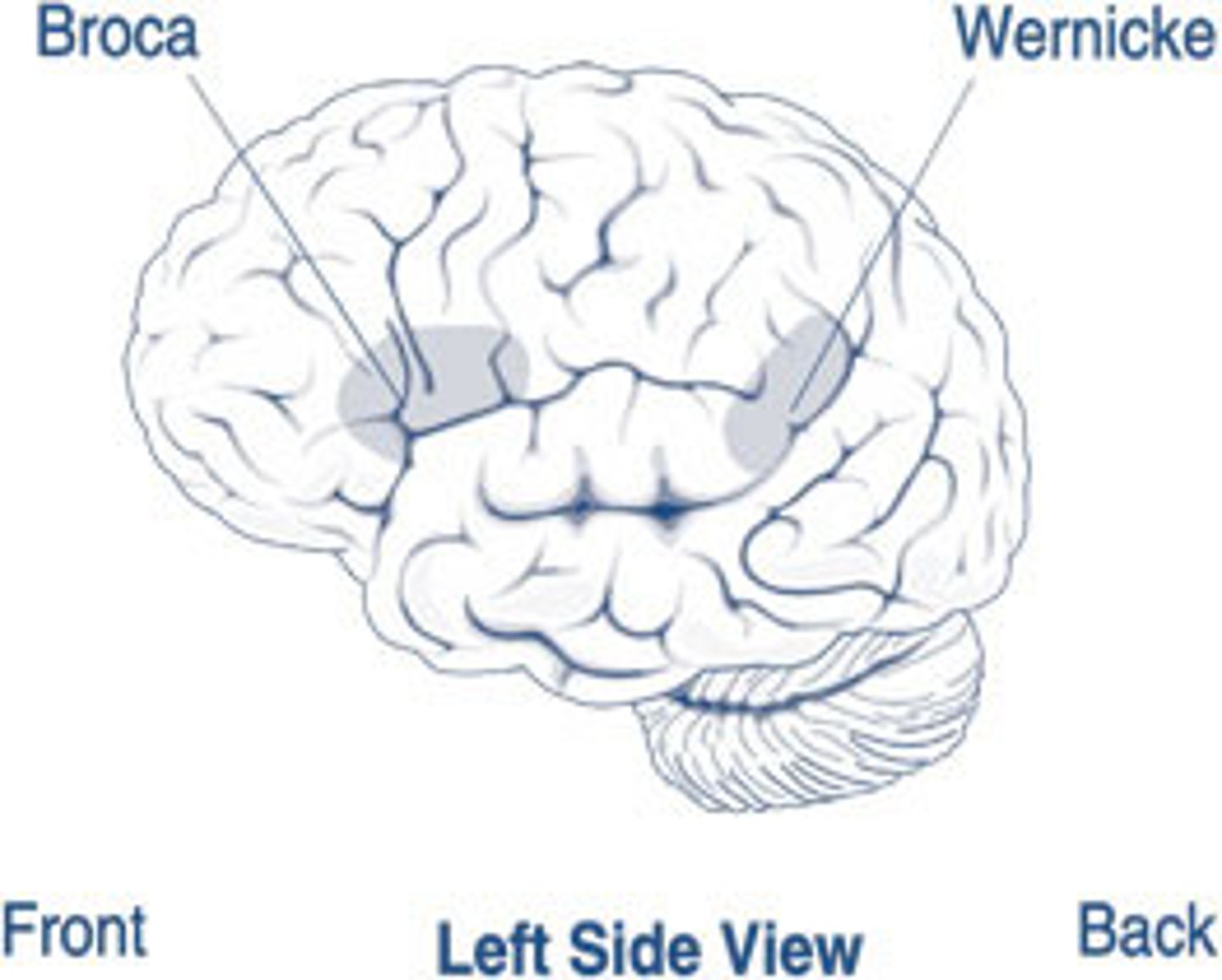
Broca's Area
- Frontal Lobe
- Pre-motor region
- Controls Speech (articulation)
- Grammatical Structure
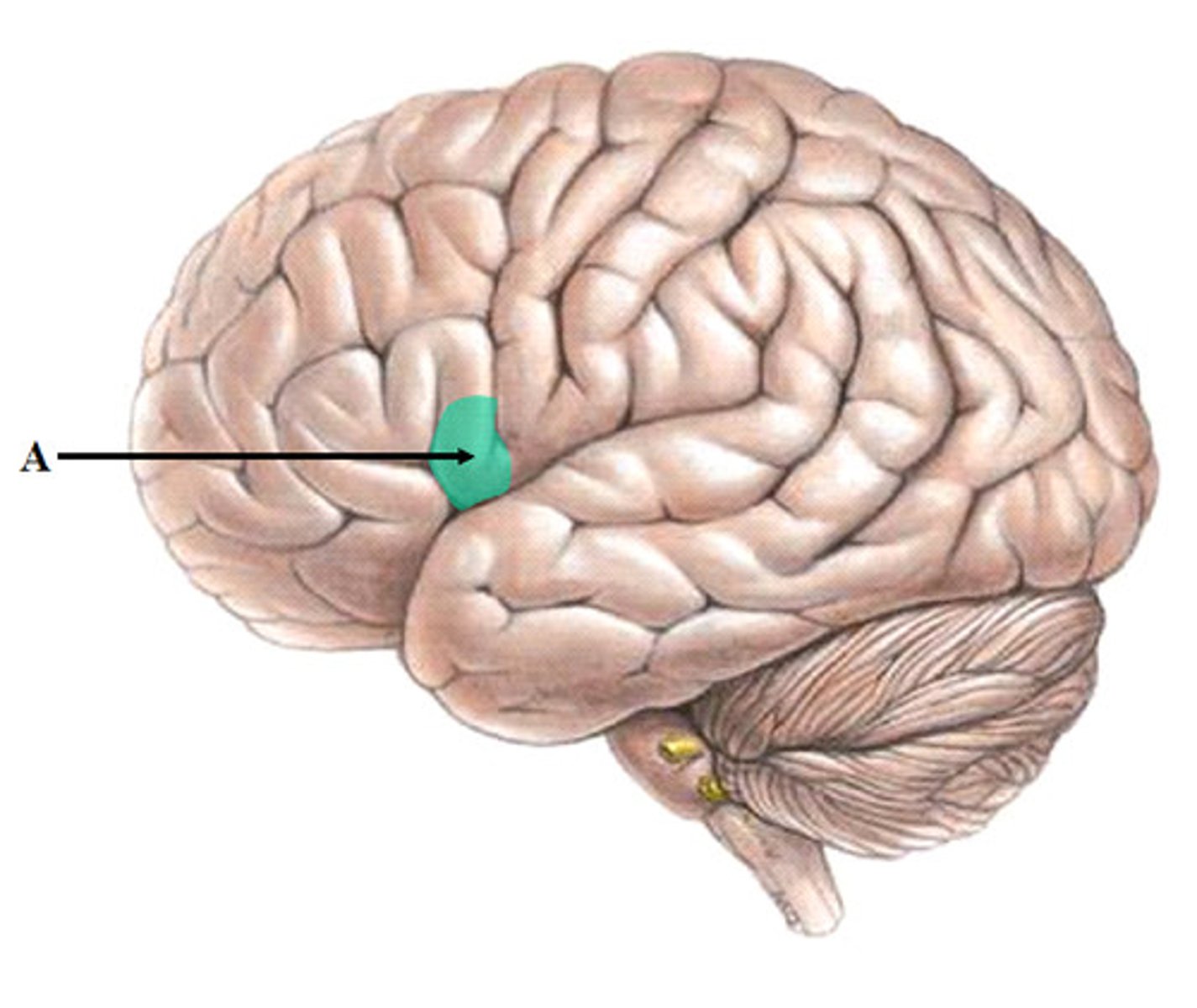
Broca's Area Aphasia
- Frontal Lobe
- When Broca's Area is lesioned you can think of the words but not produce the words
- Impaired word production
- Relatively unimpaired word comprehension
- Lateralized to the left hemisphere
- Lesioned only on the left side
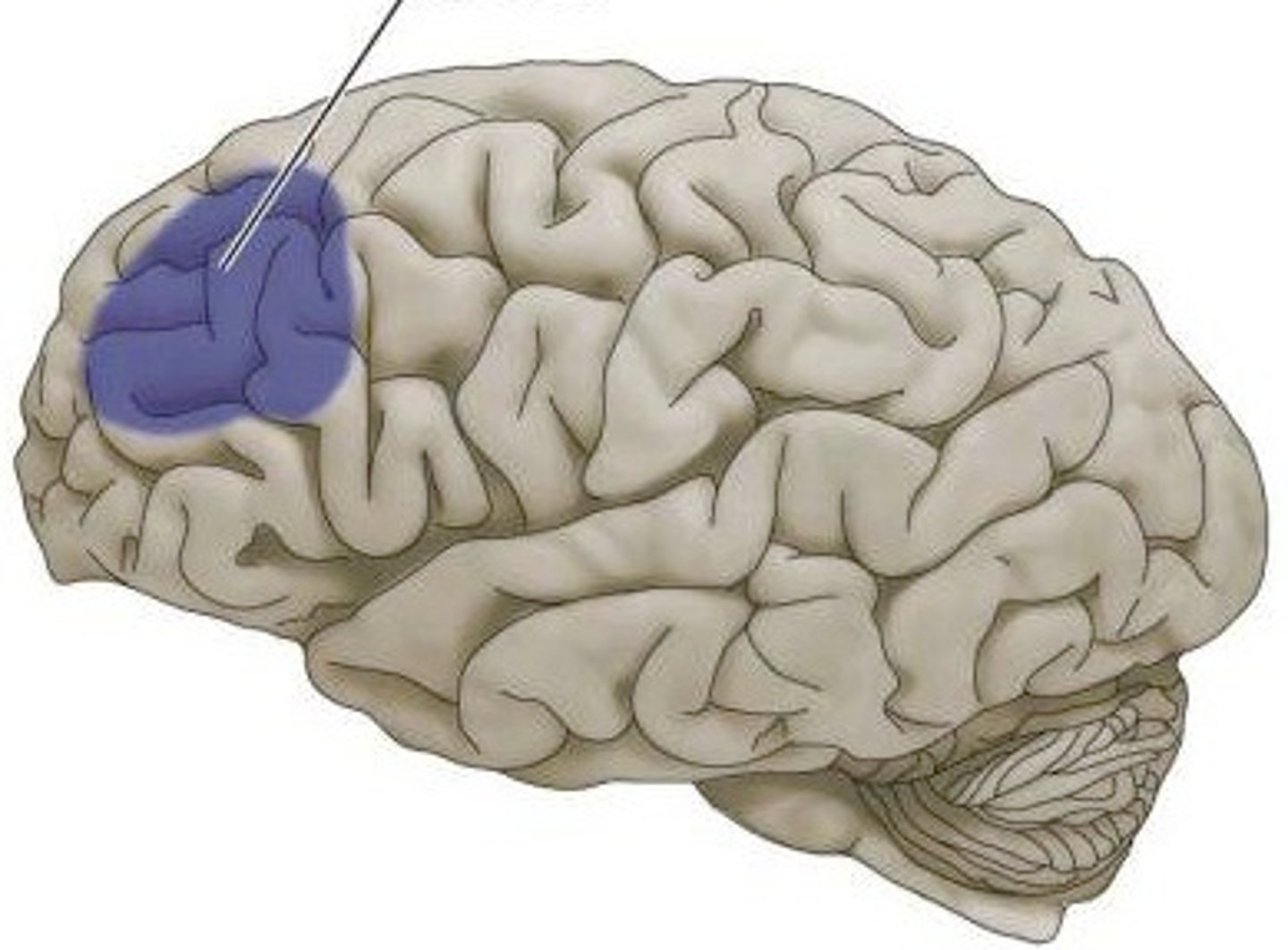
Prefrontal Cortex
- Frontal Lobe
- Central executive of the hemispheres
- Responsible for higher level behavioral functions:
Planning
Decision Making
Impulse Control
Post Central Gyrus
- In Parietal Lobe
- Primary Somatosensory Cortex
- Body Sensory:
Warmth, Touch, and Pain
Processes skin senses and body position
- One hemisphere serves the side of the body
- Topographical Organization
Association Cortex
- In Parietal Lobe
- Further sensory information processing
- Integrates information form other senses
- Location of objects in space
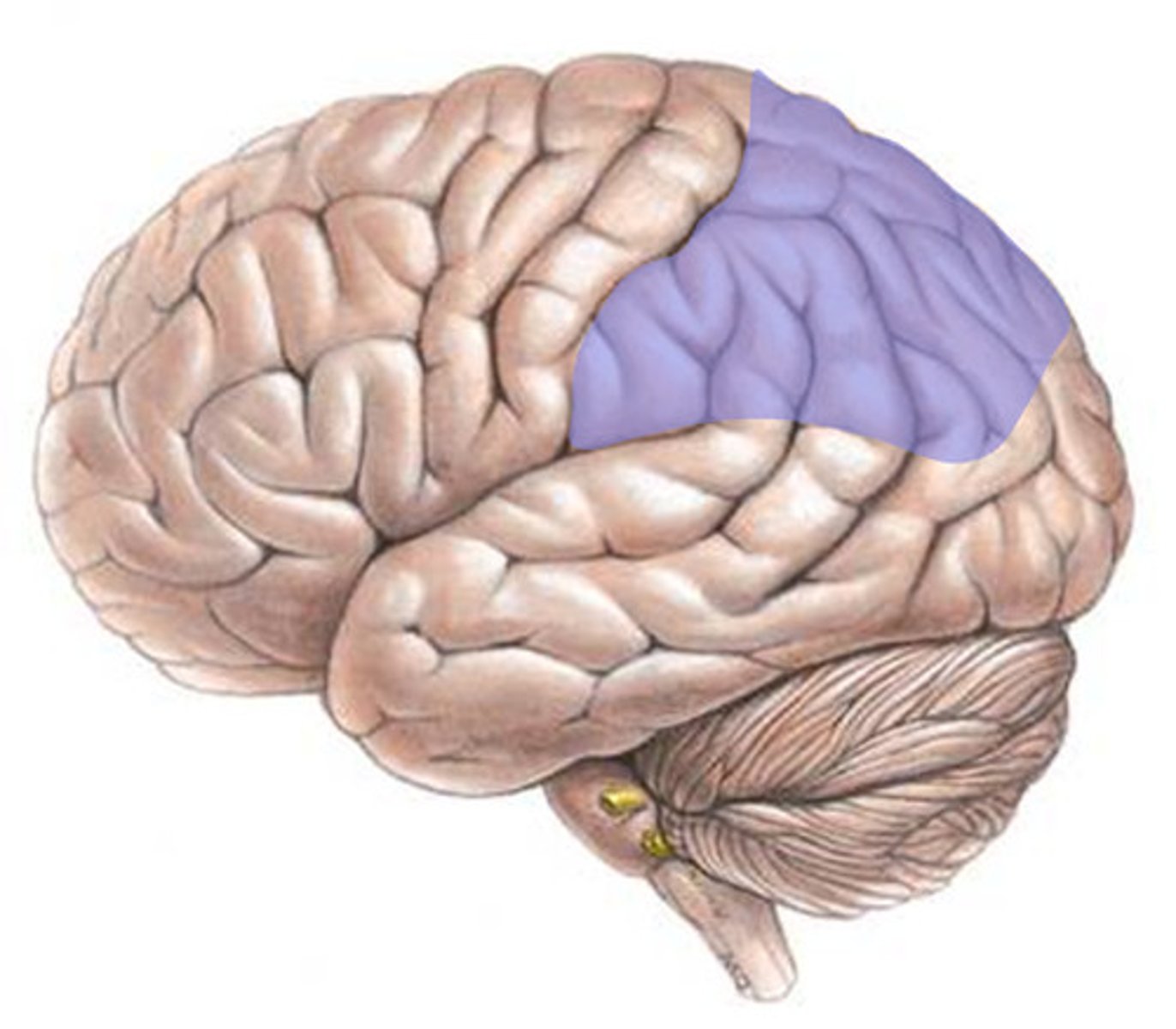
Unilateral Neglect
- Ignoring objects on the side opposite to the damage
- EX. A man shaving will only shave left side if the right association cortex is damaged and he will believe he shaved his entire face
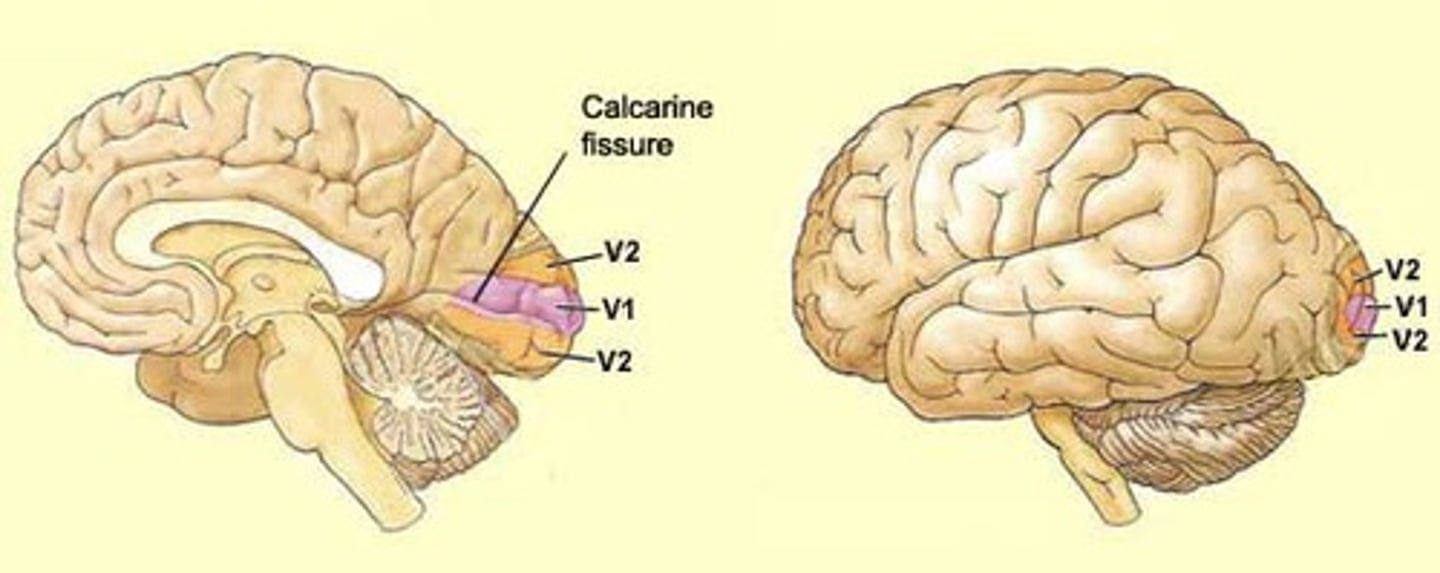
Primary Visual Cortex (V1)
- Occipital Lobe
- Proceses visual information
- Receives visual input from the retina
- Process simple features (ex. Orientation)
- Topographical Organization of Visual Space
- A map of what is seen on the retina
- Slightly Distorted
Auditory Cortex
- Temporal Lobe
- Receives auditory (hearing) information from the ears
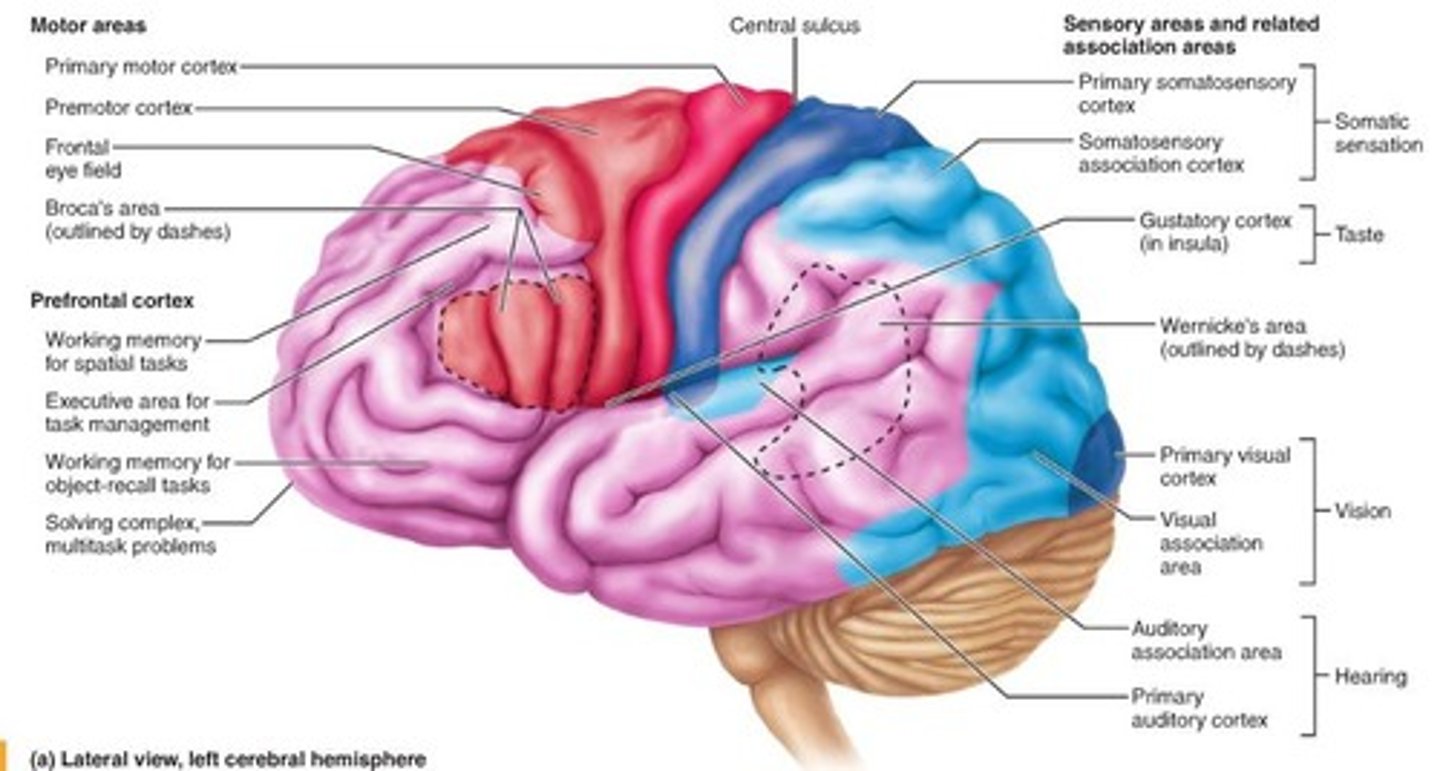
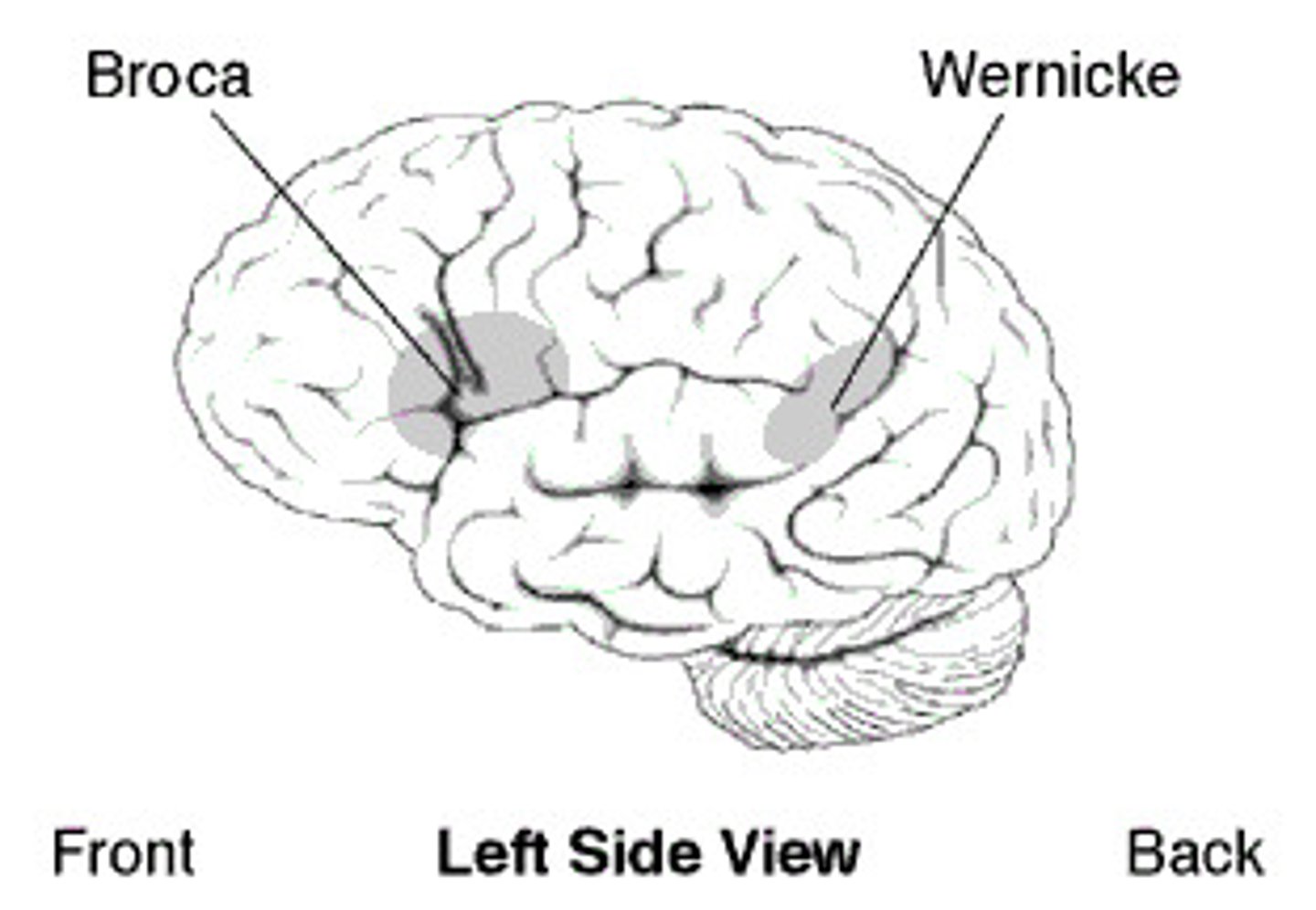
Wernicke's Area
- Temporal Lobe
- Language Comprehension
- Lateralized to the left hemisphere
- Production part of speech
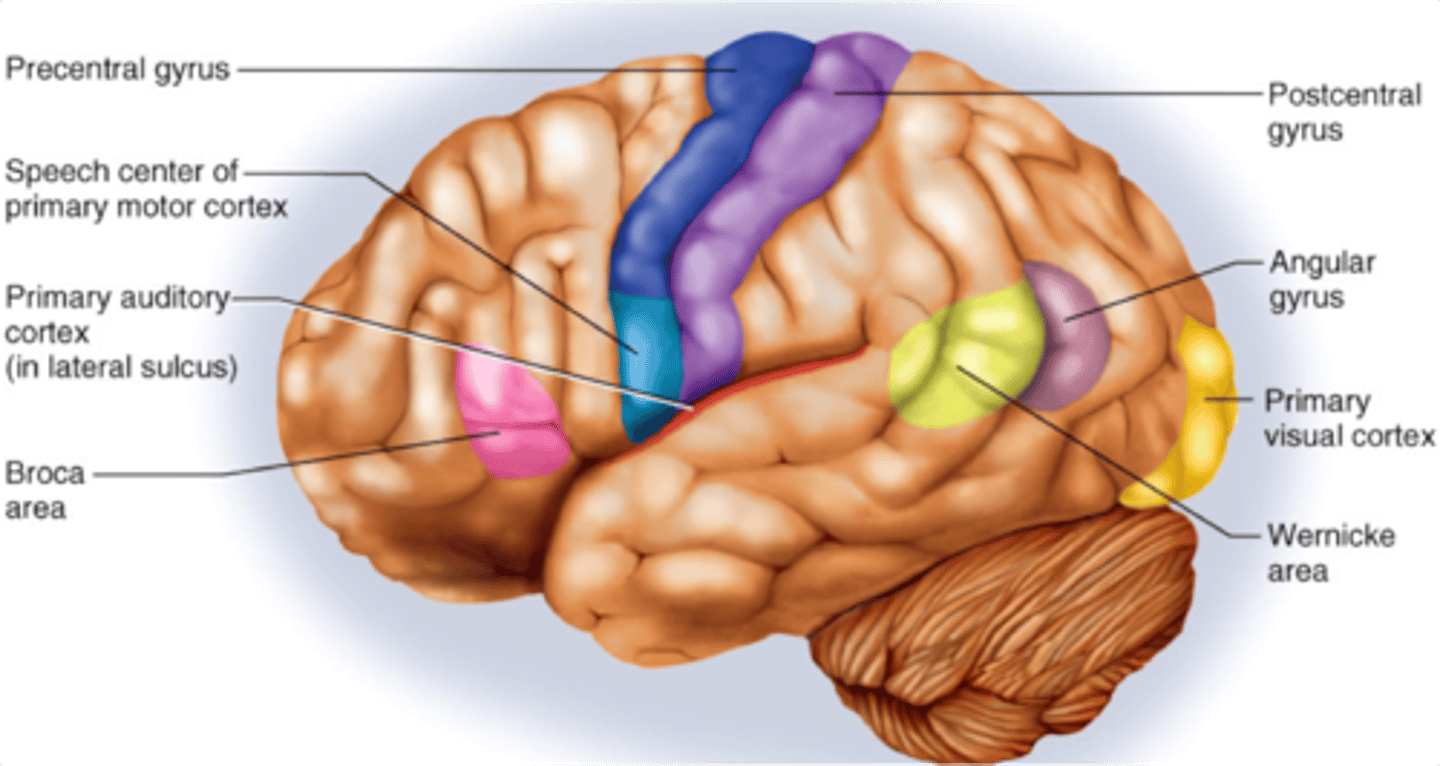
Wernicke's Aphasia
- Temporal Lobe
- When a lesion occurs in this area, they can produce words but not understand what the words are meaning
- Impaired word comprehension
- Unimpaired word production
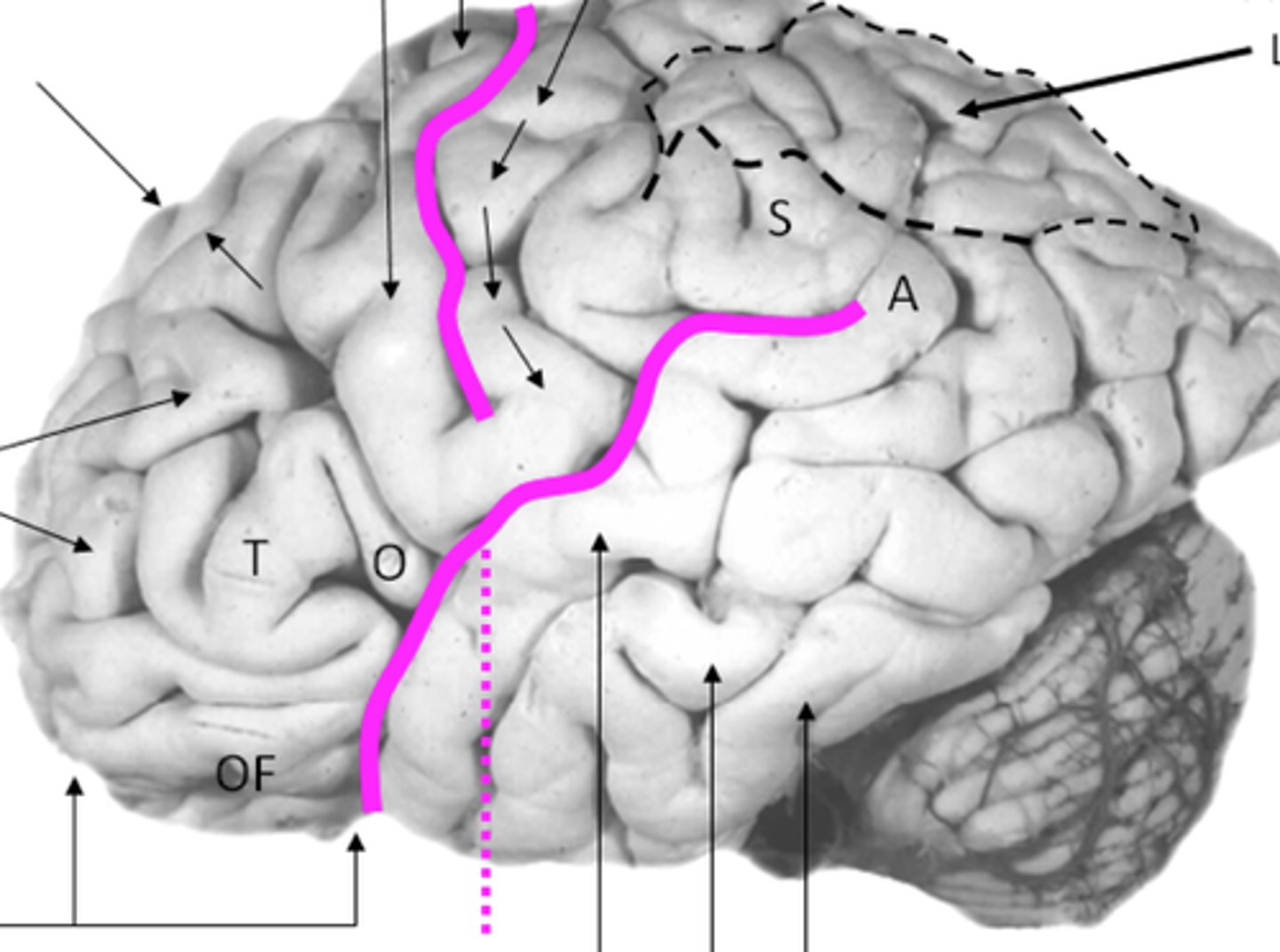
Inferior Temporal Cortex
- Temporal Lobe
- Visual Identification of familiar objects
- EX. Becomes active when we are looking at faces
- A lesion here could cause a person to treat familiar people as unfamiliar people
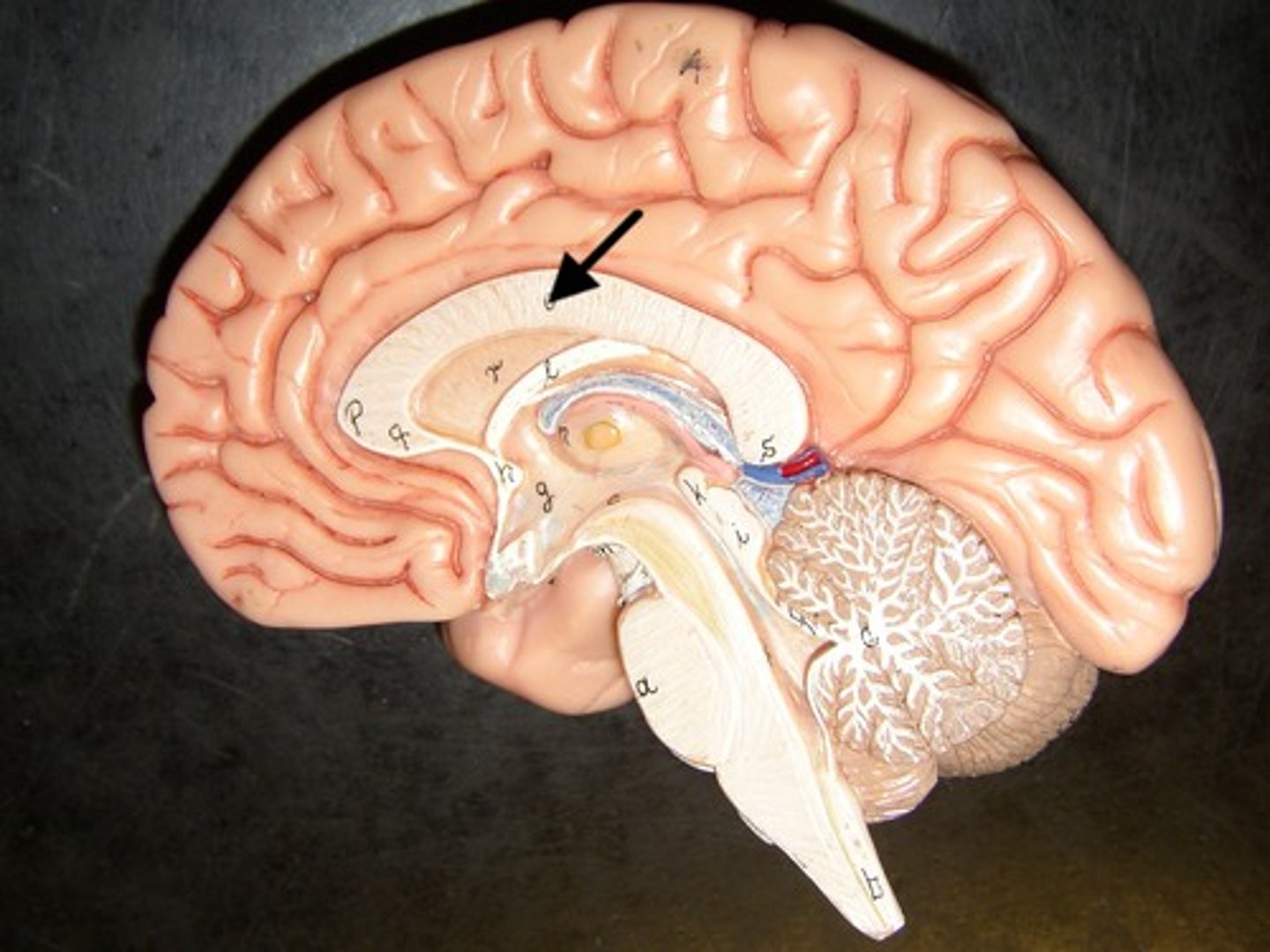
Corpus Callosum
- Large band of myelinated axons
- Carries information between two hemispheres
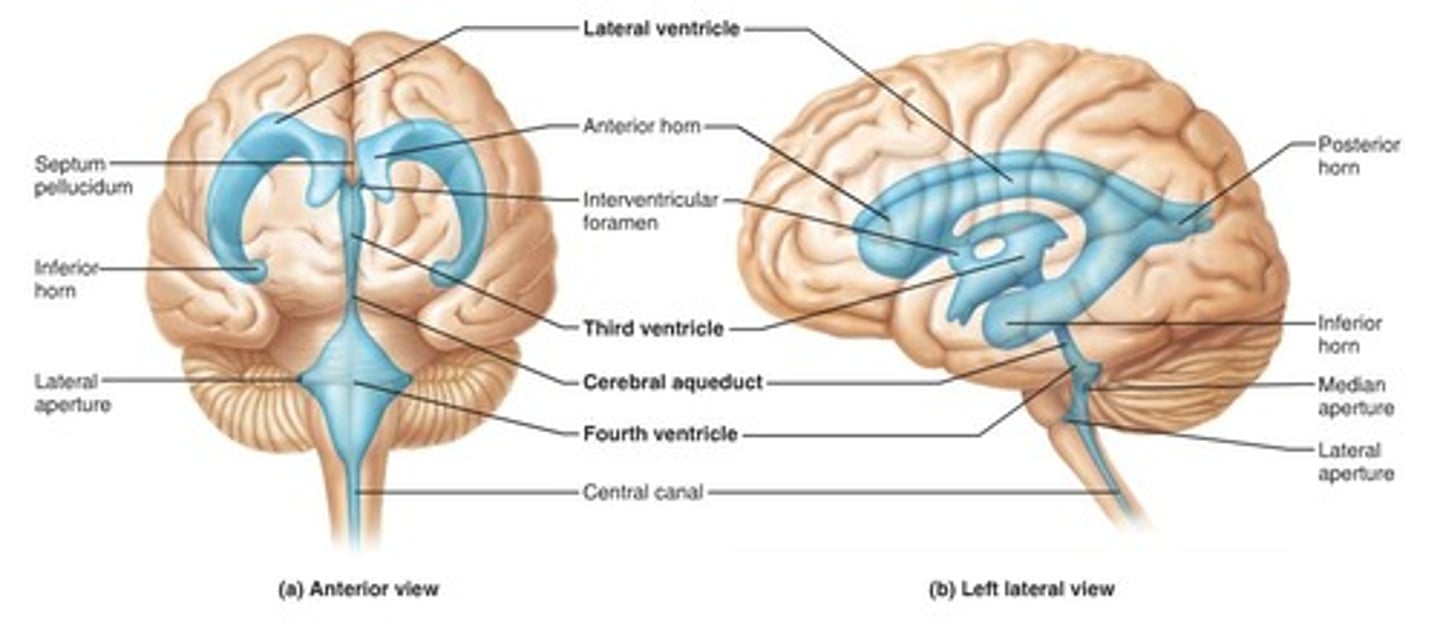
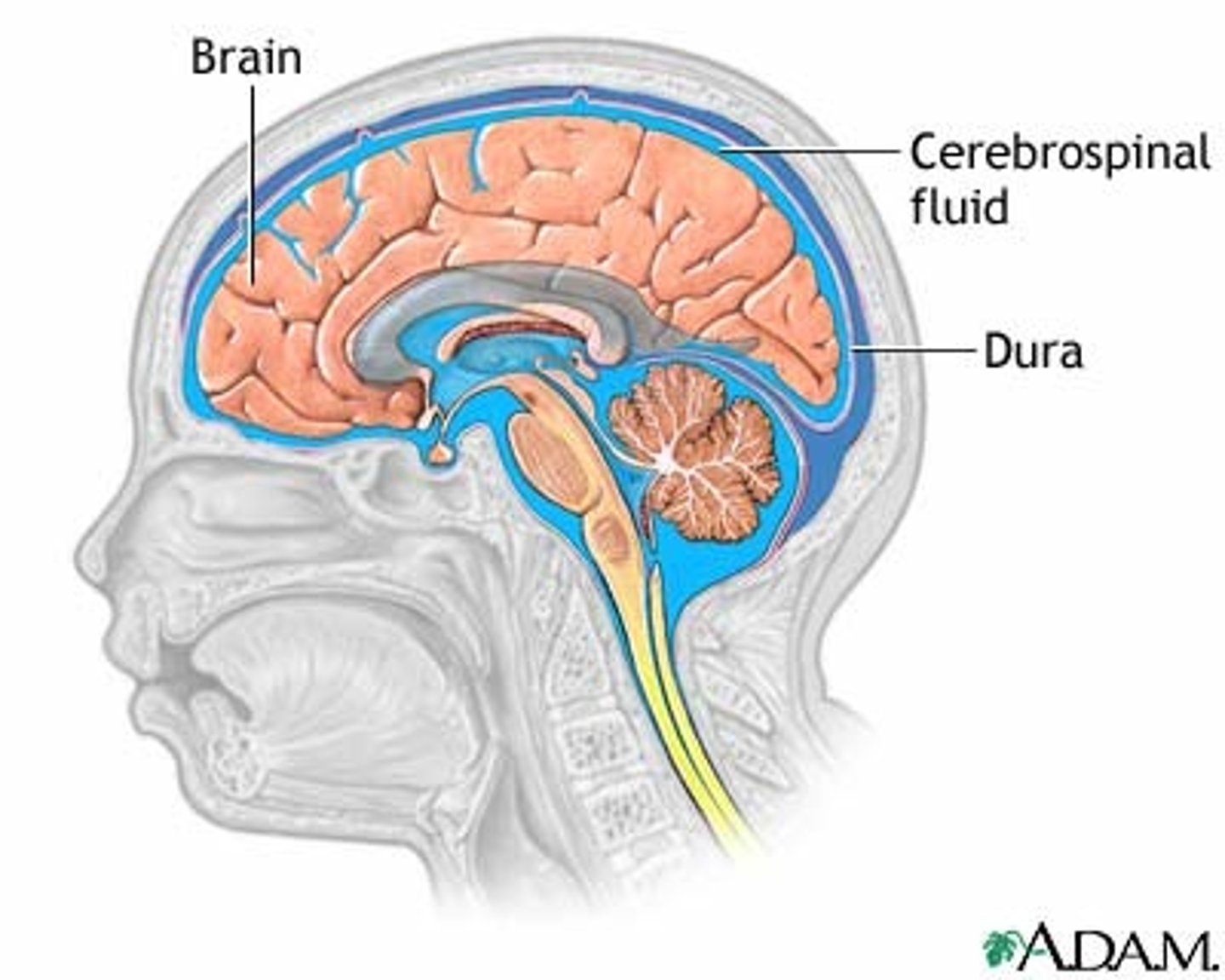
Ventricles
- Cavities in the brain
- Contain Cerebrospinal fluid
- Carries nutrients from blood vessels to CNS
- Transports waste away
Cerebrospinal Fluid
- Carries nutrients from blood vessels to CNS
- Transports waste away
Thalamus
- Acts as sensory relay station
- Relays incoming sensory information to the cortex
- Different parts of thalamus are for different senses
- Chemical Senses Excluded
Smell
Taste
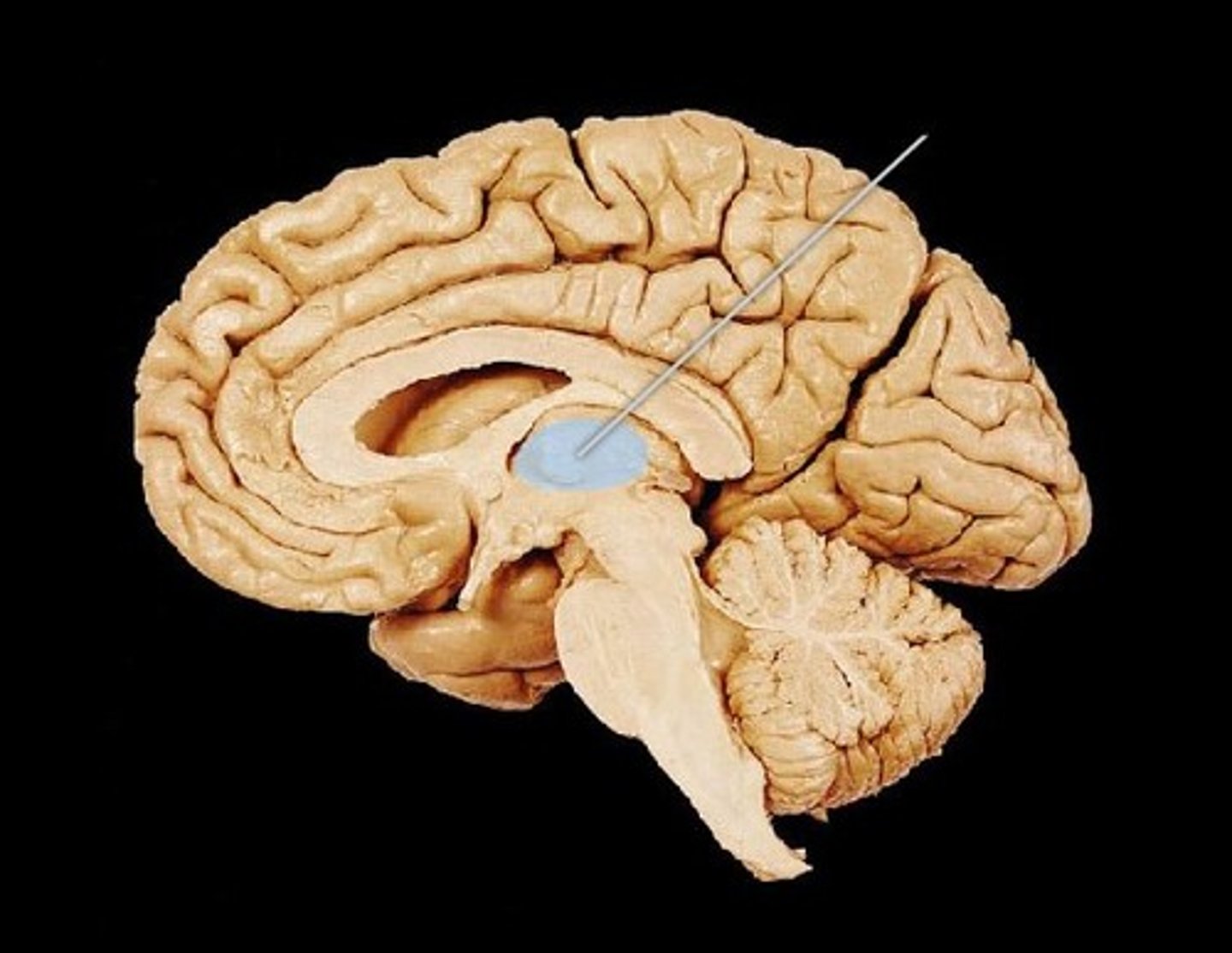
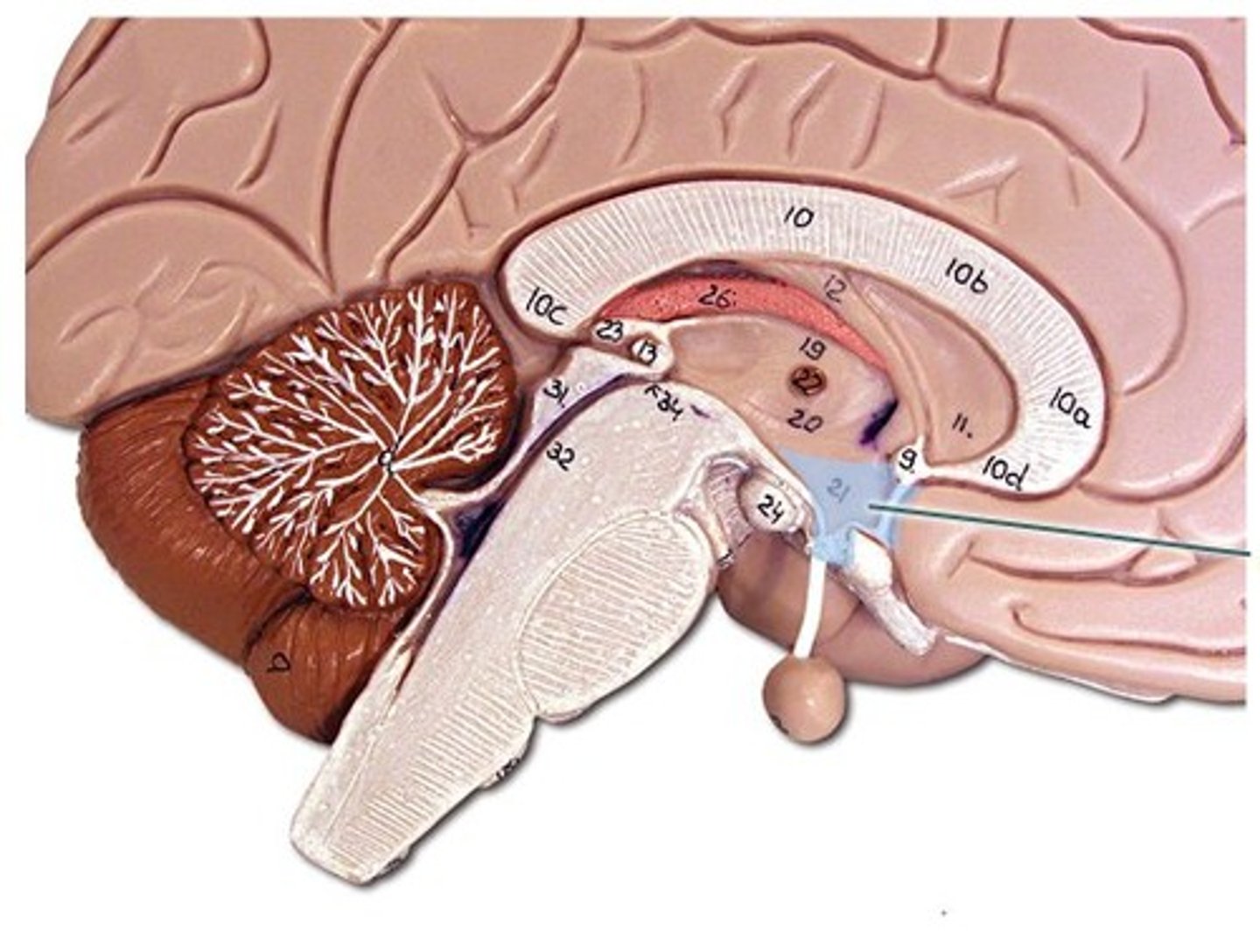
Hypothalamus
- Coordinates emotional and motivational functions
- EX. Sex, eating, emotion, and aggression
- Also controls the pituitary gland which controls the rest of the endocrine gland system (hormones)
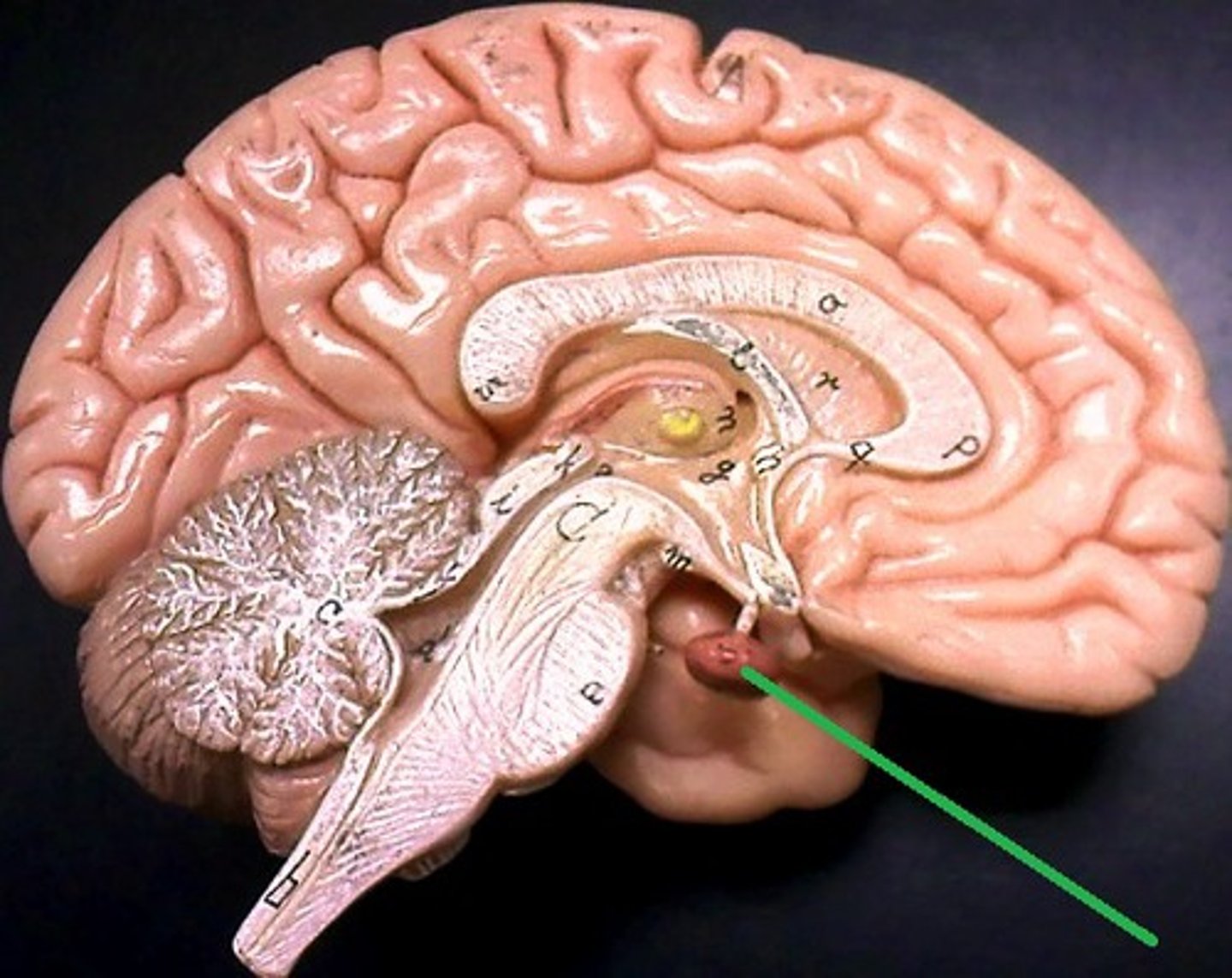
Pituitary Gland
- Hypothalamus controls the pituitary gland which controls the rest of the endocrine gland system (hormones)
- Chemicals (hormones) are dumped into the blood stream and target other glands to produce more hormones
- Master gland of the body: It controls all the other glands
Midbrain
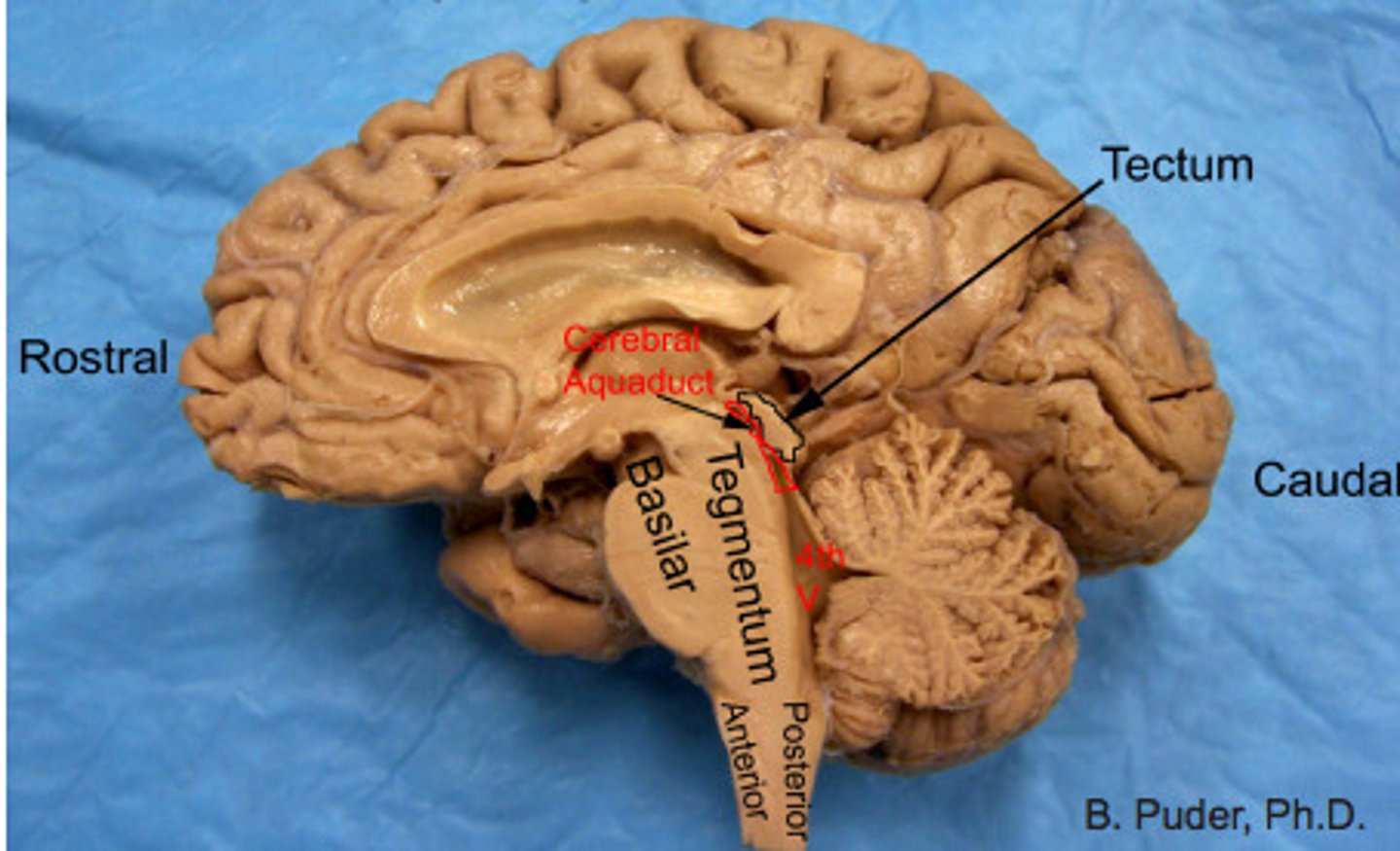
- Tectum
- Superior Colliculus
- Inferior Colliculus
- Tegmentum
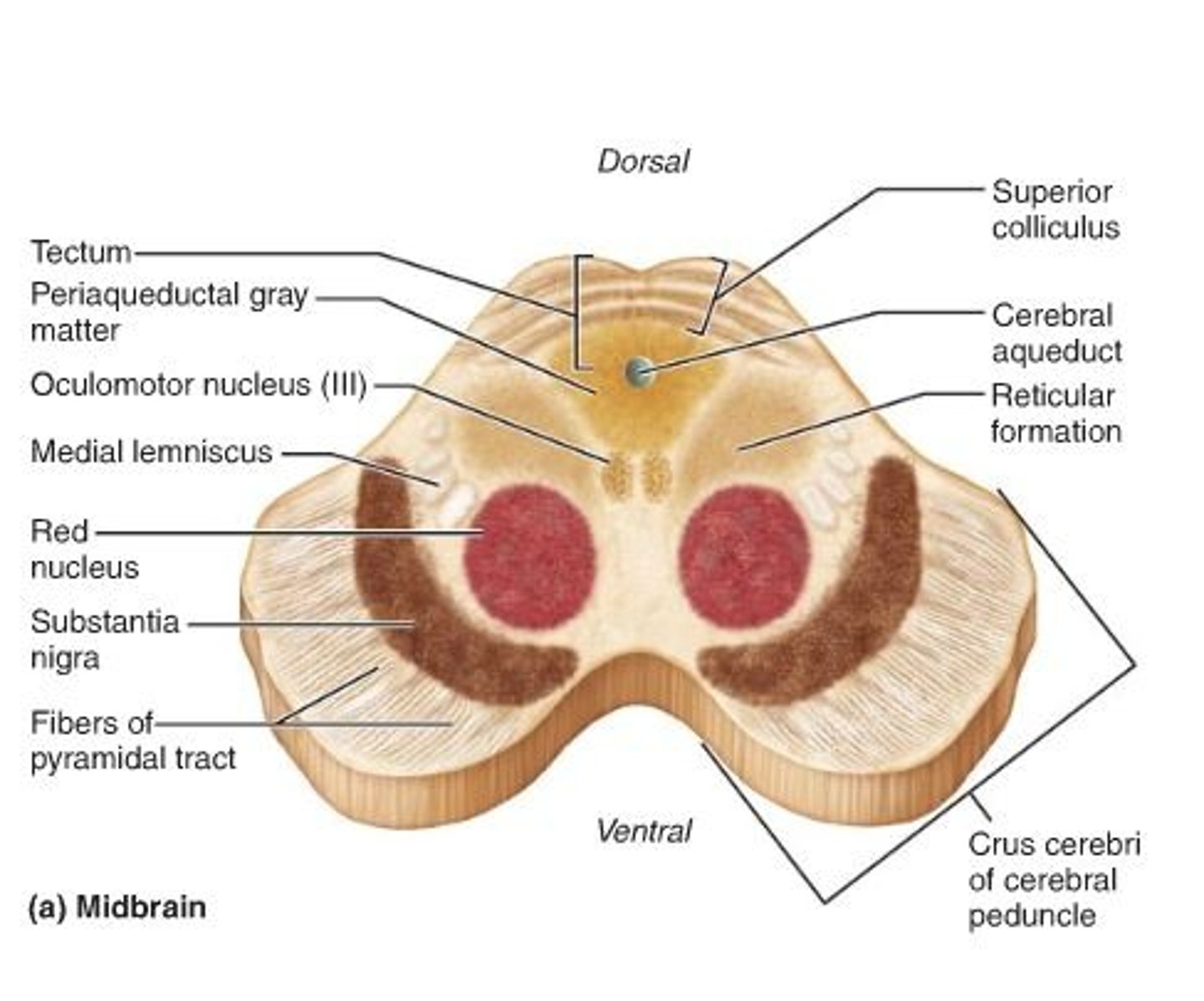
- Substantia Nigra
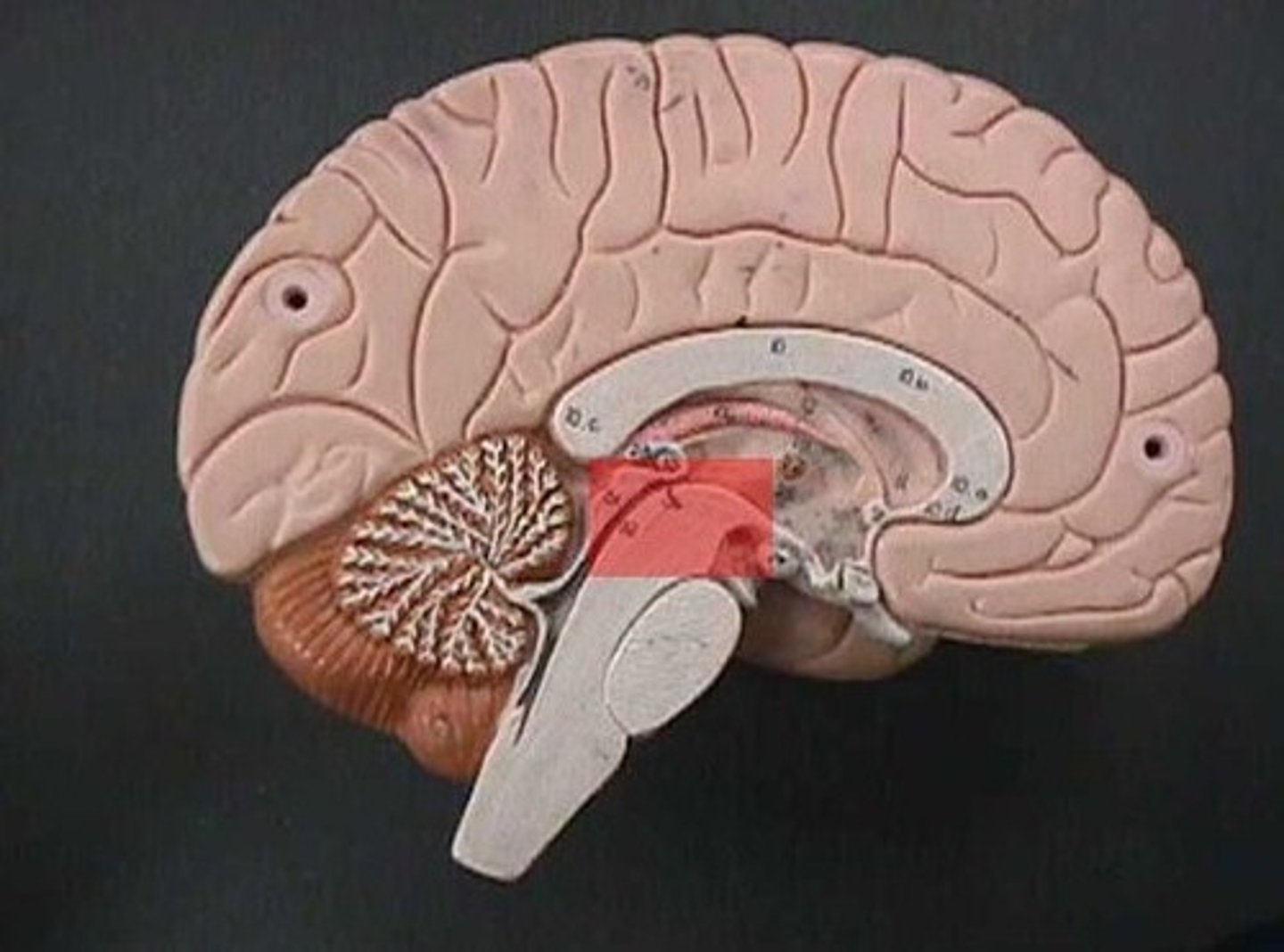
Tectum
- Dorsal Side of Midbrain
Contains:
- Superior Colliculus
- Inferior Colliculus
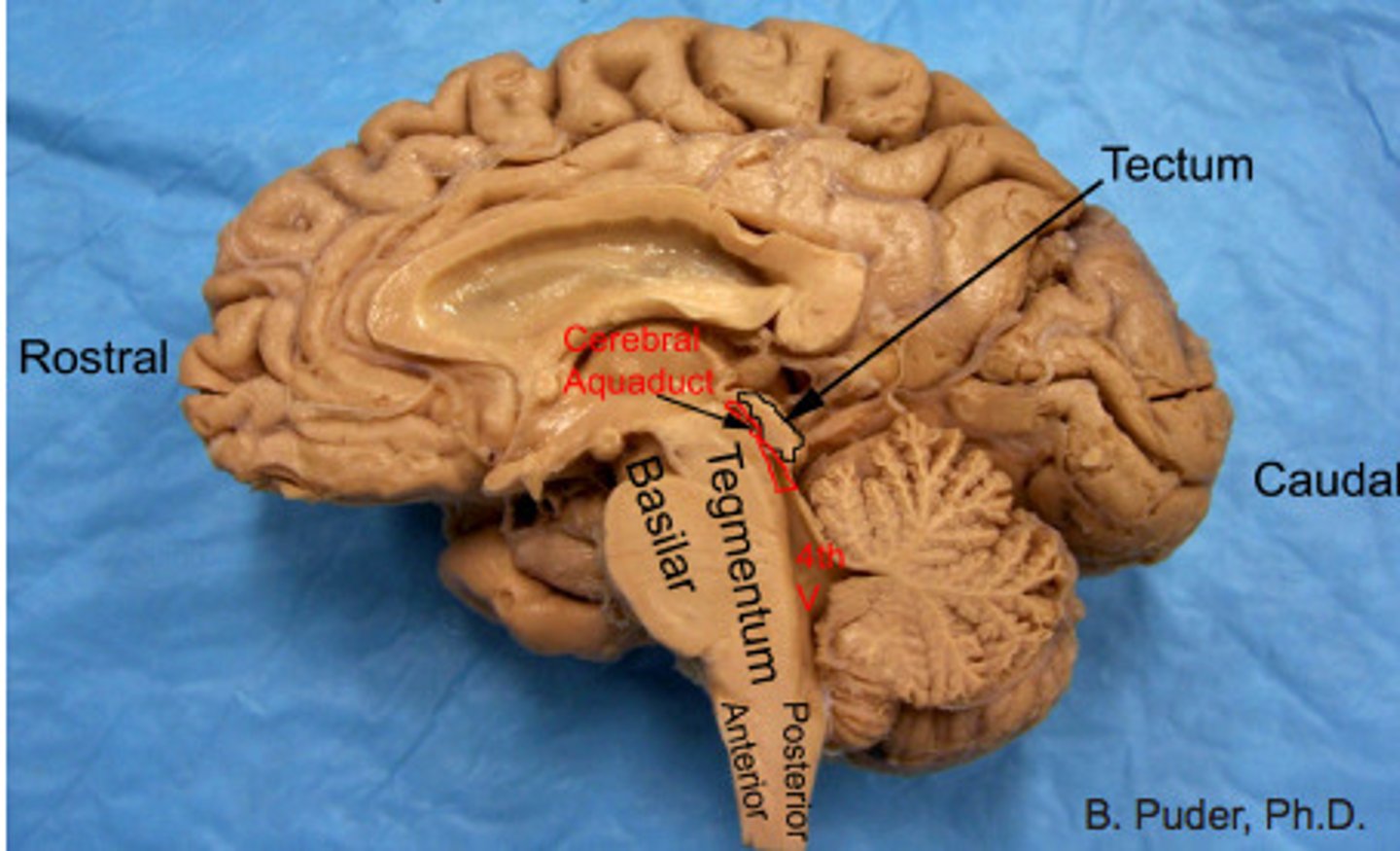
Superior Colliculus
- Deals with Vision Area of Midbrain
- Eye movement
- Has nothing to do with what you see. Does not effect the act of seeing things
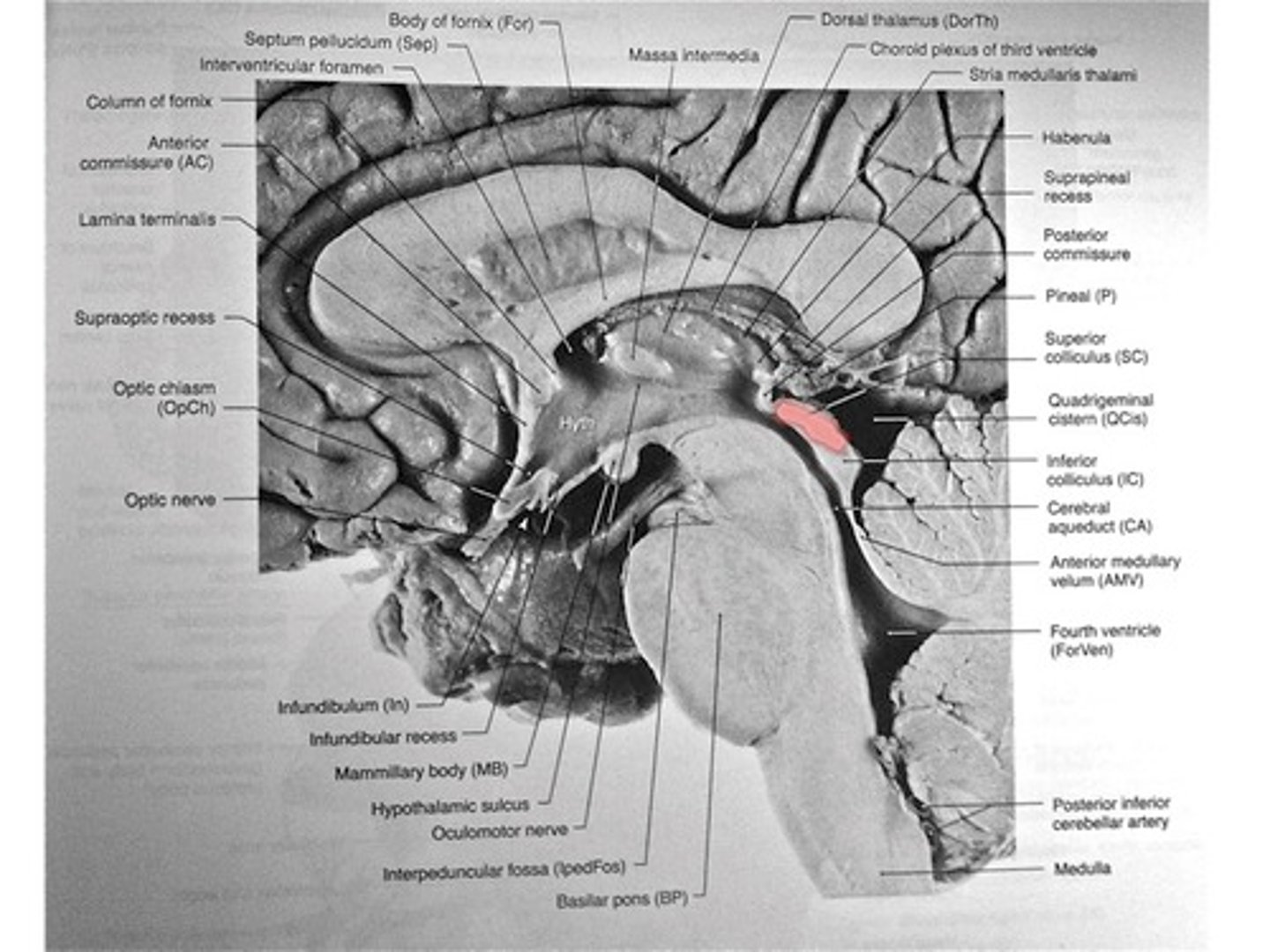
Inferior Colliculus
- Deals with Hearing Area of Midbrain
- Location of sounds
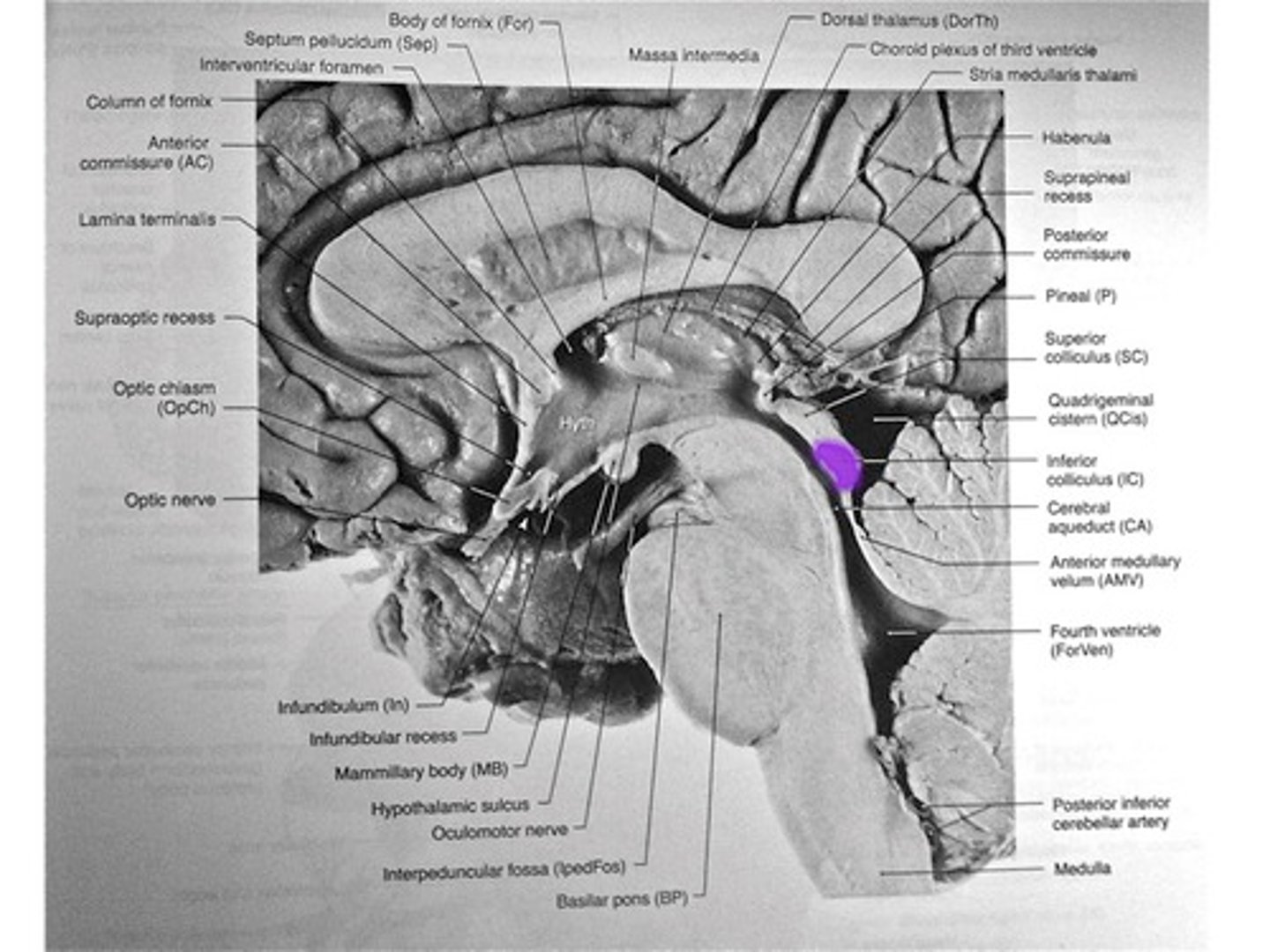
Tegmentum
- Ventral Side of Midbrain
- Control of Movement
Substantia Nigra
- Dopamine-Producing Neurons
- Region affected by Parkinson's Disease
Parkinson's Disease
- Dopamine-Producing Neurons die out and decay
- As a consequence there is an abnormally low level of Dopamine
- Symptoms deal with Motor Control (Shaking, Muscle Atrophy) and Cognitive problems
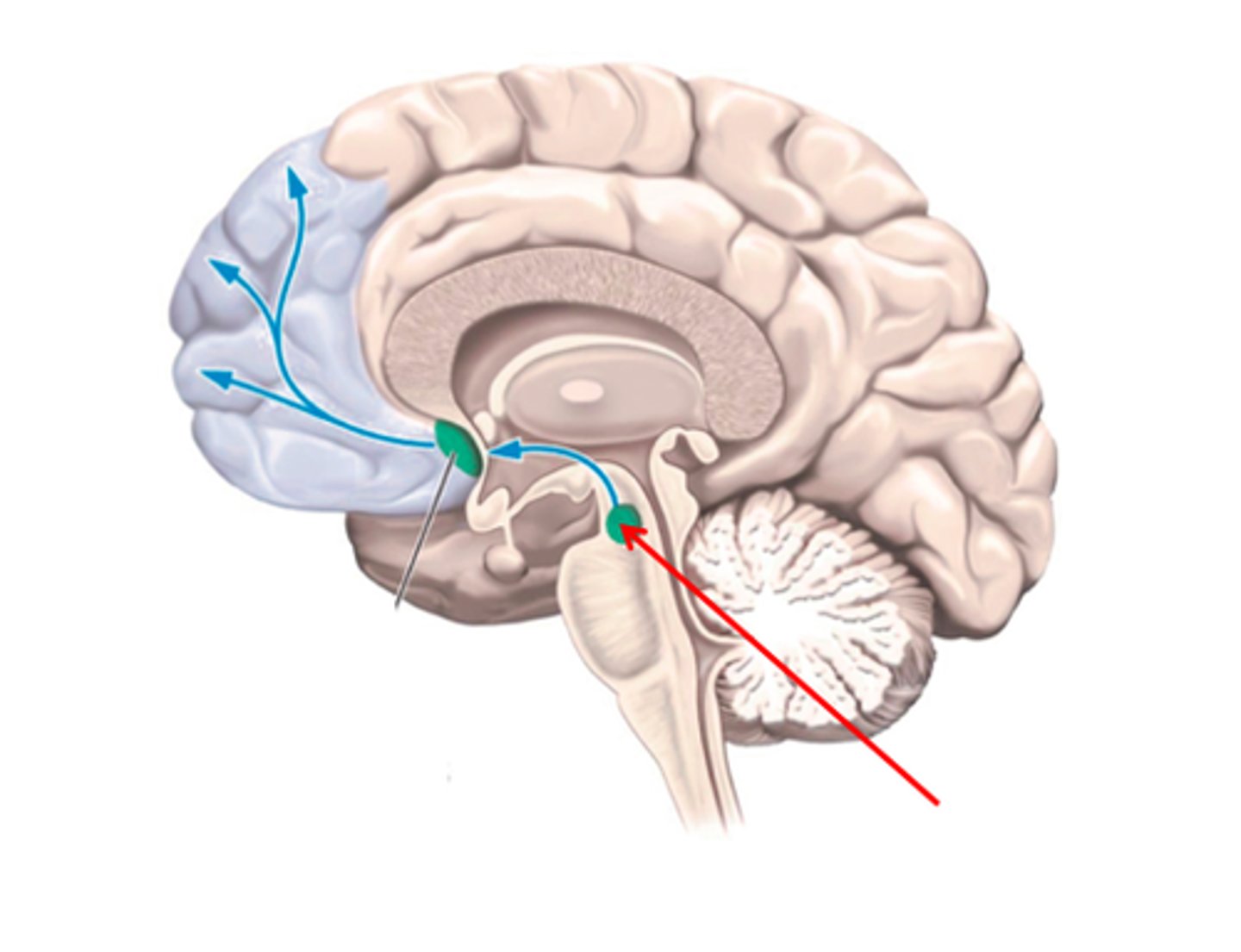
Ventral Tegmental Area
- Plays a role in the rewarding effects of food, sex, drugs
Hindbrain
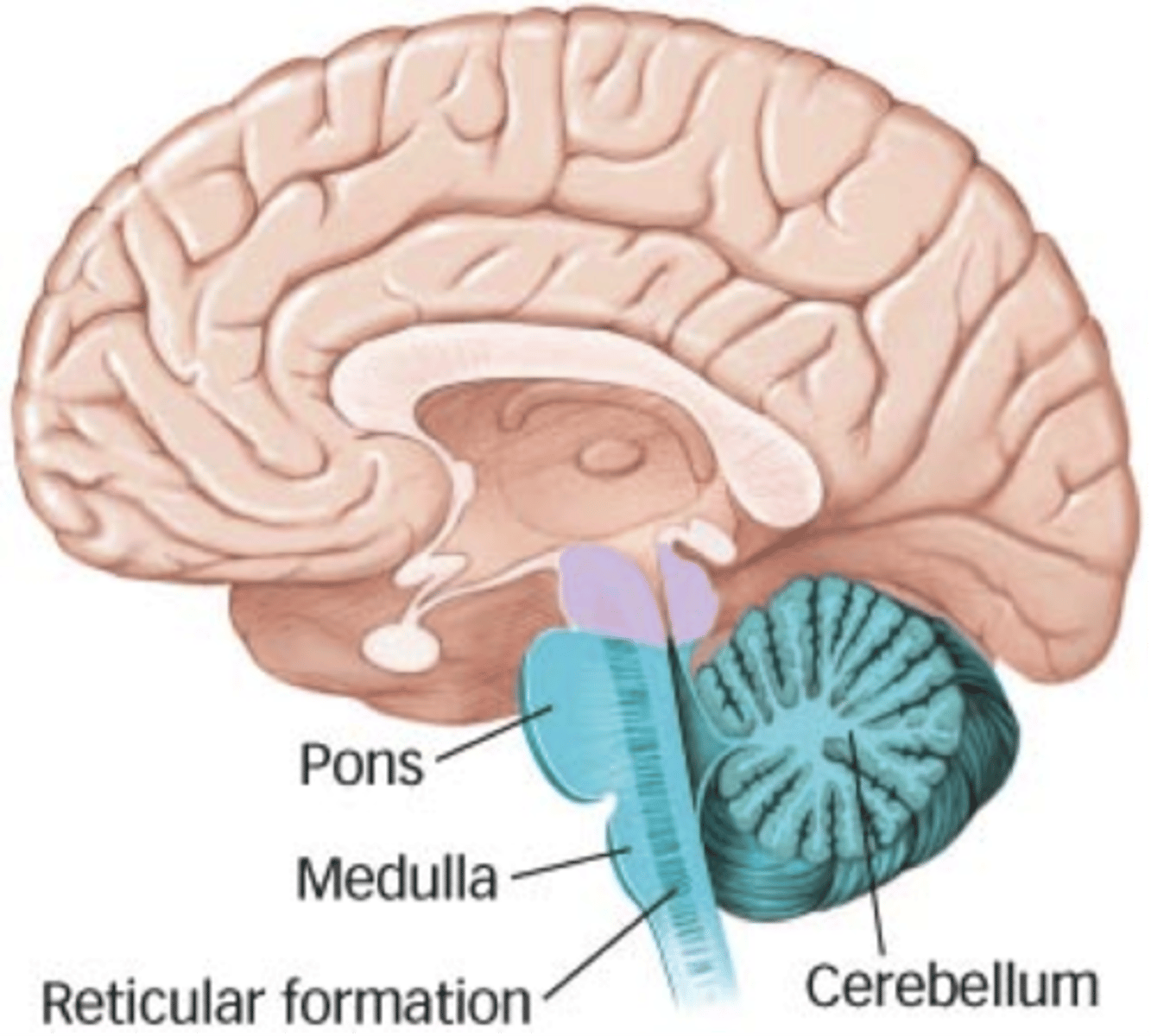
Contains:
- Pons
- Medulla
- Cerebellum
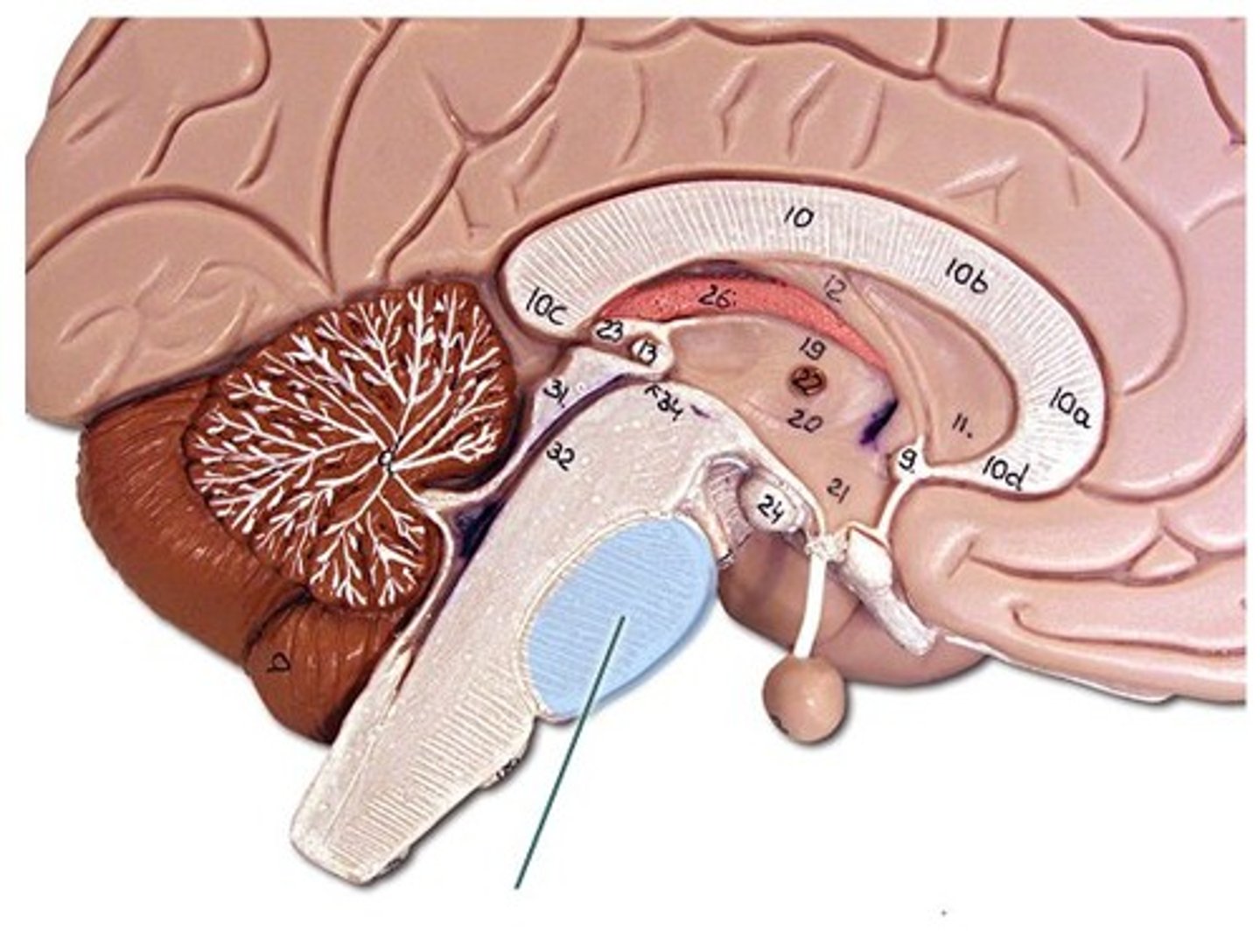
Pons
- "Bridge"
- Sensory Neurons pass through on the way to thalamus, motor neurons pass through between cortex and cerebellum
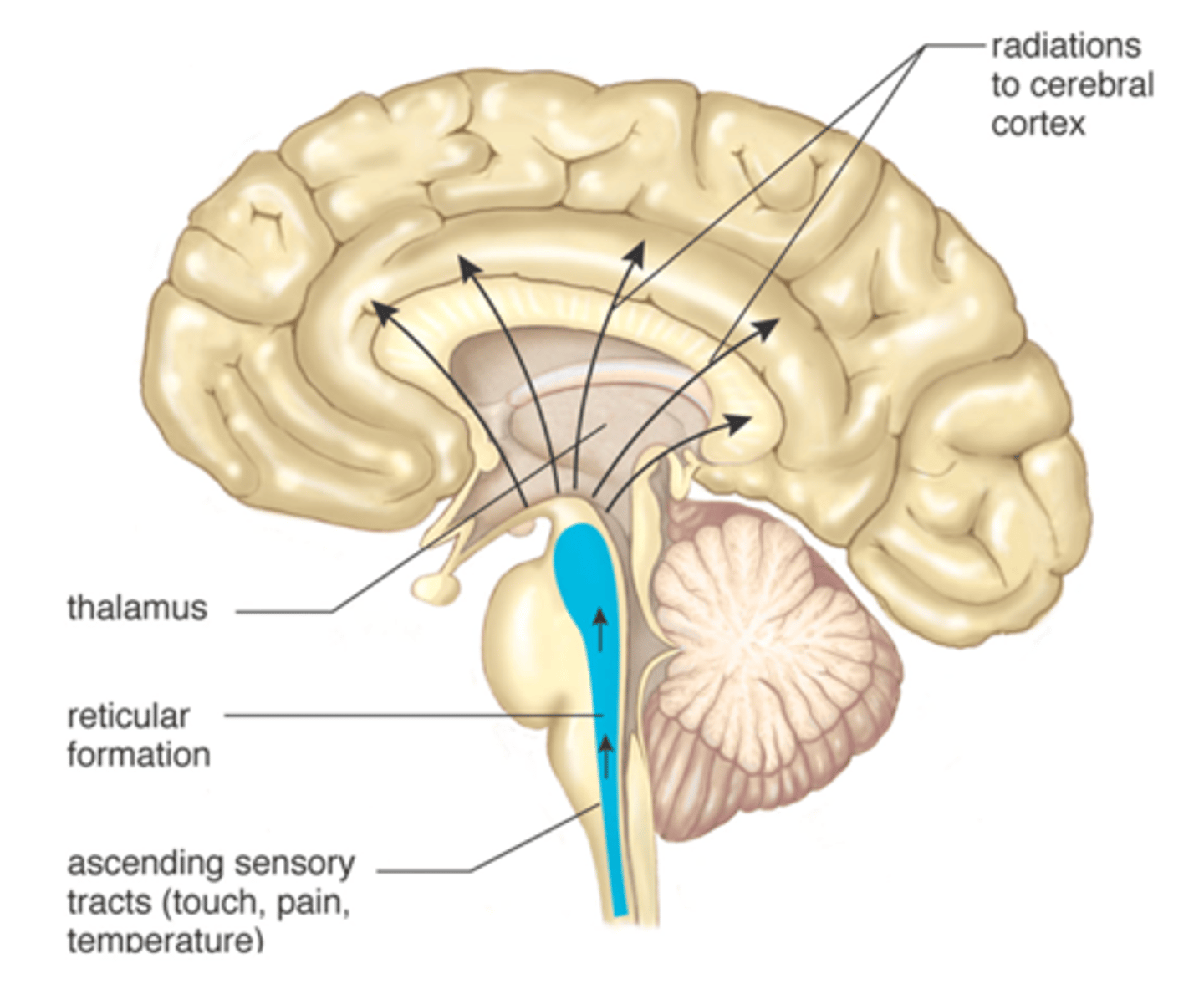
- Part of the Reticular Formation
Reticular Formation
- Involved in regulating sleep and arousal
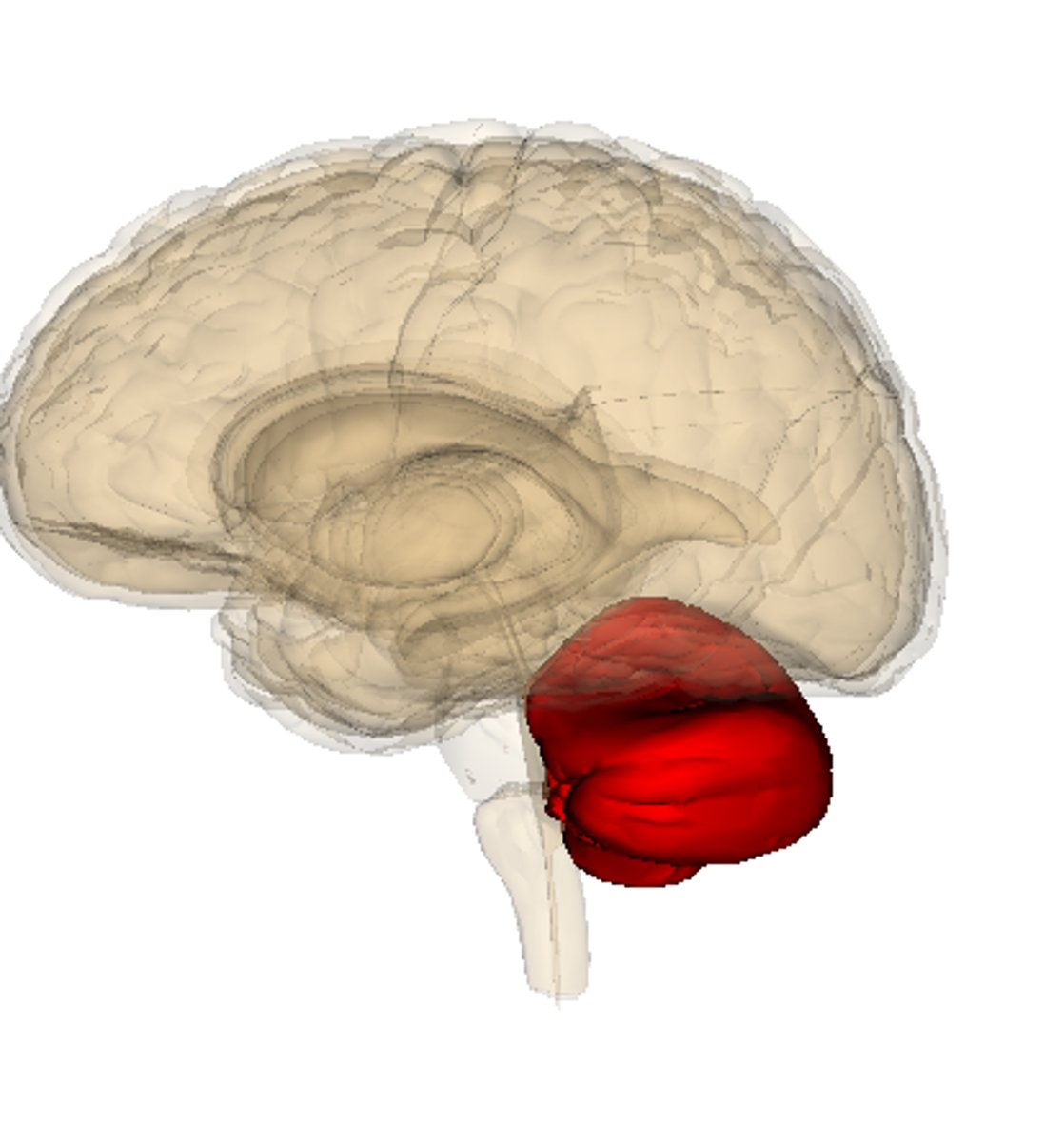
Cerebellum
- Motor coordination and balance, motor learning, cognitive functions (even language)
- A person who has damage to the Cerebellum has trouble making precise reaching movements and walks with difficulty because the automatic patterning of movement routines has been lost
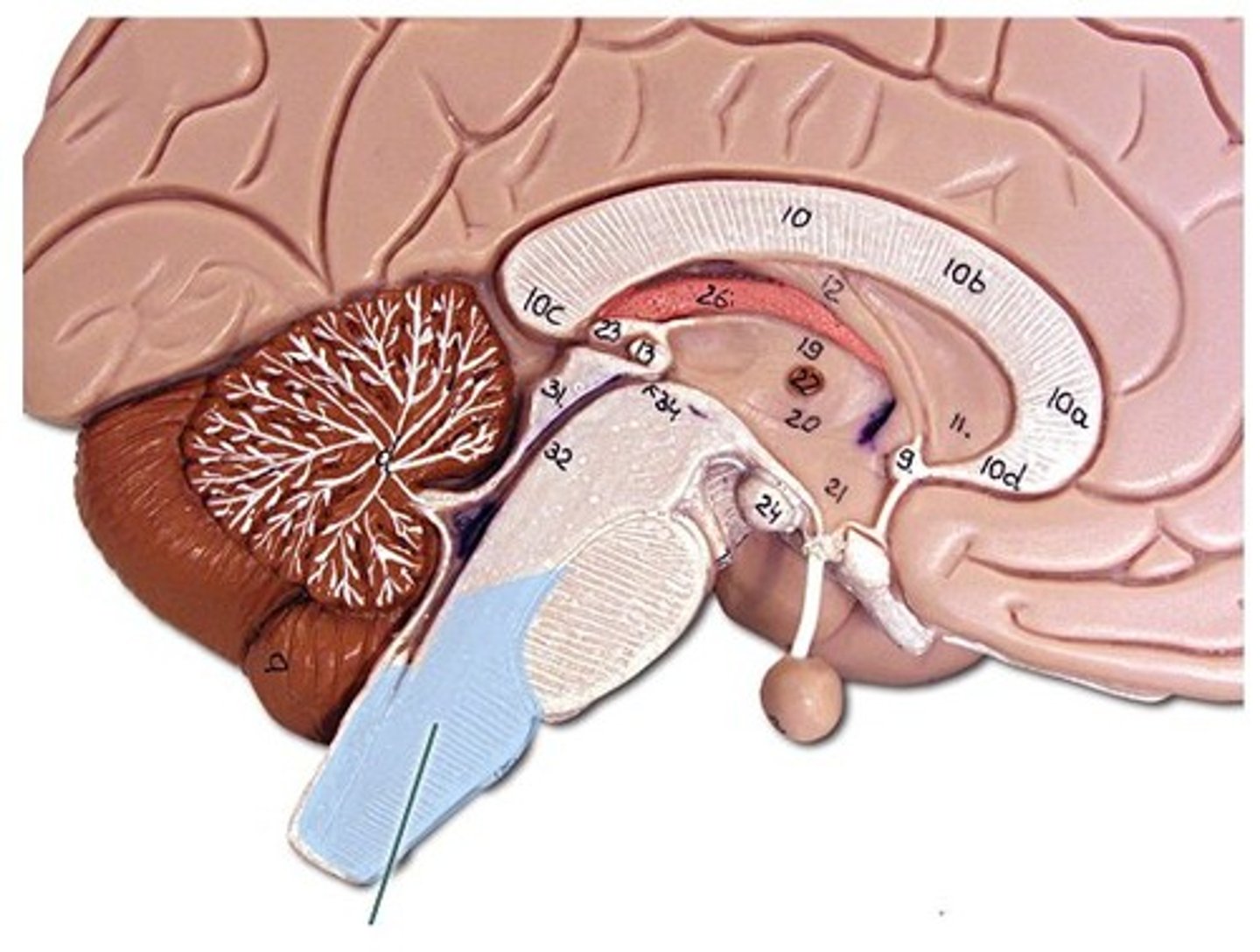
Medulla
- Life-Sustaining Functions
- Heart Activity and Breathing
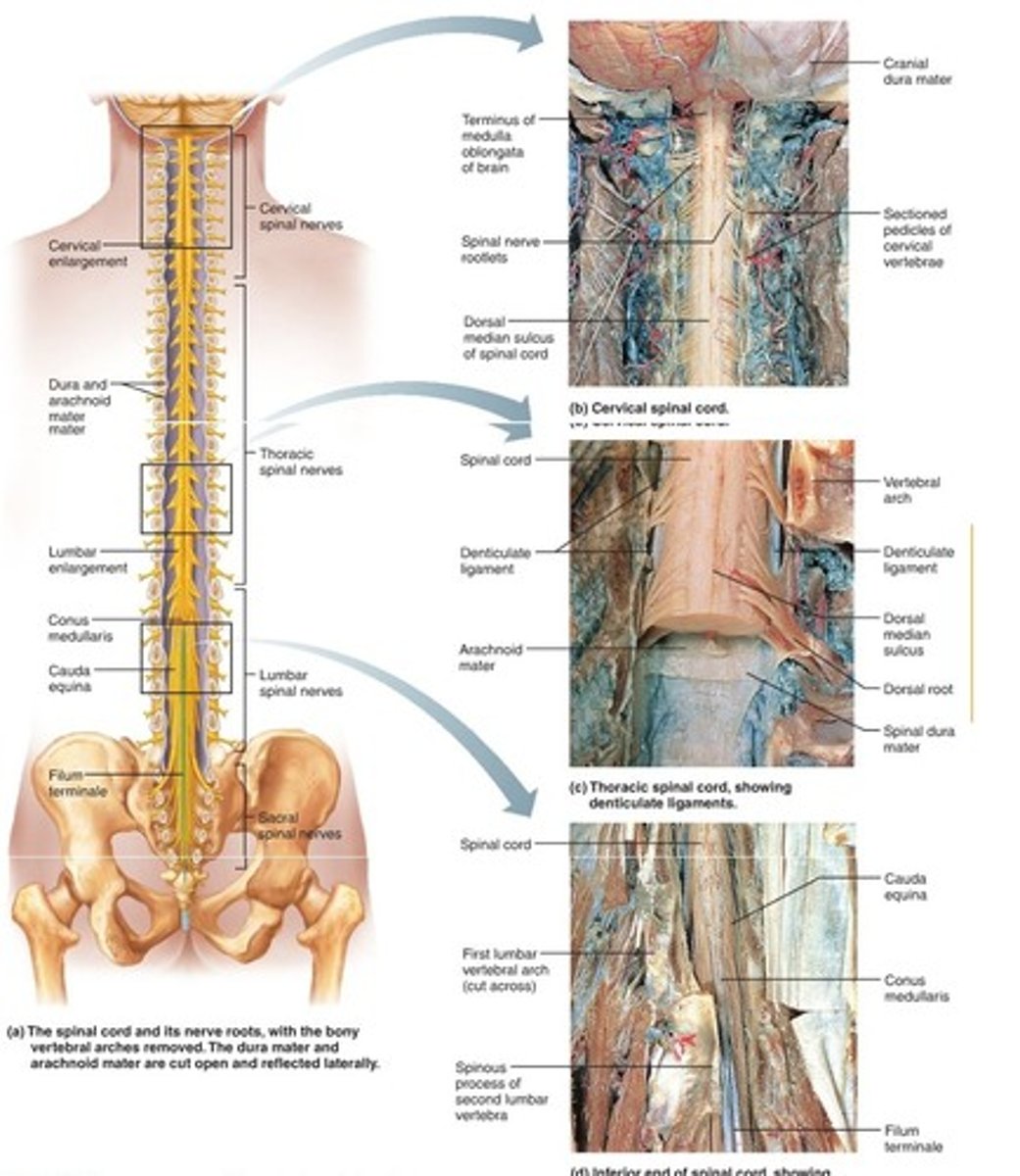
Spinal Cord
- Cable of Neurons that Carries signals from the brain to muscles and glands (periphery) and Carries sensory information from the periphery (sense organs) to the brain
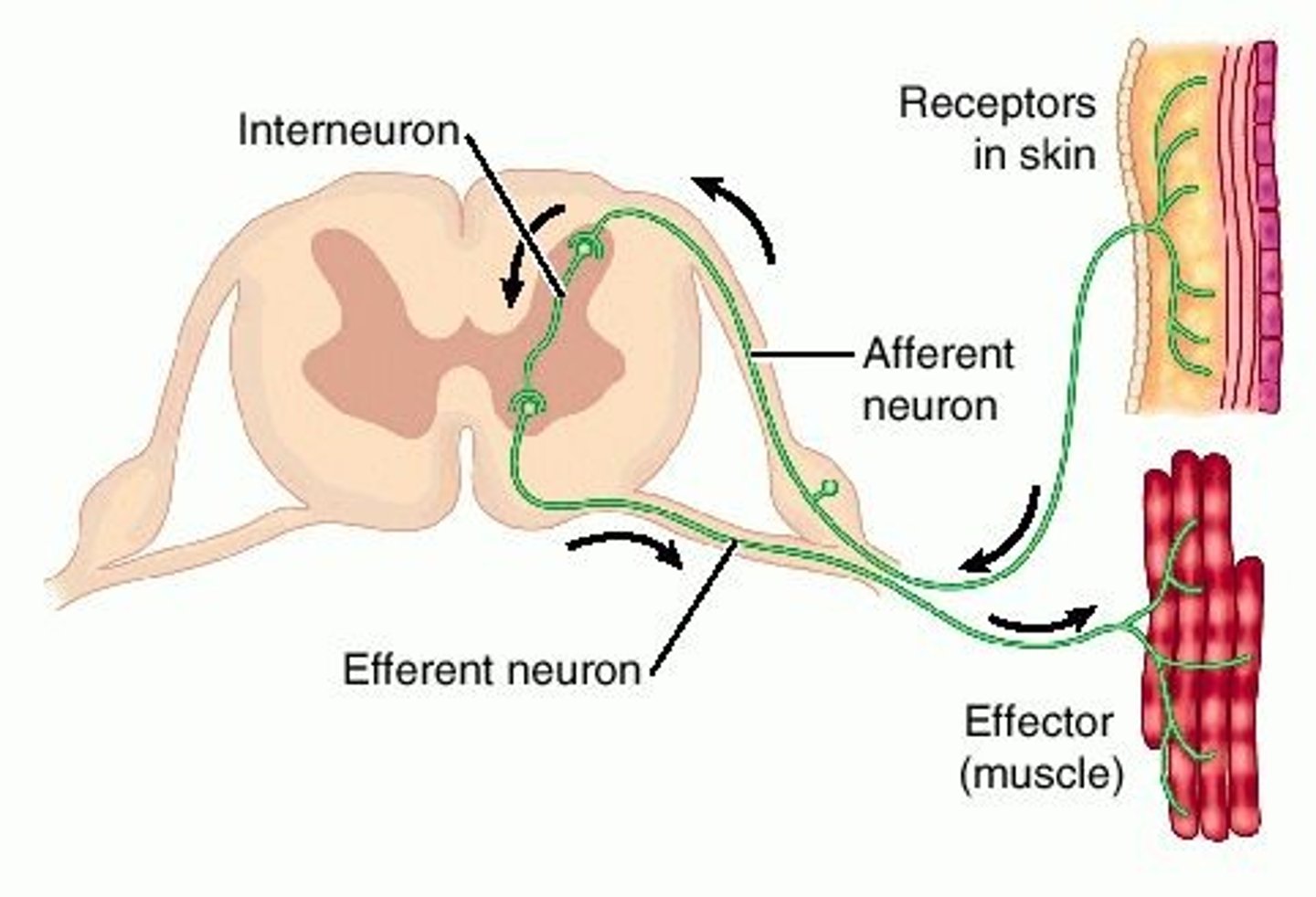
- Hub for reflex arcs
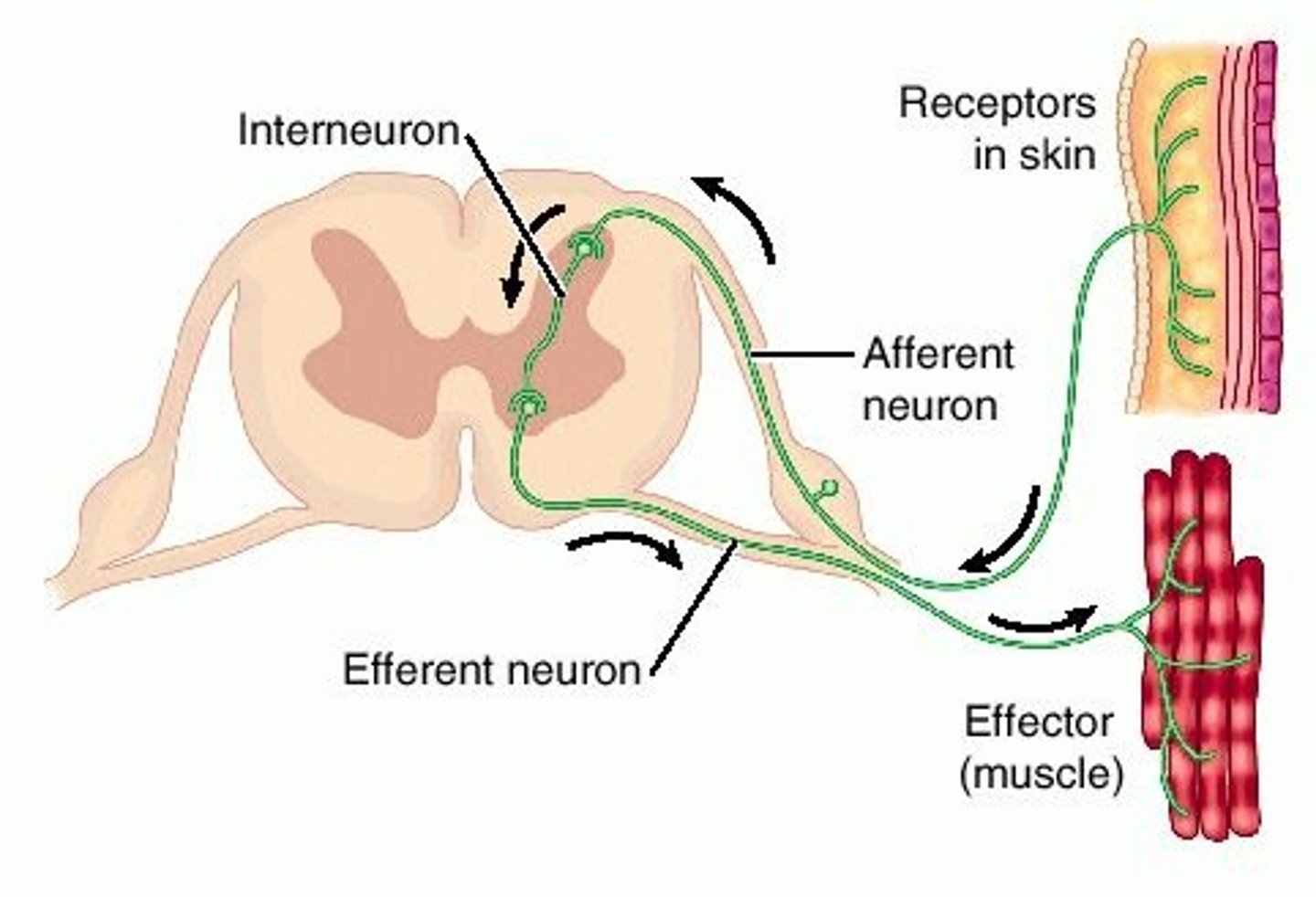
Reflex Arcs
- Neural pathways that produces and control reflex acts
- The hardware
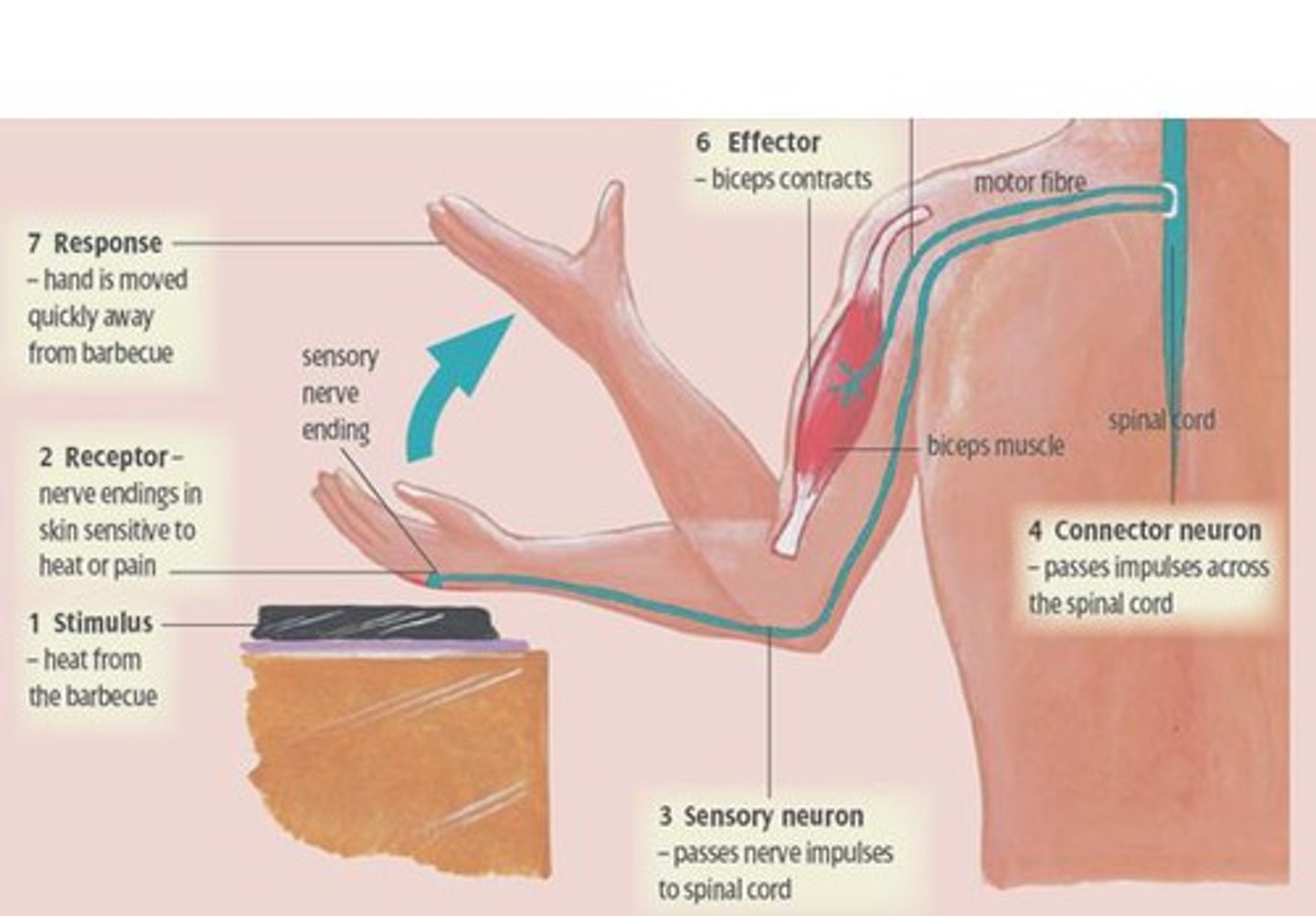
Reflex Acts
- The behavior thats the product of the Reflex Arc Stimulation
- Simple, automatic response to a sensory stimulus
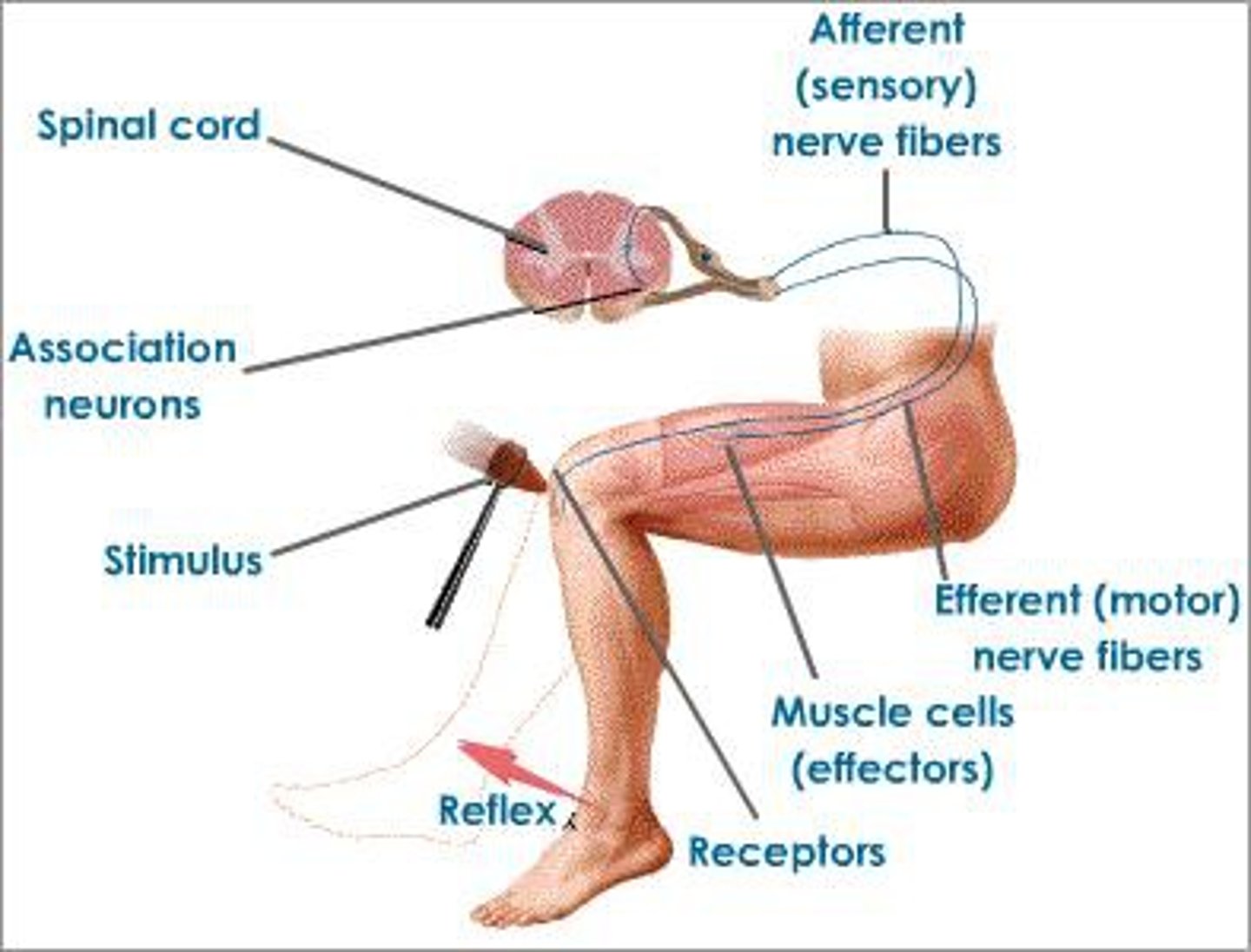
Automatic Response
- Muscle contraction or gland secretion
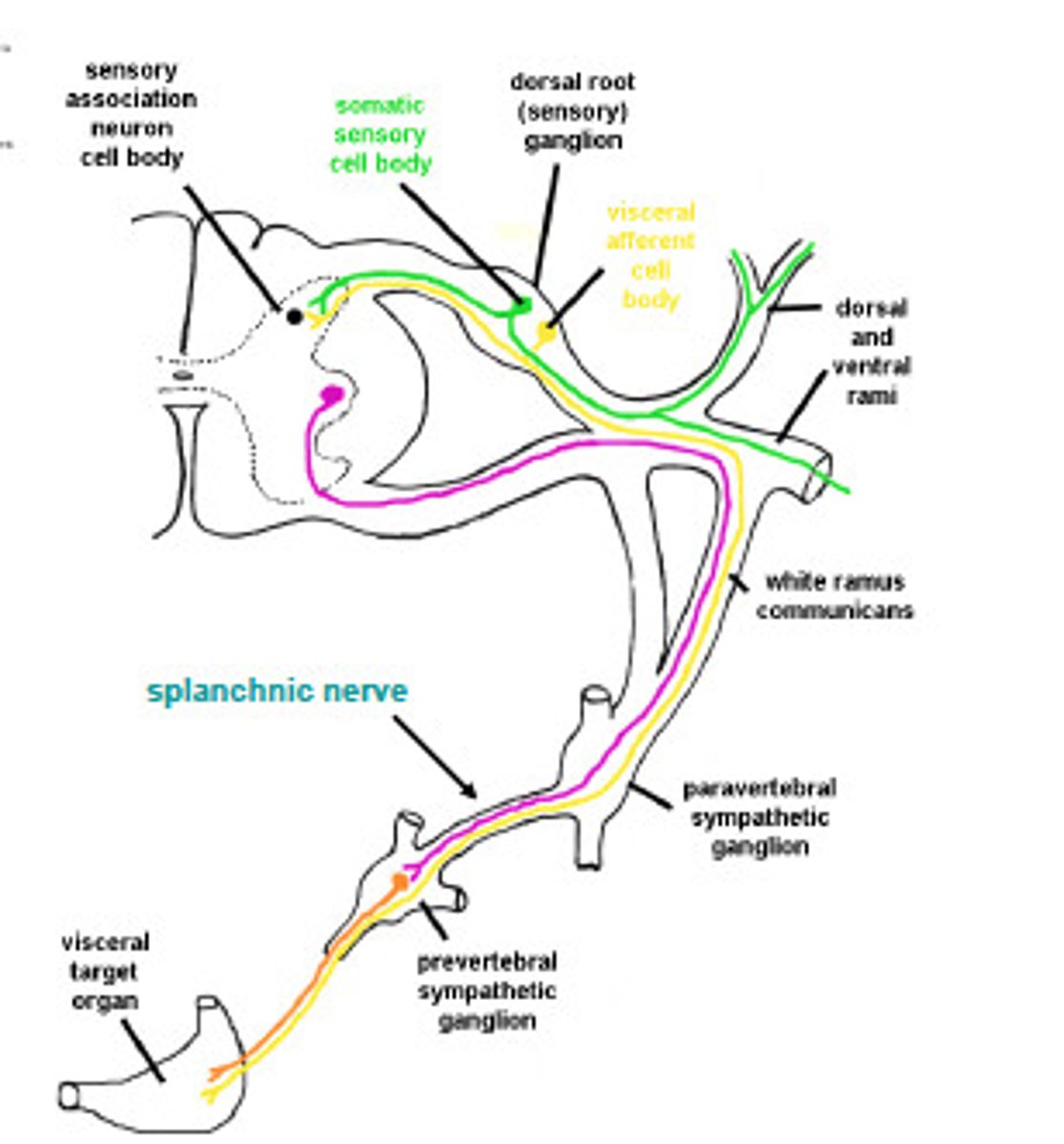
Spinal Ganglion
- The bulge in the sensory neuron (cell body)
- A blob of gray matter
- Only found on sensory side
Effector
- Either a muscle or a gland
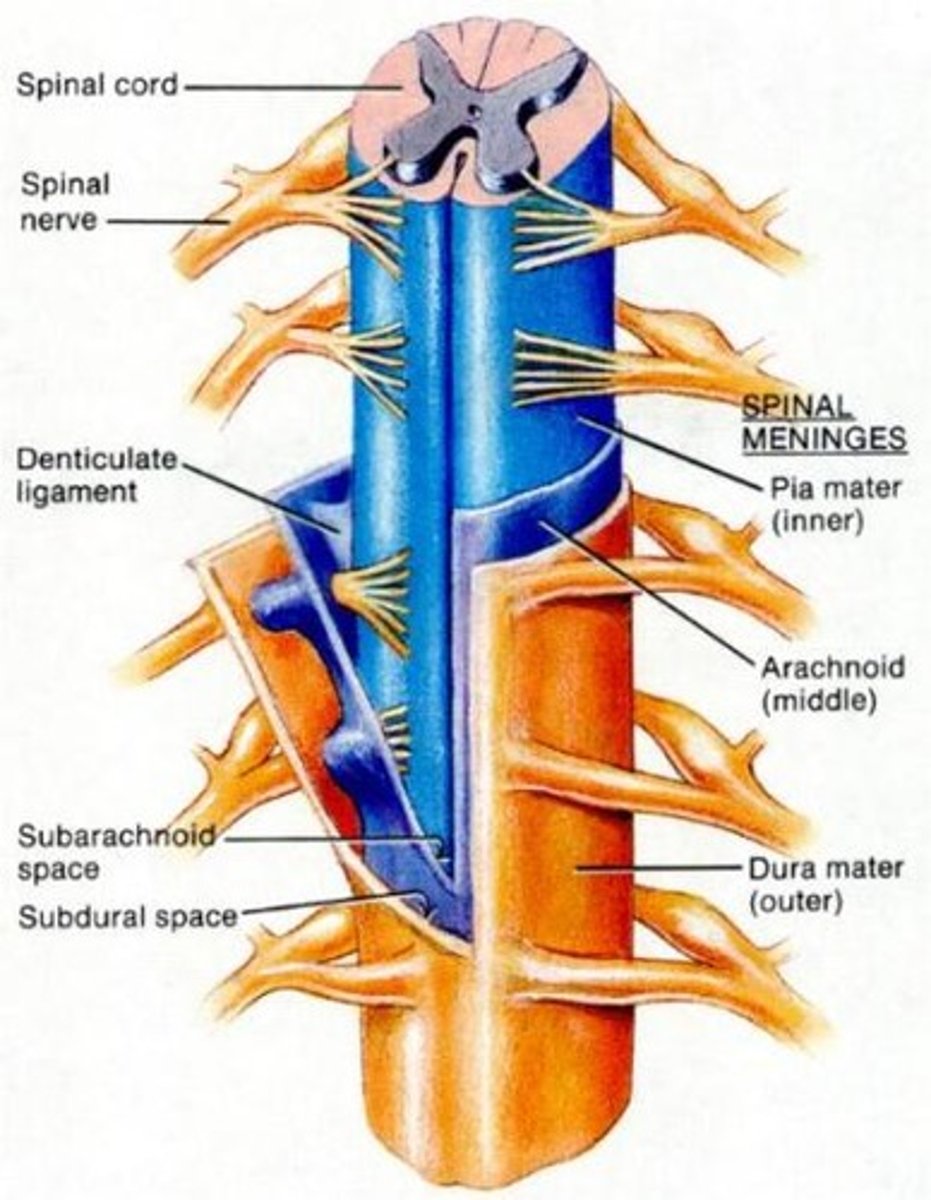
Meninges
- Protect the CNS from trauma
- Holds everything together
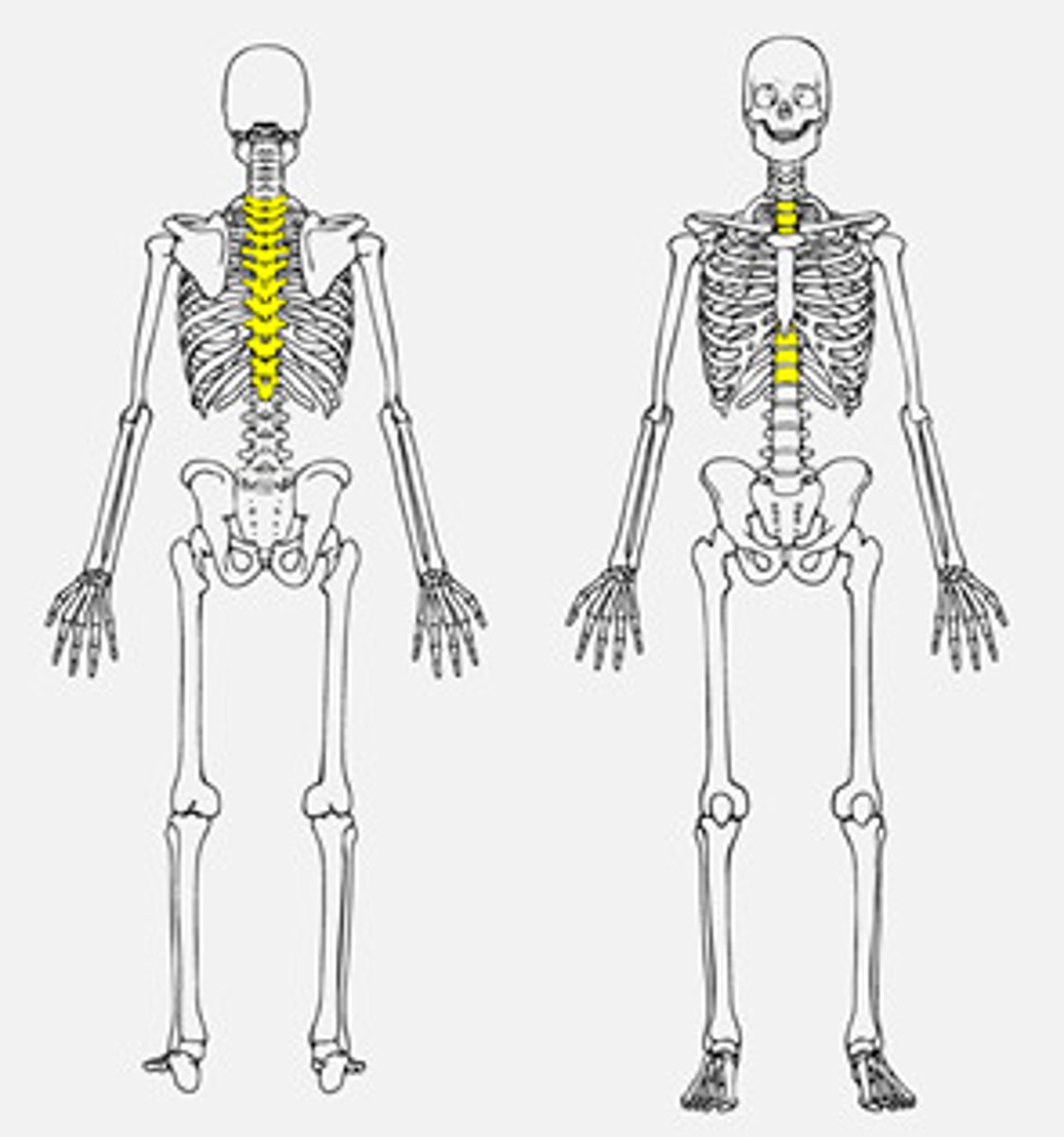
Vertebrae
- Collectively known as spinal column (skeletal system)
Blood-Brain Barrier
- Prevents harmful substances (toxins) from entering the brain
- Capillary membrane cells so tightly packed together that they form a barrier to most molecules
- Fat soluble substances pass feely through the barrier
- Psychiatric medications and other drugs
- Other substances use special transport protein to get through
- Amino Acids and Glucose
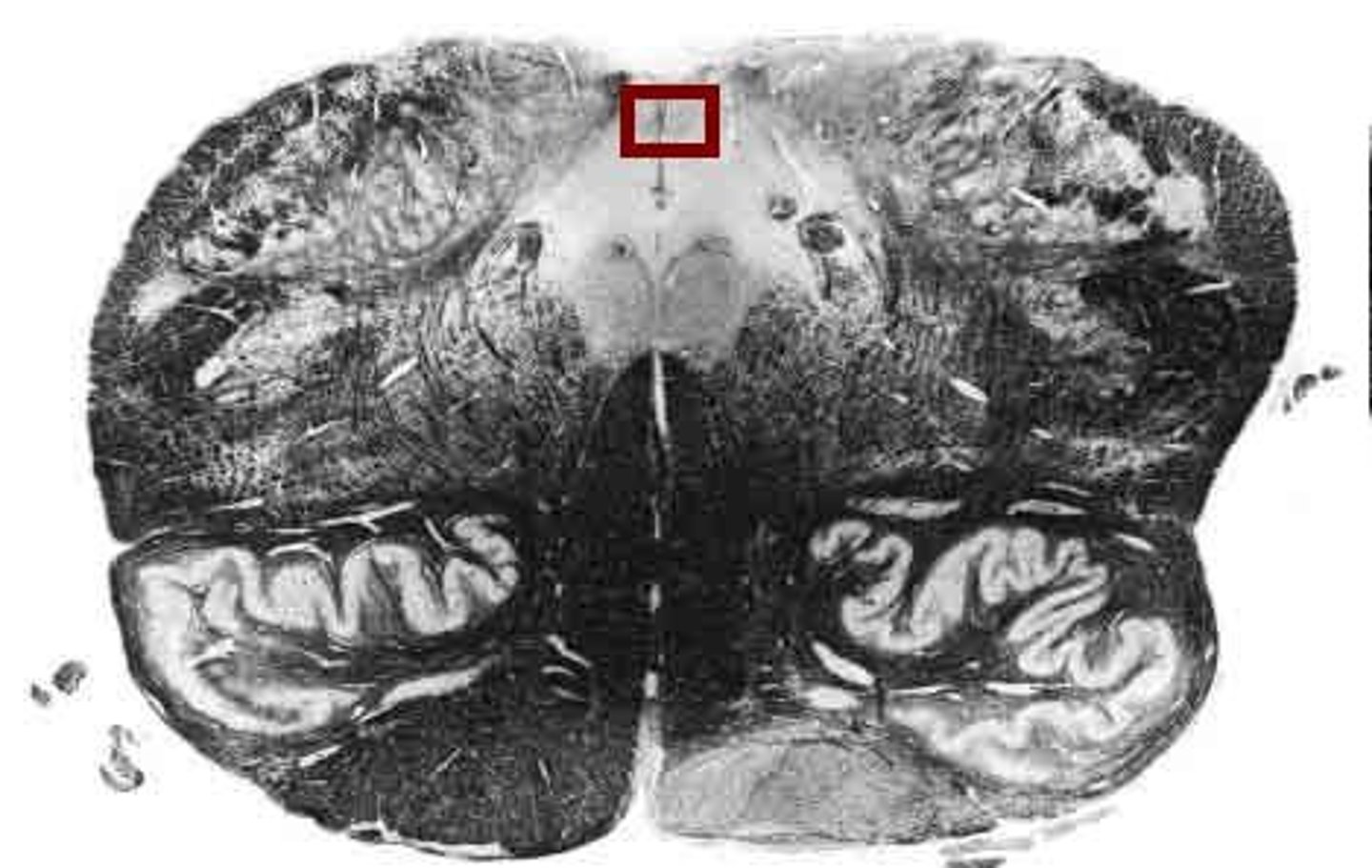
- Some areas of the brain are not protected by blood-brain barrier
- The area Postrema (in Medulla)
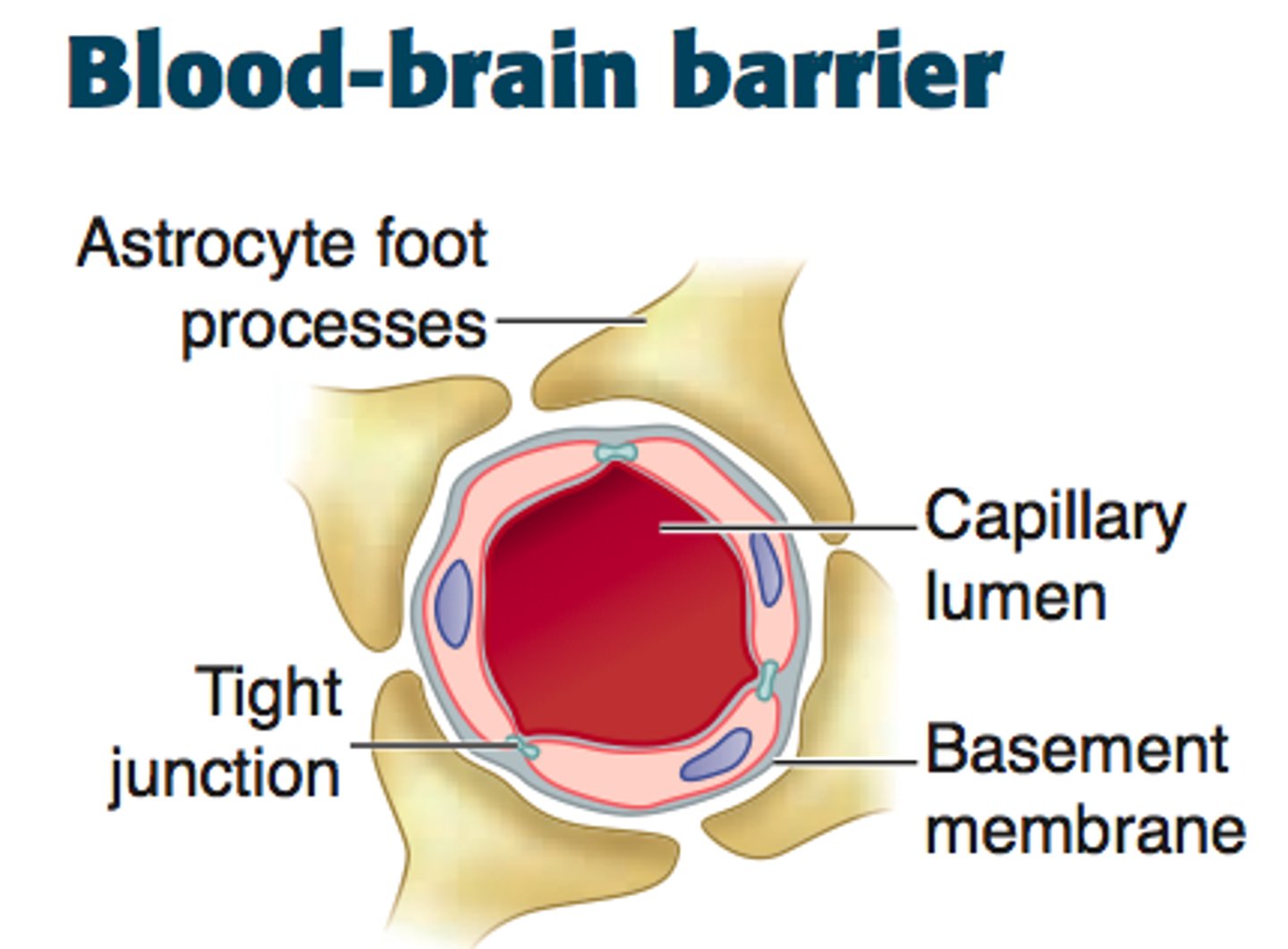
Postrema
- Induces vomiting and when certain toxins are in bloodstream
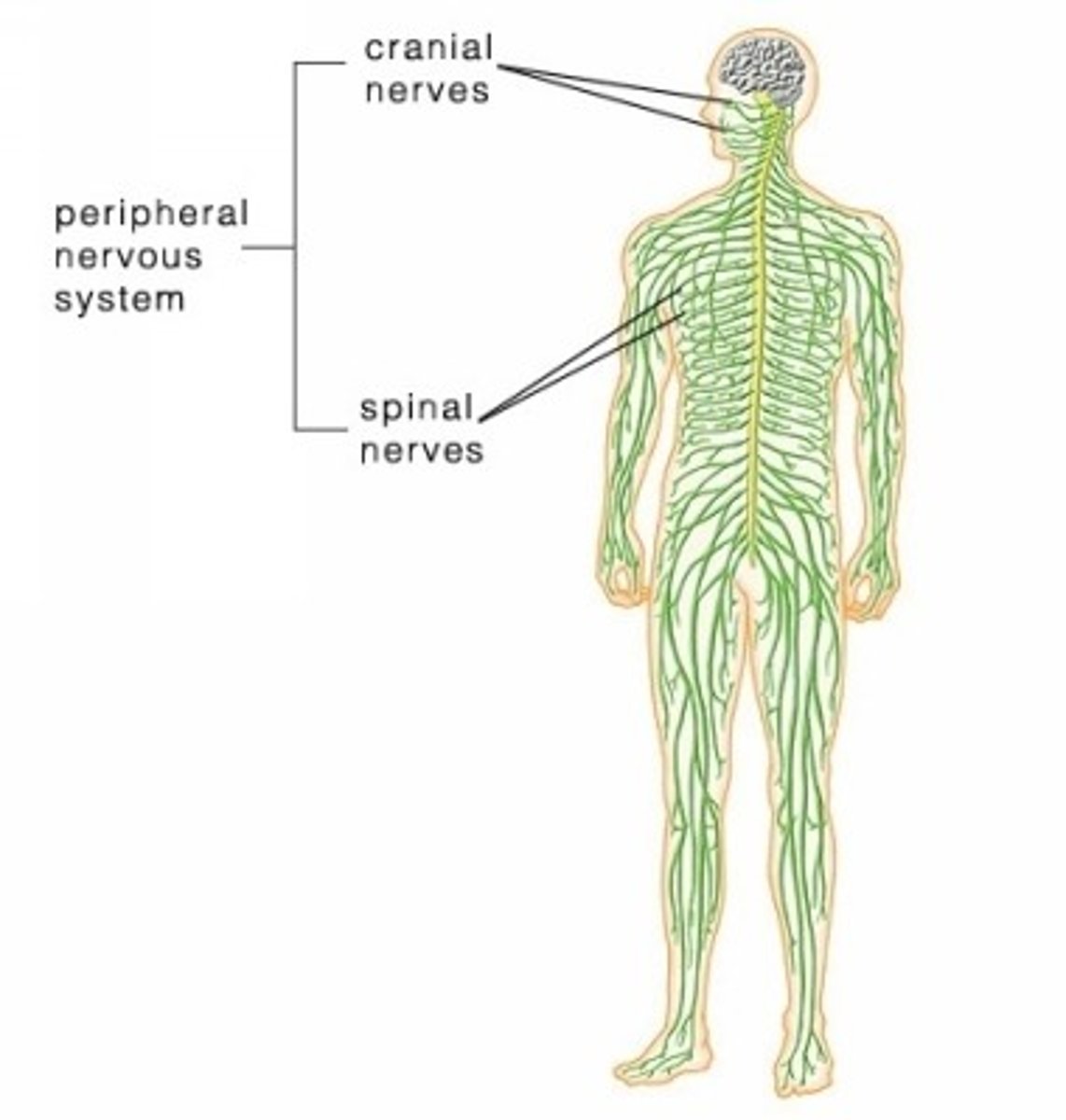
Peripheral Nervous System
Consists of:
Somatic
- Cranial Nerves (12 Pairs)
Autonomic
- Spinal Nerves (31 Pairs)
Somatic
- Cranial Nerves (12 Pairs)
- Motor Neurons
- Sensory Neurons
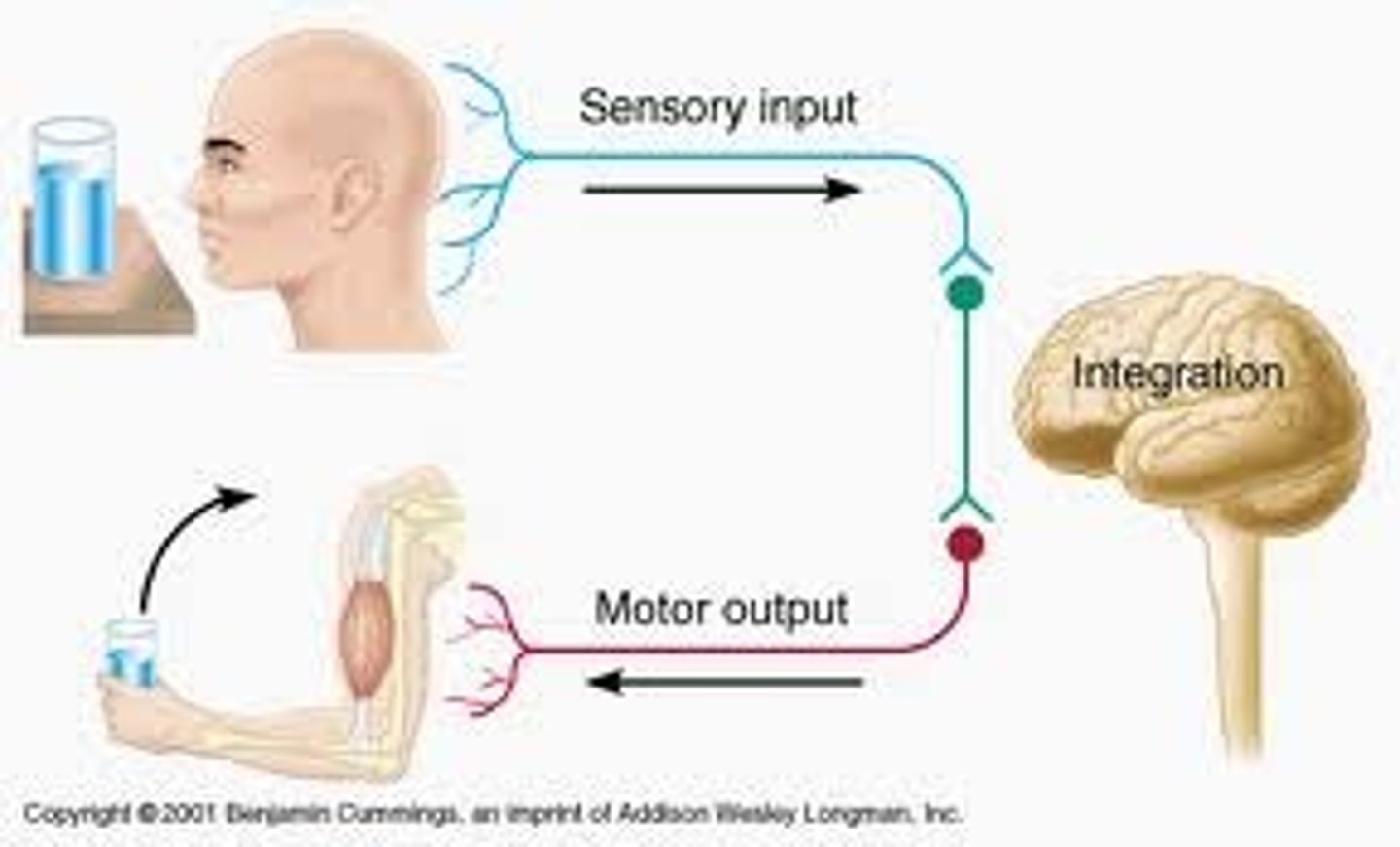
Motor Neurons
- Carry signals from CNS to skeletal muscles
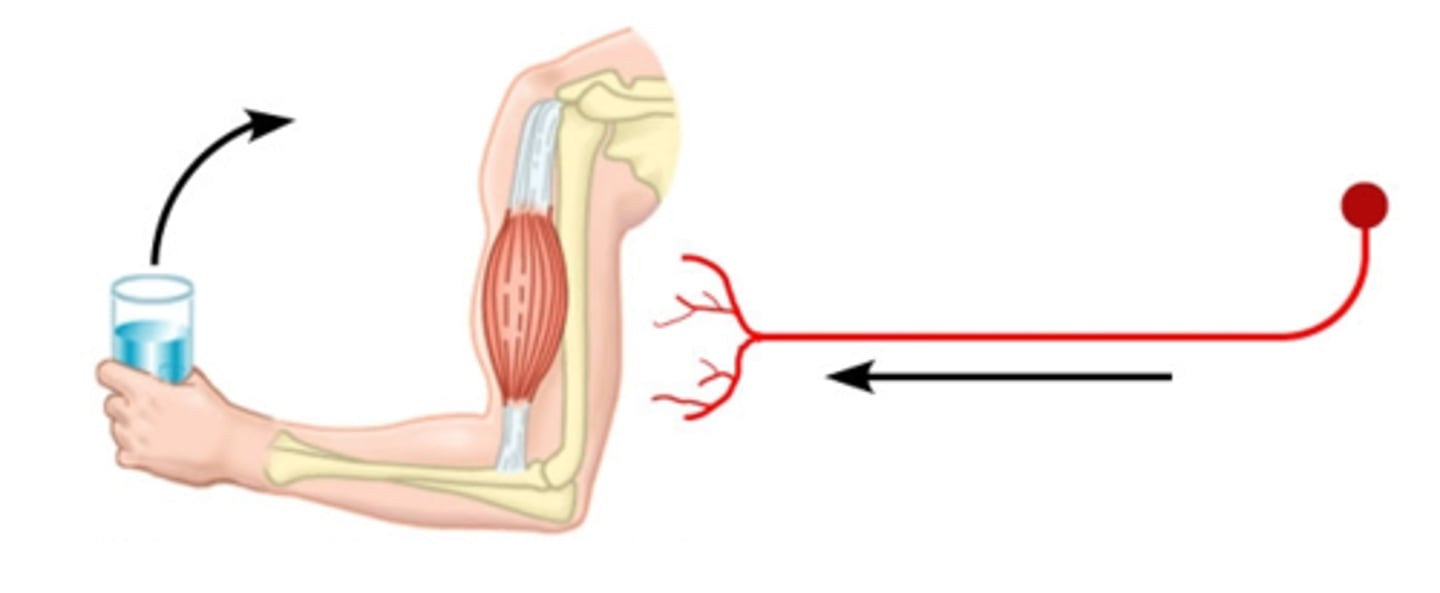
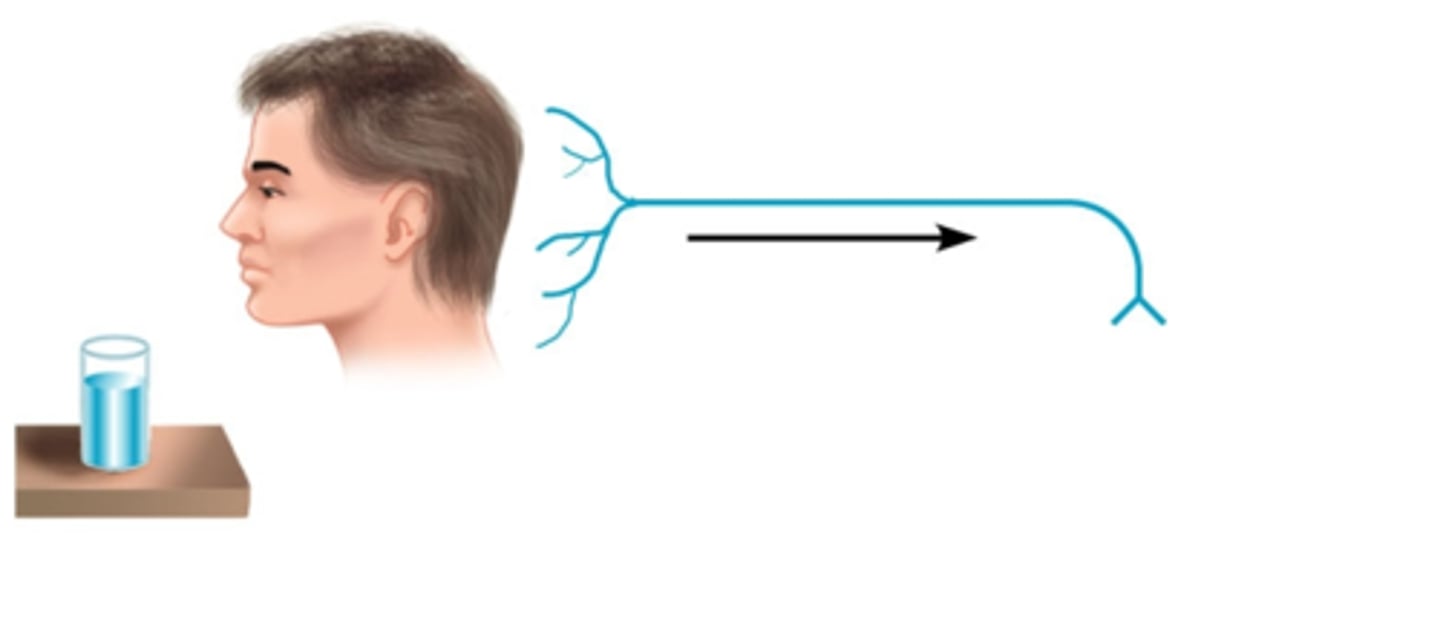
Sensory Neurons
- Bring information from sensory organs into CNS
Autonomic
- Spinal Nerves (31 Pairs)
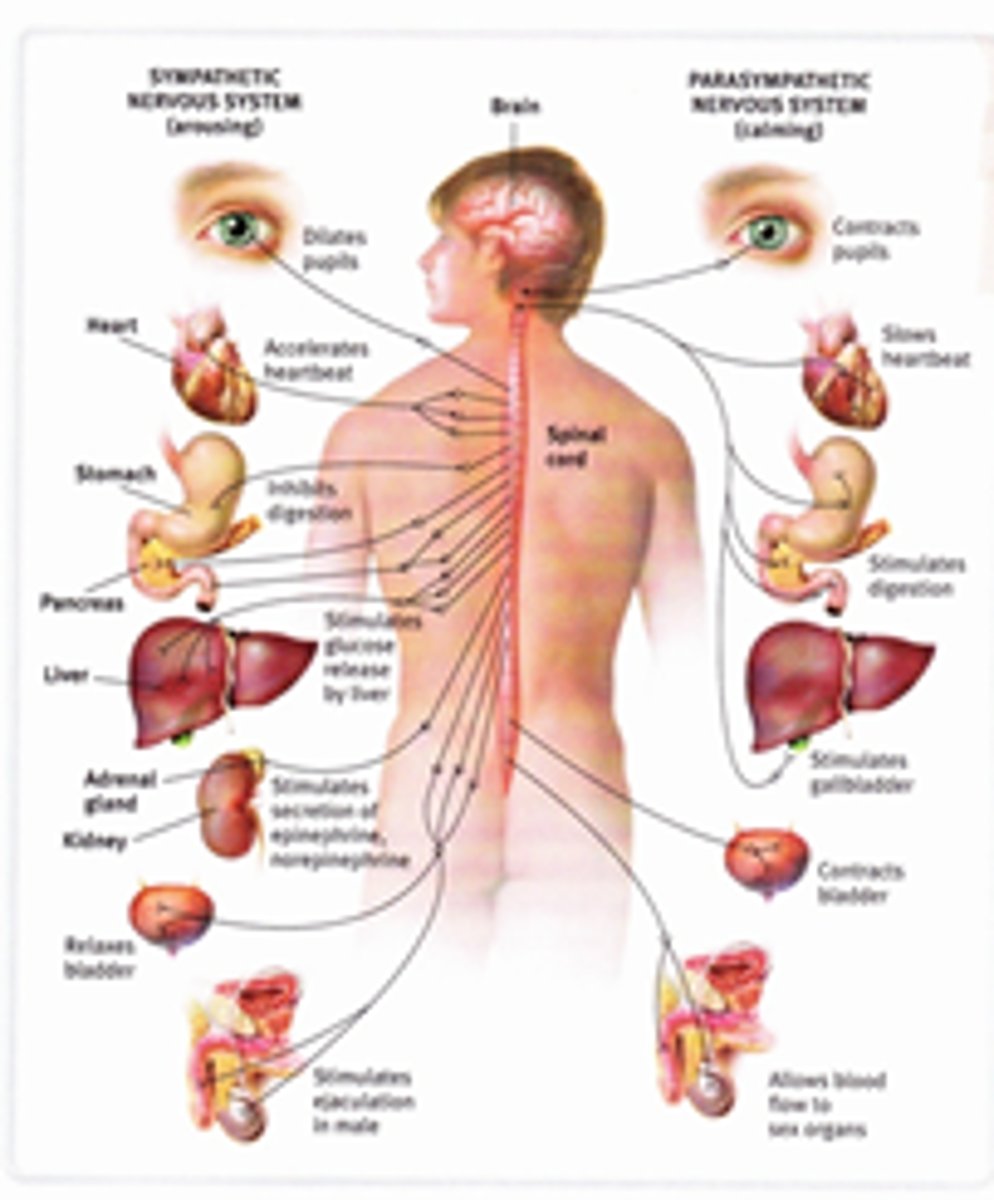
- Regulates body's general activity level
- Independent of our control
- Controls smooth muscles, hearts, glands, etc.
- Sympathetic Branch
- Parasympathetic Branch
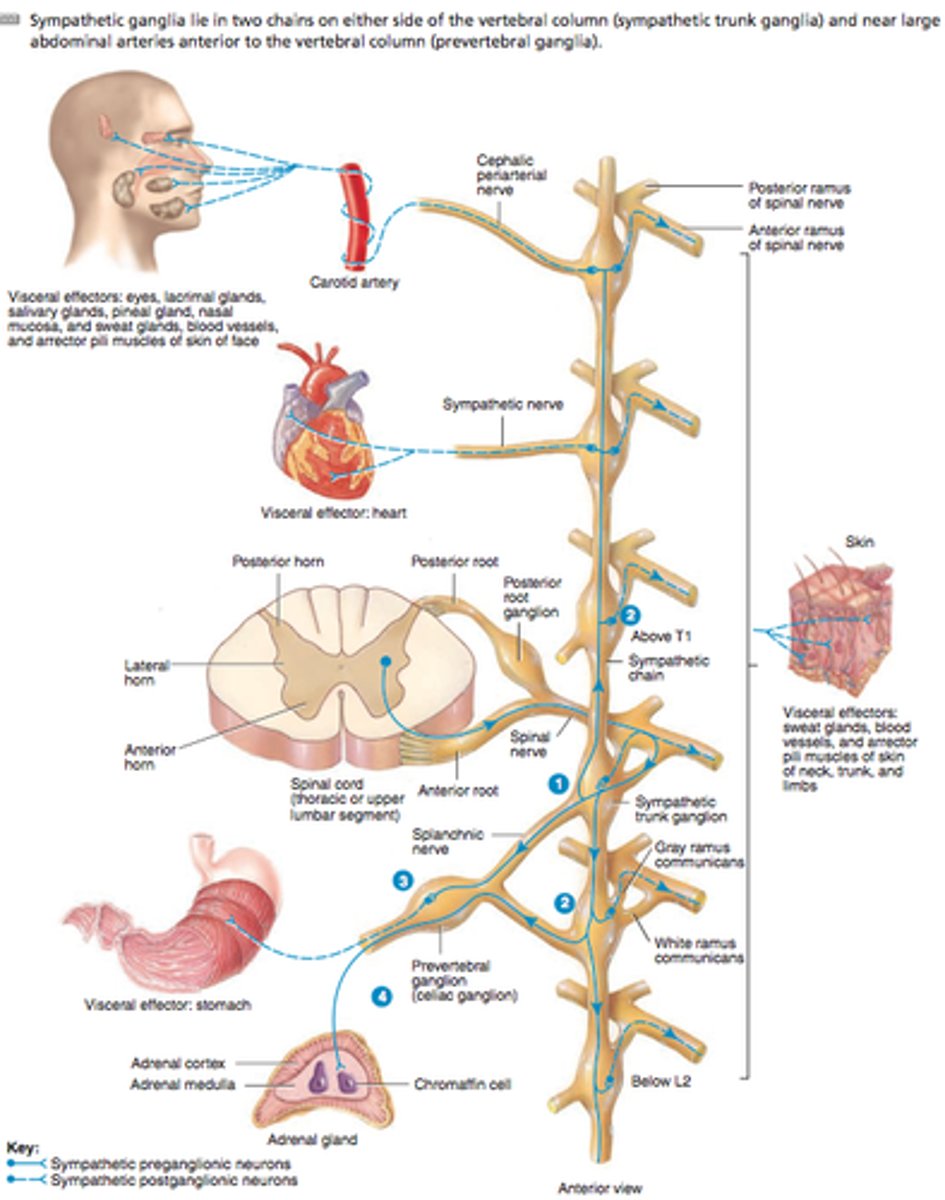
Sympathetic Branch
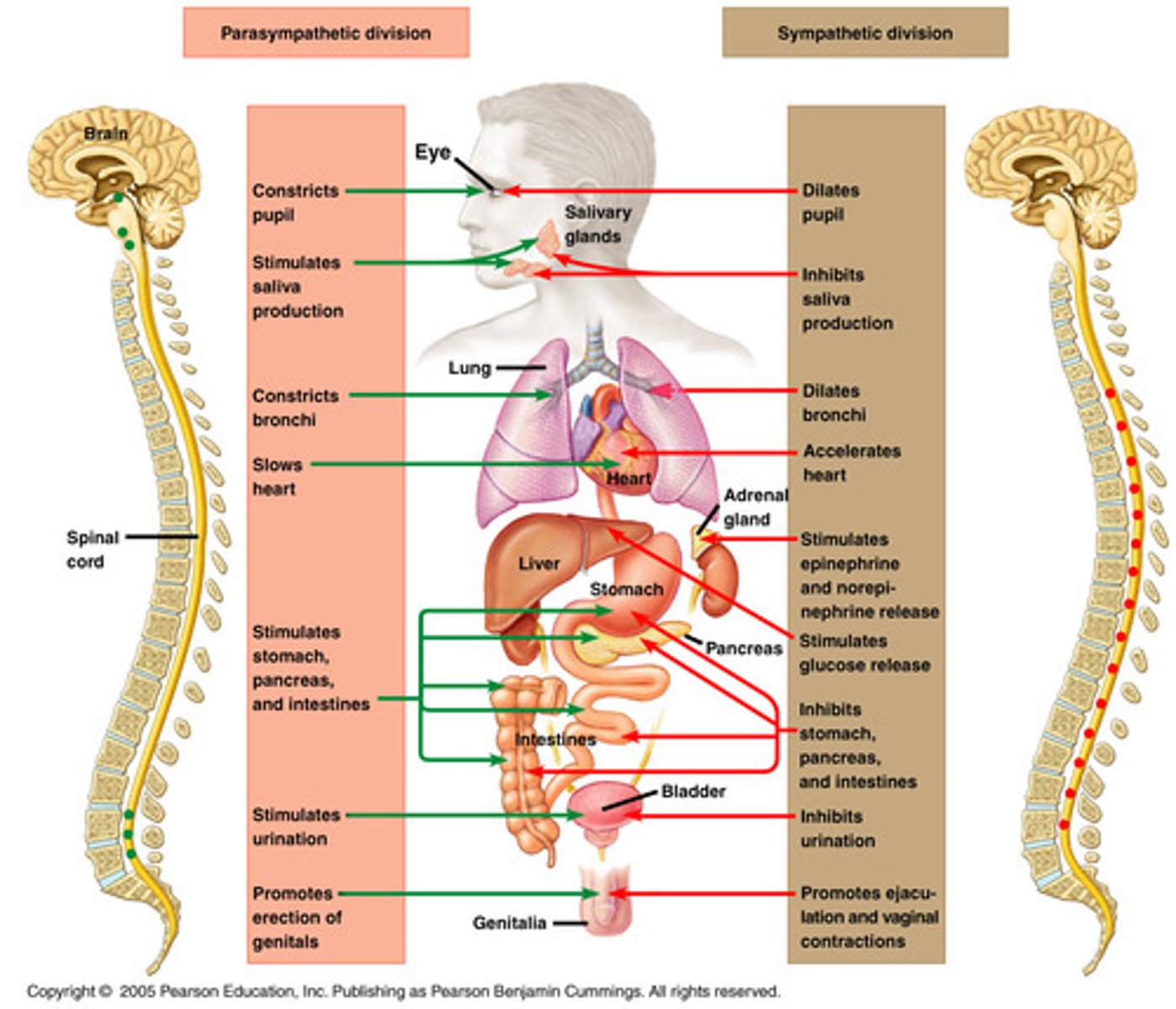
- Speeds up bodily processes such as heart beat, respiration, blood pressure, sweat glands
- Originate form middle of spinal cord
- Passes through sympathetic ganglion cells
Sympathetic Ganglion Cells
- Simultaneous activation of organs
- Works as a unit
Parasympathetic Branch
- Slows bodily processes back down
- Originates from ends of spinal cord
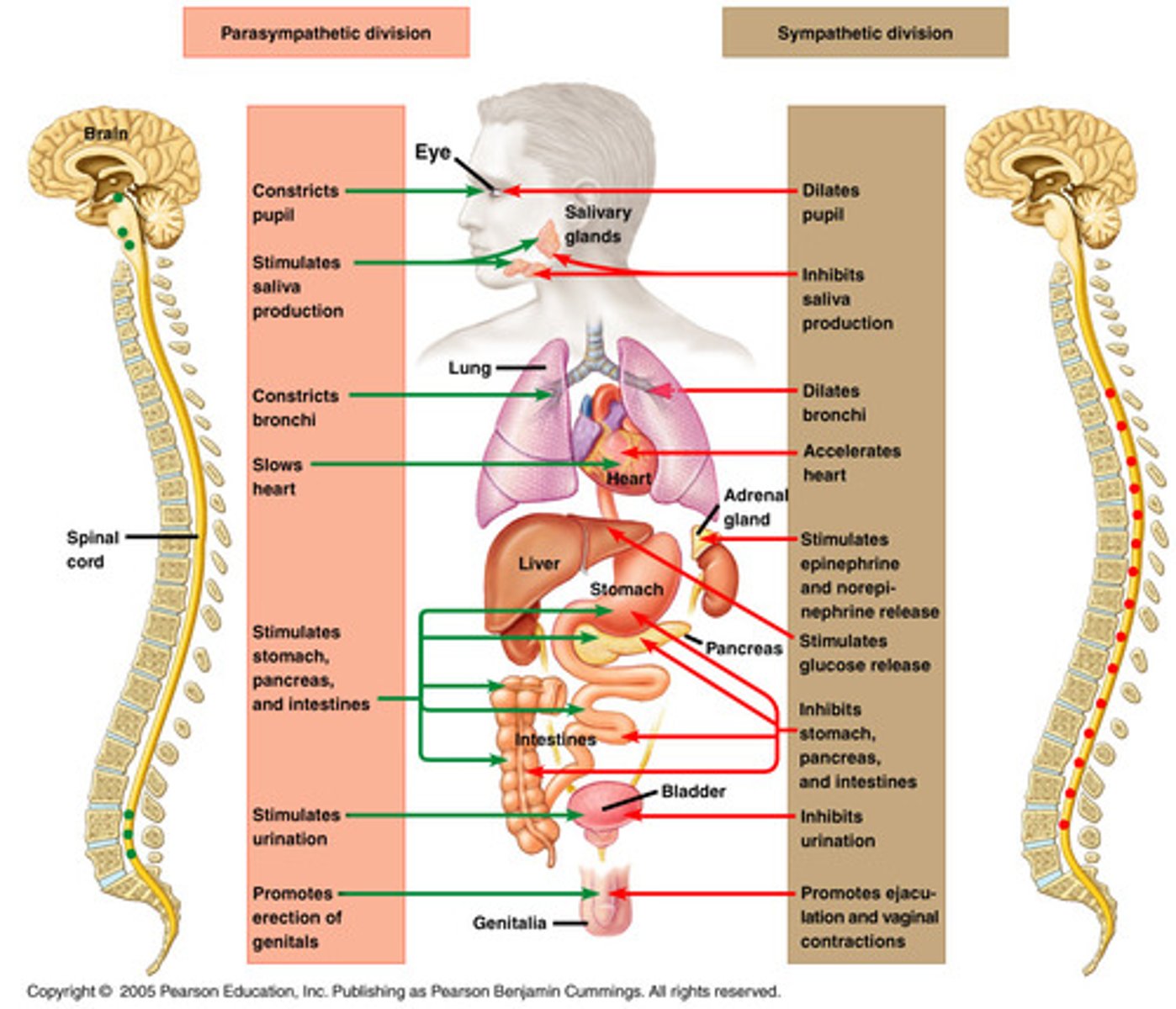
BOTH Sympathetic and Parasympathetic
- Active to some degree all the time
- Body's activity reflects balance between the two
Proliferation
- Neurons divide and multiply at an extreme rate
- Happens around the center of the neural tube
Migration
- Neurons migrate to final location by climbing radial glial cells
Circuit Formation
- Neurons send developing axons to make synapses with their target cells
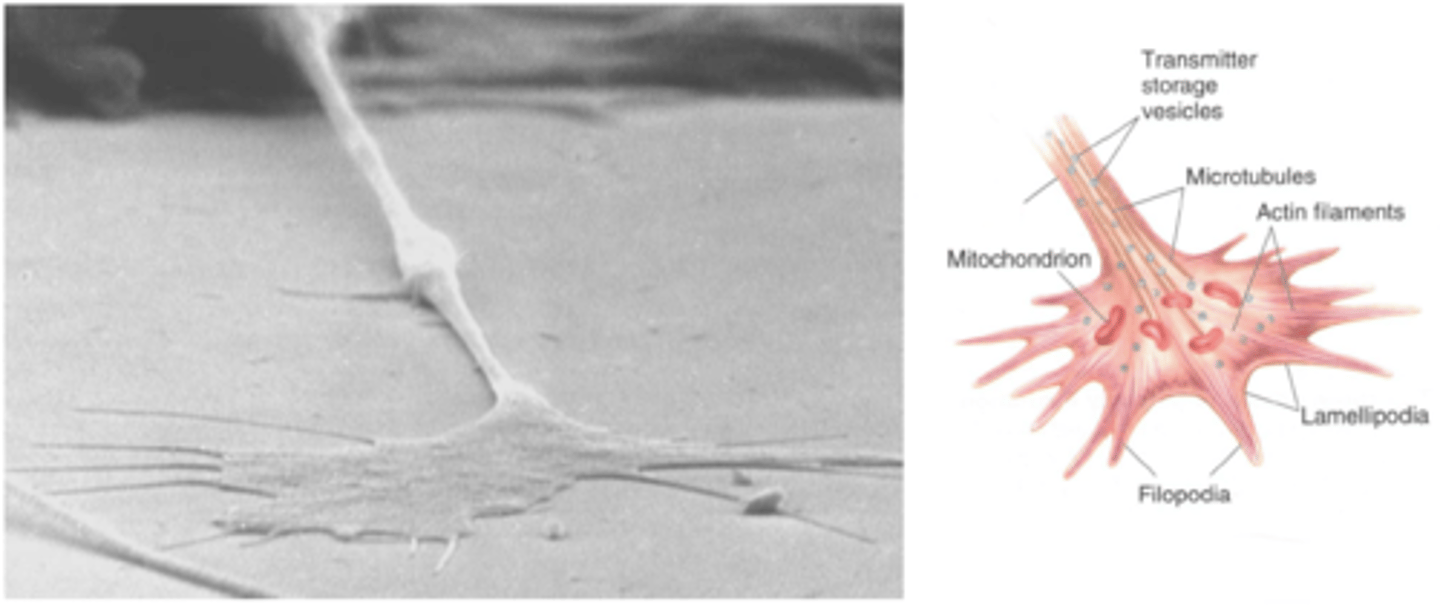
- Growth cone develops at tips of developing axons and move toward final targets using chemical/mechanical signals
Growth Cone
- Develops at tips of developing axons and moves toward final targets using chemical/molecular signals
Circuit Pruning
- Extra neurons that have developed die
- Eliminates large numbers of extra synapses refining the organization
Plasticity
- Ability of synapses to be modified by experience
- Learning, which is, the ability to adapt ones behavior in response to environmental stimulation
- The nervous system to physically change in response to the environment
- Decreases with age, cortical association areas are more likely to retain their plasticity
Cranial Nerve I (1)
- Olfactory
- Sensory Function: Smell
- Motor Function: NONE
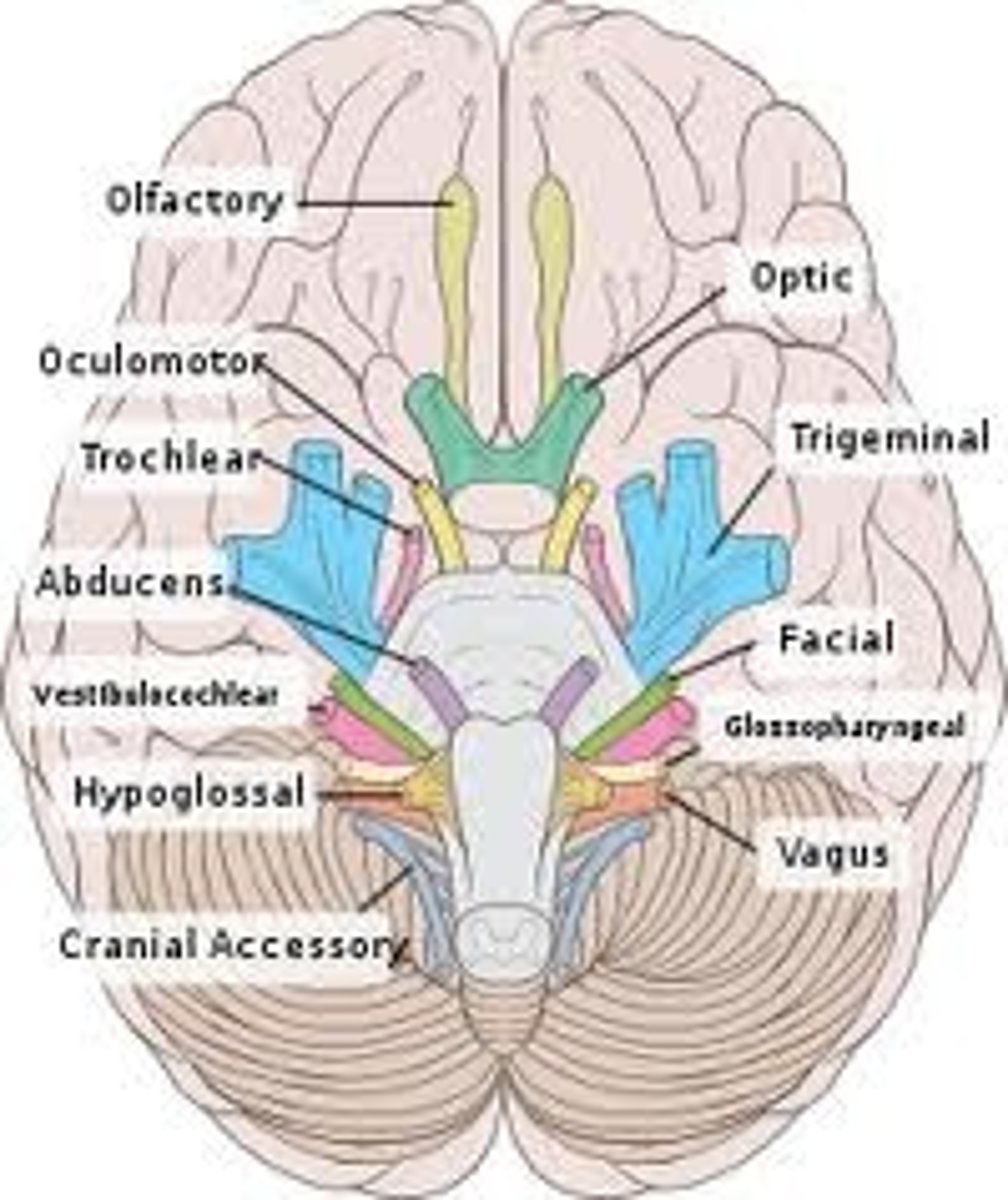
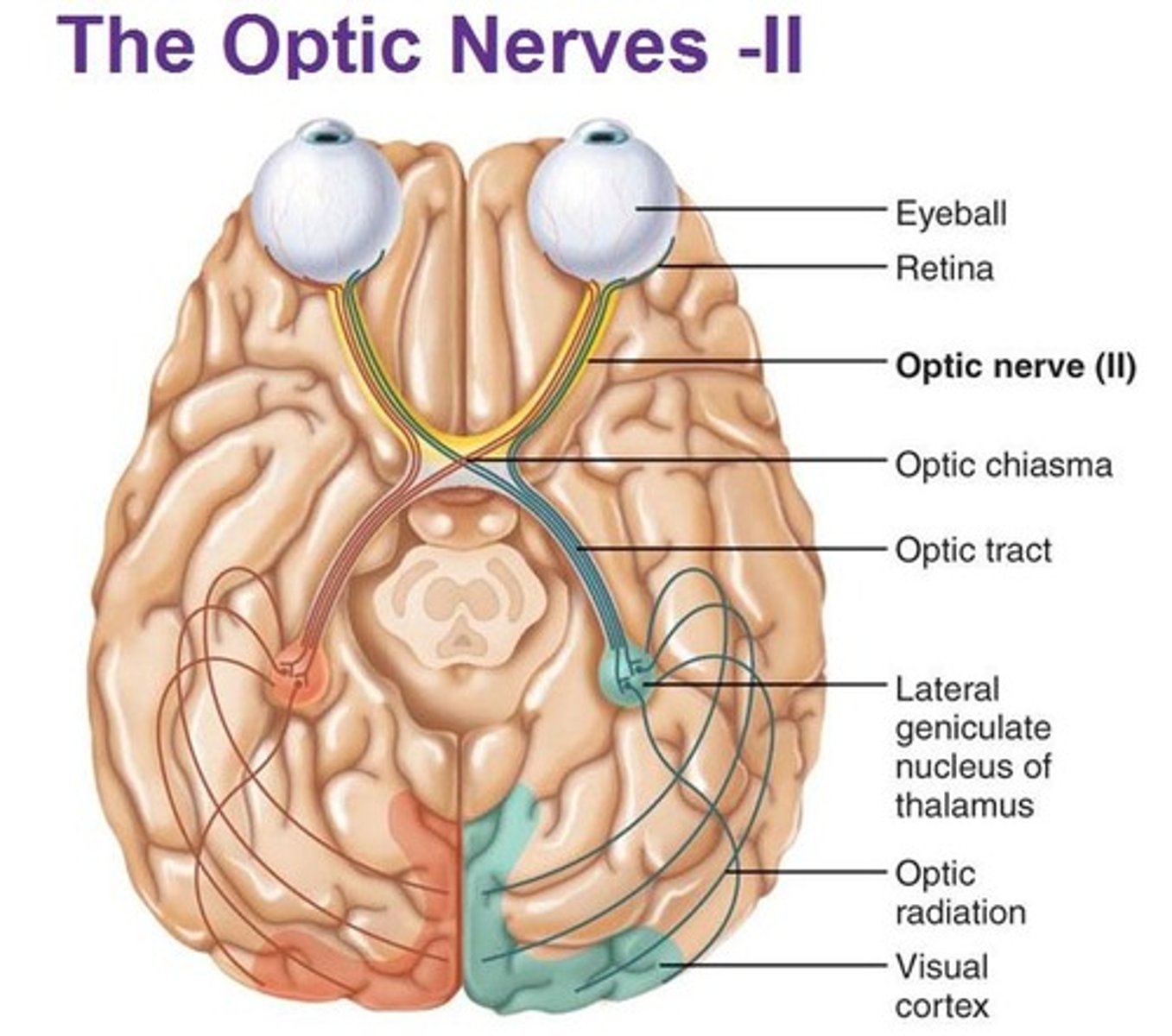
Cranial Nerve II (2)
- Optic
- Sensory Function: Vision
- Motor Function: NONE
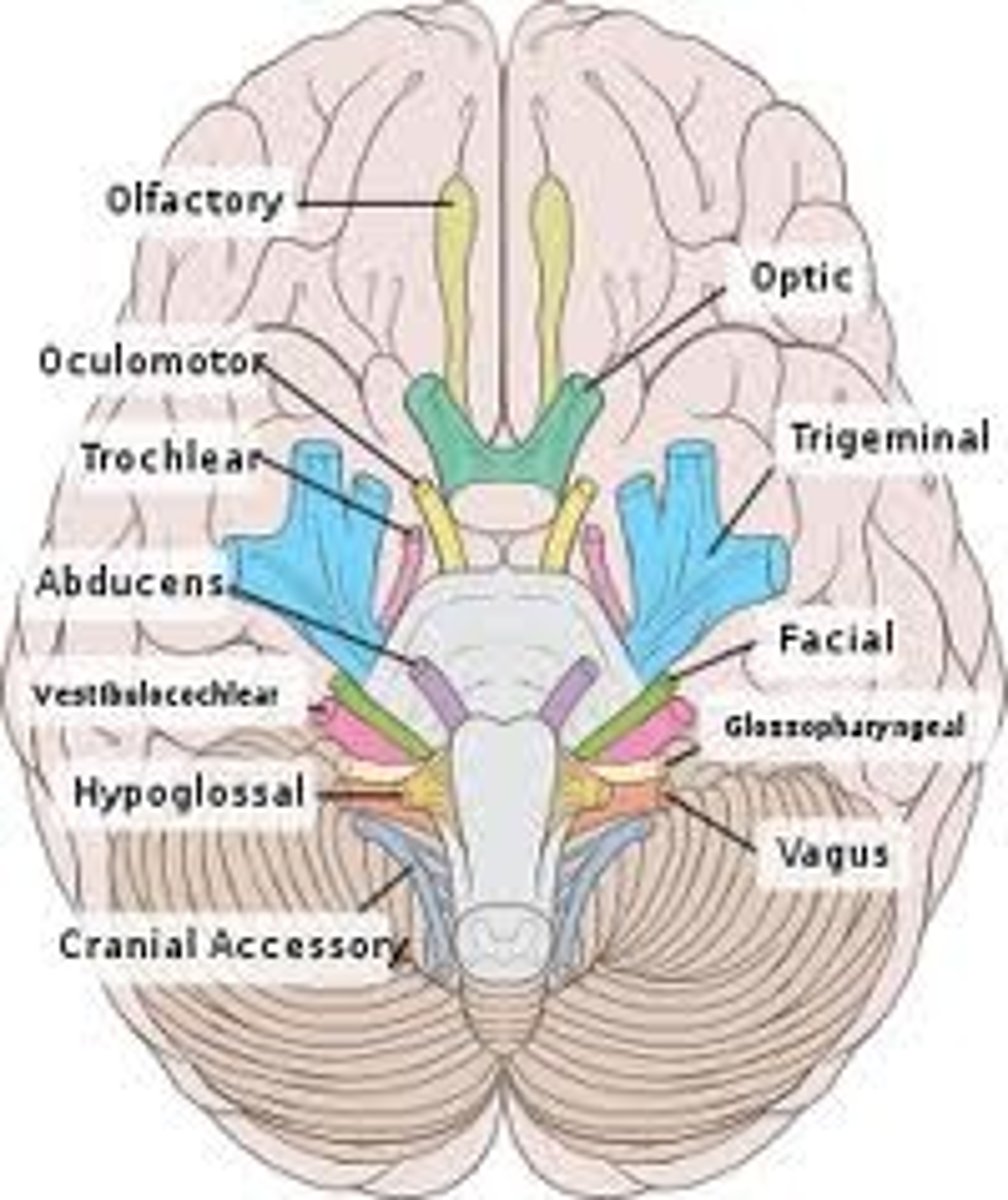
Cranial Nerve III (3)
- Oculomotor
- Sensory Function: NONE
- Motor Function: Eye Muscles
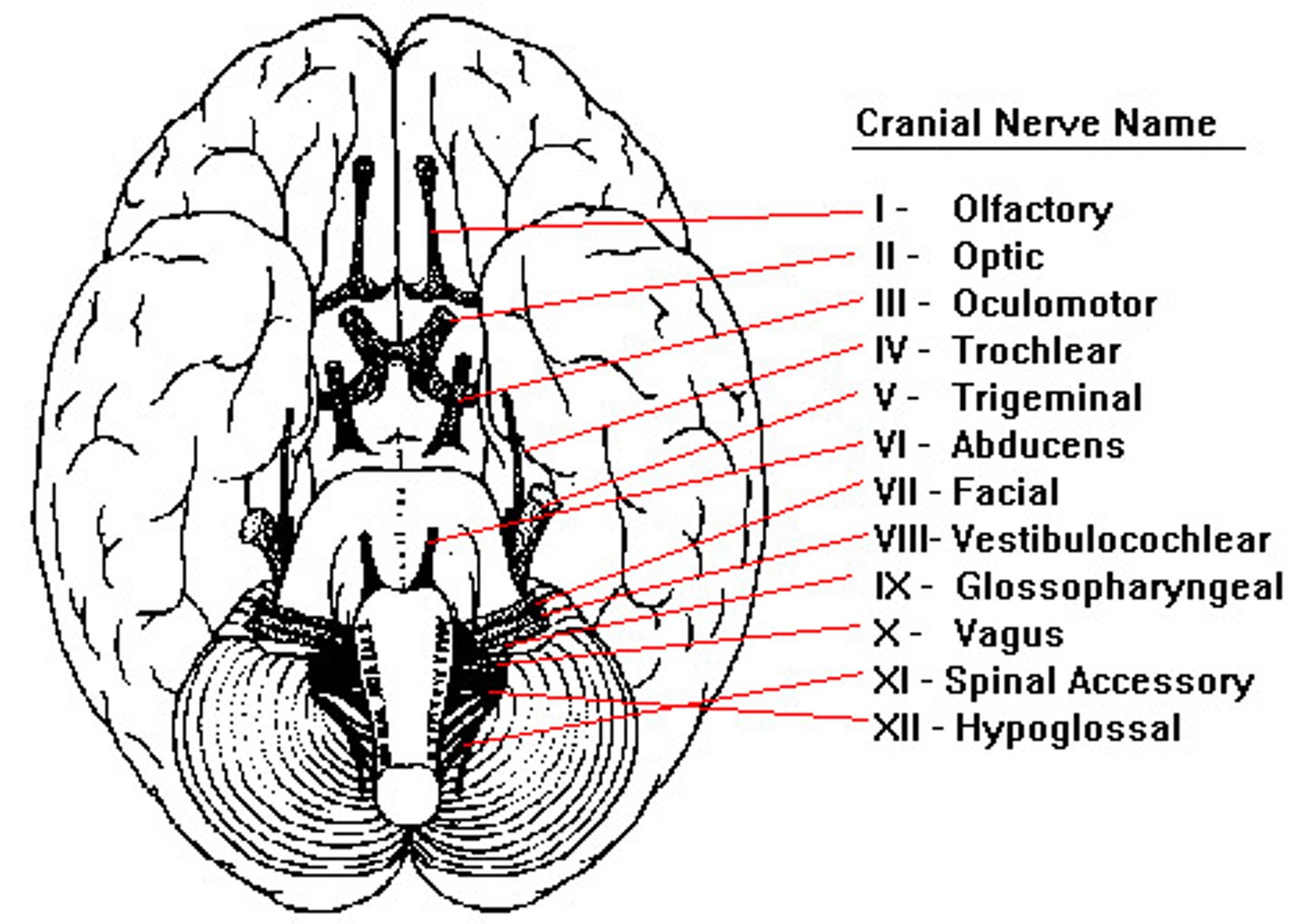
Cranial Nerve IV (4)
- Trochlear
- Sensory Function: NONE
- Motor Function: Eye Muscles
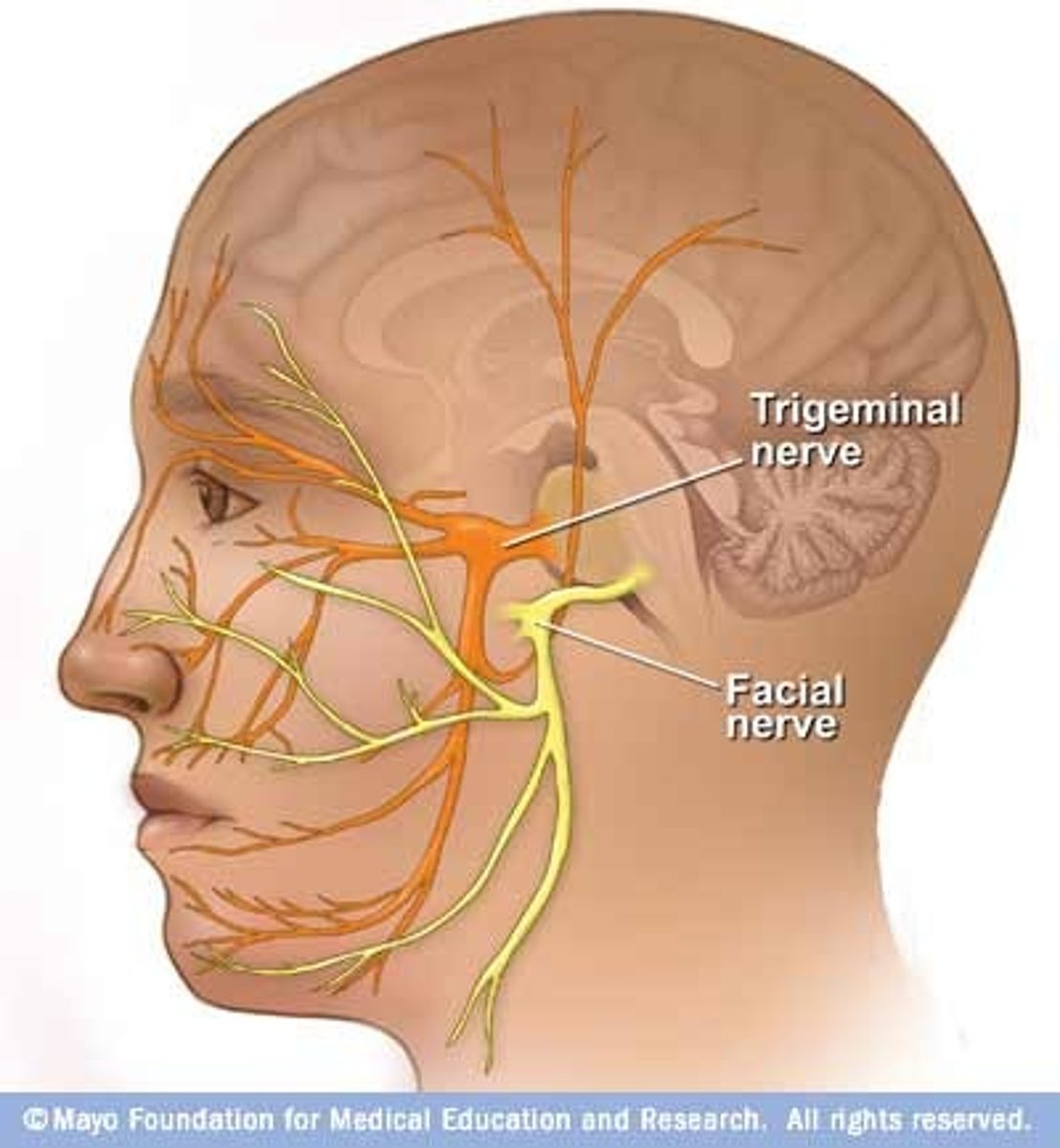
Cranial Nerve V (5)
- Trigeminal
- Sensory Function: Facial Sensations
- Motor Function: Jaw Muscles
Cranial Nerve VI (6)
- Abducens
- Sensory Function: NONE
- Motor Function: Eye Muscles
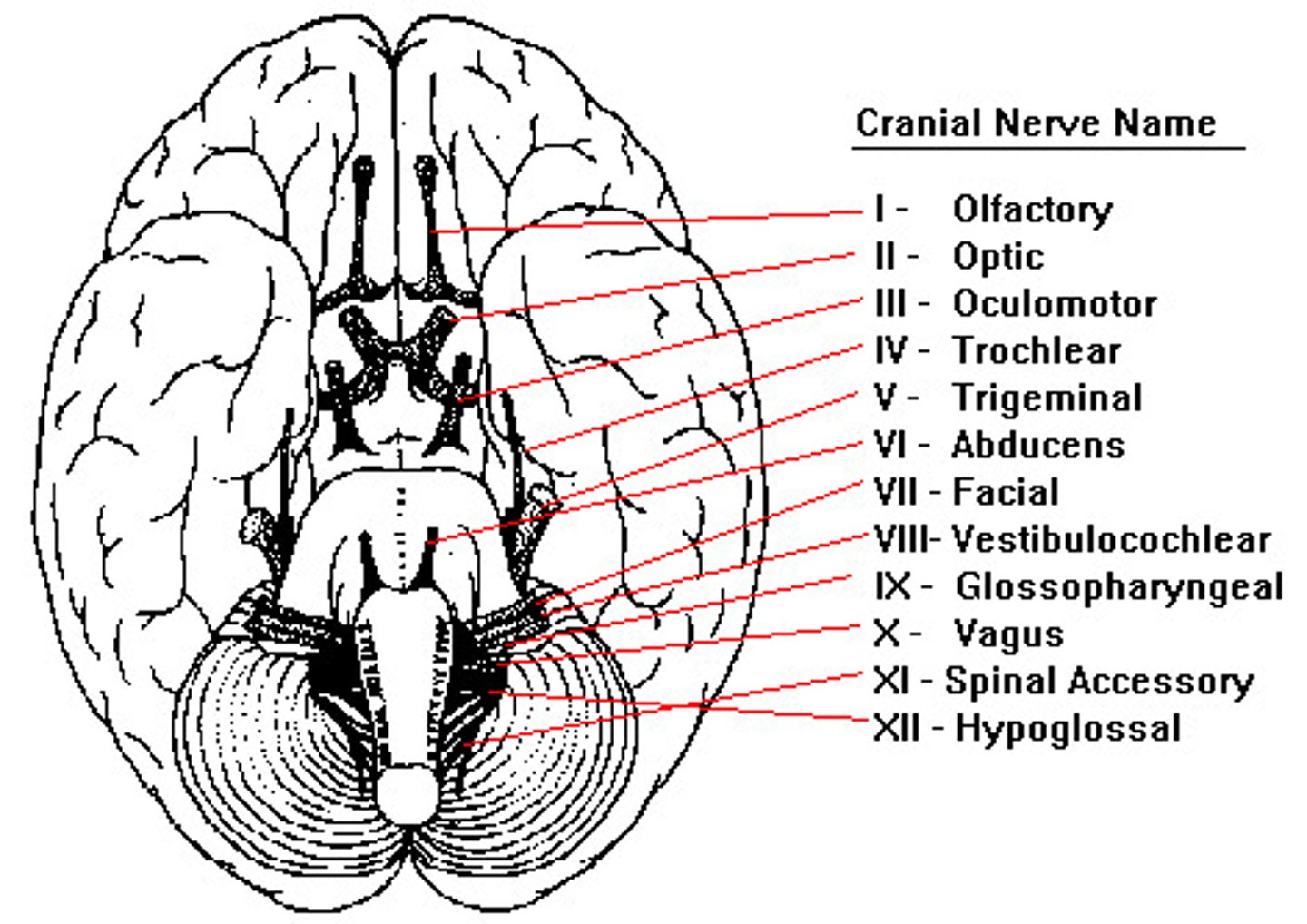
Cranial Nerve VII (7)
- Facial
- Sensory Function: Taste
- Motor Function: Facial Muscles
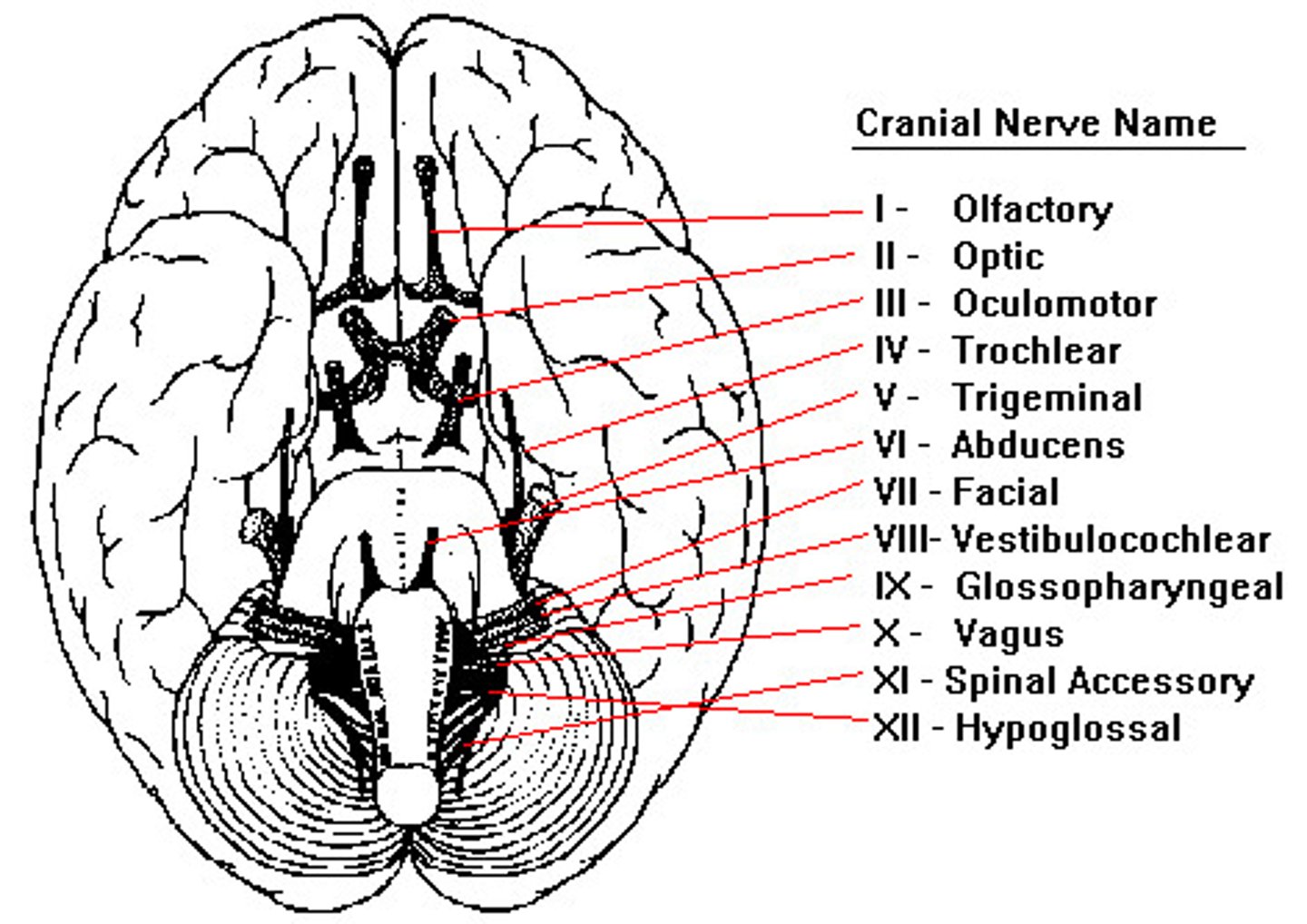
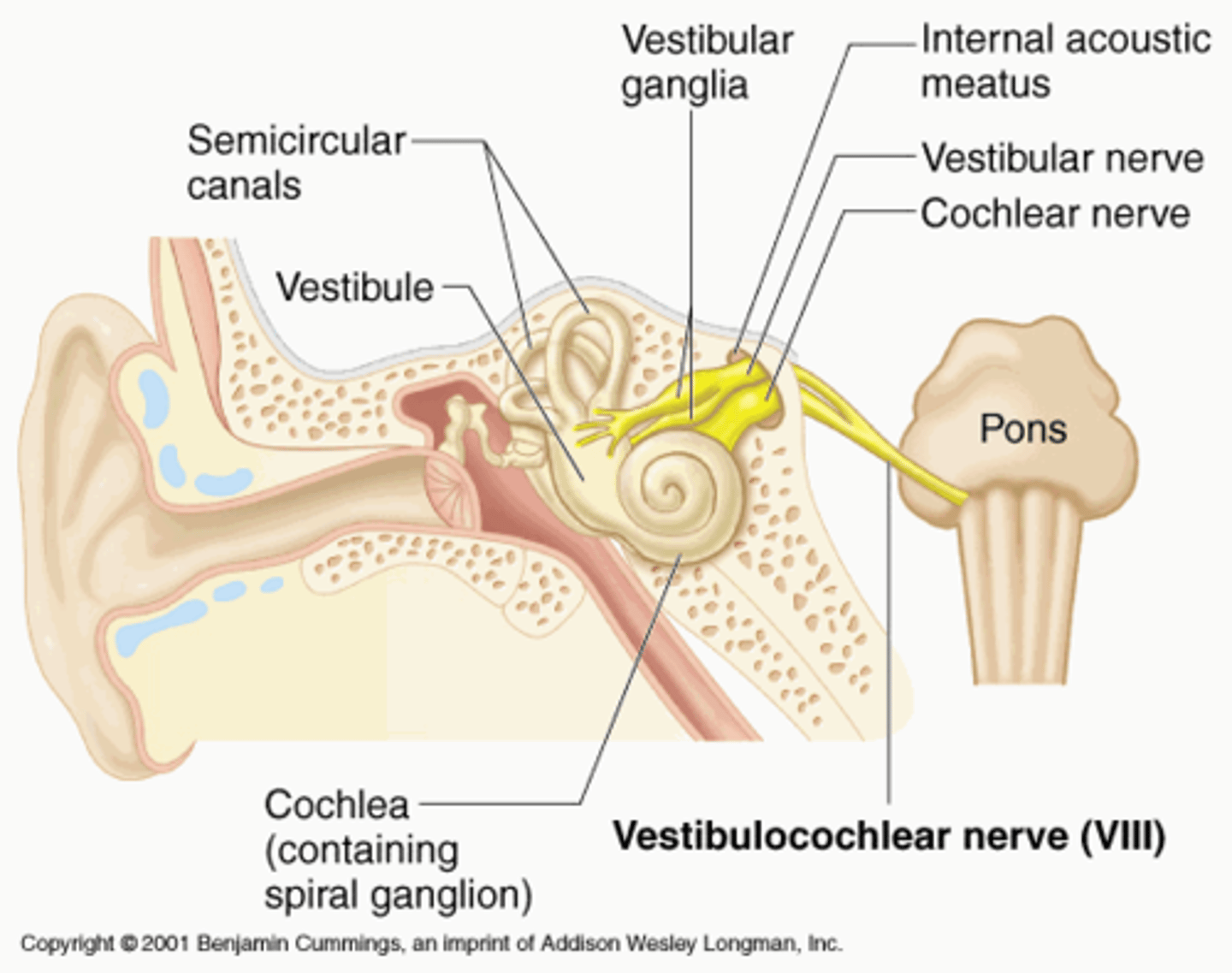
Cranial Nerve VIII (8)
- Auditory
- Sensory Function: Audition and Balance
- Motor Function: NONE
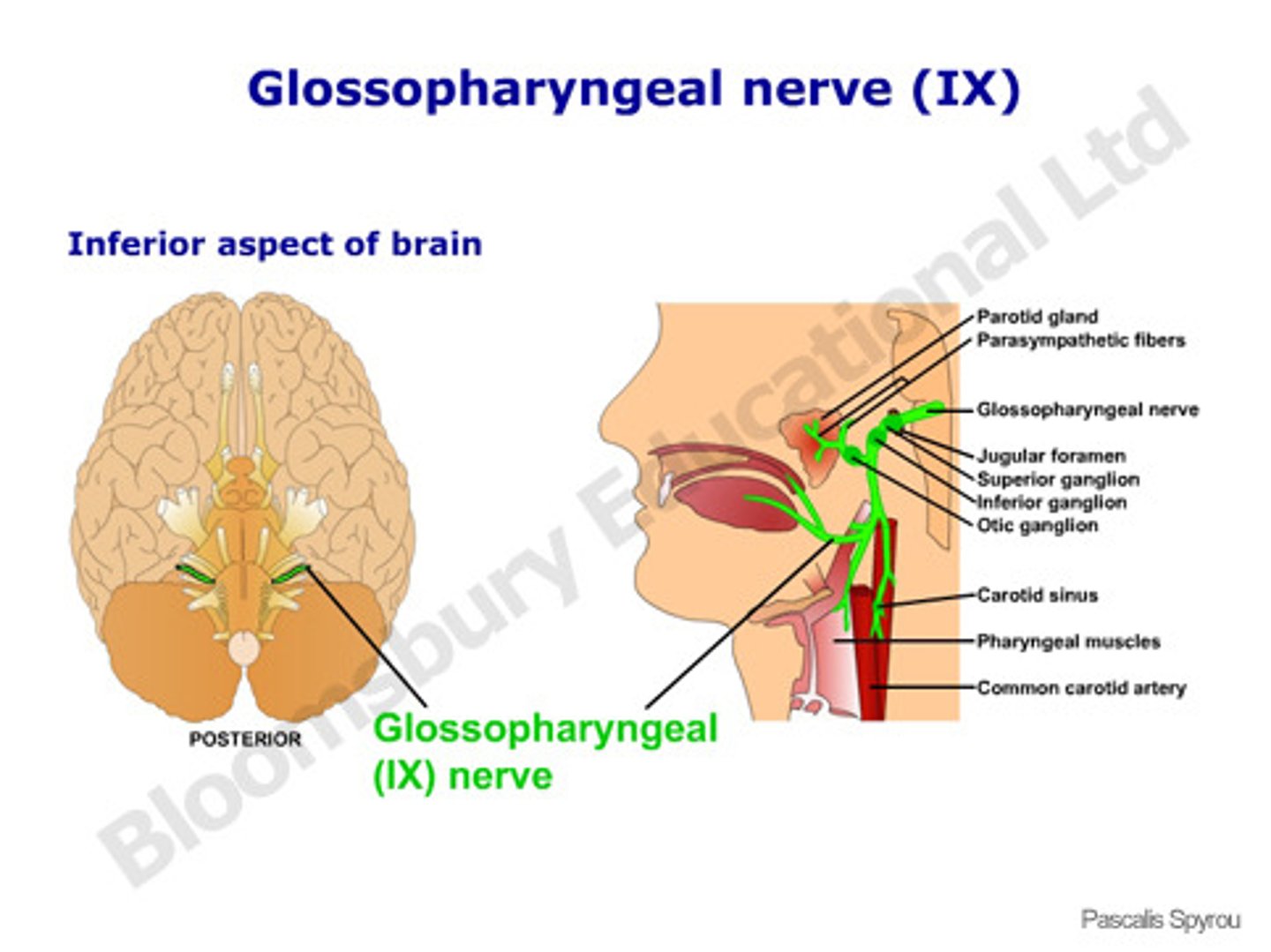
Cranial Nerve IX (9)
- Glossopharyngeal
- Sensory Function: Taste
- Motor Function: Tongue and Throat Muscles
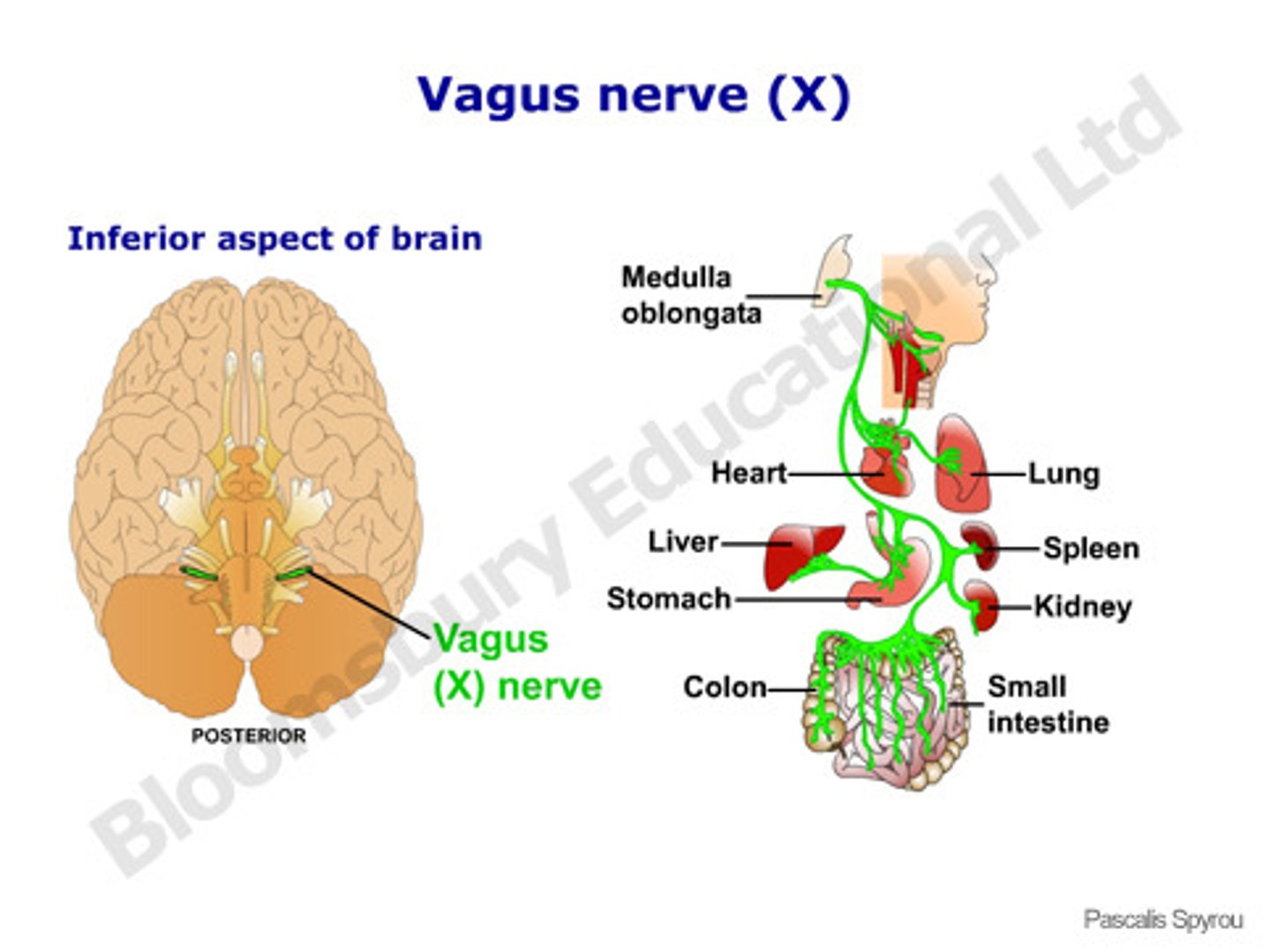
Cranial Nerve X (10)
- Vagus
- Sensory Function: Sensation From Trunk
- Motor Function: Internal Organs
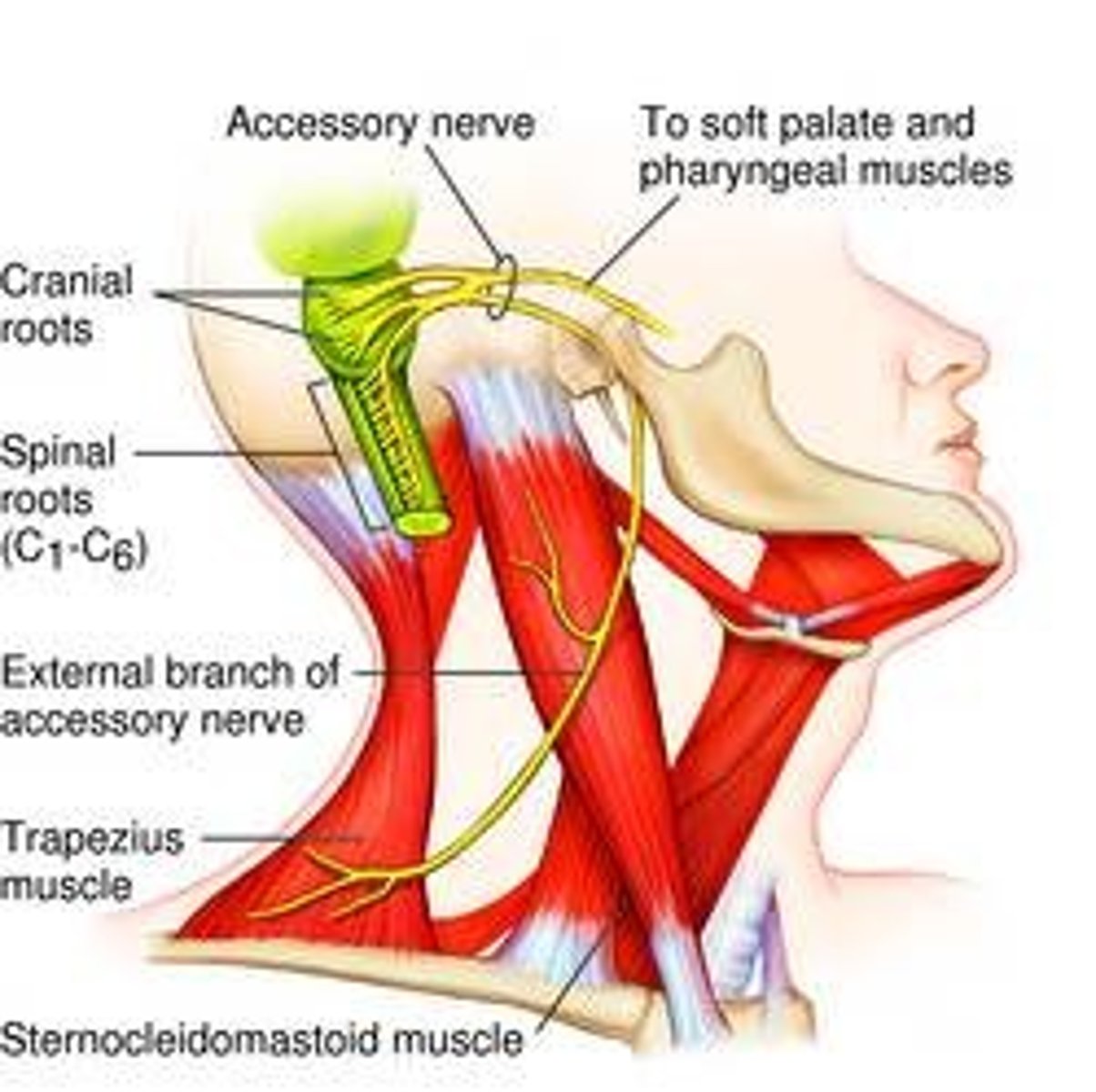
Cranial Nerve XI (11)
- Accessory
- Sensory Function: NONE
- Motor Function: Neck Muscles
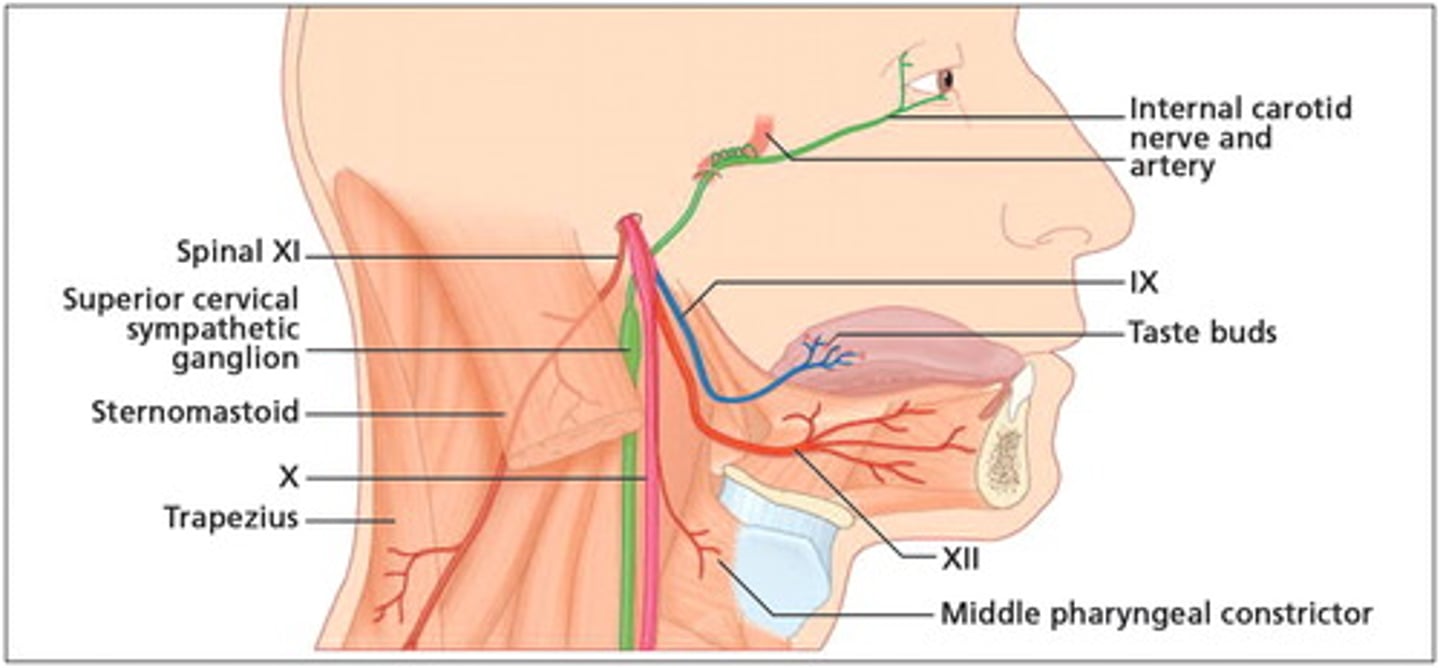
Cranial Nerve XII (12)
- Hypoglossal
- Sensory Function: NONE
- Motor Function: Tongue
Drug
- Chemical substance that changes the body or its functioning
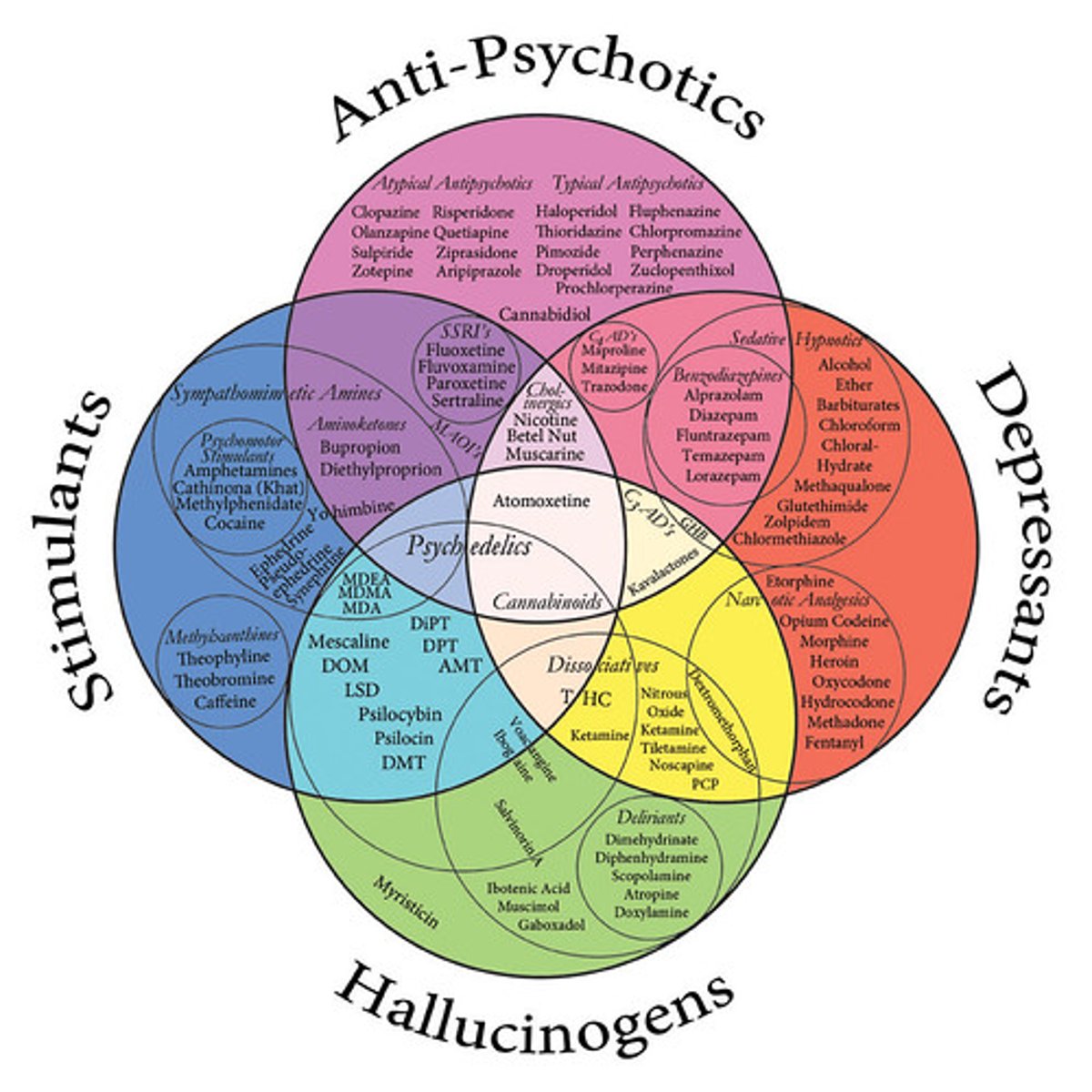
Psychoactive Drug
- Subcategory of a Drug
- Drugs that have psychological effects
- EX. Anxiety relief, Hallucinations, etc.
Agonist
- Drug that mimics or enhances the effect of a neurotransmitter (NT) by:
Having same effect on receptor as NT
Increasing effect of NT on receptor
Blocking re-uptake or degradation of NT
Speeding up exocytosis
- Working on Lock-and-Key match receptors
Antagonist
- Blocks or reduces the effect of a NT by:
Binding to receptor without activating it by preventing NT from binding to receptor and opening the related ion channel (Ca+ for exocytosis)
Reducing the availability of NT by reducing production or release of NT from presynaptic terminals
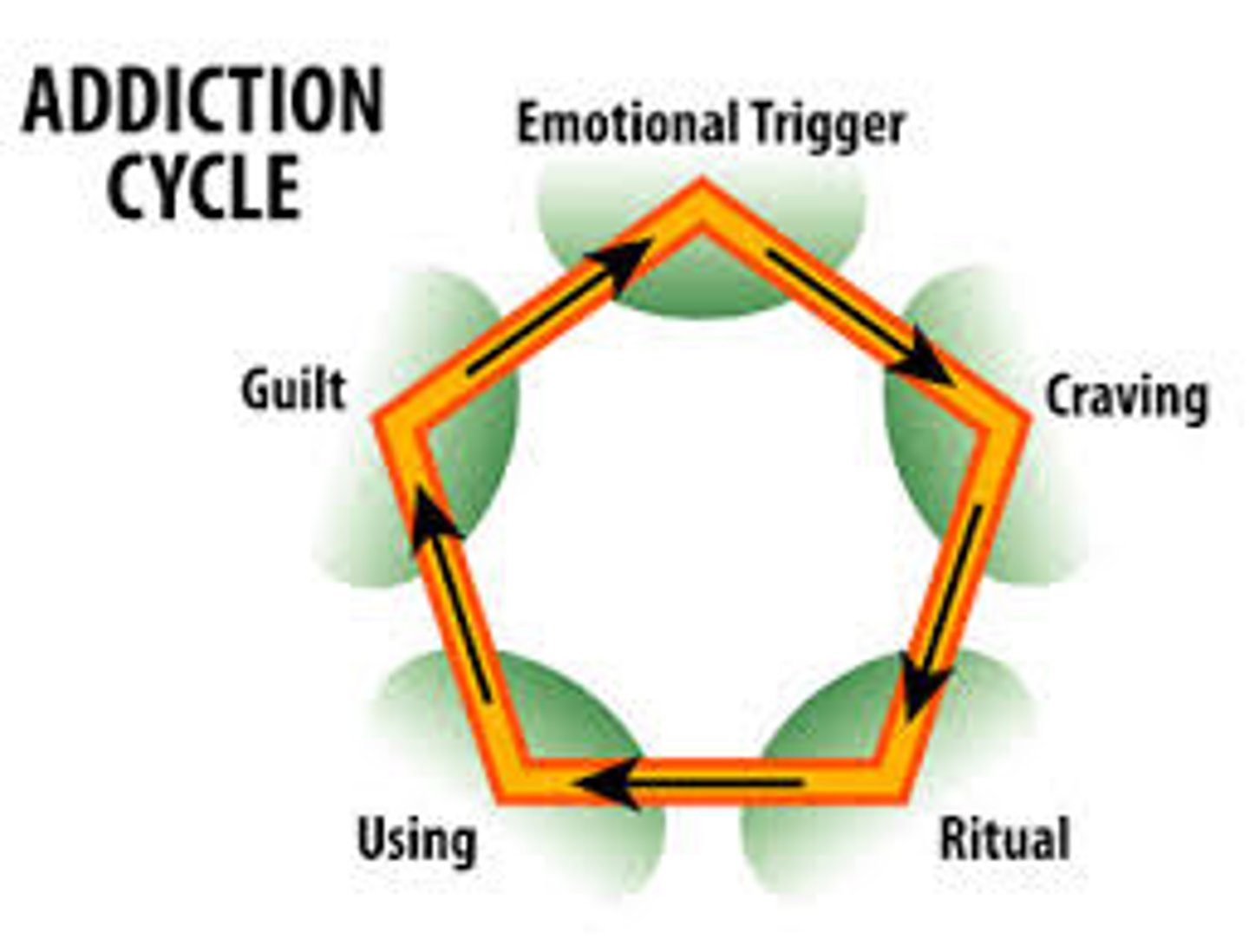
Addiction
All three criteria must be met:
- A preoccupation with obtaining drug
- Compulsive use of drug (no other choice but to do it)
- If someone does quit there is still a high tendency to relapse after quitting
Withdrawal
- Negative reaction when drug use is stopped
- Symptoms of withdrawal are often the opposite of the effects of the drug
- EX. Withdrawal from elation-producing drug would produce a depression
Tolerance
- Increasing amounts of the drug are required to produce same results
- Mostly due to reduction in number and/or sensitivity of receptors to the drug
Drug Types
- Opiates
- Depressants
- Stimulants
Opiates
- Derived from opium poppy
- Soluble in fat so they go immediately through blood-brain barrier
- Opium
- Morphine
- Heroine
- Codine
Opium
- Used since around 4000 B.C.
Morphine
- Used since around early 1800s
- Effective treatment for intense pain
Heroine
- Used since around late 1800s
- Initially sold as an over-the-counter analgesic
- Highly soluble in lipids so it crosses the blood brain barrier easily
- Major danger in overdose due to drug being to pure or high tolerance
Codine
- Cough Suppressant
Effects of Opiates
- Analgesic
- Hypnotic
- Euphoria
Analgesic
- Relieves pain
- EX. Morphine
Hypnotic
- Sleep inducing
- EX. Codine
Euphoria
- Intense sense of happiness
- EX. Heroine
Opiate Side Effects
- Addictive
How Opiates Work:
- Bind to opiate receptors
- Act as agonists of endogenous opiates like endorphins
Depressants
- Reduce activity of the Central Nervous System
- Ethanol
- Barbiturates
- Benzodiazepine
Ethanol
- A Depressant
- Produced from fermented fruit, grains, etc
- Waste product of bacteria
- EX. Alcohol, Booze