Deep-Level Diversity, Big Five Personality Traits, and Workplace Inclusion Strategies
 Call Kai
 Learn
Learn Practice Test
 Spaced Repetition
 Match
Match Flashcards
 Knowt Play
1/40

There's no tags or description
Looks like no tags are added yet.
Name | Mastery | Learn | Test | Matching | Spaced | Call with Kai |
|---|
No analytics yet
Send a link to your students to track their progress
41 Terms
What is deep-level diversity?
Differences that can be learned only through extended interaction with others.
What are the Big Five personality dimensions?
Openness to experience, Conscientiousness, Extraversion, Agreeableness, Neuroticism.
What does the term 'disposition' refer to in personality?
The tendency to respond to situations and events in a predetermined manner.
How is extraversion defined in the context of personality?
The degree to which someone is active, assertive, sociable, and energized by others.
What does neuroticism measure in personality?
The degree to which someone is not angry, depressed, anxious, or insecure.
What characterizes someone with high agreeableness?
They are cooperative, polite, flexible, forgiving, and trusting.
How does conscientiousness relate to job performance?
It is related to job performance across various occupational groups.
What does openness to experience indicate?
The degree to which someone is curious, broad-minded, and open to new ideas.
What is the discrimination and fairness paradigm in diversity?
Focuses on equal opportunity, fair treatment, and compliance with equal employment laws.
What is a limitation of the discrimination and fairness paradigm?
It primarily focuses on surface-level diversity dimensions like sex, race, and ethnicity.
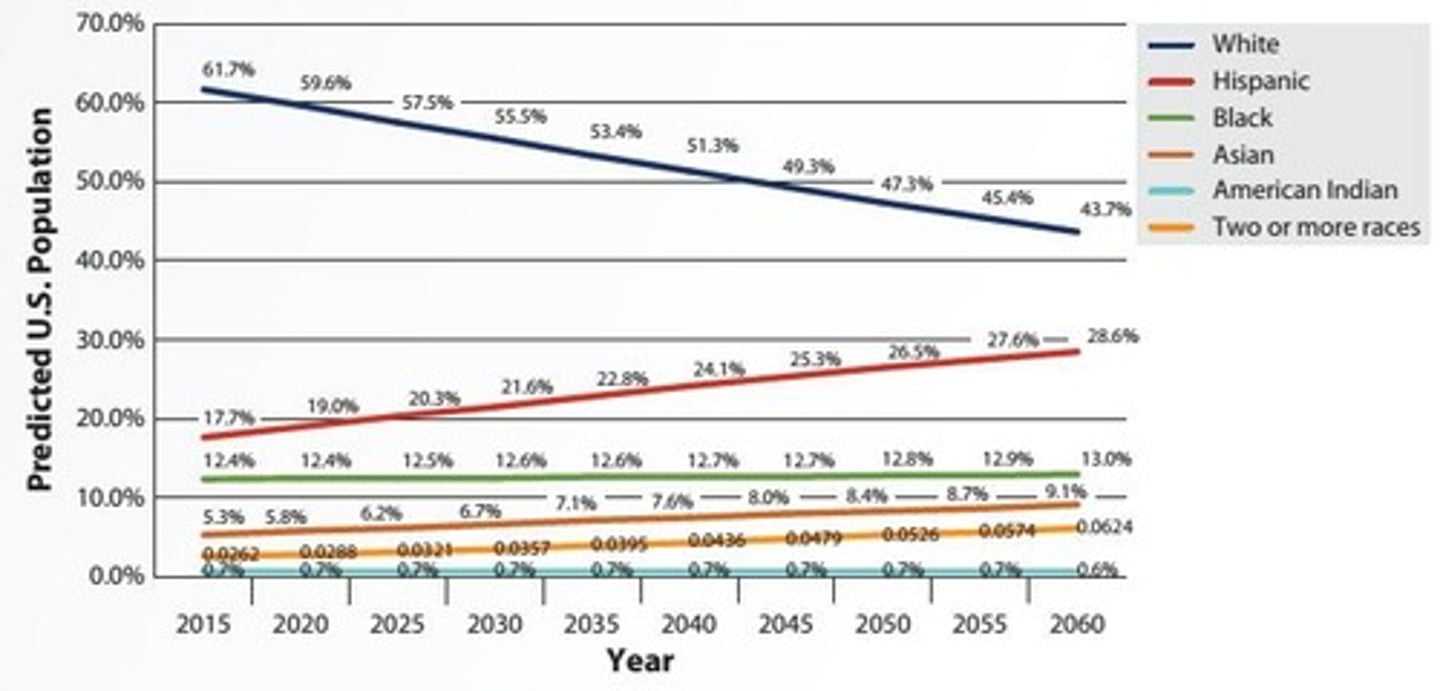
What does the access and legitimacy paradigm emphasize?
Acceptance and celebration of differences to match company diversity with stakeholder diversity.
What is a benefit of the access and legitimacy paradigm?
Establishes a clear business reason for diversity.
What is the learning and effectiveness paradigm?
Focuses on integrating deep-level diversity differences into the work of the organization.
What are the benefits of the learning and effectiveness paradigm?
Values common ground, distinguishes individual and group differences, and reduces conflict.
What is organizational plurality?
A work environment where all members are empowered to contribute and individuality is respected.
What are some key diversity principles?
Follow equal opportunity laws, treat group differences as important, and maintain high standards.
What is skills-based diversity training?
Training that teaches practical skills for managing a diverse workforce.
What is the purpose of awareness training in diversity?
To raise awareness of diversity issues and challenge underlying assumptions or stereotypes.
What are diversity audits?
Assessments used by companies to evaluate their diversity practices and policies.
What is diversity pairing?
A practice where diverse employees are paired to enhance understanding and collaboration.
What is the significance of minority experiences for top executives?
To provide insights and understanding of diversity issues from a minority perspective.
What does diversity mean in the context of organizations?
Diversity means variety and exists when there is a variety of demographic, cultural, and personal differences among the people who work.
What is the focus of diversity compared to affirmative action?
Diversity's focus is broader, encompassing demographic, cultural, and personal differences, while affirmative action specifically aims to create employment opportunities for minorities and women.
What are the purposes of affirmative action programs?
To compensate for past discrimination, prevent ongoing discrimination, and provide equal opportunities to all, regardless of race, color, religion, sex, sexual orientation, gender identity, or national origin.
How does diversity contribute to business success?
Diversity helps with cost savings by reducing turnover, decreasing absenteeism, avoiding lawsuits, attracting and retaining talent, driving business growth, and enhancing problem-solving.
What is surface-level diversity?
Surface-level diversity includes observable differences such as age, sex, race/ethnicity, and physical disabilities that are typically unchangeable and easy to measure.
What is social integration in the context of diversity?
Social integration is the degree to which group members are psychologically attracted to working with each other to achieve a common objective.
What is age discrimination?
Age discrimination is treating people differently in hiring, promotion, and compensation decisions based on their age.
What are the potential costs associated with older workers?
Higher costs due to salaries, pension plans, and vacation time as older employees tend to stay longer with a company.
What are the benefits of older workers?
Older workers often show better judgment, care more about work quality, and are less likely to quit or be absent.
What is sex discrimination?
Sex discrimination is treating people differently because of their sex.
What is the glass ceiling?
The glass ceiling is an invisible barrier that prevents women and minorities from advancing to top jobs in organizations.
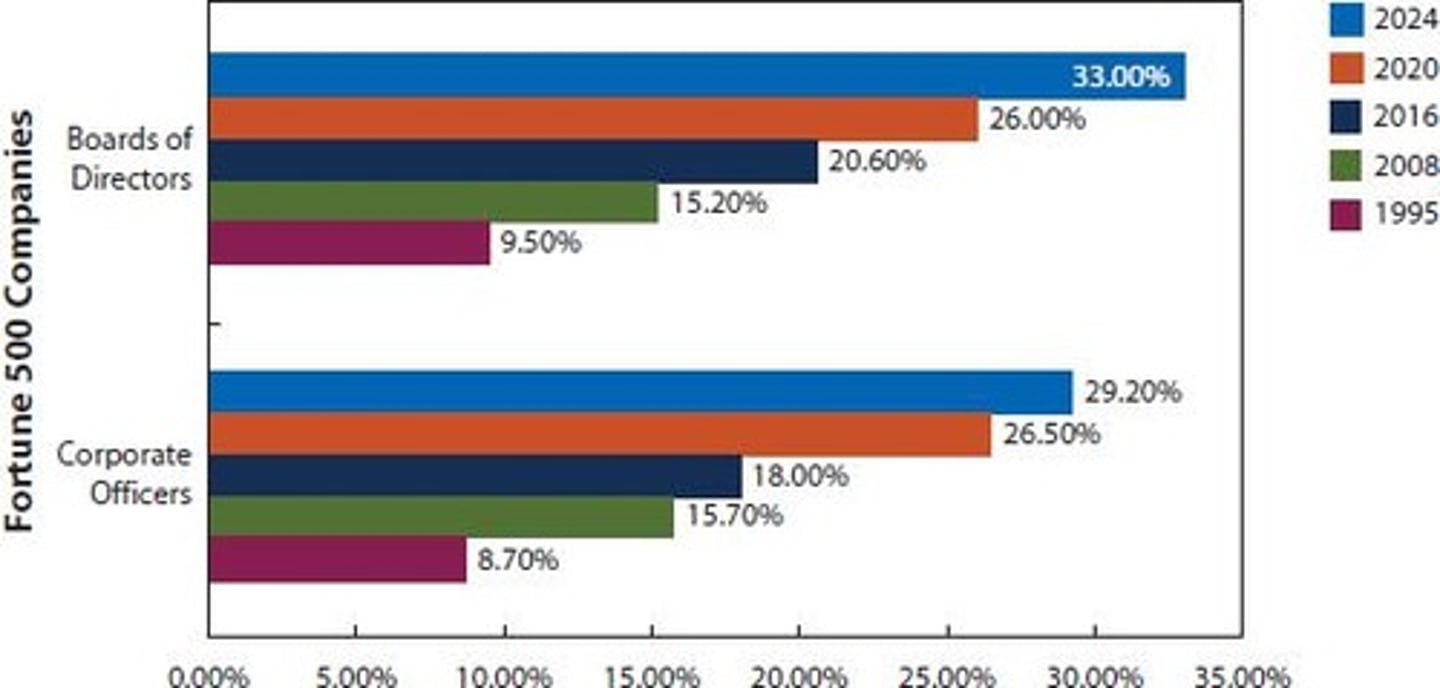
What strategies can help women advance in the workplace?
Strategies include mentoring female executives, ensuring inclusive social activities, and designating a go-to person for support.
What is sexual orientation discrimination?
Sexual orientation discrimination is treating people differently based on their attraction to people of the same or different sex.
What is gender identity discrimination?
Gender identity discrimination is treating people differently because of their gender identity.
What landmark decision did the US Supreme Court make in 2020 regarding workplace protections?
The decision expanded workplace protections for sexual orientation and gender identity to all 50 states.
What is racial and ethnic discrimination?
Racial and ethnic discrimination is treating people differently because of their race or ethnicity.
What strategies can ensure equal opportunities for racial and ethnic minorities?
Strategies include comparing hiring rates, surveying job satisfaction, testing hiring systems, and eliminating unclear criteria.
What constitutes a disability?
A disability is a mental or physical impairment that substantially limits one or more major life activities.
What is disability discrimination?
Disability discrimination is treating people differently because of their disabilities.
What strategies can support employees with disabilities?
Strategies include committing to reasonable workplace accommodations, providing assistive technology, and actively recruiting qualified workers with disabilities.