Chapter 24 Nutrition, Metabolism, and Energy Balance
 Call Kai
 Learn
Learn Practice Test
 Spaced Repetition
 Match
Match Flashcards
 Knowt Play
1/107

There's no tags or description
Looks like no tags are added yet.
Name | Mastery | Learn | Test | Matching | Spaced | Call with Kai |
|---|
No analytics yet
Send a link to your students to track their progress
108 Terms
Nutrient
substance in food needed for growth, maintenance, and repair
Macronutrients
three categories of nutrients making up most of the diet: carbohydrates, lipids, and proteins
Micronutrients
vitamins and minerals, required in small but essential amounts
Metabolic fuel
primary use for most nutrients, though some are for building molecules and cells
Water
essential substance accounting for about 60% of food volume
Essential nutrients
molecules the body cannot synthesize in adequate amounts and must be provided by the diet
Nonessential nutrients
hundreds of molecules the body can synthesize, often by liver interconversions
Kilocalories (kcal)
unit measuring nutrient energy; the heat needed to raise the temperature of 1 kg of water by 1°C
Carbohydrate and Protein Energy Value
4 kcal per gram
Lipid Energy Value
9 kcal per gram
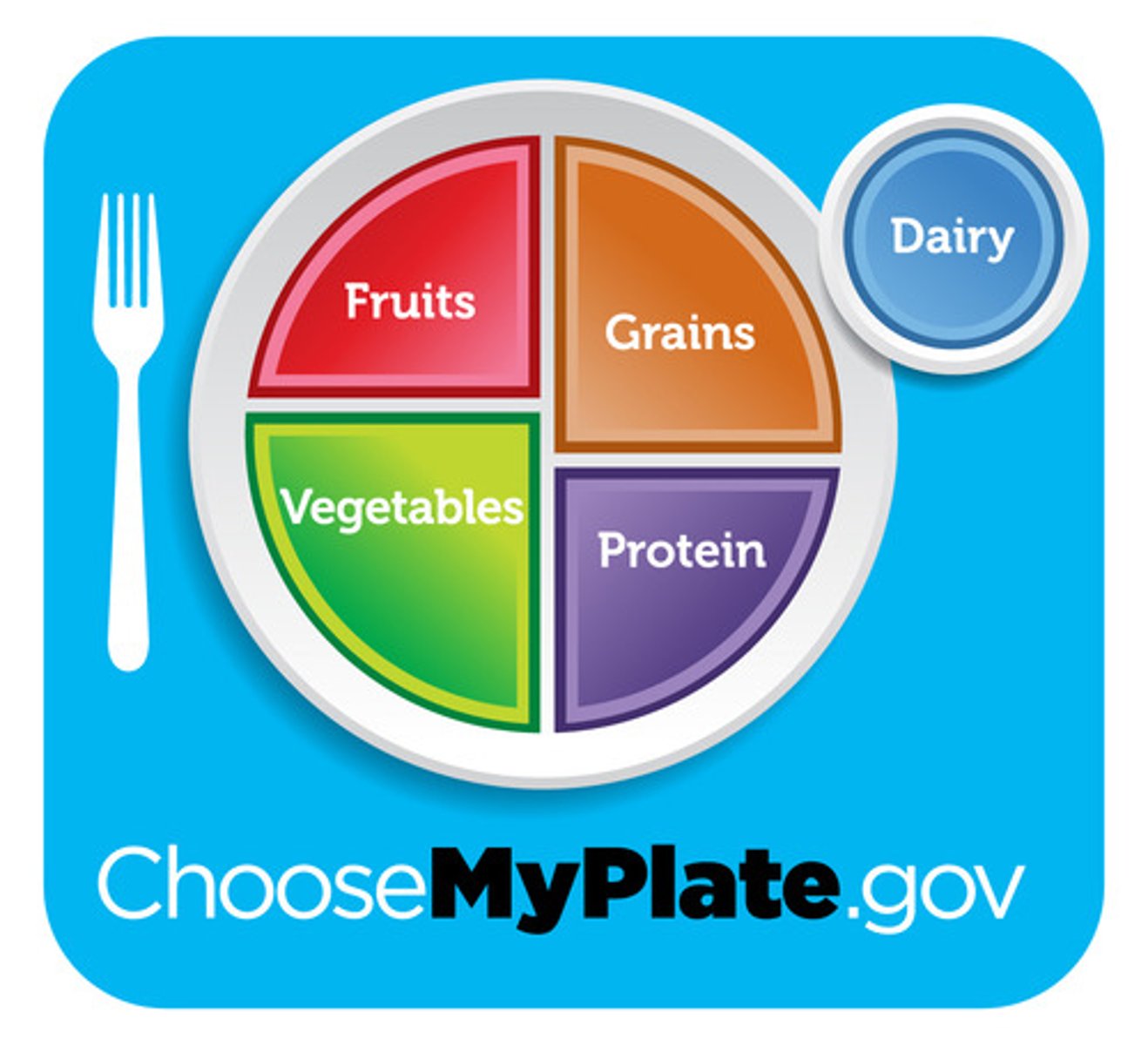
USDA MyPlate
guidelines for food portions: fruits, vegetables, grains, protein, and dairy
Basic Dietary Principles
eat only what you need; eat plenty of fruits, vegetables, and whole grains; avoid junk food
Carbohydrate Dietary Sources
mostly plants; lactose in milk; small amounts of glycogen in meat
Sugars
monosaccharides and disaccharides found in fruits, sugarcane, honey, and milk
Starch
polysaccharide found in grains and vegetables
Insoluble fiber
cellulose in vegetables that provides roughage to increase stool bulk and facilitate defecation
Soluble fiber
pectin in apples and citrus that helps reduce blood cholesterol levels
Glucose
the primary carbohydrate molecule used by cells to produce ATP
Fructose and Galactose
sugars converted to glucose by the liver before entering circulation
Neurons and RBCs
cells that rely almost entirely on glucose and die quickly without it
Glycogen or Fat
forms in which excess glucose is stored
Pentose sugars
carbohydrates used for building nucleic acids
Glycocalyx
cellular structure built using short-chain sugars
Carbohydrate Dietary Requirements
45-65% of total daily calories, ideally from complex carbohydrates
Carbohydrate Excess Problems
obesity, diabetes mellitus, dental caries, elevated triglycerides
Carbohydrate Deficit Problems
tissue wasting, metabolic acidosis from accelerated fat use
Lipid Dietary Sources
primarily triglycerides
saturated fats in meat/dairy
unsaturated in seeds/nuts
trans fats in hydrogenated oils
Cholesterol Sources
egg yolks, meats, organ meats, shellfish, and milk products
Liver Cholesterol Production
the liver produces about 85% of blood cholesterol regardless of intake
Essential Fatty Acids
linoleic acid (omega-6) and linolenic acid (omega-3), which the liver cannot make
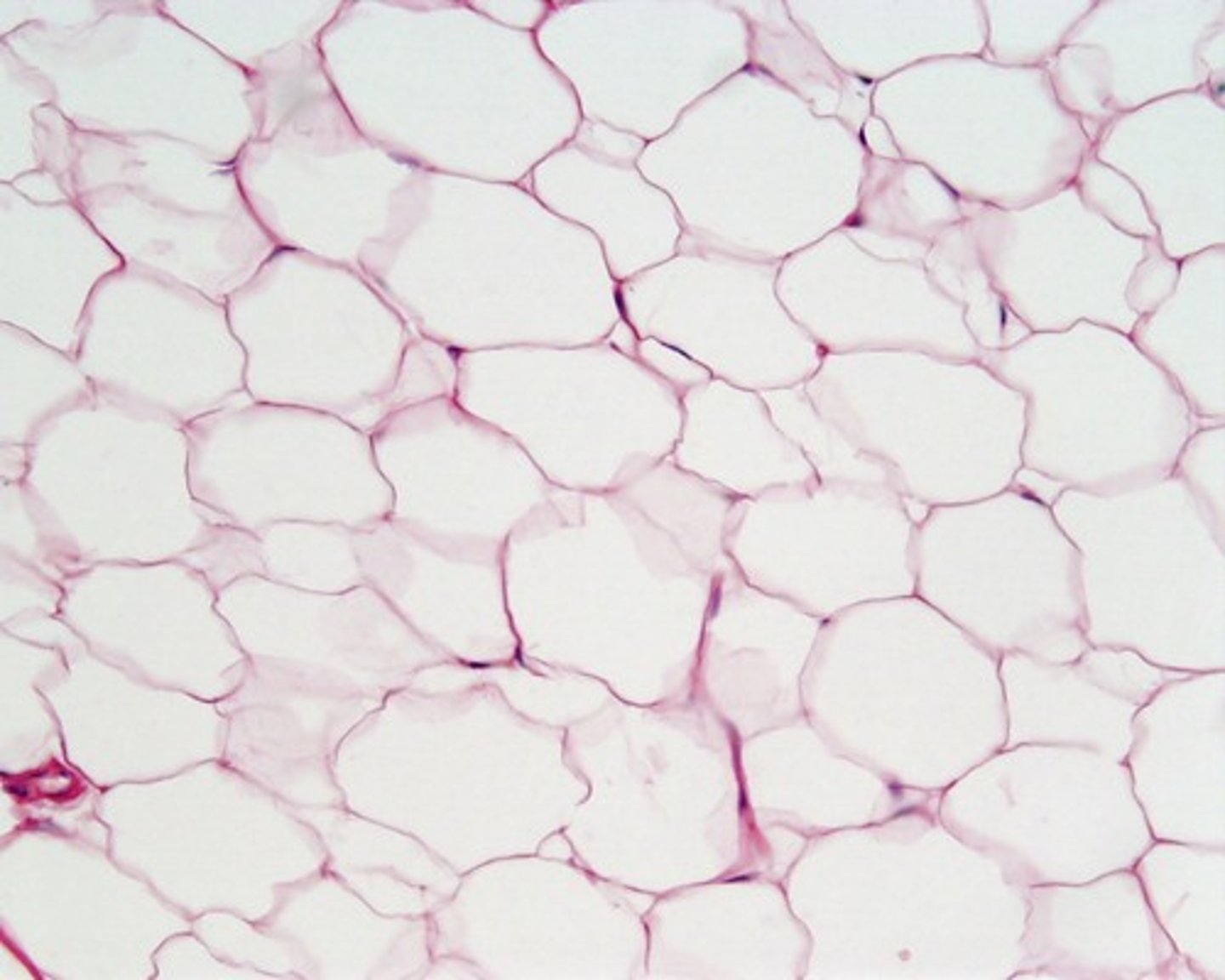
Adipose Tissue
provides protective cushioning, insulation, and energy storage
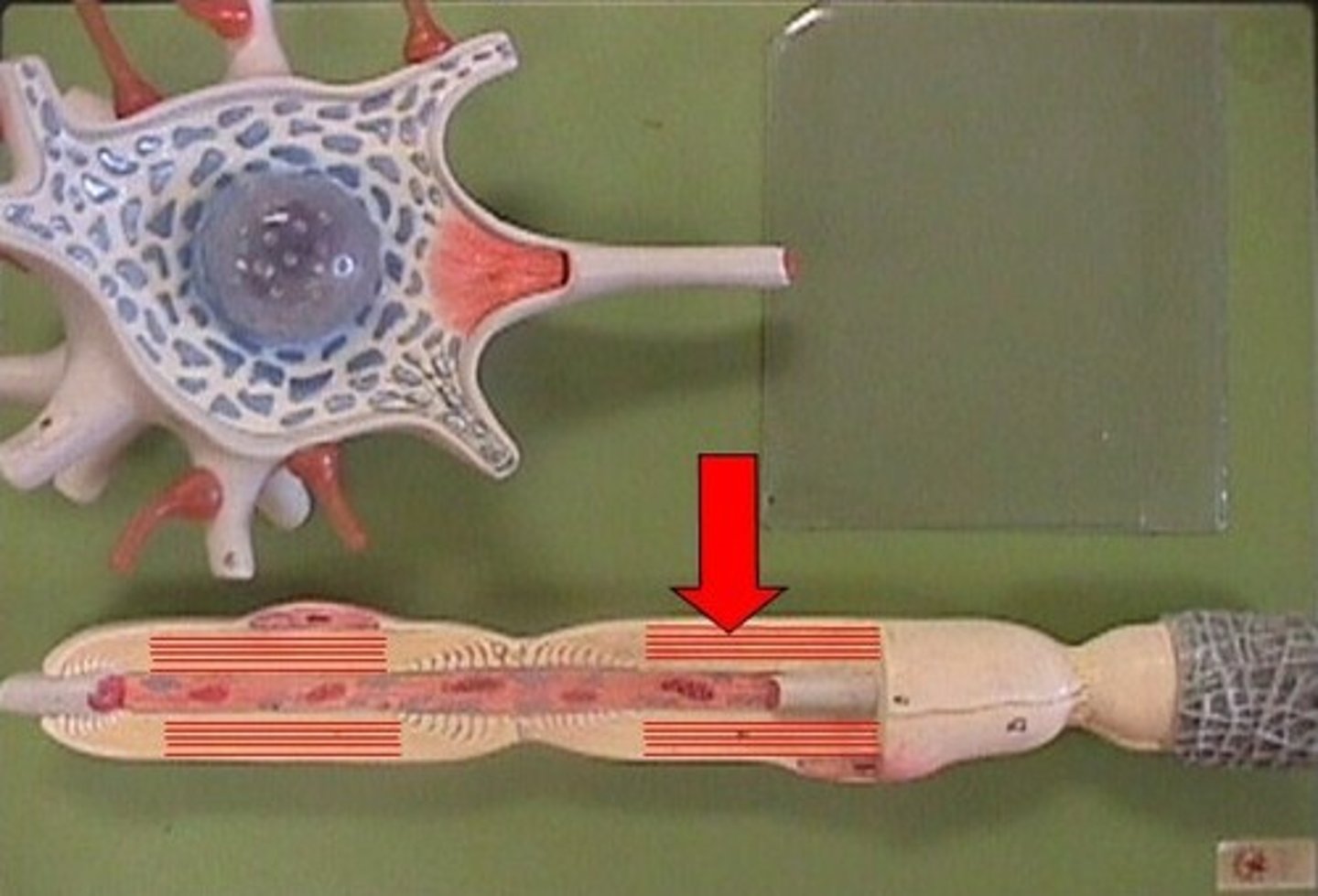
Myelin Sheaths
neuronal structures largely composed of phospholipids
Cholesterol Functions
stabilizes cell membranes; precursor for bile salts and steroid hormones
Prostaglandins
regulatory molecules made from linoleic acid involved in BP regulation and inflammation
Lipid Dietary Requirements
20-35% of total caloric intake; saturated fats limited to 10% or less
Lipid Excess Problems
obesity; increased risk of cardiovascular disease
Lipid Deficit Problems
weight loss; heat loss control issues; poor growth; skin lesions; depression
Complete Proteins
animal products and soybeans that meet all essential amino acid requirements
Incomplete Proteins
legumes, nuts, and grains LOW in one or more essential amino acids
All-or-None Rule
all amino acids needed for a specific protein must be present simultaneously or the protein cannot be built
Caloric Adequacy
if carbohydrate or fat intake is insufficient, body proteins will be burned for energy instead
Anabolic Hormones
GH and sex hormones that promote protein synthesis
Glucocorticoids
hormones that promote protein breakdown and conversion of amino acids to glucose
Positive Nitrogen Balance
synthesis exceeds breakdown; occurs during growth, pregnancy, and tissue repair
Negative Nitrogen Balance
breakdown exceeds synthesis; occurs during stress, infection, or starvation
Protein Dietary Requirement
0.8 g per kilogram of body weight daily
Protein Deficit Problems
profound weight loss; edema due to low plasma proteins; miscarriage or premature birth
Vitamins
organic compounds acting as coenzymes; needed in minute amounts for macronutrient use
Vitamin D
vitamin synthesized in the skin
Vitamins B and K
vitamins synthesized by intestinal bacteria
Beta-carotene
a provitamin found in carrots that the body converts to Vitamin A
Water-soluble Vitamins
B complex and C; absorbed with water; not stored in the body
Fat-soluble Vitamins
A, D, E, and K; absorbed with lipids; stored in body fat (except Vitamin K)
Antioxidants
Vitamins A, C, and E
neutralize harmful free radicals
Seven Major Minerals
Calcium, Phosphorus, Potassium, Sulfur, Sodium, Chlorine, and Magnesium
Iron
component of hemoglobin and electron carriers; deficiency causes anemia
Iodine
essential component of thyroid hormones; deficiency causes goiter
Calcium and Phosphorus
minerals used to harden bone
Sodium and Chloride
major electrolytes in blood
Metabolism
the sum of all biochemical reactions in the body
Anabolism
reactions that build larger molecules from smaller ones; requires energy
Catabolism
reactions that break down complex structures into simpler ones; releases energy
Cellular Respiration
catabolic reactions (glycolysis, Krebs, ETC) that capture chemical energy as ATP
Phosphorylation
transfer of a high-energy phosphate group to prime a molecule for work
Oxidation
the gain of oxygen or the loss of hydrogen and electrons
Reduction
the gain of hydrogen and electrons; results in a gain of energy
Dehydrogenases
enzymes that catalyze the REMOVAL of hydrogen atoms
Oxidases
enzymes that catalyze the transfer of oxygen
NAD+ and FAD
B-vitamin coenzymes that act as hydrogen and electron acceptors
Substrate-level Phosphorylation
direct transfer of phosphate from a substrate to ADP; occurs in glycolysis and Krebs
Oxidative Phosphorylation
Mitochondrial process using a proton gradient to synthesize the most ATP
Glycolysis
anaerobic process in cytosol; 1 glucose becomes 2 pyruvic acids; yields 2 ATP and 2 NADH
Lactic Acid
formed from pyruvic acid when oxygen is not available
Citric Acid Cycle (Krebs)
mitochondrial aerobic process;
breaks down pyruvic acid to CO2;
yields ATP and reduced coenzymes
Electron Transport Chain (ETC)
use of high-energy electrons from NADH/FADH2 to pump protons and create a gradient
ATP Synthase
rotary motor protein that uses proton flow to attach phosphate to ADP
Glycogenesis
synthesis of glycogen from glucose when ATP levels are high
Glycogenolysis
breakdown of glycogen to glucose when blood sugar is low
Gluconeogenesis
formation of new glucose from non-carbohydrate sources like glycerol and amino acids
Beta Oxidation
breakdown of fatty acid chains into two-carbon acetic acid fragments
Lipogenesis
triglyceride synthesis when cellular ATP and glucose levels are high
Lipolysis
breakdown of stored fats into glycerol and fatty acids for fuel
Ketogenesis
liver conversion of excess acetyl CoA into ketone bodies during rapid fat breakdown
Transamination
transfer of an amine group from an amino acid to a keto acid
Oxidative Deamination
removal of an amine group as ammonia in the liver; ammonia is then converted to urea
Absorptive State
the four hours after eating where anabolism exceeds catabolism and nutrients are stored
Insulin
the primary hormone of the absorptive state; lowers blood glucose and promotes storage
Postabsorptive State
the fasting state where energy stores are broken down to maintain blood glucose
Glucagon
the primary hormone of the postabsorptive state; promotes glycogenolysis and gluconeogenesis
Diabetes Mellitus
disorder of inadequate insulin or abnormal receptors, leading to metabolic acidosis and protein wasting
HDL (High-density lipoproteins)
"good" cholesterol; transports excess cholesterol from tissues back to the liver
LDL (Low-density lipoproteins)
"bad" cholesterol; transports cholesterol to peripheral tissues
VLDL (Very low-density lipoproteins)
transport triglycerides from the liver to adipose tissue
Liver Functions
processes nearly every nutrient; detoxifies; stores vitamins A, D, B12, and Iron
Basal Metabolic Rate (BMR)
energy used for essential activities at rest and fasting
Total Metabolic Rate (TMR)
total calories needed for BMR plus ALL voluntary physical activities
Thyroxine
major hormone controlling BMR
increases oxygen consumption and heat production
Leptin
hormone from fat cells that suppresses appetite as fat stores increase
Ghrelin
appetite stimulant from the stomach that peaks before meals
Hypothalamus
the body's main integration center for temperature regulation