AP Government - Unit 2: Interaction Among Branches of Government
 Call Kai
 Learn
Learn Practice Test
 Spaced Repetition
 Match
Match Flashcards
 Knowt Play
1/121

There's no tags or description
Looks like no tags are added yet.
Name | Mastery | Learn | Test | Matching | Spaced | Call with Kai |
|---|
No analytics yet
Send a link to your students to track their progress
122 Terms
Article 1 of the Constitution
Make up of the bicameral legislature: senate and congress
Federalist 51 - Jame Madison
Argues that separation of powers within the national government is the best way to prevent the concentration of power in the hands of one person or a single group.
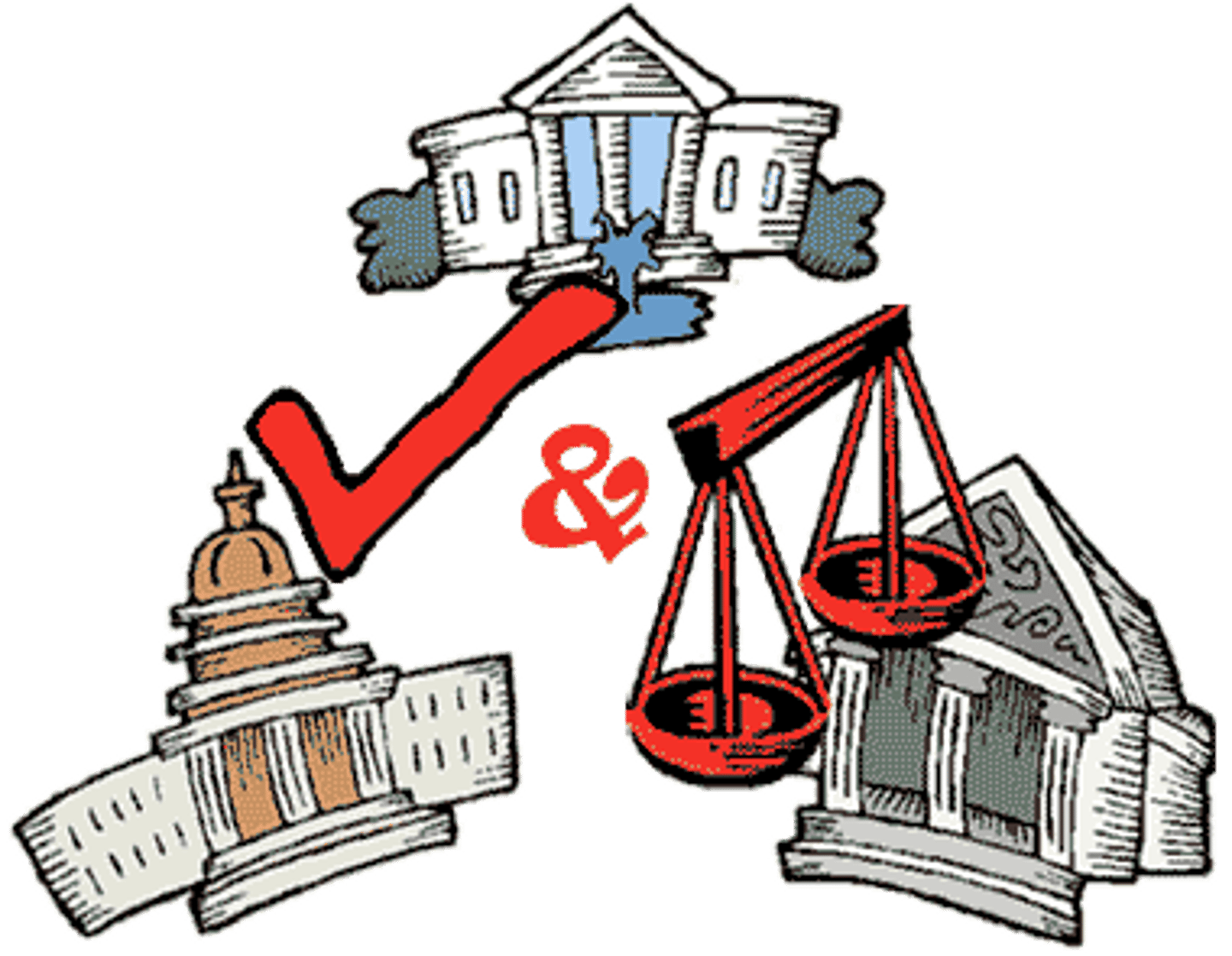
Checks and Balances
A system that allows each branch of government to limit the powers of the other branches in order to prevent abuse of power
Senate: Make up
100 members, 2 members for each state. Members are elected every 6 years. The Vice President is the head of this body.
Senate Qualifications
30 years old, citizen for 9 years, must live in the state you represent
Continuous Body (Senate)
1/3 of the Senate is re-elected every 2 years
House of Representatives: Make up
the lower house of Congress, consisting of a different number of representatives from each state, depending on population (max 435), 2 year term length.
House Qualifications
25 years old
U.S Citizens for 7 years
Resident of the district they're representing
Article 1 Section 8
lists specific powers of Congress, including the power to establish and maintain an army and navy, to establish post offices, to create courts, to regulate commerce between the states, to declare war, and to raise money. It also includes a clause known as the Elastic Clause which allows it to pass any law necessary for the carrying out of the previously listed powers.
enumerated powers
Those delegated powers of the National Government that are spelled out, expressly, in the Constitution; also called expressed powers
expressed powers
Those delegated powers of the National Government that are spelled out, expressly, in the Constitution; also called the "enumerated powers"
Powers of the Senate
confirm presidential appointments by a majority vote, ratify (approve) treaties made by the president by a 2/3rds vote (67 senators), hold impeachment trial to remove a president
Powers of the House of Representatives
the power to initiate revenue bills, impeach federal officials, and elect the President in the case of an electoral college tie
Necessary and Proper Clause
Clause of the Constitution (Article I, Section 8, Clause 18) setting forth the implied powers of Congress. It states that Congress, in addition to its express powers, has the right to make all laws necessary and proper to carry out all powers the Constitution vests in the national government
Implied Powers (Elastic Clause)
This was an ambiguous power of the Federal Government that stated "Congress can do what's proper and necessary." Example: National Bank
McCulloch v. Maryland
1819, Chief Justice John Marshall decided the limits of the US Constitution and of the authority of the federal and state govts. one side was opposed to establishment of a national bank and challenged the authority of federal govt to establish one b/c not expressed. Supreme court ruled that power of federal govt was supreme and a federal bank was an implied power.
Article VI of the Constitution
Supremacy Clause, which makes the Constitution, national laws, and treaties supreme over state laws when the national government is acting within its constitutional limits.
policy making process
1. Agenda Setting: Identify Issue/Problem
2. Policy Formulation: Research & create solutions to problem
3. Policy Adoption: Congressional Approval Process
4. Policy Implementation: Executive Branch
5. Policy Evaluation/Revision
constituent
a person whom a member of Congress has been elected to represent
coalition
an alliance of factions pursuing a common goal
Congressional Standing Committees
committees with fixed membership and jurisdiction, continuing from Congress to Congress to divide up the workload on the thousands of bills introduced.
steps of a bill becoming a law
1. introduced
2. goes to committee and is
debated/amended/killed
3. goes to floor of house/senate for debate, amendments, and vote
4.Switch houses if passed:
referred to the senate/house committees depending on where it started
5. Must pass both houses of congress (conference committee if needed)
6. sent to the president
becomes law: Pocket Veto after 10 days if not in session, Veto it, Sign it, or becomes law after 10 days if still in session
Committees
small groups of representatives who work out the details of bills and spread out the workload.
conference committee
special joint committee created to reconcile differences in bills passed by the House and Senate
House Rules Committee
An institution unique to the House of Representatives that reviews all bills (except revenue, budget, and appropriations bills) he committee that determines how and when debate on a bill will take place
discharge petition
Petition that, if signed by majority of the House of Representatives' members, will pry a bill from committee and bring it to the floor for consideration.
Filibuster
A procedural practice in the Senate whereby a senator refuses to relinquish the floor and thereby delays proceedings and prevents a vote on a controversial issue.
Cloture
A. A procedure for terminating debate, especially filibusters, in the Senate. B. Supermajority of 60 votes for bills (1975 changed from 2/3) C. Simple Majority (51 votes) for confirmations (2017 change from 60)
pork barrel
The mighty list of federal projects, grants, and contracts available to cities, businesses, colleges, and institutions available in a congressional district.
Logrolling
An agreement by two or more lawmakers to support each other's bills
President of the Senate
Vice President
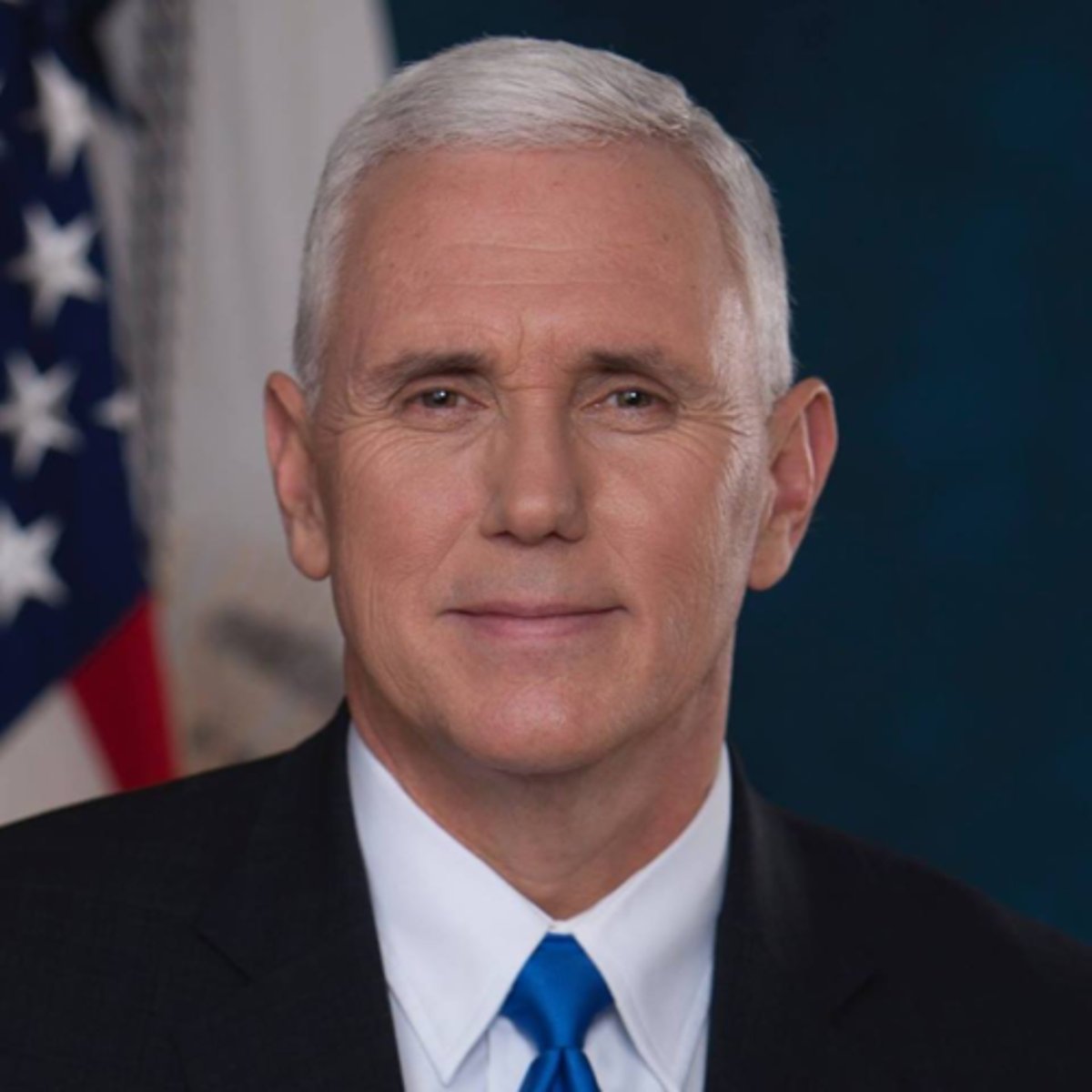
Speaker of the House
An office mandated by the Constitution. The Speaker is chosen in practice by the majority party, has both formal and informal powers, and is second in line to succeed to the presidency should that office become vacant.
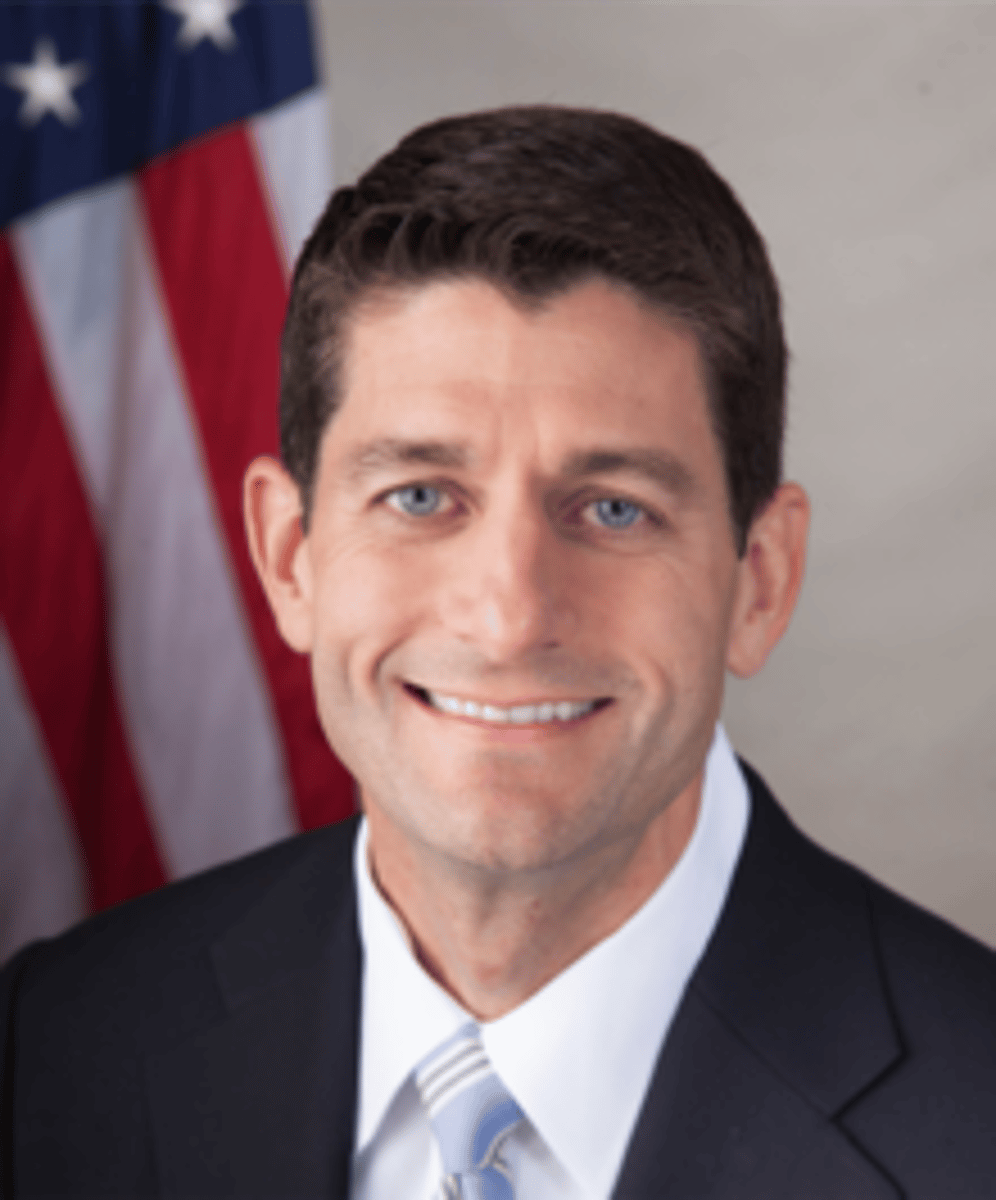
Party Leadership in Congress
-majority and minority parties of each house pick their leaders of Congress.
-The Speaker of the House is the leader of the majority party
-serves as a the presiding officer of the House of Representatives.
-The leaders can only exercise powers that their party members give them.
Pro tempore of the Senate
Replaces vice president if out of office or on vacation. (For the time being)
Gridlock
An inability to enact legislation because of partisan conflict within Congress or between Congress and the president.
divided government
one party controls the White House and another party controls one or both houses of Congress
Bipartisanship
A policy that emphasizes a united front and cooperation between the major political parties, especially on sensitive foreign policy issues.
lame duck
A person still in office after he or she has lost a bid for reelection
partisan voting
vote to please fellow party members, leads to logrolling
Trustee
A legislator who acts according to her or his conscience and the broad interests of the entire society.
delegate
A person appointed or elected to represent others
politico
Lawmaker who attempts to balance the basic elements of the trustee, delegate, and partisan roles
Gerrymandering
Process of redrawing legislative boundaries for the purpose of benefiting the party in power.
Reapportionment
the process of reassigning the number of representatives based on population, after every census
Redistricting
The redrawing of congressional and other legislative district lines following the census, to accommodate population shifts and keep districts as equal as possible in population.
Baker v. Carr
case that established one person one vote. This decision created guidelines for drawing up congressional districts and guaranteed a more equitable system of representation to the citizens of each state
Shaw v. Reno
NO racial gerrymandering; race cannot be the sole or predominant factor in redrawing legislative boundaries; majority-minority districts. (1993)
"One Person, One Vote"
The principle that each legislative district within a state should have the same number of eligible voters so that representation is equitably based on population. Baker v Carr (1962)
27th Amendment
congressional pay raises are not begun until the next election
Congressional salary
Today senators and representatives are paid $174,000 per year. A few members are paid somewhat more. The Speaker of the House makes $223,500 per year. The Vice President makes $230,700 per year. The Senate's president pro temp and the floor leaders in both houses receive $193,400 per year.
Article 2 Section 2
gives the President some important powers. He is commander-in-chief of the armed forces and of the militia (National Guard) of all the states; he has a Cabinet to aid him, and can pardon criminals. He makes treaties with other nations, and picks many of the judges and other members of the government (all with the approval of the Senate).
Federalist No. 70
Argues for a strong unitary executive leader, as provided for by the Constitution, as opposed to the weak executive under the Articles of Confederation. He asserts, "energy in the executive is the leading character in the definition of good government.
Formal Powers
specific grants of authority defined in the Constitution or in law
22nd Amendment
Limits the president to two terms or 10 years.
Informal Powers
Powers not directly granted by law. The governor's informal powers may follow from powers granted by law but may also come from the governor's persuasive abilities, which are affected by the governor's personality, popularity, and political support.
Chief Executive
The role of the president as head of the executive branch of the government.
White House Staff
Personnel who run the White House and advise the President. Includes the Chief of Staff and Press Secretary
Cabinet Departments
15 total of various size, status, visibility, and function. They all advise the President, help execute/implement programs; have broad responsibility. Examples: State (the most prestigious. The diplomats), Defense: biggest, HHS, Agriculture, Commerce, Homeland Security, Attorney General.
Confirmation
Senate power to confirm the Presidential nomination of judges or presidential cabinet members. Simple Majority Needed
Chief Diplomat (President)
Head of state in representing the nation. The President negotiates treaties, appoints ambassadors, receives foreign ambassadors, Recognizes foreign governments, and executive agreements.
executive agreements
Agreements with other countries that do not need senate approval. Informal Power
Treaty Ratification Process
The President may form and negotiate, but the treaty must be advised and consented to by a two-thirds vote in the Senate. Only after the Senate approves the treaty can the President ratify it. Once it is ratified, it becomes binding on all the states under the Supremacy Clause.
ambassador
nominate an official representative of a country's government with Senate approval
Secratary of state
the head of the State Department, responsible for foreign affairs.
Commander in Chief
term for the president as commander of the nation's armed forces
War Powers Act of 1973
President can send troops immediately, but must report to Congress within 48 hours and power is limited to 60 days unless Congress extends
Secretary of Defense (SECDEF)
responsible for providing the military forces to deter war and protect the security of our country
Chief Legislator
term for the president as architect of public policy and the one who sets the agenda for congress
Veto
to reject
pocket veto
A veto taking place when Congress adjourns within 10 days of submitting a bill to the president, who simply lets it die by neither signing nor vetoing it.
signing statement
a presidential document that reveals what the president thinks of a new law and how it ought to be enforced. Informal Power
State of the Union Address
The president's annual statement to Congress and the nation.
Special Session of Congress
an extraordinary session of a legislative body, called to deal with an emergency situation
executive order
A rule issued by the president that has the force of law. Informal Power
Judicial Powers of the President
Appoints federal judges and supreme court justices; can pardon criminals.
reprieve
a respite; postponement of a sentence
amnesty
a pardon to a group of people
Chief of Party
Leader of the political party that controls the executive branch.
Chief Citizen
The President as the representative of all the people
Bully Pulpit
the president's use of his prestige and visibility to guide or enthuse the American public
Chief of State
The president as ceremonial head of the United States
Guardian of the Economy
With the help of the Secretary of the Treasury and other advisers, tries to keep the economy running smoothly. Plans federal budget and proposes tax cuts and hikes.
supply-side economics
An economic philosophy that holds the sharply cutting taxes will increase the incentive people have to work, save, and invest. Greater investments will lead to more jobs, a more productive economy, and more tax revenues for the government.
Keynesian economics
Theory based on the principles of John Maynard Keynes, stating that government spending should increase during business slumps and be curbed during booms.
Presidential Qualifications
Must be a natural born US citizen, must be 35 years of age, must have been a resident of the US for 14 years
Presidential salary and benefits
$400,000 salary, $100,000 travel allowance, Air Force One, free healthcare, & live in the White House
25th Amendment (1967)
Section 1 states that if the president dies or resigns, the vice president shall become president.
Section 2 states that in the event of a vice-presidential vacancy, the president will nominate a vice president who will be confirmed by a majority Congressional vote.
Section 3 states that if the president tells the president pro tempore of the Senate and the speaker of the House in writing that he is unable to perform his presidential powers and duties, the duties shall fall to the vice president as acting president until the president notifies them in writing otherwise.
Section 4 stipulates that when the vice president and a majority of a body of Congress declare in writing to the president pro tempore of the Senate and the Speaker of the House that the president is unable to perform the duties of the office, the vice president immediately becomes acting president.
Presidential Succession Act of 1947
Vacancy order: Vice president, Speaker of the House ,Pro Tempore, Secretary of State, rest of order is when cabinet position was created
Article III of the Constitution
creates the Supreme Court but allows Congress to establish lower courts.
Federalist 78 (Hamilton)
Argued for an independent Judicial branch to check the other branches. It was originally thought to be the least powerful because there's no power of the purse or sword
Federal Judges
Appointed by President to be approved by majority of Senate and serve for life
Set up of the Supreme Court
8 Justices, 1 Chief Justice: they are appointed by the President of the USA for a life term, and they have to maintain a standard of "good behavior."
Marbury v. Madison
This case establishes the Supreme Court's power of Judicial Review
Judicial Review
Allows the court to determine the constitutionality of laws
stare decisis
latin for "let the decision stand"
precedent
an example that may serve as a basis for imitation or later action
life tenure
federal judges keep their jobs until they retire or die; however, they can be impeached
judicial activism
An interpretation of the U.S. constitution holding that the spirit of the times and the needs of the nation can legitimately influence judicial decisions (particularly decisions of the Supreme Court)
judicial restraint
A judicial philosophy in which judges play minimal policymaking roles, leaving that duty strictly to the legislatures
Court Jurisdiction
the authority given by law to a court to try cases and rule on legal matters within a particular geographic area and/or over certain types of legal cases.