BIO111 Exam #4 (Final but not Cumulative portion)
 Call Kai
 Learn
Learn Practice Test
 Spaced Repetition
 Match
Match Flashcards
 Knowt Play
1/203

Earn XP
Description and Tags
UR-Minckley
Name | Mastery | Learn | Test | Matching | Spaced | Call with Kai | Chat |
|---|
No analytics yet
Send a link to your students to track their progress
204 Terms
neuronal action potential
the propagation of change in the resting membrane potential of a neuron to send electrical signals through the axons to other neurons, muscles, or glands
how are all senses perceived?
by chemical signals
how is the brain compartamentalized?
divided by senses (i.e. visual cortex, auditory cortex, etc.)
parietal eye
an eye on the top of some vertebrates heads (i.e. frogs) that processes information on light (daylight or night time) —> determines behavior and activity
pineal gland
the only unpaired gland- central location in brain allowing to act as a central timekeeper by processing light-dark cycle info from retina- unified and non-redundant regulator (“biological clock”)
what is unique about human eyes?
the only primate with a white sclera
identify the parts of a vertebrate eye
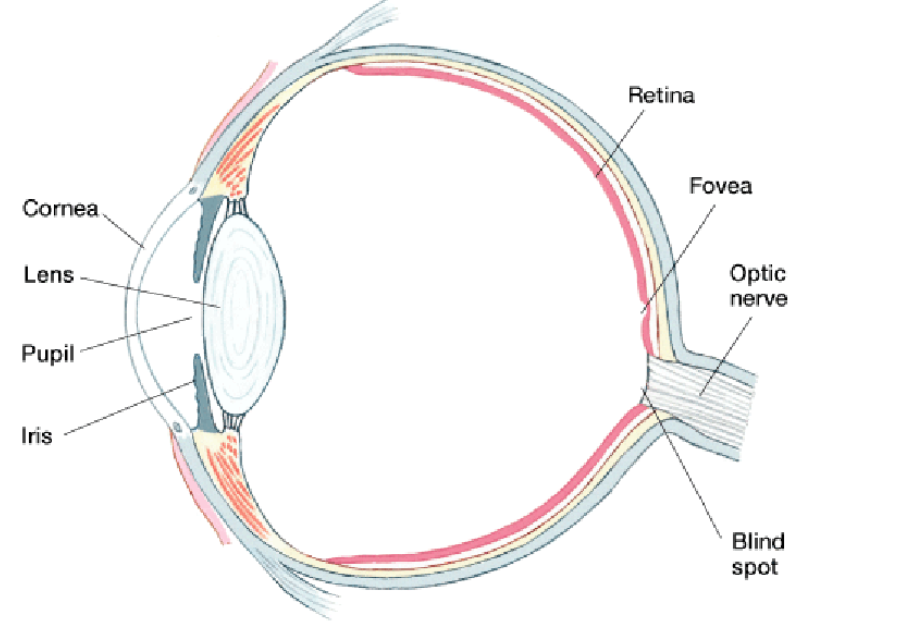
why is there a blind spot between 0 and 20 degrees in vertebrate vision?
the optic nerve creates a blind spot in vision where all the “cords” of the rods and cones are routed toward the brain to be processed
rods vs. cones
rods- sensitive to low light
bad design because rods blocked by other cells
cones- detect color and sharp detail in bright light
densely packed in the macula- at 0 degrees
color sensitivity
red cones + blue cones
green wavelength spectrum is seen by both red and blue cones
structure of retina
rods and cones
information processing cells (horizontal cells and amacrine cells)- compare information across cells but no action potentials sent
ganglion cells- only cell that generates an action potential- synapse with multiple ganglion cells that connect to optic nerve
optic nerve- million axons
distribution of photopigments
mostly red, few blues
insensitive to short wavelengths (i.e. cyan to deep blue)
highly sensitivity to long wavelengths (i.e. yellow and orange)
no blue cones in center of retina- high acuity
explains the disappearance of small blue objects when you fixate on blue objects
trichromatic theory, evidence, and counterargument
theory of color vision that there are 3 different types of cones (red, green, blue-violet)
colorblindness (color deficiency)
sex linked trait (more common in males)
red-green most common
potential advantage: recognize camouflage better
can’t explain all aspects of color vision
people with normal vision cannot see color combinations
*both color vision theories are valid
opponent-process theory
color vision theory where there are 3 pairs of color receptors (yellow-blue, red-green, and black-white)
members of each pair work in opposition
evidence: explains color afterimages
*both color vision theories are valid
color vision in other metazoans
dichromats- mammals
monochromats- rodents
UV- bees
many species are tetrachromats
opsins
proteins that control hunting time in cnidarians (i.e. jellyfish)
arose by multiple gene duplication events
photoreceptors
provide important information about the environment
vision is under strong selection- strong advantage to increase fitness
ocelli
insect vision
simple eyes that detect horizons and changes in light intensity
important for diapause induction, acclimation
no image resolution
analogous to parietal eye in insects
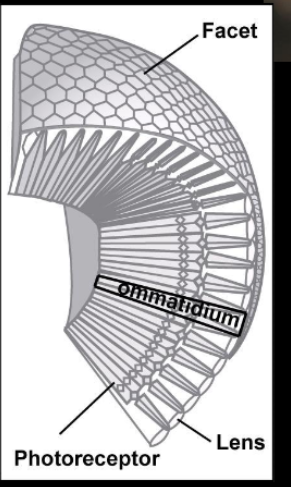
compound eye
insect vision
compound eye
mosaic vision- visual acuity is greater when eye is small
ommatidium- one “eye” in the mosaic
includes corneal lens, cone, pigment cells, rhodopsin, photoreceptor cell
connect to axon that goes to the brain
what is the difference in the visible spectrum for humans vs. bees?
bees see similar range as humans but more UV and less red logjt
impacts the color and shape of petals (bulging of petals due to eye shape)
bees and pattern recognition
recognize brokenness or flickering patterns because they tend to land of flowers that shake in the wind
optomotor response- flying insects can tell direction _ speed by observing the movement of patterns around them as they fly
movement perception
what is required for distance vision?
binocular vision
human eyes converge on points in the distance
insects rely on different ommatidia to fixate on a point
disadvantages/advantages of compound eyes?
each ommatidium has a small angle of acuity so better detection of motion
not well suited to detect and differentiate contract
redundancy of multiple lens- not a big problem
e.g. telescopes are compound- not single lens
sensilla
(hair)- mechanoreceptor that responds during deformation with a charge from the nerve cell to the brain- usually only one cell receptor per sensilla for tactile sense
mostly found on legs, mouthparts, antennae, wings
highly developed in cockroaches- rapid transmission of nerve impulses because connected to giant axons- rapid movement by insect
taste in insects
receptors occur body wide among insects
e.g.. wasps drill down to taste before oviposition larvae
taste in vertebrates
gustation centralized to tongue
what is flavor?
taste + olfaction (taste and smell)
insect olfaction
acute ability to smell because used to find hosts and mates
olfactory chemoreceptors- on antennae- exposed to air, connected to dendrites, and sensory neurons
different receptors are narrowly tuned or broadly tuned to different odorants
insect olfaction
respond to blends of gaseous volatiles- sensory cells that respond to only one chemical and some that can respond to more than one
behavioral responses searching for:
good food/avoiding unsuitable food
finding mates/staying away from unsuitable mates
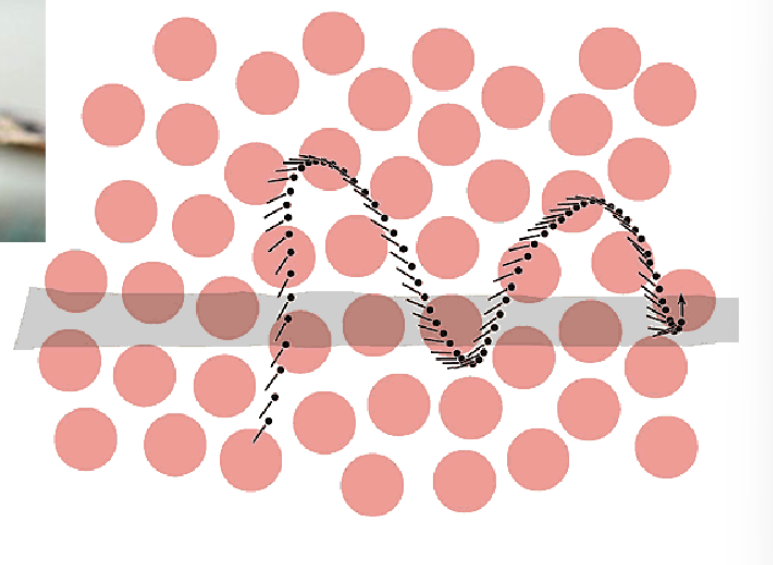
search behavior- more upwind
how do male moths find the source of pheromones
what are pheromones?
used by animals for chemical communication
information about identity and sexual receptivity
stimulate vomeronasal organ- information is sent to special section olfactory bulb for pheromonal communication
sound waves
changes in pressure caused by molecules of air moving
frequency
number of cycles per second in a wave (measured in Hertz)
anatomy of the ear
eardrum- tympanic membrane
middle ear- 3 bones (malleus, incus, stapes)
cochlea- fluid-filled inner ear
causes vibration of basilar membrane
vibration transduced into neural signal
basilar membrane- membrane in cochlea which contains receptor cells (hair cells)
auditory nerve- connects ear to brain
provides info to both sides of the brain
function: relay and amplify incoming sound waves
amplification done by inner ear bones (ossicles) and narrowed channel
how do we localize sound?
monaural cues
loudness (i.e. louder sounds are perceived as being closer)
binaural cues
time of arrival (i.e. sound arrives at one ear before the other to indicate sound direction)
insect hearing
tympanum- specialized mechanoreceptor (analogous to human ear drums)
found on legs, abdomen, thorax, and even wings
moths, mantids, neuropteran: allow to avoid predation from bats up to 30m away
homopteran, orthoptera, Hemiptera- finding mates
vestibular sense
balance
semicircular canals connected to cochlea
sensory comparison in insects
gustatory- highly specialized in insects
olfaction- highly specialized in insects
hearing- poor frequency discrimination
visual- poor discrimination for contrast and high for motion
behavior
actions or reactions of an organism, usually in relation to the environment- conscious or unconscious, voluntary or involuntary
explain what Niko Tenbergen got the Nobel Prize for (hint: geese)
ethology- study of behavior
used simple experiments to understand behavior
e.g. fixed action patterns- game simple external cue can trigger behavior (hard-wired, instinctual- not learned behavior)- tested geese with different sized eggs to see if they still egg-roll
alarm vs. no alarm- no alarm does not trigger behavior
proximate vs. ultimate mechanisms
proximate vs. ultimate mechanisms
proximate mechanism- how
causation (mechanism)- what stimuli causes responses and how have responses been changed by learning
development- (ontogeny)- how does behavior change with age and what early experiences are necessary for the behavior to be shown?
ultimate mechanisms- why
function (adaptation)- compare behavior to all other possible behaviors and evaluate benefits
evolution (phylogeny)- how does behavior change among organisms
e.g. sensory exploitation- eyespots on male fish attract females
instinct
behavior that occurs without previous experience
how did they discover landmark learning in insects?
nest homing experiment
placed pinecones around wasp nest
when they were gone Tinbergen moved the pinecones over
wasp returned to the center of pinecone circle- not where the nest was
conclusion: use visual landmarks to navigate rather than other senses (smell, memory, etc.)
explain the evolution of lethal aggression in non-human mammals
traits in a clade are not independent so can use phylogeny to determine violent mammal clade
remove effects of relatedness
explain what Konrad Lorenz focused on in his Nobel Prize work (hint: bird)
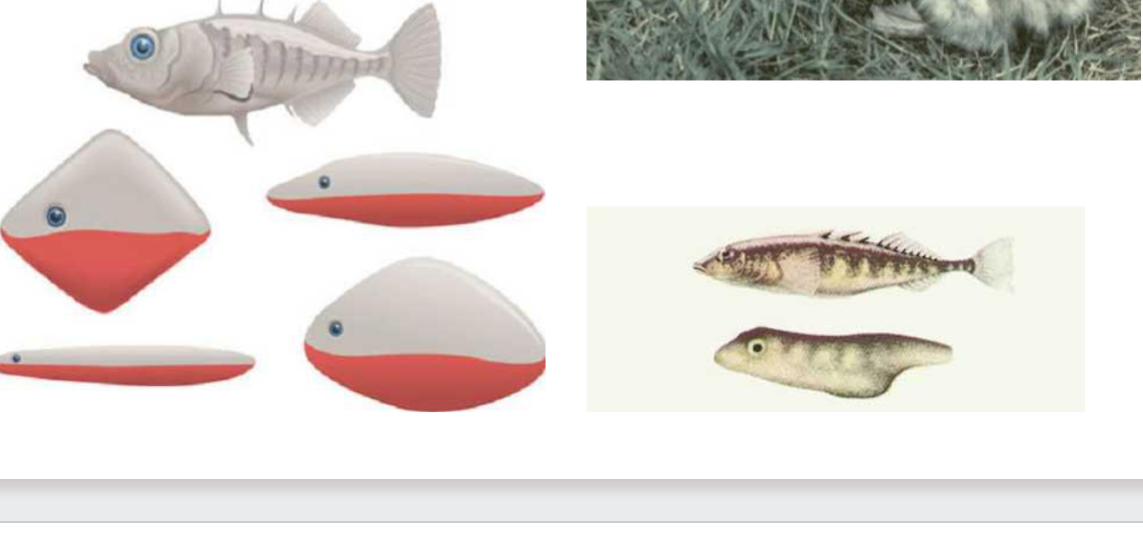
fixed action patterns- complex behaviors triggered by fixed action patterns
require sign stimuli- identify
evolve with courtship behavior
e.g. stickleback fish- shape
ontogeny of behavior- imprinting + critical periods
e.g. bird song
explain the ontogeny (development from childhood) of bird song
sensory period- learning and exposure to song
sensorimotor- critical period of practicing song
song crystallization- song is set
other example: immersion learning increases accuracy rate of learning- learning rate declines into teenage years- monolinguals have significantly higher accuracy than bilinguals
communication
transmission of information or disinformation among at least 2 individuals (sender + receiver)
sent through the environment
intent involved in communication (sender benefits from response of recipient)
what are reasons to communicate?
mating + reproduction
parental care/solicitation of care
group cohesion- contact calls
aggression + social status
alarm + distress
foraging- share food location
e.g. ravens feed on a carcass that they are alerted to by a yelling companion (recruitment signal)
territory defense + conflict resolution
what are the channels of communication?
sound (hearing)
light (vision)
chemicals (olfaction)
electric field (electro-reception)
how is information transferred?
signal perceived by receiver (despite any degradation of the signal as it travels through the environment)
receive discriminates the meaning among signal variants
signal transmission + efficacy depends on the sensory mode used to transmit
explain how the sensory modalities effects the distance, localization, ability to go around obstacles, rapid exchange, complexity, and durability of the signal?
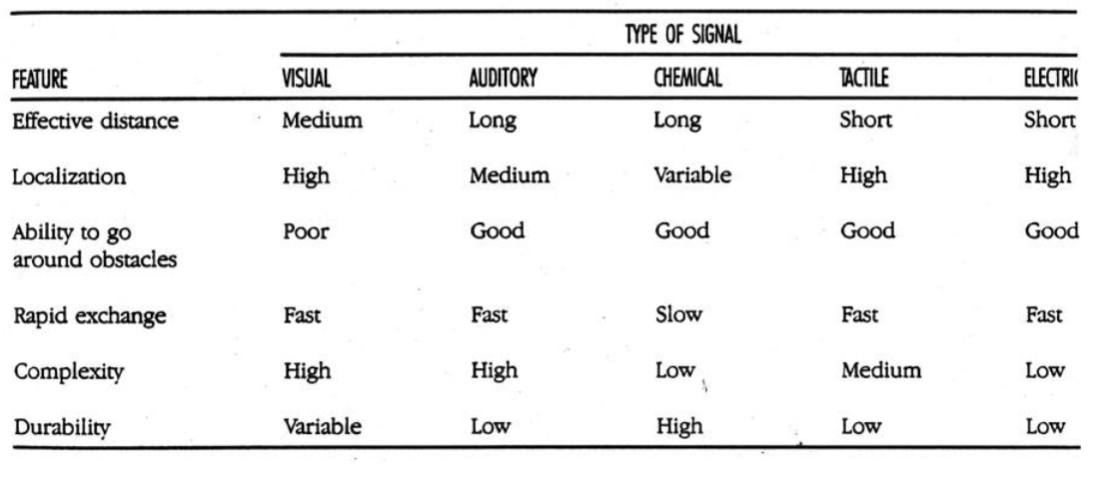
Lombard effect
increasing vocal amplitude to minimize the masking effect of background noise
e.g. impact of urbanization on birdsong (habitat-dependent shift: shorter duration of song in forest than in urban area- strong correlation of high minimum frequency and geographic location)
temporal divergence b/w urban and rural bird communities in song duration, time between songs, and duration of first note
changed call during covid because noise level in city decreased
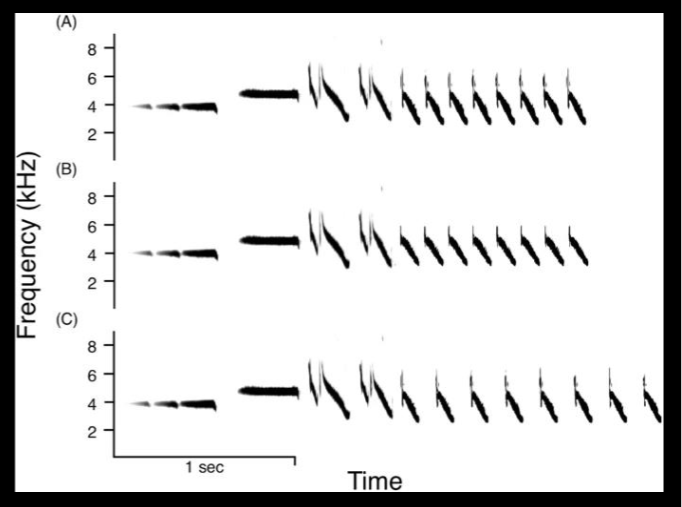
what is the phyisiolocial limiation of vocal performance in birds?
it is harder to chirp rapidly at a high frequency and wide bandwidth
i.e. greater trill rate = less bandwidth
is communication always honest?
no
honest communication- benefits both receiver + sender
accurate information about state of sender- increases fitness of both
deception- benefits sender but possible detriment to receiver
intra + interspecific
eavesdropping- benefits receiver but possible detriment to sender
examples of deceptive signals
predatory signaling in fireflies- males flash to attract mates and females flash back to reproduce- females use deceptive flashes characteristic of another species to eat males that are decieved
warbler feeding cuckoo chick- lab/recitation paper*
predatory bats exploit frog mating calls to attract frogs (prey)
why are signals honest? (or what is the cost of dishonest signals)
both parties benefit from honest communication
sender is closely related to receiver so want to provide correct information
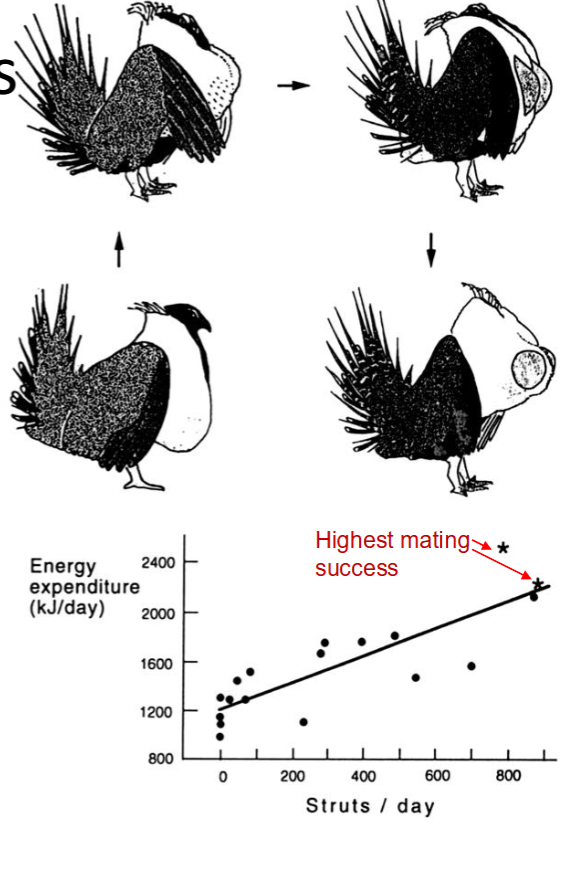
signal production is costly- cost analyzed with benefit to sender
signal production is constrained (i.e. size/frequency of call)- requires more energy to increase accuracy
e.g. higher strut rate of sage grouse increases their mating success
e.g. tradeoff of shuck rate and number in grasshoppers- occupy own bush but other grasshoppers intrude so shuck to warn off
explain Von Frisch’s Nobel Prize work (hint: bee)
honeybee dance language- symbolic communication in insects
e.g. tail wagging and round dance
scout bees- communicate feeding place
longer waggle = further distance to feeding place
direction of waggle- degree of feeding place based on the degree of the sun
bees- have an inner clock using polarized light
scout bees
assure resource quality
measure distance + direction using optic flow
recruit bees- follow scout bees direction to food source
olfactory sense- learn the odor of the food source
the dance provides the general area of food but only the odor identifies the exact flower/food source
assess resource quality through acoustic cues provided by scout bees
*figured out all this information in a series of experiments including the step by step experiment to measure distance (measuring how many bees settle at food source where the food has been removed) and fan experiment to measure direction (food sources arranged in fan around hive and the number of bees that visited each food source recorded)
optic flow
counting objects as bees fly to count the distance in order to communicate accurately other bees
sensory physiology difference between scout bee and recruit bee in resource communication
scout bee
resource quality- gustatory sense
measures distance- visual sense
measures direction- visual sense
recruit bee
plant identity- olfactory sense
resource quality- acoustic sense
resource direction + distance- gravity, UV/visible light information on sun positioning
what experiment resulted in new findings about the bee dance?
trained bees to either fly to food sources on land or to food sources on island (across water)
bees communicate less waggles over water than over land
results: dance language directs them to the area
at near distances the flowers are located by olfaction
arguments for and against bee dance as a symbolic language?
FOR
always performed in front of an audience
communicative in nature
rule-governed
complex
stability and dynamic
symbolic
AGAINST
genetically fixed rather than learned through environmental interactions
cultural inheritance
information passes across generation
through observational learning
examples of cultural inheritance
Lorenz- birdsong learning (dialects)
potato washing in Japanese Macaques- taught entirely by Imo
tool use in dolphins- using sponges to protect noses while foraging- mother-infant and between families
tool use in primates- mother-infant learning
tool use patterns can be group specific- culturally inherited (not genetic)
allogrooming
aggressive behavior
chimpanzees vs. bonobos
chimpanzees
north of Zaire river
omnivorous
males eat meat more than females
tool use
females disperse to new groups as adolescents
males form cooperative bond
bonobos
south of river in dense forest
slender, long legs, smaller than chimps
omnivorous
no tool use
male-male and female-male alliances
highly sexed
sex used for social bonding
females solicit food for sex
gene comparisons of humans and chimps
only 1% DNA sequence difference
structural gene differences (amino acid sequences)
only hair and skin genes (not neurological or brain genes)
regulatory gene differences
how are humans differentiated from other animals?
predominance of culture- not culture itself- differentiates humans from other animals
accumulation of information/material through generations
new process of evolution- semi-independent of genetic evolution
cultural inheritance- MAJOR HALLMARK of humans
human cultural inheritance
major component of human behavior
proceeds independent of organic evolution
genes = neural structure for cultural evolution
spreads through populations by learning rules
hominid brain evolution
rapid evolution of brain size- just recently tapered off
massive increase for the past 1.5 mya in Homo erectus
potentially related to increased tool use, group hunting, social structure, cooking, etc.
parallel cultures
odontocetes (dolphins, porpoises, belugas, etc.)- starting to demonstrate behavior faculties previously only attributed to humans and great apes
mirror self-recognition
comprehension of artificial, symbol-based communication, systems + abstract concepts
learning + intergenerational transmission of behaviors- culture
brain size has increased in correlation with these capabilities
problem with increased brain size
childbirth is impossible if head is too large
born with underdeveloped brain so need more parental care
brain develops in teenage years
most neurons present but synapses not connected
altricial- offspring born in underdeveloped state so need more parental care
precocial- offspring born in well-developed state so capable of movement shortly after birth
metabolic cost of large brains
brains require 15% of cardiac output even though it only makes up 2% of body mass
modern human brain- 7x larger than expected for a primate of our size so the metabolic cost is roughly 7x larger
weather vs. climate
weather: day to day
climate: longer averages of weather over time
what is the difference between weather fluctuation along coats vs. the center of a continent?
there are less temperature and weather changes throughout the year along coasts but more temperature fluctuation in the middle of continents (i.e. Kyrgyzstan)
where is the point of maximum heating?
because the Earth is on a tilt, the sun’s rays are hotter differentially
the point on Earth that is closest to the sun = point of max heating
can be the equator but depends on the title of the Earth at the time
changes throughout the seasons
more variation in temperature further from the equator
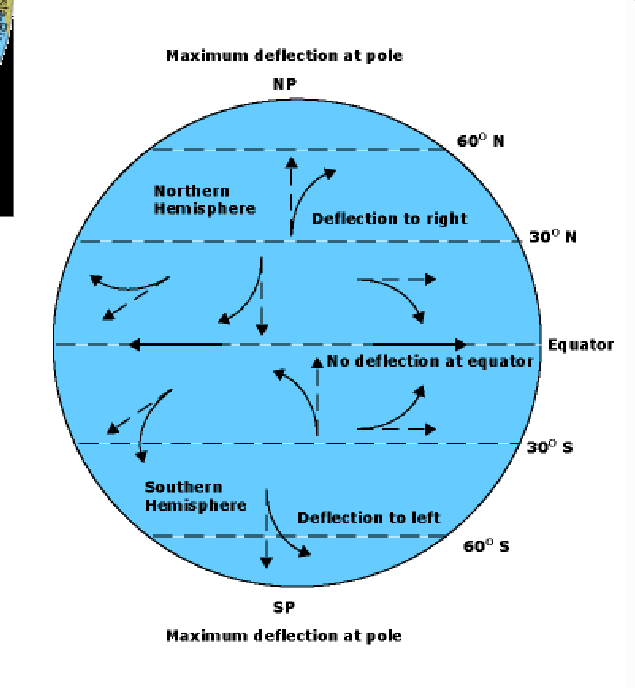
what is the effect caused by Earth’s spin?
Coriolis effect- the direction of deflection depends on Northern/Southern Hemisphere
no deflection at equator
deflect to right in North
deflect to left in South
what are the 3 global wind patterns?
polar easterlies- North of 60
prevailing westerlies- 30-60
Tradewinds- 0-30
*2 dimensional
explain the three-cell model of global circulation system?
the polar easterlies powered by cold air from the poles descending and warming up so that it then moves up again to form the polar cell
prevailing westerlies powered by being in between the polar and Hadley cell receive dry air forming deserts forming the Ferrel cell
Tradewinds powered by the heating of the earth around the tropics form the Hadley cell
*3 dimensional
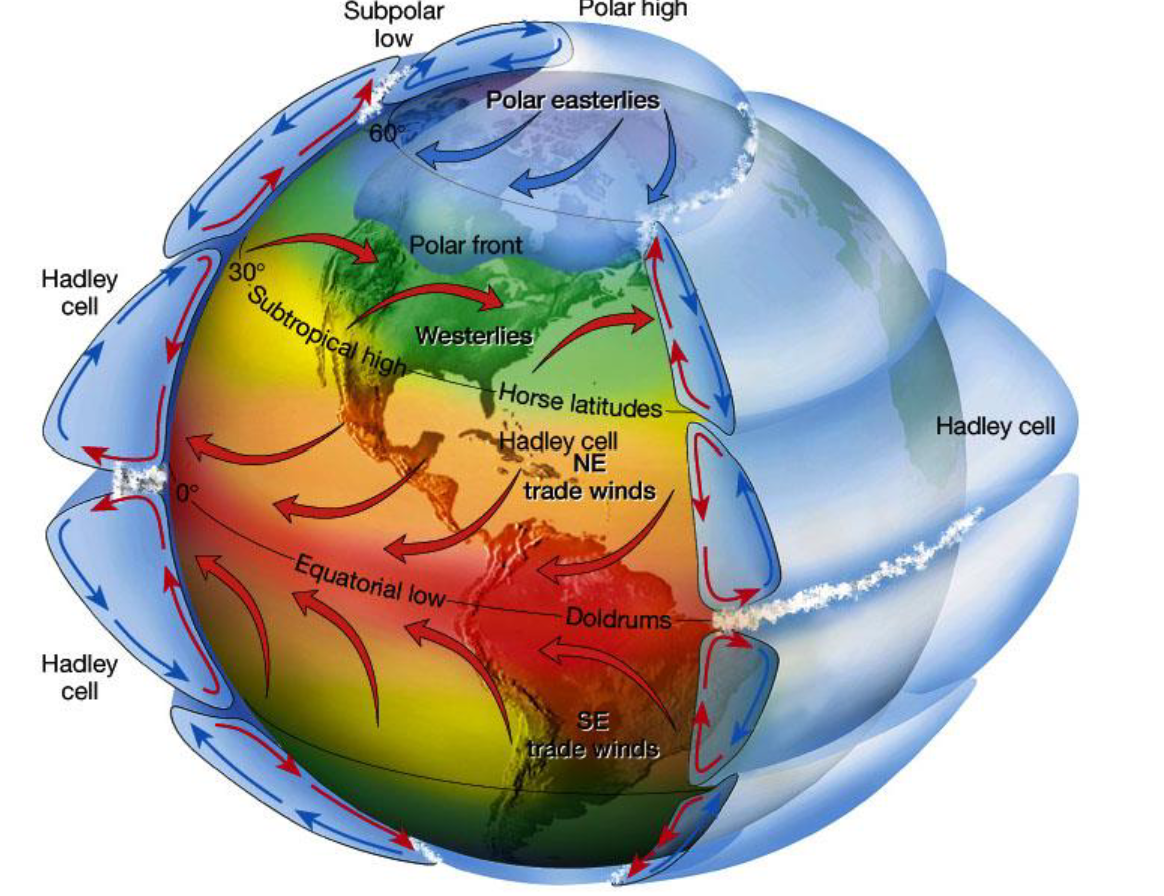
what is ITCZ?
inner tropical convergence zone
why do the tropics have wet/dry seasons?
the point of maximum heating varies along the ITCZ as the Earth rotates around the sun at a tilt
i.e. rainy season is always at the point of maximum heating at that time
mean temperature _____ with latitude
seasonal variation _____ with latitude
seasonal variation is _____ on land than sea
seasonal variation is _____ in Northern Hemisphere
decreases
increases
greater
greater (more land mass in Northern Hemisphere)
what is specific heat?
the amount of heat needed to raise the temperature of 1 gram of a substance by 1 degree Celsius
ocean currents on the surface
ocean currents influence temperature and wind- driven by Tradewinds and westerlies
thermohaline circulation
global ocean conveyor belt
evaporation of warm surface water and influx of fresh water from melting glaciers- causes denser, salt water to sink to the ocean floor (deep water formation)- salt water = nutrient dense
flows along the ocean floor as cold saline deep current until it heats up to a warm surface current
heats to surface and releases heat- gulfstream releases heat to atmospherically warm Europe (i.e. why Barcelon is hotter than Rochester at the same latitude)
normal vs. El Nino year
normal year- connective loop so the ocean currents pull up cold water toward the surface to cool atmosphere
El Nino year- increased convection- less strong Tradewinds so doesn’t pull colder water up so stays warmer
upwelling
deep, cold, nutrient-rich water rises to the surface next to continents- driven by Tradewinds pushing the surface water away
what comprises a biome?
soil type + climate
rainforest biome
wet/dry seasonality
nutrients is NOT stored in soil but in ORGANISMS
little to no temperature variation
buttressed roots
common in tropical trees
provides mechanical and structural support in shallow, nutrient poor soils
shallow roots that cover a large horizontal area- more nutrient acquisition
tropical understory
exists in low sunlight, high humidity- slow growth
bromeliad epiphyte
plant that grows on trees without taking nutrients from them (not parasitic)
common on trees in tropical rainforest canopy
use host only for physical support
tropical lianas
vines that climb trees to get access to sunlight
tropical deciduous forest
outside of ITCZ
deciduous trees- drop and grow leaves each year
wet/dry seasons
climate of Sonoran Desert in Arizona
mild, wet winters, summer monsoons where much plant growth occurs- high biological diversity
climate of Mojave desert in California
winter rains
few succulents or trees
climate of warm Chihuahuan Desert in New Mexico/Mexico
high elevation
dry
few trees
climate of Santa Barbara CA
cold water off the coast but there is a constant temperature (little fluctuation) through the seasons with little rain
climate of Mediterranean climate
low rain areas
hot, dry summers
chaparral vegetation- fire adapted
used to burn often but now with humans- fires but out earlier so when a fire does get out and spread- they burn worse than before
continental climates (i.e. Mongolia/Kansas)
grasslands
fire-adaptive
short grass vs. tall gras prairies
soil = full of nutrients so great for farming
why do trees in temperate deciduous forests drop their leaves?
less transpiration demand
lower risk of freeze-induced embolisms (cavitation) in xylem vessels for angiosperms
less sun- so not as worth it to keep trees
boreal forests
trees that have small leaves, so they heat up less leading to a lower transpiration demand
smaller diameter tracheids- less prone to embolisms that larger diameter vessels of angiosperms