Applied physiology - final study guide
 Call Kai
 Learn
Learn Practice Test
 Spaced Repetition
 Match
Match Flashcards
 Knowt Play
1/180

There's no tags or description
Looks like no tags are added yet.
Name | Mastery | Learn | Test | Matching | Spaced | Call with Kai |
|---|
No analytics yet
Send a link to your students to track their progress
181 Terms
What is the function of the cardiovascular system
functions to transport oxygen to the muscles and organs, and remove wastes from those systems
What is the function of the respiratory system?
- Maintain arterial O2 and CO2 levels within normal range through ventilation and perfusion
What does the cardiovascular system consist of?
heart, blood vessels, blood
What is included in the upper respiratory system
nasal cavity, pharynx, larynx
What is included in the lower respiratory system?
trachea, primary bronchi, lungs, alveoli
What is ventilation
airflow in and out of the lungs
- O2 in CO2 out
What is perfusion?
blood flow reaching the alveoli, carrying oxygen and removing waste
What is simple diffusion
gas flow from an area of high concentration to an area of low concentration
- lungs have higher O2 than blood vessels, so O2 goes from lungs into the blood vessels
Describe how blood flows through the heart
Right atria, through the right av valve/ tricuspid valve, into the right ventricle
Right ventricle, through the pulmonary valves, to the lungs, through the pulmonary veins, into the left atrium
Left atrium, through the bicuspid valve, into the left ventricle
From the left ventricle, through the aortic valve, pumped through the body, and back to the heart through the vena cava
Describe the function of arteries and veins
Arteries carry blood away from the heart
Veins bring blood back towards the heart
Define cardiac output
amount of blood pumped out by each ventricle in one minute
what is the formula for cardiac output
Q=HRxSV
define heart rate
beats/ minute
define stroke volume
blood pumped per beat
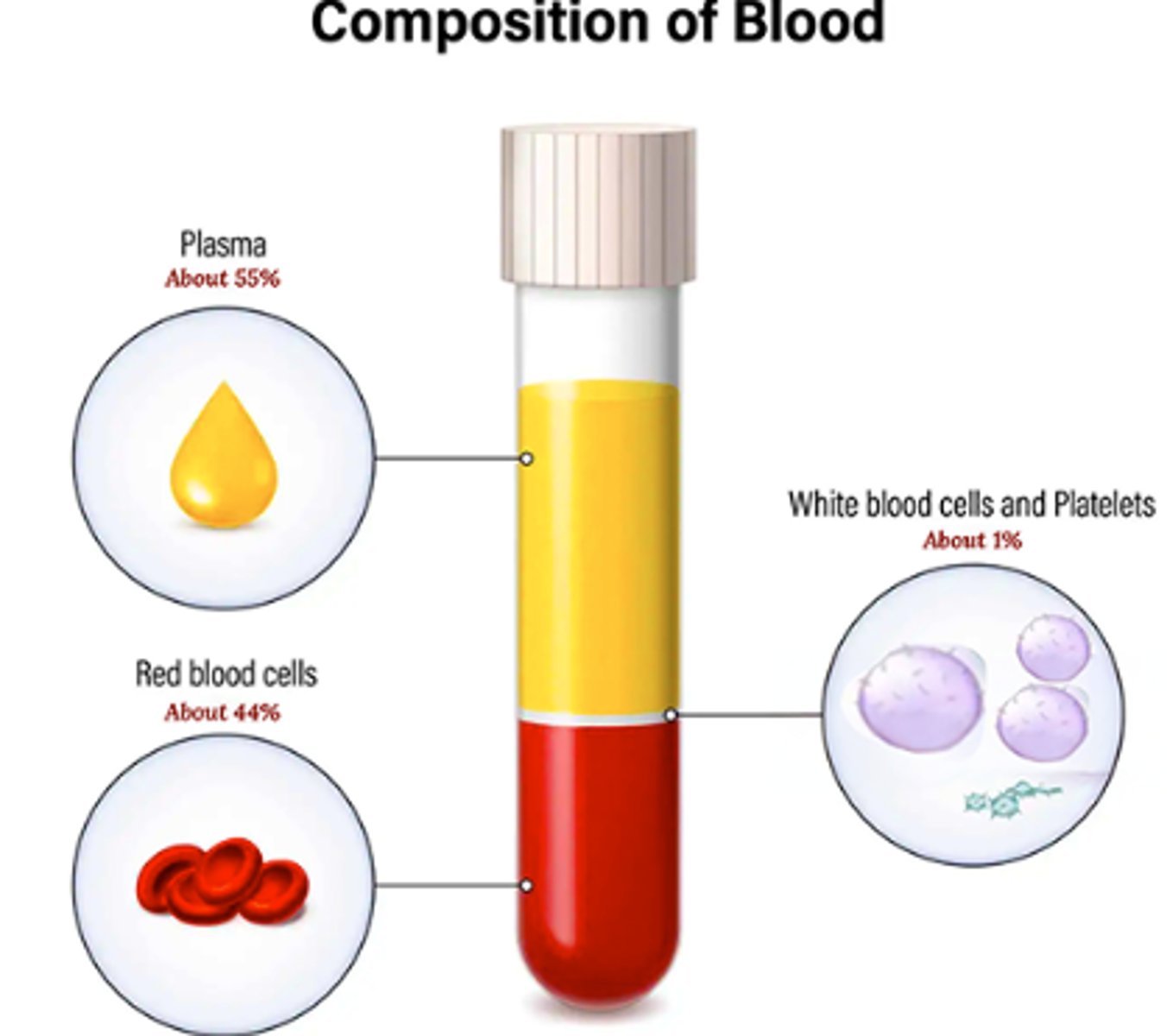
What is the composition of blood (include %)
Red blood cells: 41%
White blood cells/ platelets: 4%
Plasma: 55%
What is the Fick equation used for?
calculating the volume of oxygen uptake
- can also be used ot calculate VO2 max
define vo2Max
- the highest rate at which oxygen can be taken up into the blood and utilized by muscles.
- Ie, the highest rate of energy can be supplied via aerobic metabolism
what is the formmula for the Fick equation
VO2 = Q (av-o2 difference)
ACSM activity guidelines
Adults should engage in 30 minutes of moderate intensity activity, 5 days/ week, or vigorous intensity aerobic activity for a minimum of 20 minutes on 3days/week
Calculate exercise intensity from HRmax
HRMax = 220-age
Multiply HRmax by the target %
If a person is 30 and wants to train at 70% HRmax: 220-30 = 190. 190*0.70 = 133bpm is the target HR
Calculate intensity from HRR (Karvonen method)
HRR = Max HR - Resting HR
Multiply HRR by desired intensity %
Add resting HR back into the equation
If resting HR is 60, and max HR is 190, and they wanna train at 70% HRR: 190-60=130. 130*0.70= 91. 91+60 = 151bpm is the target HR
Met for moderate intensity exercise
3-6 mets
Met for vigorous intensity exercise
> 6 mets
% of HR max for moderate intensity exercise
64-76%
% of HRmax for high intensity exercise
76-96%
% of HRR for moderate intensity exercise
40-60
% of HRR for high-intensity exercise
60-90
What is the CV respnse to aerobic eercise training
Oxygen uptake increases
Q increases
Sv inceaases
Resting HR decreases
Max HR stays the same
Oxygen extraction increases
What is HRR
Heart rate reserve is your available HR range
- HHR = HRmax - resting HR
What is anaerobic exercise?
does not require oxygen for energy supply, typically a very high-intensity activity that lasts a minute at most
What is aerobic exercise
requires O2 for energy supply. The exercise is less intense, but longer duration
t/f one energy system is used at a time
false. all sytems are active all the time, there is just one that dominates
What are the 3 basic energy systems
Phosphagen (immediate)
glycolytic (anaerobic)
oxidative (aerobic)
Describe the phosphagen system
Provides ATP for short-term, high-intensity activities. Formed from ADP and PCr. provides energy for the first 30 seconds of an activity
Describe the glycolysis system
- Used for short-term high-intensity exercise, providing energy for the first 2 minutes of an activity.
- The breakdown of carbohydrates to resynthesize ATP
Describe the oxidative system
- provides energy for long-term exercise, lasting more than 3 minutes, but at a low intensity.
-The primary source of energy is at rest.
- Uses carbs and fats through the Krebs cycle
What is the lactate threshold
The exercise intensity at which blood lactate begins an abrupt increase above baseline. Also known as the anaerobic threshold
3 types of muscle tissue
Skeletal muscle: biceps, quads, abs
Cardiac muscle: heart
Smooth muscle: glands, organs, blood vessels, eyes, skin
explain the muscle force-length relationship
Muscle length: the muscle must be at optimal length for the best force production
- allows for the most amount of cross bridges to occur
Describe how muscles can increase force
- increase force production by increasing the number of motor units recruited
- recruitment of larger motor units helps to generate more force
what is a concentric contraction
muscle shortening
what is an eccentric contraction
muscle lengthening
what is an isometric contraction
muscle stays the same length
what is a isotonic contraction
muscle contracts at the same speed
what is a isokinetic contraction
muscle contracts with a constant force
describe type I fibers
slow contraction speed, less force production, higher fatigue resistance, and more endurance. Red fibers
Describe type IIa fibers
fast contraction speed, moderate fatigue resistance, moderate power output, white/red in color
Describe type IIb fibers
fastest contraction speed, quickly fatigues, high power output, white in color
Describe muscle spindles
proprioceptors that run parallel with muscle fibers and respond to changes in muscle length. Responsible for the stretch reflex
Describe GTOs
propriceptors in the myotendinous junction that run in series with myofibers and respond to changes in force production. Initiate autogenic inhibition in response to high forces
how to train for strength
- Low reps at high intensity.
- 2-3 sets of 8-12 reps
- 60-80% 1 RM
describe power
the product of strength and speed.
Power = force*distance/ time.
how to train for power
4-6 sets, 3-6 reps, 70-80% of 1RM
how to train for endurance
The capacity to sustain muscle action.
- High reps at lower intensity.
- 2-3 sets of 15-50 reps
Health benefits of resistance training
Reduce all-cause mortality
Maintain independence
Reduce chronic condition risk
Improve psychological well-being
Improve physique
Positive effect on depression, bone density, glucose tolerance, RMR, and body composition
Basic factors that influence the magnitude of response to resistance training
Prior level of conditioning
Exercise intensity
Specificity of training
Heredity: accounts for half of the variations in training response
______ ______ accounts for strength gains in the first 8 weeks of training
Neural adaptations account for strength gains in the first 8 weeks of training, due to increased synaptic firing and efficiency
describe hypertrophy
Hypertrophy: an increase in the number of myofibrils containing the actin and myosin filaments, resulting in more cross-bridges
what is motor learning
acquisition and retention of a motor skill
What is motor performance?
the ability to carry out a skill, but does not imply motor learning
Describe the ways in which an environment affects motor learning
Tasks can be made more or less complex by affecting the environment, the manipulation of an object, body movement, and if the context is changed
- Tasks performed with a stable body are made harder by adding movement
- Tasks performed without an object are made harder by manipulating one
- Tasks can be made harder by trying them in a new environment or context each time
What is a closed environment
Fewer degrees of freedom.
- Everything around the person is stable and unchanging, and the activity is self-paced
what is an open environment
Things are moving around the person, the surface is unstable, movement is not completely controlled by the person, predictions about speed and direction must be made to adjust posture and balance
sensory systems involved in balance
- somatosensation
- vestibular
- visual
How can you target one system of balance (and make a task harder)
Take the other systems away by having the patient close their eyes or stand on an uneven surface
what is STM?
manipulation of soft tissue for therapeutic purposes, producing effects on the nervous, muscular, and respiratory systems, and the circulation of blood and lymph
what is IASTM
Instrument-assisted soft tissue mobilization: instruments are used to create vibrations through the tissues. Uses scrapes that give the clinician a mechanical advantage. Good for improving ROM, improving function, and decreasing pain
stm and iastm are commonly used for
fibromyalgia, headaches, spinal pain, nerve pain, muscle strains, sports injuries, TMJ, lymphedema
contraindications to STM and IASTM
contraindications: burns, healing wounds, DVT, fracture, acute trauma or surgery, inflammatory conditions, fever,
precautions: bleeding disorders, pregnancy, severe osteoporosis
Select therapeutic interventions to maintain or improve ROM
Warm tissues
Stretch in a pain-free range
Hold-relax
Joint mobilization
Massage: effleurage, deep friction, vibration, Swedish, petrissage, trigger point, and percussion
Using the new range
what is DOMS
Delayed onset muscle soreness
- temporally related to an inflammatory response rather than structural damage
what most often causes DOMS
novel eccentric exercise
Factors that increase susceptibility for DOMS
- Recruitment of fewer muscle fibers to generate a given force: force is distributed across fewer fibers, so each fiber takes on more load
- Able to generate higher forces: muscles are stronger eccentrically, so overloading can occur without realizing it
- Non-ATP-dependent means of actin-myosin detachment: cross-bridges are forcefully pulled apart, causing mechanical disruption
- Novel recruitment pattern: less efficient coordination and poor timing
T/F: muscle soreness is caused by lactic acid build up
FALSE: Caused by microtears in the muscle fibers and the repair responses
What is the protective effect
- Previous eccentric exercise reduces the magnitude of DOMS.
- The movement is not novel if you've done it before
nothing else really seems to help consistently... except analgesics (OTC pain meds)
What is static stretching
tissues elongated past the point of resistance and held for a period of time
what is ballistic stretching
rapid, forceful, intermittent stretching (bouncing or bounding movement)
what is cyclic stretching
short, repetitive, slow velocity stretch
what is PNF
active inhibition achieved through contract/relax techniques
What is the point of static stretching/ stretching in general?
- Stretching is a form of exercise for increasing ROM. It should be prescribed and progressed with this goal in mind.
- Static stretching: does not reduce injury risk, may increase injury risk, impairs muscle force production, reduces jump performance, reduces running economy, does not reduce soreness, and does not increase DOMS
PNF uses ______ patterns because they are more _____
PNF uses dignoral patterns because they are more functional
PNF uses the _____ muscle to faciliate the ____ muscles
PNF uses the distal muscles in a pattern to facilitate the proximal muscle
describe contract relax
- increase ROM using autogenic inhibition
- Put the muscle into a point of stretch, have the patient contract the muscle being stretched, slowly allowing them to win the contraction, then push the muscle further
describe hold-relax
- goal: increase ROM
- Put the patient into an end range position, have them contract the muscle against you while keeping them in the end range, then push them further
- contract the antagonist (muscle that is tight) 5 seconds, then stretch that muscle for 10 seconds
- Isometric contraction
Describe hold-relax with active movement
- function: stimulates muscle activation
- Hold at the end-ROM, passively move in the opposite direction, then the patient will actively return to the original position
Describe alternating isometrics
- Trying to generate stability around a body segment
- Alternating muscle contractions against resistance with static posture
- Increases coordination, stability, endurance, and strength
Describe rhythmic stabilization
- Multidirectional contacts that would push the patient into rotation: Stabilize against a rotational force
Describe rhythmic initiation
- Progression of unidirectional movement through the desired range
- Used when someone cannot initiate. So, you, as the therapist, passively initiate and then the patient can take over actively
D1 UE flexion pattern
Shoulder flexion, shoulder adduction, shoulder ER, elbow flexion
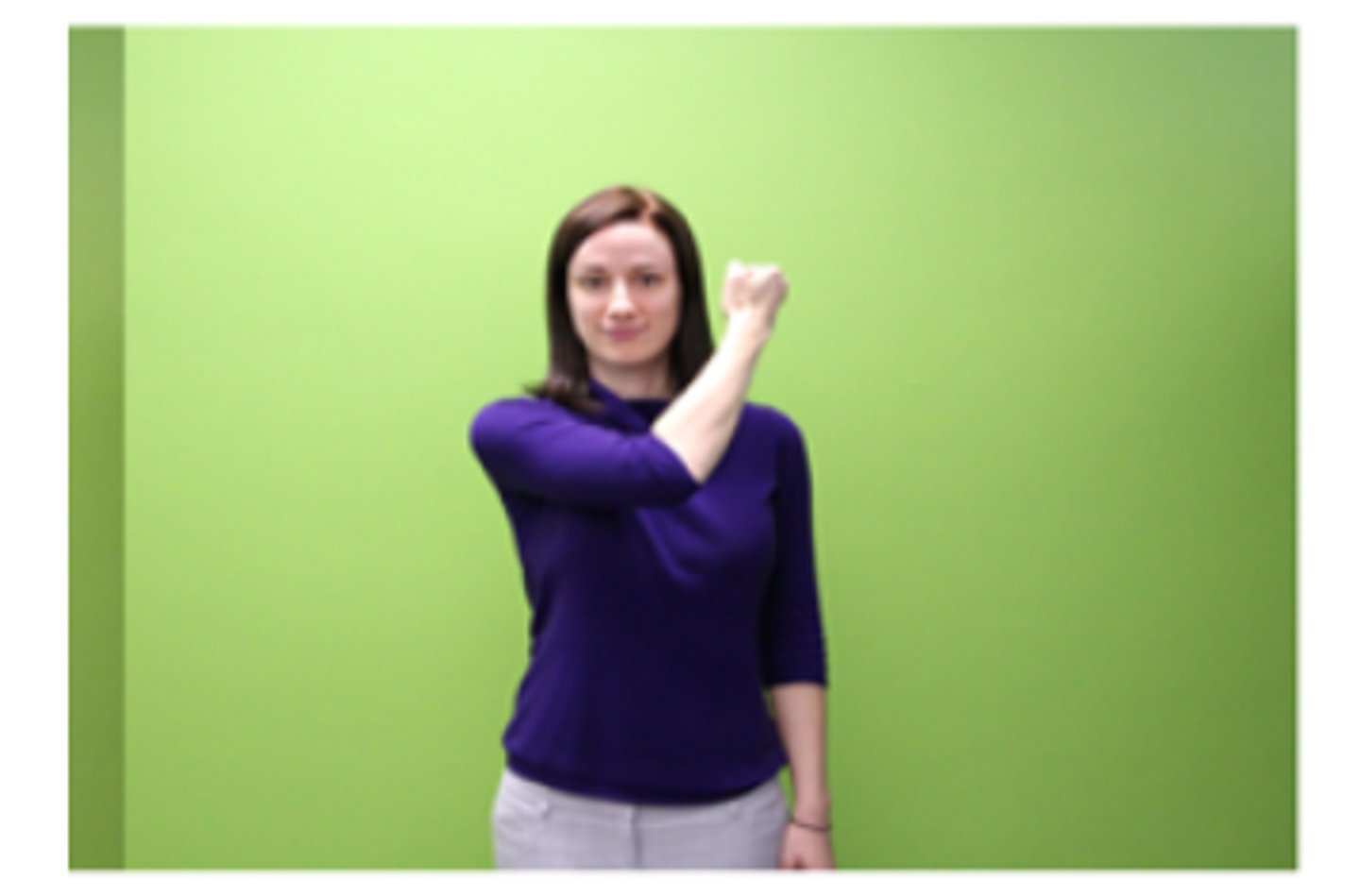
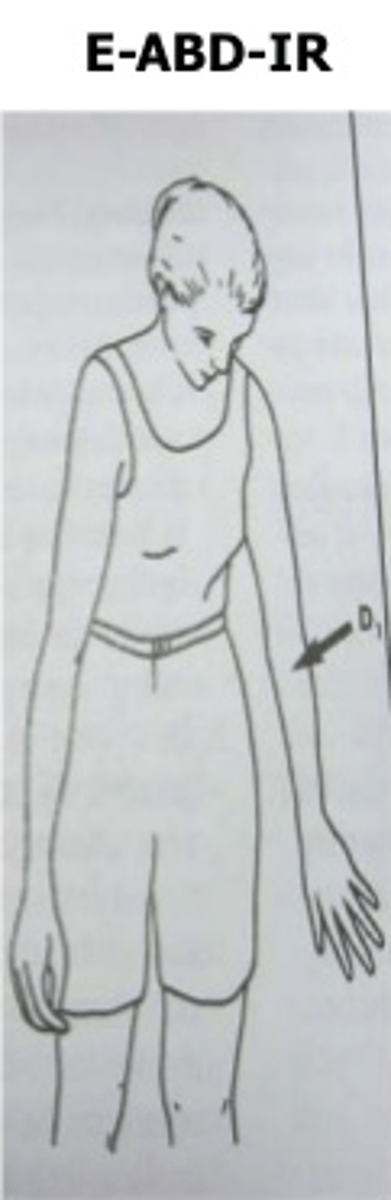
D1 UE extension pattern
Shoulder extension, shoulder abduction, shoulder IR, elbow extension
D2 UE Flexion pattern
shoulder flexion, abduction, shoulder ER, elbow extension
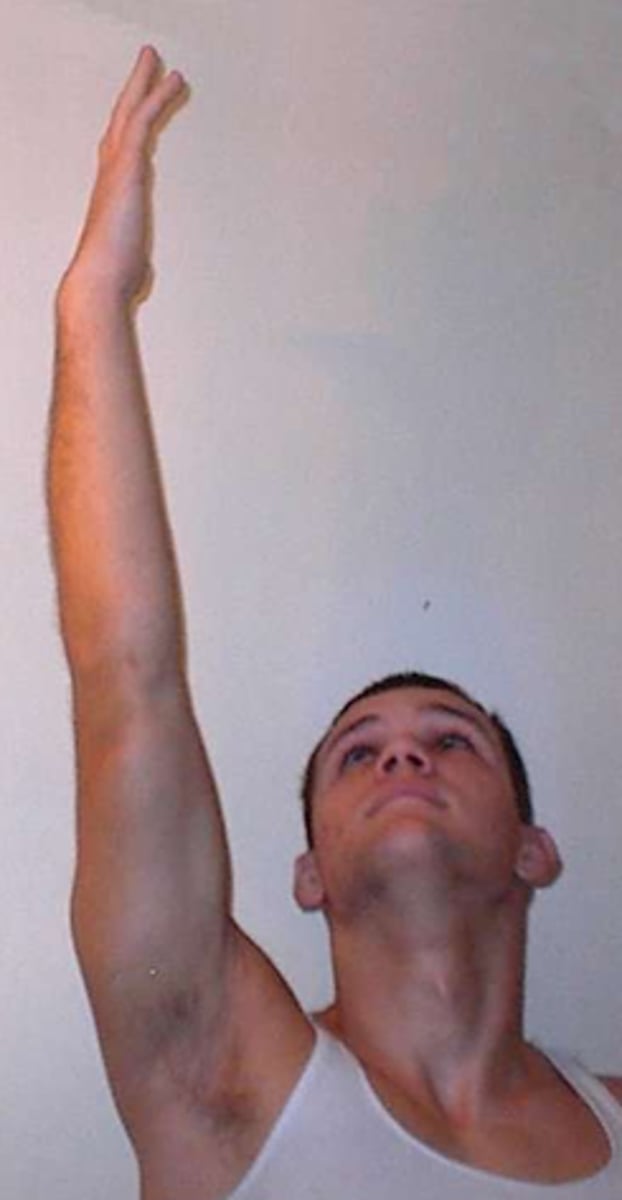
D2 UE extension pattern
shoulder extension, adduction, shoulder IR
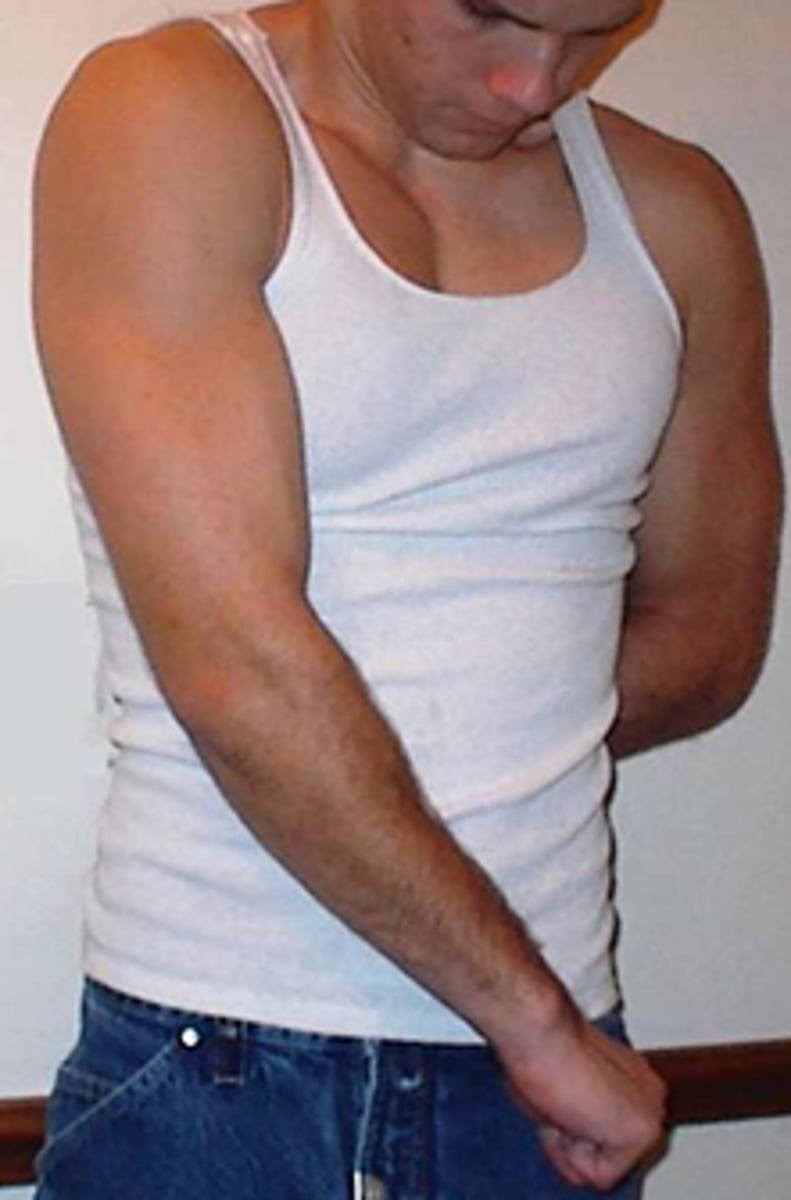
D1 LE flexion pattern
hip flexion, hip adduction, hip ER, knee flexion
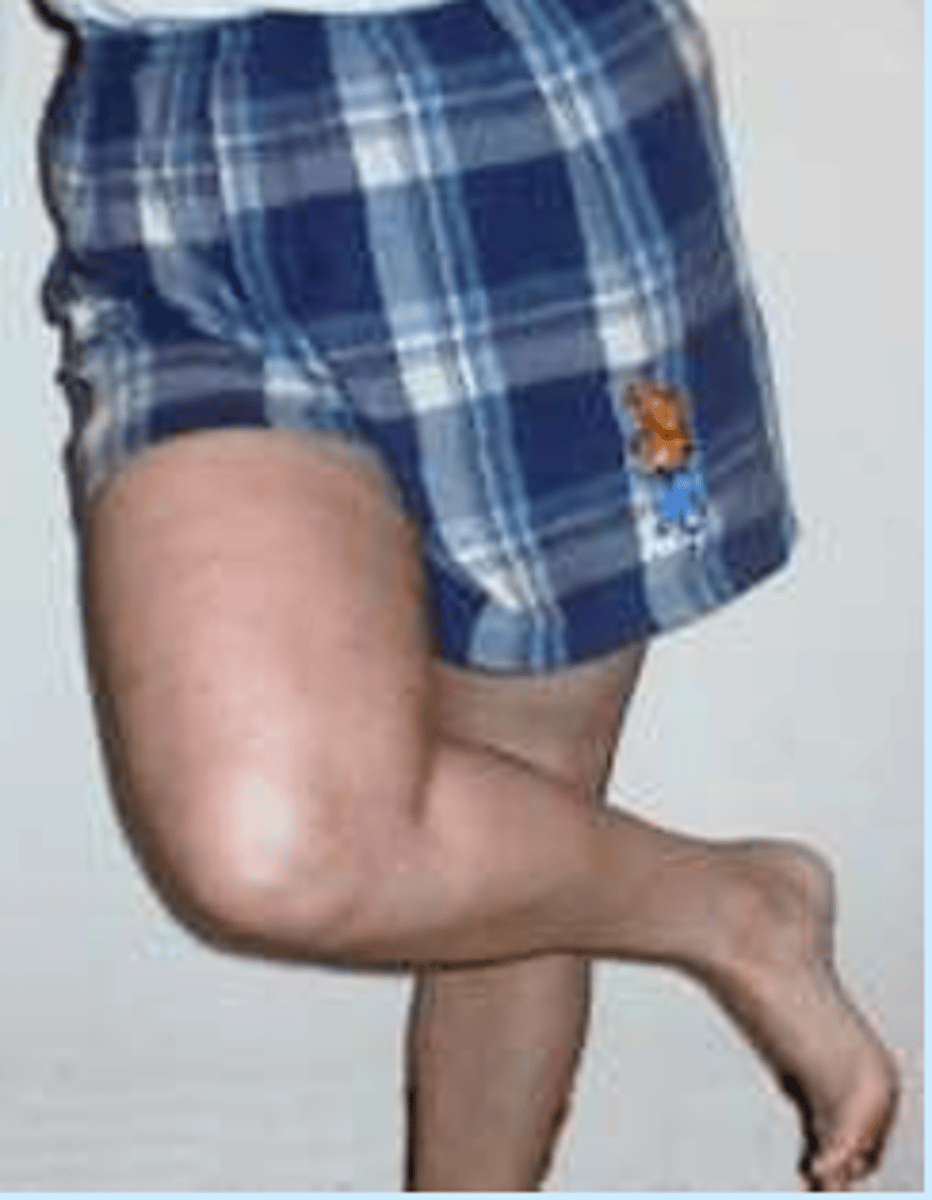
D1 LE extension pattern
hip extension, hip abduction, hip IR, knee extension
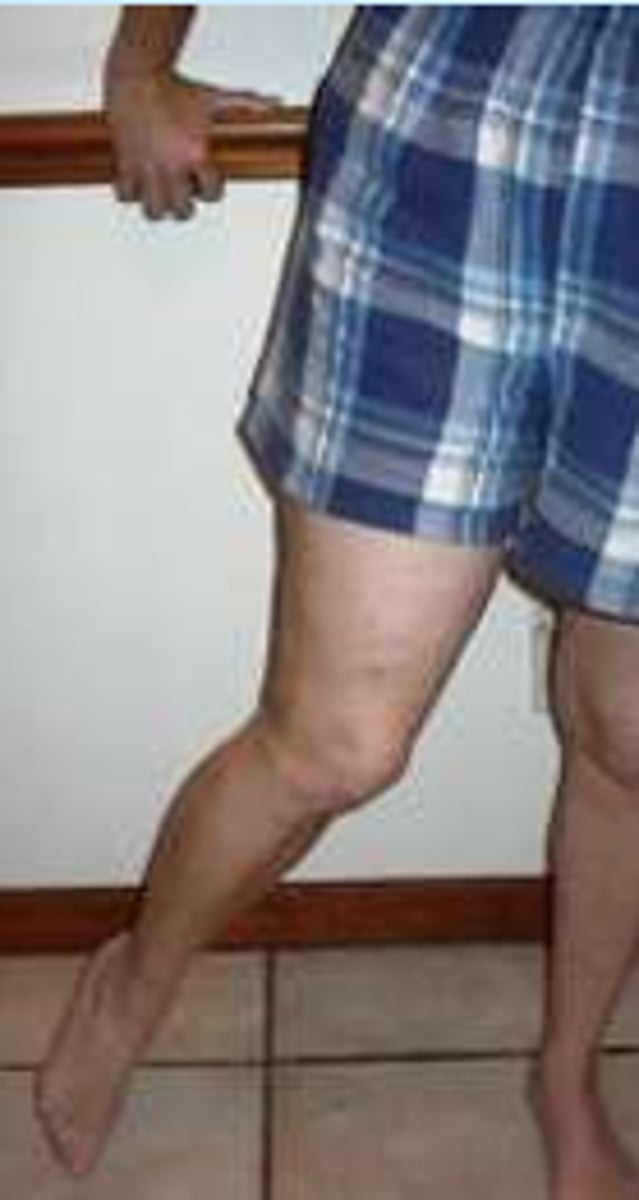
D2 LE flexion pattern
hip flexion, hip abduction, hip IR, knee flexion
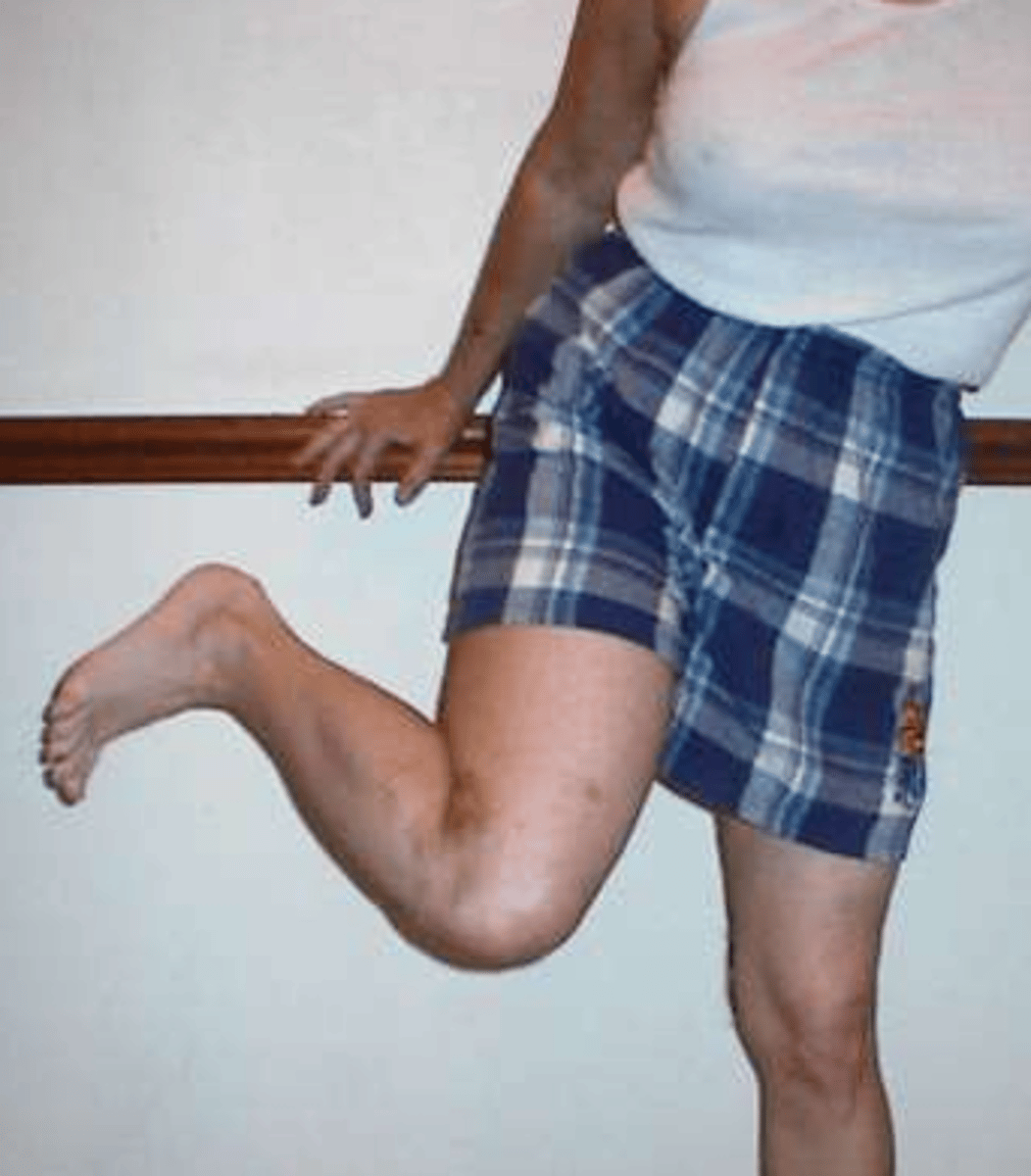
D2 LE extension pattern
Hip extension, hip adduction, hip ER, knee extension
Identify key risk factors related to severe knee injury (MSK and non-MSK)
ACL has a higher incidence in men
High-risk sports: rugby, football, netball, soccer, basketball, skiing
A previous ACL injury is a risk factor
Poor neuromuscular control of quads and hamstrings is a risk factor
Acceleration and declaration mechanics are risk factors
Hormonal changes
Footwear
Sleep: Non msk isk factor that makes it 1.7x more likely to sustain injury when you sleep < 7hr
Understand fundamental exercise components and dosing used in knee injury prevention programs
Flexibility: LE and UE groups
Running: all directions
Strength: glutes, quads, HS
Plyometrics: single leg and all directions
Core stability
What should be considered when prescribing movement-based motor priming
Movement specificity
Movement direction
Movement velocity
Level of force
Dynamic stretching
What is the purpose of a movement-based motor priming approach
Movement-based motor priming helps to increase neural readiness, enhance recruitment, prepare the exact movement pattern before loading it, and improve performance