Biology 1101 OSU: Final
 Call Kai
 Learn
Learn Practice Test
 Spaced Repetition
 Match
Match Flashcards
 Knowt Play
1/113

There's no tags or description
Looks like no tags are added yet.
Name | Mastery | Learn | Test | Matching | Spaced | Call with Kai |
|---|
No analytics yet
Send a link to your students to track their progress
114 Terms
Parasitism
one organism benefits and the other doesn't (Cost)
Competition
is when both organisms are negatively effected
Commensalism
is when one organism is benefited and the other is neither benefited or costed
Mutualism
when both organisms are benefited (help each other)
Neutralism
when both organisms are neither both benefited nor costed
Symbiosis
Any two organism interacting with each other (any type of interaction)
Natural Selection requires:
1. Variation of Trait
2. Heritability
3. Differential Reproductive Success
what is an organisms evolutionary history shaped by
Natural selection due to the interactions they encountered
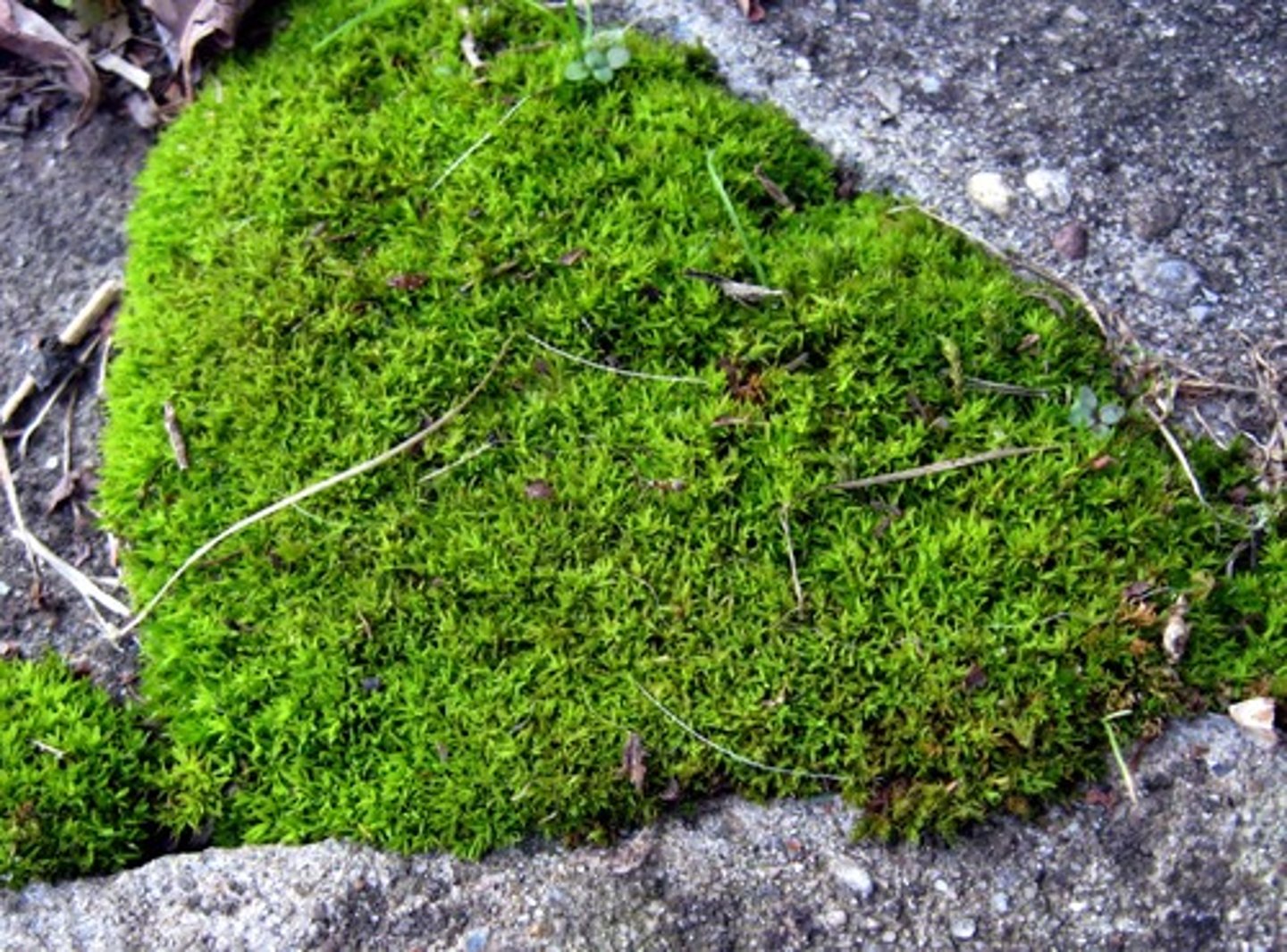
Mosses
No vascular tissue, no seeds, no flowers
Ferns
vascular tissue, no seeds, no flowers
Carboniferous Period
When ferns and amphibians were dominant and coal deposits formed because of the absence of detrivorous fungi specialized on plants
Gymnosperm
Vascular, seed bearing, no flowers (i.e. pine cone trees)
Angiosperm
vascular, seed bearing, flowering (apple tree)
pistil
the female part of a flower
stamen
the male part of the flower
Ecology
the study between an organism and their environment
What are the four levels of Ecology
1. individual: one organism
2. population: group of the same species
3. Community: Groups of different species interacting with one another in one area
4. Ecosystem: all living or non living organism that interact with one another in a particular area
Exponential Growth
the bigger the population, the faster it grows
Density-Dependent Factor
limitations on a population's growth that are a consequence of population density
Population Density
the number of individuals within a given area
Logistic Growth
When a population grows exponentially at first but it slows as the population size becomes large (S-shaped)
Maximum Sustainable Yield
As many individuals as possible are removed from the population without shrinking the population over time (at max. growth rate)
Developing Country
Higher birth rate and death rate (pyramid shaped)
Industrialized Country
Low Birth rate and death rate (rectangular shaped)
Demographic Transition
is a pattern of population growth that is experienced as a country industrializes
- Slow growth->Fast growth->Slow growth
Why is Human capacity hard to determine?
1. Expanding into new habitats
2. Increasing the agricultural productivity of the land
3. Finding ways to live at higher densities
Niche
where a species fits into the environment
Fundamental Niche
(where a species could grow), the extent a species could have if it didn't have to compete or wouldn't be limited in it's spread by geographical barriers
Realized Niche
(where a species does grow) where and how a species are actually living
True or False: Life histories are shaped by Natural Selection
True
Life Cycle
An organism's investment pattern in growth, reproduction, and survival
Competitive Exclusion
Two species battles for resources in the same niche until the more efficient of the two wins and other species is driven to extinction in that location
Resource Partitioning
is an alternative outcome of niche overlap; splitting the types of food between the two species (leads to displacement)
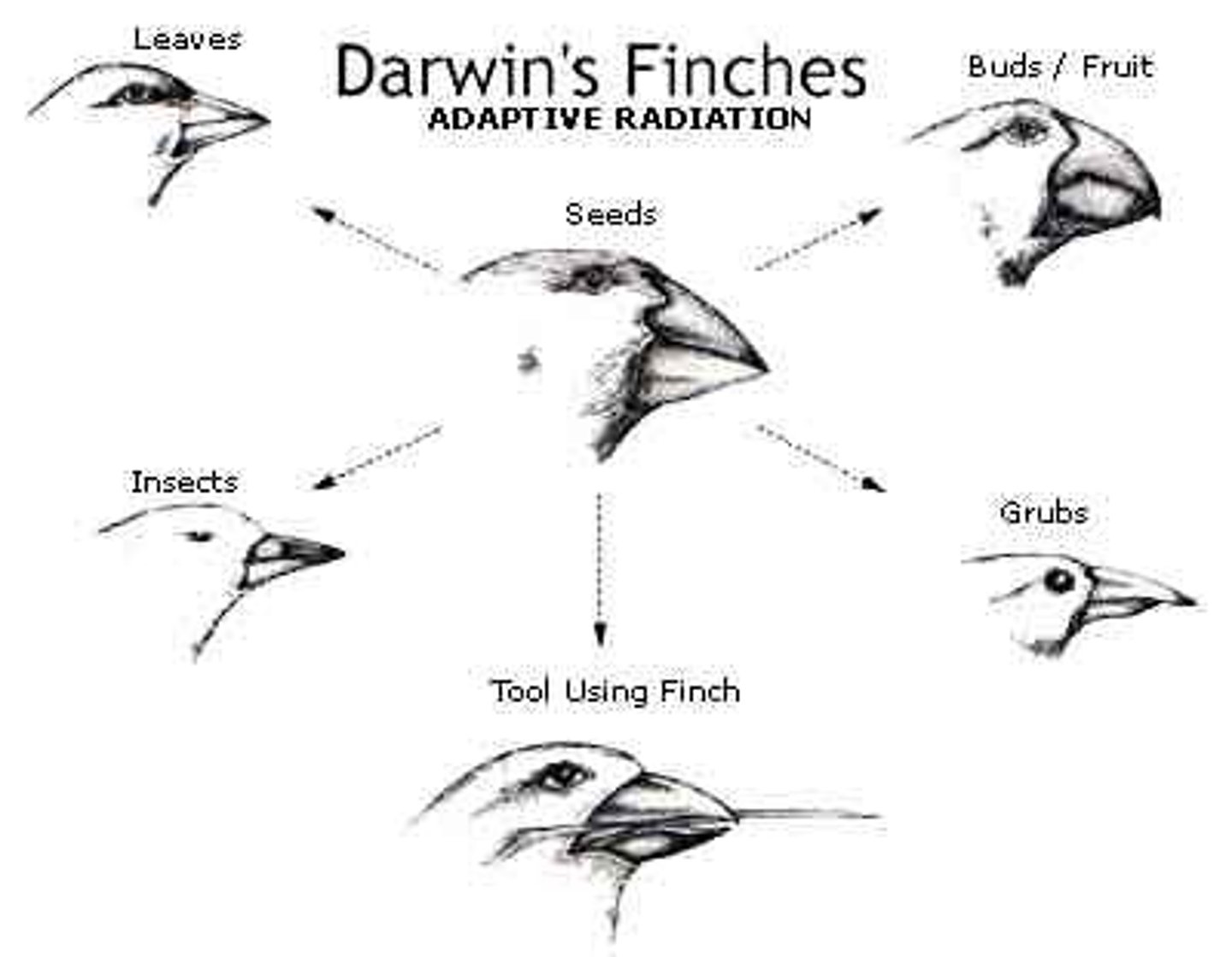
Character Displacement
Selection changed a trait of a species as a consequence of resource partitioning due to niche overlap
Physical Defense for reducing predation
1. Mechanical Defense: Physical Structure
2. Camouflage:Cryptic Coloration
3. Chemical Defense: Toxin
4. Warning Coloration
Mimicry
pretending to be something your not/faking it (looking toxic/dangerous or flowers looking like insects to mate with)
Energy flow within an ecosystem
1. Producers (plants)
2. Primary Consumer (herbivores)
3.Secondary Consumer (Carnivores)
4.Tertiary Consumer(Top Carnivores)
The "10% Rule"
only about 10% of the biomass from each tropic level is converted into biomass in the next tropic level
keystone species
a species that has an unusually large effect on its ecosystem
biodiversity
a measure of the community diversity, amount and ration of different species, in a given area.
food chain
linear path of chemical energy though organism
food web
interconnections of chemical energy in an ecosystems
True or False: Communities cant change or remain stable over time
False: they can
Succession
the change in species composition over time during the settlement of a plant community
Primary Succession
succession that occurs on surfaces where no soil exists
Secondary Succession
orderly change that occurs in a place where soil remains after a community of organisms has been removed
Biota
refers to the living components of the ecosystem
Climate
the major abiotic drivers of ecosystem (temperature/precipitation) especially terrestrial
Soil
is considered a living component of ecosystem; both abiotic factors (nutrients/water/etc.) and the biotia (fungi/bacteria/etc.)
what is important is that the two essential elements of an ecosystem are present: the biotic environment and abiotic environment
1. the biotic environment consist of all living organisms within an area and is often referred to as a community
2. the physical/abiotic environment, often referred to as the organisms' habitat consist of: the chemical resource, and the physical condition
Biomes
large ecosystems that occurs around the world
Terrestrial Biome
Determined by the temperature and precipitation
Aquatic Territory
determined by physical features, including salinity, water movement, and depth
what are the three most important element (chemical) cycle
1. Carbon
2. Nitrogen
3.Phosphorus
Basic Carbon Cycle of living
Air (Atmosphere)->Carbon Dioxide(Photosynthesis) ->Plants->Carbohydrates(eating)->animal->Carbon dioxide(cellular respiration)
greenhouse effect
1. a portion of energy from the sun passes through the atmosphere to warm earth's surface
2.some energy is reflected back toward space and escapes the atmosphere
3. some energy is absorbed by greenhouse gases and remains trapped in the atmosphere, heating the air
Greenhouse Gases
carbon dioxide, methane, water vapor
Positive Feedback Loop
when "A" causes "B" which results in "C" and "C" promotes or increase "A"
Negative Feedback Loop
when "A" causes "B", which results in "C" and "C" limits or reduces "A"
Emergent Properties
Characteristics of a system due to interacting parts. the whole is greater than the sum of the part
The Values of Biodiversity
1. provisioning service
2. cultural services
3. regulating service
4. habitat service
Economic Value
the monetary value of biodiversity to humans, often described as ecosystem services: consists of all the 4 values of biodiversity
Provisioning Service
useful products humans obtain from nature
cultural Service
aesthetic, symbolic, and spiritual values
Regulating Service
Climate regulation, waste decomposition
Habitat Service
The value to humans from soil formation, photosynthesis, and Nutrient cycling
Ethnobotany
studying traditional medical practices to determines active chemical
Factors that influence biodiversity
1. Solar energy available
2. Evolutionary history of an area
3. Rate of disturbance
Ecosystem Diversity
Many different ecosystem in one area
Species Diversity
The relative quantity of different species within the community
Exotic
species is foreign
Invasive
A species has the potential to take over a niche
Exotic Invasive
A foreign that is invasive, no natural predators, other species haven't evolved defenses
Native Invasive
A local/native species that conferred a reproductive advantage over all the others in local community because of an environmental disturbance
Eutrophication
The increase in nutrients in an ecosystem
Organic Compounds
compounds that contain carbon, hydrogen and oxygen
Inorganic Compound
A compound that does not contain carbon
Variation in Primary Productivity
1. Large-based pyramid
2. Small-based pyramid
3. Inverted Pyramid
Large-Based Pyramid
-supports a relatively large biomass of consumers
-common in rain forests, marshes, and algal beds
Small-Based Pyramid
-reduced ability to support consumers
-common in deserts, tundras and open oceans
Inverted Pyramid
-small biomass of producers supports a relatively large biomass of consumers
-occurs in some aquatic ecosystems where plankton are producers
Bio-geochemistry
chemical interaction between organisms and the abiotic environment
Watershed
An ecosystem where all water runoff drains into a single body of water
Wetlands
a lowland area, such as a marsh or swamp, that is saturated with moisture, especially when regarded as the natural habitat of wildlife.
What was the ultimate advantage of the evolution of the vascular system in plants
They can grow taller since water can be transported more easily throughout the body of the plant
What is an advantage (to a plant) for producing a fleshy fruit?
Seed dispersal
What substance is plastic very similar to? It also took a long time before fungus and bacteria evolved to utilize this substance as a food source.
Cellulose
Studies link diet to higher biodiversity of the gut biome in non-westernized rural children, and decreased biodiversity and obesity in children exposed to house hold disinfectants (many westernized children). What is the mechanism most likely responsible for both of these cases.
Natural Selection
If we study interactions between lobsters and the local cod population in Maine what level of ecology are we studying?
Communities
Is population ever fully stable
NO
As the nation that has high birth and death rates moves towards industrialization, what would be an immediate effect?
1. Birth rates would remain high
2. Death rates would decrease
Character displacement is an evolutionary change that allows for;
1. One species to out compete the other species in the local area
2. reduces competition between the two species in the local area
What other two species interactions, other than competition, influence the evolution of both species involved in the interaction?
1. Parasitism (predator/prey)
2. Mutualism
Carbon is recycled, so why is global atmospheric CO2 levels rising?
Because fossil fuels are outside the carbon cycle
Why does CO2 rise and then fall every year?
At one point of the year most land plants photosynthesize, but at another point they stop photosynthesizing while heterotrophs still respire
How does deforestation influence climate?
1. Deforestation = less CO2 is removed from the atmosphere and changes water evaporation patterns
2. Deforestation = more CO2 is released into the atmosphere when forests are cleared and burned, and changes water evaporation patterns
How can an aquatic ecosystem maintain an inverted energy pyramid
The aquatic producers (algae) reproduce very quickly compared to the producers of terrestrial systems (grasses/trees)
What do you think will happen to the higher consumer population numbers (secondary and tertiary consumers) in those 50 days?
It would remain relatively stable
The reproductive cycle of zooplankton (primary consumer) is short so they increase rapidly in numbers, but since secondary consumers don't increase in response to the primary consumers then most just die a sink to the ocean floor. Additionally there are so many autotrophs produced that the primary consumers can't eat them all and they also fall to the ocean floor. What will happen...(DO = dissolved oxygen)
DO will decrease killing many higher consumers/detrivores
True or False: Can Disruption of an ecosystems cause reduction in human biodiversity?
true