dairy cattle production
 Call Kai
 Learn
Learn Practice Test
 Spaced Repetition
 Match
Match Flashcards
 Knowt Play
1/23

There's no tags or description
Looks like no tags are added yet.
Name | Mastery | Learn | Test | Matching | Spaced | Call with Kai |
|---|
No analytics yet
Send a link to your students to track their progress
24 Terms
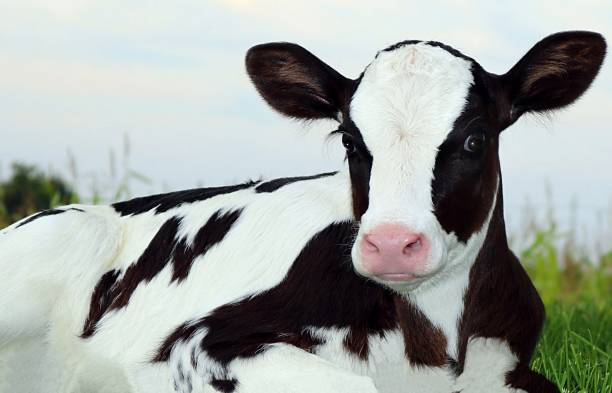
friesian
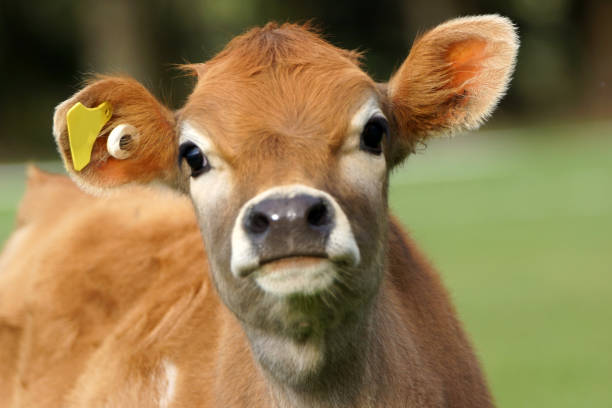
jersey
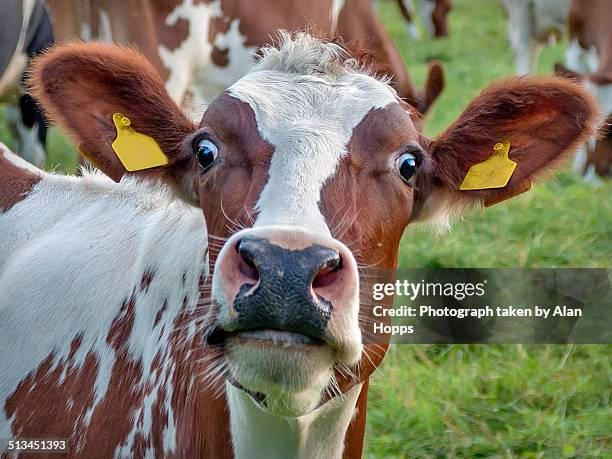
ayrshire
factors influencing income
milk yield- bonus and penalty payments, contract
fixed costs and variable costs- buildings, feed purchase, vet bills
efficiency- lifespan, calving interval, endemic diseases
what is a dry cow and how long does it usually last
milk production has stopped due to calving
usually lasts 6-9 weeks
synchronisation
bringing a large number of cows into oestrus at the same time using hormones
production cycle
how many days post calving must be pregnet
how long is pregnancy
how long is target calving interval
how long is target lactation
how long is dry period
how long is vwp
needs to be pregnant by day 85 post calving
pregnancy 280 days
target calving interval 365 days
target lactation 305 days
dry period 60 days
VWP 45-56 days
types of milking parlour
herringbone
rotary
robot
rapid exit
groups
milking (fresh cows, fresh heifers, main herd, cull cows)
colostrum group
sick, mastitsis/AB group
dry cow (far off, close up grou)
heifers (milk fed, weaned, breeding, pre calving, milking)
calving pen/ paddock
should be close to the dairy staff house
close to milking parlour
prone to being poached
should not have barbed wire or electric fencing
non return rate
proportion of inseminated cows which are not re inseminated after a set period of time
in calf rate
proportion of cows intended for re breeding that are in calf 6 weeks or 100 days after the start date of the breeding season
open period
what is it
what does the length depend on
target mean length
range
time from calving to re conception
length depends on voluntary waiting period and breeding period
target mean of 12 weeks
7-17 week range
reasons for culling
empty, lame, udder health
cost of poor reproductive performance
milk production decrease as more milk per lactation but more time in late lactation or dry
calving interval increase- fewer replacements available, slow genetic progress
culling increase
low conception rates so semen costs increase
vet bills increase
long dry periods- over fat cows
phases of fertility management
dry period
calving
start of lactation
service
pregnanet
oestrus cycle
how long does it last
when does sexual activity last
what does it coincide with
how long does it last
how long after is ovulation
ovum can be fertilised within …. hours of ovulation
which half of oestrus should the cow be inseminated
what happens on the 11th day after fertilisation
21 days
sexual activity starts at puberty
Coincides with presence of mature Gaafian follicle
lasts from 6-30 hrs
ovulation 6-14 hrs later
ovum can be fertilised within 8-12 hrs of ovulation-Spermatozoa can fertilise for 24-48 hours in female genital system
cow should be inseminated in second half of oestrus
11th day after fertilisation embryo signals its presence by secreting trophoblastin. The cyclic corpus luteum becomes corpus luteum of pregnancy and remains to end of pregnancy
advantages of AI
higher genetic merit bulls
easier to transport semen internationally
less inbreeding in herd
less risk of STDs
cheaper and safer than buying in high genetic merit bull
can select
sexed semen available
when should you inseminate? how many hours after
standing
bulling behaviour
2-15 hours after standing
6-18 hrs after bulling behaviour
observe in morning inseminate in afternoon
heat detectors
tail paint which rubs off when the cow is mounted
heat mount detectors which are applied to back or tail head
pedometers often worn on the leg
electronic detection systems
behavioural signs of heat
standing
bellowing
attempt to ride
moist, swollen vulva
clear mucus
stands to be ridden
frequent bellowing
nervous, excitable
riding
attempt to mount
smells others
clear mucus
fertility interventions- synchronisation
intravaginal progesterone delivery device
prostaglandin injection to stimulate luteolysis (degredation of the corpus luteum)
GnRH injection to stimulate ovulation
fertility interventions- embryo transfer
increases number of offspring a genetically important cow can have
usually done with superovulation and non surgical recovery of eggs and embryos frozen and transferred to a recipient later.
specialised service