UNLV Bio 100 LAB Final
 Call Kai
 Learn
Learn Practice Test
 Spaced Repetition
 Match
Match Flashcards
 Knowt Play
1/54

There's no tags or description
Looks like no tags are added yet.
Name | Mastery | Learn | Test | Matching | Spaced | Call with Kai |
|---|
No analytics yet
Send a link to your students to track their progress
55 Terms
Epithelial Tissue
Lines Surfaces such as mouth, throat, and digestive and urinary tracts, protective, absorbs nutrients
Connective Tissue
Underneath epithelial tissue, supports, cushions, and sometimes provides elasticity
Muscle Tissue
Located where movement is needed, skeletal, muscle, heart, and digestive organs.
Nervous Tissue
located in brain, spinal cord and nerves. Transmits sensory and motor info
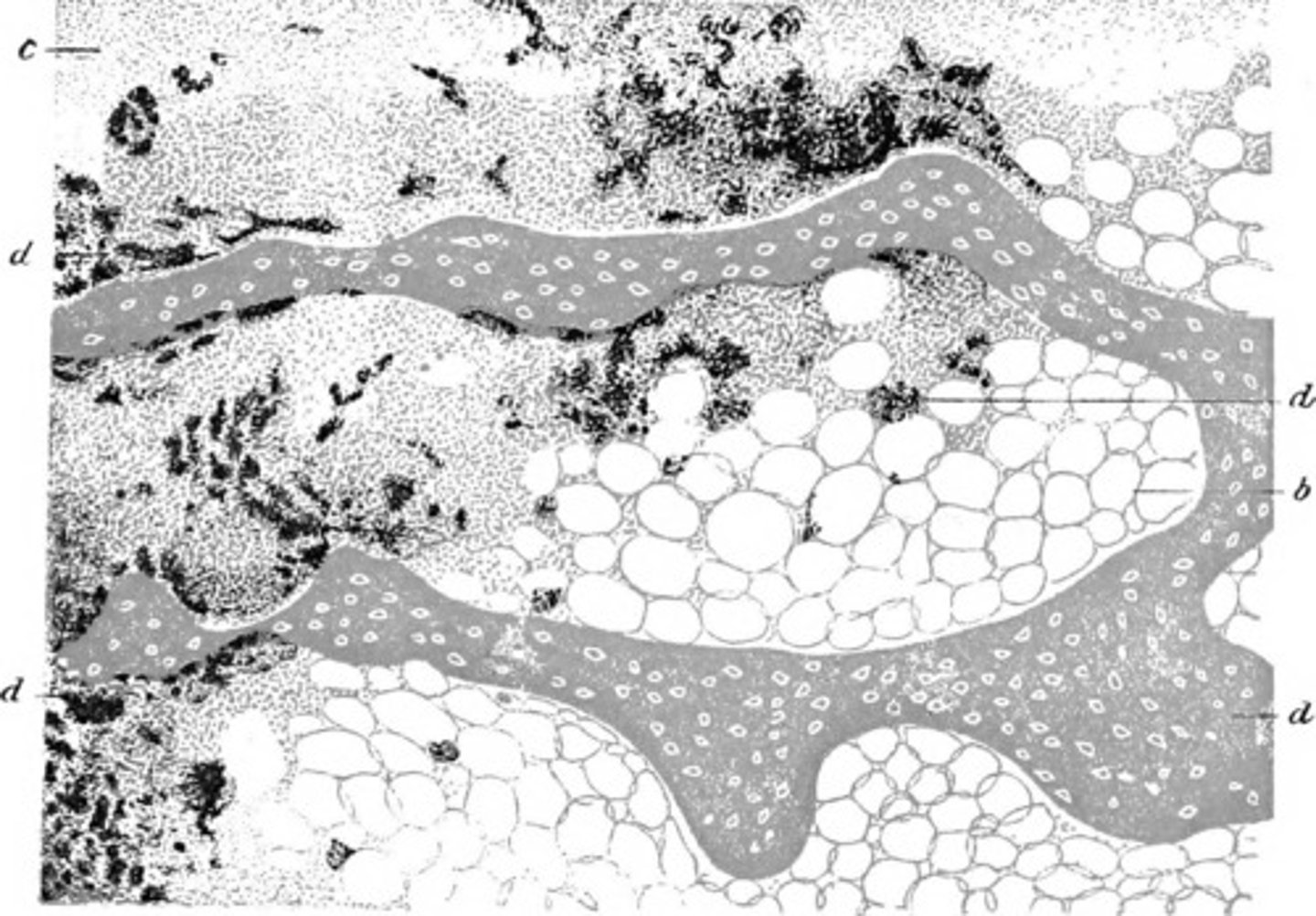
Stratified Squamous Epithelial Tissue
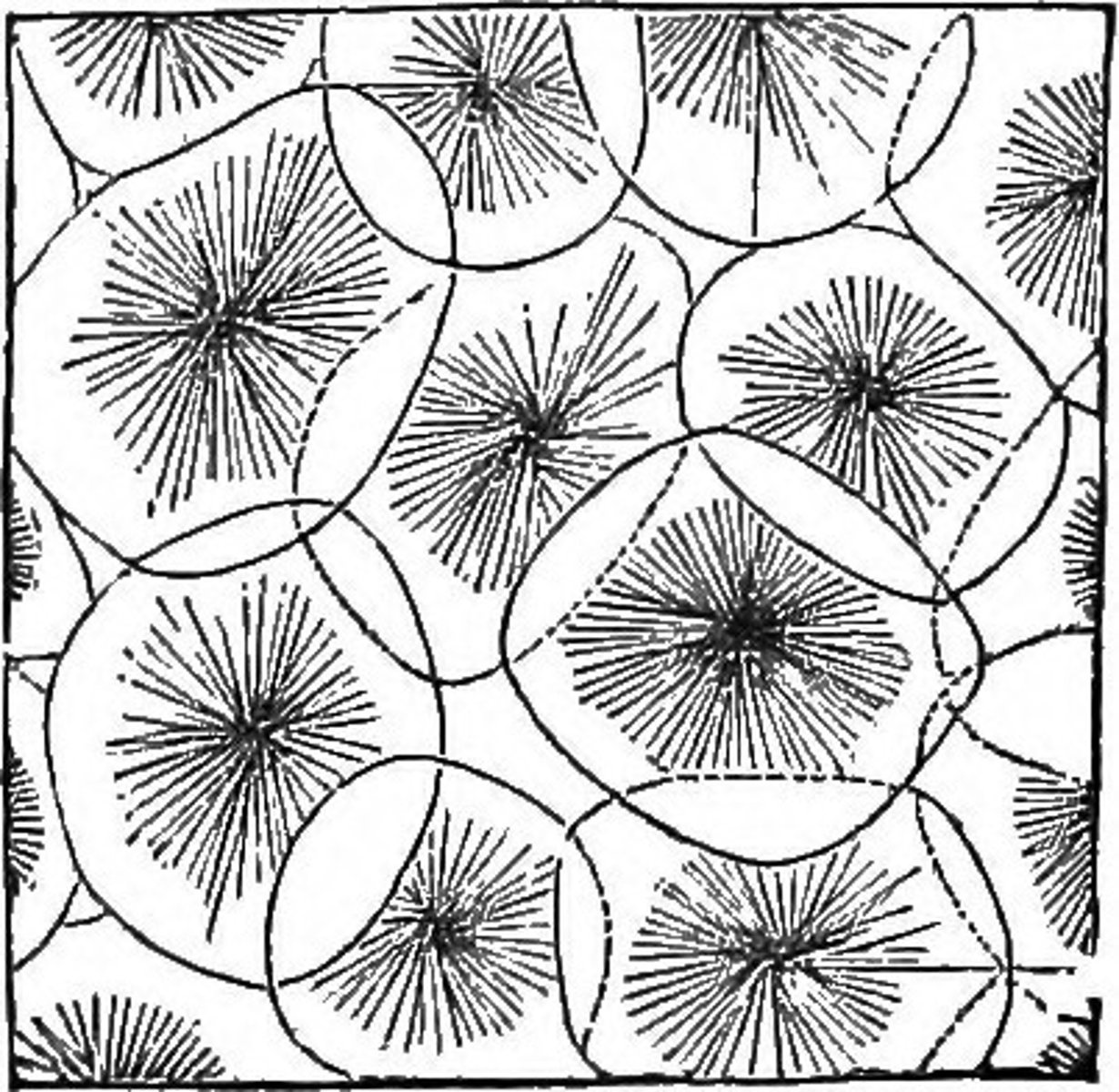
Adipose Tissue
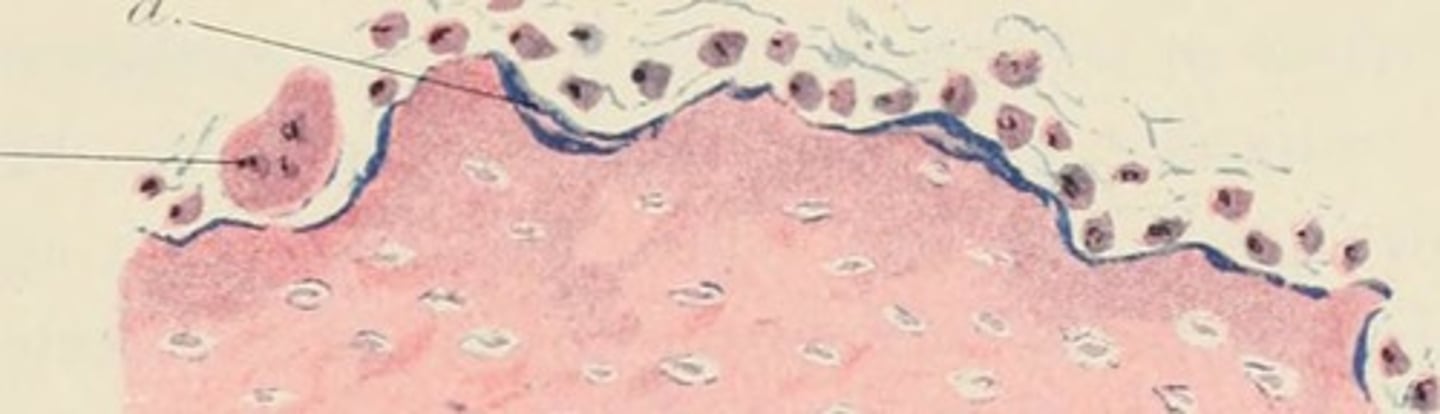
Dense Irregular Tissue
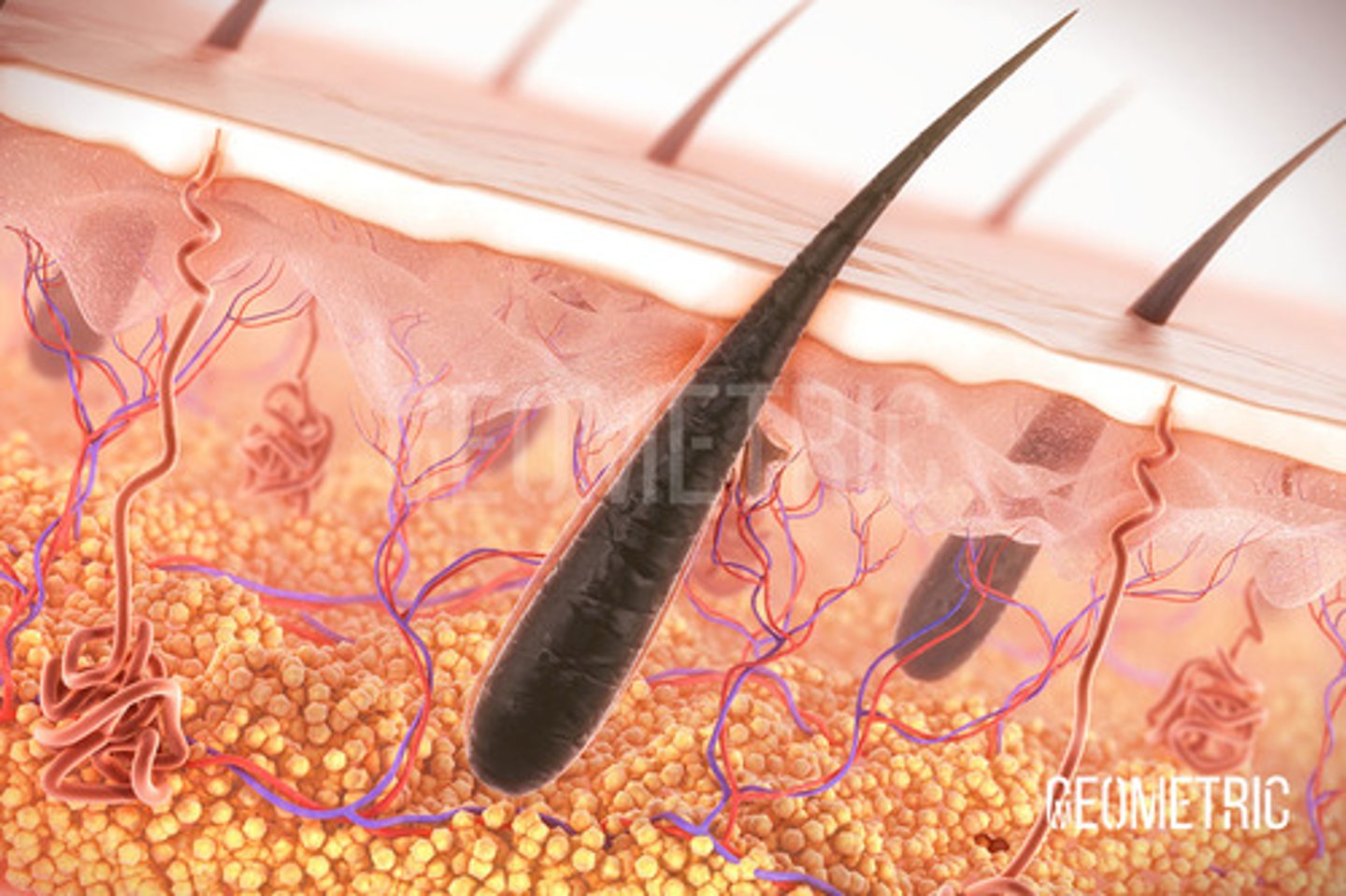
Identify Accessories on Skin Layer
Long Bones are
Greater in length then width
Short Bones are
Similar in length versus width
Flat Bones are
Flat and thin
Sesamoid Bones
Form within tendons, such as patella or knee cap
Sutural Bones
Small flat bones between the skull
Irregular Bones
Do not fit into a category
Cranium Bone count:
8
Facial Bone count:
14
Hyoid Bone is
located in throat, easily break and cause death, small
Ribs on each side
12
Cardiovascular system includes
heart, blood vessels, and blood
It transports
oxygen, nutrients
Left side is
oxygenated
Right Side
De-oxygenated
Left Cycle
Left atrium to left AV valve to left ventricle to aortic valve to aorta to body
Right Cycle
Vena Cava to right atrium to right AV valve to Right ventricle to pulmonary valve to lungs to pulmonary vein
Arteries
carry blood away from the heart
Veins
Carry blood to the heart
Pulmonary Circuit
flow of blood between heart and lungs
Capillaries
In between arteries and veins, one cell thick, exchange gas such as oxygen and carbon dioxide
Iodine
Detects for starch
Iodine colors when positive or negative
positive= Dark blue/black negative= Brownish orange
Benedicts test
Sugar/Maltose
Color when Benedicts test is negative or positive
Positive= green,yellow,orange, or red Negative=Bright Blue
Mechanical Digestion includes
teeth, tongue, stomach, small intestine, large intestine, rectum
Chemical digestion
mouth, stomach, small intestine, large intestine, liver, pancreas, gallbladder, salivary glands
Liver, gallbladder, and pancreas do what
secrete enzymes into the small intestine, do not actually digest
Female Gonads are
Ovary, egg, hormones such as progesterone and estrogen
Male Goands are
Testes, sperm, hormone testerone
Testes
Produce sperm
Epididymis
Site of sperm production
Vas Deferens
Transports sperm into uretha
Seminal Vesicles
produce alkaline to nourish sperm
Prostrate Gland
produce milky fluid to activate sperm
Bulbourethral Gland
add thick mucous sperm
Urethra
Transports sperm and urine outside body
Penis
Copulatory organ, delivers sperm
Glans Penis
Head
Prepuce
Foreskin to cover glans penis
Scrotum
temp regulation
Ovaries
egg storage, secrete estrogen
Uterine or Fallopian Tubes
Transport egg to uterus, site of fertilization
Uterus
Site of fetal development
Cervix
Opening of uterus to vagina
Vagina
Receives penis, copulation, birth canal
Labia Majora
Outter part of skin folds
Labia Minora
Inner part of skin folds