General exam - edit | Quizlet
 Call Kai
 Learn
Learn Practice Test
 Spaced Repetition
 Match
Match Flashcards
 Knowt Play
1/11

There's no tags or description
Looks like no tags are added yet.
Name | Mastery | Learn | Test | Matching | Spaced | Call with Kai |
|---|
No analytics yet
Send a link to your students to track their progress
12 Terms
Horse general exam
RR: 8-15
HR: 36-44
temp: 37.5-38
Foal general exam
RR: 20-40
HR: 70-120
temp: 37.5-38
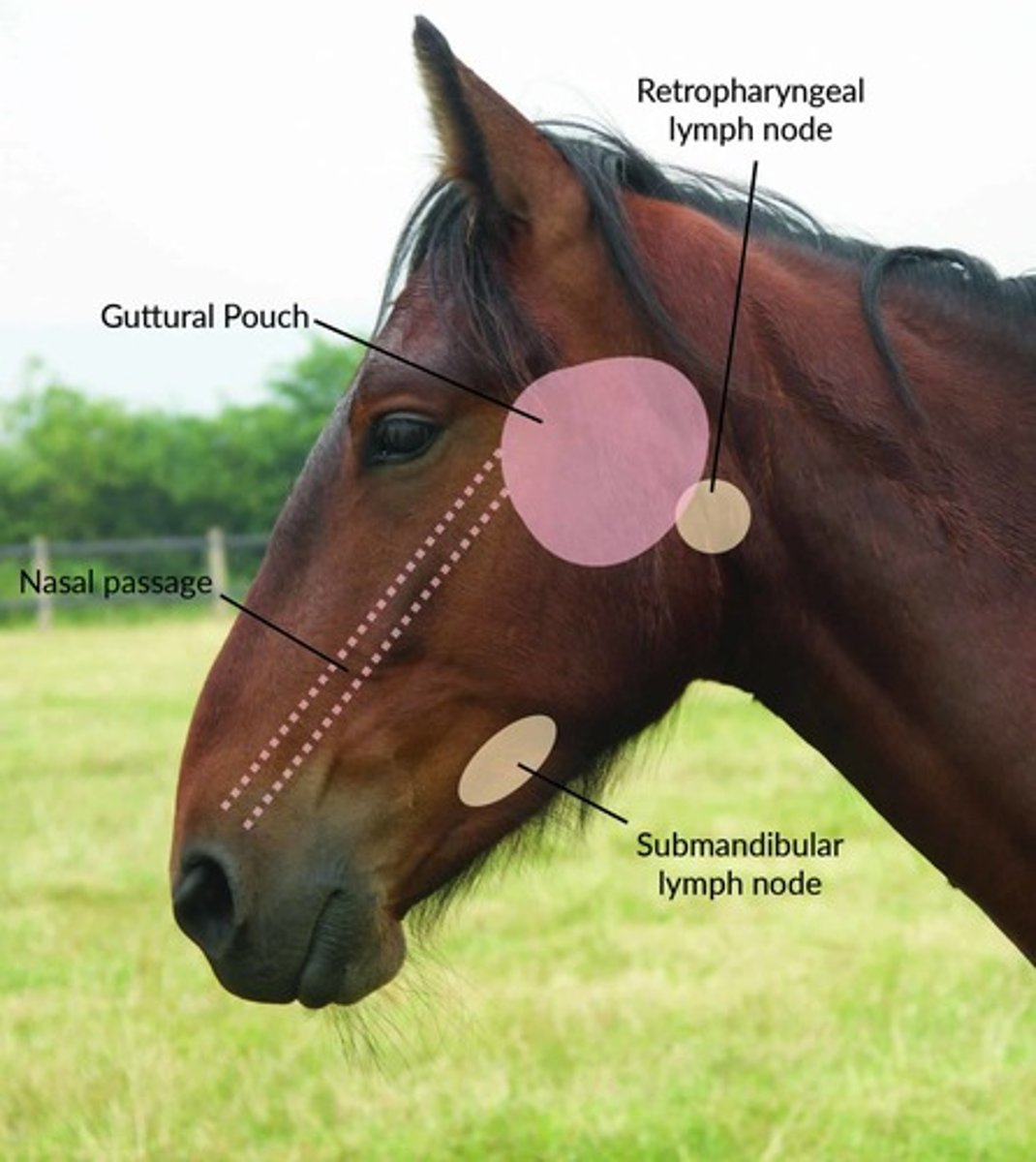
Lymph nodes present in horse
submandibular
- caudal to facial artery
retropharyngeal
- dorsolateral edges of larynx
parotid
- caudal to ramus of mandible
prescapular
prefermoral
Iliac
mucous membrane
normal;
- pink-pale pink
- moist
- CPR: u 2sec
anemia
- pale/white
cynaotic
- blue
- hypoxia
brick red
- inc. perfusion
- systemic inflammation
icterus
- yellow
- bilirubin accumilation --> liver problem
spider vein
- endotoxemia
- systemic infection
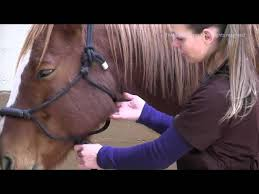
where to check pulse in horse
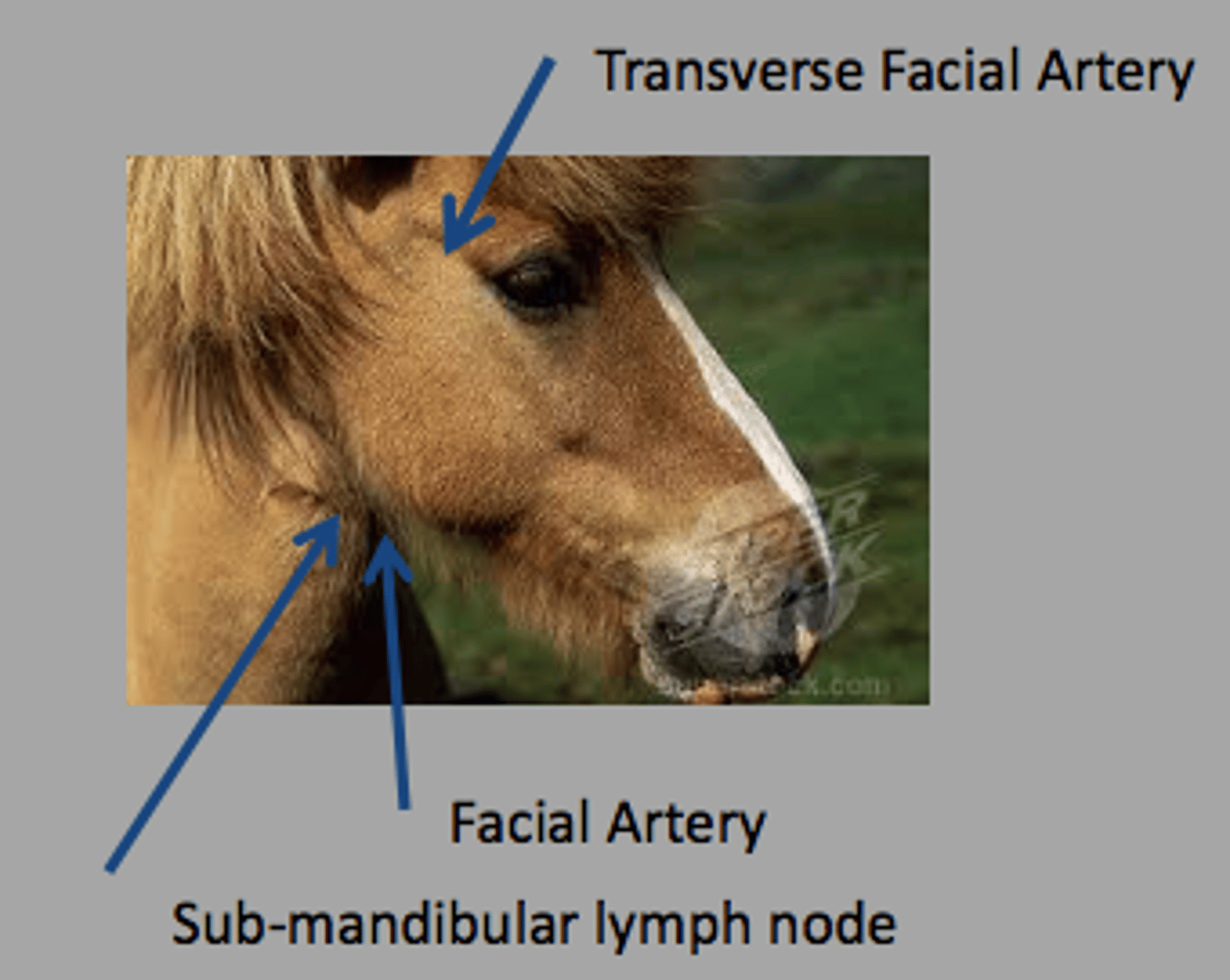
facial artery
- on the back of the jaw
transverse facial artery
- along the eye, under bony prominence
digital artery - laminitis
HR above 80 = serious problem
HR above 60 = pain/excitement
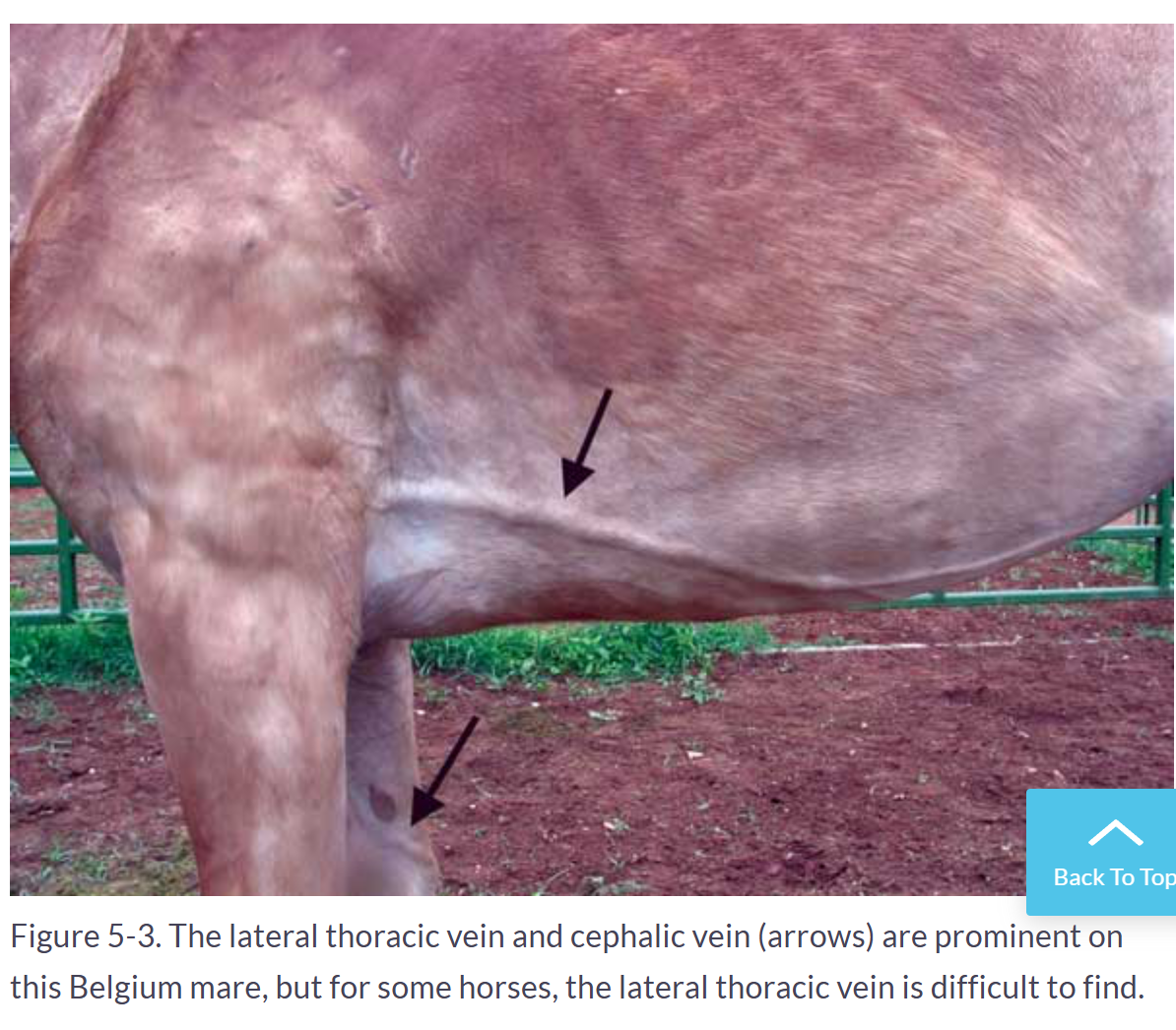
where to take blood
1. jugular vein
2. superficial thoracic vein
3. antebrachial cephalic vein
4. lateral saphenous vein (foals)
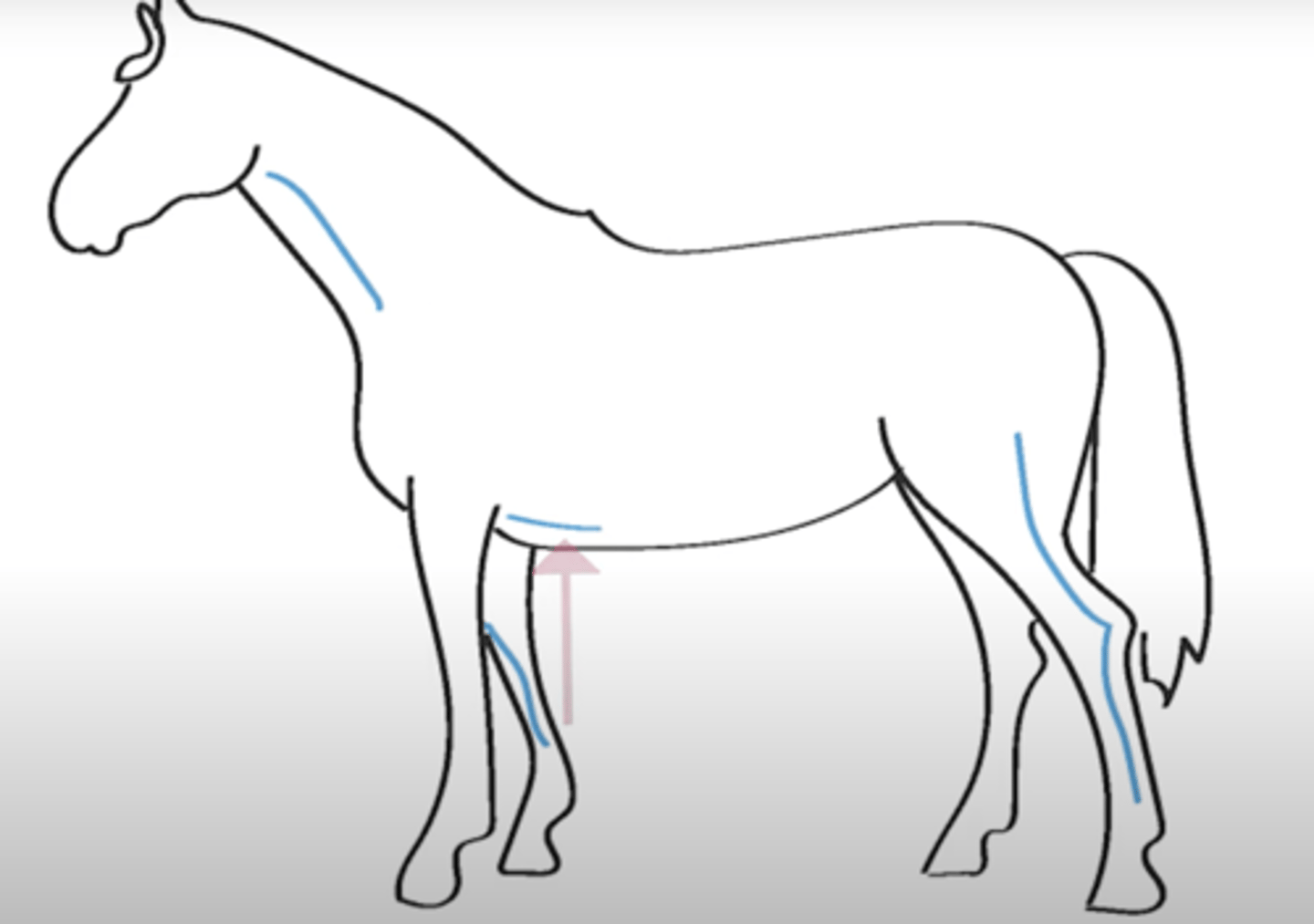
location of stifle joint
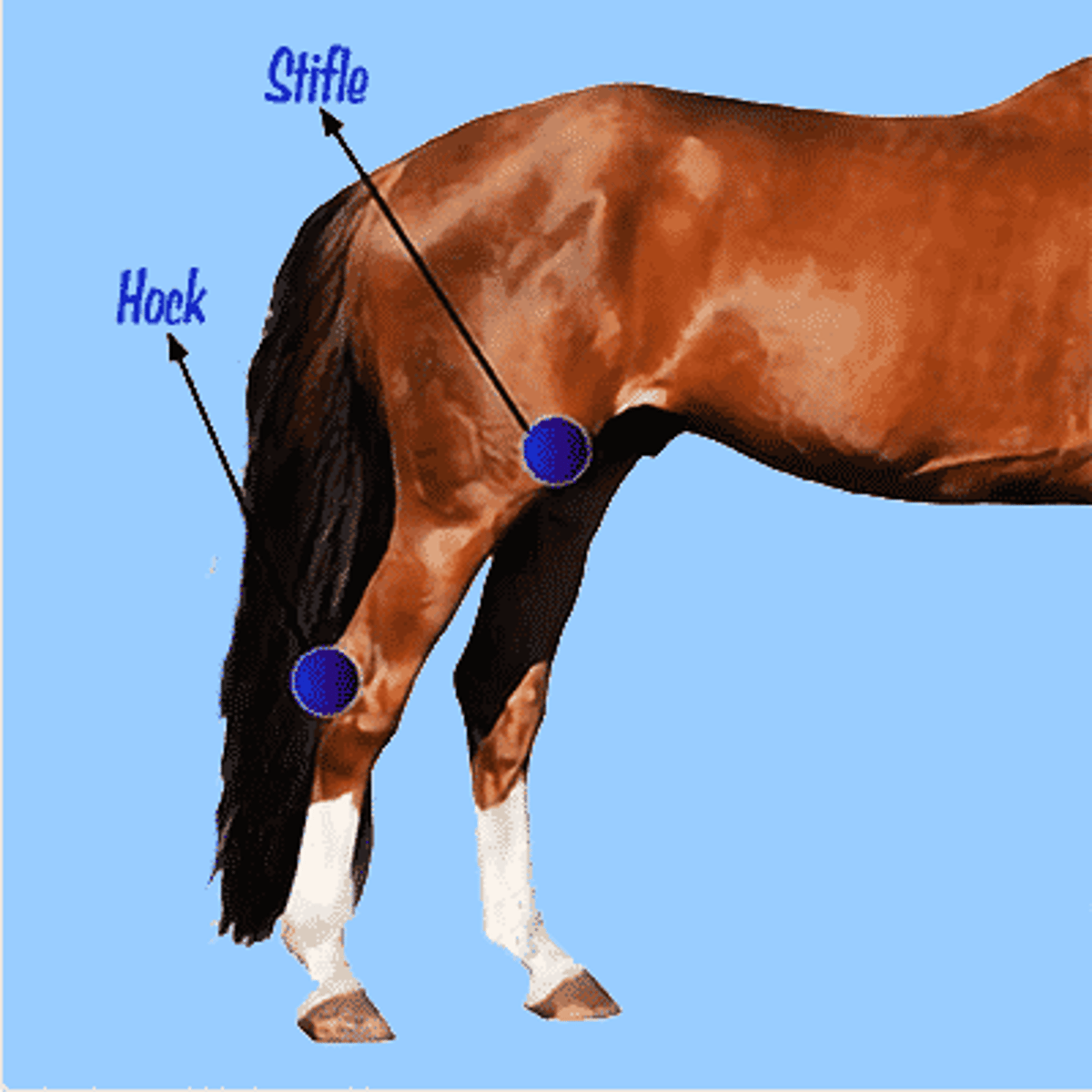
drugs used in sedation
alpha-2 agonist
- Xylazine (IV,IM)
- detomidine (IV,IM)
- romifidine (IV,IM)
opiods
- buthorphanol (IV,IM)
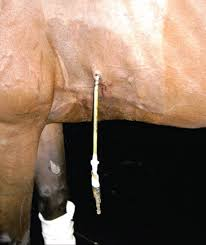
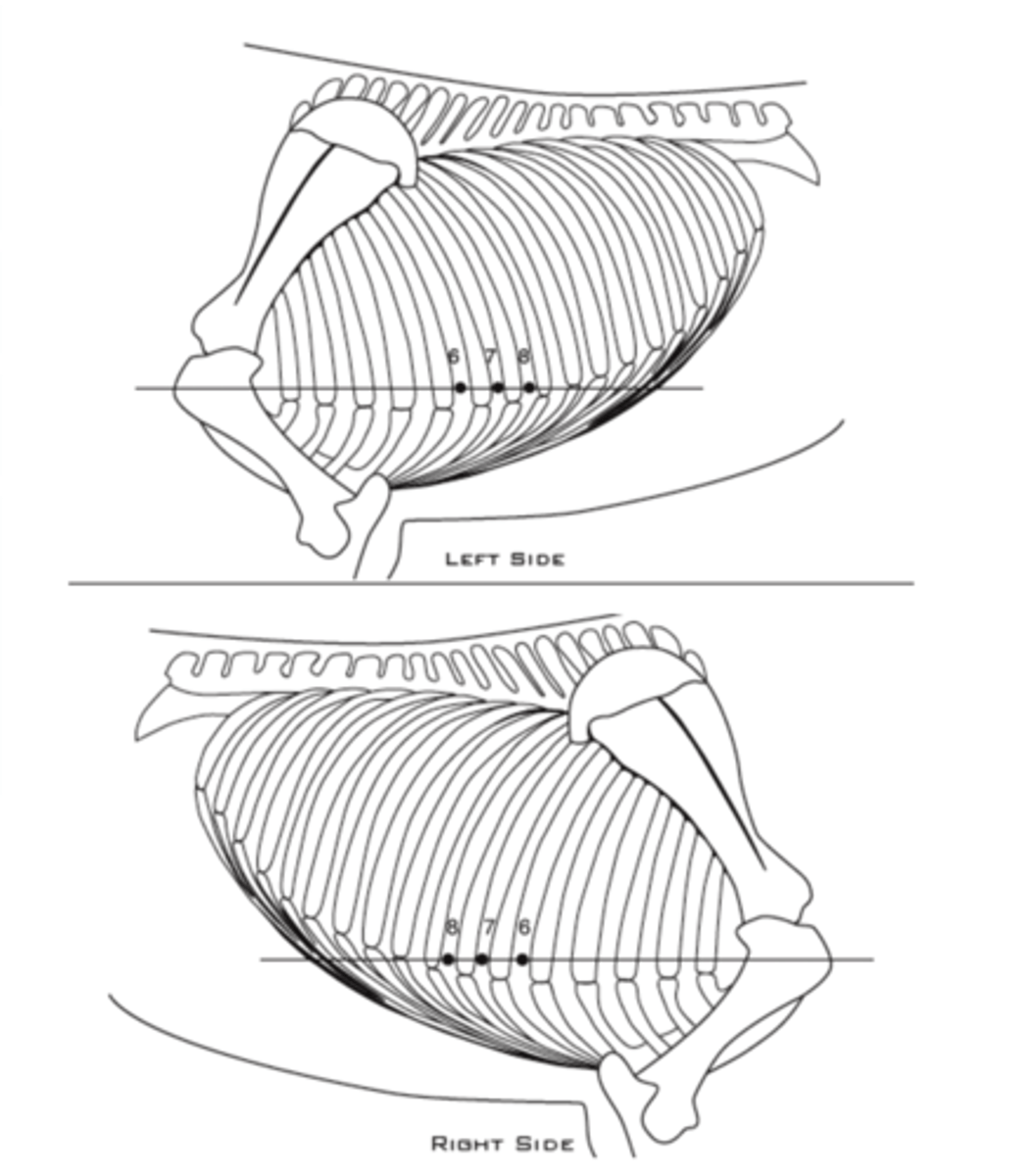
where would you insert needle for thoracocenthesis (pleurocentesis)?
- The 6th, 7th or 8th intercostal space
- just above the palpable bulge of the costochondral junction and dorsal to the lateral thoracic vein
- on a horizontal line drawn from point of the shoulder
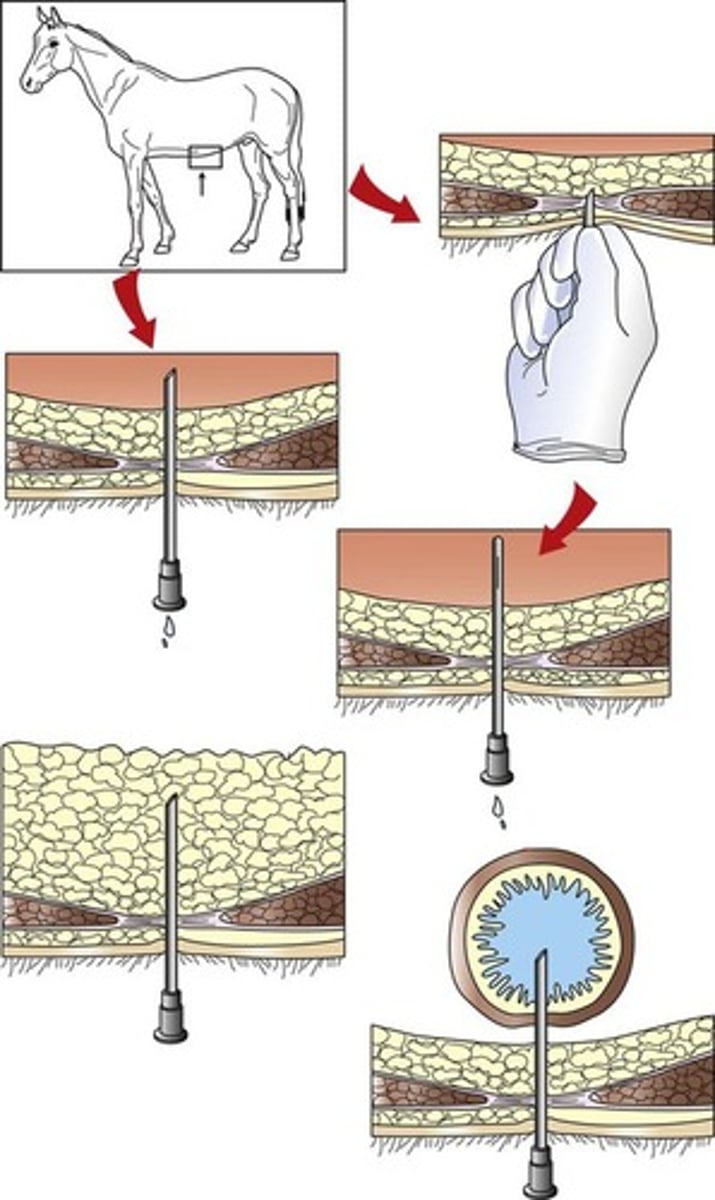
where would you insert needle for abdominocenthesis?
- An area of 10 cm×10 cm to the right of midline at the most dependent aspect of the ventral abdomen is clipped and aseptically prepared using povidone-iodine or chlorhexidine scrub and alcohol.
- should not be performed to the left of midline because of the potential for splenic injury and subsequent hemoabdomen.
where would you auscultate bronchial three?