Unit 3: Reasoning and Argumentation in PHIL 1230
 Call Kai
 Learn
Learn Practice Test
 Spaced Repetition
 Match
Match Flashcards
 Knowt Play
1/48

There's no tags or description
Looks like no tags are added yet.
Name | Mastery | Learn | Test | Matching | Spaced | Call with Kai |
|---|
No analytics yet
Send a link to your students to track their progress
49 Terms
Argument
Group of STATEMENTS some of which (the premises) are offered up as REASONS or EVIDENCE for another (the conclusion).
Premises
Statements offered as reasons for the conclusion.
Conclusion
Statement supported by premises in an argument.
Purpose of Arguments
To provide reasons for believing claims true.
Competitive Functions
Arguments used to impress or show-off.
some use them to show-off e.g. bar scene in Good Will Hunting
Epistemic Functions
Arguments aimed at discovering truths.
As Socrates discussed in Plato’s Meno, this is the process of providing reasons for a belief, turning "true belief" into knowledge.
Rationalization
Post-hoc justification for beliefs held.
The process of generating reasons to justify a belief, decision, or action after it has already been adopted or taken. Rather than forming beliefs based on evidence, individuals frequently form beliefs based on emotion, intuition, or bias, and then construct a logical-sounding, retrospective narrative to justify them.
Self-Regarding Purpose
Helps arguer find good reasons for believing certain claims.
Other-Regarding Purpose
Helps listener/readers find good reasons for believing in claims.
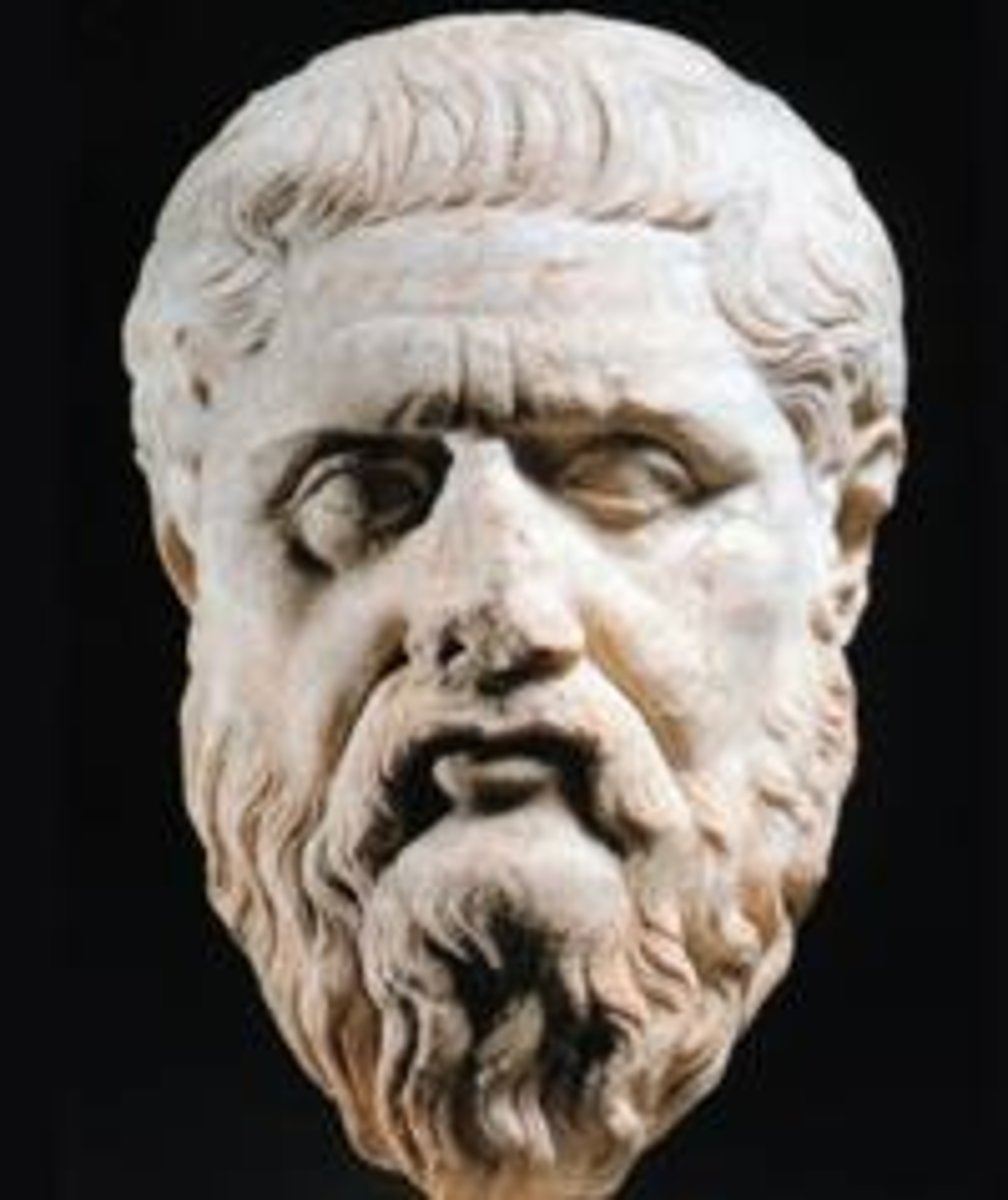
Gorgias
Philosopher using rhetoric for persuasion, not truth.
Ethical Dimension
Good argumentation is not just about finding the truth and avoiding error; it’s also about benefiting others and avoiding harm.
Clifford's Evidentialism
Beliefs must be based on sufficient evidence.
e.g. in the old ship example
Impact of Beliefs
Beliefs influence actions and can harm others.
Moral Evidentialism
The ethical view that one is morally obligated to form and maintain beliefs solely based on the evidence available. It states that holding beliefs without sufficient evidence is not only epistemically irrational but morally wrong.
Epistemic Evidentialism
A person is justified in believing a proposition if and only if their evidence supports that belief
E.g. A core example is believing it is raining outside because you see wet streets, hear rain, and feel cold air, rather than believing it simply because you want to stay indoors.
Wishful Thinking
Forming beliefs based on desires, not evidence.
Intellectual Guilt
Responsibility for beliefs lacking sufficient evidence.
Obama's Argument
Encourages argumentation to uncover truths. There is a factor of other-regardingness in the argument, helping other uncover important truths.
Argumentation
Process of reasoning to persuade or inform.
Truth-Seeking
Aim of arguments to discover factual claims.
Public Impact
Beliefs affect societal actions and decisions.
Philosophical Inquiry
Critical examination of beliefs and arguments.
Clifford Thought Experiment
The argument asks us to imagine a shipowner selling, tickets for a voyage across the Atlantic. The shipowner is aware that the ship is in need of repairs, but knows that such repairs would be costly and time consuming. Due to these costs, the shipowner forms the belief that the ship must be seaworthy, pushing aside the evidence to the contrary. He sold tickets on the ship, wished the passengers farewell, and quietly collected on the insurance when the ship sank.
According to Clifford, the moral fault here lies in the shipowner's unjustified beliefs. By forming beliefs based on emotions and monetary considerations instead of facts, the shipowner did something immoral and is ethically responsible for the deaths of those people, not because he did something wrong, but because he believed things that he knew were unjustified.
In fact, even if the ship had not sank. the shipowner would still be morally culpable, because the truth of his beliefs does not matter, simply whether or not he was justified in holding them.
“IT IS WRONG, always, everywhere, and for anyone to beleive anything upon insufficient evidence [argument]”
Moral Duties
Obligations to have evidence for beliefs.
Good Arguments
Arguments that are sound or cogent.
Inductive Argument
Argument where premises support probable conclusion.
Deductive Argument
Argument where premises guarantee conclusion's truth.
Strong Argument
Inductive argument with high probability of truth.
Weak Argument
Inductive argument with low probability of truth.
Valid Argument
Deductive argument where premises ensure conclusion.
Invalid Argument
Deductive argument where premises do not ensure conclusion.
Cogent Argument
Inductive argument that is strong and true.
Non-Cogent Argument
Inductive argument that is weak or false.
Sound Argument
Deductive argument that is valid and true.
Unsound Argument
Deductive argument that is invalid or false.
Regress Skepticism
Endless justification of beliefs is impossible.
The regress argument for skepticism poses that justifying any belief requires another justifying belief, ad infinitum, creating a chain that never ends, circles back, or stops arbitrarily.
Foundationalism
Beliefs justified without evidence or argument.
Law of Identity
A is A; self-evident truth.
Incorrigible Belief
Belief that cannot be wrong, like pain.
Common Sense Beliefs
Widely accepted beliefs requiring little justification.
Controversial Claims
Claims needing strong justification due to debate.
Private Beliefs
Private Beliefs/Sensations: "I have a headache" is known immediately and directly by you (first-person authority). It does not require external evidence or a rigorous argument to be justified to you.
Public Claims/Communication: The moment you communicate this to someone else (e.g., your boss), it becomes a "public claim." The listener demands public justification (evidence, proof, or good reasons) because your inner state is not directly accessible to them.
Public Claims
Assertions needing higher standards of justification.
Properly Basic Beliefs
Beliefs justified/rational without needing further evidence or arguments.
Foundational convictions e.g. I see a chair
Purpose: They stop the infinite regress of justification
Properly Basic Assertions
Assertions that are justified/rational without needing further evidence or arguments.
made with the intent to communicate truth, often expressing a judgment.
Assertion of Fact: "The earth is spherical in shape".
Sextus Empiricus
Greek philosopher advocating for regress skepticism.
Evidentialism
Belief justification requires adequate evidence.
Philosophy of Language
Study of meaning and use of language.
Philosophy of Mind
Study of consciousness and mental processes.