The Respiratory System (Ch. 6, A+P)
 Call Kai
 Learn
Learn Practice Test
 Spaced Repetition
 Match
Match Flashcards
 Knowt Play
1/23

There's no tags or description
Looks like no tags are added yet.
Name | Mastery | Learn | Test | Matching | Spaced | Call with Kai |
|---|
No analytics yet
Send a link to your students to track their progress
24 Terms
Functions of the respiratory system
Ventilation and oxygenation
Another name for the respiratory system
Pulmonary system
Oropharynx
The area directly posterior to the mouth
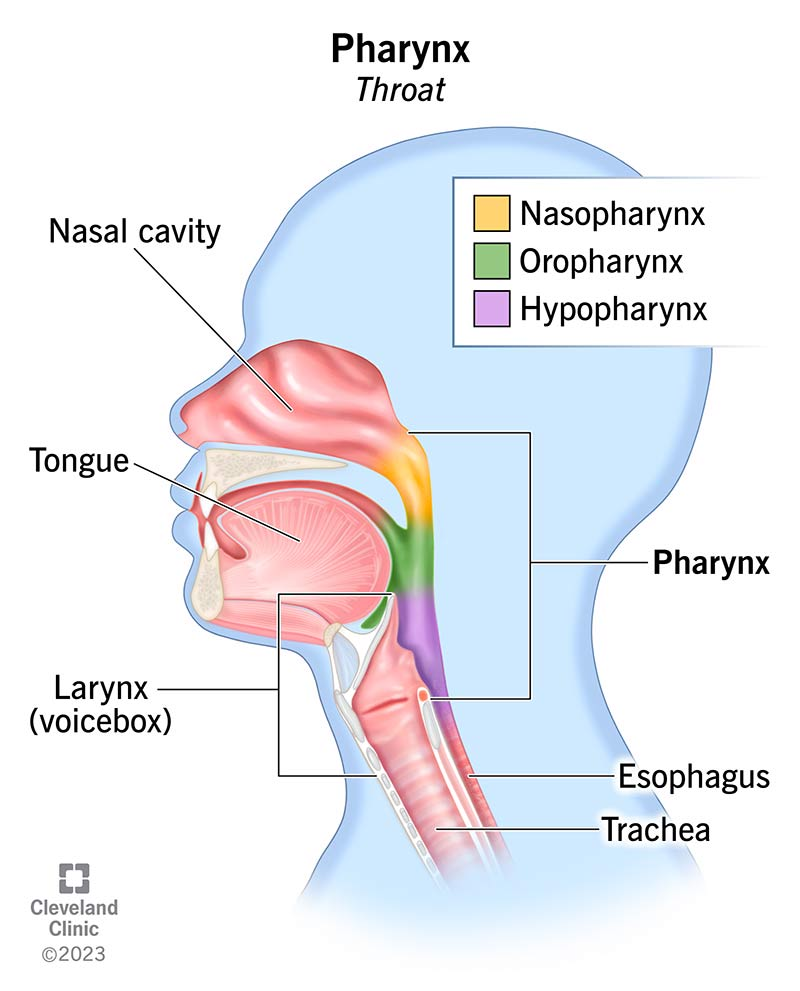
Nasopharynx
The area directly posterior to the nose
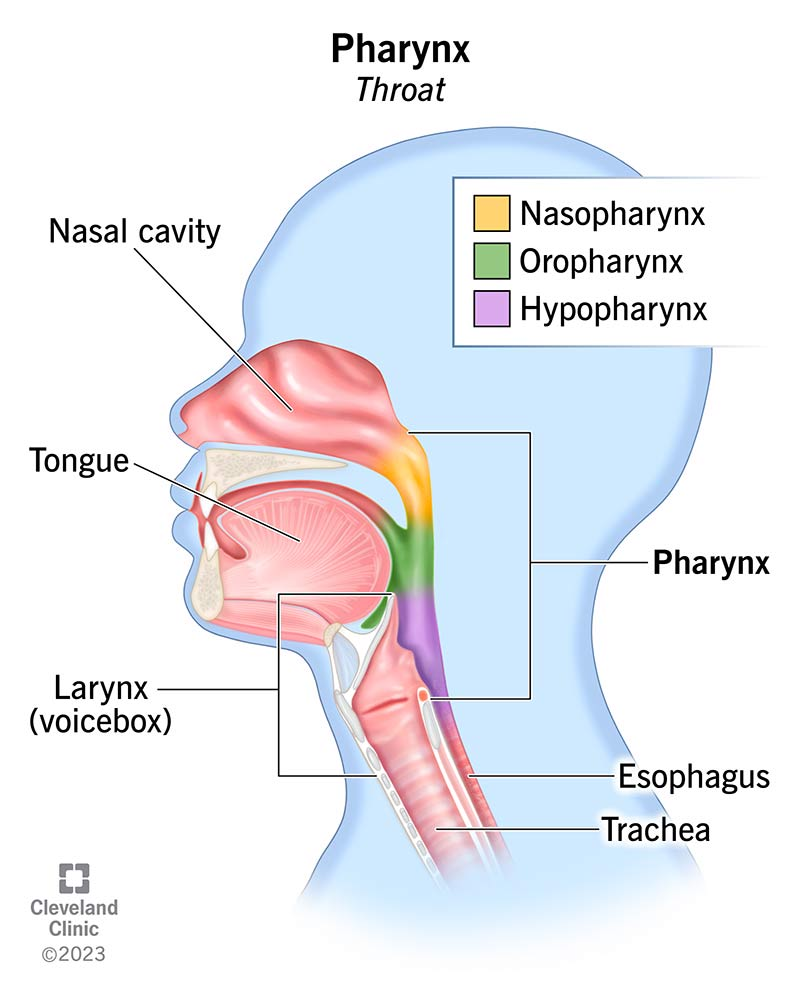
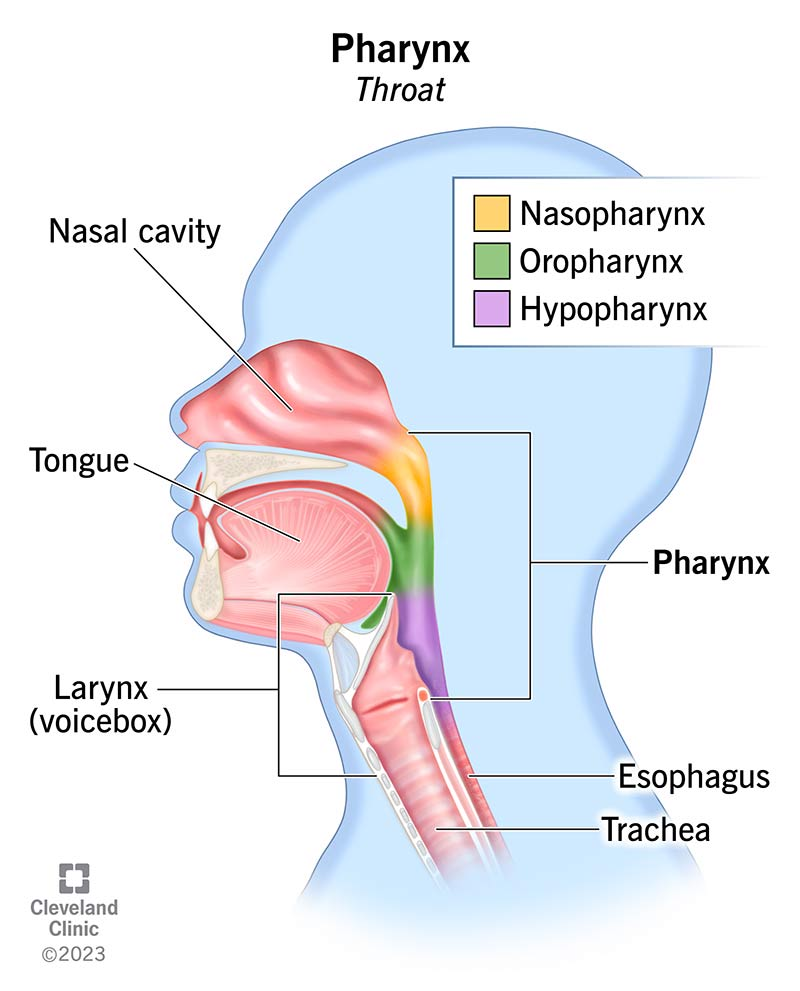
Pharynx
Includes both the oropharynx and nasopharynx
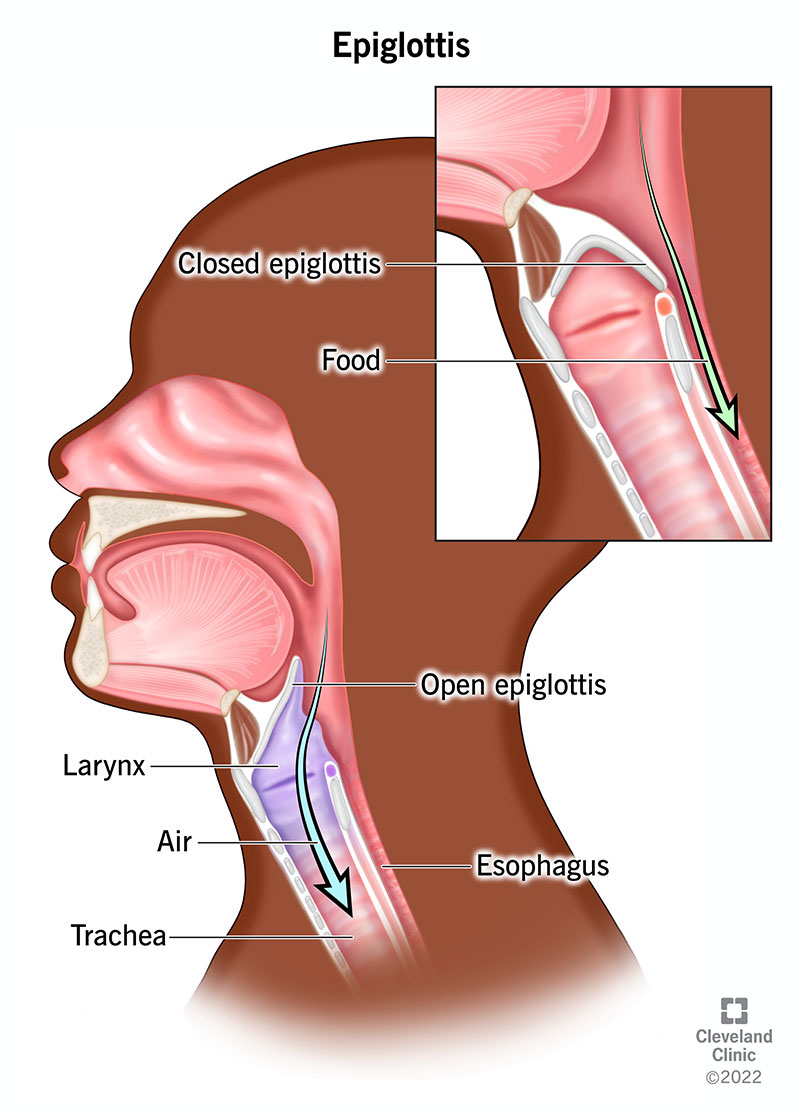
Epiglottis
A leaf-shaped structure that prevents food and foreign matter from entering the trachea
Glottis
The opening to the trachea
Larynx
Voice box
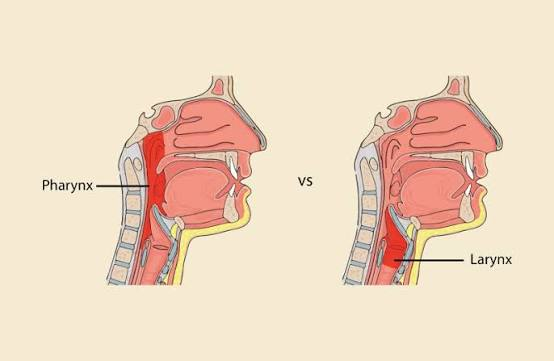
Cricoid cartilage
Ring-shaped structure; forms the lower portion of the larynx
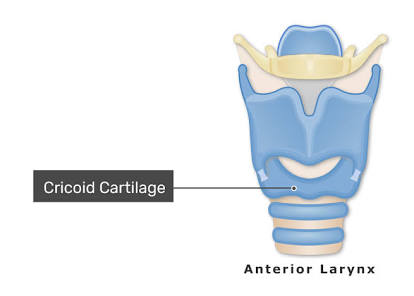
Trachea
Carries inhaled air from the larynx to the lungs; formed and protected by 16 c-shaped rings of cartilage
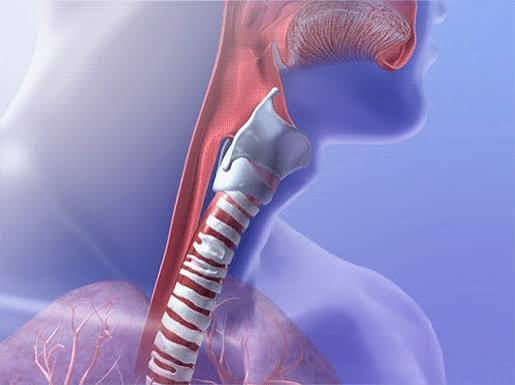
Bronchi
The two large sets of branches that come off the trachea and enter the lungs
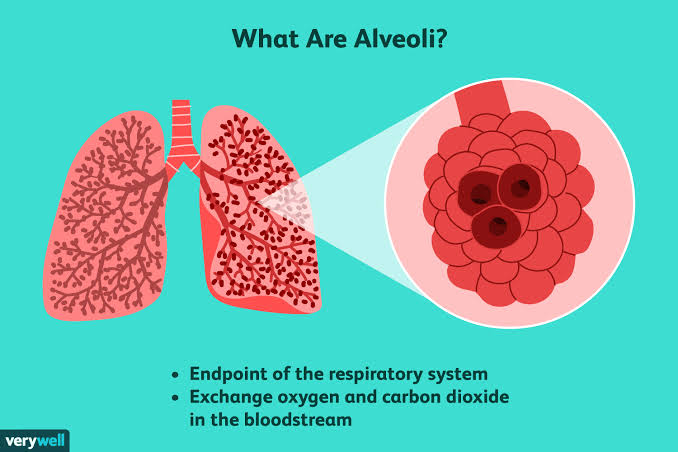
Alveoli
The microscopic sacs of the lungs where gas exchange with the bloodstream takes place
What is the diaphragm primarily controlled by?
The phrenic nerve
The diaphragm divides…
the chest cavity from the abdominal cavity.
Some differences in pediatric respiratory anatomy
-A child’s tongue takes up proportionally more space in the pharynx
-A child’s trachea is narrower
-A child’s trachea is softer and more flexible (be careful with c collars)
-A small child’s rib cage is not as curved inward, so generating negative pressure is more difficult.
Inhalation is a(n) ___ process.
active
Exhalation is a(n) ___ process.
passive
How does inhalation occur?
The intercostal muscles and diaphragm contract. This expands the size of the chest and creates a negative pressure in the chest cavity.
Ventilation
The movement of gases to and from the alveoli
Respiration
The process of moving gases (and other nutrients) between the cells and the blood
Buffer system
A system that helps manage the pH of the body to maintain it at a normal level
The removal of carbon dioxide is an extremely important element of what system?
The buffer system
Adequate breathing is ___.
sufficient to support life.
Inadequate breathing is ___.
insufficient to support life