A Beka Biology Chapter 22 Review - Mrs. Farmer
 Call Kai
 Learn
Learn Practice Test
 Spaced Repetition
 Match
Match Flashcards
 Knowt Play
1/39

There's no tags or description
Looks like no tags are added yet.
Name | Mastery | Learn | Test | Matching | Spaced | Call with Kai |
|---|
No analytics yet
Send a link to your students to track their progress
40 Terms
Cell
The unit of structure and function of living things on earth
Cytology or Cell Biology
The study of cells
Nucleus
A spherical body often located near the center of the cell which contains the genetic code of the cell and serves as the cell's master control center.
Cell Membrane
Thin, flexible membrane that surrounds the cell. It regulates the flow of substances into and out of it and can repair itself.
DNA
Deoxyribonucleic Acid--governs the construction and operation of the cell and contains the "blueprints" used to construct the cell's machinery as well as the "blueprint" of all other cells in the organism.
Nuclear Envelope
Separates the nucleus from the rest of the cell, resembles the cell membrane in its chemical structure, but consists of two separate layers with a narrow water-filled space between them.
Nuclear Pores
Large protein complexes in the nuclear envelope that serve as the "gates," regulating the transport of large molecules into and out of the nucleus.
Nucleolus
A distinct region embedded within the nucleus where the ribosomes are assembled
Cytoplasm
A jelly-like fluid that contains an extraordinary diversity of organelles as well as numerous dissolved chemicals. The cytoplasm serves as the fluid medium for those molecules and organelles.
Organelle
The "little organs" in the cell's cytoplasm. They all have different jobs within the cell
Cytoskeleton
The intricate internal skeleton of the cell that helps it maintain its shape and acts as the "highway system" of the cell.
What are the three main parts of an animal or plant cell?
Nucleus, cell membrane, and cytoplasm
Centrioles
Serve as the foundation of the cytoskeleton and help distribute chromosomes to daughter cells during cell division.
Mitochondria
"Power plants" of the cell that oxidize or "burn" carbohydrates and fats and use the energy to produce ATP
Chloroplasts
Capture energy of sunlight and use it to produce glucose. Found in plant cells.
Ribosomes
Protein factories of the cell--manufacture protiens from amino acids
Cell Theory
All living things are composed of living units called cells and of cell products, and all cells come from preexisting cells.
How many chromosomes are there in each human cell?
46
Endocytosis
the process by which a cell takes in large substances
Phagocytosis
"cell eating," active transport in which a cell surrounds solid particles with its cell membrane and then engulfs them.
Pinocytosis
"cell drinking," active transport in which the cell membrane allows an amount of liquid to enter the cell before it pinches off to entrap the engulfed material
How is the size of an organism determined?
It is determined by the number of its cells, not the size of its cells
Mitosis
cell division
Prophase, metaphase, anaphase, and telophase
What are the four steps of mitosis in order?
Interphase
The stage between cell divisions when the cell's normal activities occur. The DNA is replicated during this stage.
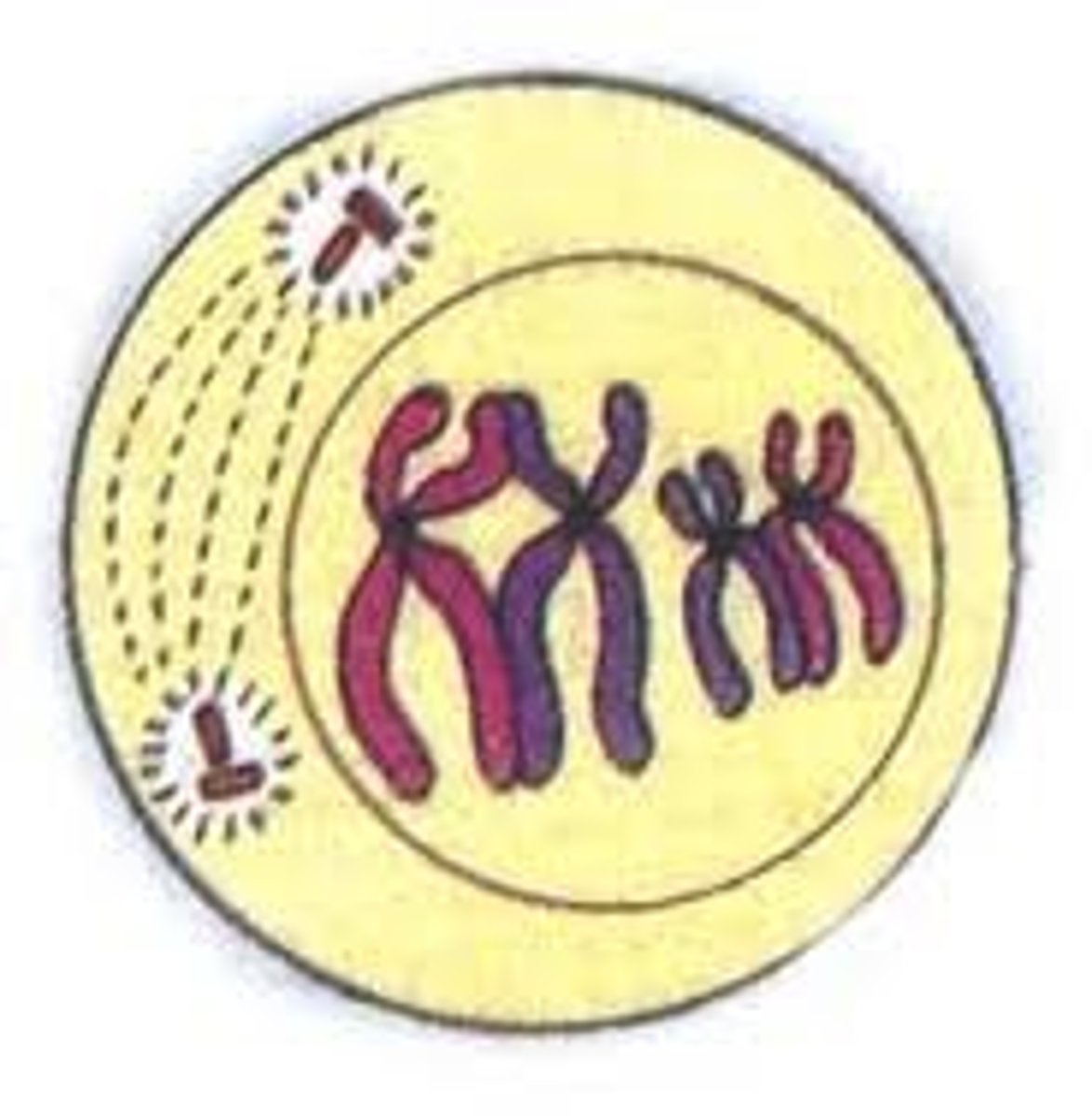
Prophase
Cell packages its DNA into chromosomes, nucleolus and nuclear membrane are dismantled, and spindle apparatus forms.
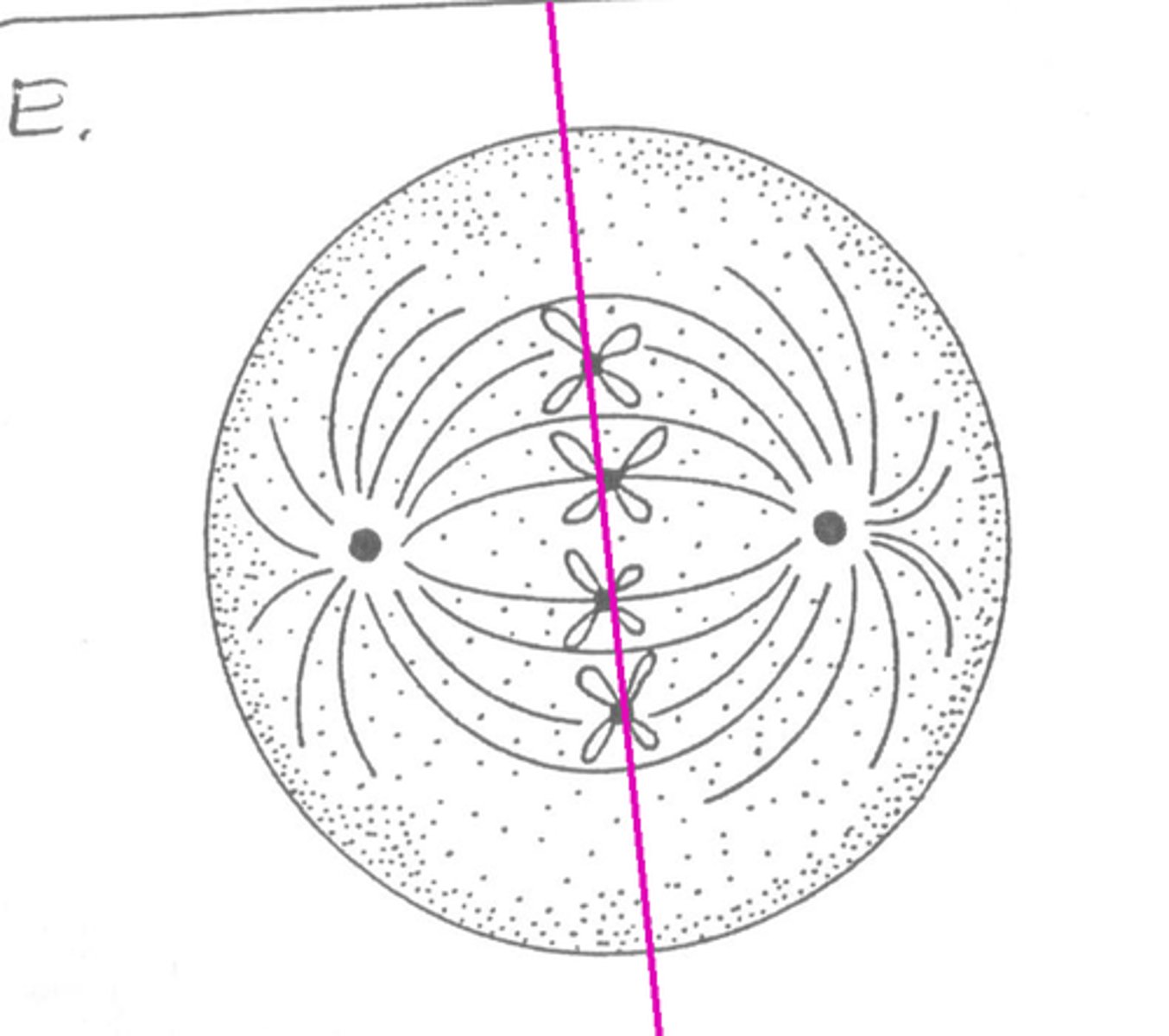
Metaphase
Chromatids are attached to spindle apparatus, and chromosomes align along the equatorial plane of the cell.
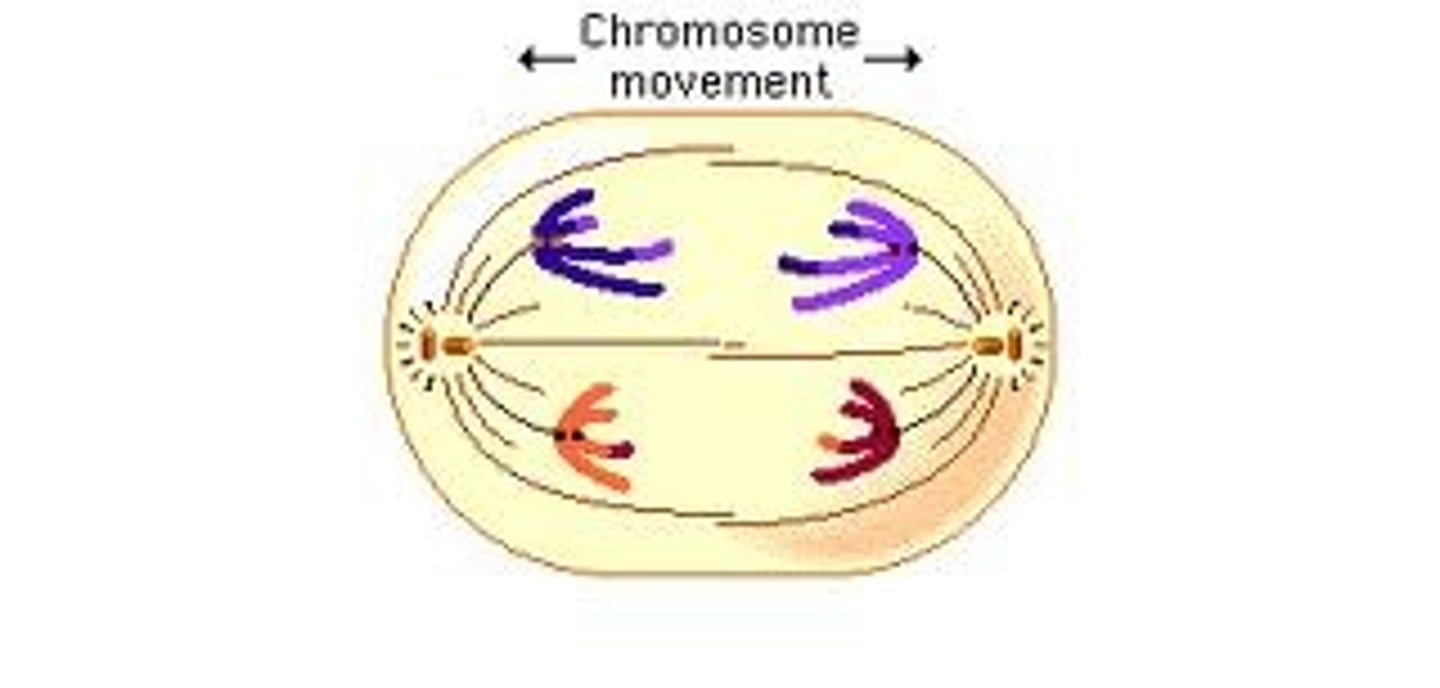
Anaphase
Chromatids separate from each other and are dragged along the microtubules toward opposite ends of the cell.
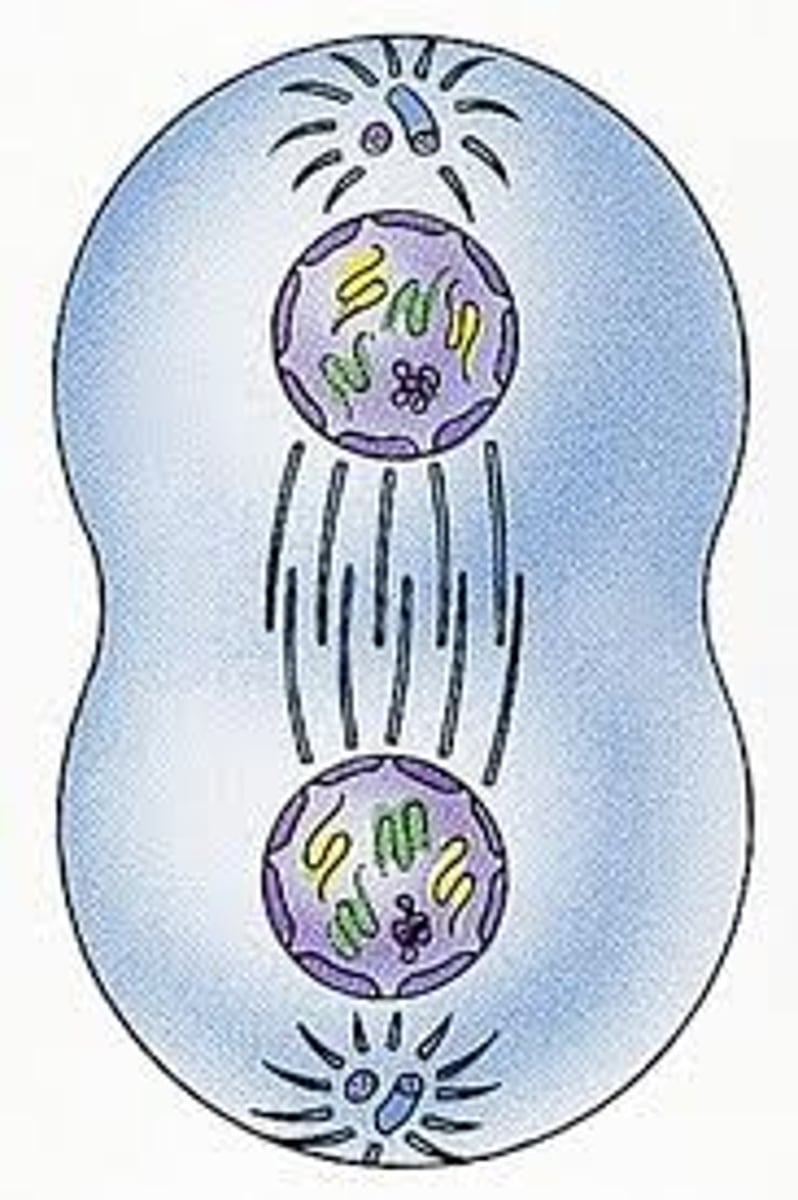
Telophase
A new nucleus and nucleolus form at each end of the cell, the chromosomes begin to uncoil and turn back into chromatin, and the cell membrane pinches in half, dividing the cell.
Endoplasmic Reticulum (ER)
A network of interconnected sacs and tubules that is connected to the nuclear envelope and extends throughout the cell.
What are the two types of endoplasmic reticulum?
Smooth ER and Rough ER
Smooth ER
Serves to break down toxins and wastes, manufacture necessary fat molecules, and recycle cell components
Rough ER
ER that is studded with ribosomes
Lysosomes
Break down protiens and other cell molecules for recycling and can be used to destroy bacteria that invade body cells
Golgi apparatus
A structure that serves as the "shipping center" of the cell
Vacuoles
Store food and other materials for later use
Flagellum
A large, moveable, whip-like tail that extends from the cell, allowing it to move
Cilia
Tiny, hair-like projections that extend from the cell membrane. They can be used to move the cell itself or move objects outside of the cell
Cellular Respiration
The process where food molecules are combined with oxygen, producing ATP
Still learning (38)
You've started learning these terms. Keep it up!