Manifest Destiny Test Review
 Call Kai
 Learn
Learn Practice Test
 Spaced Repetition
 Match
Match Flashcards
 Knowt Play
1/46

There's no tags or description
Looks like no tags are added yet.
Name | Mastery | Learn | Test | Matching | Spaced | Call with Kai |
|---|
No analytics yet
Send a link to your students to track their progress
47 Terms
Manifest Destiny
Americans believed the U.S. was destined to expand across North America, encouraging westward settlement and expansion.
Reasons Americans moved west
Cheap land, farming opportunities, gold, jobs, adventure, religious freedom, and belief in Manifest Destiny motivated settlers to move west.
Westward expansion
Increased settlement in western territories and led to conflicts with Native Americans, Mexico, and debates over slavery.
Manifest Destiny’s impact on Native Americans
Native Americans were forced off their lands, lost resources, fought wars with settlers, and were relocated to reservations.
Issue surrounding U.S. expansion
Expansion increased sectional conflict because Americans argued over whether slavery should spread into new territories.
“American Progress” painting
Painted by John Gast, the artwork symbolized Manifest Destiny by showing settlers and technology moving west while Native Americans were pushed away.
Stephen F. Austin
Stephen F. Austin brought American settlers into Texas and became known as the “Father of Texas.”
Empresario
A person hired by Mexico to recruit settlers to move into Texas.
Why Americans settled in Texas
Americans wanted cheap land, economic opportunity, and space for cotton farming.
Tensions between settlers and Mexico
American settlers ignored Mexican laws, spoke different languages, practiced slavery, and wanted more self-government.
Mexico banning slavery
Angered many American settlers in Texas because they depended on enslaved labor for farming.
Santa Anna
Antonio López de Santa Anna increased control over Texas and helped trigger the Texas Revolution.
Texas Revolution
Texans rebelled against Mexican rule because of political control, slavery issues, and lack of self-government.
Battle of the Alamo
Texans lost the battle, but the event inspired more Texans to fight against Mexico with the slogan “Remember the Alamo!”
Texas independence
Texans defeated Santa Anna at San Jacinto and gained independence from Mexico in 1836.
Why the U.S. hesitated to annex Texas
Americans feared annexation would cause war with Mexico and increase conflict over slavery.
Annexation of Texas
The U.S. annexed Texas in 1845, increasing tensions with Mexico.
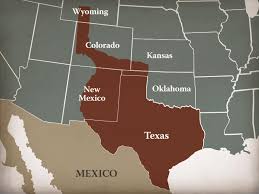
Texas border dispute
The U.S. claimed the Rio Grande border while Mexico claimed the Nueces River border.
How the border dispute caused war
Fighting in disputed territory gave James K. Polk justification to ask Congress for war.
James K. Polk and Polk’s reasoning for war
James K. Polk strongly supported Manifest Destiny and wanted to expand U.S. territory westward. After fighting broke out near the Rio Grande, Polk claimed Mexico had “shed American blood on American soil” and used this as justification for the Mexican-American War.
How Slidell’s mission increased tensions
Mexico’s refusal to negotiate made war more likely.
Polk’s reasoning for war
Polk claimed Mexico “shed American blood on American soil” after fighting broke out near the Rio Grande.
Mexican-American War and “Spot Resolutions”
The Mexican-American War was fought from 1846–1848 after disputes between the U.S. and Mexico over Texas and western expansion. While many Americans supported the war, Abraham Lincoln introduced the “Spot Resolutions,” questioning Polk’s claim about where the fighting began.
Why some Americans opposed the Mexican-American War
Critics believed the war was designed to expand slavery and unfairly take Mexican land.
Treaty of Guadalupe Hidalgo
The 1848 treaty ended the Mexican-American War and gave the U.S. large western territories.
Wilmot Proviso and its importance
The Wilmot Proviso proposed banning slavery in territory gained from Mexico. Although it never passed, it increased sectional tensions because Northerners supported limiting slavery while Southerners feared losing political power.
Wilmot Proviso
Proposed banning slavery in territory gained from Mexico, increasing sectional tensions between North and South.
Importance of the Wilmot Proviso
It showed how divided the country had become over slavery.
Compromise of 1850
A series of laws meant to settle disputes over slavery in territories gained after the Mexican-American War.
Main parts of the Compromise of 1850
California became a free state, popular sovereignty was used in some territories, the slave trade ended in Washington D.C., and the Fugitive Slave Act became stronger.
Fugitive Slave Act and its impact
The Fugitive Slave Act required escaped enslaved people to be returned to enslavers, even if they reached free states. Many Northerners became angry because they were forced to help support slavery, increasing sectional tension and anti-slavery feelings.
How the Fugitive Slave Act increased sectional tension
Northerners resented being forced to support slavery, increasing anti-slavery feelings.
Henry Clay
Henry Clay helped create the Compromise of 1850 and was called the “Great Compromiser.”
Daniel Webster
Daniel Webster supported compromise to preserve the Union.
John C. Calhoun
John C. Calhoun defended slavery and Southern rights.
Ostend Manifesto
A proposal suggesting the U.S. should buy Cuba from Spain or take it by force.
Why Northerners opposed the Ostend Manifesto
They feared Cuba would become another slave territory.
How Manifest Destiny led to the Civil War
Expansion created repeated arguments over slavery in new territories, increasing sectionalism and pushing the nation closer to Civil War.
Manifest Destiny cause-and-effect chain
Manifest Destiny → Westward expansion → Conflict with Native Americans and Mexico → Texas Revolution → Annexation of Texas → Mexican-American War → Mexican Cession → Debate over slavery in new territories → Sectional tension → Civil War
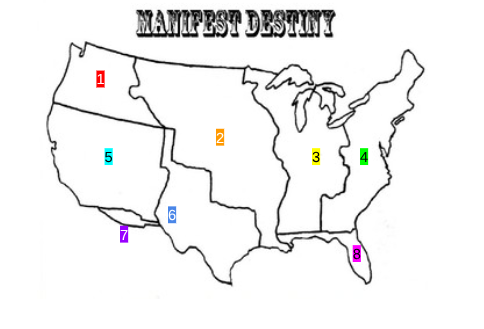
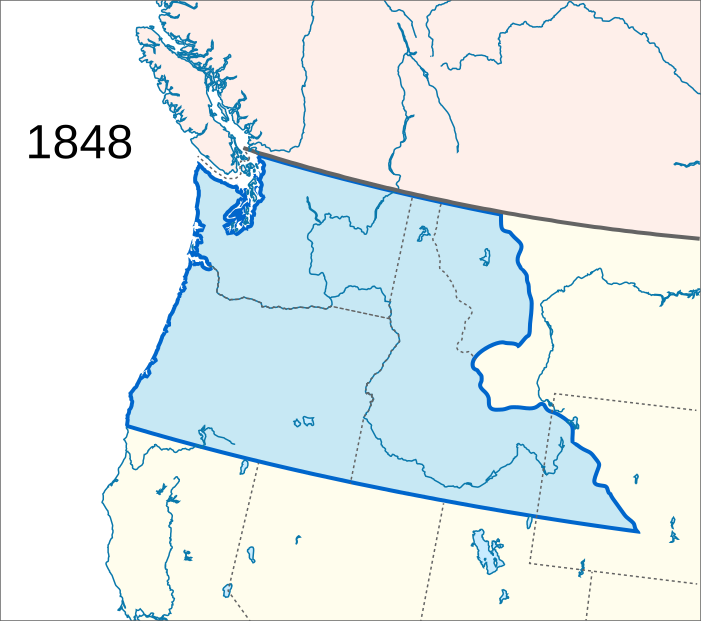
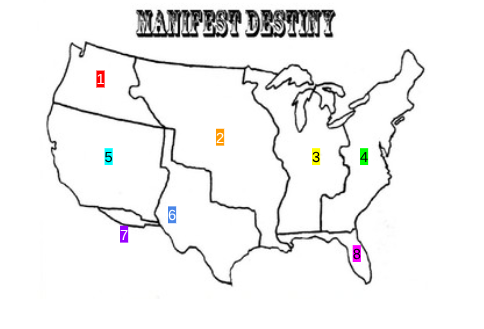
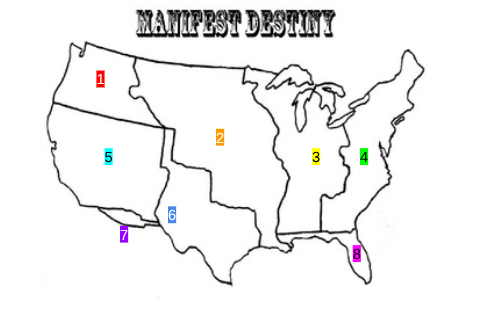
Which territory is #1
Oregon Treaty 1846
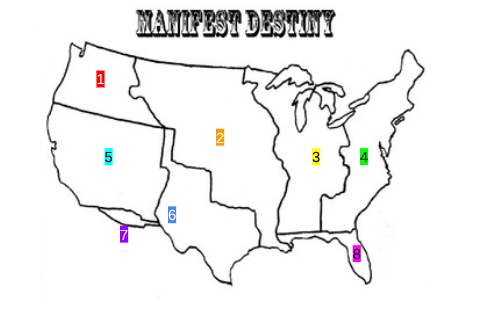
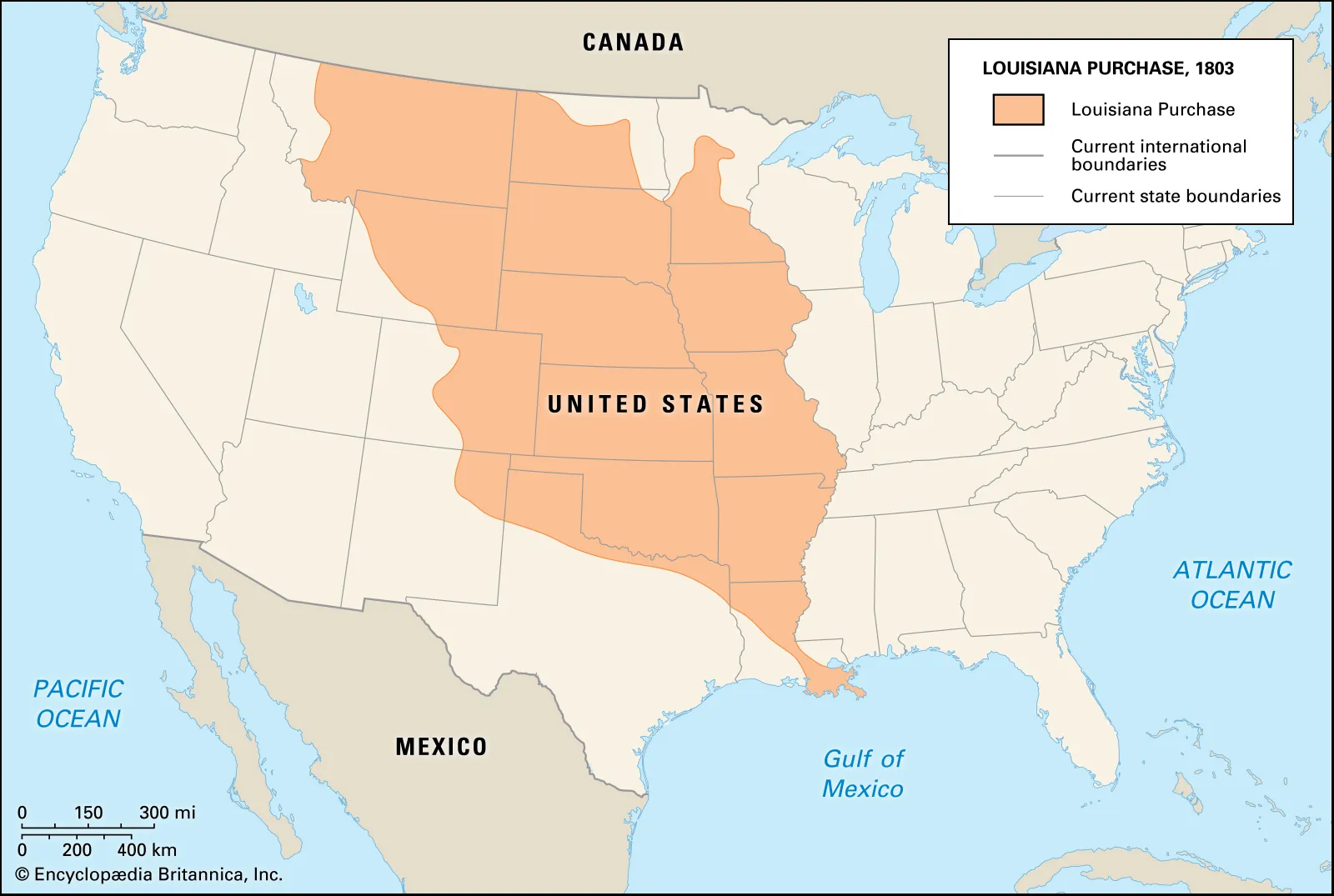
What territory is #2
Louisiana Purchase 1803
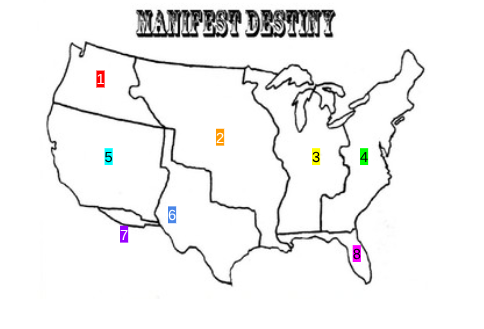
What is territory #3
Treaty of Paris 1783
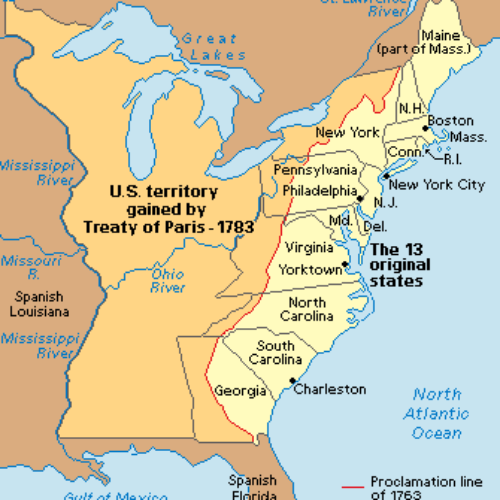
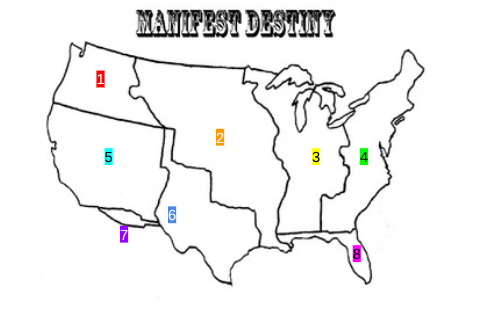
What territory is #4
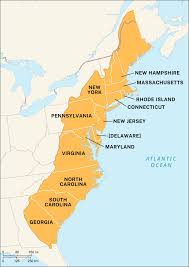
Original 13 Colonies
What territory is #5
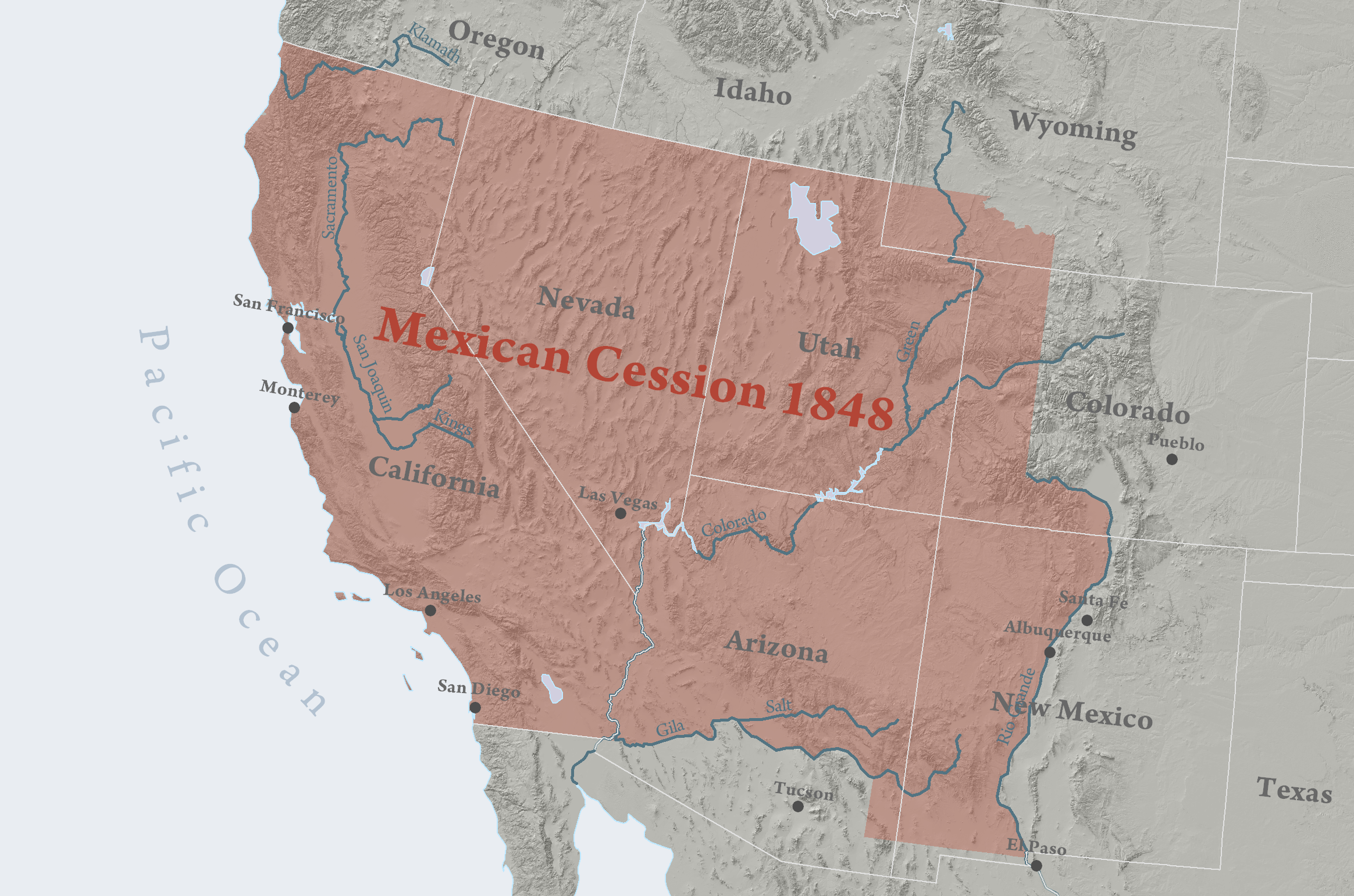
Mexican Cession 1848
What territory is #6
Texas Annexation 1845
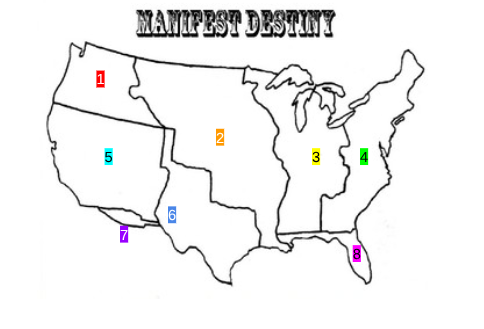
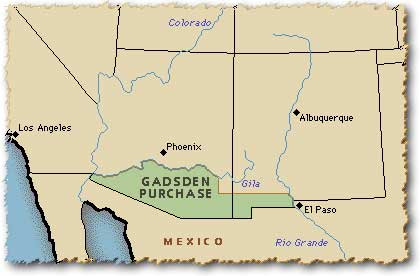
What territory is #7
Gadsden Purchase 1853
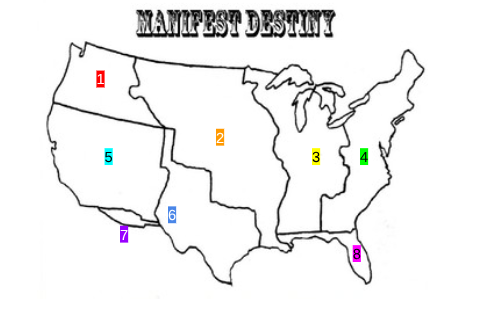
What territory is #8
Florida Purchase Treaty 1819