The Rise of Eukaryotic Cells and the Boring Billion
 Call Kai
 Learn
Learn Practice Test
 Spaced Repetition
 Match
Match Flashcards
 Knowt Play
1/5

There's no tags or description
Looks like no tags are added yet.
Name | Mastery | Learn | Test | Matching | Spaced | Call with Kai | Chat |
|---|
No analytics yet
Send a link to your students to track their progress
6 Terms
When did eukaryotic cells evolve
~1.8 billion years ago
What are eukaryotes
Contain membrane bound organelles, housing genetic material within a defined nucleus. They are larger, more complex cells with greater energy efficiency.
What is endosymbiosis
The process where a larger cell engulfed smaller prokaryotic cells. It allowed for more efficient energy production and contributed to the rise of larger and more complex organisms.
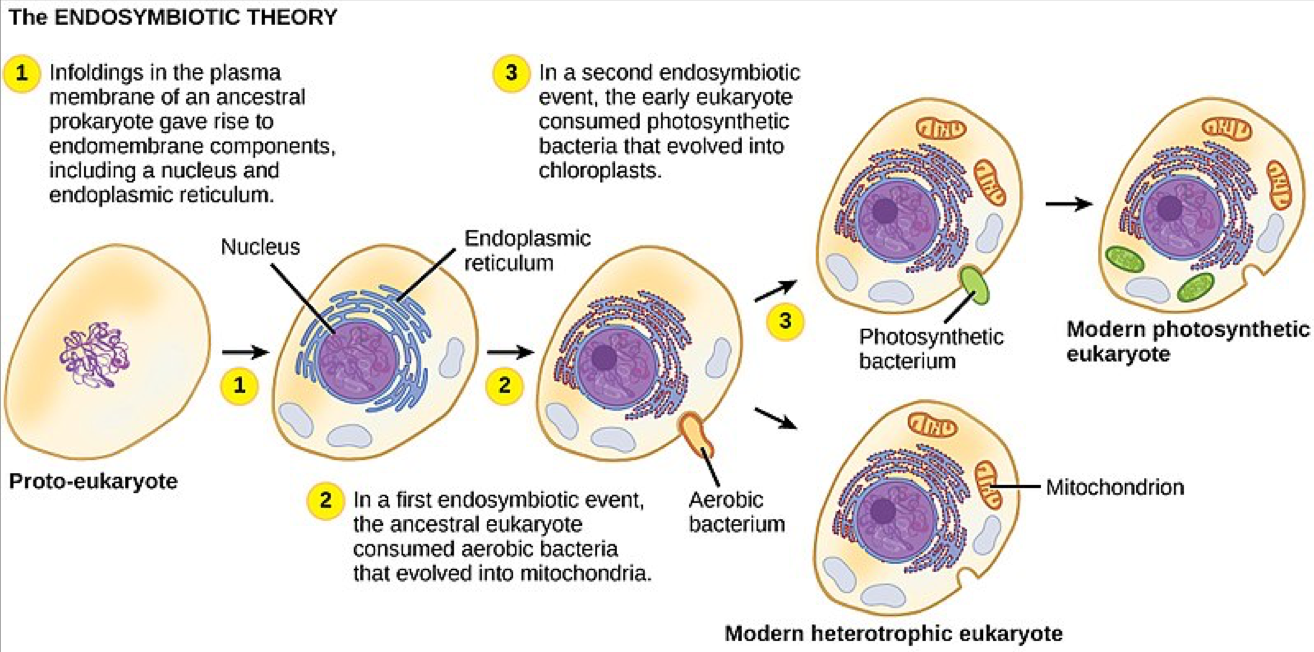
What is the evidence for endosymbiosis
Mitochondria and chloroplasts are believed to have originated as free-living bacteria, which became permanent residents of the host cell. Mitochondria and chloroplasts have their own DNA, similar to certain bacteria.
When did the Boring Billion take place
~1.8 to 0.8 billion years ago
What is the Boring Billion
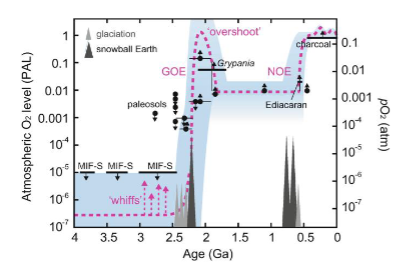
The delay in the evolution of complex life, primarily due to low levels of oxygen in the atmosphere