4.1 Removable partial dentrures, general clssification etc
 Call Kai
 Learn
Learn Practice Test
 Spaced Repetition
 Match
Match Flashcards
 Knowt Play
1/63

There's no tags or description
Looks like no tags are added yet.
Name | Mastery | Learn | Test | Matching | Spaced | Call with Kai | Chat |
|---|
No analytics yet
Send a link to your students to track their progress
64 Terms
what is a removable partial denture prosthesis?
any prosthesis that replaces some teeth in a partially dentate arch. It can be removed from the mouth and replaced at will
Also called partial removable denture prosthesis
Define removable prosthetics
branch of prosthodontics concerned with replacement of teeth and contiguous structures for edentulous or partially edentulous patients with artificial substitutes that are removable from the mouth
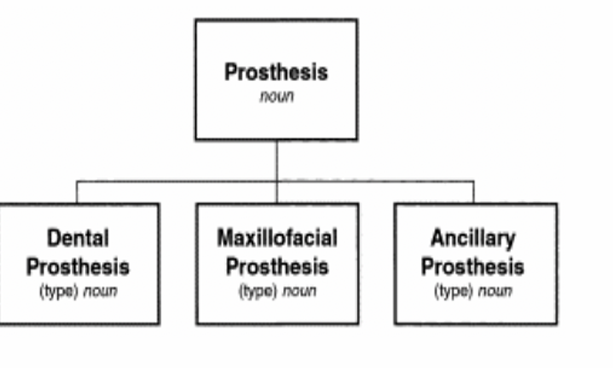
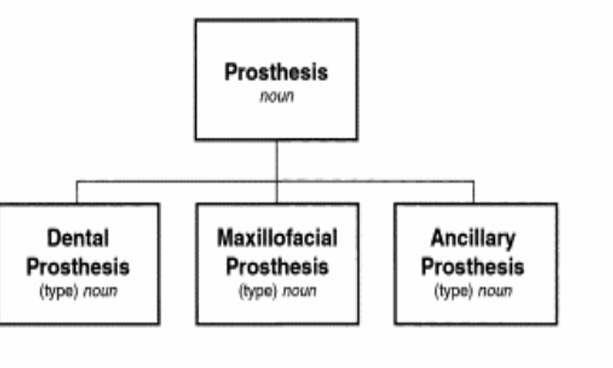
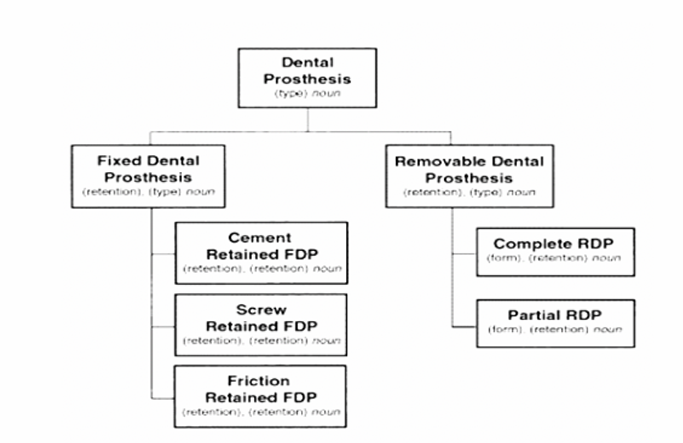
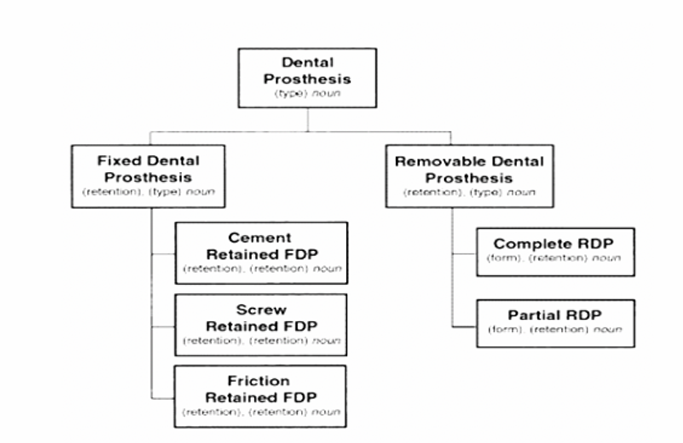
What are the classifications of removable partial dentures? (Kennedy’s classification)
Class I - bilateral posterior edentulous area
Class II - unilateral posterior edentulous areas
Class III - unilateral or bilateral edentulous area, bounded by remaining tooth/teeth
Class IV - single edentulous area anterior to the remaining teeth and crossing the midline
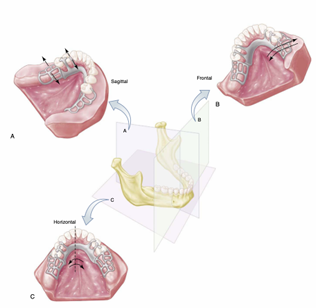
what is horizontal fulcrum?
rotational movement in the sagittal plane
Base slides away from supporting tissues (countered with retainers)
Base can shift towards supporting tissues (countered by occlusal rest and ridge tissue)
What is sagittal fulcrum?
Rotation around longitudinal axis along residual ridge’s crest
It’s on smaller scale but potentially harmful
Rigidity of connecters and ability to resist torque
Denture base closely adapted to palate and ridge slopes
direct retainer design
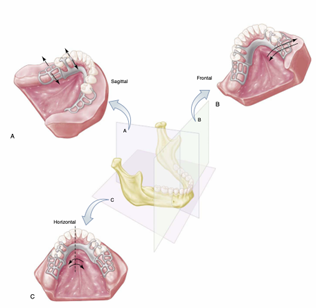
What is vertical fulcrum?
occurs on midline, lingual to anterior teeth
Rotational movement in horizontal plane
Stabilising components are reciprocal arm and minor connectors
Rigid primary connector
closely adapted denture base
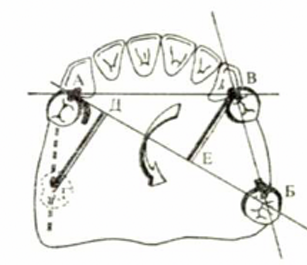
What is a fulcrum line?
theoretical line around which a removable dental prosthesis tends to rotate
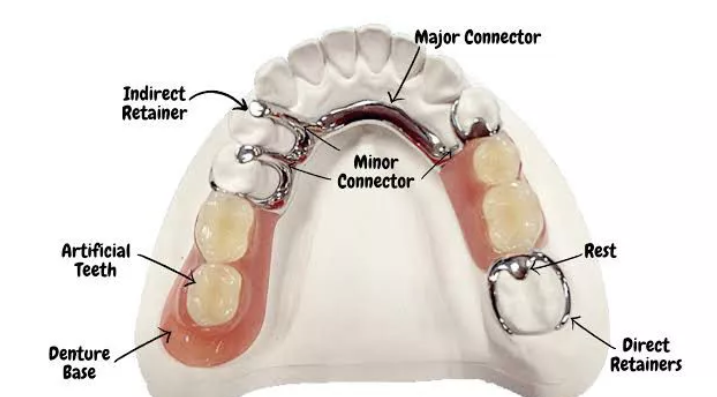
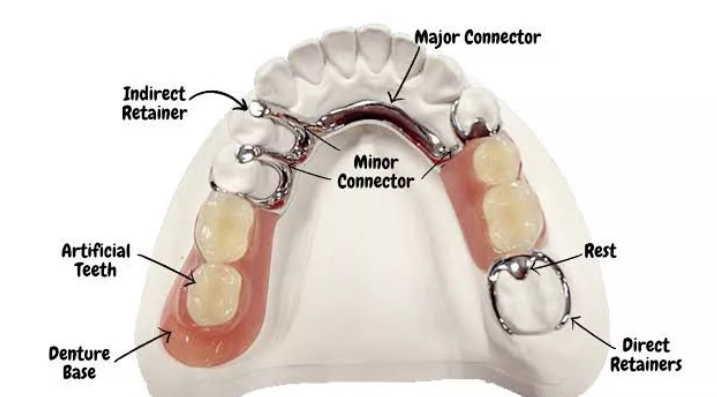
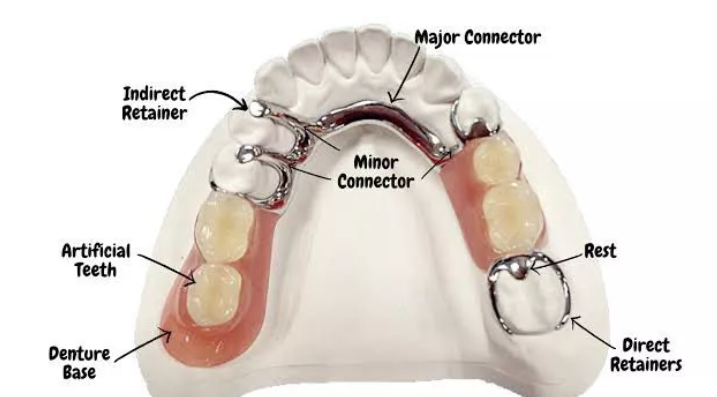
What are the elements of a removable partial denture?
major connector
minor connector direct retainer
indirect retainer (class I and II RPD only)
replaced teeth
base
what are the mandibular major connectors?
lingual bar
labial bar
lingual plate
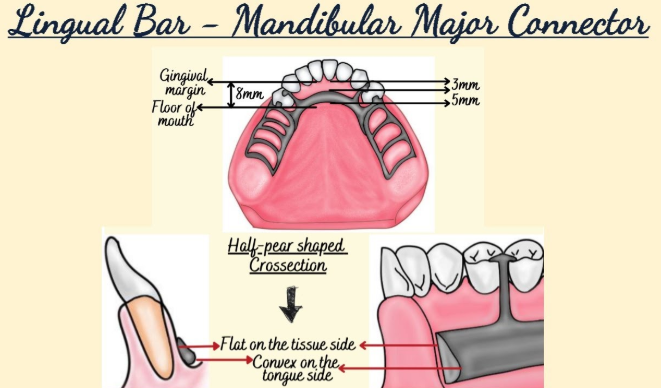
describe the lingual bar
mandibular major connector
half-pear shaped approx 4mm in height
Superior border at least 3mm from free gingival margin (fgm)
Pear shaped in cross section, thickest part along inferior border
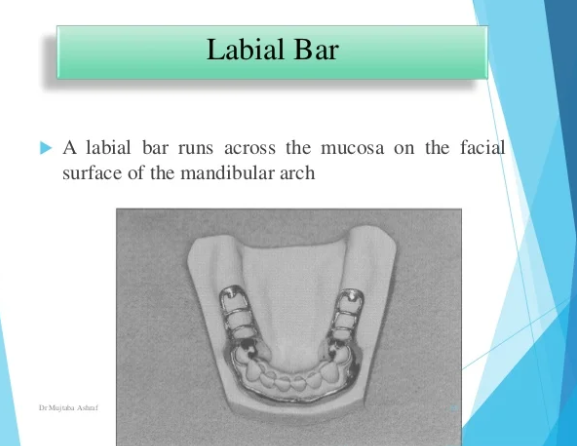
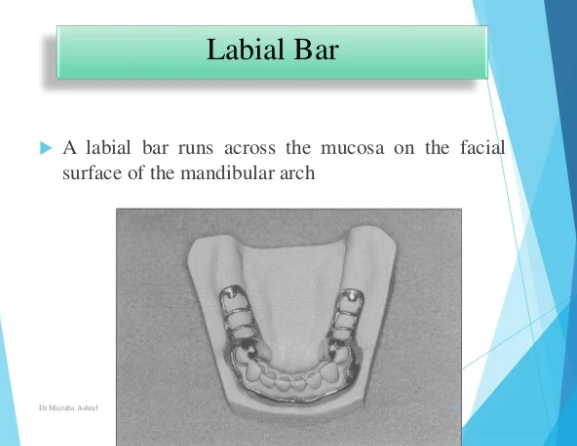
describe labial bar
mandibular major connector
form + usage same as lingual bar but placed bucally due to sever lingual inclination of remaining teeth
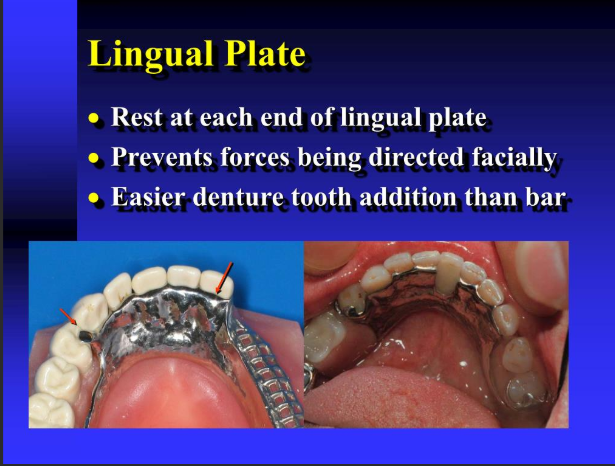
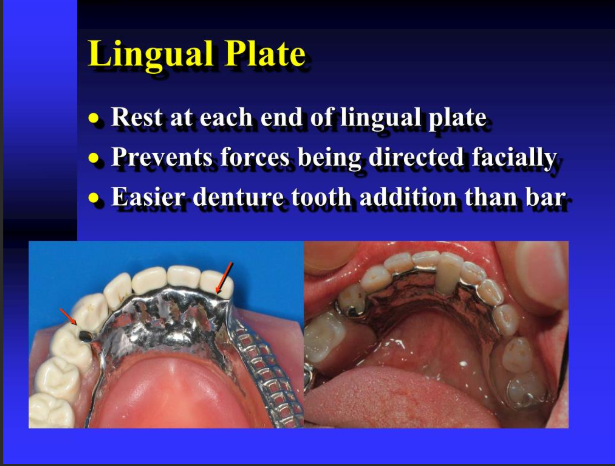
describe lingual plate
major mandibular connector
used when free gingival margin (fgm) to floor of mouth is less than 7mm
used when anterior are mobile and their longevity is questionable
superior border is placed at junction of incisal and middle thirds
what are the maxillary major connectors?
Complete (or modified) palatal plate
Anteroposteriro palatal strap
(Mid) palatal strap
Anterior palatal strap
Describe Complete (or modified) palatal plate
maxillary major connector
Complete palatal plat - posterior border, must not interrupt movable tissue
Modified palatal plate - anterior border end in valley of rugae not less than 6mm from free gingival margin
Wide application to all classes but mostly for Class I and II
Provides maximum support as plate rest on tissue
what class of RPD is complete (or modified) palatal plate used for?
wide application to all classifications but mostly to class I and II
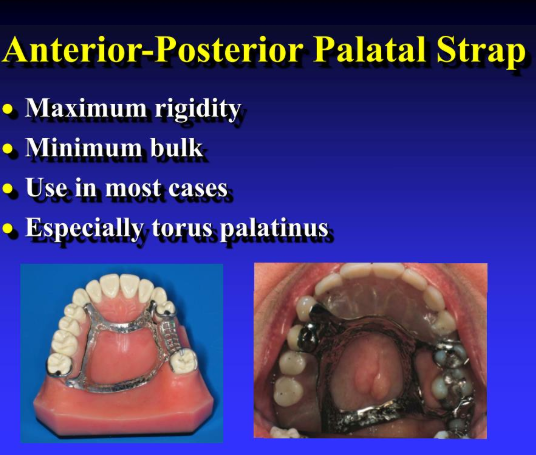
Describe Anteroposteriro palatal strap
used when torus precludes use of palatal plate, provided minimum of 5mm exists between posterior aspect of torus and vibrating line
Torus - bony growth that develops in the mouth. These growths are benign and typically harmless, though they can sometimes interfere with oral functions like chewing, speaking, or fitting dental appliances.
Vibrating line - It is an imaginary line located on the soft palate, marking the boundary between the movable and immovable tissues
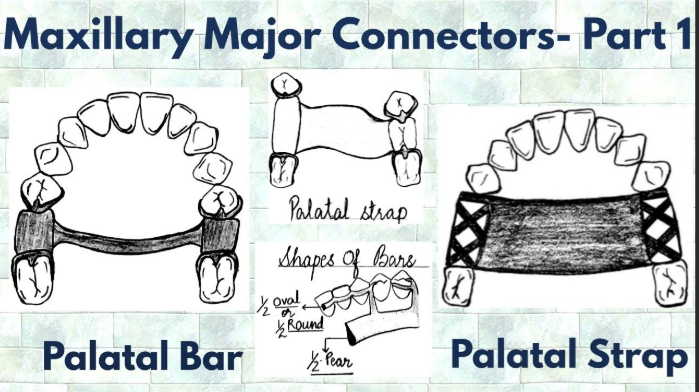
Describe (Mid)palatal strap
used mainly in class III
width of strap varies to suit the clinical situation
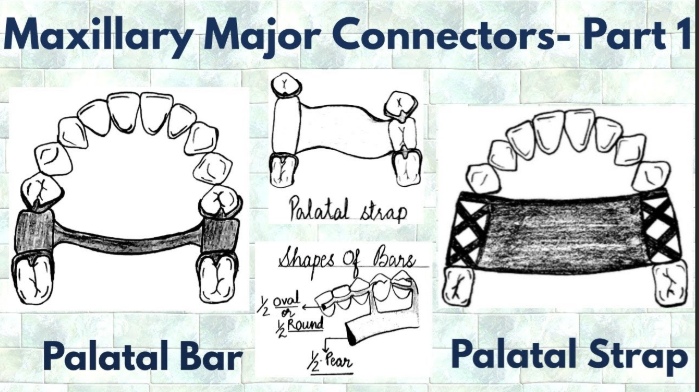
what are characteristics to remember when making RPD or any prosthetic?
Compatibility (made from an alloy compatible with oral tissue)
Stability (rigid and provide cross-arch stability by distribution of stress)
Tongue friendly (doesn’t interfere with or irritate the tongue)
Natural contour (doesn’t alter natural contour to lingual surface, mandibular alveolar ridge or palatal vault)
Tissue friendly (doesn’t negatively effect oral tissue when restoration is placed, removed or rated in function)
Minimal coverage (cover no more tissue than absolutely needed)
Food particle retention (doesn’t contribute to retention or trapping of food particles)
Prosthesis support (contribute to support of prosthesis)
what’s is the main function of minor connectors?
transfer functional stress to abutment teeth
Transfer effects of retainers, rests and stabilising components through prosthesis
what are requirements of minor connectors?
Must be rigid (to distribute stress between linked components)
Must not negatively effect underlying mucosa (tissues relief 30ga, needed in mandibular arch)
Mucosal surface must be highly polished to prevent plaque accumulation
what is the usage of minor connectors?
minor connector must be at least 1.5mm thick
try to place interproximally
joins major connecters at right angle
should be located at least 5mm from other vertical components
what are some examples of direct retentions?
direct retainer
attachment
clasp assembly
clasp
reciprocal clasp
occlusal rest
rest seat
occlusal rest arm
how is direct retention obtained in removable dental prosthesis?
by use of clasps or attachments that resist removal from the abutemnet teeth
what are the two classificatiosn of direct retentions?
Primary retention
Secondary retention
how is primary retention accomplished?
accomplished mechanically by placing retaining elements (direct retainers) to the abutemnet teeth
how is secondary retantion provided?
by relationship of minor connector with the guiding planes and denture bases of major connector (maxillary) with underlying tissues.
Latter is similar to retention of a complete denture
describe direct retainer
type of direct retention
used to retain dental prosthesis and prevent dislodgement
consist of clasp assembly or precision attachment
describe attachment
type of direct retention
mechanical device for achieving fixation, retention and stabilisation of prosthesis
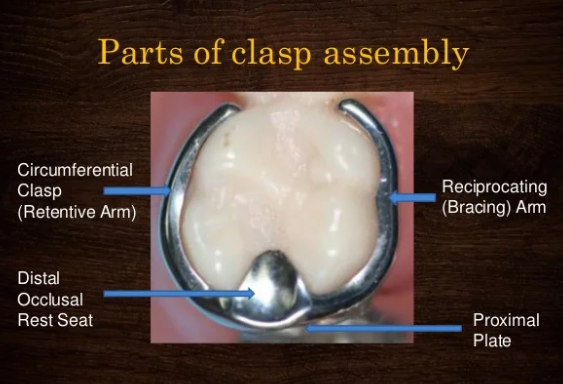
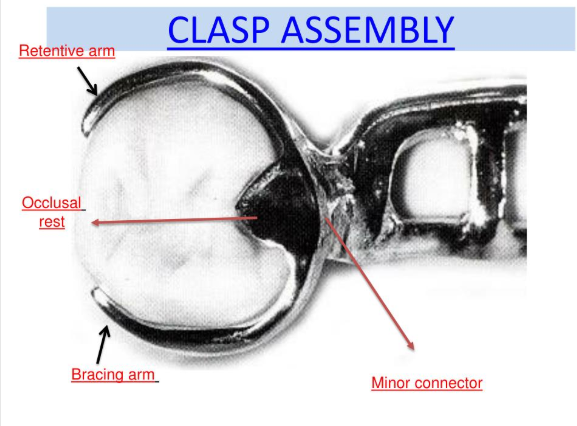
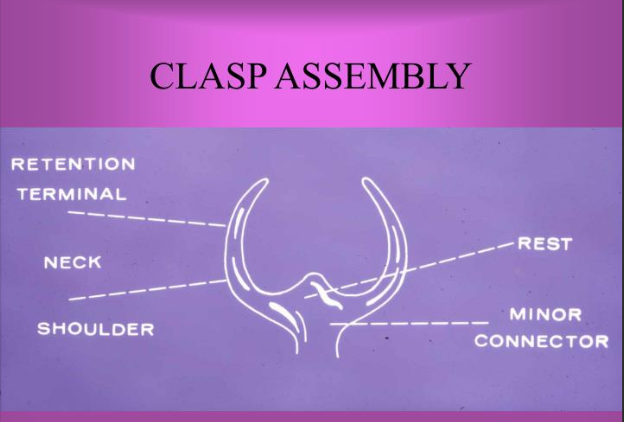
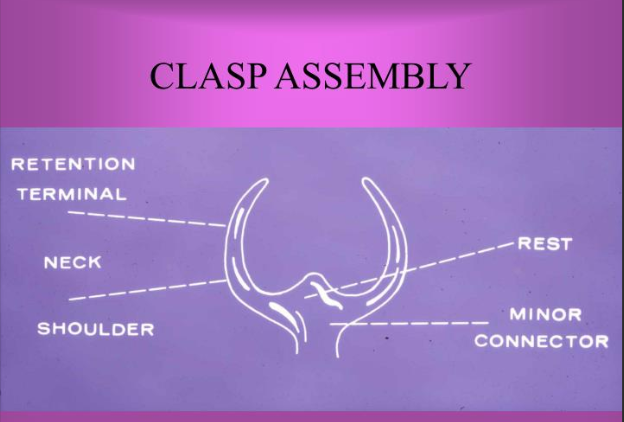
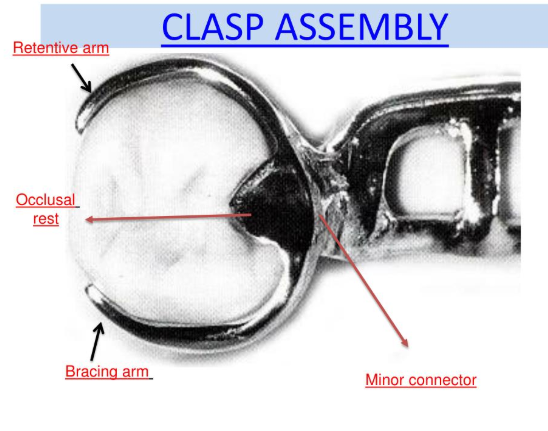
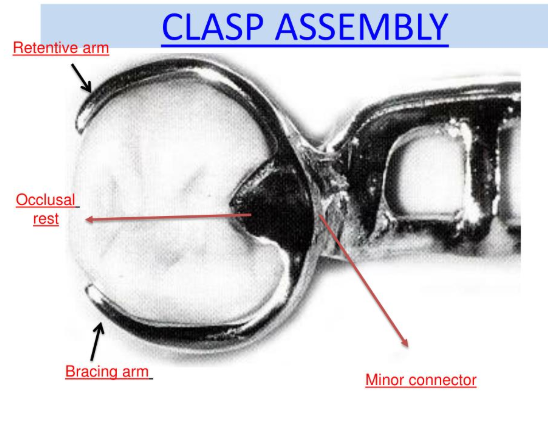
describe clasp assembly
type of direct retention
acts as direct retainer and/or stabiliser by partially encompassing or contacting abutment tooth
Components include: clasp, cingulum, incisal/occlusal rest and minor connector
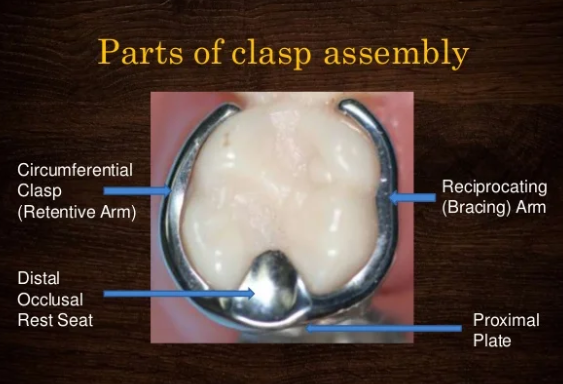
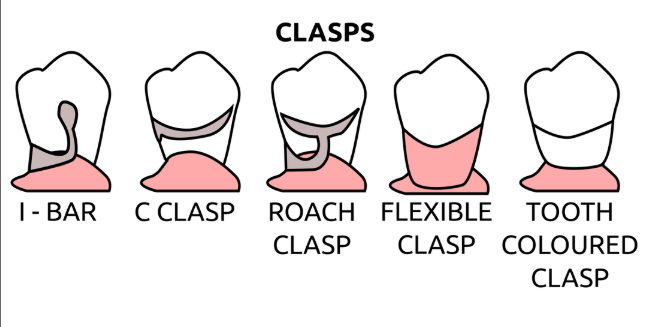
describe clasp
type of direct retention
component of clasp assembly that engages portion of tooth surface or
either enters an undercut for retention or
remains entirely above the heights of contour to act as a reciprocating element
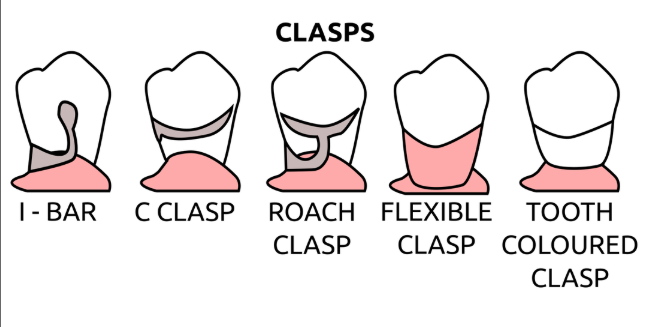
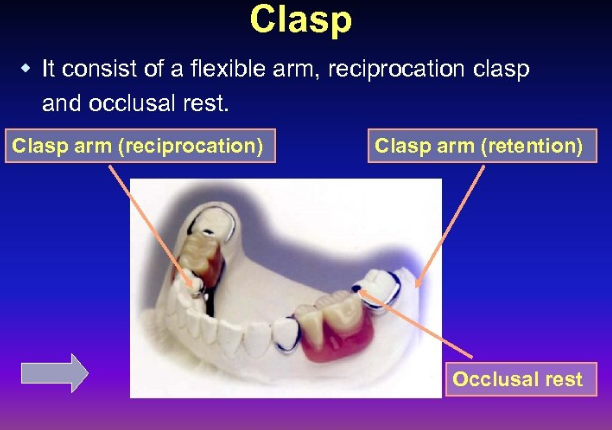
describe reciprocal clasp
types of direct retainer
component of clasp assembly that provides reciprocation by engaging reciprocal guiding planes which are known as reciprocal clasp arm
It contacts the action of clasp during removal and insertion of a a partial removable dental prosthesis
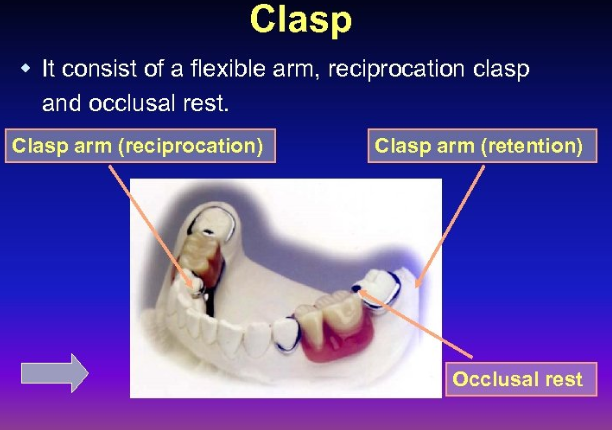
what is occlusal rest?
type of direct retention
rigid extension of Partial removable dental prosthesis that contacts the occlusal surface of a tooth or restoration, occlusal surface of which may have been prepared to receive it
Modifications: incisal, lingual and cingulum rest
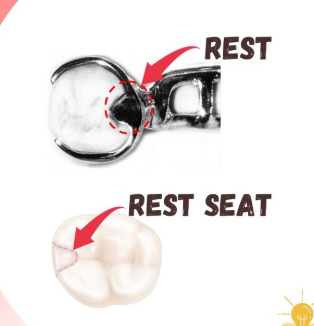
Describe rest seat?
type of direct retention
prepared recess in tooth or restoration created to receive the occlusal, incisal, cingulum or lingual rest
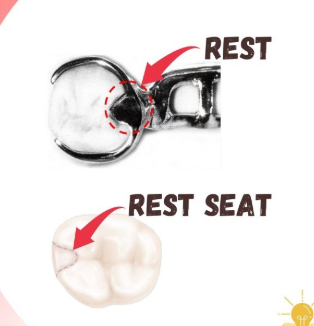
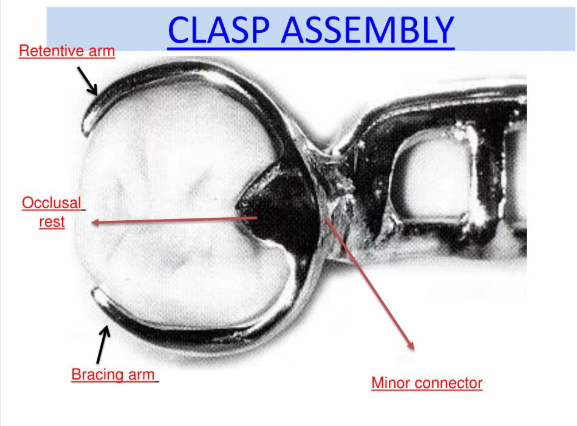
Describe occlusal rest arm
component of direct retention
Minor connector used to attach an occlusal rest to a major part of a removable partial denture
what is an undercut?
portion of the surface of an object that is below the heigh of contour (biggest contour) in relationship to path of placement
how is the tooth equator formed and how is the type of equator recognised?
if you rotate a graphite rod around a tooth
parallel rod to tooth’s long axis - anatomical equator
Perpendicular rod to masticatory place - clinical equator
what is the tooth equator useful for?
Tooth equator correlates with dentures path of insertion and removal
what is a surveyor?
tool used to locate and outline the contours and positions of abutment teeth and associated structure in making of dental prostheses
what is a survey line?
line marked on cast by surveyor, indicating the highest contour in relation to the planned path of placing a restoration, also known as prosthetic equator
what is path of placement?
specific direction in which prosthesis is placed on the abutment teeth or dental implant
Also known as path of insertion or path of withdrawal
Important to ensure proper alignment for successful fit
what are the functions all direct retainers, clasp assemblies or attachments provide to be effective and not harm abutment teeth or tissues of denture foundation area?
support
retention
cross-tooth reciprocation
fixation
passivity
how does class assembly support?
positive contact of rest of clasp assembly with tooth preparation
Proper contact between clasp assembly and abutment tooth ensures retention
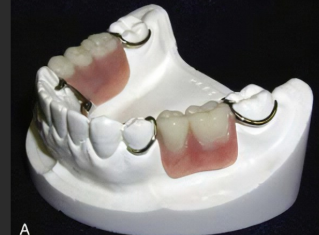
how does attachments support?
through contact between a rigid element on the denture and a rigid element on the abutment teeth
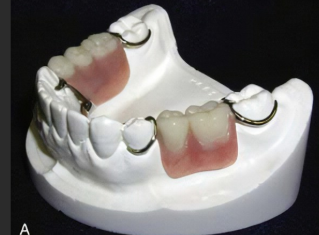
how does clasp assembly provide retention?
by resistance to fixture of retentive clasp arm engaging height of contour of tooth as the RPD moves occlusally/incisally
Frictional contact of rigid portions like proximal minor connector and reciprocal component, with tooth surfaces parallel to path of placement can also contribute to retention
how does attachment retention work?
frictional contact of long parallel walls of attachment, they are mechanical locking devices and that provide resistance to deformation of resilient locking materials
retentive clasp arms on lingual surface of abutment can frequently provide or supplement retention for attachments
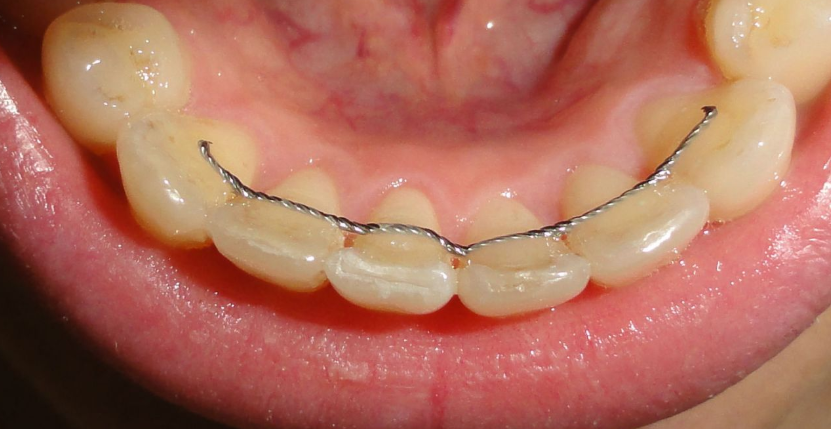
how does clasp assembly provide cross-tooth reciprocation?
when lateral forces from a retentive clasp are counterbalanced by reciprocal component
reciprocal component contacts the tooth on opposite side of retentive clasp arm, stabilising the tooth and negating the force
how do attachments provide cross-tooth reciprocation?
precise fit of long parallel walls or supplemental reciprocal components
what is cross arch reciprocation?
(it is one of the functions direct retainers and all that must be able to do to be effective and not damage abutment teeth and stuff)
In RPD design, every force is exerted by a direct retainer on one side of the arch, is counterbalanced by an equal and opposite force on an abutment tooth on opposite side
This is known as cross-arch reciprocation, ensuring balance and stability in RPD
describe fixations?
resistance to movement of the abutment tooth away from the prothesis and vice-versa
describe clasp assembly fixation
encompass or encircle at least 180 degrees of abutment tooths circumference
contact the tooth surface in three places approx 120 degrees apart
also known as encirclement
describe attachment fixation
dovetail or circular design of component parts
supplemental clasp arms on lingual of abutment tooth
describe the passivity in direct retainers
DR should not exert forces on abutment teeth when RPD is seated
they should be passive during RPD seating, with forces occurring only during insertion or removal
Importance of passivity:
ensures that the clasp is completely seated and retentive clasp arm is not active
helps maintain the stability and comfort of RPD
what is the importance of passivity?
Importance of passivity:
ensures that the clasp is completely seated and retentive clasp arm is not active
helps maintain the stability and comfort of RPD
what is the denture base?
part of denture that rests over the foundation tissues and to which the teeth are attached
what does replacement of teeth help with?
Prevent migration of remaining teeth (GODONS PHENOMENENON)
restores masticatory efficiency (enables effective chewing and grinding of food which ensure proper digestion and oral health)
Retain proper interarch space (preserves space between opposing teeth, preventing problems with bit alignment and jaw function
Maintain aesthetics of normal facial contour (preserves natural appearance of face by filling in gaps left by missing teeth
Achieve distinct enunciation (supports clear speech by providing stability and proper positioning for tongue and mouth)
What are the types of materials that replaced teeth can be made of?
Acrylic (durable, cost-effective, commonly used in temporary or removable prosthetic teeth)
Porcelain (excellent aesthetics, durability)
Metal (gold and chrome) - strength/stability, often used for framework of RPDs
Why are porcelain dentures rarely used?
difficulty in setting
Porcelain facings
used in past but not anymore
backing of facing is framework metal, no acrylic associated with this area
Be cautious using ultrasonic cleaning, facing scan come off
what material denture teeth are commonly used for Class IV RPD?
acrylic
what is indirect retention?
effect achieved by one or more components in a partial removable denture prosthesis
helps reduced tendency for denture base to move in an occlusal direction or rotate around fulcrum like
what does indirect retention help with?
helps reduced tendency for denture base to move in an occlusal direction or rotate around fulcrum like
assists the direct retainer
positive side of fulcrum line
helps prevent displacement of distal extension denture base when it moves away from the tissues in pure rotation around the fulcrum line