Paper 3: English Legal System
 Call Kai
 Learn
Learn Practice Test
 Spaced Repetition
 Match
Match Flashcards
 Knowt Play
1/34

There's no tags or description
Looks like no tags are added yet.
Name | Mastery | Learn | Test | Matching | Spaced | Call with Kai |
|---|
No analytics yet
Send a link to your students to track their progress
35 Terms
Delegate
Give power to

Delegated Legislation
Parliament delegates to other people and organisations to make secondary legislation.
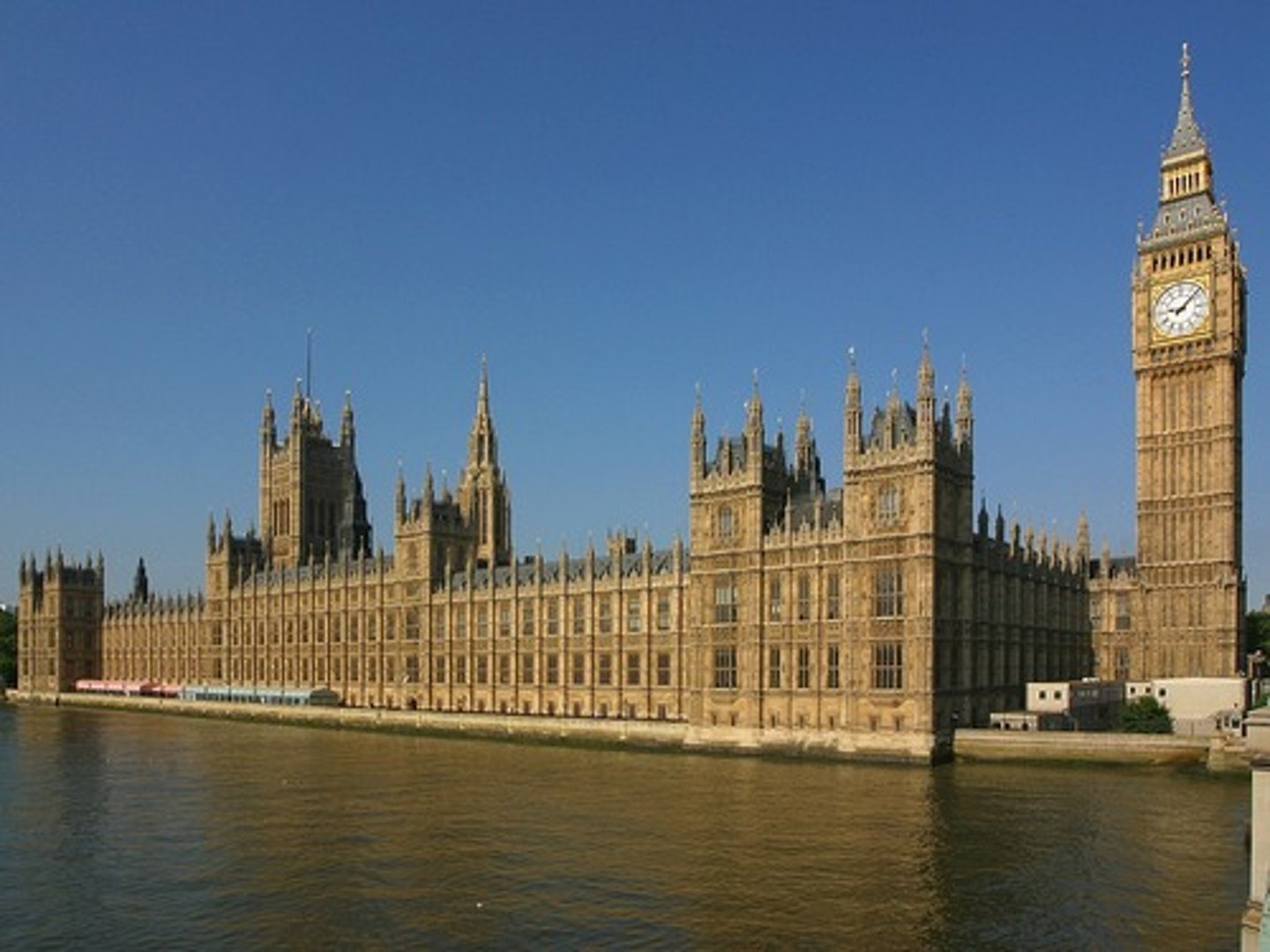
Primary Legislation
Acts of Parliament
Three types of Delegated Legislation
- Statutory Instruments
- Orders in Council
- Bylaws

Most common form of delegated legislation in UK
Statutory Instruments
Who creates Statutory Instruments ?
Government ministers & departments
Who gives authority for Statutory Instruments ?
Enabling Act of Parliament
Purpose of Statutory instruments
Allow for detailed rules and regulations to be established without need for full parliamentary debate

Statutory Instrument examples
- Covid Regulations
- Annual increase of the minimum wage

Purpose of Orders in Council
Allows government to make laws without usual parliamentary process - often used in emergencies / for national security

Who makes Orders in Council ?
Typically made by Privy Council
Orders in Council example
After 9/11, orders were issued to restrict certain financial transactions

Who makes By-laws ?
Local authorities or other designated bodies
Purpose of By-laws
Governing specific areas and addressing issues

What issues do By-laws commonly address ?
- Public behaviour
- Local services
- Community regulations
By-laws examples
- TFL creates by-laws to regulate behaviour on its transport network, e.g. fare evasion & prohibited conduct
- Bromley Council has areas where there are fines for dog fouling or litter

Why is a large amount of law made by delegated legislation?
- Lack of Parliamentary time to deal with detailed rules
- The need to respond quickly to emergency situations, e.g. Covid, in circumstances where Parliament would be too slow to respond
- Permits contributions from experts
- Need for local knowledge / knowledge on specific issues that arise in these areas
European Union (EU)
-Group of 27 countries in Europe

Purpose of EU
- Countries coming together to make things better, easier & safer for people
- Countries agreed to work together & help each other

Institutions of the EU
- European Parliament
- Council of Ministers
- European Commission
- Court of Justice
- European Council
European Parliament
Elected EU body that consults on issues proposed by European Commission.
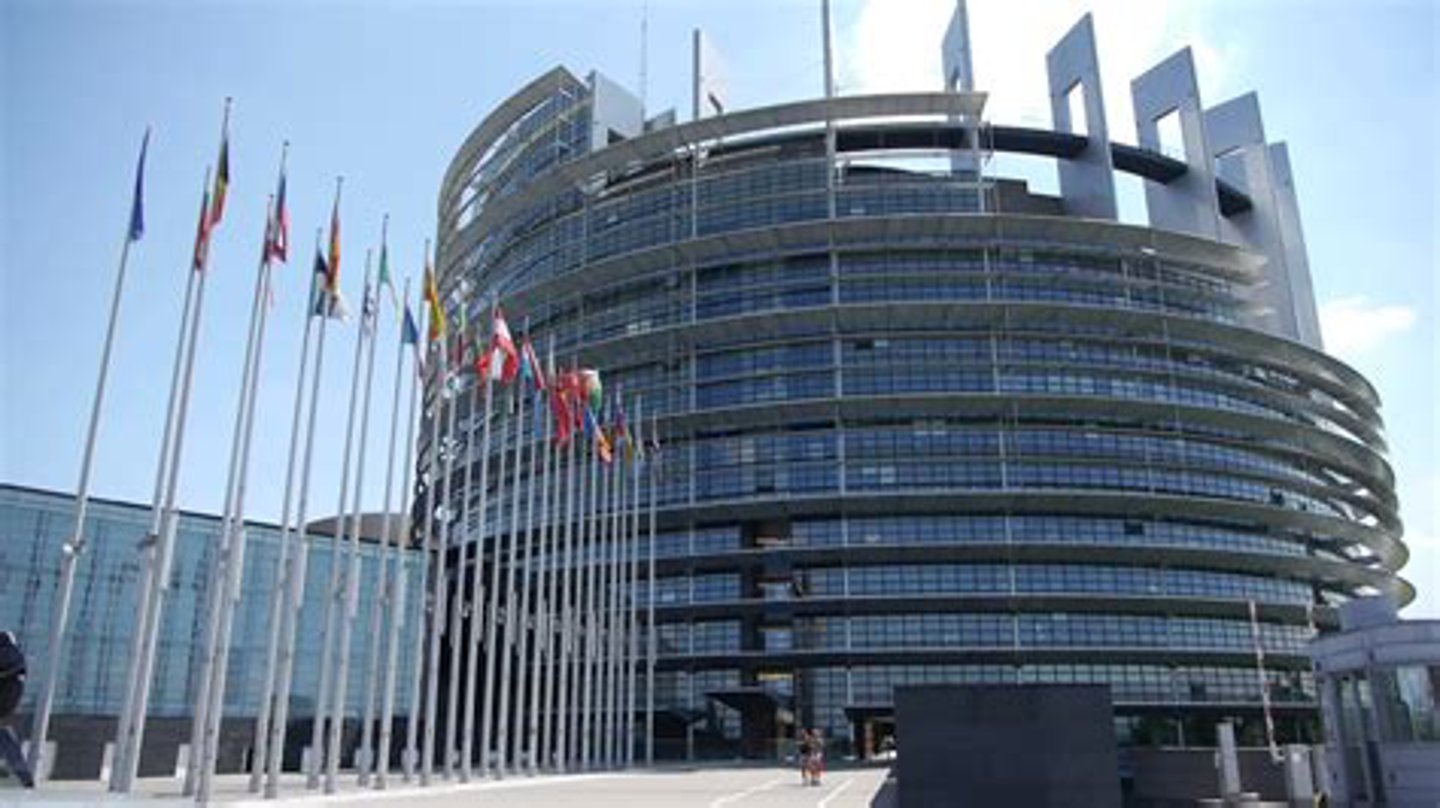
Council of Ministers
- Primary lawmaker and budgetary authority
- Coordinates member state policies, develops foreign policy, and concludes international agreements
European Commission
Responsible for proposing EU legislation, implementing it, and monitoring compliance.

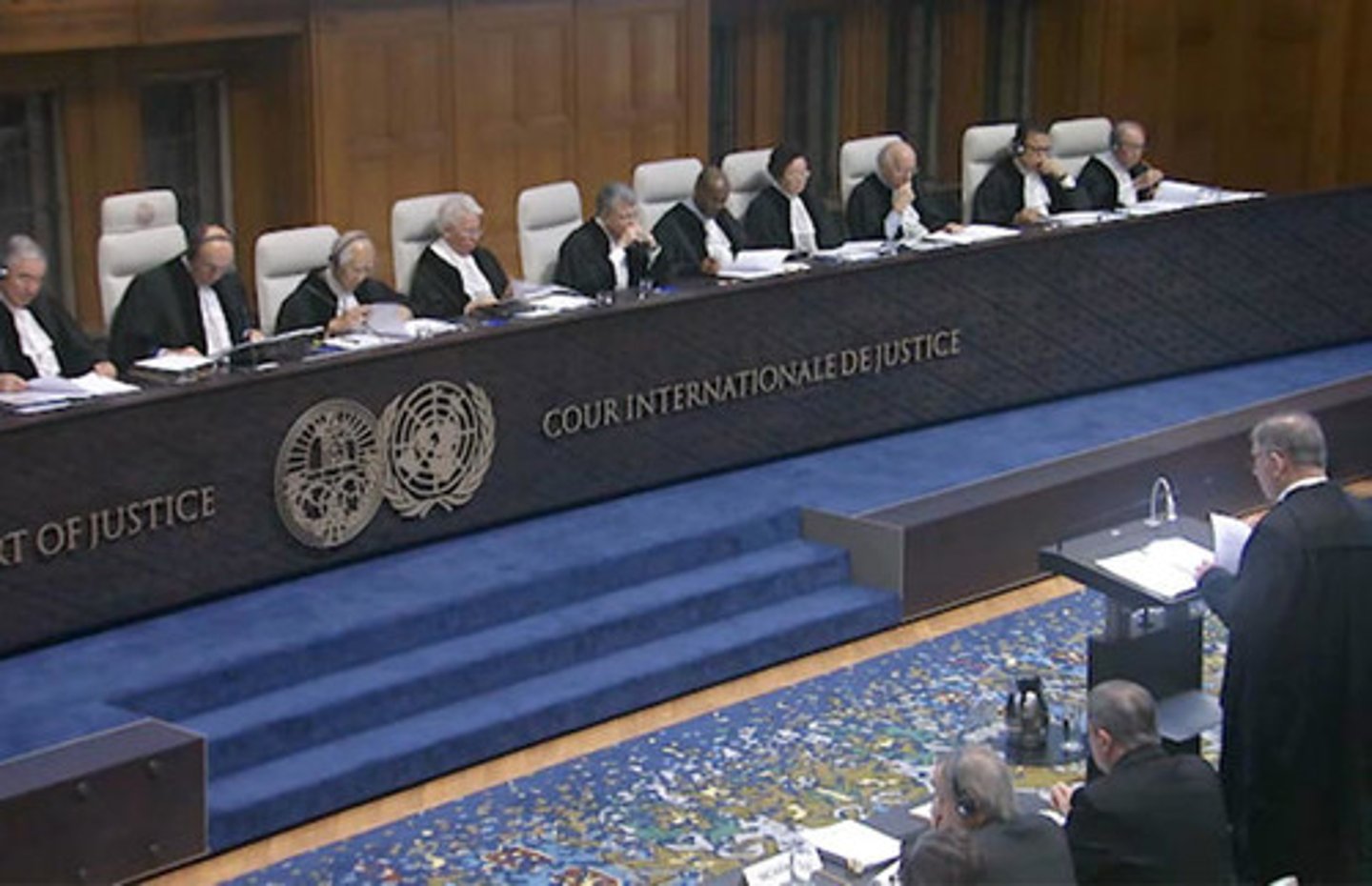
Court of Justice
- Supreme appeals court for EU law
- Settles legal disputes involving EU institutions / member states
European Council
- Ultimate decision-making body of the EU
- Passes legislation from the commission into law
- Comprised of one representative from each member state's government

How do judges control delegated legislation?
- Judicial Review
- Ultra Vires

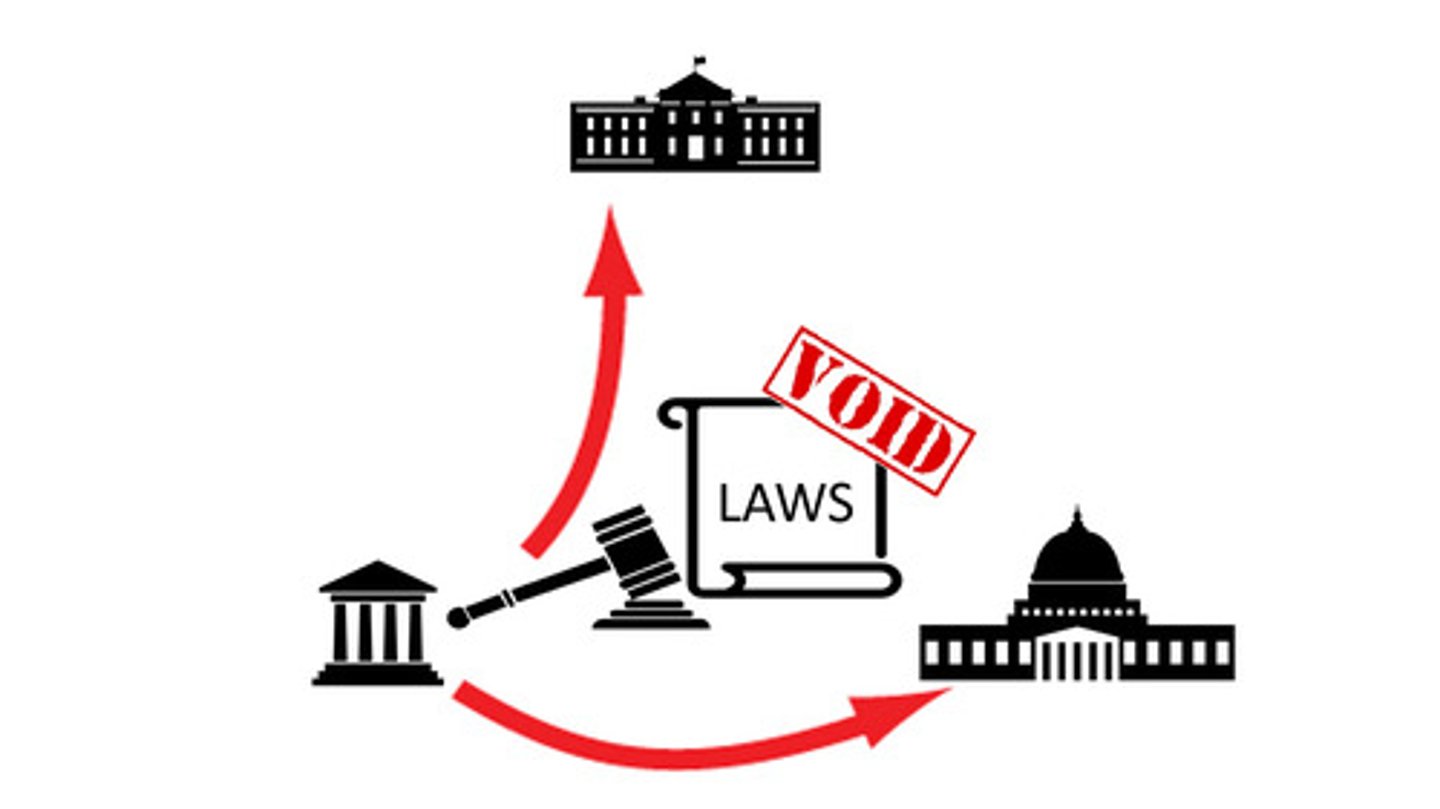
Judicial Review
The power of the courts to declare laws unconstitutional.
Ultra Vires
- Rules, regulations, or by-laws made by ministers or bodies are declared invalid by courts because they exceed the authority granted by the parent (enabling) Act of Parliament.
- Acts as a key judicial check to ensure delegated law complies with primary legislation
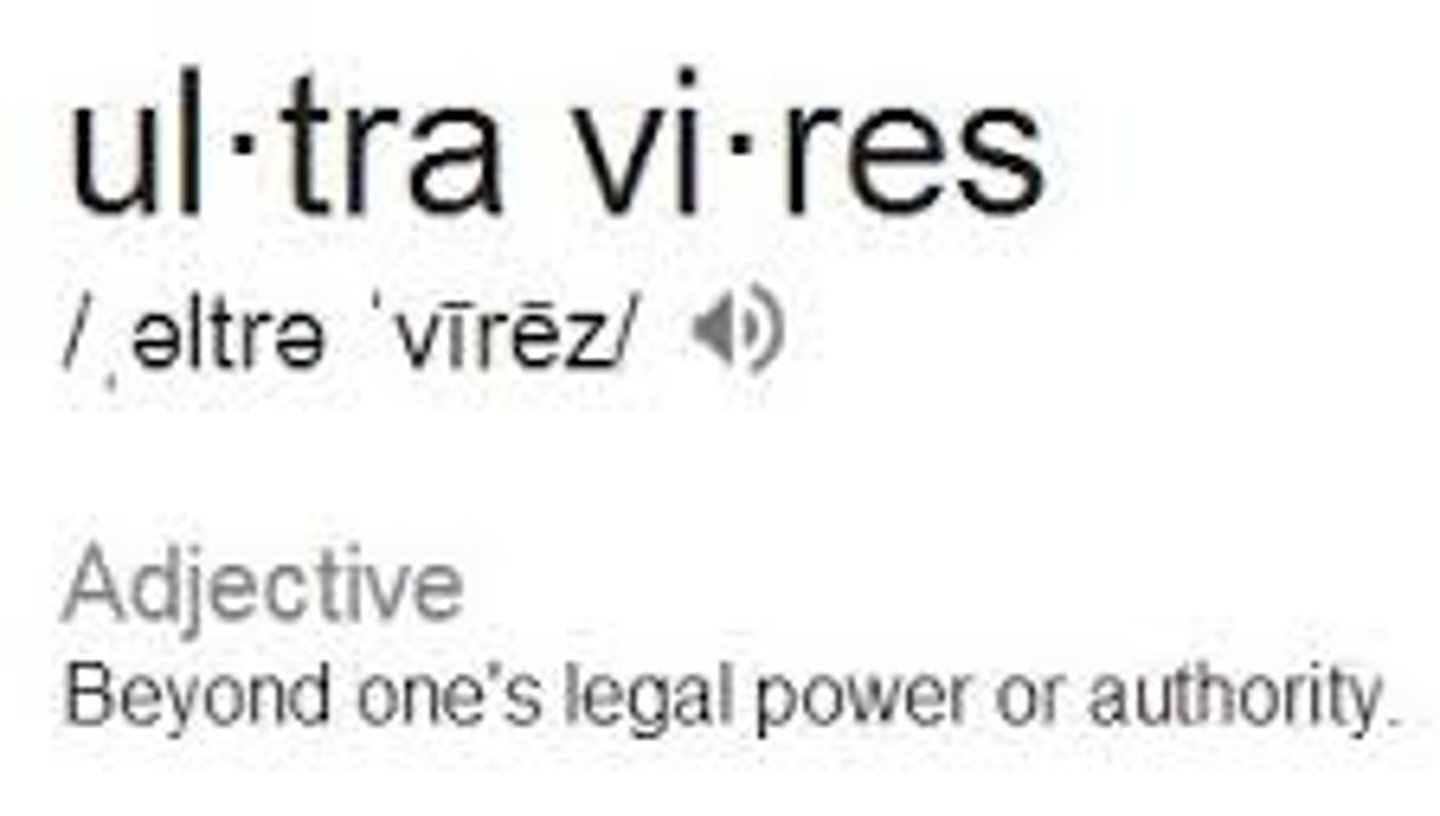
Ultra Vires Latin meaning
"Beyond the powers"
How does Parliament control delegated legislation?
- Enabling Act
- Scrutiny Committees
- Affirmative / Negative Resolution
- Questioning Ministers
- Revocation
Enabling Act
Allows Parliament to delegate authority to other institutions by enacting an Act of Parliament (known as an enabling act) setting out the powers to be delegated.

Scrutiny Committees
- Parliamentary bodies that review Secondary Legislation
- They ensure these rules are legally sound, do not exceed authorized powers, and are not politically contentious.
Affirmative / Negative Resolution
- Used to scrutinise delegated legislation
- The affirmative procedure requires active approval by both Houses before legislation becomes law, often used for significant matters.
- The negative procedure allows legislation to become law automatically, unless rejected within 40 days, accounting for roughly 75% of statutory instruments.

Questioning Ministers
- MPs can question ministers about delegated legislation
- This includes oral and written questions, debates, and committee reviews

Revocation
- Annulling, rescinding, or cancelling statutory instruments, bylaws, or regulations (secondary legislation) previously made by ministers or authorities.
- Often used for updating law or reacting to changes