Functional Group
 Call Kai
 Learn
Learn Practice Test
 Spaced Repetition
 Match
Match Flashcards
 Knowt Play
1/31

There's no tags or description
Looks like no tags are added yet.
Name | Mastery | Learn | Test | Matching | Spaced | Call with Kai |
|---|
No analytics yet
Send a link to your students to track their progress
32 Terms
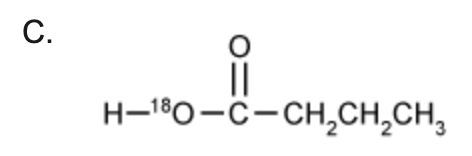
Answer A
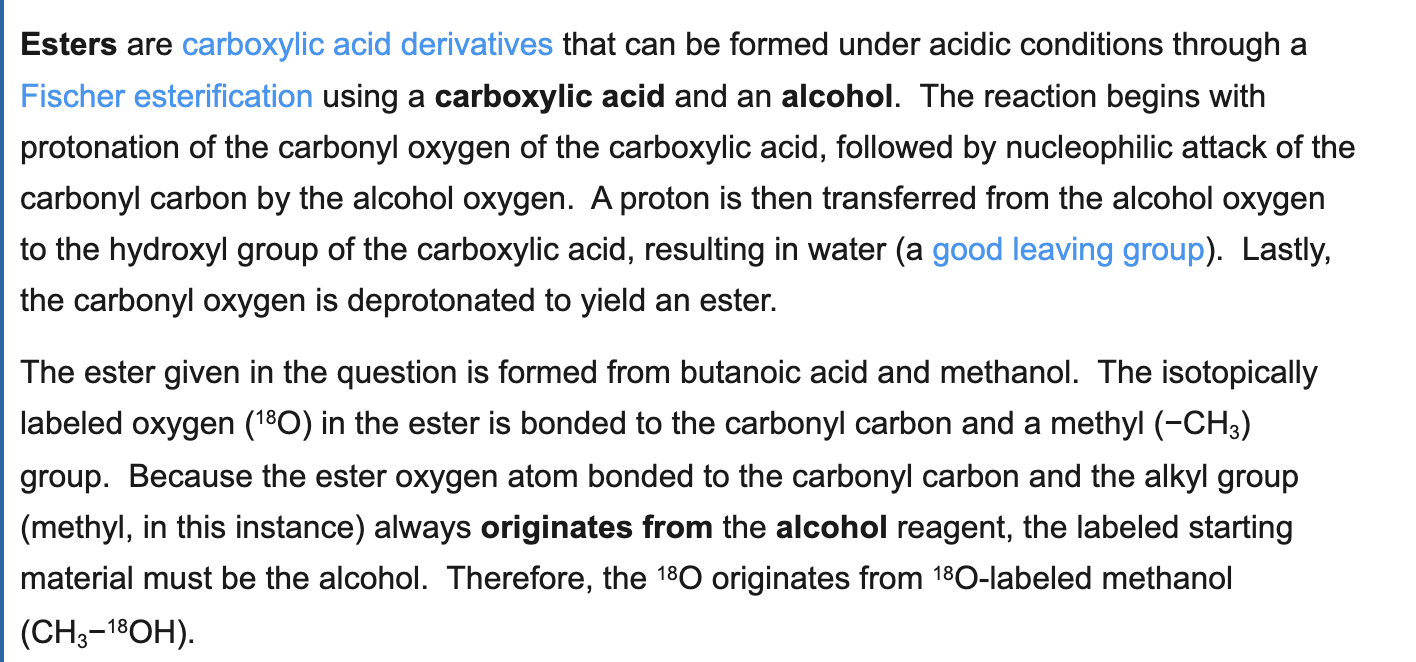
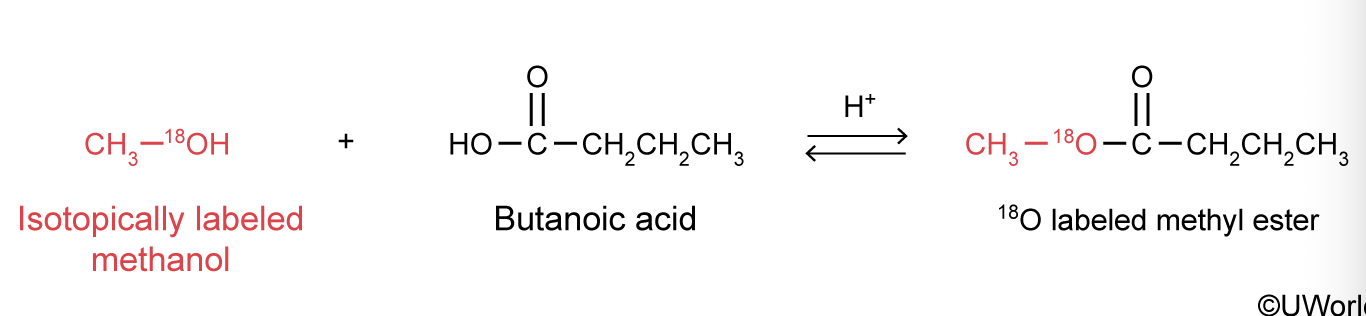
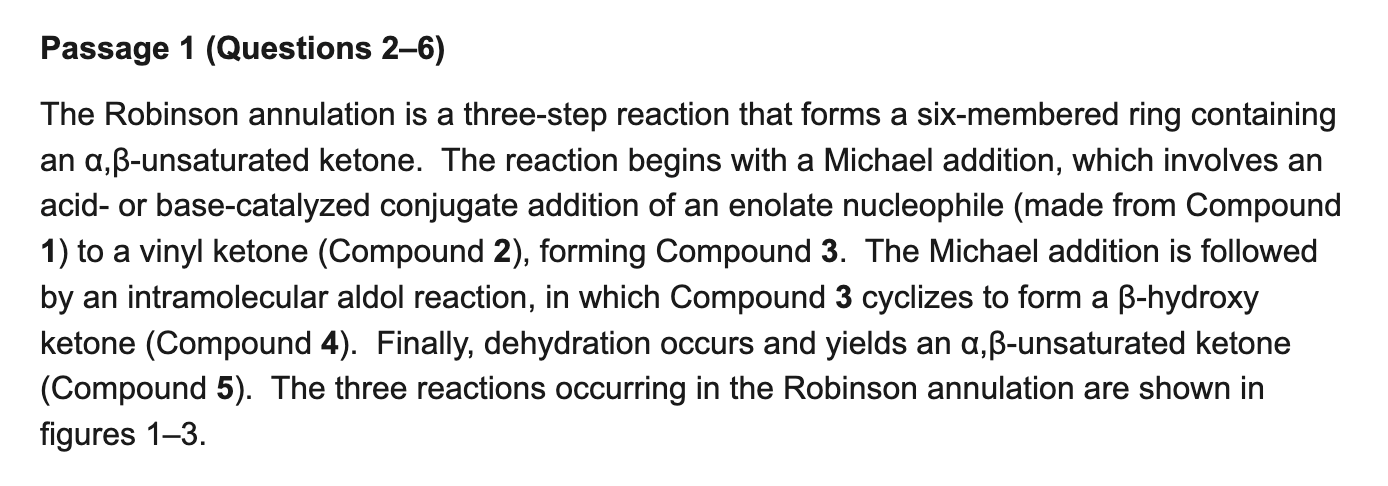
Passage A
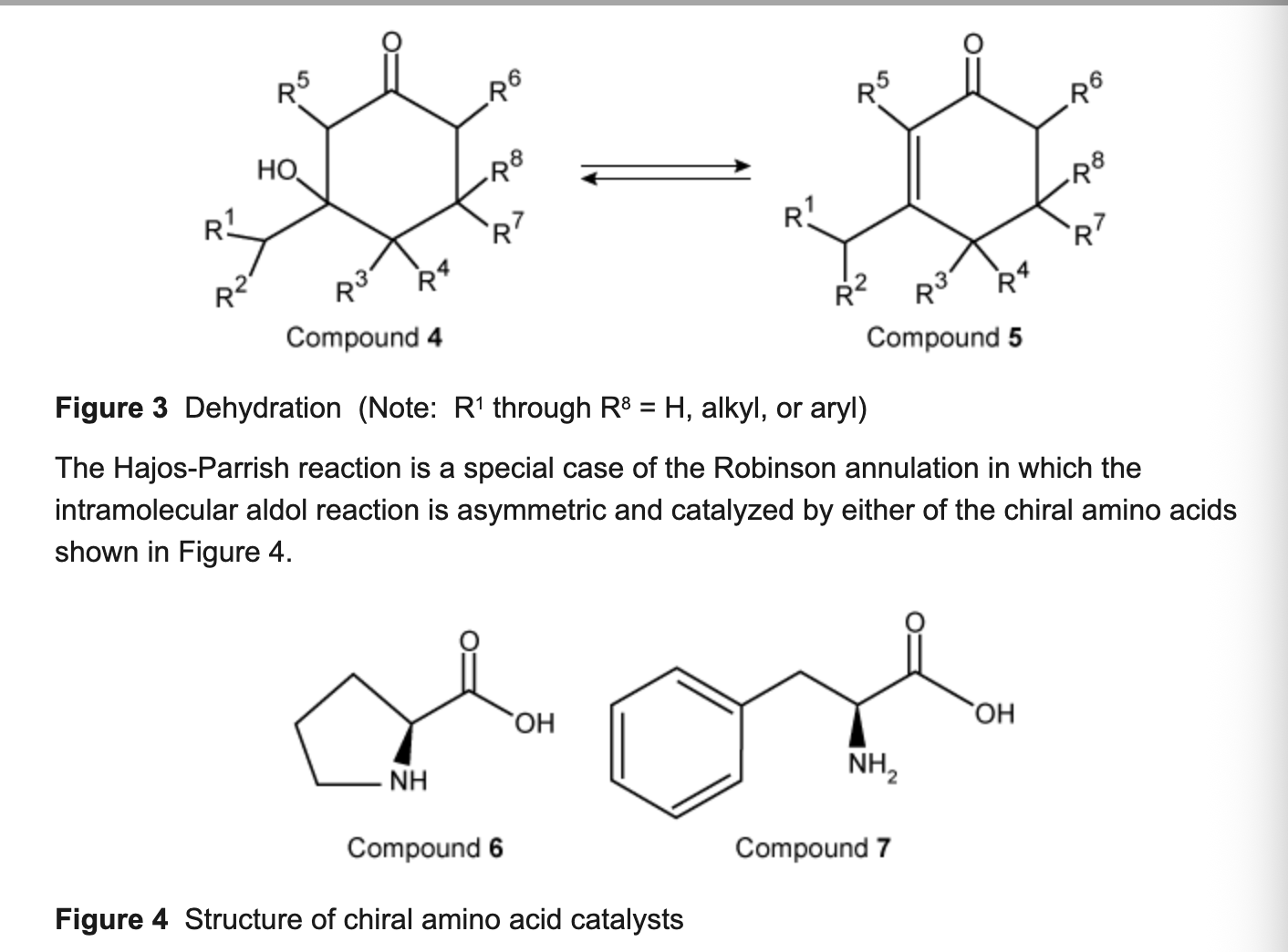


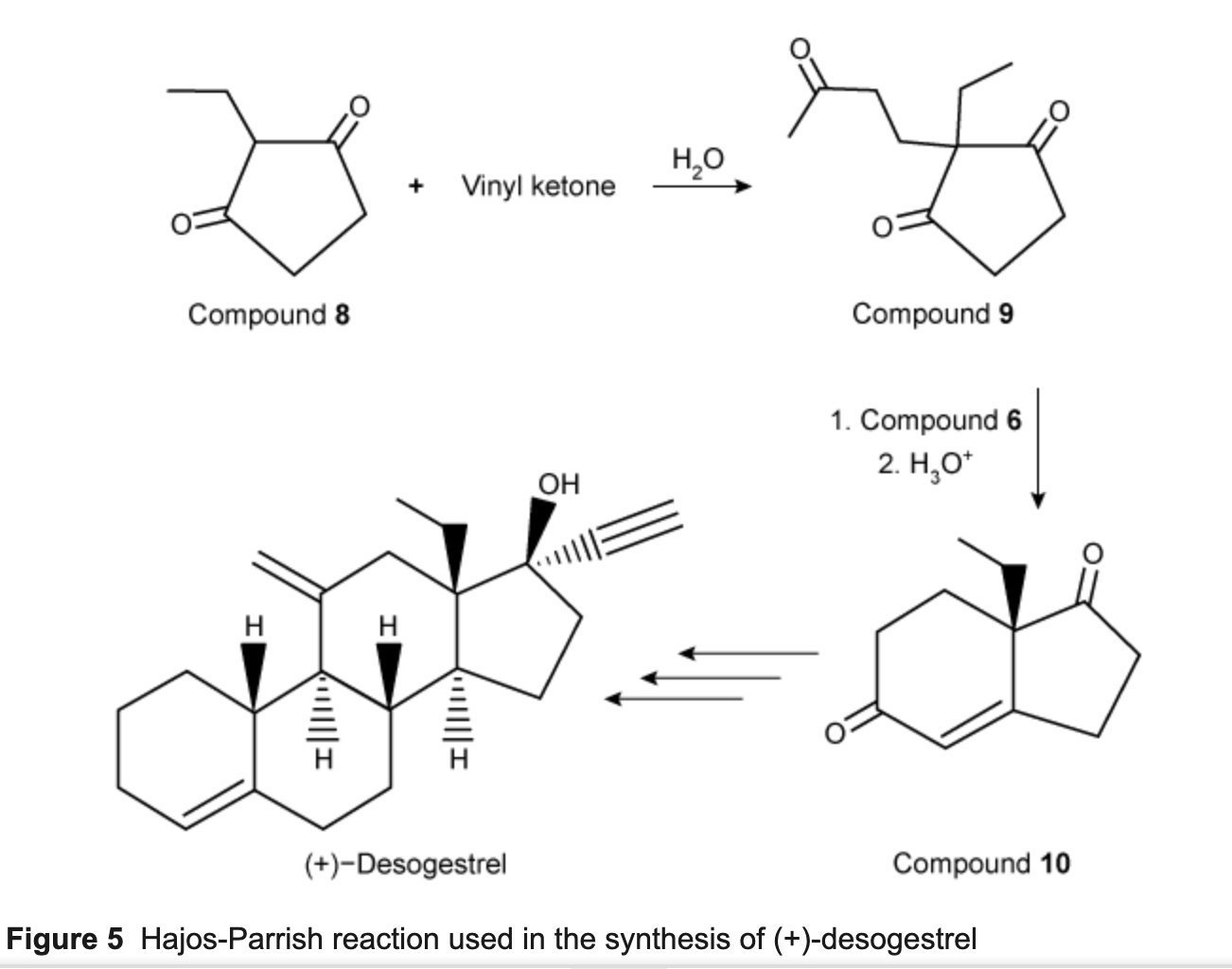
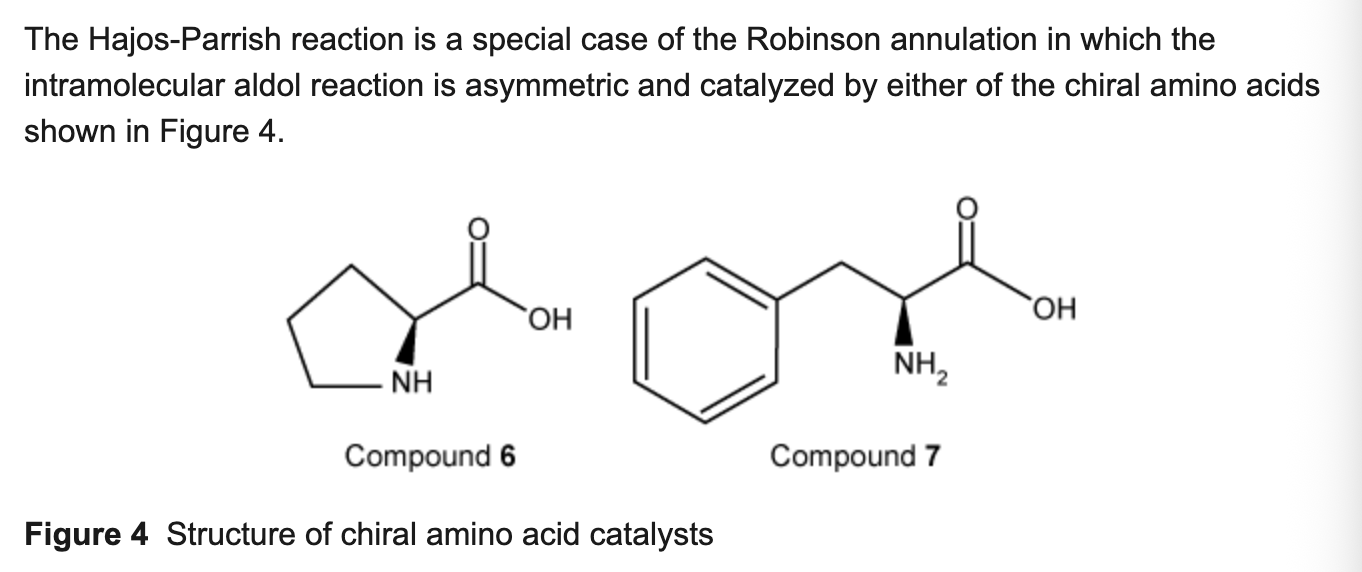
Tyr, Phe, Trp, Pro?
Pro
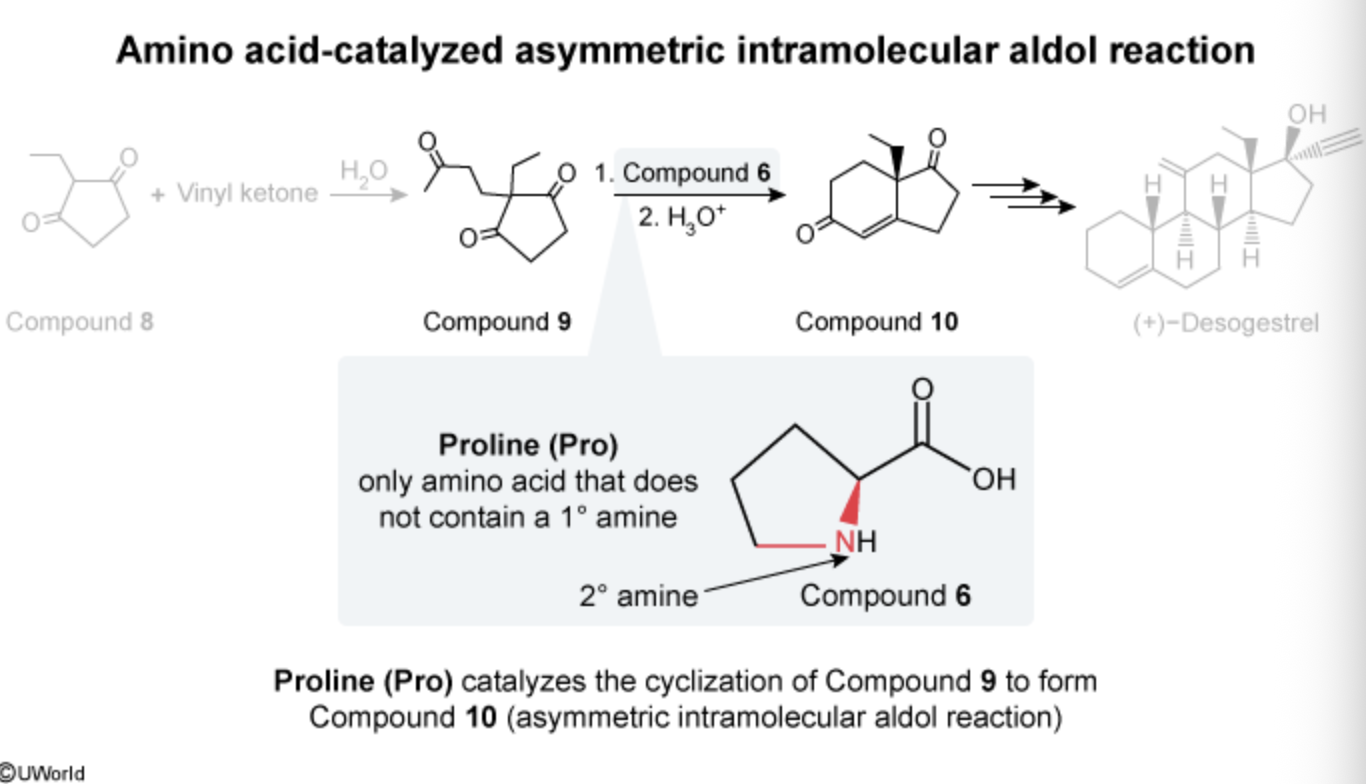
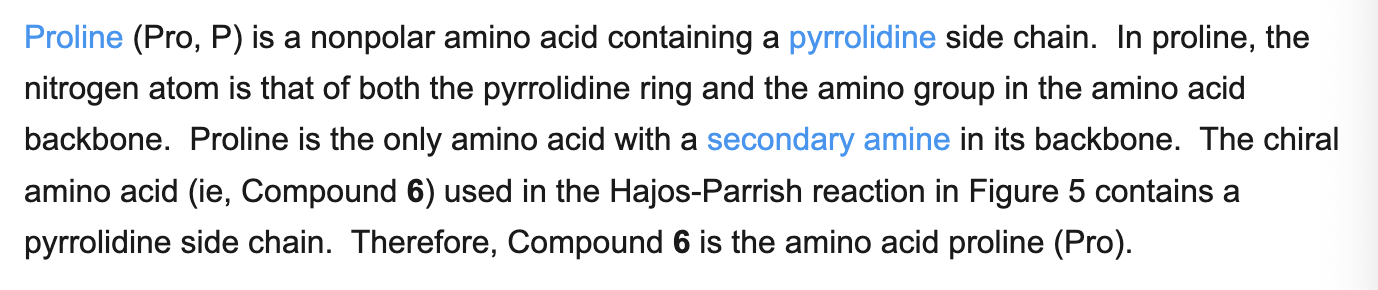
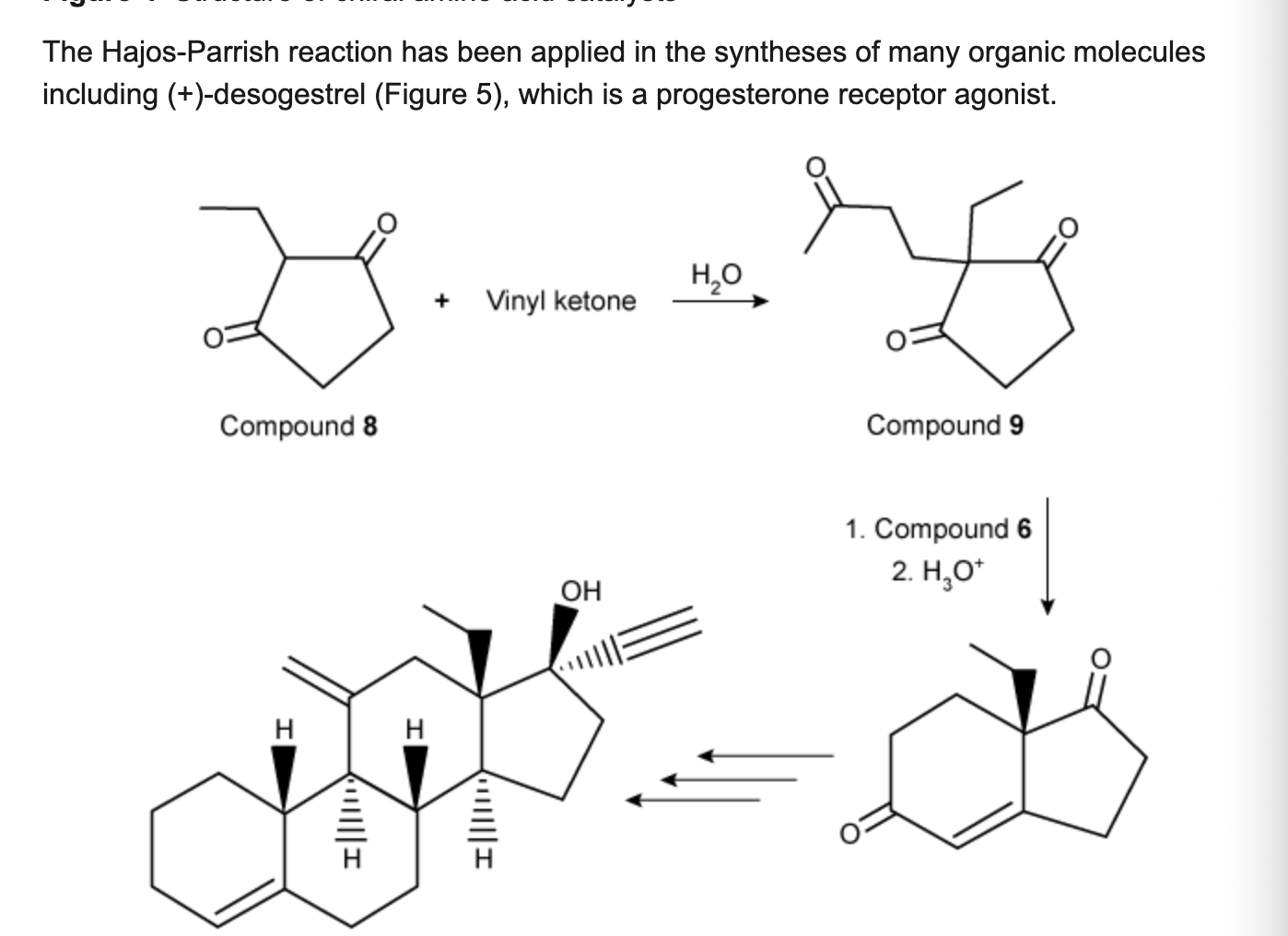
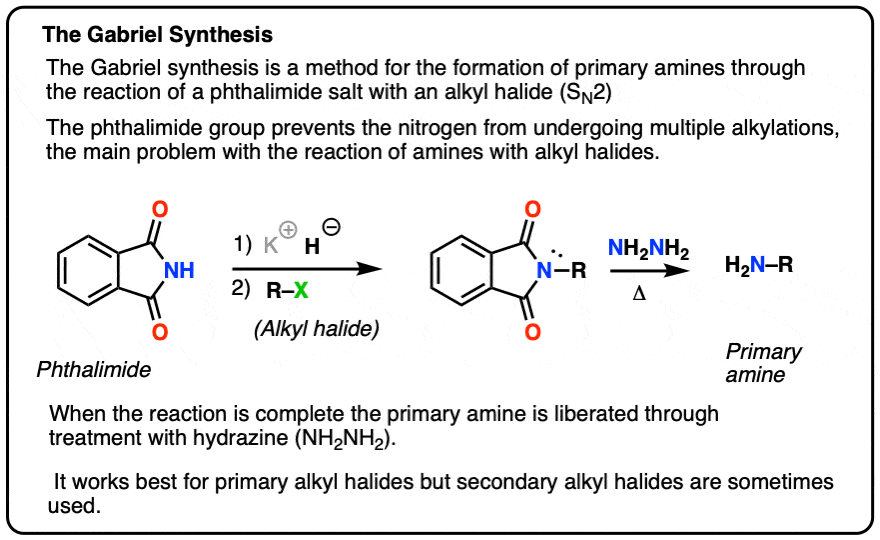
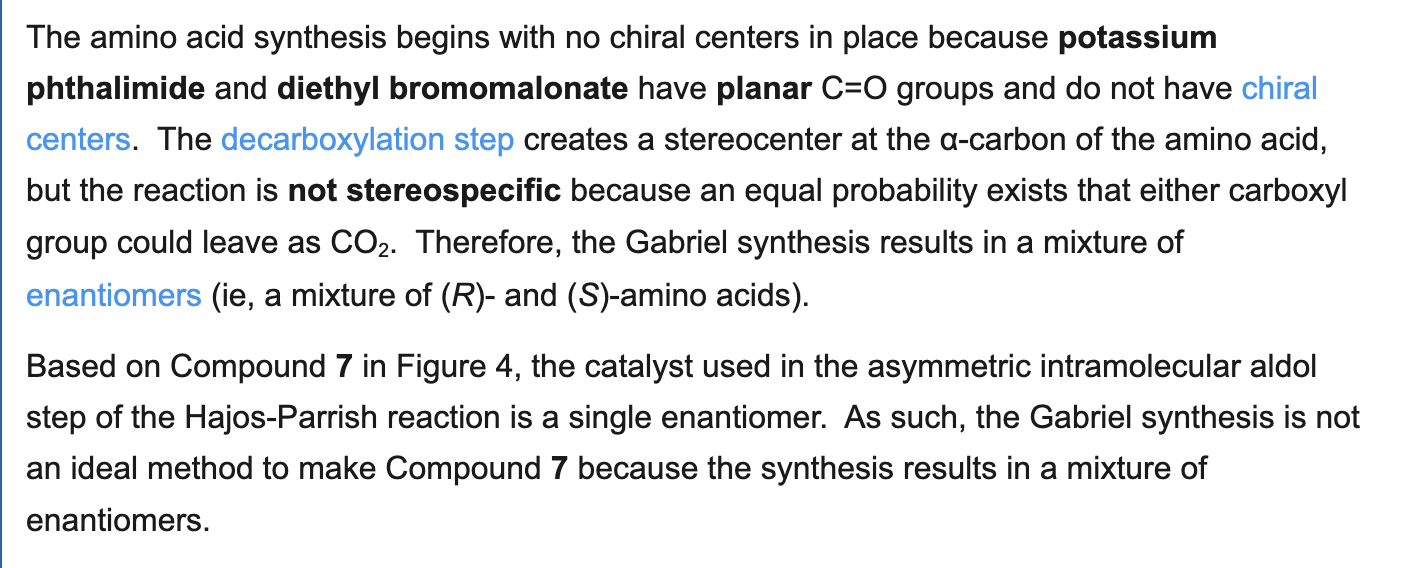
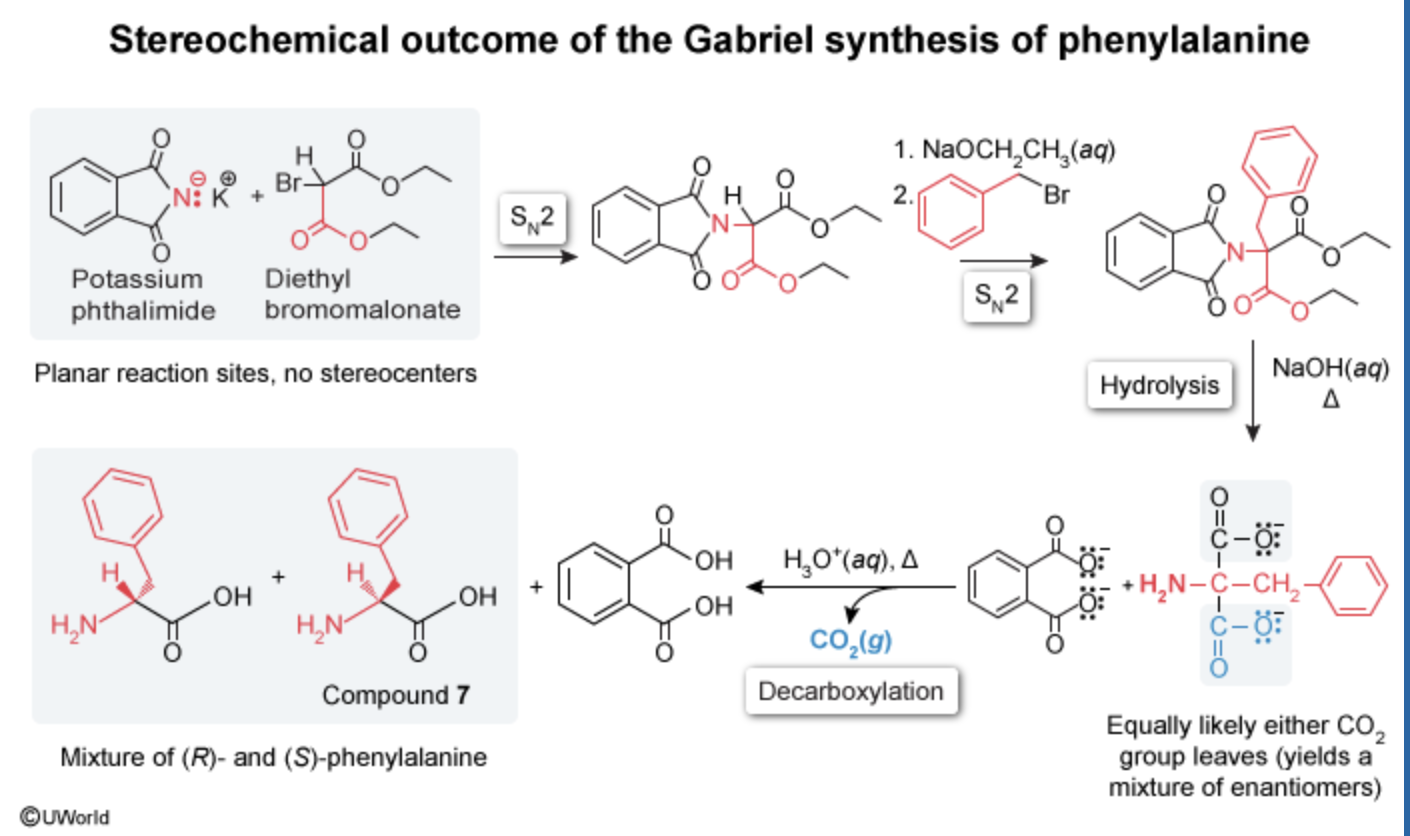
Gabriel Synthesis // Malonic ester synthesis
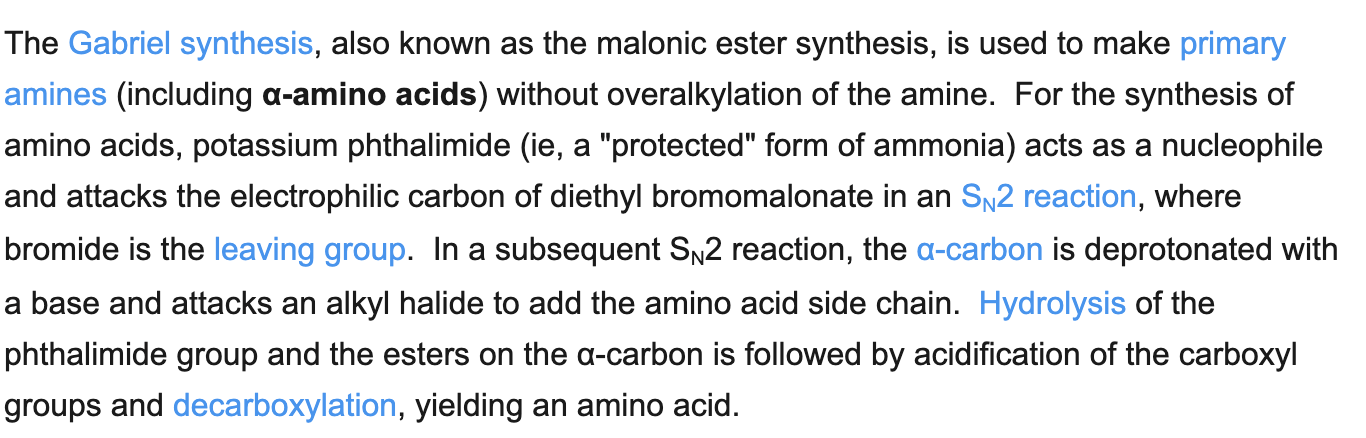
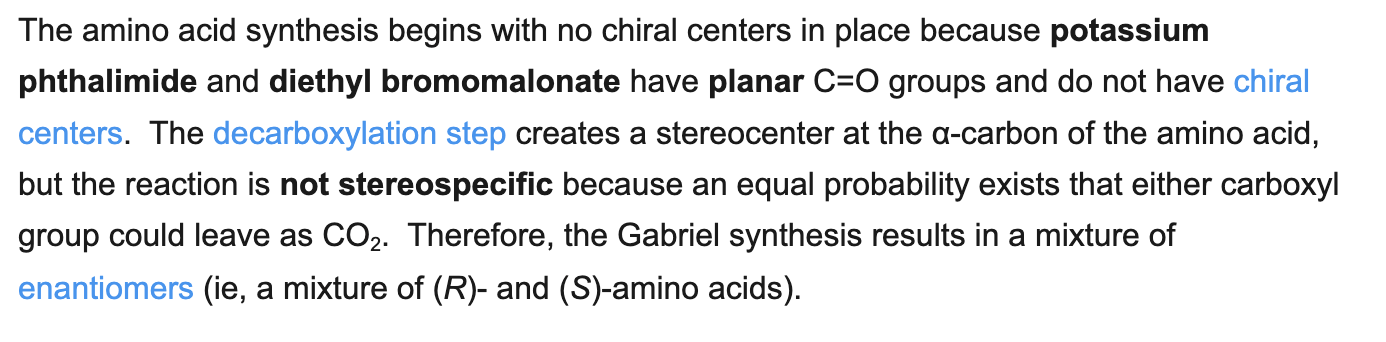
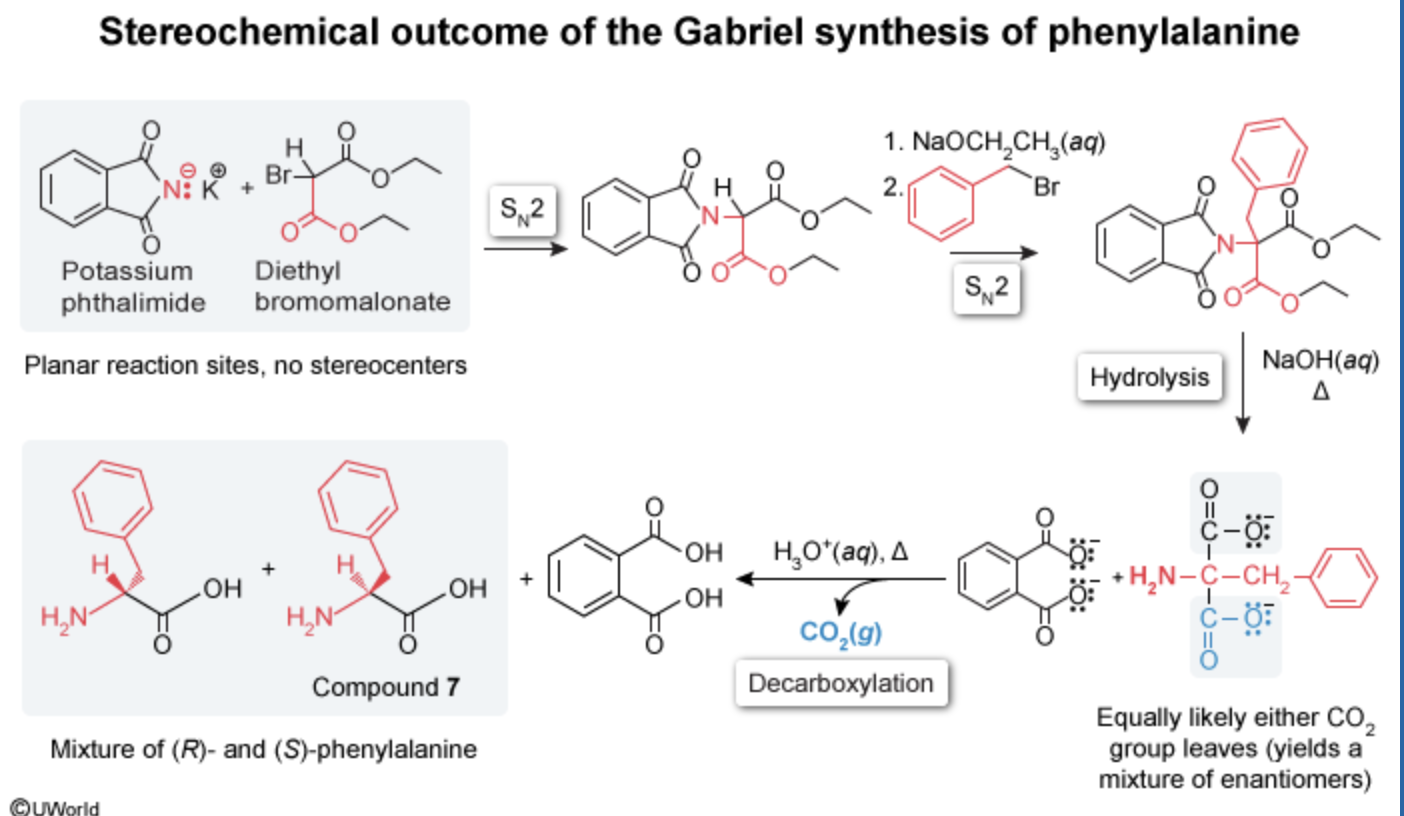

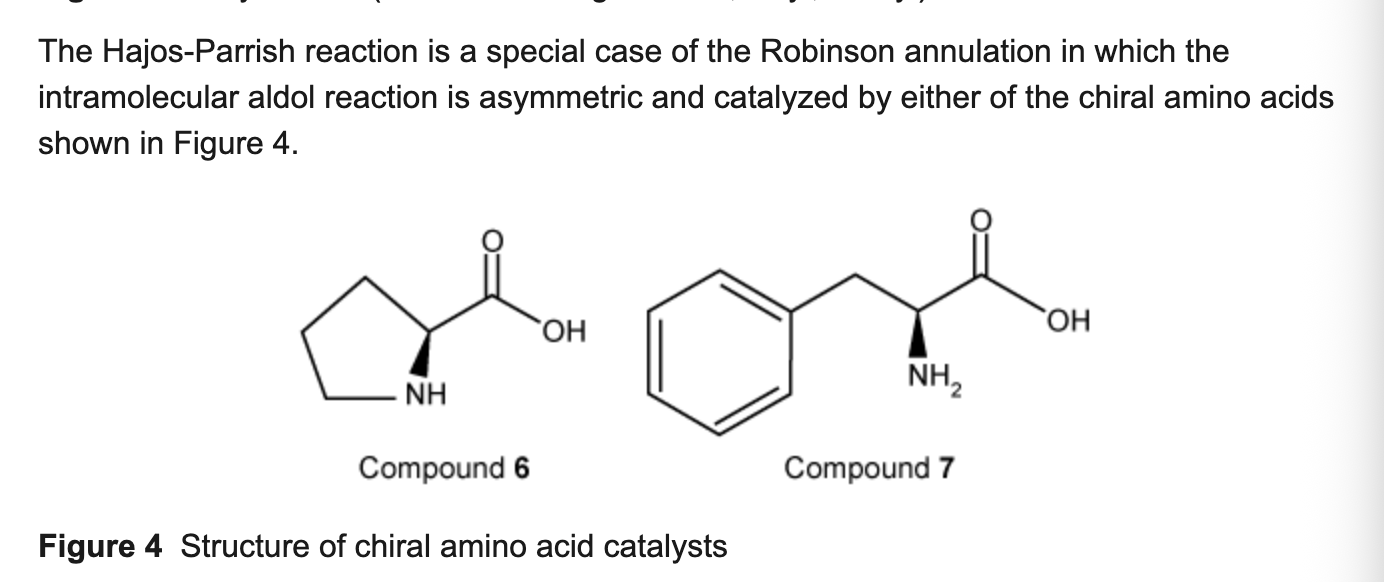
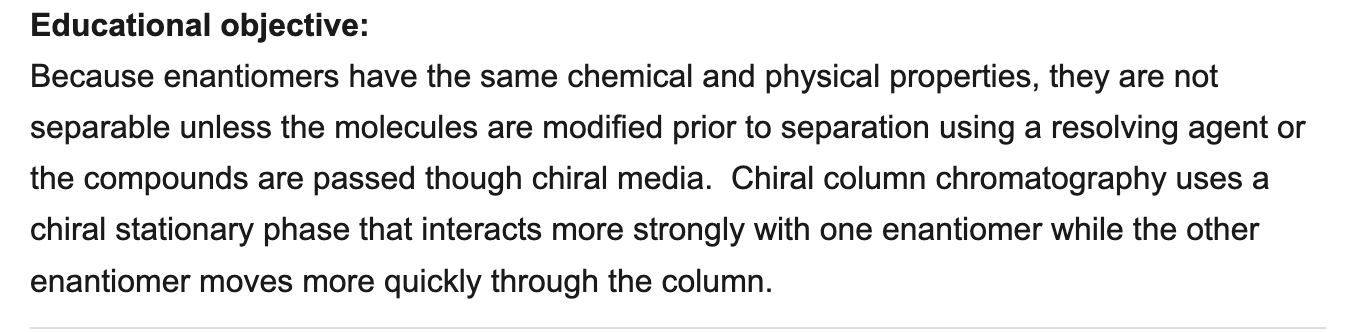
B. Gabriel Syn results in a mixture of enantionmers, and the catalyst used in the Hajos Parrish reaction is a single enantiomer
C. GS results in the S enantiomer, and the catalyst used in the HP reaction is R enantiomer
D. (flip the S and R order in answer C)
Answer: B


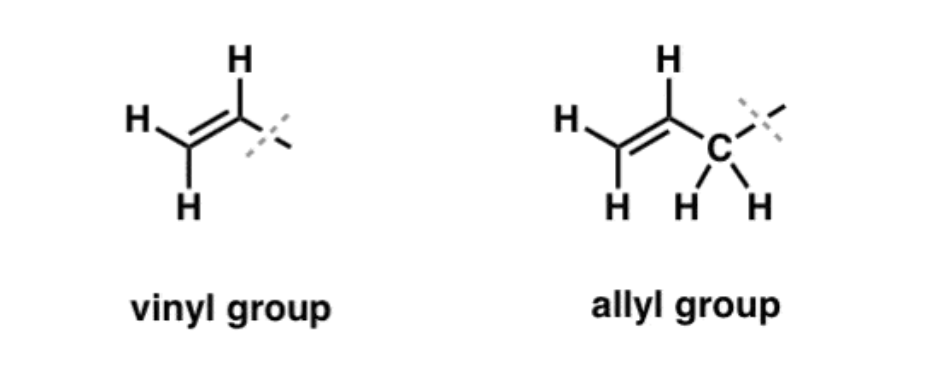
Vinyl vs allyl group


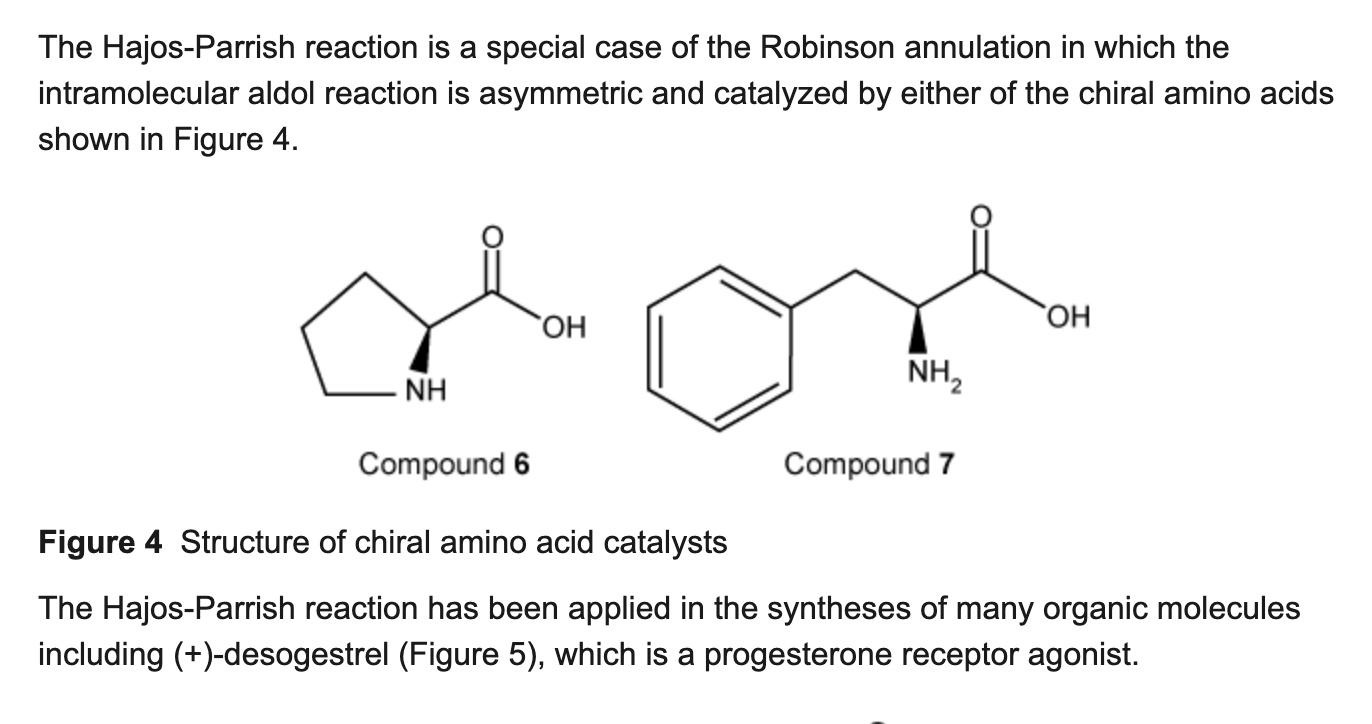
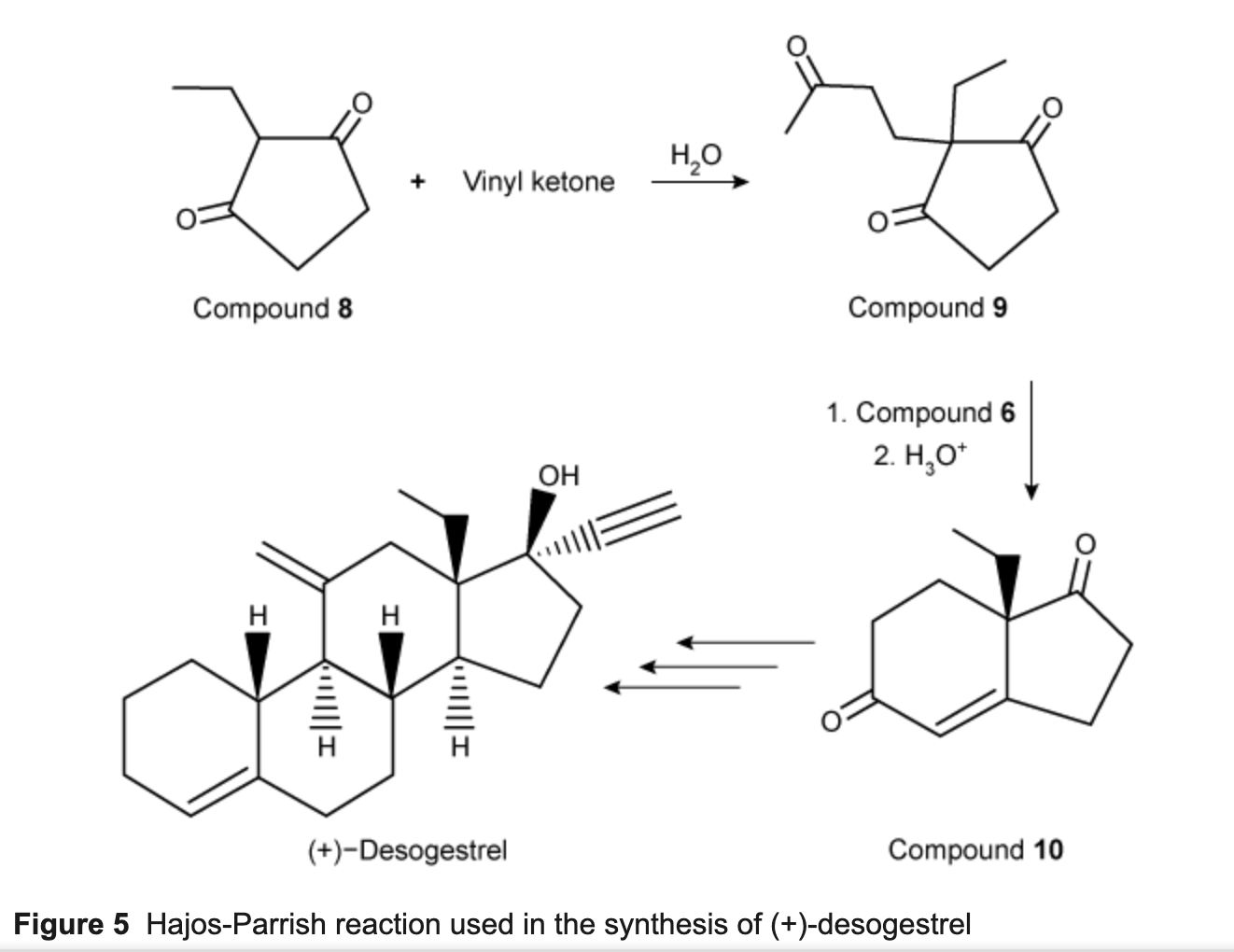
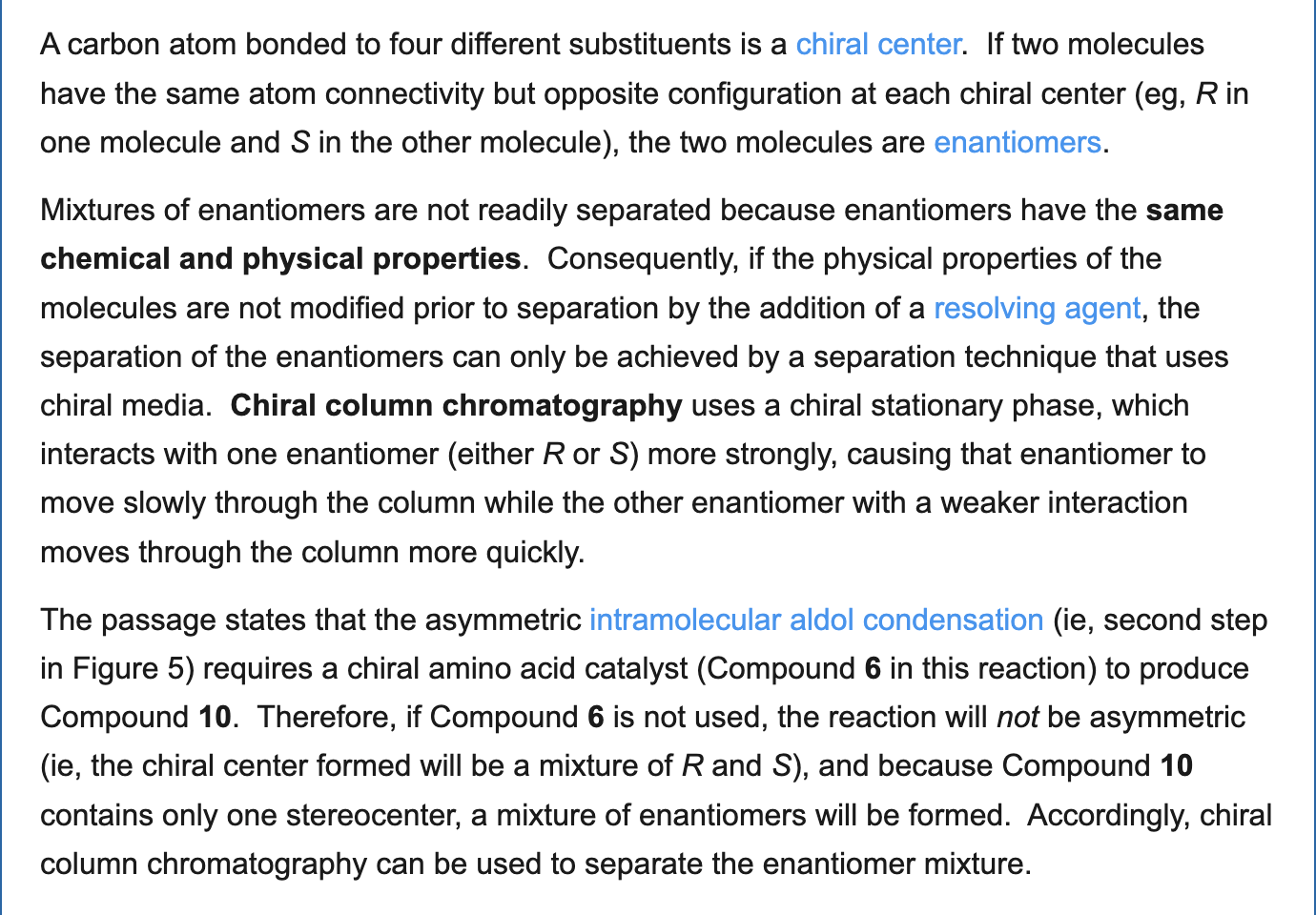
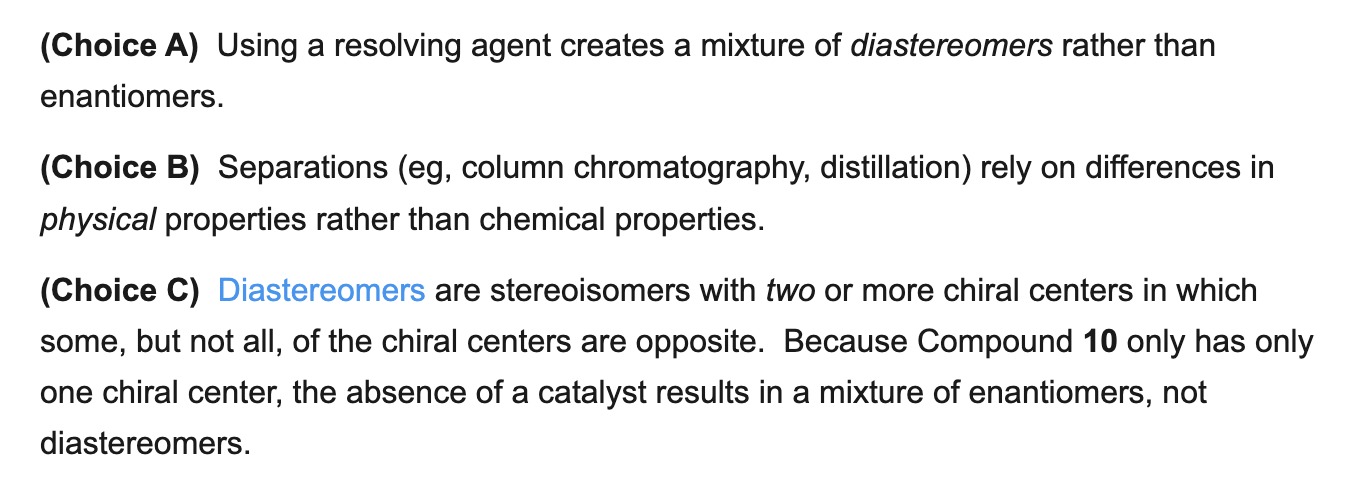
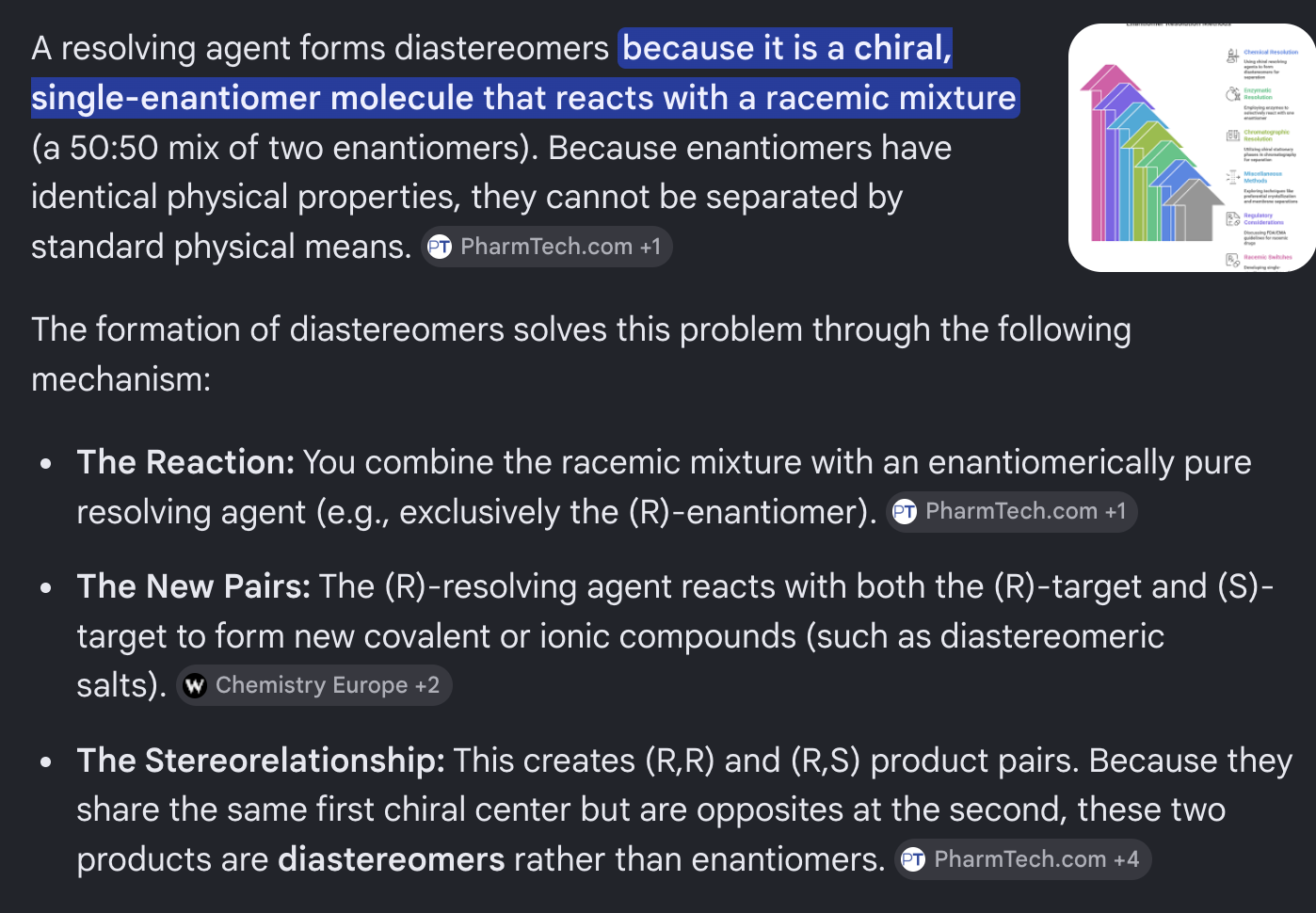
B. By using a resolving agent to create a mixture of diastereomers, which can be separated due to ahving different chemical properties
D. Separate the mixture of enantiomers obtained fromt eh reaction using column chromatography with a chiral stationary phase
Answer: D


3
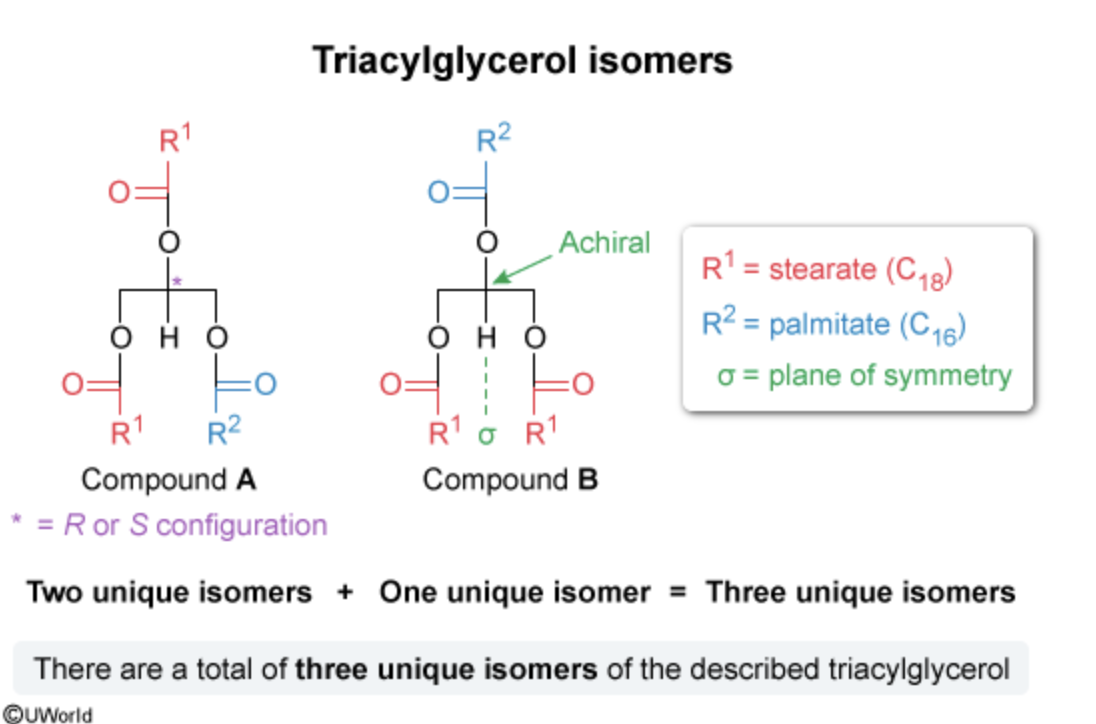
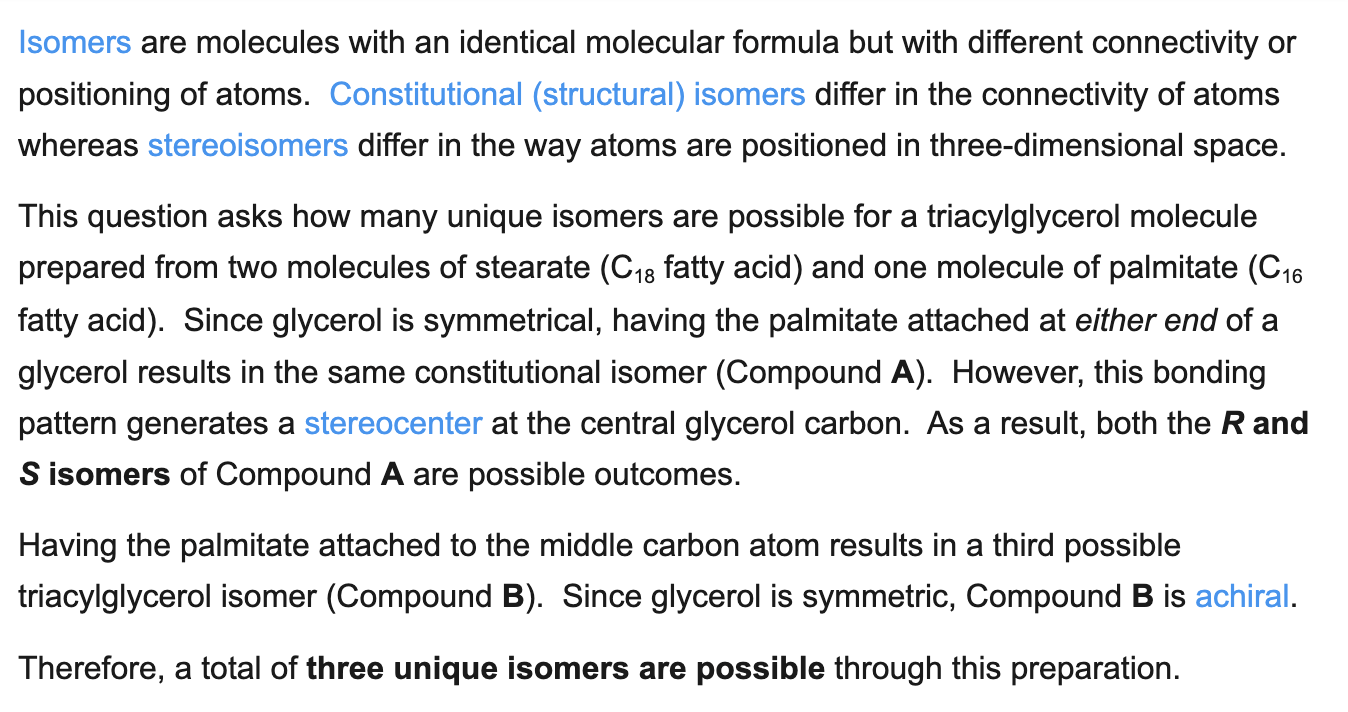
Answer: 4
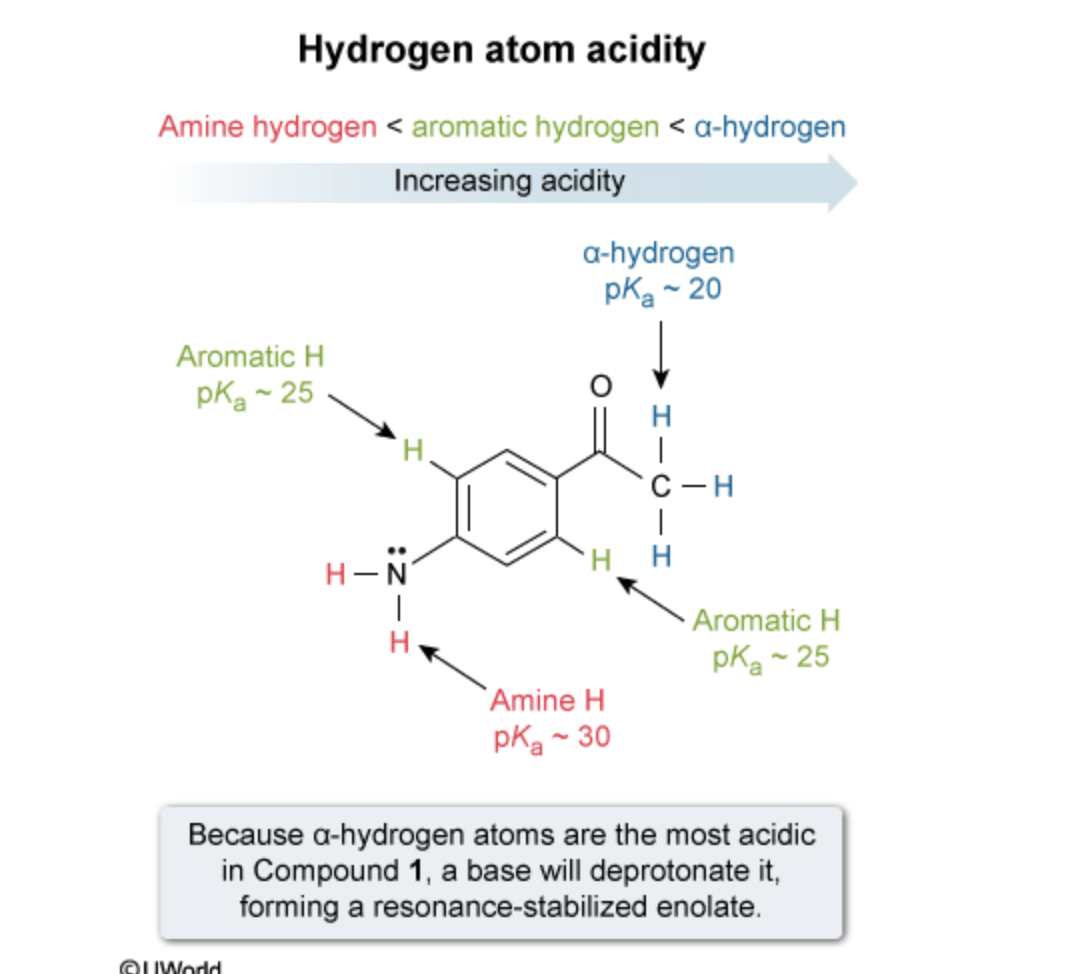
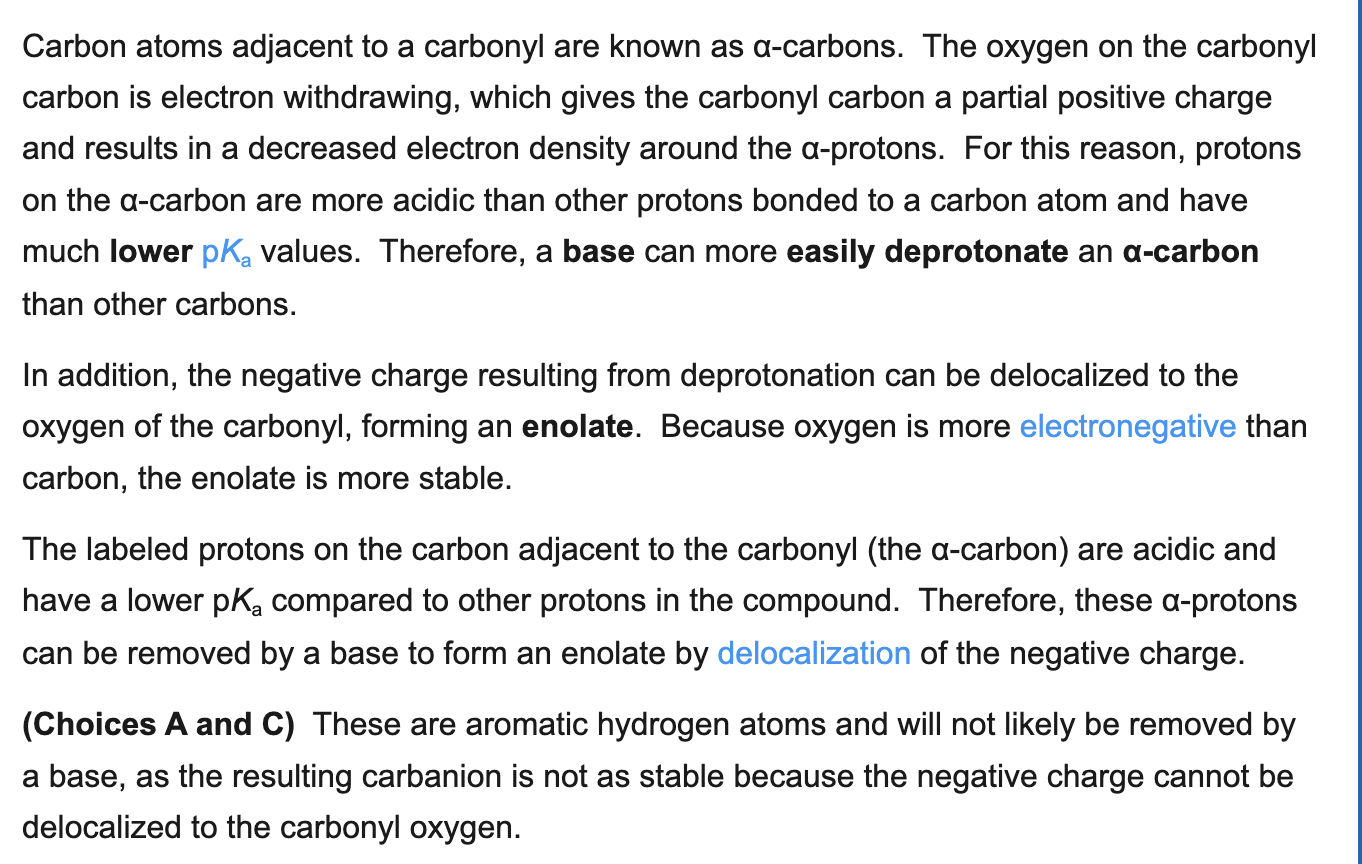
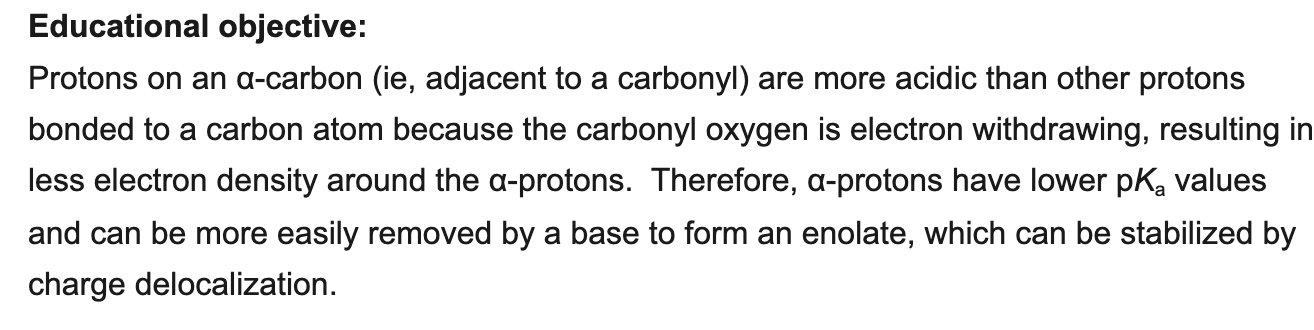
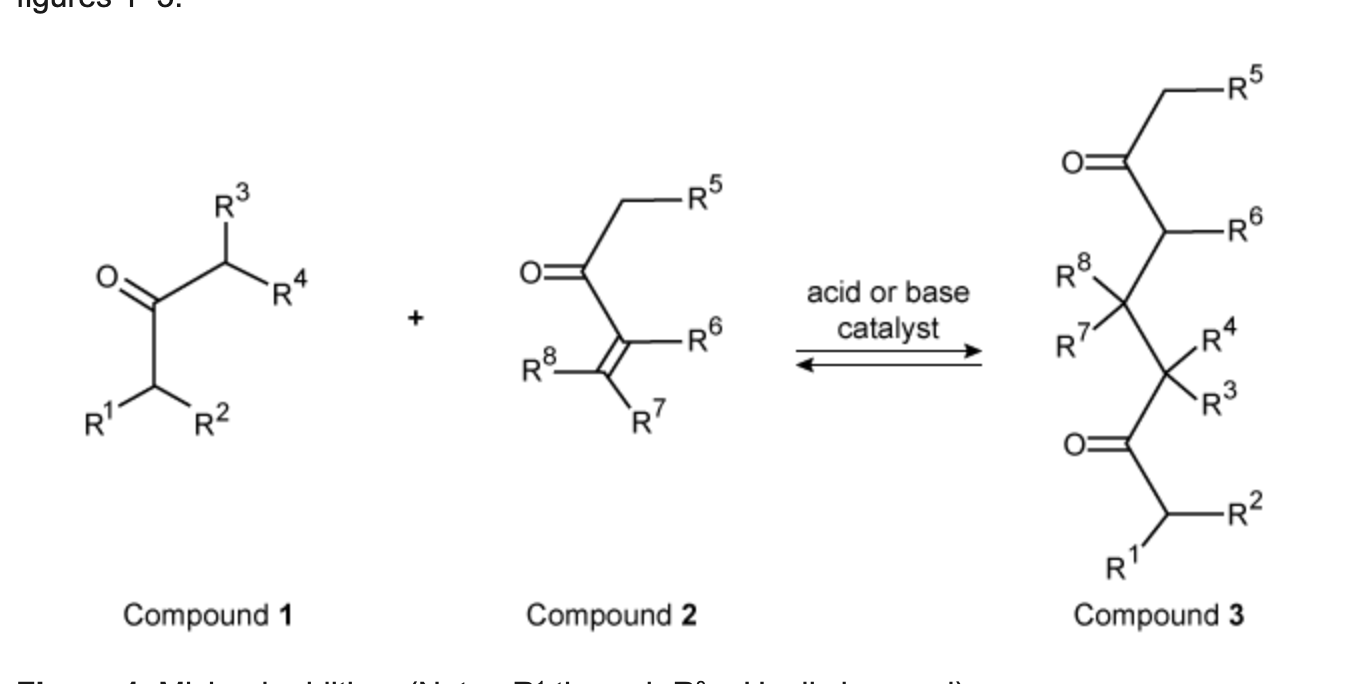
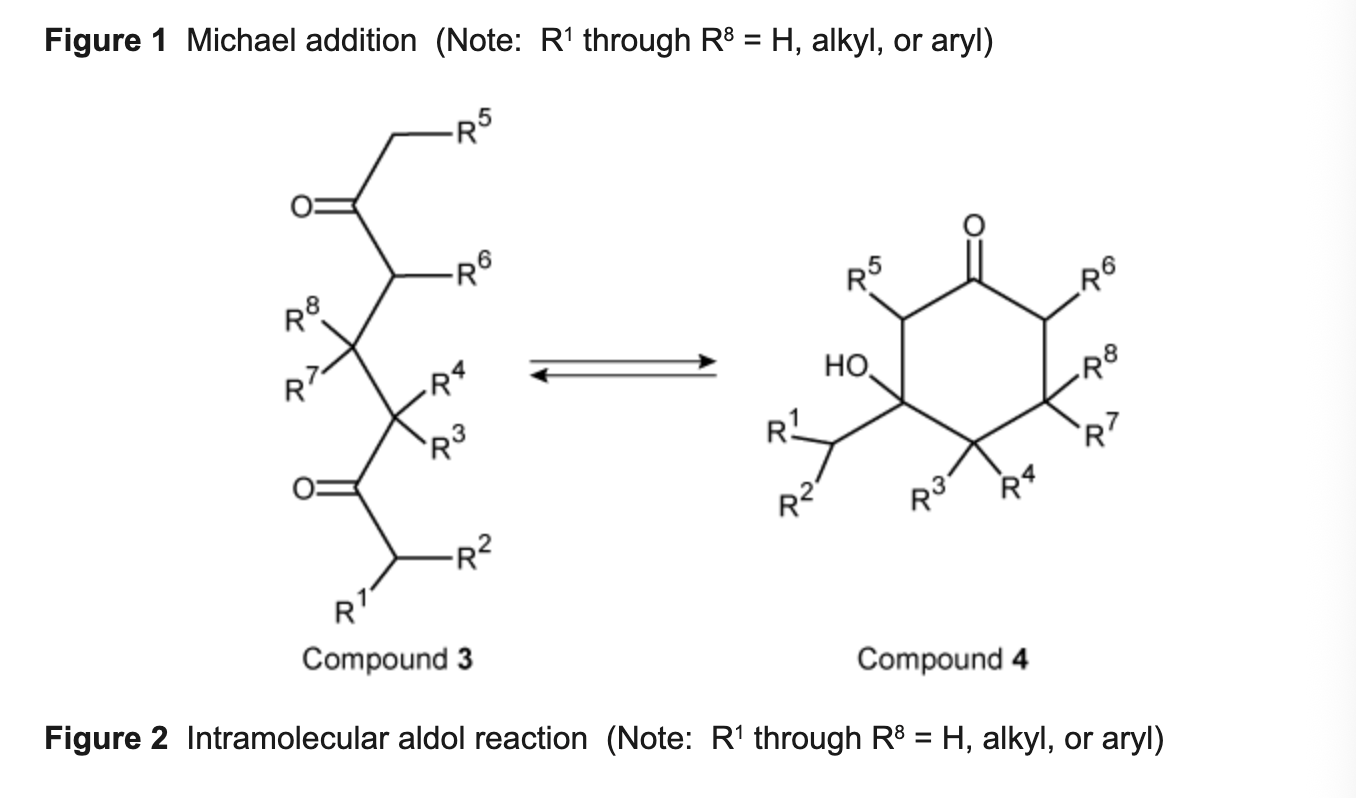
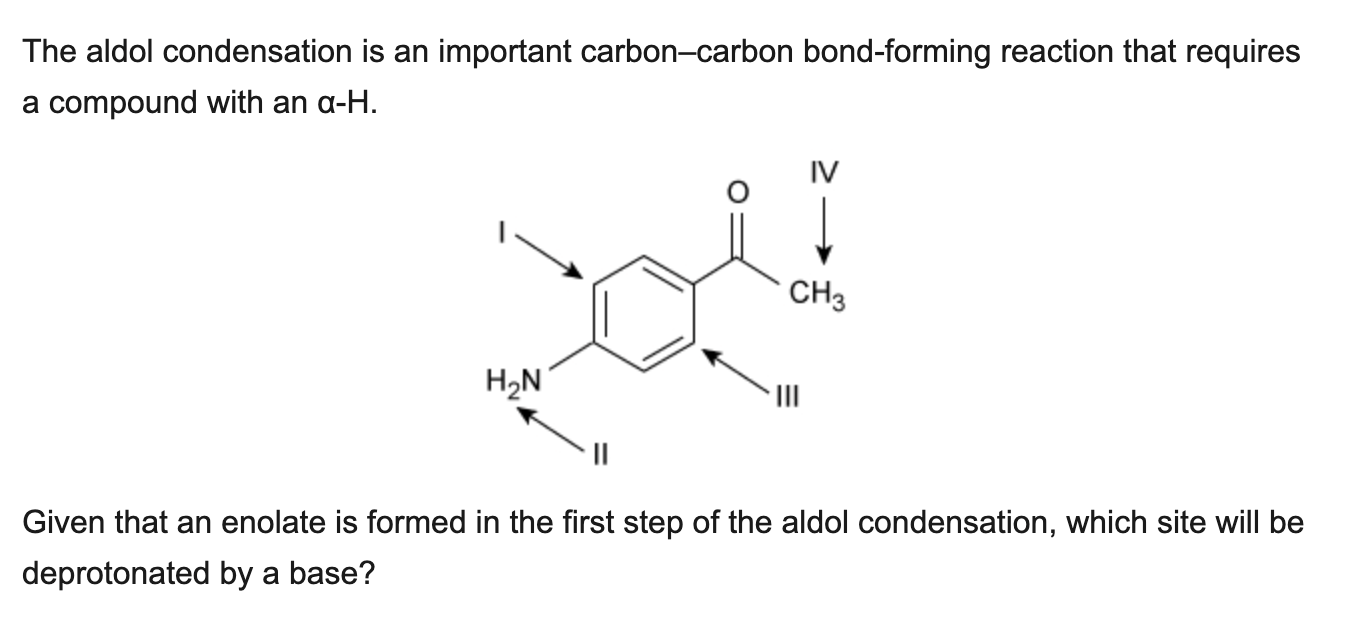
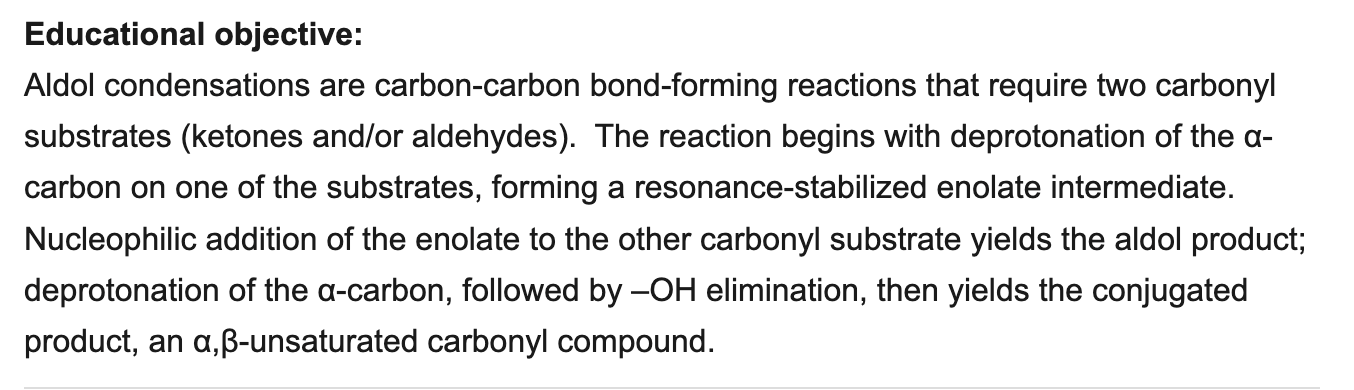
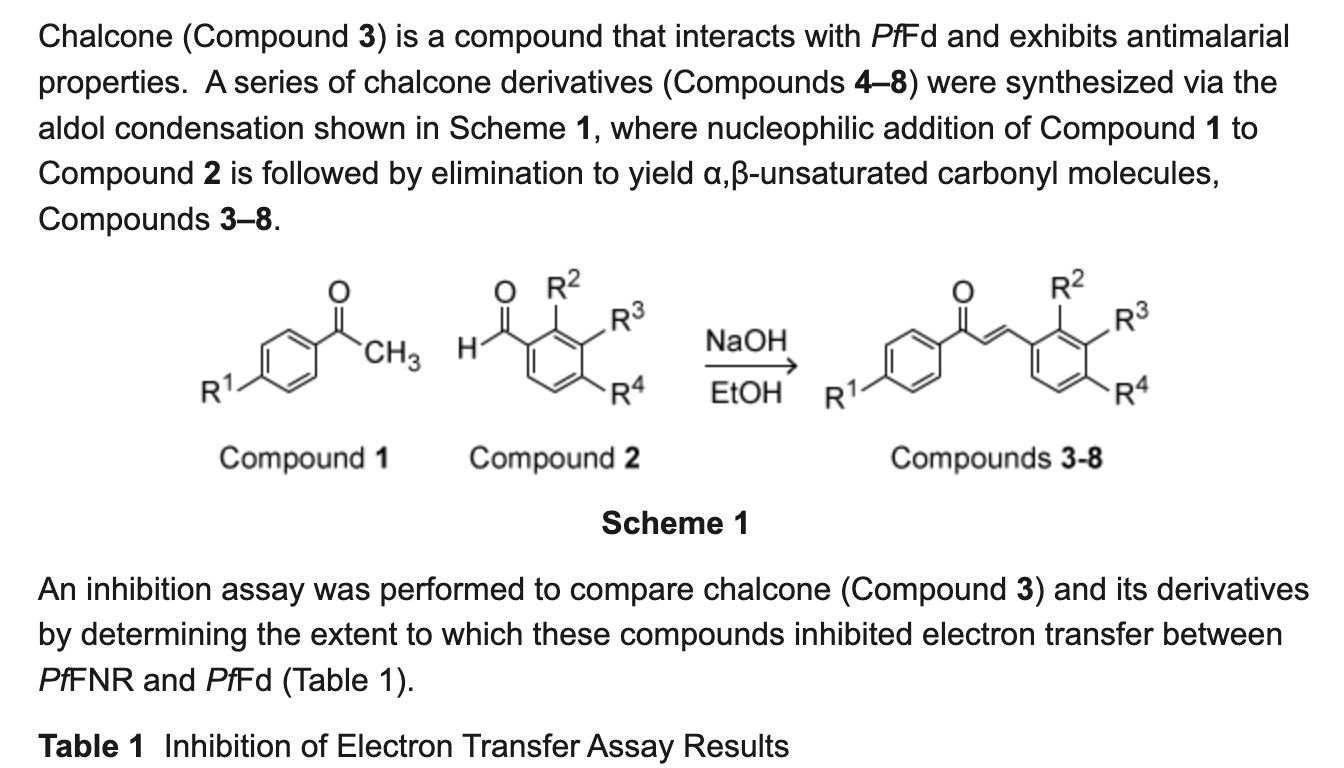
Adol condensation
carbon carbon bond forming reactions where two carbonyl compoudns (ketones and/or aldehydes) are joined together by nucleophilic additon to form the adol product.

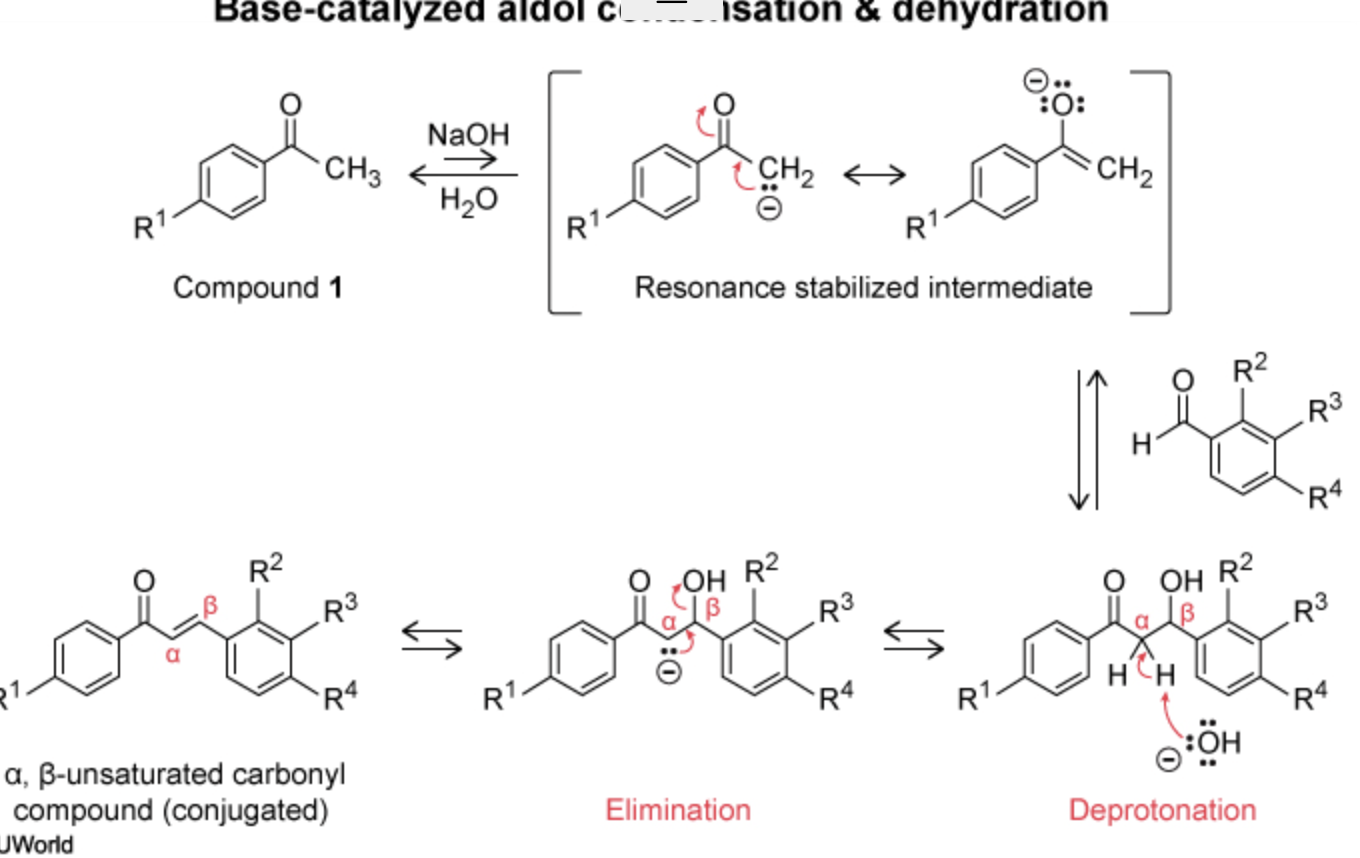
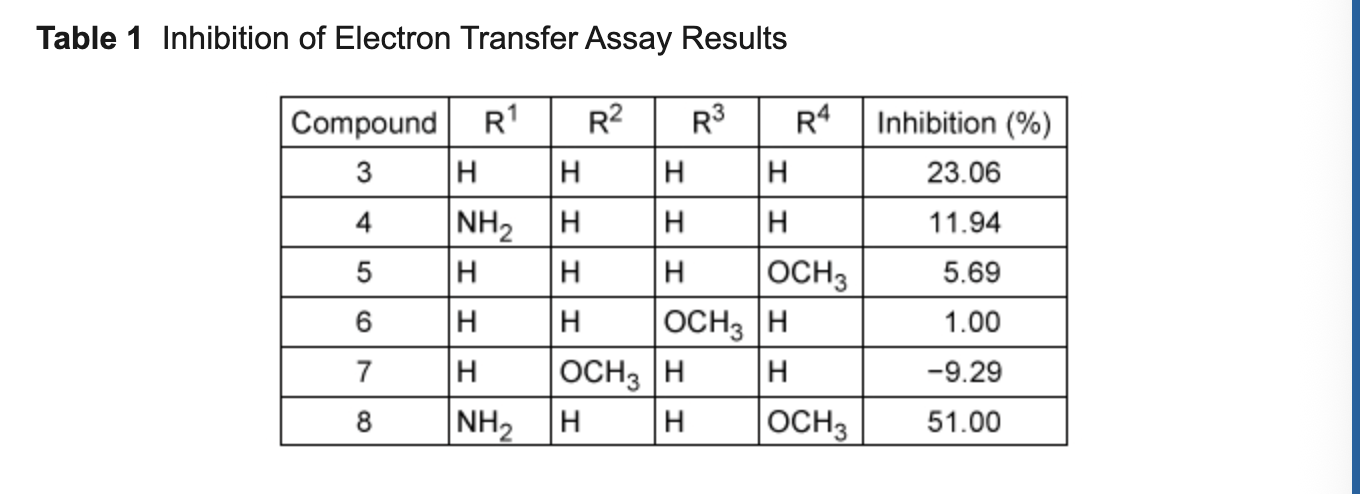
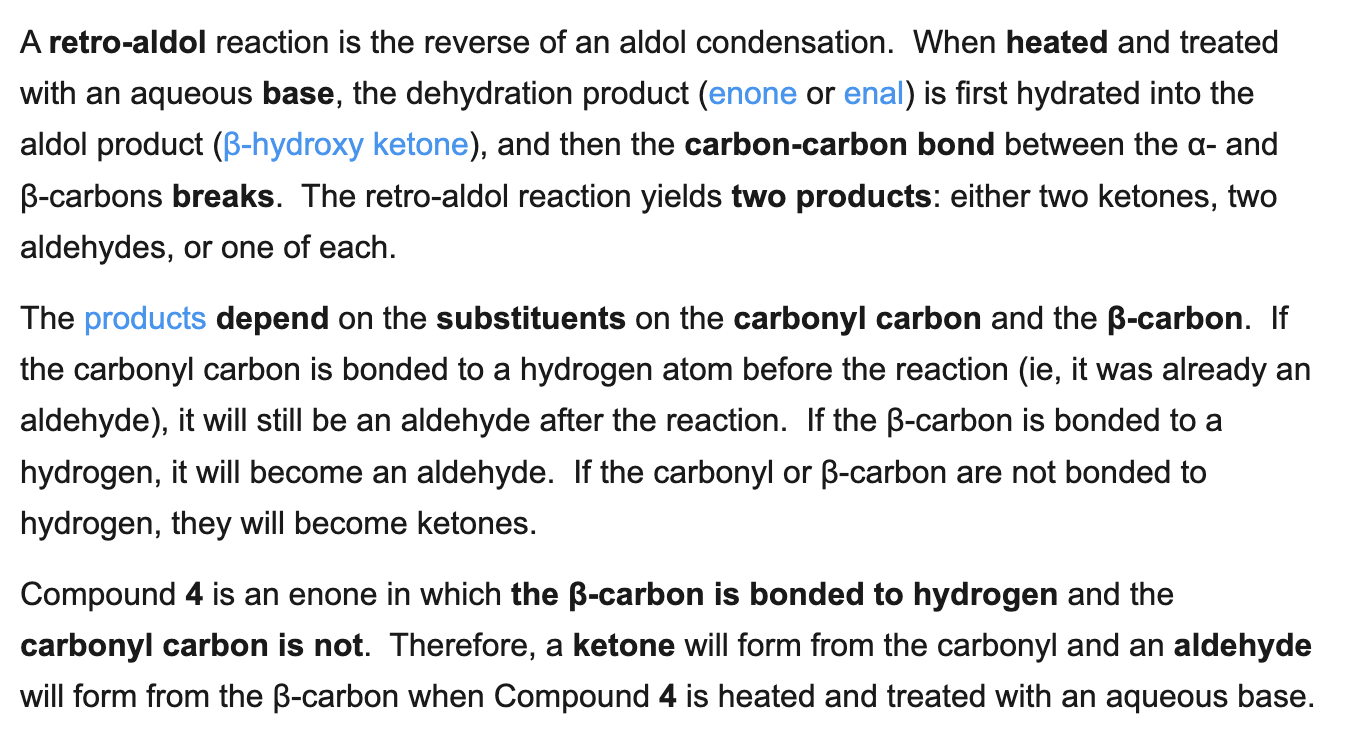
Adol condensation true or false based on a passage
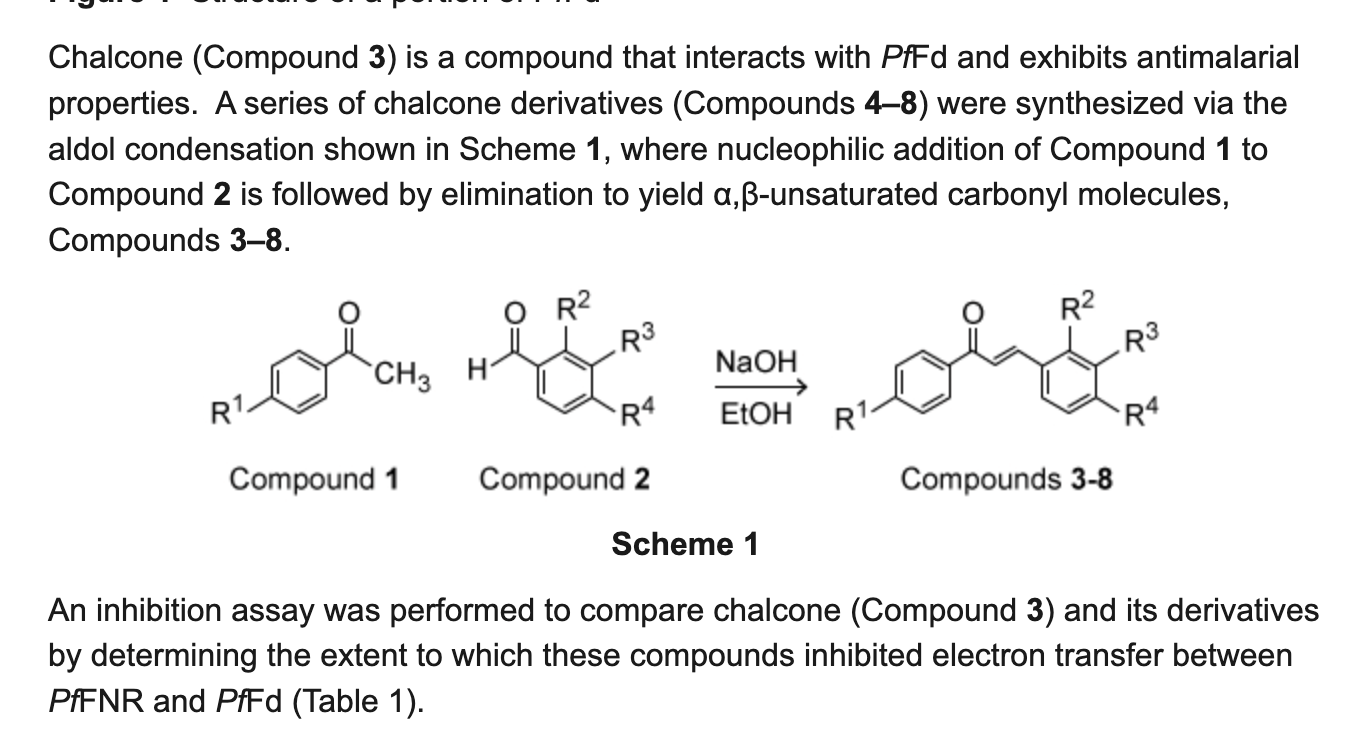
reaction ahs two carbonyl compounds as substrates
reaction involves protonation of a bcarbon for elimination
reaction has resonance stabilized intermediate
reactions yields a conjugated product
true
flase
true
true
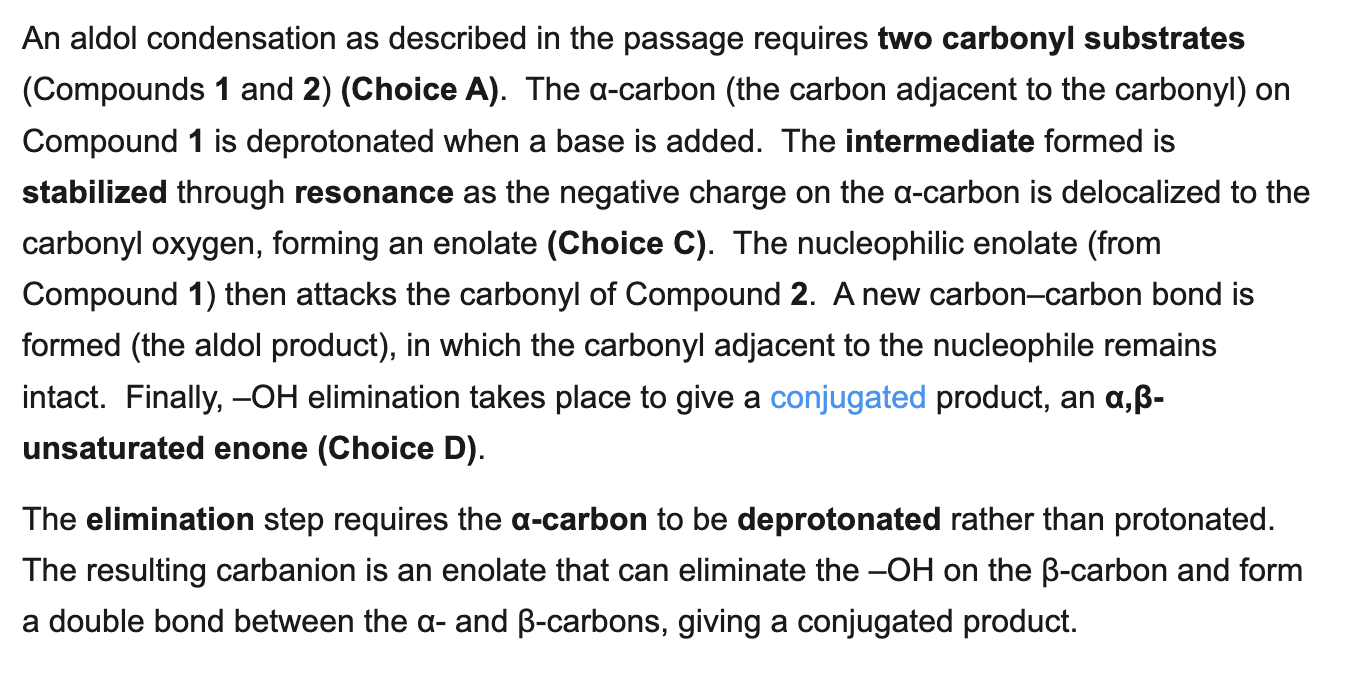
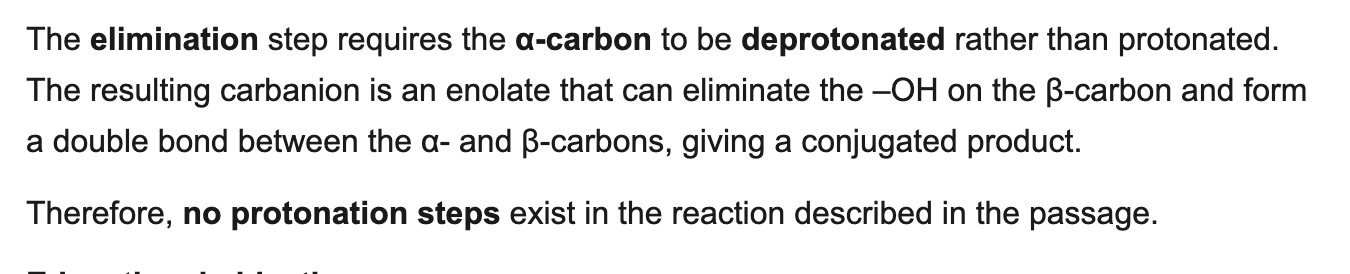

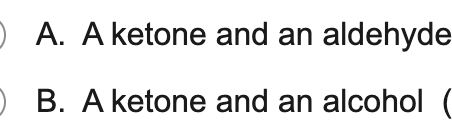


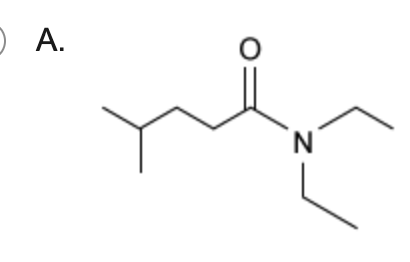
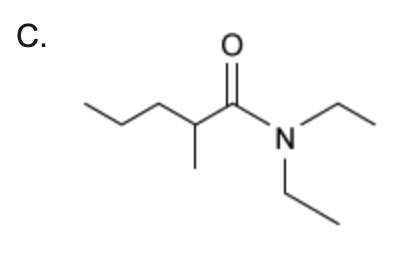
Answer A
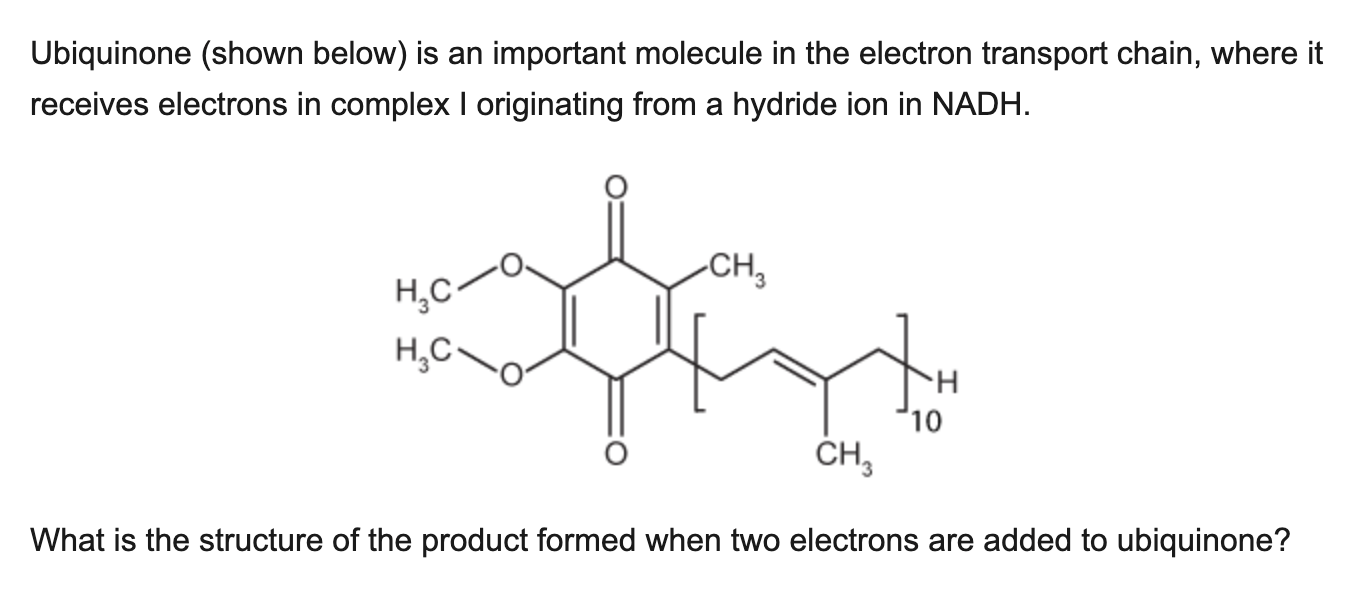
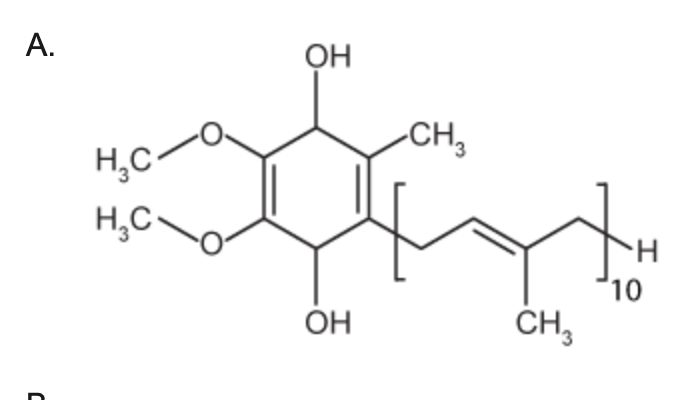
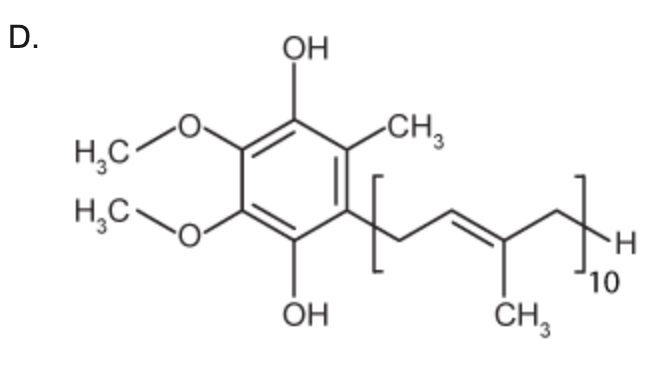
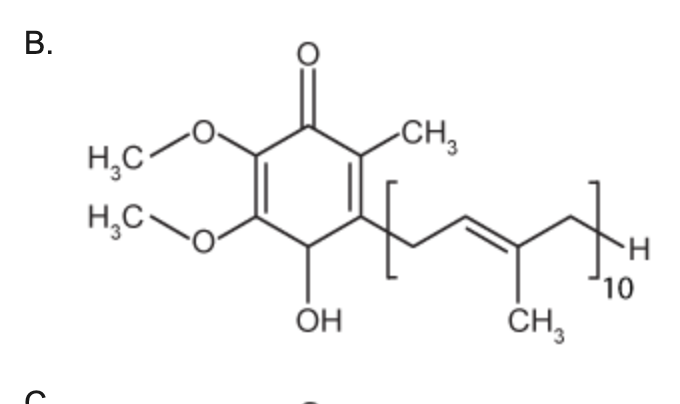
Answer D
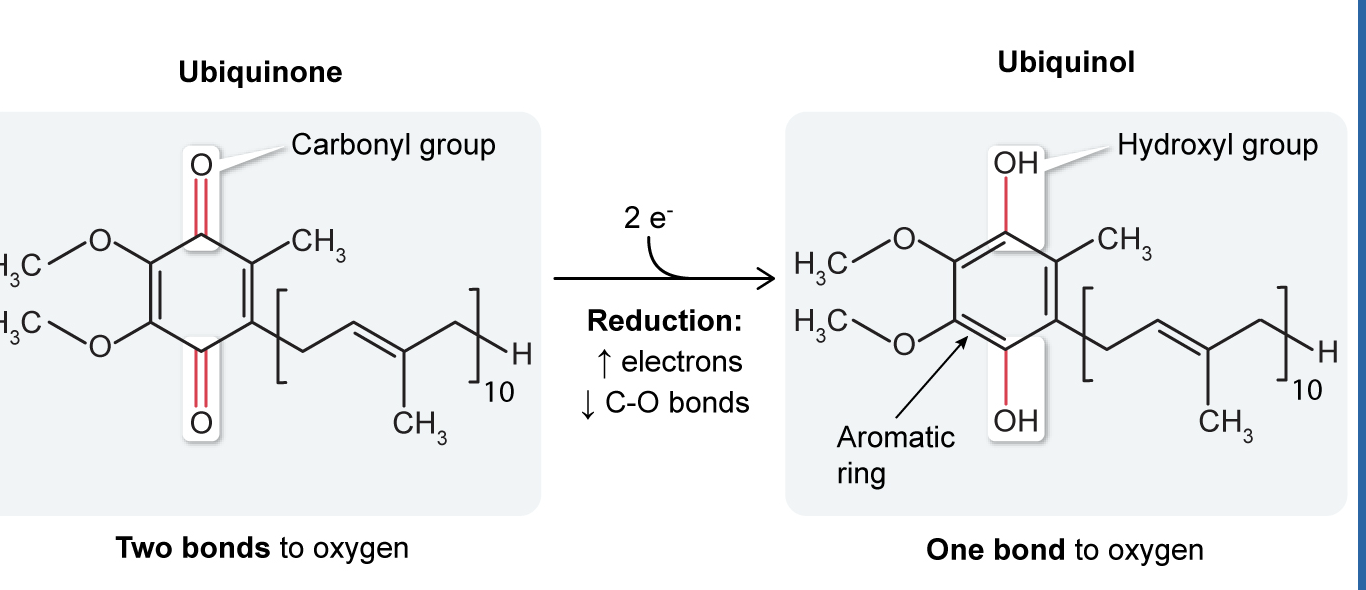
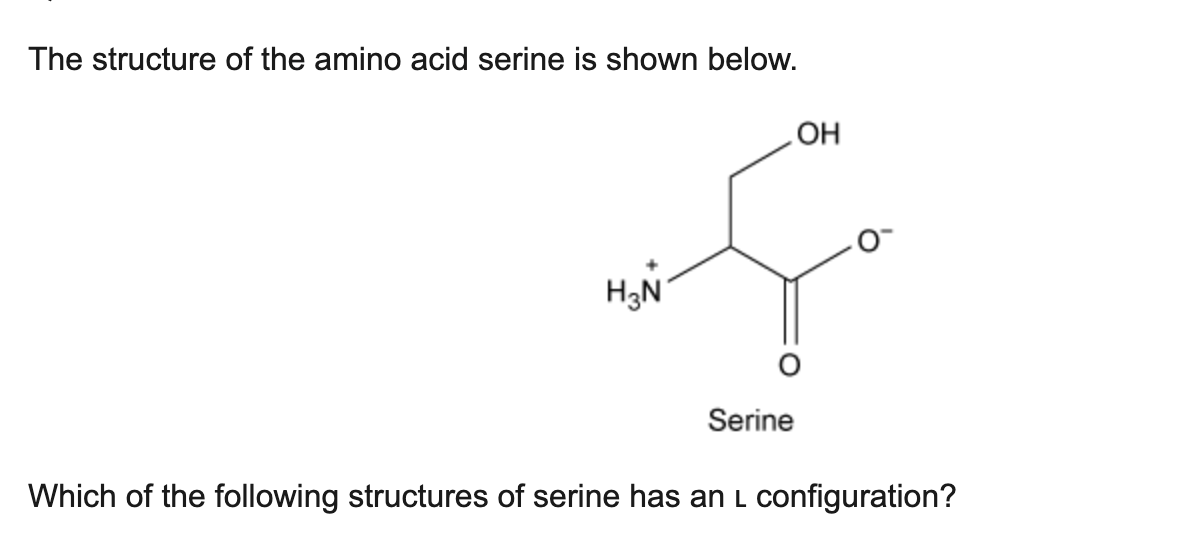
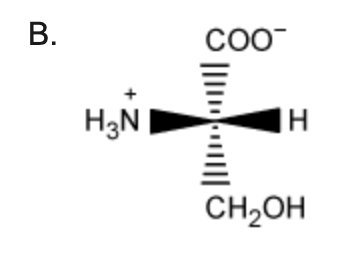
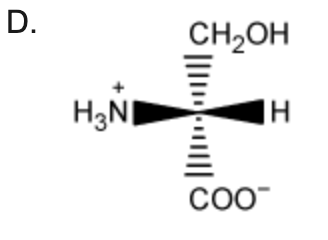
Note: ALL amino acids EXCEPT cysteine has a S configuration. The S form of most amino acids is the L form (except cys R-L)
so answer is B
Clockwise—> R—> but H is wedge in front—→ flip—→ S configuration

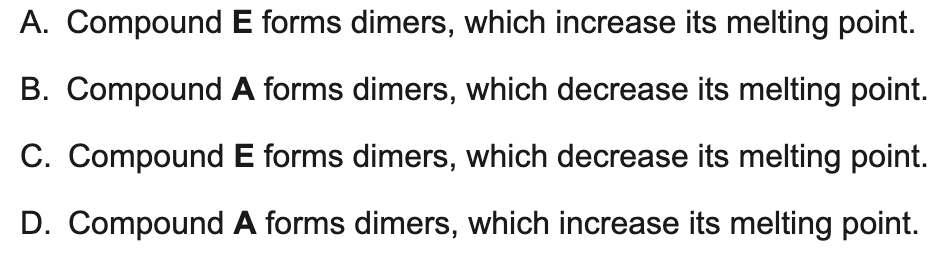
Answr D
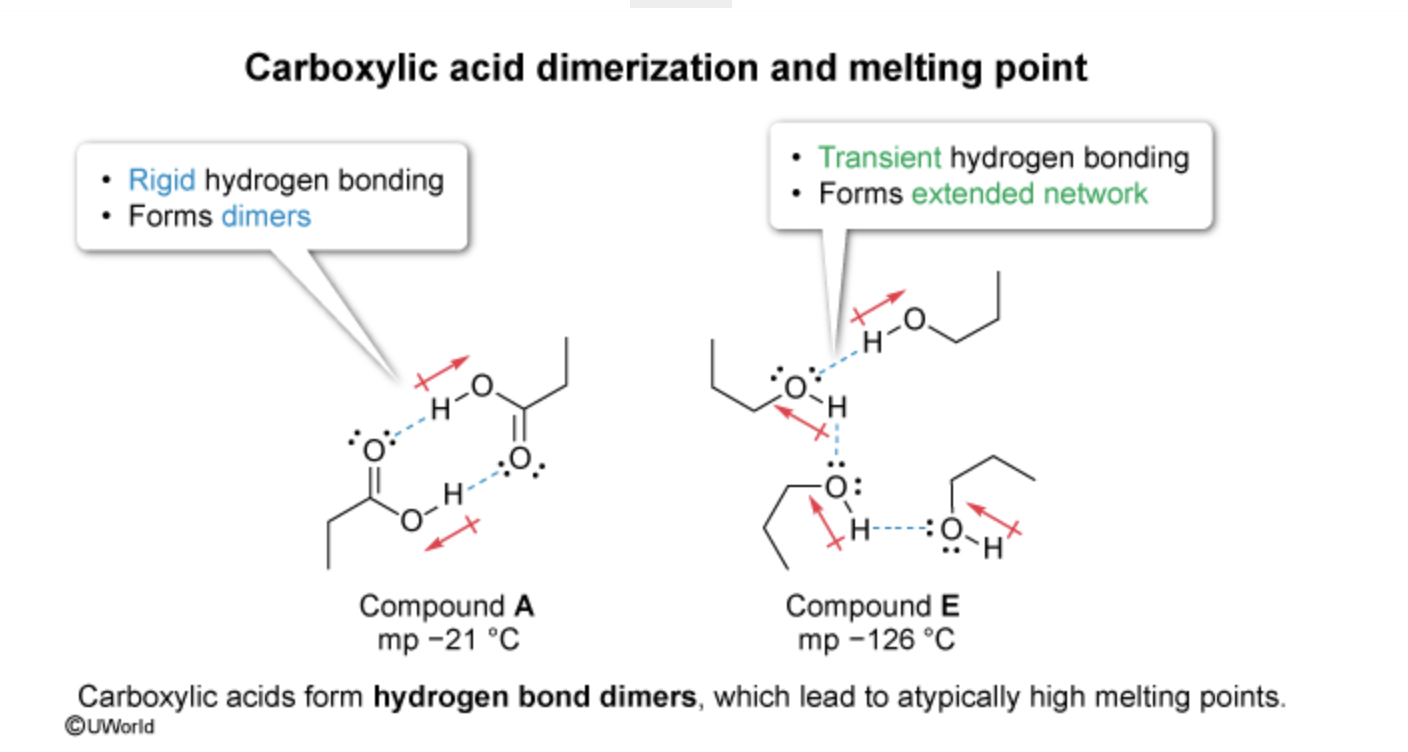

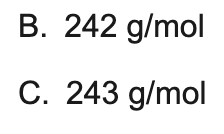
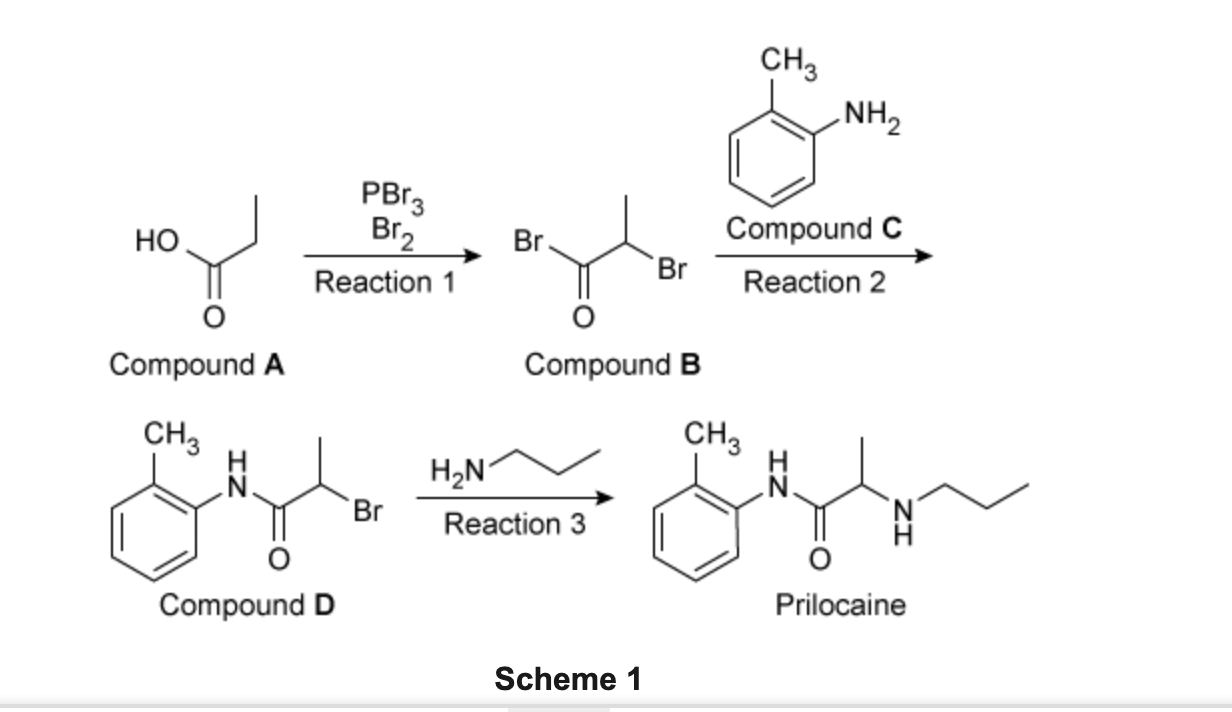
Abnswer B
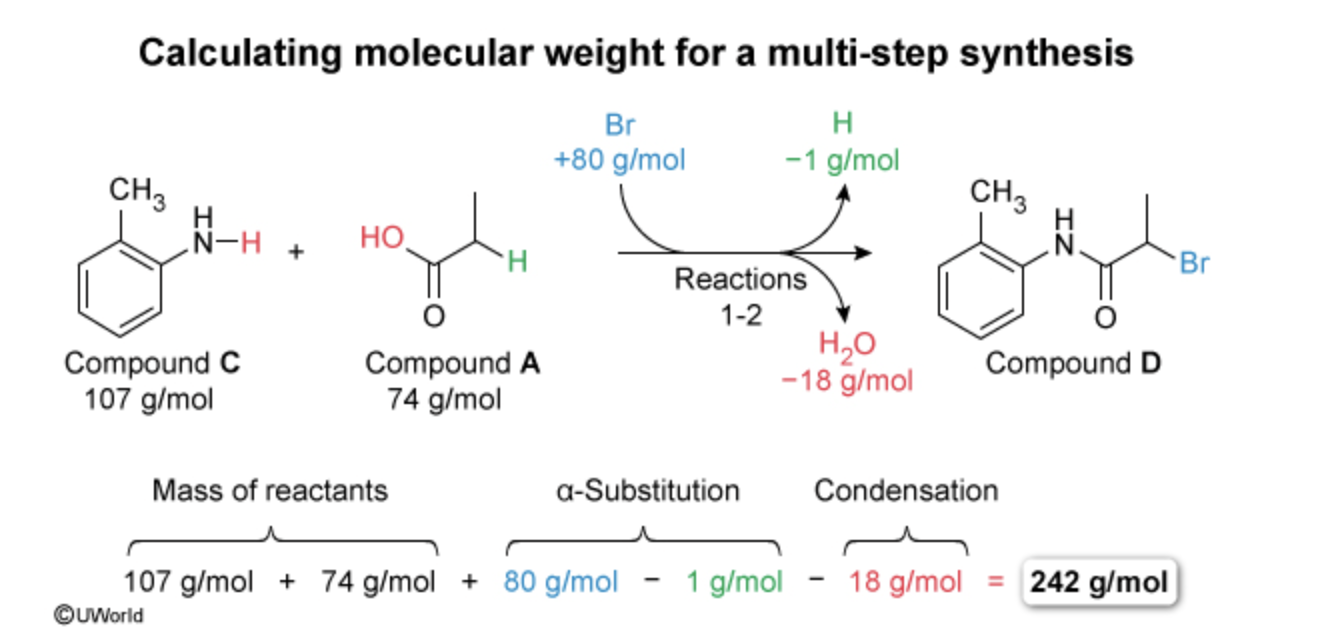
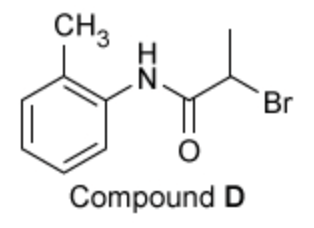



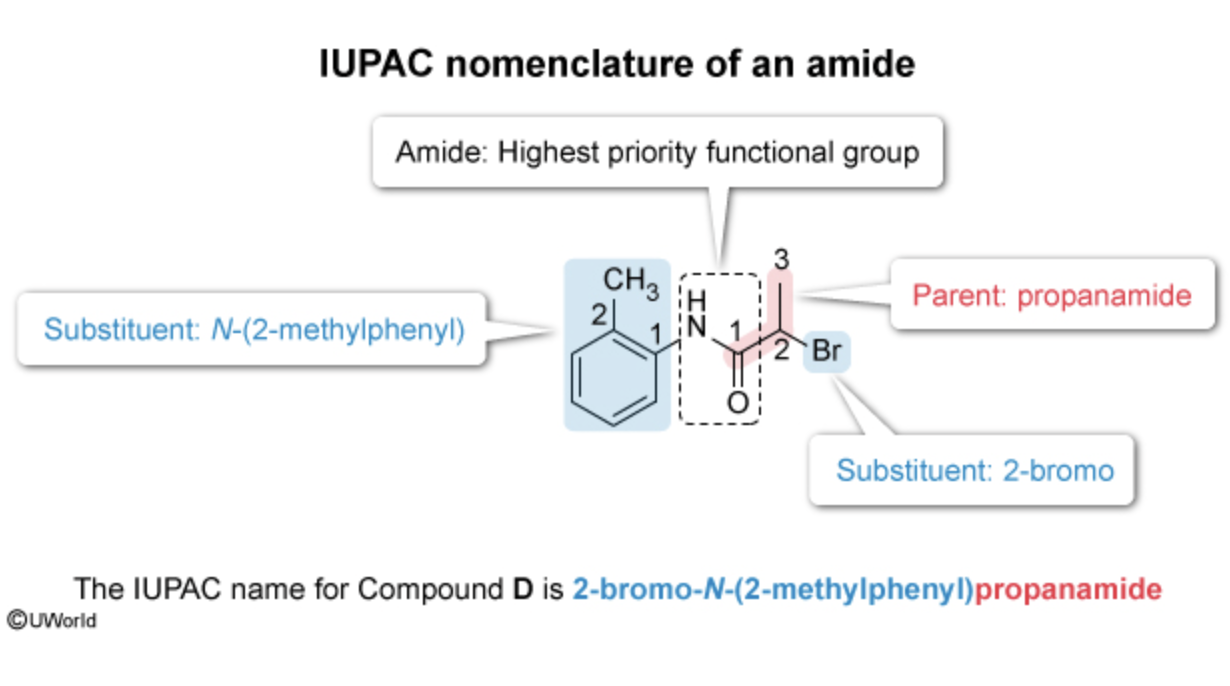
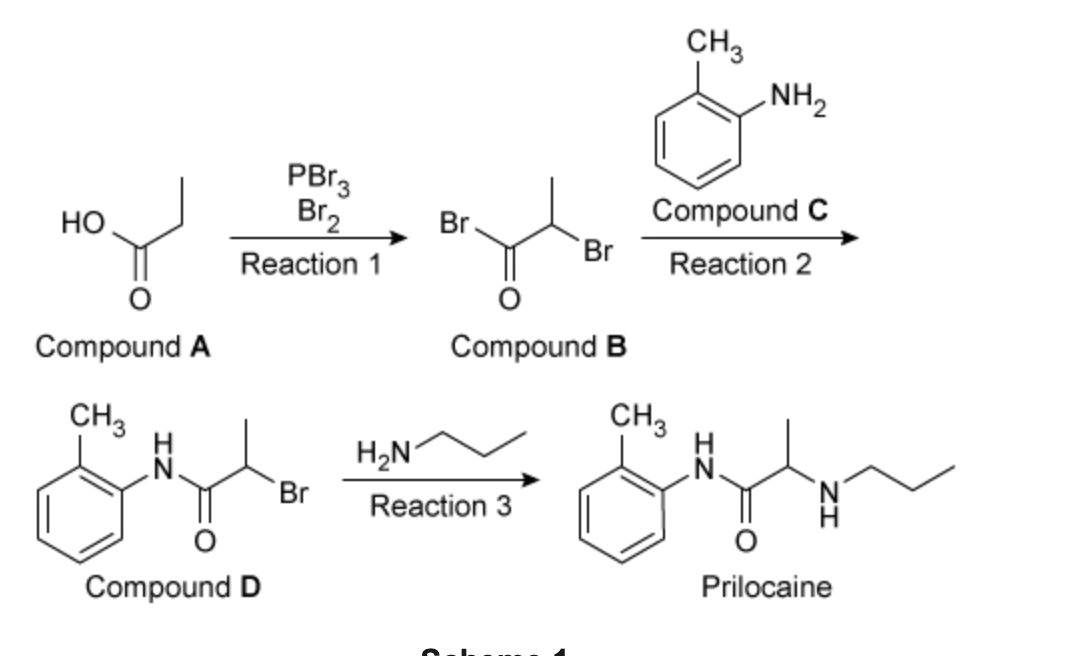

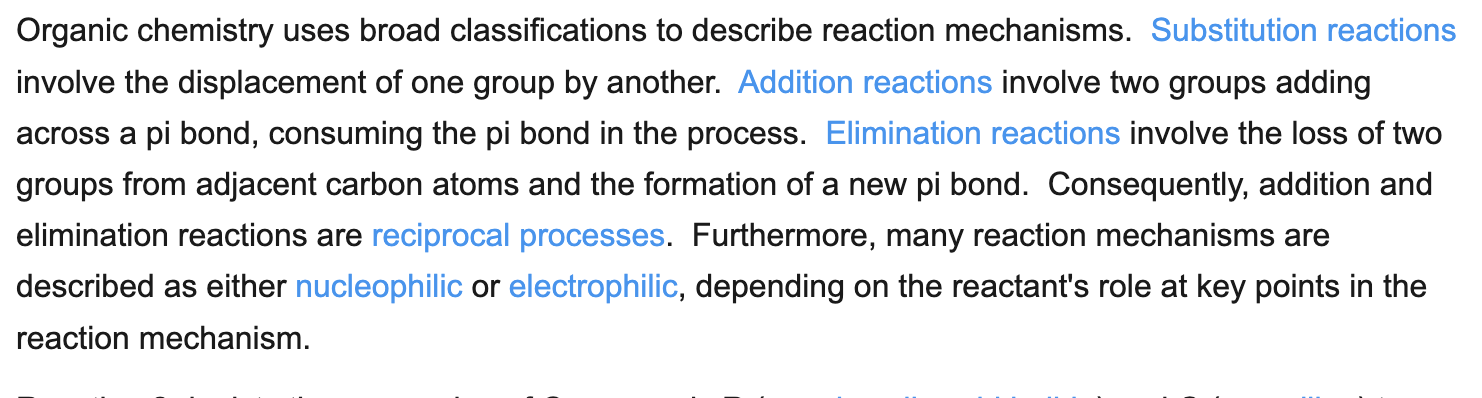
nucleophilic addition, nucleophilic elimination, nucleophili acyl substitution, Sn2?
nucleophilic acyl sub
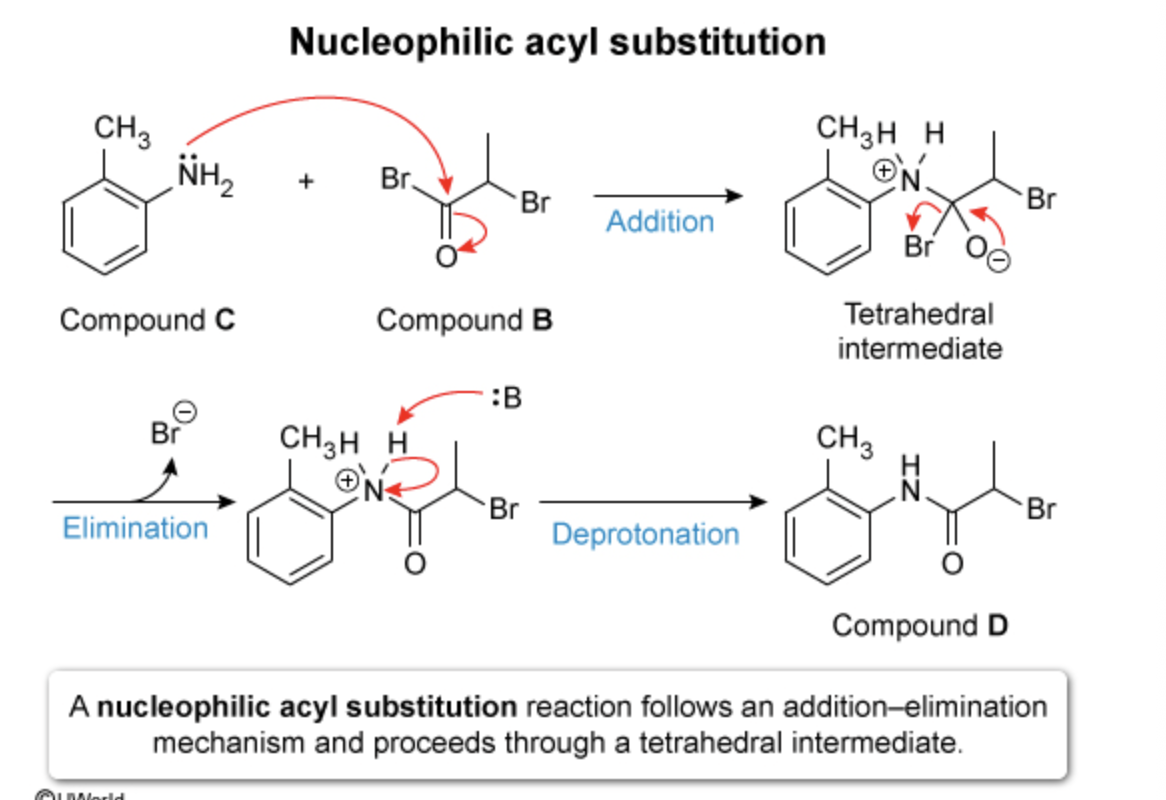
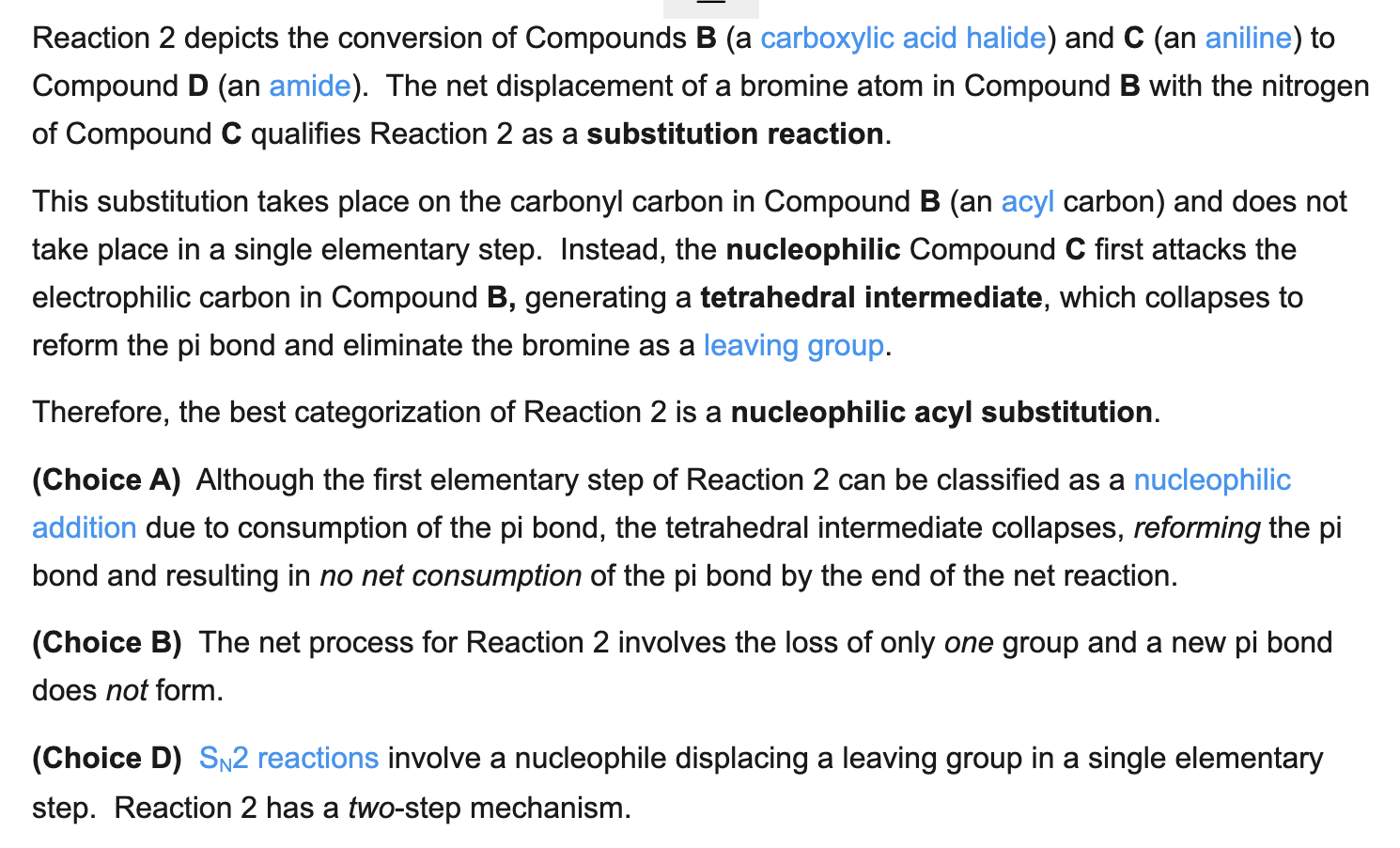

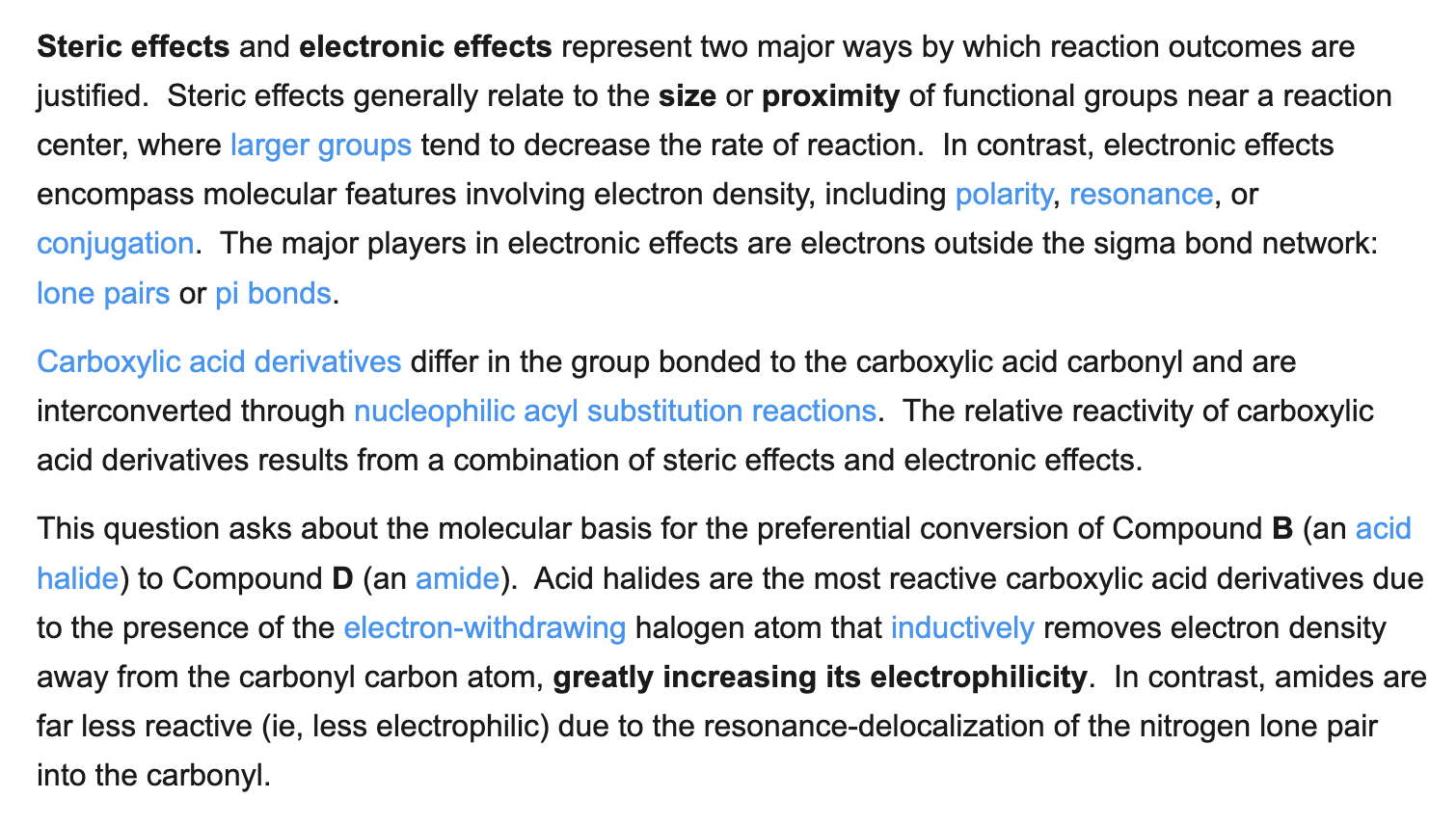
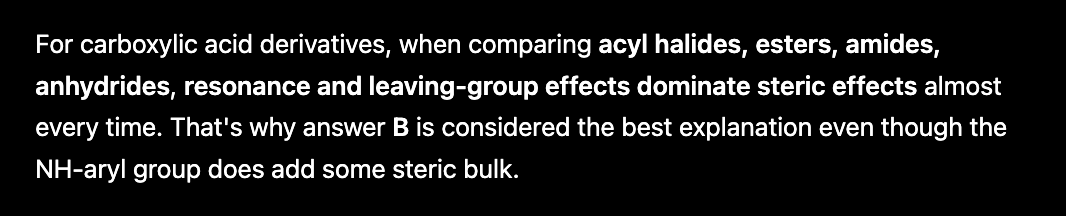
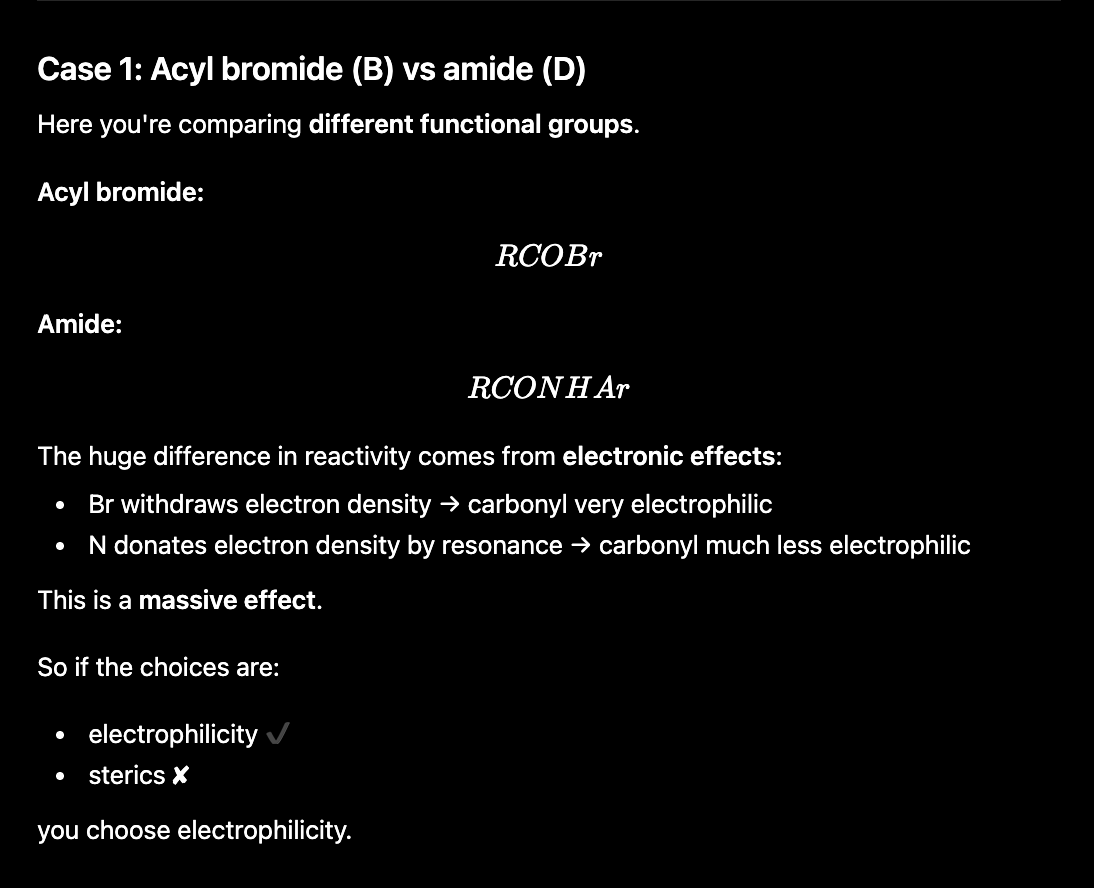
Carbonyl carbon in B is more electrophilic than Carbonyl carbon in compound D
Or
Carbonyl carbon in Compound B is less sterically hindered than D


2
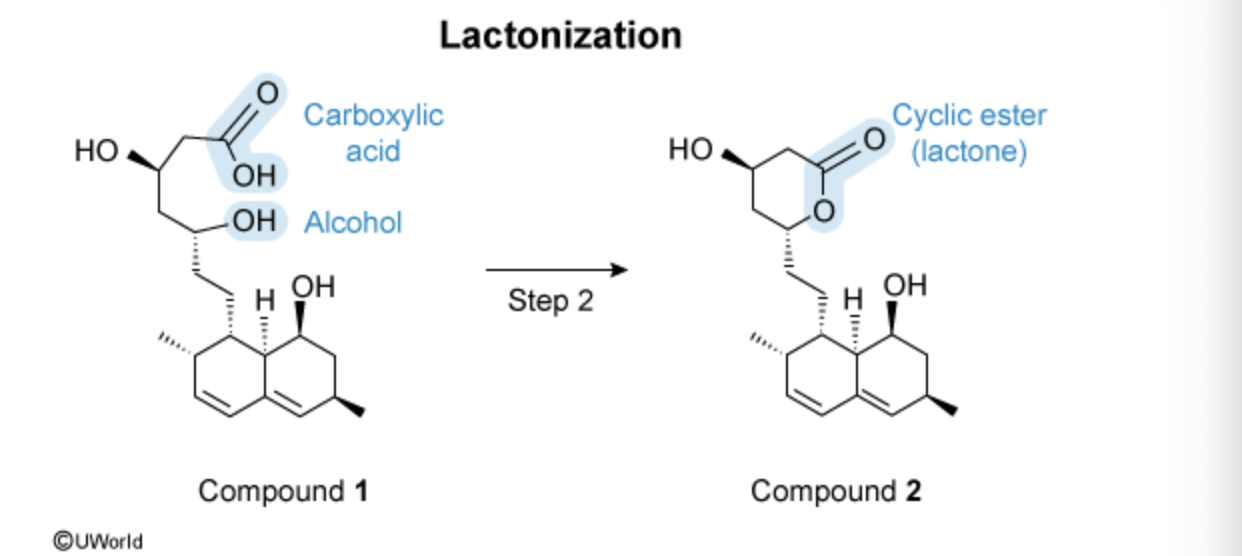
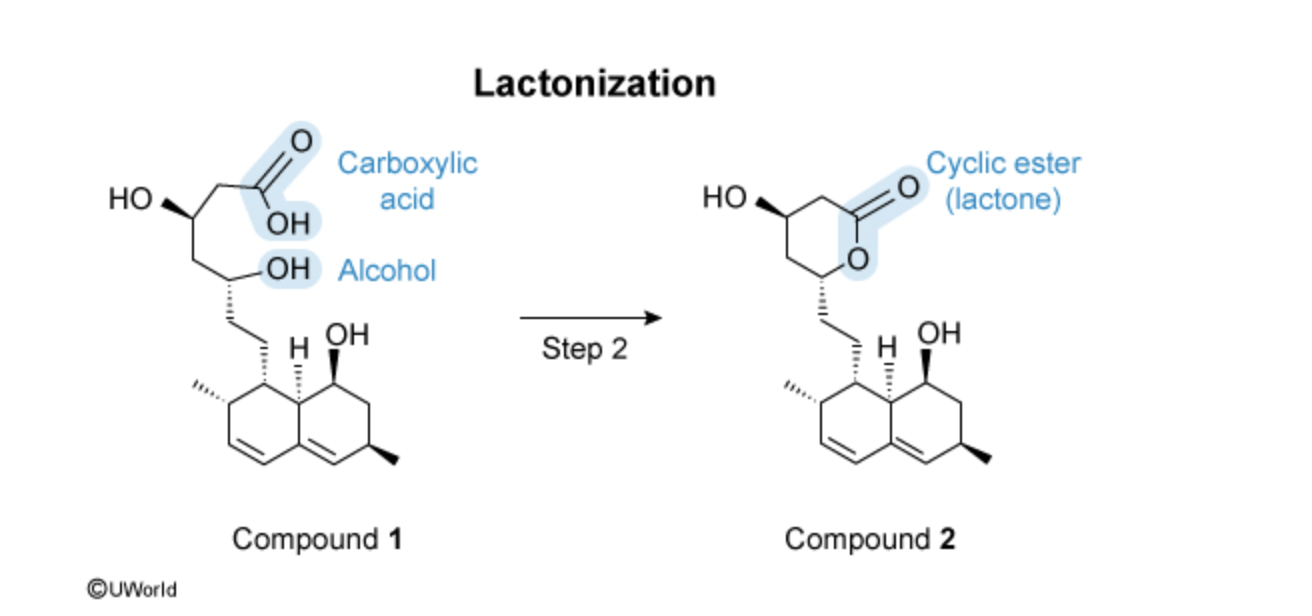
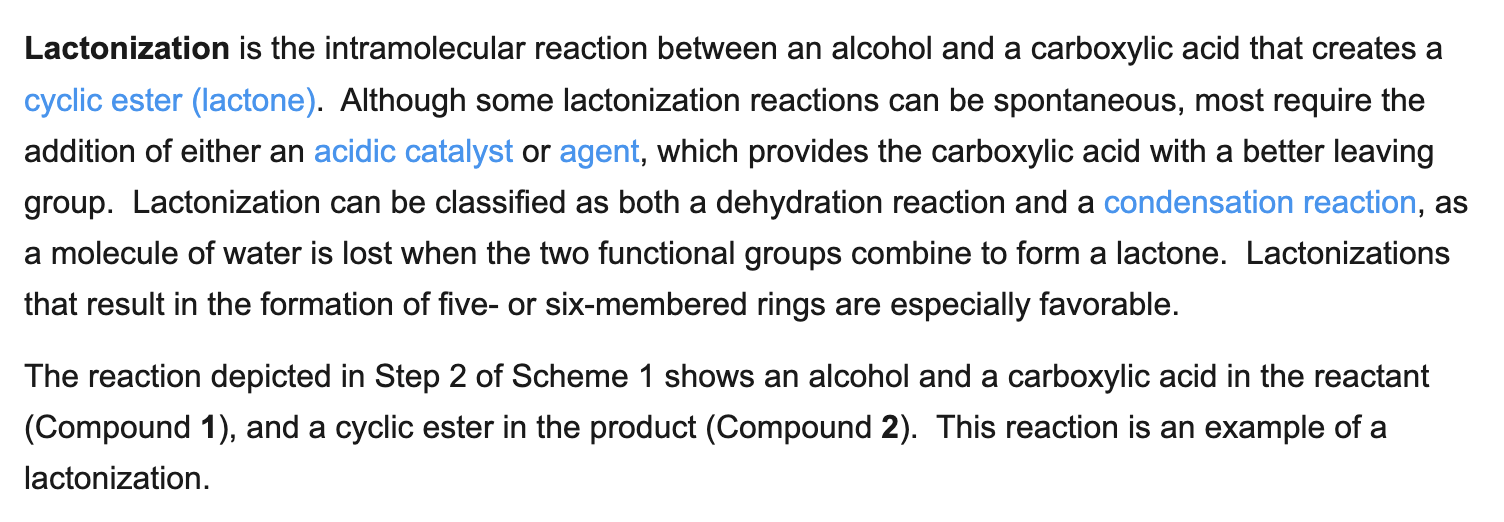
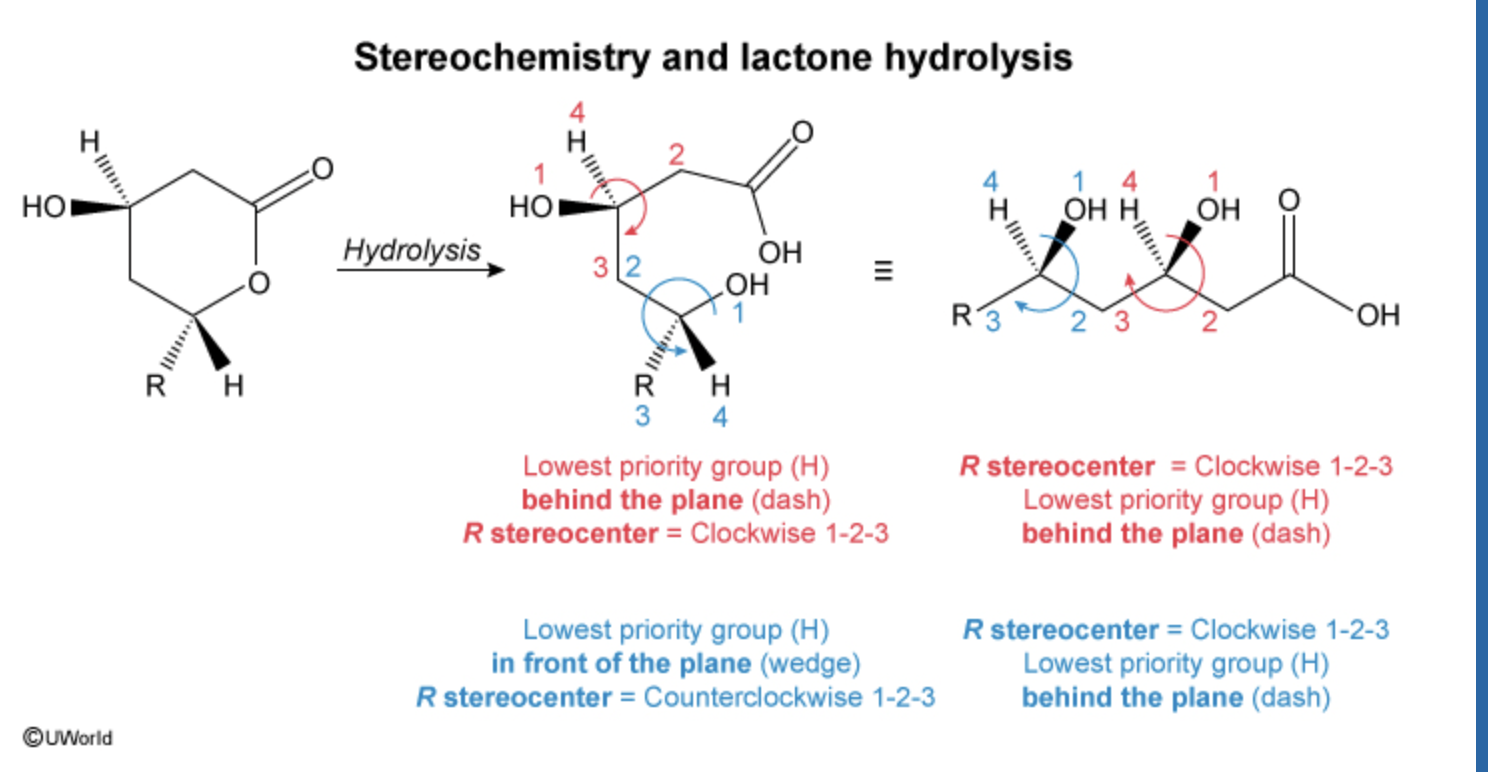
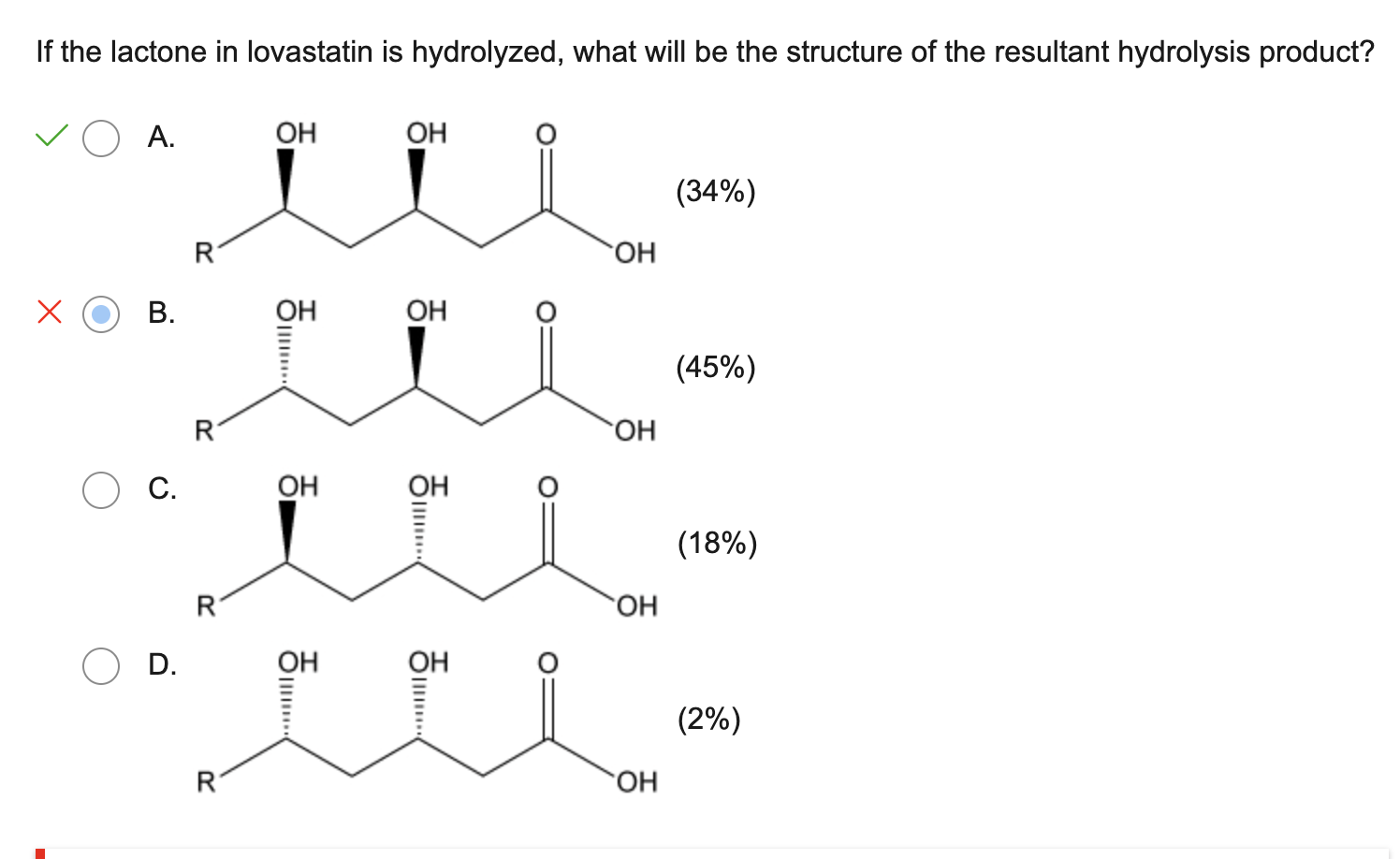
Lactonization
intramolecular reaction between alcohol and carboylic acid to form lactone ( cyclic ester)
Lactamization
intramolecular condensation reaction between amine and carboxylic acid to form lactam (cyclic amide)
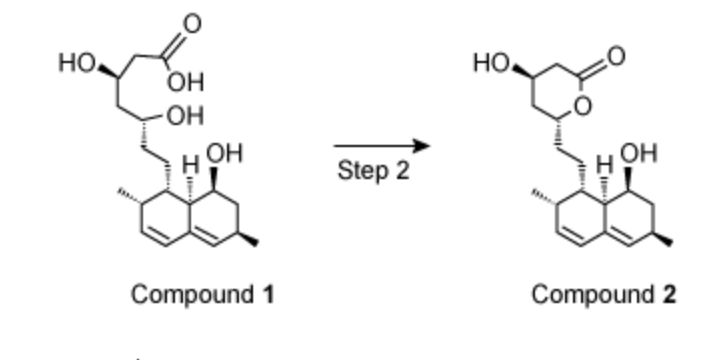
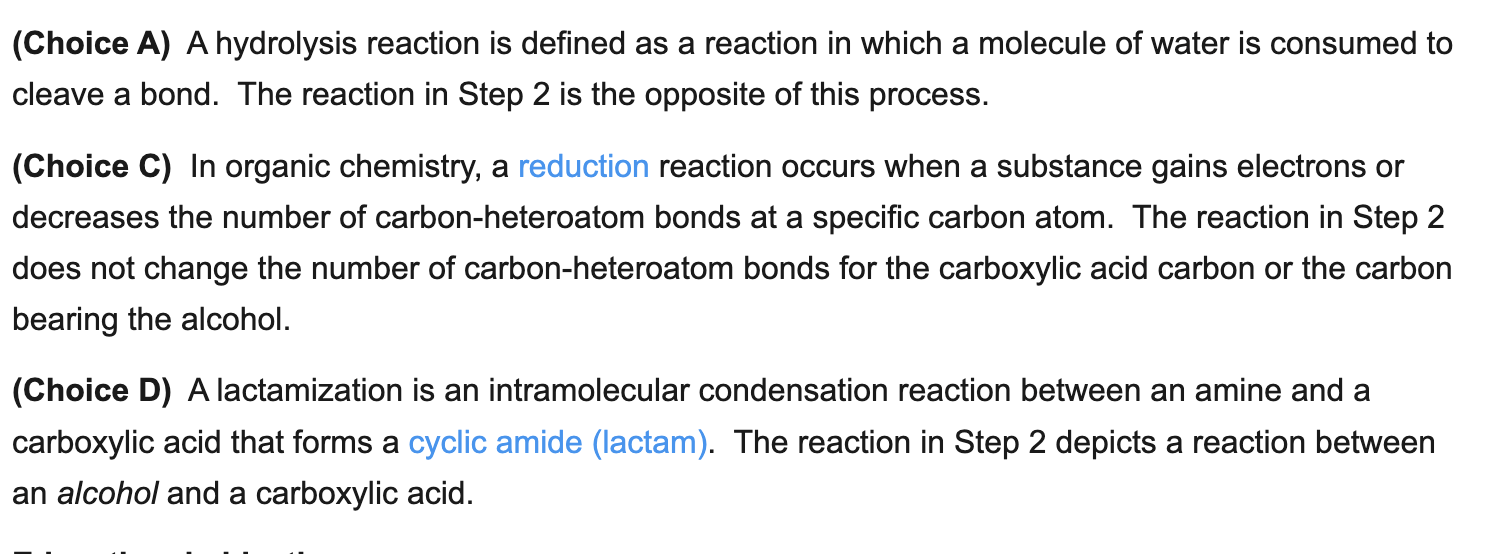
What is the chemical transformation?
Hydrolysis, lactonization, reduction, or lactamization?

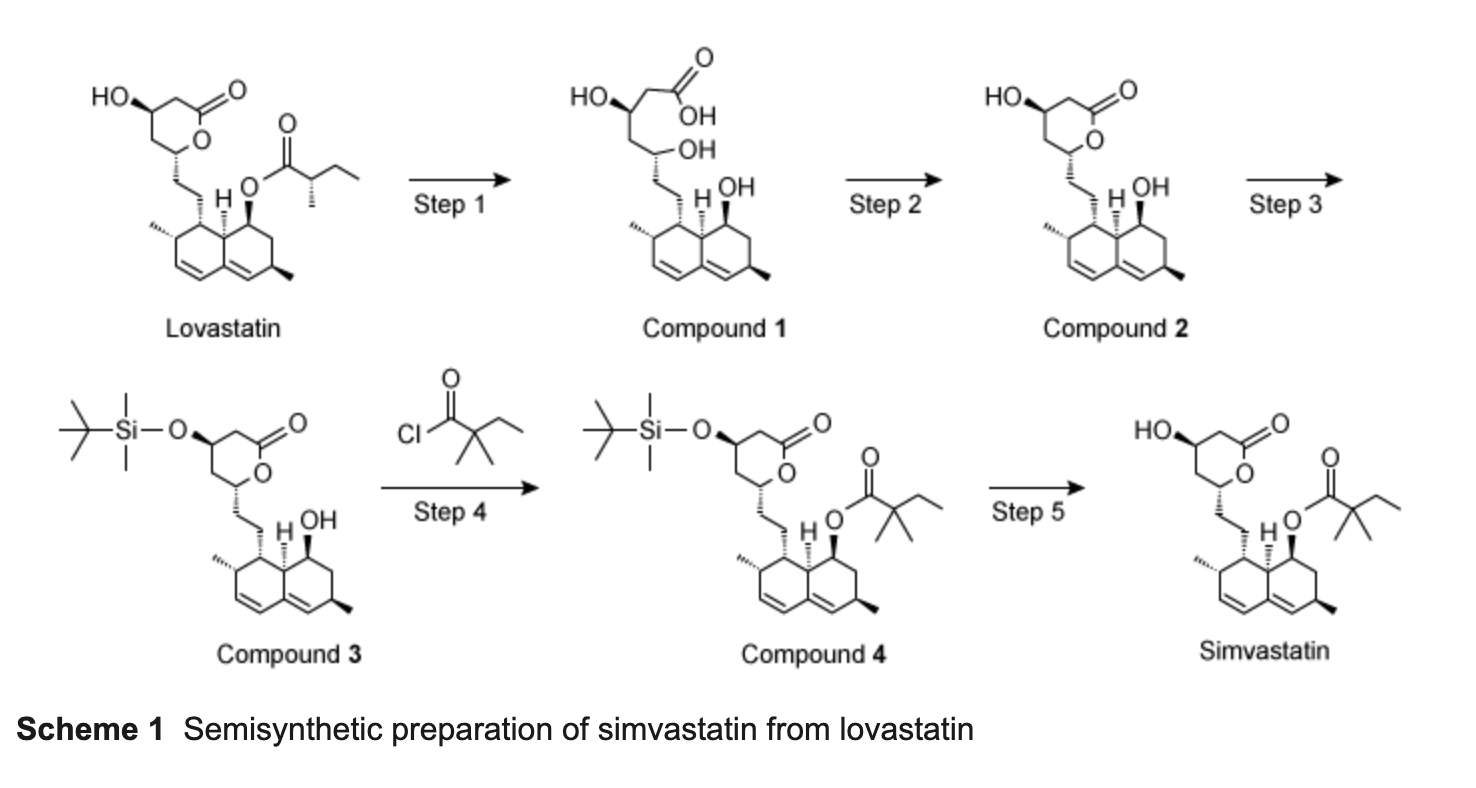
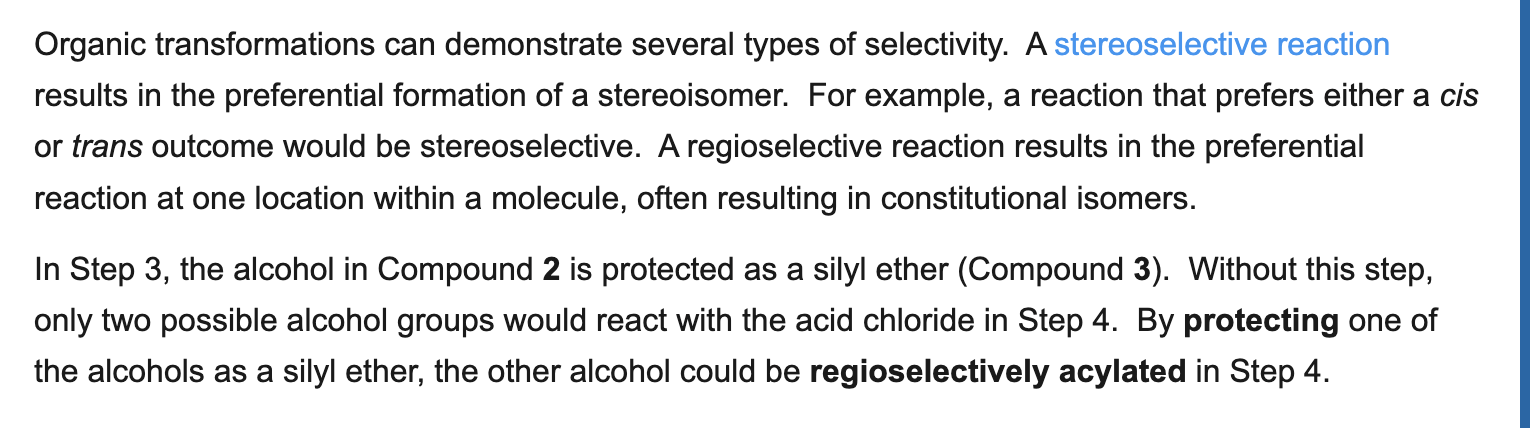
Answer: D
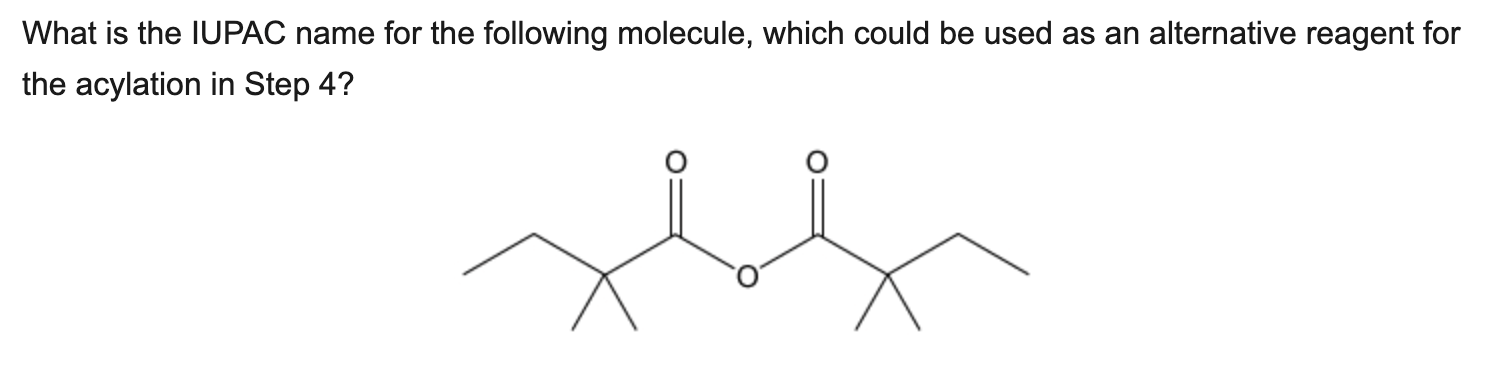
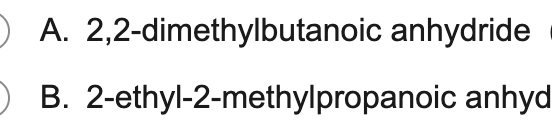
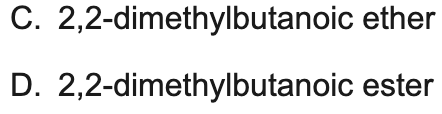
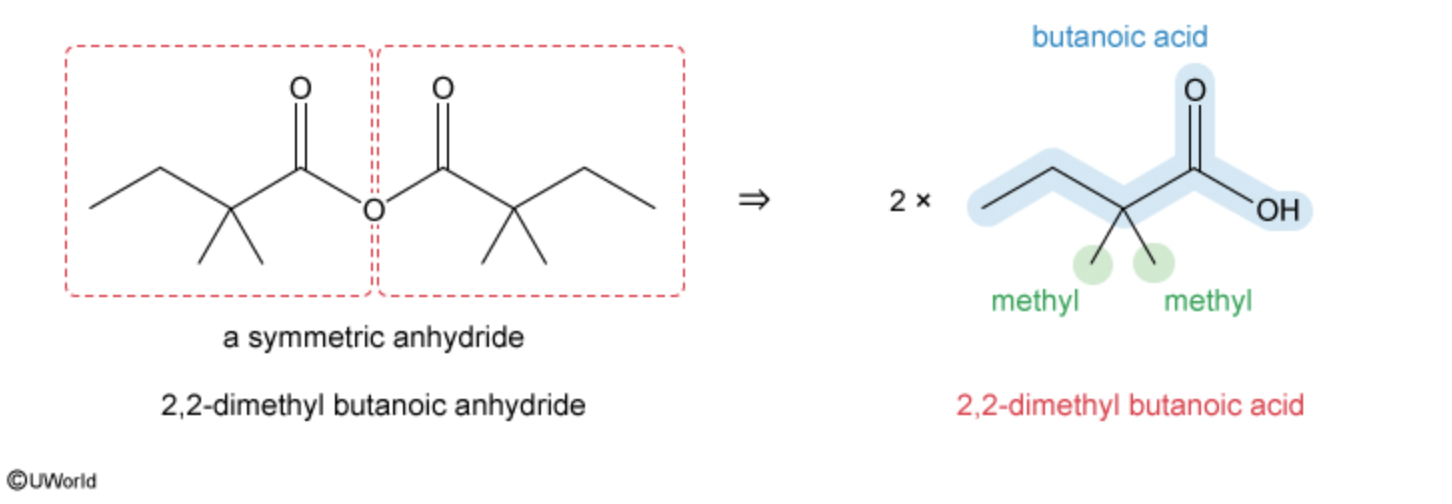
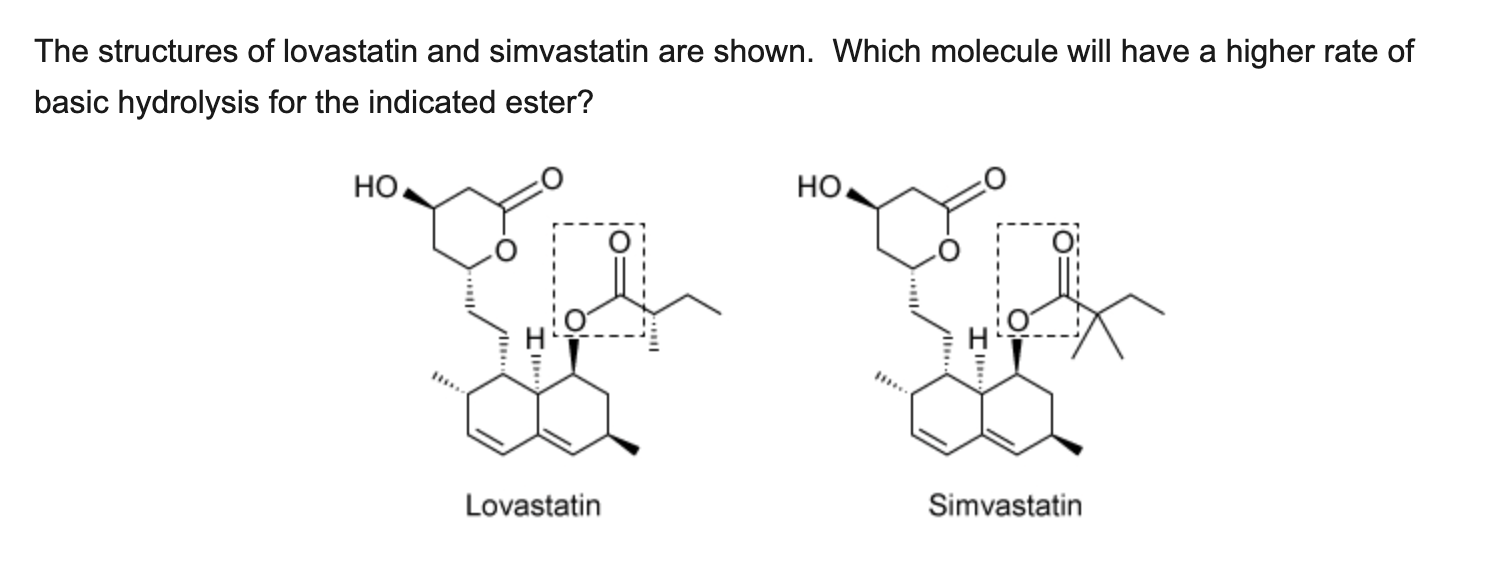
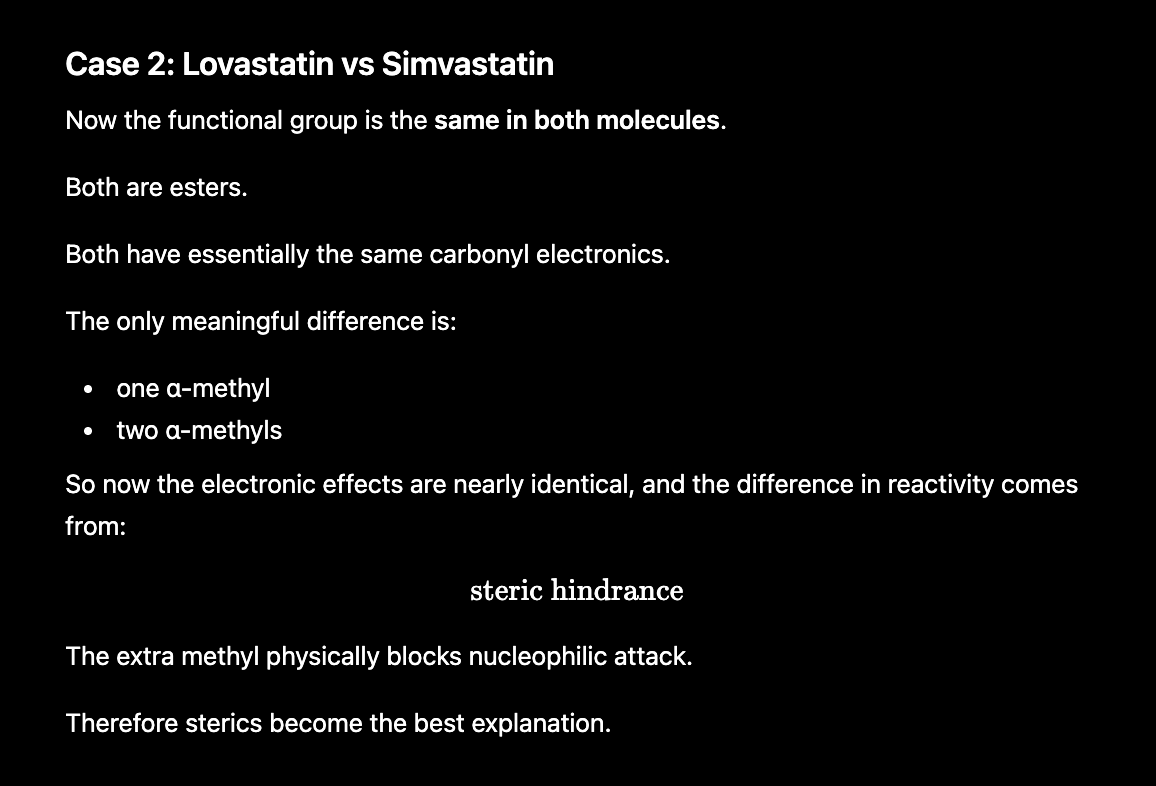
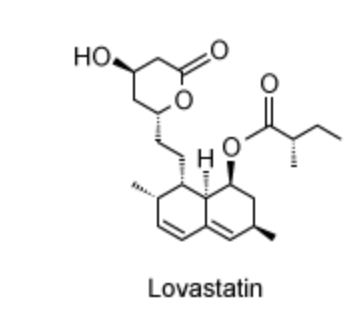
Lovastatin
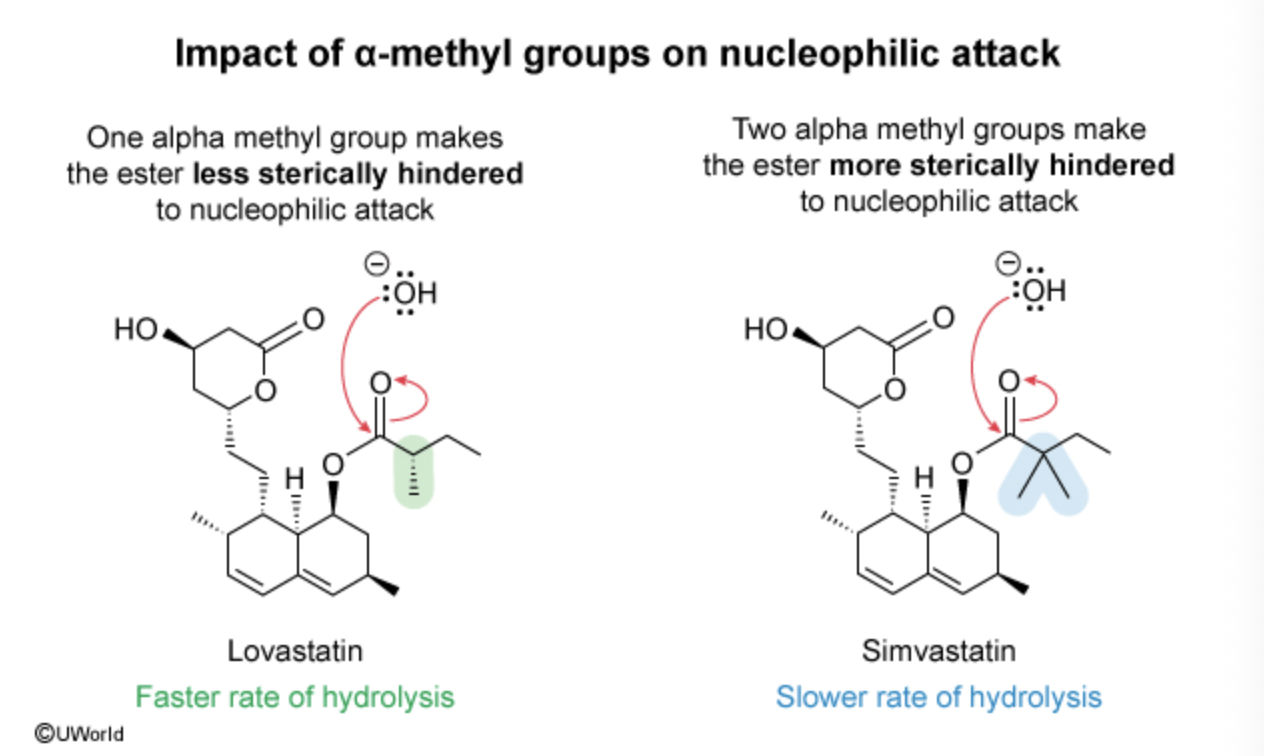
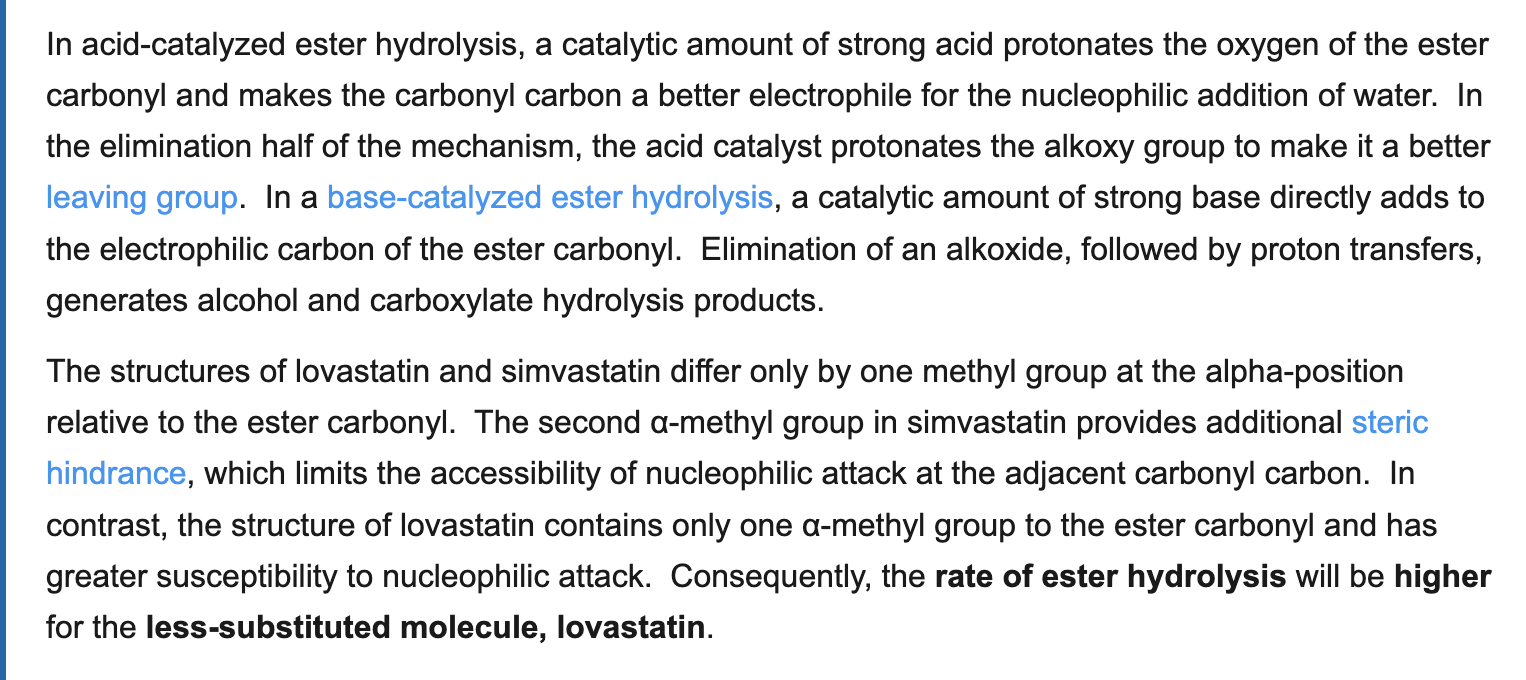
Note electronic effect vs steric effect



aldol condensation or aldol addition?
adol addition




Answer D