Bio Test 4
 Call Kai
 Learn
Learn Practice Test
 Spaced Repetition
 Match
Match Flashcards
 Knowt Play
1/114

There's no tags or description
Looks like no tags are added yet.
Name | Mastery | Learn | Test | Matching | Spaced | Call with Kai |
|---|
No analytics yet
Send a link to your students to track their progress
115 Terms
Phylum Annelida
Segmented worms
Characteristics of Phylum Annelida
Made up of segments- subdivisions that partially transect the body cavity
Live in marine, freshwater, and damp soil
Passive filter feeders to voracious & active predators
Bilaterally symmetrical, Protostomes, coelomates
Have both circular and longitudinal muscles (hydrostatic skeleton)
Closed circulatory system
Alimentary canal
Nervous system of Phylum Annelida
Brain like pair of cerebral ganglia in head
Connects to a ventral nerve cord
Have some combination of:
tactile organs, chemoreceptors, balance receptors & photoreceptors
Closed circulatory system of Annelids
Blood is contained within vessels
Dorsal and ventral blood vessels
Linked down the length of the worm by pairs of vessels
Five pairs of vessels that circle the esophagus pump blood throughout system
Respiration of Annelids
Occurs through the skin via abundant, tiny blood vessels
Blood contains oxygen-carrying hemoglobin
Excretory system of Annelids
Each segment contains metanephridia
Remove wastes from the blood and coelomic fluids
Metanephridia
Excretory tubes
Digestive system of Annelids
Alimentary canal
Gizzard
Stomach; Grinds up food
2 classes of Phylum Annelida
Sendenteria
Errantia
Sendentaria
Earthworms, leeches, Christmas tree worms
Errantia
Polychaetes (free moving worms)
Class Sedentaria
Earthworms possess chaetae
Earthworms are detritivores (recyclers)
Most are hermaphrodites
Some are predatory and others parasitic
Chaetae
Bristles made of chitin
Found on ventral side
Used for movement (anchor)
What do earthworms play an important role in?
Soil building
Clitellum
Organ that secretes a mucus cocoon in which embryos develop (skin more smooth)
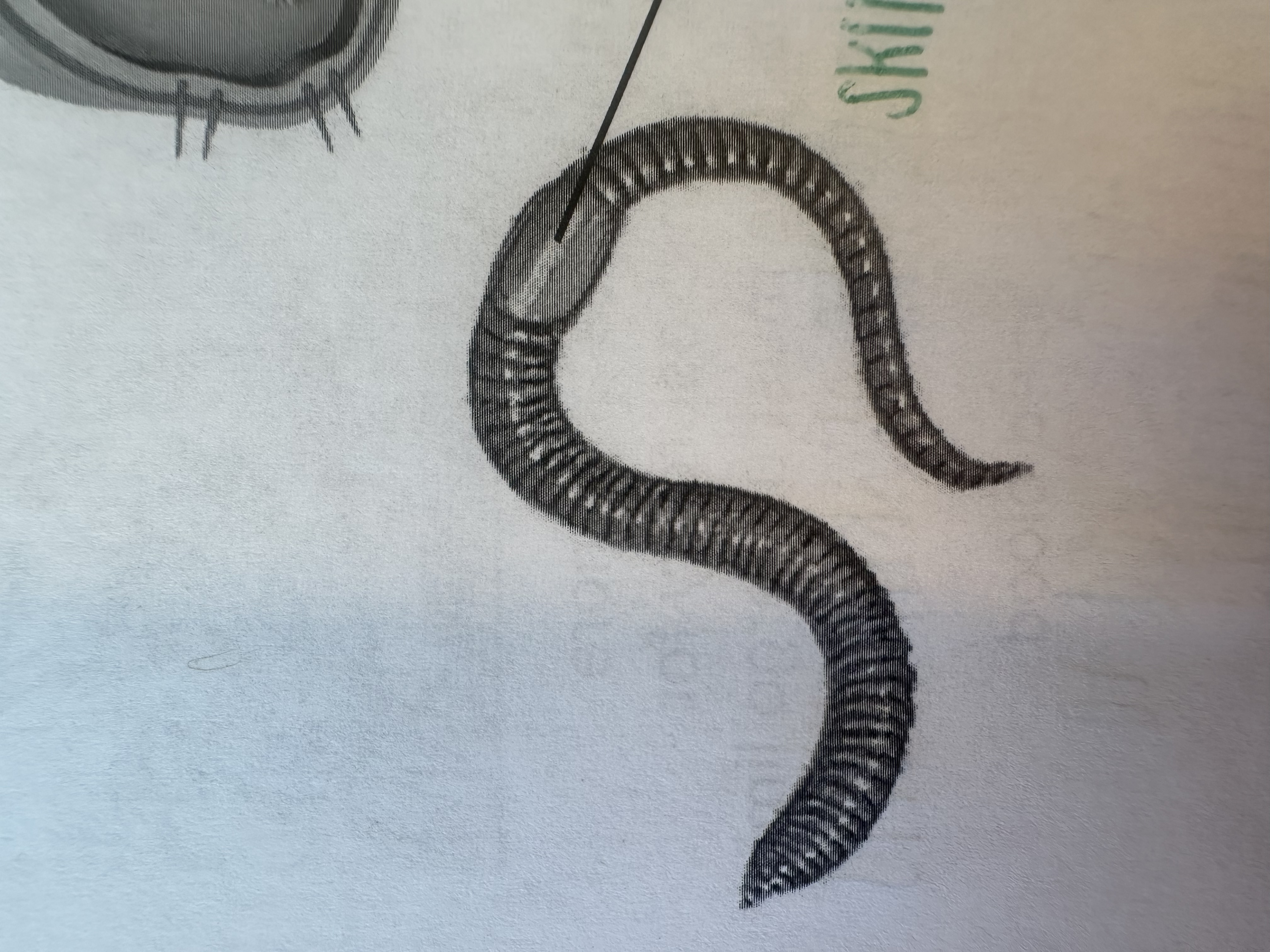
How do they digest?
Either make a cut or secrete enzymes that digest a hole in the skin (teeth-like structures)
What do Class Sedentaria secrete?
Hirudin (anticoagulant) and an anesthetic
What does Hirudin act as?
Blood thinner
What can leeches help with?
Reattachments or skin grafts
Class Errantia
Polychaetes
Each segment has paddle-like structures = parapodia
Parapodia
Paddle-like structures
What do parapodia aid in?
Locomotion (each has several chaetae)
Function as gills (lots of blood vessels)
Phylum Mollusca
Snails, slugs, oysters, clams, octupuses, & chitons
Characteristics of Phylum Mollusca
Bilateral symmetry
Protostomes
Coelomates
Soft bodied, but most are protected by hard shell
What is shell made of?
Calcium carbonate
Body plan of Phylum Mollusca
Muscular foot (used for movement)
Visceral mass
Contains most of the organs
Gonads - most species have separate sexes
Mantle
Layer that covers like visceral mass
Typically secretes the shell
Mantle cavity
Space between shell and mantle
Houses gills, anus
Radula
Rasping organ
Scrapes food off surfaces
What type of circulatory system does Phylum Mollusca have?
Open circulatory system
Heart pumps hemolymph through arteries to sinuses (body cavities)
Body fluid that bathes tissues
Classes of Phylum Mollusca
Polyplacophora
Gastropoda
Bivalvia
Cephalopoda
Class Polyplacophora
Chitons
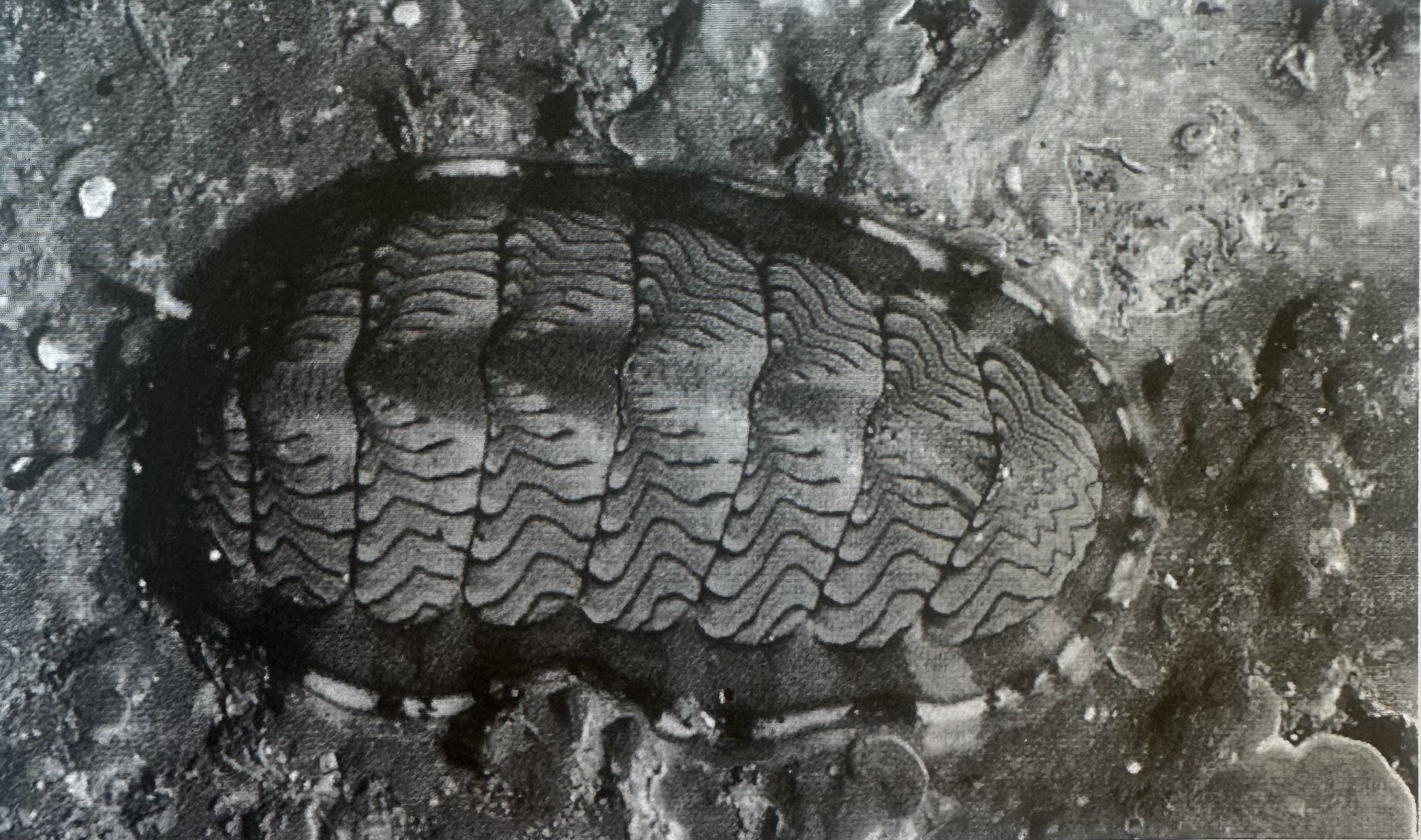
Class Polyplacophora characteristics
Oval shaped marine animals
Encased in a shell made of 8 dorsal plates
Found on rocks along coast
Foot acts like suction cup to grip to rocks
hold tight against predators
keep wet during low tide
Herbivores
use radula to scrape algae
Class Gastropoda
Snails and slugs
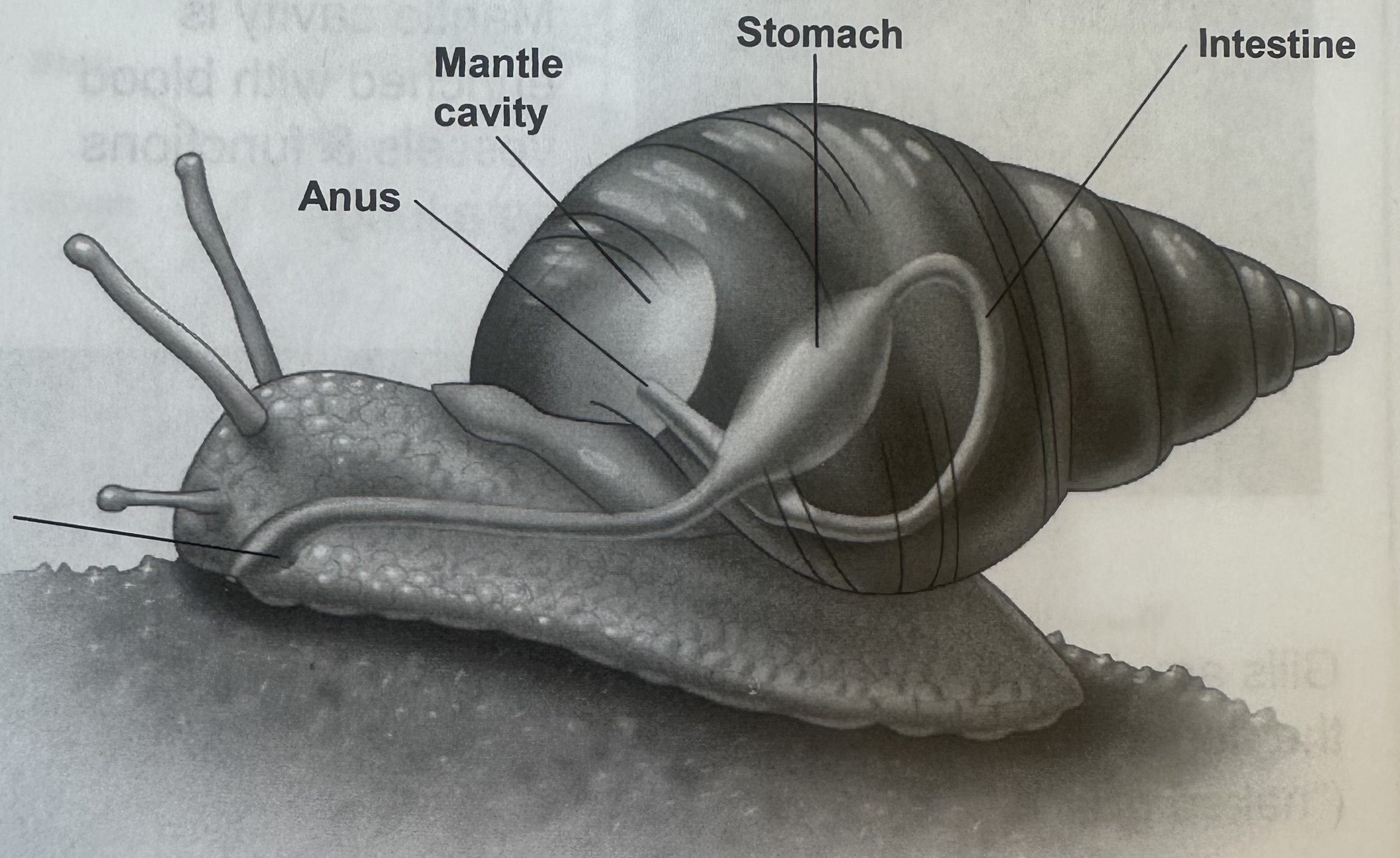
Characteristics of class Gastropoda
Most are marine but some freshwater
Most have a singled, spiraled shell
Slugs lack a shell or have a reduced shell
Have a distinct head with eyes
Most have radula to eat plants or algae, but some are predatory
Most distinct characteristic = torsion
Torsion
Occurs during development, causes anus and mantle cavity to end up above its head (twist)
Where are eyes located?
Often at tips of tentacles
Class Bivalvia
Clams, oysters, mussels, scallops
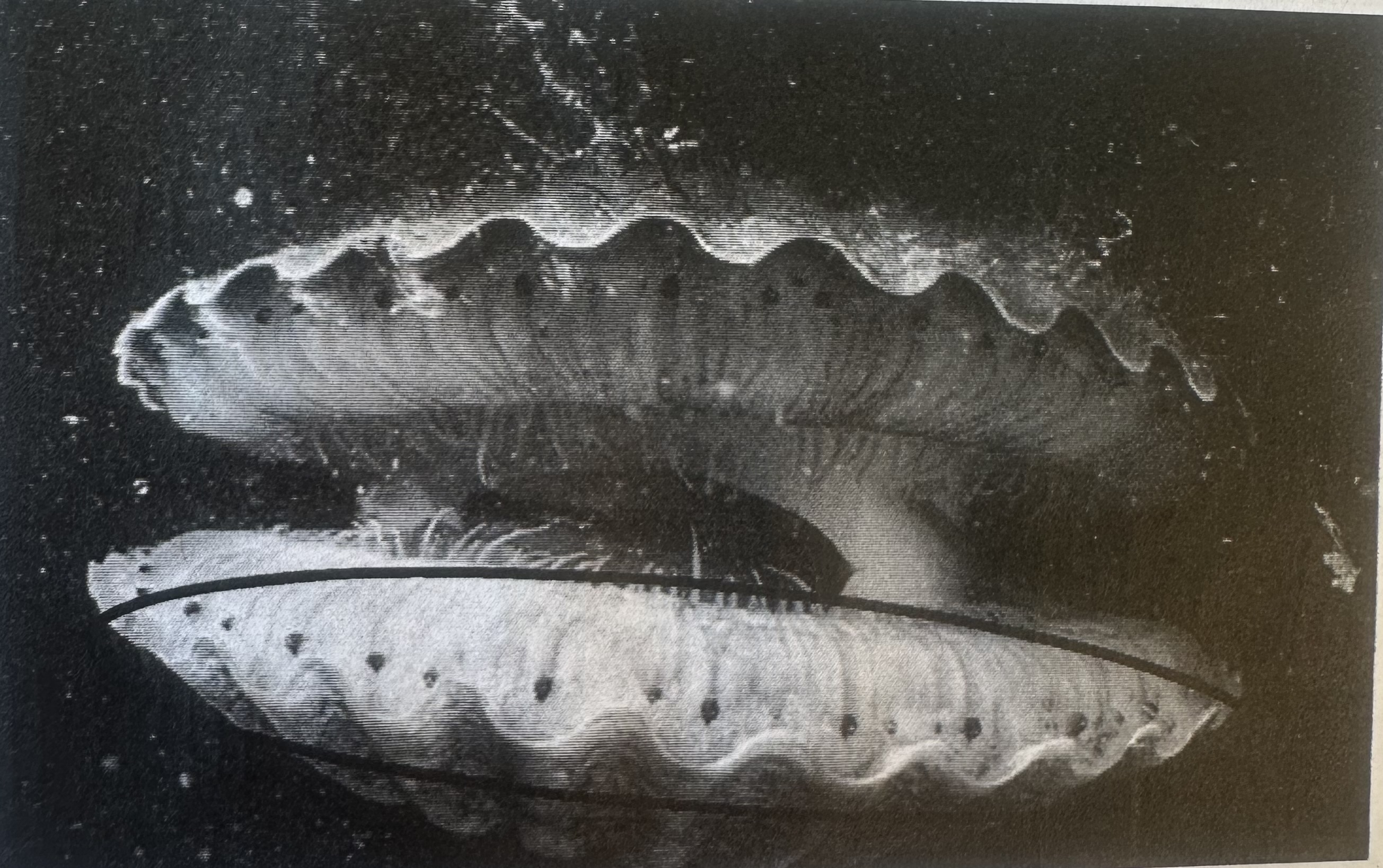
Class Bivalvia characteristics
Have two lateral shells
Lack a head and radula
Filter feeders
Class Bivalvia shell:
Hinged together dorsally
Closed via adductor muscle - very strong
Bivalvia filter feeders
Pull water into shell via an incurrent siphon
Passes across gills & mucus catches food particles
Particles are then passed to the mouth via cilia
Water exits shell via an excurrent siphon
How can clams and mussels move?
Use foot to burrow/ bury themselves
Class Cephalopoda
Squids and octopuses
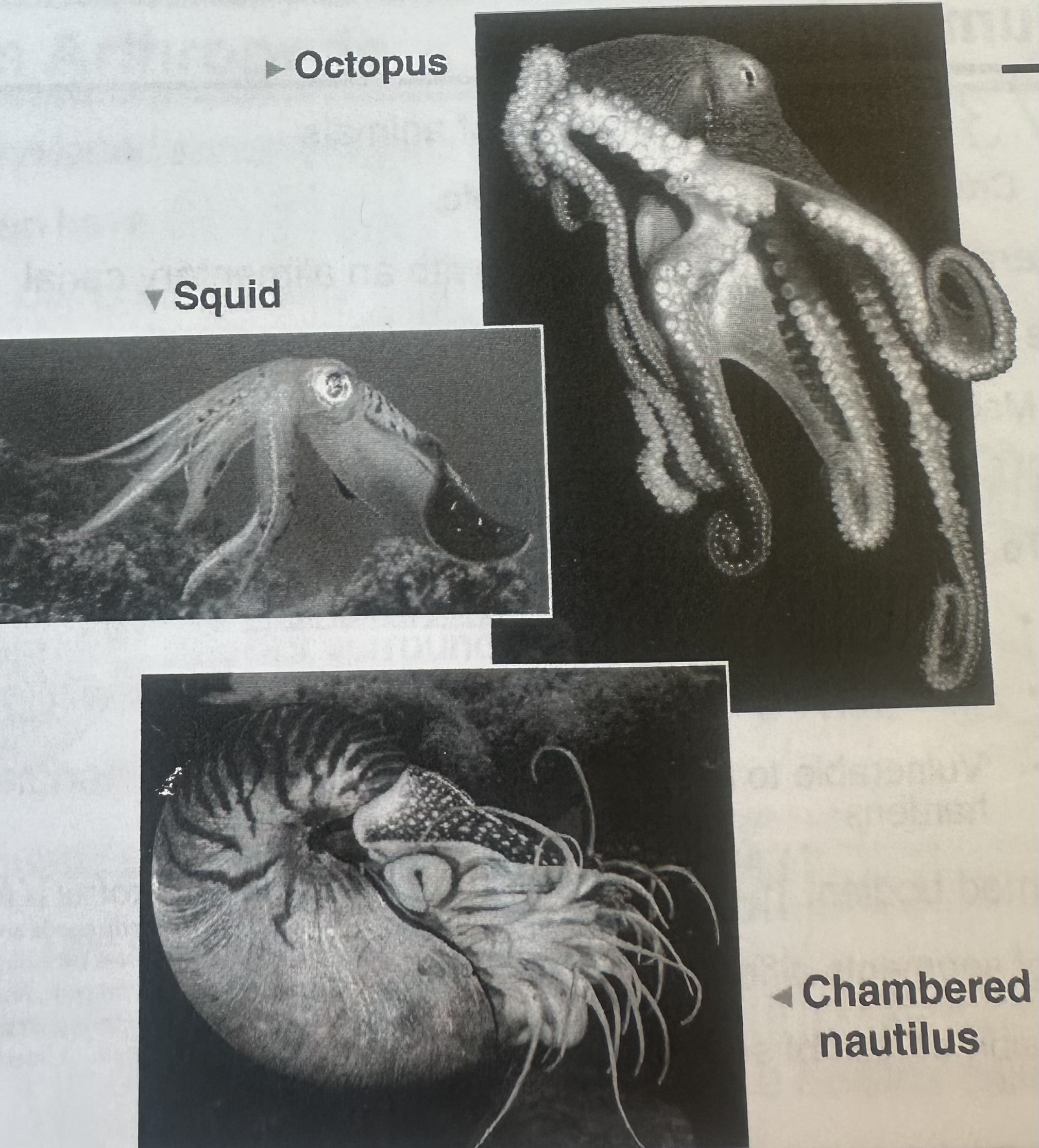
Class Cephalopoda characteristics
Active predators
Strong beak-like jaws and a radula
Closed circulatory system
Well-developed nervous system and complex brain
Very elaborate eyes = good vision
Largest invertebrate = giant squid
Can eject ink when threatened
What is the largest invertebrate?
Squid
How do they grab prey?
With tentacles (modified foot) and bite with a venomous saliva
How many tentacles do octopus have?
8 tentacles - suction cups
What do squids use their siphon for?
To fire a jet of water, which allows them to swim very quickly
Water is squirted out of mantle cavity = jet propulsion
Can direct siphon to control movements
How many tentacles do squids have?
2 tentacles, 8 arms
Nautiluses
Only remaining group of shelled cephalopods (60-90 tentacles, no suckers)
What does their ink consist of?
Melanin and mucus
Phylum Arthropoda
Crustaceans, spiders, insects
Phylum Arthropoda characteristics
Bilateral symmetry
Segmented Coelomates
Alimentary canal
Jointed appendages, hard exoskeleton
What are their jointed appendages and hard exoskeleton made of?
Chitin and proteins
Function of jointed appendages and hard exoskeleton
Protection and attachment site for muscles
To grow, what do they need to do?
Shed the exoskeleton
Molting
Energetically expensive
Vulnerable to predators until new skeleton hardens
Phylum Arthropoda segmented body:
Head, thorax, abdomen
Phylum Arthropoda head:
Well-developed sensory organs in head
Compound eyes
composed of many independent visual units
Smell receptors
Antenna - touch and smell
What type of circulatory system does Phylum Arthropoda have?
Open circulatory system
Hemolymph is propelled by the heart into sinuses surrounding the tissues & organs
What do terrestrial species have?
A tracheal system (extensive series of tubes) with openings to the outside called spiracles (ex. Hissing cockroaches)
Subphylum Chelicerata
Sea spiders, horseshoe crabs, scorpions, ticks, mites, spiders
What are Chelicerata named for?
Claw-like feeding appendages called chelicerae
What do chelicerae serve as?
Pinchers or fangs
Characteristics of Subphylum Chelicerata
No antennae
Simple eyes (single lens)
Two main body sections - cephalothorax, abdomen
Two main body sections of Chelicerata
Cephalothorax and abdomen
Most modern chelicerates are in class ______
Arachnida
Class Arachnida
Four pairs of legs
Pair of pedipalps
Chelicerae
Function of pedipalps
Function in sensing or feeding
Spiders
Predators that make webs and are venomous
Gas exchange occurs in book lungs
Where does gas exchange occur?
In book lungs - stacked plates with extensive surface area
Book lungs
stacked plates with extensive surface area
Ticks
Blood sucking parasites of terrestrial vertebrates
Mites
Usually very small, feed on fungi, plants, animals
Subphylum Myriapoda
Centipedes, millipedes
Characteristics of Myriapoda
All are terrestrial and have antennae
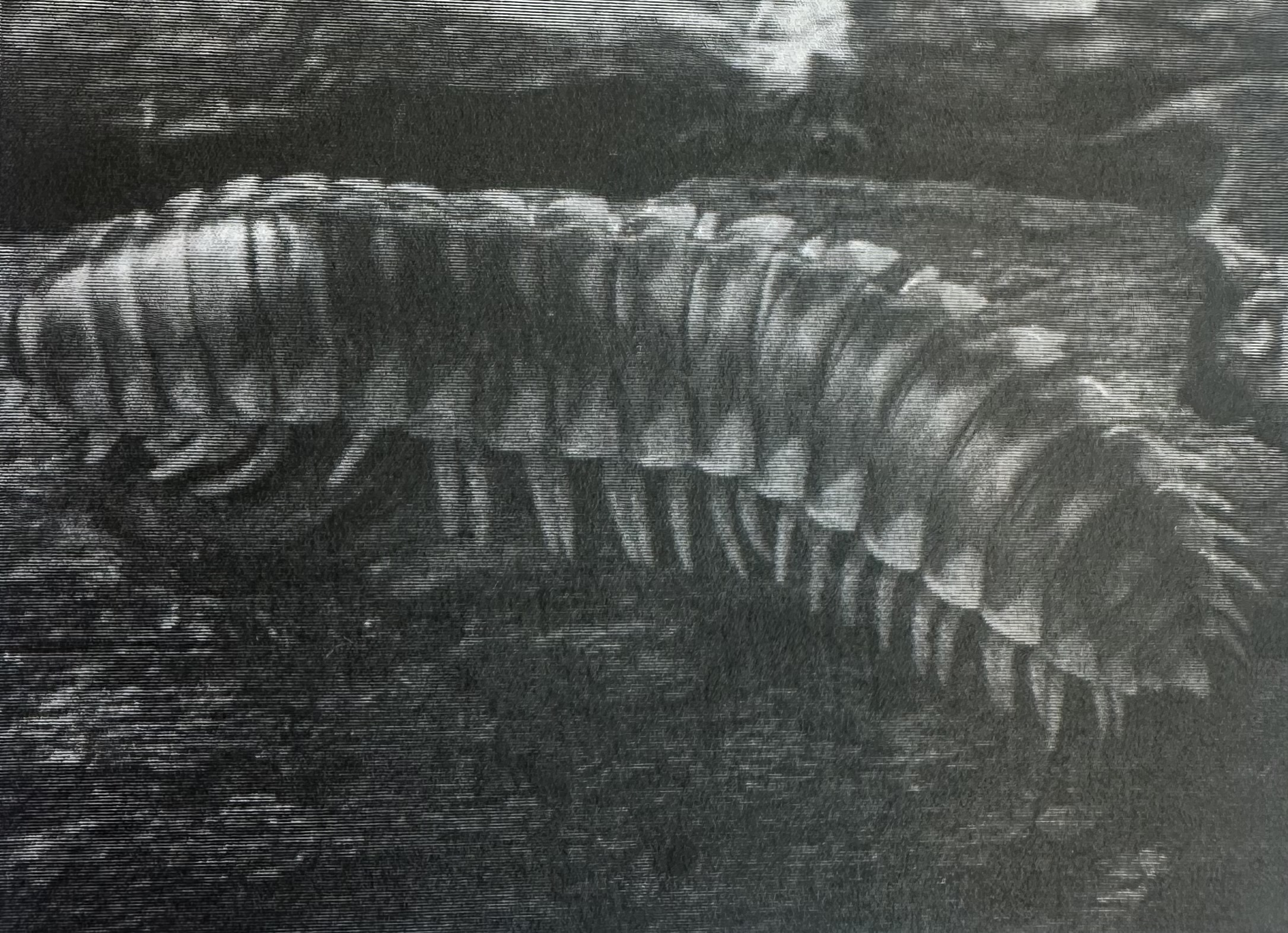
Class Diplopoda
Millipedes
Each trunk segment has 2 pairs of legs
Eat decaying plant material
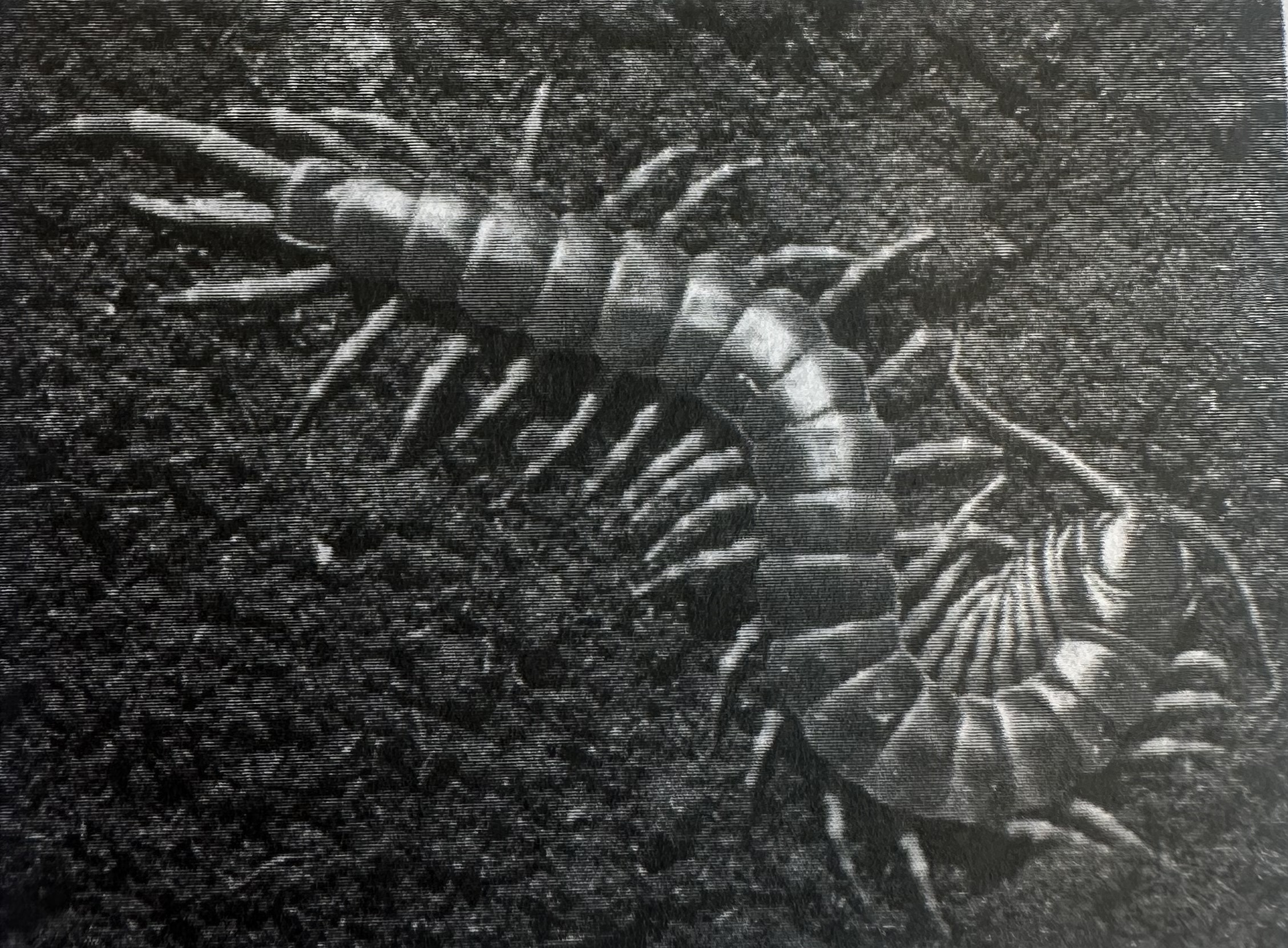
Class Chilopoda
Centipedes
One pair of legs per trunk segment
Predators with jaw-like mandibles
Have a pair of venomous fangs
Subphylum Hexapoda
Insects, relatives (most diverse)
Body plan of Hexapoda
Head, thorax (3 pairs of legs), abdomen
Wings - 1 or 2 pairs attached to dorsal thorax
Antennae
Compound eyes
Advantages of flight
escape predators
find food
disperse
How do Hexapoda reproduce?
Separate sexes and internal fertilization
Major changes in appearance of an individual during development
Metamorphosis
Incomplete metamorphosis
Young are called nymphs
Resemble adults but are smaller
Go through series of molts
Final molt
reach full size, develop wings, become sexually mature adults
Complete metamorphosis
Maggot, grub, caterpillar
Have larval stage
Larvae look completely different from adults
Pupae
inside the pupa, the larva’s body completely changes into a fully grown adult
Subphylum Crustacea
Crabs, lobsters, crayfish, shrimp, isopods
Traits of Subphylum Crustacea
Biramous (branched) appendages
Two pairs of antennae
Numerous mouth parts - 3 or more
Have appendages on abdomen
Two main body parts - cephalothorax and abdomen
What do biramous (branched) appendages specialize in?
Feeding and locomotion
Gas exchange in Crustacea
Smaller species directly across cuticle (exoskeleton)
Larger species have gills
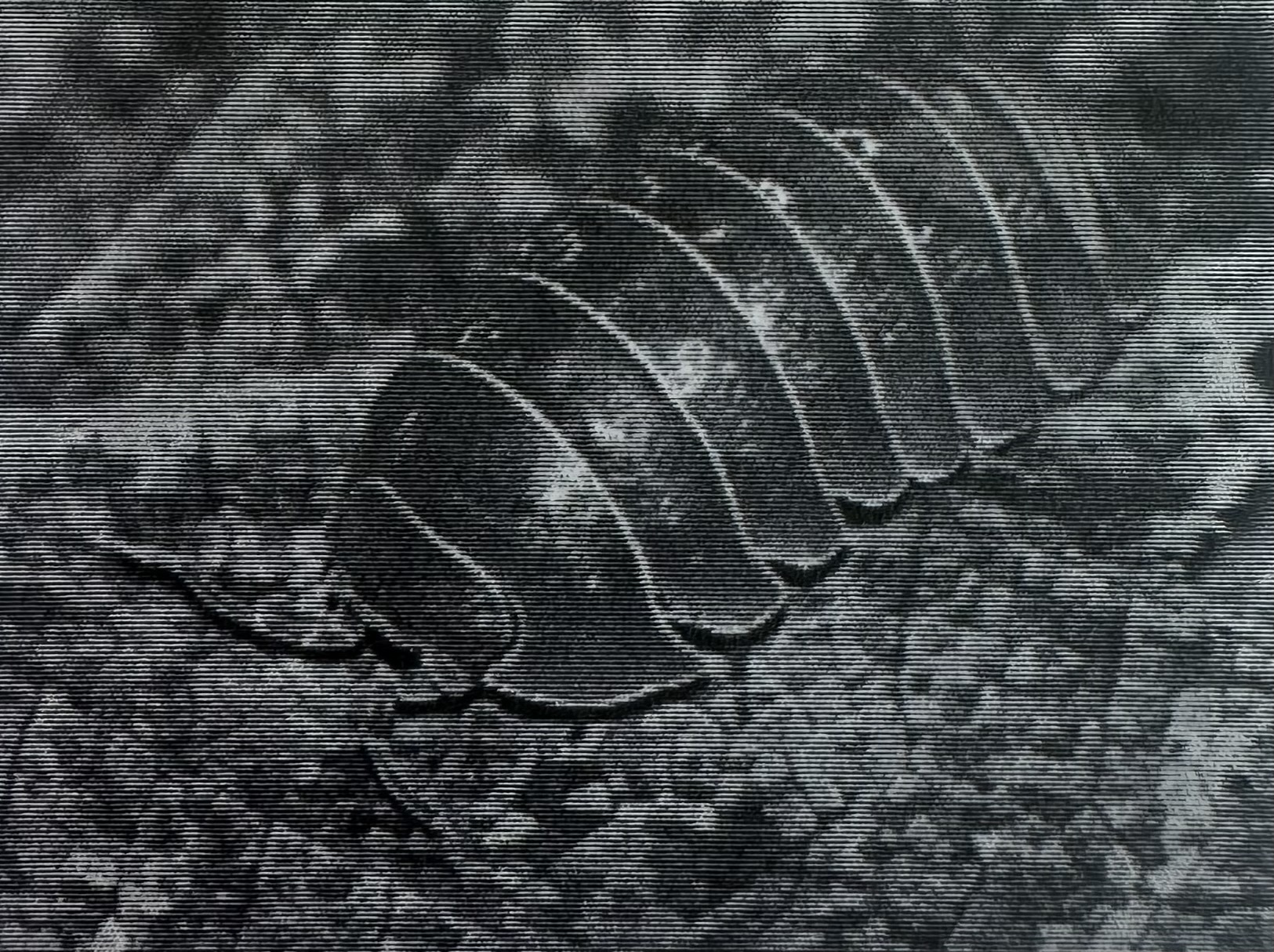
Isopods
Small feet and legs
Micrograzers, micropredators, parasites, and detritivores
Includes pill bugs, rolly pollies, wood lice
Desopoda
Large crustaceans
Cuticle on dorsal side is hardened by calcium carbonate
Some are planktonic (zooplankton)
Barnacles = sessile
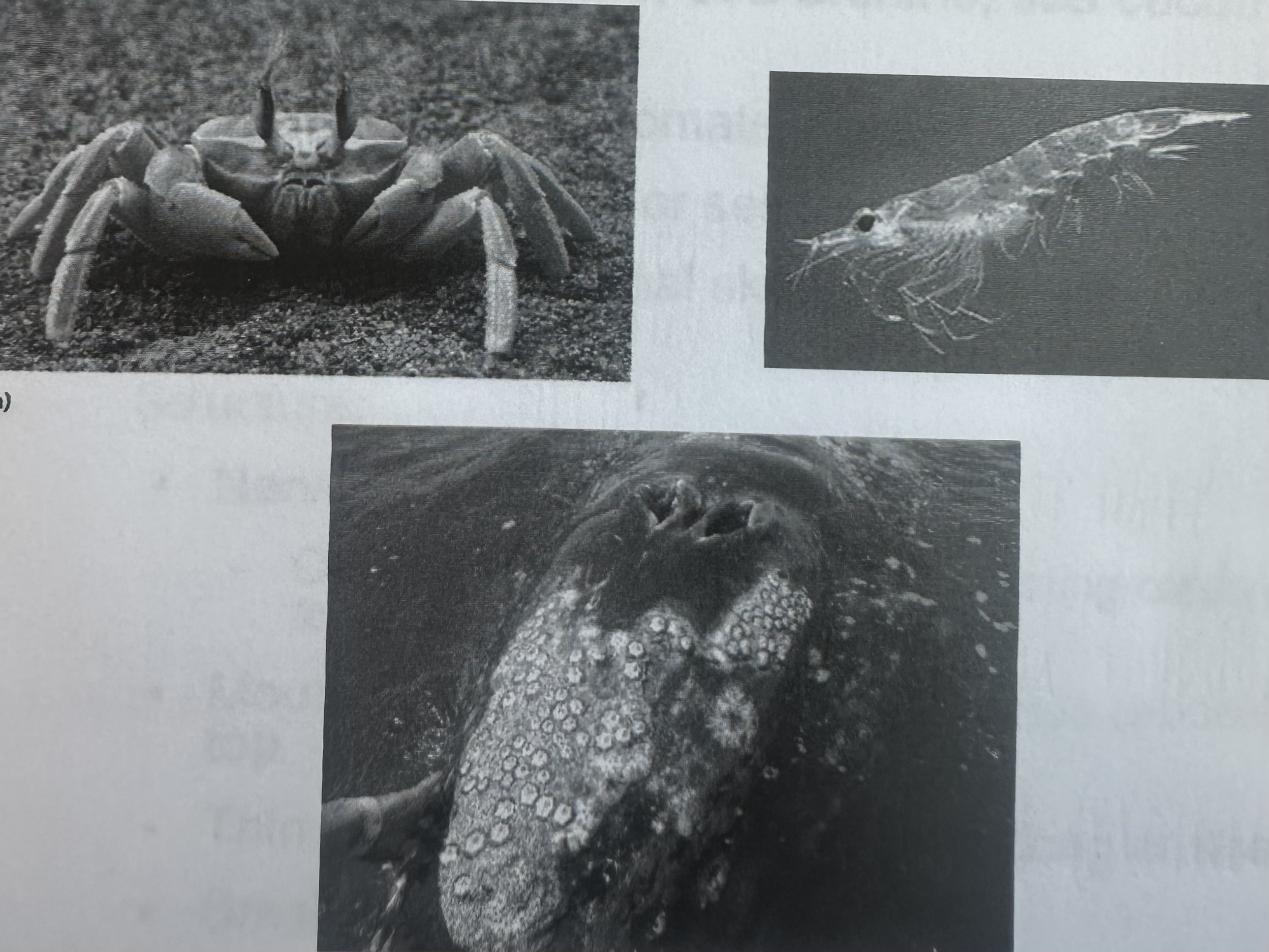
What is a krill?
Small & shrimp-like, eaten by some whales
Copepods (aka cyclops - single eye)
What are barnacles?
Anchor to rocks, boats, whales
Strain food particles out of water
Cuticle hardened into calcified shell
Horseshoe crabs, spiders, scorpions, ticks, mites; Body having 1 or 2 main parts; 6 pairs of appendages (chelicerae, pedipalps, and 4 pairs of walking legs), mostly terrestrial or marine
Subphylum Chelicerata
Millipedes and centipedes; Distinct head bearing antennae and chewing mouthparts, terrestrial; millipedes are herbivorous and have 2 pairs of walking legs per trunk segment; centipedes have one pair of walking legs per trunk segment and poison claws on first body segment
Subphylum Myriapoda
Insects and springtails; Body divided into head, thorax, abdomen; antennae present, mouthparts modified for chewing, sucking, or lapping: 3 pairs of legs and usually 2 pairs of wings, mostly terrestrial
Subphylum Hexapoda
Crabs, lobsters, crayfish, shrimp; Body of 2 or 3 parts, antennae present, chewing mouthparts, 3 or more pairs of legs, mostly marine and freshwater
Subphylum Crustacea
Most closely related phylum to humans?
Phylum Echinodermata
Phylum Echinodermata
Sea stars, sea urchins, sea cucumbers
Characteristics of Phylum Echinodermata
Deuterostome, Coelomates, bilateral symmetry (appear radial)
Marine, slow moving or sessile
Endoskeleton
Alimentary canal
Endoskeleton
Internal skeleton made of calcium carbonate plates