AP World History Unit 7: Global Conflict
 Call Kai
 Learn
Learn Practice Test
 Spaced Repetition
 Match
Match Flashcards
 Knowt Play
1/155

There's no tags or description
Looks like no tags are added yet.
Name | Mastery | Learn | Test | Matching | Spaced | Call with Kai |
|---|
No analytics yet
Send a link to your students to track their progress
156 Terms
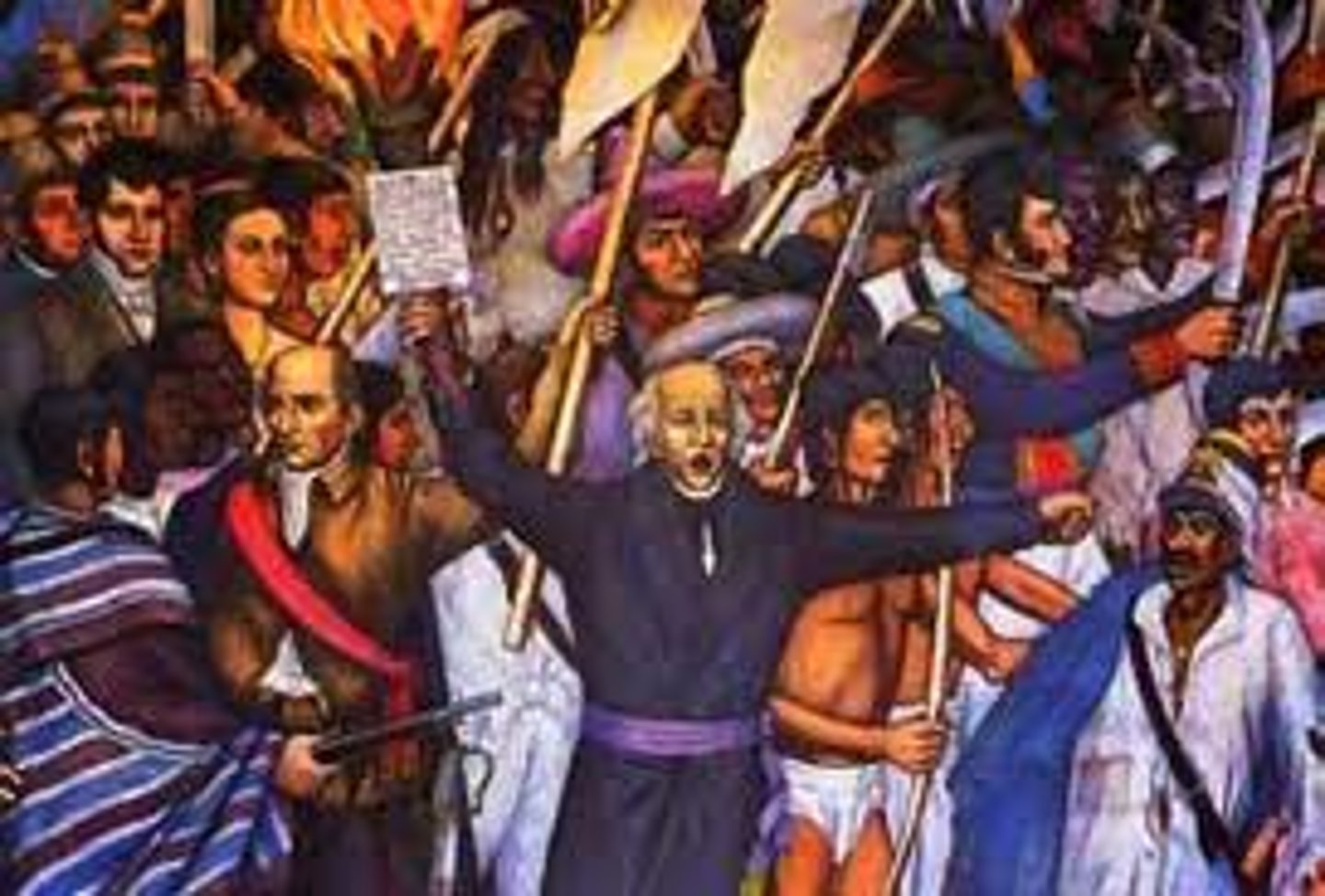
Mexican Revolution
(1910-1920 CE) Armed rebellion in which the Mexican people fought for political and social reform, especially against neocolonialism; resulted in ouster of Porfirio Diaz from power; opposition forces led by Pancho Villa and Emiliano Zapata.
Total War
A conflict in which the participating countries devote all their resources to the war effort; most notably WWI
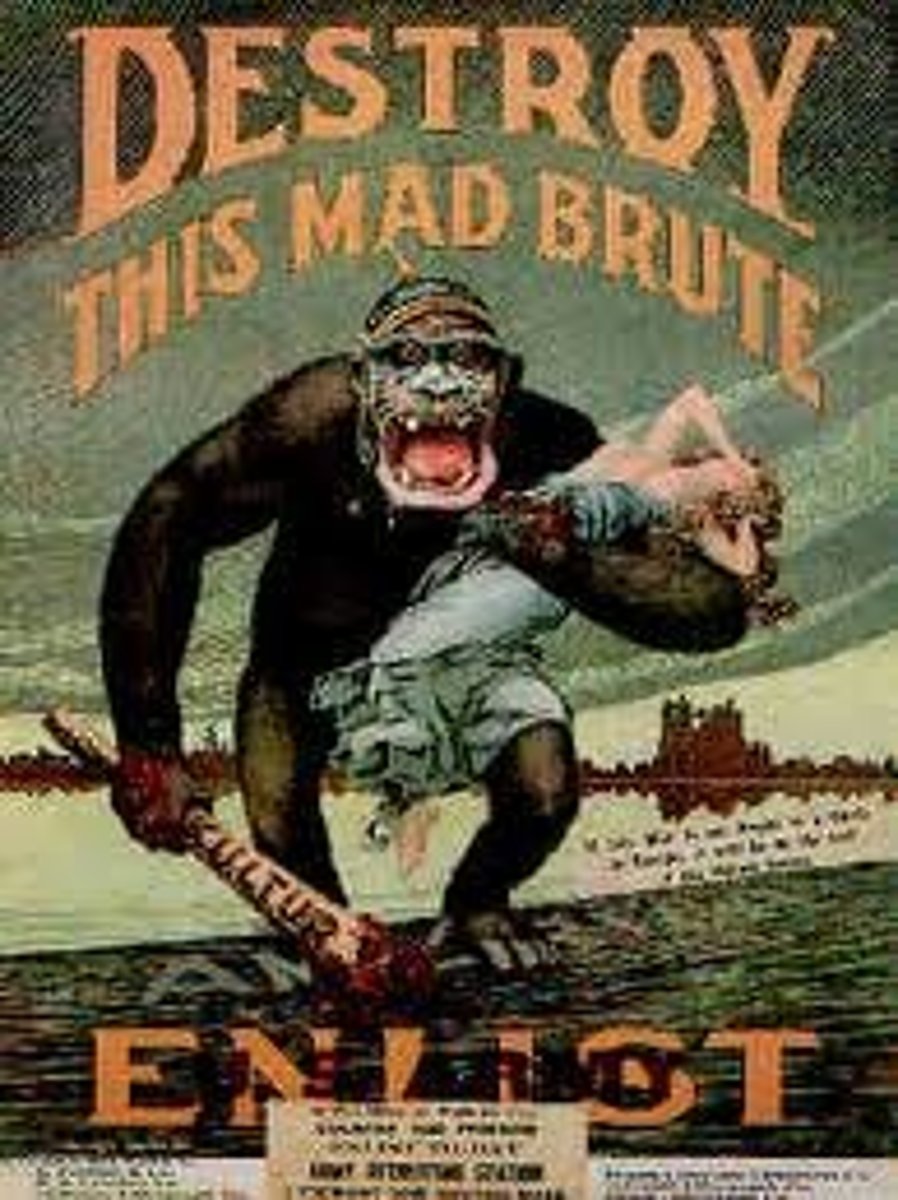
Propaganda
information, especially of a biased or misleading nature, used to promote or publicize a particular political cause or point of view.
Great Depression
the economic crisis beginning with the US stock market crash in 1929 and continuing through the 1930s; had far-reaching global economic effects including further hindering countries recovering from WWI
New Deal
A series of reforms enacted by the Franklin Roosevelt administration between 1933 and 1942 with the goal of ending the Great Depression; an example of a government taking greater economic control
Fascist Corporatist economy
An anti-capitalist economy where government controlled corporations and had political influence through them.
Five Year Plan
plans outlined by Joseph Stalin in 1928 for the development of the Soviet Union's economy; wanted to rebuild the Soviet economy after WWI; tried to improve heavy industry and improve farm output, but resulted in famine
League of Nations
A world organization established in 1920 to promote international cooperation and peace. It was first proposed in 1918 by President Woodrow Wilson, although the United States never joined the League. Essentially powerless, it was officially dissolved in 1946.
Mandate System
Allocation of former German colonies and Ottoman possessions to the victorious powers after World War I; to be administered under League of Nations supervision.
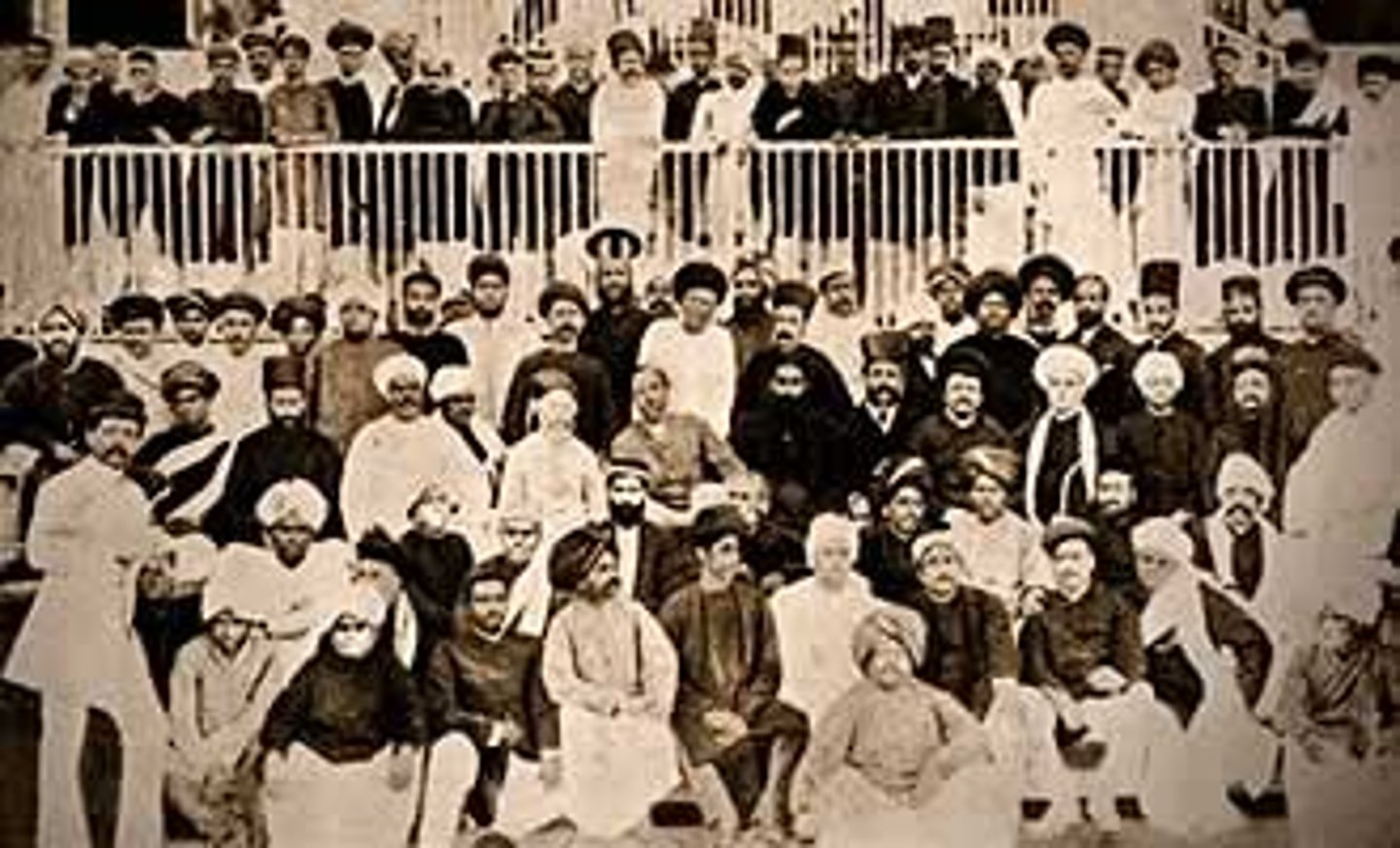
Indian National Congress
group formed by Hindu nationalist leaders of India in the late 1800's to gain greater democracy and eventual self-rule
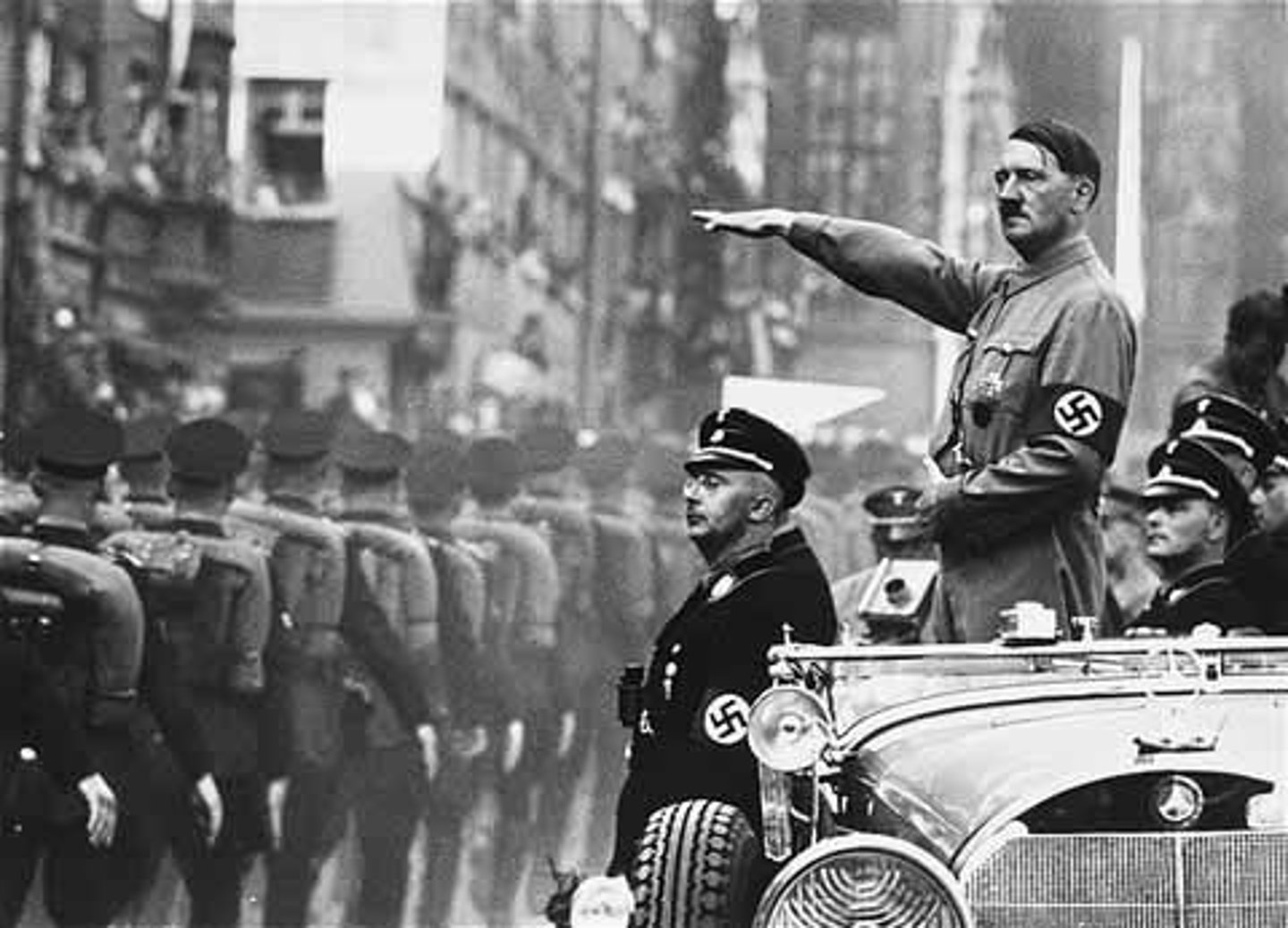
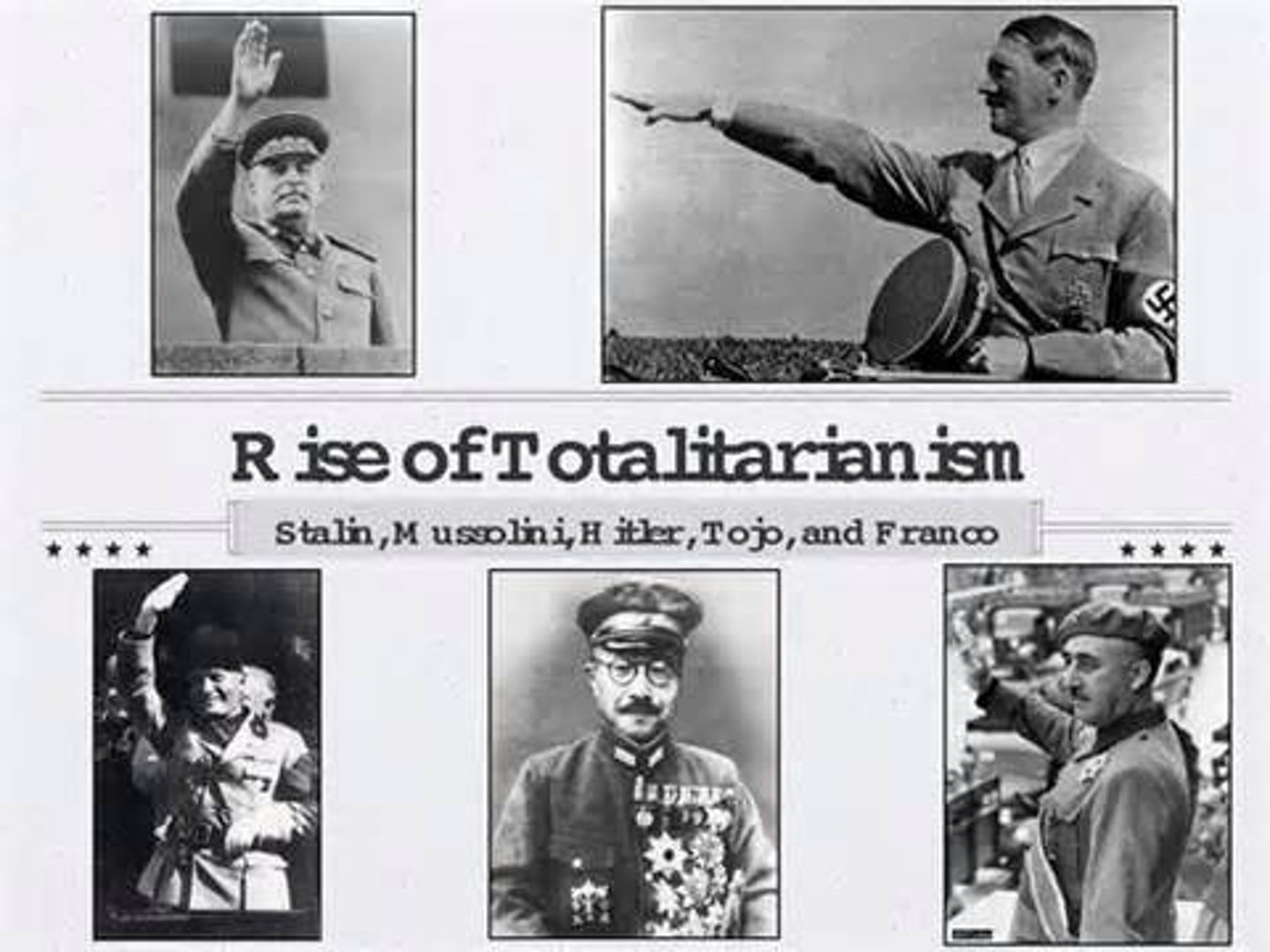
Fascism
A political system headed by a dictator that calls for extreme nationalism and racism and has no tolerance for opposition; actively promotes social hierarchies with rules by elite
Totalitarianism
A form of government in which the ruler is an absolute dictator (not restricted by a constitution or laws or opposition etc.)
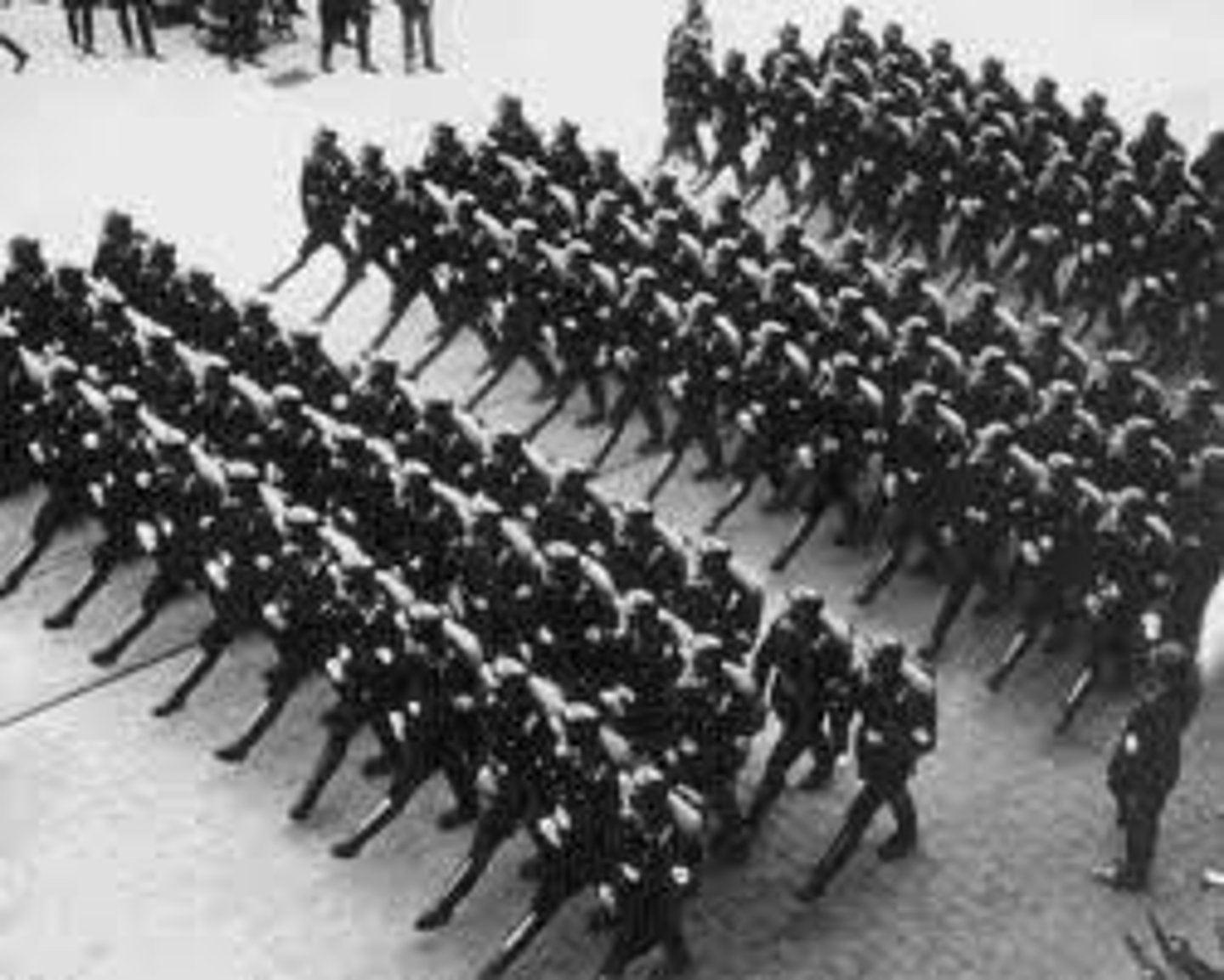
Militarism
A policy of glorifying military power and keeping a standing army always prepared for war
Atomic Bomb
a nuclear weapon developed in the US in which enormous energy is released by nuclear fission; first used during WWII on the Japanese cities of Hiroshima and Nagasaki
Fire bombing
Bombs dropped on Germany and Japan with intentions to spread fires and take down cities
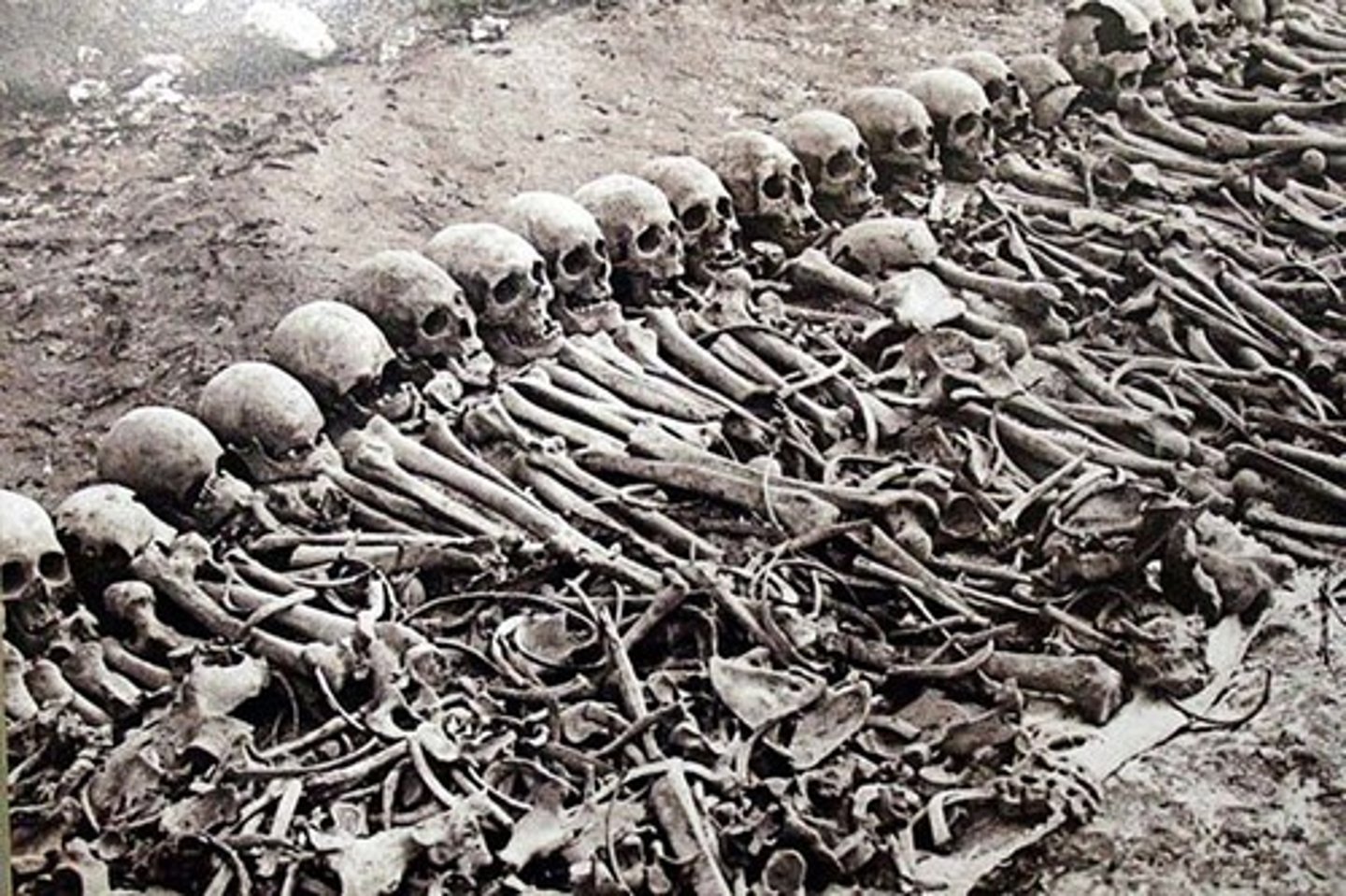
Aremenian Genocide
Ottoman Muslim Turks target Christian minority group from 1915-1917
Holocaust
A methodical plan orchestrated by Hitler to ensure German supremacy. It called for the elimination of Jews, non-conformists, homosexuals, non-Aryans, and mentally and physically disabled.
Genocide
the deliberate killing of a large group of people, especially those of a particular ethnic group or nation.
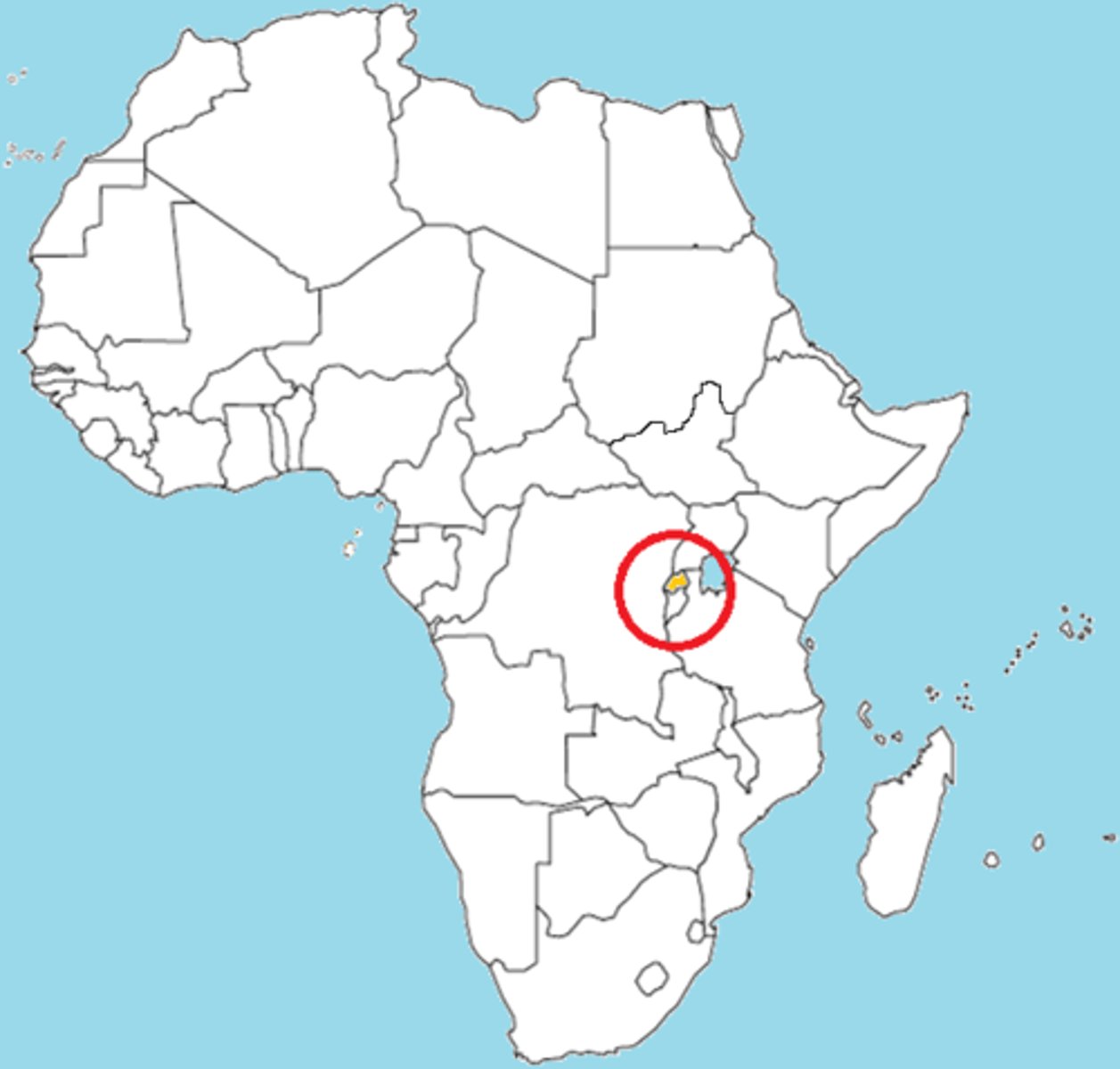
Rwandan Genocide
The killing of more than 500,000 ethnic Tutsis by rival Hutu militias in Rwanda in 1994. The conflict between the dominant Tutsis and the majority Hutus had gone on for centuries, but the suddenness and savagery of the massacres caught the United Nations off-guard. U.N. peacekeepers did not enter the country until after much of the damage had been done.
Bolsheviks
A party of revolutionary Marxists, led by Vladimir Lenin, who seized power in Russia in 1917.
Central Powers
In World War I the alliance of Germany and Austria-Hungary and other nations allied with them in opposing the Allies.
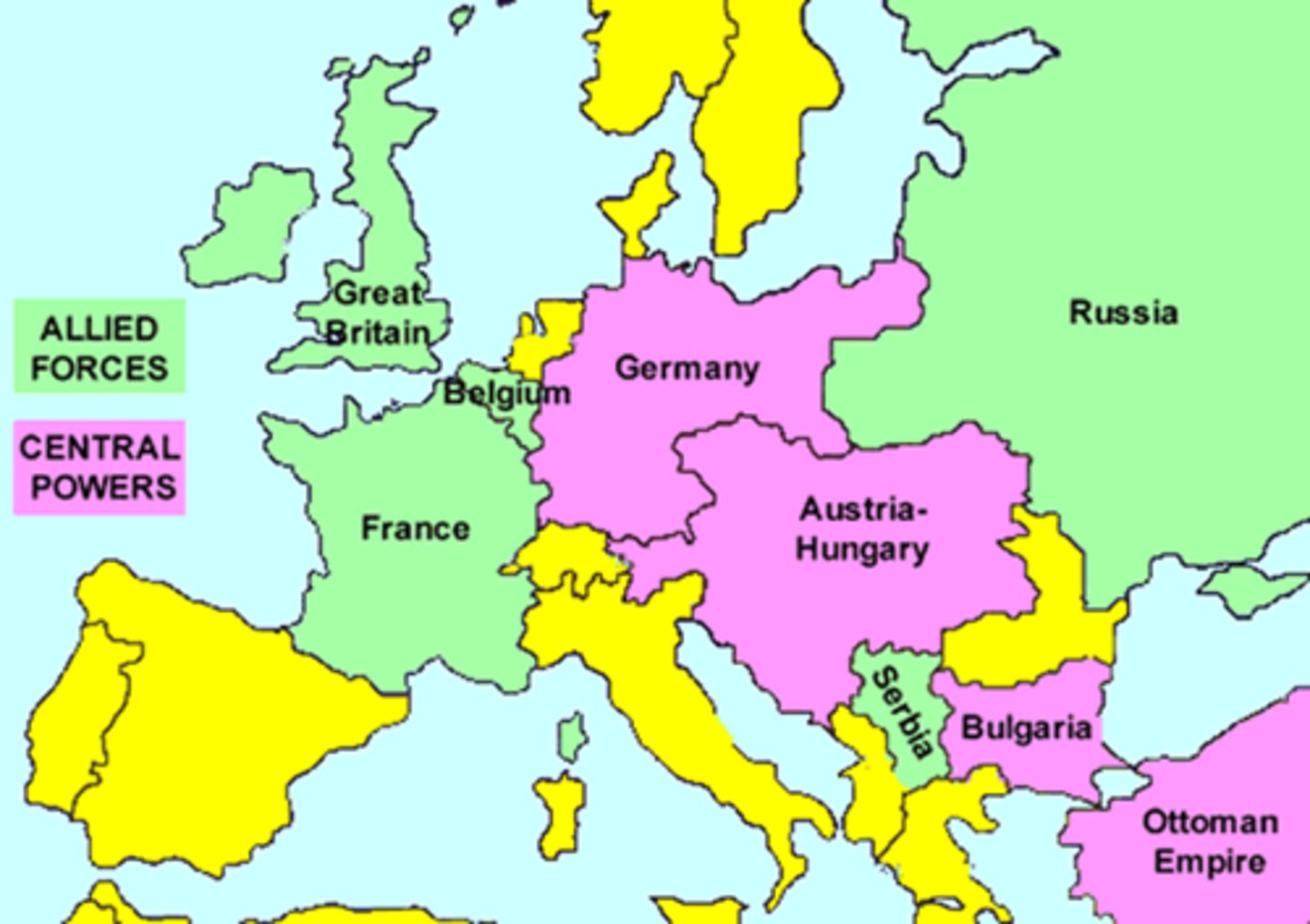
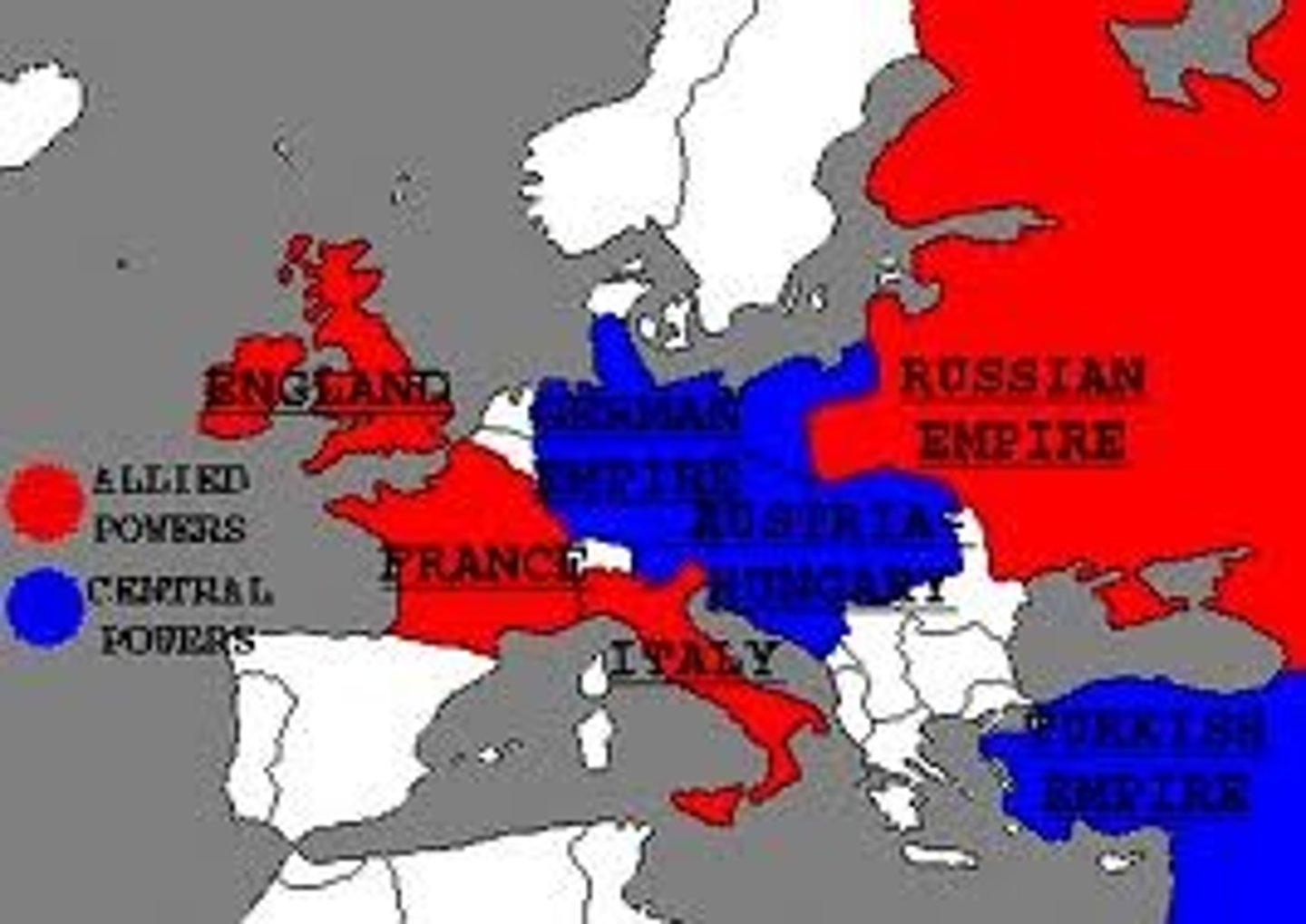
Allied Powers
WWI alliance of Great Britain, France, Italy, Russia, and later the US (1917)
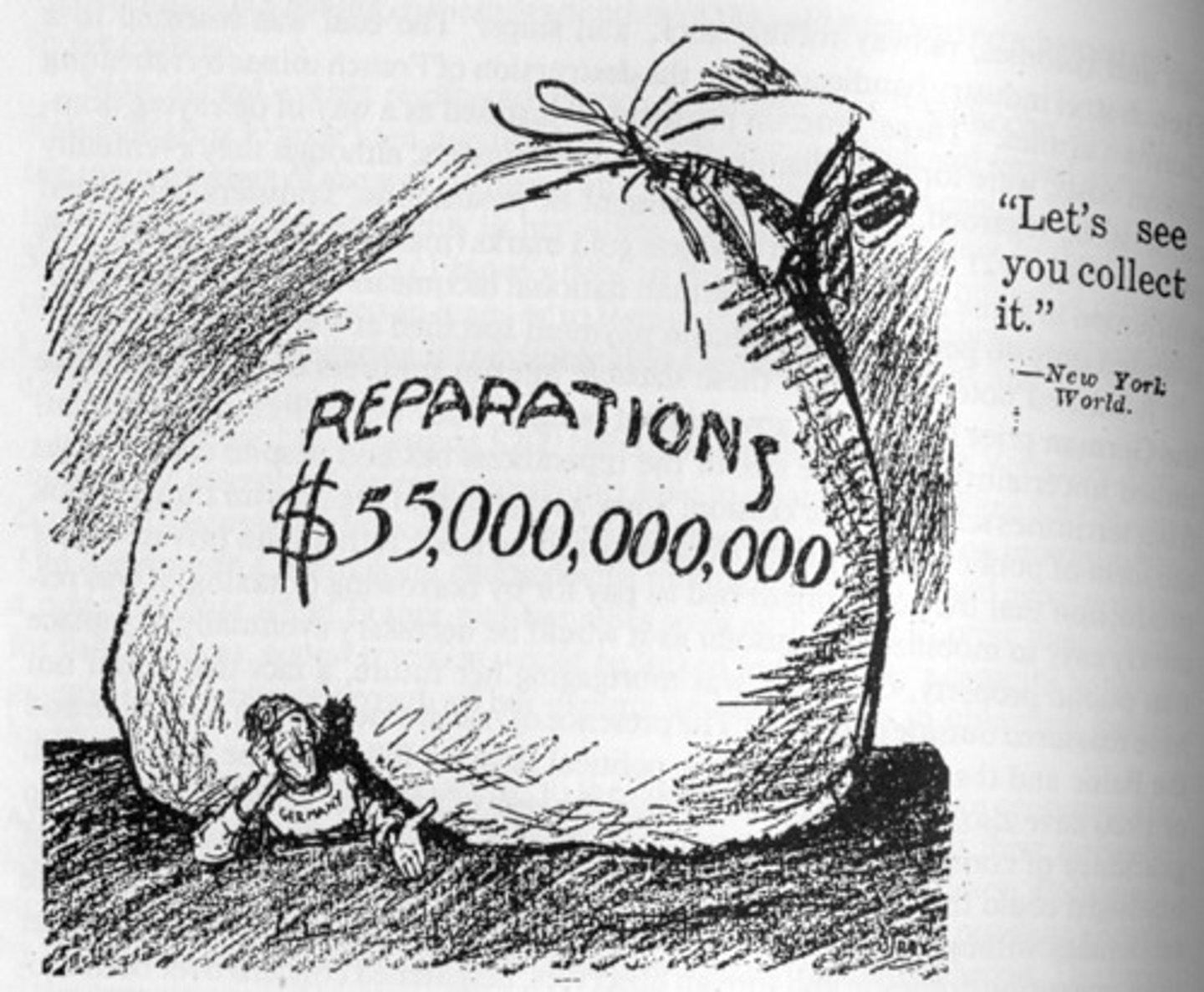
Reparations
As part of the Treaty of Versailles, Germany was ordered to pay fines to the Allies to repay the costs of the war. Opposed by the U.S., it quickly lead to a severe depression in Germany.
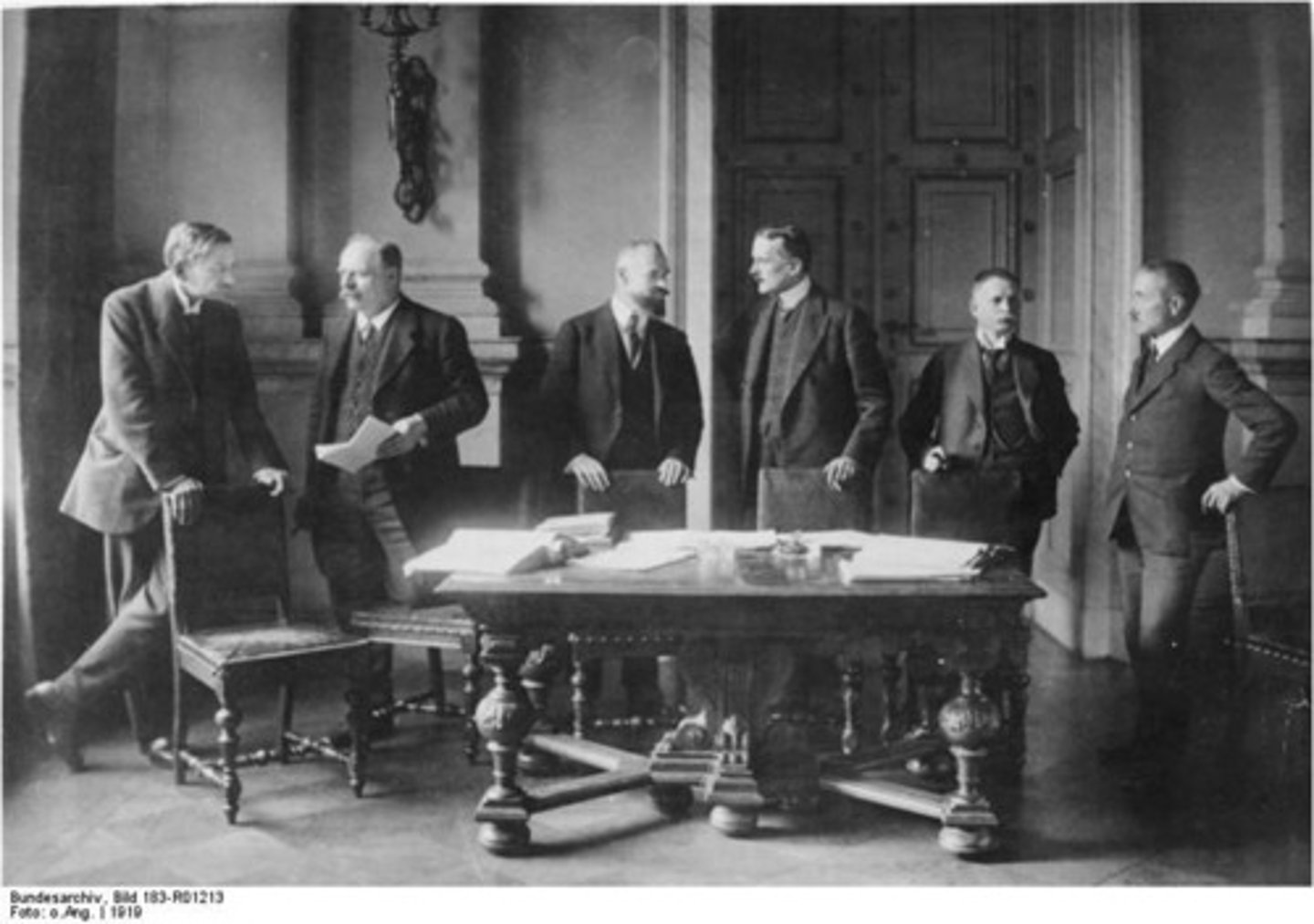
Paris Peace Conference
The great rulers and countries excluding Germany and Russia met at Versailles to negotiate the repercussions of the war; leaders included Loyd George (Britain), Woodrow Wilson (America), Clemenceau (France) and Italy. The Treaty of Versailles was made but not agreed to be signed and the conference proved unsuccessful.
Fourteen Points
A series of proposals in which U.S. president Woodrow Wilson outlined a plan for achieving a lasting peace after World War I; created the League of Nations
Weimar Republic
The new German republic the in 1921 owed 33 billion annually to the allied reparations commission. In order to recover from its severe economic issues the annual fees were reduced each year depending on the level of German economic prosperity and Germany received large loans each year from the United States.
Trench Warfare
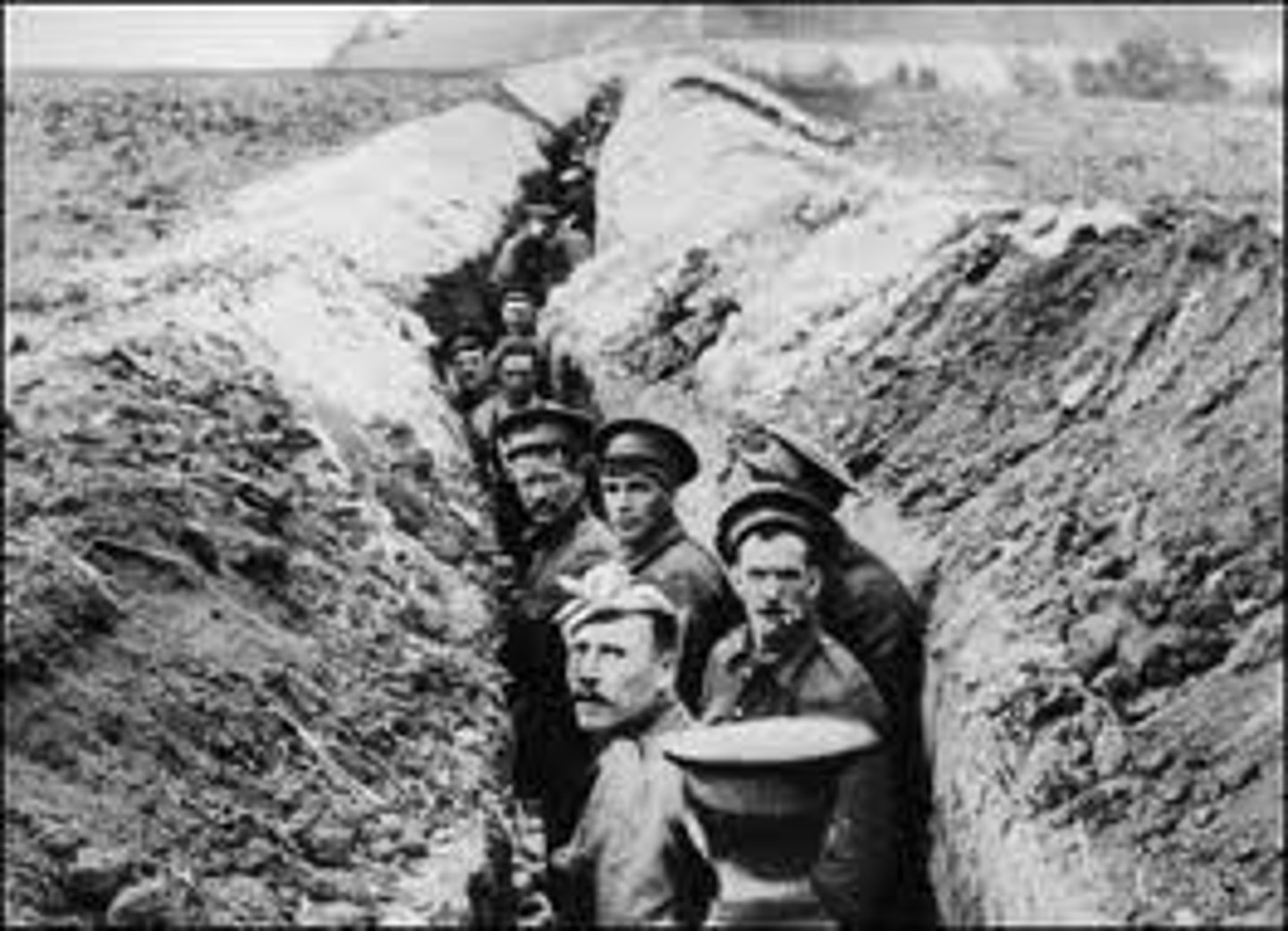
A form of warfare in which opposing armies fight each other from trenches dug in the battlefield; used prolifically during WWI
Stalemate
A situation in which no progress can be made or no advancement is possible; Western front of WWI
Collectivize
to run or organize a farm according to principles of united control; often used by Communist countries to expedite industrial and agricultural production resulting in shortages
Balfour Declaration
British document that promised land in Palestine as homeland for Jews in exchange for Jews help in WWI
Mao Zedong
(1893-1976) Leader of the Communist Party in China that overthrew Jiang Jieshi and the Nationalists. Established China as the People's Republic of China and ruled from 1949 until 1976.

Zionism
A policy for establishing and developing a national homeland for Jews in Palestine.
Turkification
A process of cultural change designed to make all citizens of the empire feel a part of a common Turkish heritage and society
Young Turk
a member of a revolutionary party in the Ottoman Empire who carried out the revolution of 1908 and deposed the sultan Abdul Hamid II.
Institutional Revolutionary Party
(PRI) the political party introduced in 1929 in Mexico that helped to introduce democracy and maintain political stability for much of the 20th century
Sun Yat-sen
Chinese nationalist revolutionary, founder and leader of the Guomindang until his death. He attempted to create a liberal democratic political movement in China but was thwarted by military leaders.
Kemal Ataturk
Turkish nationalist who founded the modern Turkish state
Porfirio Diaz
Dictator in Mexico from 1876 to 1911. Overthrown by the Mexican Revolution of 1910.
Francisco Madero
Early leader in the Mexican Revolution; in 1911 became president of Mexico; wanted land ownership and free, honest elections, two years later he was murdered, led to power struggles
Francisco "Pancho" Villa
A popular leader during the Mexican Revolution. An outlaw in his youth, when the revolution started, he formed a cavalry army in the north of Mexico and fought for the rights of the landless in collaboration with Emiliano Zapata. (819)
Emiliano Zapata
Revolutionary and leader of peasants in the Mexican Revolution. He mobilized landless peasants in south-central Mexico in an attempt to seize and divide the lands of the wealthy landowners. Though successful for a time, he was ultimately defeated and assassinated.
Great War
name originally given to the First World War (1914-1918).
Gavrilo Princip
The assassin of Archduke Francis Ferdinand of Austria, a member of the Black Hand
Arch Duke Franz Ferdinand
assassinated by Serbian terrorists, immediate cause of WWI
Triple Entente
A military alliance between Great Britain, France, and Russia in the years preceding World War I.
Allies
An alliance of nations joining together to fight a common enemy
Triple Alliance
An alliance between Germany, Austria-Hungary and Italy in the years before WWI.
Central Powers
Austria-Hungary, Germany, Ottoman Empire
Black Hand
Serbian nationalist/terrorist group responsible for the assassination of Austrian Archduke Franz Ferdinand which resulted in the start of World War I.
Secret Alliance
an agreement made in secret
Self Determination
The ability of a government to determine their own course of their own free will
Conscription
A military draft
Global War
A war where almost everyone is involved, all across the globe
ANZAC
Australian and New Zealand Army Corps
Gallipoli
A failed British offensive in Ottoman empire
Paris Peace Conference
The peace conference that decided the terms of WWI peace and Treaty of Versailles.
Big Four
Italy, France, England, and the U.S. 4 powers who met at Versallies to discuss peace
Woodrow Wilson
President of the United States (1913-1921) and the leading figure at the Paris Peace Conference of 1919. He was unable to persuade the U.S. Congress to ratify the Treaty of Versailles or join the League of Nations.
David Lloyd George
Britain's prime minister at the end of World War I whose goal was to make the Germans pay for the other countries' staggering war losses
Georges Clamenceau
French prime minister, lived through 2 German invasions of France and wanted to prevent any more future invasions
Vittorio Orlando
Italian prime minister
14 points
(1918) President Woodrow Wilson's plan for organizing post World War I Europe and for avoiding future wars.
Treaty of Versailles (1919)
Treaty that ended World War I; it was much harder on Germany than Wilson wanted but not as punitive as France and England desired. It was harsh enough, however, to set stage for Hitler's rise of power in Germany in 1930s.
Trench warfare
a type of combat in which opposing troops fight from trenches facing each other.
Poison Gas
Introduced by the Germans and was used by both sides during the war; caused vomiting, blindness, and suffocation
Machine Guns
These new mechanized weapons used during WWI increased loss of life from previous wars.
Submarines
U-boats, Germans used them most effectively against the British navy
U Boats
German submarines
All Quiet on the Western Front
(1929) a novel written by Erich Maria Remarque illustrating the horrors of World War I and the experiences of veterans and soldiers. It was extremely popular, but also caused a lot of political controversy when it was first published, and was banned in Germany in the 1930's.
Inflation
A general and progressive increase in prices
Deficit Spending
Government practice of spending more than it takes in from taxes
Relief, Reform, Recovery
These were the "3 R's" of Roosevelt's New Deal during the Great Depression
Collectivize
to run or organize a farm according to principles of united control; often used by Communist countries to expedite industrial and agricultural production resulting in shortages
Kolkhoz
in the Soviet Union, a small farm worked by farmers who shared in the farm's production and profits
Corporatism
A method of co-optation whereby authoritarian systems create or sanction a limited number of organizations to represent the interests of the public and restrict those not set up or approved by the state.
New Deal
A series of reforms enacted by the Franklin Roosevelt administration between 1933 and 1942 with the goal of ending the Great Depression.
New Economic Plan
Plan implemented by Lenin that allowed some private ownership of businesses and small plots of land.
5 Year plan
Stalin's economic programs designed to increase industrial production.
John Maynard Keynes
British economist who argued that for a nation to recovery fully from a depression, the govt had to spend money to encourage investment and consumption
Russian Civil War
1918-1920: conflict in which the Red Army successfully defended the newly formed Bolshevik government against various Russian and interventionist anti-Bolshevik armies. Red vs. White Army.
Spanish Civil War
In 1936 a rebellion erupted in Spain after a coalition of Republicans, Socialists, and Communists was elected. General Francisco Franco led the rebellion. The revolt quickly became a civil war. The Soviet Union provided arms and advisers to the government forces while Germany and Italy sent tanks, airplanes, and soldiers to help Franco.
Politiburo
The executive committee and chief policy making body of a communist party
fascism
an authoritarian and nationalistic right-wing system of government and social organization.
totalitarian state
country where a single party controls the government and every aspect of the lives of the people
popular front
An alliance between the Communists, the Socialists, and the Radicals formed for the May 1936 French elections. It was largely successful, increasing the Communists in parliament from 10 to 72, and the Socials up to 146, making them the largest party in France.
luftwaffe
German Air Force
Soviet Union
A Communist nation, consisting of Russia and 14 other states, that existed from 1922 to 1991.
Libya
Tripoli
Spanish Republic
created after a revolution that followed the end of WWI
Basque region
in the western Pyrenees, and part of the territory belongs to Spain and part to France
Gulag
Russian prison camp for political prisoners
PMEX
Petroleum Mexicano
decolonization
The collapse of colonial empires. Between 1947 and 1962, practically all former colonies in Asia and Africa gained independence.
Mandate system
The plan to allow Britain and France to administer former Ottoman territories, put into place after the end of the First World War.
Civil Disobedience
A nonviolent, public refusal to obey allegedly unjust laws.
Big 3
FDR, Churchill, Stalin
Mohandas Gandhi
Leader of the Indian independence movement and advocate of nonviolent resistance. After being educated as a lawyer in England, he returned to India and became leader of the Indian National Congress in 1920.
Chiang Kai-shek
General and leader of Nationalist China after 1925. Although he succeeded Sun Yat-sen as head of the Guomindang, he became a military dictator whose major goal was to crush the communist movement led by Mao Zedong.
Omar al-Bashir
President of Sudan's government. Responsibility for the government killings in Dafur and the arming and recruitment of the Islamic militia the Janjaweed killings
Pan-Arabianism
Idea to unite all arabs in a single language and religion