Botany Lab Final
 Call Kai
 Learn
Learn Practice Test
 Spaced Repetition
 Match
Match Flashcards
 Knowt Play
1/86

There's no tags or description
Looks like no tags are added yet.
Name | Mastery | Learn | Test | Matching | Spaced | Call with Kai |
|---|
No analytics yet
Send a link to your students to track their progress
87 Terms
Lamiaceae
Quadrangular stems
zygomorphic flowers (bilateral symmetry)
aromatic (mint)
opposite leaves with serrate margins
didynamous stamens (four stamens arranged in 2 pairs of different lengths)
Brassicaceae
T-shaped hairs
alternate leaves
mostly actinomorphic (radial symmetry)
cruciform petals
mustard oils
tetradynamous
Caryophyllaceae
swollen nodes
opposite leaves, transverse line
“pinked” petals
perfect, actinomorphic flowers
free-central placentation
Magnoliaceae
large solitary flowers
scarring on receptacle and stipule site
caducous flowers
alternate leaves
tepals
Ranunculaceae
alternate, compound leaves
aggregate of follicles (fruit)
hypogenous flowers
numerous stamens and carpels
petaloid sepals
Liliaceae
Spots or lines on petals
parallel venation on leaves
bulbs
contractile roots
Rosaceae
thorns
5-merous
leaves with gland-tipped teeth
calyx, corolla, and stamens form hypanthium
Oleaceae
trichomes that are peltate scales
fragrant
opposite leaves
radial symmetry
4-merous (but 2 stamens)
woody
Malvaceae
palmate venation
stellate pubescence
mucilagenous sap
alternate, stipulate leaves
2 calyx (epicalyx)
Papaveraceae
colored sap
wrinkled petals
overlapping petals
alternate, spiral leaves
2-3 caducous sepals
Ericaceae
Alternate, opposite, or whorled leaves
coriaceous or heath-like leaves
connate petals, often urn-shaped
flowers usually hang downward
Geraniaceae
nectar producing spur
persistent, elongate column
5-merous (petals and sepals)
beak-like schizocarp fruit
deeply lobed leaves
Fabaceae
alternate, often compound leaves with stipules
short hypanthium
5-merous with 1 differentiated petal
1 carpel
fruit is legume
bilateral symmetry
Amborella
carpels grow around the flower and fuse together
Illiaceae
poorly-defined stamens
distinct smell of anise
aggregate of 1-seeded follicles
Nymphaceae
large, submerged rhizomes
alternate, simple leaves
long petiolate and floating blade
air canals in stems
tepals (4-12)
Asteraceae
herbaceous
capitulate
no sepals; only involucral bracts
disc and ray flowers
anthers are connivent
bifurcated style
Cycadaceae
circinnate leaflets
bifricated stems, curled leaflets
Zamiaceae
large, pinnately compound, leathery leaves
cones present
Gnetaceae
mostly lianas and vines
prototype vessels
Welwitschiaceae
2 persistent leaves from basal/lateral meristem
Ginkgoaceae
deciduous, fan-shaped leaves
fruits smell bad
Ephedraceae
shrubs or vines
small, soon non-functional leaves
Pinaceae
needle-like leaves
female cones woody, pendent, and dioecious
Cypressaceae
scale or awl-like, opposite, or whorled leaves
cones woody or berry-like
Taxaceae
seeds solitary, surrounded by aril
flattened needles
Solanaceae
alternate, usually simple leaves
sulfurous odor when crushed
calyx persistent on fruit
sympetalous corolla that looks like a wheel
filaments adnate to corolla tube
Apiaceae
herbaceous
hollow internodes
ribbed stems
aromatic
alternate, compound, and highly dissected leaves
double umbel inflorescence
reduced hypanthium
Arecaceae
spirally arranged coriaceous leaves
persistent with large basal sheath
its just a palm
Poaceae
swollen nodes with hollow internodes
round internodes
basal or cauline, alternate leaves
2-ranked, linear blades
flowers are spikelets
caryopsis or grain as fruit
Cornaceae
woody
hairs y or t-shaped
typically opposite leaves
enlarged, showy bracts
sepals usually only small teeth
nectar disc atop ovary
4-merous
radially symmetrical
Lauraceae
woody
aromatic
3-merous
radially symmetric
distinctly concave, persistent receptacle
greenish-yellow flowers
anthers have flaps to release pollen
Convolvulaceae
climbing herbs
milky sap
funnelform flowers
fused petals
pleated folds in bud
Santalaceae
jointed stems
coriaceous leaves
mostly dioecious flower inside crater
Hydnoraceae
leafless parasite and parasitic conifer
Violaceae
herbaceous
alternate or basal leaves
serrate to deeply lobed leaves
stipulate
“honey guides”
2 lateral petals bearded, lowermost spurred
style may be bent or clubbed at apex
Roridulaceae
sticky, globular trichomes
Droseraceae
hairs stalked, gland-headed, sticky
circinnate leaves (tightly coiled like a scroll)
bisexual, radial, basal, 5-merous
Lentibulariaceae
submerged, herbaceous plant
submerged air bladders capture prey
Sarraceniaceae
herbs and sub-shrubs
alternate and spiral, highly modified leaves
ridge or laminar wing w/ hoodlike blade
retrose hairs on inner surface
flowers pendent and usually solitary
style is peltate
pitcher plant
Nepenthaceae
Tendril of leaf becomes pitcher
leaves are like sheathed esque
Fumariaceae
4-merous petals with 2 whorls
6 stamens in bundles of 3
alternate, pale green, and deeply compound or lobed leaves
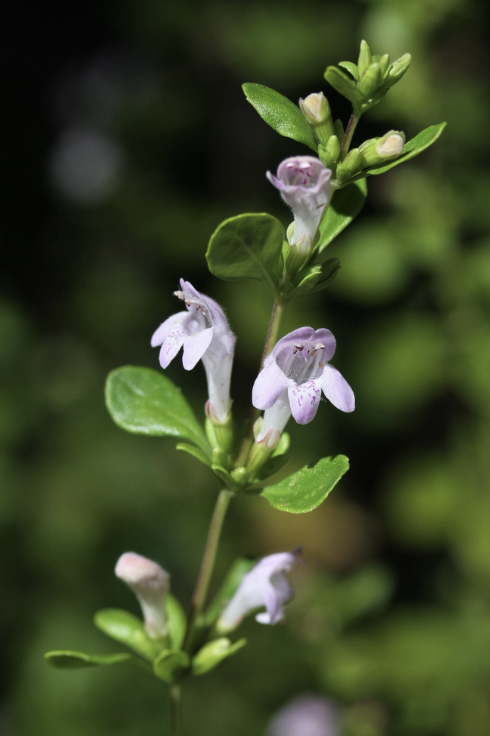
Lamiaceae
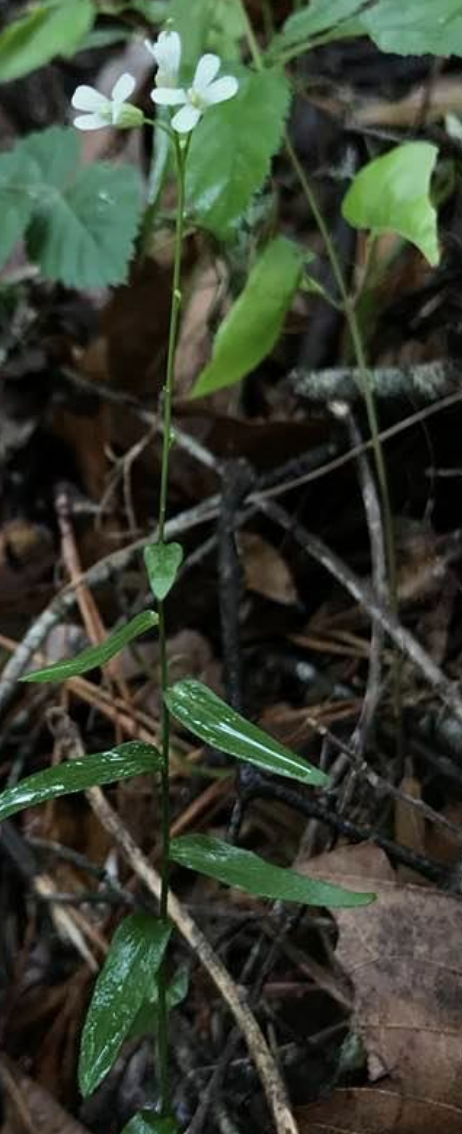
Brassicaceae
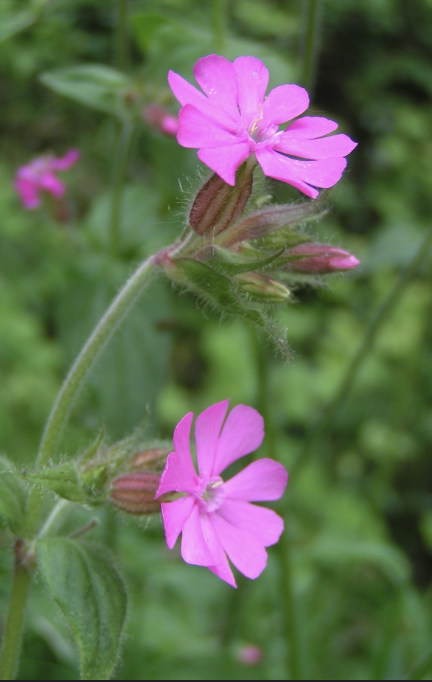
Caryophyllaceae
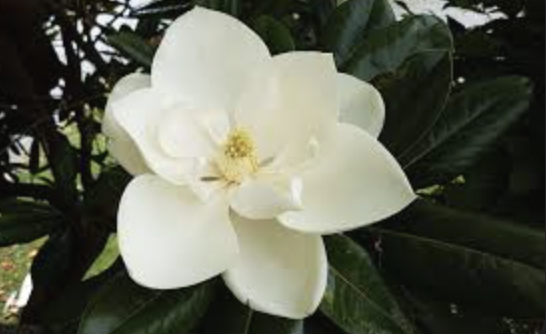
Magnoliaceae
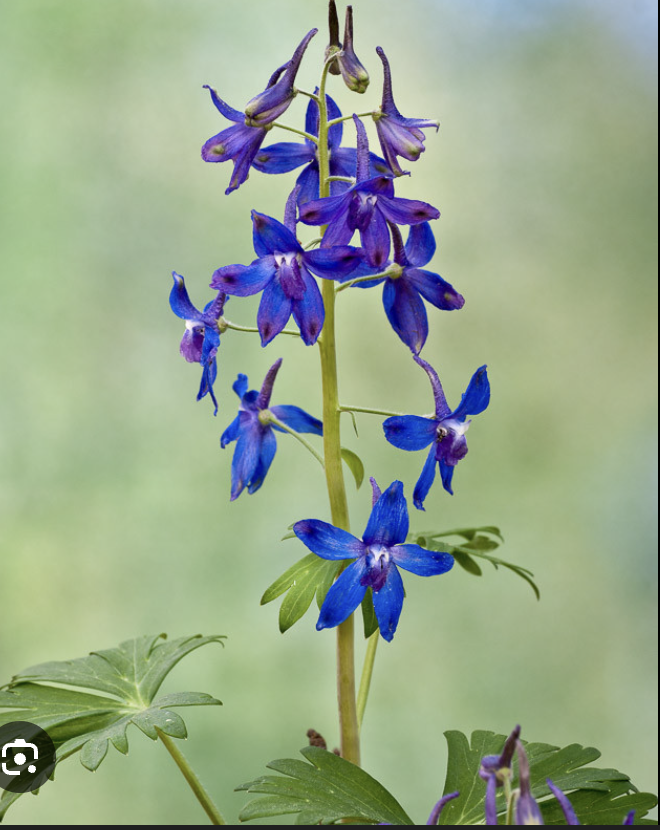
Ranunculaceae
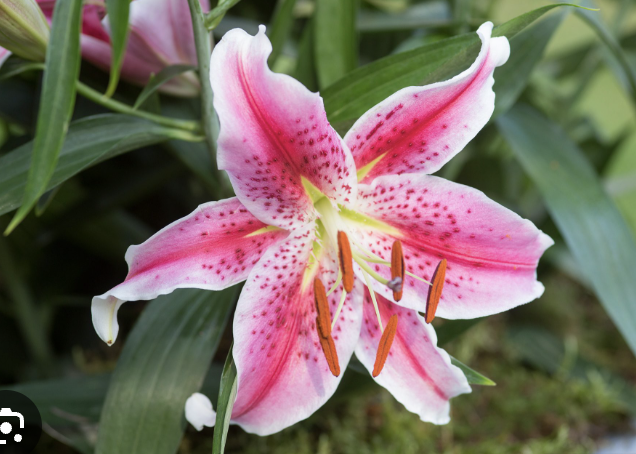
Liliaceae
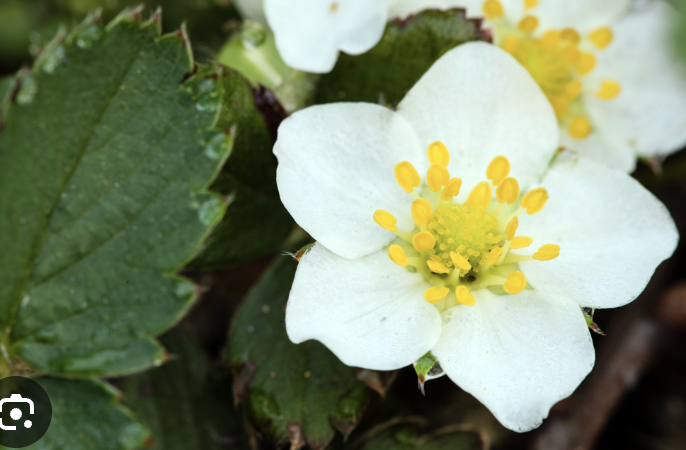
Rosaceae
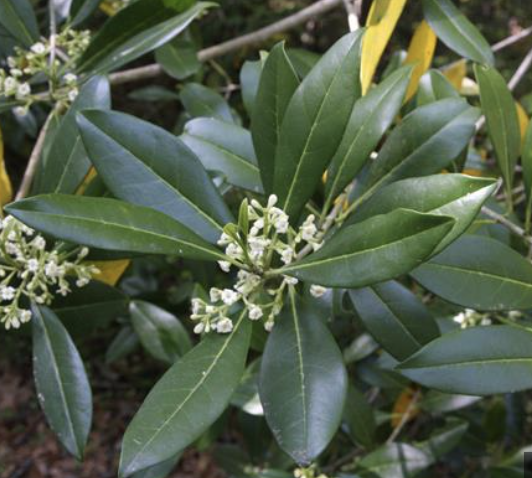
Oleaceae
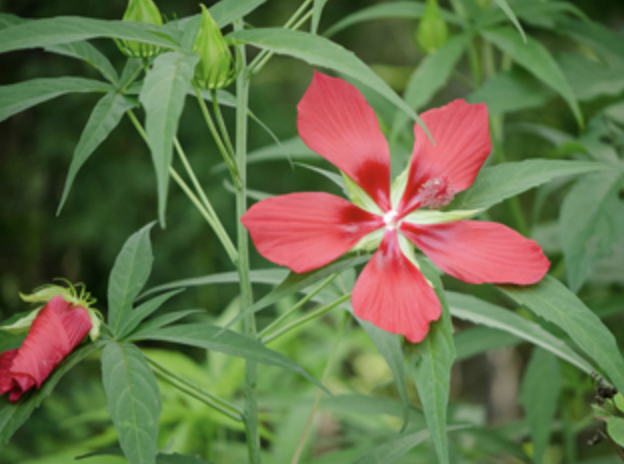
Malvaceae
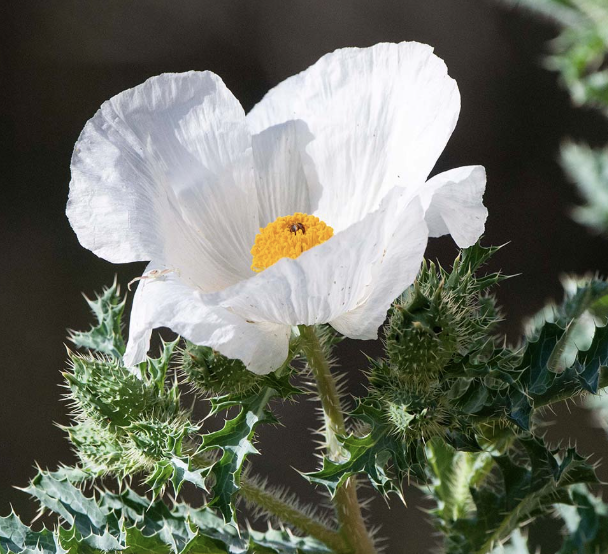
Papaveraceae
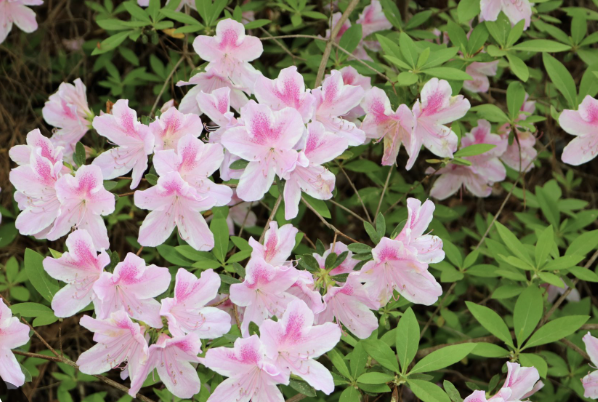
Ericaceae
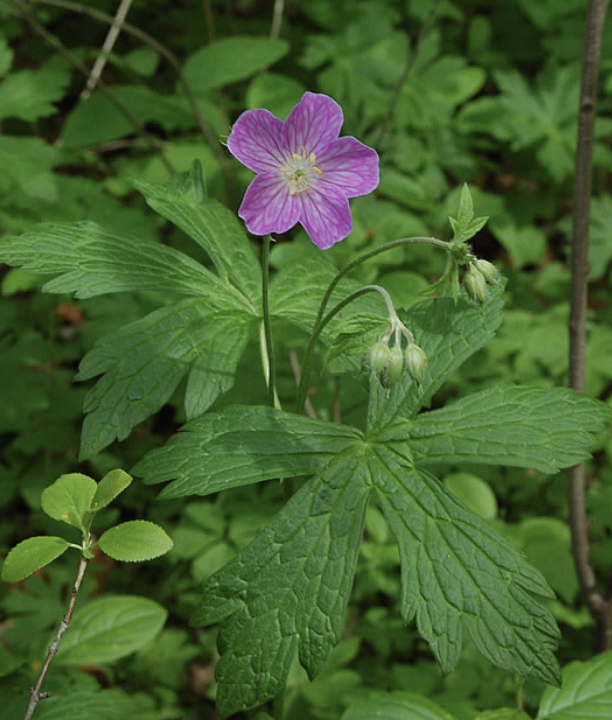
Geraniaceae
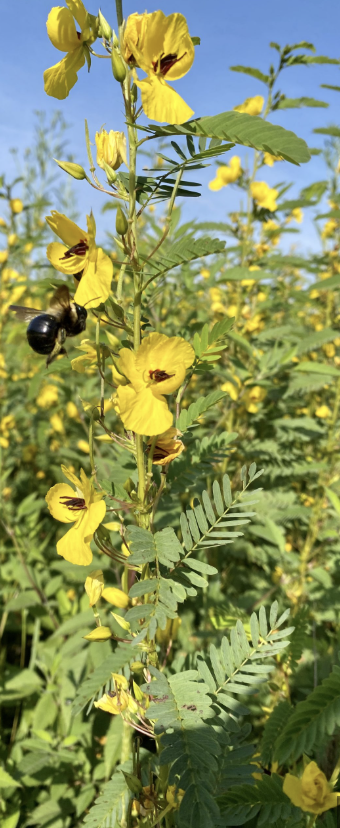
Fabaceae
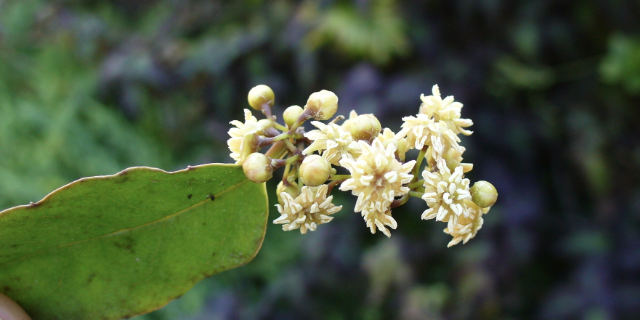
Amborella
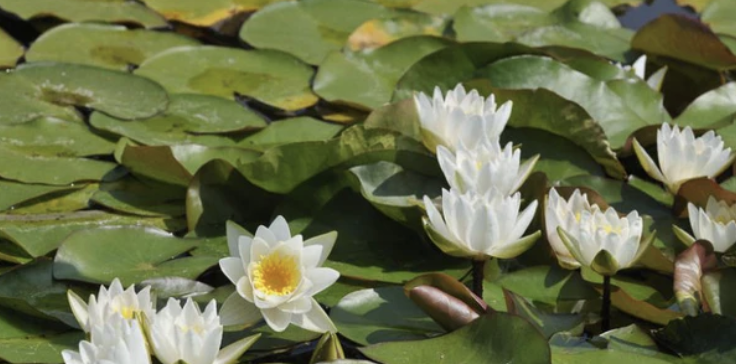
Nymphaeaceae
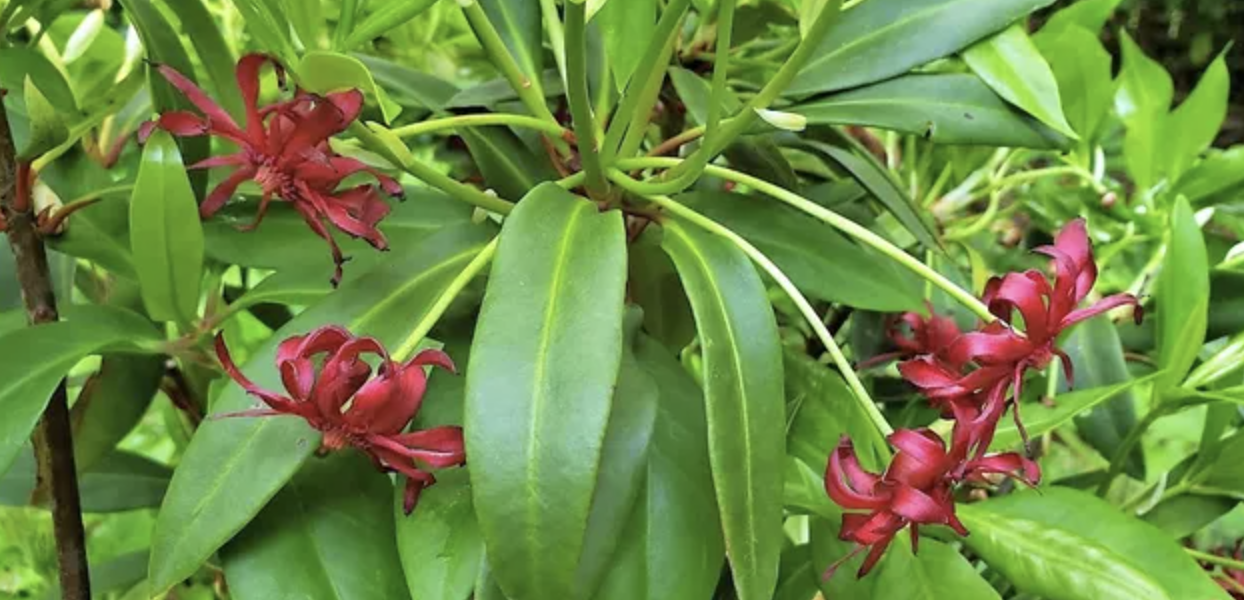
Illiaceae
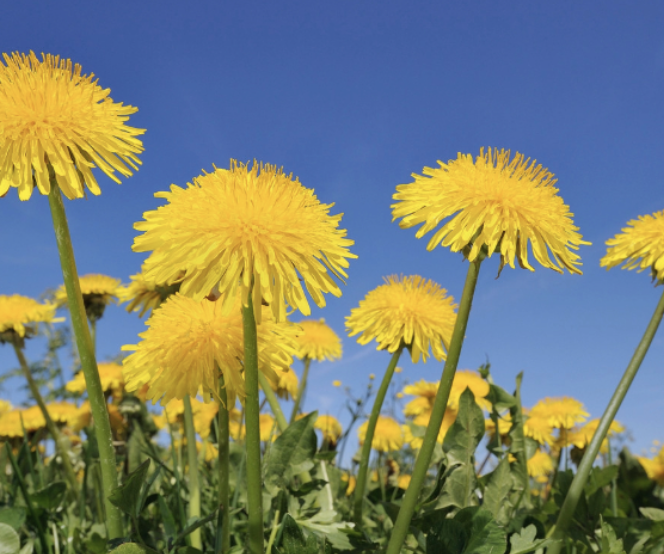
Asteraceae
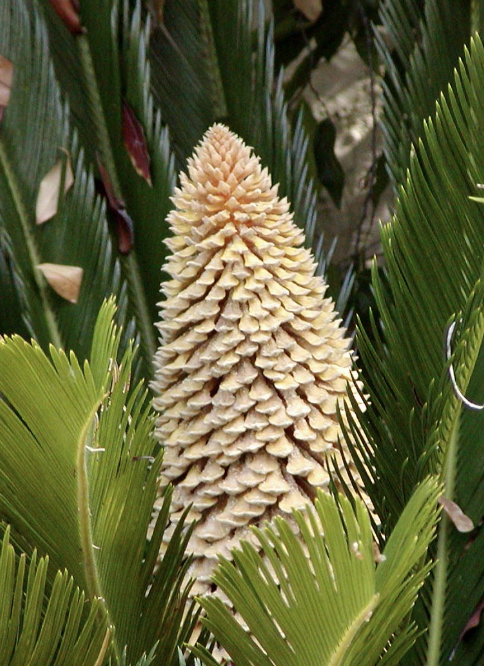
Cycadaceae
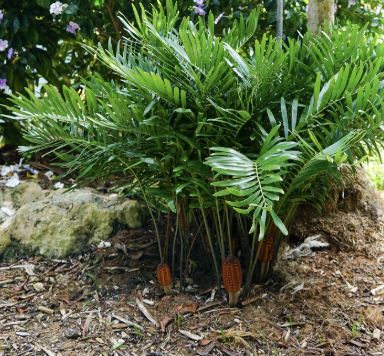
Zamiaceae
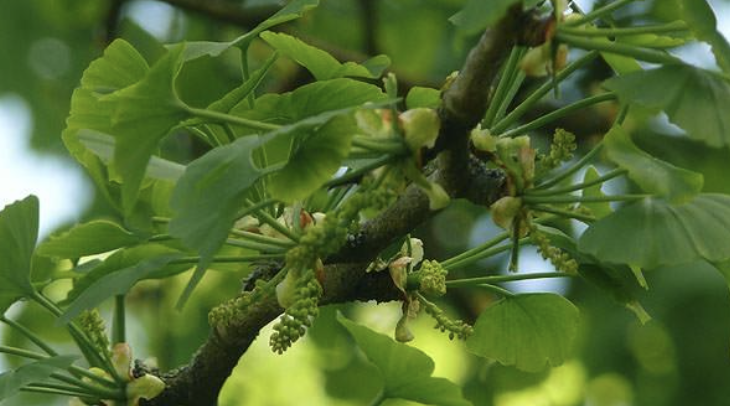
Ginkgoaceae
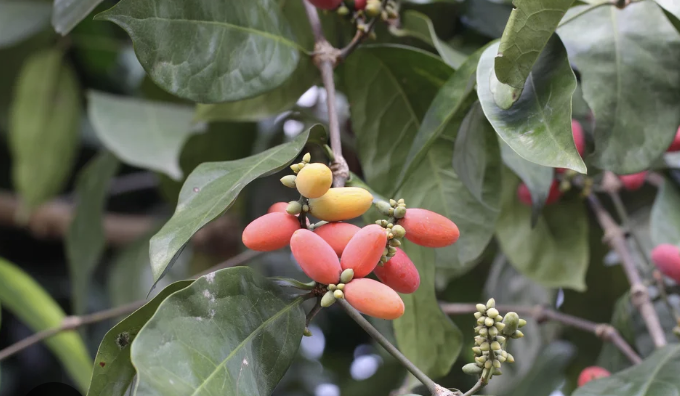
Gnetaceae
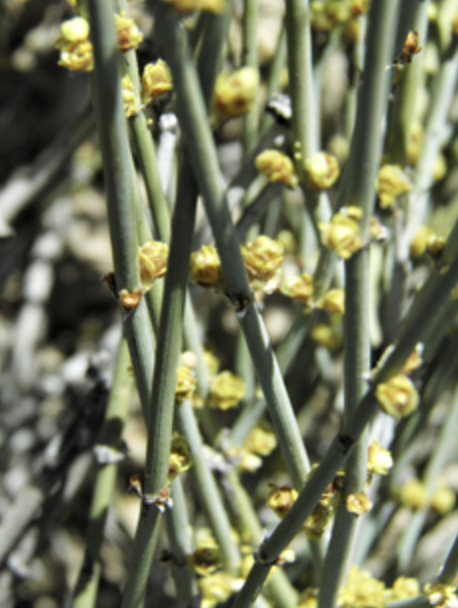
Ephedraceae
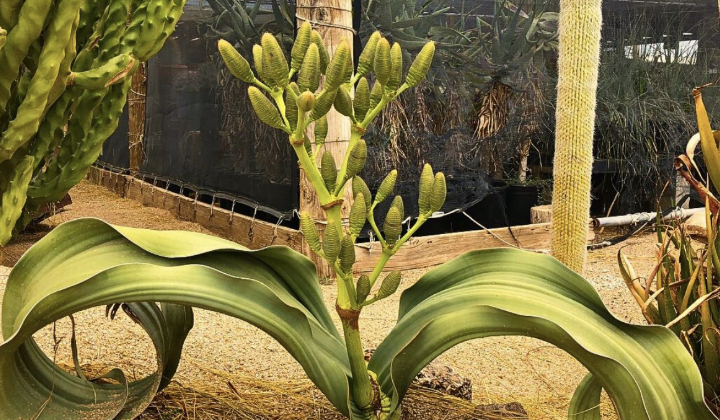
Welwitschiaceae
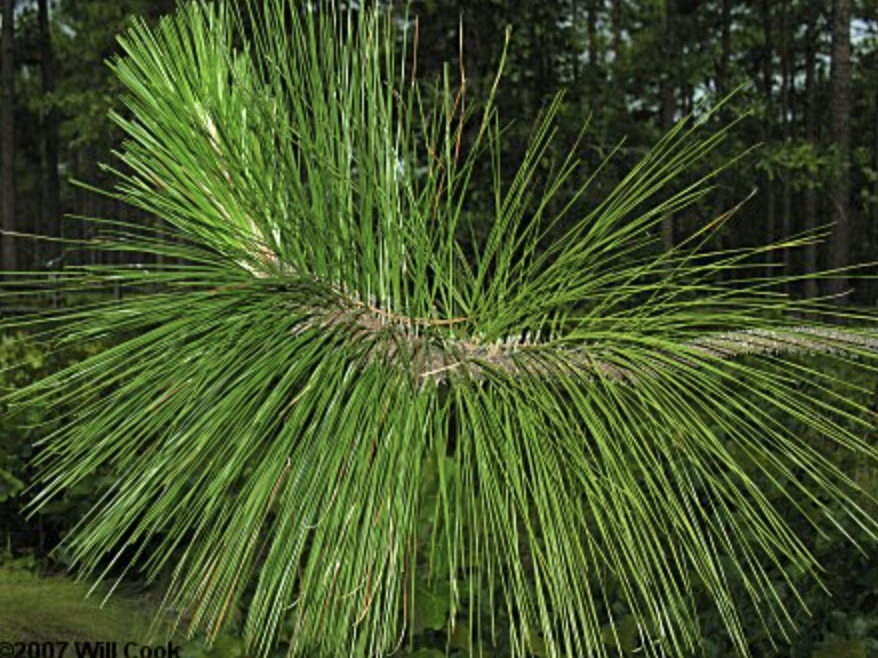
Pinaceae
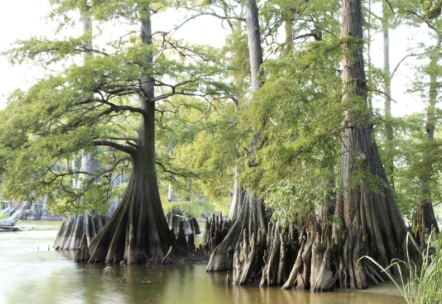
Cypressaceae
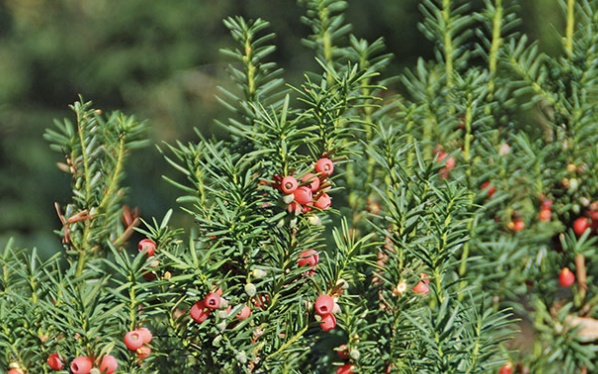
Taxaceae
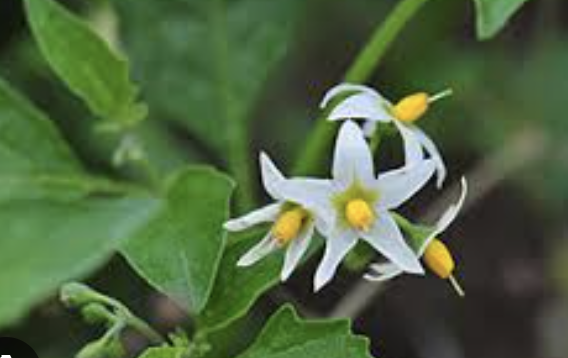
Solanaceae
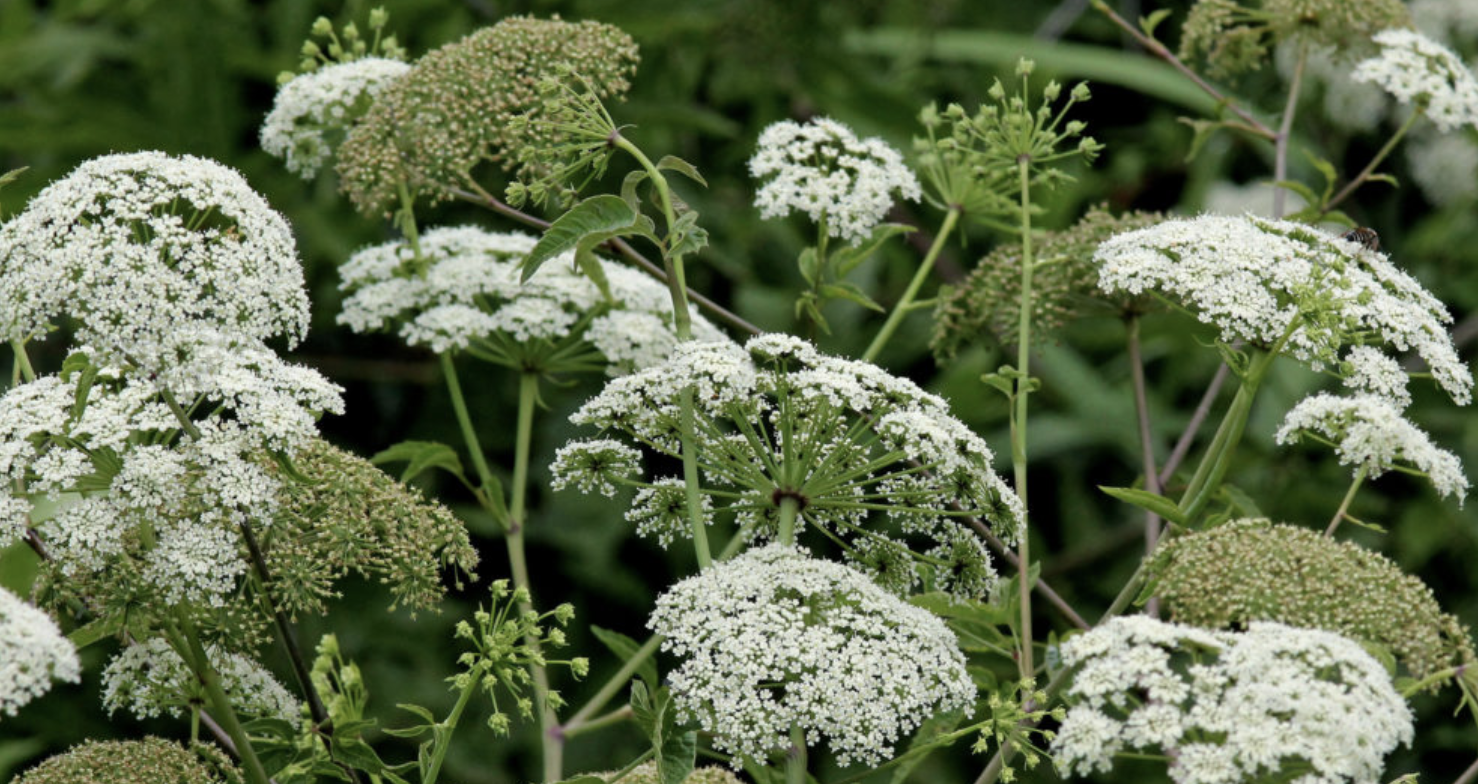
Apiaceae
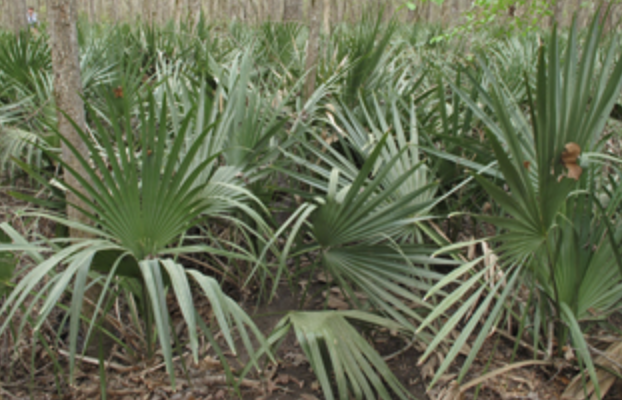
Arecaceae
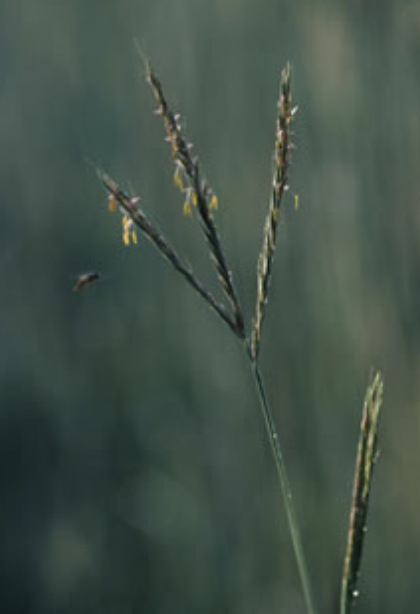
Poaceae
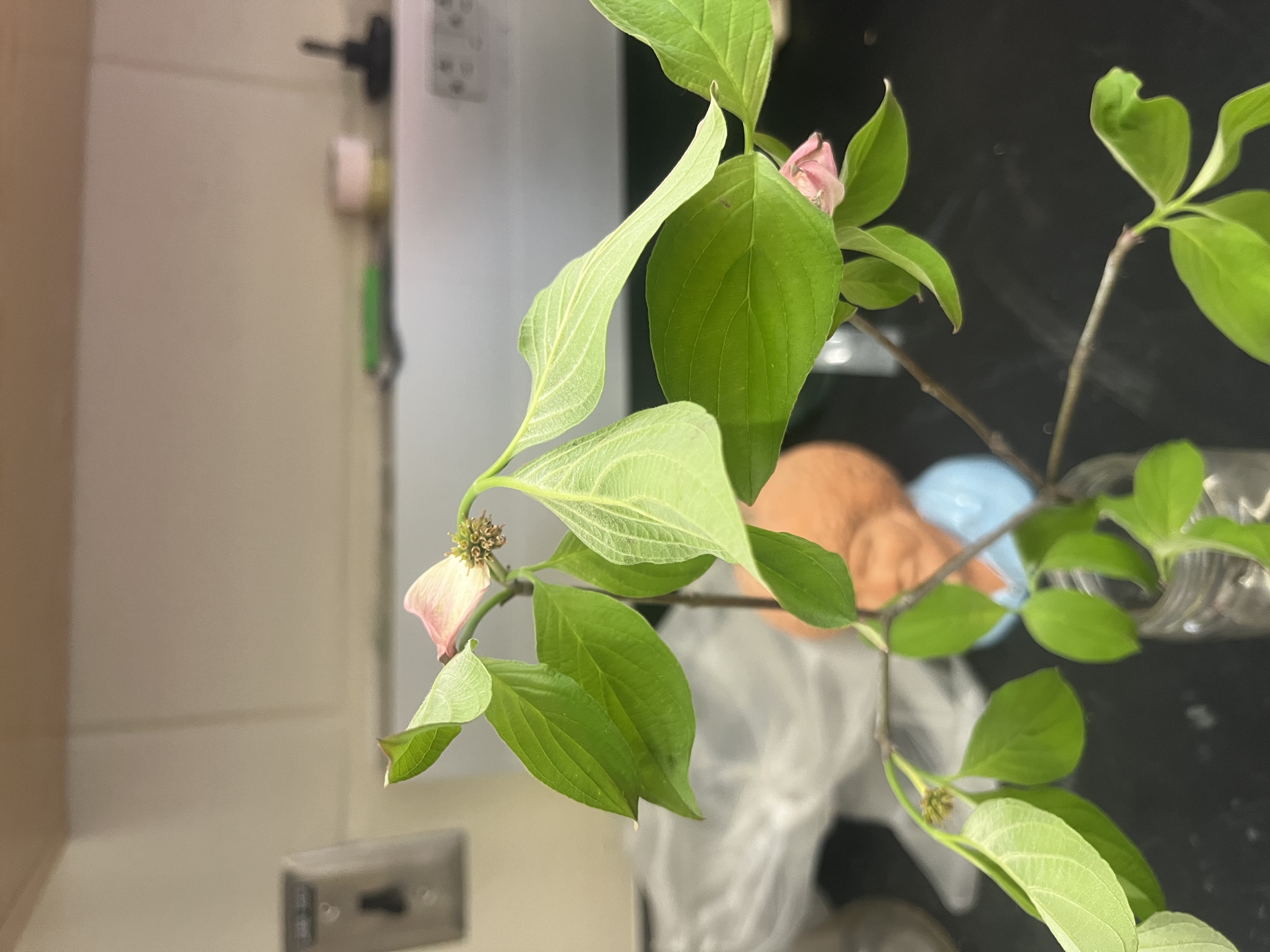
Cornaceae
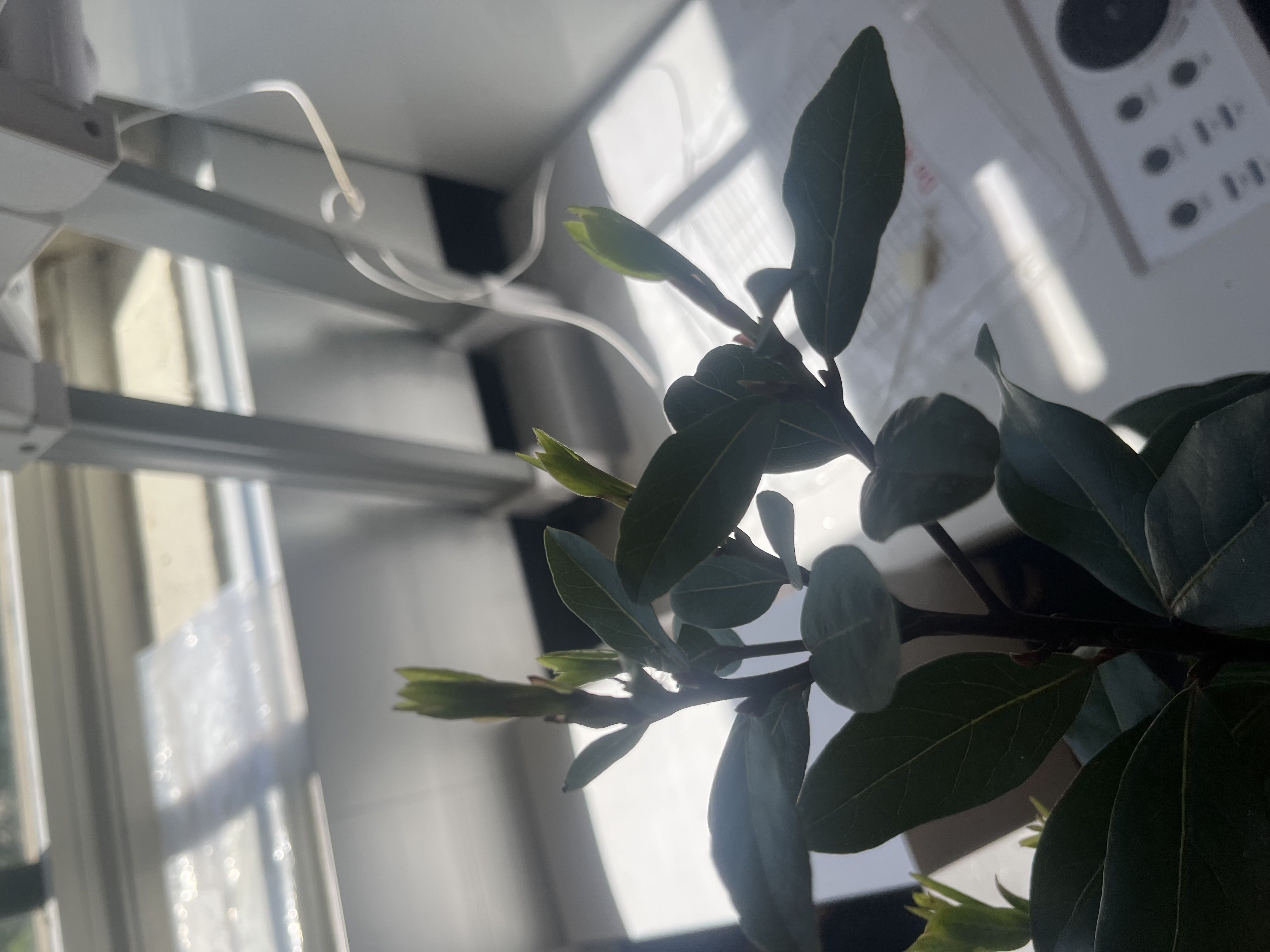
Lauraceae
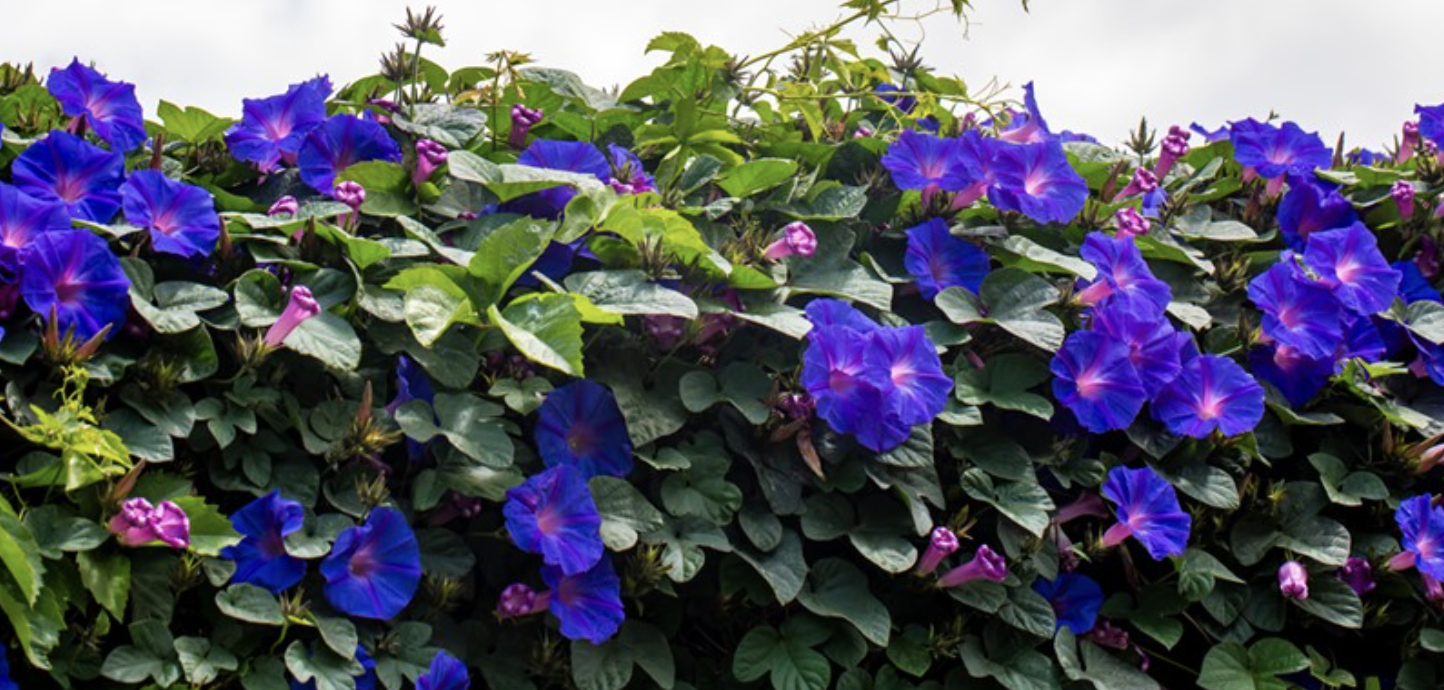
Convovulaceae
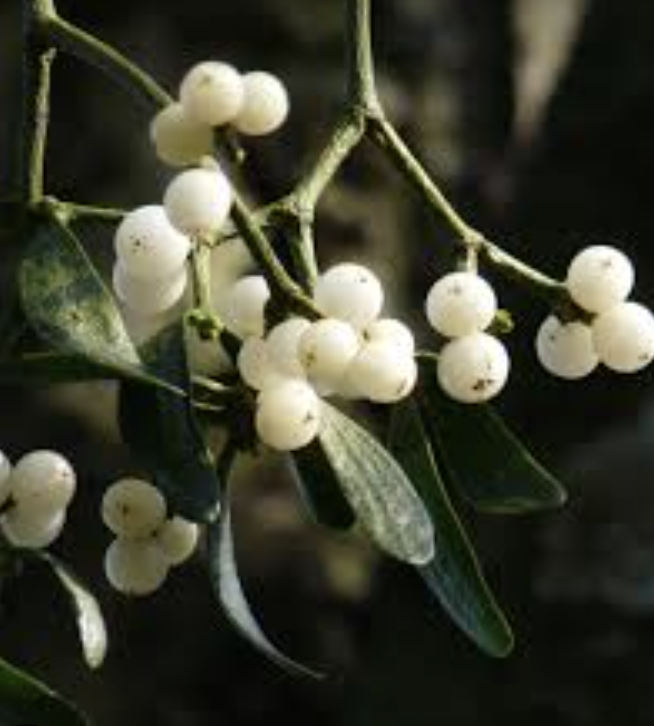
Loranthaceae
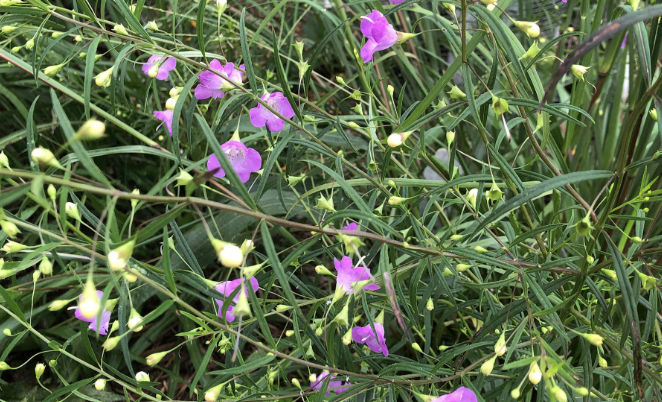
Orobanchaceae
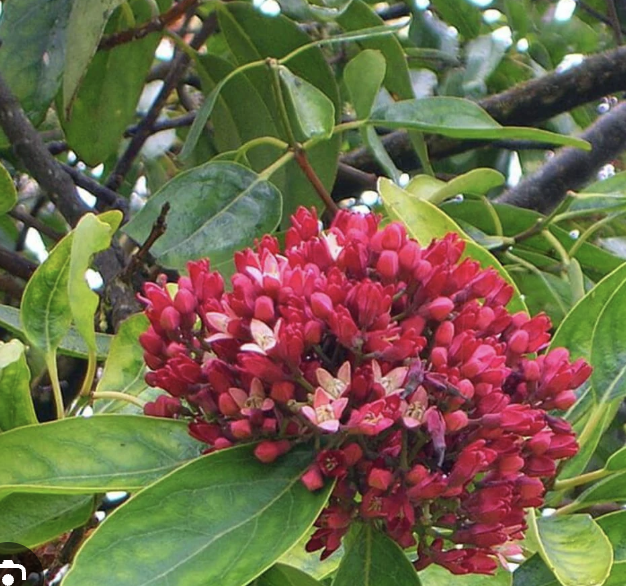
Santalaceae
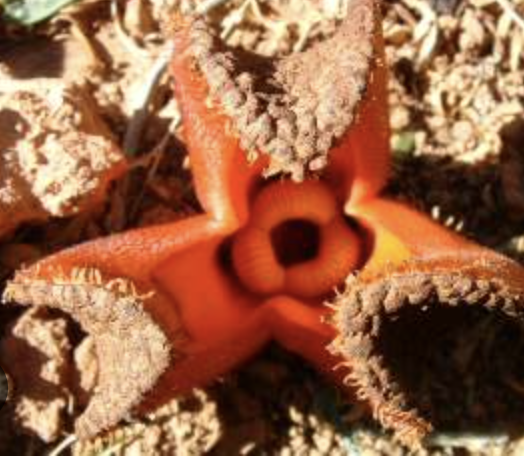
Hydnoraceae
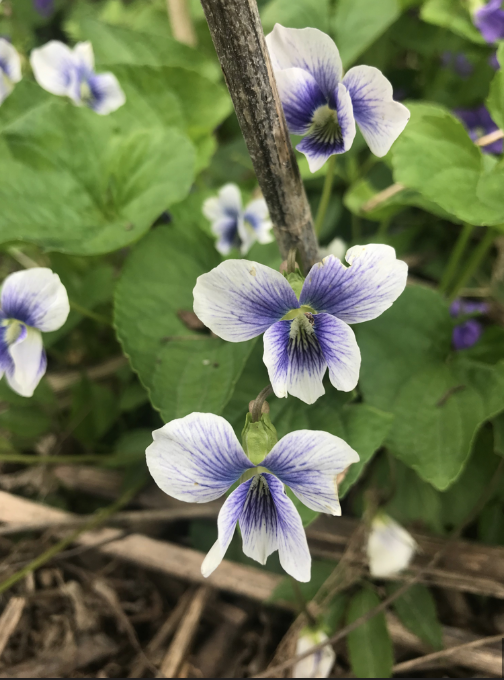
Violaceae
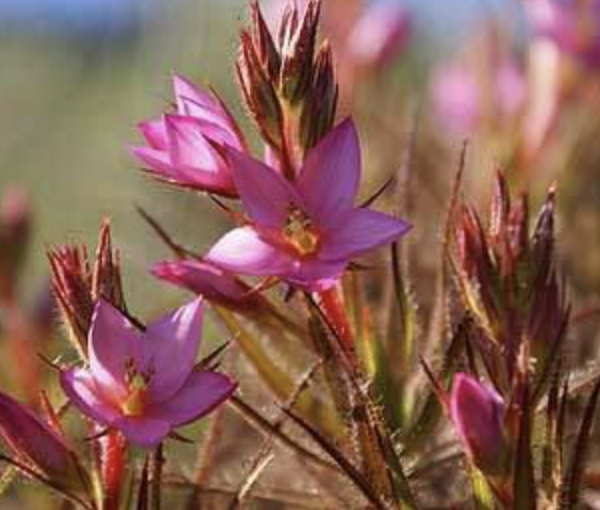
Roridulaceae
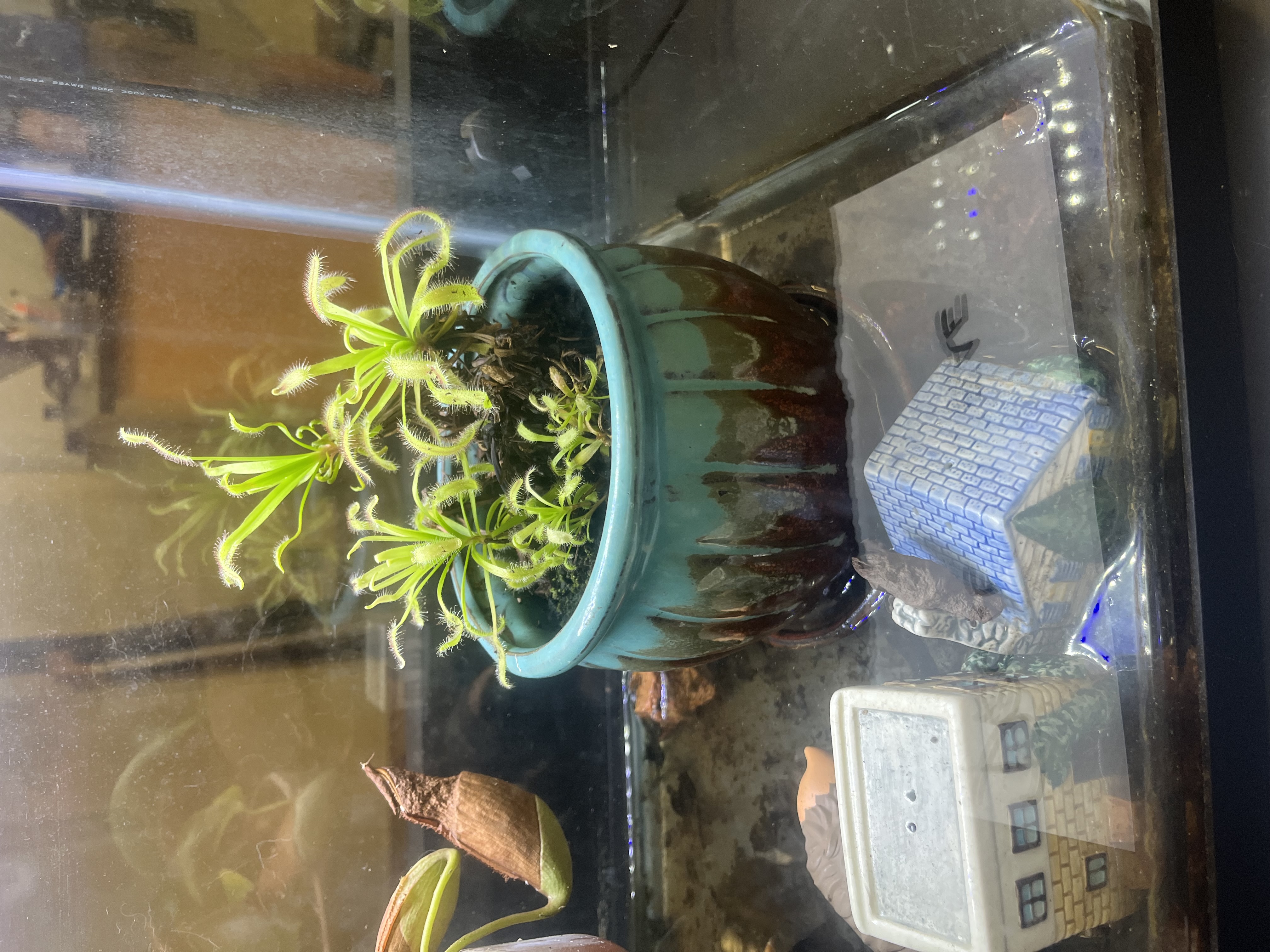
Droseraceae
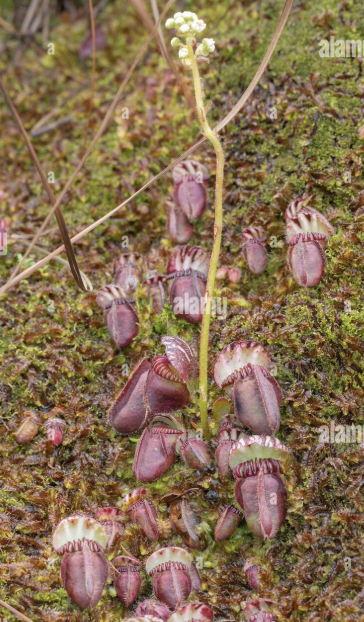
Cephalotaceae
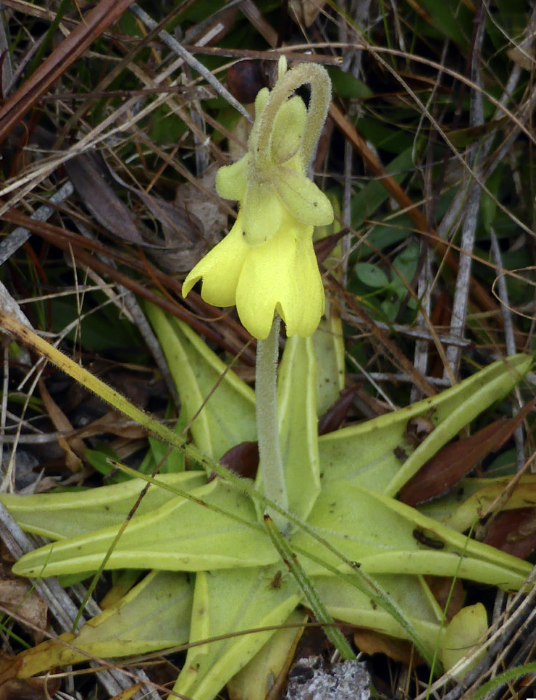
Lentibulariaceae
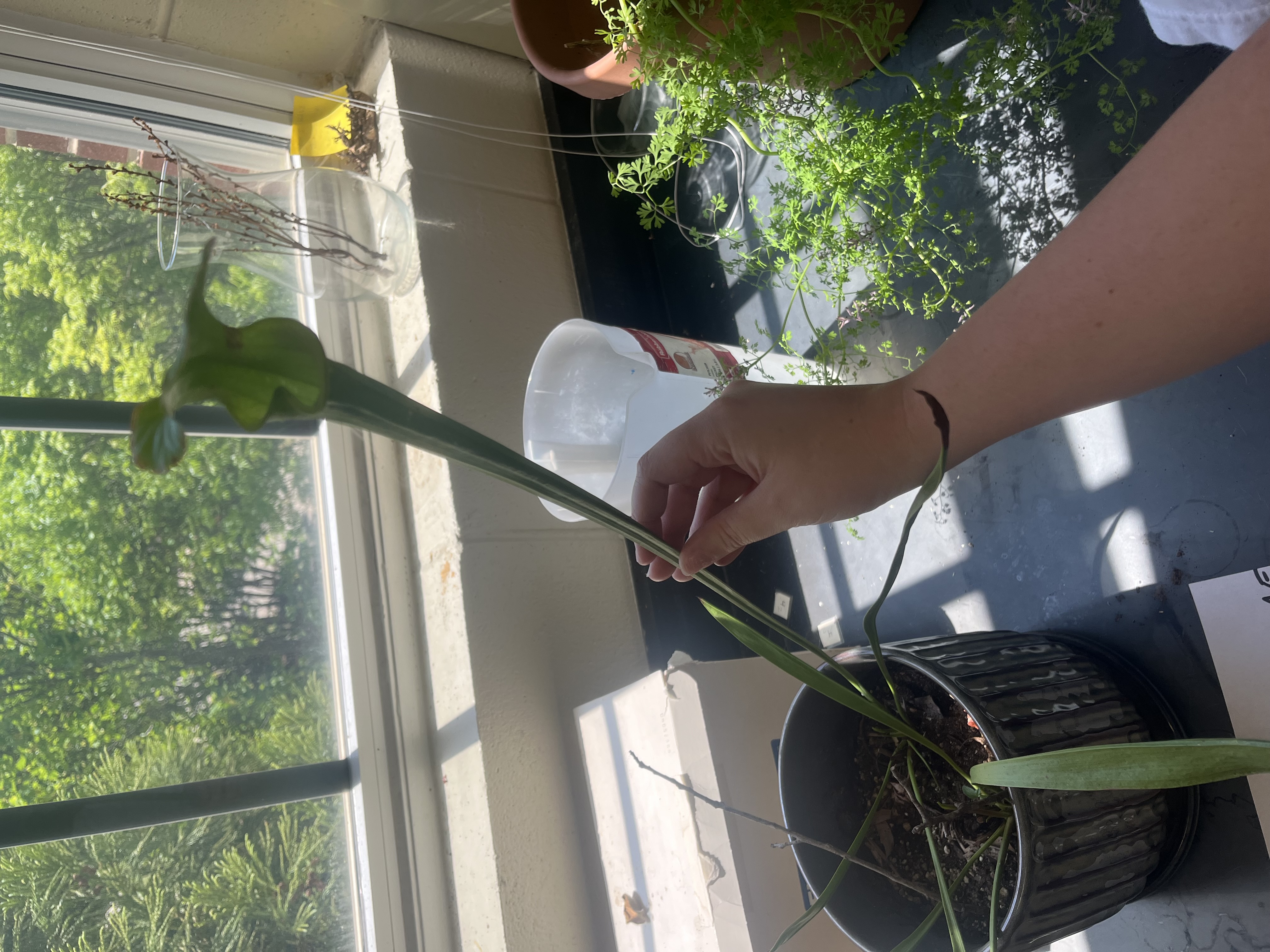
Sarraceniaceae
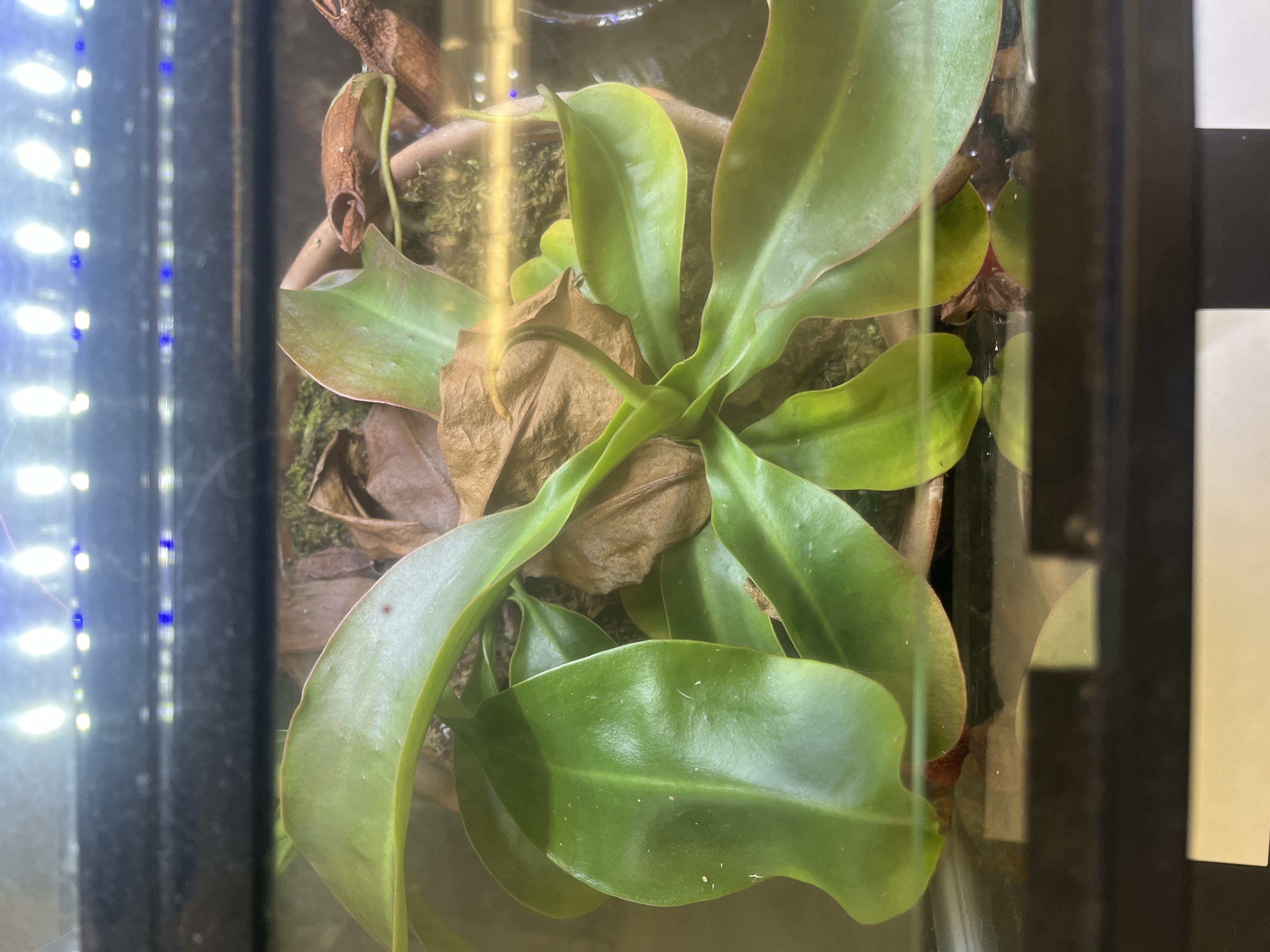
Nepenthaceae
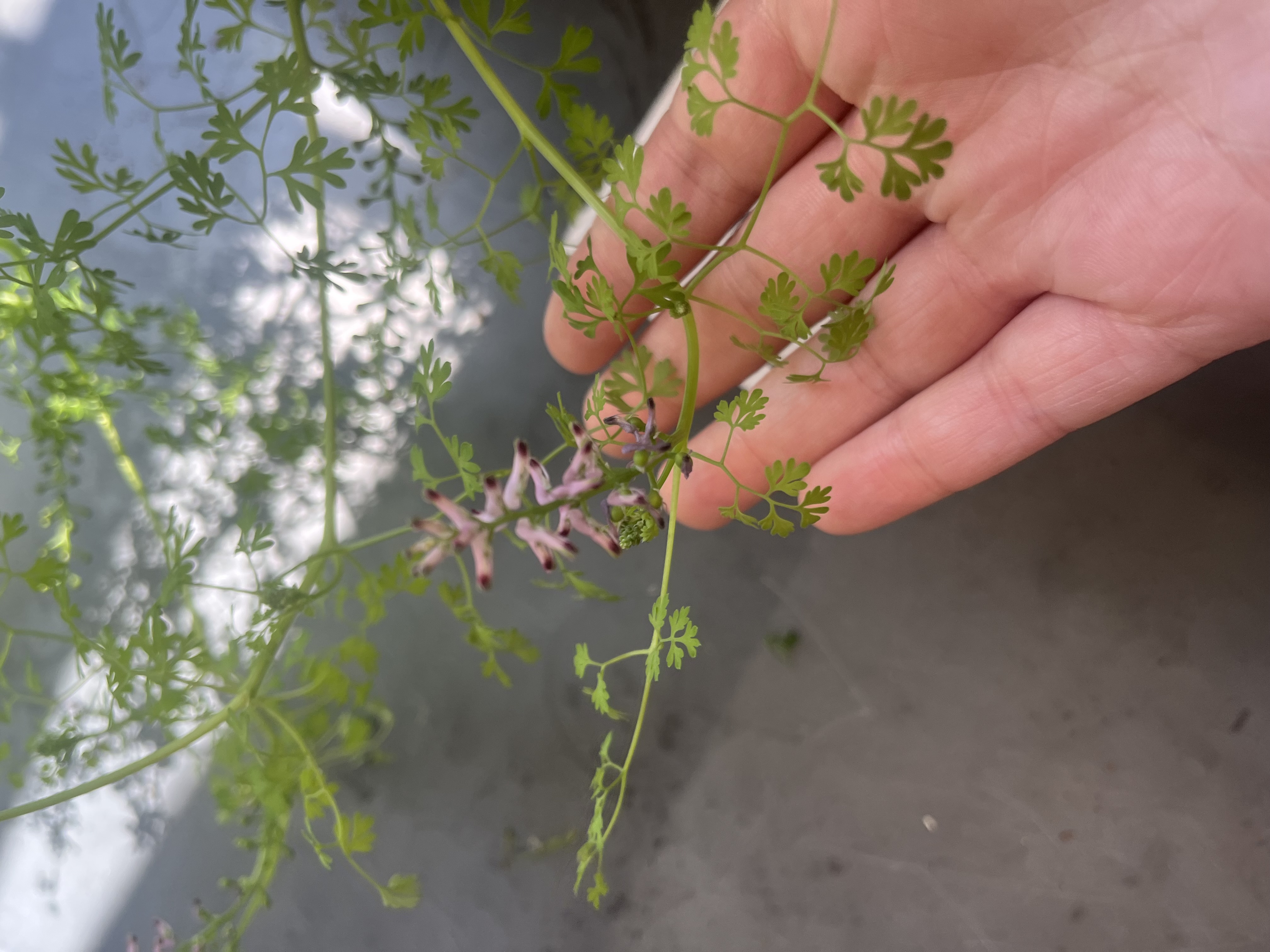
Fumariaceae