AP Government Court Cases
 Call Kai
 Learn
Learn Practice Test
 Spaced Repetition
 Match
Match Flashcards
 Knowt Play
1/35

There's no tags or description
Looks like no tags are added yet.
Name | Mastery | Learn | Test | Matching | Spaced | Call with Kai |
|---|
No analytics yet
Send a link to your students to track their progress
36 Terms
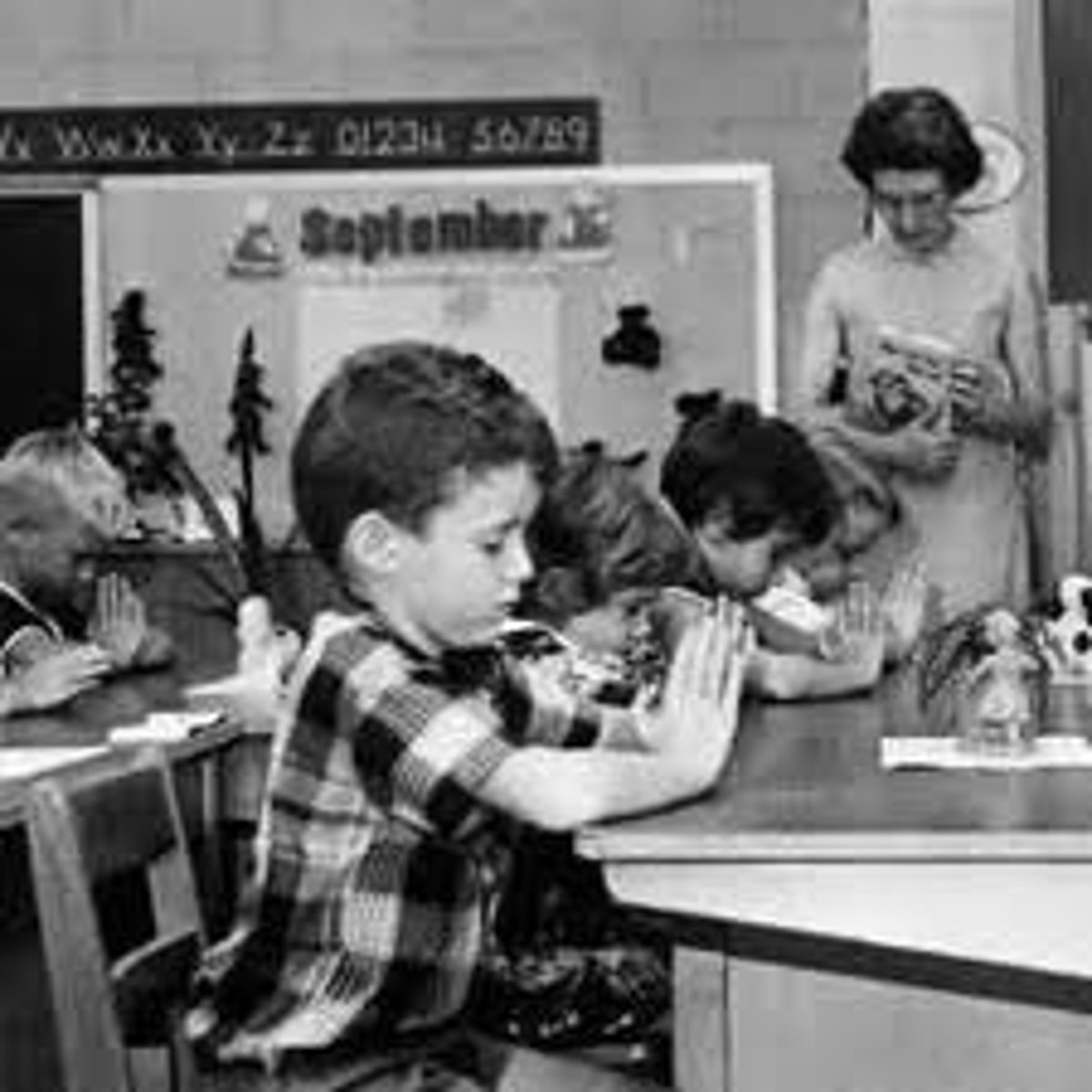
Engel v Vitale
First Amendment/Establishment Clause - Government-directed prayer in public schools violates the Establishment Clause of the First Amendment, even if the prayer is denominationally neutral and students may remain silent or be excused from the classroom during its recitation.
Baker v. Carr
1962 in Tennessee, federal government has the ability to intervene in a state's redistricting to ensure fairness because redistricting is not just a political question
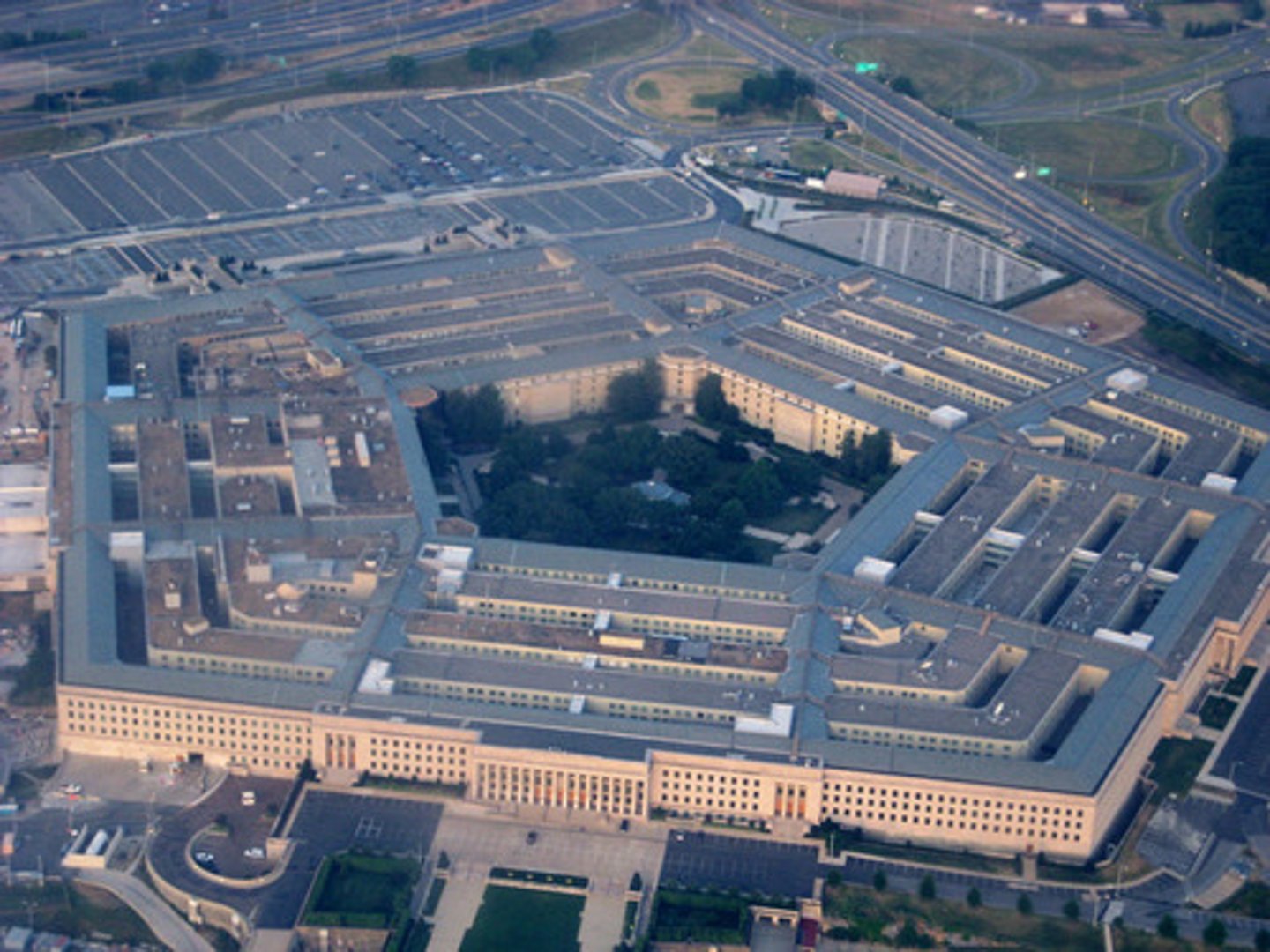
NY Times v. U.S.
First Amendment/Freedom of the Press, Prior Restraint - New York Times and Washington Post could print the Pentagon Papers without risk of government censorship or punishment
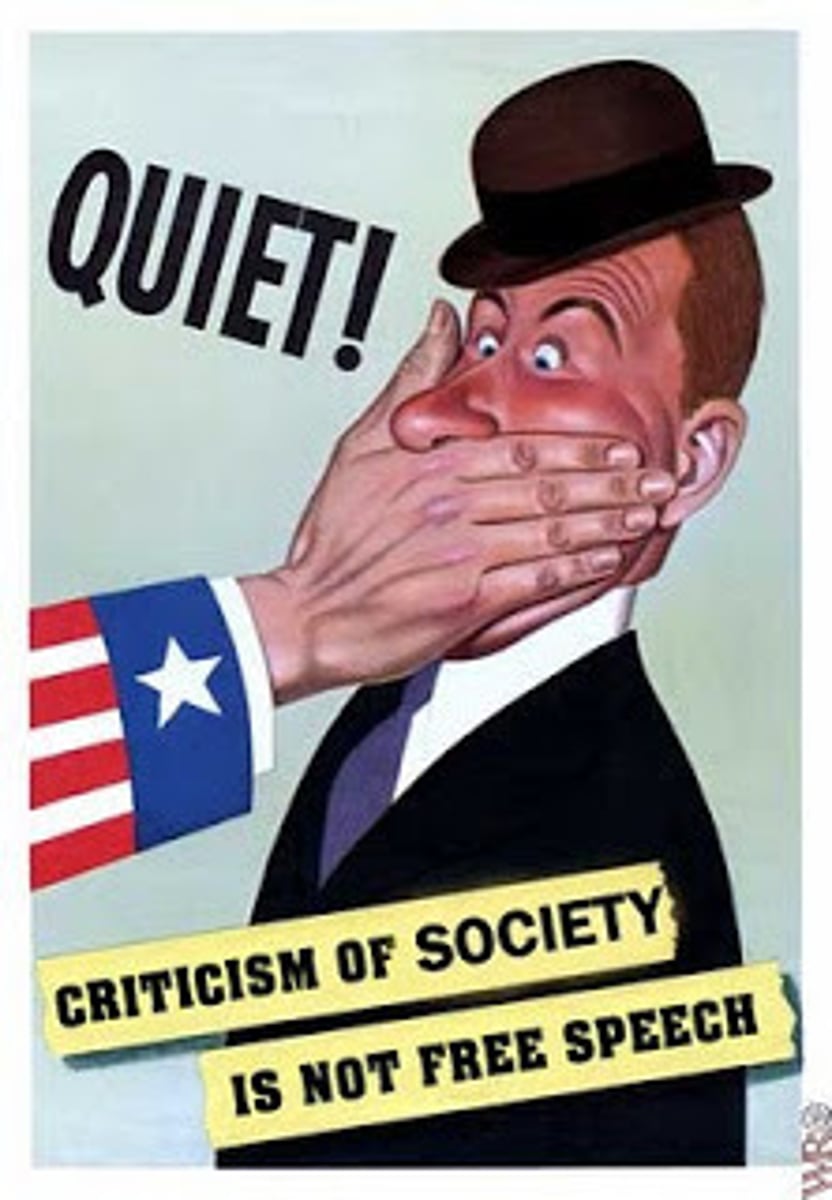
Schenck v. U.S.
First Amendment/Freedom of Speech/non-protected - Charged with conspiracy to violate the Espionage Act by attempting to cause insubordination in the military and to obstruct recruitment. During wartime, utterances tolerable in peacetime can be punished. Clear and present danger test.
Gitlow v. New York
First Amendment/Freedom of Speech/non-protected - the government may suppress or punish speech that directly advocates the unlawful overthrow of the government. first occurence of selective incorporation of 14th amendment.
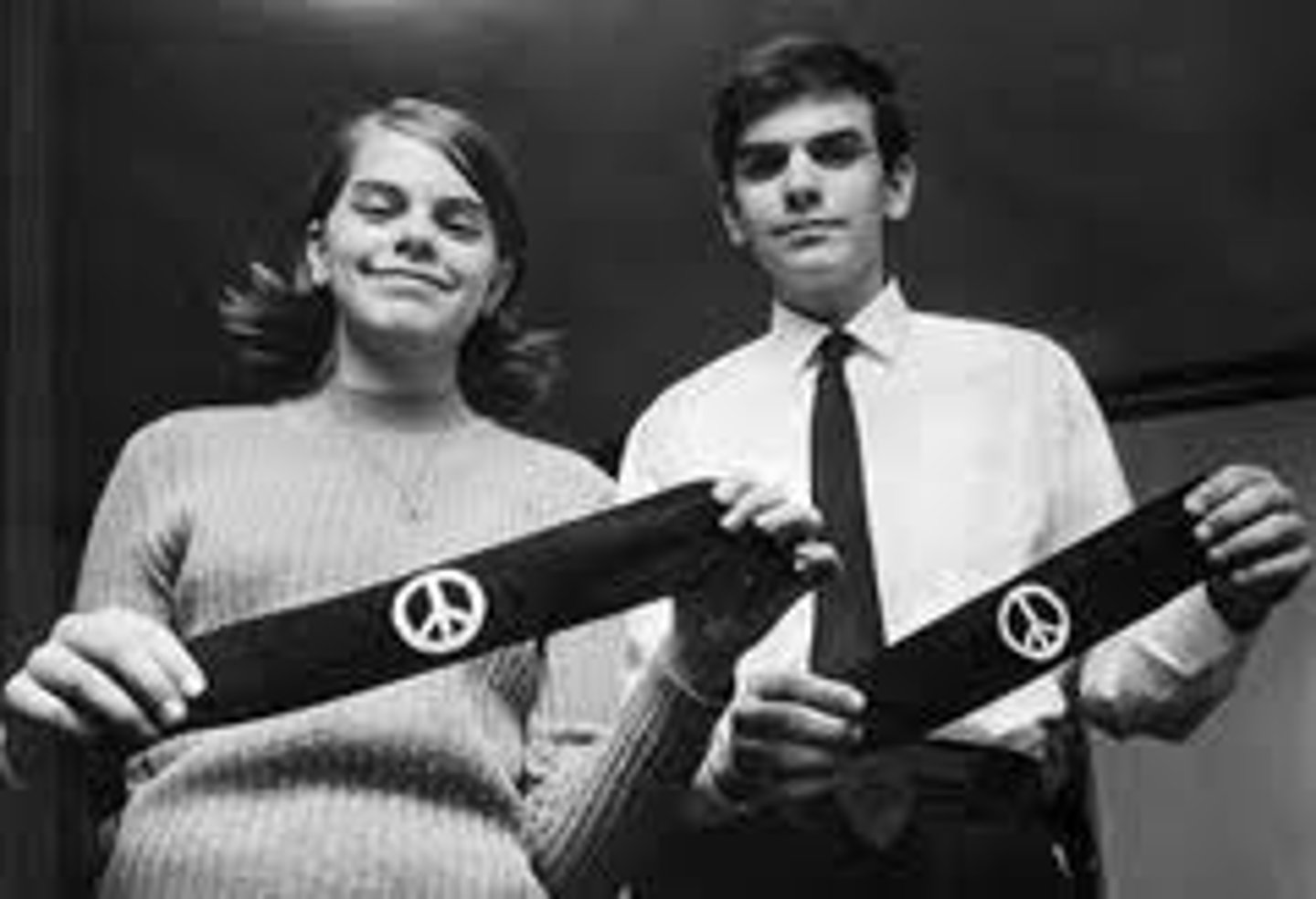
Tinker v. Des Moines
First Amendment/Freedom of Speech/symbolic speech - students' wearing of armbands in support of Vietnam truce did not interrupt school activities, pure speech
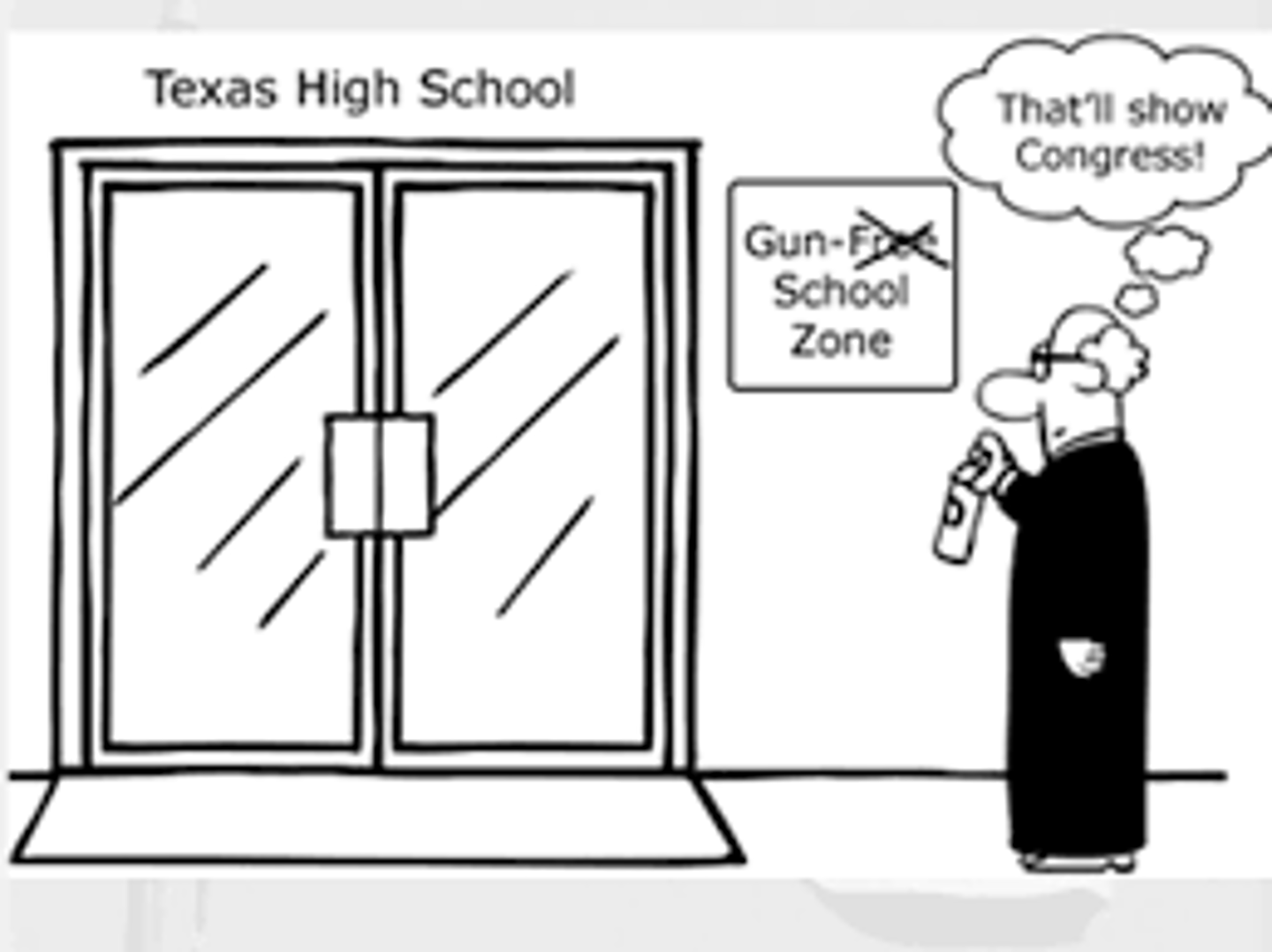
U.S. v. Lopez
Second Amendment - gun laws about schools not related to interstate commerce and not under federal authority
Mapp v. Ohio
Fourth Amendment/Exclusionary Rule - evidence taken in unreasonable searches and seizures may not be used in court.
Miranda v. Arizona
Fifth and Sixth Amendment - unless the accused is notified of the reason for their arrest, the ability to consult with an attorney, the ability to not self-incriminate their testimony is not permissible in court.
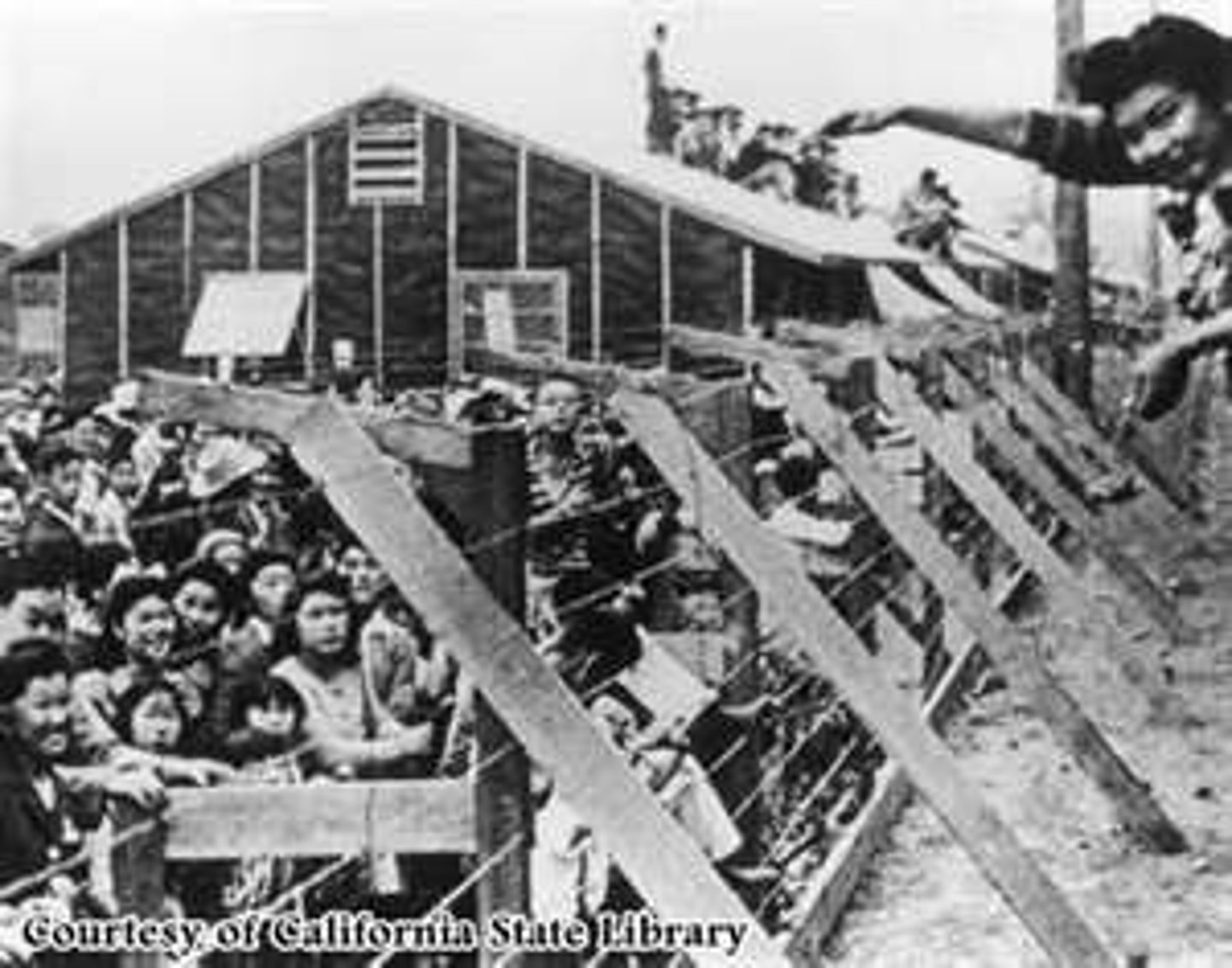
Korematsu v. U.S.
Fifth and Sixth Amendment - internment of Japanese-Americans during WWII was Constitutional, justified during times of emergency and peril
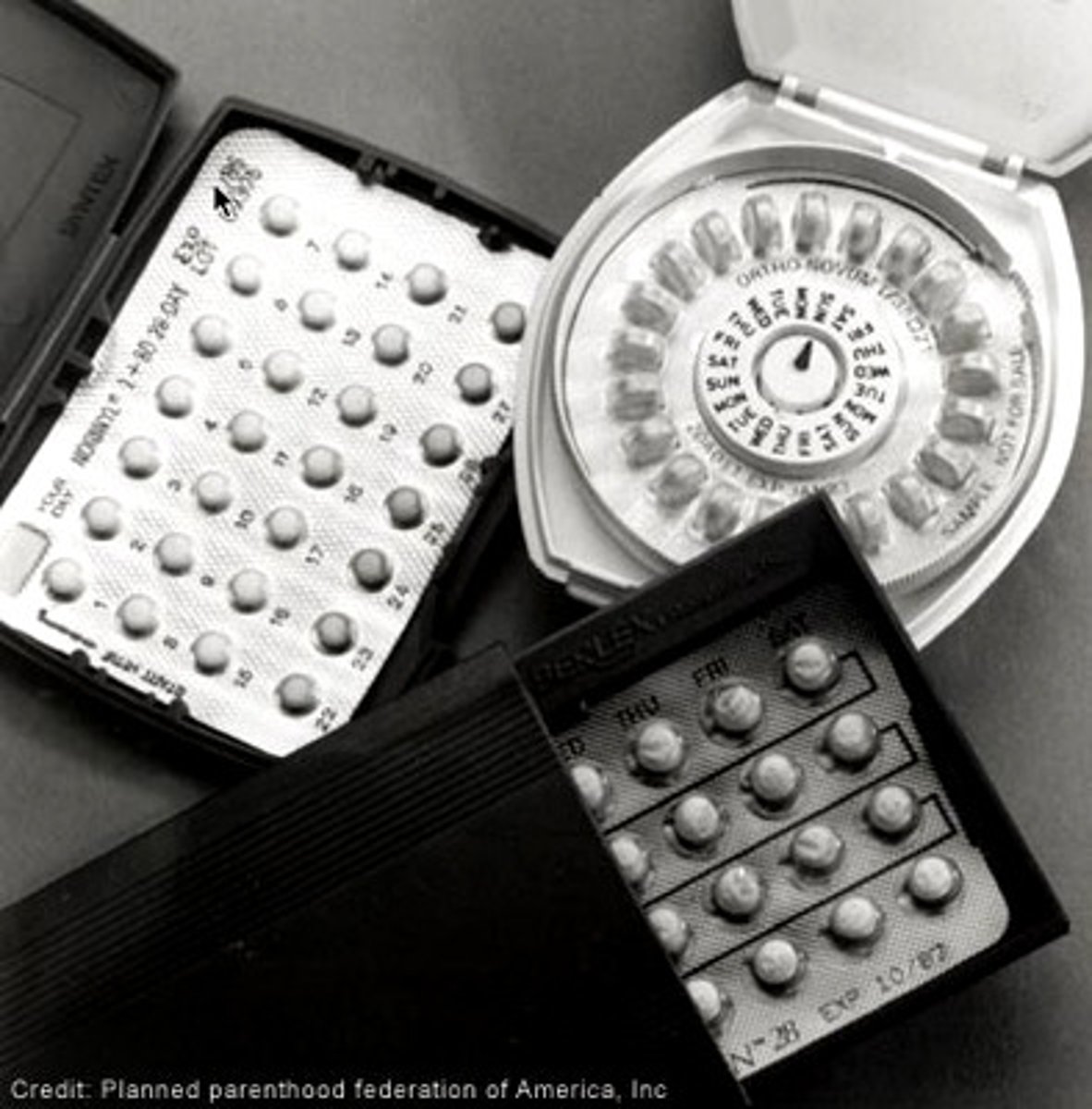
Griswold v. Connecticut
Ninth Amendment - state ban on use of contraceptives violates the right of marital privacy
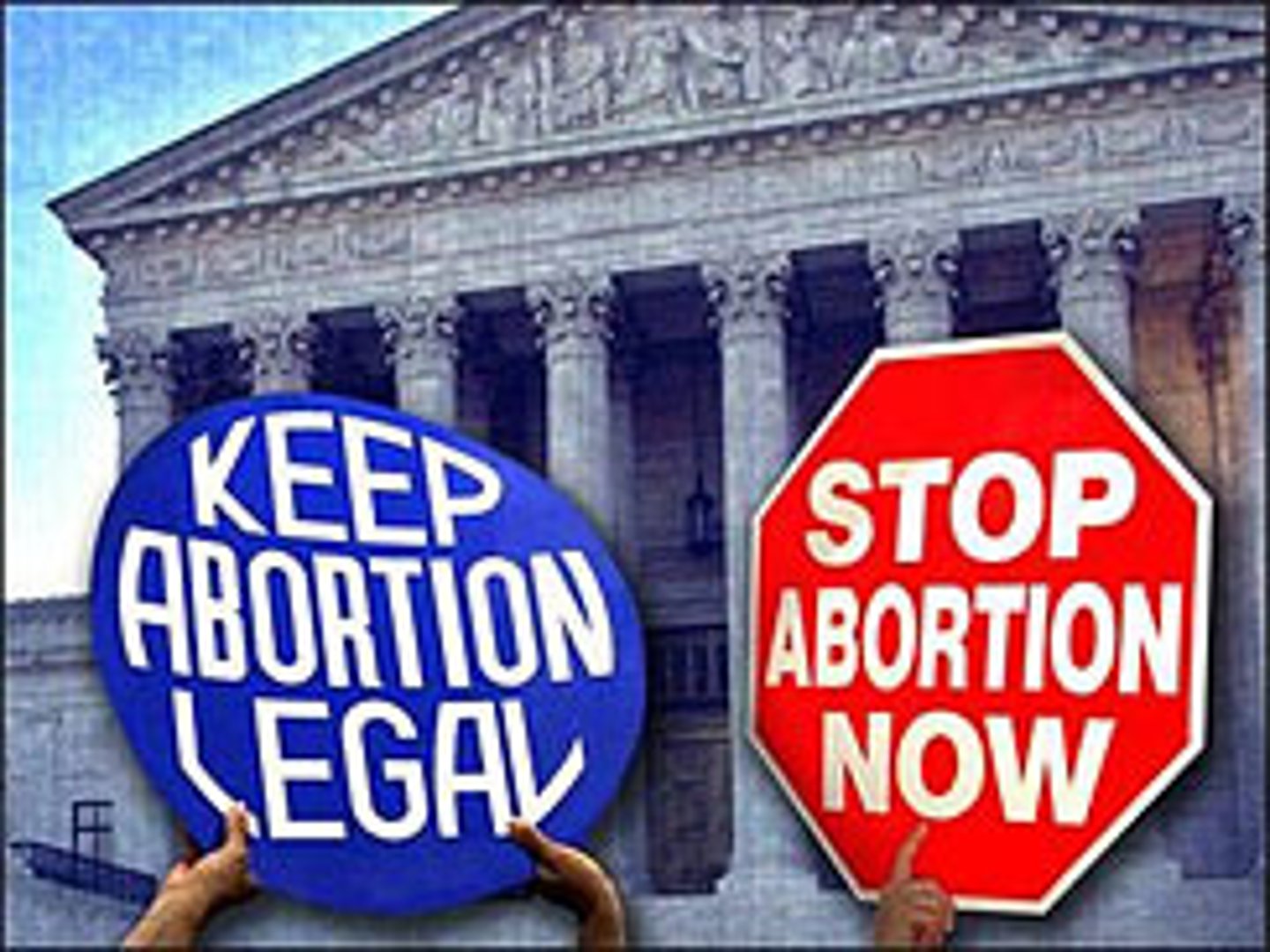
Roe v. Wade
Ninth & Fourteenth Amendments/privacy
Abortion is a private matter
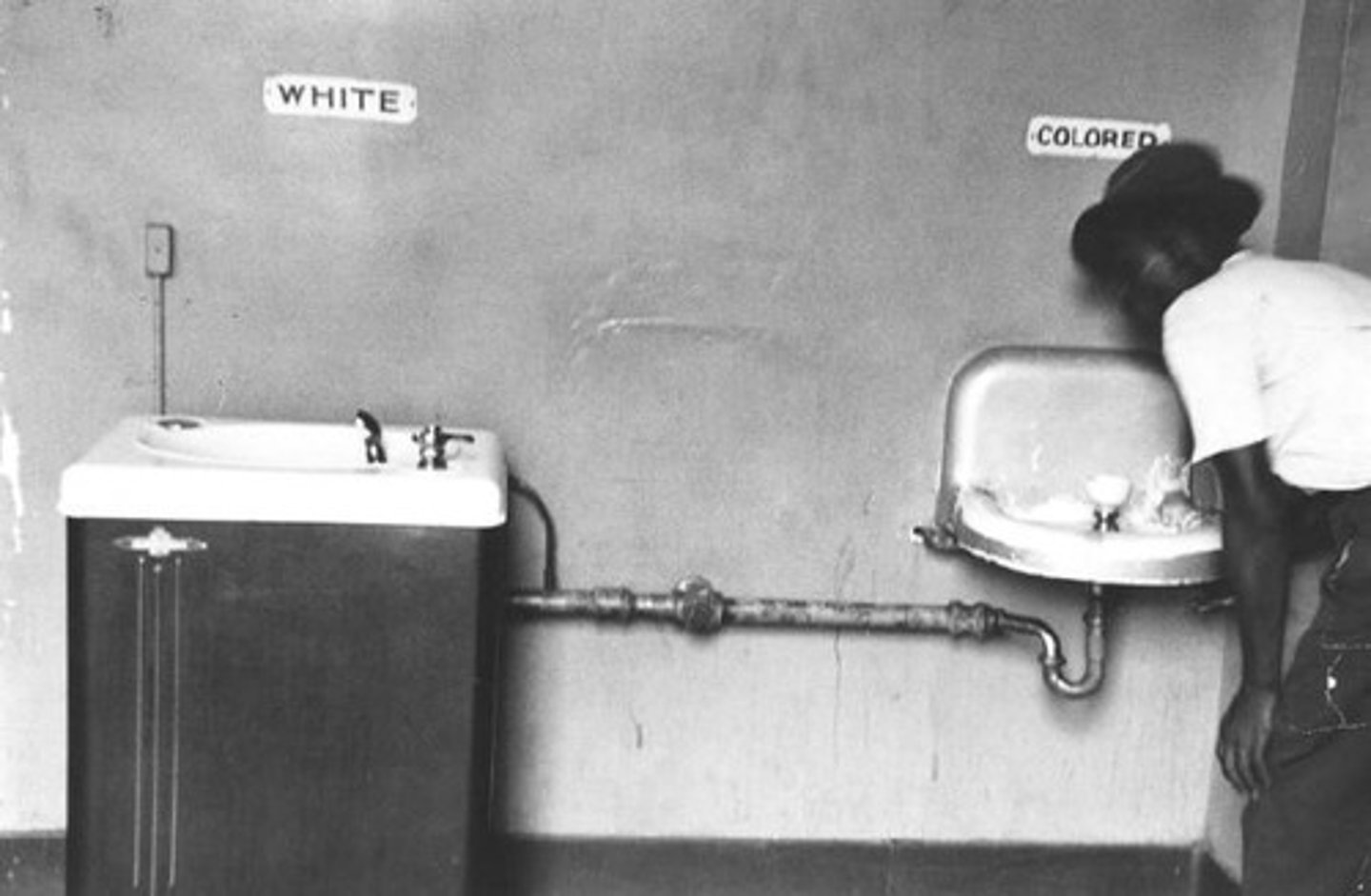
Plessy v. Ferguson
Fourteenth Amendment/Separate but Equal - ruled that railway cars provided were essentially equal so no violation of equal protection.
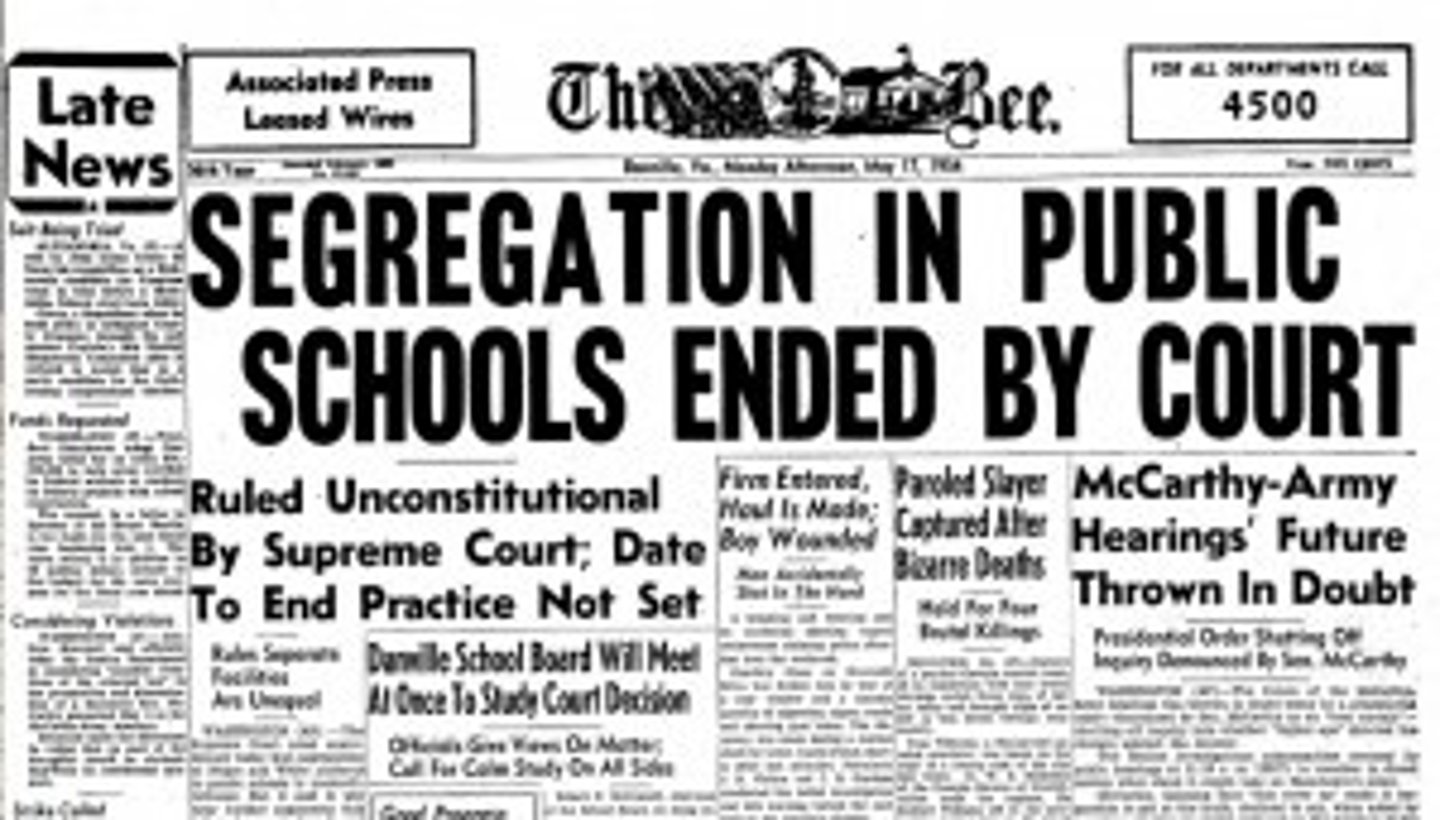
Brown v. Board of Education
Fourteenth Amendment/Separate not Equal - Integration of Schools - racial segregation violates the equal protection clause
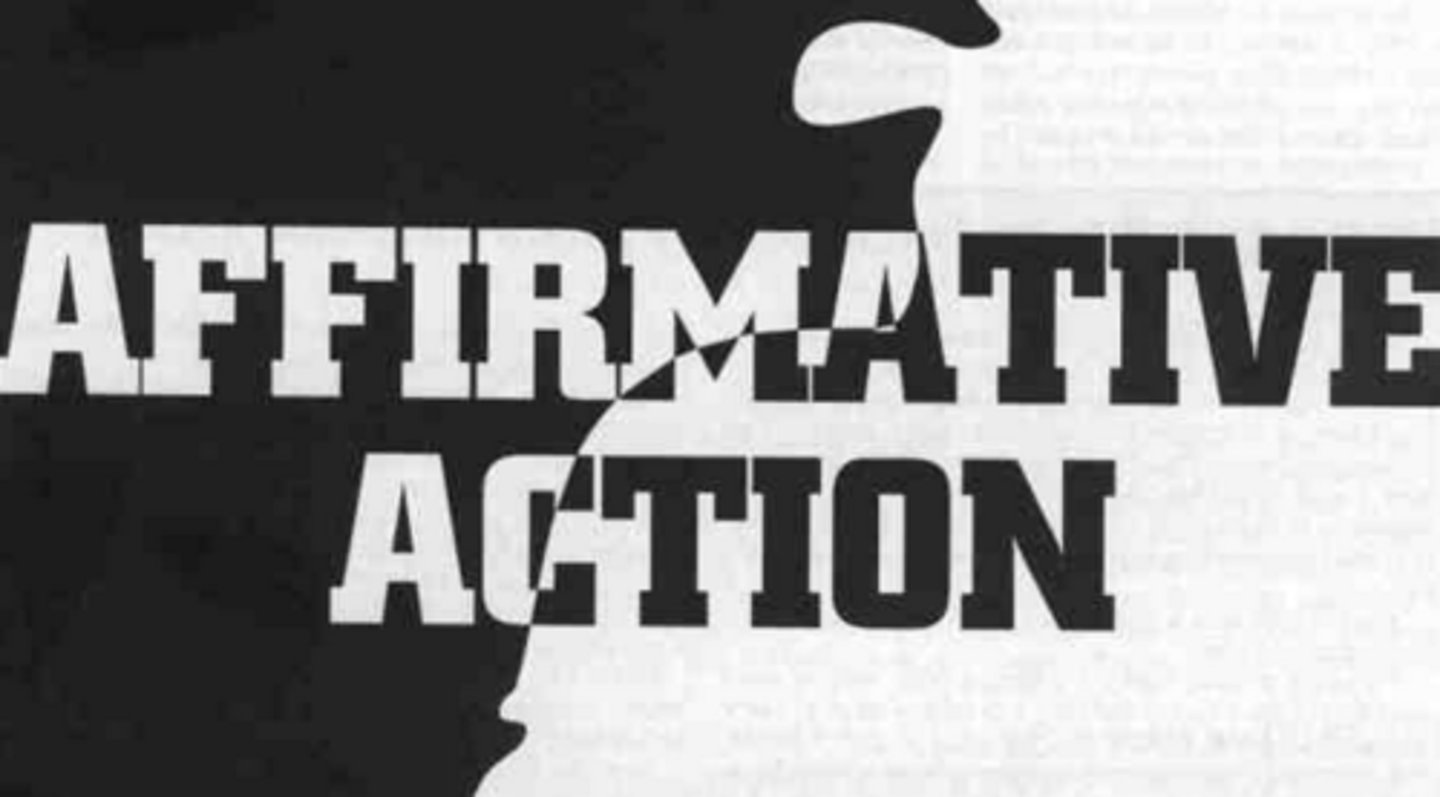
Regents of California v. Bakke
Fourteenth Amendment/Upheld Affirmative Action - race may be one of several factors in college admission policies.
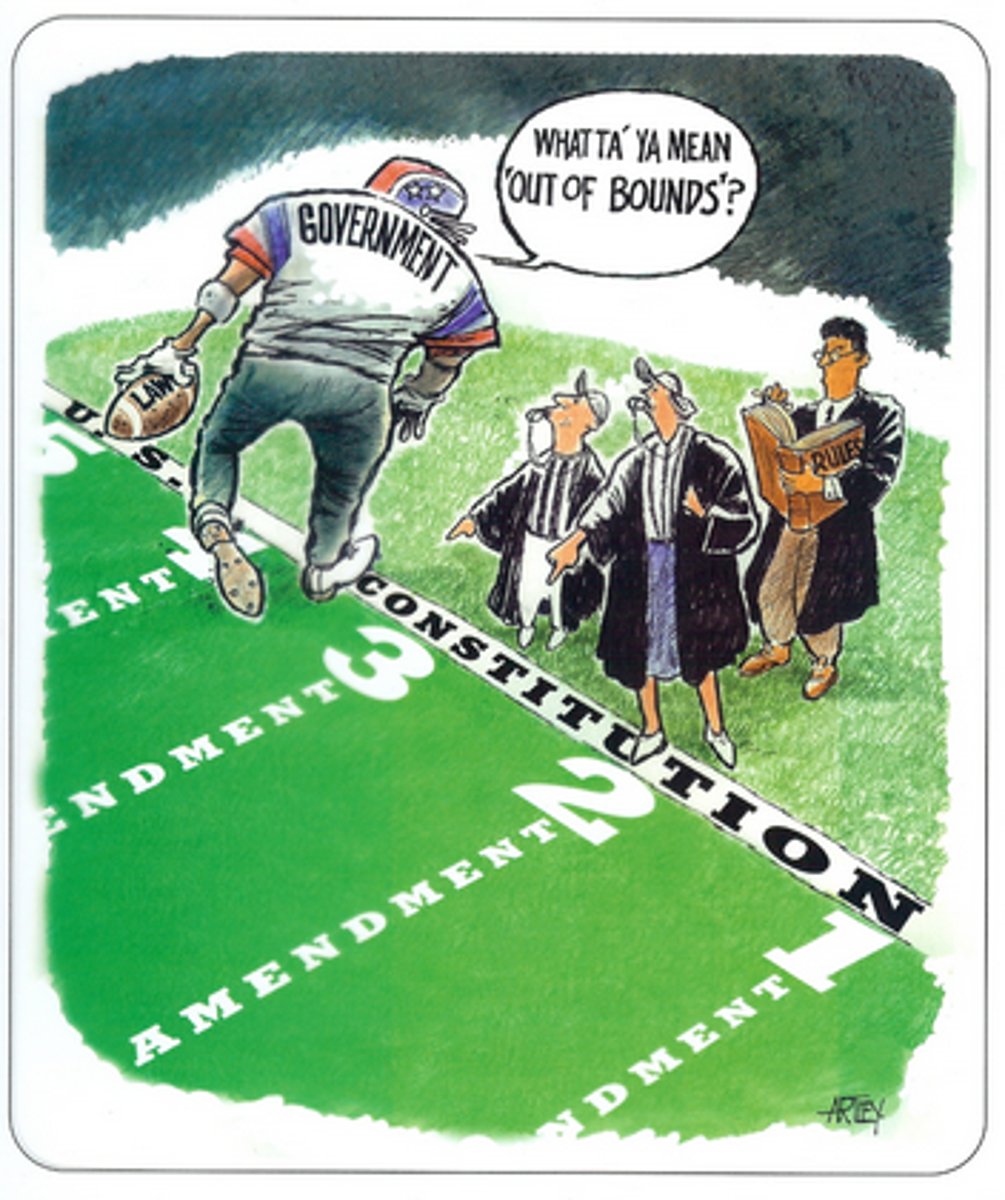
Marbury v. Madison
Establishes the Supreme Court as having the power of Judicial Review/interpret the Constitution
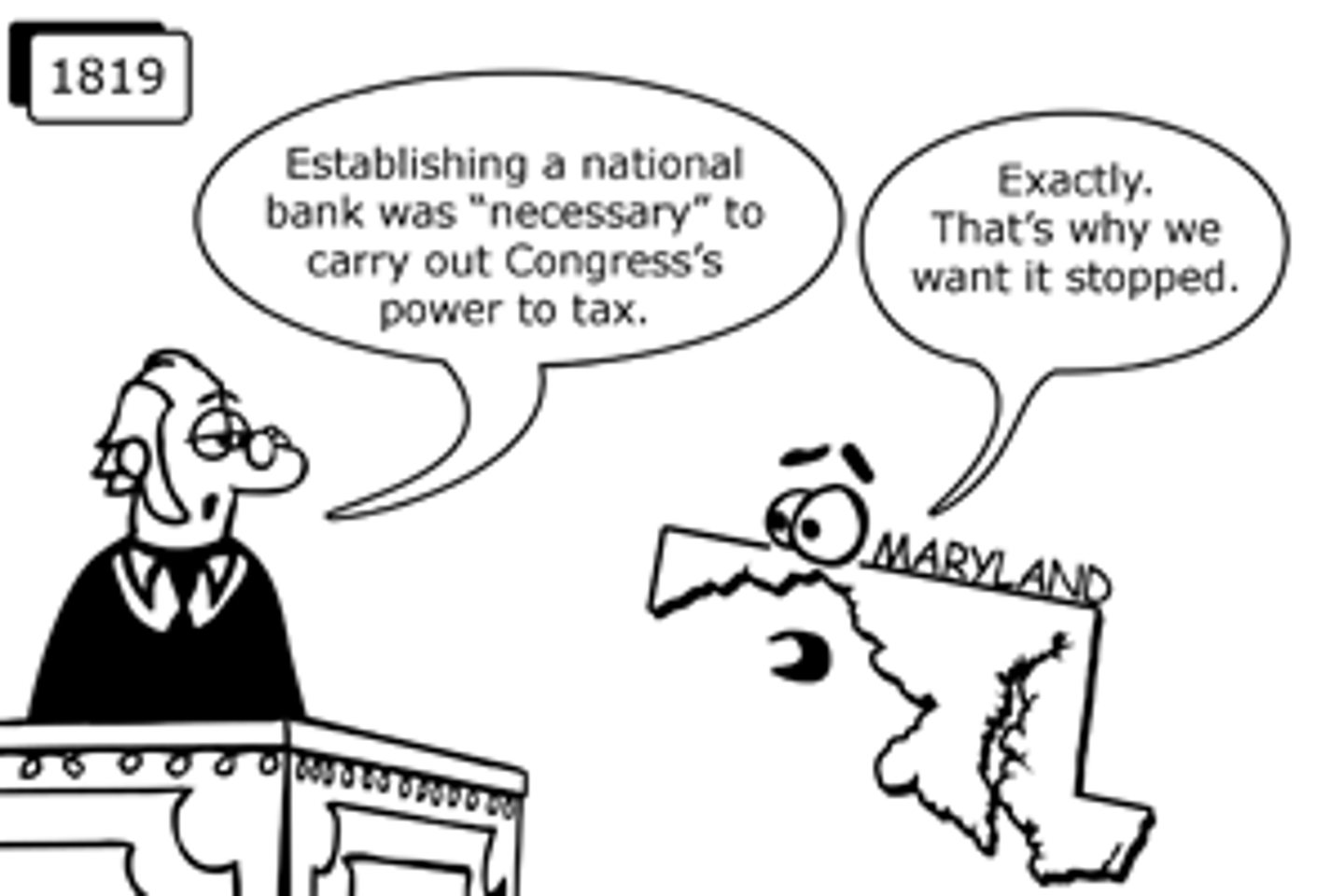
McCulloch v. Maryland
Implied powers under the Necessary and Proper Clause - Creation of the bank was implied based upon the enumerated power of Congress to tax. State of Maryland could not tax federal bank due to Supremacy Clause
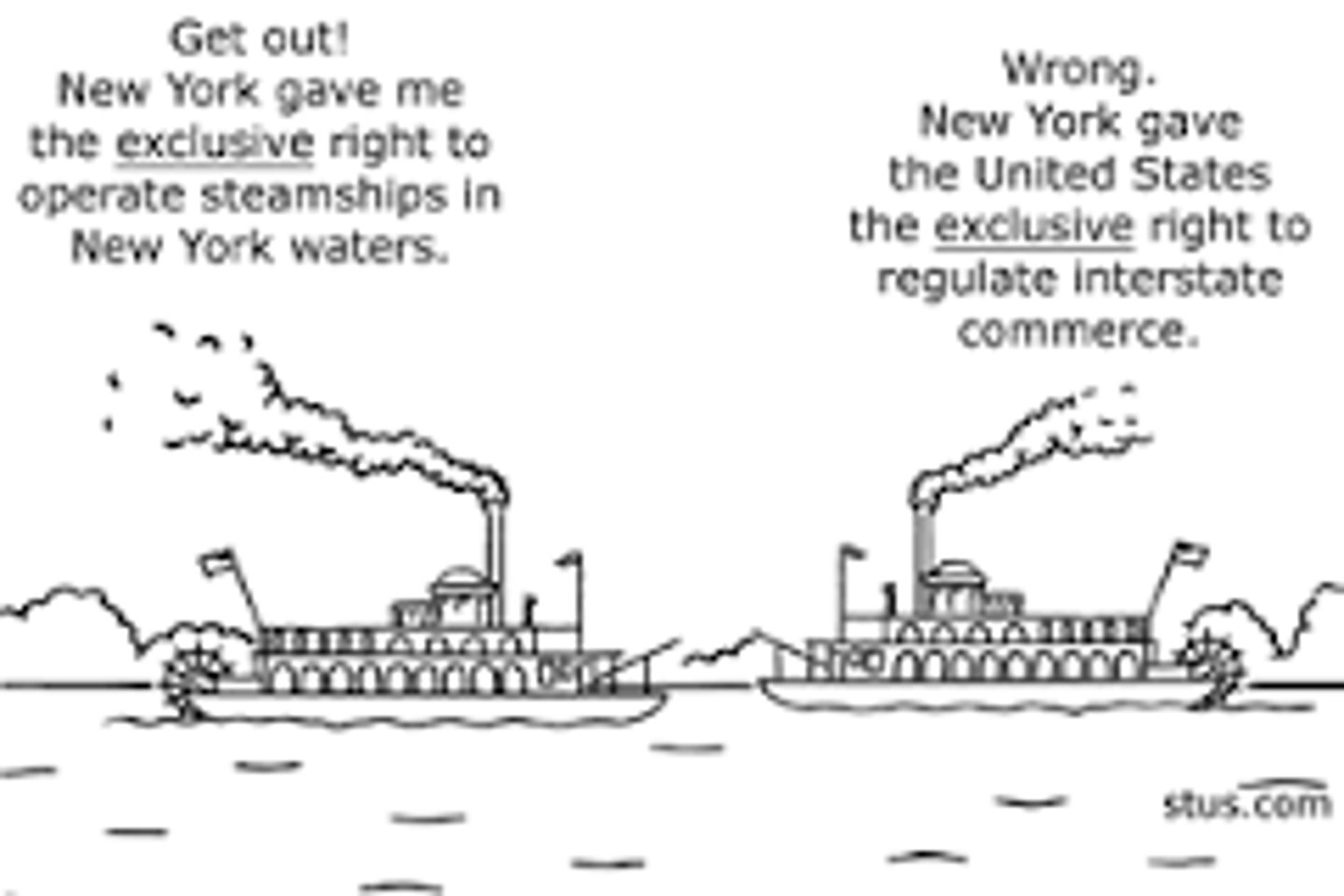
Gibbons v. Ogden
Supreme Court of the United States held that the power to regulate interstate commerce, granted to Congress by the Commerce Clause of the United States Constitution, encompassed the power to regulate navigation
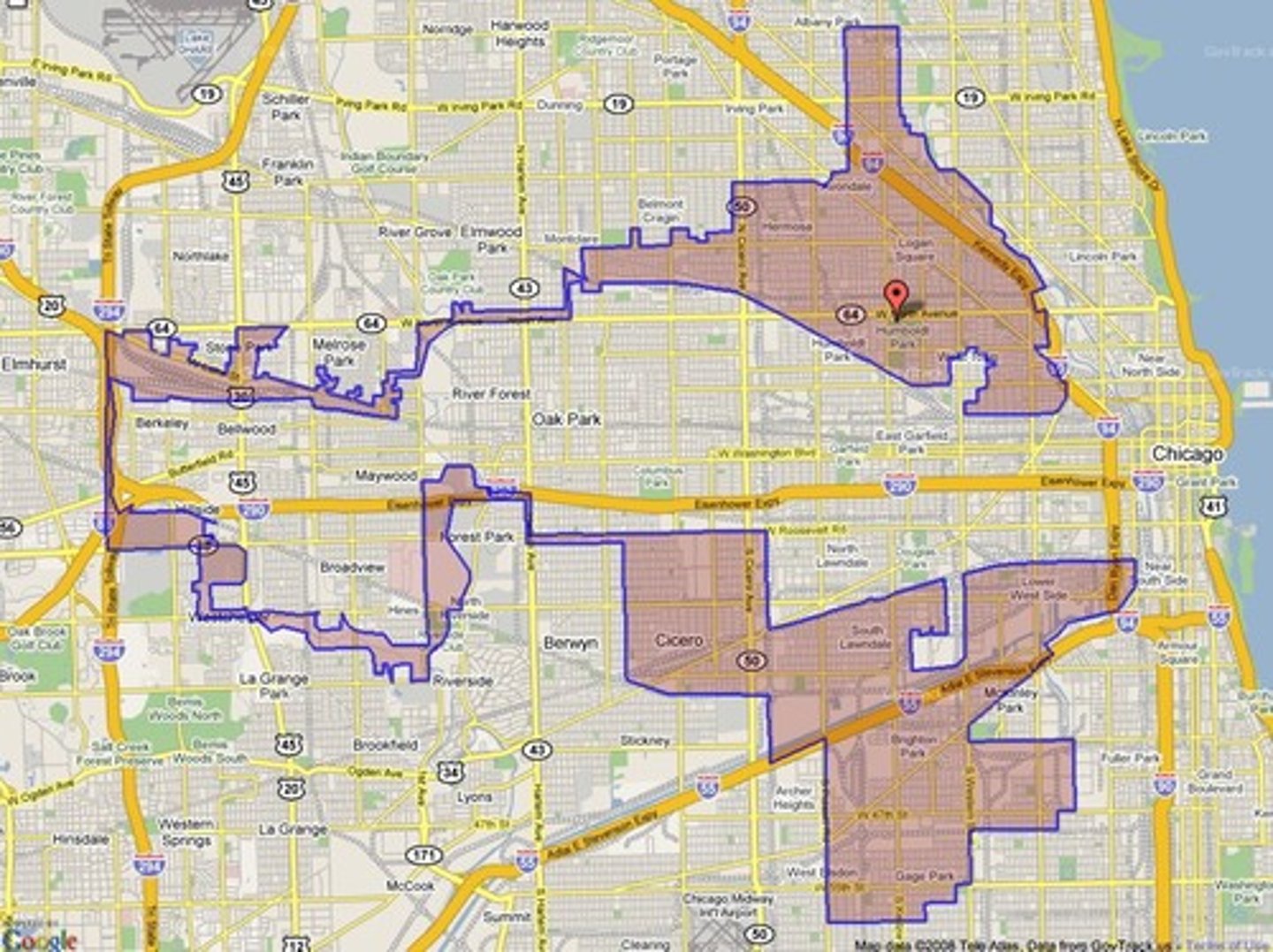
Shaw v. Reno
1993 case in NC with majority-minority districts, court ruled it was an example of racial gerrymandering and thus these districts were unconstitutional. The case was a problem of reverse discrimination. (Redistricting cannot be based on race!)
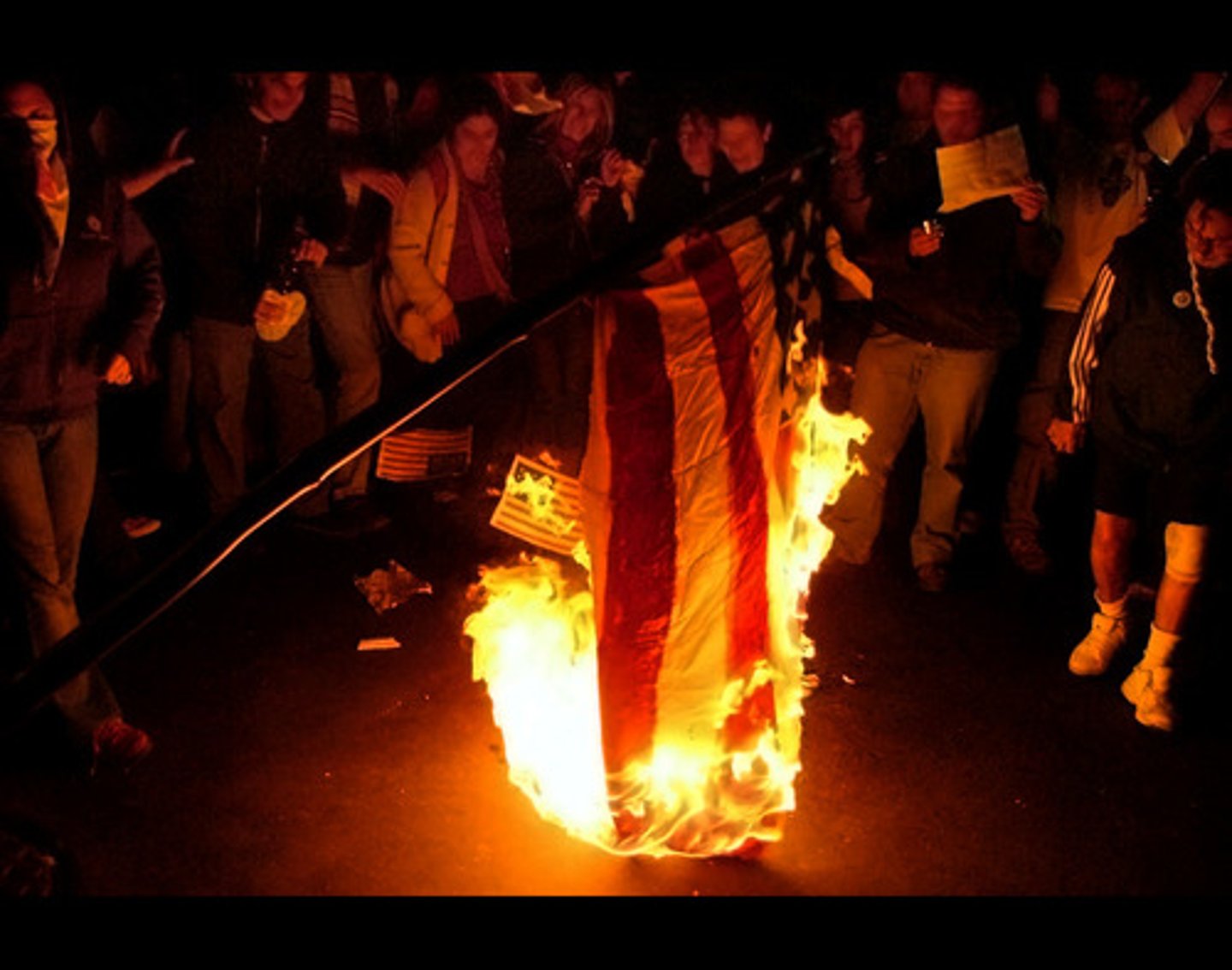
Texas v. Johnson
A 1989 case in which the Supreme Court struck down a law banning the burning of the American flag on the grounds that such action was symbolic speech protected by the First Amendment.
Barron v. Baltimore
Ruled that the Bill of Rights cannot be applied to the states. (Before selective incorporation and the 14th amendment)
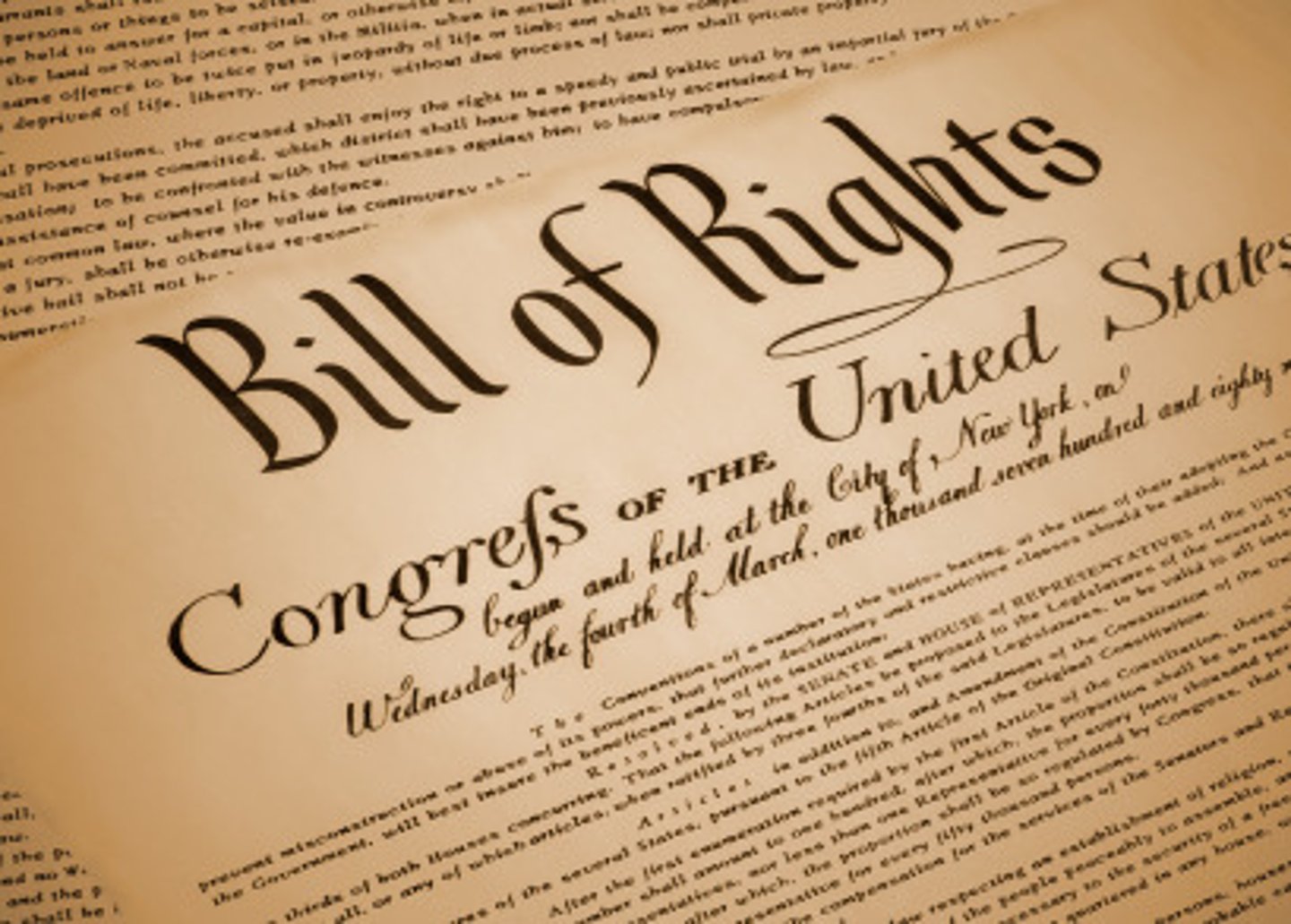
Gideon v. Wainwright
State courts are required under the Sixth Amendment of the Constitution to provide counsel in criminal cases for defendants unable to afford their own attorneys.
Obergefell v. Hodges
Upholds same sex marriage via 14th amendment equal protection clause
Wisconsin v. Yoder
Compelling Amish students to attend school past the 8th grade violates the free exercise clause of Amendment I

McDonald v. Chicago
Held that the 14th Amendment allows for the 2nd Amendment to be applied to the states and citizens have the right to bear arms.
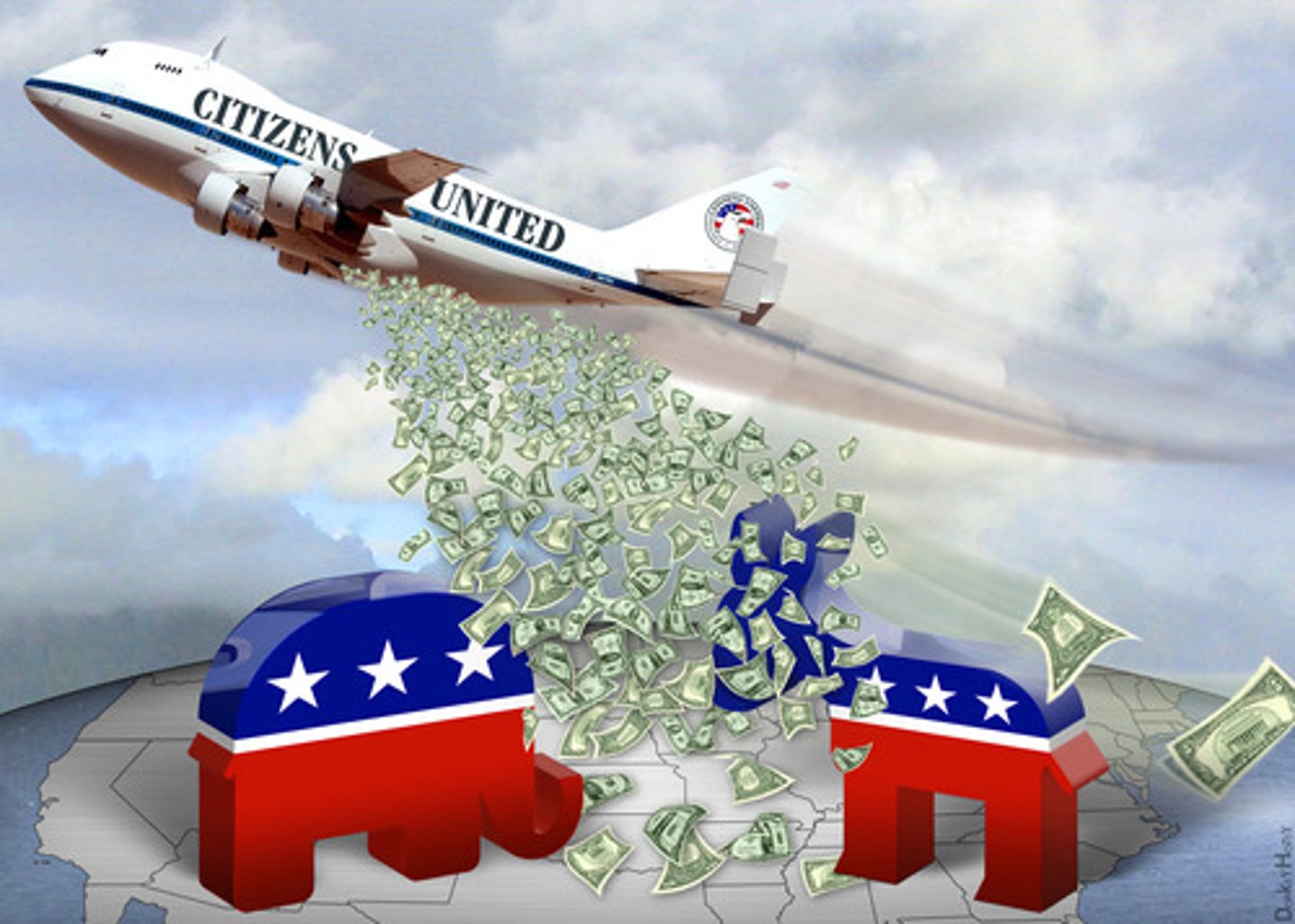
Citizens United v. FEC
Unlimited political spending by corporations and unions is a form of Constitutionally-protected free speech
Reynolds v. US
The 1st Amendment’s Free Exercise Clause does not protect religious actions which violate social duties/criminal laws such as polygamy.
Roth v. US
Obscene materials are not within the protective scope of the 1st Amendment - redefined the constitutional test for determining what constitutes obscene material unprotected by 1st Amendment.
New Jersey v. TLO
Public school officials do not need a warrant or probable cause to search students; “reasonable suspicion” standard applies.
Hazelwood v. Kuhlmeier
School administrators may censor school-sponsored student publications without violating the First Amendment.
Barnes v. Felix
Courts must consider the “totality of the circumstances” in excessive force cases, rejecting the 5th Circuit’s “moment of threat” rule.
Morse v. Frederick
Ruled that public schools can restrict student speech that reasonably promotes illegal drug use, even at school-sanctioned events.
Students Fair Admissions v. Harvard
Race-based affirmative action programs in most college admissions violate the Equal Protection Clause of the 14th Amendment.
Oregon v. Smith
Religious beliefs cannot excuse an individual from complying with otherwise valid, neutral laws, such as drug laws or vaccination requirements.
Buckley v. Valeo
Government cannot place limits on campaign expenditures, expenditures by a candidate from personal resources, or independent expenditures by groups supporting the campaign. Money = speech.
McCutcheon v. FEC
Limits on amount of candidates one can donate to are unconstitutional under the First Amendment.