Prevention and treatment of neonatal ruminant disease: The periparturient period
 Call Kai
 Learn
Learn Practice Test
 Spaced Repetition
 Match
Match Flashcards
 Knowt Play
1/22

There's no tags or description
Looks like no tags are added yet.
Name | Mastery | Learn | Test | Matching | Spaced | Call with Kai |
|---|
No analytics yet
Send a link to your students to track their progress
23 Terms
What common maladaptation may occur in neonates?
Cleft palate
PDA
Persistent foramen ovale
Dystocia can cause swollen tongue (arterial blood can persist but venous system does not drain)
What are the common perinatal phsyioloigcal problems?
Hypoglycaemia - if can't feed
Hypothermia
Inactivity/ lethargy
Hypoxaemia
Acidosis
All interlink
List some examples of congenital issues in calves
CV- PDA, VSD
Urogenital- patent urachus cryptorchidism
MSK - contracted tendons, dwarfism, polydactyly
Neuro- cataract, internal hydrocephalus
What is the most common cause of perinatal maladaptation?
Dystocia (most commonly caused by feto-maternal disproportion and maldisposition)
What are the end results of maladaptations?
Acidosis and hypoxaeemia
Failure to nurse and reduced antibody absorption leading to failure of passive transfer
How long should it take a calf to go into sternal recumbency?
<5 minutes
>9 minutes= inc risk of death
What techqniues can you use for calf resus?
Cold water down ear
Rub with straw
Acupuncture point on philtrum
Doxapram hydorchloride
Sympathomimetic, make sure it can breathe before giving
What affects colostrum quantity and quality?
When colostrum is collected (Dec Ig with time)
Breed of cow
Pre partum nutrition
Thin beef suckler cows
Sheep
Length of dry period <30 days
Pre milking
Abortion/induction
Mastitis
Temperature
What are the '4 Qs' you need to aim for with colostrum intake?
Quantity, Quality, Quickly and sQueaky clean
Why might calves receive inadequate immunoglobulin transfer?
High genetic merit may have poor colostrum
Conformation- ex-big teats
Supervision
Dystocias - weal acidotic don't suck enough
How can you test colostrum quality?
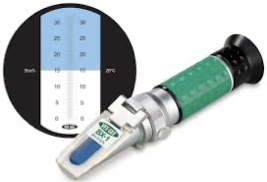
Brix refractoemeter (>22% is good enough)
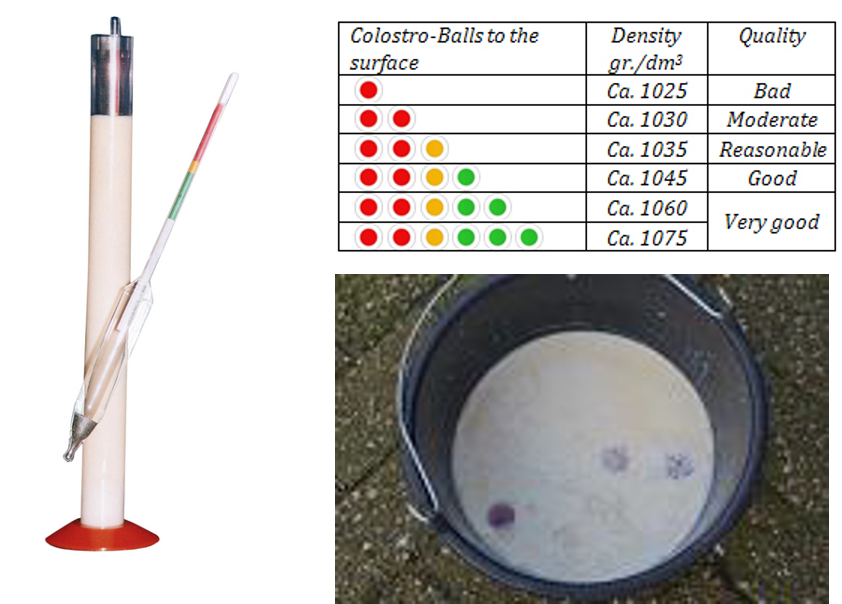
Colostrometer/ Hydrometer
What is the target for colostrum intake?
Target= >150 g IgG
First feed (10% of body weight) within 2 hours of birth
Second 5-10% within 6-12 hours of birth
After first two feeds continue feeding colostrum from later milking for nutritional value
Why would you suckle feed over tube feed?
Tube feeding can cause damage but do if in rush
How should you store colostrum?
Bags at 4°C for <1 week or freeze
Thaw gently if frozen
How do you pasteurise milk?
60 ℃ for 60 minutes
What are the pros and cons of pastuerisation of colostrum?
Pros:
Bacterial reduction
Improved efficiency of IgG absorption by ~3%
Cons:
≠ sterilization – poo in = poo out!
Heat treatment kills leukocytes – importance?
Cost, labour, and maintenance
Good colostrum management still important
How do you freeze colostrum? What risk is there if feeding to another calf?
Collect from first milk
Johne's disease risk- collect from lowest risk animals
What are the pros and cons of colostrums replacers and supplements?
Efficacy of absorption < natural colostrum
Expensive (maintain a frozen colostrum bank)
Less tailored to individual farm (pathogen exposure of dam)
Can be difficult to determine Ig content
How is failure of transfer defined?
Serum IgG < 10 mg/mL (<1 g/L) corresponds to a serum TP < 55 g/L
Why is failure of passive transfer bad?
Born agammaglobulinemic
Pinocytotic mechanism ends by 24 hours of age
Failure of igG prod or wont absorb enough antibodies
Major risk factor for all calf disease
When do you assess passive trasnfer?
Day 2 to 7 post-calving
How do you assess passive transfer?
Measure serum immunoglobulin
Refractometer- TP>55g/L
ZST and SST> 20 units
Radial imunodiffusion gold standard but impractical for farm use
When should you evaluate your protocols of passive transfer?
If > 20% of calves with TP < 55 g/L = FPT