lecture 5/12 bio
 Call Kai
 Learn
Learn Practice Test
 Spaced Repetition
 Match
Match Flashcards
 Knowt Play
1/24

There's no tags or description
Looks like no tags are added yet.
Name | Mastery | Learn | Test | Matching | Spaced | Call with Kai |
|---|
No analytics yet
Send a link to your students to track their progress
25 Terms
angiosperms
most abundant species rich wide-spread group of land plants characterized by flowering plants & produce seeds in a fruit
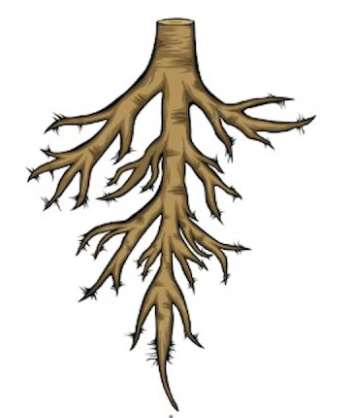
dicots
type of angiosperm that produce seeds that can split into two halves

monocots
type of angiosperm that produce seeds that cannot be split in half
root system
anchors the structure and absorbs water and key nutrients from the soil
shoot system
absorbs CO2 and sunlight from the atmosphere to produce sugars
primary growth lengthens roots and shoots, gives rise to 3 specialized tissue systems to enable
protection, food production & storage, transport
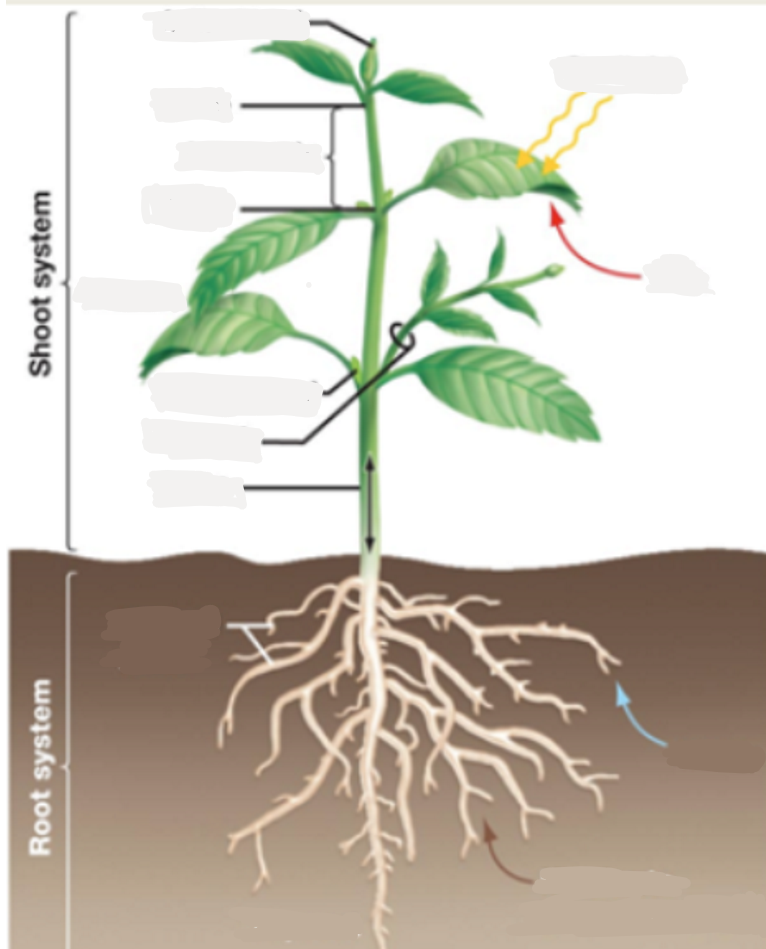
what are shoot systems specialized for absorbing?
light and CO2
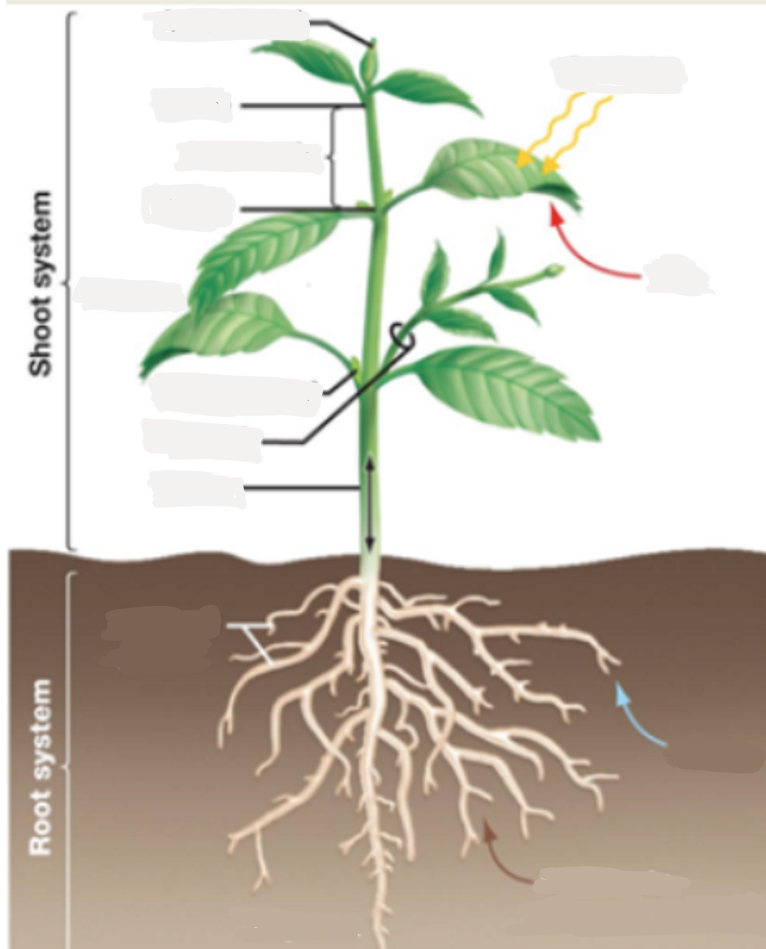
what are root systems specialized for absorbing?
water and key nutrients such as N, P and K
structural features of roots and shoots
morphological diversity, phenotypic plasticity, modified roots/shoots
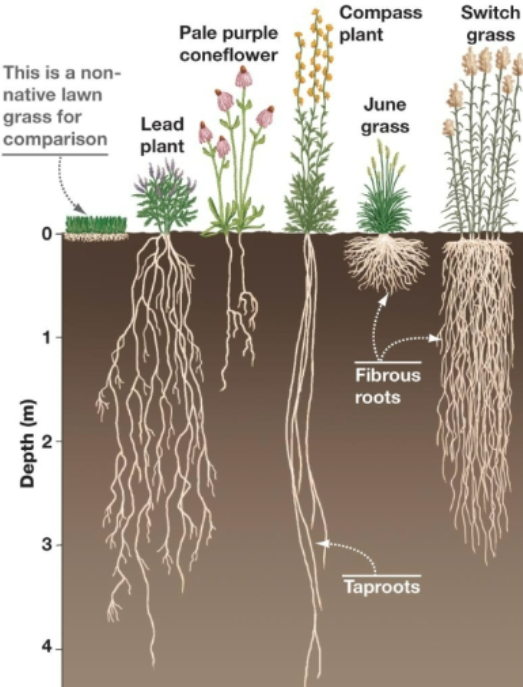
morphological diversity of roots
difference appearance, shapes, and structure
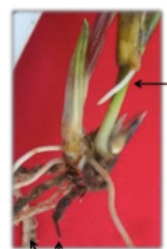
phenotypic plasticity of roots
root form can change in response to environmental conditions
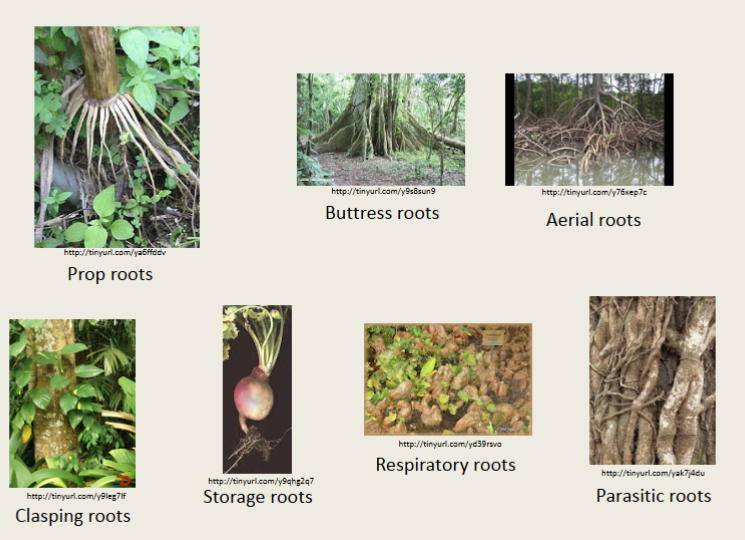
modified roots with specialized functions
adventitious roots develop from the shoot system often function to provide added support or to permit gas exchange with atmosphere
why is there diversity of root systems observed among species that grow in the same habitat
natural selection has favored structures that minimize competition for water and nutrients
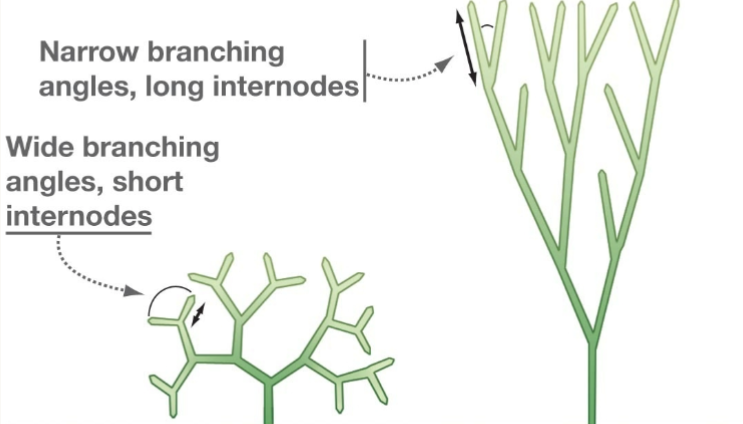
morphological diversity of shoots
allows plants to harvest light at different locations, minimizing competition and thrive in different habitats. species level variation
phenotypic plasticity in shoots
size and shape of shoot system can vary based on growing conditions (temperature, exposure to wind, availability of water, nutrients, and light. environment driven
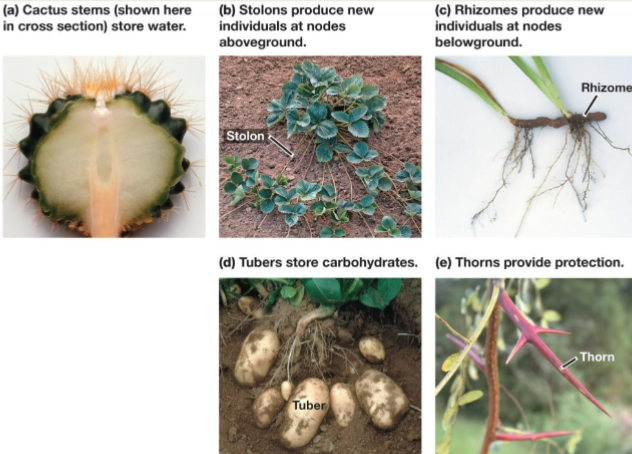
modified shoots with specialized functions
functions ranging from water and food storage, asexual reproduction or protection. evolved a new function
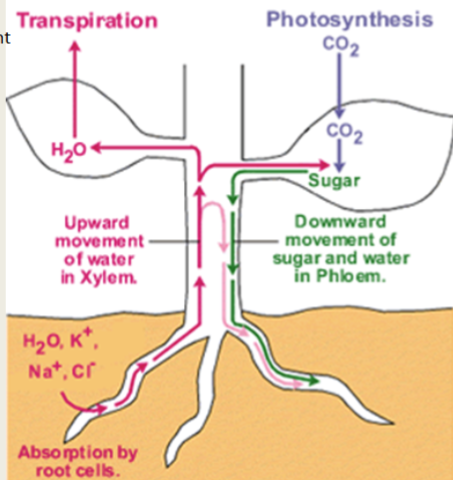
transpiration
water movement through a plant and its evaporation from aerial parts (human sweating)
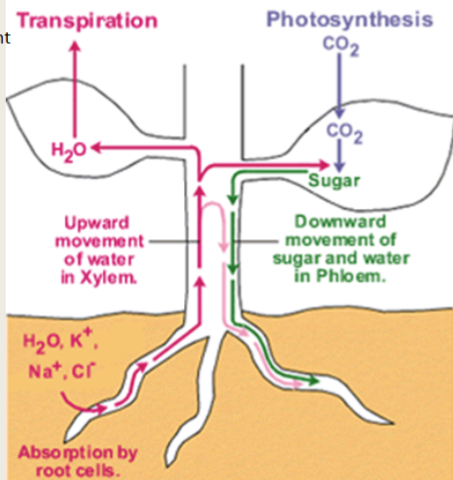
the leaf
is the site of majority of photosynthesis in most plants
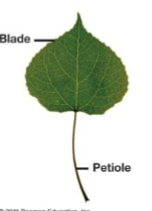
simple leaf (morphological diversity in leaves)
petiole and a single blade
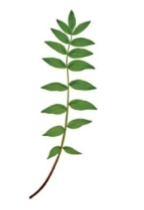
compound leaf (morphological diversity in leaves)
blades divided into leaflets
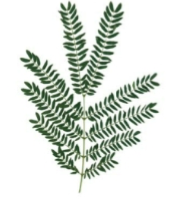
double compound leaf (morphological diversity in leaves)
large and rarely damaged by wind or rain

needle-like leaf (morphological diversity in leaves)
species from very cold or hot climate, small surface area reduced water loss through transpiration
meristems (primary growth)
populations of undifferentiated cells continuously divide to produce new cells causing plants to continuously grow
primary growth
cells that are derived from apical meristems form the primary plant body
apical meristems
located at the tip of each root and shoot, divide, enlarge and differentiate. extend plant body outward