CGS 2545 Final Exam Review
 Call Kai
 Learn
Learn Practice Test
 Spaced Repetition
 Match
Match Flashcards
 Knowt Play
1/139

There's no tags or description
Looks like no tags are added yet.
Name | Mastery | Learn | Test | Matching | Spaced | Call with Kai |
|---|
No analytics yet
Send a link to your students to track their progress
140 Terms
How do you recognize a poor table structure and produce a good one?
normalization
Normalization
a process that assigns attributes to entities so that data redundancies are reduced or eliminated
determination
the state in which knowing the value of one attribute makes it possible to determine the value of another attribute
What are the stages of normal forms?
UNF, 1NF, 2NF, 3NF, BCNF, 4Nf
the higher the normal form
the more JOIN operators for a specified output, the more it will cost in resources to answer queries
denormalization
a process by which a table is changed from a higher level normal form to a lower level normal form, usually to increase processing speed
Improved performance comes with
more data anomalies
Reduced performance comes with
fewer data anomalies
prime attribute or key attribute
an attribute that is part of a key or is the whole key
non-prime attribute or non-key attribute
an attribute that is not part of any candidate key
normalization is used for 2 situations
designing a new database structure based on business requirements/ in conjunction with ERD diagrams
1 multiple choice option
update anomalies
insertion anomalies
deletion anomalies
what is the main objective of normalization?
ensure each table conforms to the concept of well-formed relations
What are the characteristics of proper normalization
each table represents a single subject
3 multiple choice options
what normal forms are mainly theoretical interests and not used in a business environment
5NF and domain key normal form (DKNF)
functional dependence
the value of one or more attributes determines the value of one or more other attributes
two functional dependencies that are of particular interest
partial and transitive
partial dependency
a condition in which an attribute is dependent on only a portion (subset) of the PK
transitive dependency
a condition in which an attribute is dependent on another attribute that is not part of the PK
repeating group
a characteristic describing a group of multiple entries of the same type for a single key occurrence
what are the three steps to 1NF?
1. Eliminate repeating groups 2. Identify the PK 3. Identify all dependencies
dependency diagram
a representation of all data dependencies (PK, partial, or transitive) within a table
Conversion from normalization to 2NF steps?
1. Make new tables to eliminate partial dependencies 2. Reassign corresponding dependent attributes
conversion to 2NF to 3NF steps?
1. Make new tables to eliminate transitive dependencies 2. Reassign corresponding dependent attributes
surrogate key
a system-assigned primary key, generally numeric and auto-incremented, and other tables can use the surrogate key as their FK
atomic attribute
an attribute that cannot be further subdivided to produce meaningful components. For example, a person's last name attribute cannot be meaningfully subdivided.
granularity
refers to the level of detail represented by values stored in a table's row
data stored at the lowest level
of granularity is said to be atomic data
view
a virtual table based on a SELECT query that is saved as an object in the database
base table
the table on which a view is based
What command is used to make a view in DMBS
Create View

Batch update routine
a routine that pools transactions into a single group to update a master table in a single operation
updatable view
A view that can update attributes in base tables that are used in the view.
what are some restrictions for updatable views?
can't use GROUP BY or HAVING expressions or aggregate functions, can't use set operators such as UNION, INTERSECT, and MINUS, and for the base table to be updated must be key-preserved, meaning the values of the PK must till be unique in the view
additional updatable views restrictions
Can't use a Subquery in the Select list, Can't use a Subquery in the FROM clause
what did the SQL-99 standard define
the use of persistent stored modules, which are blocks of standard SQL statements and procedural extensions that are stored and executed at the DBMS server
PSM (persistent stored modules)
lets an admin assign specific access rights to a stored module to ensure only authorized users can use it
MS SQL Server uses what languages?
Transact-SQL and other extensions, including the .NET family
Oracle implements PSMs through
Procedural Language SQL
PSM's can be used for the following what
Triggers, Stored Procedures, Procedural SQL functions
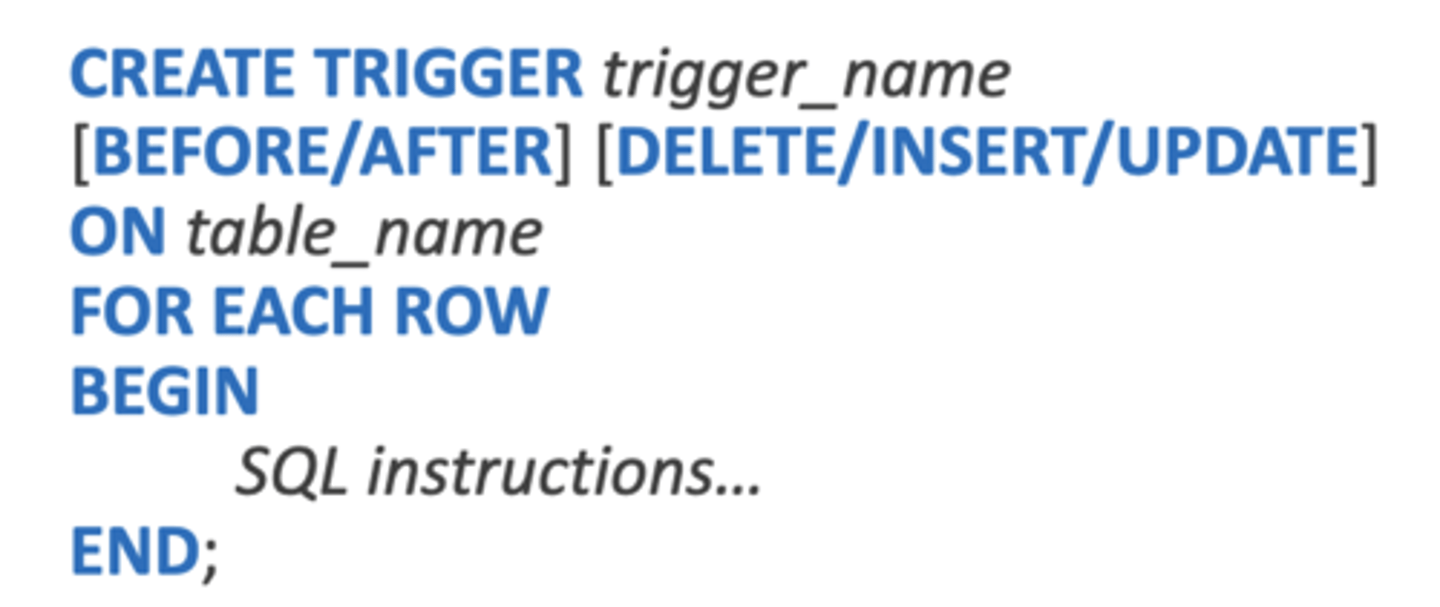
trigger
a procedural SQL code that is automatically invoked by the relational database management system when a data manipulation event occurs
key word to make a trigger in mySQL
create trigger
embedded SQL
sql statements contained in application programming languages such as C++, ASP.NET, Java
host language
any language that contained embedded SQL
stored procedure
business logic stored on a server in the form of SQL code or another DBMS-specific procedural language
what are 2 advantages to using stored procedures
they reduce network traffic and increase performance, because the procedure is stored at the server and there is no transmission of SQL statements over the network
2 multiple choice options
Key work to make a stored procedure
create procedure
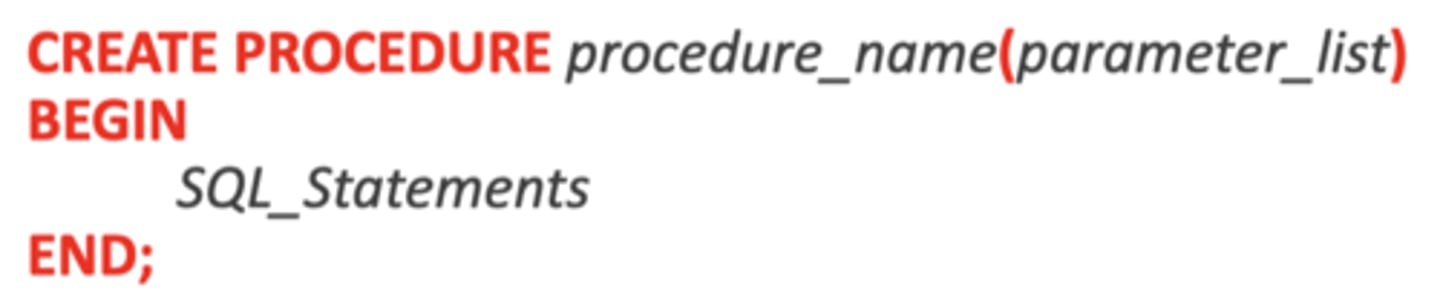
what is important to change when defining a stored procedure
the delimiter
transaction
a sequence of database requests that accesses the database; a logical unit of work that is either entirely completed or aborted
Suppose a sales rep sells a product to a customer. Suppose that the customer charges the purchase to their account. The rep will need to do these?
Write a new customer invoice, Reduce the QOH from the products inventory, Update the log of transactions, Update the customer's balance
To perform a transaction, what SQL operation would you need?
Insert a new record into an invoice table
3 multiple choice options
consistent database state
a state in which all data integrity constraints are satisfied
If any transactions fail, what will happen?
they will roll back to the original position
every transaction property has four properties, known as?
ACID (Atomicity, Consistency, Isolation, Durability)
atomiciy
all parts of a transaction are togther treated as a single, indivisible, logical unit of work
consistency
data integrity constraints are satisfied as part of the
transaction. Transactions must start and end in consistent states!
isolation
a data item used by one transaction is not available to
other transactions until the first one ends.
durability
once transaction changes are done and committed,
they cannot be undone or lost, even in the event of system failure
Serializability
the selected order of concurrent transaction operations creates the same final database state that would have been produced if the transaction had been executed in a serial fashion
transaction support is provided with 2 lines of what?
Commit; Rollback
Commit
changed made by the transaction are permanently recorded, and ended
if the end of the SQL command set is reached successfully,
all changes are permanently recorded within the database
COMMIT
if the SQL command set abnormally terminates, the
database changes are aborted and the database is reverted
back to its original state
ROLLBACK
how does a DBMS transaction keep track of the updated progress?
transaction log
concurrency control
a DBMS feature that coordinates
simultaneous execution of transactions in a multiprocessing
database system while preserving data integrity
why is it important to have a concurrency control?
because simultaneous execution of transactions over a shared database can create integrity and consistency problems, causing lost updates, uncommitted data, and inconsistent retrievals
lost update
A concurrency control problem in which a data update is lost during the concurrent execution of transactions.

uncommitted data
A concurrency control problem in which a transaction accesses uncommitted data from another transaction.

inconsistent retrieval
a concurrency control problem in
which a transaction uses an aggregate function on data
while other transactions are updating the data.

scheduler
a DBMS component that establishes the order
in which concurrent transaction operations are executed;
Serializable Schedule
a schedule of operations in which
the interleaved execution of the transactions yields the
same result as if they were executed in serial order.
lock
a device that guarantees unique use of a data item
in a particular transaction operation
Pessimistic Locking
the use of locks based on the
assumption that conflict between transactions will occur.
lock manager
a DBMS component that is responsible for
assigning and releasing locks
Lock Granularity
the level of lock use. Locking can occur
on one of many levels: database, table, page, row, or field.
Database-Level Lock
a type of lock that restricts database access to the owner of the lock and only allows one user at a time to access the database.
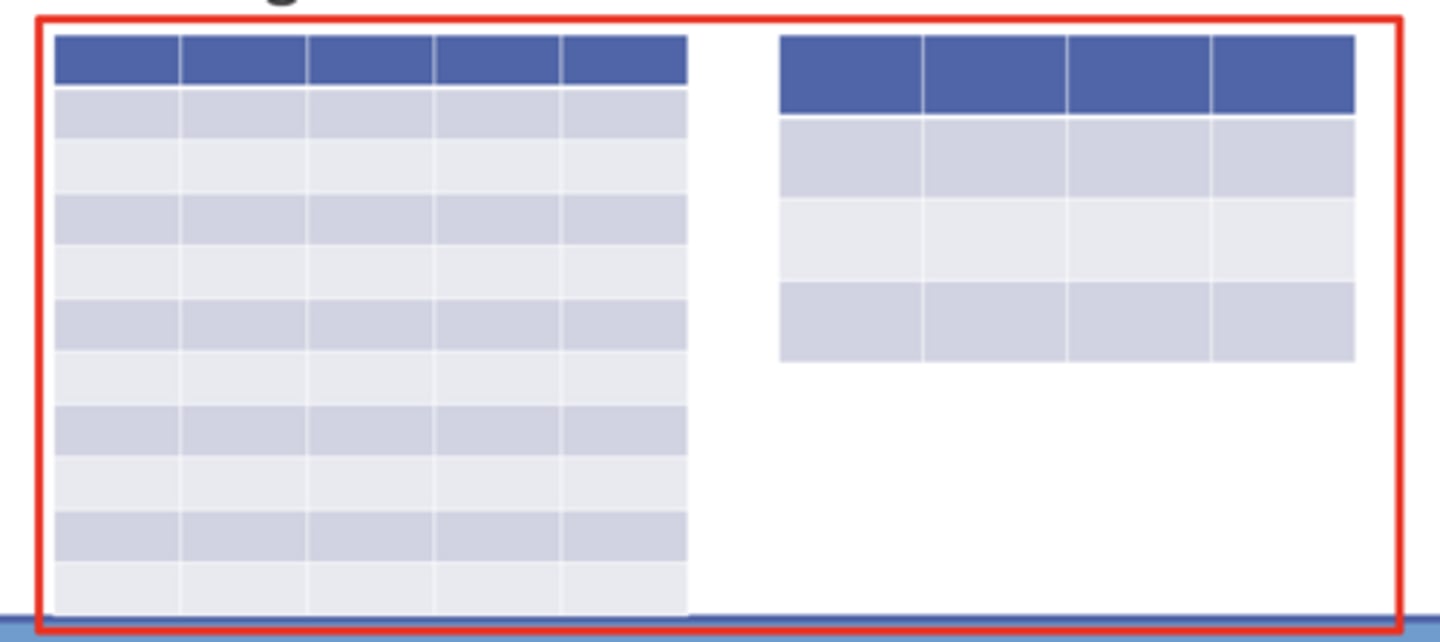
tabel level lock
a type of lock that allows only one
transaction at a time to access a table.
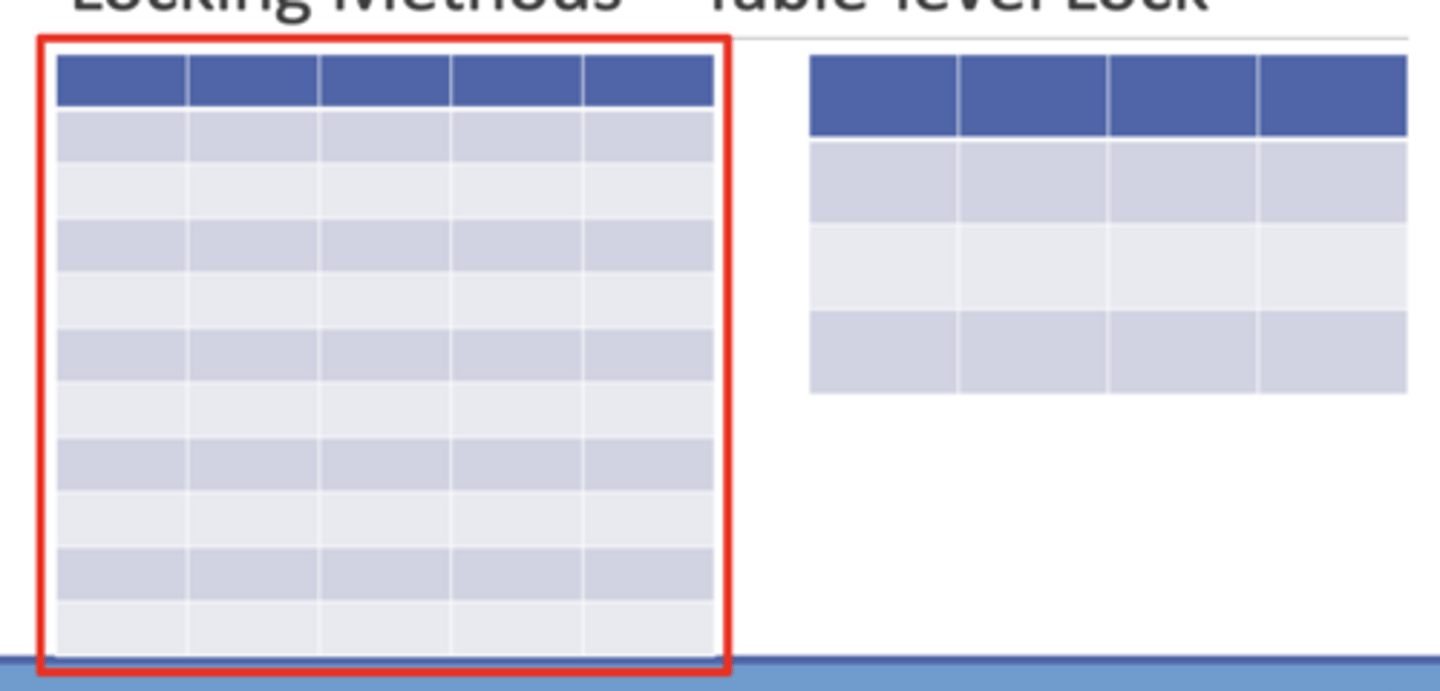
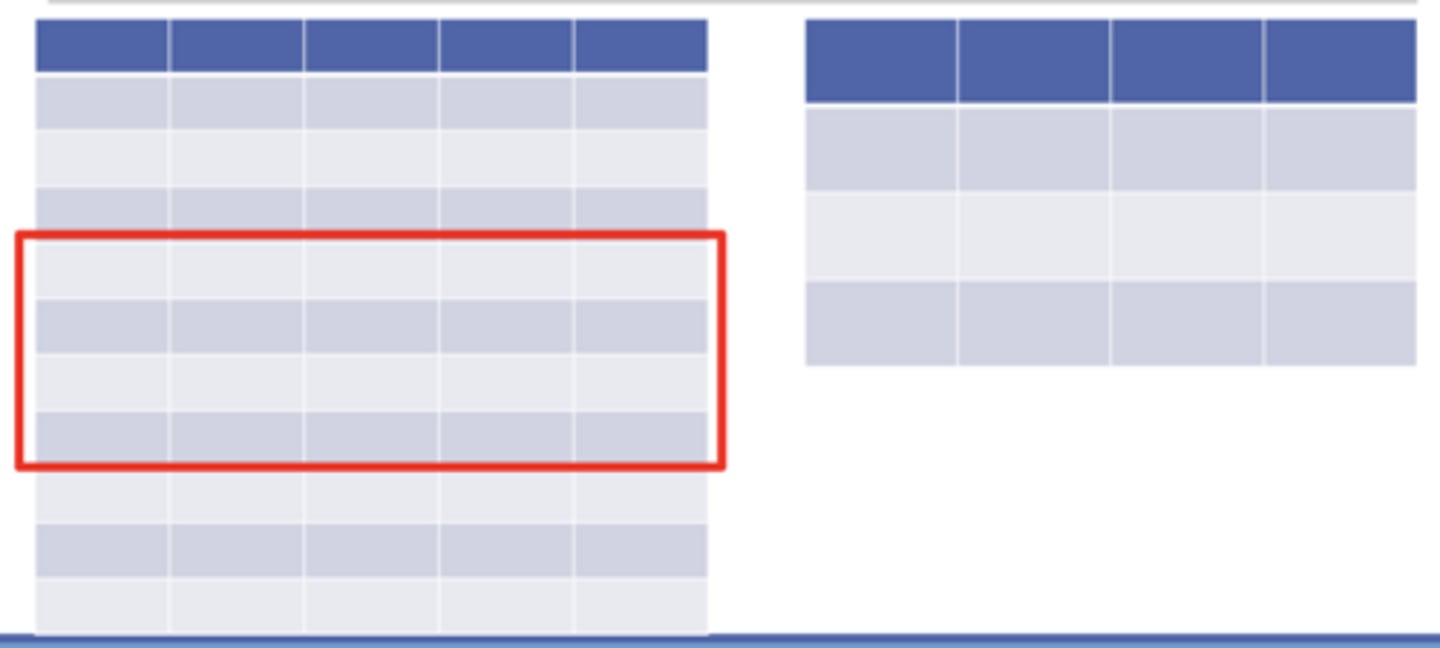
Page-Level Lock
a type of lock that restricts access to a
diskpage (a section of a disk).
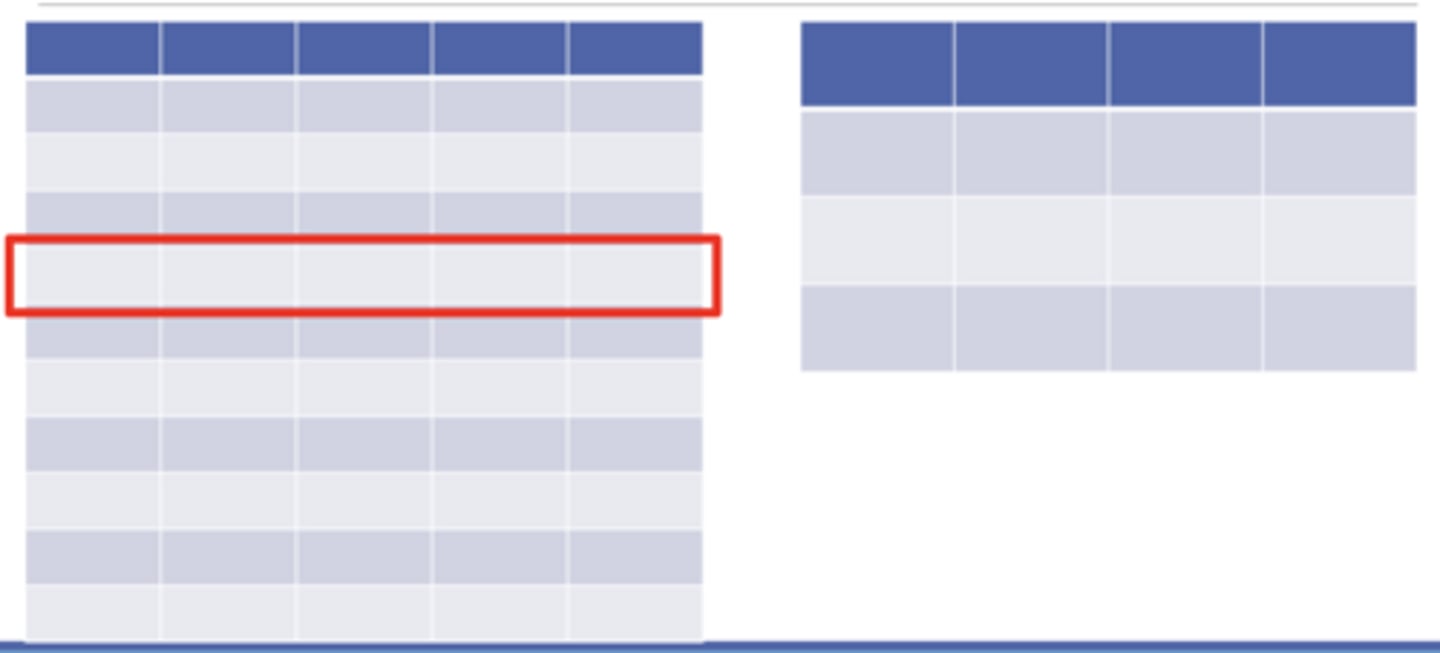
row level lock
a less restrictive type of lock that allows
concurrent transactions to access different rows of the
same table, even if the rows are on the same page.
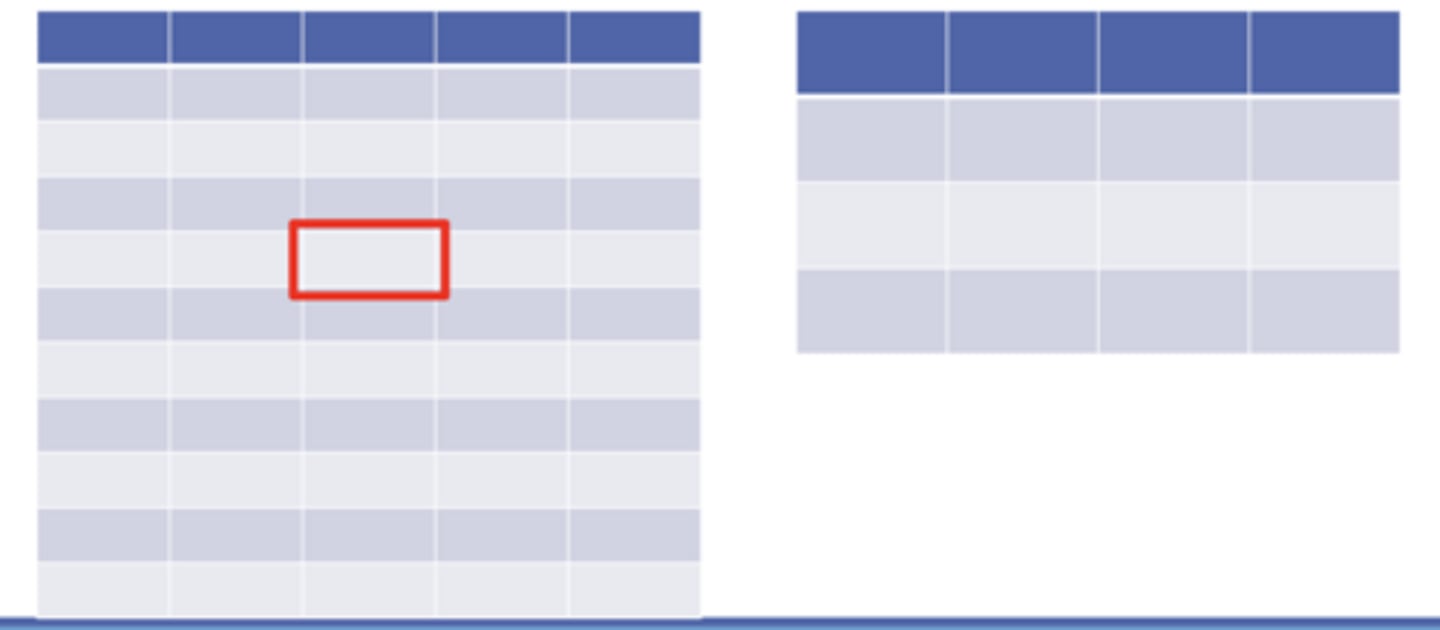
field level lock
a lock that allows concurrent transactions
to access the same row, but different fields; this lock is the
most flexible, but it incurs a significant overhead cost.
what are the different type of locks or modes
Binary Lock, Shared/Exclusive
Binary Lock
A lock that has only two states: locked and unlocked. If a data item is locked by a transaction, no other transaction can use that data item.
exclusive lock
a lock issued when a transaction requests
permission to update a data item and no locks are held on
that item by another transaction
shared lock
a lock issued when a transaction requests
permission to read data and no exclusive locks are held on the data by another transaction.
deadlock
a condition in which two or more transactions
wait indefinitely for the other to release the lock on a
previously locked data item. Also known as a deadly
embrace.
What are the three ways to prevent deadlocks?
Deadlock prevention, Deadlock detection, Deadlock Avoidance
deadlock prevention
a transaction requesting a lock is aborted if
there is a chance for deadlock.
deadlock detection
the DBMS periodically tests the database for
deadlocks; if one is found, one transaction is aborted.
deadlock avoidance
transactions are required obtain every lock it
will need before it can be executed.
big data
a movement to find new ways to manage large amounts of web-generated data and derive business insight from it, while providing high performance and scalability at a reasonable cost
What characteristics does big data display?
volume, velocity, and variety
volume
a characteristic of Big Data that describes the
quantity of data to be stored
scaling up
a method for dealing with data growth that involves migrating the same structure to more powerful
systems.
scaling out
a method for dealing with data growth that
involves distributing data storage structures across a cluster
of commodity servers.
velocity
a characteristic of Big Data that describes the
speed at which data enters the system and also the speed
at which it is processed
Velocity of processing can be divided into 2 categories:
stream processing, feedback loop processing
Stream Processing
the processing of data inputs in order
to make decisions about which data to keep and which data
to discard before storage
Feedback Loop Processing
Analyzing stored data to produce actionable results.