Immunology Exam 4 Module 10.3/4
 Call Kai
 Learn
Learn Practice Test
 Spaced Repetition
 Match
Match Flashcards
 Knowt Play
1/39

Earn XP
Description and Tags
Flow Cytometry & Vaccines
Name | Mastery | Learn | Test | Matching | Spaced | Call with Kai |
|---|
No analytics yet
Send a link to your students to track their progress
40 Terms
10.3
Flow Cytometry
Leukocyte subsets and lineages can be distinguished by expression of distinct surface markers
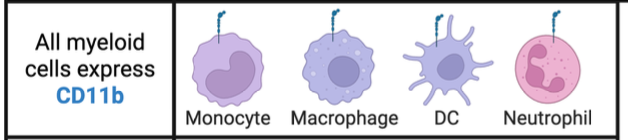
All Leukocytes Express CD45

All myeloid cells
express CD11b
Monocyte
Macrophage
DC
Neutrophil
Most subsets of leukocyte express unique markers
look
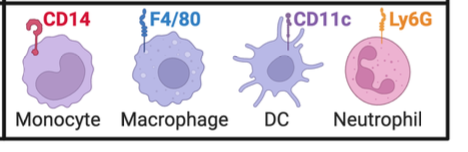
CD14
Monocyte
F4/80
Macrophage
tCD11c
DC
Ly6G
Neutrophil
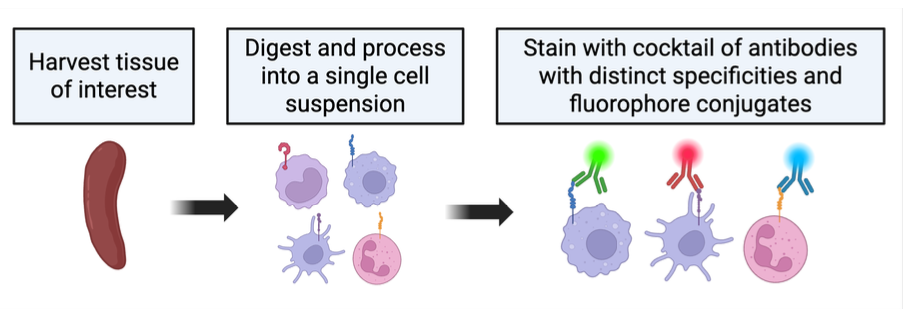
Fluorescently conjugated antibodies can be used to label and identify unique leukocyte populations
Harvest Tissues of Interest
Digest and Process into a single cell suspension
Stain with cocktail of antibodies with distinct specificities and fluorophore conjugates
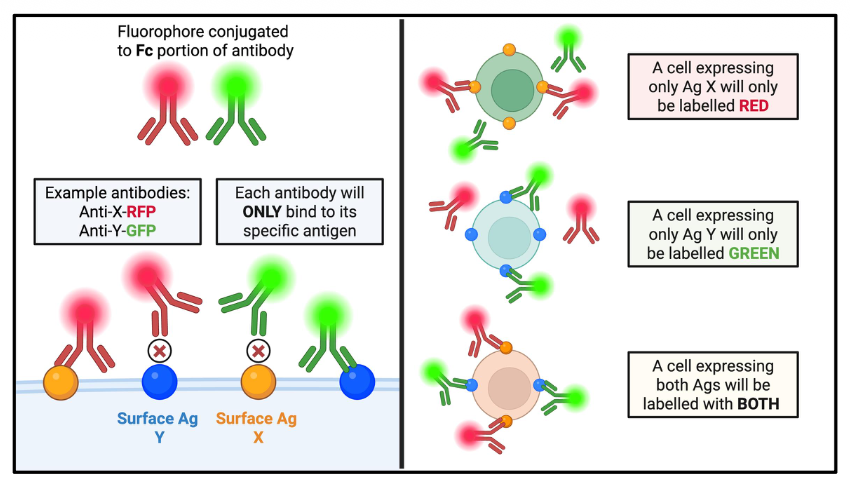
Flow cytometry uses
direct immunofluorescence to label leukocytes
Fluorophore conjugated to FC portion of antibody
Each antibody will ONLY bind to its specific antigen
Leukocytes express surface markers associated with their function
go on what they have - both positive for CD3+
CD8+ = cytotoxic
CD4+ = helper T cells
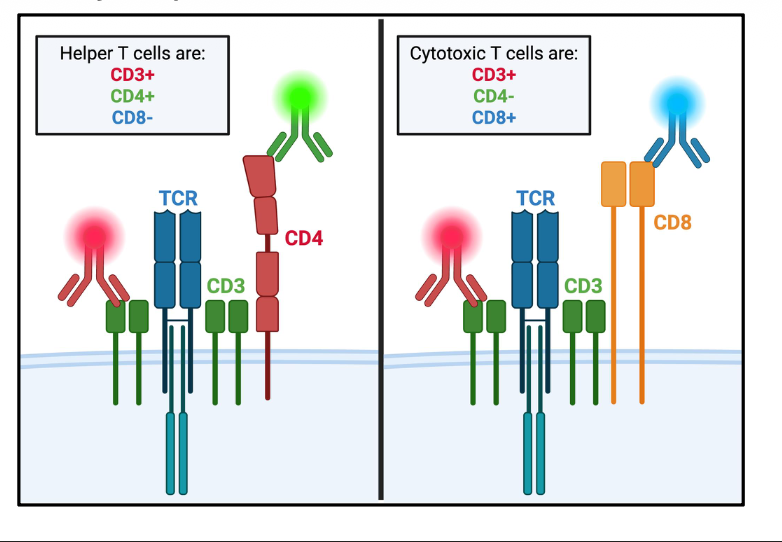
Leukocyte populations in a heterogenous sample can be resolved using flow cytometry
Stained cell suspension loaded into flow cytometer
laser —> emission —> detection
size of cells
granularity (represents the internal complexity, density, or cytoplasmic organelle content of a cell, measured by Side Scatter (SSC).)
fluorescence
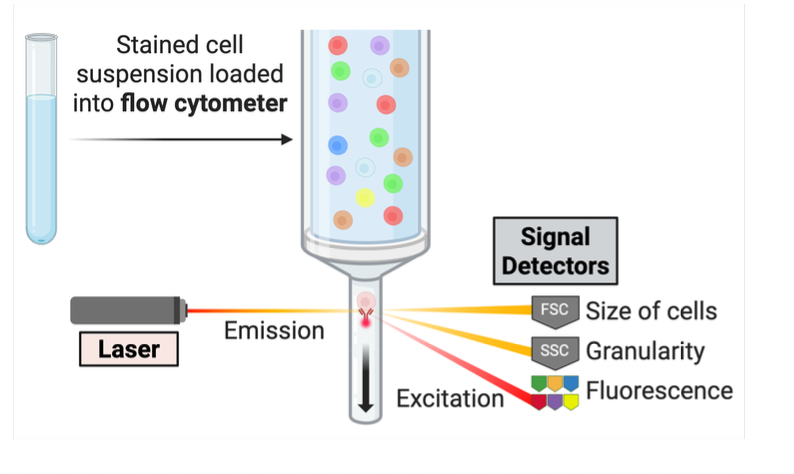
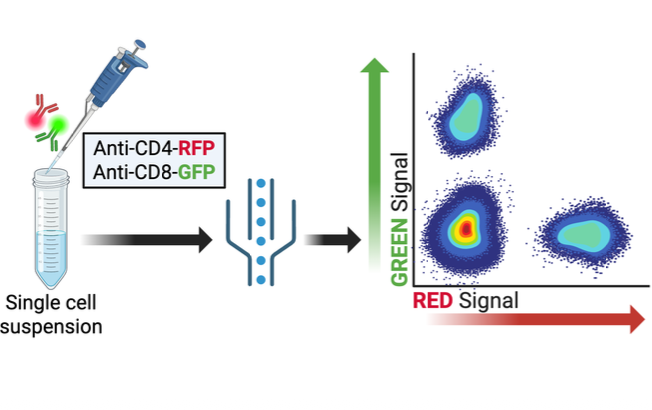
Flow cytometry allows visualization and quantification of surface marker expression for individual cells
In a dot plot visualization, every dot represents a cell
Expression of two distinct markers can be visualized along the X and Y axis
Cells expressing more of a given marker will fall further along the axis representing its associated color
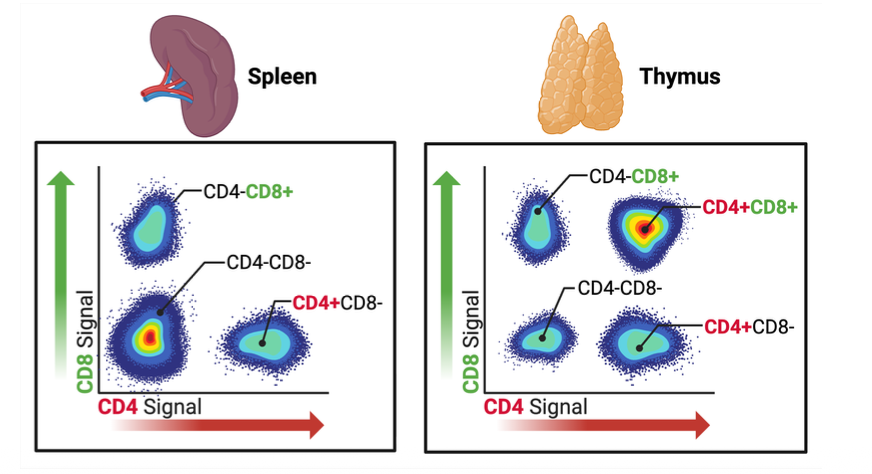
Example flow cytometry analysis of T cells in distinct lymphoid organs
look at SLOs understand
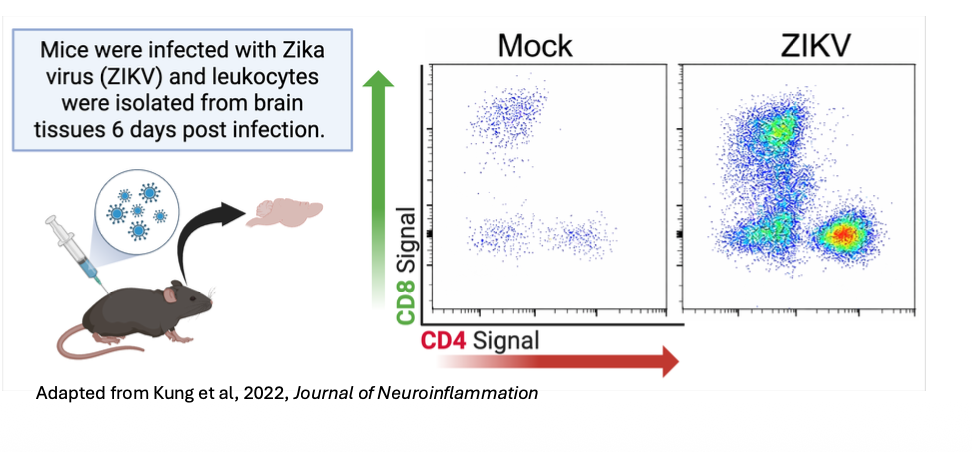
Flow cytometry can be used to measure changes in leukocyte abundance and phenotype in research and clinical samples
Mice infected with Zika and leukocytes seen after infection - clear increase in CD4 and CD8 cells
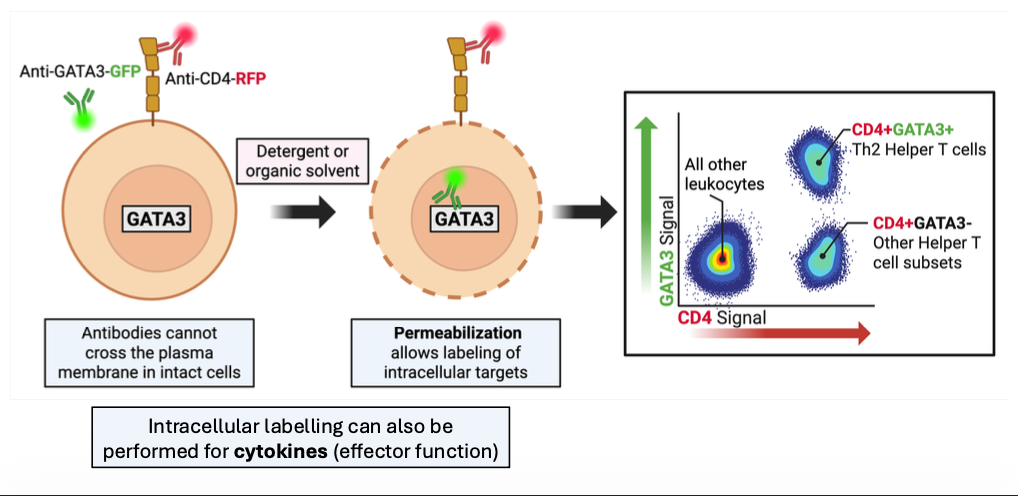
Flow cytometric labelling of intracellular targets requires cellular permeabilization
Antibodies cannot cross the plasma membrane in intact cells
permeabilization allows labeling of intracellular targets
intracellular labeling can also be performed for cytokines (effector function)
use detergent or organic solvent
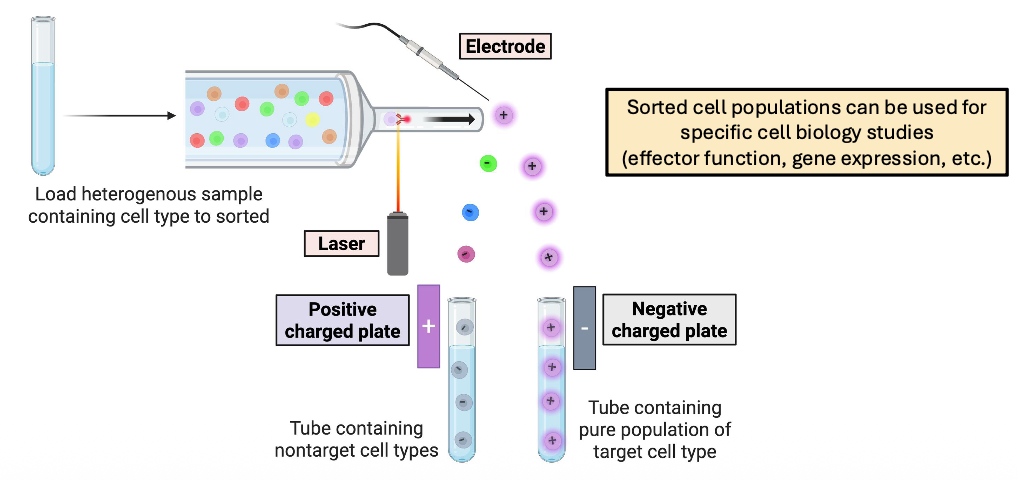
Fluorescence activated cell sorting (FACS) uses principles of flow cytometry to physically sort cell types of interest for downstream uses
Sorted cell populations can be used for specific cell biology studies (effector function, gene expression, etc.)
load heterogenous sample containing cell type to sorted
positive charged plate - tube containing nontarget cell types
negatie charged plate - tube containing pure population of target cell type
Summary 10.3
Flow cytometry uses leukocyte antigens to label cells
Samples must be digested before being labeled
Leukocytes are then labeled using direct immunofluorescence
A flow cytometer resolves cells based on their size, granularity, and fluorescence
Labeled antigens can be used to identify and count subsets of leukocytes
Intracellular staining can be achieved following permeabilization with detergents
Summary 10.3 pt 2
FACS can be used in conjunction with flow cytometry to sort cells
- Target population is sorted using fluorescence and electrodes
- Sorted cell populations can be used for further studies
10.4
Vaccines
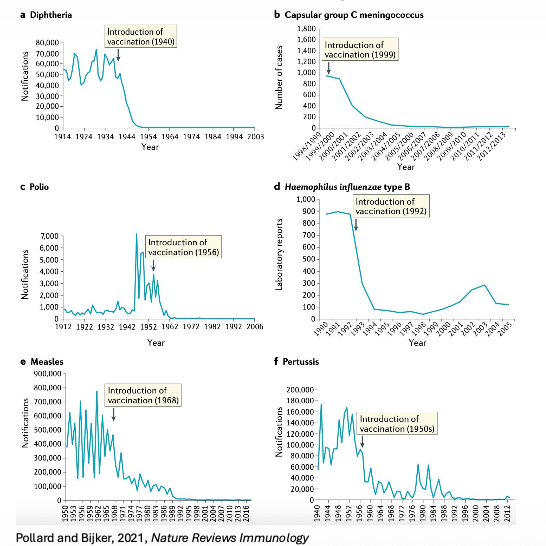
Childhood immunizations represent one of the most powerful tools in modern public health
Several pathogens have been eradicated or eliminated in the United States in part due to vaccination campaigns
Polio eliminated in 1979, measles in 2000*
Concern for the safety and efficacy of vaccines is observed through modern history
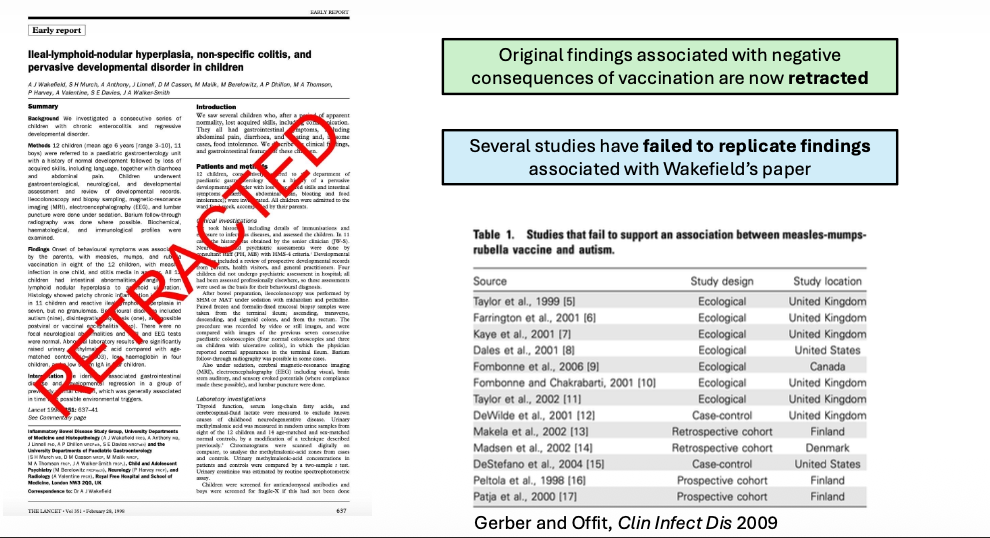
Original findings associated with negative consequences of vaccination are now retracted
Several studies have failed to replicate findings associated with Wakefield’s paper
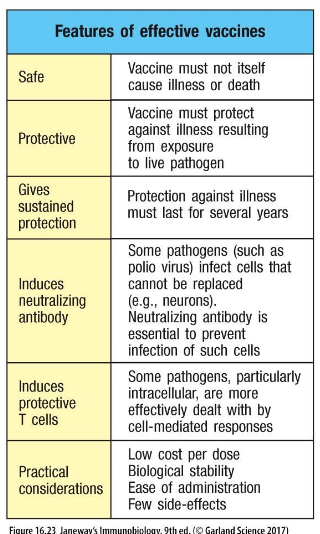
Vaccines must meet several criteria to be considered successful
Safe
Protective
Gives sustained protection
induced neutralizing antibody
induces protective T cells
Practical considerations
MEMORIZE THIS
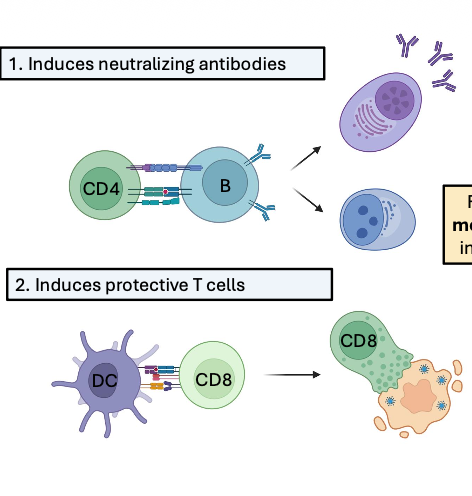
Formation of immune memory is a primary goal in vaccine development
1. Induces neutralizing antibodies
2. Induces protective T cells
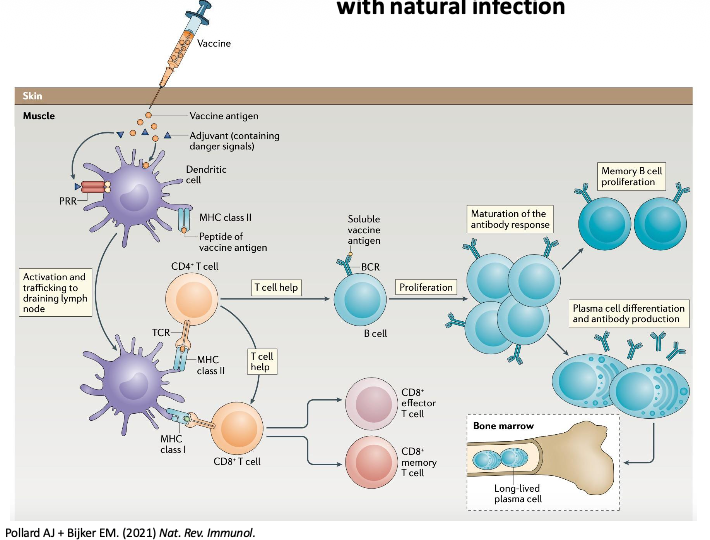
Vaccines function by stimulating a comprehensive immune response without risks associated
with natural infection
Effective vaccine responses stimulate all parts of an immune response, including immunological memory
Some vaccines use adjuvants, which typically strengthen immune responses by activating innate immune sensors
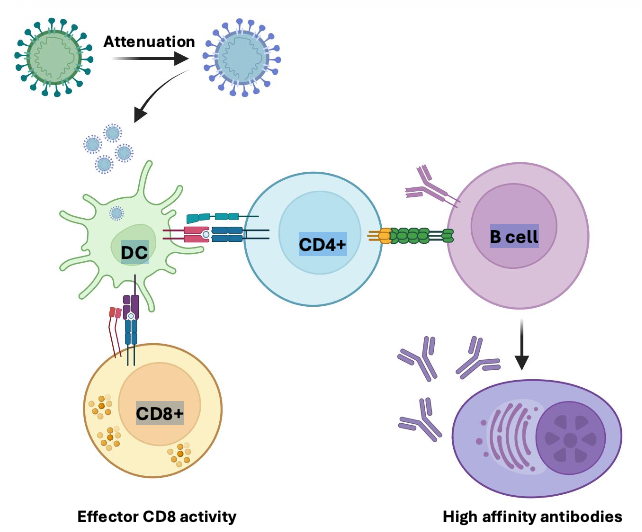
Live attenuated vaccines typically induce the most robust immune responses
Live attenuated vaccines use replication competent pathogens that have been attenuated (weakened)
Live attenuated vaccines strongly activate both CD8 and CD4 responses
Attenuation is typically achieved by growing the pathogen in non-human cells or genomic editing to reduce infectivity
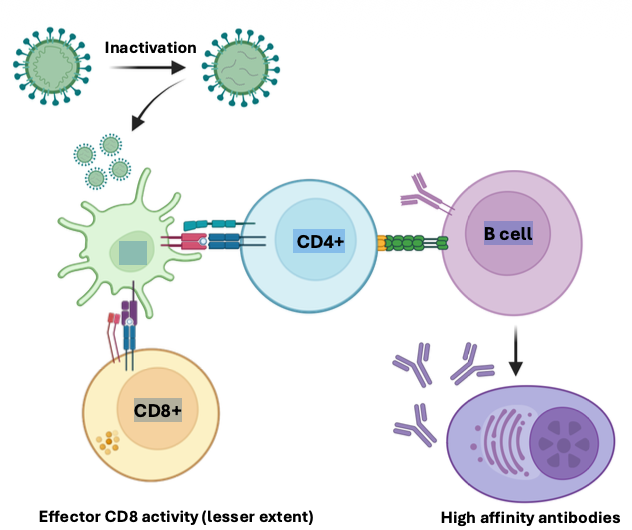
Inactivated vaccines use pathogens that are unable to replicate or cause disease
Inactivated vaccines use “killed” pathogens that must be taken up by APCs
Inactivated vaccines rely on cross presentation and more strongly stimulate humoral immune responses
Inactivation can be achieved by UV treatment, heat, or chemical means
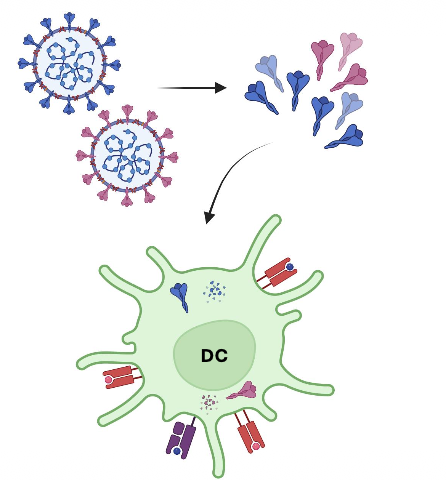
Subunit vaccines contain proteins associated with the pathogen
Subunit vaccines use pieces of the pathogen to elicit an immune response
Subunits from different strains can be used together in one vaccine (Gardasil-9)
Subunit vaccines typically require knowledge of immunodominant antigens
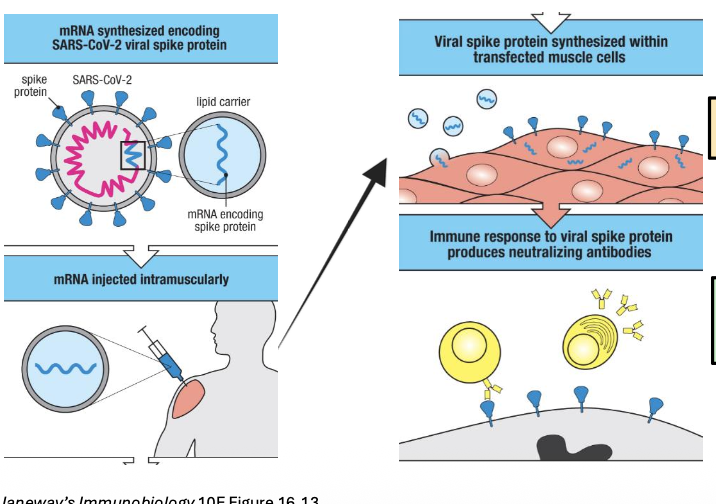
Nucleic acid (mRNA) vaccines encode for target antigen to stimulate immune responses
mRNA vaccines do not use any native part of the pathogen
mRNA in lipid carrier enters cells locally and uses cellular machinery to make antigen
mRNA injected intramuscularly (from synthesized encoding SARS-COV2 viral spike protein)
Viral spike protein synthesized within transfected muscle cells
Immune response to viral spike protein produces neutralizing antibodies
Vaccines contain other components in addition to immunostimulatory agent
Vaccines may also contain trace components from manufacturing such as detoxifying agents and egg protein
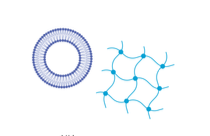
Component: Adjuvant
Purpose: Stimulate innate immune responses
ex. aluminum salts, oil in water emulsions
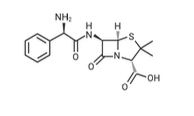
Component: Antibiotics, Perservatives
Purpose: ensure vaccine does not become contaminated
ex. gentamycin, neomycin, phenoxyethanol
Component: Stabilizers
Purpose: improves shelf life in varying conditions
ex. gelatin, sugars, magnesium salts

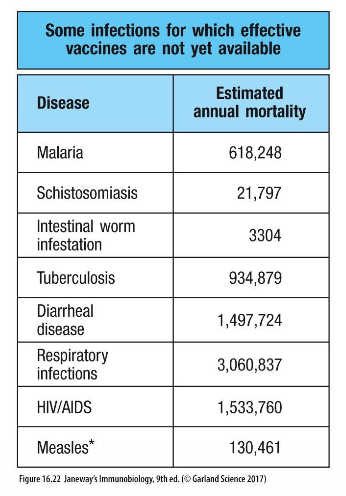
Beyond vaccine design, other factors influence vaccine efficacy
Host factors include age at vaccination and how well we understand host immune
responses
Pathogen factors include variability of pathogens (seasonally, strains, etc.), unknown immunodominant antigen (malaria, gonnorhea, syphilis), lack of rigorous testing models (HIV)
Non-biological barriers include infrastructure/access, prioritization, vaccine hesitancy
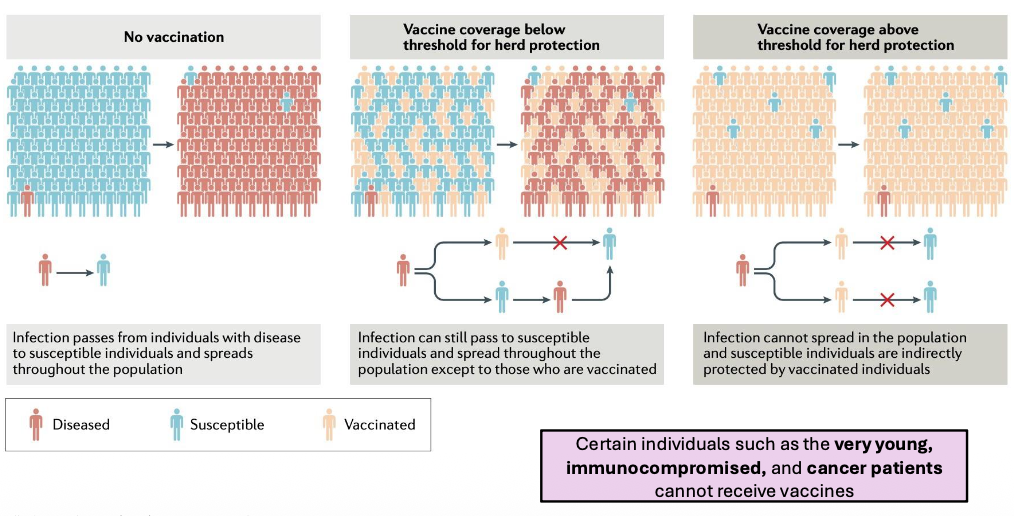
Vaccination efforts provide herd immunity to protect those that can’t be immunized
Certain individuals such as the very young, immunocompromised, and cancer patients cannot receive vaccines
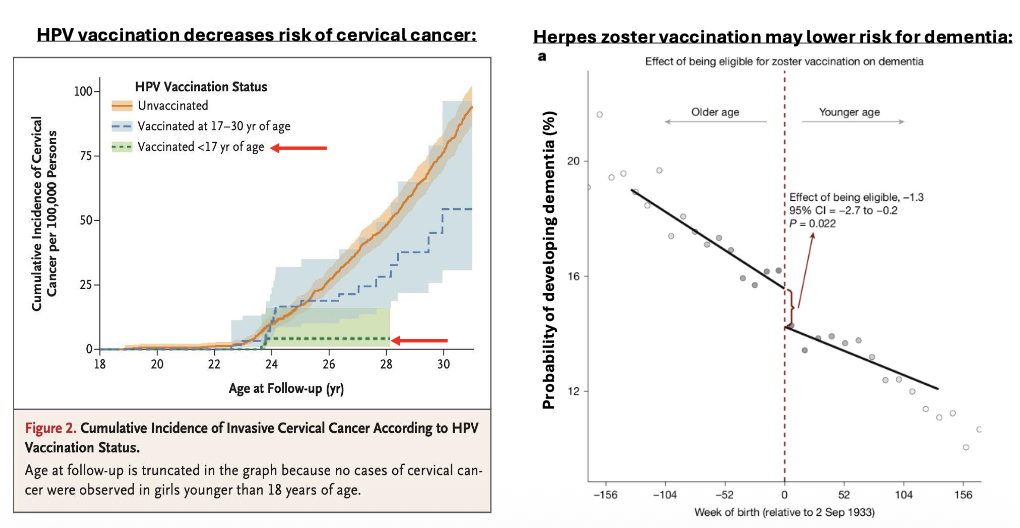
Vaccination may reduce risk of non-infectious conditions such as cancer, dementia
HPV vaccination decreases risk of cervical cancer:
Herpes zoster vaccination may lower risk for dementia:
Summary 10.4
Vaccines are powerful tools to limit the spread of pathogens
Vaccination campaigns have successfully prevented millions of cases of disease
Vaccines must generate cellular and humoral immune responses, memory
Vaccines take a wide array of approaches to generating immune responses
Live and inactivated vaccines use whole pathogens
Subunit and mRNA vaccines focus on specific pieces of pathogen