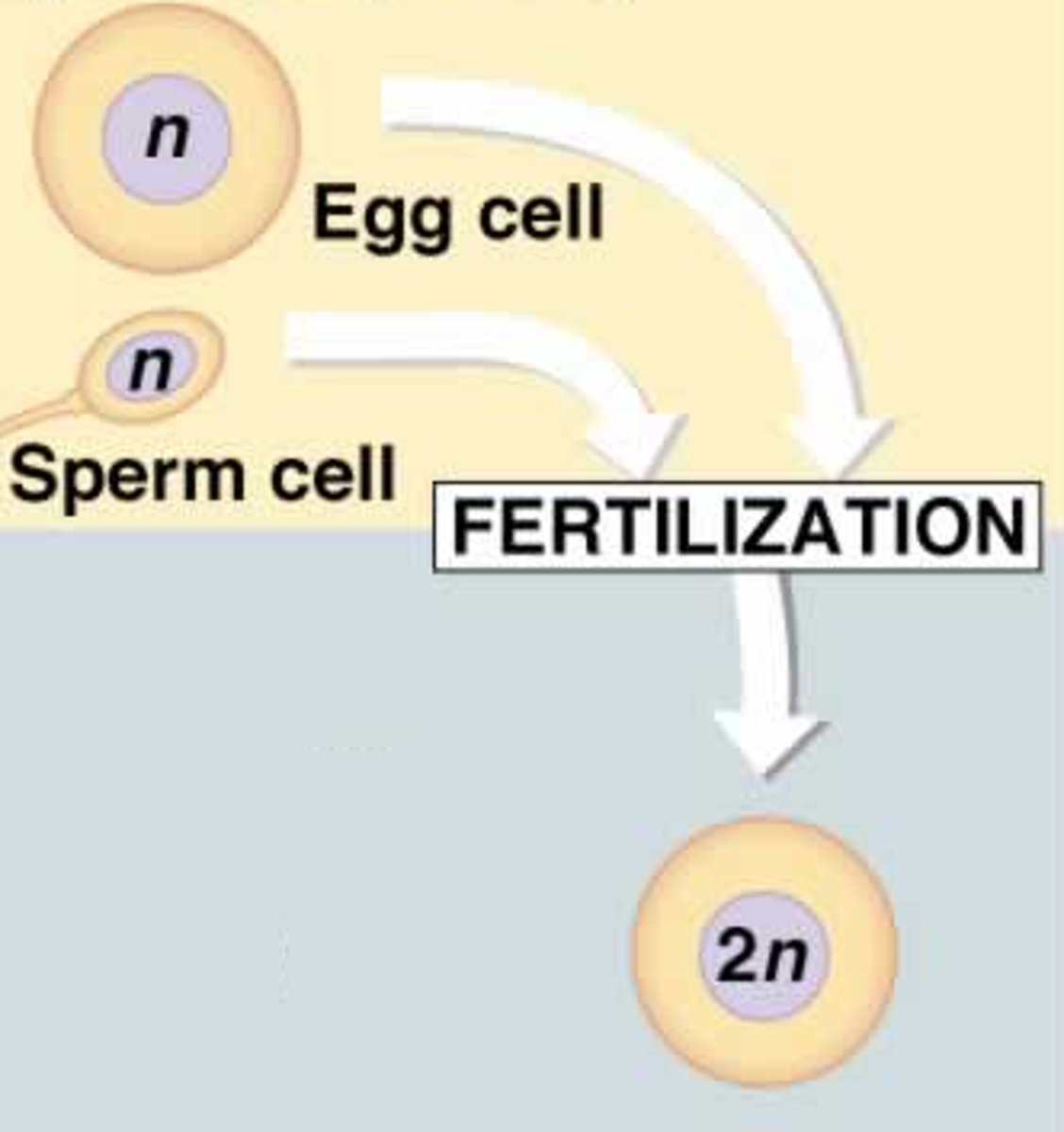
7th Grade: Human Body Systems Vocabulary
 Call Kai
 Learn
Learn Practice Test
 Spaced Repetition
 Match
Match Flashcards
 Knowt Play
1/32

There's no tags or description
Looks like no tags are added yet.
Name | Mastery | Learn | Test | Matching | Spaced | Call with Kai |
|---|
No analytics yet
Send a link to your students to track their progress
33 Terms
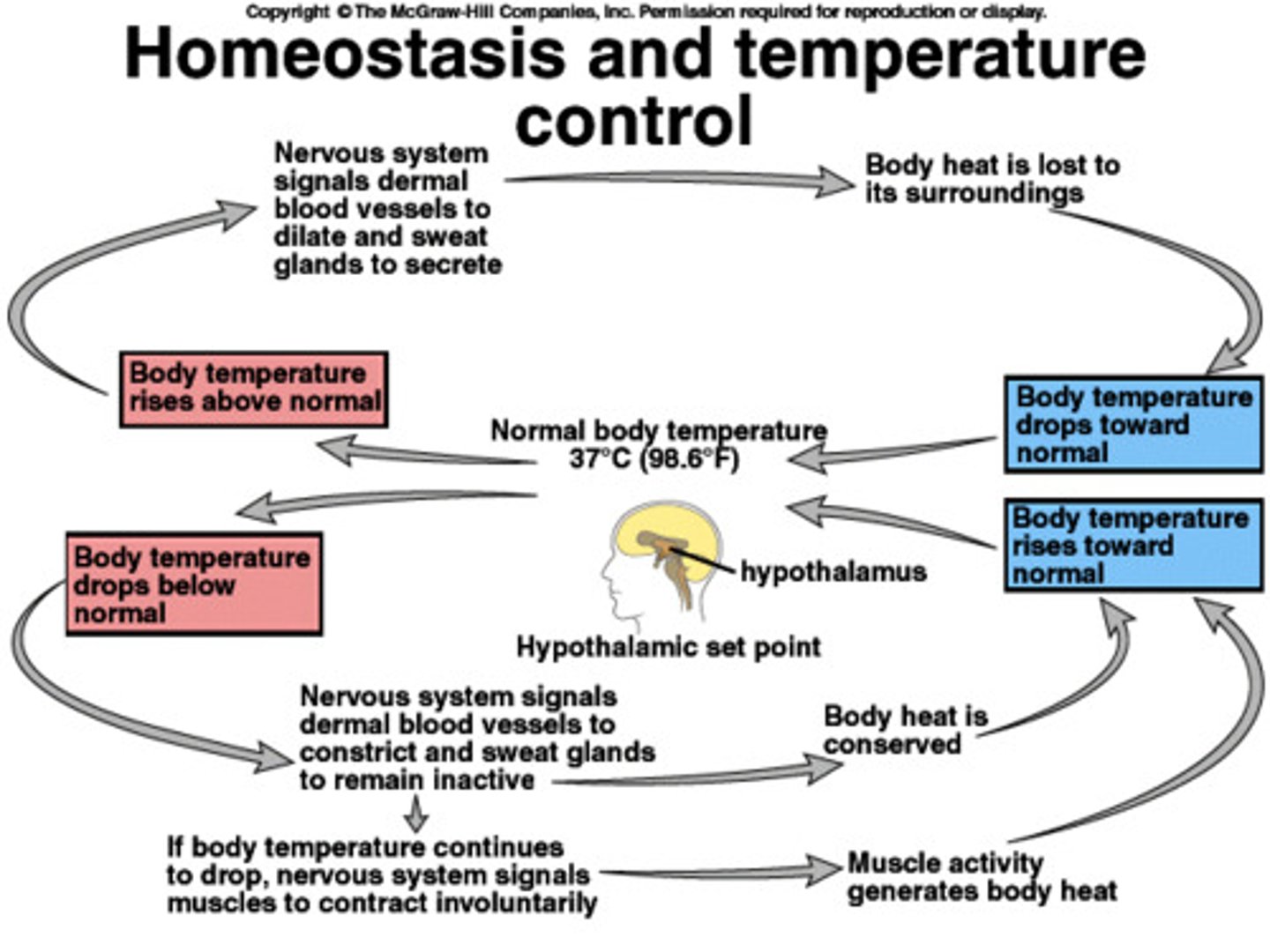
homeostasis
the maintenance of a stable internal environment in the body
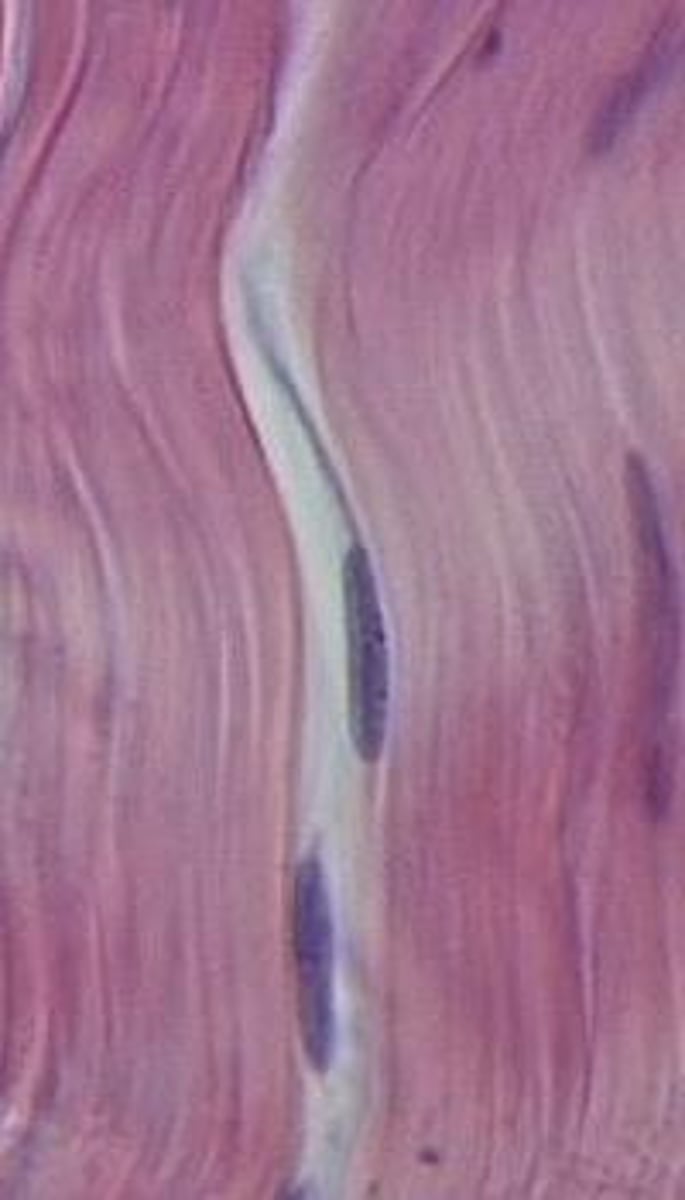
tissue
a group of similar cells that perform a common function
organ
a group of tissues that carry out a specialized function of the body
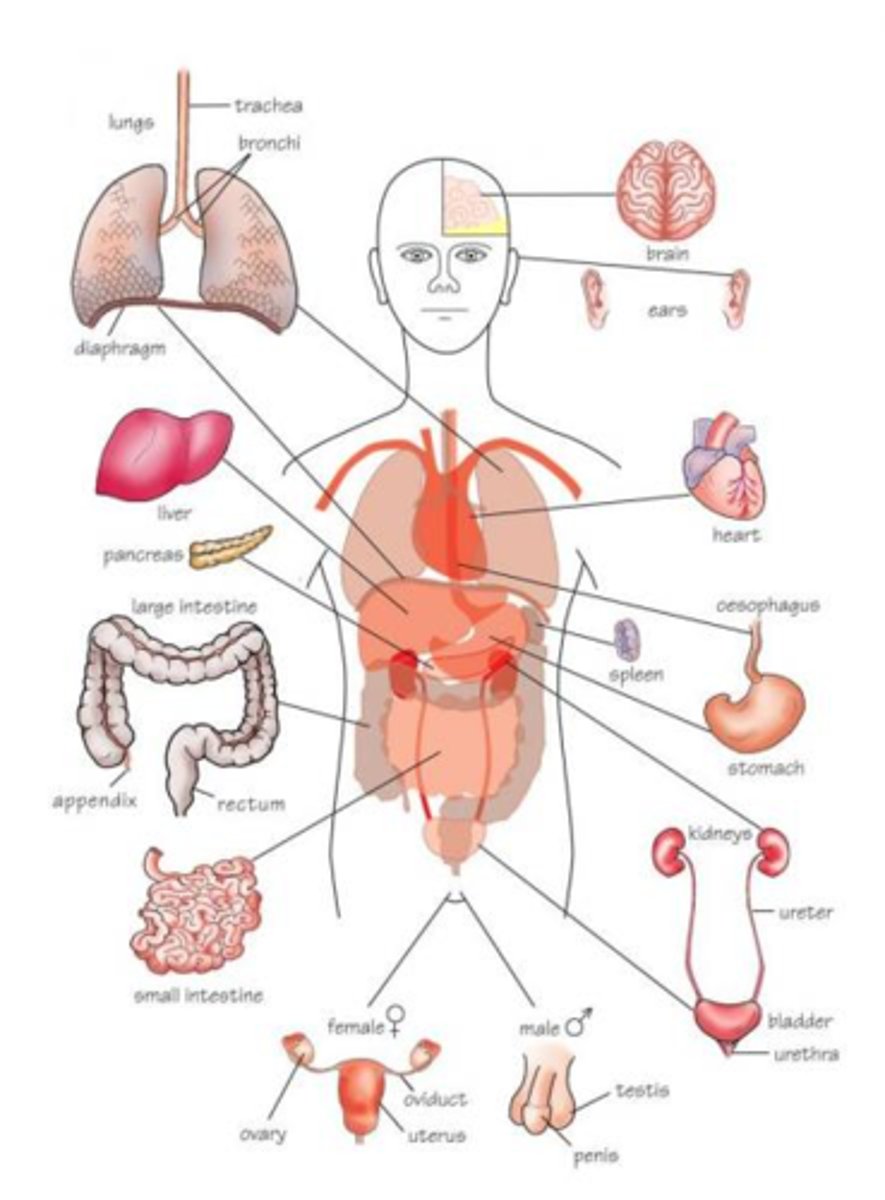
organ system
a group of organs that work together to perform body functions
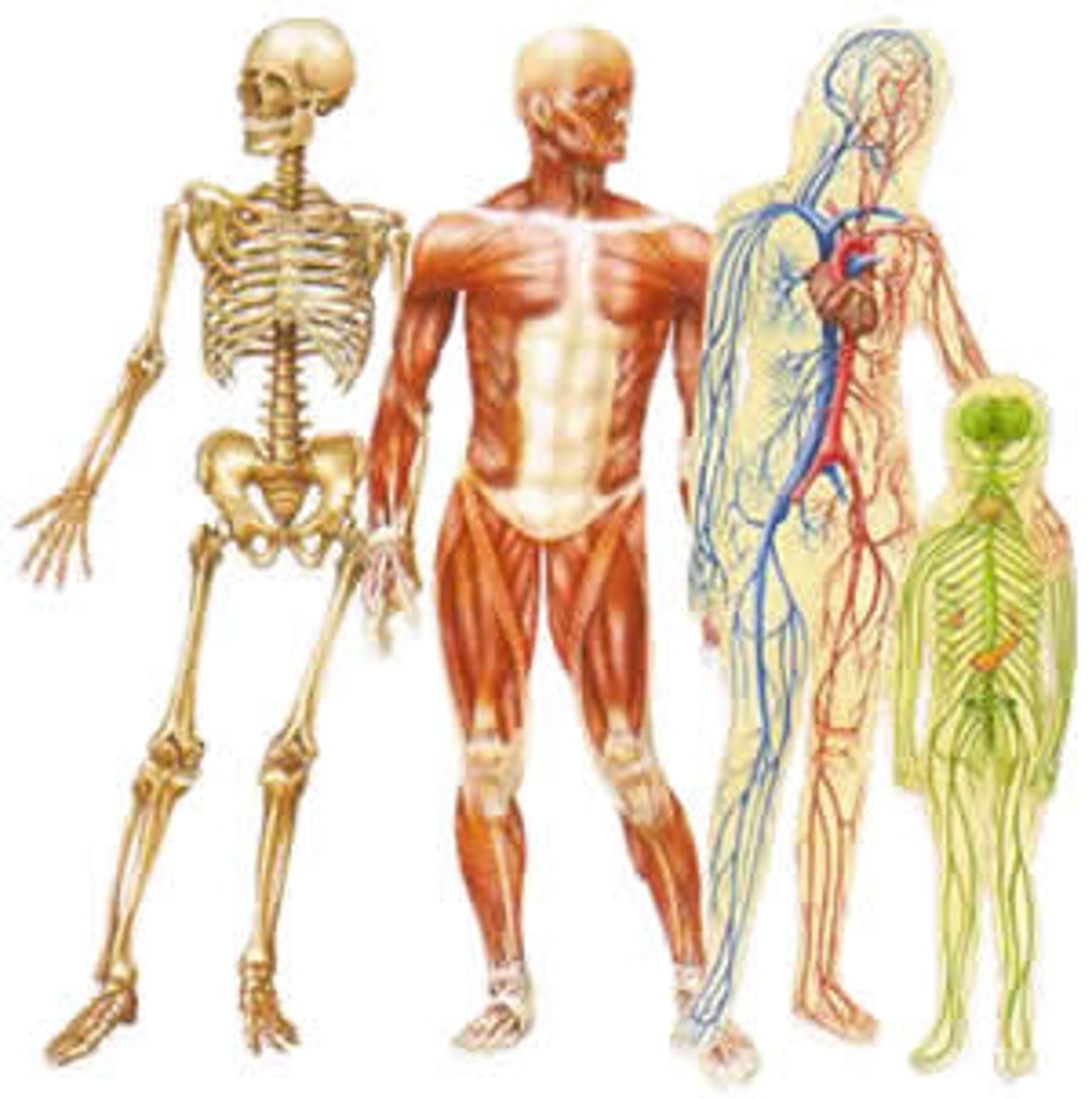
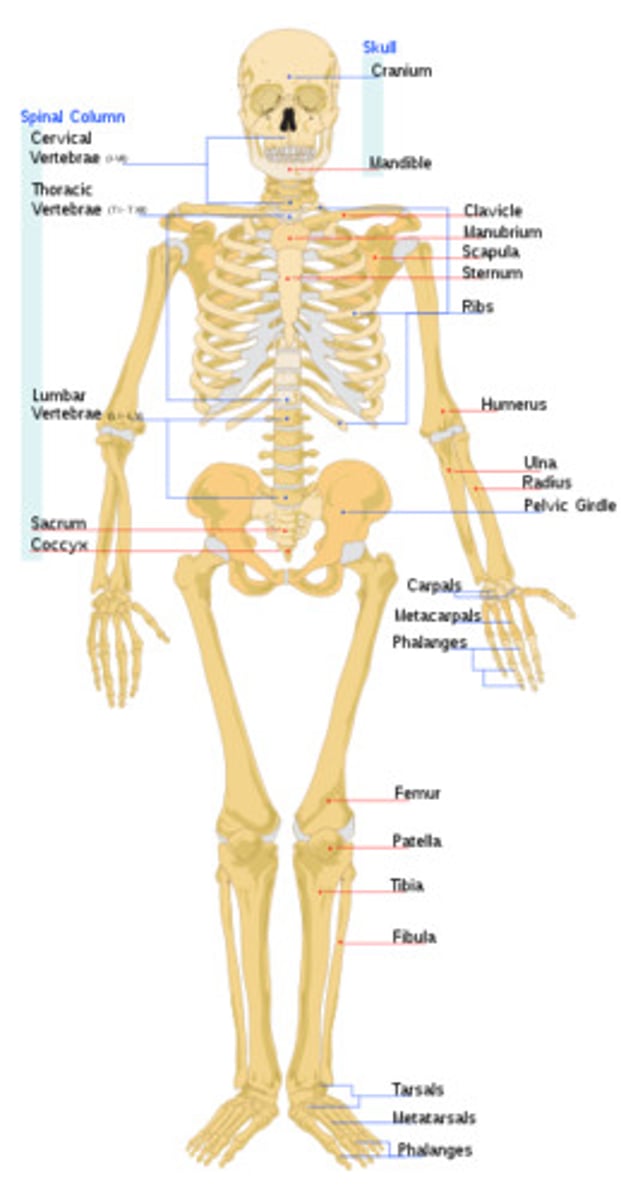
skeletal system
an organ system that primarily supports and protects the body and allows it to move; it also stores minerals and make blood cells. Includes cartilage, bone and connective tissue.
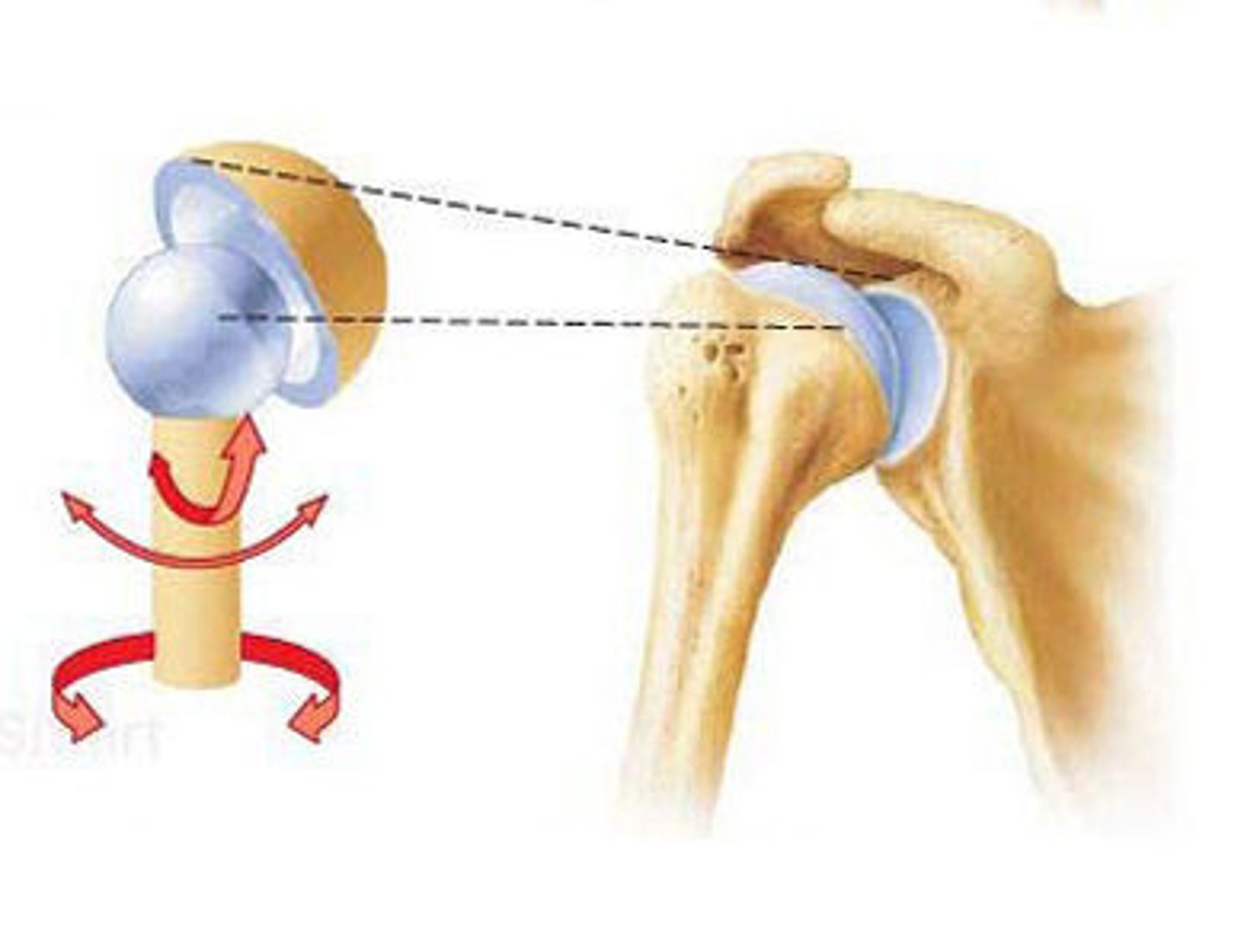
joint
a place where 2 or more bones meet; types include: ball and socket, gliding and hinge joints.
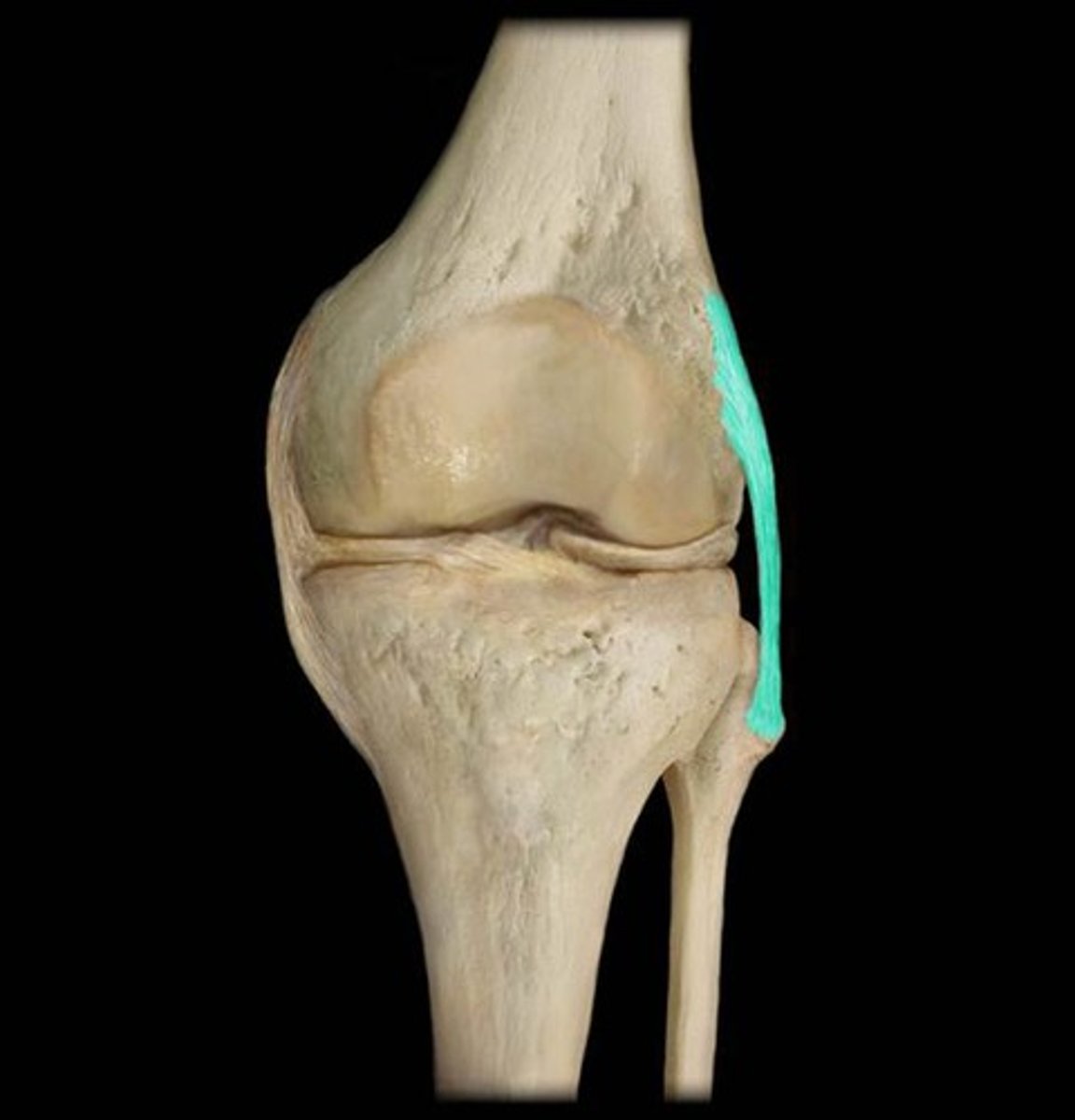
ligament
connect bones at a joint; made of connective tissue
muscular system
organ system whose primary function is movement and flexibility
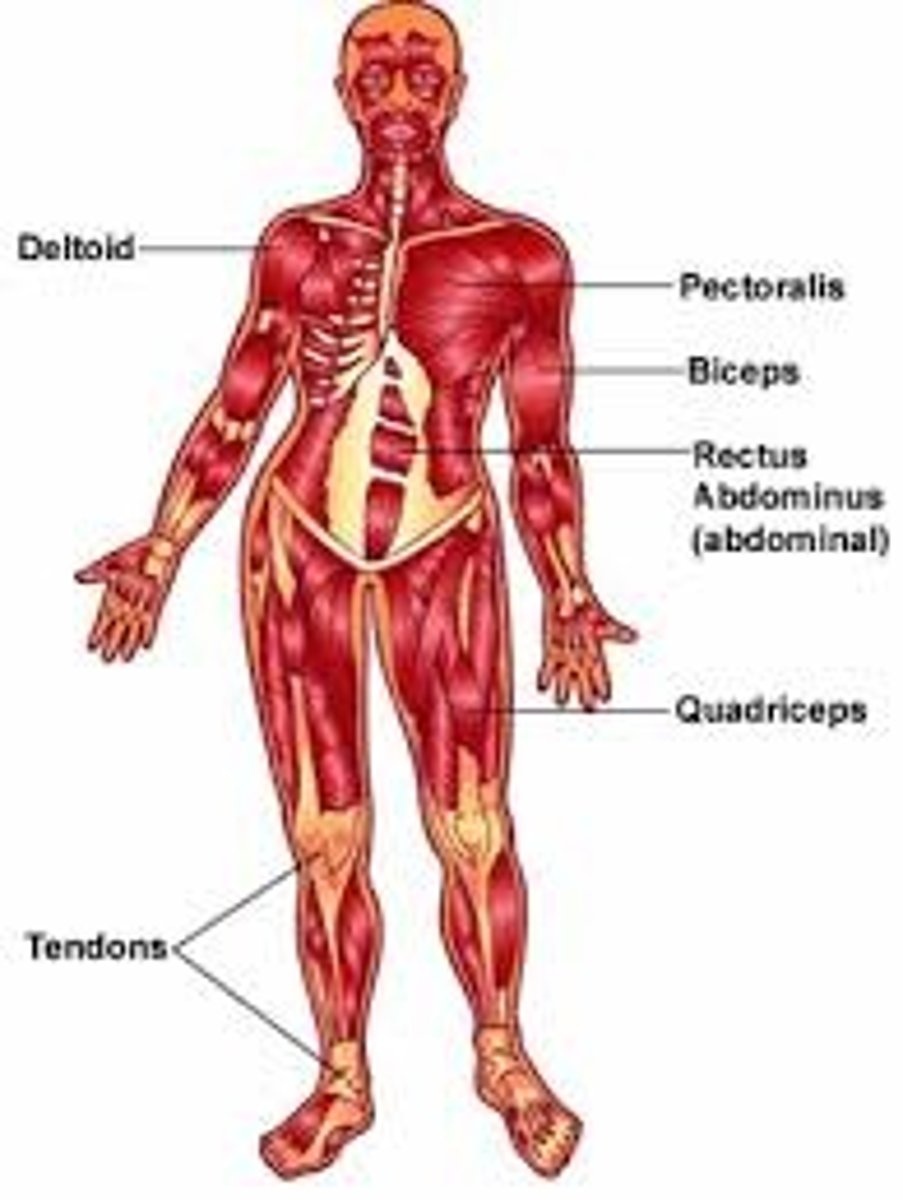
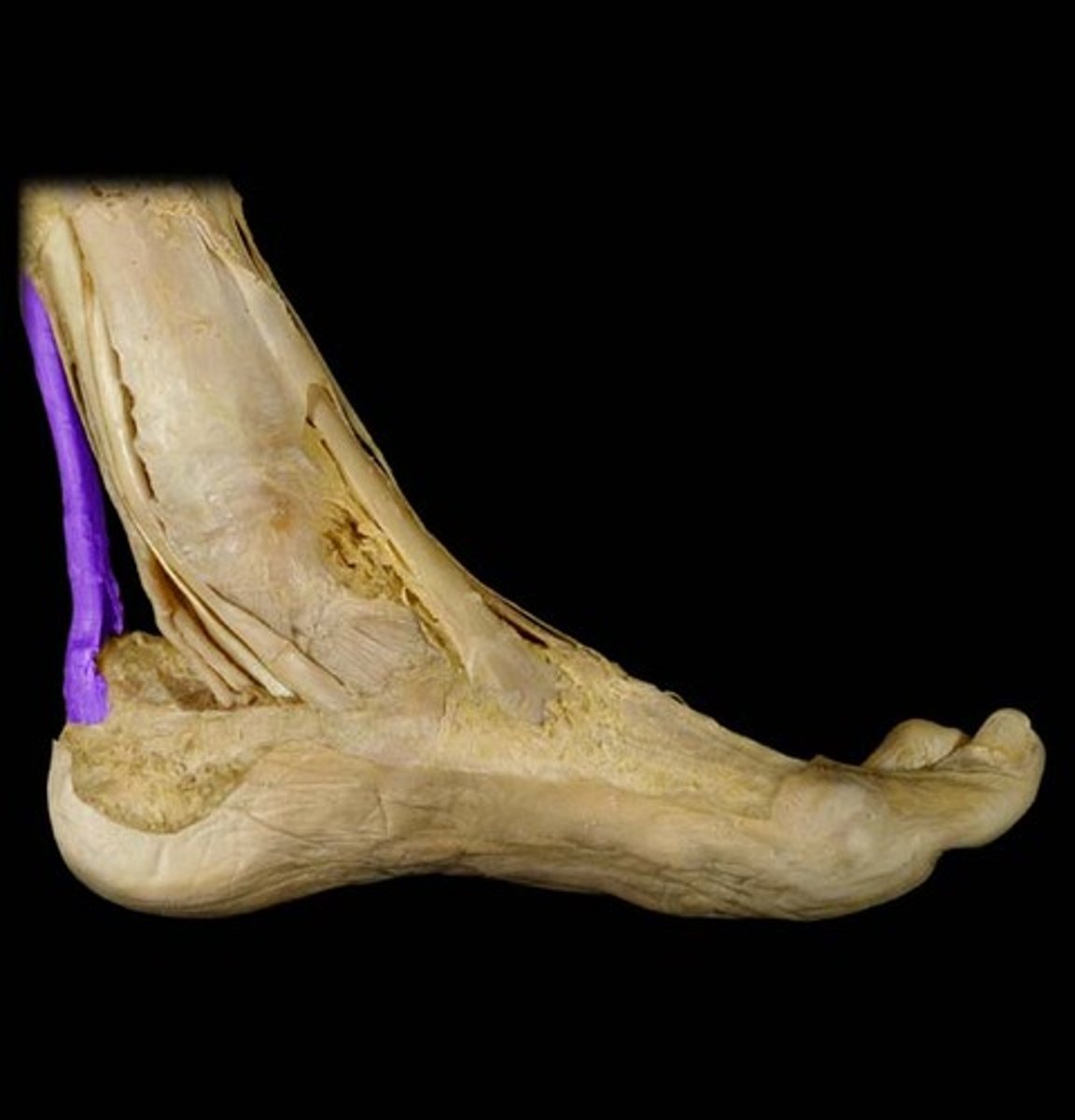
tendons
strands of connective tissue that connect muscles to bones
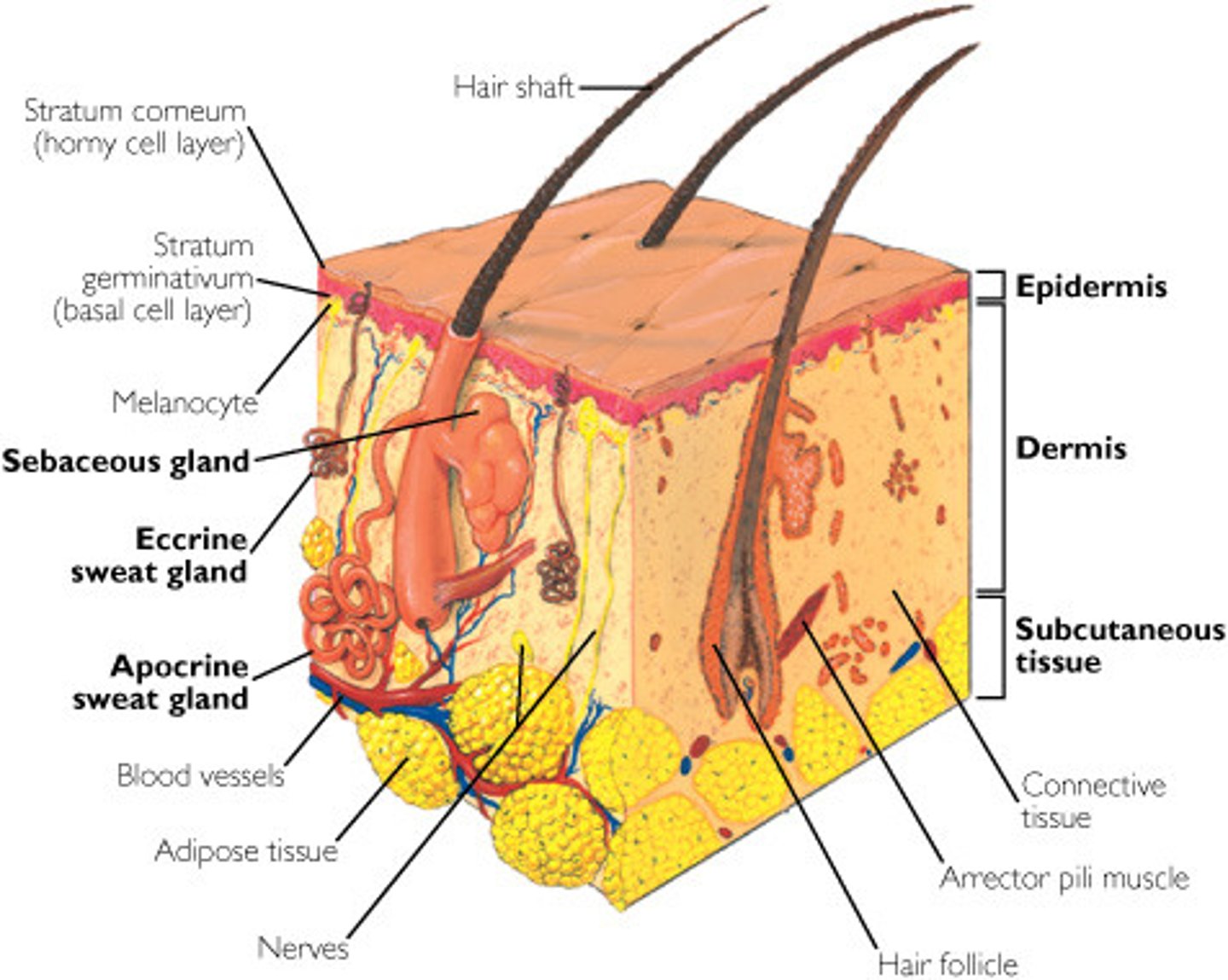
integumentary system
organ system that forms a protective covering on the outside of the body; made of skin, hair and nails.
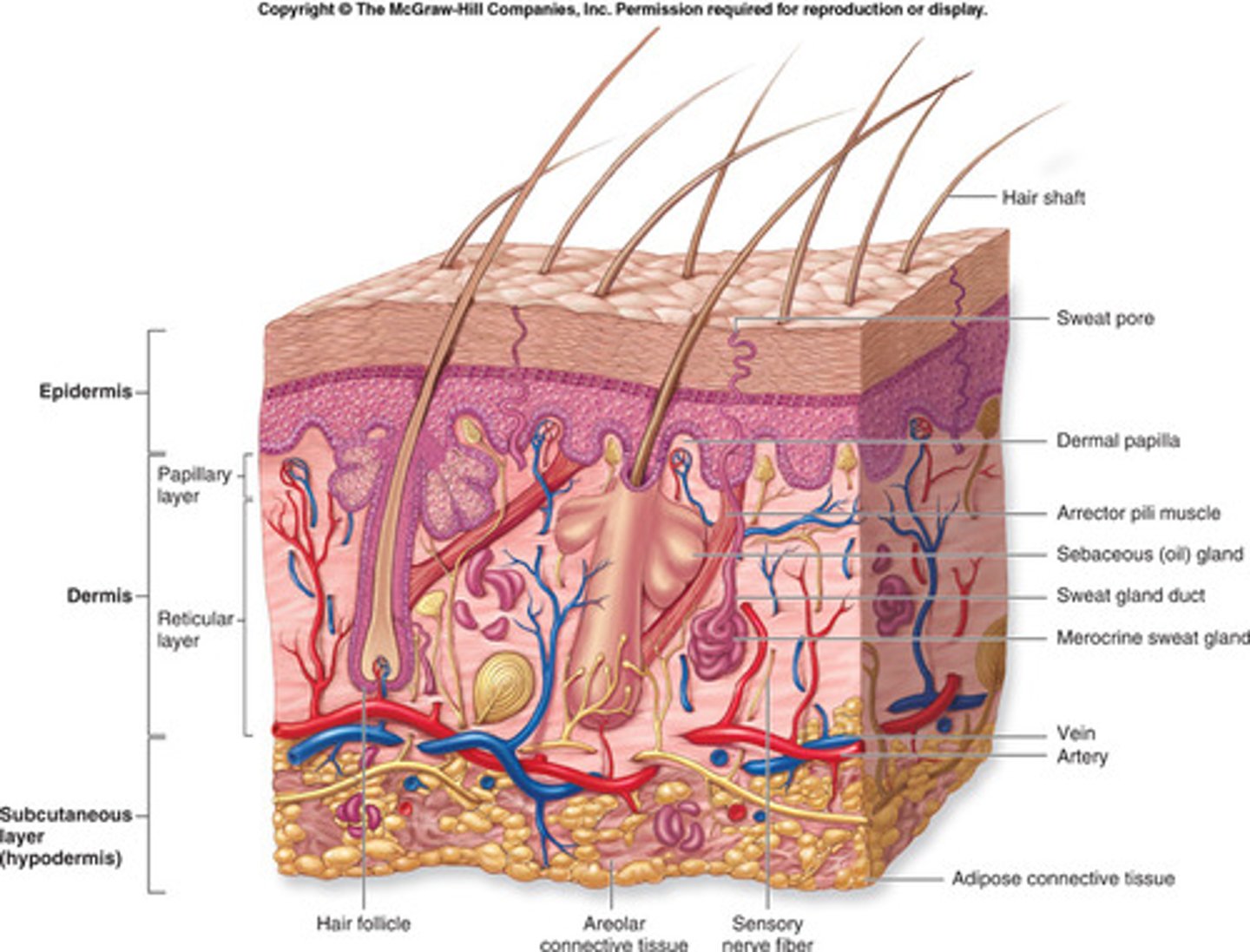
epidermis
surface layer of cells on the skin
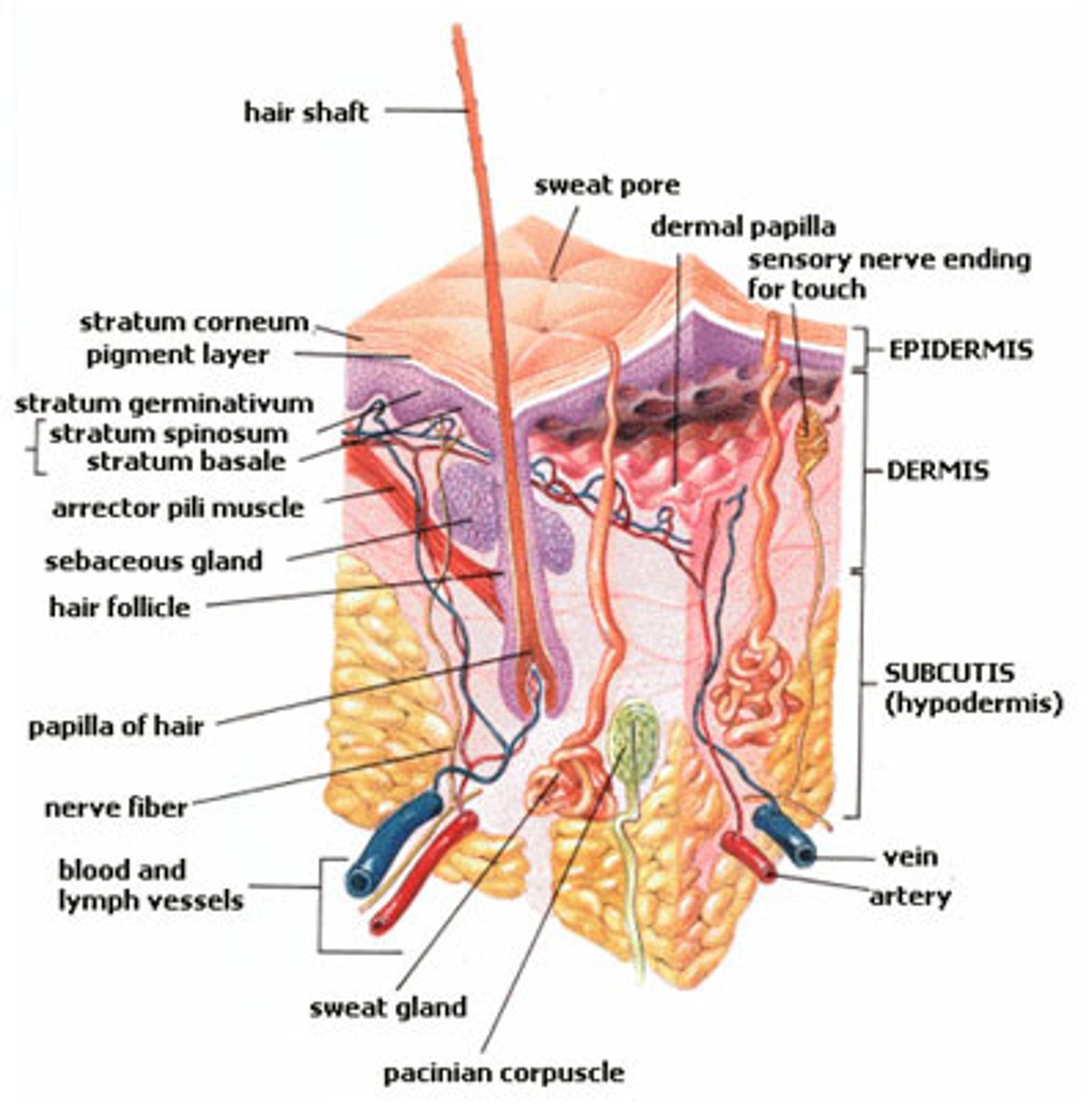
dermis
thicker layer of skin below the epidermis
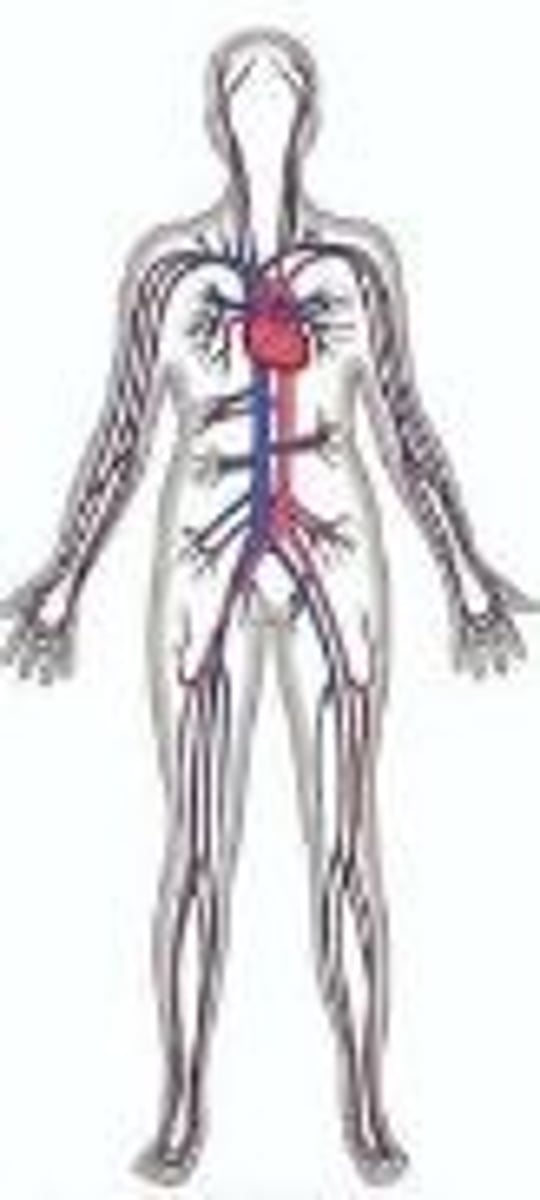
cardiovascular system
a collection of organs that transport blood around the body; made of the heart, blood and blood vessels.
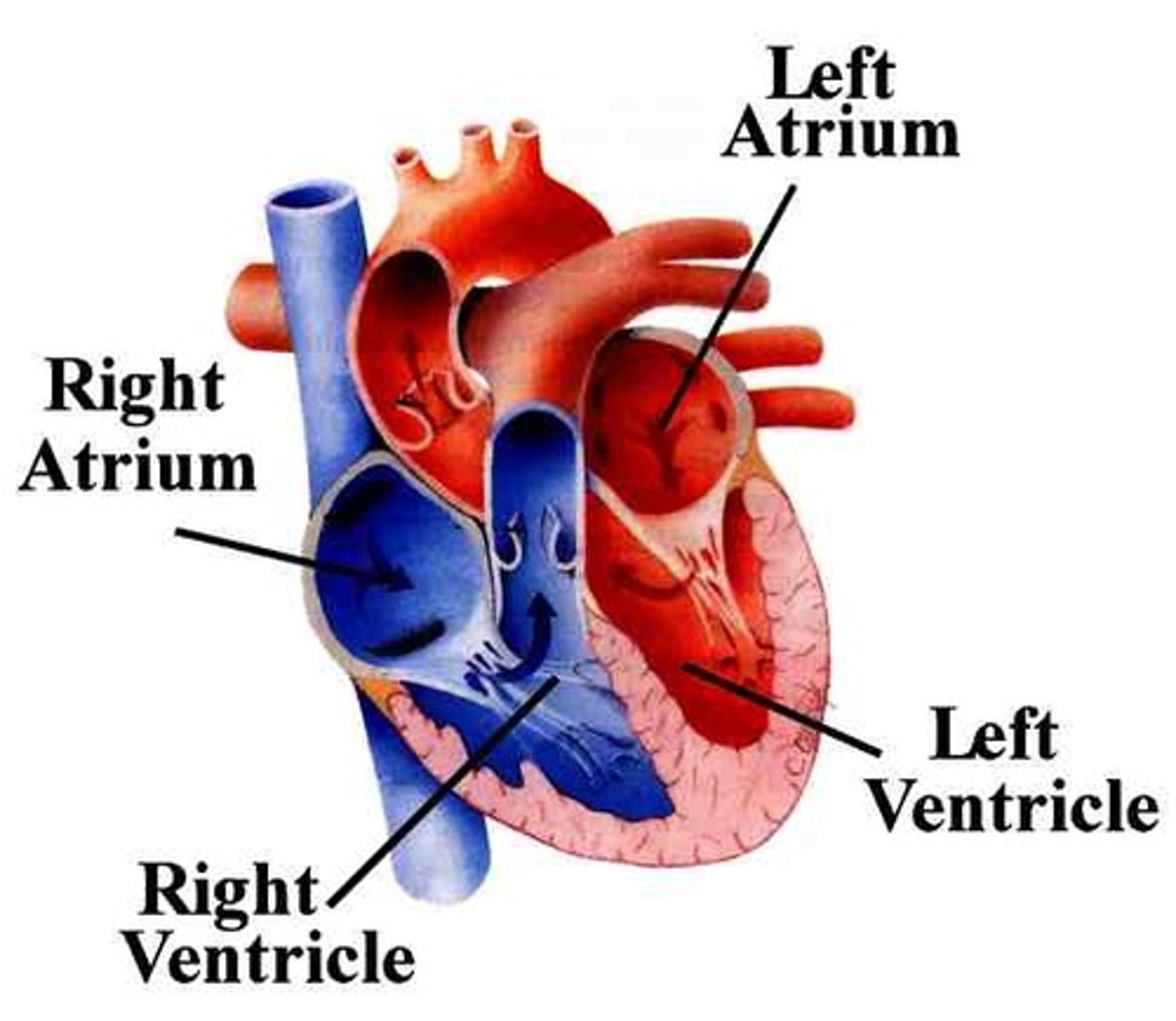
heart
pumps blood through blood vessels;
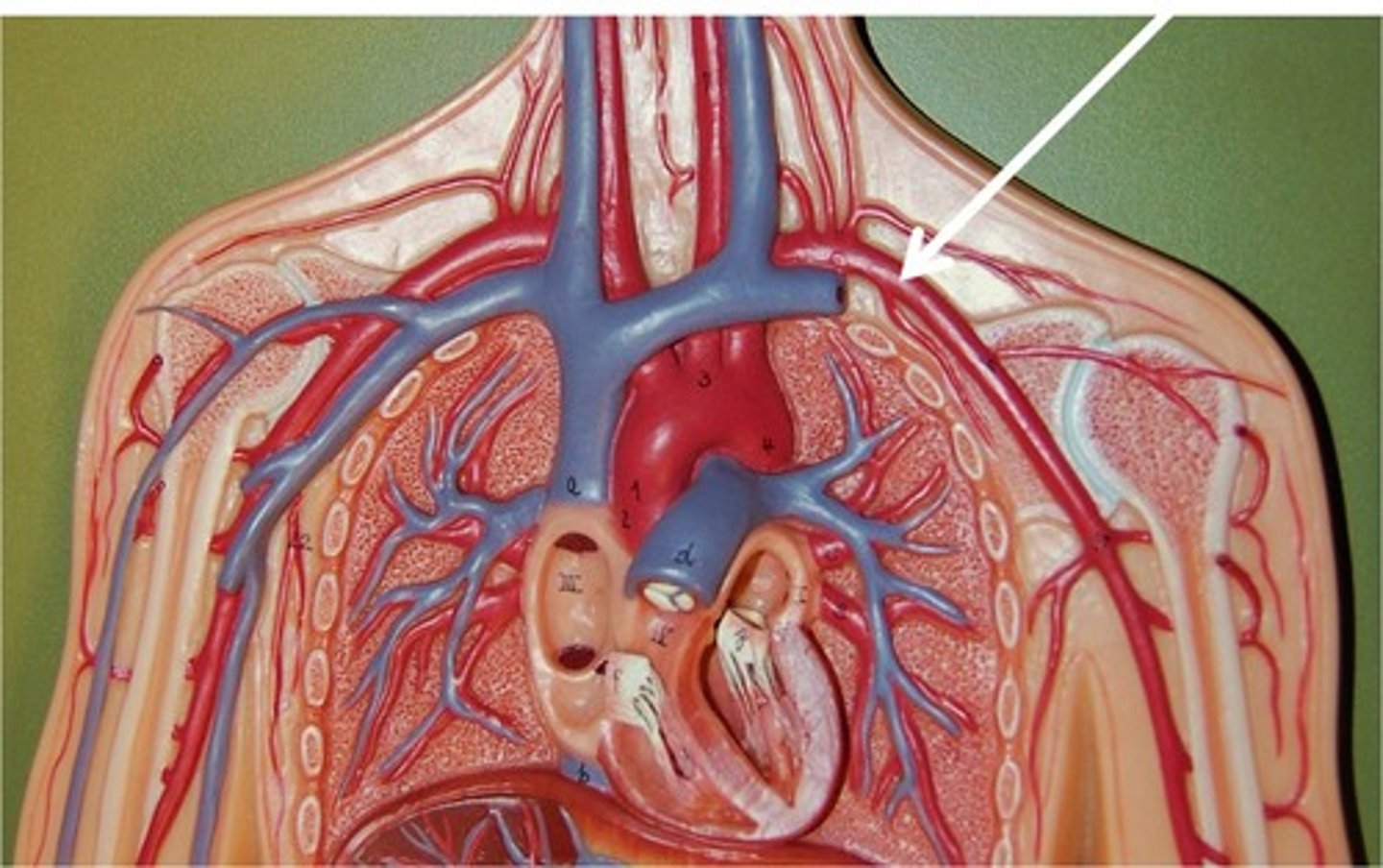
artery
carries (oxygenated) blood away from the heart to the body's organs
vein
a blood vessel that carries (low oxygen) blood to the heart
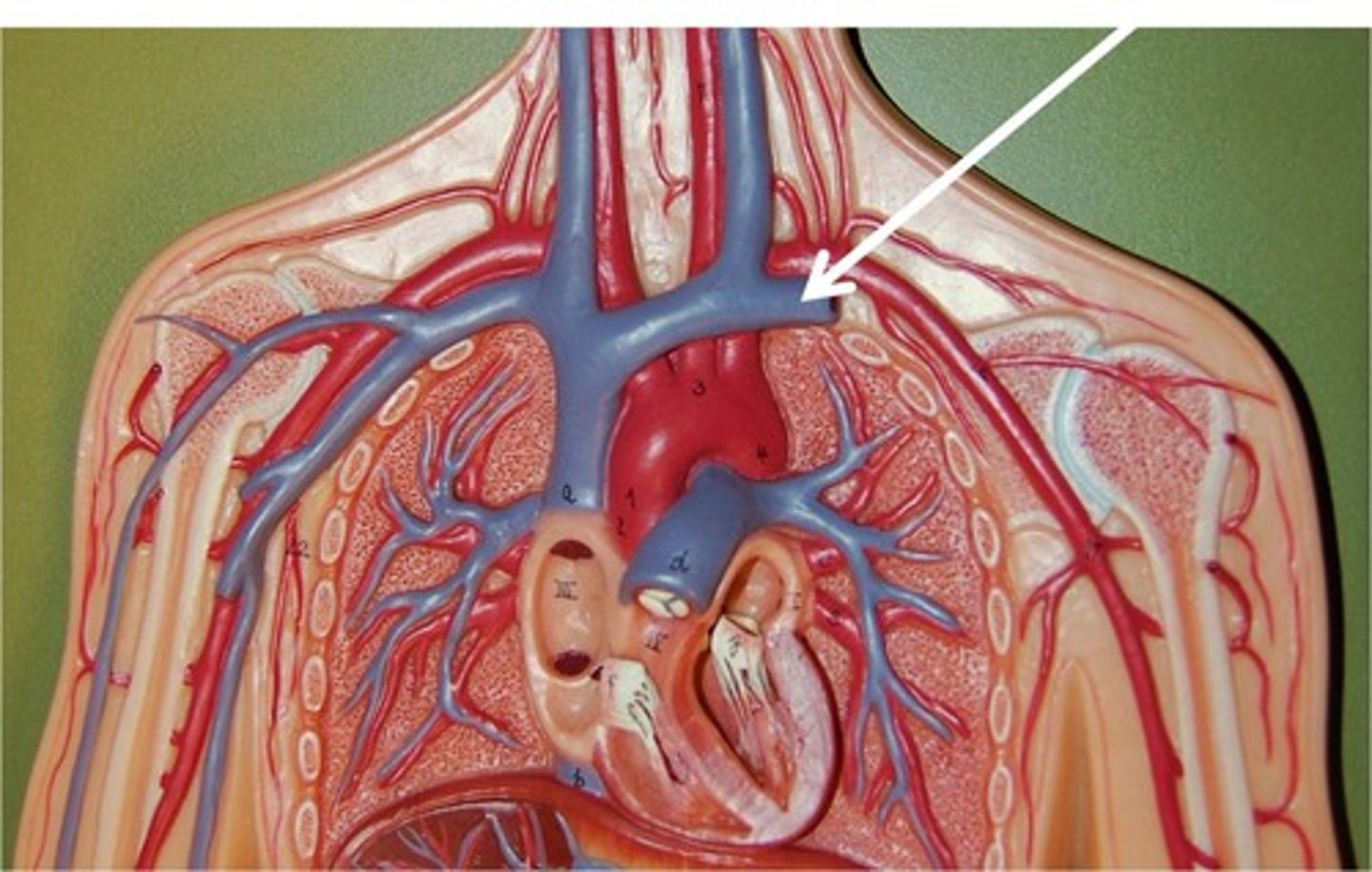
capillaries
tiny blood vessels that allow an exchange between the blood and cells of other tissues (an exchange of gases)
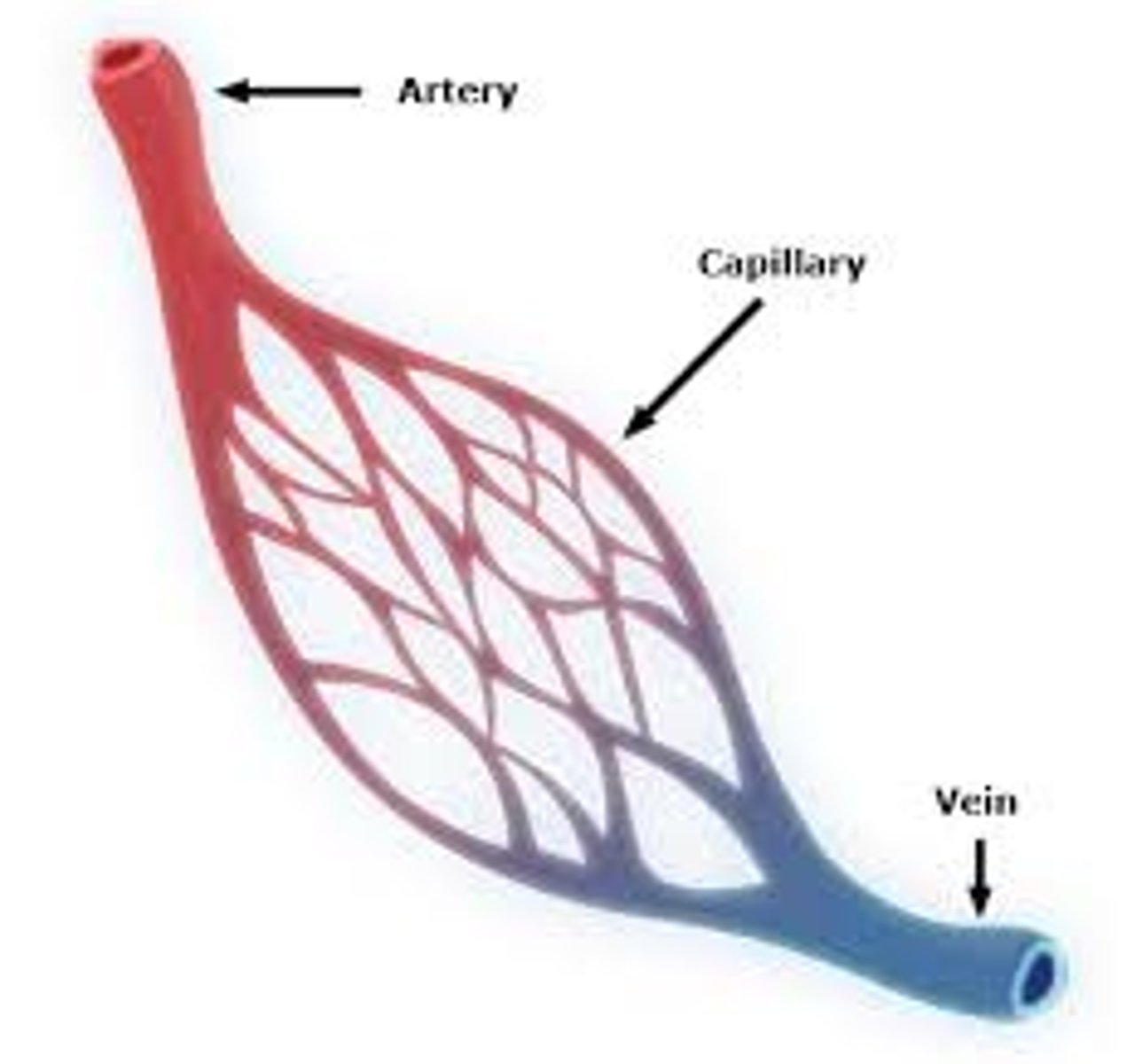
pulmonary circulation
the flow of blood from the heart to the lungs and back
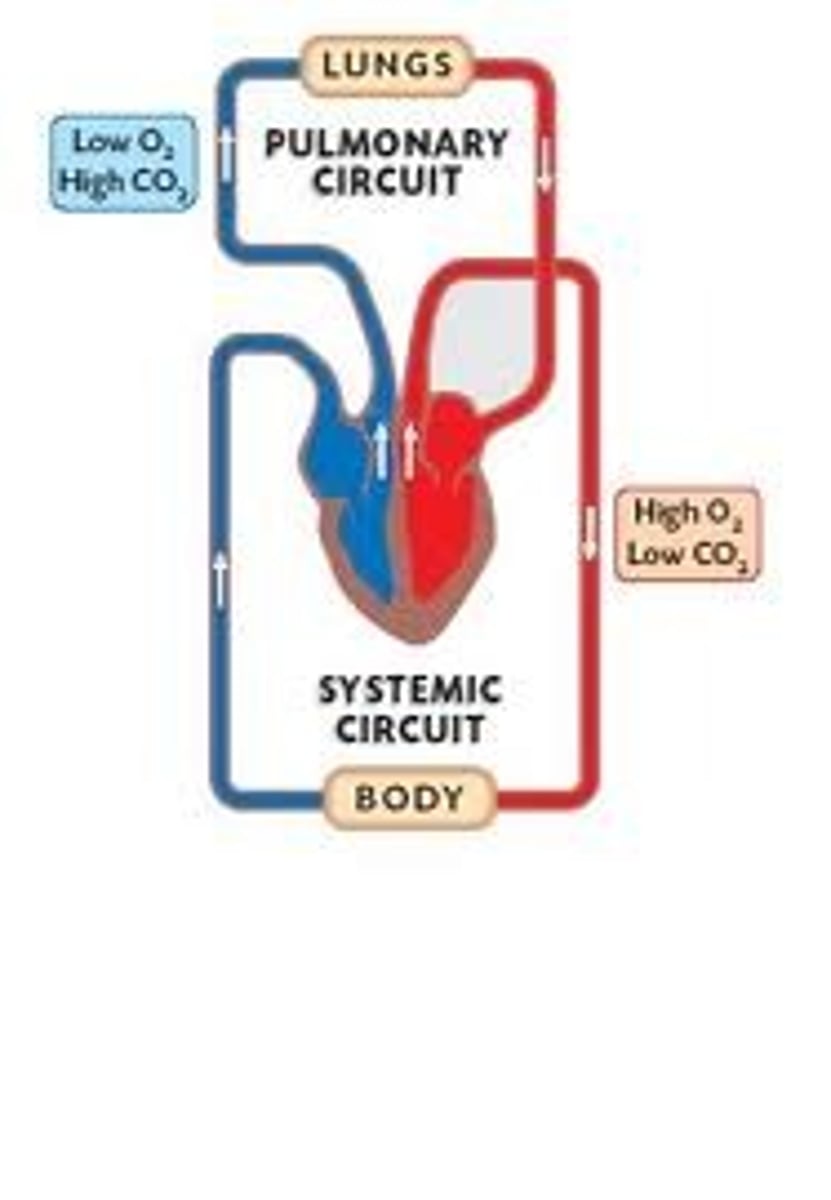
circulatory system
the flow of blood from the heart to all parts of the body and back to the heart
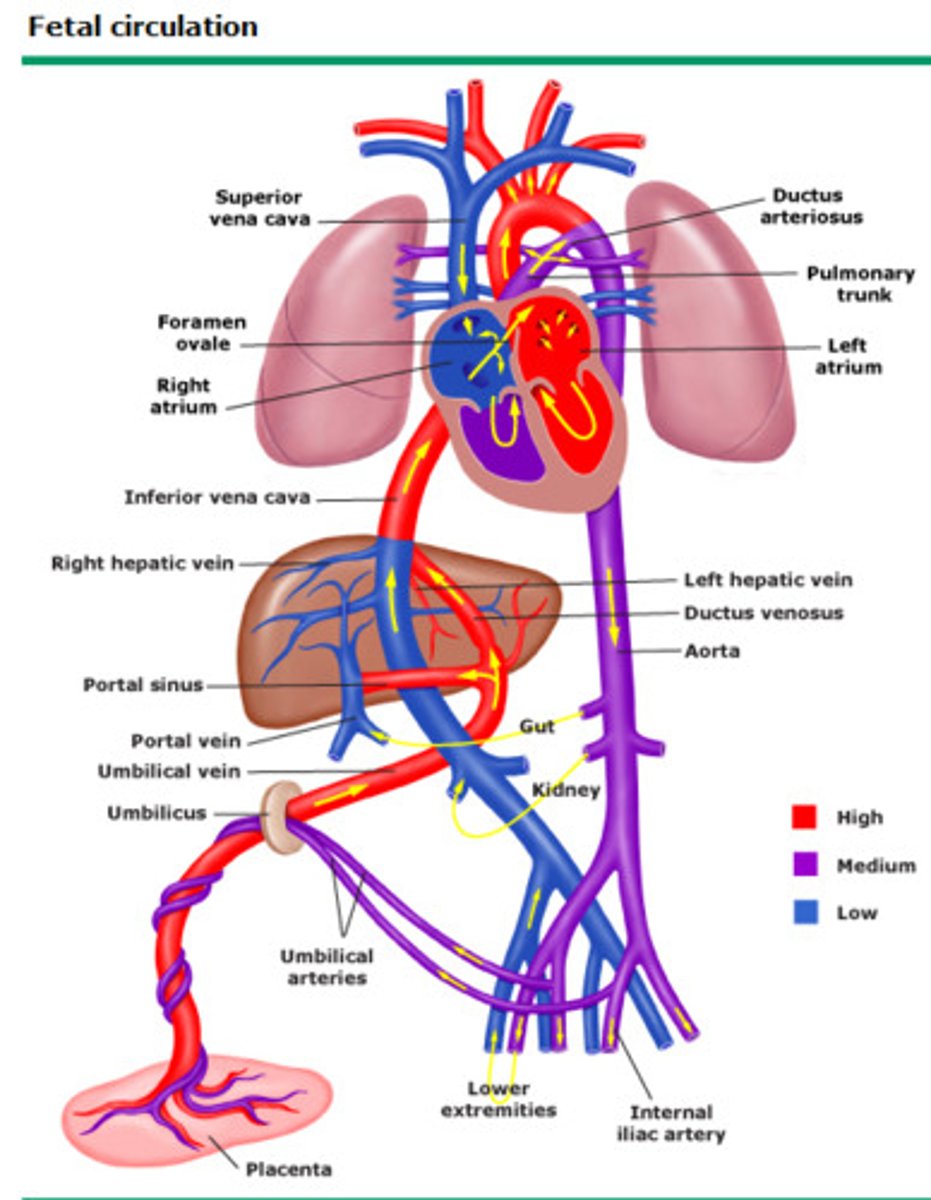
blood
the fluid that carries gases, nutrients, and wastes through the body; made of plasma, red blood cells, white blood cells and platelets.
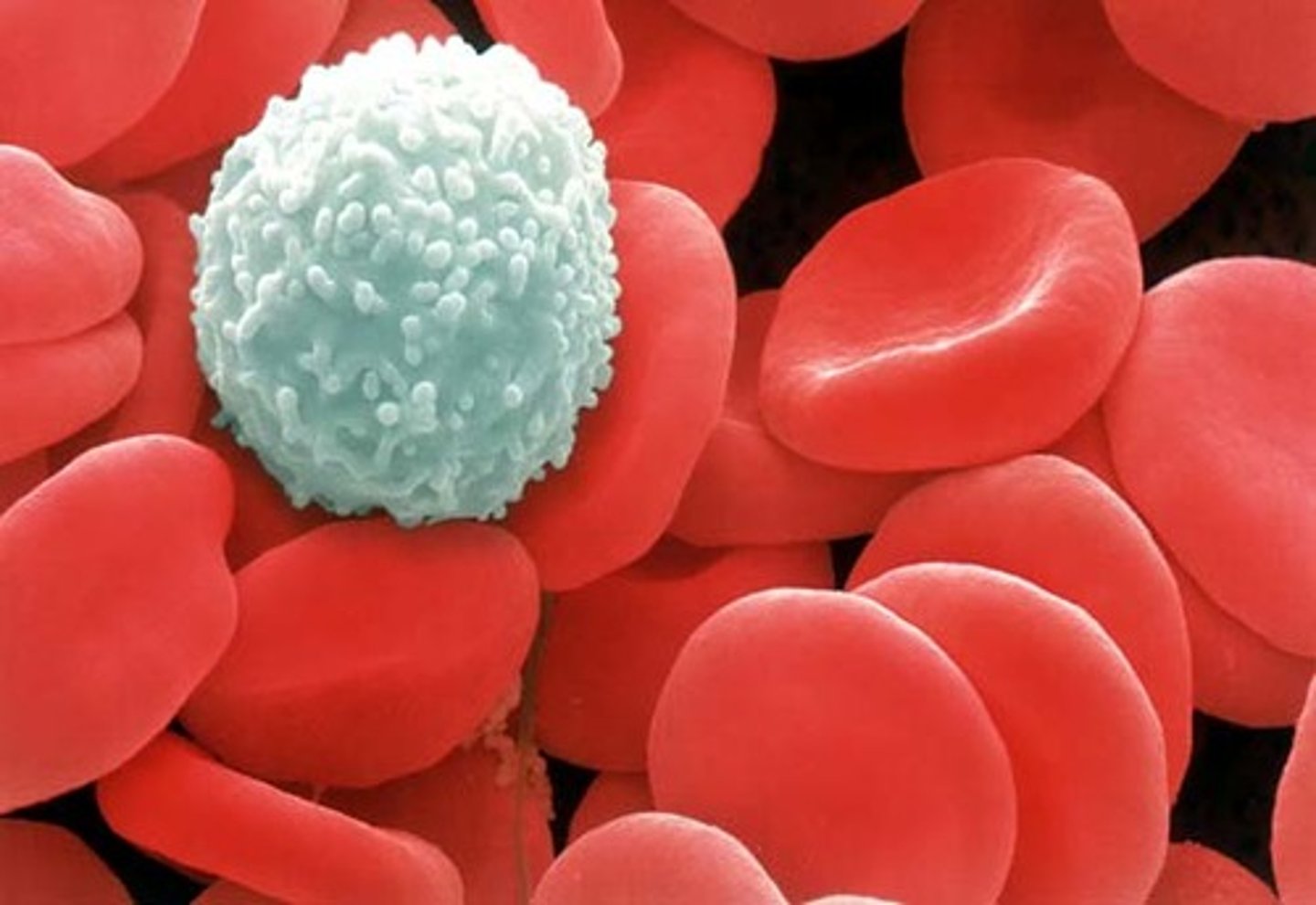
red blood cells
take oxygen to every cell in the body
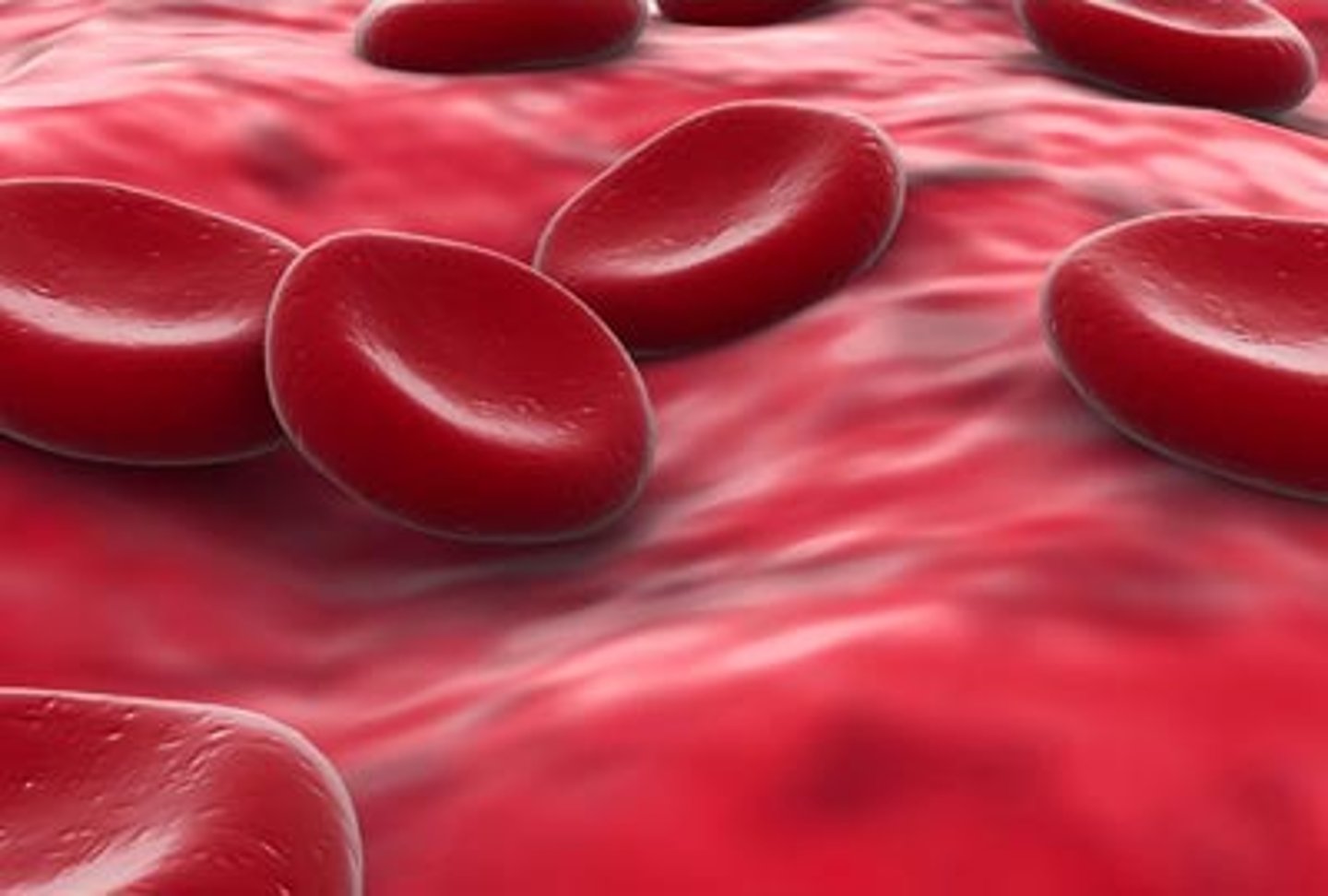
platelets
help blood to CLOT or form a net to stop bleeding
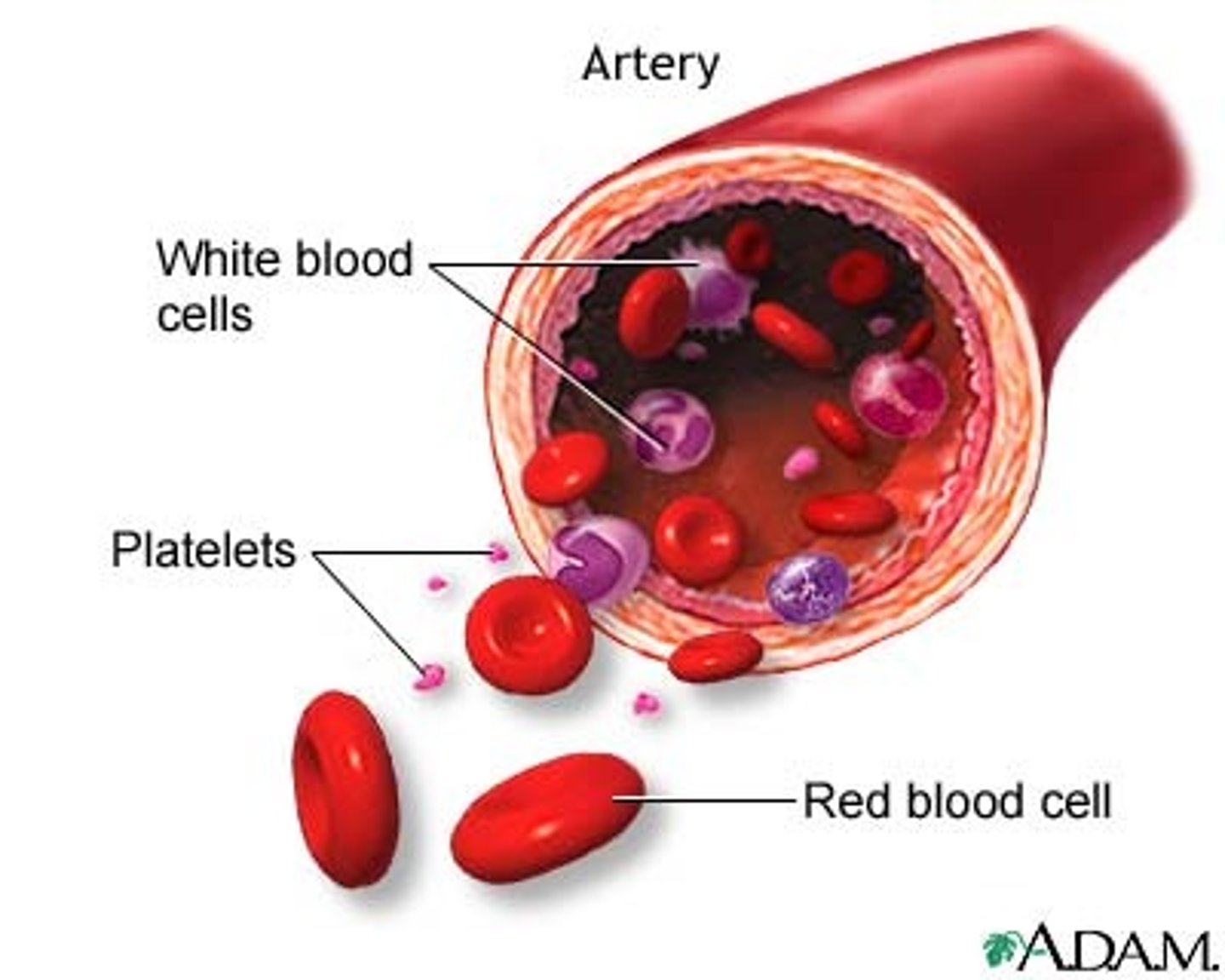
white blood cells
destroy old cells or invaders into the body
lymphatic system
group of organs that collect fluid and return it to the blood; helps your body fight invaders (pathogens); includes lymph vessels, bone marrow, nodes, thymus, spleen and tonsils
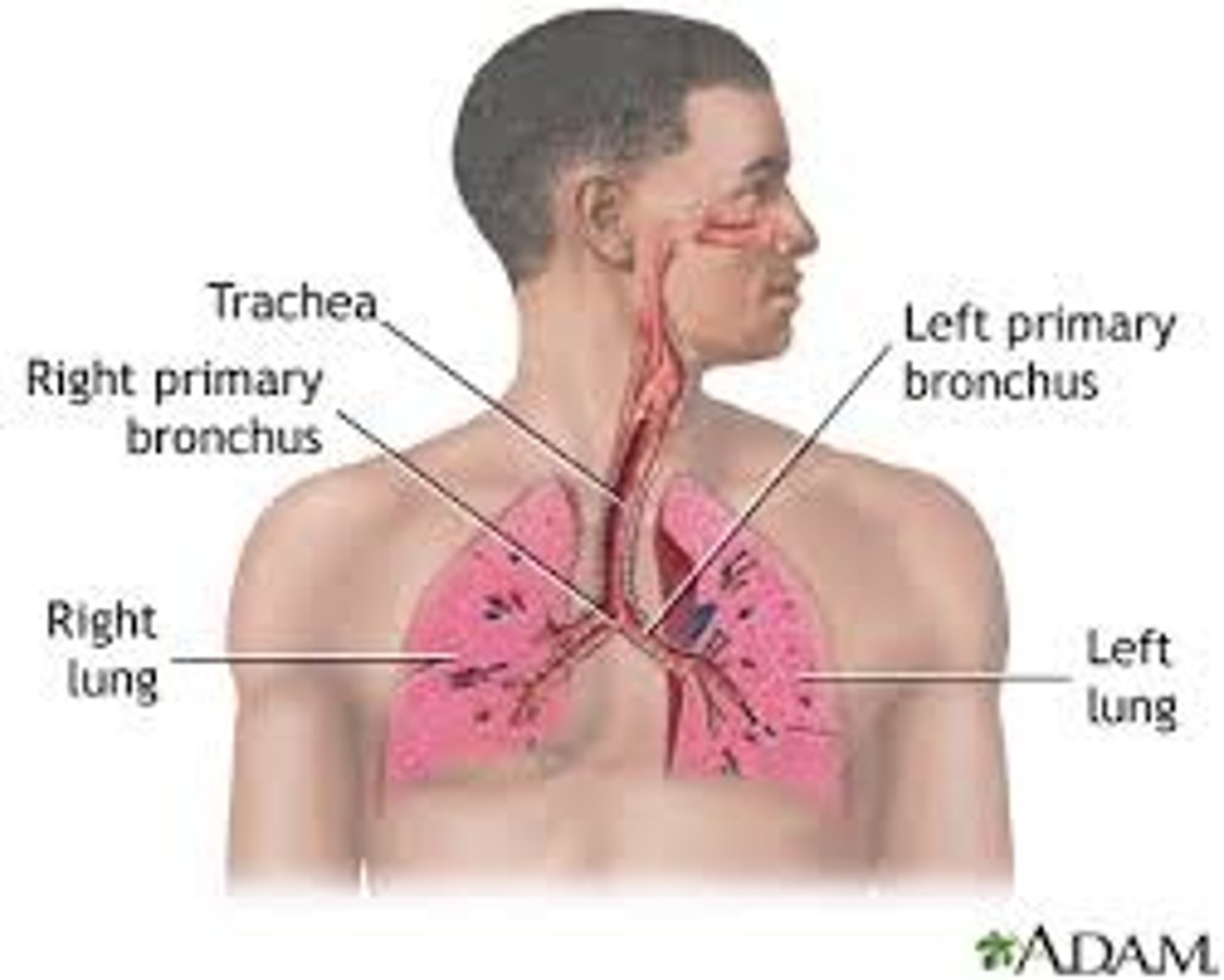
respiratory system
organs that take in oxygen and expel carbon dioxide; include pharynx, larynx trachea, (lungs) bronchi, alveoli
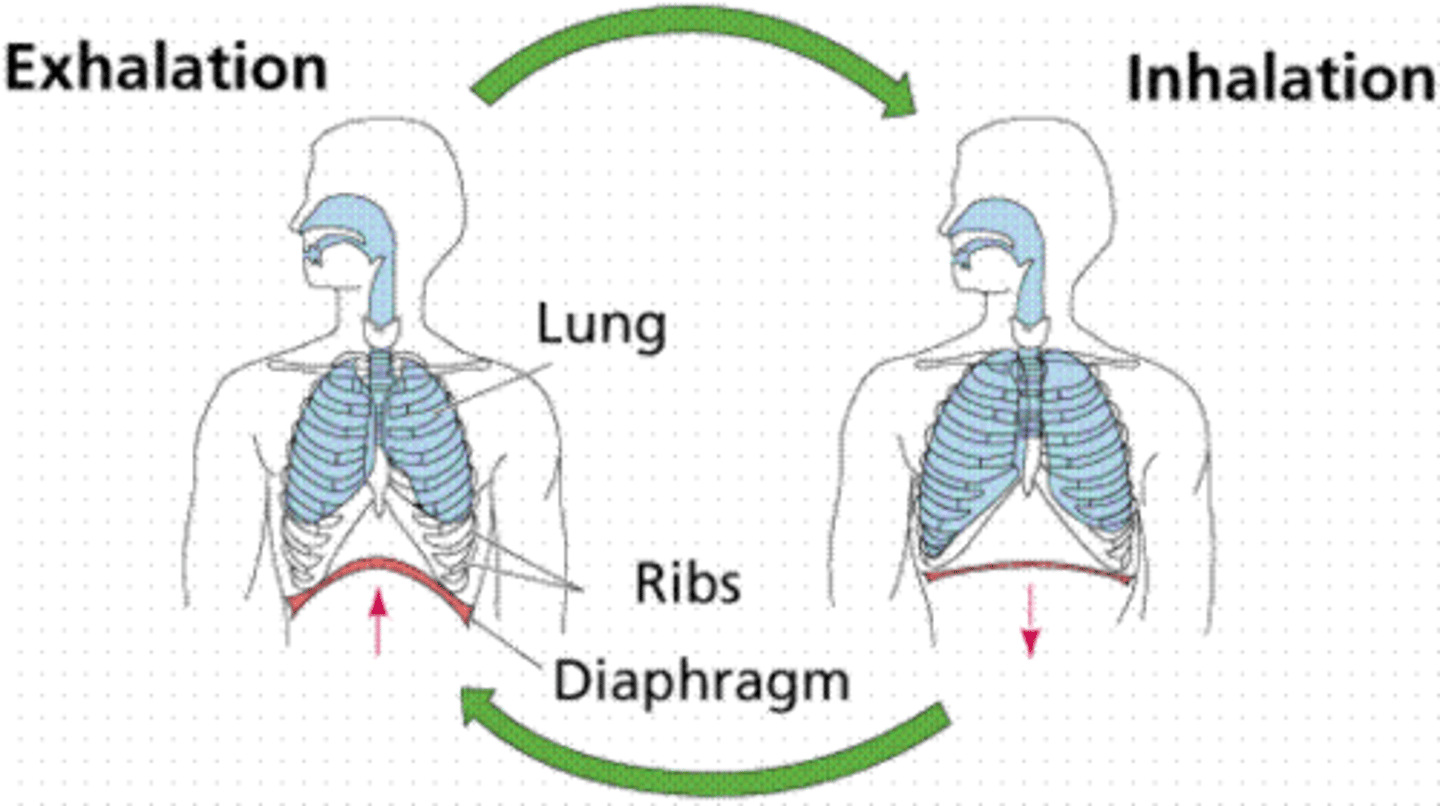
breathing/ respiration
the exchange of oxygen and carbon dioxide between living cells and the environment; breathing and cellular respiration
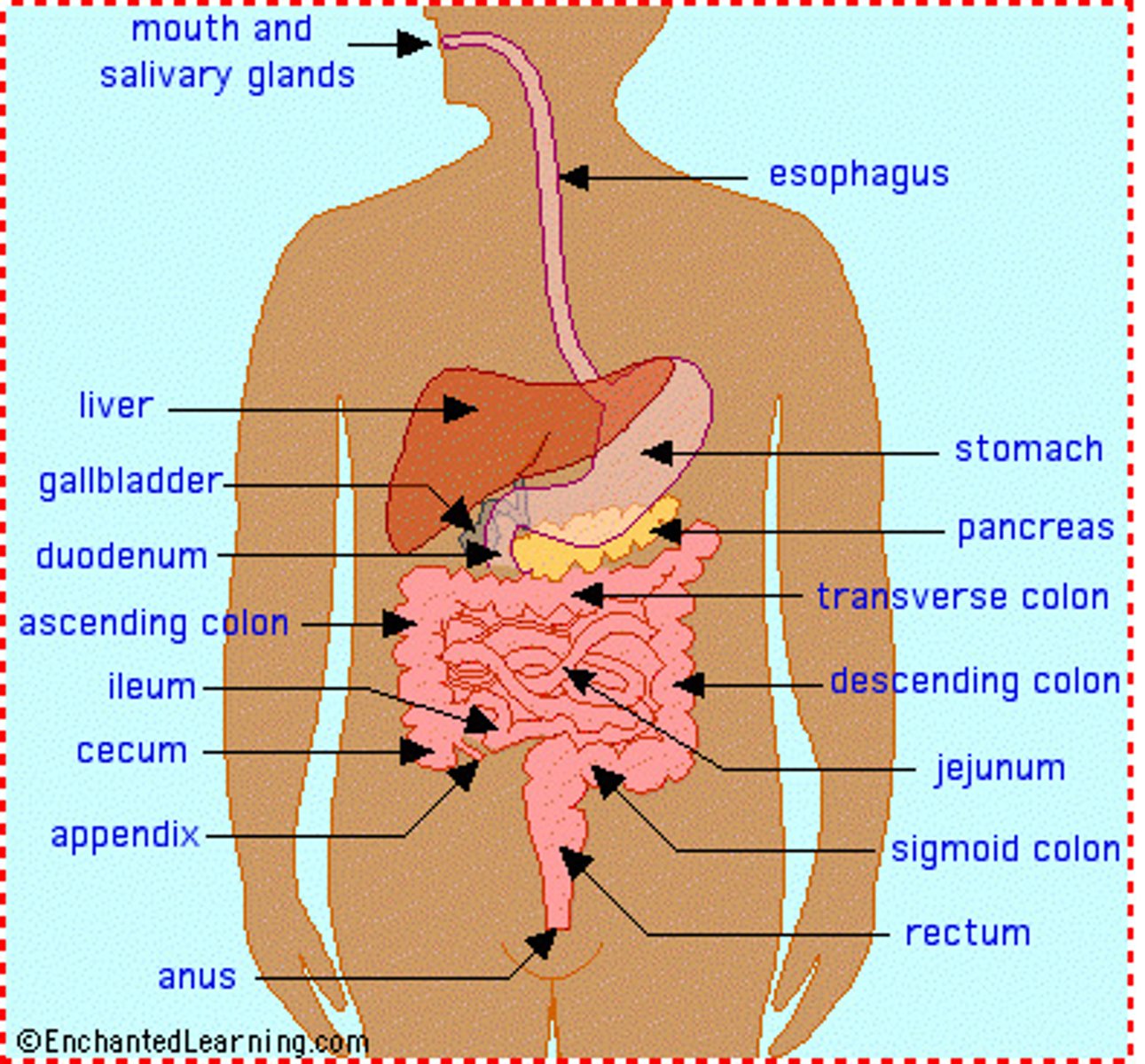
digestive system
a group of organs that break down food so it can be used by the body; include teeth, saliva, mouth, esophagus, stomach, pancreas, small intestine, liver, gallbladder, large intestine
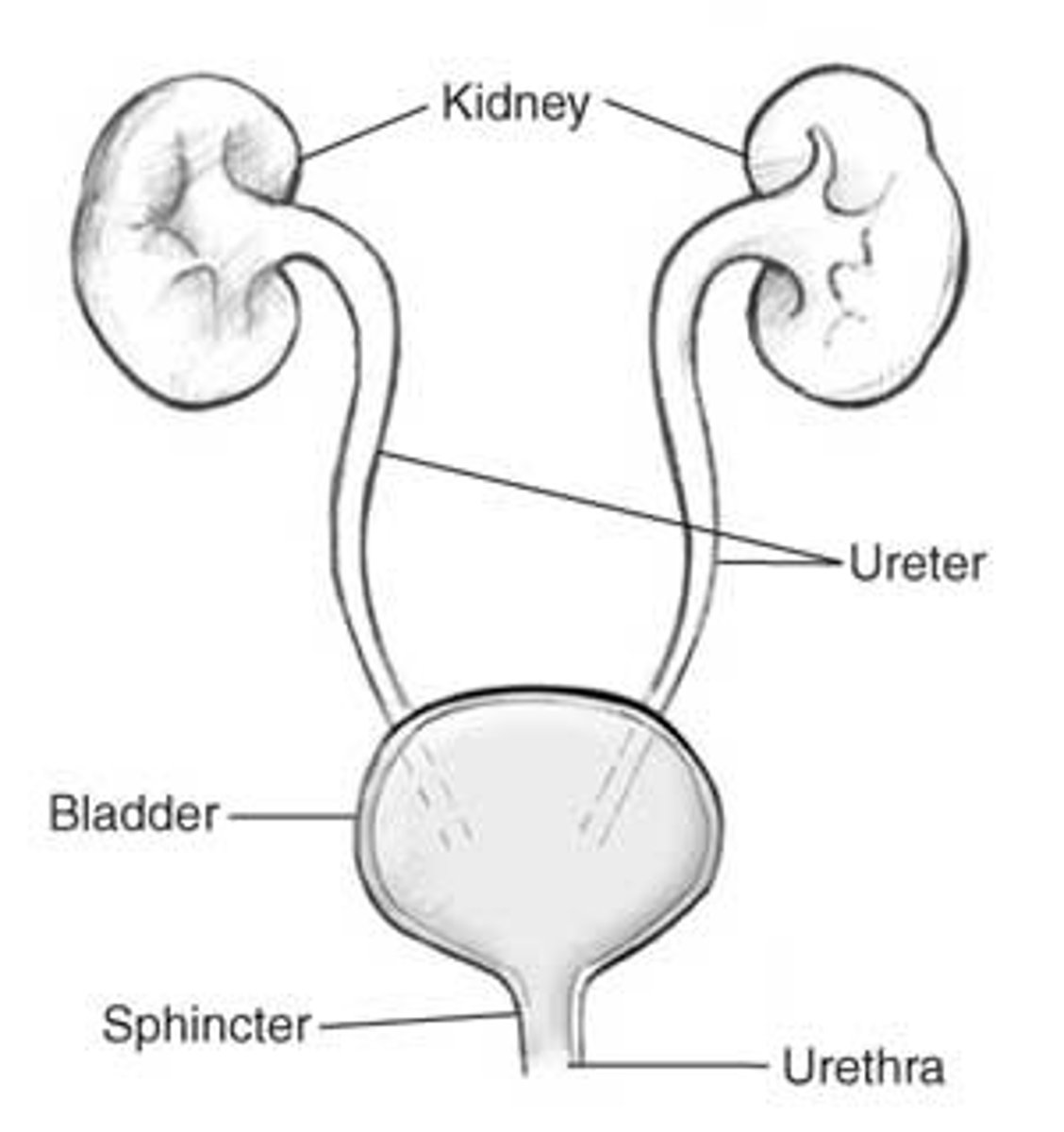
urinary system
a group of organs that produce, store and eliminate urine; includes kidneys, nephrons, bladder
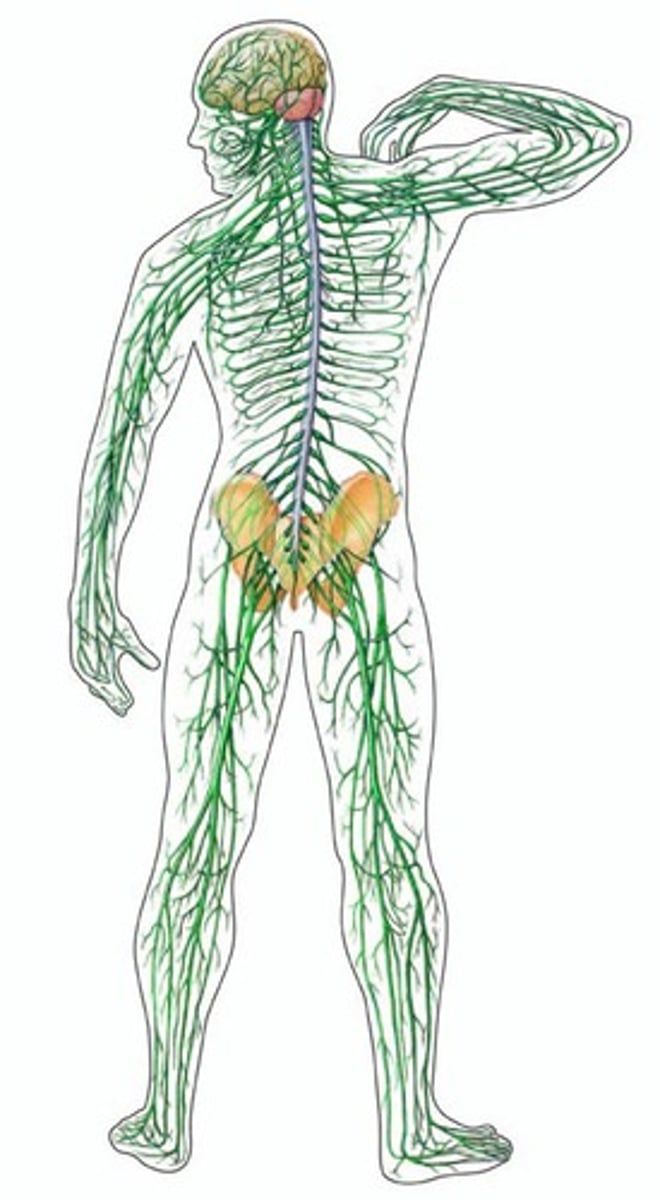
nervous system
organs that gather, interpret and respond to information as needed; includes brain, spinal cord, neurons, nerves
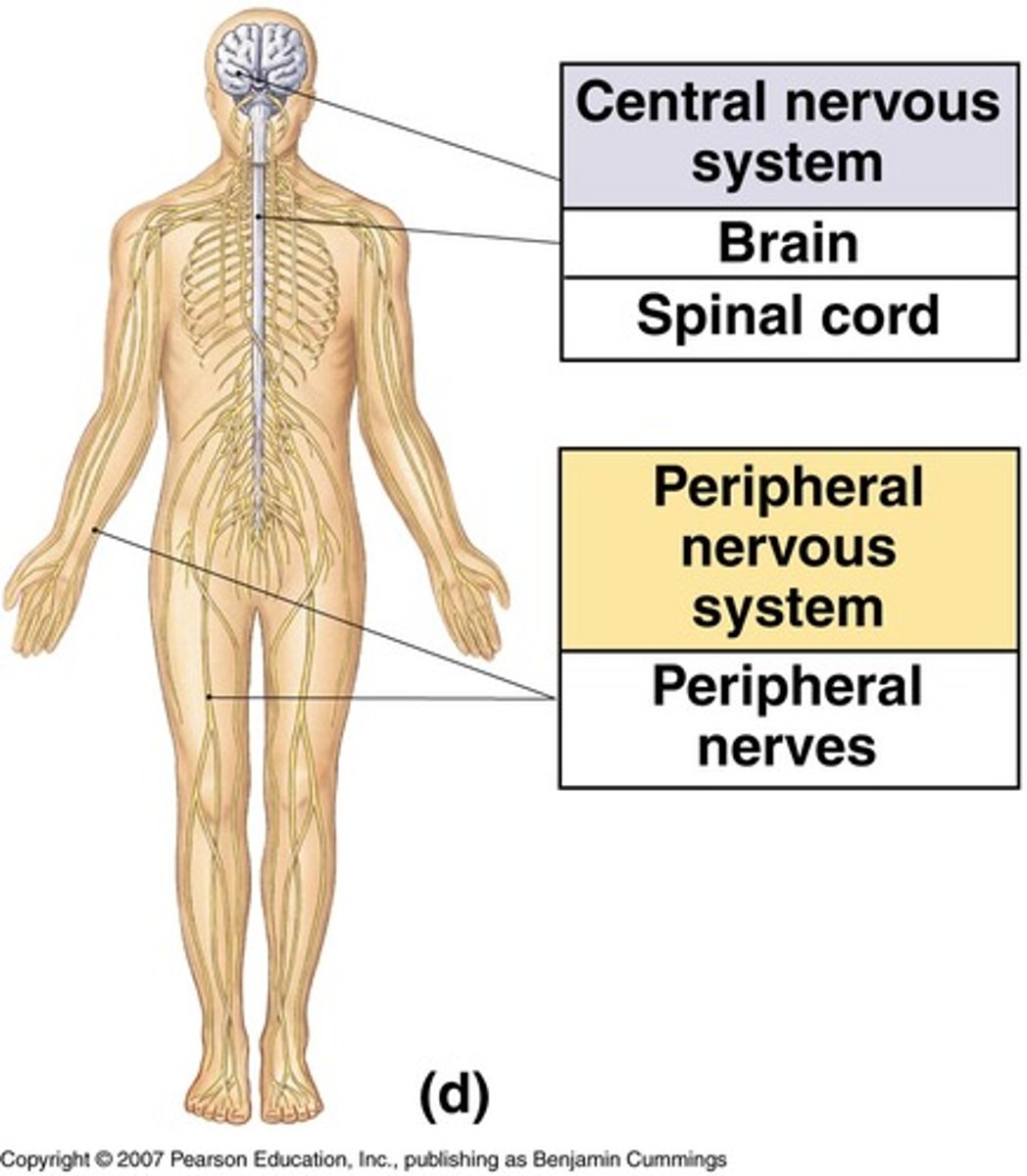
central nervous system
brain and spinal cord; the control center; includes cerebrum, cerebellum and medulla
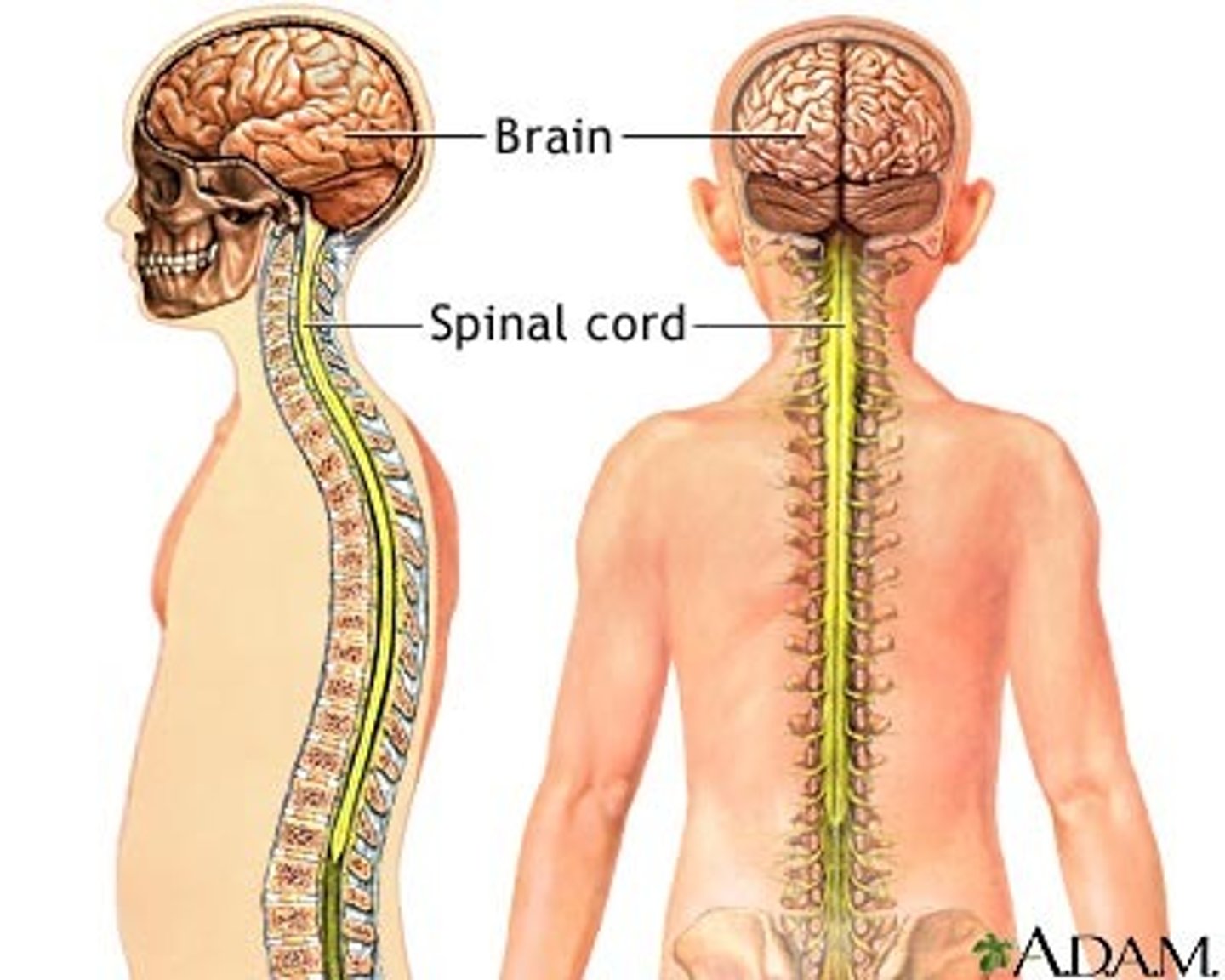
peripheral nervous system
nerve tissue outside of the brain and spinal cord
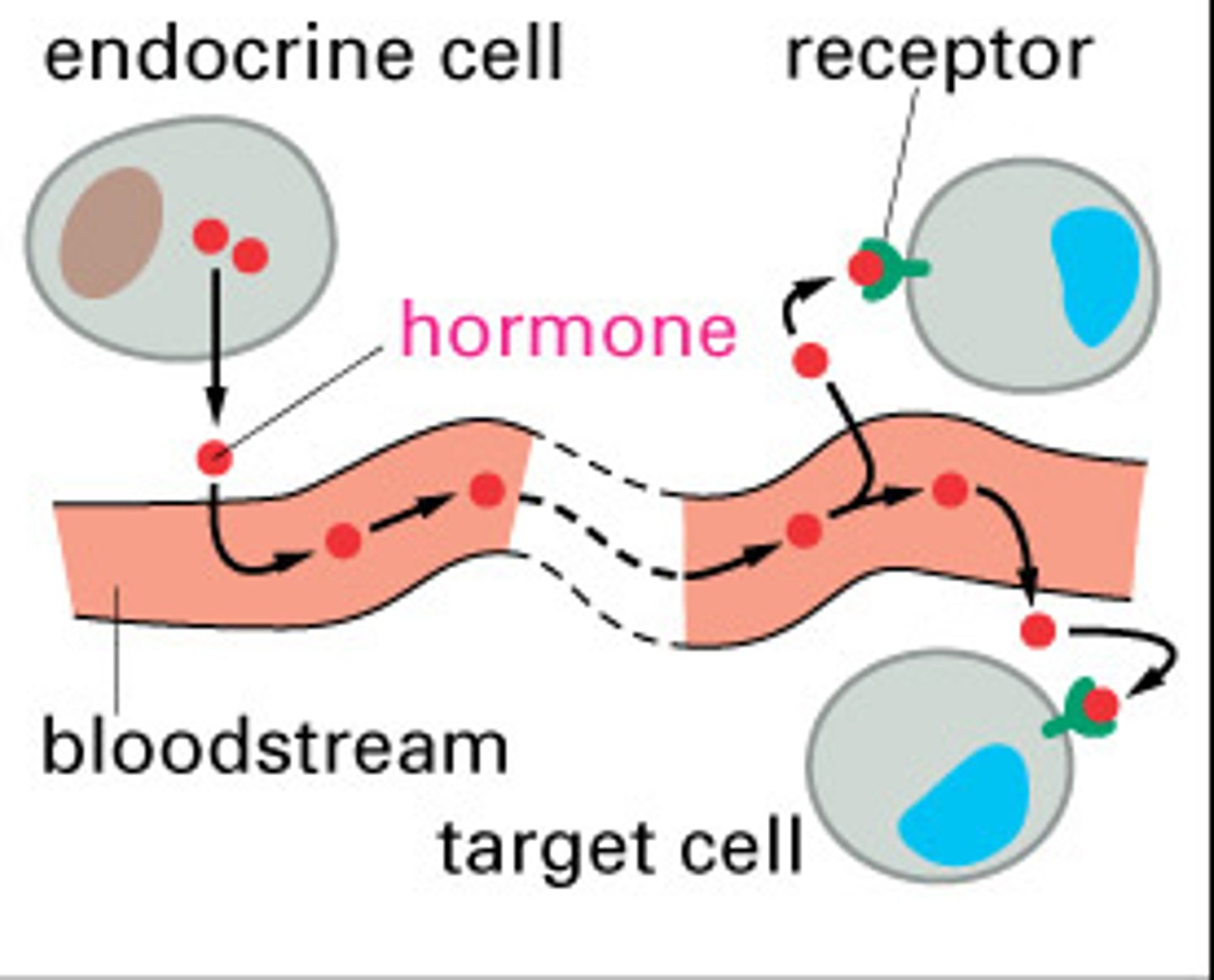
endocrine system
collection of glands and cells that release hormones that regulate growth, development and homeostasis
reproductive system
a group of organs that produce sex cells, deliver sex cells and/or nurture developing individuals