The Incas: Political History and Notable Figures
 Call Kai
 Learn
Learn Practice Test
 Spaced Repetition
 Match
Match Flashcards
 Knowt Play
1/11

There's no tags or description
Looks like no tags are added yet.
Name | Mastery | Learn | Test | Matching | Spaced | Call with Kai |
|---|
No analytics yet
Send a link to your students to track their progress
12 Terms
1200 - 1230 - Mano Capac (All Facts)
According to Incan legend, he led his followers to the Cuzco Valley in Peru, where he established Cuzco as its capital and founded the Incan Empire
1438 - Pachacuti (All Facts)
1st Ruler and Founder of the Incan Empire
Tribal leader whose name means “transformer” or “shaker” of the earth
He conquered tribes living near modern-day Cuzco, Peru and his military victories and those of his son, who combined the many small tribes there into a full-fledged state, culminated in the establishment of the Incan Empire
Topa Inca Yupanqui (All Facts)
2nd Ruler of the Incan Empire
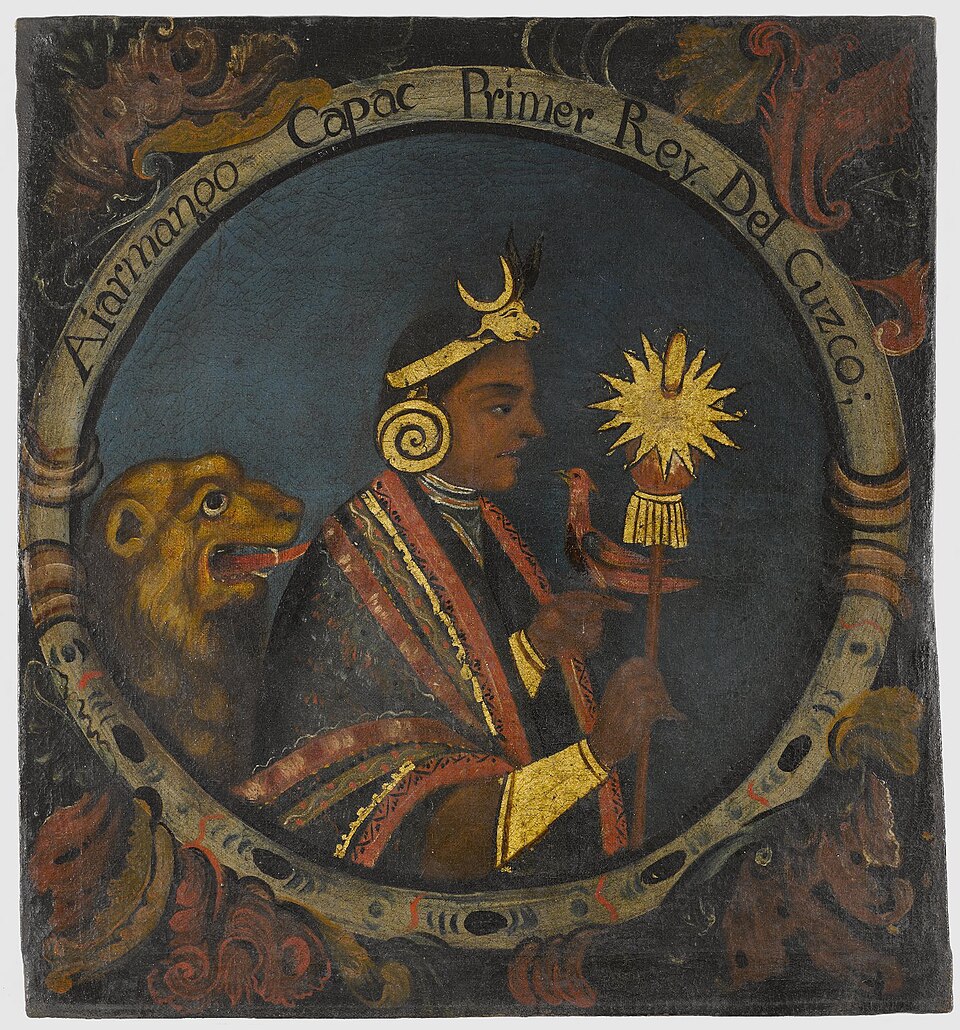
1200 - 1230 - Manco Capac (All Facts)
First Governor and Founder of the civilization and city of Cuzco
1350 - 1380 - Inca Roca (All Facts)
Sixth Ruler of the Inca
He expanded the city of Cuzco
He built a bridge across the Apurimac River
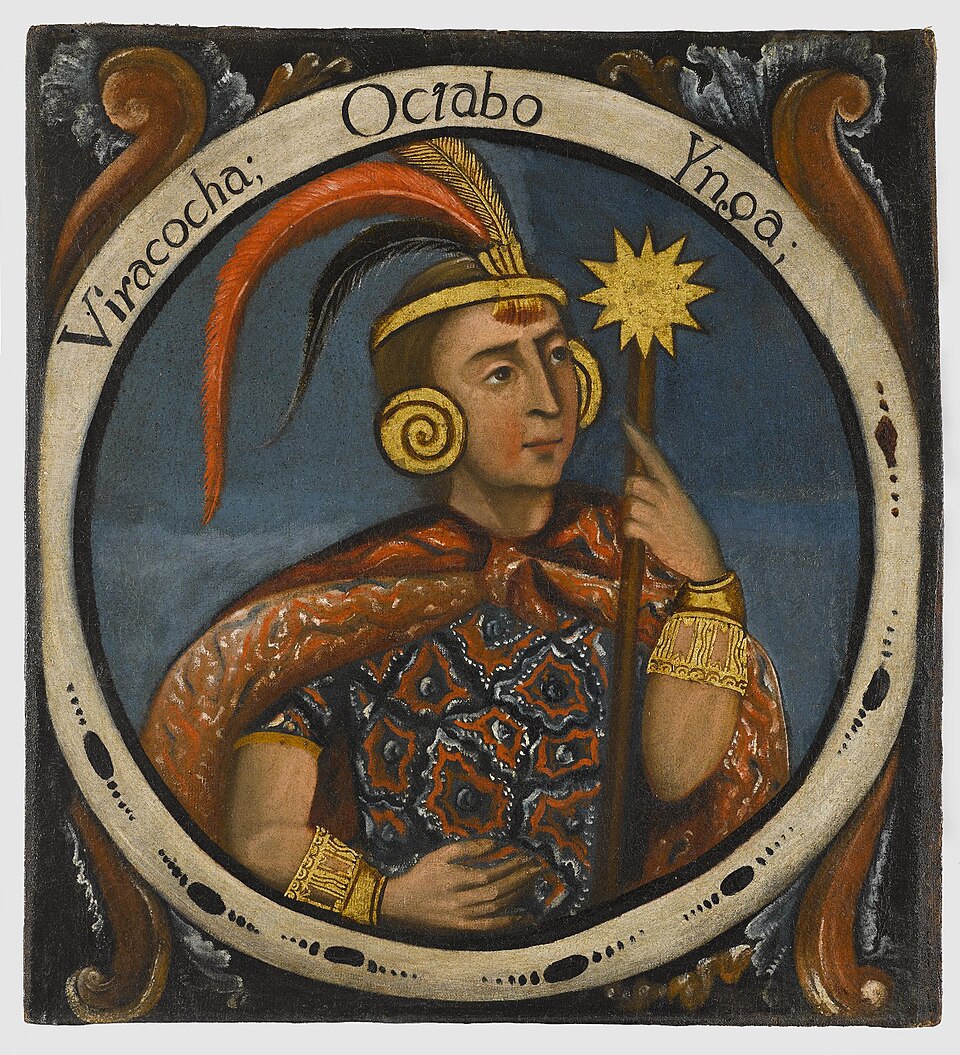
1410 - 1438 - Viracocha Inca (All Facts)
8th Sapa Inka of the Chiefdom of Cuzco, Ruler of the Incas
Under his reign, the Inca Empire expanded and its rigidly hierarchical structure of society grew more formalized
1438 - 1572 - Inca Empire (All Facts)
The namesake society was quite suitable for empire-building
Society whose population was austere and rigidly, even militaristically, organized
Society which had little concern for art (except perhaps for the art of war)
Society in which political and sexual deviance was punished with torture and death by varying methods of execution
Society in which loyalty to the emperor, the representative of the sun god on earth, was absolute
Empire whose administrative class was divided between of the namesake “by blood” and of the namesake “by privilege” (collaborators drawn from subject peoples)
Thus, its leaders expanded the namesake empire based on what was already there available to them
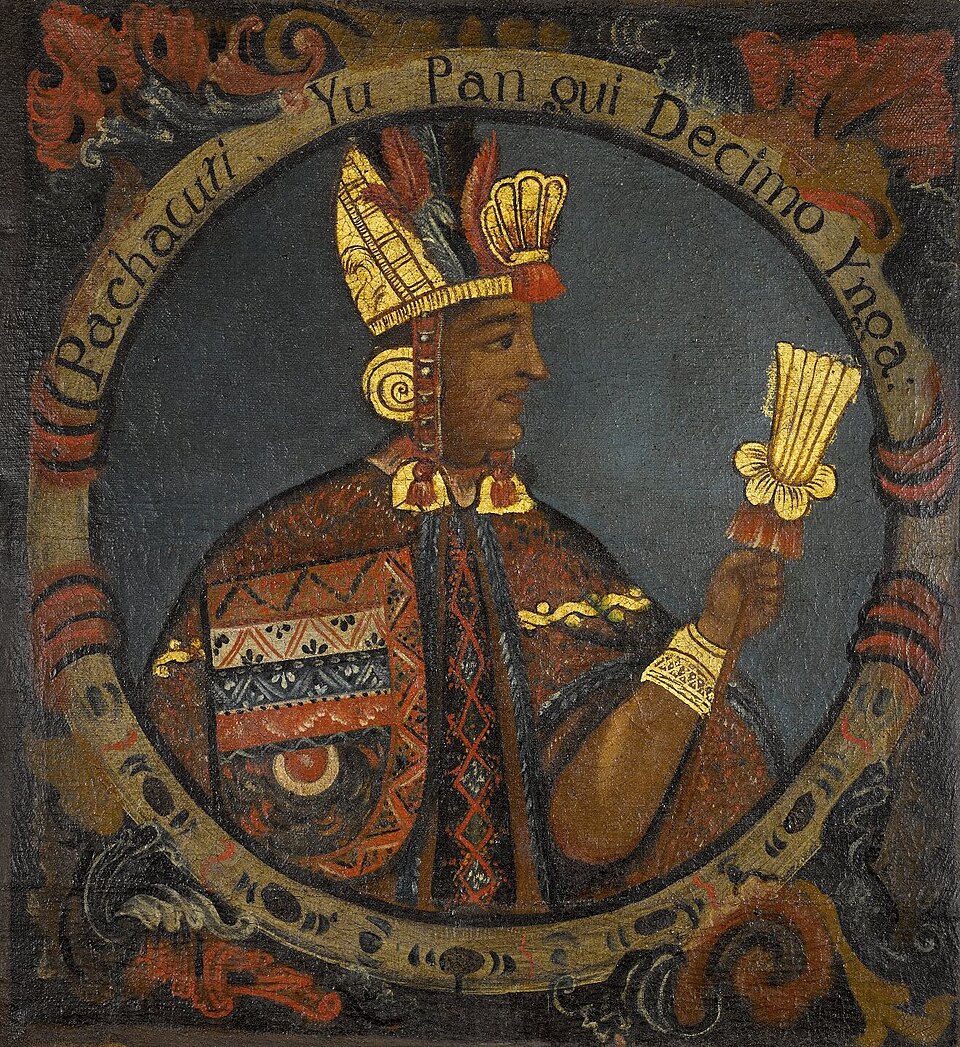
1438 - 1471 - Pachacuti (All Facts)
Founder of the Inca Empire
9th Sapa Inka of the Kingdom of Cuzco, Ruler of the Incas
He was a descendant of Manco Capac
Upon assuming the throne, he pledged to extend the Incas’ territory, thus building an empire throughout the southern Highlands
He was the divine representative of the sun on earth
He conquered and incorporated the Chimu Empire, having extended Incan control over all of Peru
His capital of Cuzco dominated the Andes Mountains
His government’s administration was well-organized and perfectly capable of expanding into an imperial bureaucracy power deriving from the emperor
A hereditary aristocracy made policy decisions and local subject aristocracies (“Incas by privilege”) enforced them
Under his reign,
There were strict rules prohibiting the accumulation of luxury goods, which discouraged crime and selfishness
The population provided labor instead of being taxed
The sick and the old were cared for by the state
Manchu Picchu was constructed as an estate for the namesake
1471 - 1493 - Topa Inca Yupanqui (All Facts)
2nd Ruler of the Inca Empire
He was the son of his predecessor
Under his reign,
the Inca army defeated, overran, and incorporated the Kingdom of Chimor / Chimu, which brought an end to eight years of war prior that
This made the Incas / Inca Empire the dominant power in South America at the time, stretching from the Andes Mountains to the Pacific Ocean
He then led Inca armies north into the rest of the Andres Mountains and west onto the coastal plain
the Inca completed their conquests, taking control of parts of modern-day Bolivia, Argentina, and Chile
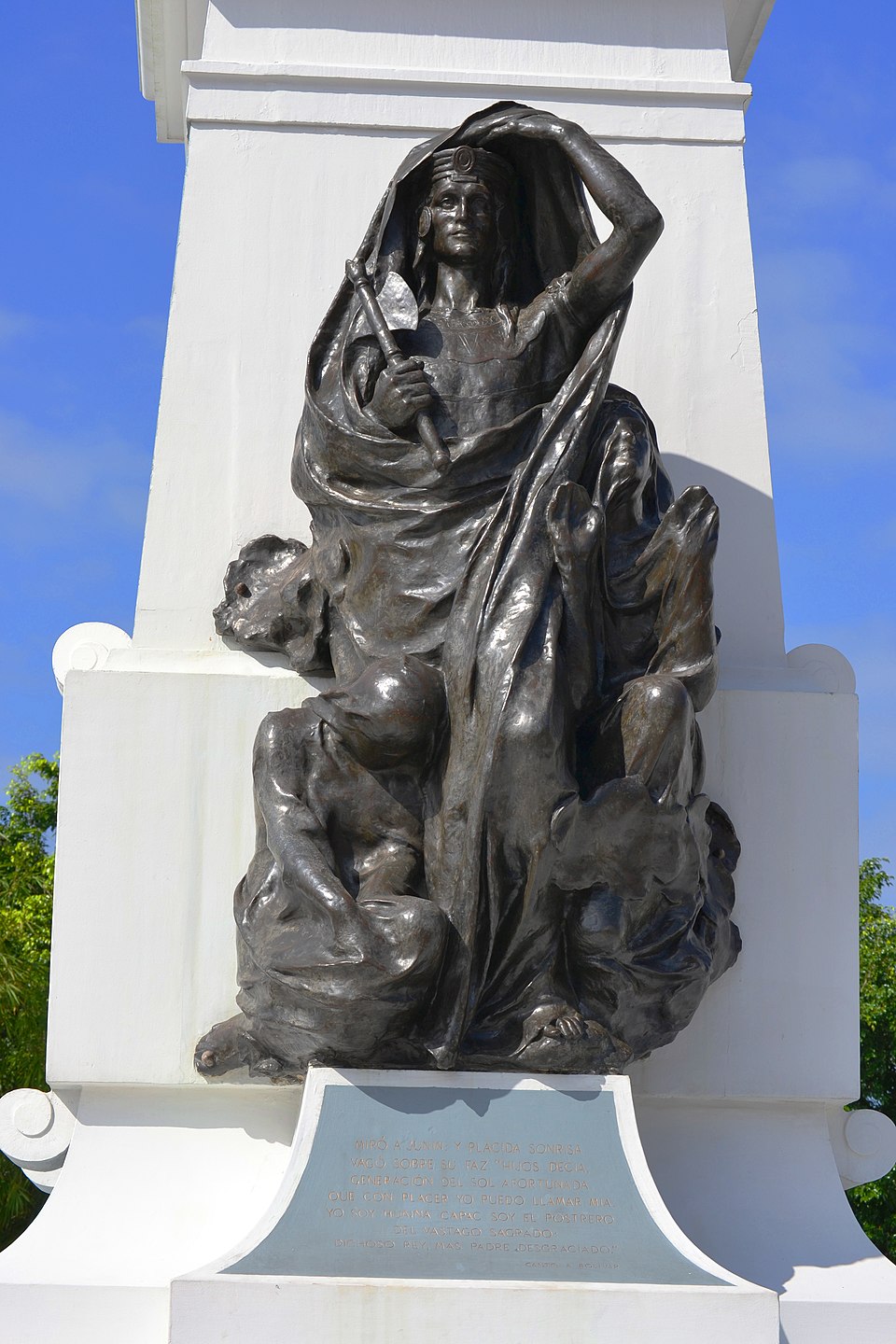
1493 - Huayna Capac (All Facts)
3rd Ruler of the Incan Empire
He focused on consolidating and managing the many lands conquered by his predecessors
Upon his death, the Inca dissolved into civil war and conquering by 1532 by the Spanish