KNAT
 Call Kai
 Learn
Learn Practice Test
 Spaced Repetition
 Match
Match Flashcards
 Knowt Play
1/108

There's no tags or description
Looks like no tags are added yet.
Name | Mastery | Learn | Test | Matching | Spaced | Call with Kai |
|---|
No analytics yet
Send a link to your students to track their progress
109 Terms
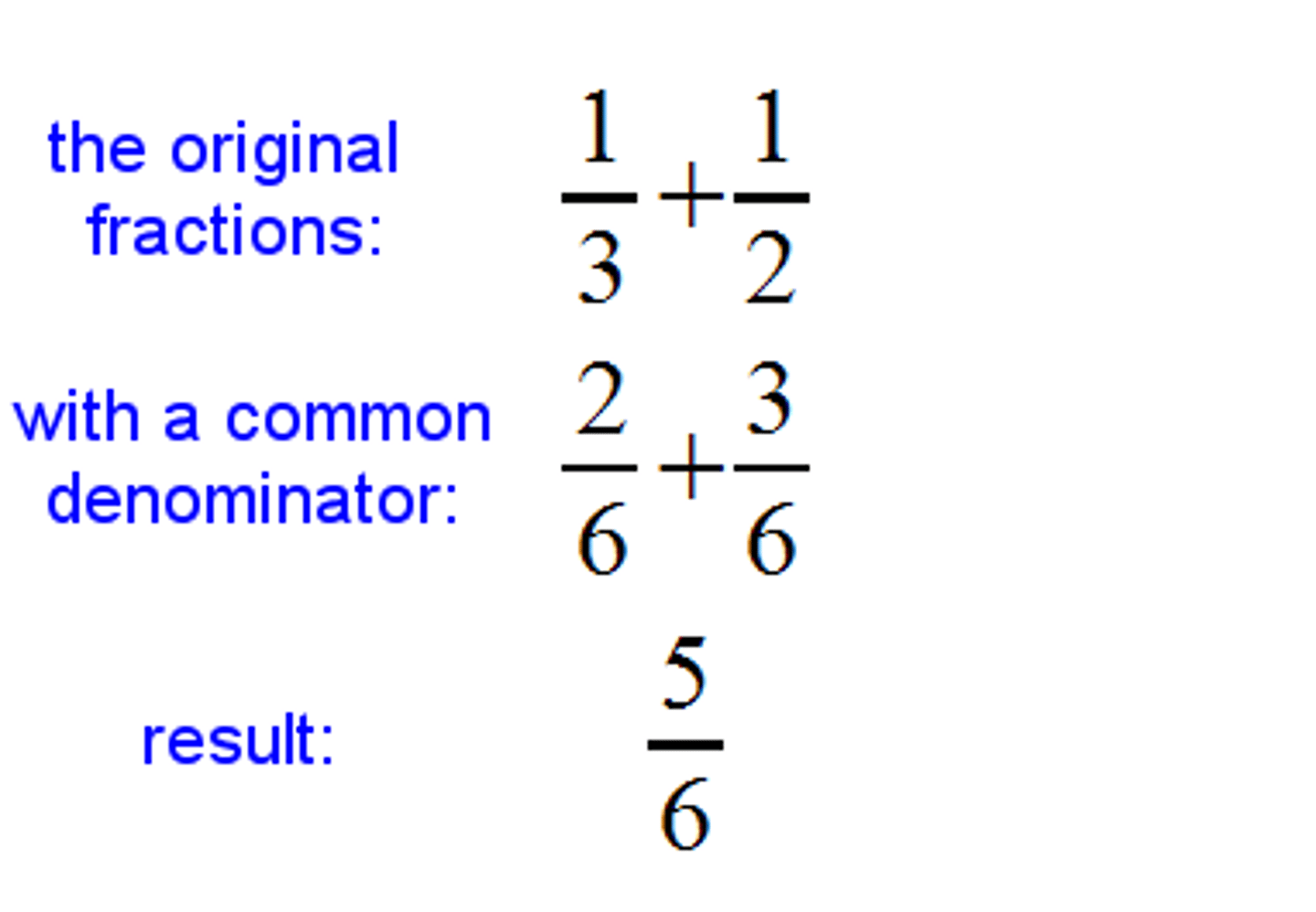
To add fractions
get a common denominator and then add the numerators
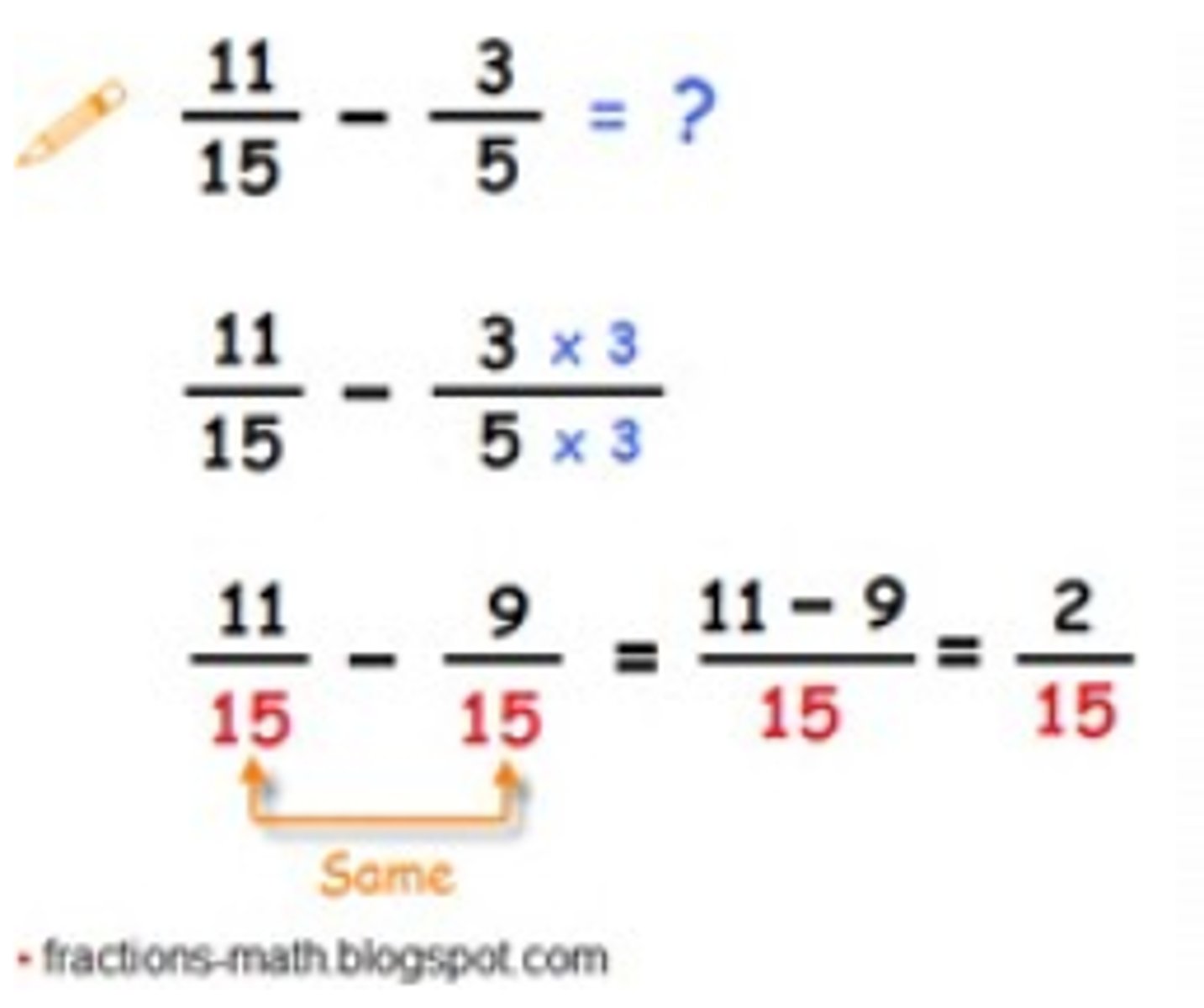
To subtract fractions
get a common denominator and then subtract the numerators
To multiply fractions
multiply the numerators and multiply the denominators
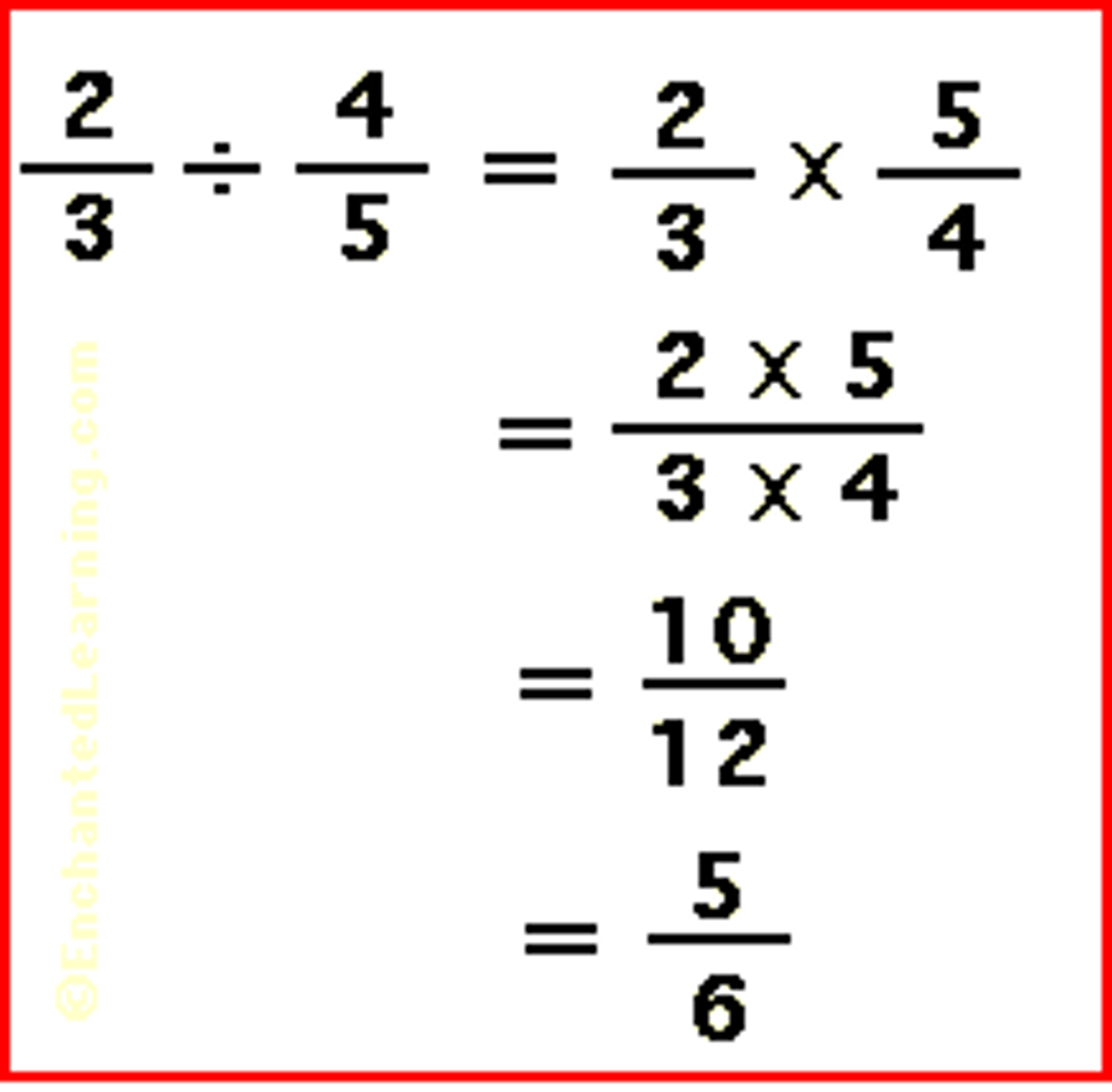
To divide fractions
invert the second fraction and multiply
To convert a fraction to a decimal
divide the numerator by the denominator
To convert a decimal to a fraction
set the decimal over 1. Then move the decimal over as many places as it takes until it is immediately to the right of the units digit. Reduce
To multiply terms consisting of coefficients multiplied by powers having the same base
multiply the coefficients and add the exponents
To divide terms consisting of coefficients multiplied by powers having the same base
divide the coefficients and subtract the exponents
44 percent of 25
0.44 x 25
42 is what percent of 70
42/70= 0.6
0.6 x 100% = 60%
polysaccharides
broken down into glucose
triglycerides
hydrolyzed into fatty acids and glycerol
proteins
broken down into amino acids
saliva contains
salivary amylase- an enzyme that breaks the complex starch polysaccharide into maltose ( a disaccharide)
sinoatrial node
pacemaker of the heart
ventricular contraction occurs during
systole
atrial contraction occurs during
diastole
The most important nervous stimulation of the heart is induced by
the vagus nerve of the parasympathetic nervous system
- acts to slow heart rate
The sympathetic nervous system and epinephrine
increase heart rate
Arteries
carry blood to the tissues of the body from the heart
- thick walled, muscular & elastic
Arterial blood
is oxygenated
Blood in the pulmonary artery
deoxygenated
Veins
carry blood back to the heart from the tissues
- thin walled, conduct at low pressure, contain valves to prevent backflow of blood
Venous blood
is deoxygenated
Blood in the pulmonary vein
oxygenated
Capillaries
thin walled vessels that are very small in diameter
- walls are made of one layer of endothelial cells
- allows for the exchange of exchange of materials between the blood and the body's cells
Cells in blood include
red blood cells, white blood cells, platelets
Oxygen rich blood is blood that
flows into systemic circulation
What process begins with red blood cells giving up oxygen to other cells in the body?
internal respiration
After the trachea, the first branch that leads toward the lungs is the
bronchi
What is a characteristic of compact bone?
made of dense connective tissue
After urine flows through one sphincter at the start of the bladder, this fluid flows through the
second sphincter under voluntary control
When do vesicles contract and move to the presynaptic membrane?
after calcium ions flood the axon bulb
Nodes of ranvier are
spaces between myelin sheaths
What is usually the first line of defense when a pathogen invades?
mucous covering
Killer T cells and B cells are stimulated to act by a protein that ___ release
helper T cells
After blood leaves the aorta, it travels to the
arteries
The oxygen carrying component in red blood cells
hemoglobin
Type O blood
no antigens, A and B antibodies (universal donor)
Type AB blood
A and B antigens and no antibodies (universal recipient)
Passive immunity
barriers to entry
- skin, lining of lungs, mouth, stomach
Active immunity
conferred by the cellular part of the immune system
- lymphocytes
B cells
produce antibodies or immunoglobulins which are secreted proteins specific to foreign molecules
Helper T cells
coordinate immune responses
Killer T cells
attack & dispose of cells infected with intracellular pathogens
Oxygen in respiration
used to drive electron transport and ATP production, and CO2 is produced from burning glucose
Breathing rate is controlled by
medulla oblongata
Air passages in respiration
nose, pharynx, larynx, trachea, bronchi, bronchioles, alveoli
Pharynx
involved in diverting ingested material into the esophagus and away from the lungs to prevent choking
Larynx
contains a membrane that vibrates in a controlled manner with the passage of air to create the voice
Trachea
carries air through the vulnerable throat protected by flexible but strong rings of cartilage
Alveoli
tiny air sacs that are the site of gas exchange in the lungs
Alveoli...
have thin, moist walls and are surrounded by thin-walled capillaries
- oxygen passes into the blood by diffusion through the alveolar and capillary walls
Gas exchange in the alveoli involve
passive diffusion
- * gases always diffuse from higher to lower concentration
Endocrine system
the network of glands and tissues that secrete hormones
Endocrine glands
secrete hormones directly into the bloodstream
Hypothalamus
connects the nervous system with the endocrine system
Growth hormone
fosters growth in a variety of body tissues
Thyroid stimulating hormone
stimulates the thyroid to secrete thyroxine
Adrenocorticotropic hormone (ACTH)
stimulates the adrenal cortex to secrete its corticoids
Prolactin
responsible for milk production in females by the mammary gland
Follicle-stimulating hormone (FSH)
spurs maturation of seminiferous tubules in males and causes maturation of ovaries in females. Also encourages maturation of follicles in the ovaries
Luitenizing Hormone (LH)
induces interstitial cells of the testes to mature by beginning to secrete testosterone. in females, LH surge stimulates ovulation of the primary oocyte from the follicle
posterior pituitary
direct extension of nervous tissue from the hypothalamus
ADH
vasopressin, acts on the kidneys to reduce water loss
Oxytocin
acts on the uterus during birth to cause uterine contraction
Endocrine function of the pancreas is centered in
islets of langerhans
Islets of langerhans
secrete glucagon
Adrenal cortex
synthesizes corticosteroids & small amounts of androgens for both male & female
Adrenal medulla
produces epinephrine and norepinephrine
Nervous system
enables organisms to receive and respond to stimuli from their external & internal environments
Neurons
specialized cells designed to transmit information in the form of electrochemical signals called action potentials
Synaptic cleft
the gap between the neuron and target cell
Somatic motor nervous system
innervates skeletal muscle and is responsible for voluntary movement
- motor neurons release ACh
Autonomic nervous system
functions to regulate the involuntary functions of the body
- heart, blood vessels, GI tract, urogenital organs, respiration
Sympathetic nervous system
utilizes norepinephrine as its primary neurotransmitter
- responsible for activating the body in emergency situations (fight or flight)
Parasympathetic nervous system
acetycholine serves as the primary neurotransmitter
- deactivates or slows down activities of the muscles & glands (rest and digest)
Homeostasis
the bodies ability to maintain stable internal conditions in spite of continually changing external conditions
Negative feedback
when the body senses an internal change and activates mechanisms that reverse that change
Cerebral cortex
controls all voluntary motor activity
Olfactory lobe
serves as the center for reception and integration of olfactory input
Thalamus
nervous impulses and sensory information are relayed and integrated en route to and from the cerebral cortex by this region
Hypothalamus
hunger, thirst, pain, temperature regulation
- homeostatic functions
Cerebellum
muscle activity is coordinated and modulated here
Pons
serves as the relay center for cerebral cortical fibers en route to the cerebellum
Medulla Oblangata
functions like breathing, heart rate & GI activity
- receptors to detect carbon dioxide
Reticular activating system
network of neurons in the brainstem involved in processing signals from sensory input and transmitting them. Also involved in regulating the activity of the other brain regions in order to alter levels of alertness and attention
Cones
respond to high-intensity illumination and are sensitive to color
Rods
detect low-intensity illumination and are important for night vision
Optic nerves
conduct visual information to the brain
Outer ear
consists of auricle (pinna) and the auditory canal
Middle ear
located at the end of the auditory canal is the tympanic membrane (eardrum) which vibrates at the same rate as incoming sound
Inner ear
ossicles (malleus,incus & stapes) amplify the stimulus and transmit it through an oval window leading to the fluid filled inner ear
- interpreted by the CNS
Taste buds
chemical sensory cells located on the tongue, soft palate, and the epiglottis
Outer surface of a taste bud
contains a taste pore from which microvilli protrude
Olfactory receptors
found in the olfactory membrane, which lies in the upper part of the nostrils
Bone
made from calcium, phosphate salts and strands of protein collagen
Ligaments
serve as bone to bone connectors
Axial skeleton
midline basic framework of the body. the skull, vertebral column, and rib cage
Appendicular skeleton
bones of the appendages as well as pectoral & pelvic girdles