Animal Circulatory and Gas Exchange Systems: Vertebrates and Invertebrates
 Call Kai
 Learn
Learn Practice Test
 Spaced Repetition
 Match
Match Flashcards
 Knowt Play
1/104

There's no tags or description
Looks like no tags are added yet.
Name | Mastery | Learn | Test | Matching | Spaced | Call with Kai |
|---|
No analytics yet
Send a link to your students to track their progress
105 Terms
What are the two main types of circulatory systems?
Open and Closed systems
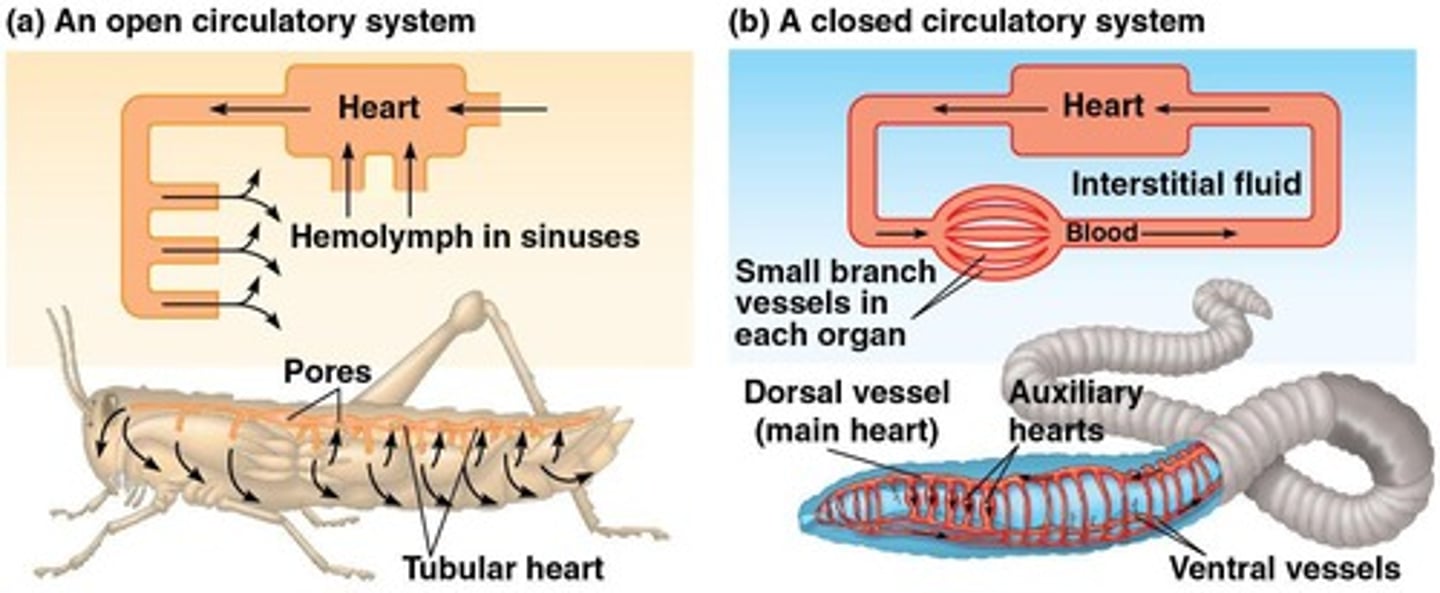
What type of circulatory system do small, simple invertebrates have?
Gastrovascular cavity allowing diffusion
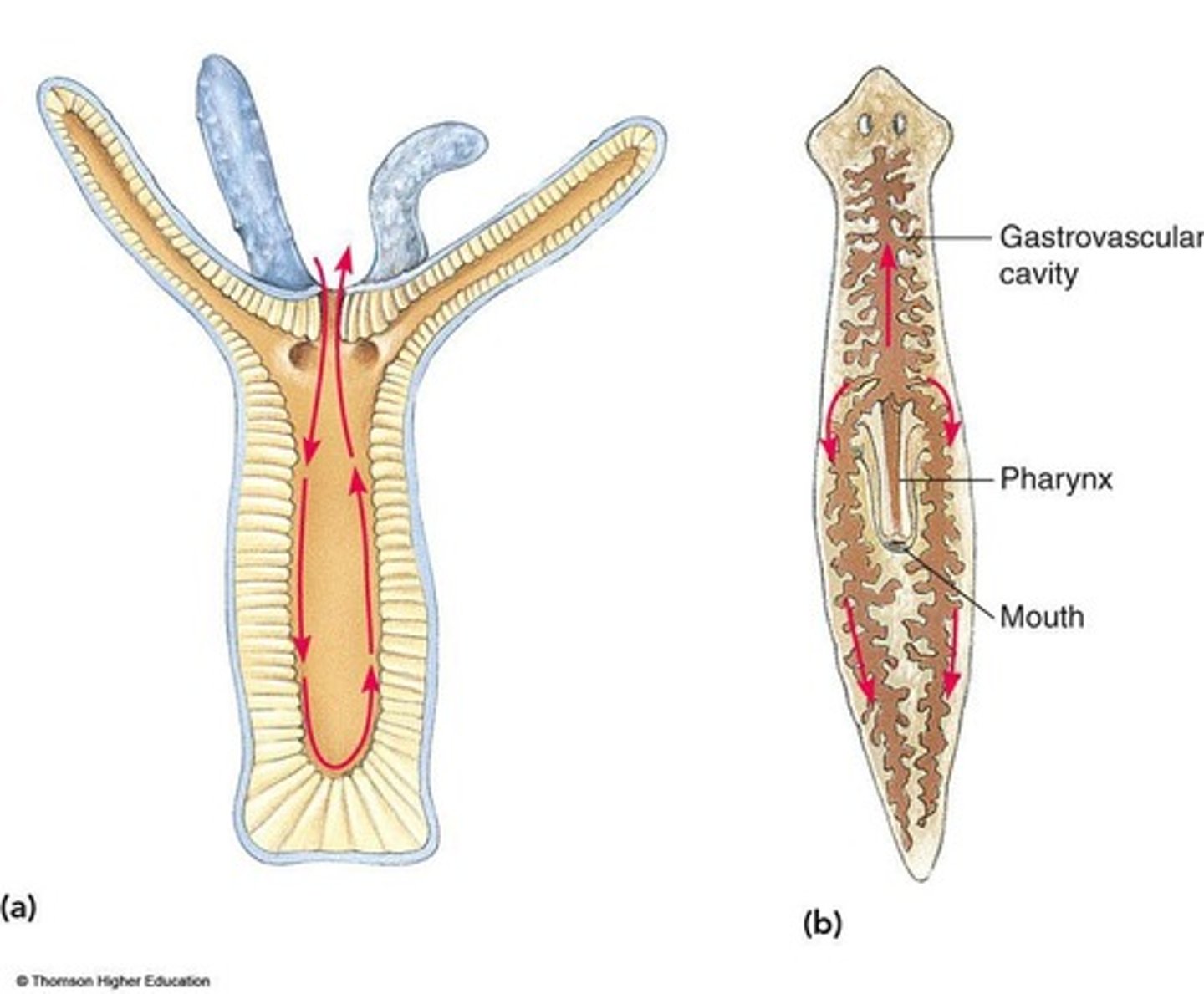
In which organisms are open circulatory systems found?
Insects, other arthropods, and molluscs
What is hemolymph?
The circulatory fluid that bathes organs in an open circulatory system
What distinguishes a closed circulatory system?
Blood is confined to interconnected vessels and separated from interstitial fluid
What are the main components of the vertebrate cardiovascular system?
Heart, blood, and blood vessels
What are the two types of chambers in the heart?
Atria (receive blood) and Ventricles (pump blood out)
What is the function of arteries?
Carry blood away from the heart
What do veins do?
Return blood to the heart
What are capillaries responsible for?
Sites of gas exchange between blood and tissues
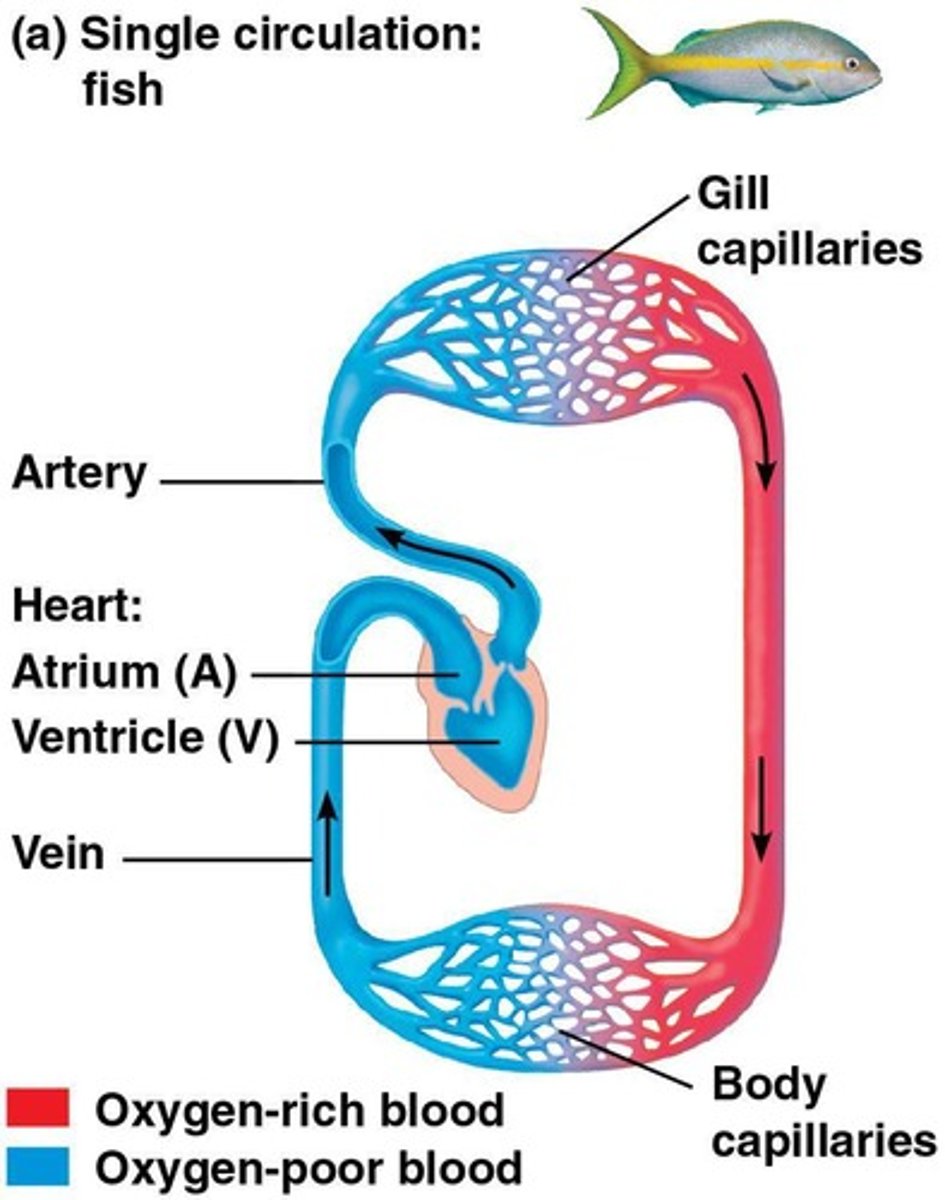
What is single circulation?
Blood passes through two capillary beds before returning to the heart, seen in sharks and bony fishes
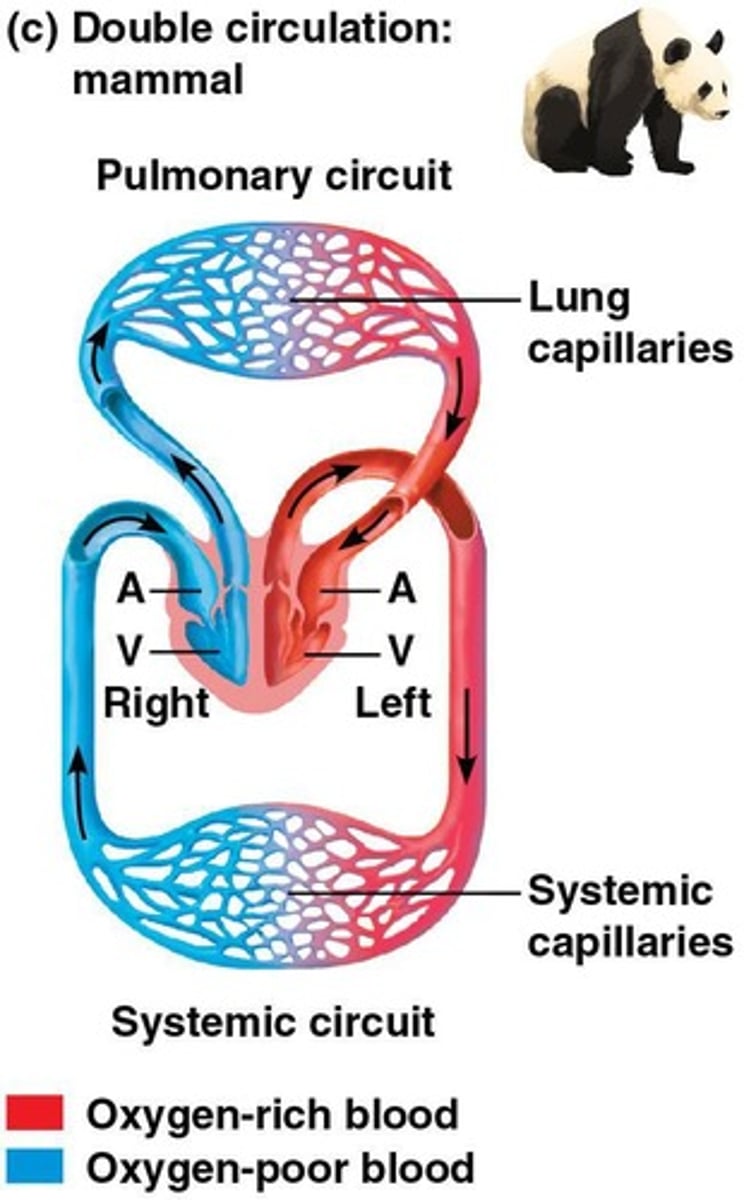
What is double circulation?
Two circuits: one for oxygen-poor blood to lungs and one for oxygen-rich blood to the body, seen in amphibians, reptiles, and mammals
What is blood composed of?
Connective tissue with cells in a liquid matrix (plasma)
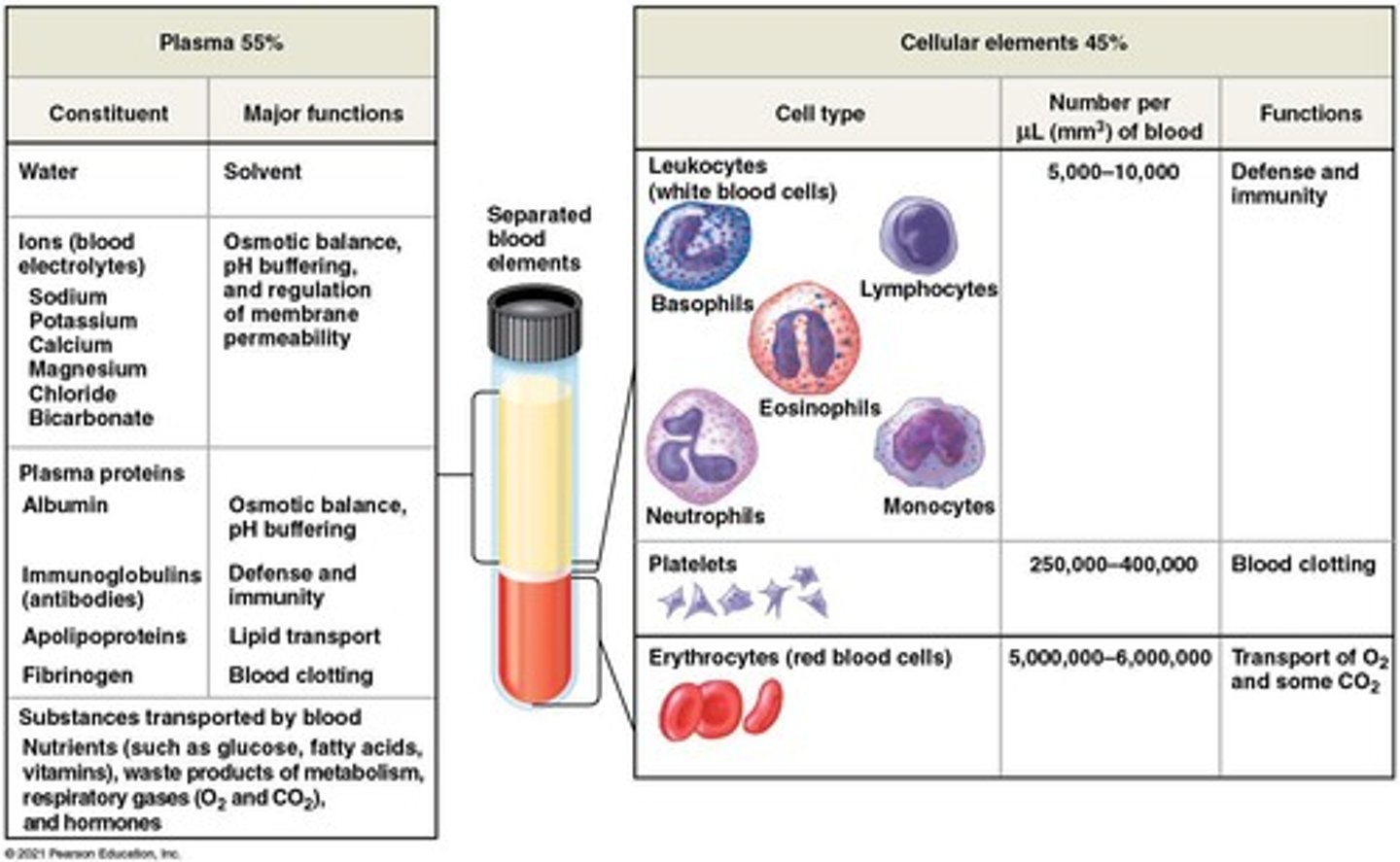
What are the components of plasma?
Water, salts, proteins, and transported substances
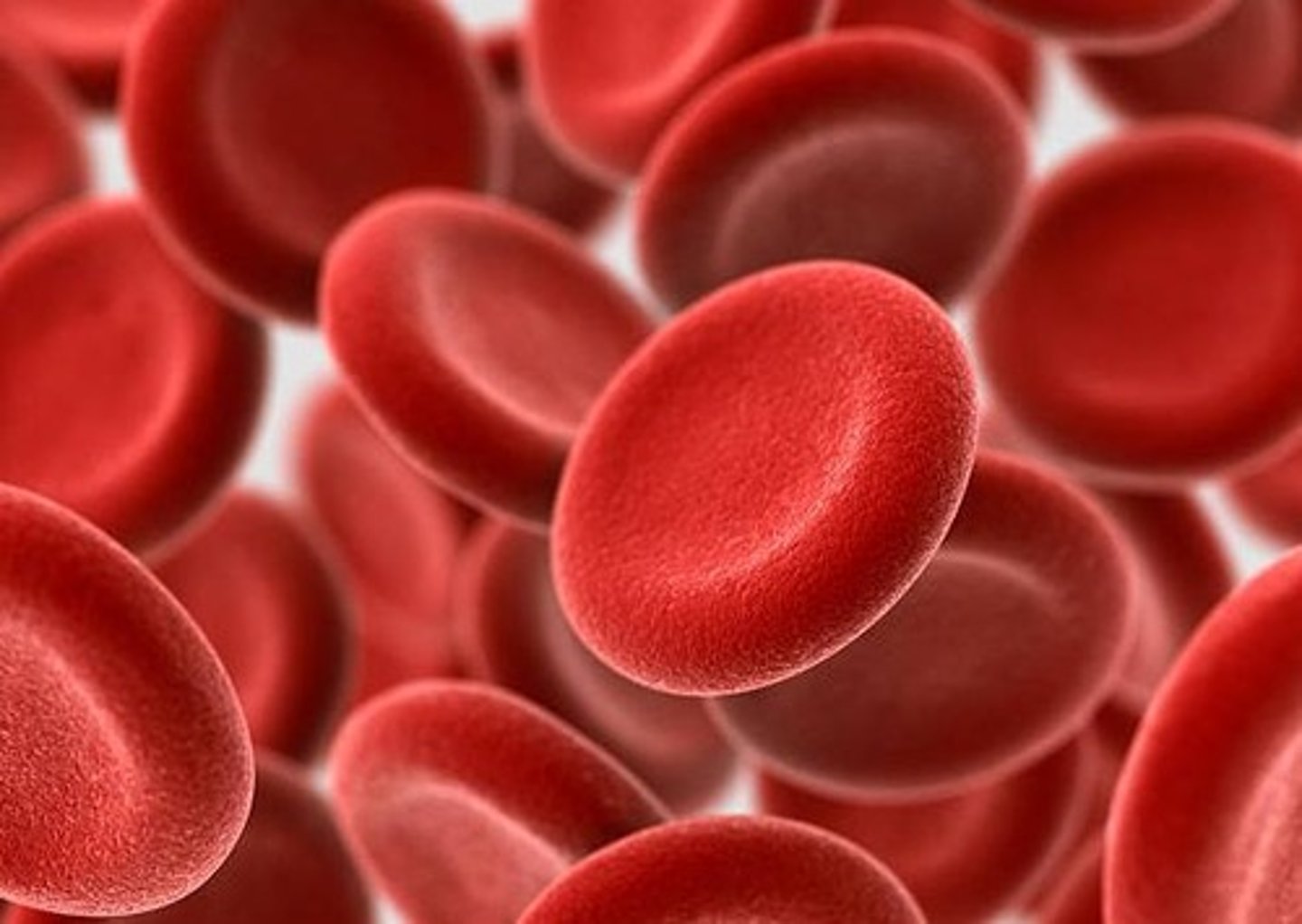
What is the primary function of red blood cells (erythrocytes)?
Transport oxygen using hemoglobin
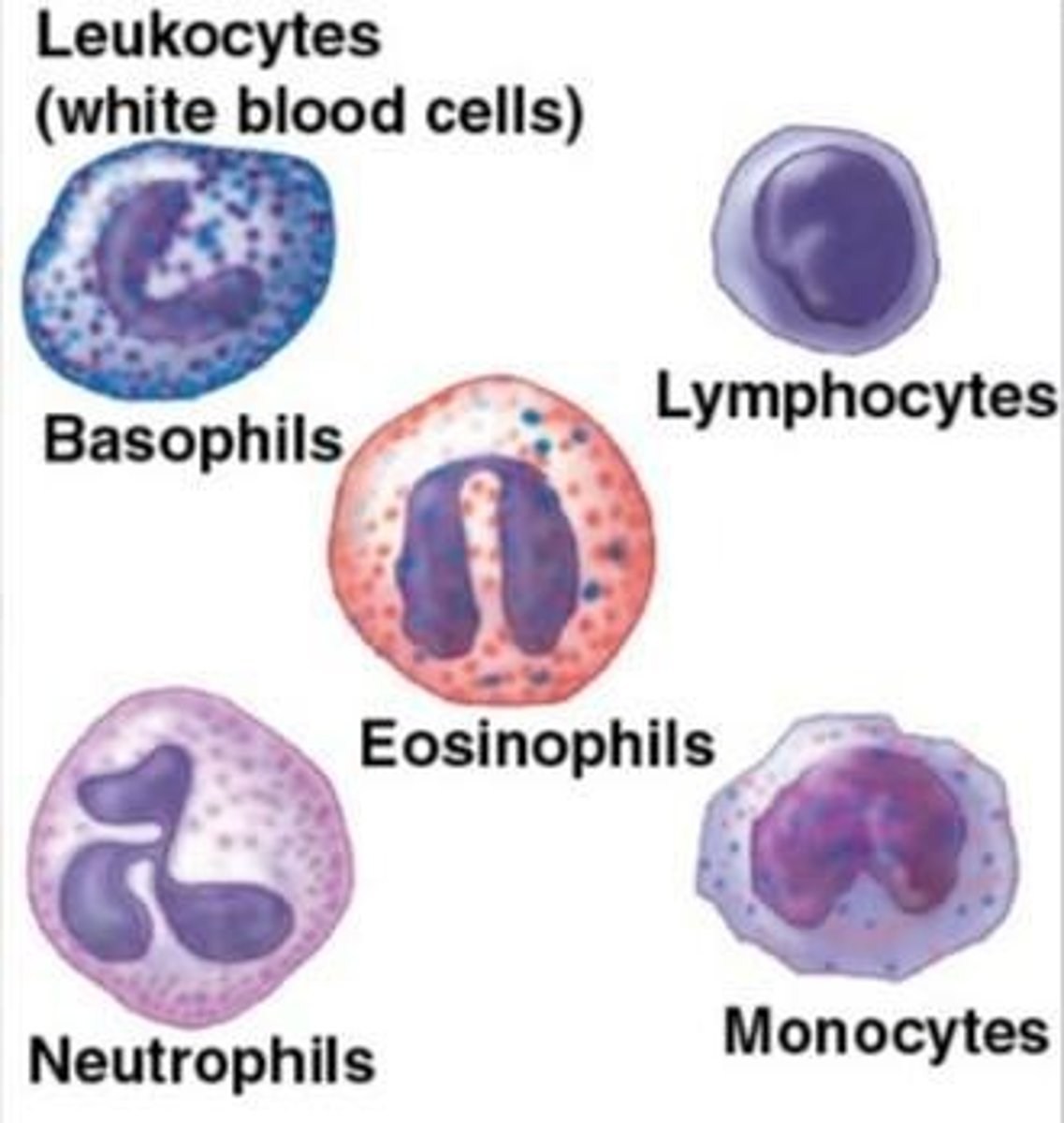
What are the different types of white blood cells (leukocytes)?
Monocytes, Lymphocytes, Basophils, Eosinophils, Neutrophils
What is the function of white blood cells?
Defense against microorganisms and foreign substances
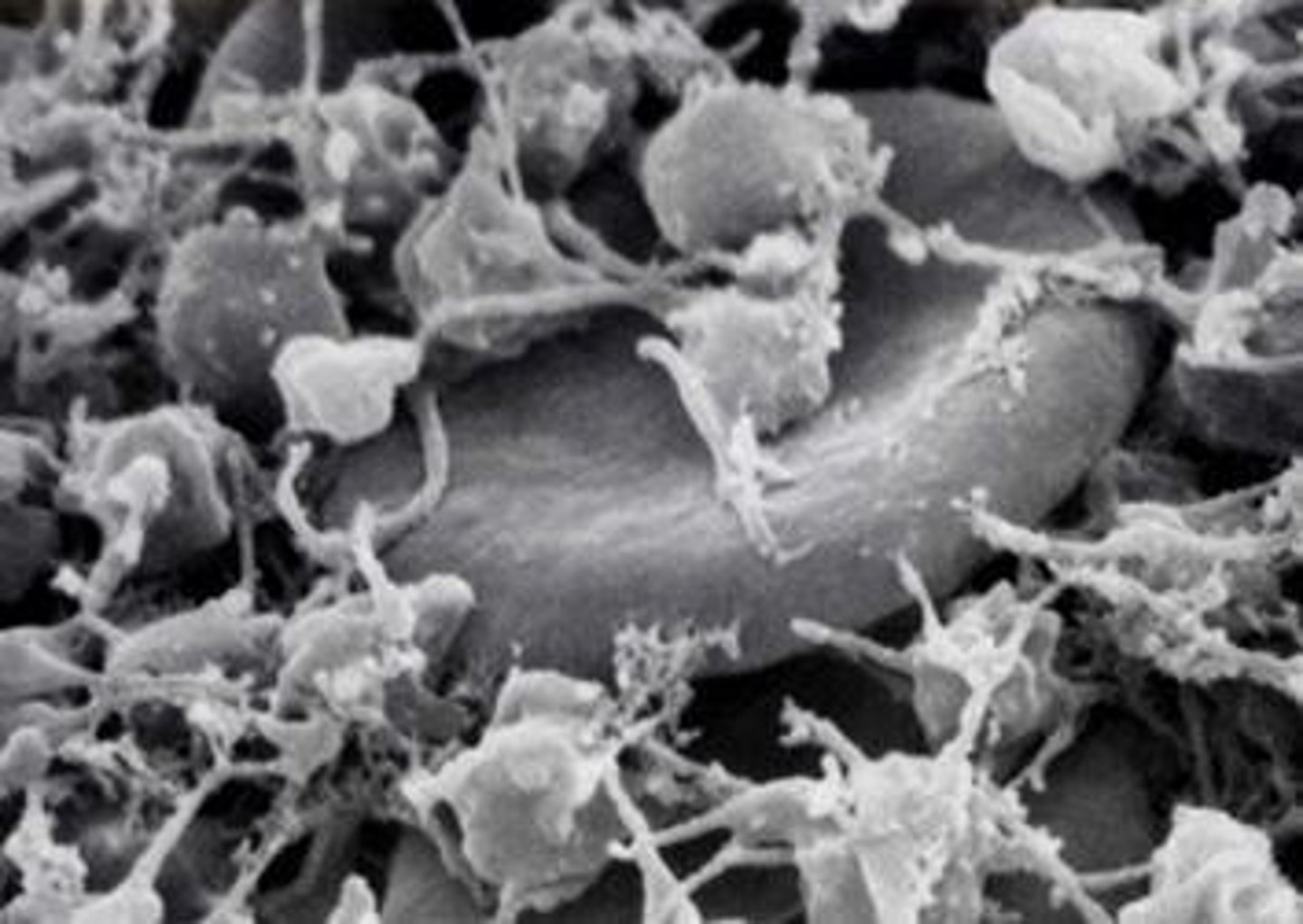
What are platelets?
Fragments of cells that function in blood clotting
What is the role of hemoglobin?
An iron-containing protein that transports oxygen in red blood cells
What is the path of blood starting from the right ventricle?
Blood is pumped to the lungs for oxygenation
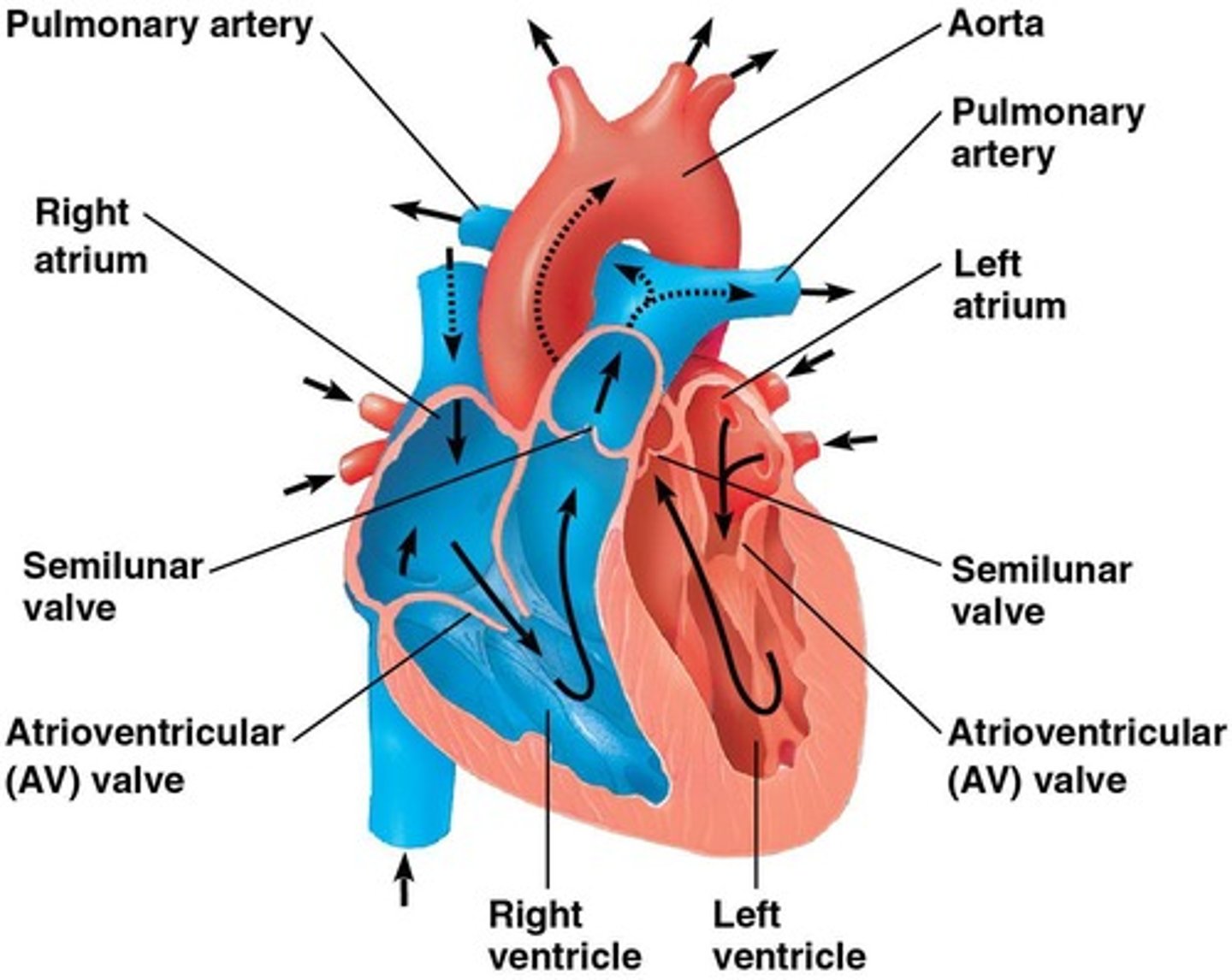
What are the two main parts of the mammalian heart?
Atrium and ventricle
What is the function of the coronary arteries?
They supply blood to the heart itself.
Which ventricle is thicker and why?
The left ventricle is thicker because it contracts more forcefully to pump blood throughout the body.
What is the cardiac cycle?
One complete sequence of pumping (systole) and filling (diastole) of the heart.
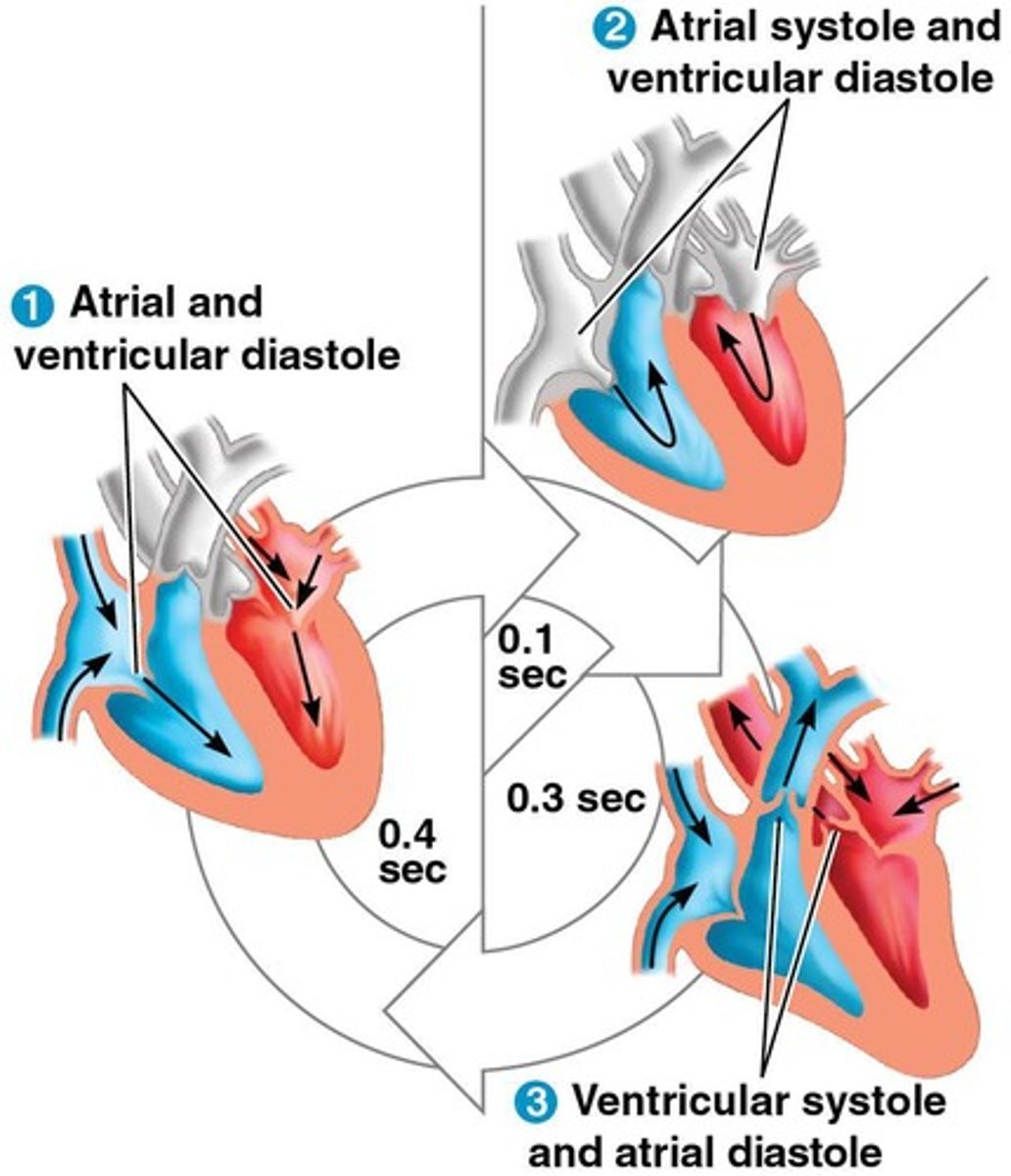
What is systole?
The contraction phase of the heart.
What is diastole?
The relaxation phase of the heart.
How is cardiac output calculated?
Cardiac output equals stroke volume times heart rate.
What is stroke volume?
The amount of blood pumped by a ventricle in a single contraction.
What is the average cardiac output in a healthy adult?
Approximately 5 liters per minute.
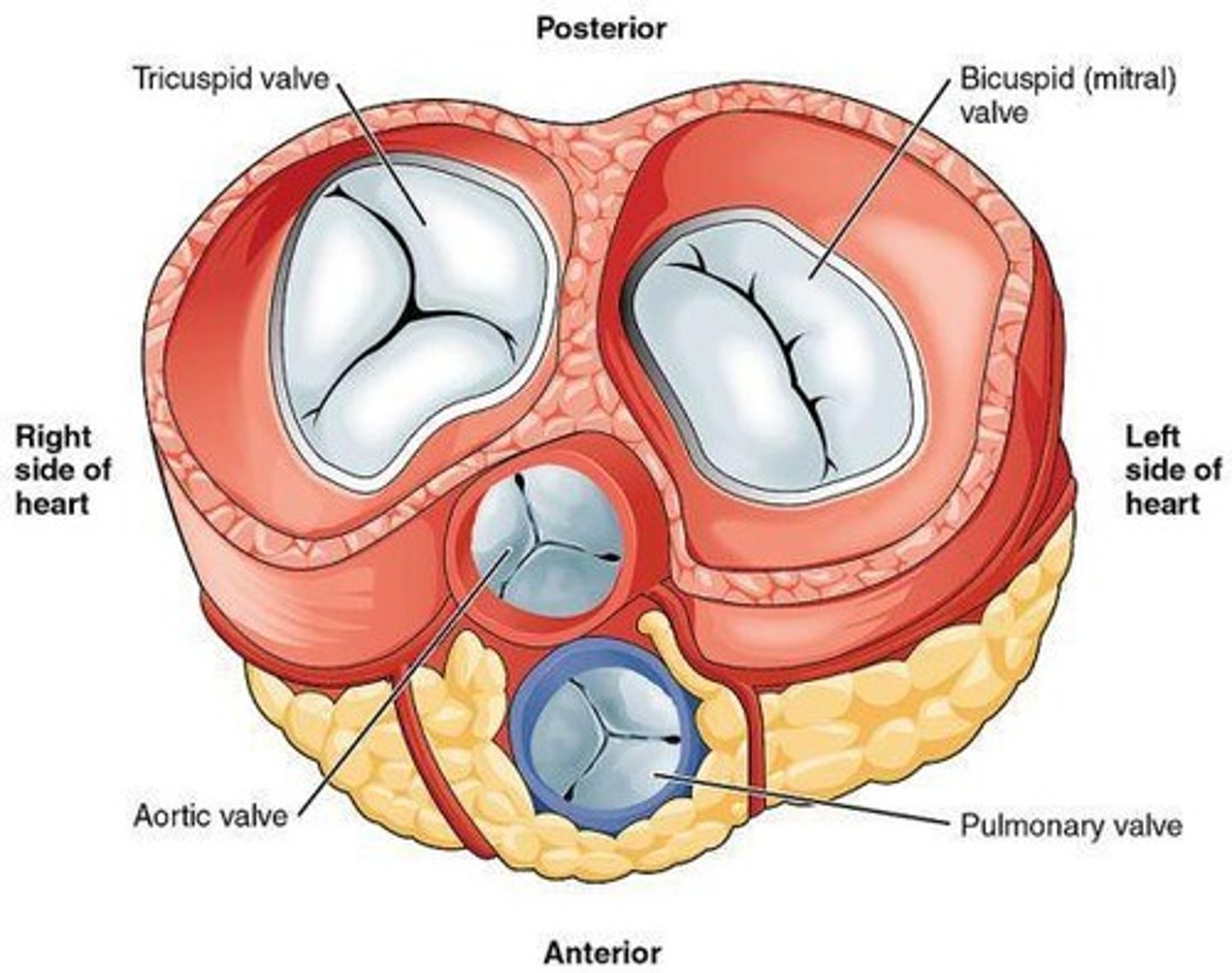
What role do valves play in the heart?
They prevent backflow of blood.
What are the two types of valves in the heart?
Atrioventricular valves (tricuspid and bicuspid) and semilunar valves (aortic and pulmonary).
What is blood pressure?
The force blood exerts against the walls of blood vessels.
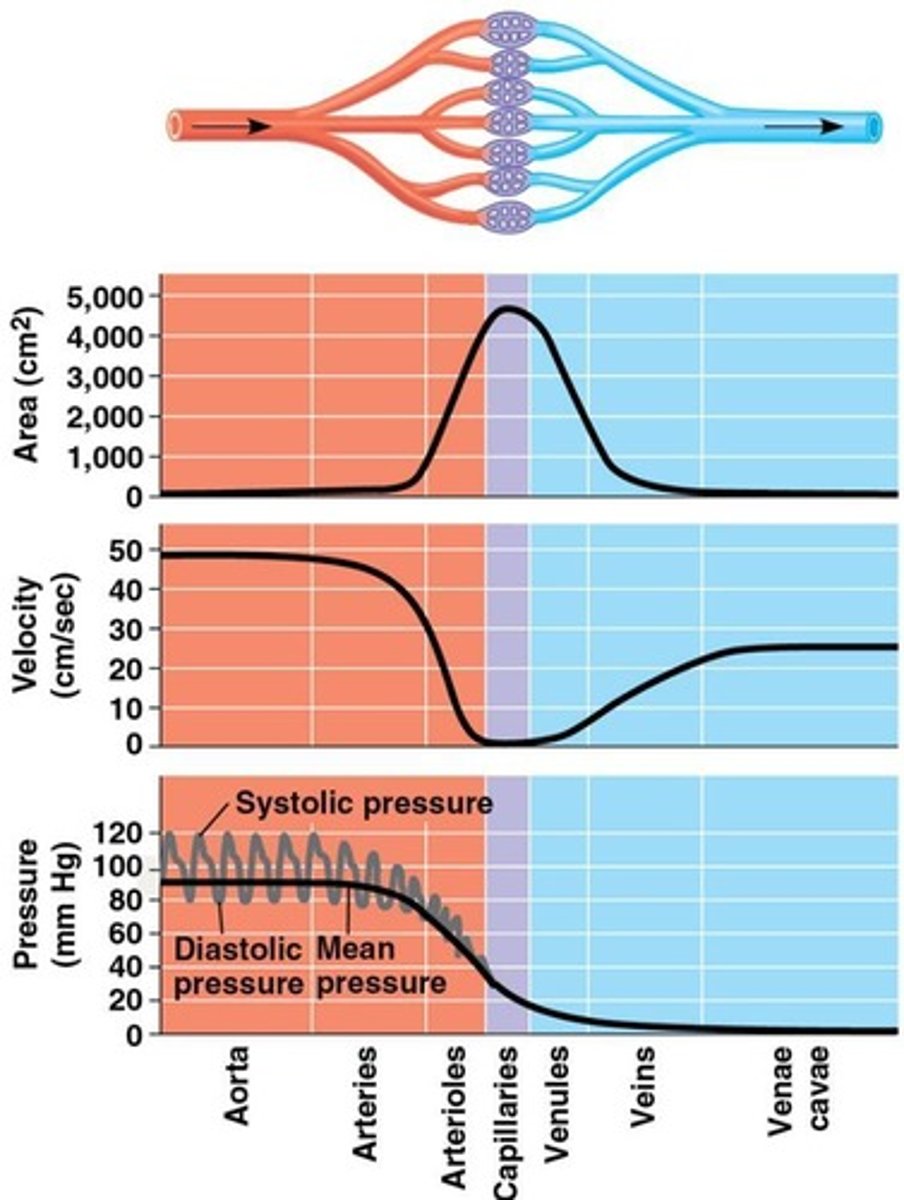
Where is blood pressure highest and lowest?
Highest in the arteries and lowest in the veins.
What is vasoconstriction?
The narrowing of arterioles, increasing blood pressure.
What is vasodilation?
The widening of arterioles, decreasing blood pressure.
What is the lymphatic system's role?
It filters and recovers lost fluid and proteins from the blood.
What is atherosclerosis?
The narrowing of arteries due to plaque buildup.
What is the primary function of gills?
Gas exchange in water.
What is the countercurrent exchange system in fish gills?
Blood flows in the opposite direction to water passing over the gills.
What are tracheal systems?
A network of air tubes that branch throughout the body for gas exchange.
What is the primary function of lungs in mammals?
To facilitate gas exchange through an infolding of the body surface.
How do respiratory surfaces facilitate gas exchange?
By allowing diffusion of gases across thin walls.
What happens to blood pressure during ventricular systole?
It increases as the ventricles contract.
What happens to blood pressure during diastole?
It decreases as the ventricles relax.
What is the significance of one-way valves in veins?
They prevent backflow of blood and help fight gravity.
What is the relationship between exercise and heart rate?
Exercise increases heart rate due to the body's need for more oxygen.
What symptoms did Charlie experience before his heart attack?
Intense chest pain.
What diagnostic tests were performed on Charlie in the hospital?
A chest x-ray and an ECG (electrocardiogram).
What begins mechanical digestion in the digestive system?
The oral cavity (mouth) through chewing.
What enzyme in saliva starts the digestion of starch?
Salivary amylase.
What is the role of the pharynx in digestion?
It is the junction that opens to both the esophagus and the trachea.
What is a bolus?
A ball of food and saliva pushed along the esophagus by peristalsis.
What is the capacity of the stomach?
It can stretch to accommodate up to 2 liters of food.
What type of digestion occurs in the stomach?
Mechanical digestion by churning and enzymatic digestion of proteins by gastric juice.
What is chyme?
The mixture of partially digested food and gastric juice that moves into the small intestine.
What is the longest compartment of the alimentary canal?
The small intestine.
Where does most enzymatic digestion occur?
In the small intestine, particularly in the duodenum.
What are the main functions of the liver in digestion?
It produces bile, which emulsifies fats.
What does the pancreas produce?
Enzymes that digest proteins, lipids, carbohydrates, and nucleic acids.
What is the role of the gallbladder?
It stores bile produced by the liver.
How are carbohydrates digested in the small intestine?
Polysaccharides are broken down to disaccharides by amylase, then to monosaccharides.
What happens to proteins during digestion?
They are split into polypeptides, peptides, and finally amino acids.
How are lipids digested?
They are emulsified by bile salts and then digested to glycerol and fatty acids by pancreatic lipase.
What increases the surface area for nutrient absorption in the small intestine?
Villi and microvilli.
What is the function of the large intestine?
It completes water absorption and stores feces until elimination.
What adaptations do herbivores have in their digestive systems?
They have longer tracts and larger cecum to digest plant materials.
What is the role of mutualistic microorganisms in digestion?
They help break down difficult materials, such as cellulose in ruminants.
What regulates the steps of digestion?
The enteric nervous system and hormonal secretions.
What is glucose homeostasis?
The balance of glucose levels in the body, maintained by insulin and glucagon.
What causes diabetes mellitus?
A deficiency of insulin (Type 1) or decreased response to insulin (Type 2).
What dietary choices did Timmy make to gain weight?
He chose foods based on their carbohydrate content.
What is the significance of Timmy's athletic success despite his thin physique?
His lean body contributed to his high vertical leap and coordination.
What is Timmy's daily consumption of energy drinks?
At least four large energy drinks per day.
What was Timmy's lunch typically composed of?
A large pizza and a box of donuts.
What type of snacks did Timmy consume?
One or two family size bags of potato chips.
What was Timmy's nightly routine regarding snacks?
Chocolate milk and Oreo cookies.
What was Timmy's ultimate dream career?
To become a surgeon.
What types of carbohydrates are there?
Simple carbohydrates (monosaccharides and disaccharides) and complex carbohydrates (polysaccharides).
What is the process of digestion?
The chemical or mechanical breakdown of nutrients.
Where does the absorption of nutrients primarily occur?
In the small intestine.
What is mechanical breakdown?
The physical breakdown of food, such as grinding with teeth.
What does chemical breakdown require?
Enzymes to break bonds in nutrients.
What enzyme begins the chemical digestion of carbohydrates in the mouth?
Salivary amylase.
What is the role of enterocytes in glucose absorption?
They absorb monosaccharides like glucose into the intestinal cells.
Why can't glucose passively diffuse across a cell membrane?
Because it is a large, polar, water-soluble molecule.
How do monosaccharides like glucose enter the bloodstream?
Through facilitated diffusion after passing through enterocytes.
What energy stores are produced from glucose in the body?
ATP (adenosine triphosphate) and glycogen.
What happens to glucose after it diffuses into the extracellular fluid?
It travels through the blood to cells throughout the body.
What is the relationship between Timmy's activity level and glucose metabolism?
His active lifestyle allows him to metabolize glucose efficiently.
What happens during the absorption phase of digestion?
Nutrients in their simplest form move into the body.
What is the significance of effective carbohydrate digestion?
It allows for the absorption of simple carbohydrates like glucose.
What can consuming more calories than needed lead to?
Obesity, type II diabetes, heart disease, colon cancer, and other disorders.
Which hormones regulate appetite?
Ghrelin, leptin, and insulin.
What is a gastrovascular cavity?
A simple circulatory system found in small invertebrates that allows diffusion.
What do larger animals depend on for circulation?
Specialized circulatory systems consisting of circulatory fluid, a heart, and interconnecting vessels.
What is the function of hemolymph in open circulatory systems?
It bathes organs.
In a closed circulatory system, where is blood confined?
To interconnected vessels, separated from interstitial fluid.
What is the role of arteries?
Carry blood away from the heart.
What is the role of veins?
Return blood to the heart.
What does plasma consist of?
Water, salts, proteins, and substances being transported.