IB Computer Science HL - Topic 7 - Control
 Call Kai
 Learn
Learn Practice Test
 Spaced Repetition
 Match
Match Flashcards
 Knowt Play
1/33

There's no tags or description
Looks like no tags are added yet.
Name | Mastery | Learn | Test | Matching | Spaced | Call with Kai |
|---|
No analytics yet
Send a link to your students to track their progress
34 Terms
Control System
A control system is a device, or set of devices, that manages, commands, directs, or regulates the behaviour of other devices or systems.
Example of Control System
Automated doors; Heating system; Taxi meter; Elevator; Washing machine; Process Control; Device driver; GPS; Traffic lights
What is an Open Loop Control System?
Output is based on inputs
What is a Closed Loop Control System?
Output is based on inputs and the current outputs as well as feedback
What is a Feedback Control System?
Feeding back performance information and making changes based on it.
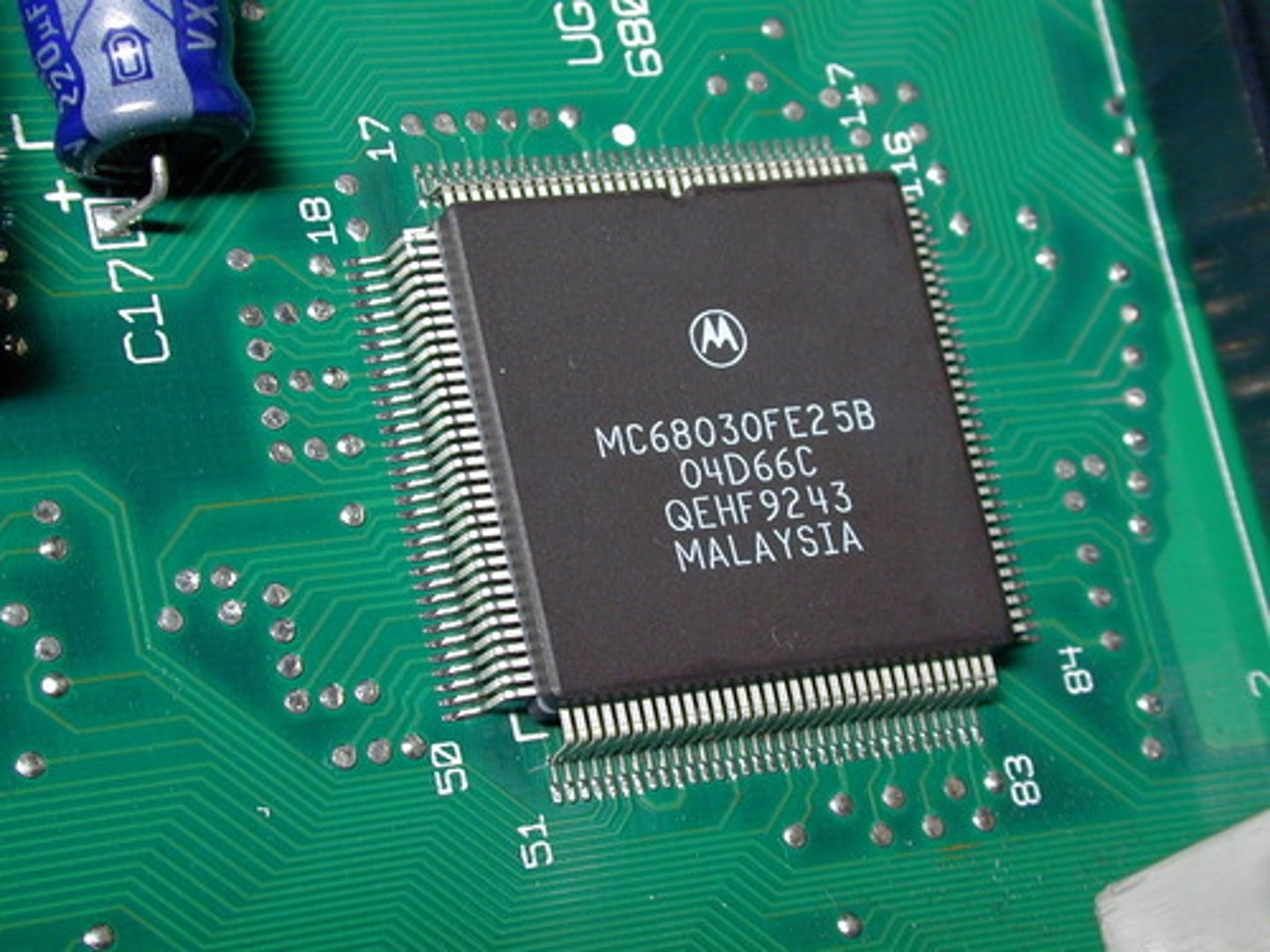
Microprocessor
An integrated circuit that contains all the functions of a central processing unit of a computer.
Sensor
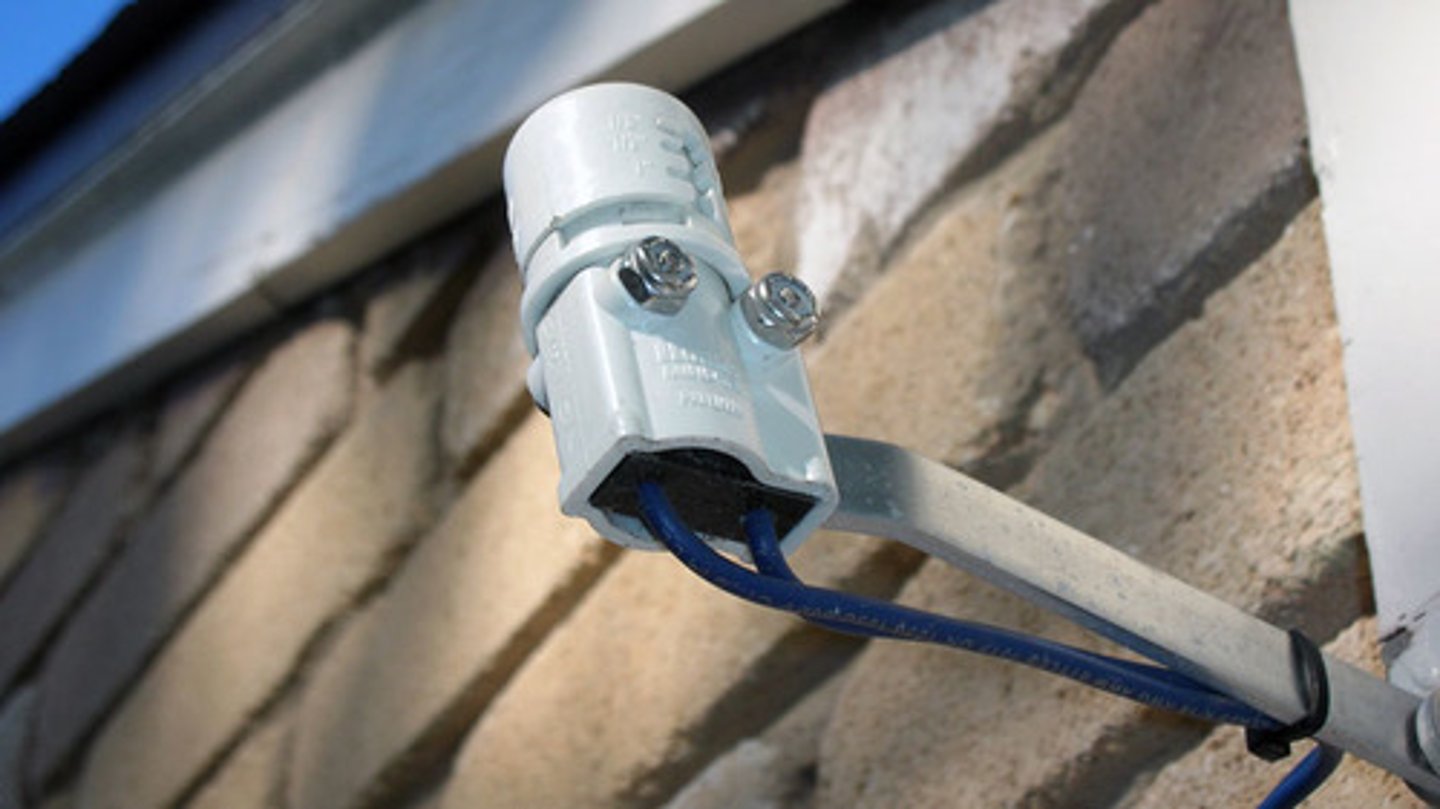
A device which detects or measures a physical property and records, indicates, or otherwise responds to it.
Example of Sensor
Motion; Timer; Button; Compass; Timer; Thermometer; Speedometer; GPS; Infrared; Camera; Chemical; Ultrasound; Microphones; Touch;
Input Device
A device used to enter information into a computer.
Common Input Device
Mouse; Keyboard; Joystick; Pen; Touch Pad; Microphone; Scanner; Track Ball; Digital Camera
Accessible Input Device
Alternative input devices that accommodate for people with a range of disabilities.
Medical Sensors
Body Temperature; Pulse and Oxygen; Patient Position Sensor; Airflow Sensor; Electrocardiogram Sensor
What do sensors do?
Sensors take analogue input and convert them to digital data.
What does a microprocessor do? (Sensor)
Digital data from a sensor can be processed by a microprocessor producing a digital output.
What does an output transducer do?
Output transducers turn digital data into analogue signals to power 'real world' devices.
What is a transducer?
A transducer is a device, which converts one type of physical property, quantity or condition into another easily usable form.
What is feedback? (In a control system)
Feedback is the modification or control of a process or system by its results or effects, for example in a fridge, the thermometer provides feedback to the sensor that switches the refrigeration system on/off.
Processes that use feedback?
A missile tracking a moving target; A heating system in a house; A life-support system on a spacecraft; Self-driving cars
Social/Ethical Impacts/Considerations of embedded systems (Tagging prisoners; Surveillance; CCTV; Improved Safety systems
Security; Evidence; Resources;
Loss of privacy; Possibility of hacking; Spying
What is a centralized system?
A centralized system is computer done at a central location, using terminals that are attached to a central computer. The computer itself may control all the peripherals directly, or they may be attached via a terminal.
Central System
Direct control of the operation of the individual "nodes" and flow of information from a single "server"
What is a distributed system?
A distributed system is a system in which components located on networked computers communicate and coordinate their actions by passing messages. The components interact with each other in order to achieve a common goal.
Distributed System
A distributed system is a collection of independent, networked computers that work together to appear as a single, cohesive system to the end-user.
Advantages of centrally controlled systems
Easier to administrate; More control
Advantages of distributed systems
Cost; Performance; Reliability; Scalability
Disadvantages of centrally controlled system
If main sensor/controller fails, the whole system fails
Disadvantages of distributed systems
Network Bandwidth; Security; Software Complexity
What is an embedded system?
Is a computer system with a dedicated function within a larger mechanical or electrical system, often with real-time computing constraints.
Embedded System Examples
Kiosk; MP3 Player; Digital Watch; Traffic Lights; Factory Controllers; Hybrid Vehicles
What is an Autonomous Agent?
An autonomous agent is an intelligent agent operating on an owner's behalf but without any interference of that ownership entity.
Autonomy in Autonomous Agents
Agents activate alone for a task and are not invoked for a task. Agents can select the task themselves (based on priorities or goal-directed search) without human intervention.
Reactive Behavior in Autonomous Agents
Agent senses the environment in which it is and decides what to do, reacting on its perceptions.
Concurrency/Sociability in Autonomous Agents
Agents can interact with other agents through communication, in different modes: coordination, cooperation, and competition.
Persistence in Autonomous Agents
The code describing an agent runs continuously like a process, and is not executed on demand.