Animal Physiology
 Call Kai
 Learn
Learn Practice Test
 Spaced Repetition
 Match
Match Flashcards
 Knowt Play
1/621

There's no tags or description
Looks like no tags are added yet.
Name | Mastery | Learn | Test | Matching | Spaced | Call with Kai |
|---|
No analytics yet
Send a link to your students to track their progress
622 Terms
Beetles, coleoptera
The most speciose group of animals (2 terms)
Ctenophores
Comb jellies
Cilia
Comb jellies are called comb jellies because they have … to move around
Syntheny
How genes are linked together over evolutionary time
Aphotic, bioluminescent, cilia, first animals
Ctenophores characteristics (4)
Aphotic
Ctenophores (1/4):
Since they are deep ocean, they are considered … (sunlight related)
Bioluminescent
Ctenophores (1/4):
Make their own light
Cilia
Ctenophores (1/4):
Rows of … on the body for locomotion
Sponges
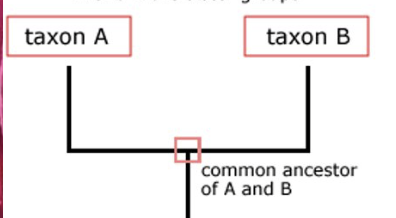
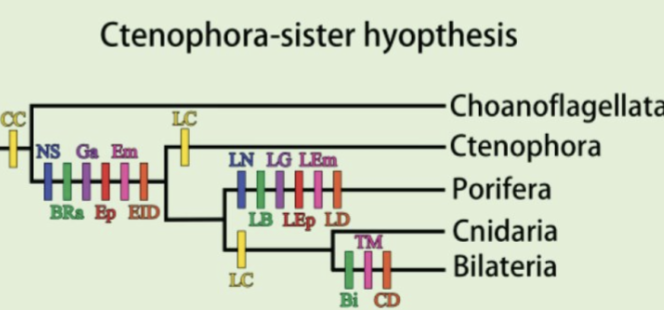
If Taxon B were all other animals, what would Taxon A be?
Ernst Haeckel
Dawg that proposed spongest are the first animals
Ctenophores or sponges
The debate about which is the first animal is between which two? (… or …)
Synteny
Gene linkages
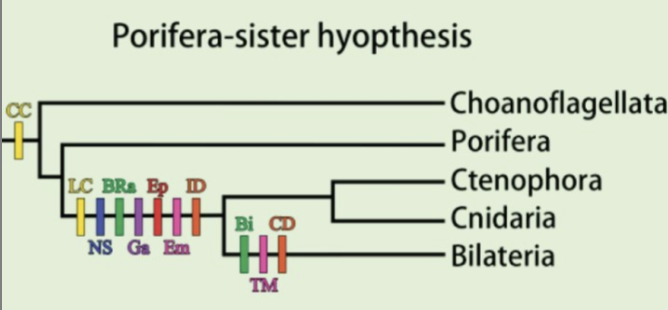
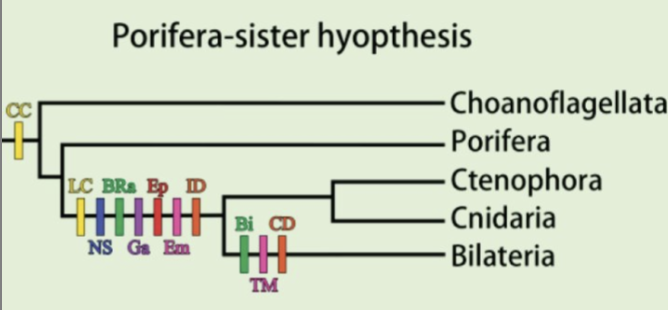
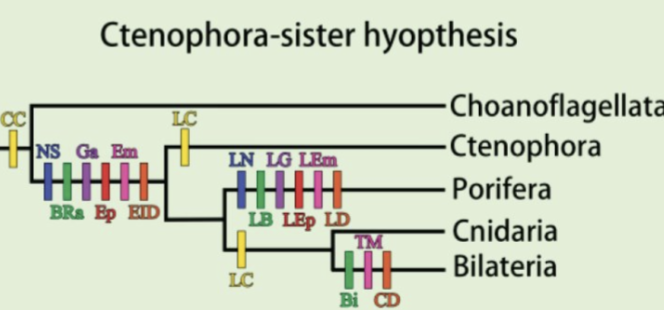
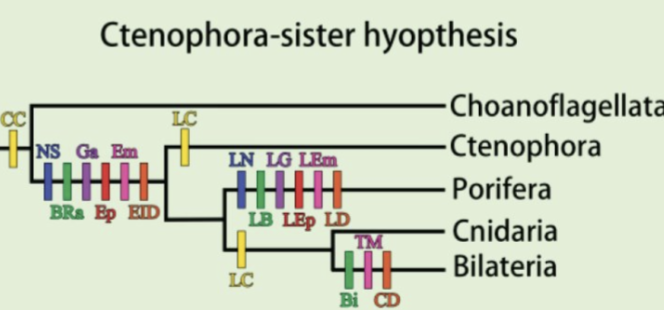
Loss choanoflagellate, nervous system, radial symmetry, gastrulation, epithelial tissue, incomplete digestive tract
What are the 6 characteristics evolved before ctenophora + cnidaria and bilateria?
Bilateral symmestry
What is the most significant development in bilateria?
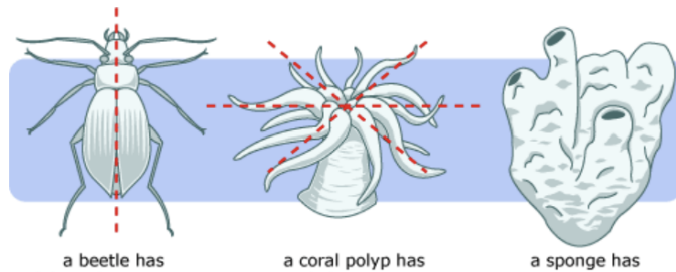
Beetle
Which has bilateral symmestry?
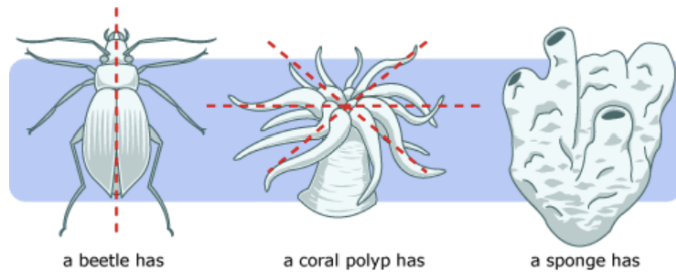
Coral polyp
Which has radial symmetry?
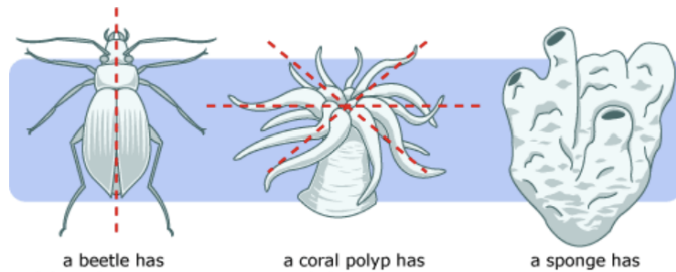
Sponge
Which has no symmetry?
Less
Principle of parsimony: … number of evolutionary changes is preferred (more or less)
Filter feeding
There is hella loss in function and complexity before porifera for 3 reasons (1/3):
Nervous system interferes with … (2)
Costly
There is hella loss in function and complexity before porifera for 3 reasons (1/3):
Filtration + Nervous system are … (trade off core)
Parasitic evolutionary history
There is hella loss in function and complexity before porifera for 3 reasons (1/3):
What relieves the need for nervous system in porifera? (3)
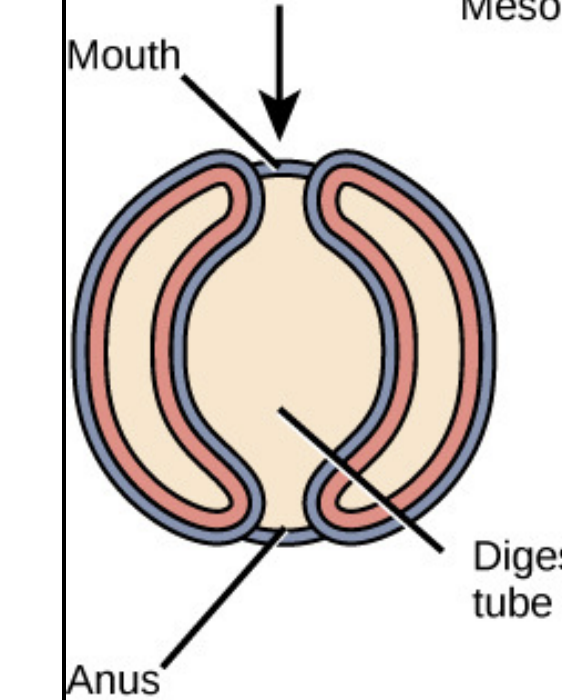
Protostomes
Protostomes vs. deuterostomes
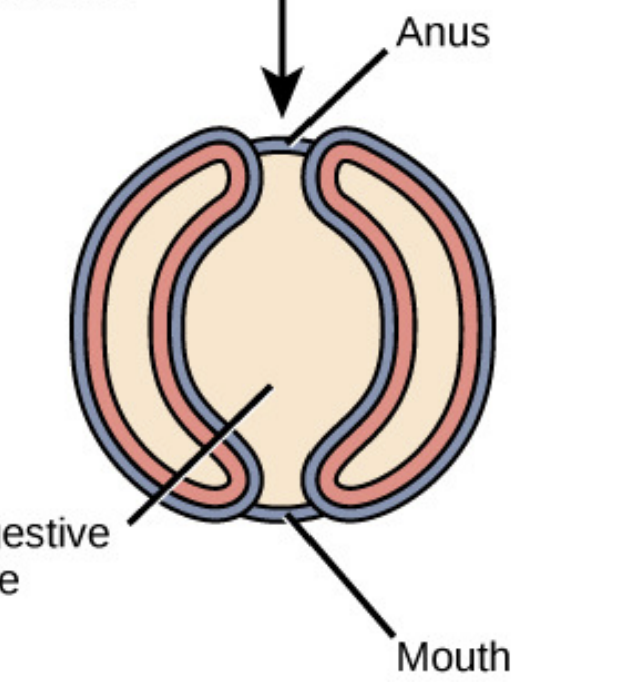
Deuterostomes
Protostomes vs. deuterostomes
Protostomes
Protostomes vs. deuterostomes:
1st mouth [first hole becomes mouth]
Deuterostomes
Protostomes vs. deuterostomes:
2nd mouth [second mouth becomes mouth]
Protostomes
Protostomes vs. deuterostomes:
Blastopore becomes mouth (second opening anus)
Deuterostomes
Protostomes vs. deuterostomes:
Blastopore becomes anus (second opening mouth)
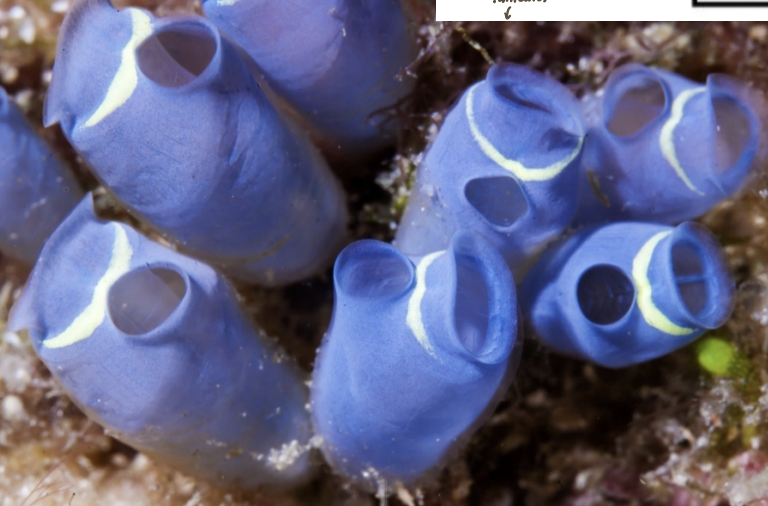
Tunicates
Wtf is this
Echinoderms
Wtf is this [sea urchin]
![<p>Wtf is this [sea urchin]</p>](https://assets.knowt.com/user-attachments/fd65e9ed-7bd3-48b0-adad-139dca4e9221.png)
Echinoderms
Closest invertebrate relative to us (vertebrates)
[think sea urchin core lol]
Blue whales
What are the largest animals ever?
Metazoans
Another word for animals (sort of interchangable)
Cnidaria
Jellyfish, coral, hyara all belong to phylum …
Paralyze prey
Established this is a cnidocyte cell found in cnidarians; What is the function? (2)
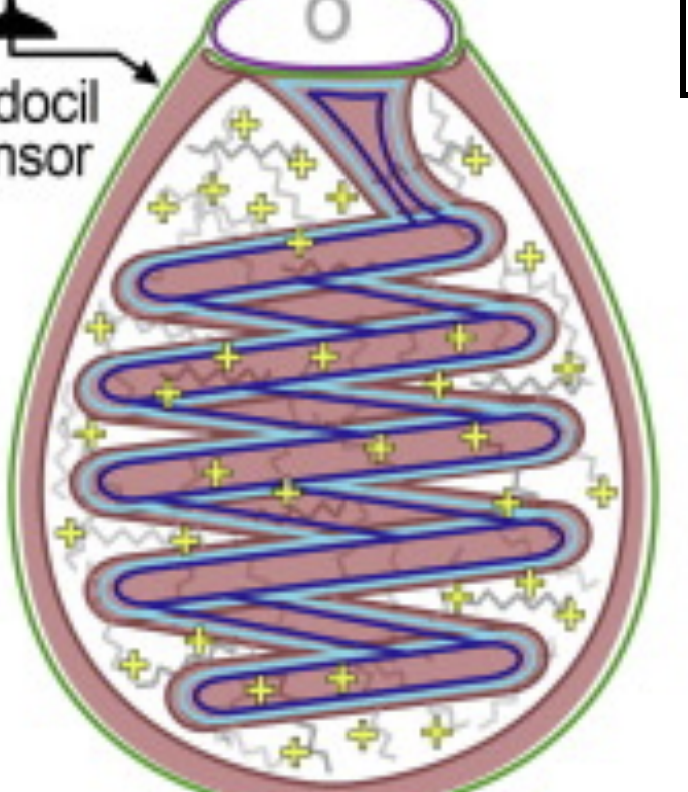
Cnidocil sensor
A special part of this cell that does the paralyzing of prey (2)
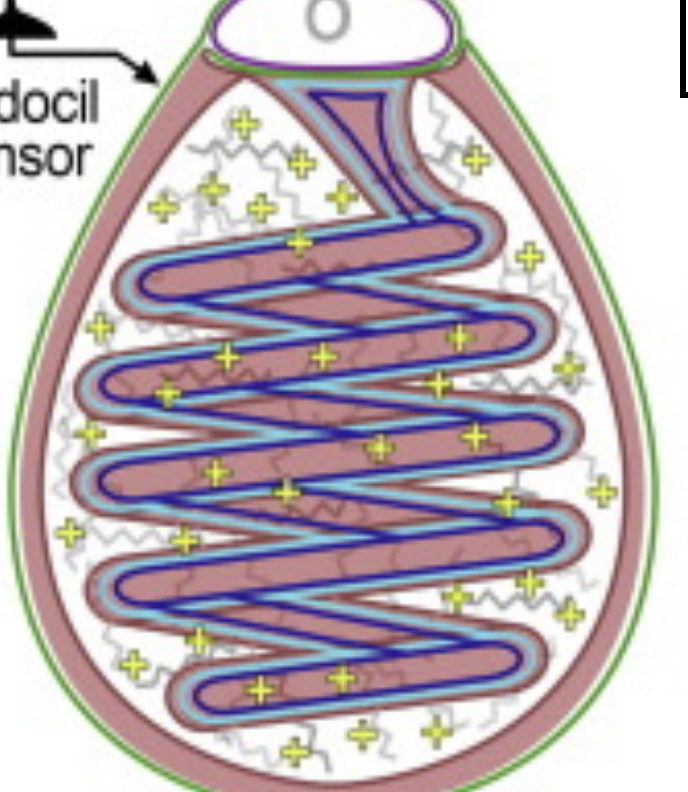
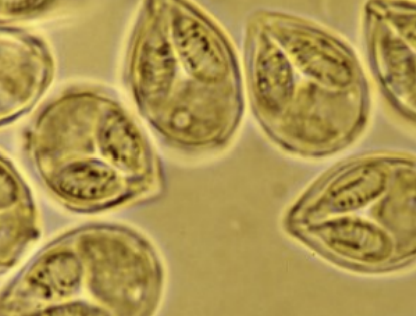
Myxozoans
Established that this is a cnidocyte cell; what is this cell found in?
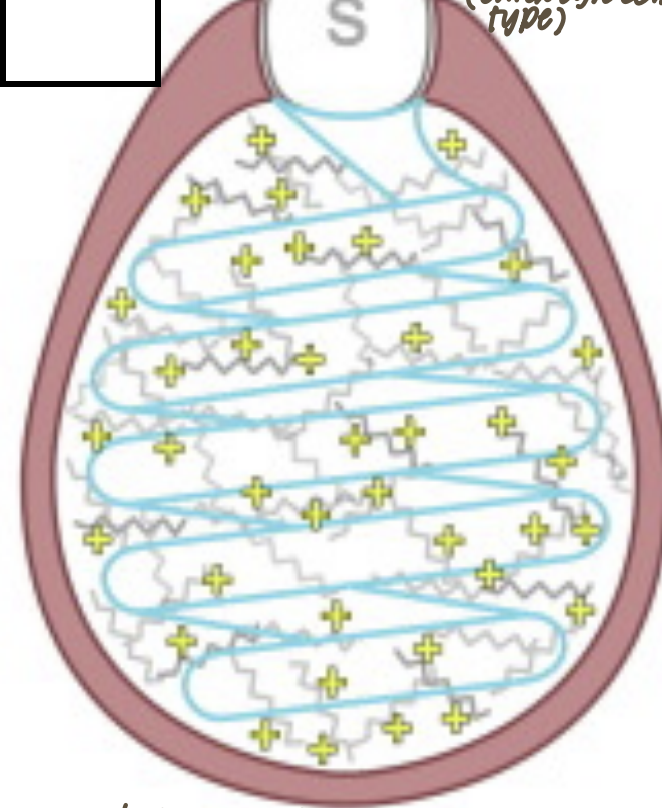
Parasitize fish
Established that this is a cnidocyte cell found in myxozoans, what is the function? (2)
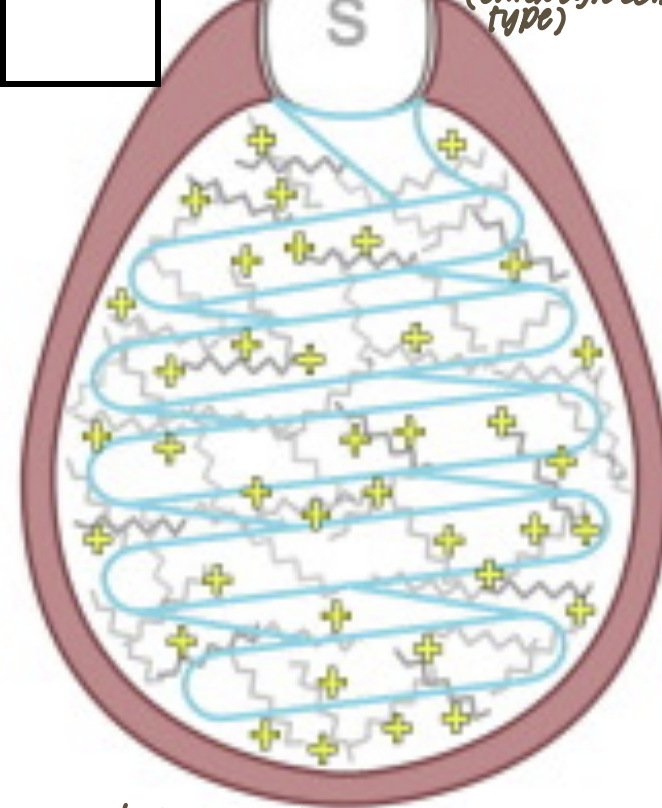
Myxozoans
Wtf is this
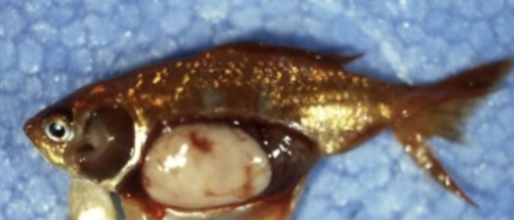
Heparopancreas
What is swollen in the fish?
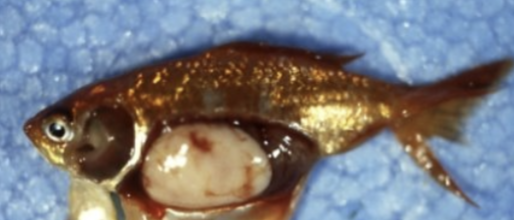
Myxozoa
The swollen heparopancreas is linked to infection by … (which are animals for the record not protists)
Eukaryotic, multicellular, lack cell walls, chemohetertrophic, blastula and gastrula, monophyletic
There are 10 characteristics of animals but 6/10 are true for all animals
Eukaryotic
Multicellular
Lack cell walls
Opisthokont
Sexual reproduction and diploid
Chemoheterotrophic + holozoic
Need for oxygen
Motile and responsive
Blastula + gastrula
Monophyletic
What are the 10 fundamental characteristics of animals? Sorry
Development via blastula
Monophyletic
Of the 10 fundamental characteristics of animals, what are the 2 defining characteristics of animals? (requirement to be an animal)
Nucleus has DNA, linear chromosomes, mitochondria
Eukaryotic: 3 membrane characteristics
ATP, protons
Eukaryotic: Mitochondria generates … by pumping … across mitochondrial membrane
Environment
Eukaryotes have a mitochondrial membrane but prokaryotes don’t so ATP generation is done by the mercy of the …
(protons are pumped to extracellular environment)
No nucleus, single loop of DNA
2 important characteristics of prokaryote
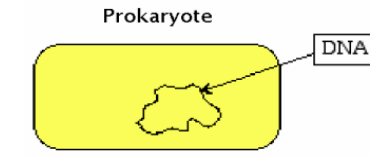
Telomeres
Since prokaryotic DNA is just a single loop, they lack … which is super important in eukaryotic crossing over (genetic diversity)
Linear chromosomes
Prokaryotes have a single loop of DNA. Eukaryotes have … (2)
Flagella
Unicellular protist: Tail thing to move
Identical
In a colony (figure 2), all individual cells are … to each other
Unicellular protists, colony
All cells can survive alone
Multicellular
Cells are interdependent (a.k.a. cannot survive alone)
Specialized
Cells in a multicellular organism (figure 3) are interdependent because each individual cell is …
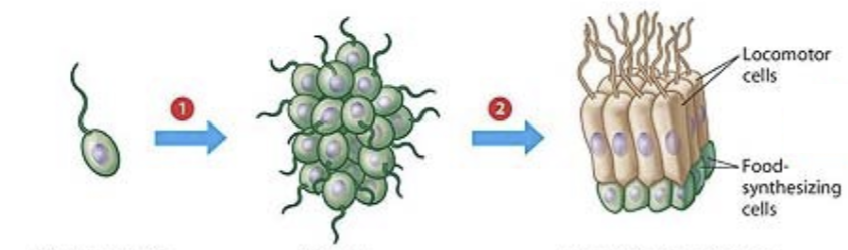
Aggregative development, clonal development
There are 2 hypothesis for how multicellularity came to be
Clonal
Between aggregative and clonal development, which multicellular hypothesis is more likely?
Aggregative
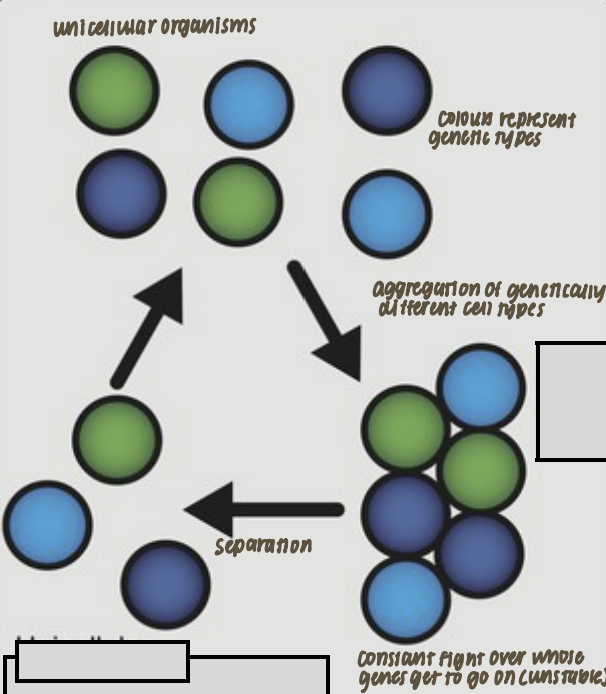
Multicellular hypothesis: Aggregation of genetically different cell types that were unicellular organisms (along with separation)
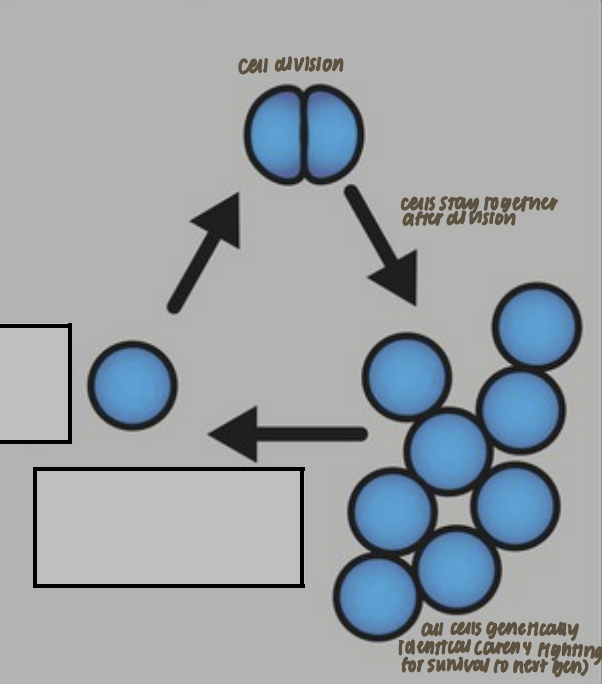
Clonal
Multicellular hypothesis: Cell division where cells remain together after cell development
Aggregative
Multicellular hypothesis: So much fighting so less likely…
Clonal
Multicellular hypothesis: More likely because cell division keeps everything together (all cells are genetically identical and since all genetically same they dgaf which survives)
Predation avoidance
Why multicellularity? (1/10)
(2)
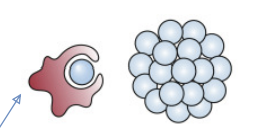
Stress resistance
Why multicellularity? (1/10)
(2)
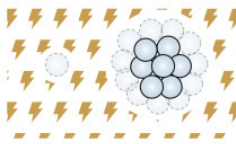
Metabolism
Why multicellularity? (1/10)
Improved extracellular …
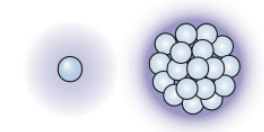
Sedimentation
Why multicellularity? (1/10)
Faster … (more physical survival advantage in fluid environments)
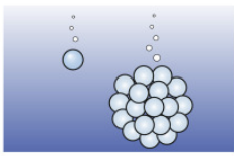
Motility
Why multicellularity? (1/10)
Increased …
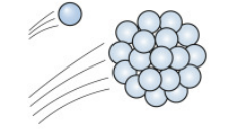
Chimerism
Why multicellularity? (1/10)
Benefits of …
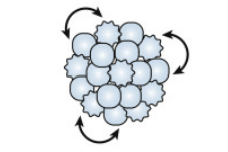
Chimerism
A single organism made up of cells from 2+ genetically distinct individuals
Cross feeding, divison of labor
Why multicellularity? (1/10)
(2 concepts)
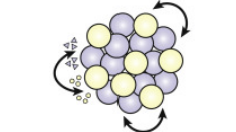
Overgrowth
Why multicellularity? (1/10)
Competitive …
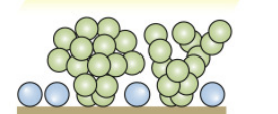
Patchy resources
Why multicellularity? (1/10)
Efficient utilization of … (2)
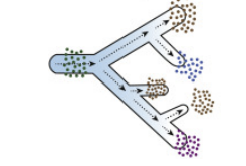
Production, dispersal
Why multicellularity? (1/10)
Propagules (2)
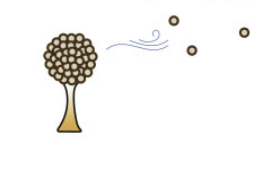
Osmoregulation
A consequence of not having a cell wall is that animals must do …
[regulation of solute of extracellular and intracellular for balance]
Motility
Not having a cell wall allows … because they become stuck together in walls
H2O in
Hypotonic (H2O …)
H2O out
Hypertonic (H2O …)
Ruptured
Animal cell hypotonic
Normal
Animal cell isotonic
Shrinked
Animal cell hypertonic
Turgid, normal
Plant cell hypotonic (2)
Flaccid
Plant cell isotonic
Plasmolysed, shrinked
Plant cell hypertonic (2)
Neighbors, motility
Plant cells share cell walls to forever link … resulting in no … (consequence of having a cell wall)
Cell wall
Basically, cell motility in animals comes from the fact that we have no … (2)
Barrier, lining
Epithelial tissue: Cells are linked and nonmotile to act as a … (2)
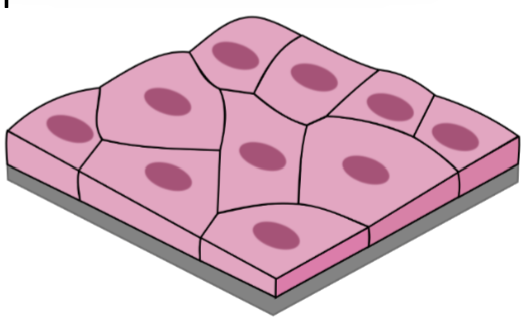
Tight, adherens, desmosomal
Epithelial tissue: Intercellular junctions holding cells together (3 characteristics)
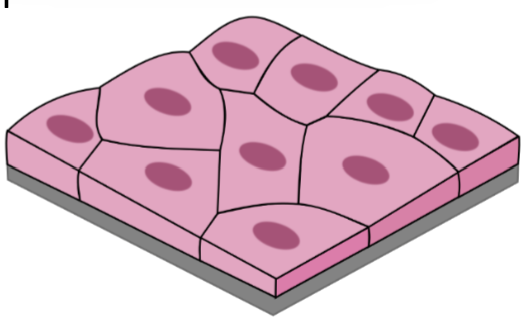
Desmosomes
Cell junctions that hold animal tissues together (general definition)
Peritoneum
Specialized epithecium separates digestive tract from abdominal cavity
Mucuous epithelium
Separates gut lumen from rest of body which controls what we eat gets into our body (or not)
Intercellular junctions
Epithelial tissue is imperative that they are nonmotile. Since animals do not have cell walls, instead animals evolved to have …. (2)
Tight, septate
Intercellular junction: Brings 2 adjacent neighboring cells tight together (2 terms)
Prevents passage of molecules across epithelium
Adherens
Intercellular junction: Tether adjacent cells together (hold them together)
Desmosomal
Intercellular junction: Resist mechanical stress (don’t rip apart when pulling)
Bikonta
The difference between unikonta and bikonta is that … have 2+ flagella on sperm
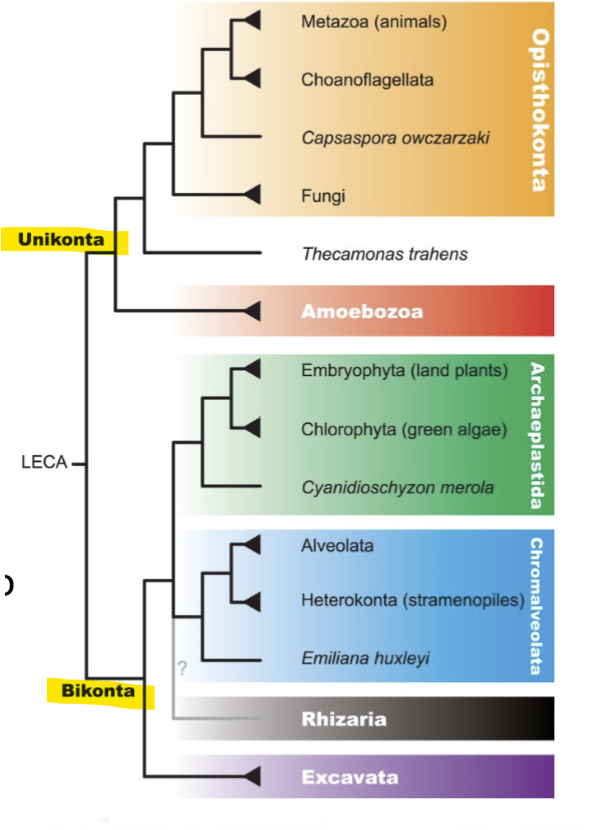
Opisthokont
Cells with a single posterior flagellum are known as … (not unikonta)
1
Which is the ancestral state?
1 or 2+ flagella?
Sperm competition
The lack of flagellum (aflagellates) could be because of low … (2) so no swimming necessary
1
How many posterior flagellum do animal sperm have?
Length
The higher the sperm competition, the higher the flagella …
Higher
The longer the flagella on a sperm indicates … competition (higher or lower)
Monogamy
When there is no sperm competition, this is called …