Drivers License Exam Signs
 Call Kai
 Learn
Learn Practice Test
 Spaced Repetition
 Match
Match Flashcards
 Knowt Play
1/56

Earn XP
Description and Tags
Practice Test - Colors, Shapes, Warning Signs
Name | Mastery | Learn | Test | Matching | Spaced | Call with Kai |
|---|
No analytics yet
Send a link to your students to track their progress
57 Terms
Red Traffic Signs
Convey traffic regulations that require drivers to take immediate action to avoid threats to traffic safety. A “Wrong Way” sign is an example of a traffic sign with a red background.
Yellow or Fluorescent Yellow-Green Traffic Signs
Prepare drivers for specific road conditions and hazards ahead, and alert drivers to nearby school zones.
Fluorescent yellow-green signs warn drivers of nearby schools, pedestrians, bicycles, playgrounds, and school bus routes.
White Traffic Signs
Display traffic regulations, such as speed limits, that drivers must obey, as well as helpful information, such as state highway markers. A “No Turn on Red” sign is an example of a traffic sign with a white background
Orange Traffic Signs
Warn drivers of temporary traffic conditions. These signs are often used to warn drivers of conditions ahead due to highway constructions and maintenance projects
Green Traffic Signs
Indicate permitted movements and directions or guidance, such as highway entrances and exits or distance to upcoming destinations. A sign showing distance is an example of a traffic sign with a green background.
Blue Traffic Signs
Display road services and information. A sign showing information about amenities at an upcoming exit is an example of a traffic sign with a blue background.
Brown Traffic Signs
Indicate nearby recreational and cultural interest sites. A sign showing a nearby state park is an example of a traffic sign with a brown background.
Circular Traffic Signs
Alert drivers to upcoming railroad crossings.
Equilateral Triangle Traffic Signs
Warn drivers to slow down when approaching an intersection, and to be prepared to come to a complete stop in order to yield to other drivers or pedestrians.
Pennant-Shaped Traffic Signs
Posted on the left-hand side of two-way roads to warn drivers not to pass other vehicles on the left.
Pennant-shaped traffic signs are posted on the left-hand side of twoway roads to warn drivers not to pass other vehicles on the left.
They may convey traffic regulations that drivers must obey, such as speed limits and turn movement prohibitions like “No Left Turn.”
They may provide helpful information, such as route marker signs that identify a state highway, or destination signs that give directions to the next town.
They may also warn drivers of hazardous conditions, such as an advisory speed for a sharp curve in the roadway. This advisory speed sign is often posted with a diamond- shaped warning sign.
Diamond-Shaped Traffic Signs
Diamond-shaped traffic signs warn drivers of upcoming road conditions and hazards. A “slippery when wet” sign is an example of a diamond-shaped traffic sign.
Five-Sided Traffic Signs
Five-sided traffic signs warn drivers that they are entering an area near a school in which children may be crossing the road.
Eight-Sided Traffic Signs
Eight-sided traffic signs warn drivers that they must stop and yield the appropriate right of way at an intersection.
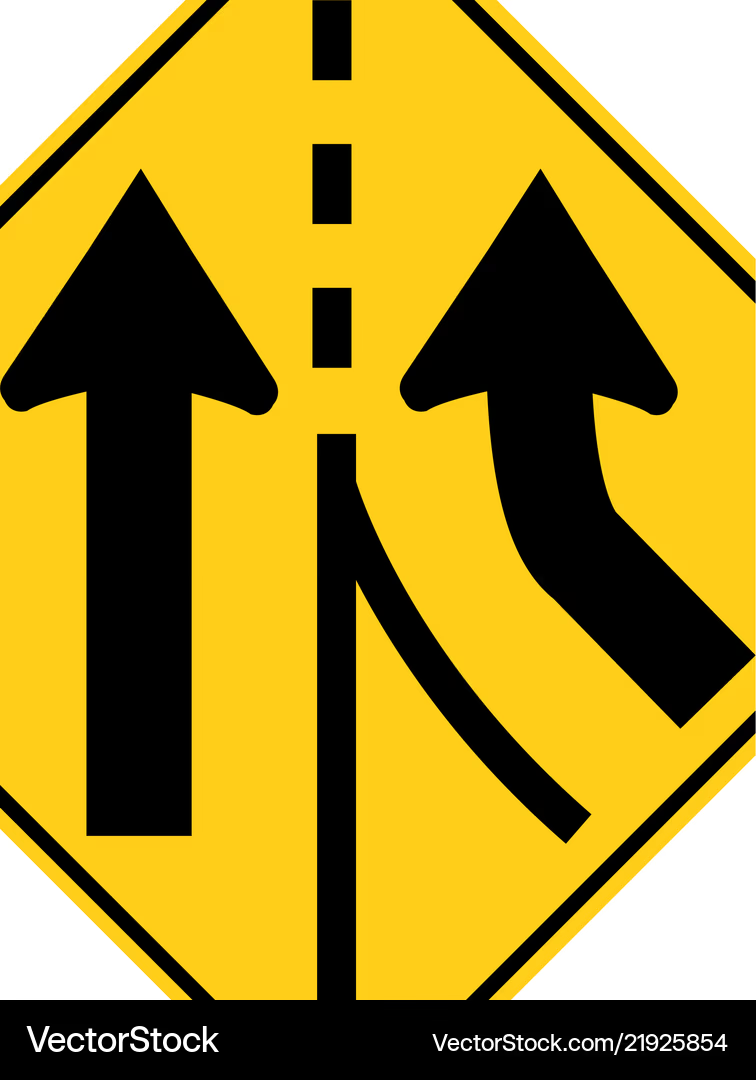
Added Lane
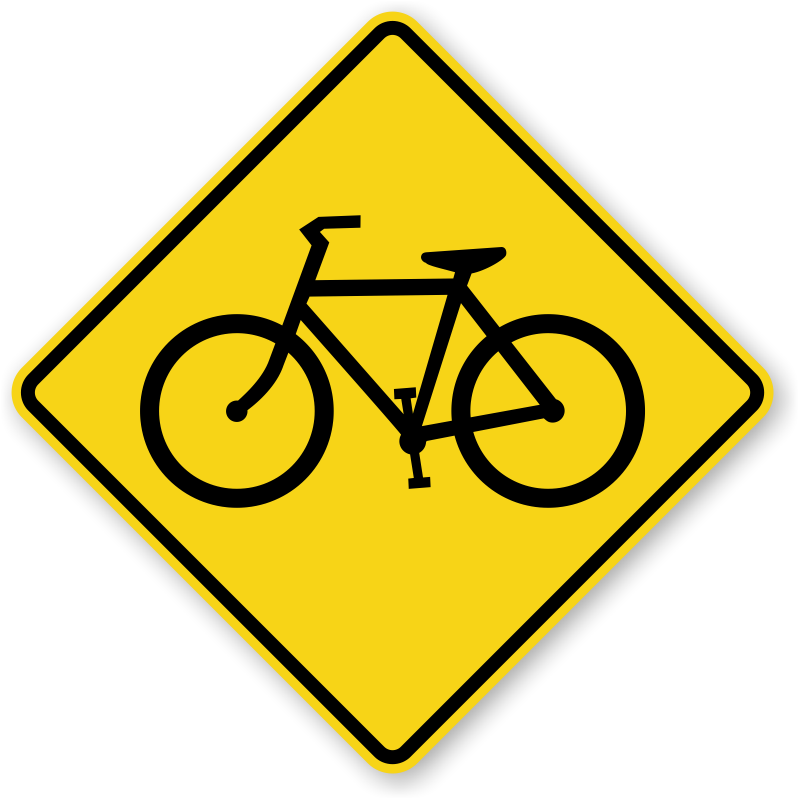
Bicycle
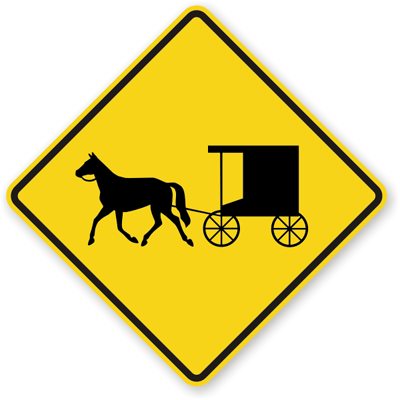
Buggy Warning
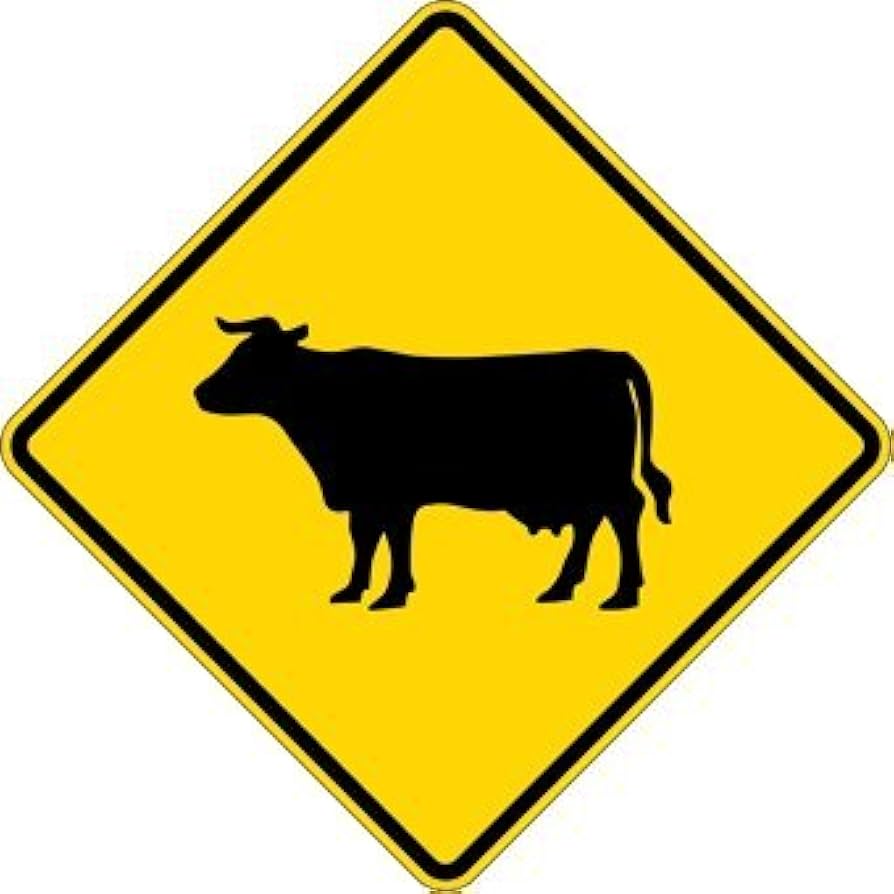
Cattle
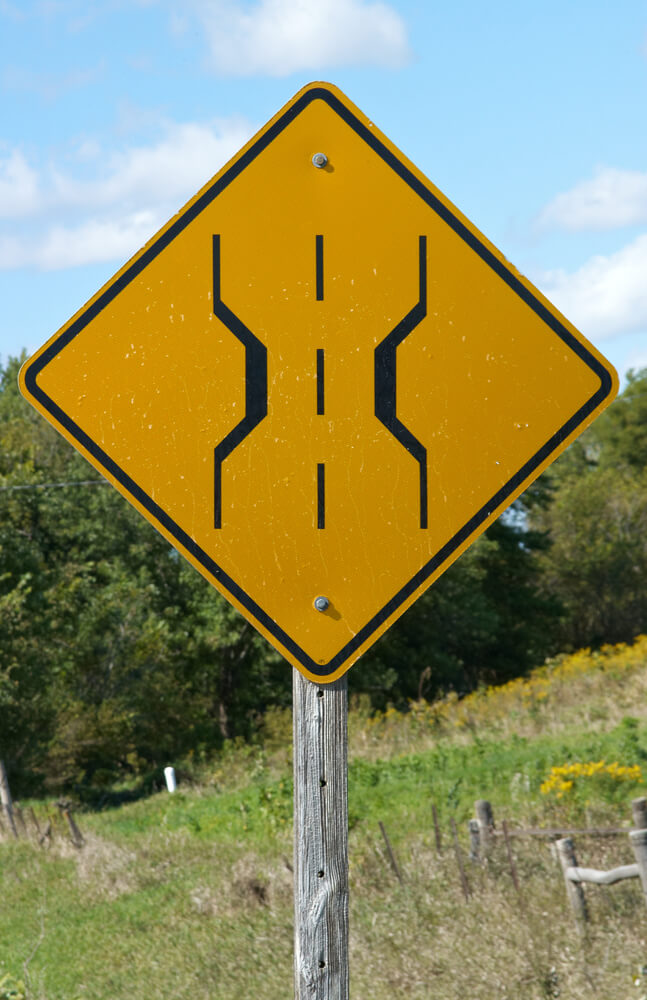
Narrow Bridge
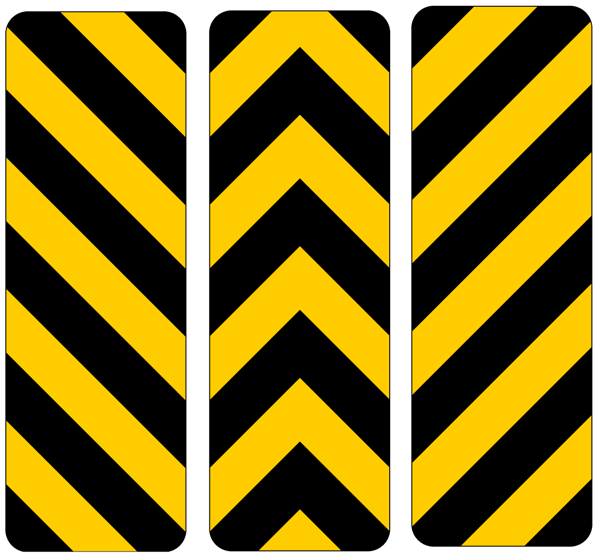
Object Markers
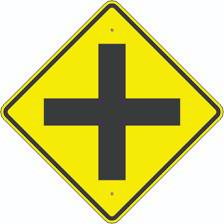
Intersection Ahead
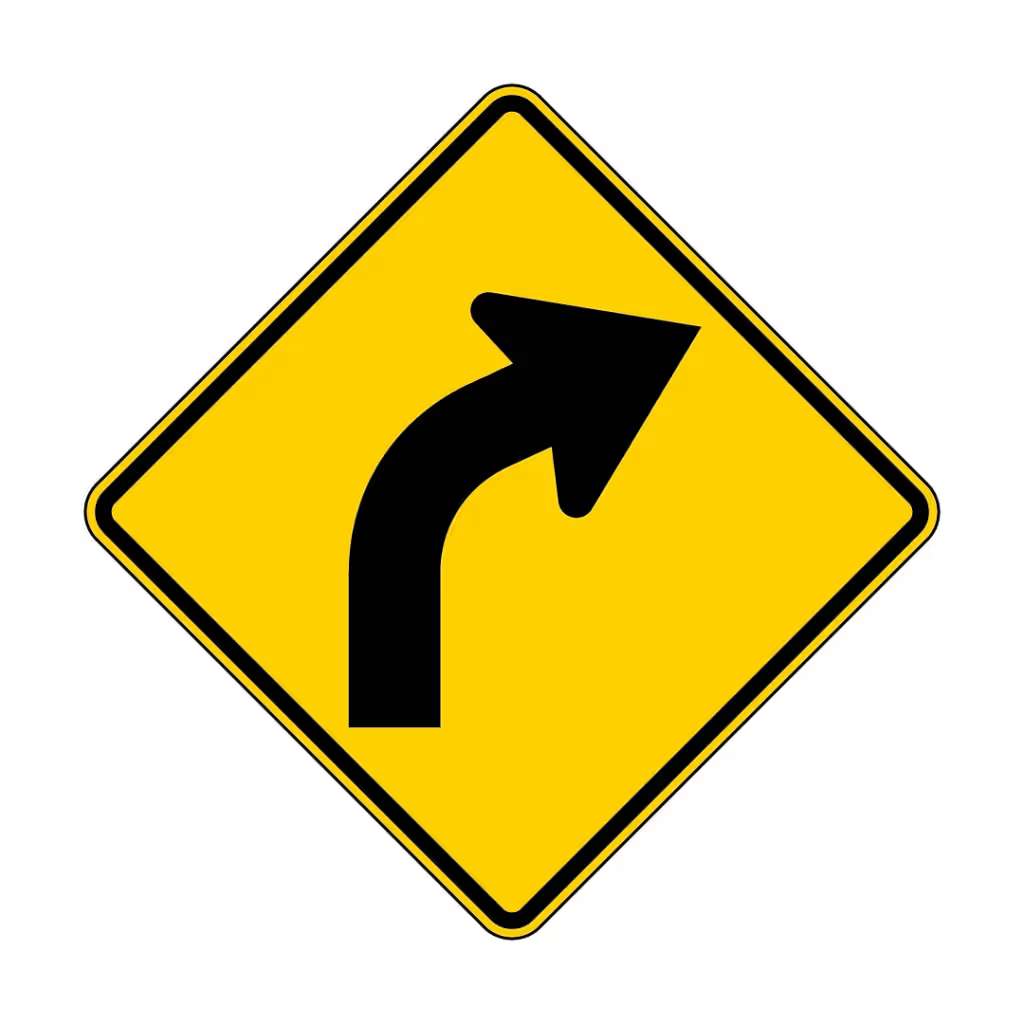
Curve Ahead
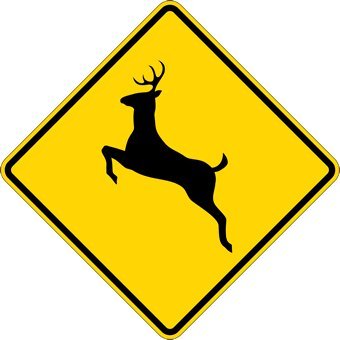
Deer
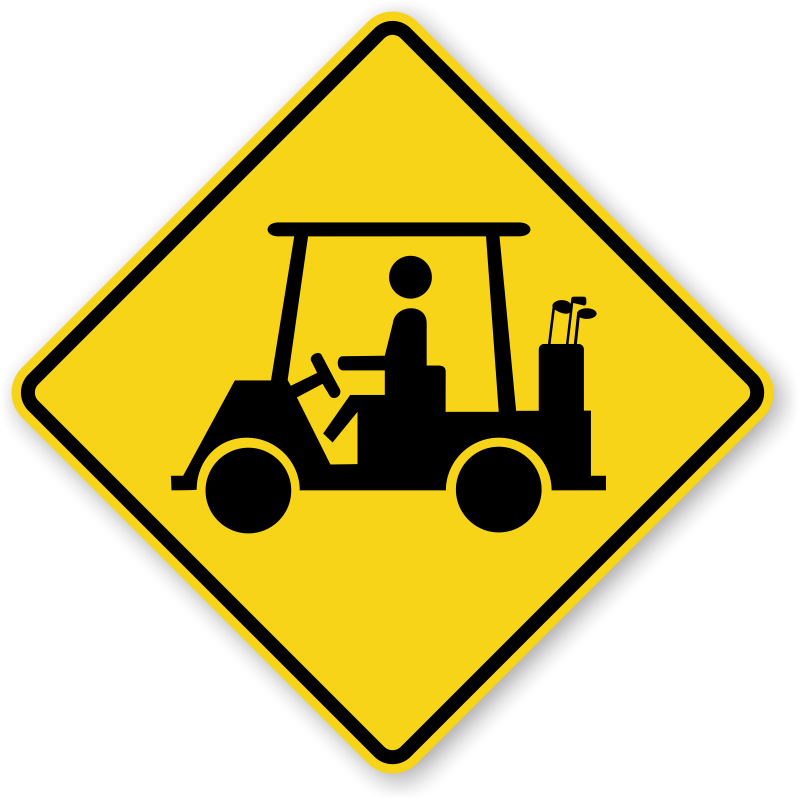
Golf Cart
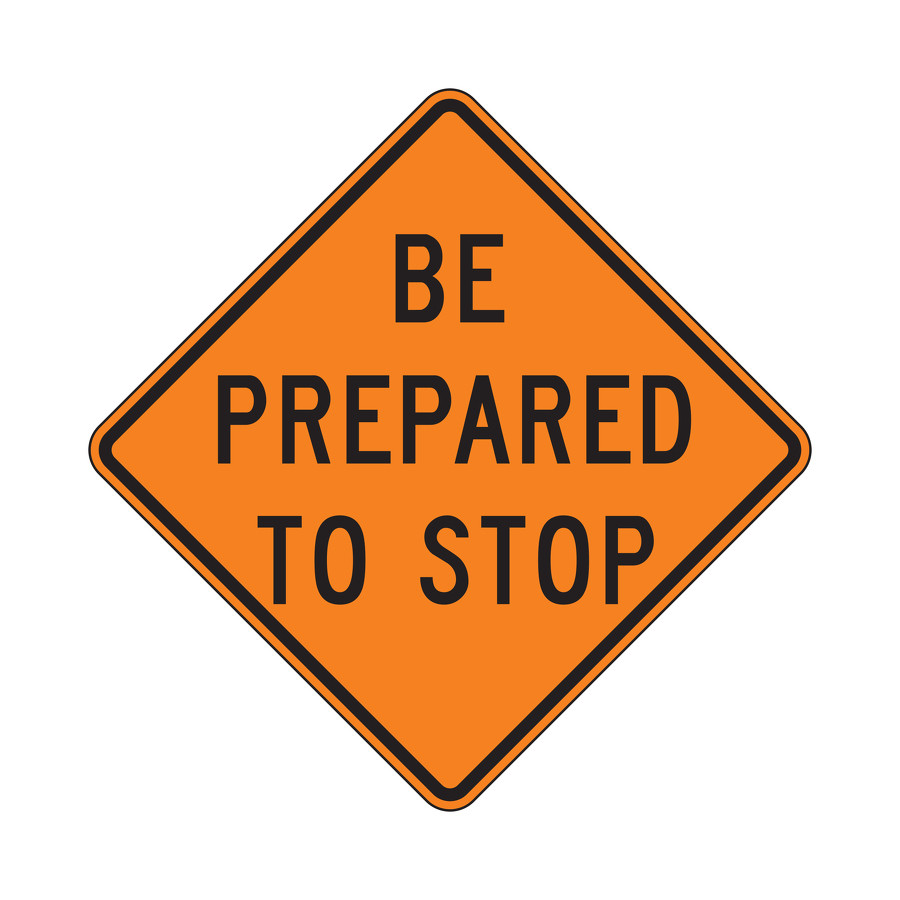
Prepare to Stop
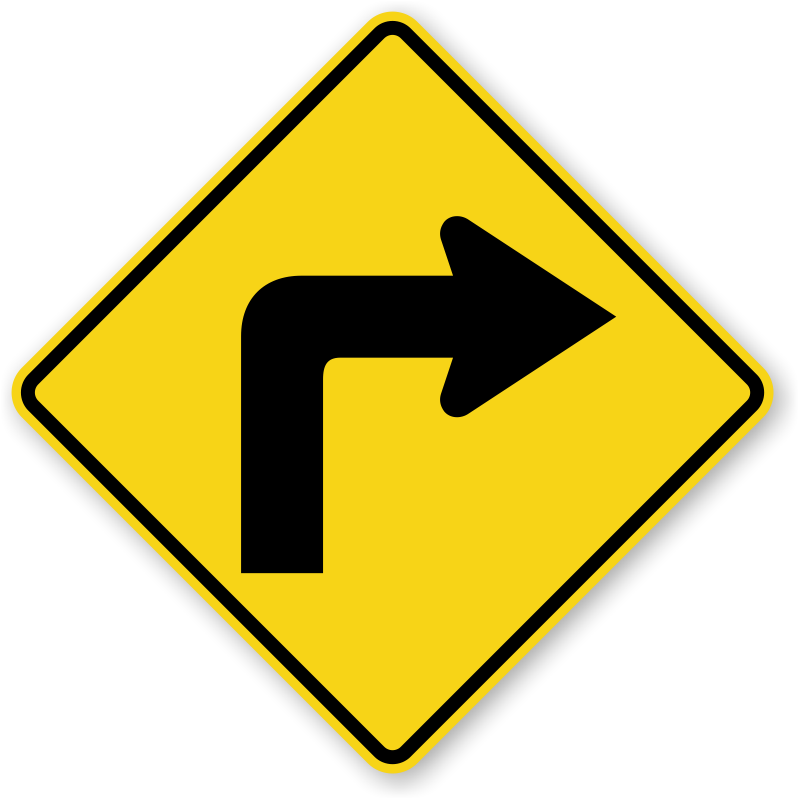
Sharp Turn Slow Down
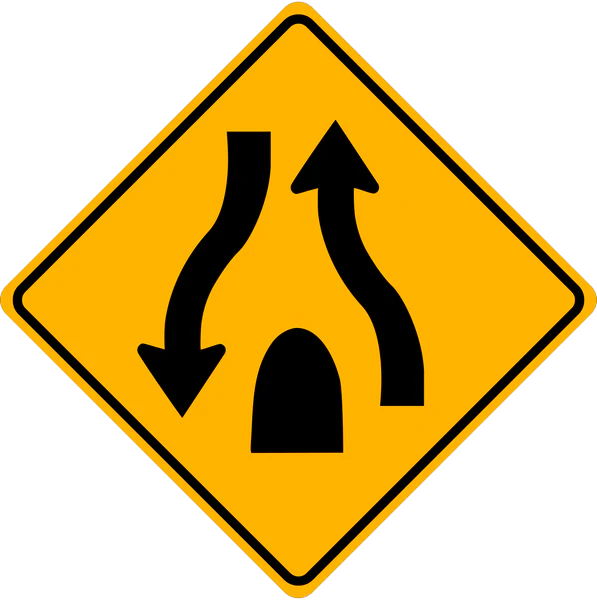
Divided Highway Begins
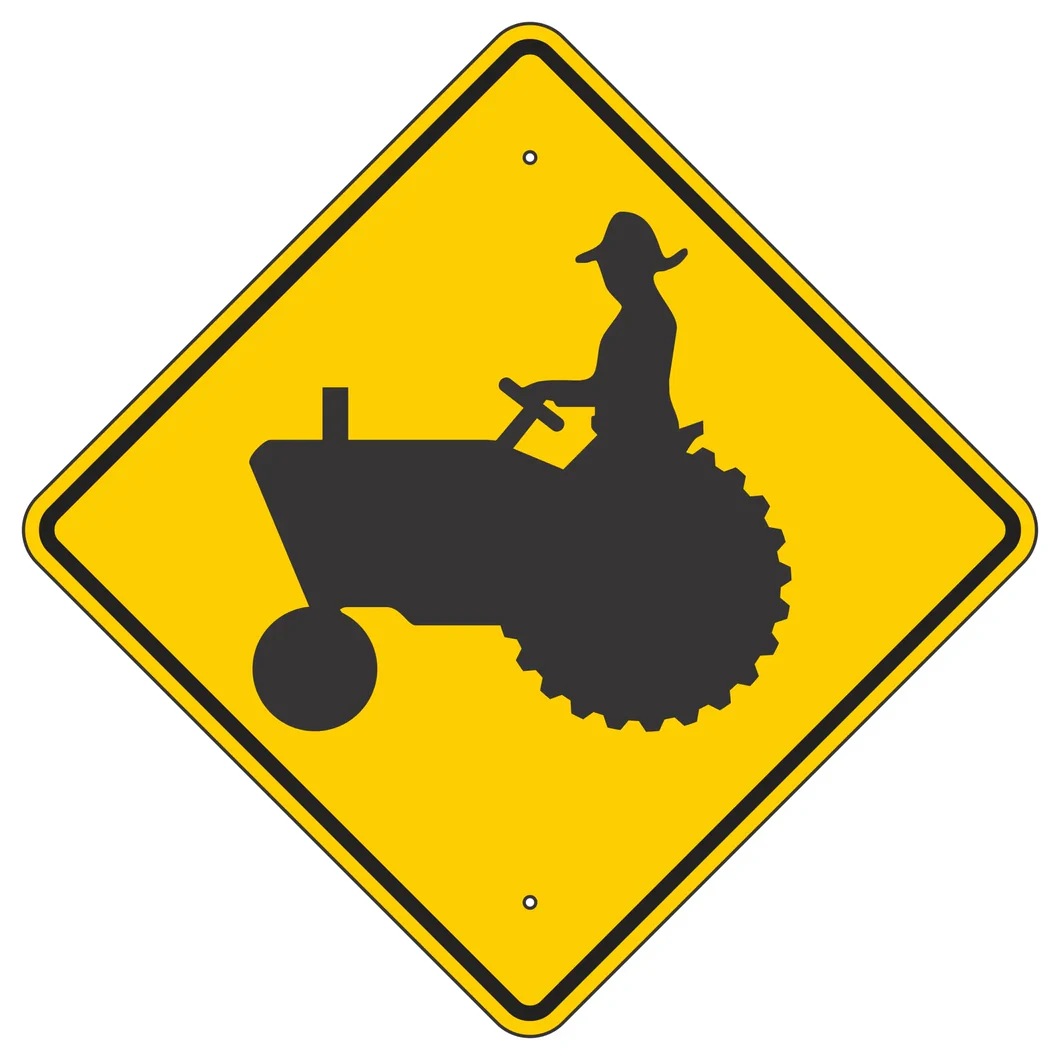
Farm Machinery
Fire Station
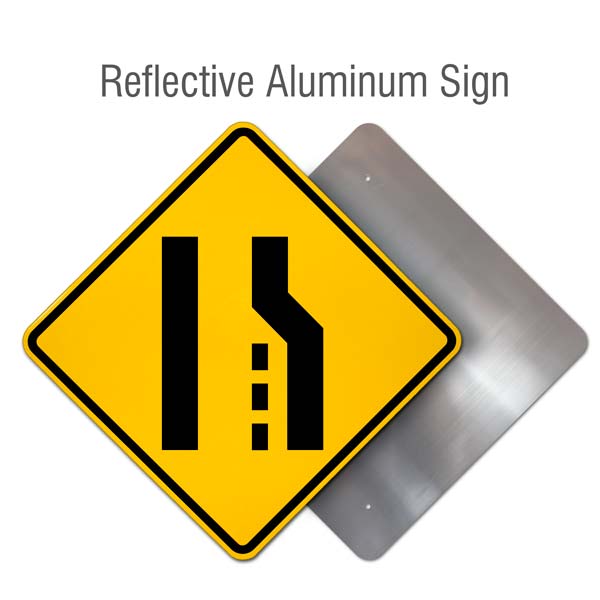
Lane Ends
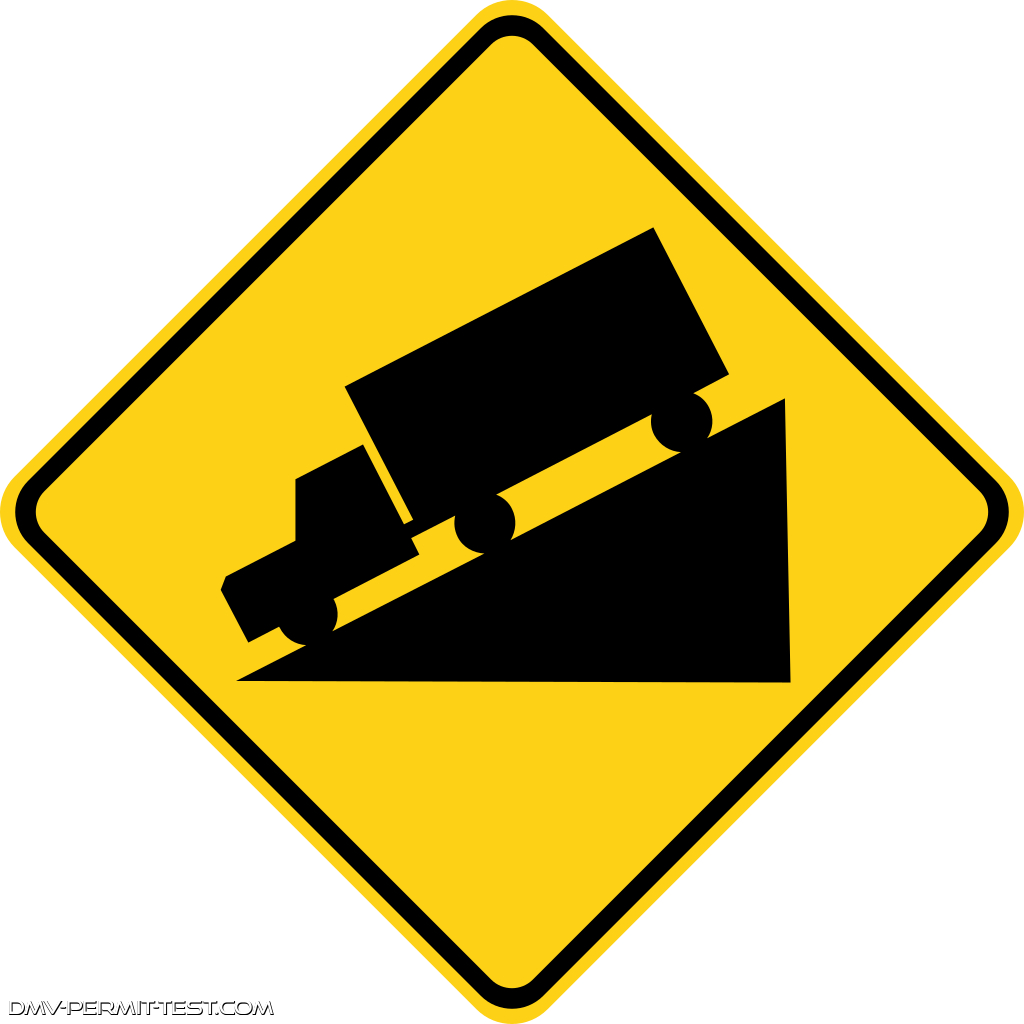
Steep Downgrade
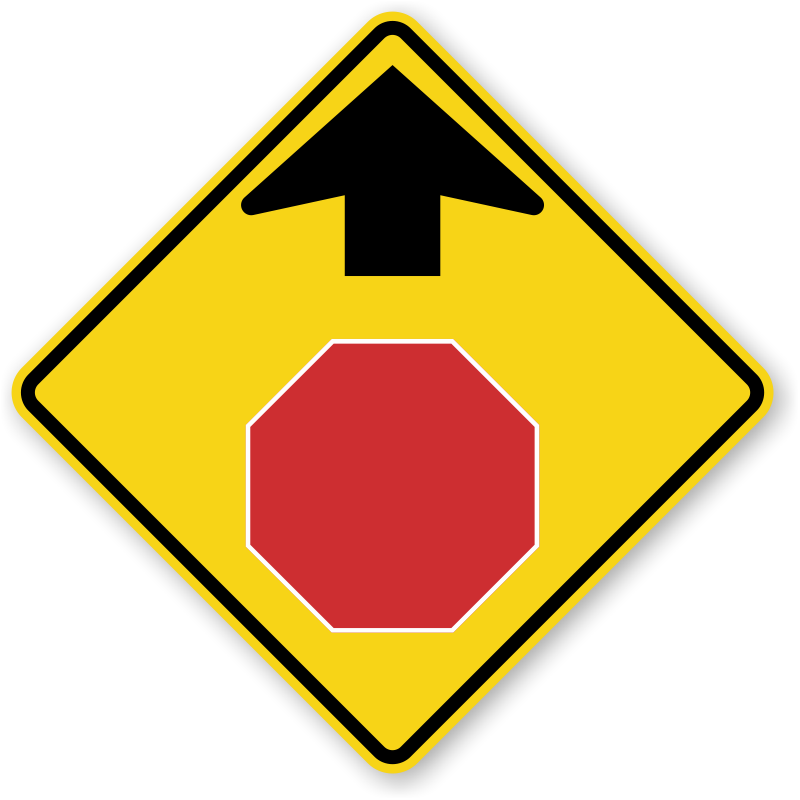
Stop Ahead
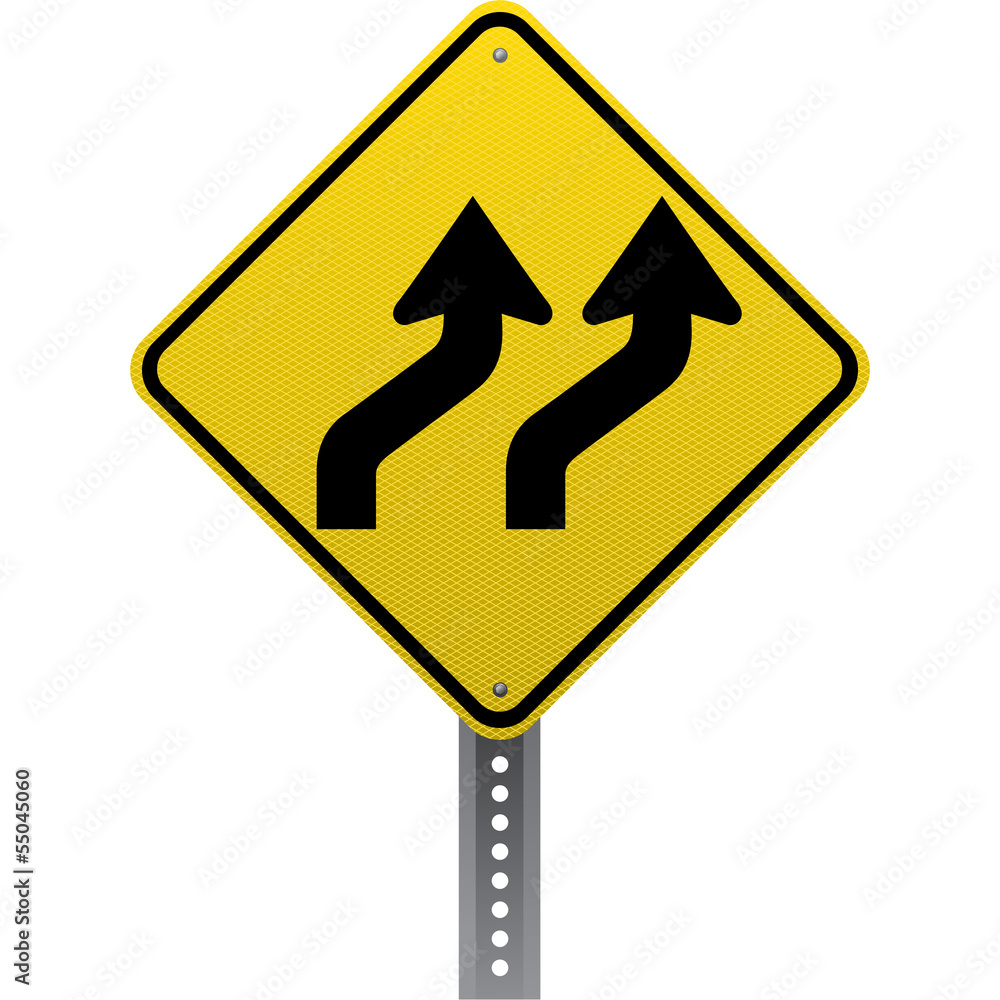
Lanes Shifting
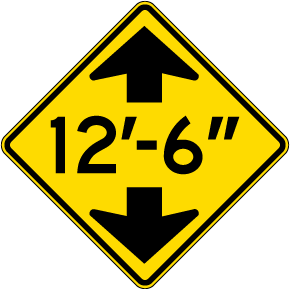
Low Clearance
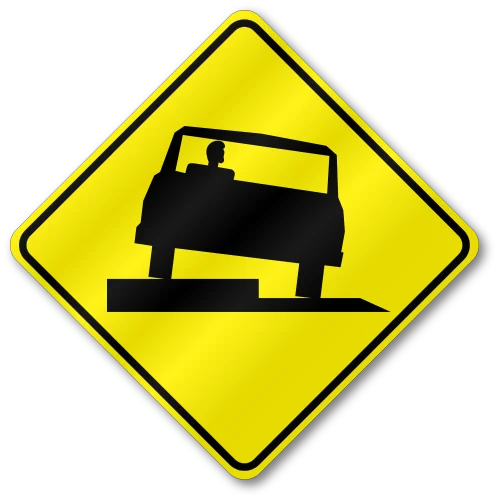
Low Shoulder
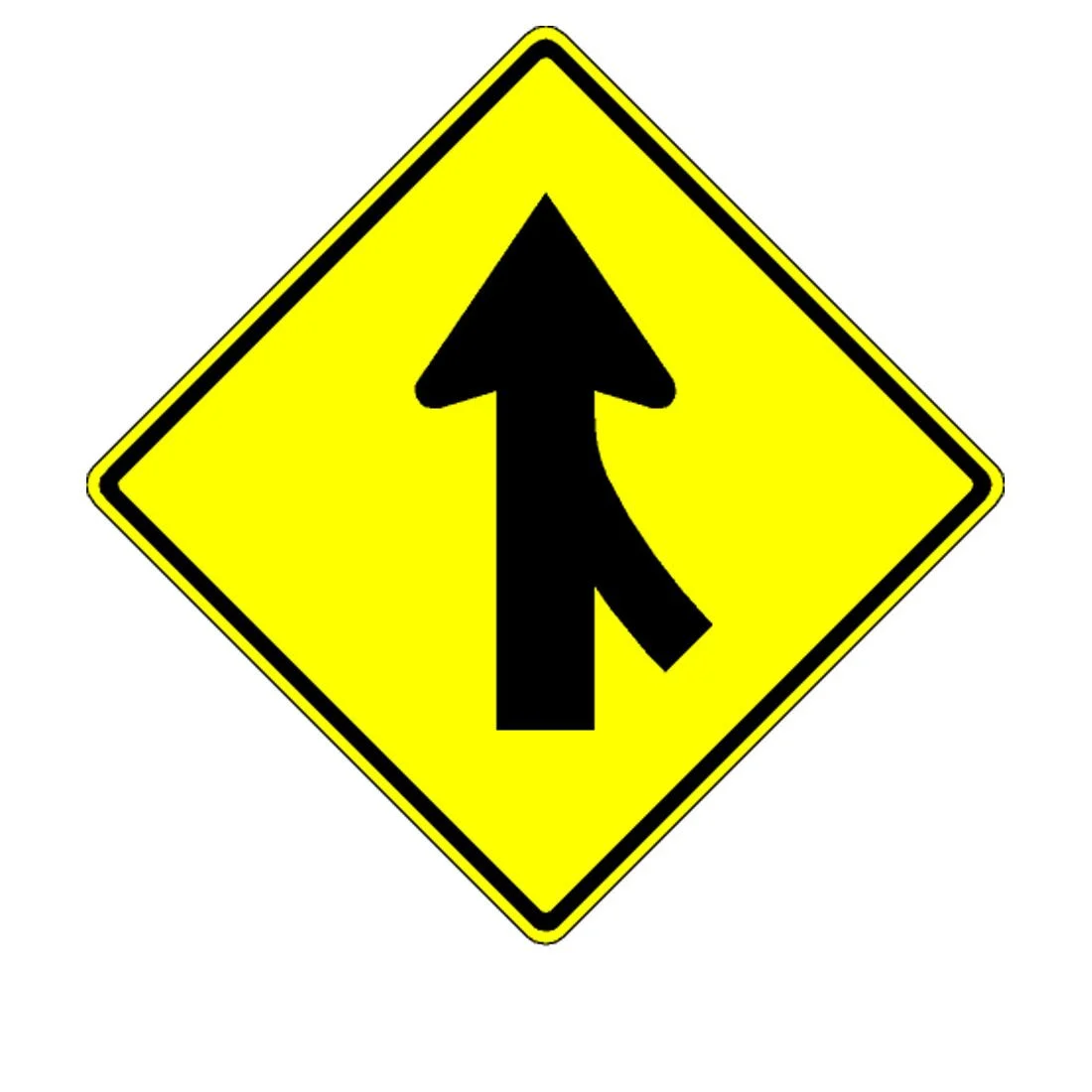
Merging Traffic
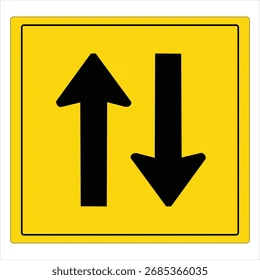
Two Way Traffic
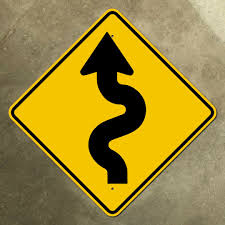
Winding Road
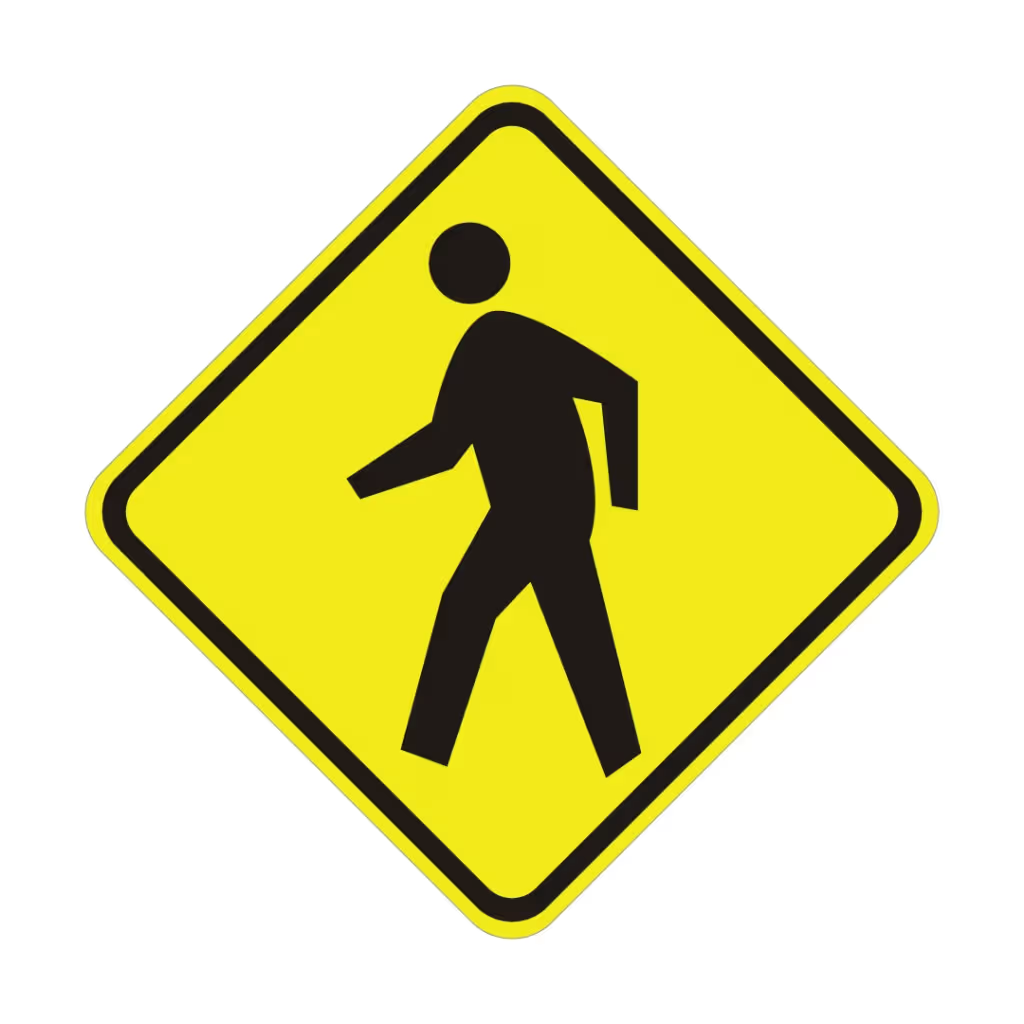
Pedestrian
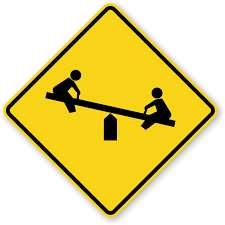
Playground Warning
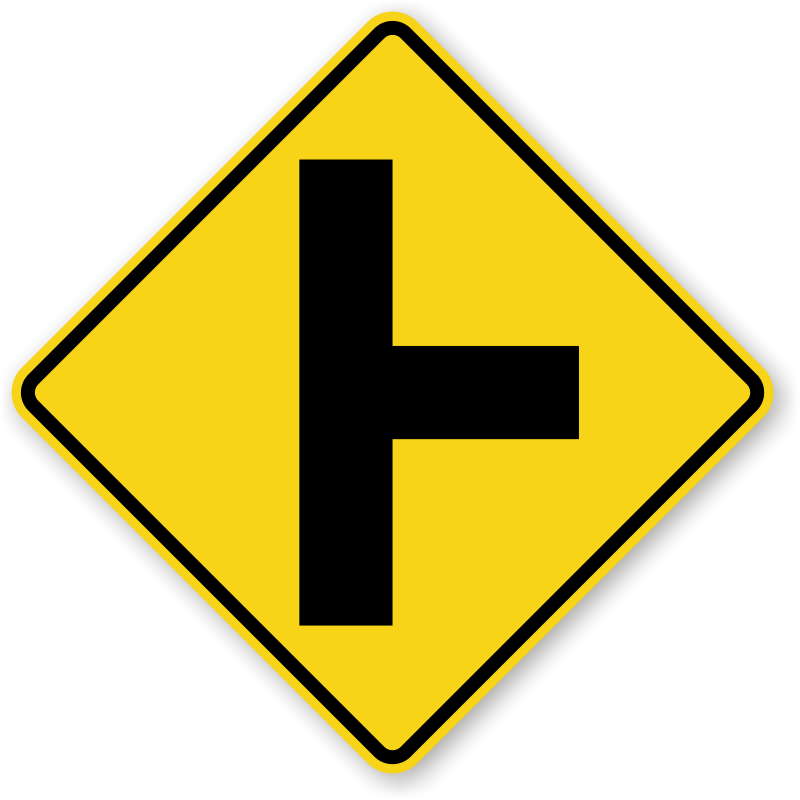
Side Road
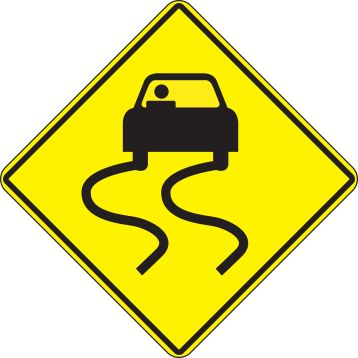
Slippery When Wet
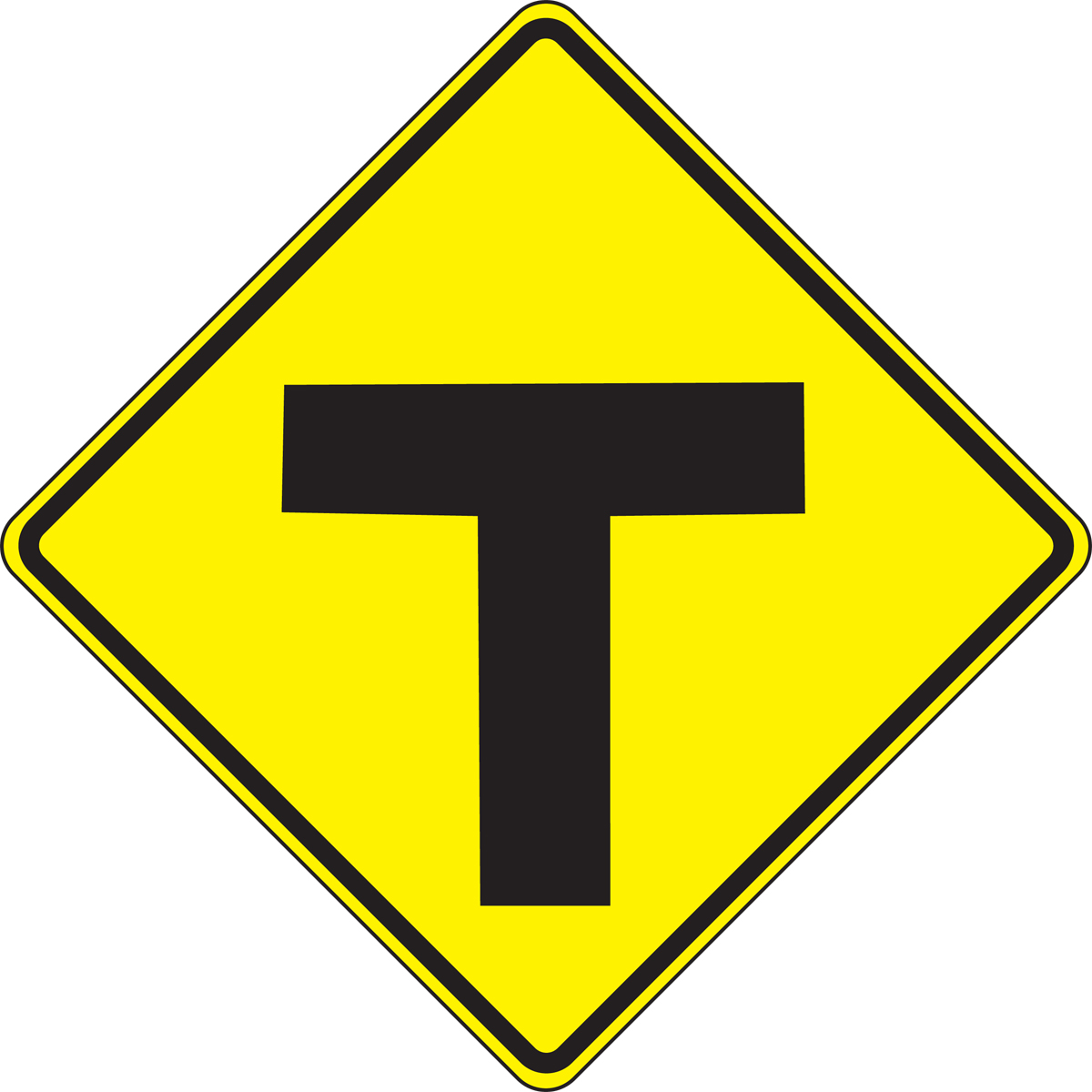
“T” Intersection
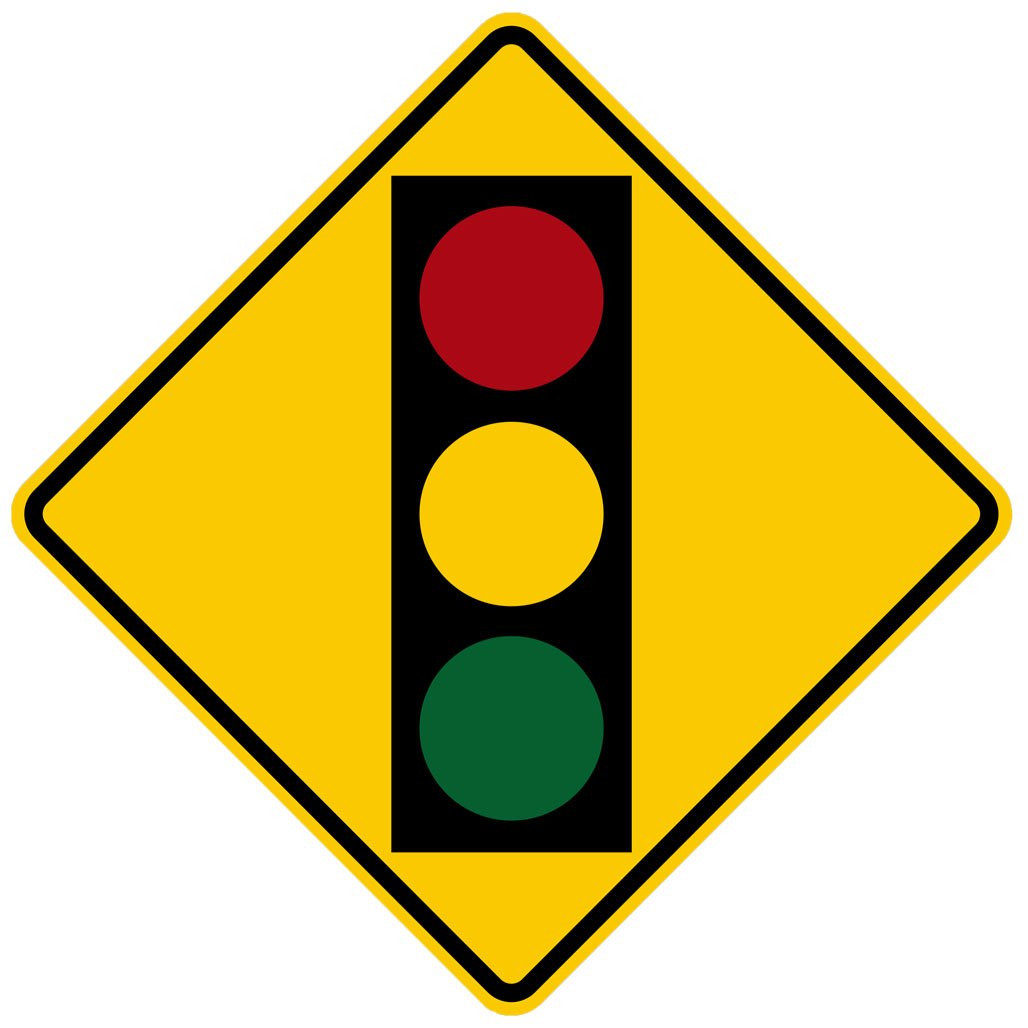
Traffic Signal
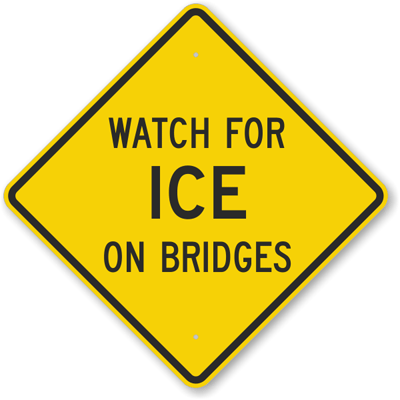
Watch for Ice on Bridges
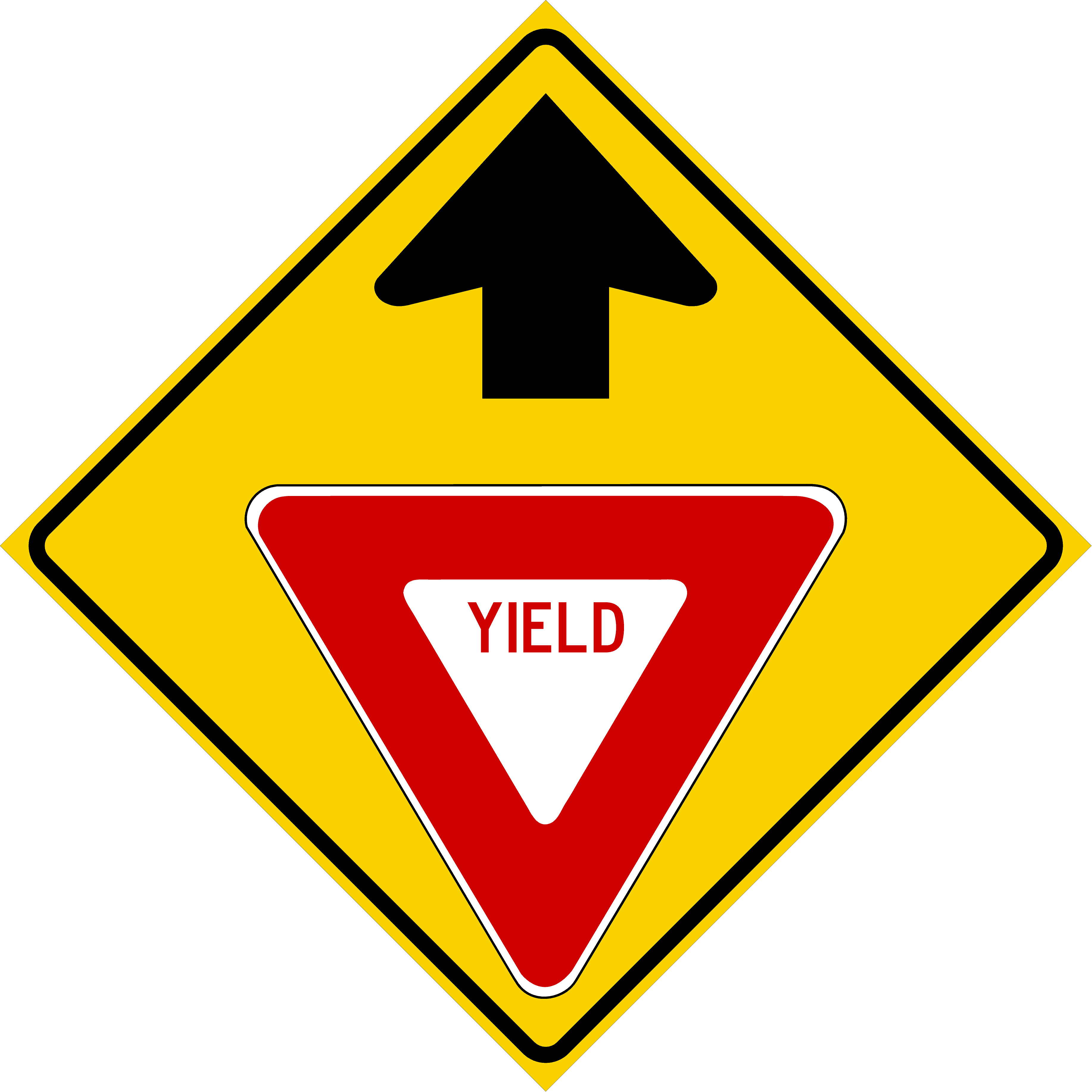
Yield Ahead
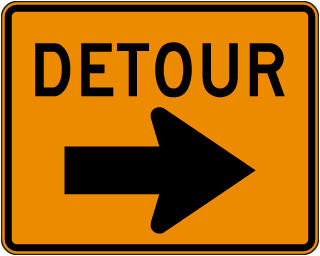
Detour
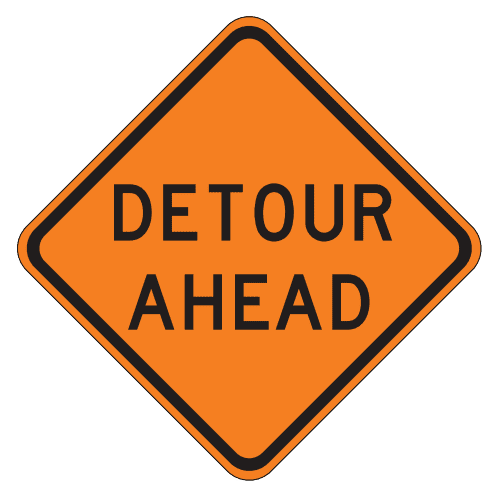
Detour Ahead
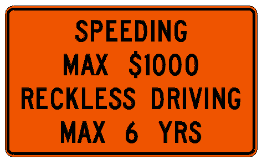
Worksite Added Penalties
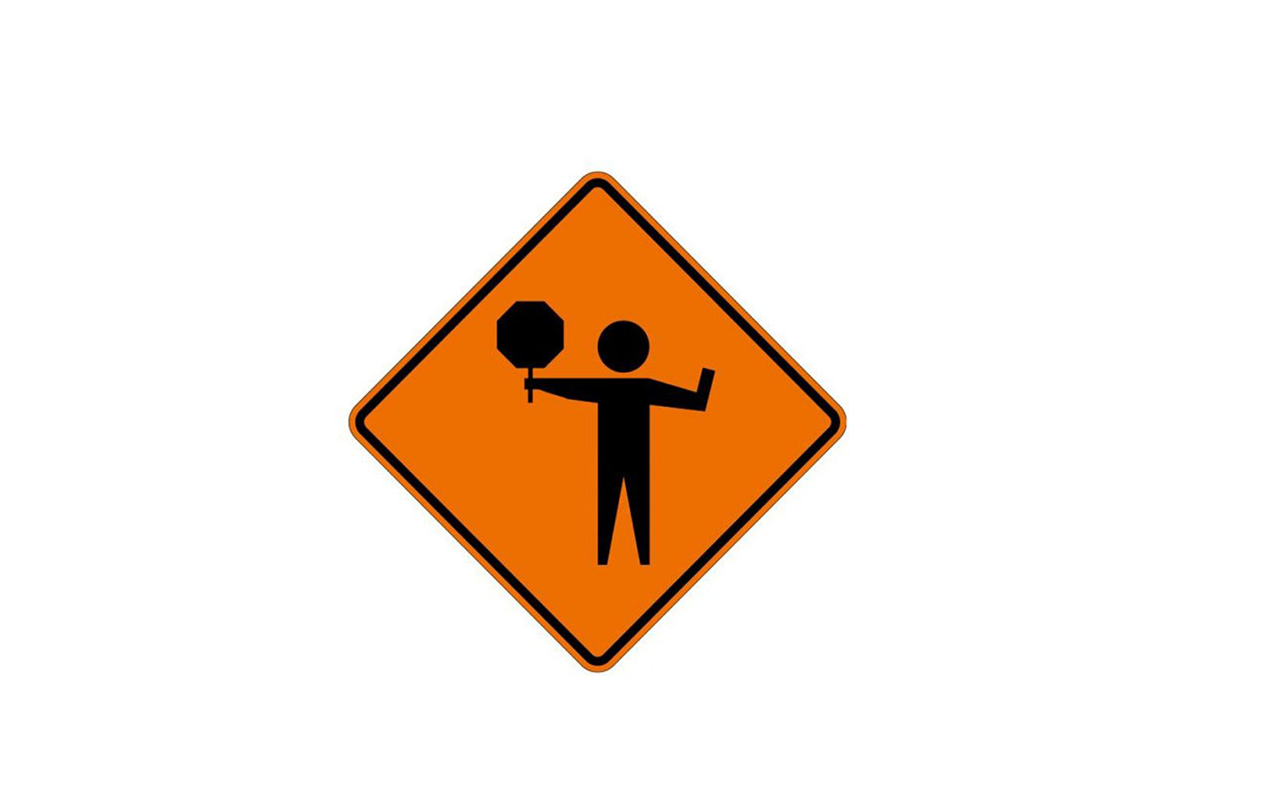
Flagger Ahead
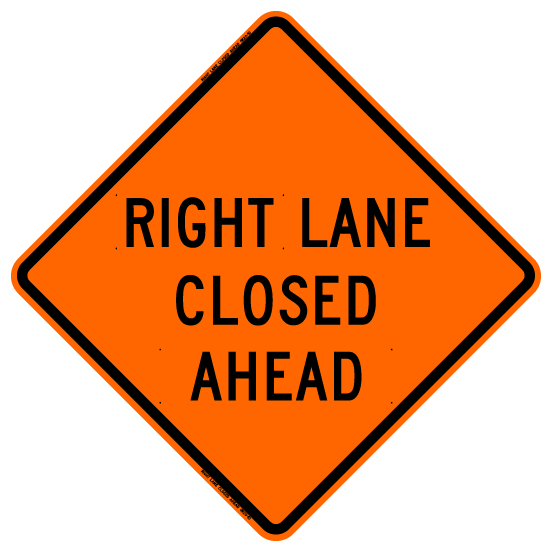
Right Lane Closed Ahead
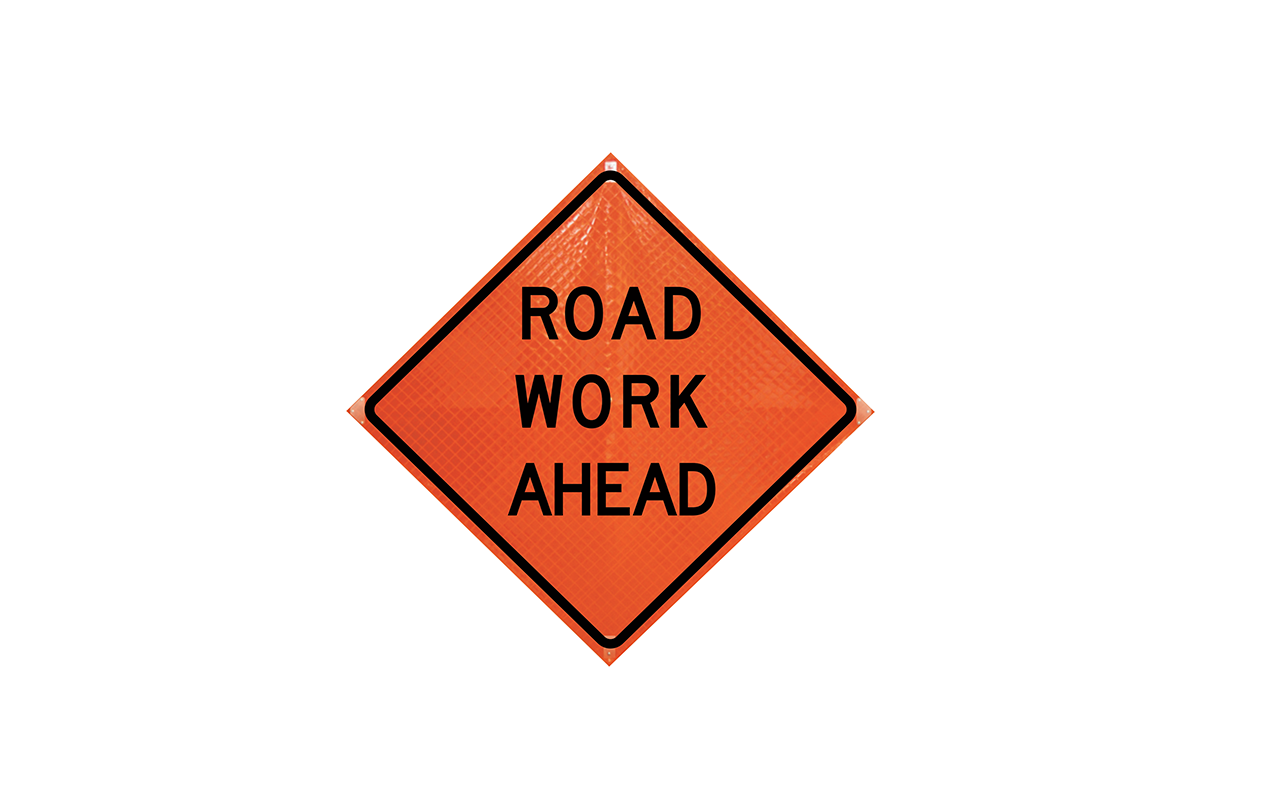
Road Work Ahead
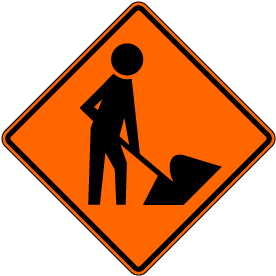
Work Crew Ahead
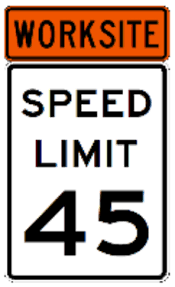
Worksite Speed Limit
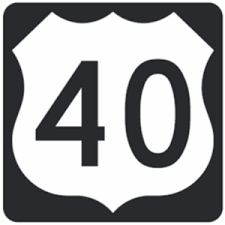
US Highway Sign
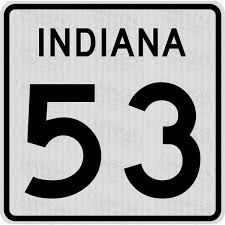
State Road
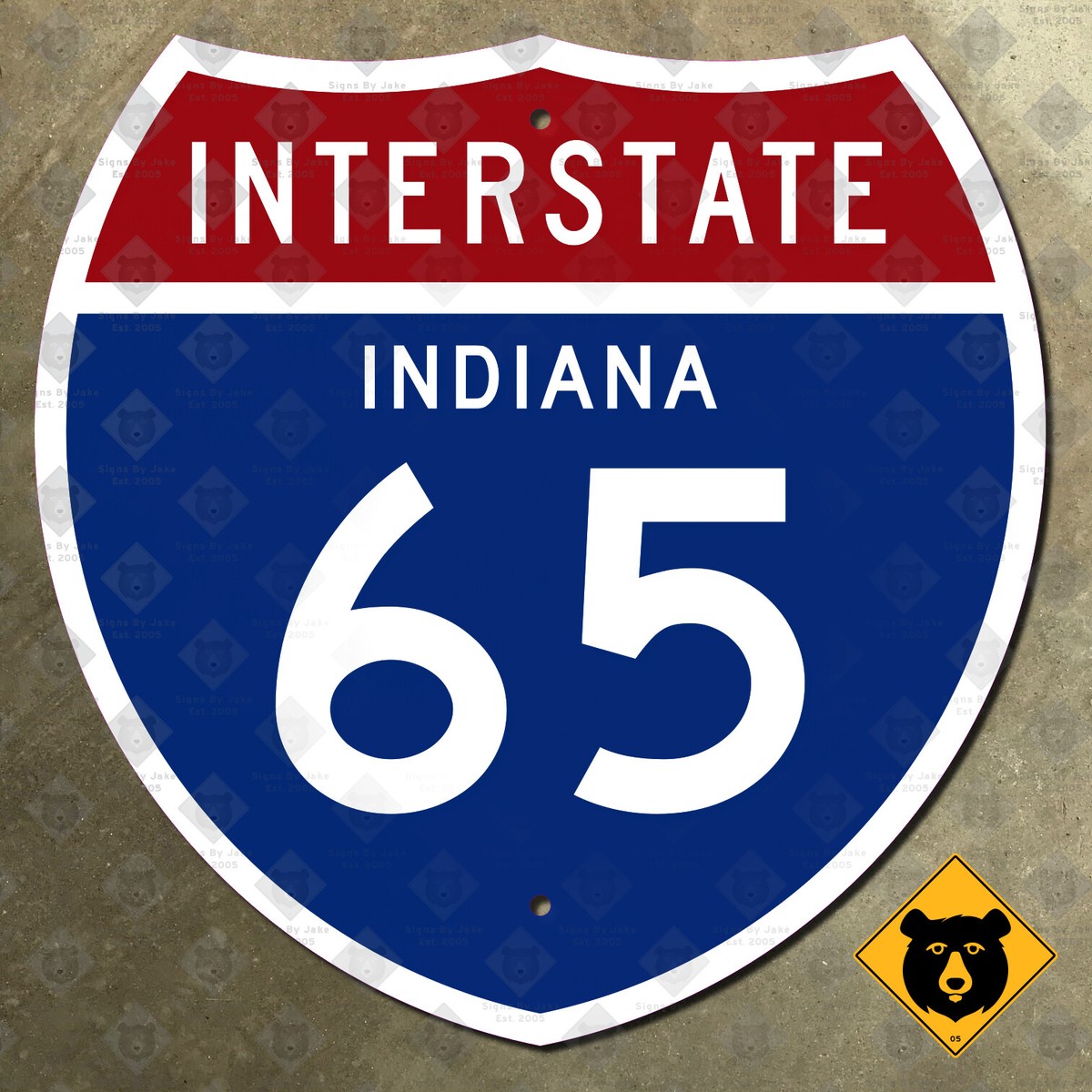
Interstate