Abdominal and GU Trauma - Exam 4
 Call Kai
 Learn
Learn Practice Test
 Spaced Repetition
 Match
Match Flashcards
 Knowt Play
1/73

There's no tags or description
Looks like no tags are added yet.
Name | Mastery | Learn | Test | Matching | Spaced | Call with Kai |
|---|
No analytics yet
Send a link to your students to track their progress
74 Terms
What does this refer to
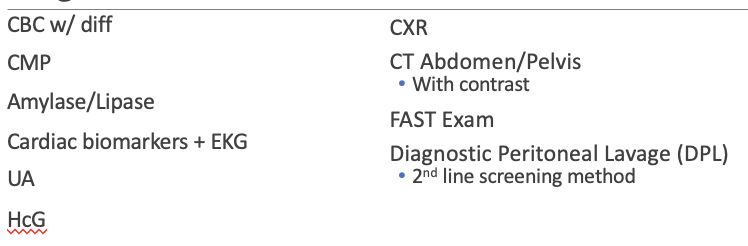
Diagnostics for abdominal and GU trauma
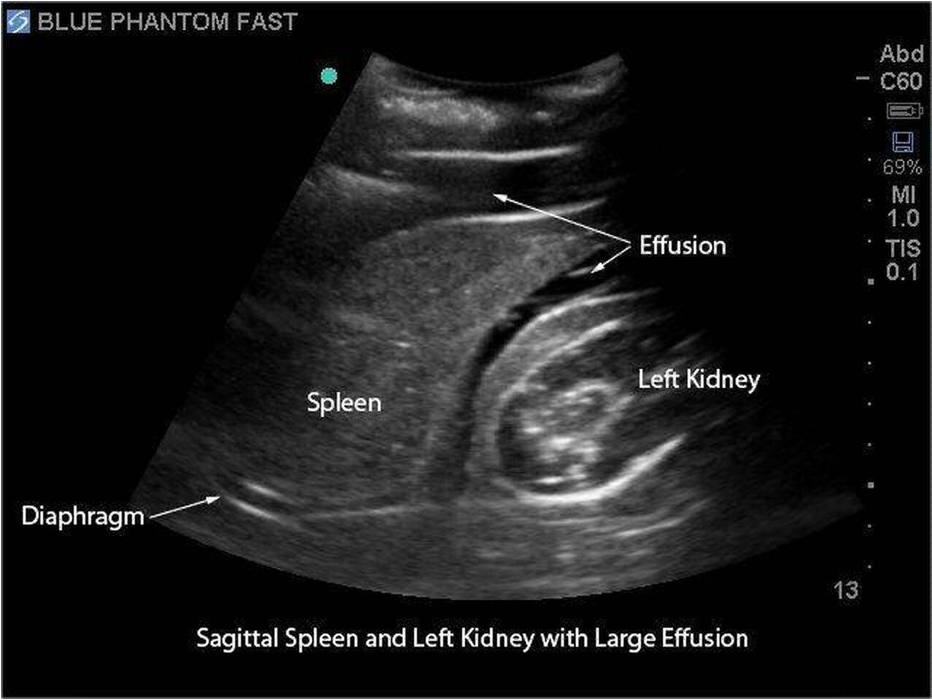
What does this refer to
Accurate, sensitive and specific
Rapid (< 4 mins)
Non-invasive
Repeatable
Portable
No nephrotoxic contrast
No radiation exposure
Can be used in cardiothoracic exam
FAST exam
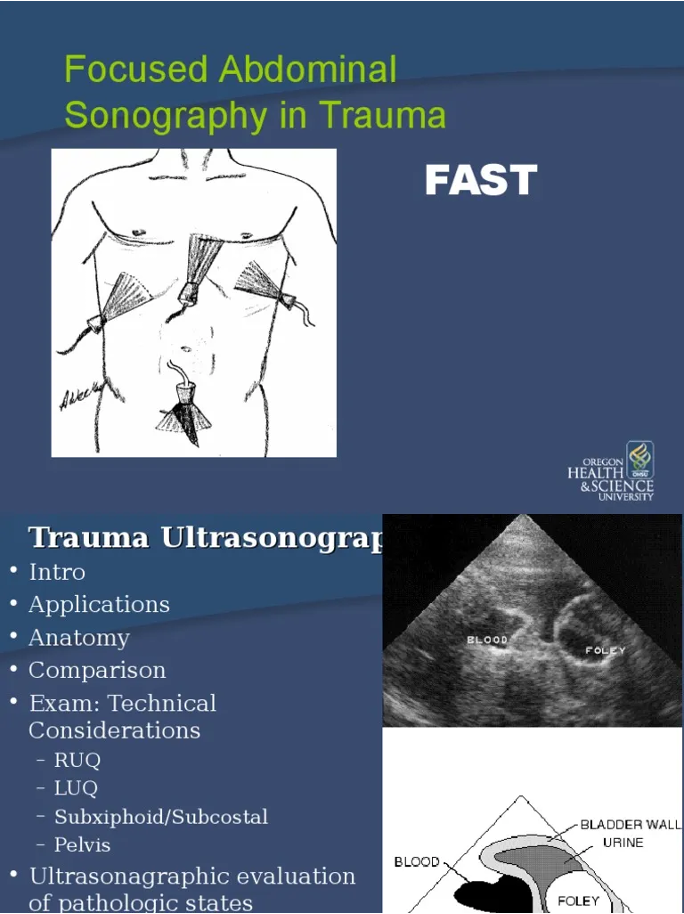
What does this refer to
Precisely locate abdominal lesions
Can evaluate retroperitoneum better
Identify injuries that can be managed non-operatively
Non-invasive
CT
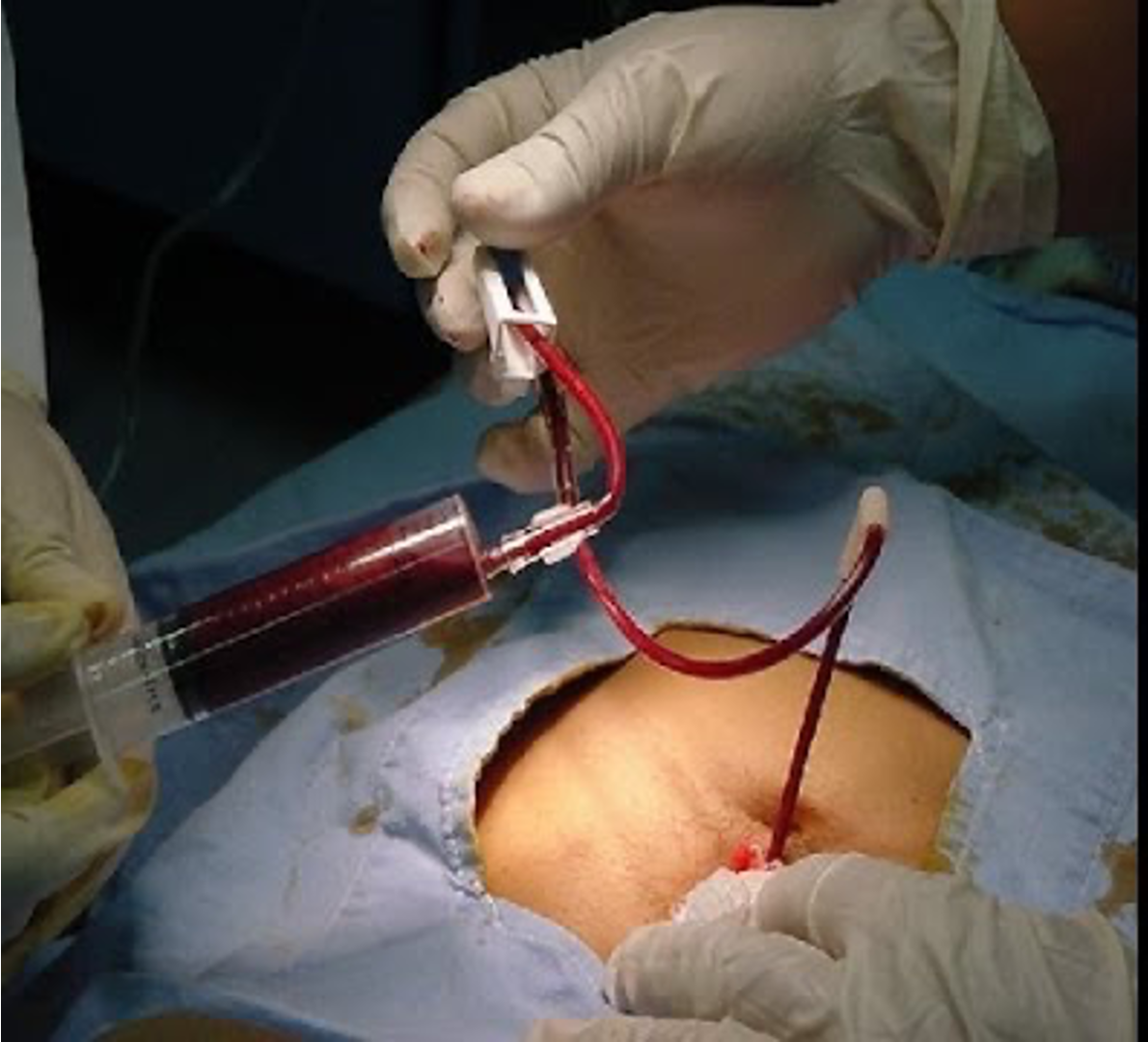
What does this refer to
Indications for use
Hypotension in the setting of blunt force abdominal trauma
Sensitivity and availability are good
Diagnostic Peritoneal Lavage (DPL)
What does this refer to
Blunt and/or penetrating
Solid or hollow abdominal organs
Evisceration
Often external trauma may be a distracting injury
Look for other abd trauma as well
Lower left rib fx increase suspicion for splenic injury
Abdominal trauma
What does this refer to
Produce sx by blood loss and peritoneal contamination
Perforation
Stomach
Small bowel
Colon
Blow-out injury of the antimesenteric border
Penetrating trauma
Small bowel & colon
Hollow Visceral trauma
What does this refer to
Bucket-handle tear of
Suppurative peritonitis may develop from small bowel and colonic injuries
6-8 hours post accident
Deceleration trauma
What does this refer to
MC organs are spleen followed by liver, and small bowel.
Blunt Abdominal Trauma
What does this refer to
Subcutaneous emphysema
Peritoneal irritation
Pain throughout abdomen
Radiating to neck, chest and shoulders
Esophageal injruy
What does this refer to
Severe epigastric or abdominal pain, LUQ pain
Tenderness
Signs of peritonitis secondary to release of gastric contents.
Gastric injury
What does this refer to
Mesenteric injury of the intestine
Intestine itself separates from the mesentery
Leaves a devascularized segment of bowel that looks like the handle on a bucket
MVC is MC cause
Driver > Passenger
RLQ pain is common
Bucket Handle Injury
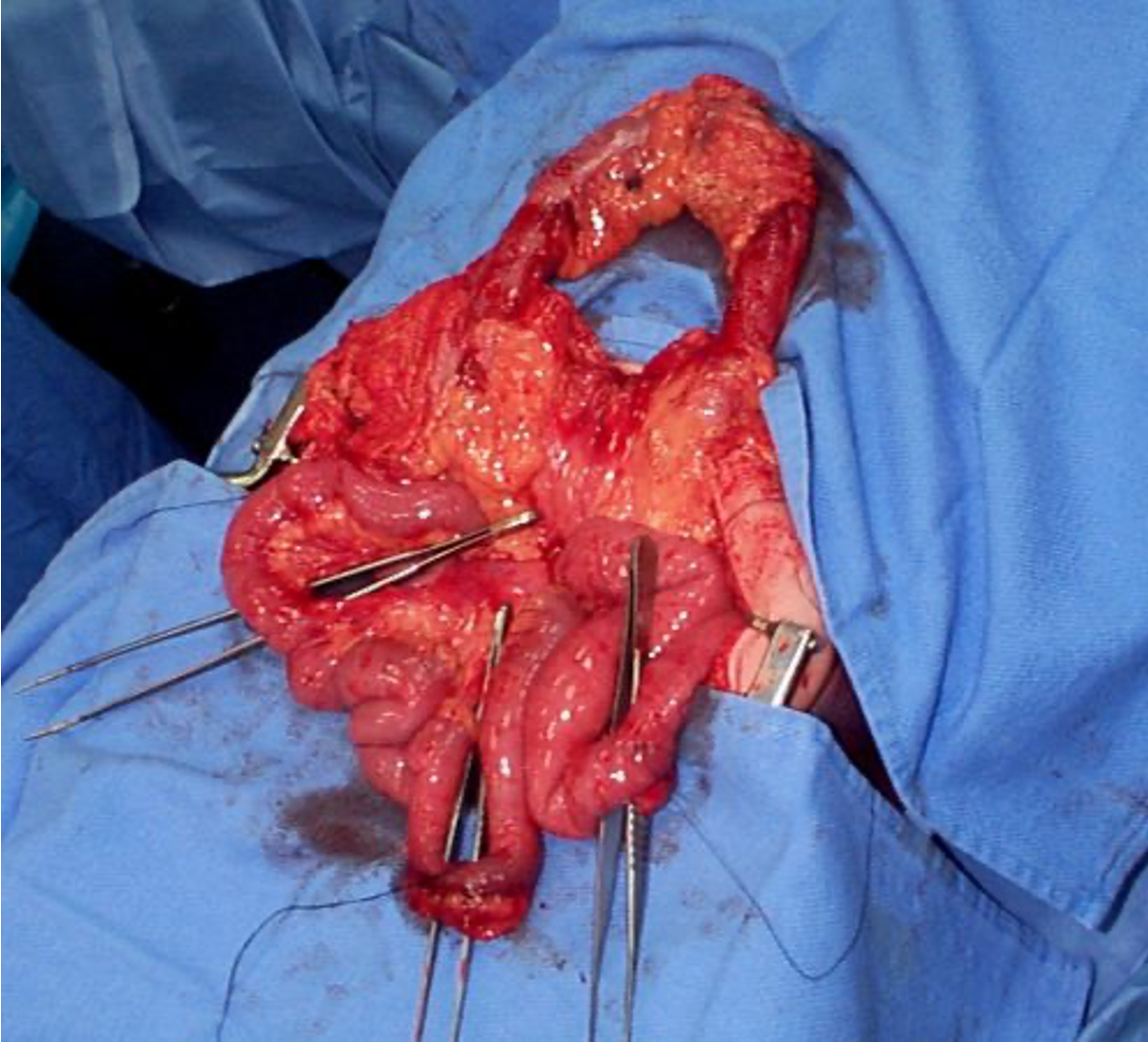
What does this refer to
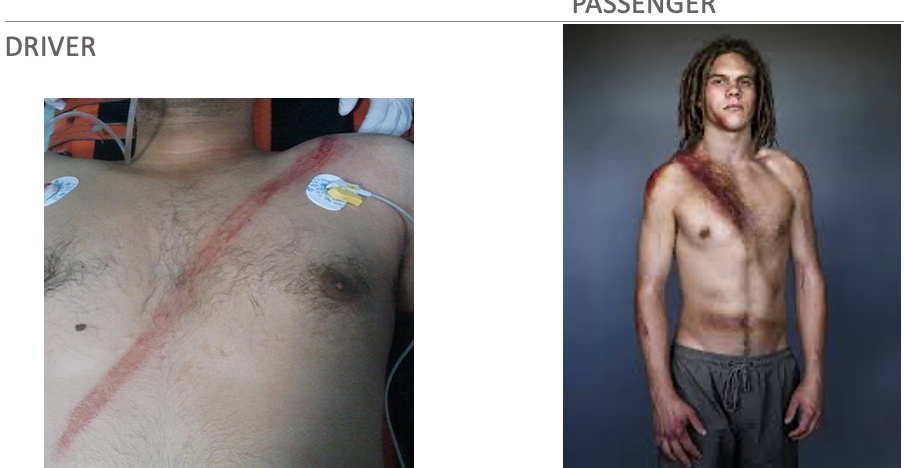
Seatbelt Trauma
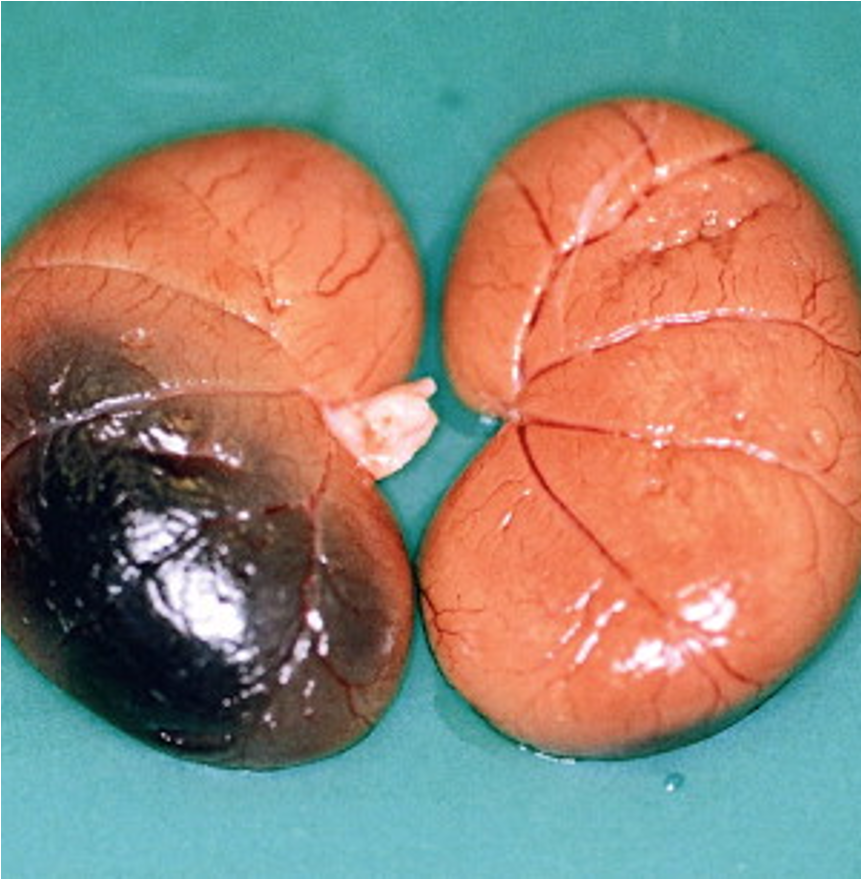
What does this refer to
High speed vertical or horizontal deceleration trauma
Duodenal injuries
Injuries range in severity
Intramural hematoma
Extensive crush or laceration
Presentation includes
Abdominal pain
Fever
Nausea
Vomiting
Retroperitoneal Injuries
What does this refer to
Perforation of the diaphragm is insidious
Bowel sounds in the thorax is diagnostic
Herniation of abdominal contents into thorax
Findings on CXR
NG tube on CXR coiled in the thorax (rare)
MC blurring of the diaphragm or an effusion
Diaphragmatic injury
What does this refer to
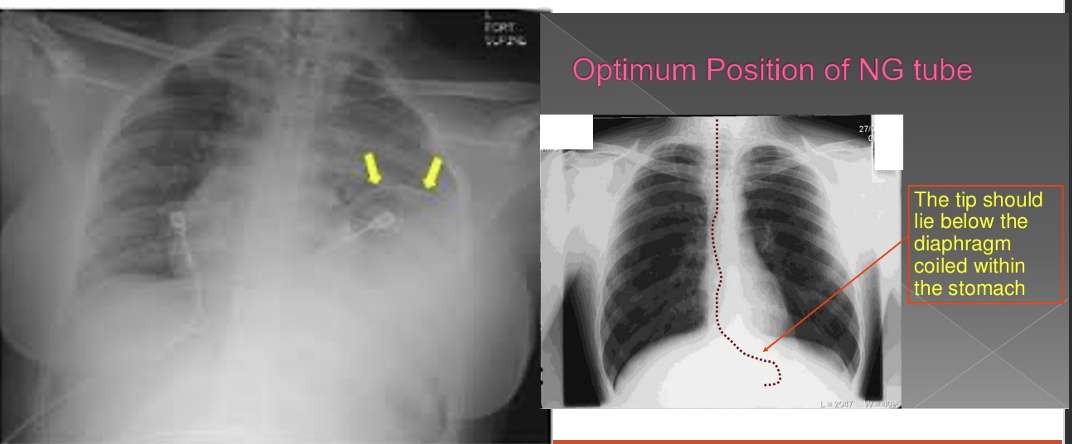
Diaphragmatic Rupture
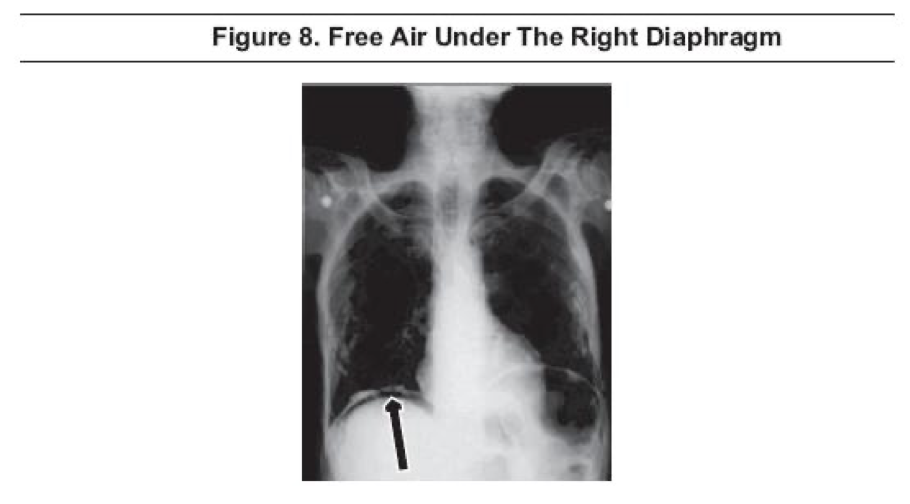
What does this refer to
Pneumoperitoneum
What does this refer to
Inspection THEN Auscultation THEN Percussion THEN Palpation
Percussion – where do you expect dullness v tympany?
Palpate the abdomen
Tenderness
Distention
Rigidity
Guarding
Voluntary?
Involuntary?
Assessment of abdominal and GU trauma
What does this refer to
Purplish discoloration
Flanks (Grey Turner’s sign)
Umbilicus (Cullen’s sign)
Obvious wounds or ecchymosis of the lumbar or flank areas
Damage to retroperitoneal or abdominal organs.
Assessment Inspection
What does this refer to
Presence of bowel sounds in unlikely locations
Chest cavity
Diminished or absent bowel sounds may indicate an ileus or peritonitis.
Assessment Auscultation
What does this refer to
________ identifies the presence of air, fluid, or tissue.
Assessment Auscultation
What does this refer to
Tenderness is the most frequent and reliable sign of intraabdominal injury
Rebound tenderness present
Don’t seek additional evidence of irritation
May cause the patient further & often unnecessary pain
Voluntary guarding – unreliable exam
Involuntary guarding
Reliable sign of peritoneal irritation
Assessment Palpation
What does this refer to
Admit
Transfer
Discharge
Penetrating Disposition
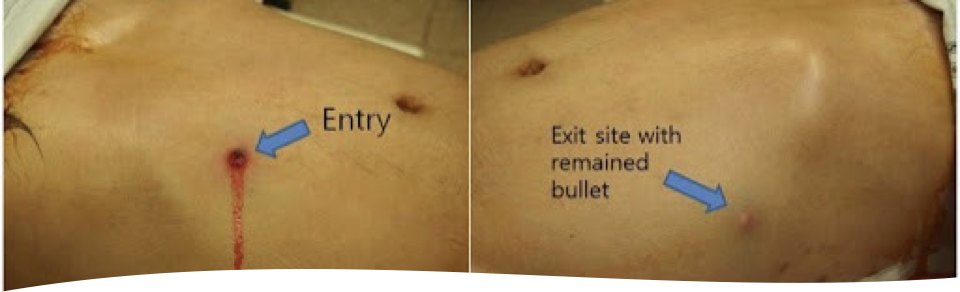
What does this refer to
Stab wounds/low energy GSW
Lacerating and tearing
High energy GSW
Transfers greater kinetic injury
Increased damage around the track of the missile
Penetrating Trauma
What does this refer to
Dependent Factors
Mechanism and location of injury
Hemodynamic and neurologic status of the patient
Associated injuries
Institutional resources
Stop the bleeding / plug the holes
After the physical exam – cover the patient with warm blankets
Definitive Tx
Ex-lap in the OR
Observation
Penetrating Trauma Treatment
What does this refer to
What does this refer to
Saddle injury
Penile fx
Blunt trauma
What does this refer to
GSW or stabbing
Penetrating trauma
What does this refer to
Foley
Iatrogenic
What does this refer to
Injuries to the iliac vessels, bladder, sigmoid colon, renal pelvis and the transverse processes of the lumbar spine should raise suspicion of ureteral trauma
Any patient who presents with hemodynamic instability due to abdominal, flank or back trauma
Urethral Injury
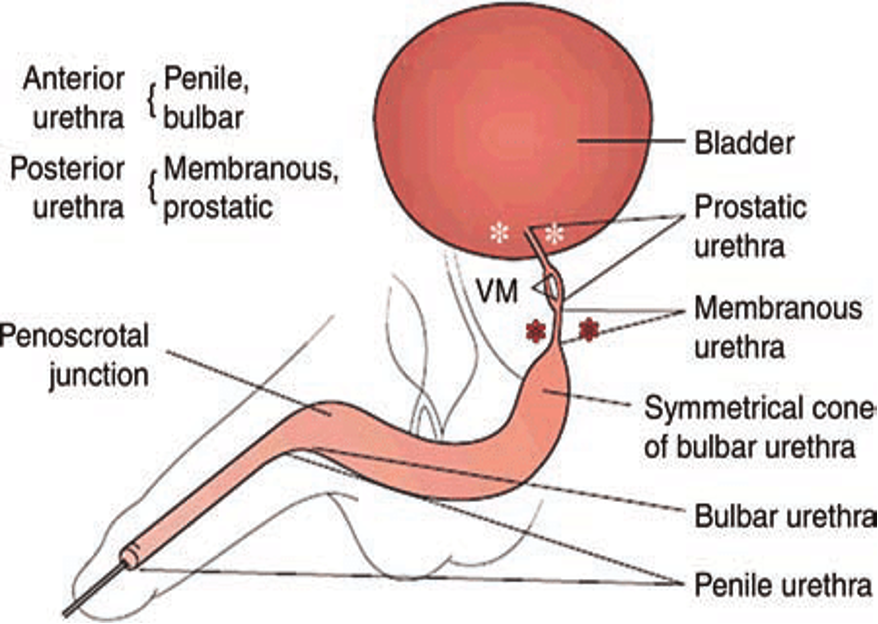
What does this refer to
Male urethra divided by the urogenital diaphragm
Anterior
Posterior
Male Urethral Anatomy
What does this refer to
Disruption of the posterior urethra accompanies 10% to 25% of pelvic ring fx
80% to 90% of posterior urethral injuries occur in combination with pelvic fx
GU Trauma
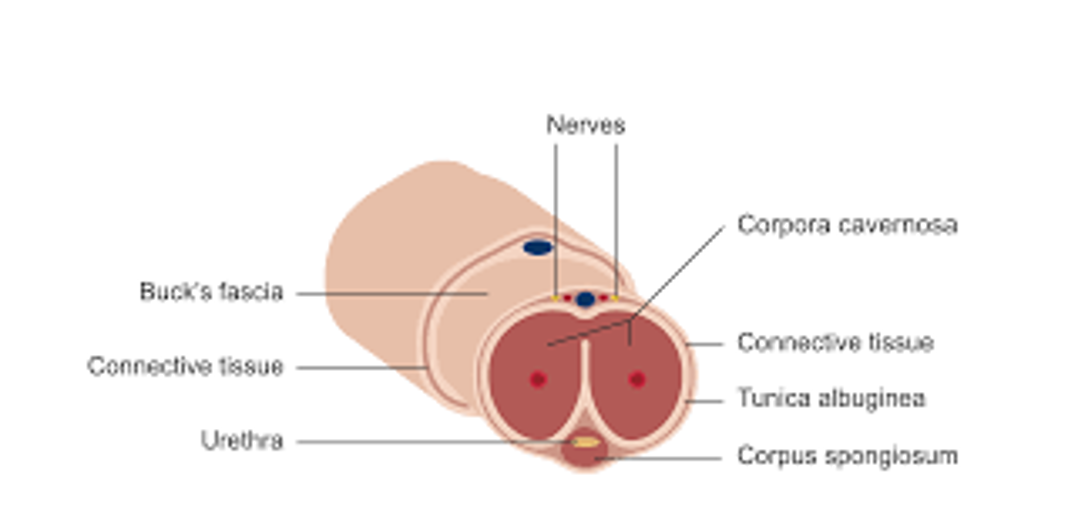
What does this refer to
Urethral rupture —> Blood present at the urethral meatus
Contraindication for foley catheter
Indication for foley
Inability or difficulty with voiding
Palpable, distended bladder
Hematoma in sleeve distribution (along shaft of penis) – distal urethral injury
Buck’s fascia intact
Butterfly hematoma (with extravasation into scrotum) – distal urethral injury
Buck’s fascia is not intact
Clinical Features of GU and Pelvic trauma
What does this refer to
Urethral injury
Palpable rectal mass in association with urine or blood extravasation in the perineal region OR
Presence of a cephalad or "high riding" prostate during digital rectal exam
Male Physical Exam
What does this refer to
Most females with an injury to the urethra present with incontinence
Vaginal exam with hematoma on the urethra or urine leak into the vagina
High suspicion for urethral injury
With females dx is confirmed in the OR during repair of pelvic fx
Female Urethral Injury
What does this refer to
Diagnostic urethral catheterization inappropriate
Introduce infection
Lead to increased incidence of stricture formation
Convert a partial urethral rupture to complete
Standard imaging study
Retrograde urethrogram
Extravasation of contrast along the urethra = disruption
Diagnostics of GU and pelvic trauma
What does this refer to
Primary goal of treatment
Achieve urinary continence while minimizing stricture formation
Avoid sexual impotence
Initial placement of a suprapubic catheter with delayed repair
Endoscopic primary alignment
Initial surgical exploration with bladder drainage
Urethral realignment occurring at a later time
Some consider this to be the gold standard
NOT UNIVERSAL
Treatment for GU and pelvic trauma
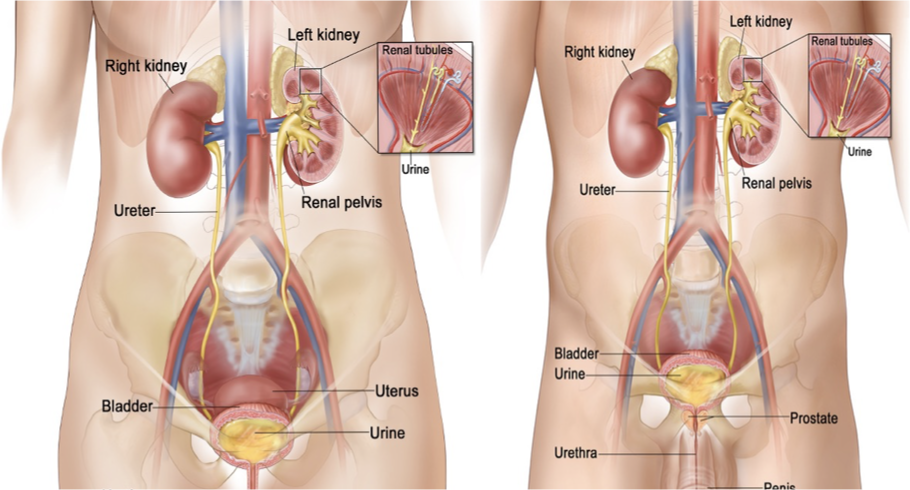
What does this refer to
Empty adult bladder lies almost entirely in the minor pelvis
Almost completely protected by the pelvic bones
As the bladder fills with urine – bladder more susceptible to injury
Fundus distends
Dome of the bladder rises out of the true pelvis into the abdominal
May reach level of the umbilicus
Bladder rupture
Above peritoneal reflection extravasation of urine into the intraperitoneal space
Below the peritoneal reflection result in extraperitoneal extravasation
Bladder Anatomy
What does this refer to
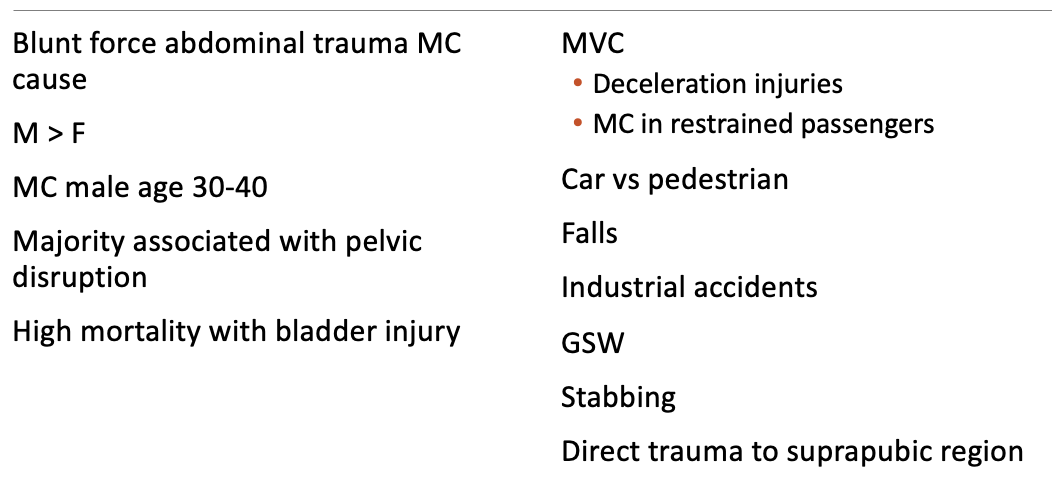
Bladder trauma
What does this refer to
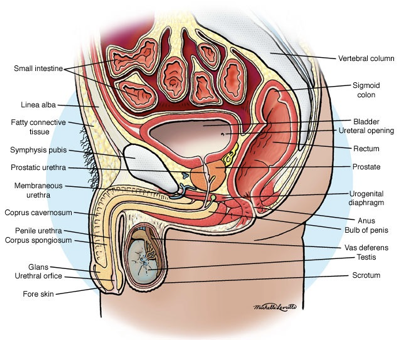
Bladder anatomy
Reflects posteriorly to the abdominal wall
Creates the rectovesical recess
Male Bladder Anatomy
What does this refer to
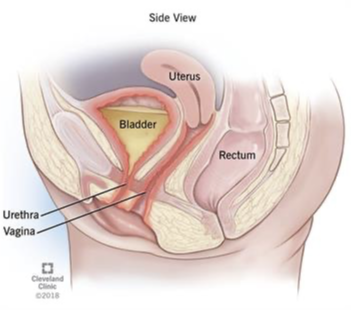
Travels over the uterus
Forms vesicouterine & rectouterine pouches before meeting the posterior wall of the abdomen
Female Bladder Anatomy
What does this refer to
Gross hematuria is the hallmark finding in ________
May also present with minimal urinalysis findings
Lower abdominal or suprapubic pain
+/- ability to urinate
Bladder injury
What does this refer to
Plain film cystography – involves use of urinary catheter
Most accurate radiologic study to diagnose bladder rupture
Pelvic xray done 1st
If suspicion for urethral trauma – retrograde urethrogram before cystography
CT imaging for trauma patients
Many trauma centers use either plain film cystography or CT imaging to evaluate injury to the bladder
Diagnostics for bladder injury
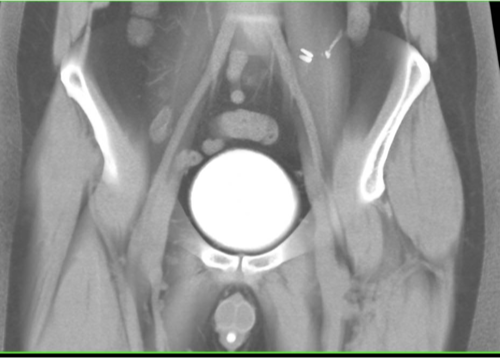
What does this refer to
Approximately 100 mL of contrast material is placed into the bladder via the urinary catheter
Plain film is taken to check for gross bladder extravasation
If negative
Add 200-250ml contrast until bladder is filled
Drain bladder
Post drain xray to assess for contrast behind distended bladder
Diagnostics Normal CT Cystogram
What does this refer to
First priority in the treatment
Stabilize patient
Treat associated life-threatening injuries
Blunt trauma bladder injury
Contusion (type 1) – usually do not require tx
Rupture
Blunt trauma bladder location
Intraperitoneal
Extraperitoneal
Treatment for Bladder trauma
What does this refer to
Blunt trauma bladder injury
Contusion (type 1) – usually do not require operative tx
Tx with large bore urinary catheter
Leave in place until urine clears
Rupture
Treatment for Bladder Contusions
What does this refer to
Blunt trauma bladder location
Intraperitoneal (type 2) rupture
Operative management for multi-level closure
Laparotomy OR
Laparoscopic repair of intraperitoneal rupture
Urine diverted
Extraperitoneal (type 3)
Often managed by urinary catheter drainage alone
If operative intervention for other injuries, bladder should be repaired too
Treatment Intra-extra Peritoneal
What does this refer to
Approximately 80% of renal injuries are the result of blunt trauma
MC in MVC, falls, assaults, or sports events
Renal Injuries
What does this refer to
Seldom immediately life-threatening
May not be obvious in the setting of multiple trauma
Deceleration mechanisms of injury or penetrating trauma in close proximity to the kidneys increase suspicion
Tenderness or ecchymosis of the abdomen or flank should increase suspicion
Hematuria is the best indicator of urinary tract injury
> 5 RBC/HPF
Degree of hematuria is not related to the severity or extent of injury
Clinical Features Renal Injuries
What does this refer to
CT Abd/Pelvis
With IV contrast
Benefits of CT
Precise delineation of renal lacerations
Determine the presence and location of renal hematomas with or without extravasation
Indicate the presence of urinary extravasation or devascularized parenchymal segments
Limitations of CT
Renal venous injuries not well defined
Injuries of the UPJ
CT abd/pelvis with IV contrast
Delayed imaging studies that allows contrast to be excreted into collecting system and ureter
Diagnostics for renal injuries
What does this refer to
Grading system
Based on the depth of injury + involvement of vessels OR the collecting system
Stable patient – blunt force trauma
Non-operative observation until no hematuria
Angiographic embolization
Access to renal vasculature through the groin to control bleeding
Treatment for renal injuries
What does this refer to
Major pelvic hemorrhage can occur rapidly
Unexplained hypotension may be the only initial indication of major pelvic disruption
Pelvic trauma
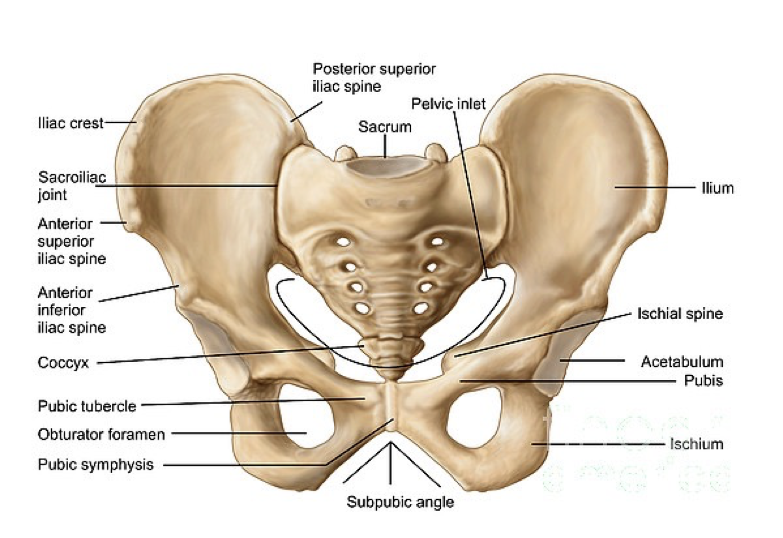
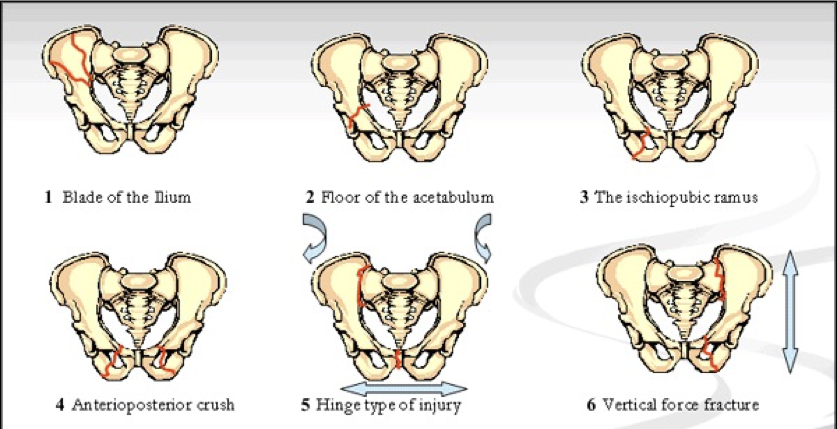
What does this refer to
Hemodynamically stable patient (NO PLAIN FILM IMAGE OF PELVIS)
Glasgow coma scale >13
No pelvic, abdominal, or back complaints
No tenderness in the lower abdomen, lower back, groin, or bony pelvis
Hemodynamically unstable patient
FAST
Plain film x-ray of pelvis
Physical examination findings indicating retrograde urethrogram BEFORE FOLEY
Blood at the urethral meatus
High riding prostate
Gross hematuria
Pelvic Assessment
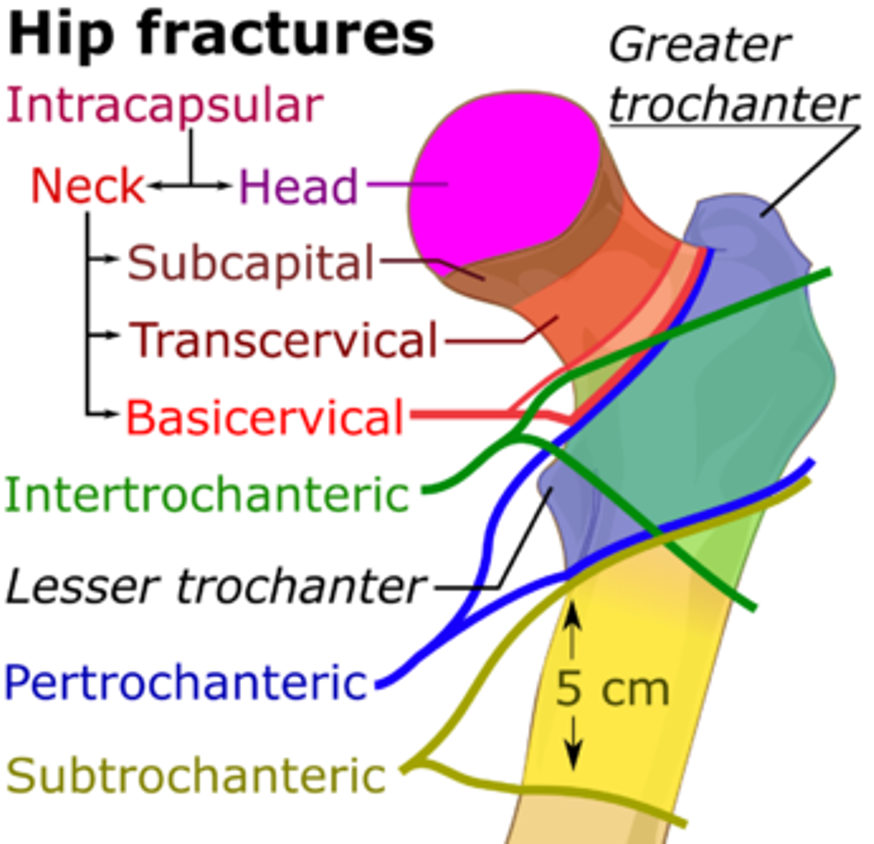
What does this refer to
Ball and socket joint
Fracture AND/OR
Dislocate
Types of hip fractures
Intracapsular fractures
Extracapsular fractures
Anatomy Of The Hip & Pelvis
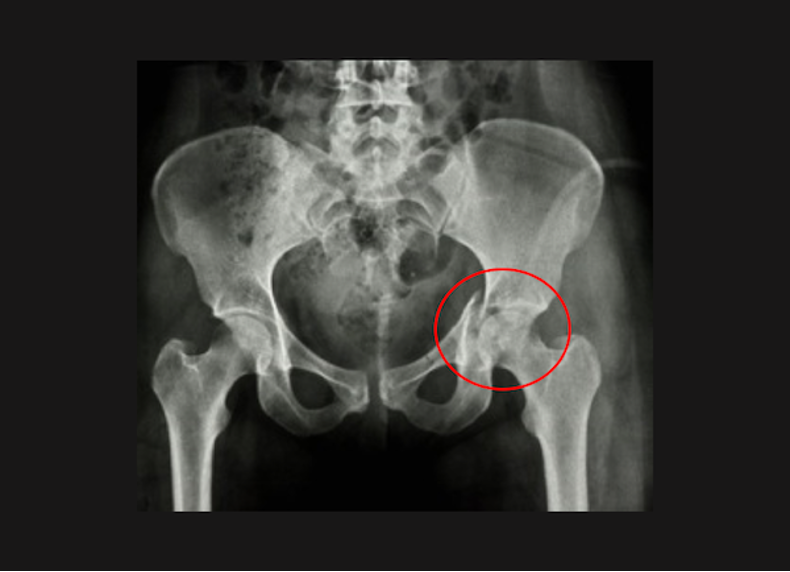
What does this refer to
Pelvic fracture
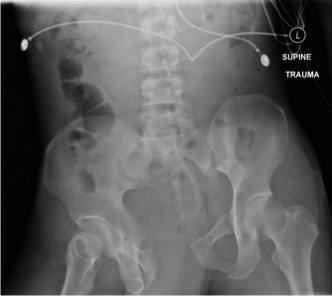
What does this refer to
Open book pelvic fracture
What does this refer to
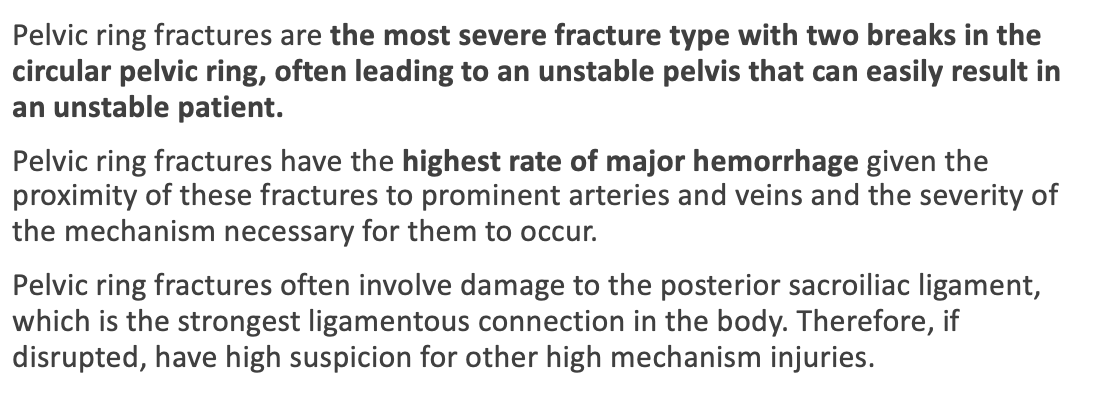
Pelvic Fractures
What does this refer to
Physical exam findings suggestive of ______
Ruptured urethra
Scrotal hematoma
Blood at urethral meatus
Discrepancy in limb length
Rotation of the leg without obvious (long bone) fx
Pelvic fracture
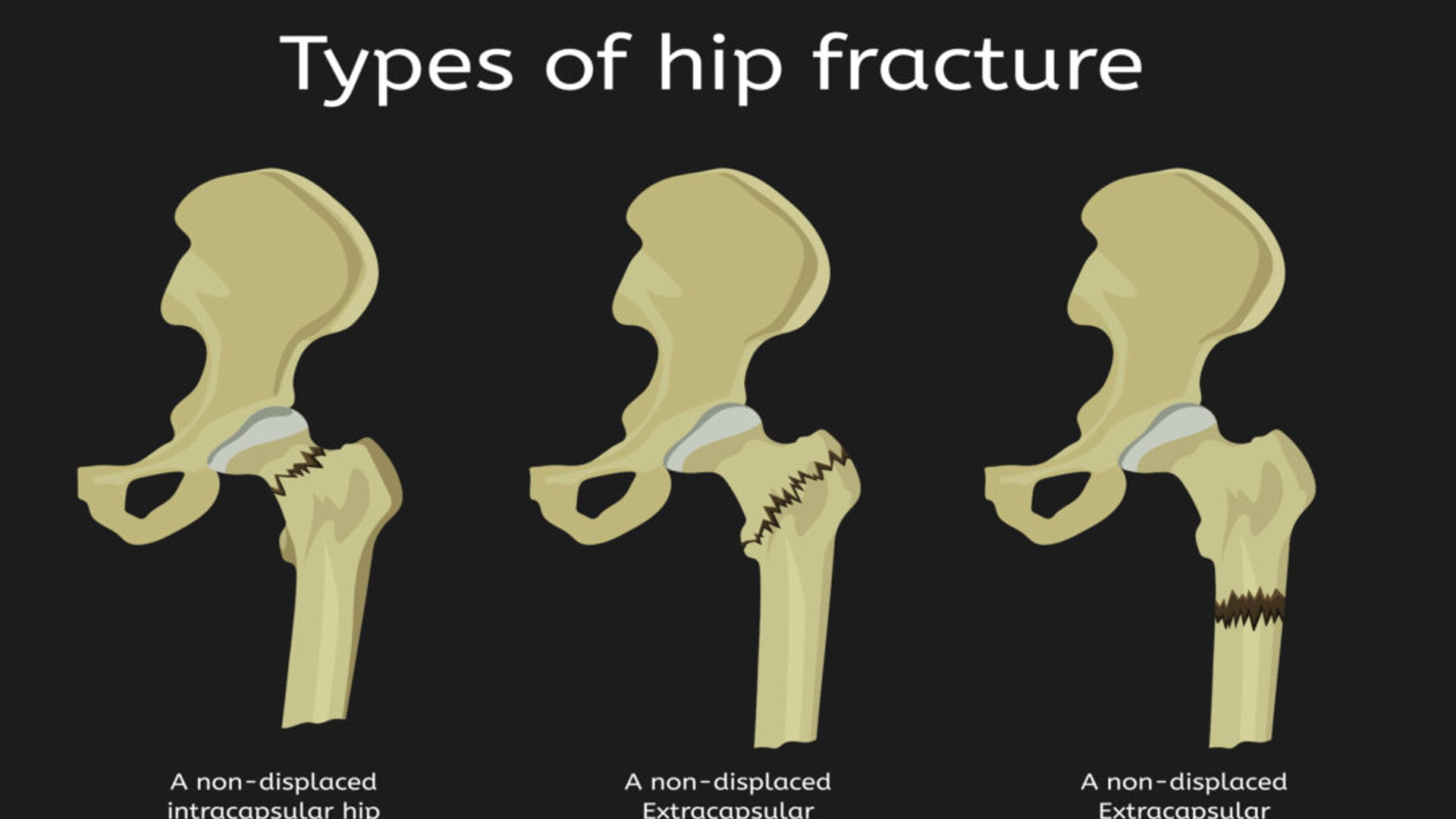
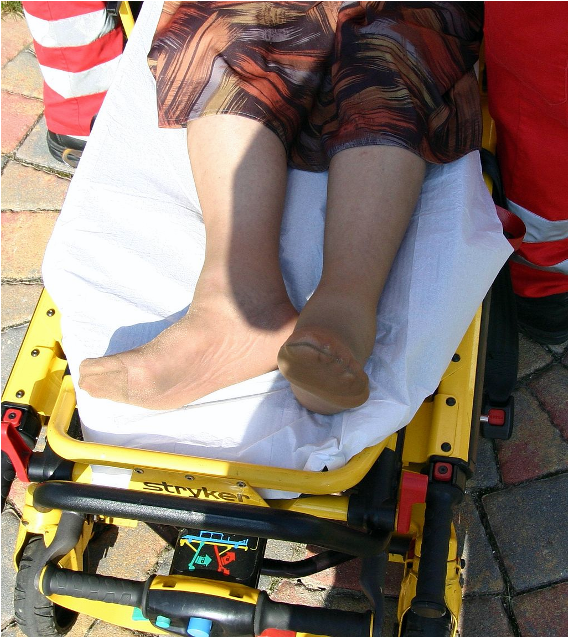
What does this refer to
Hip fracture
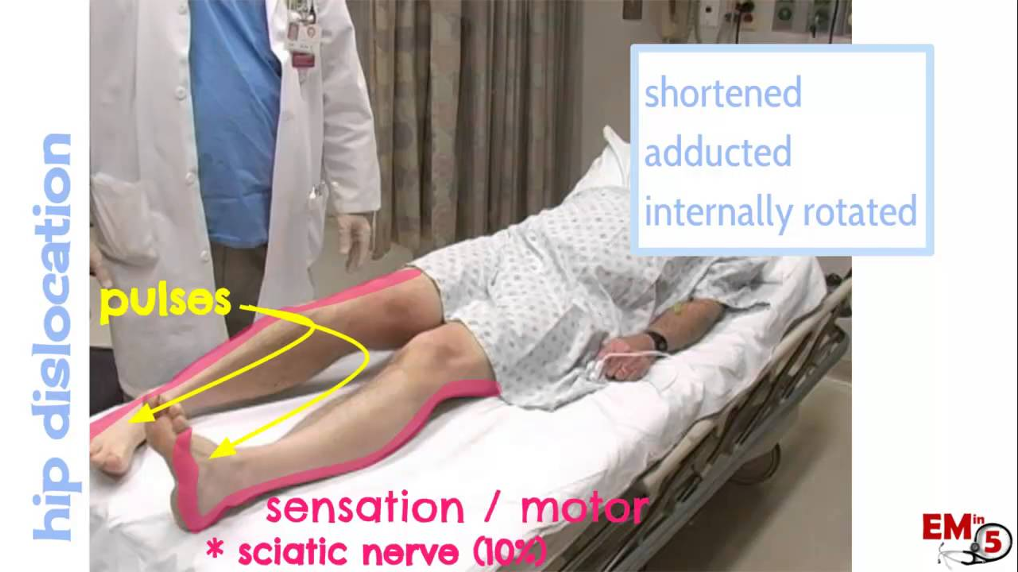
What does this refer to
Hip dislocation
What does this refer to
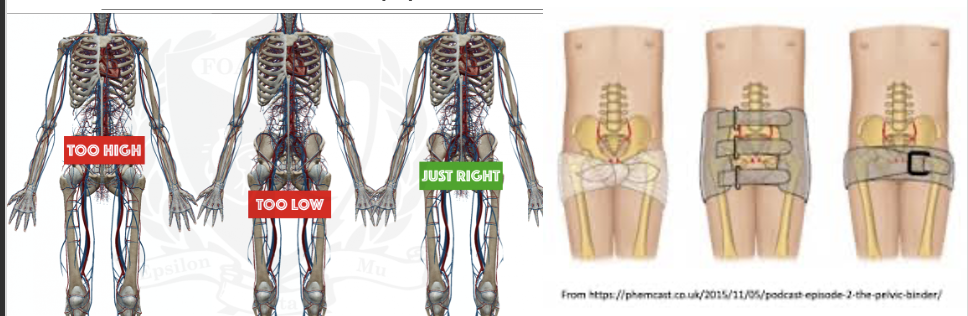
Treatment (Pelvic Binder) Pelvic Fracture(s)
What does this refer to
Attempted sexual touching of another person without their consent
Sexual intercourse (rape)
Sodomy (oral-genital or anal-genital contact)
Fondling
Sexual Assault/Rape
What does this refer to
Child engages in sexual activity for which he/she cannot give consent, is unprepared for developmentally, cannot comprehend; and/or an activity that violates the law or social taboos of society
Includes fondling and all forms of oral-genital, genital, or anal contact with the child (whether the victim is clothed or unclothed)
Includes non-touching abuses such as exhibitionism, voyeurism, or involving the child in pornography
Sexual Assault In Pediatrics
What does this refer to
Occurs when there is asymmetry in age or development among the participants
Coercive quality to the event
Sexual abuse
What does this refer to
Occurs in the absence of coercion and involves children of the similar age
Separated by no more than four years or developmental level
Engage in viewing or touching each other's genitalia because of mutual interest or curiosity
Sexual play
What does this refer to
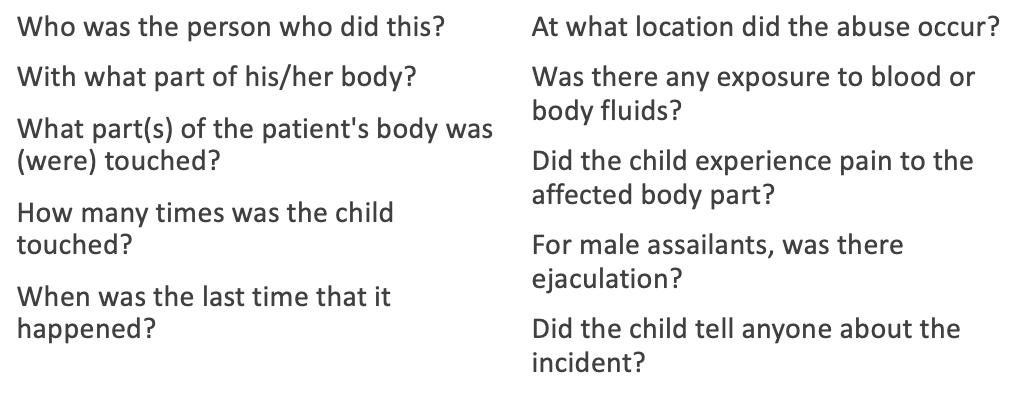
The Pediatric Interview
What does this refer to
To identify injuries or other conditions that require treatment
To screen for or diagnose sexually transmitted infections (STIs)
To evaluate for and, if possible, reduce the risk of pregnancy
To document findings of potential forensic value
Abuse
What does this refer to
Male examination for rape/sexual assault (pediatric)
What does this refer to
Place child in supine position in a frog leg position
Inspect the labia majora, labia minora, introitus, and hymen
Assess for
Lacerations/tears
Contusions/ecchymosis
Bleeding
Bite marks/lesions
Abrasions/erythema
Speculum exam if appropriate for age
Vaginal discharge – collect specimens for STIs
Female examination in rape/sexual assault (pediatric)
What does this refer to
Sexual act performed by one person on another without consent
May result from the use of force or threat of force
May also result from the victim's inability or refusal to give consent
Sexual assault victims do not "entice" their assailants
Sexual assault is an act of conquest and control
Rape And Sexual Assault In Adults
What does this refer to
The victim's clothing
Swabs and smears from the buccal mucosa, vagina, and rectum and from other areas highlighted by ultraviolet light
Combed specimens from the scalp and pubic hair
Fingernail scrapings and clippings
Control samples of the victim's scalp and pubic hair (ideally, at least 20 to 25 pulled hairs per site)
Whole blood sample
Saliva sample
SANE nurse
What does this refer to
Tears
Ecchymoses
Abrasions
Redness
Swelling
Terminology For Describing Exam Findings – TEARS Categorization
What does this refer to
STIs
Gonorrhea
Chlamydia
Trichomoniasis
DNA swabs
PCR (syphilis)
hCG
Standard Rape Kit for forensic evidence
Some facilities have a “Rape Panel” which may also include HIV, Hepatitis pane
EtOH
Urine drug screen
CBC w/ diff
CMP
Urinalysis
Imaging as required based on injuries
Diagnostics for rape/sexual assault
What does this refer to
Treat STIs prophylactically
Drug cocktail for prophylactic tx
Ceftriaxone (Rocephin) 500mg IM
Azithromycin 1 g PO
Metronidazole (Flagyl) 2g PO
Hep B vaccine series initiated if not immunized
Post-coital contraception (Plan B)
Acute crisis counseling
Treatment for rape/sexual assault
What does this refer to
Rape can occur
Male – Female
Female – Male
Male – Male
Female – Female
Patient may be very difficult to engage in conversation
Withdrawn and almost non-cooperative
Things To Remember when accessing for rape/sexual assault