Romantic Period Stack
 Call Kai
 Learn
Learn Practice Test
 Spaced Repetition
 Match
Match Flashcards
 Knowt Play
1/14

Earn XP
Description and Tags
HAM 2026
Name | Mastery | Learn | Test | Matching | Spaced | Call with Kai |
|---|
No analytics yet
Send a link to your students to track their progress
15 Terms
A short, self-contained musical piece, usually for piano.
A one-movement orchestral work that tells a story or depicts an idea, scene, or emotion.
Chromaticism
Miniature
Tone Poem
Use of notes outside the main key, creating richer harmony and increased tension.
Absolute music |
Program music |
Salon |
Music with no specific story, image, or program; appreciated for its musical form alone.
Instrumental music intended to represent a story, scene, or idea. |
A small, private gathering where artists, musicians, and intellectuals share and discuss their work. |
A specialized school focused on professional training in music and the performing arts. |
How did instruments evolve during the Romantic Period? What 3 instruments did orchestras add in size?
Who typically attends performances during the Romantic Era?
Conservatory
Evolved to allow greater power and range. The piano was significantly improved with stronger iron frames and better string design, making it louder and more dynamic. Orchestras expanded in size, adding more brass, woodwind, and percussion instruments IN PARTICULAR to create richer and more dramatic sound.
No longer limited to the aristocracy. Instead, they were increasingly attended by the growing middle class (bourgeoisie), along with some aristocrats. Public concert halls became more common, so concerts were often ticketed events open to anyone who could afford them. Wealthy patrons still supported some composers but the dominant audience for Romantic music was the expanding urban middle-class public.
As conservatories open during the Romantic Era, how does this change composition and performance?
What is the role of Liszt in the Romantic Era?
How did Chopin influence music during the Romantic period?
Made music more formal and professional by providing structured training in composition and performance. This led to higher technical skill and more complex music while also standardizing musical education.
Franz Liszt was a leading Romantic composer and pianist who helped redefine piano performance with extremely demanding, expressive works. He also popularized the concert solo recital and developed the symphonic poem, expanding program music.
Chopin influenced Romantic music by focusing almost entirely on piano compositions that emphasized emotion rather than complexity. People could play his pieces at home.
What contributions did Paganini make to music?
How would you define Nationalism in music? Can you give examples?
What is a tone poem, and how is it used in Romantic music?
Paganini was a violinist who expanded the technical possibilities of the instrument, using extreme techniques that set new performance standards. His playing style inspired many Romantic composers to push instrumental virtuosity further.
Nationalism in music: Nationalism is when composers use their country’s folk songs, dances, rhythms, and cultural themes to express pride in their nation. Examples include Tchaikovsky incorporating Russian melodies.
Tone poem: A tone poem is a single-movement orchestral piece that tells a story or expresses an idea. In Romantic music, it was used to create vivid, narrative-driven works without needing words.
What does exoticism in music refer to, and can you provide examples?
Who were the Russian Five, and what is their significance in music history?
What is Tchaikovsky best known for in the world of music?
The use of musical elements that evoke foreign, unfamiliar, or distant cultures, often through rhythms, or instruments. Examples include Bizet’s Carmen (Spanish-inspired style)
Group of five Russian composers who aimed to create a distinctly Russian style of classical music using folk melodies and rejecting Western European traditions. They were important for developing Russian nationalistic music.
Tchaikovsky is best known for his emotionally expressive orchestral music, including ballets like The Nutcracker and The Sleeping Beauty, as well as symphonies and concertos that combine Russian style with Western techniques.
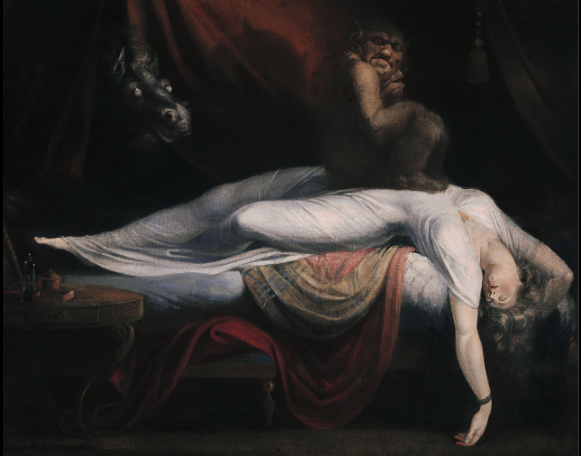
What is the title of this piece, who is the artist, and what was its significance towards the Romantic Period?
Henry Fuseli created The Nightmare, significant for its exploration of dreams and the unconscious through a dark, emotional, and supernatural scene.
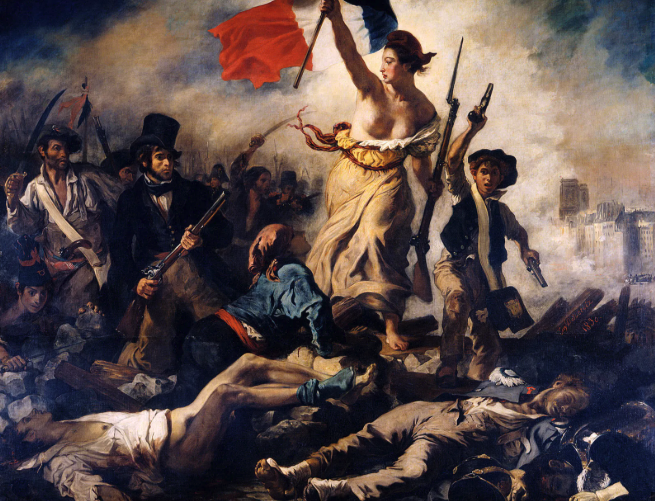
What is the title of this piece, who is the artist, and what was its significance towards the Romantic Period?
Eugène Delacroix painted Liberty Leading the People, significant for portraying revolutionary spirit and freedom through dramatic, emotional imagery of the French Revolution.
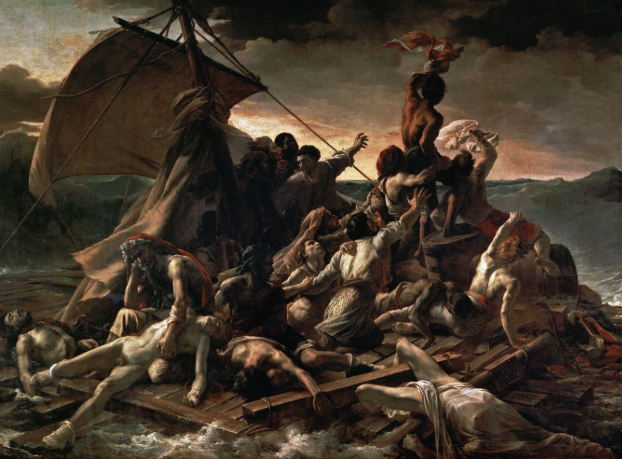
What is the title of this piece, who is the artist, and what was its significance towards the Romantic Period?
Théodore Géricault created Raft of the Medusa, significant for its powerful depiction of a contemporary shipwreck tragedy and criticism of government incompetence.
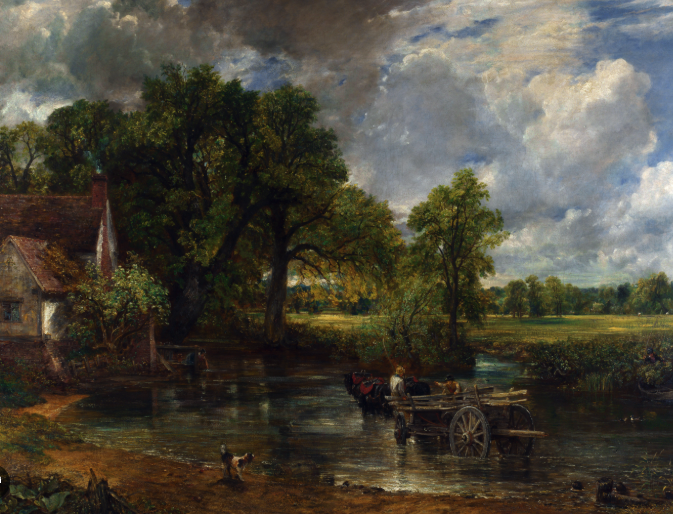
What is the title of this piece, who is the artist, and what was its significance towards the Romantic Period?
John Constable painted The Hay Wain, a Romantic landscape significant for its realistic and peaceful portrayal of rural English life and nature.
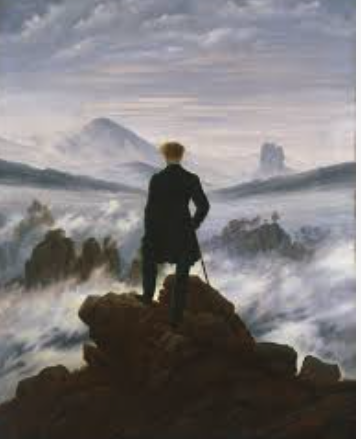
What is the title of this piece, who is the artist, and what was its significance towards the Romantic Period?
Caspar David Friedrich created Wanderer above the Sea of Fog, a Romantic work significant for expressing the sublime through a solitary figure confronting the vast power of nature.
For the following pieces, state the composer and its significance:
Carmen: Habanera
Caprice No. 24
Nocturne in C♯ minor
Georges Bizet. A famous aria from Carmen significant for its exotic Spanish style and portraying woman in a more risky manner, helping bring exoticism into Romantic opera.
Niccolò Paganini. A virtuosic violin piece significant for its extreme technical difficulty and variations, setting new standards for instrumental performance
Frédéric Chopin. A lyrical piano work significant for its emotional expression and intimate Romantic style focused on melody and feeling.
For the following pieces, state the composer and its significance:
Hungarian Rhapsody No. 2
Finlandia
Franz Liszt. A piano work significant for its use of Hungarian folk themes and virtuosity, showcasing Romantic nationalism and performance showmanship.
Jean Sibelius. A symphonic poem significant for its powerful nationalistic message, using music to express Finnish identity and resistance.
For the following pieces, state the composer and its significance:
Danse des petits cygnes
1812 Overture
Tchaikovsky. A ballet piece significant for its precise rhythm and graceful melody, closely tied to choreography in Romantic ballet tradition.
Tchaikovsky. An orchestral work significant for its dramatic programmatic storytelling of Russia’s victory over Napoleon using large-scale orchestration
Who is considered the composer of the Romantic Period that composed with the future in mind especially?
With a piano in nearly every middle-class home, what is its significance during this time? Who composed pieces that people played on their piano at home?
Tchaikovsky helped shape the future of music through his innovative orchestration and influential ballets, symphonies, and concertos.
Ordinary people could play at home each day and personally express themselves. It allowed amateur musicians to perform popular Romantic works at home, helping spread music beyond concert halls and making composers like Chopin widely influential in everyday life.