Endoscope reprocessing
 Call Kai
 Learn
Learn Practice Test
 Spaced Repetition
 Match
Match Flashcards
 Knowt Play
1/230

There's no tags or description
Looks like no tags are added yet.
Name | Mastery | Learn | Test | Matching | Spaced | Call with Kai |
|---|
No analytics yet
Send a link to your students to track their progress
231 Terms
list 3 ways endoscopes can be used to meet patient needs
routine screening
diagnostic treatment
therapeutic treatment
list three challenges endoscope reprocessing professionals face when working with flexible endoscopes
processing each endoscope correctly with precision and care
pressure to turnover equipment quickly
lack of inventory
list four uses for flexible endoscopes
1.to screen for cancer/remove some forms of cancer
2.to obtain tissue samples
3. to perform operations to remove stone from kidneys, urethra, bladder and open structures
4. to take a closer look at abnormalities found in radiology imaging
list the 6 general components that are common to most flexible endoscopes
1. light connector
2. universal cord
3.control body
4. working channels
5. insertion tube
6. distal tip
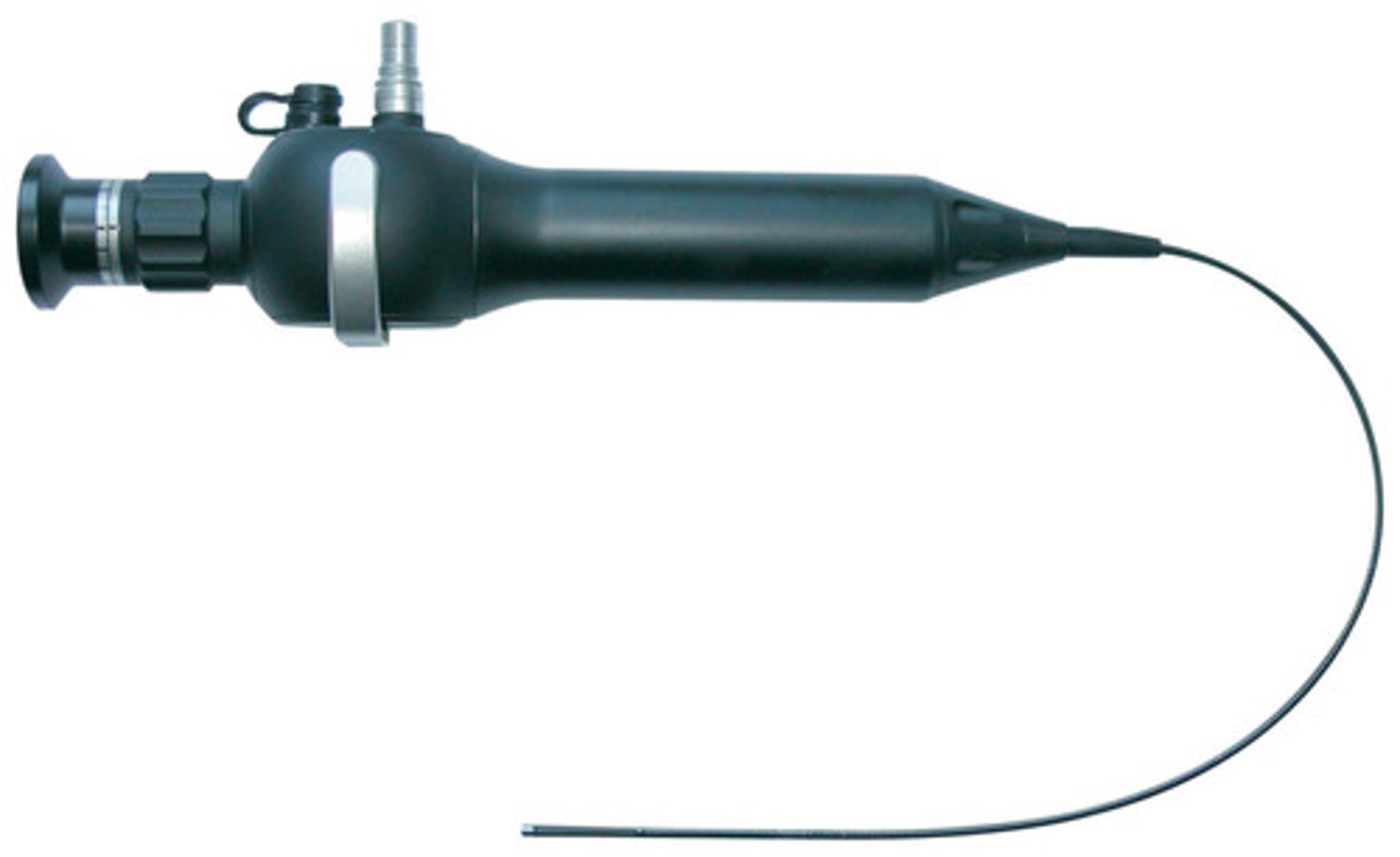
Examination of the larynx, pharynx and nose (throat) (upper airways)
Rhinolaryngoscope (ENT scope)
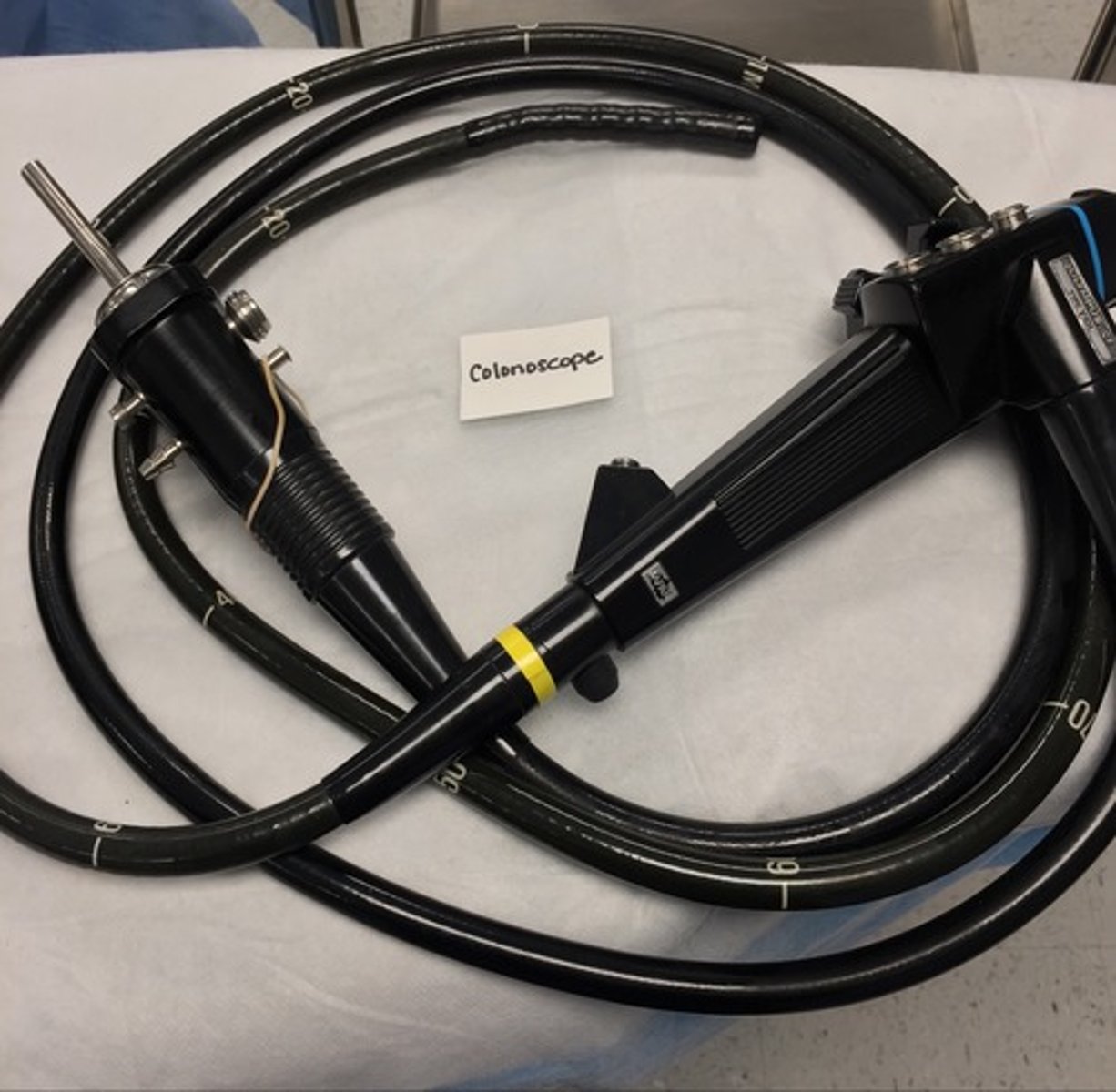
examines the lower GI tract
colonoscope
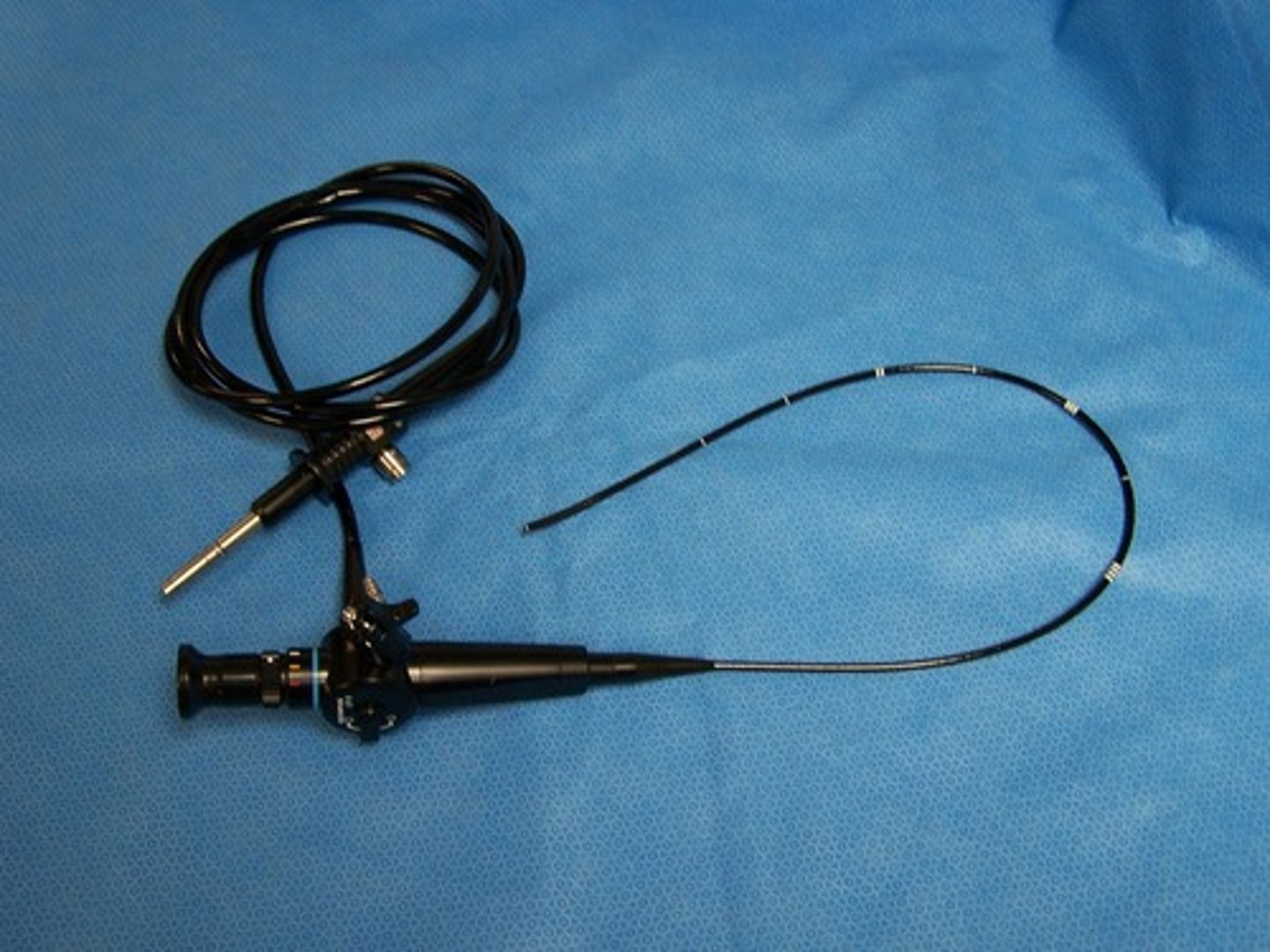
examines the throat, larynx, trachea, and lower airways
bronchoscope
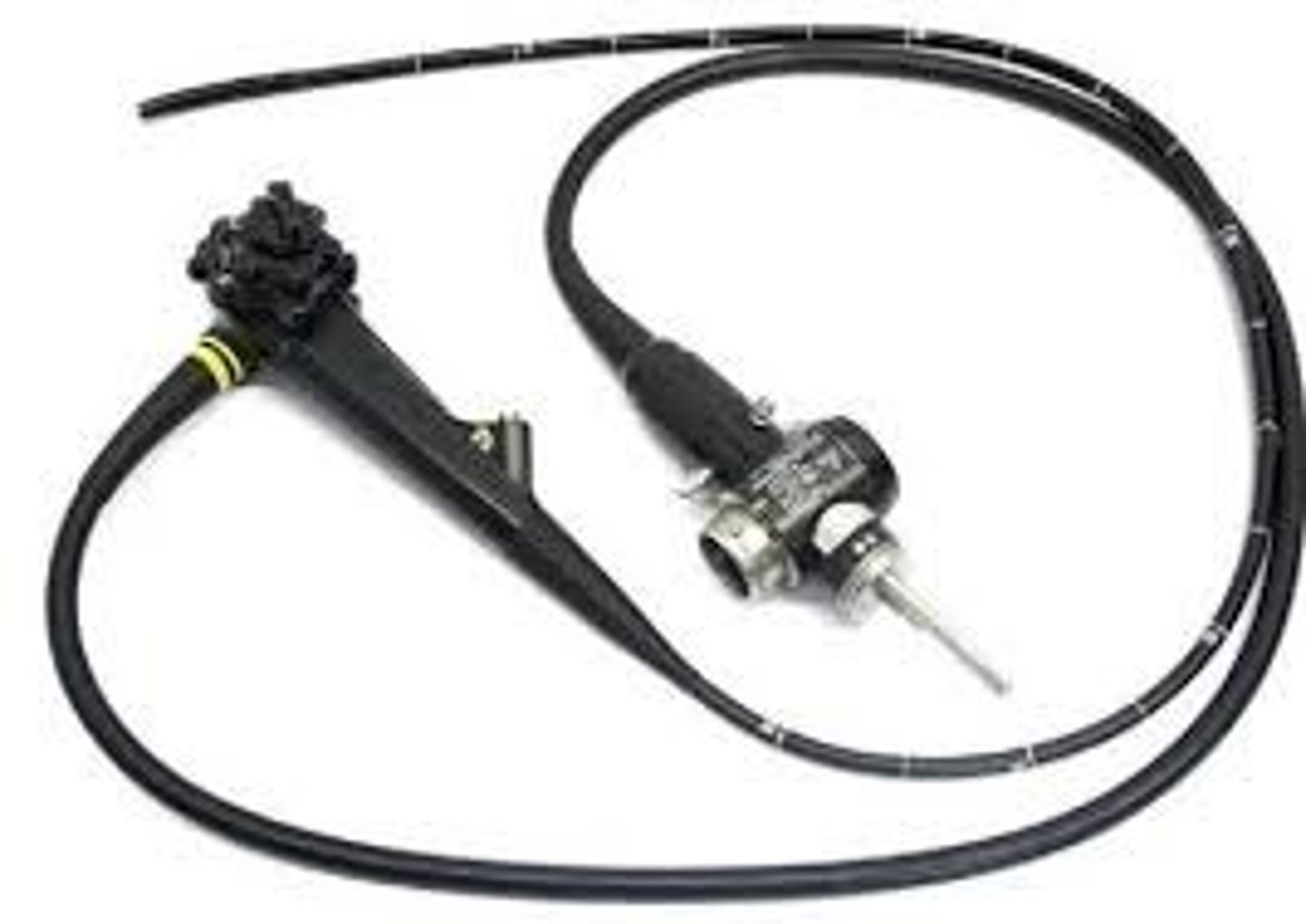
Examines digestive tract, including esophagus, stomach and duodenum. Can also remove polyps
gastroscope(EGD)
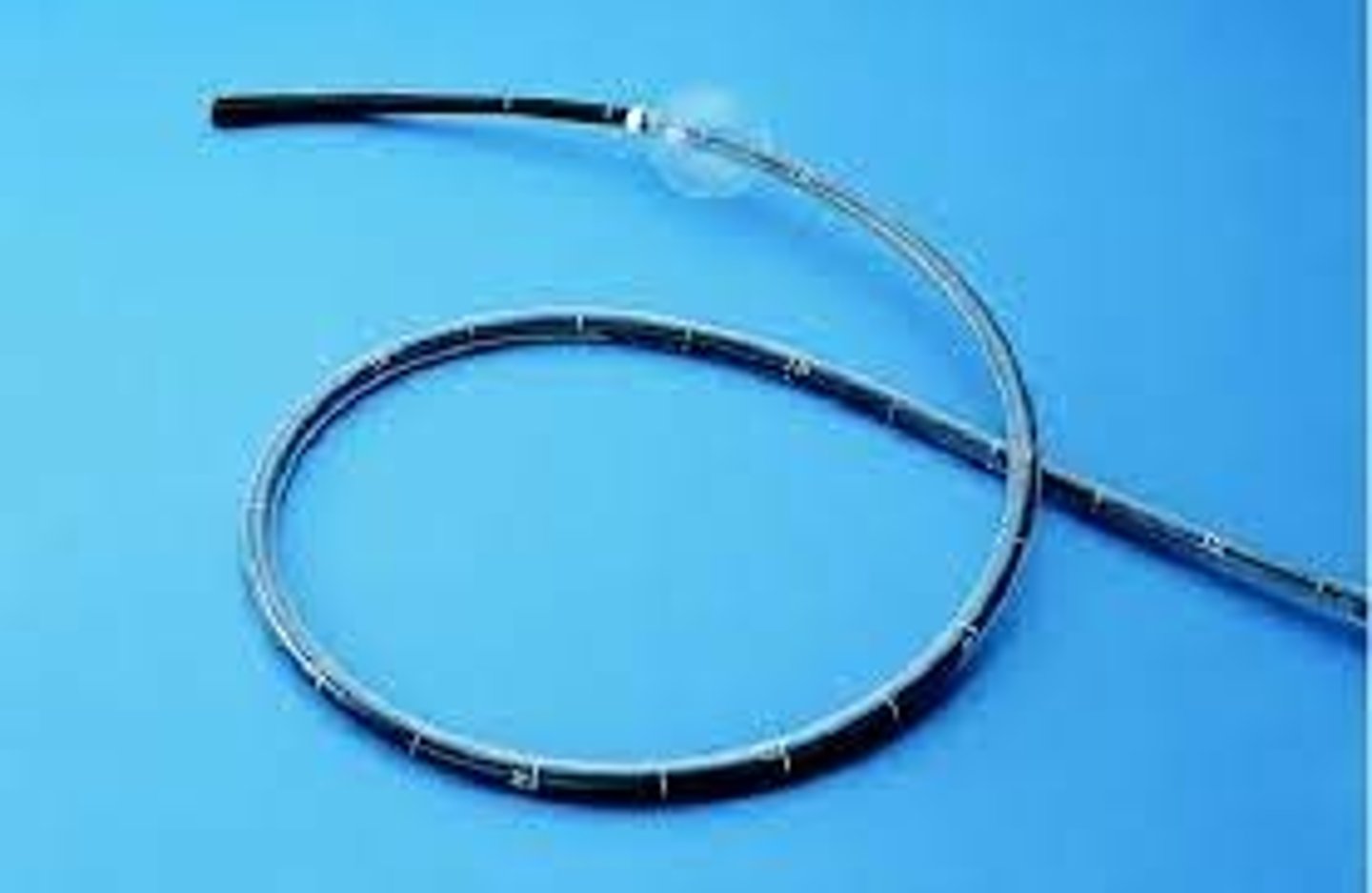
examines the small intestine
enteroscope
Looks at the larynx(voice box) vocal cords and back of throat
flexible laryngoscopy
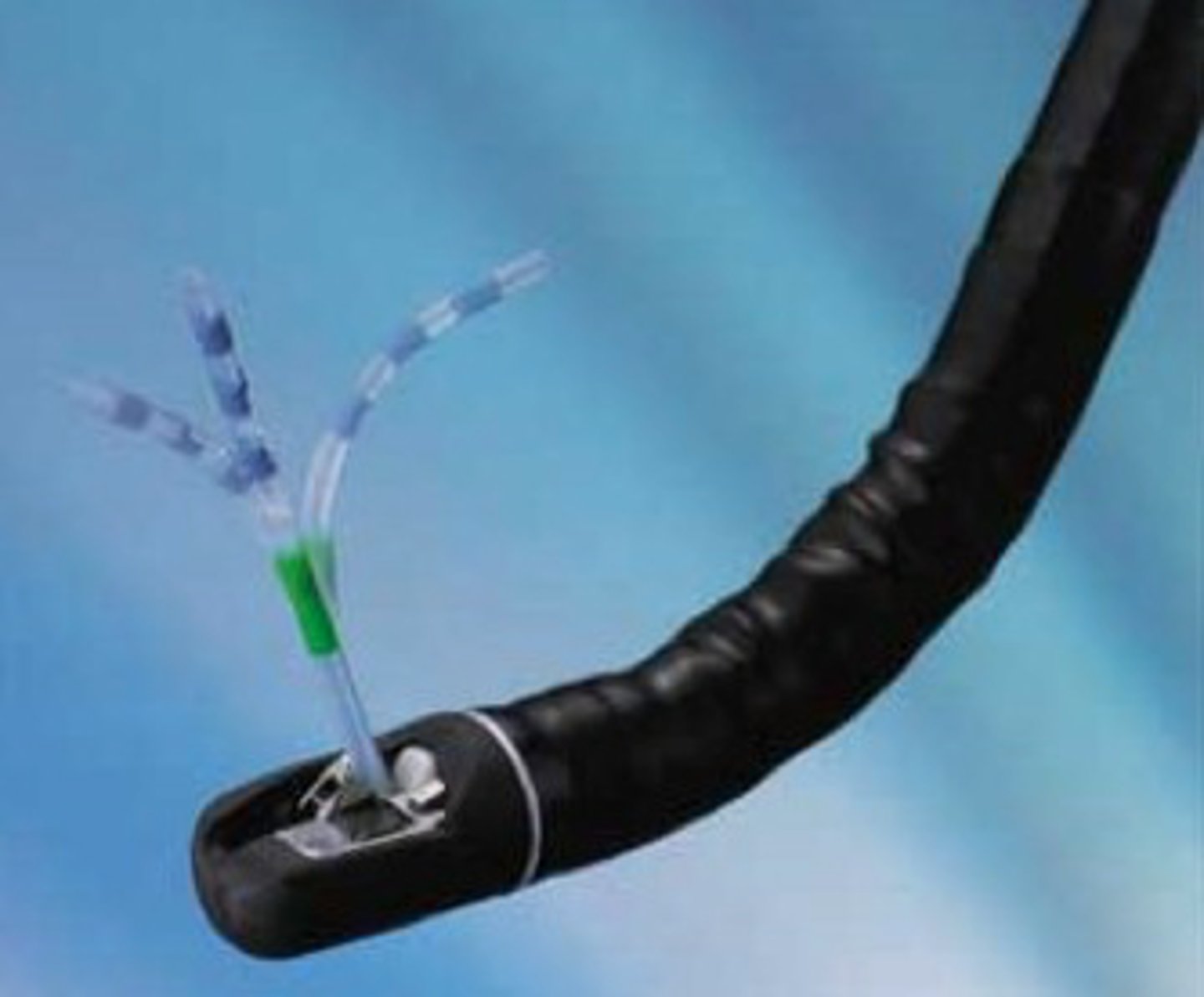
diagnoses and treats abnormalities in the first part of the small intestine(like ulcers)
duodenoscope (ERCP)
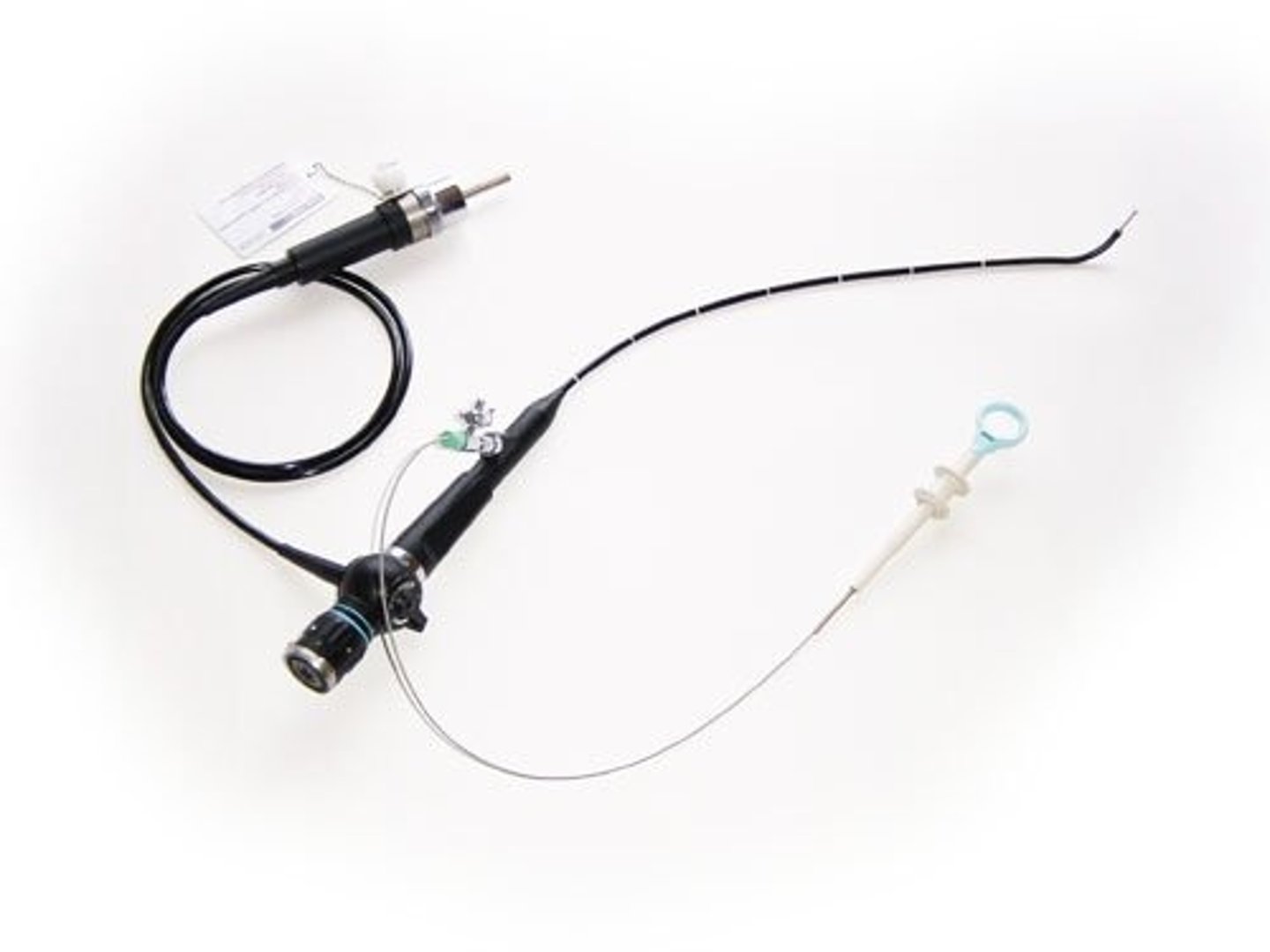
used to remove gallstones
Choledochoscope
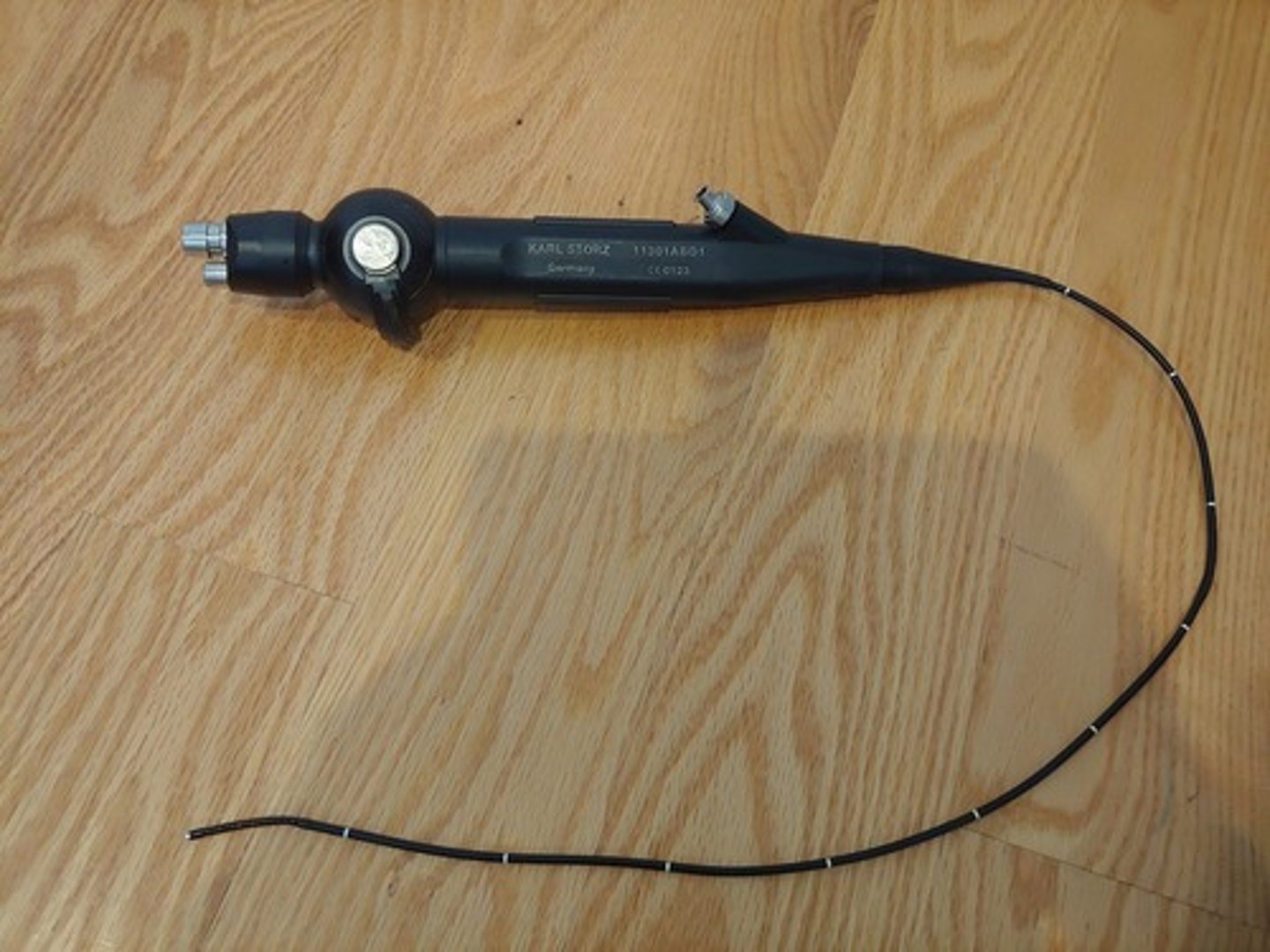
views the airways on screen
Flexible Intubation scope
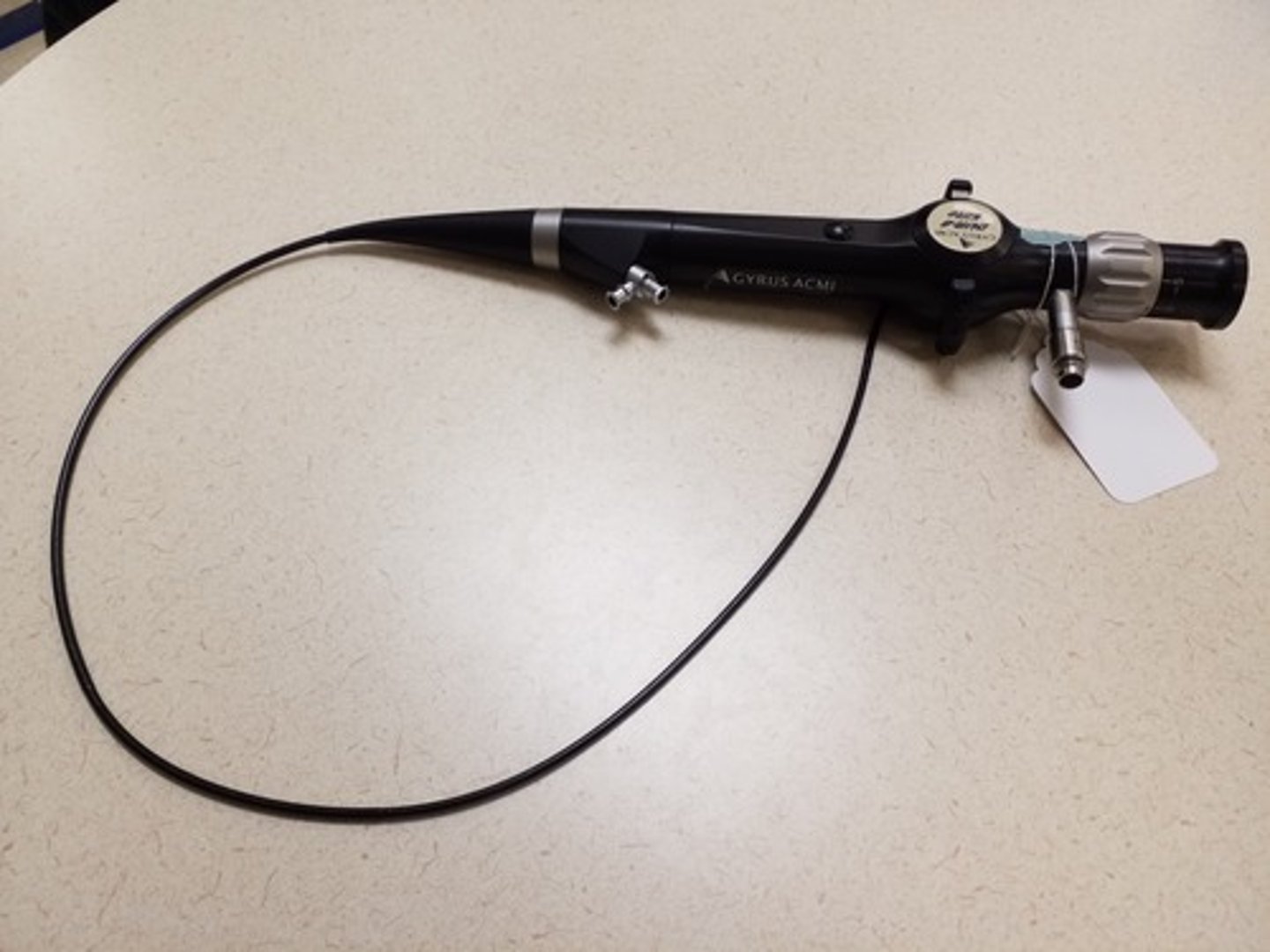
visualizes the urinary tubes that connect the kidneys to the bladder
ureteroscope
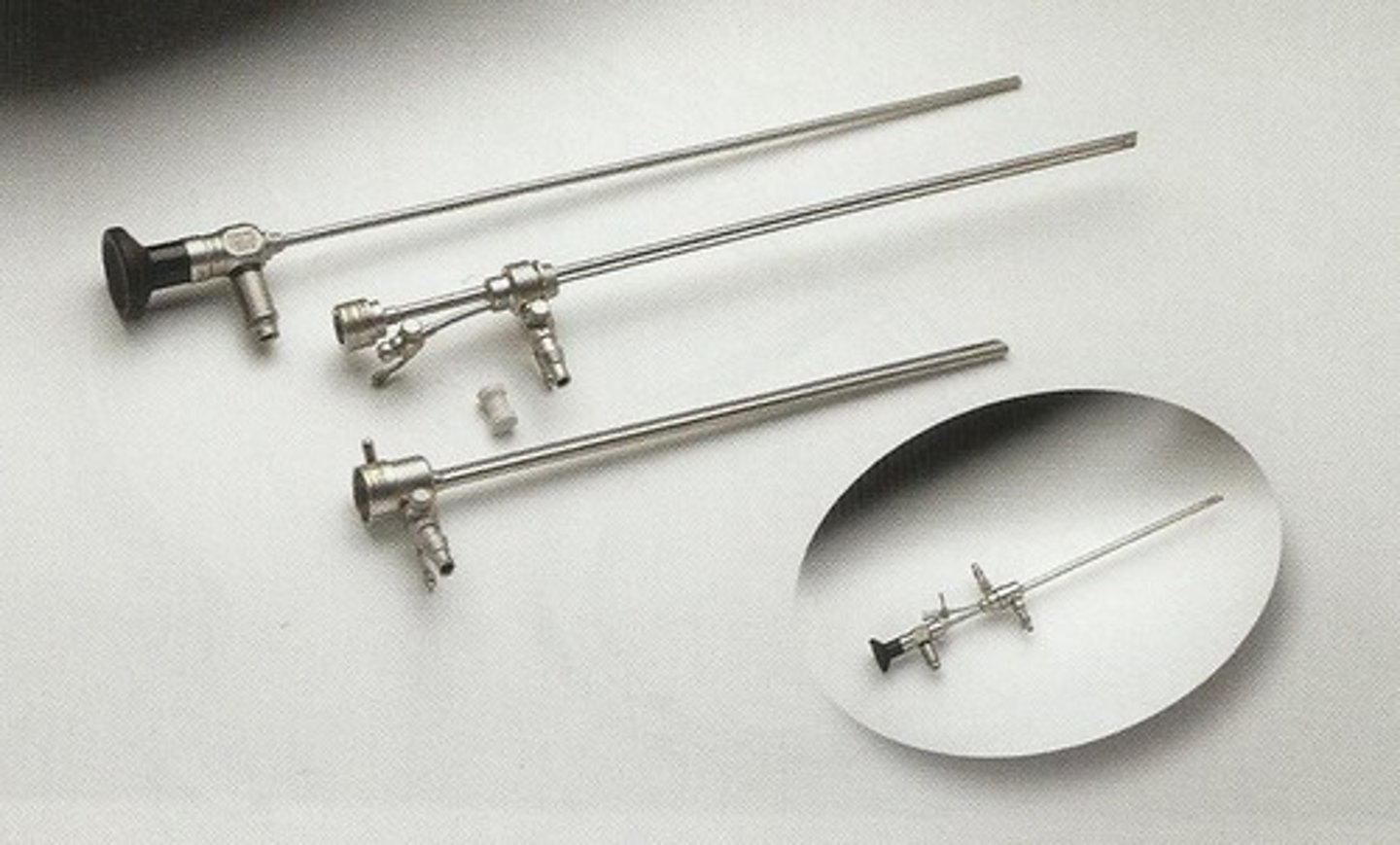
examines the uterus
hysteroscope
list 4 primary stains used for bacteria identification
1. gram stain
2.acid fast stain
3.endoscope stain
4.capsule stain
this process is used to identify bacteria
staining
good bacteria that help humans in some way
symbiotic bacteria
an infection that is caused by a microorganism that usually doesn't cause disease. Usually caused by non pathogenic bacteria
opportunistic
organism that lives off or in another organism
parasite
the stain used to identify mycobacterium tuberculosis
acid fast
bacteria that stain purple are called
gram positive
a collection of microorganisms that attach to surfaces and each other and form a colony. The colony produces a protective gel that is difficult to penetrate with detergents and disinfectants
biofilm
pseudomonas aeruginosa has been known to survive on dry nonliving surfaces for
life expectancy: 6hours to 16 months
endoscopes that have been sterilized may be stored on
wire shelving
flexible endoscopes that have been high-level disinfected should be stored in a ventilated
cabinet
the eyewash station in decon should be located in --, delivering---gallons per minute and flushing fluid for a minimum of -- minutes
located in 10 seconds
delivering 0.4 gallons
flushing for atleast 15 minutes
bins used to transport soiled endoscopes should be labeled
biohazard
sinks used for endoscope cleaning should be equipped with
fill lines and manifold/adaptor systems
in the absence of physical barriers between soiled and clean areas----will help assure one way directional flow
education and training
the use of PPE when reprocessing contaminated endoscopes is required by:
OSHA (Occupational Safety and Health Administration)
The dress code for the endoscope decontamination area includes
gloves, face protection, mask, hair cover, shoe covers
cleaning
means the removal of soil from a device
the specific size brushes needed to clean an endoscope can found in the
IFU
The most common PH for endoscope cleaning chemicals is a
neutral PH
enzymes will become ineffective in temperatures that exceed
140 degrees
disinfectants must be registered by
EPA
taking off PPE
1. shoe covers
2.gloves
3.face protection
4. gown
5. mask
6. head cover
7. wash hands
using a borescope to examine an endoscope lumen can help detect
soil and damage
venting caps are designed to prevent
pressure
list the 4 critical parameters of ethylene oxide sterilization
1. cycle temp
2. humidity at the end of conditioning
3. ethylene oxide gas exposure time
4. ethylene oxide concentration
not acceptable packaging for hydrogen peroxide plasma sterilization
cellulose containing materials
the process by which medical devices are sterilized in their final containers, allowing them to be stored until needed is called
terminal sterilization
items that are completely devoid of all living microorganisms are called
sterile
after sterilization using a toxic sterilant, such as ethylene oxide, sterilized packages are subjected to moving air to facilitate removal of toxic residuals are called
aeration
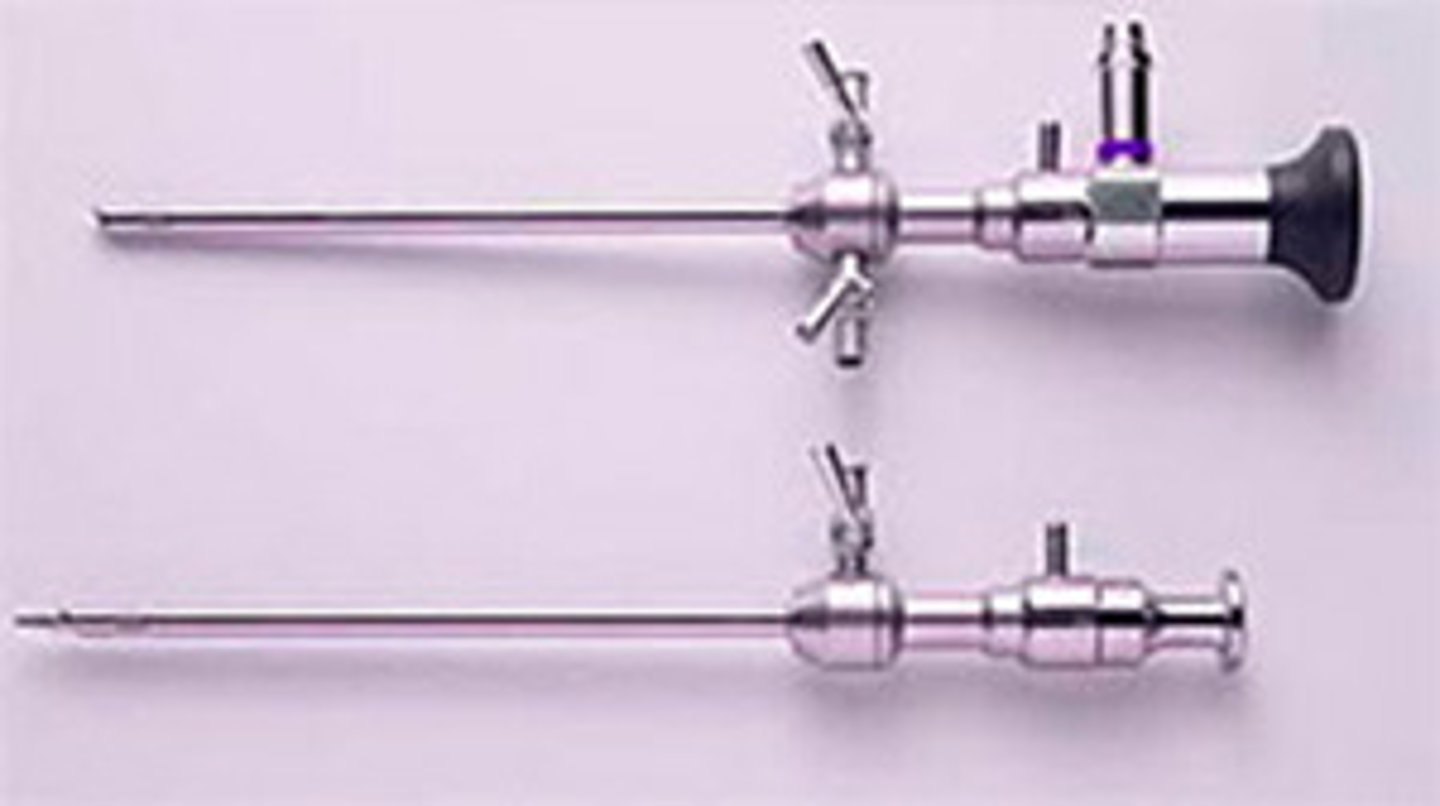
The arthroscope is used for
joints
The endoscopic vein harvest scope is used for
coronary artery
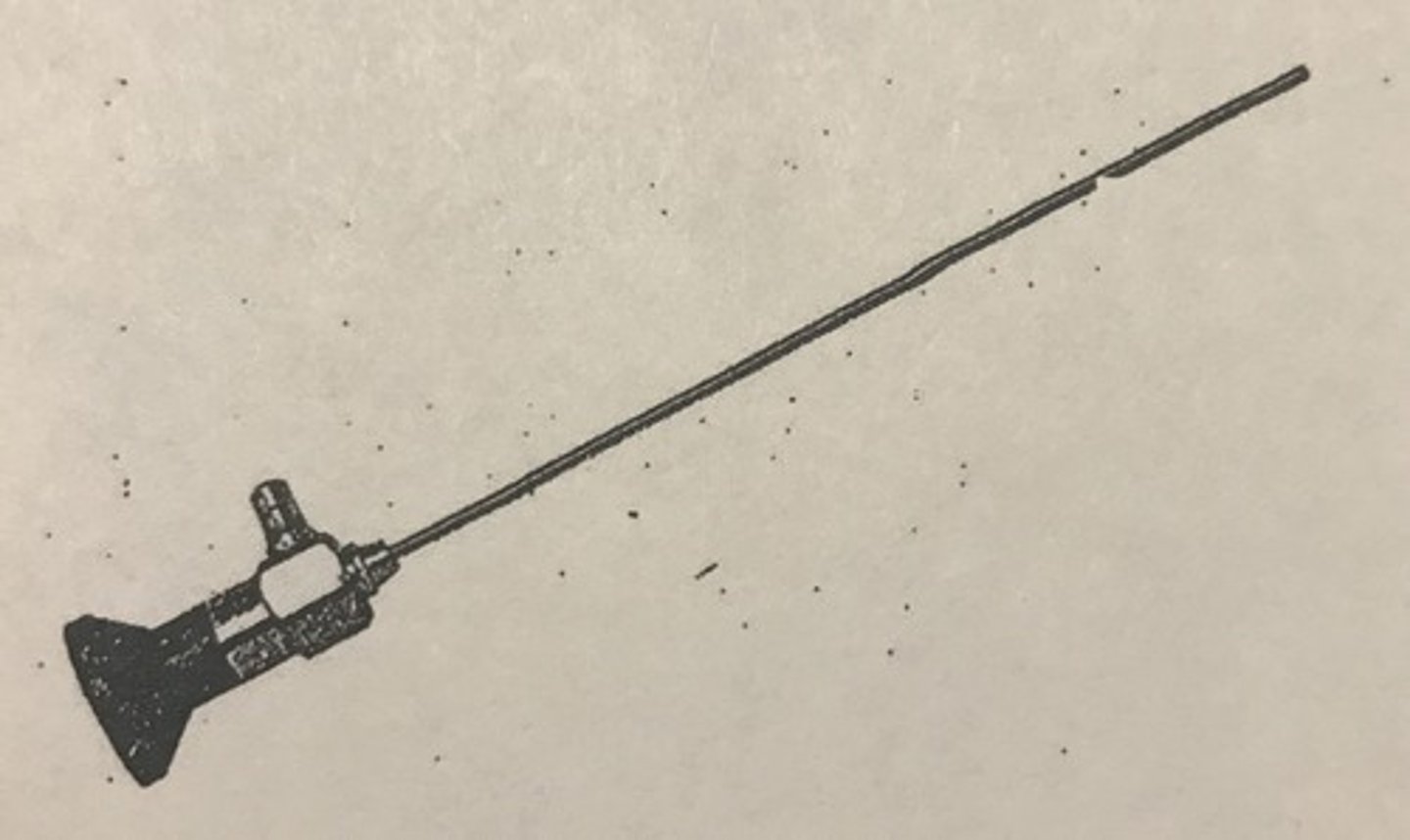
examines, diagnoses or treats inside structures of the nose and sinus cavity
sinuscope
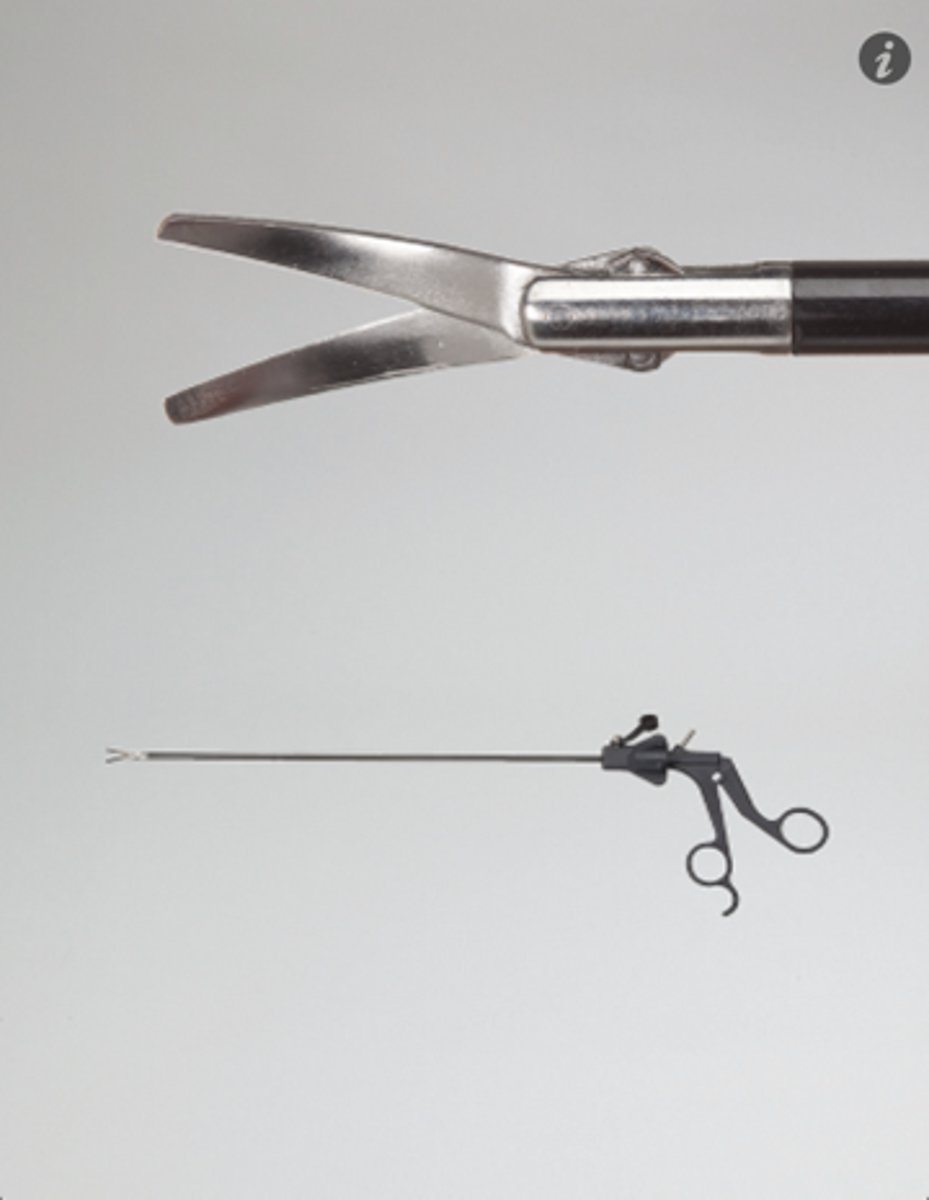
laparoscopes are used for
abdominal and pelvic organs
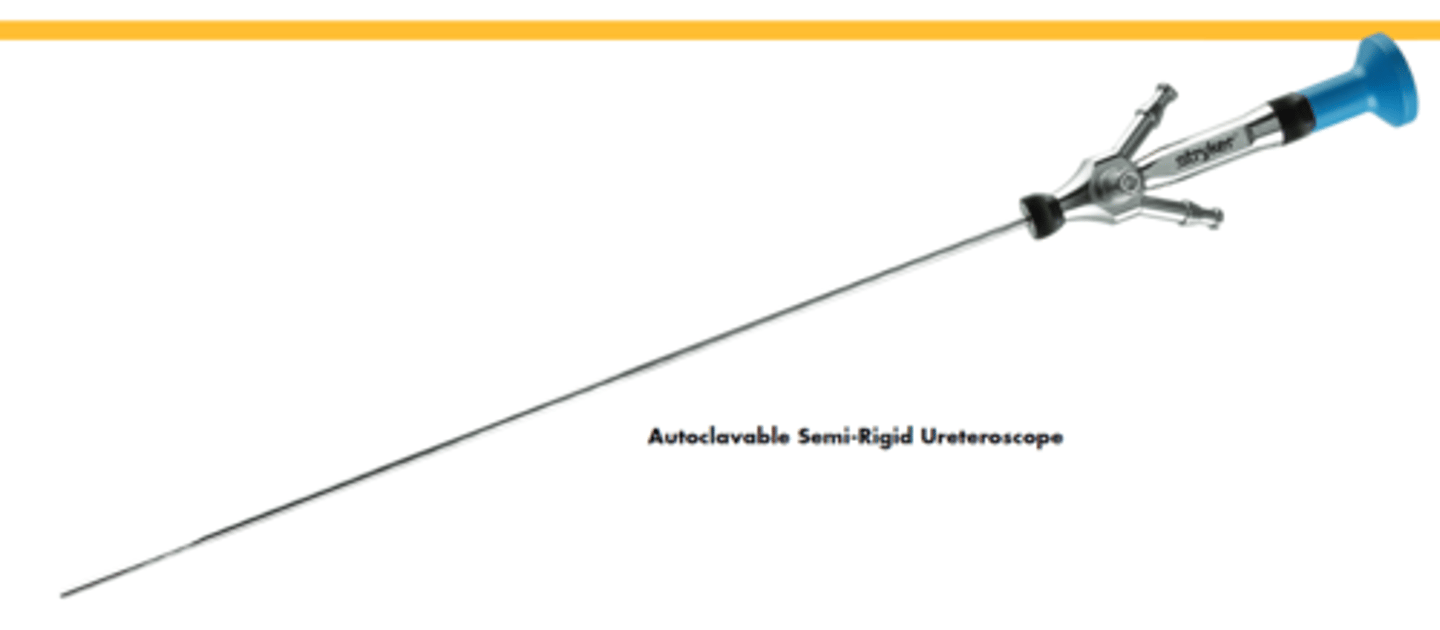
semi rigid ureteroscope is used for
examining the ureters
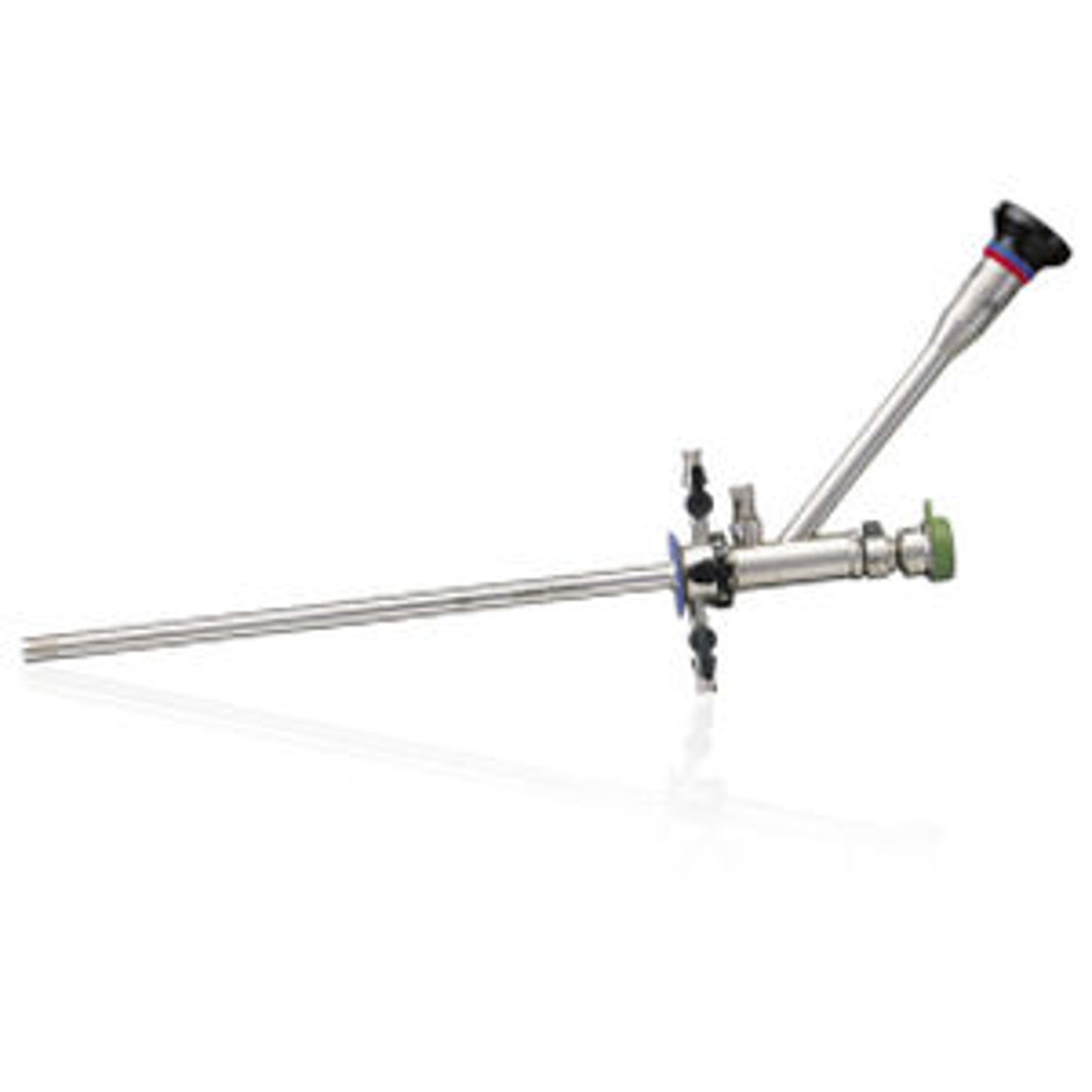
nephroscope is used for
examines, diagnoses or treats the kidneys
cystoscopes are used for
examines the inside of the bladder and urinary tract
administers the HIPAA standards
CMS(centers for Medicare and Medicaid services)
responsible for the labeling document
FDA (US Food and Drug Administration)
provides information on proper use of PPE
CDC (Center for Disease Control)
protects workers from workplace injury and illness
(Occupational Safety and Health Administration)
requires manufacturers to provide the IFU'S for devices
FDA (Food and Drug Administration)
organization that wrote ST79
AAMI (Association for the Advancement of Medical Instrumentation)
surveyors from this organization are required to ask if you reprocess duodenoscopes
CMS
enforces the bloodborne pathogen standard
OSHA
regulates the reprocessing of single use devices
FDA
published the "essential elements of reprocessing for flexible endoscopes"
CDC
regulates the transporting of minimally processed items outside of healthcare facilities
DOT(department of transportation)
responsible to minimizing greenhouse gases
EPA (Environmental Protection Agency)
registers antimicrobials
EPA
describe the difference between internal and external probes
Internal probes are inserted into body cavities
external probes are passed over body surfaces
visual examination of the interior structures of the body is called
endoscopy
a person who performs visual examination of the interior structures of the body is called
an endoscopist
when using flexible endoscope instruments are introduced into the body through the
Biopsy port
along with benefits to the patients, endoscopic procedures benefit the facility by
Reducing procedure time
the insertion tube of a flexible endoscope can contain the
instrument channel
gram negative stain color is
red
relative humidity in all endoscopic work areas should not exceed
60%
when carrying flexible endoscope, they should always be held at the
control head
the process of identifying all risks to and from an activity and assigning the potential impact of each risk is called
risk assessment
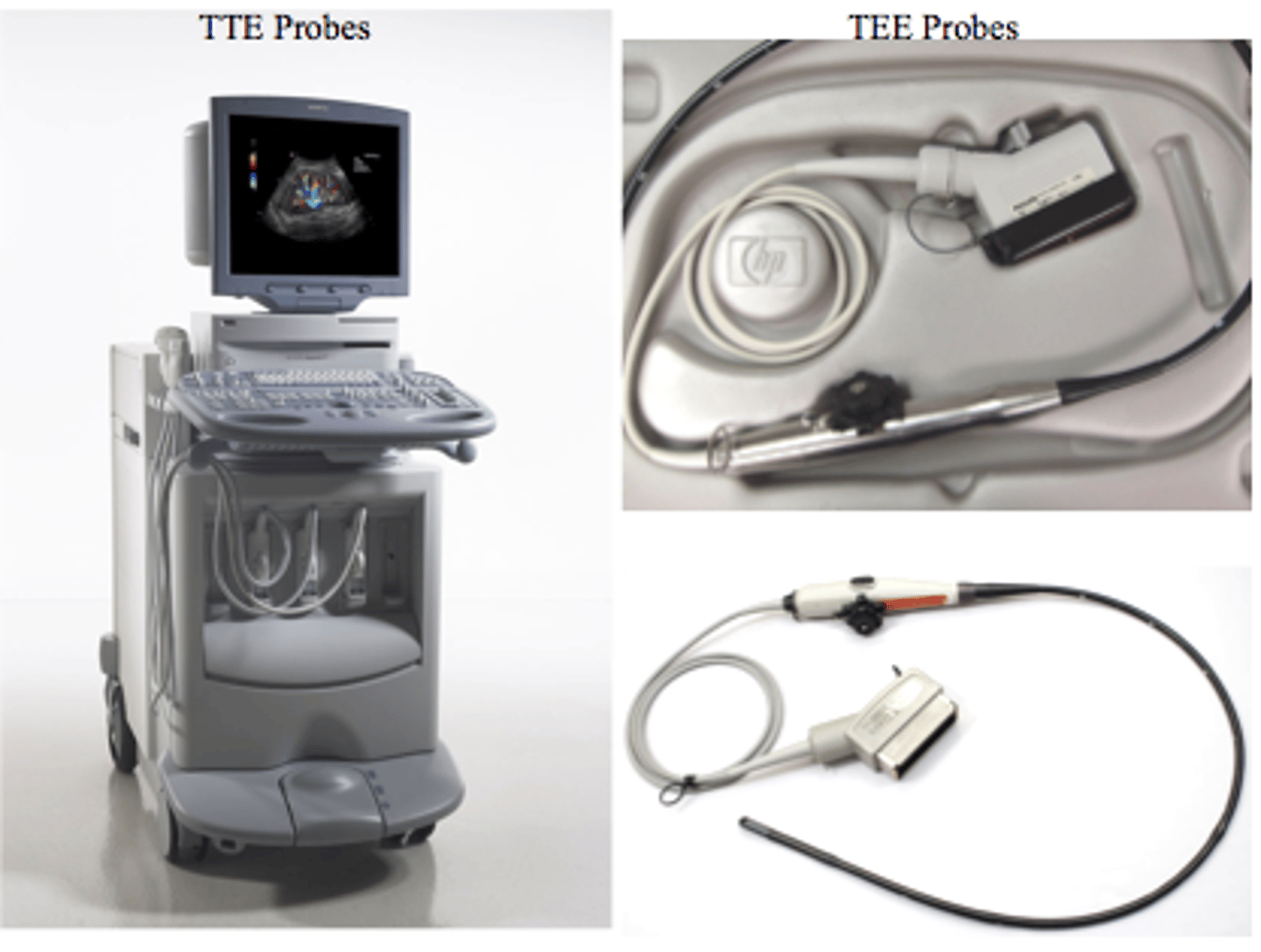
assessing the hearts function
TEE probes
the relationship between human beings and the system with which they interact
human factors
The portion of the flexible endoscope that contains water/suction valves and angulation knobs is the?
control body
bacteria are divided into groups based on
gram stain color
the leak detector should be connected to---- portion of the endoscope
venting connection
the recommended temperature for the endoscope clean processing area should be at what temp?
60-73 degrees
packaging material approved for hydrogen peroxide plasma sterilization include
tyvek pouches
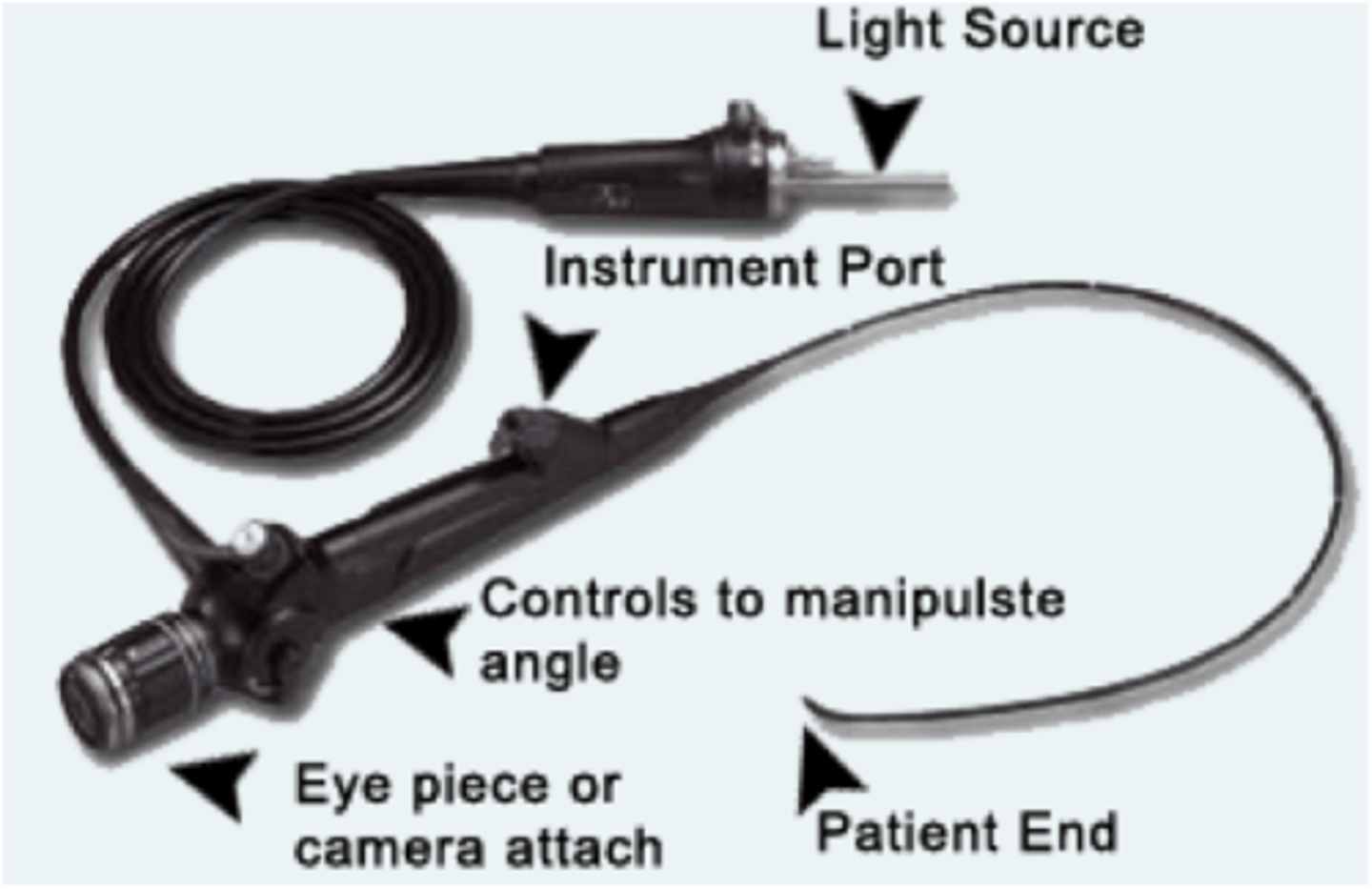
the most complex type of endoscope is the
flexible endoscope
endo spores are formed
inside the bacteria cell
specific tasks to be done, time horizons for these tasks, and resource allocation are all part of an effective:
action plan
regulations and standards establish
minimum levels of quality and safety
this organization is responsible for promoting health and quality of life
Centers for Disease Control and Prevention (CDC)
located at the end, this tube connects the endoscope to the light source
light guide tube (light connector)
this tube connects the light connector to the control body
universal cord/light tube
allows instruments to be inserted and enables the physician to perform certain procedures
internal instrument channel (working channel)
The portion of the flexible endoscope that enters the body, protects inner components, houses air, water and channels.
insertion tube
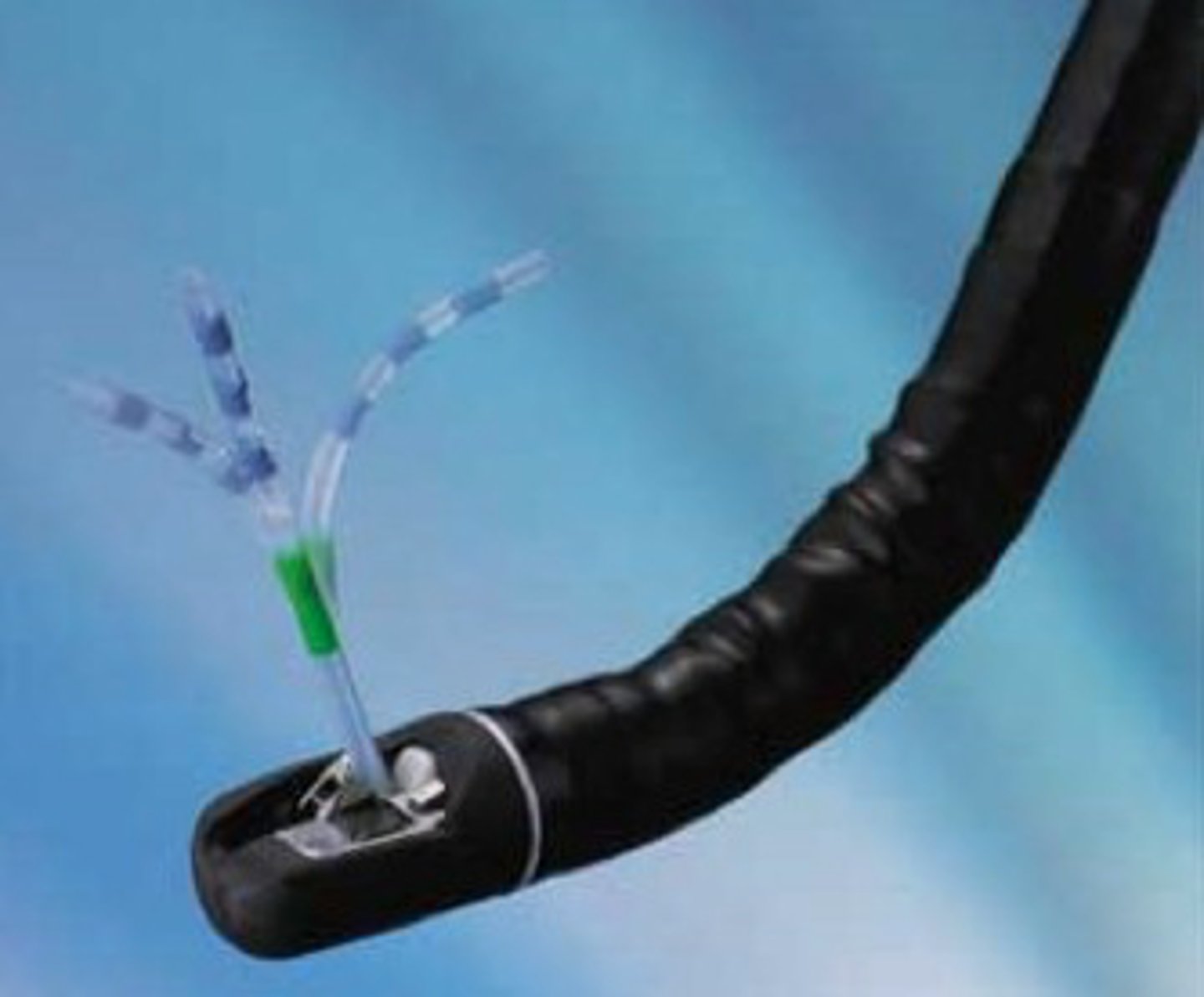
cannulating the biliary or pancreatic duct
ERCP (endoscopic retrograde cholangiopancreatography)
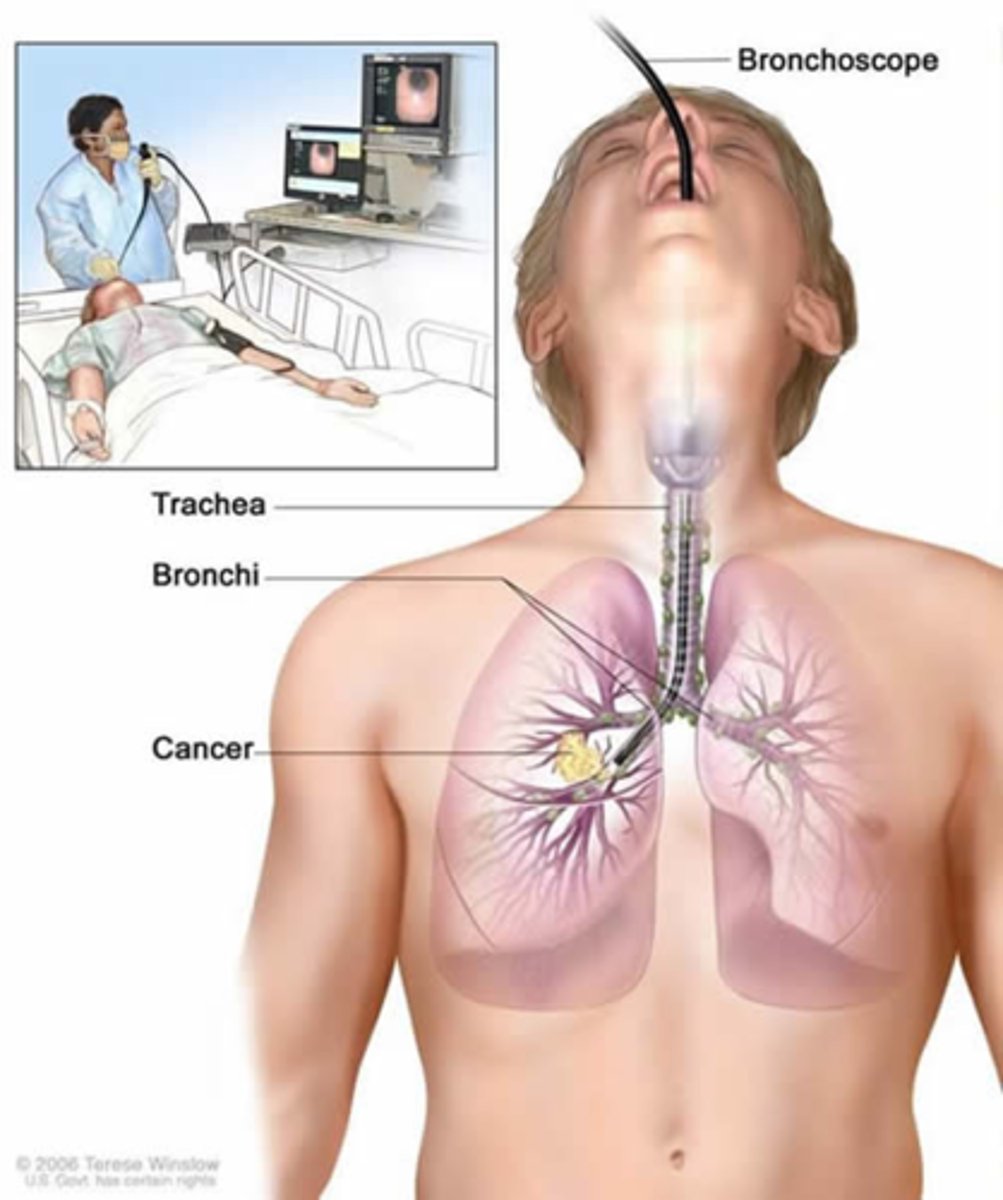
used to diagnose lung cancer, infections and other diseases
EBUS(endobronchial ultrasound)
pathogen aggressiveness is also referred to as
virulence
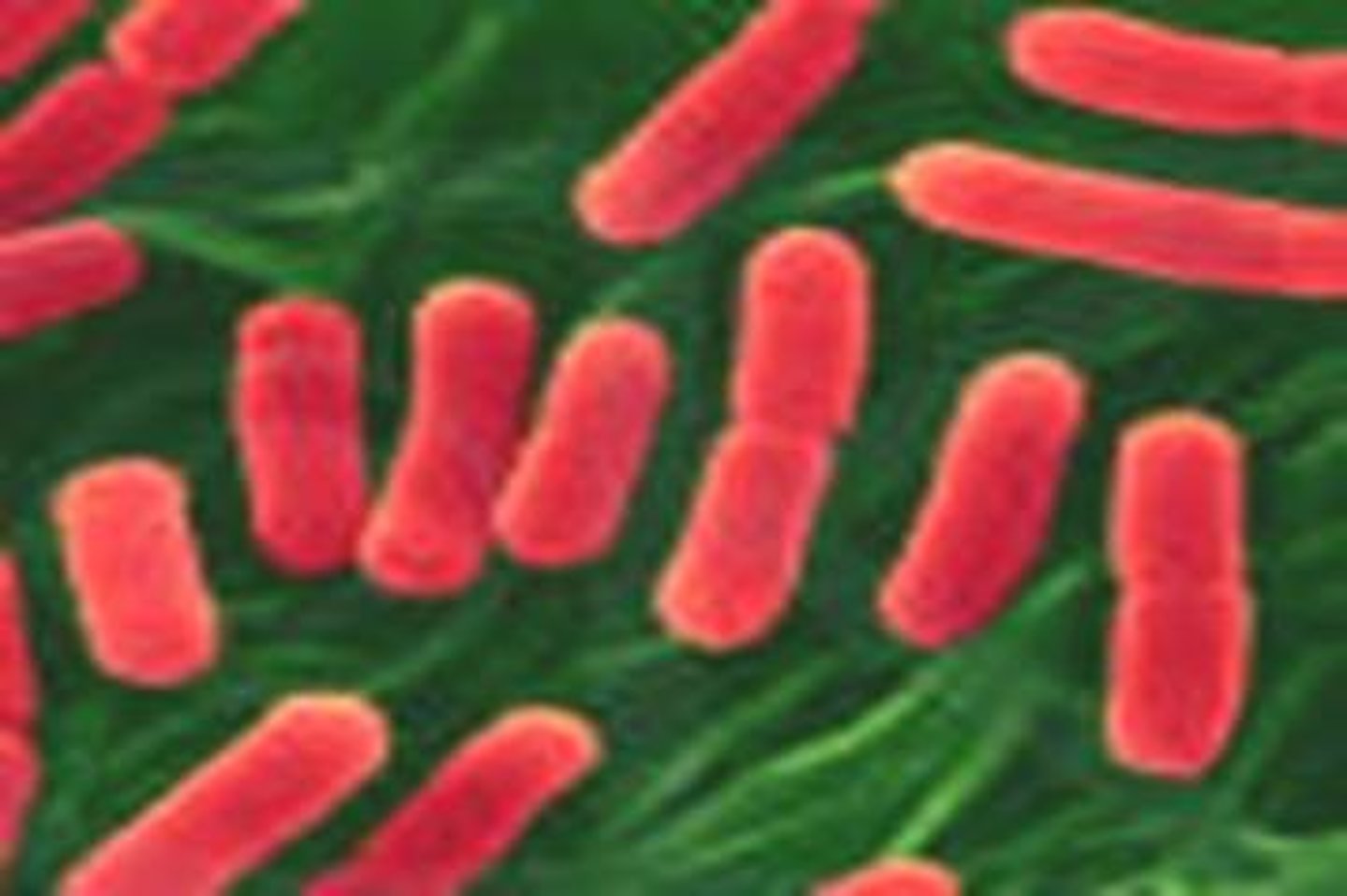
Rod shaped bacteria
bacilli
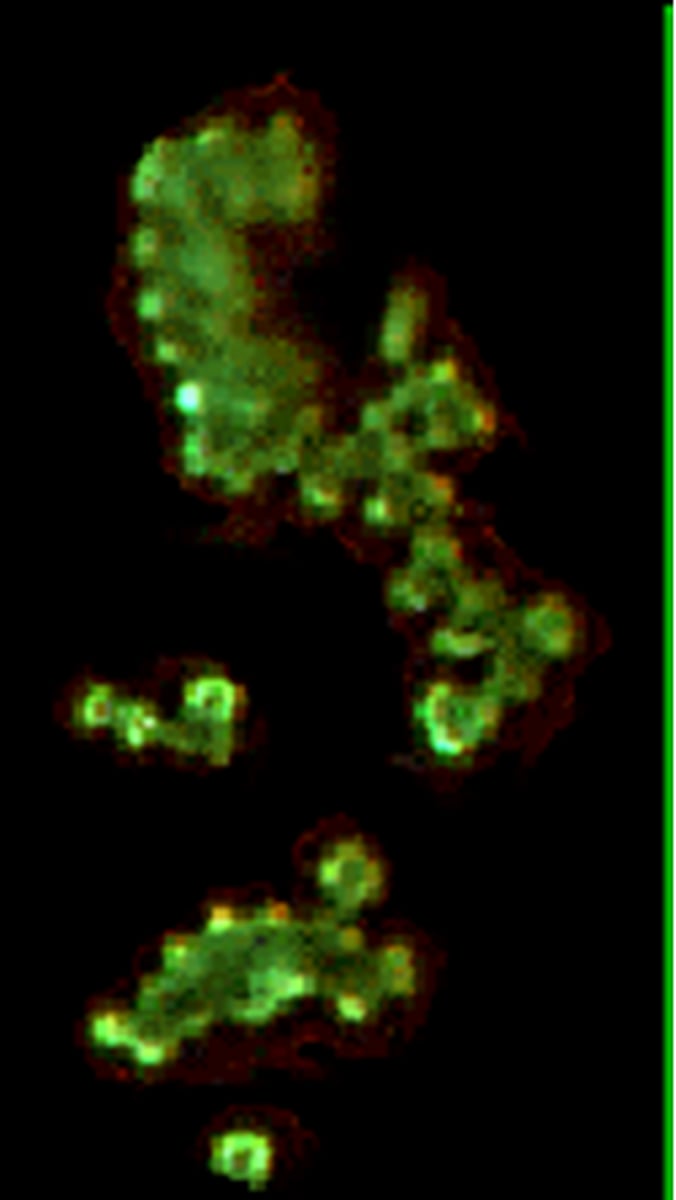
spiral or ball shaped bacteria
cocci
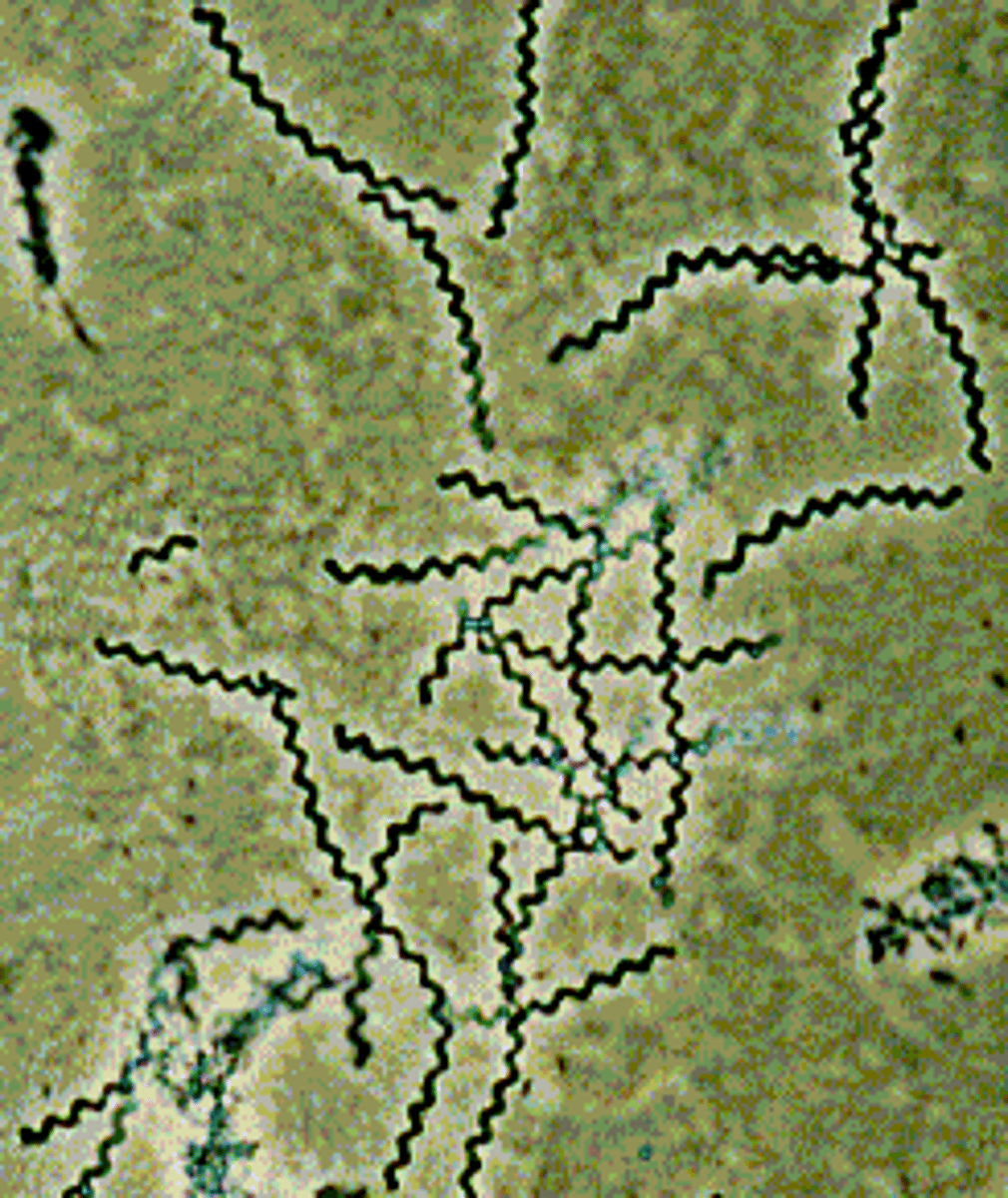
bacteria that are curved, spiral or corkscrew shaped
spirochetes
1. gown
2. mask
3. goggles/face shield
4. shoe covers
5. gloves
putting on PPE
1.shoe covers
2. gloves
3. goggles/face shield
4. gown
5. mask
6. head cover
7. wash hands
taking off PPE
Removing or reducing contamination by infectious organisms on a device
decontamination