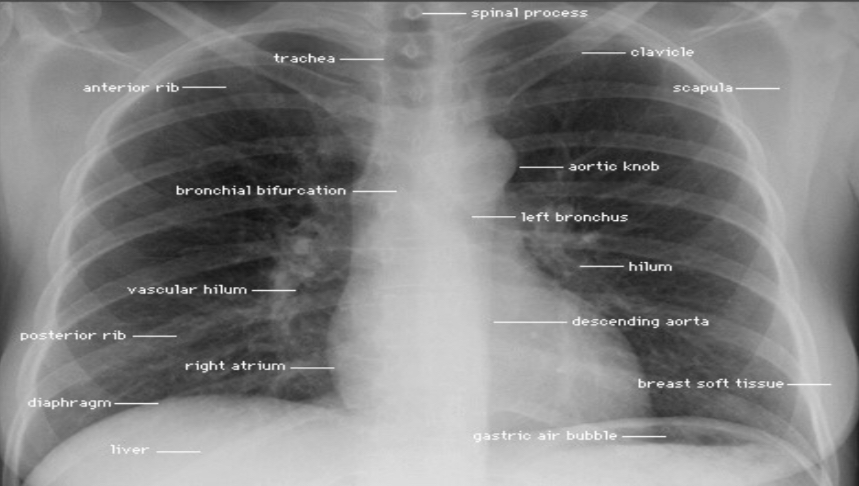
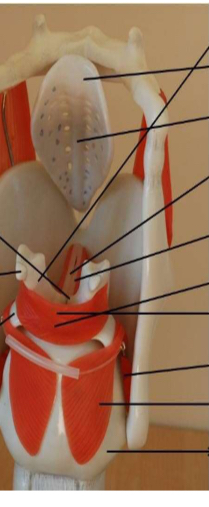
respiratory anatomy
 Call Kai
 Learn
Learn Practice Test
 Spaced Repetition
 Match
Match Flashcards
 Knowt Play
1/31

There's no tags or description
Looks like no tags are added yet.
Name | Mastery | Learn | Test | Matching | Spaced | Call with Kai |
|---|
No analytics yet
Send a link to your students to track their progress
32 Terms
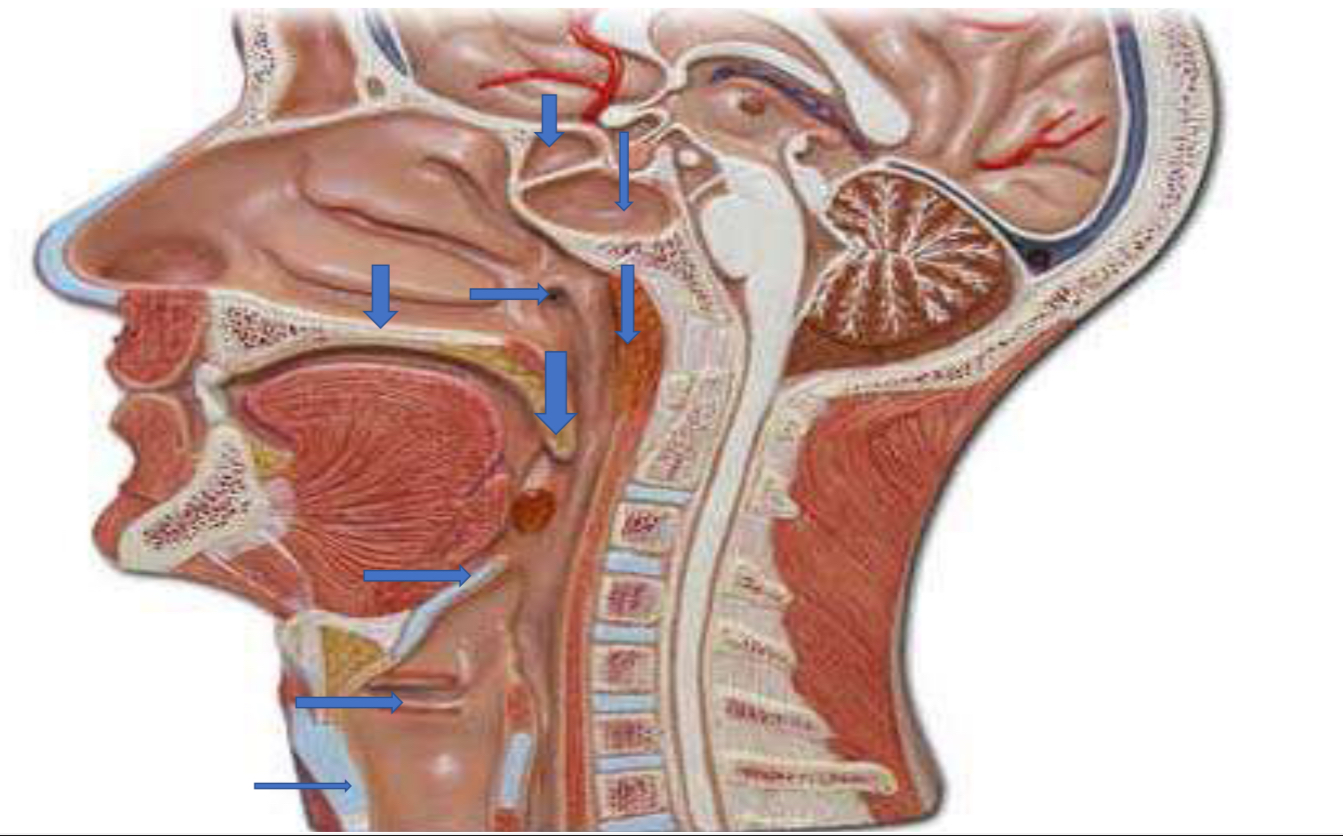
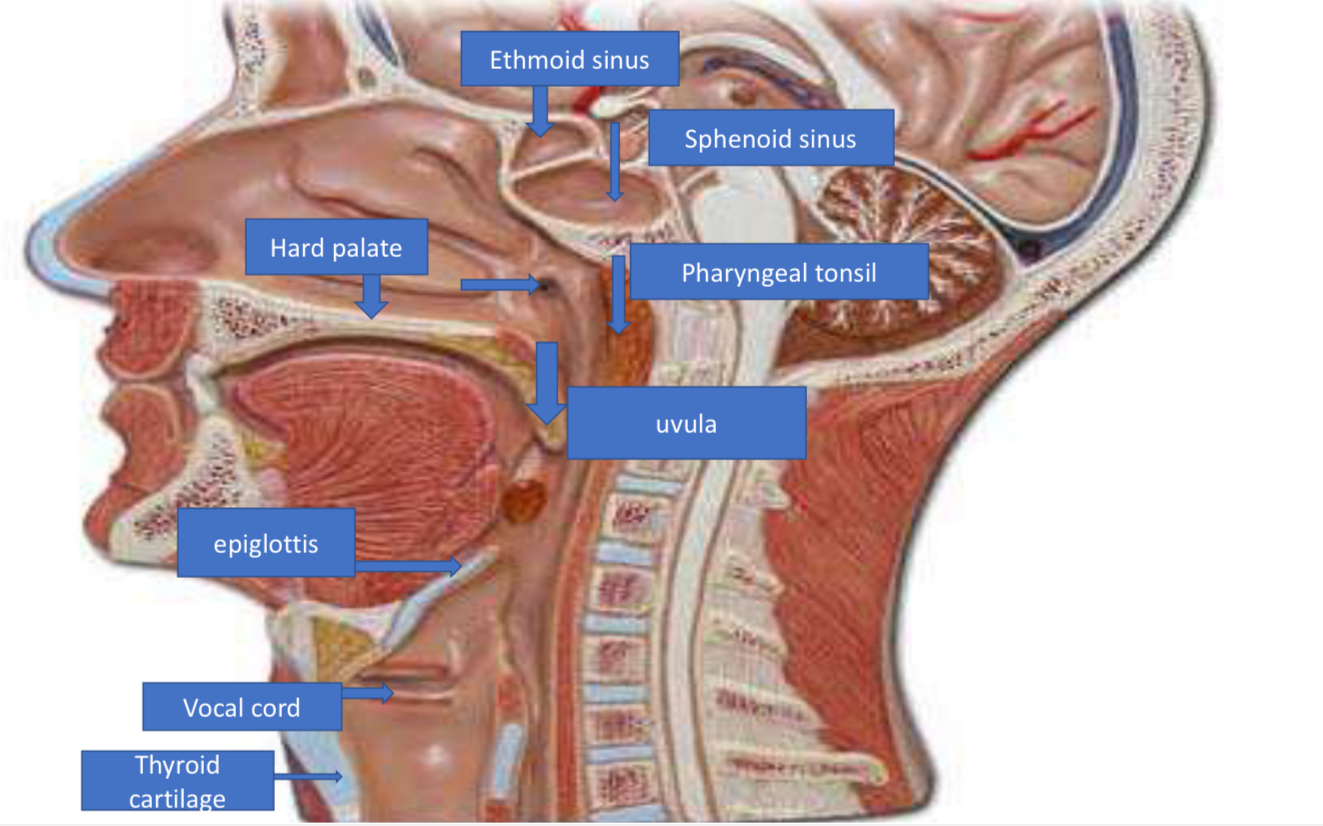
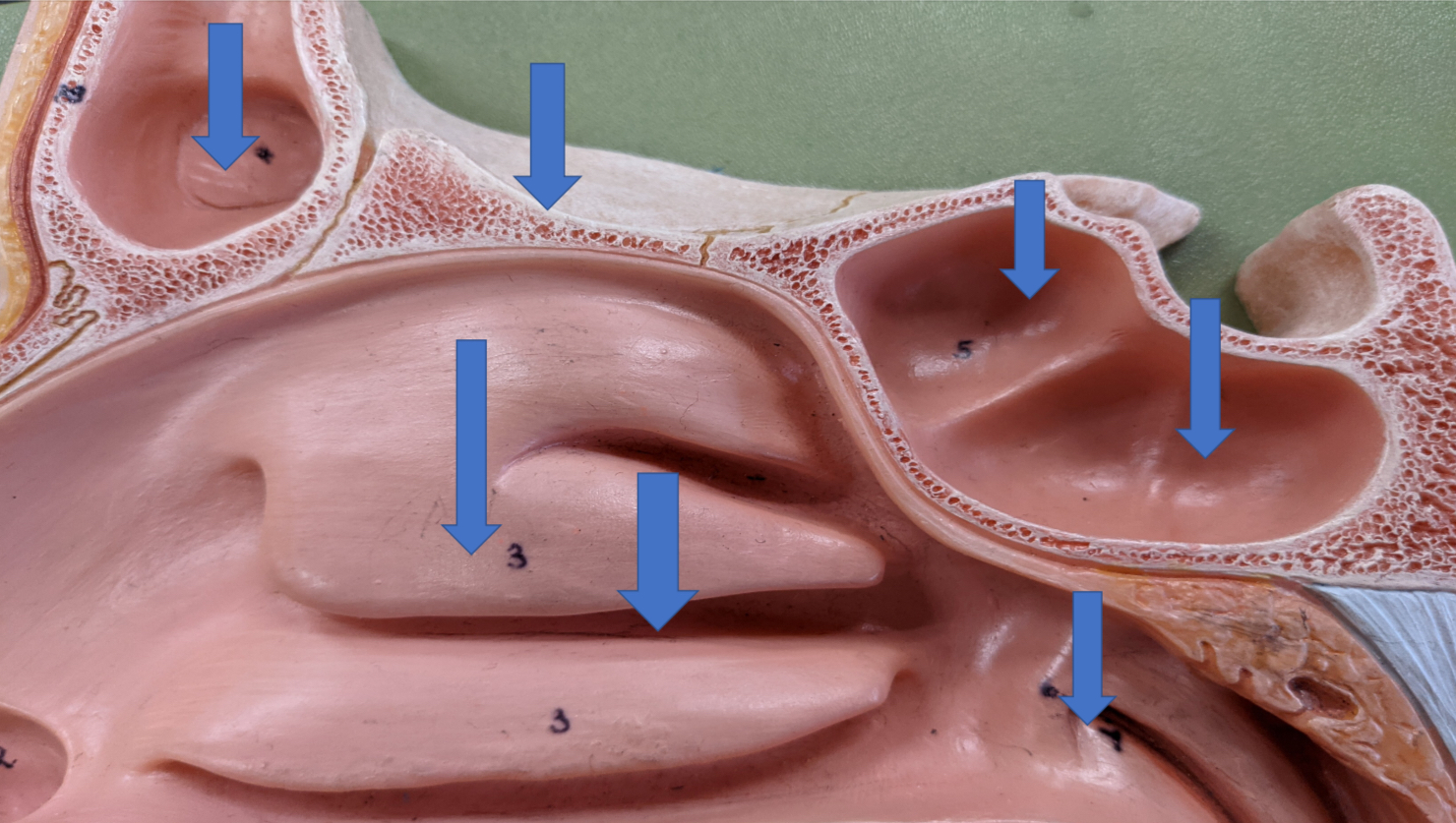
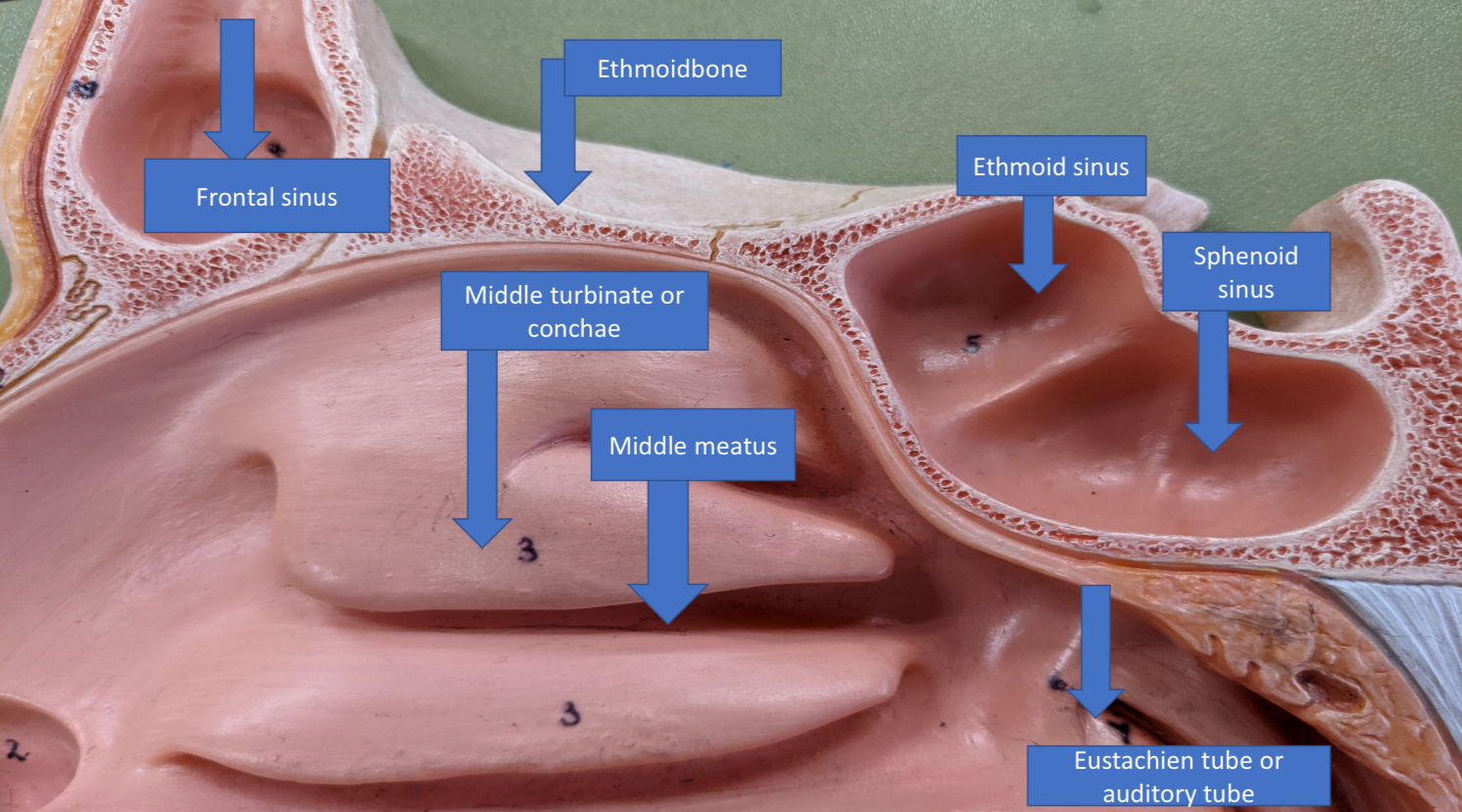
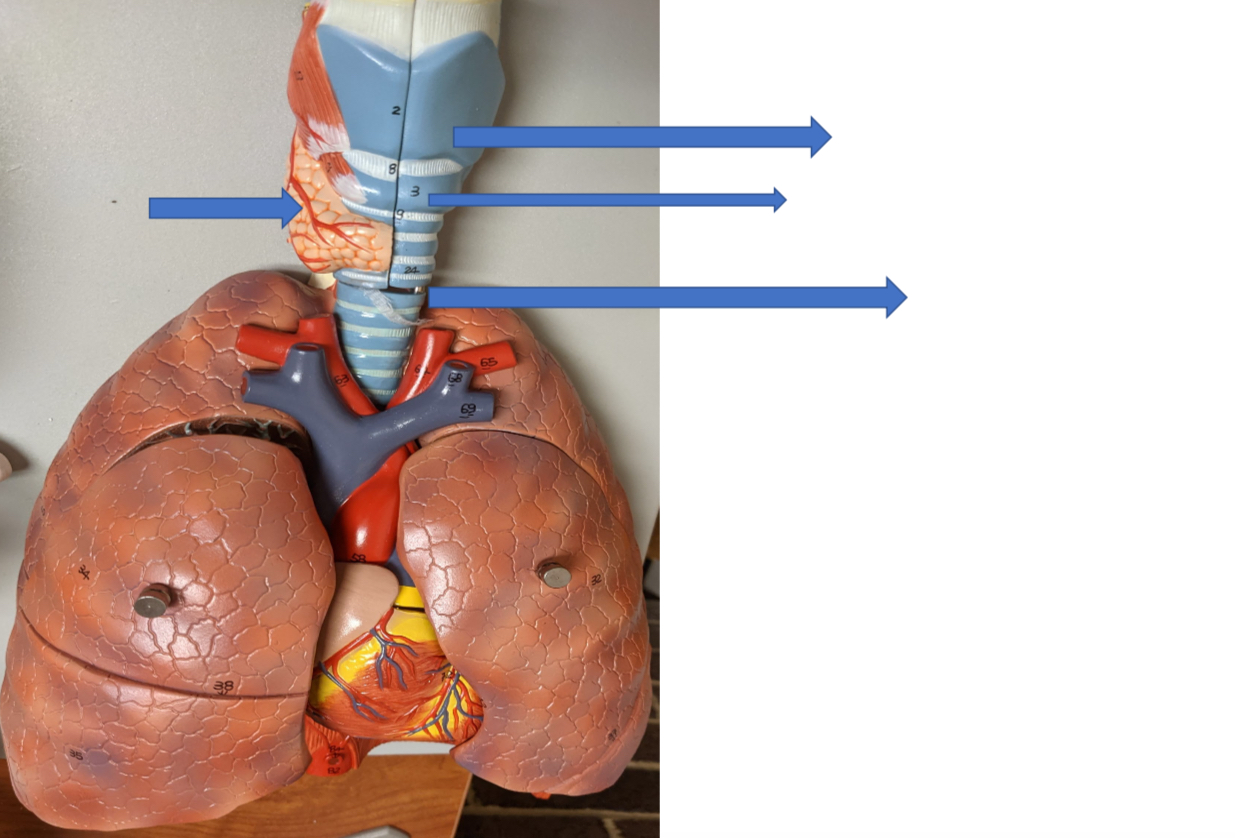
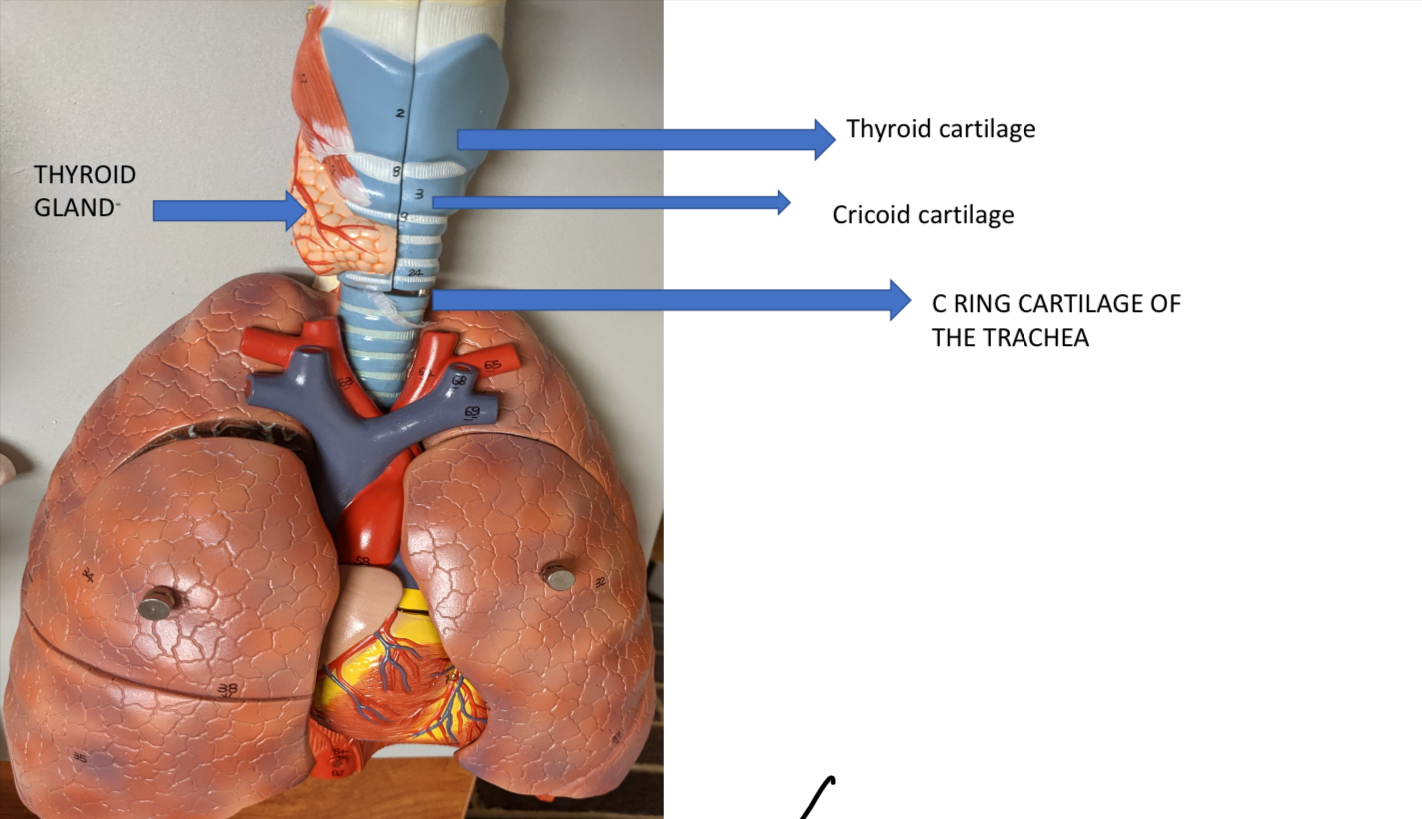
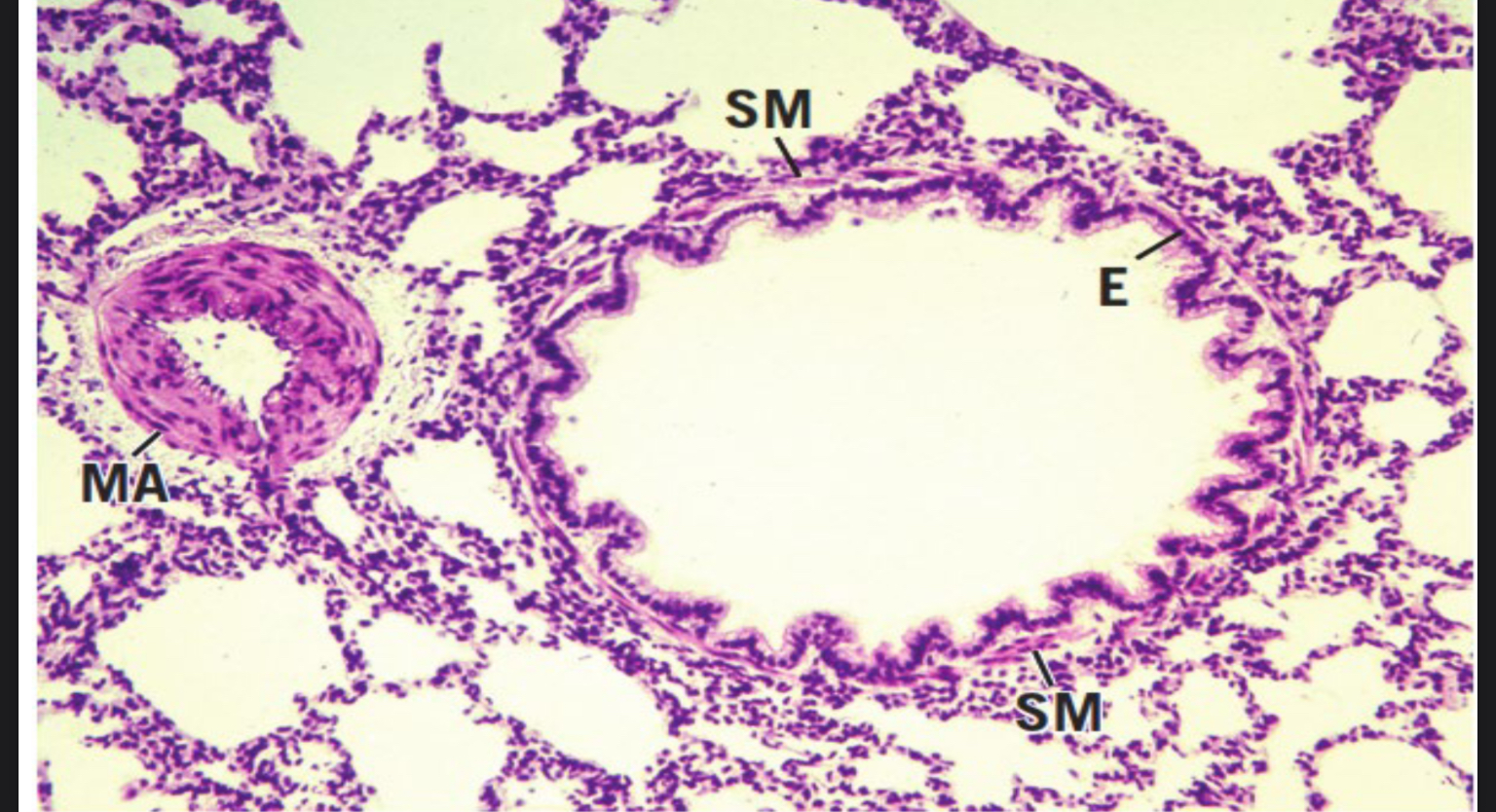
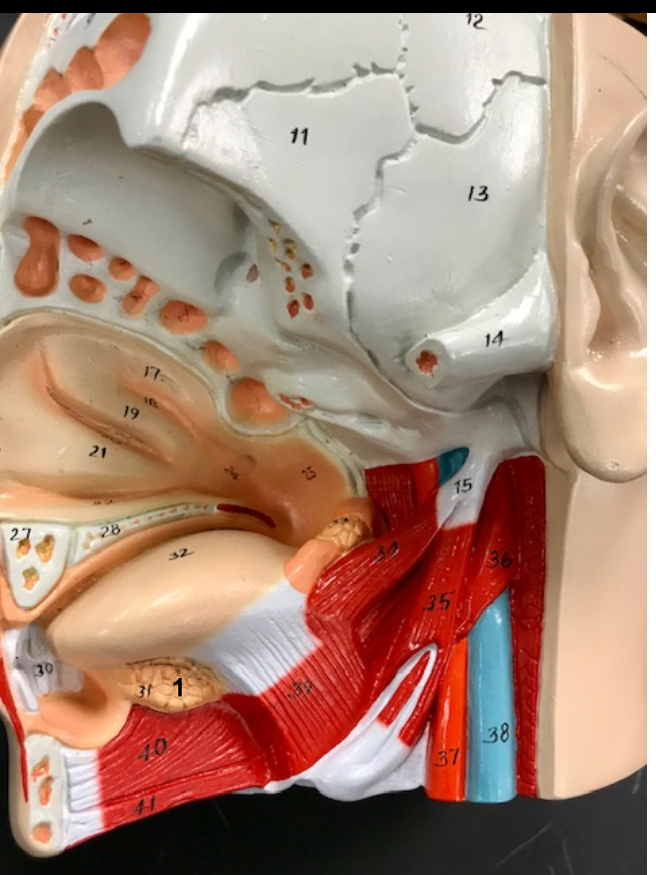
what is this
bronchiole
Q: What does Boyle’s Law state?
Q: What is the formula for Boyle’s Law
Q: What happens to pressure when volume increases according to Boyle’s Law
Boyle’s Law states that for a fixed mass of gas at constant temperature, pressure and volume are inversely proportional.
The formula for Boyle’s Law is P × V = k
when volume increases, pressure decreases, assuming temperature remains constant.
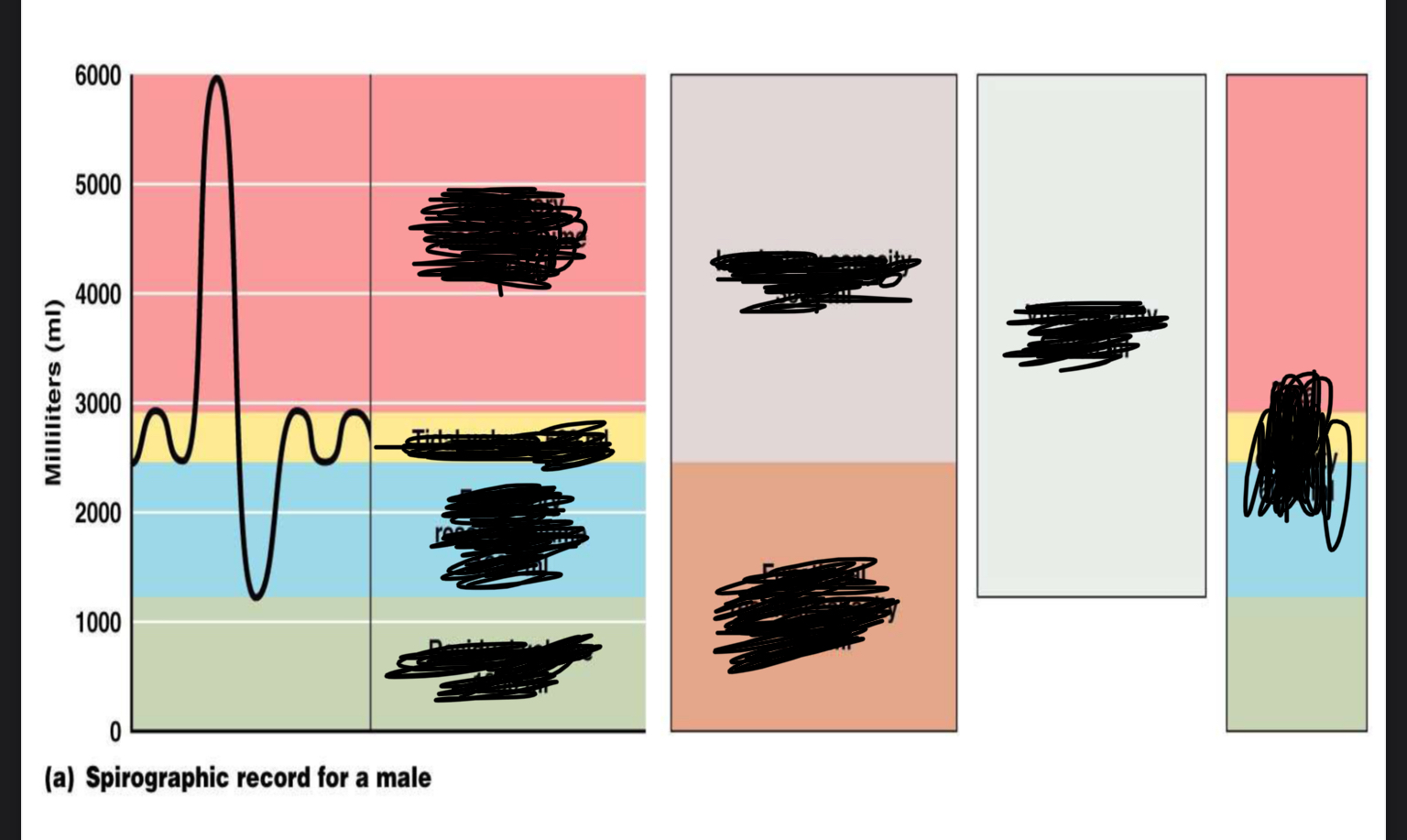
Q: What is physiologic dead space (VD)?
What two components make up physiologic dead space?
What is the normal value of physiologic dead space in a healthy person?
A: Physiologic dead space is the volume of inspired air that does not participate in gas exchange.
A: Physiologic dead space is the sum of anatomic dead space and alveolar dead space.
A: The normal value of physiologic dead space is approximately 150 mL per breath.
What is anatomic dead space?
Q: Approximately how much of the resting tidal volume is anatomic dead space?
Q: In a healthy lung, how does physiologic dead space compare to anatomic dead space?
A: Anatomic dead space is the volume of air in the conducting zone, such as the mouth and trachea, that does not participate in gas exchange.
A: Anatomic dead space is approximately one-third of the resting tidal volume.
In a healthy lung, physiologic dead space is approximately equal to anatomic dead space.
affirm
done!
What is alveolar dead space?
Where is alveolar dead space most commonly found in the lungs?
Why do some alveoli not participate in gas exchange?
A: Alveolar dead space is the volume of air in alveoli that are ventilated but not perfused, meaning they do not participate in gas exchange.
A: Alveolar dead space is most commonly found at the apex of the lungs.
A: Some alveoli do not participate in gas exchange because they are ventilated but not perfused with blood.
What does the Bohr equation determine?
Q: What is the formula for the Bohr equation
A: The Bohr equation determines the physiologic dead space in the lungs.
A: The formula is VD = VT × (PaCO₂ − PeCO₂) / PaCO₂.
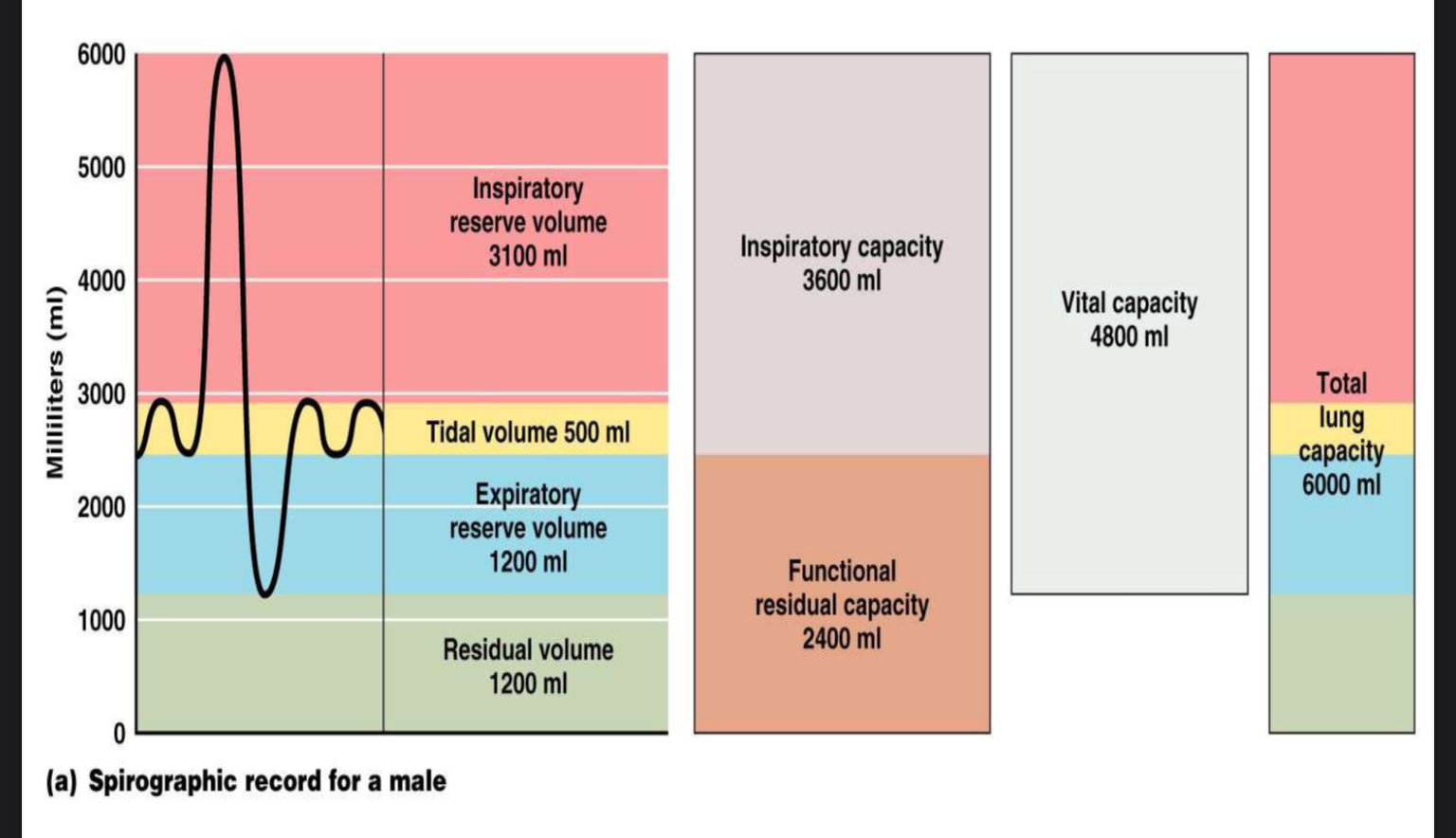
What is tidal volume (TV)?
What is the average tidal volume for adult males and females?
A: Tidal volume is the amount of air inhaled or exhaled with each breath under resting conditions.
A: The average tidal volume is approximately 500 mL for both adult males and females.
7mL/kg
What is inspiratory reserve volume (IRV)?
Q: What are the average IRV values for adult males and females? And range ?
Q: What is expiratory reserve volume (ERV)?
Q: What are the average ERV values for adult males and females? And range?
A: Inspiratory reserve volume is the amount of air that can be forcefully inhaled after a normal tidal volume inhalation.
A: The average IRV is about 3100 mL for males and 1900 mL for females.
3-3.5L
A: Expiratory reserve volume is the amount of air that can be forcefully exhaled after a normal tidal volume exhalation.
A: The average ERV is about 1200 mL for males and 700 mL for females.
1.5L
What is residual volume (RV)?
Q: What are the average RV values for adult males and females? And range
A: Residual volume is the amount of air remaining in the lungs after a forced exhalation.
A: The average RV is about 1200 mL for males and 1100 mL for females.
1-1.5L
What is total lung capacity (TLC)?
Q: What is the formula for total lung capacity (TLC)?
Q: What are the average TLC values for adult males and females? and rsnge
A: Total lung capacity is the maximum amount of air contained in the lungs after a maximum inspiratory effort
A: Total lung capacity is calculated as TLC = TV + IRV + ERV + RV.
A: The average TLC is about 6000 mL for males and 4200 mL for females.
6-6.5L
What is vital capacity (VC)?
Q: What is the formula for vital capacity (VC)?
Q: How does vital capacity (VC) relate to total lung capacity (TLC)?
Q: What are the average VC values for adult males and females? and range
A: Vital capacity is the maximum amount of air that can be expired after a maximum inspiratory effort.
A: Vital capacity is calculated as VC = TV + IRV + ERV.
A: Vital capacity is typically about 80% of total lung capacity.
A: The average VC is about 4800 mL for males and 3100 mL for females.
4.5-5L
What is inspiratory capacity (IC)?
Q: What is the formula for inspiratory capacity (IC)?
Q: What are the average IC values for adult males and females? amd range
A: Inspiratory capacity is the maximum amount of air that can be inspired after a normal expiration.
A: Inspiratory capacity is calculated as IC = TV + IRV. or TLC-FRC
A: The average IC is about 3600 mL for males and 2400 mL for females.
3.5-4L
What is functional residual capacity (FRC)?
Q: What is the formula for functional residual capacity (FRC)?
Q: What are the average FRC values for adult males and females? and range
A: Functional residual capacity is the volume of air remaining in the lungs after a normal tidal volume expiration.
A: Functional residual capacity is calculated as FRC = ERV + RV.
A: The average FRC is about 2400 mL for males and 1800 mL for females.
2.5-3L or TLC-IC
Q: What is the formula for flow?
Q: What is the formula for volume?
Q: What is the relationship between pressure, flow, and resistance?
Q: What is the formula for resistance?
Q: What is the formula for compliance?
Q: What is the formula for work of breathing?
A: flow = volume / time
A: volume = flow x time
A: pressure = flow x resistance
A: resistance = change in pressure / flow
A: compliance = volume / change in pressure
A: work of breathing = pressure x volume
Q: What is lung compliance?
Q: How is lung compliance measured?
A: Lung compliance is the ability of the lungs to distend under pressure.
A: Lung compliance = volume / change in pressure
Q: What is the formula for alveolar ventilation rate (AVR)?
Q: What is minute ventilation (VE)?
Q: What is the formula for minute ventilation?
Q: What is the normal range for minute ventilation?
A: AVR = frequency x (TV − dead space)
A: Minute ventilation is the total volume of gas entering the lungs per minute.
A: VE = TV x RR
A: Normal minute ventilation is about 4–6 L/min
Q: What makes up tidal volume (TV)?
Q: How is air distributed per minute in the lungs?
A: tidal volume = alveolar space + dead space
A: About 6 L of air is breathed per minute, with ~2 L in anatomic dead space and ~4 L participating in gas exchange
Q: What is the normal tidal volume?
Q: What is hypopnea?
Q: What is hyperpnea?
A: Normal tidal volume is about 0.5 L per breath
A: Hypopnea is decreased tidal volume
A: Hyperpnea is increased tidal volume
Q: What is hypoventilation?
Q: What is hyperventilation?
Q: What happens to PaCO₂ during hyperventilation?
Q: What happens to PaCO₂ during hypoventilation?
A: Hypoventilation is decreased minute ventilation
A: Hyperventilation is increased minute ventilation
A: During hyperventilation, PaCO₂ decreases because more CO₂ is exhaled
A: During hypoventilation, PaCO₂ increases because less CO₂ is exhaled