term 2
 Call Kai
 Learn
Learn Practice Test
 Spaced Repetition
 Match
Match Flashcards
 Knowt Play
1/429

There's no tags or description
Looks like no tags are added yet.
Name | Mastery | Learn | Test | Matching | Spaced | Call with Kai |
|---|
No analytics yet
Send a link to your students to track their progress
430 Terms
msk 1.1
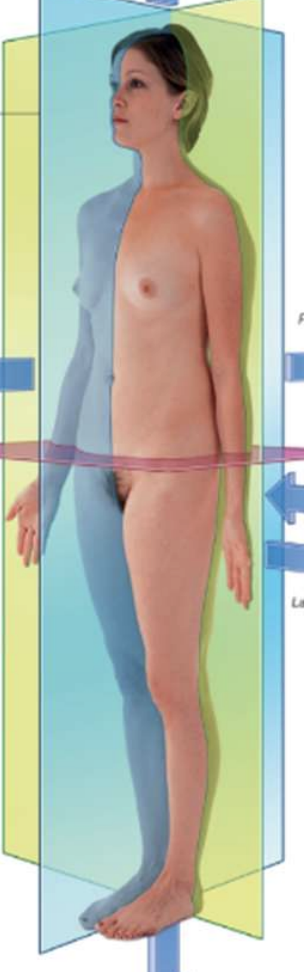
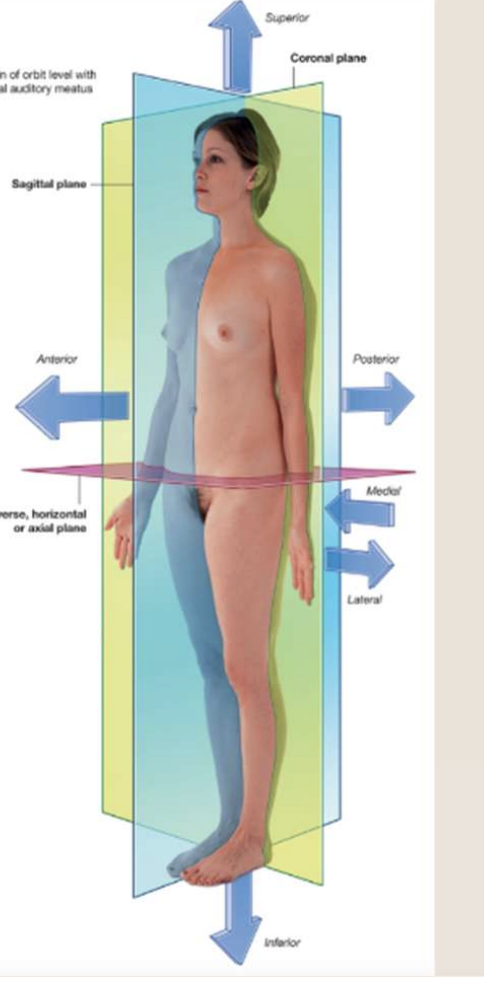
label the planes
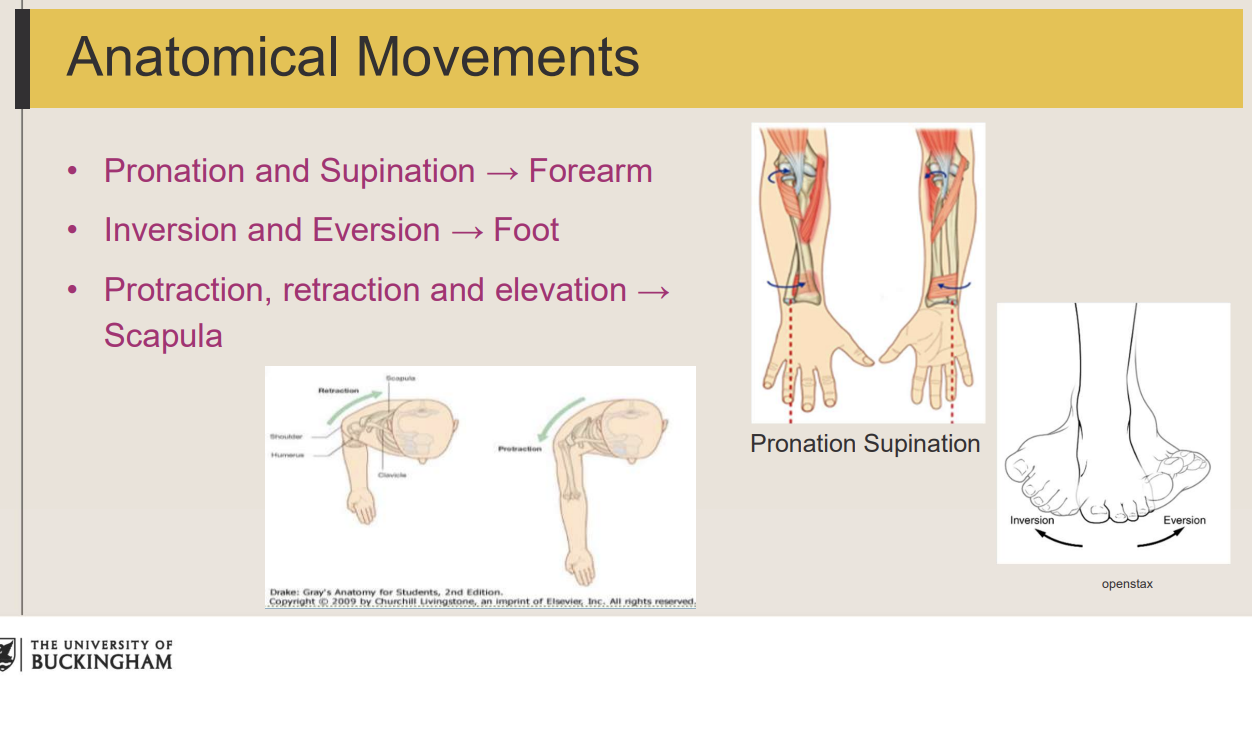
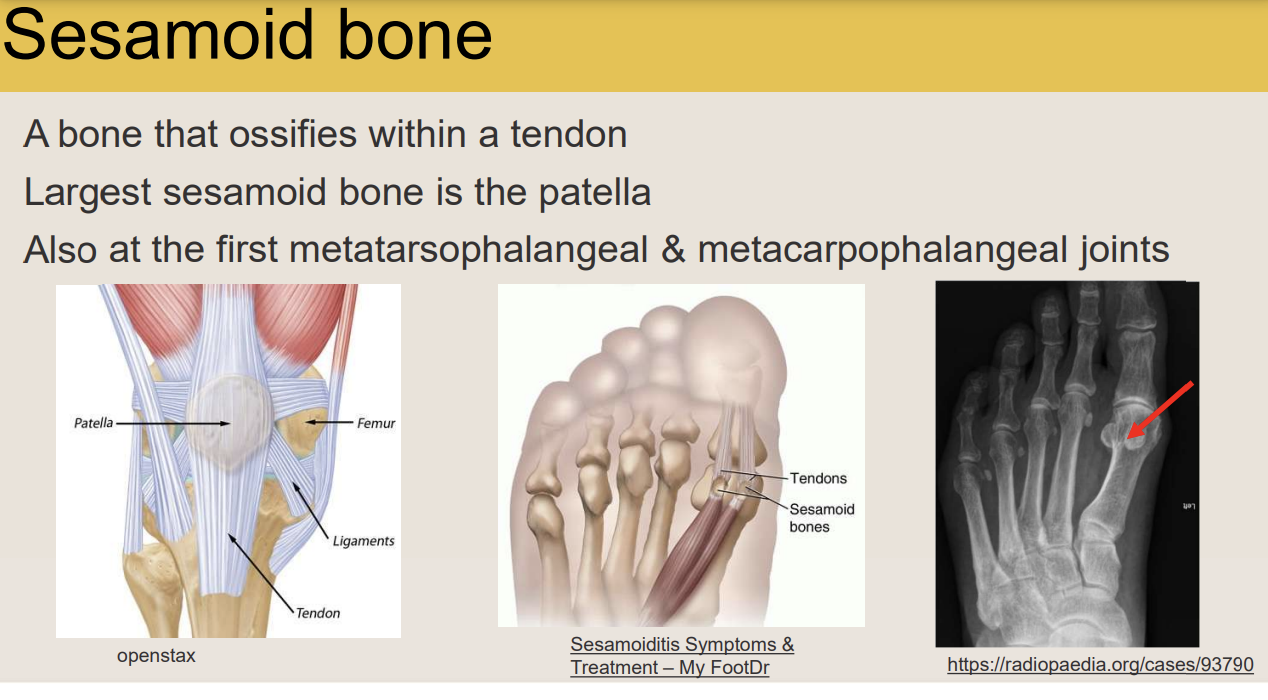
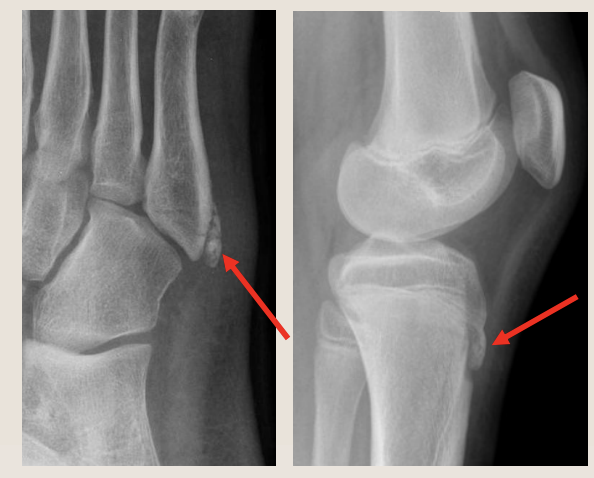
what is this
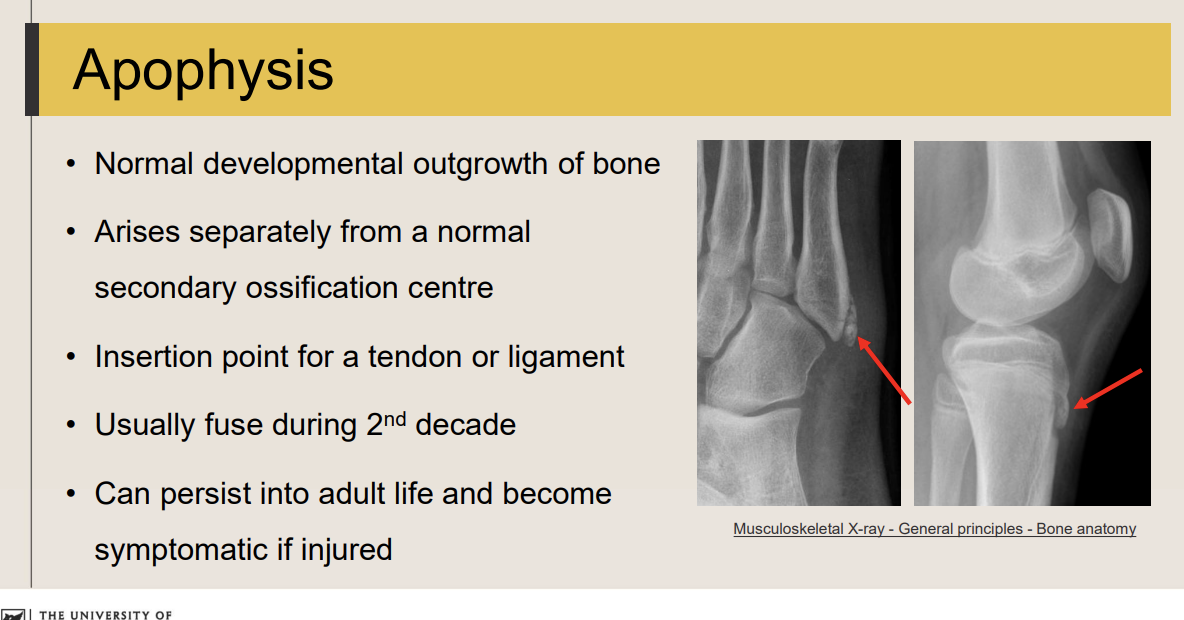
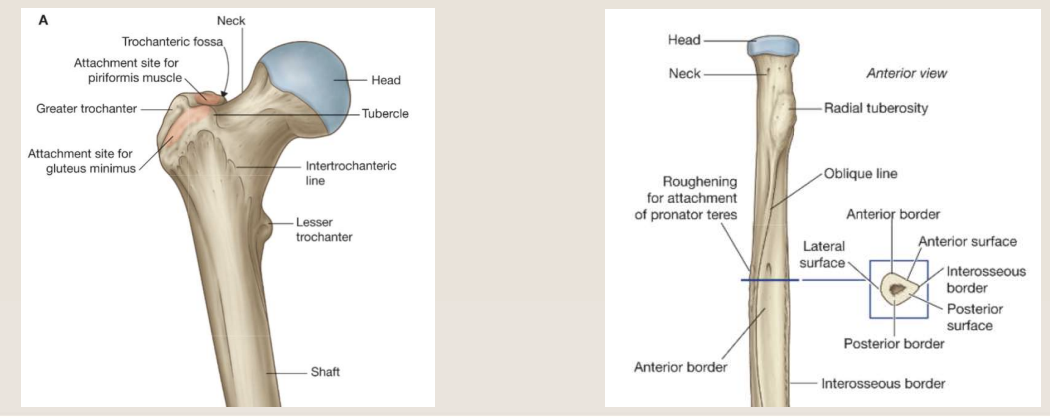
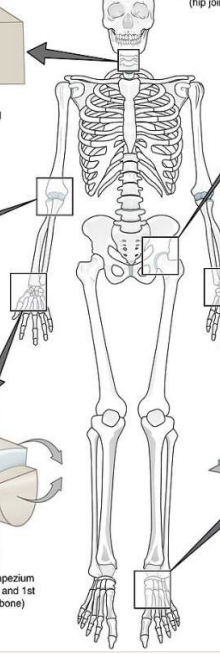
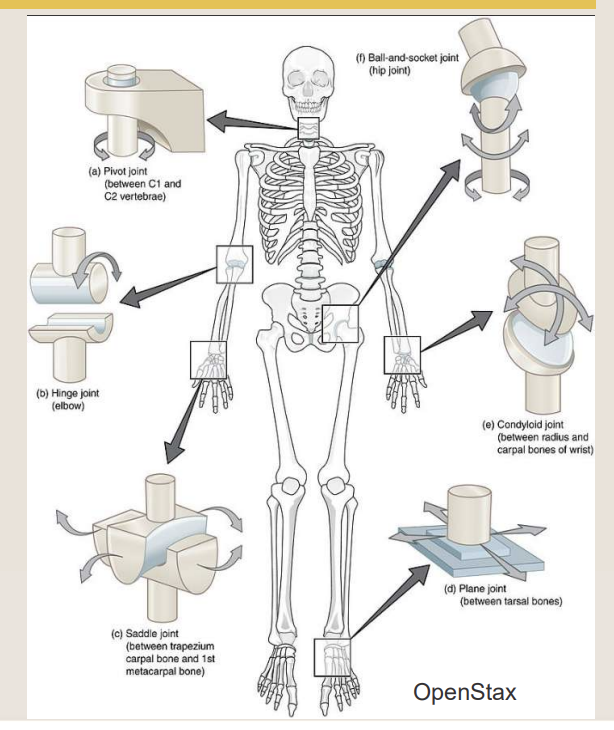
name types of joints
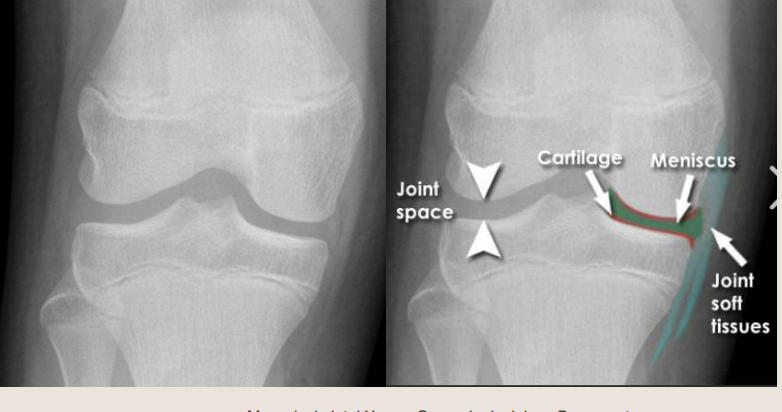
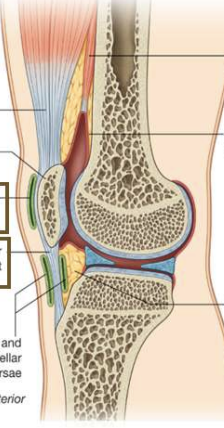
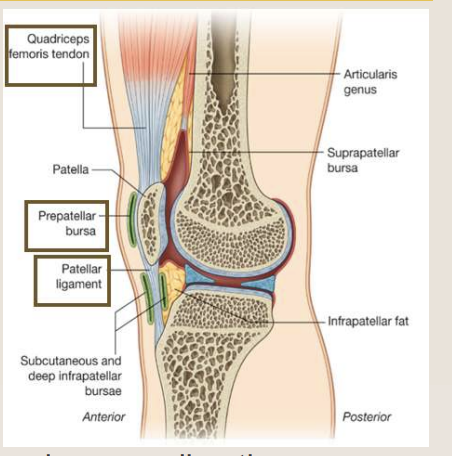
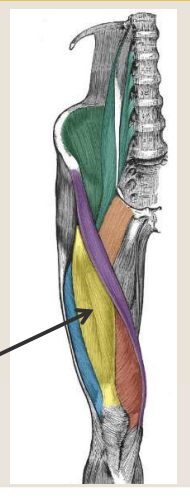
what is this
rectus femoris
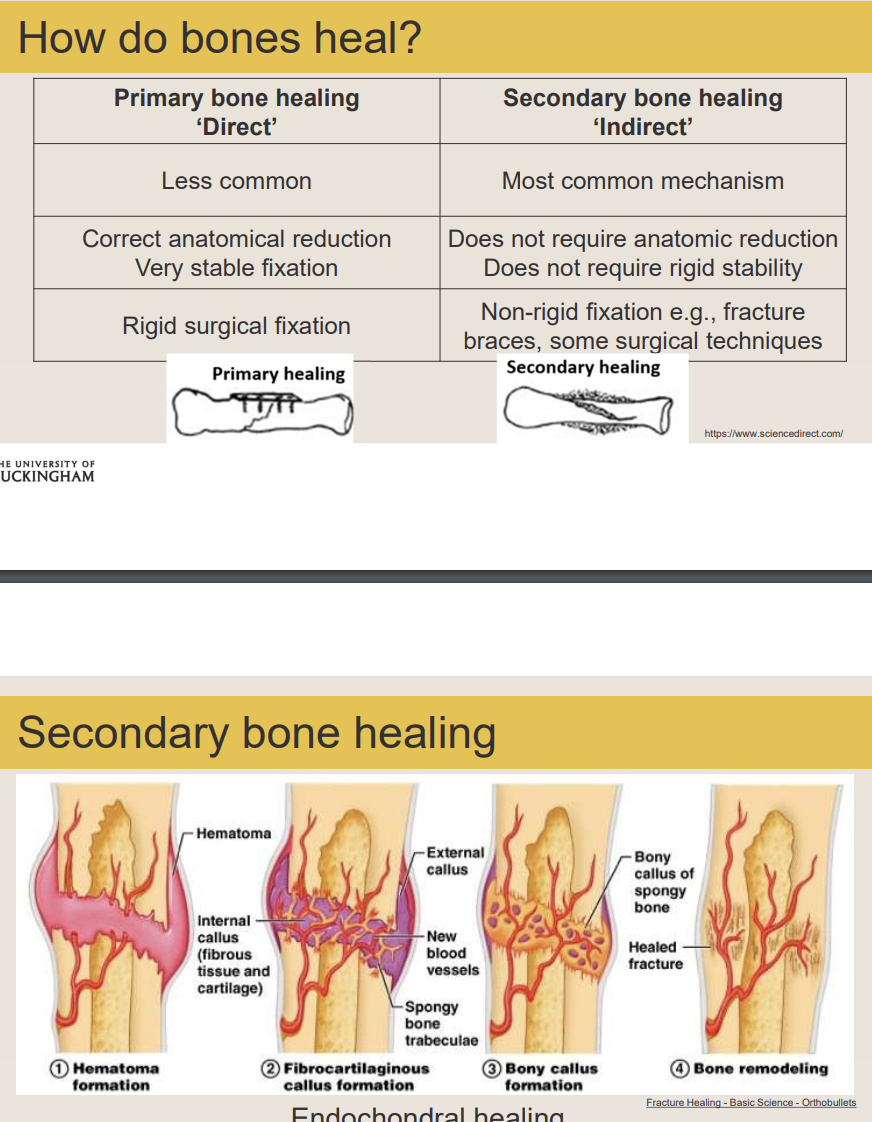
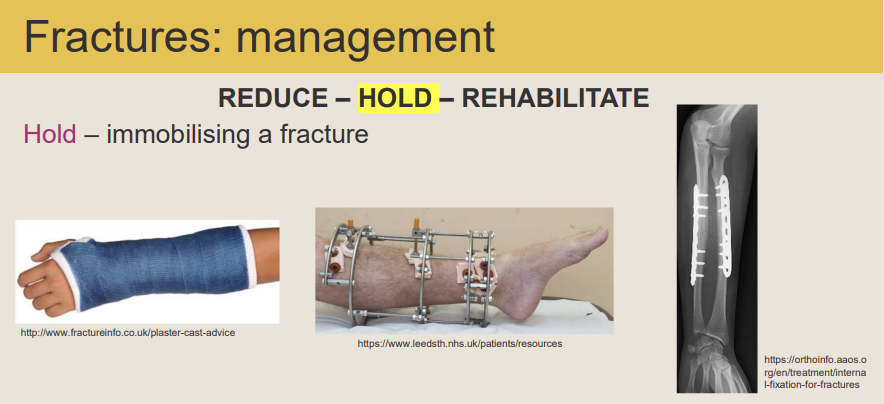
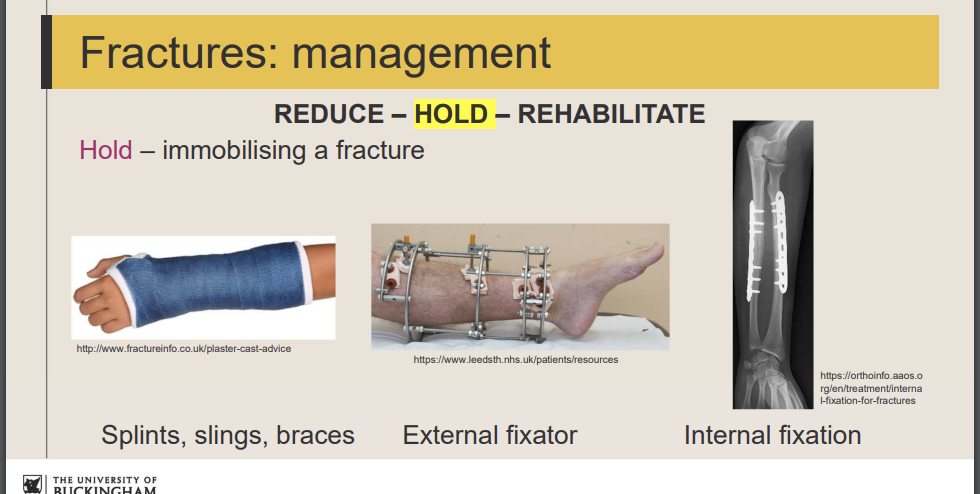
msk 1.2
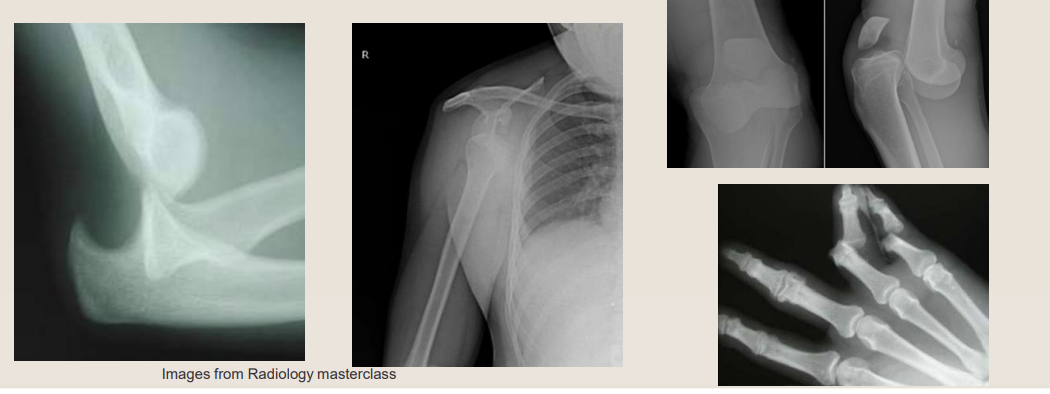
what are these
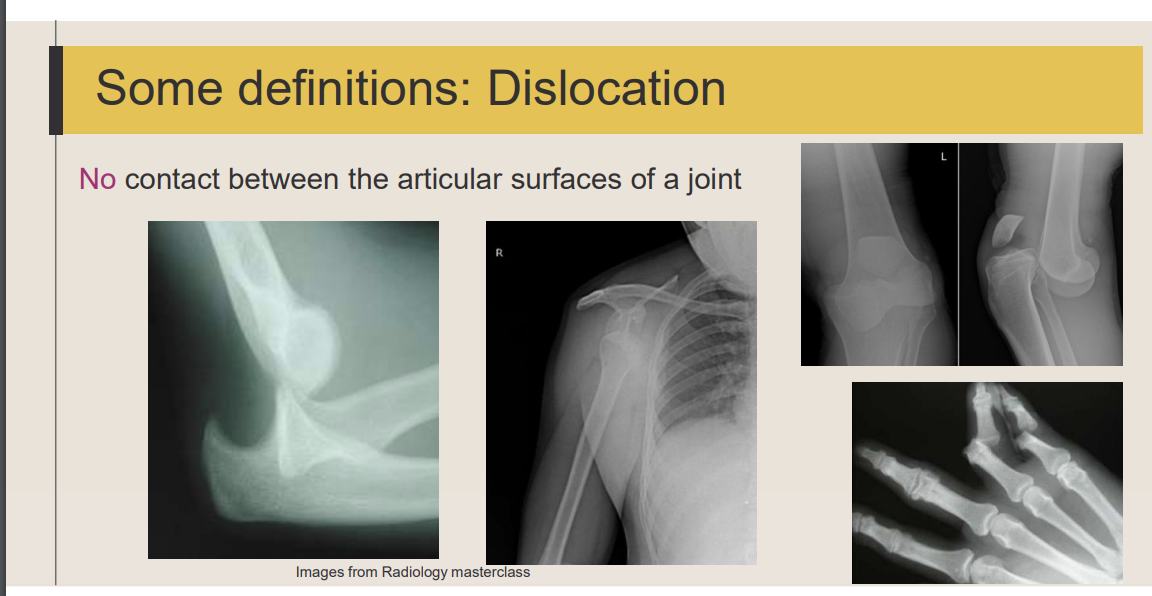
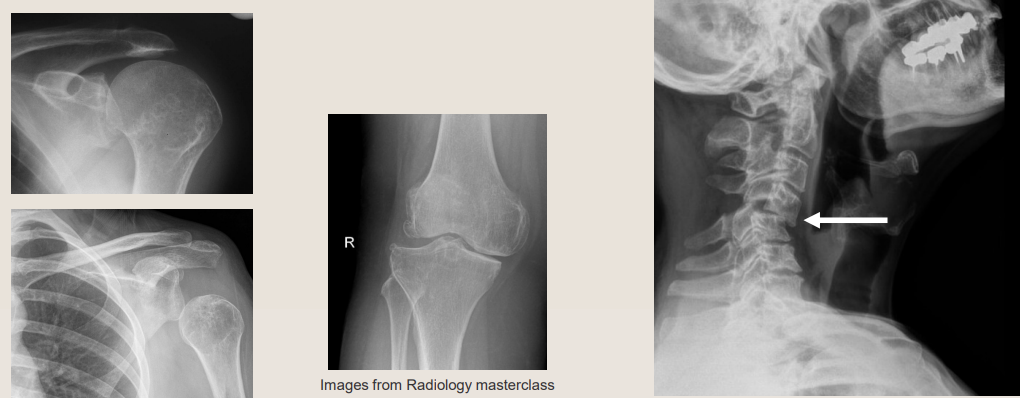
what are these
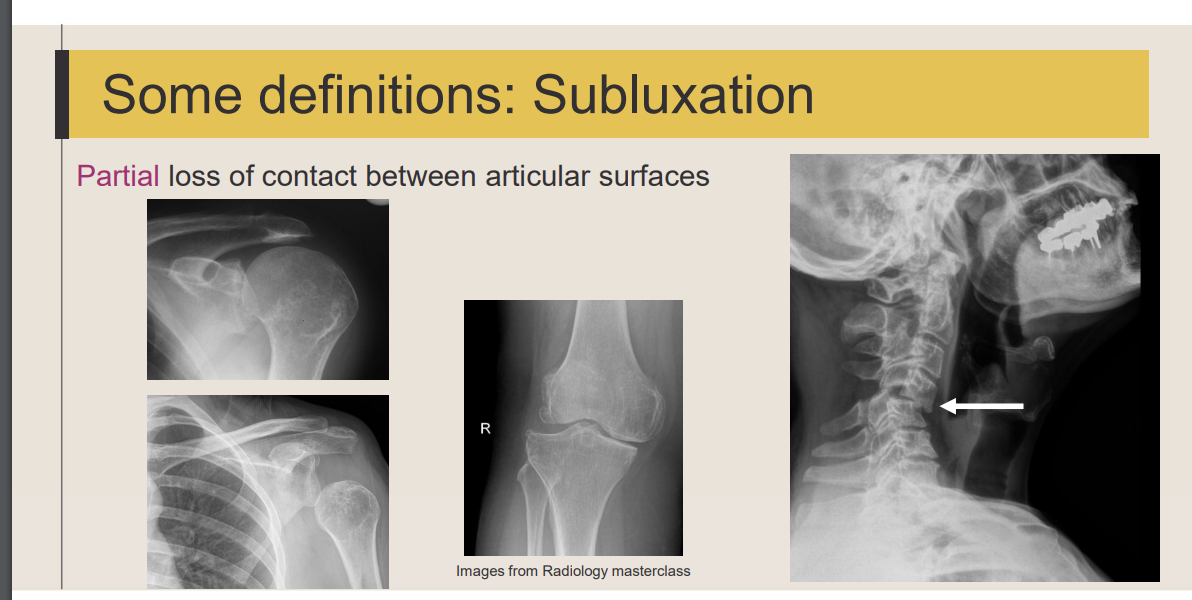
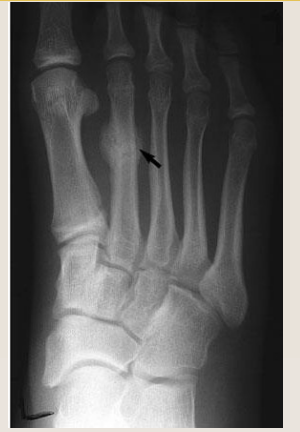
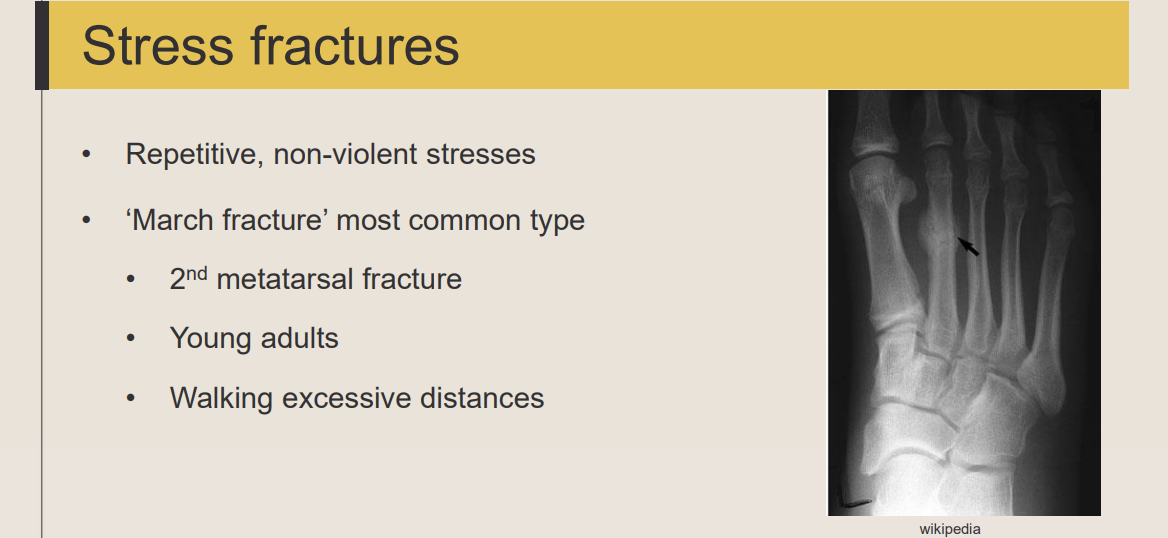
what type of fracture is this
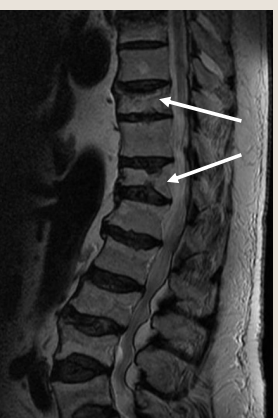
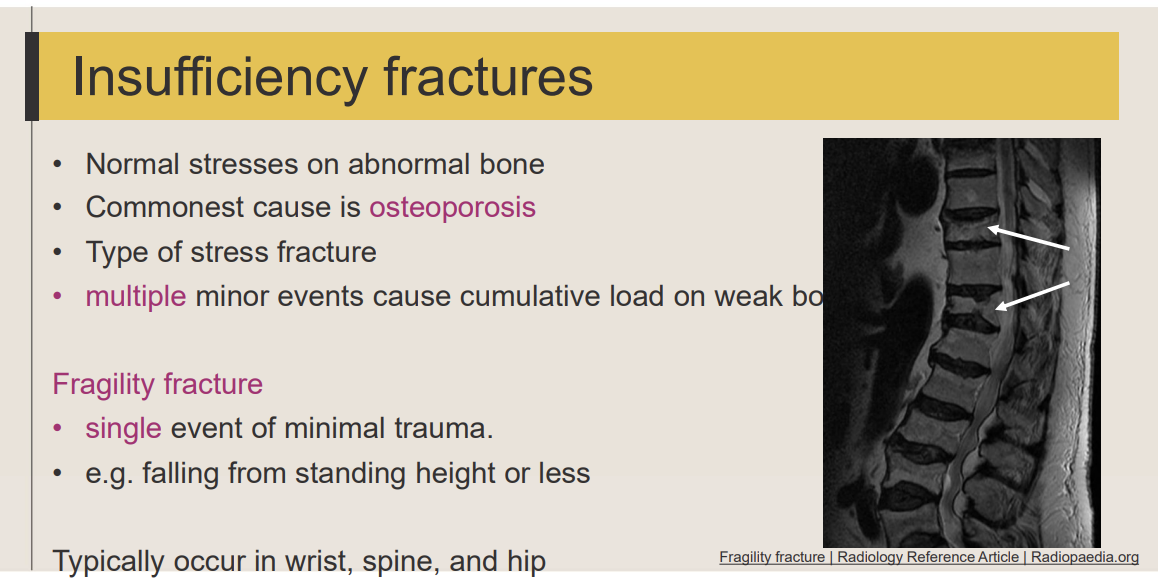
what type of fracture is this
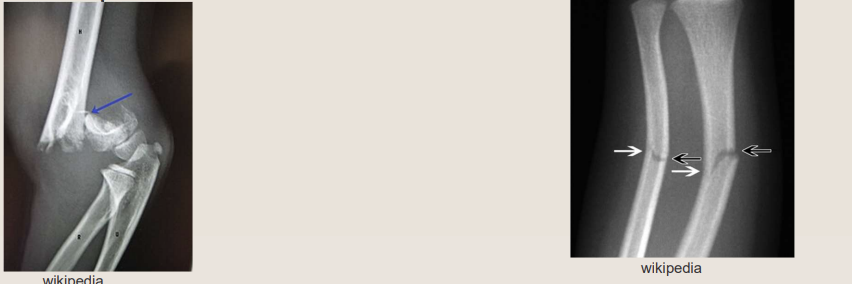
what type of fracture is this
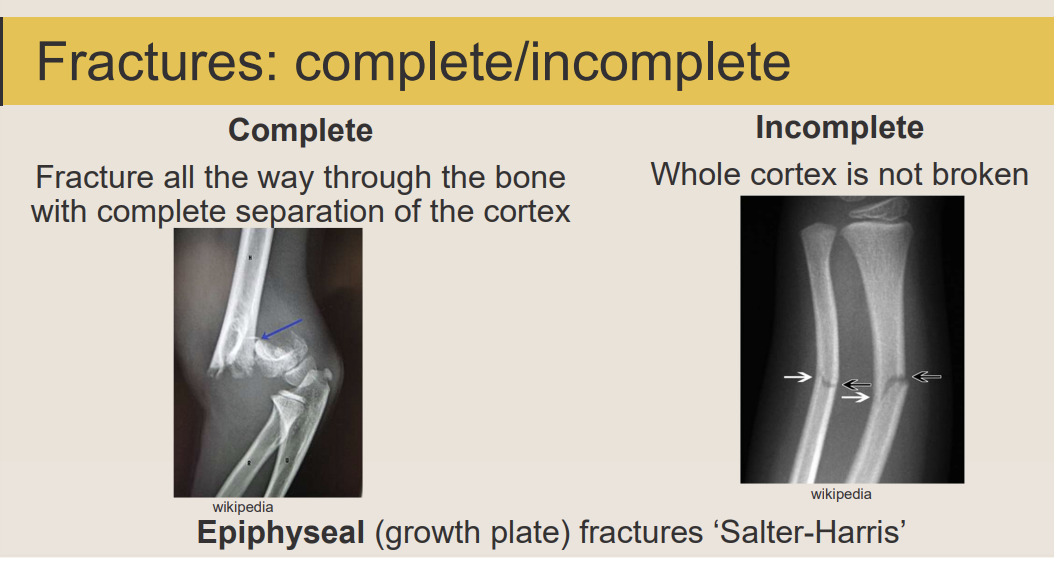
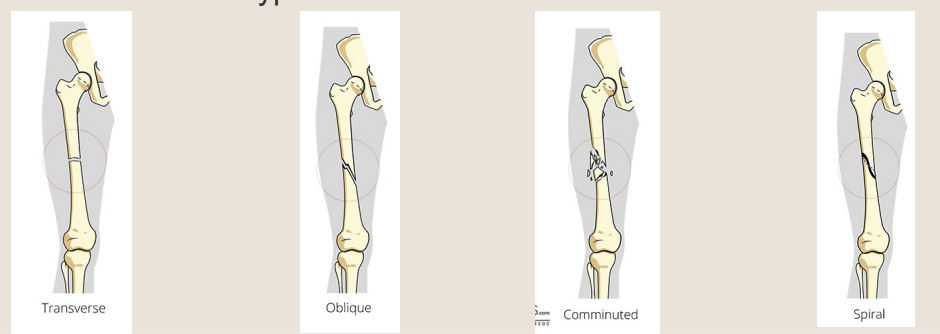
name each type of shape fragments of complete fractures
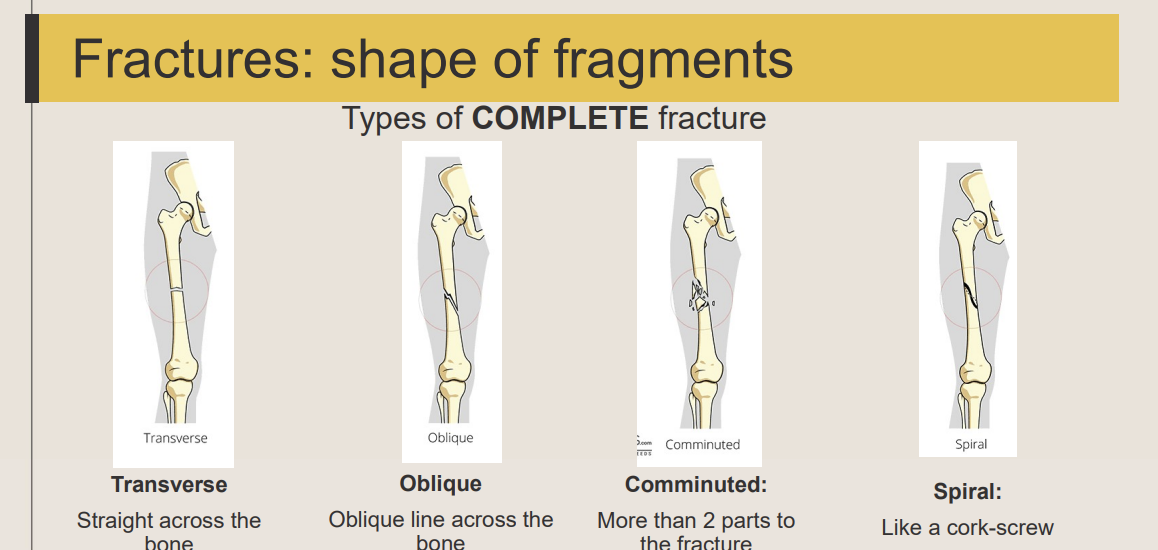
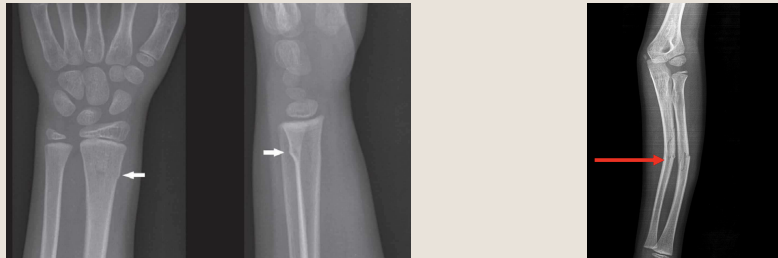
name each type of shape fragments of incomplete fractures
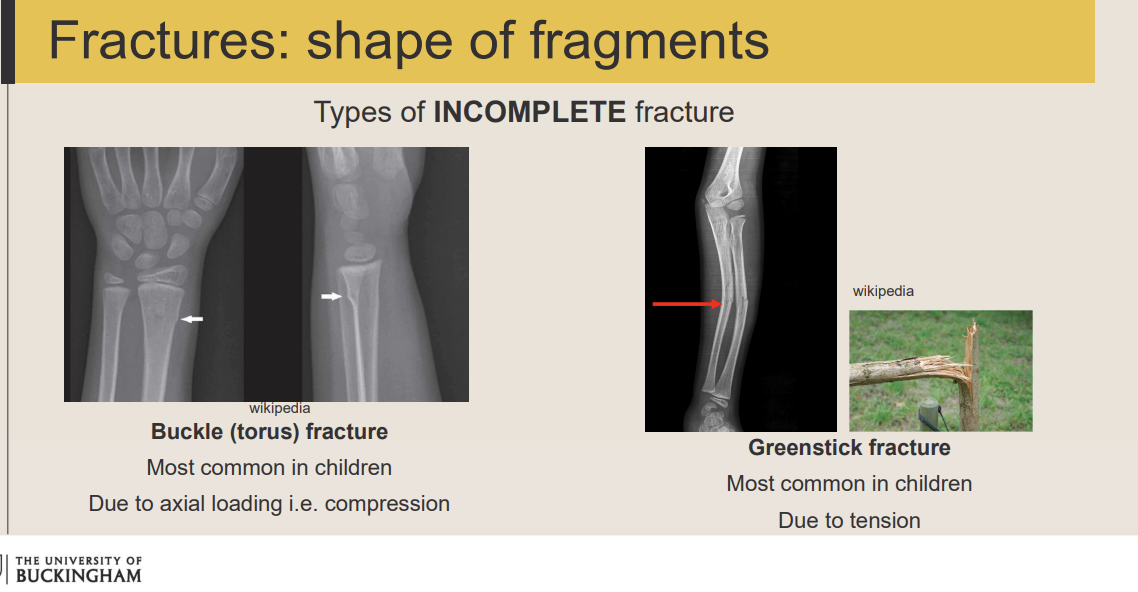
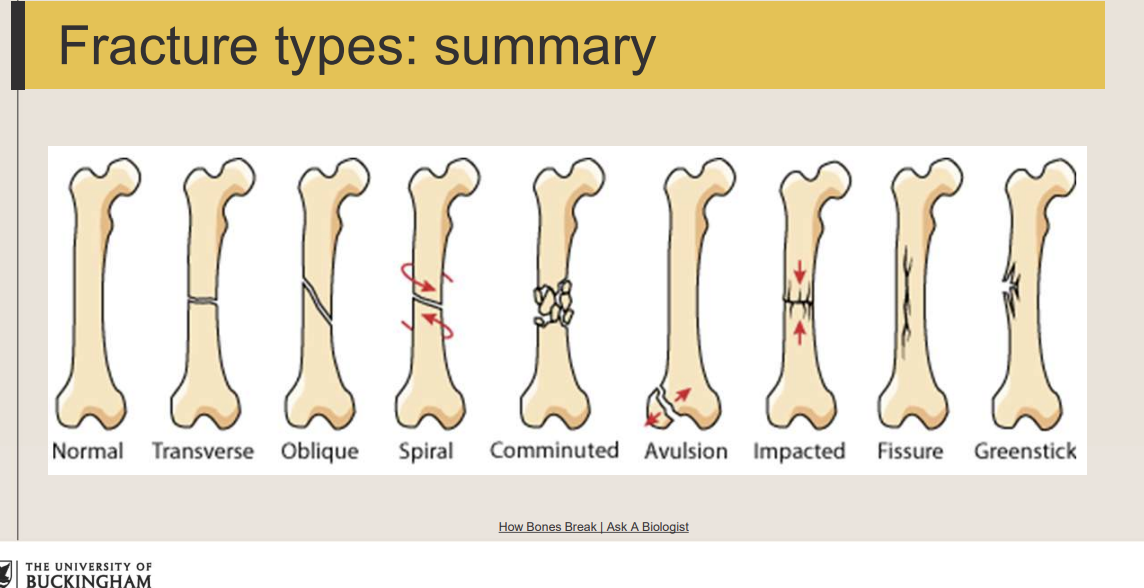
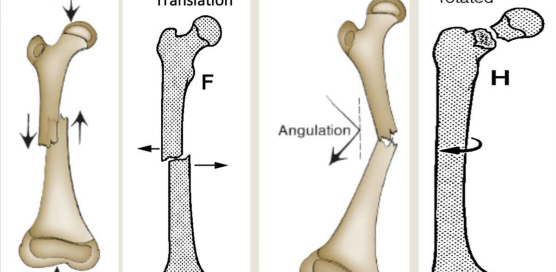
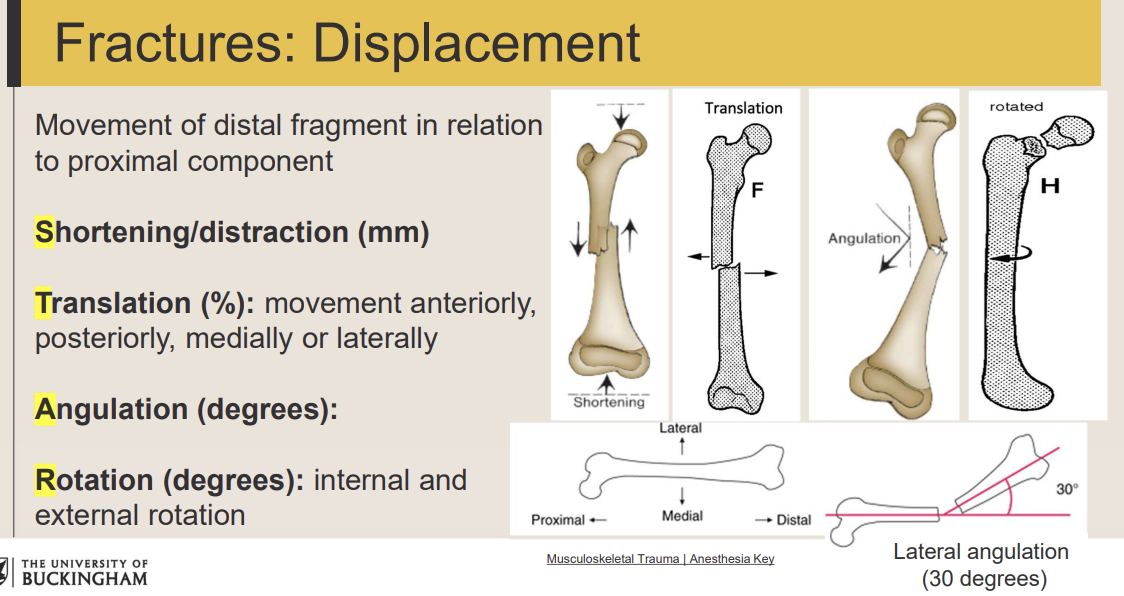
name each type of fracture displacement

Infection 1.1

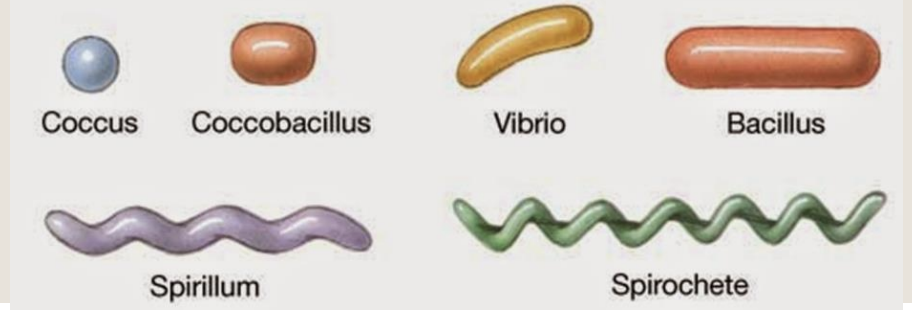
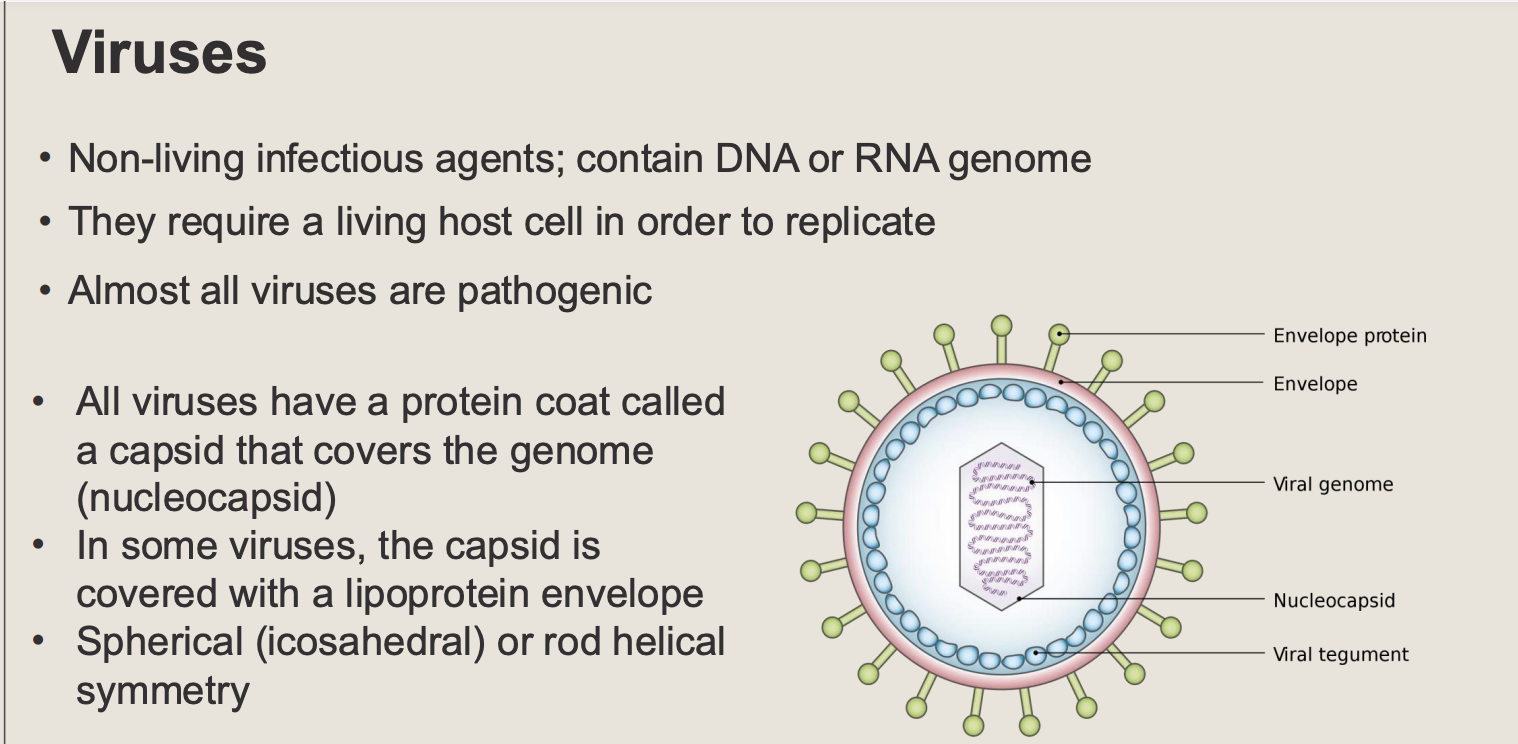
name the shapes
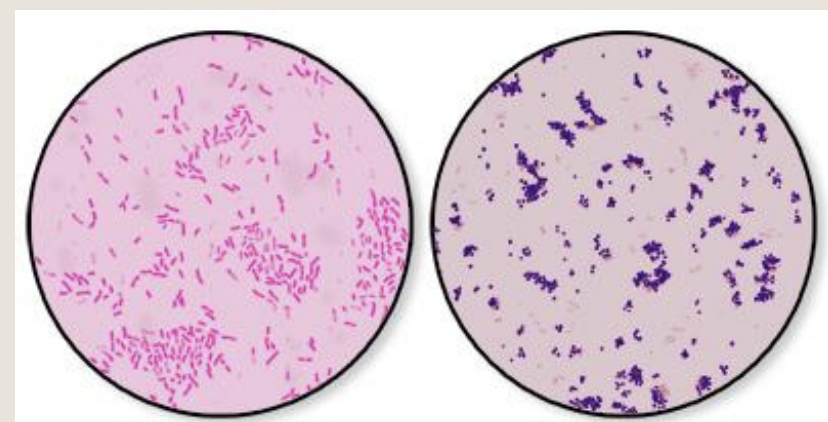
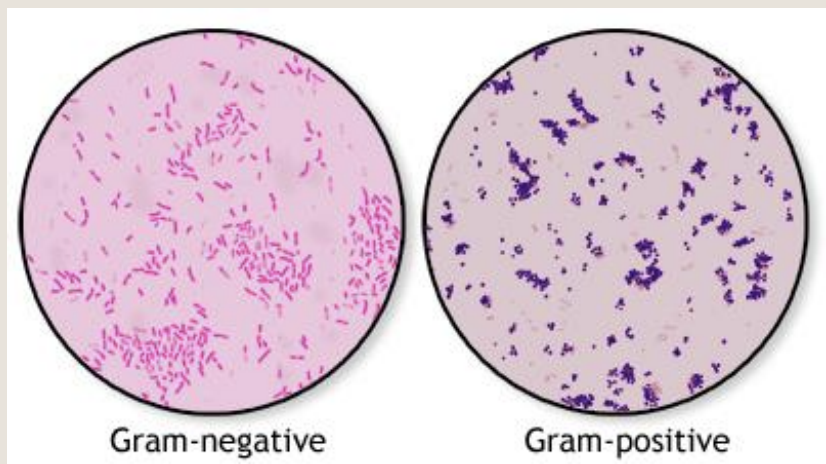
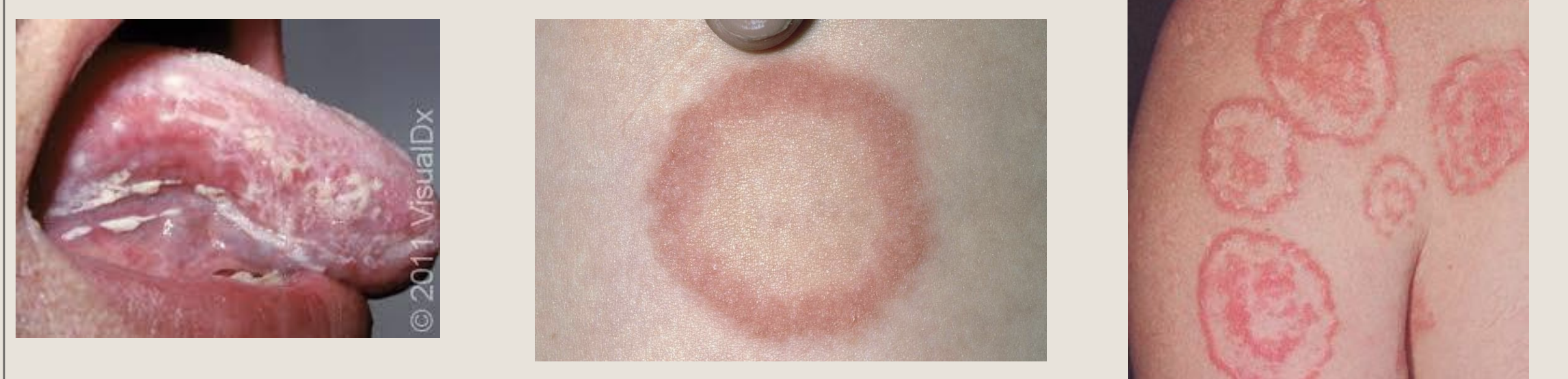
name each condition
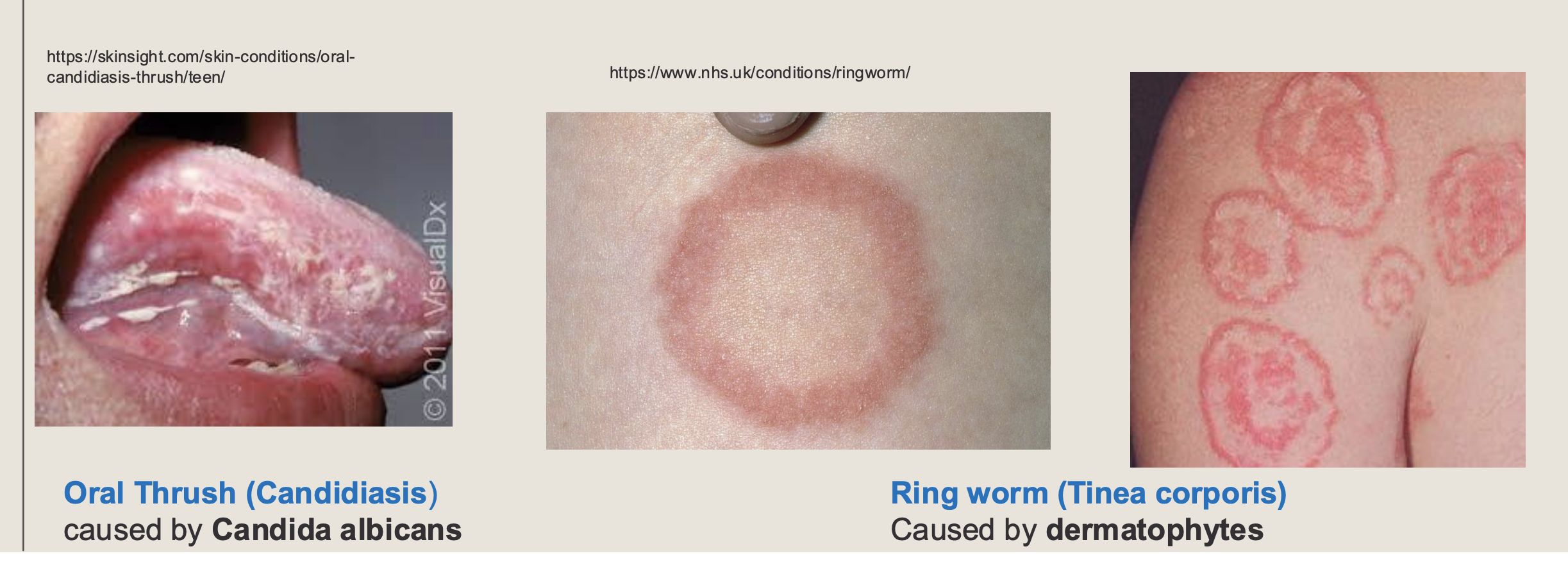
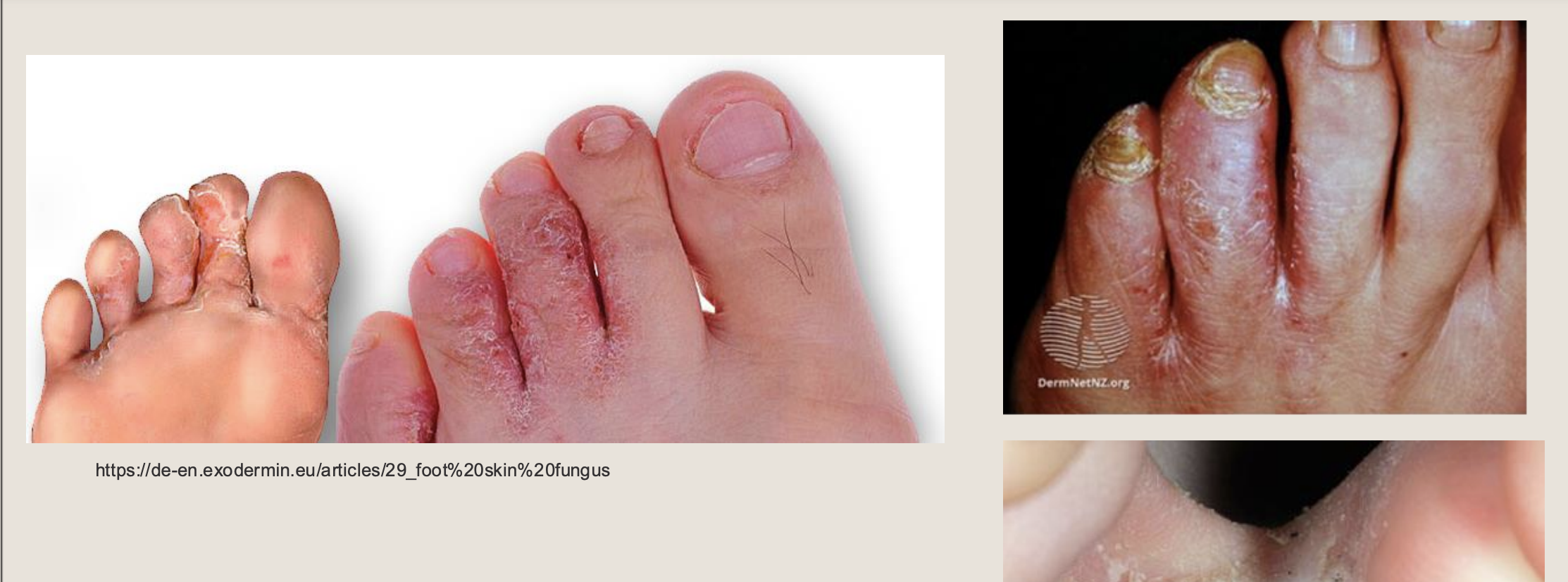
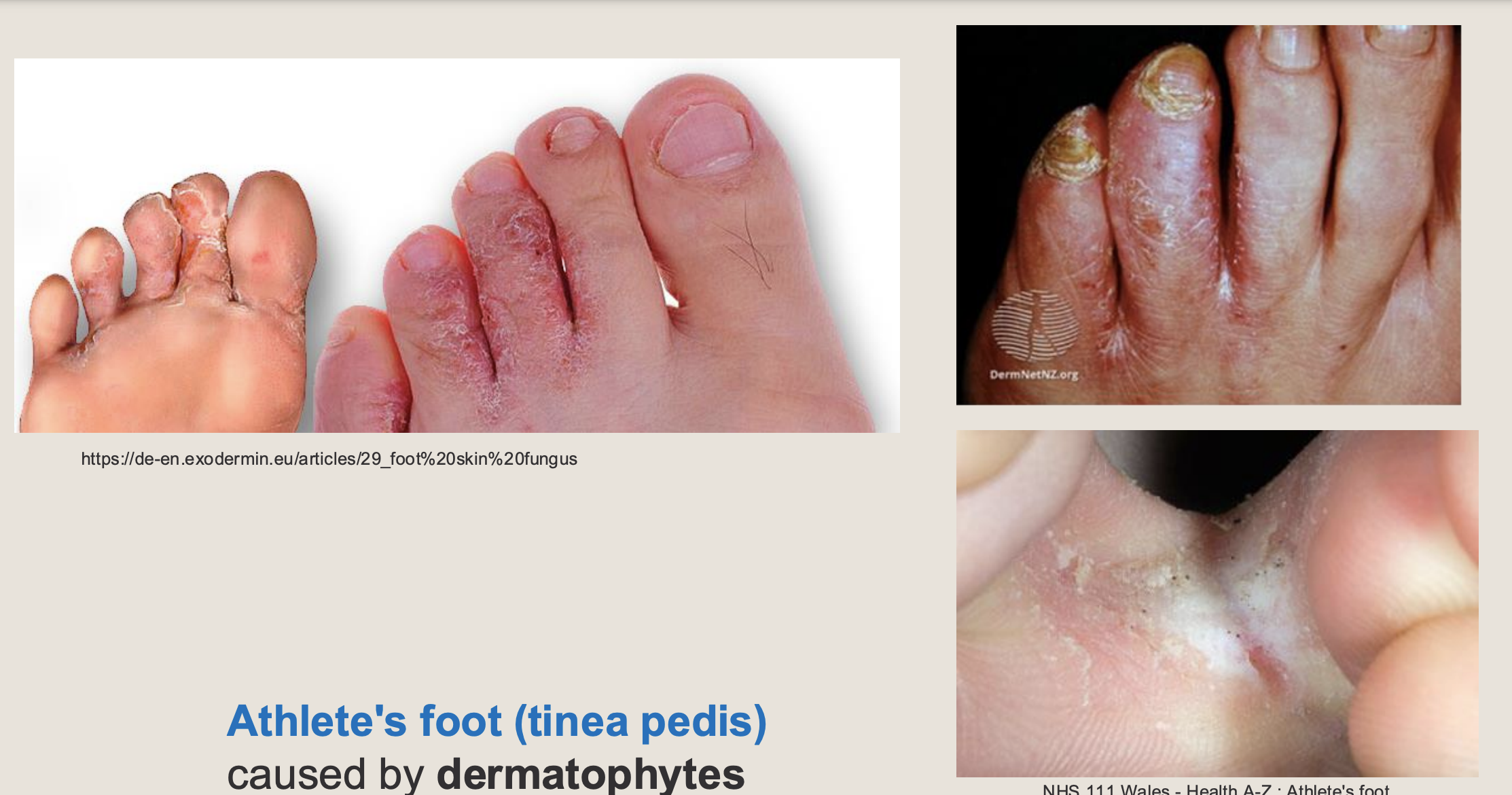
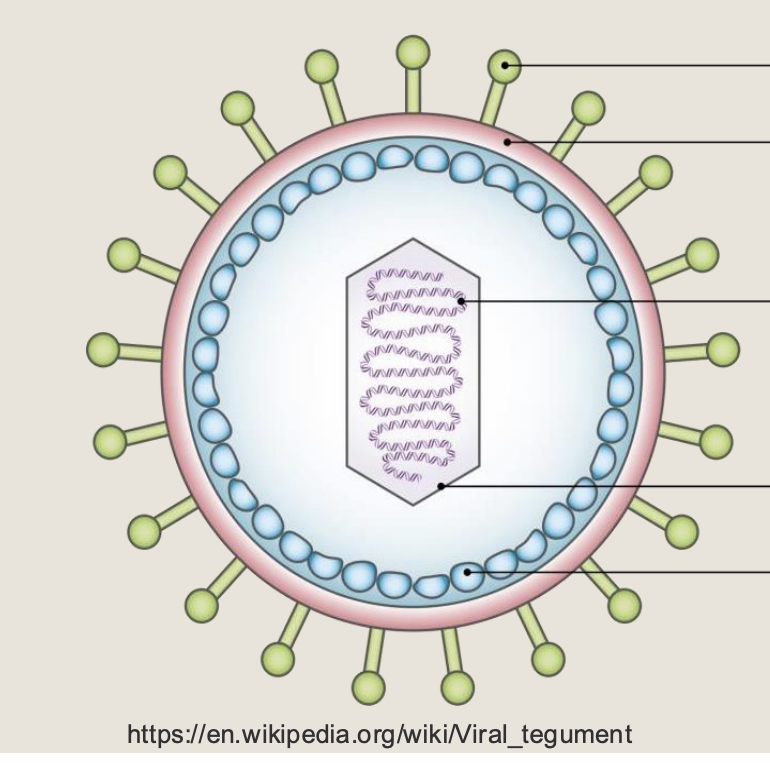
what is this and what is it caused by
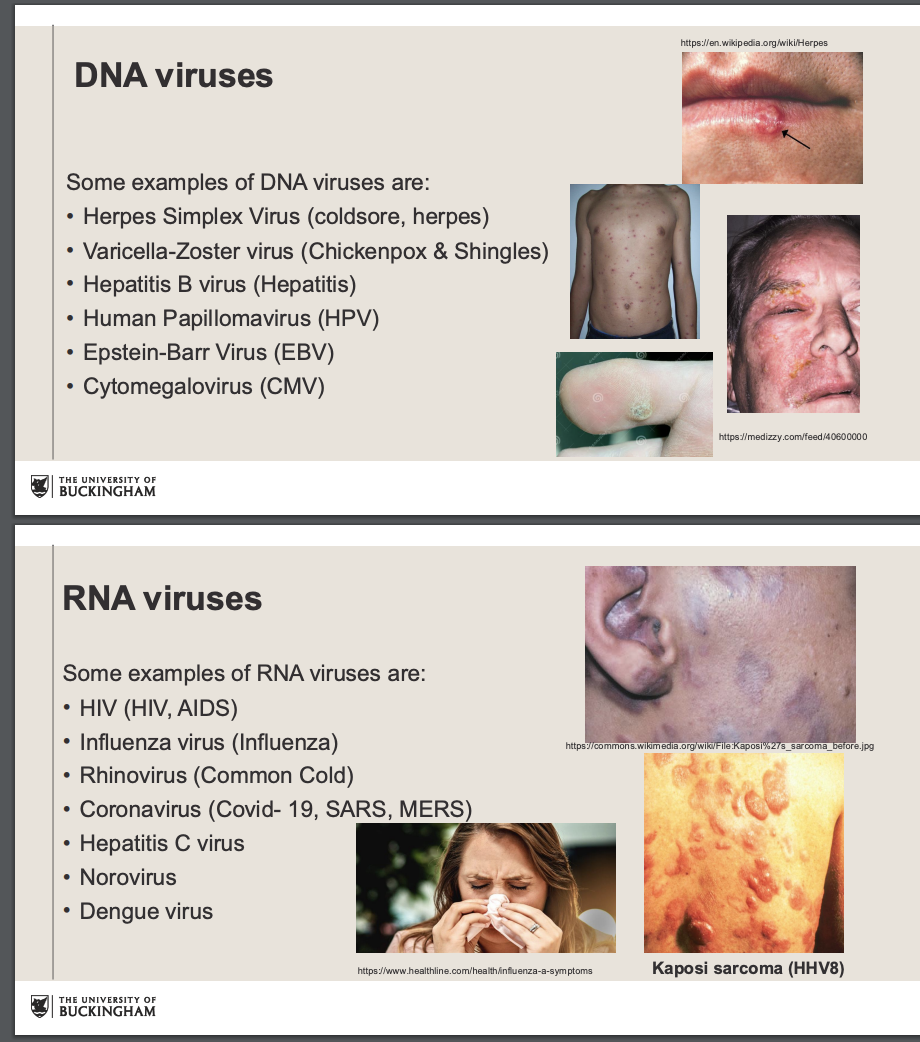
infection 1.2
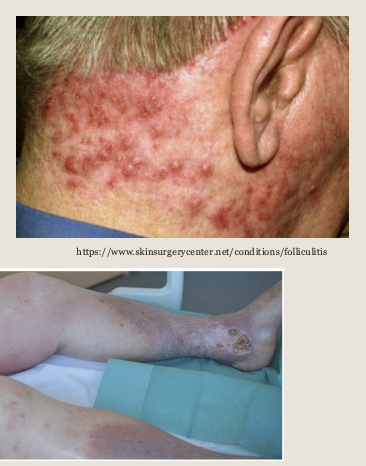
whats this caused by
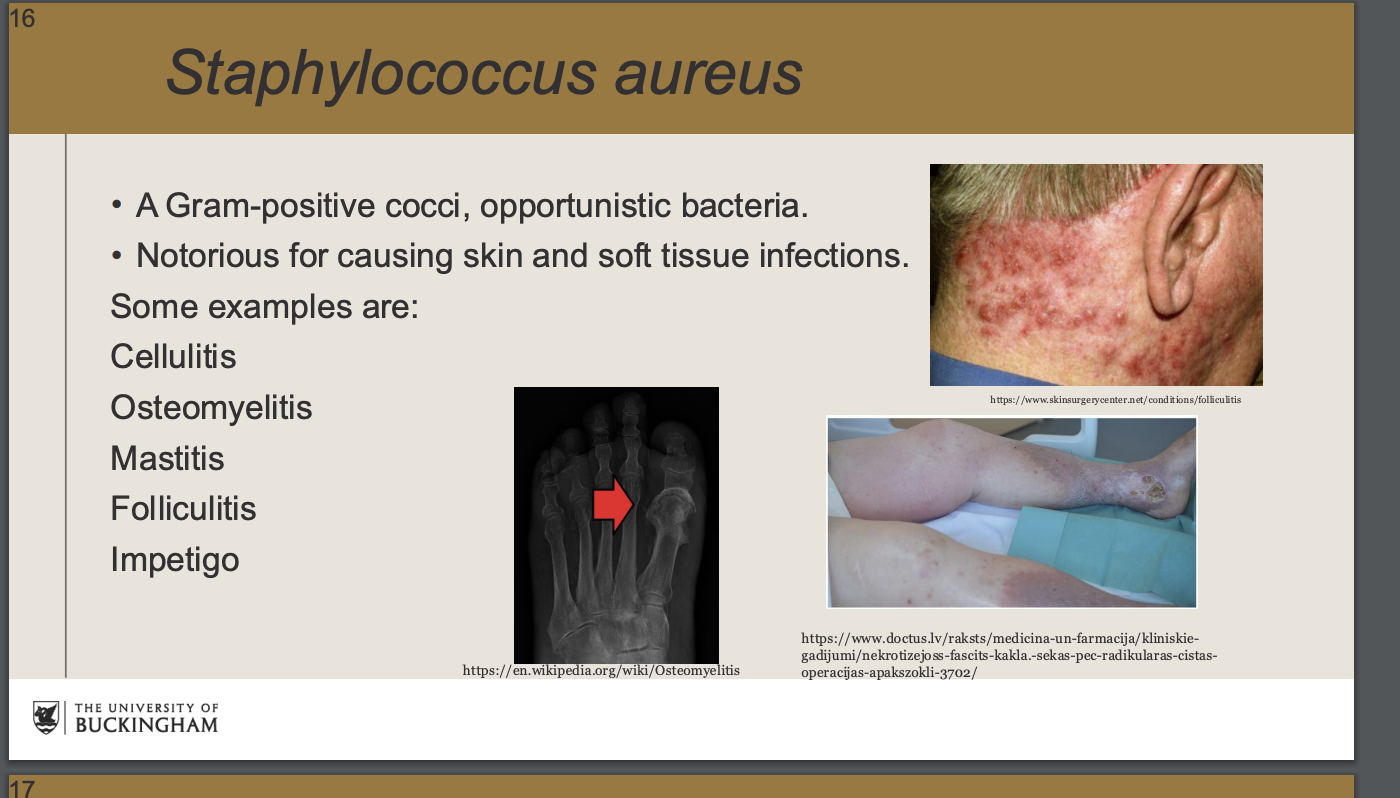
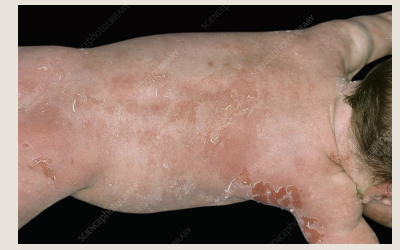
what syndrome is this
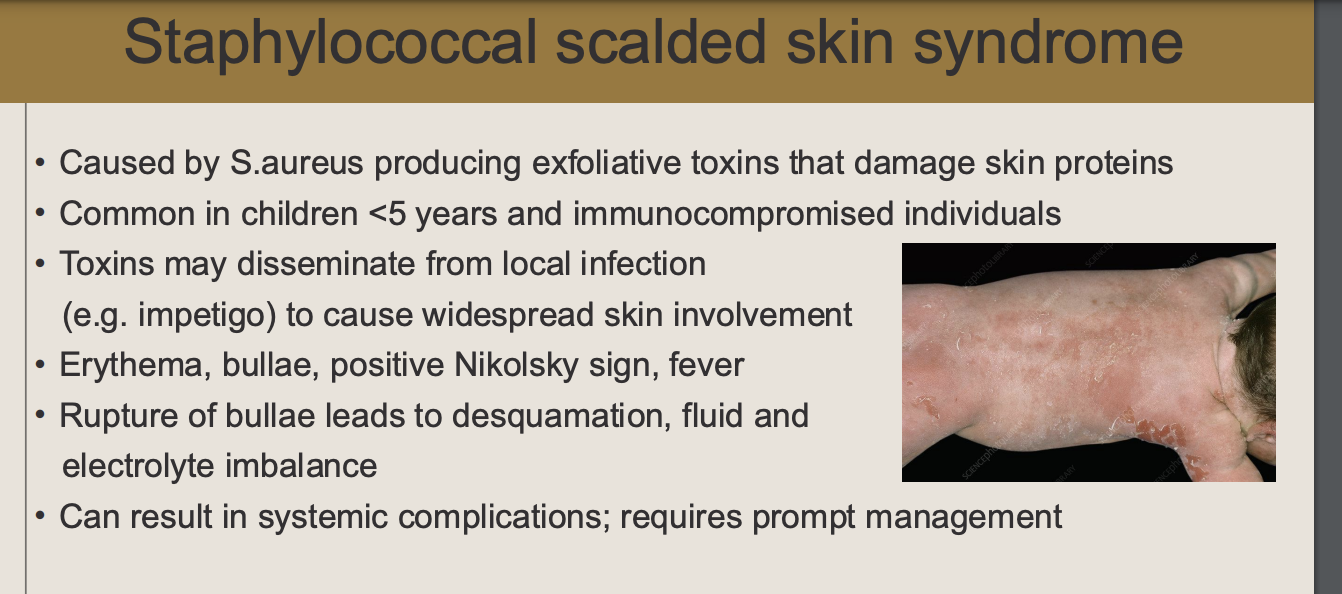
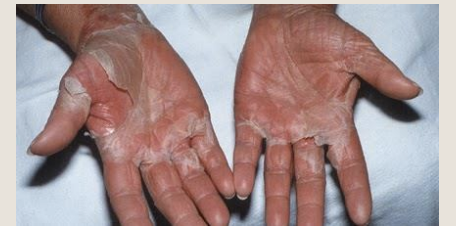
what syndrome is this
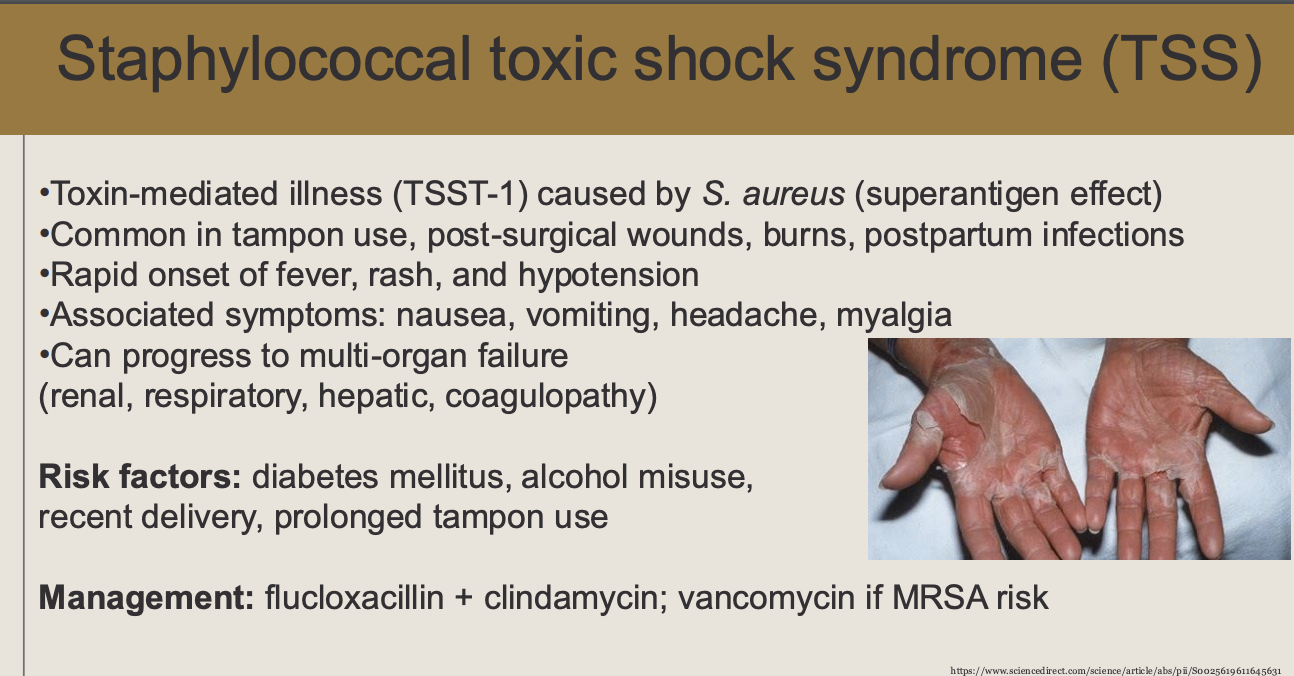
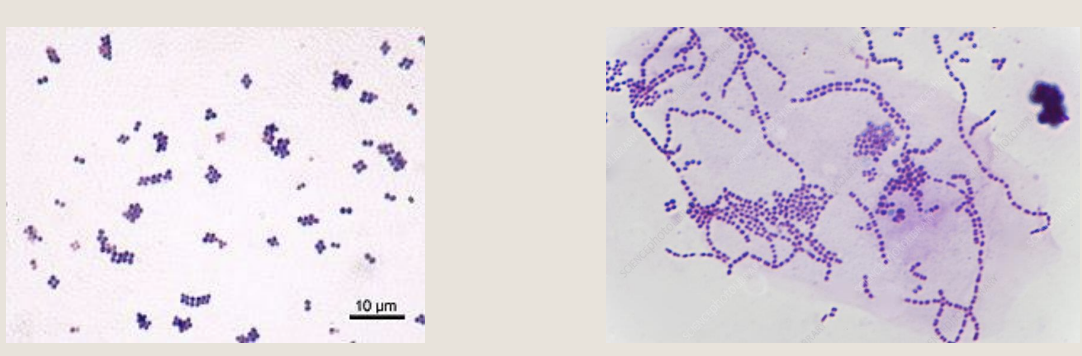
name each
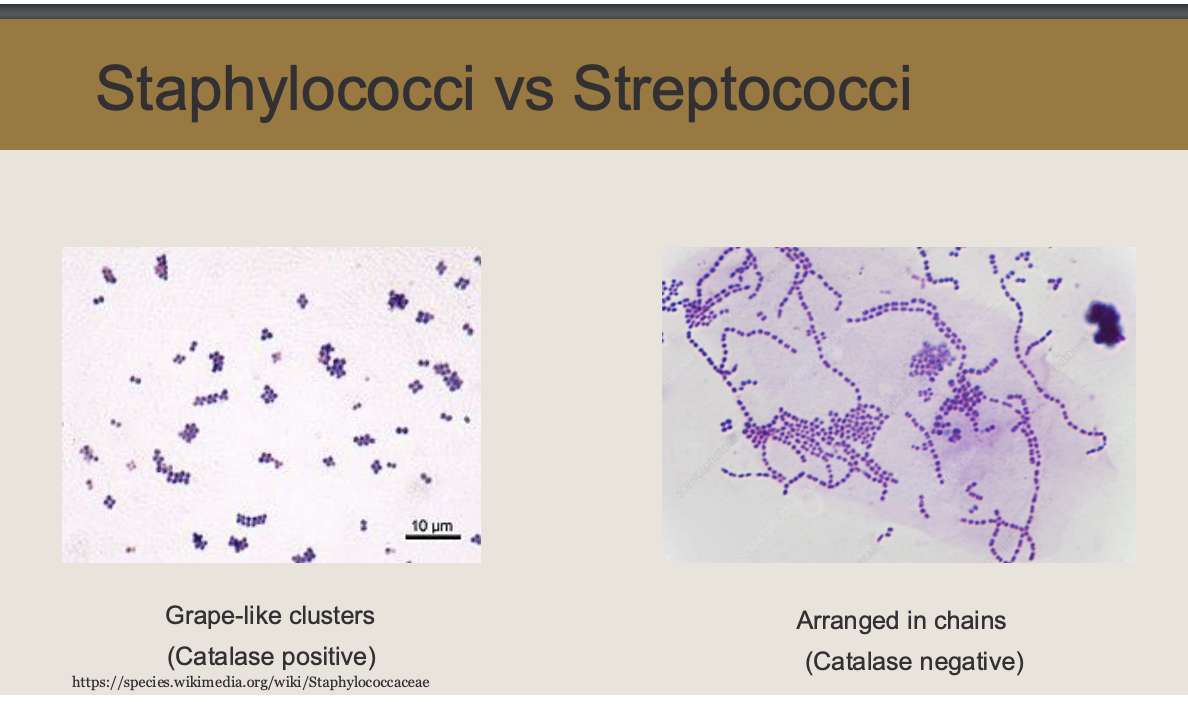
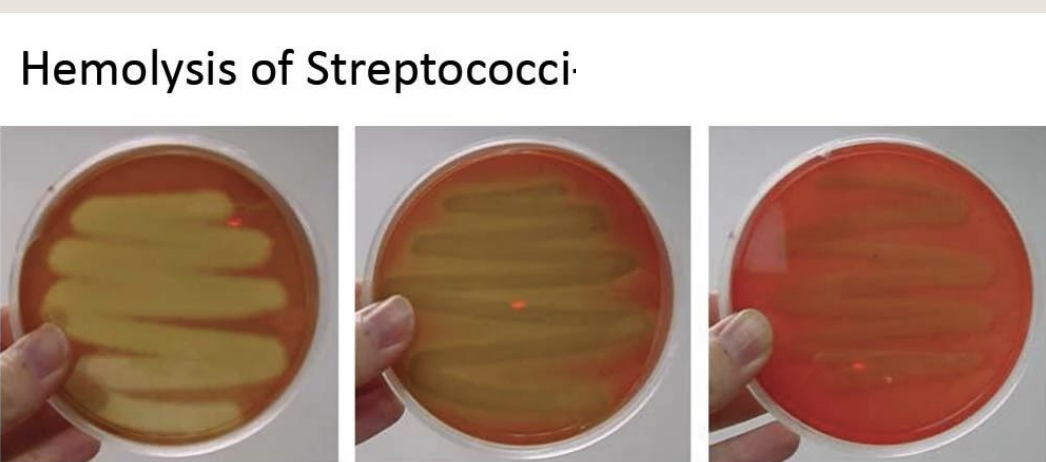
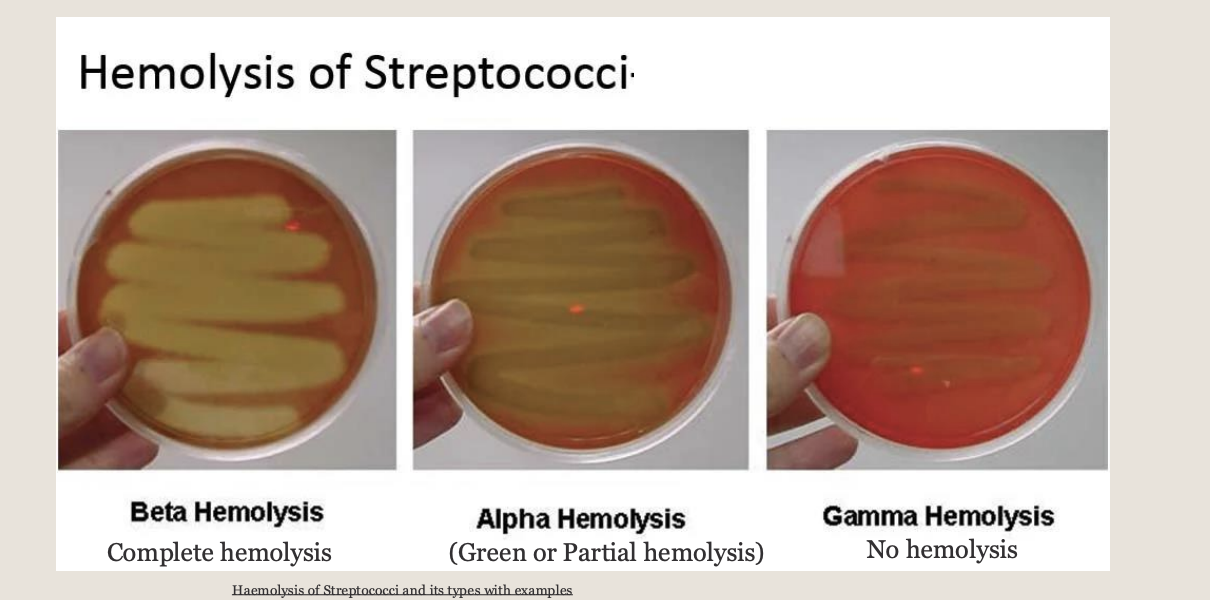
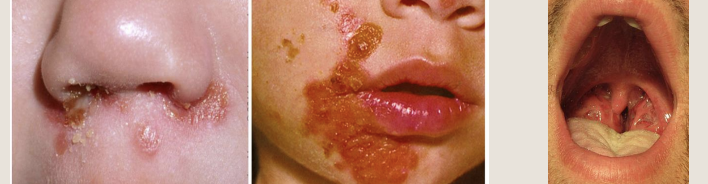
what is this
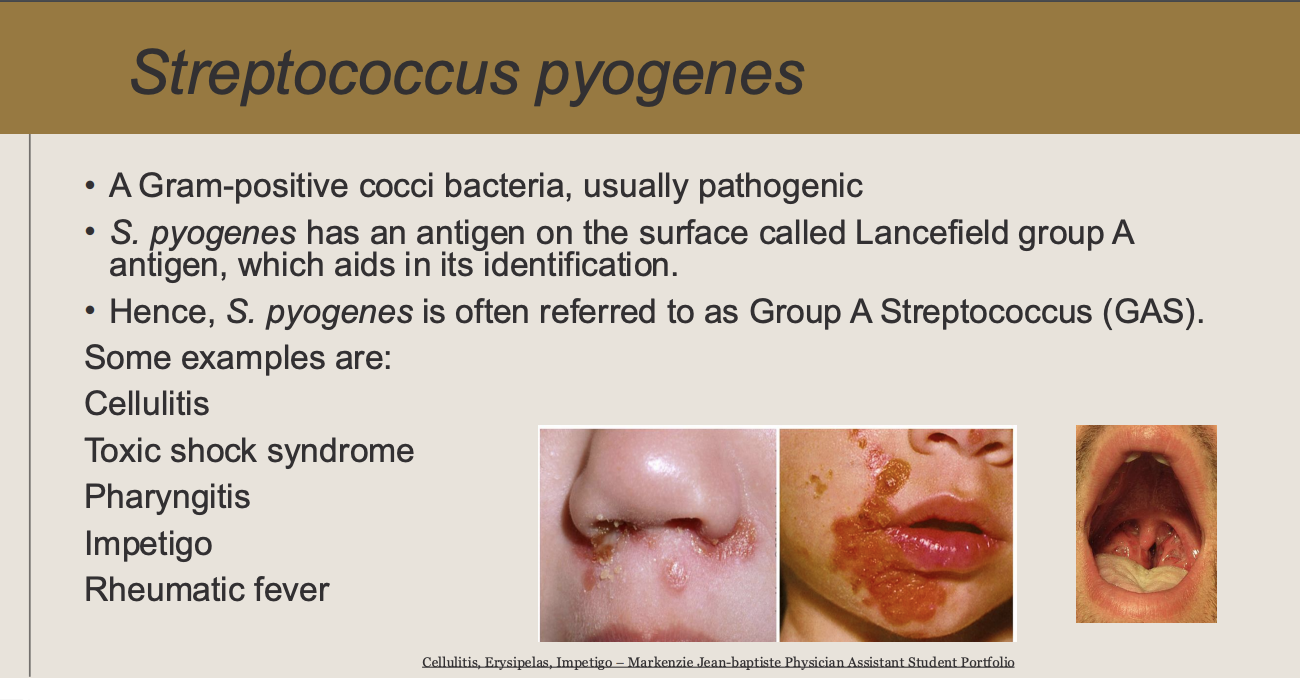
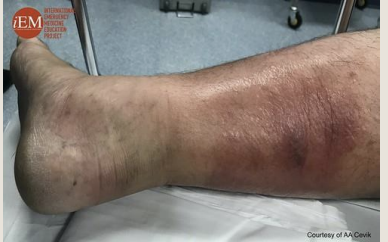
what is this
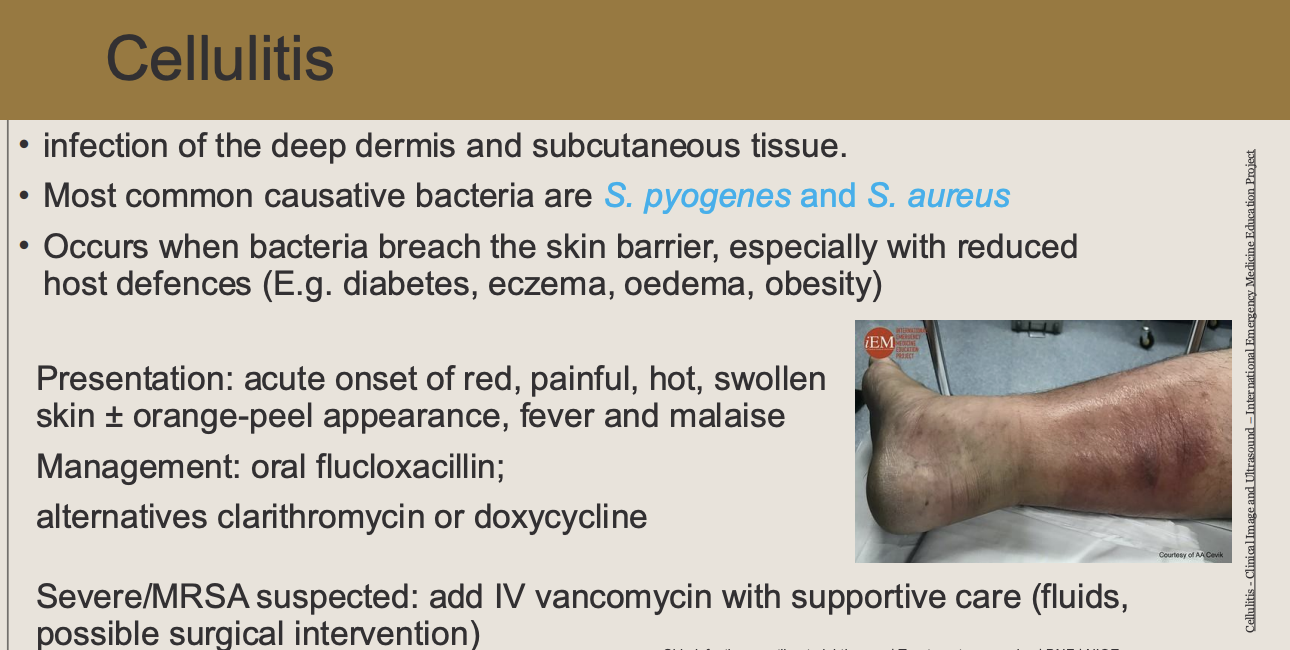
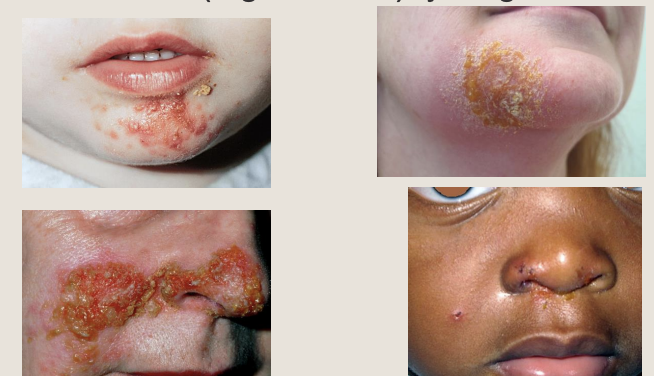
what is this
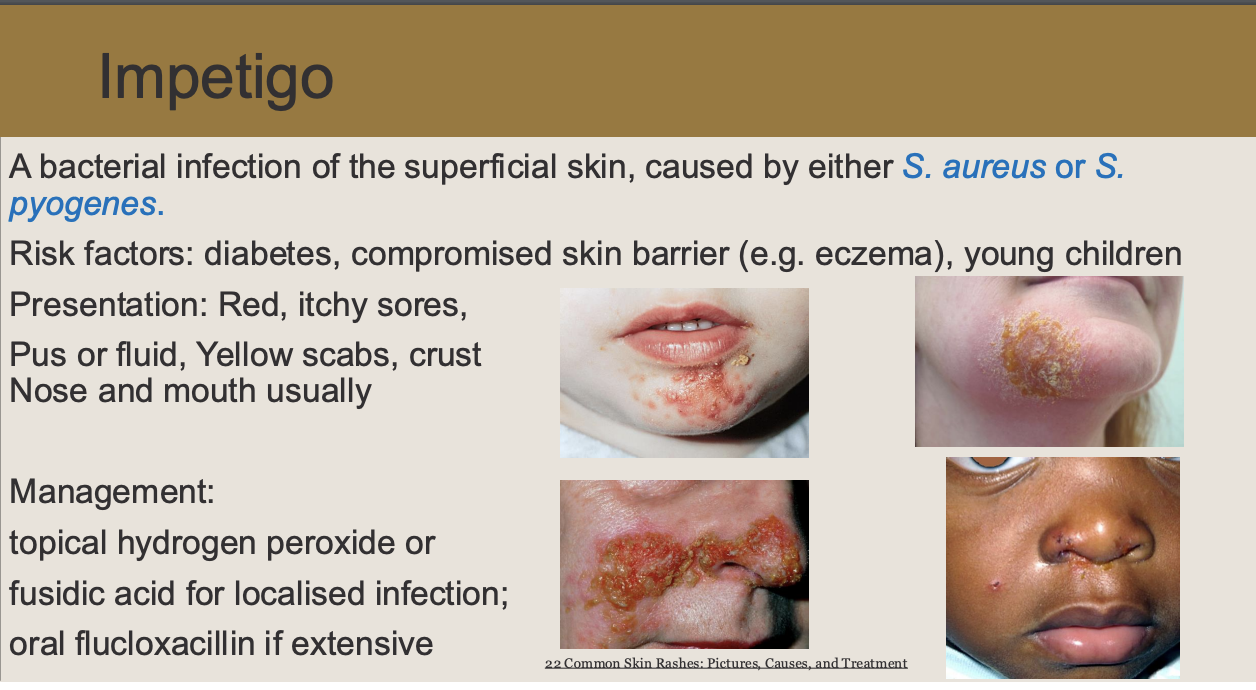
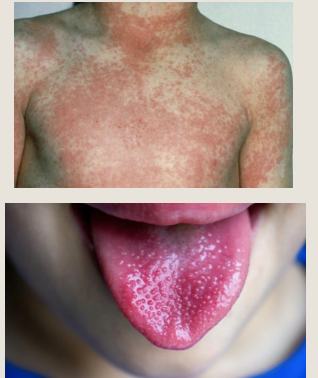
what is this
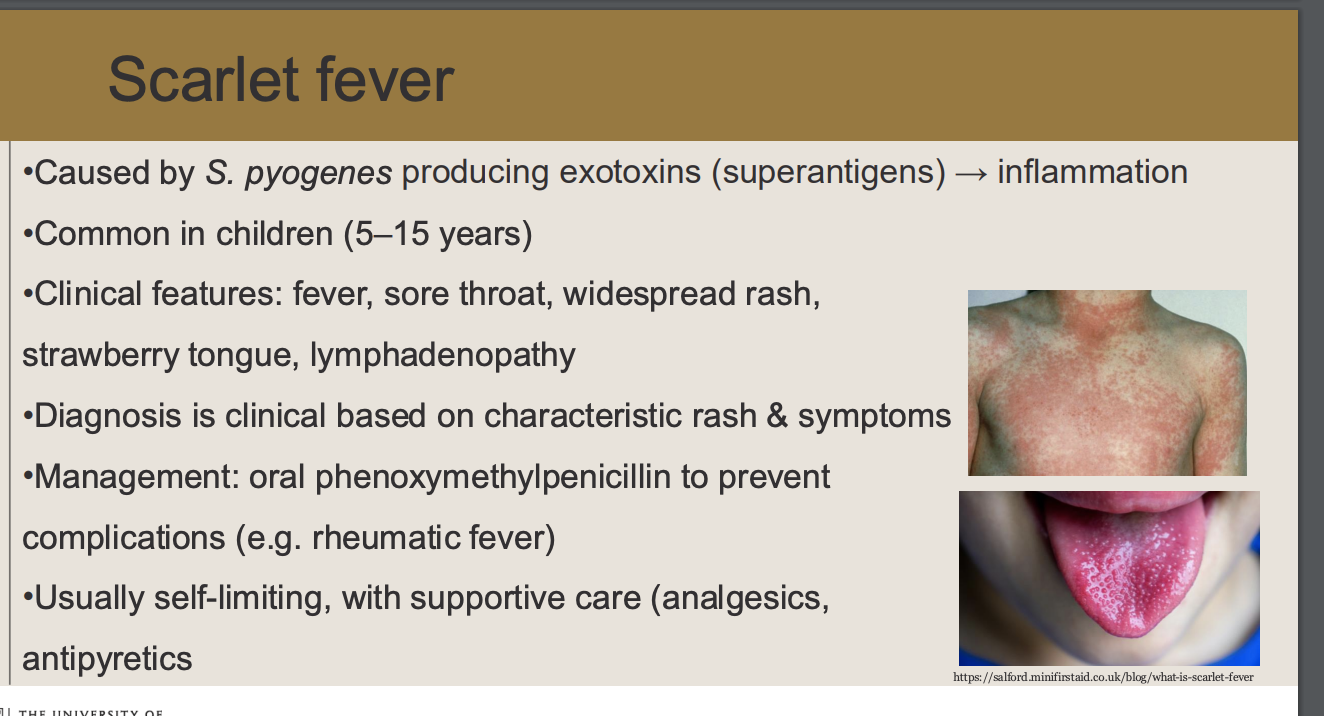
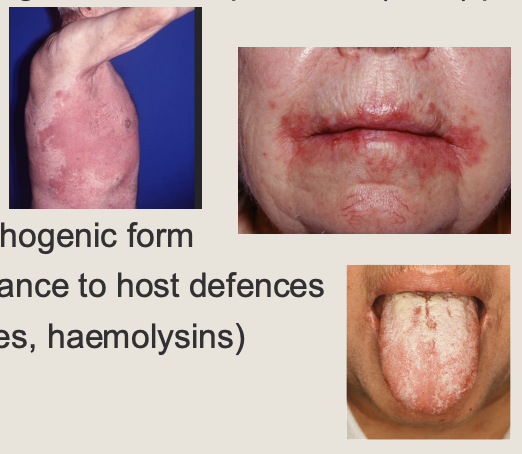
what is this
infection 2.1
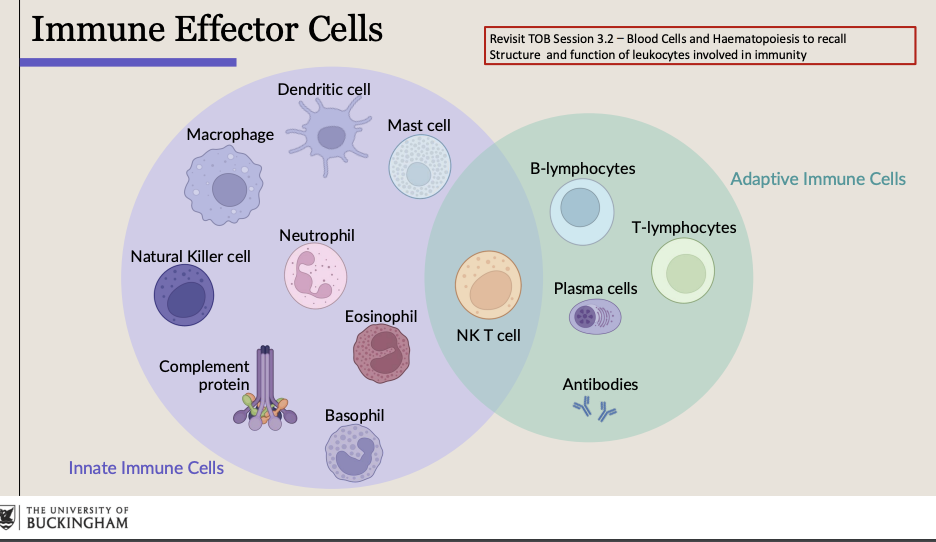
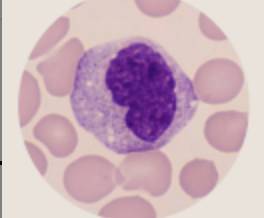
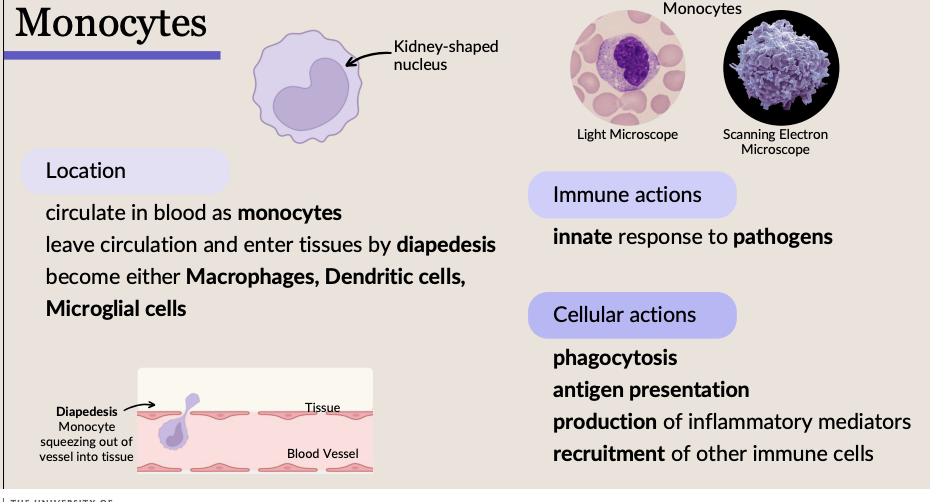
what cell is this
msk 2.1
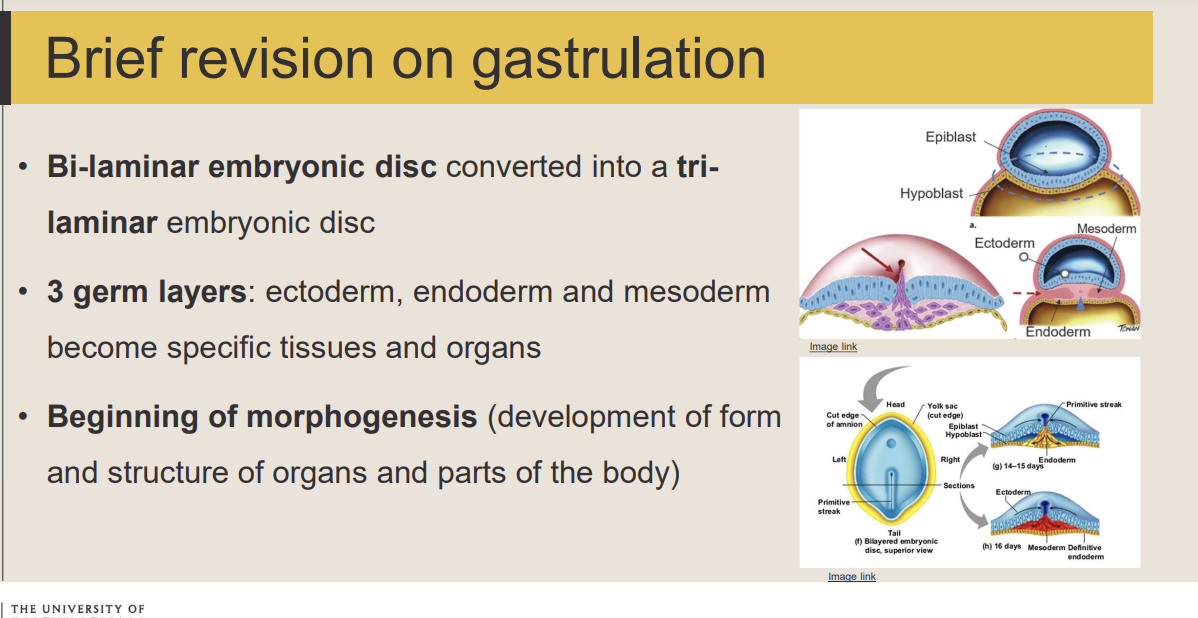
what does the bi-laminar embryonic disc convert to?
what are the 3 germ laters
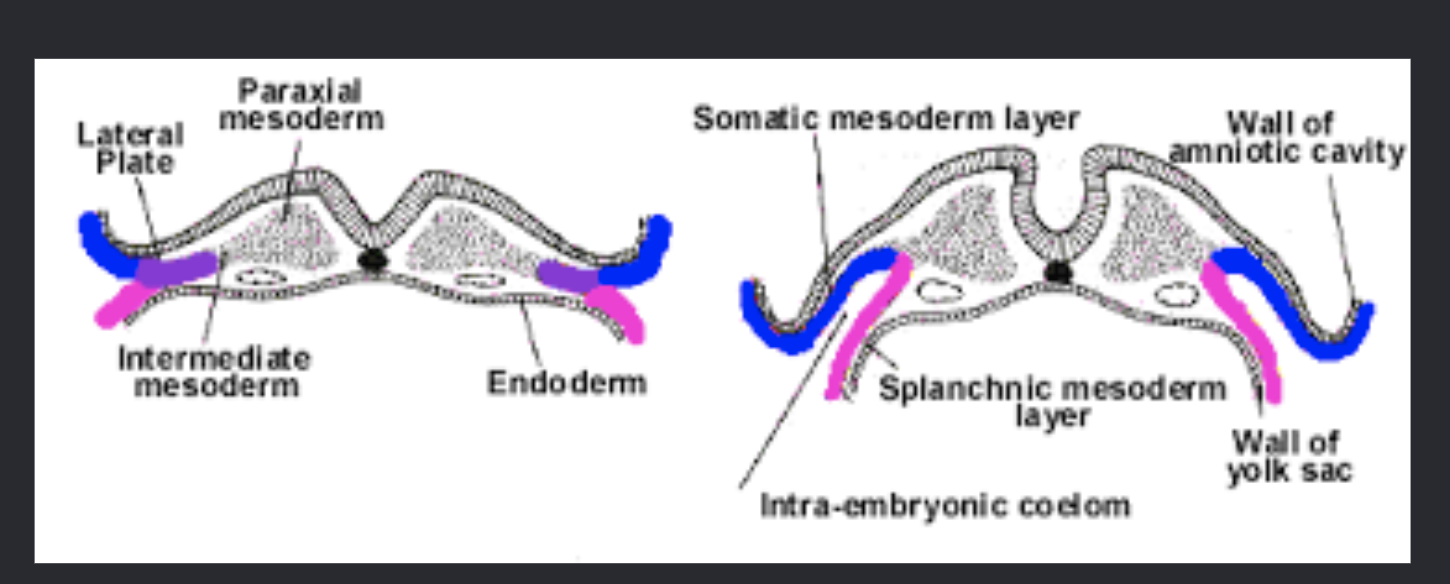
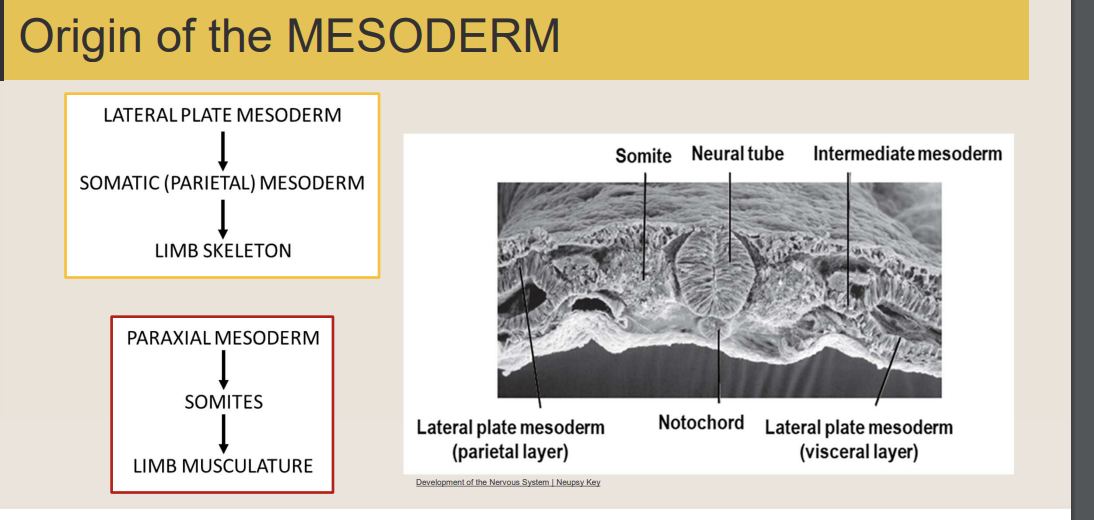
somatic and splanchic layer of mesoderm
Somatic (parietal) layer forms:
Body wall, Limb skeleton, Parietal layers of serous membranes (pericardium, pleura, peritoneum)
Splanchnic (visceral, inner) layer forms:
Heart and blood vessels , smooth muscle/connective tissue of gut , Visceral layers of serous membranes
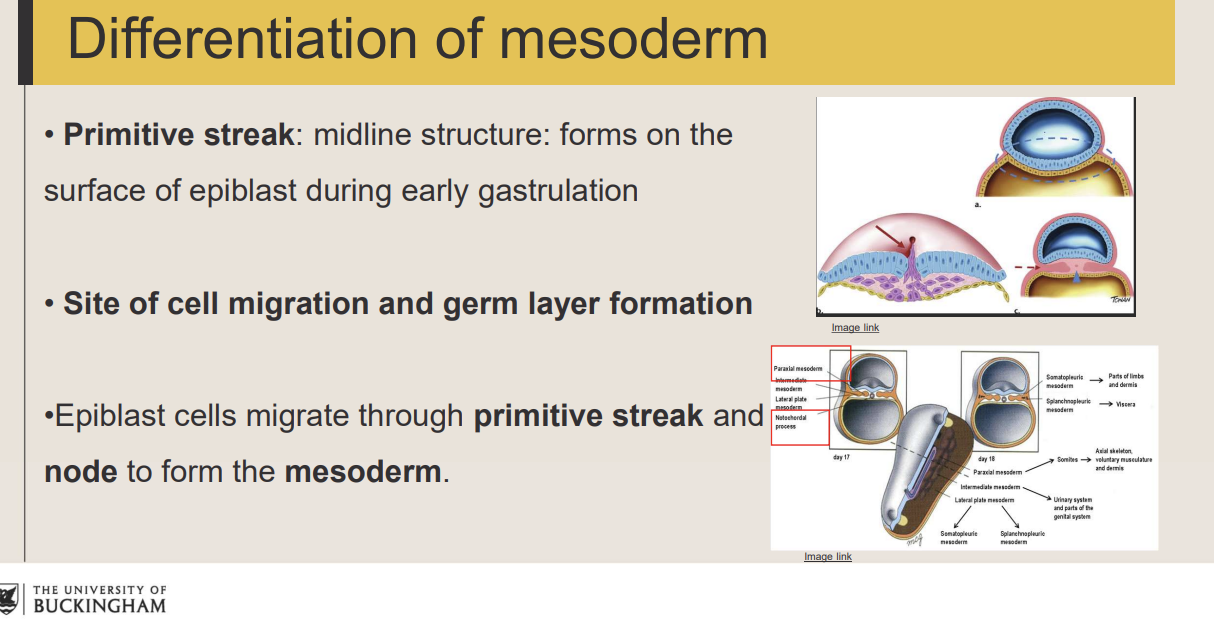
where do epiblast cells migrate through and form?
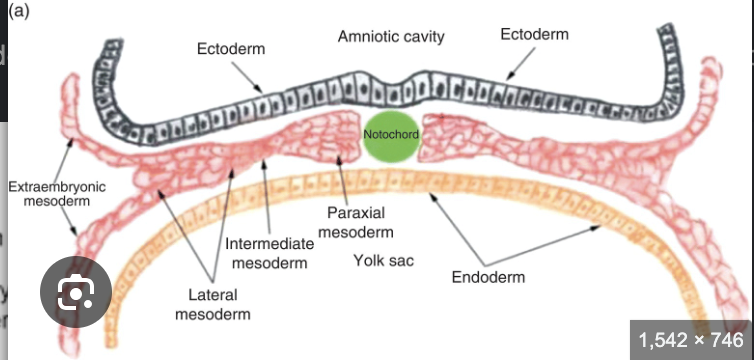
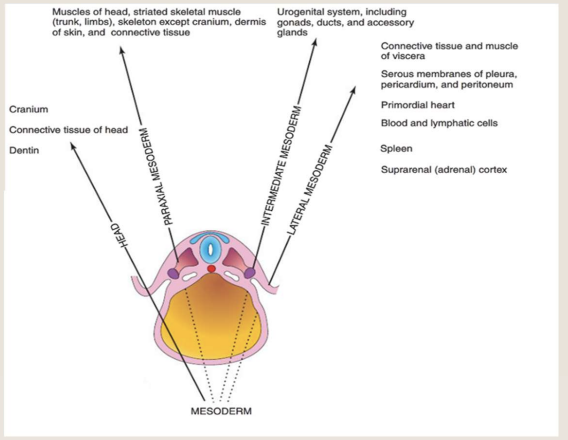
mesodermal fate of each
axial mesoderm
paraxial mesoderm
intermediate mesoderm
lateral plate mesoderm
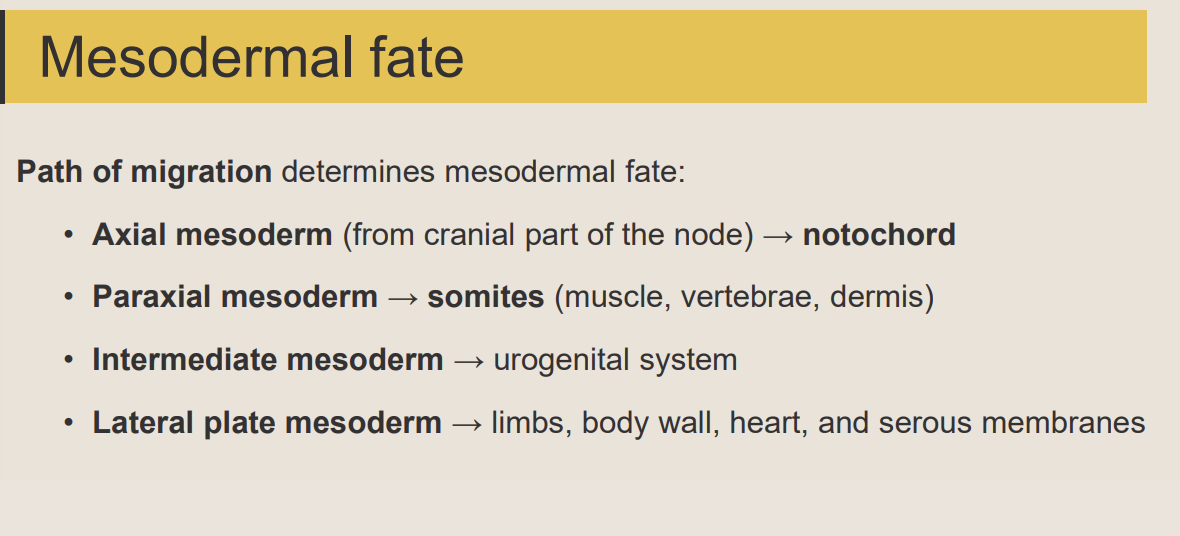
what does the sclerotome differentiate into?
•Sclerotome is ventro-medial: differentiates into chondrocytes (cartilage cells).
Contribute to the vertebrae, ribs, and axial skeleton
• Skull bones • Ossicles of the middle ear • Rib cage and sternum • Vertebral column
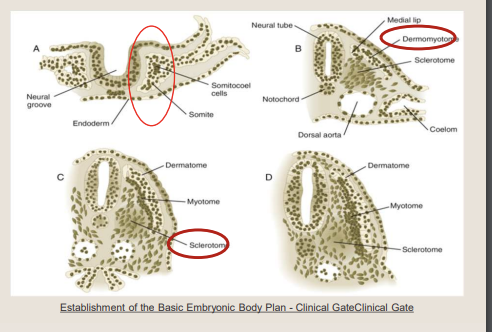
what does dermamyotome become? explain
dermatome: differentiates dermis of the back skin
myotome: differentiates into skeletal muscle.
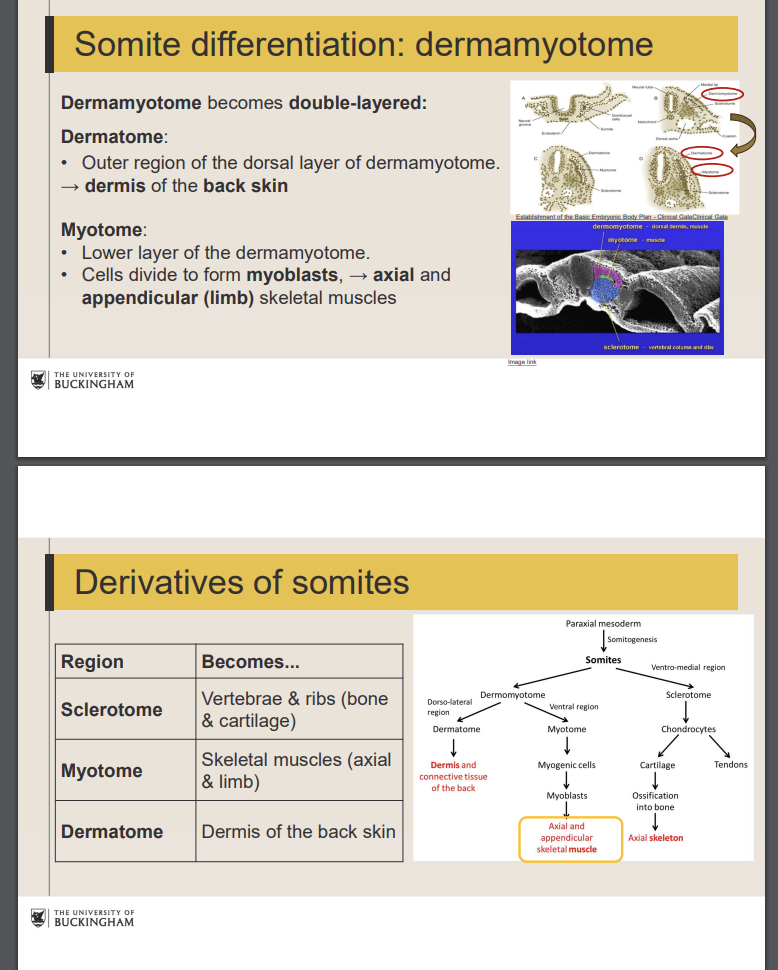
what is the function of somites?
define the segmental body plan of vertebrates.
Give rise to Axial skeleton (vertebrae, ribs), Skeletal muscles, Dermis of the skin.
temporary structures.
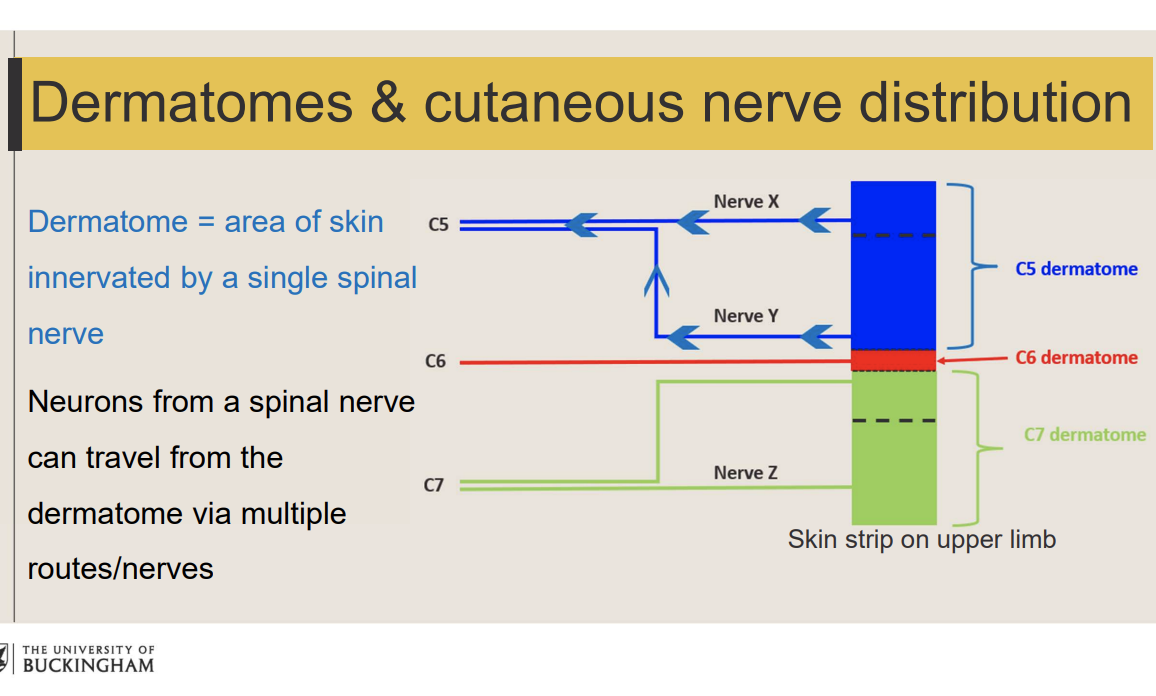
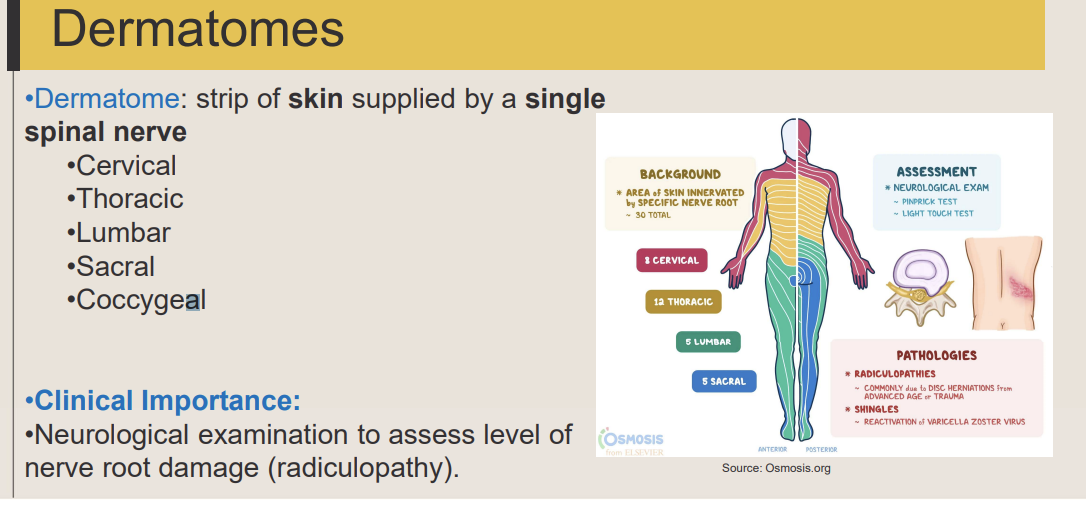
whats a dermatome?
Dermatome: strip of skin supplied by a single spinal nerve
what is the clinical relevance of a dermatome?
Neurological examination to assess level of nerve root damage (radiculopathy).
What is the anteroposterior axis?
What is the proximodistal axis?
Thumb to little finger (digit 1 → digit 5)
Base of limb to fingertips/toe tips
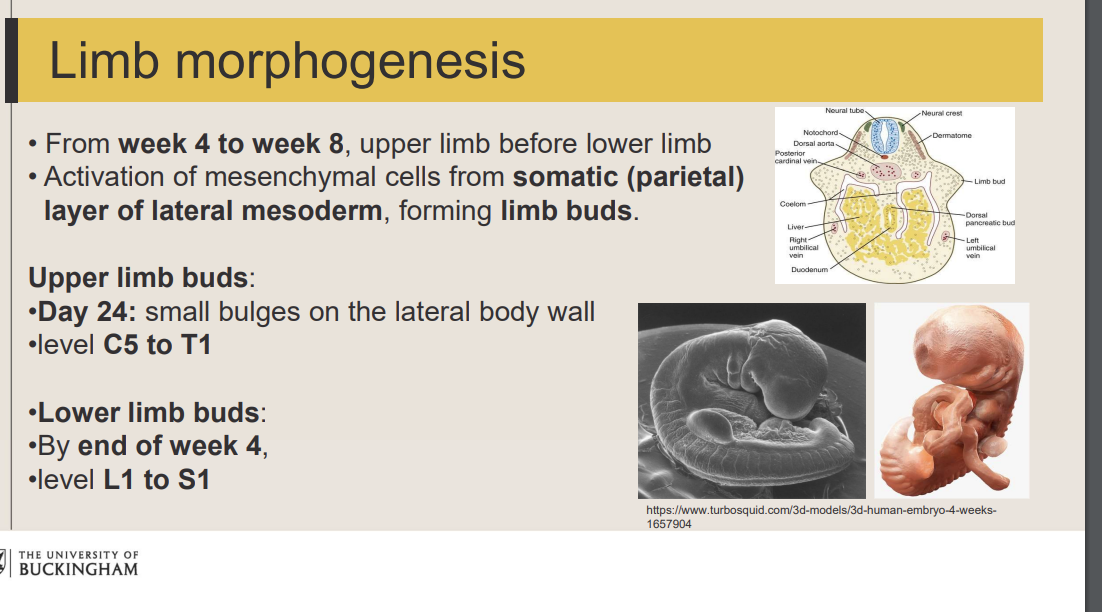
what forms limb buds and when do they appear?
upper limb buds
lower limb buds
Q: What do neural crest cells contribute?
A: Schwann cells, sensory nerves, and melanocytes
whats aer and its function
Thickened ectoderm at the distal tip of the limb bud.
Maintains the progress zone(undifferentiated mesenchyme )and promotes limb outgrowth.
How does limb development proceed under AER control?
Proximal → distal.
What occurs during chondrification? when do chondrification centres appear
Formation of cartilage models of bones. late week 5
When does primary ossification begin?
week 7
What are the two primary muscle masses in each limb?
A: Flexor mass and extensor mass.
Q: What does the flexor mass form?
A: Flexor muscles (e.g., biceps).
Q: What does the extensor mass form?
A: Extensor muscles (e.g., triceps).
What remains cartilaginous at birth?
A: Epiphyses.
Where does primary ossification occur?
Diaphysis
Which structure controls proximal-distal limb growth?
: Apical ectodermal ridge (AER).
What separates the digits?
Apoptosis between digital rays.
Which limb rotates laterally?
Upper limb.
: Which limb rotates medially?
Lower limb
What is syndactyly?
What developmental process commonly fails in syndactyly?
What is polydactyly and what causes it?
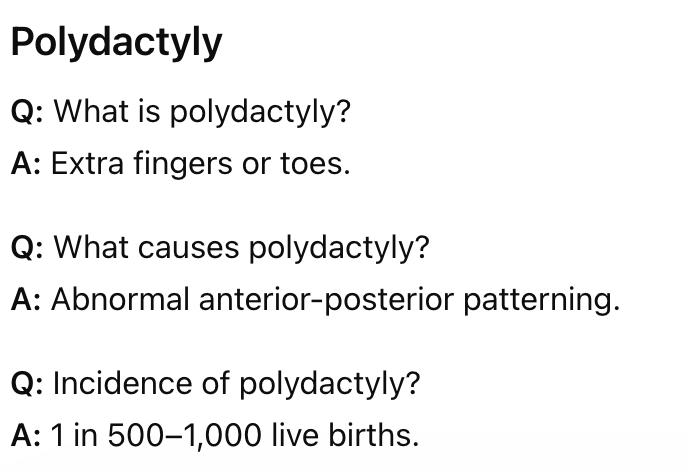
Which gene is commonly mutated in synpolydactyly?
HOXD13
Which genetic pathways are commonly involved in limb malformations?
A: SHH signalling pathway and HOX genes
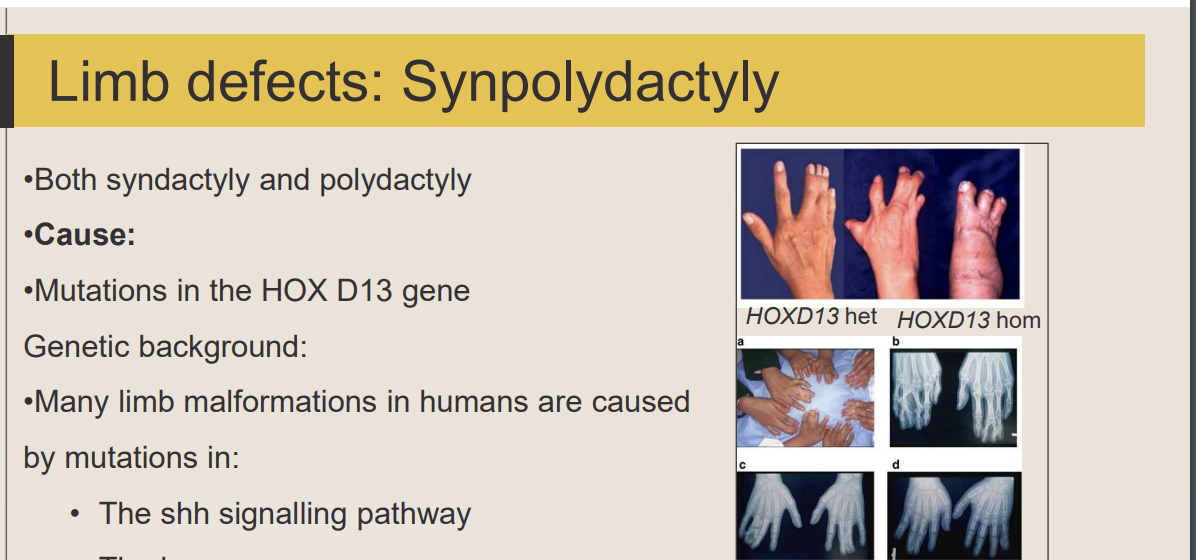
What is amelia?
What is meromelia?
a for all : Complete absence of one or more limbs.
m: Partial absence of one or more limbs
What was thalidomide originally used for?
Why is thalidomide important embryologically?
Q: What was thalidomide originally used for?
A: Morning sickness in pregnancy.
Q: Why is thalidomide important embryologically?
A: It is a potent teratogen causing limb defects.
What is phocomelia?
Hands or feet attached close to the trunk ("seal limbs").
Which limb defects are classically associated with thalidomide?
Phocomelia and amelia
What is the most common congenital anomaly of the hands and feet?
Polydactyly
msk 2.2
review not from last semester
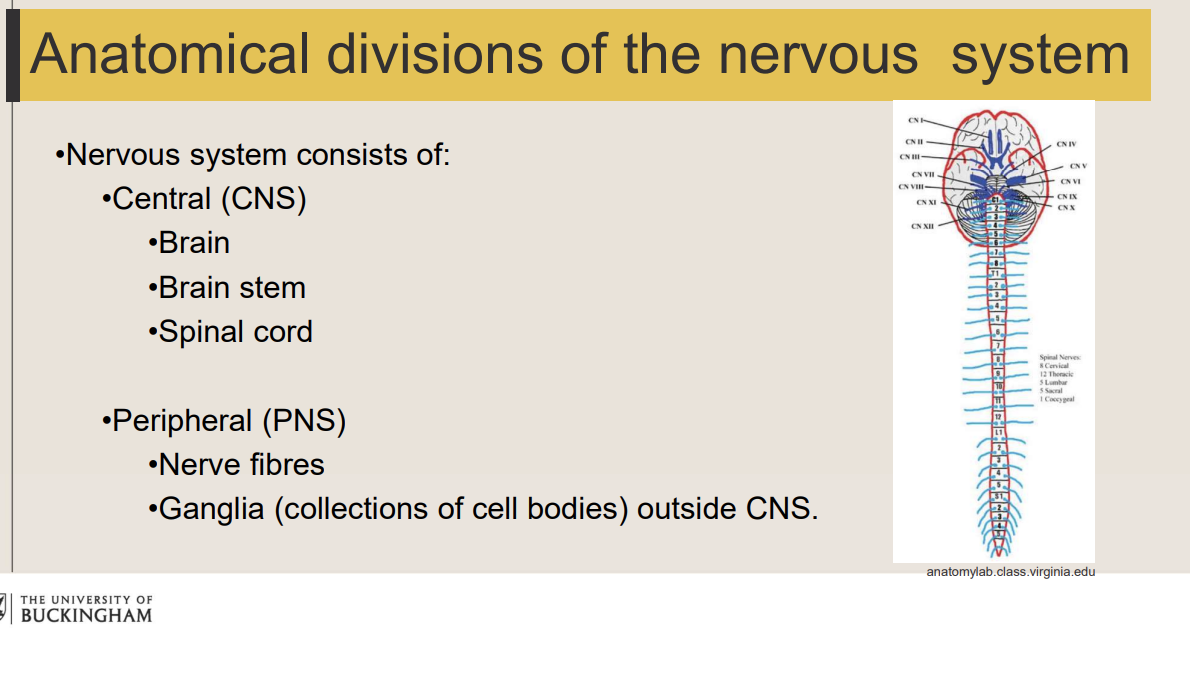
What are the two functional(somatic) divisions of the PNS?
Sensory division and motor division.
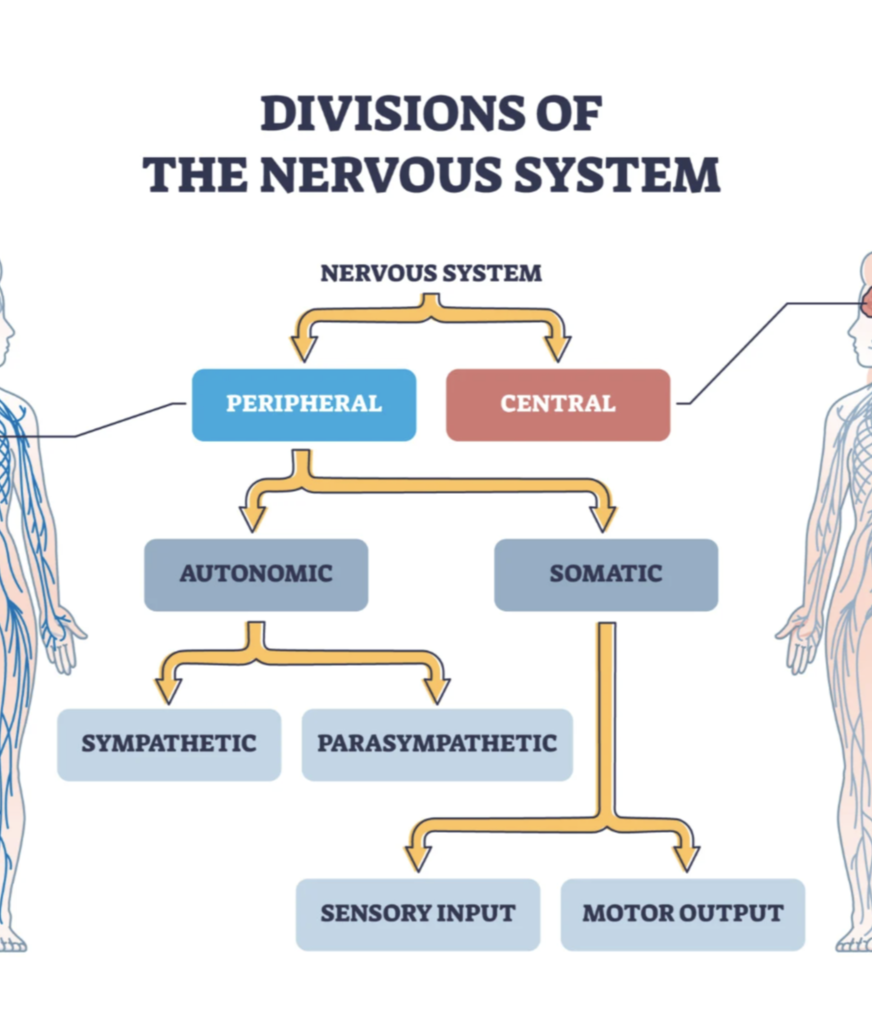
How many pairs of cranial nerves are there?
How many pairs of spinal nerves are there?
12 pairs of cranial nerves
31 pairs of spinal nerves
Are most spinal nerves sensory, motor, or mixed?
whats the difference between afferent and efferent?
Q: Are most spinal nerves sensory, motor, or mixed?
A: Mixed.
Q: What does afferent mean?
A: Sensory information travelling toward the CNS.
sensory info passes into posterior horn of sc
Q: What does efferent mean?
A: Motor information travelling away from the CNS.
motor info passes into anterior horn of sc
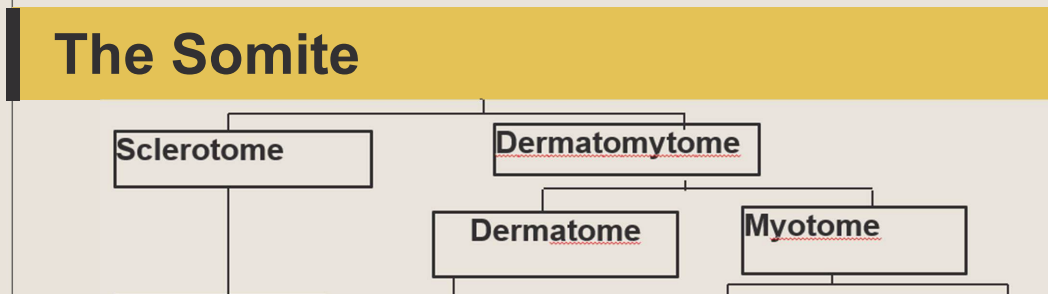
***
epimere: muscles of back
hypomere: muscle of trunk and limbs
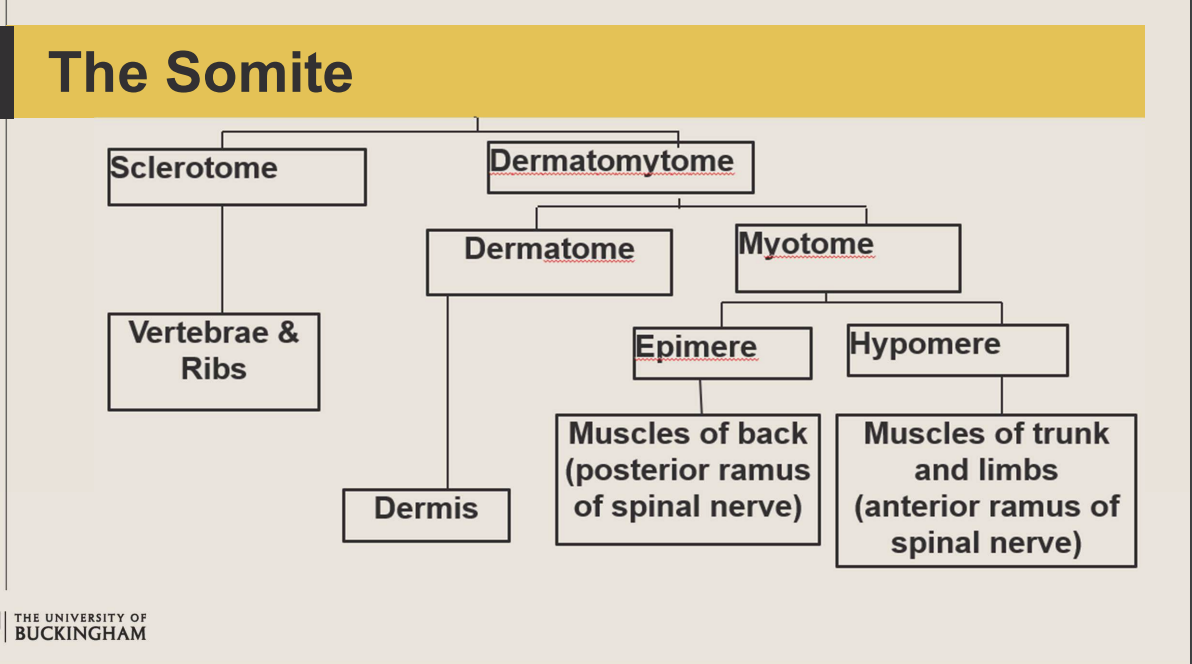
What is a neural level?
A segment of the nervous system connected to a specific body region.
each neural segment supply?
A: A specific sensory and motor territory.
Q: Why do dermatomes and myotomes retain segmental innervation?
Q: What determines adult sensory and motor nerve patterns?
Q: Why do dermatomes and myotomes retain segmental innervation?
A: They maintain the nerve supply of their original somite.
Q: What determines adult sensory and motor nerve patterns?
A: Embryonic somite segmentation.
At what vertebral level does the spinal cord end in adults?
L1
What is the cauda equina?
In anatomy, it refers to the collection of nerve roots at the lower end of the spinal cord
Why are dermatomes clinically useful?
They help identify spinal nerve/root lesions.
What happens when nerves enter the limb bud?
They form nerve plexuses.
Q: Why are plexuses important?
A: Damage to one spinal nerve does not completely paralyse the limb
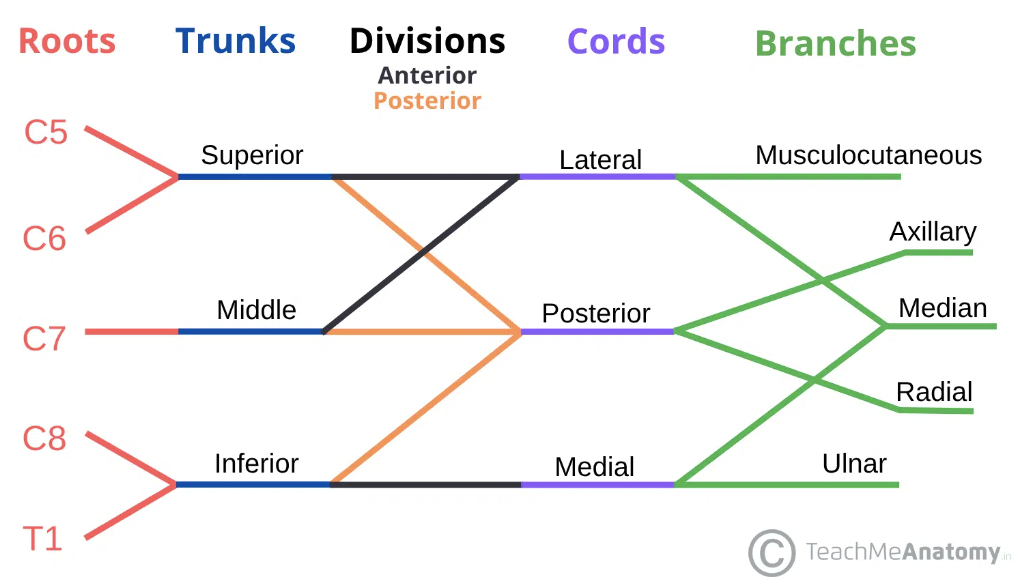
Which plexus supplies the upper limb?
Brachial plexus
Which spinal nerve roots contribute to the brachial plexus?
C5–T1.
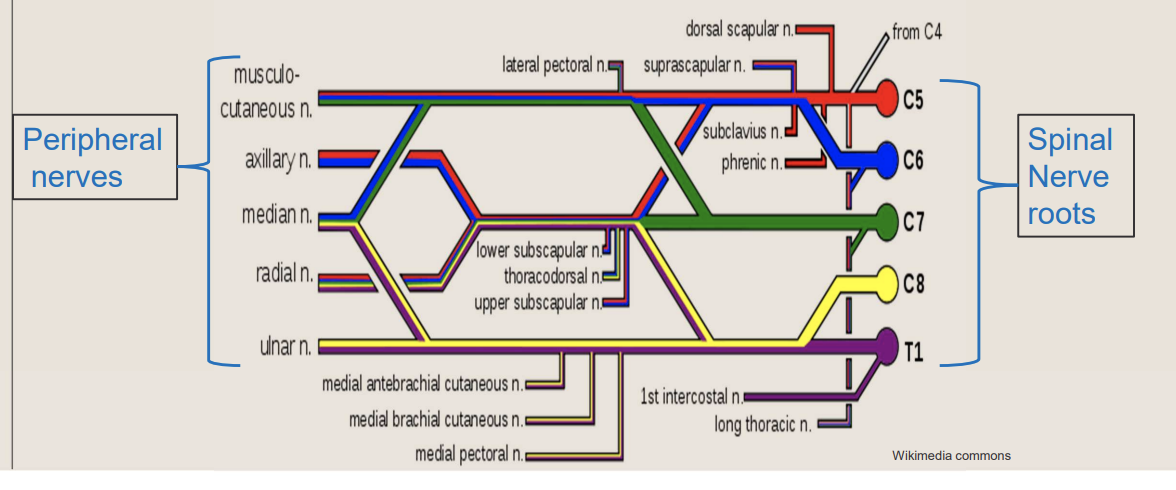
brachial plexus
Robert Taylor Drinks Cold Beer
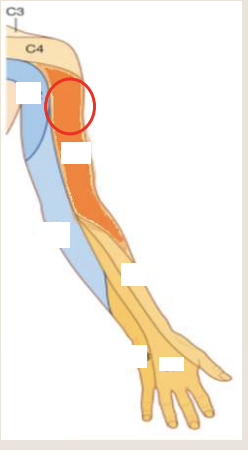
limb nerve territories label
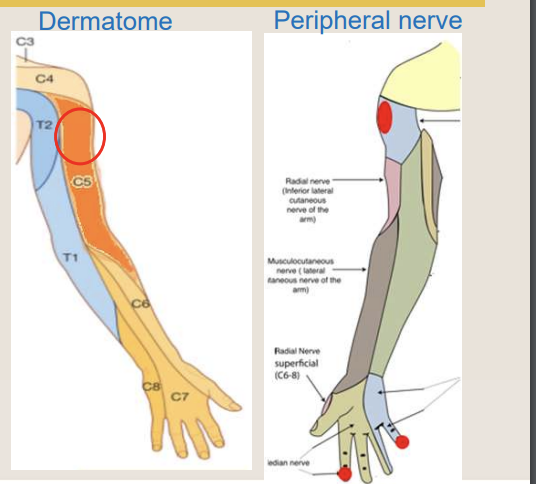
What does sensory loss in a peripheral nerve distribution suggest?
Peripheral nerve injury.
example of a peripheral nerve lesion?
carpal tunnel syndrome affecting the median nerve.
Which dermatome supplies the
nipples
xiphisternum
umbilicus
pubic region
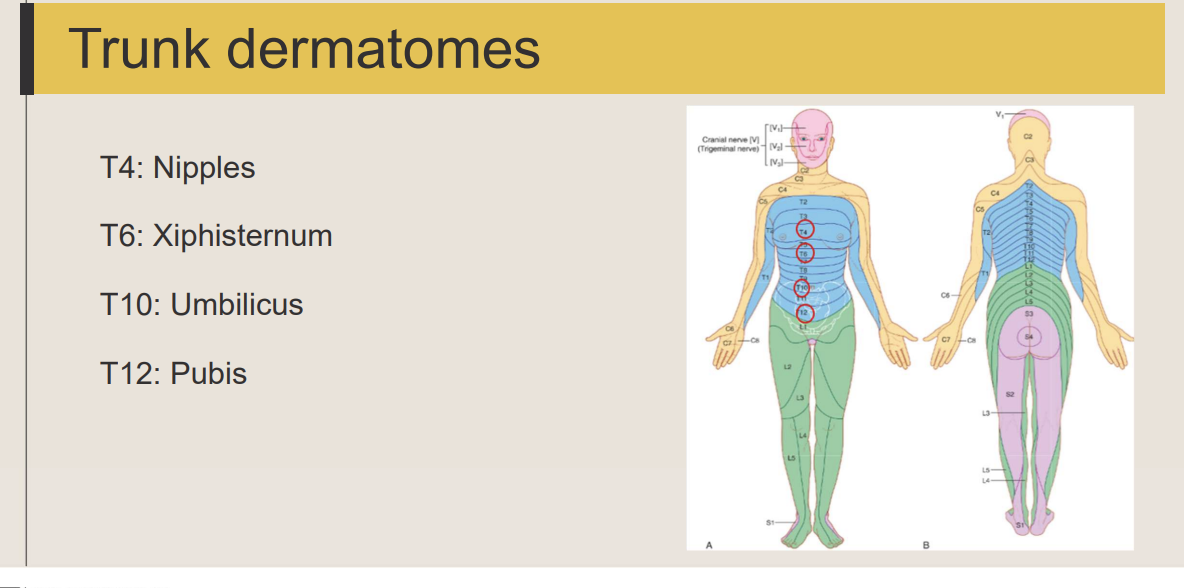
What is an axial line?
Junction between two non-adjacent dermatomes.
dermatome revision