Chapter 1: Diagnosis of oral lesions
 Call Kai
 Learn
Learn Practice Test
 Spaced Repetition
 Match
Match Flashcards
 Knowt Play
1/54

There's no tags or description
Looks like no tags are added yet.
Name | Mastery | Learn | Test | Matching | Spaced | Call with Kai |
|---|
No analytics yet
Send a link to your students to track their progress
55 Terms
What to note for vocabulary
-clinical appearance of lesion
-consistency
-color
-size
-surface texture
-radiographic terms to describe the lesion in the bone
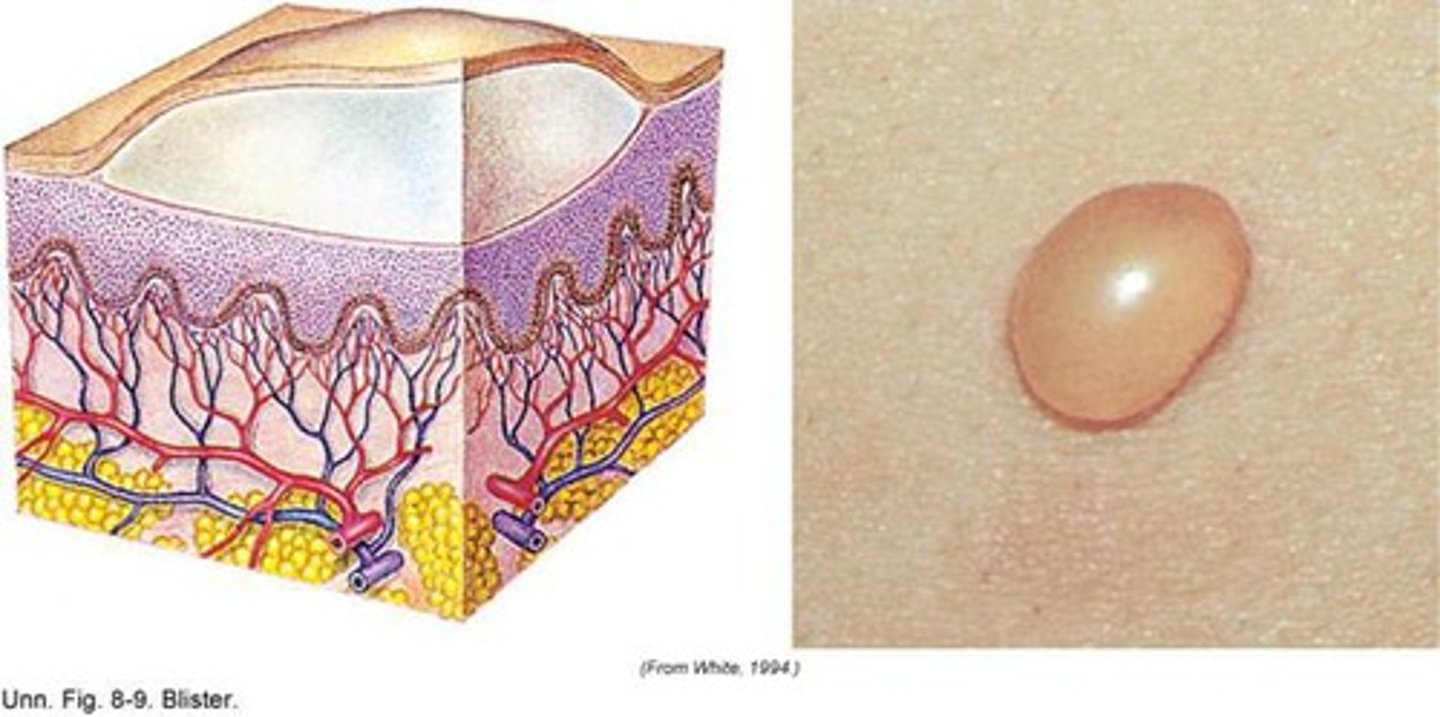
Bulla
-circumscribed elevated lesion
-5mm or more in diameter
-usually contains serous fluid (looks like a blister)
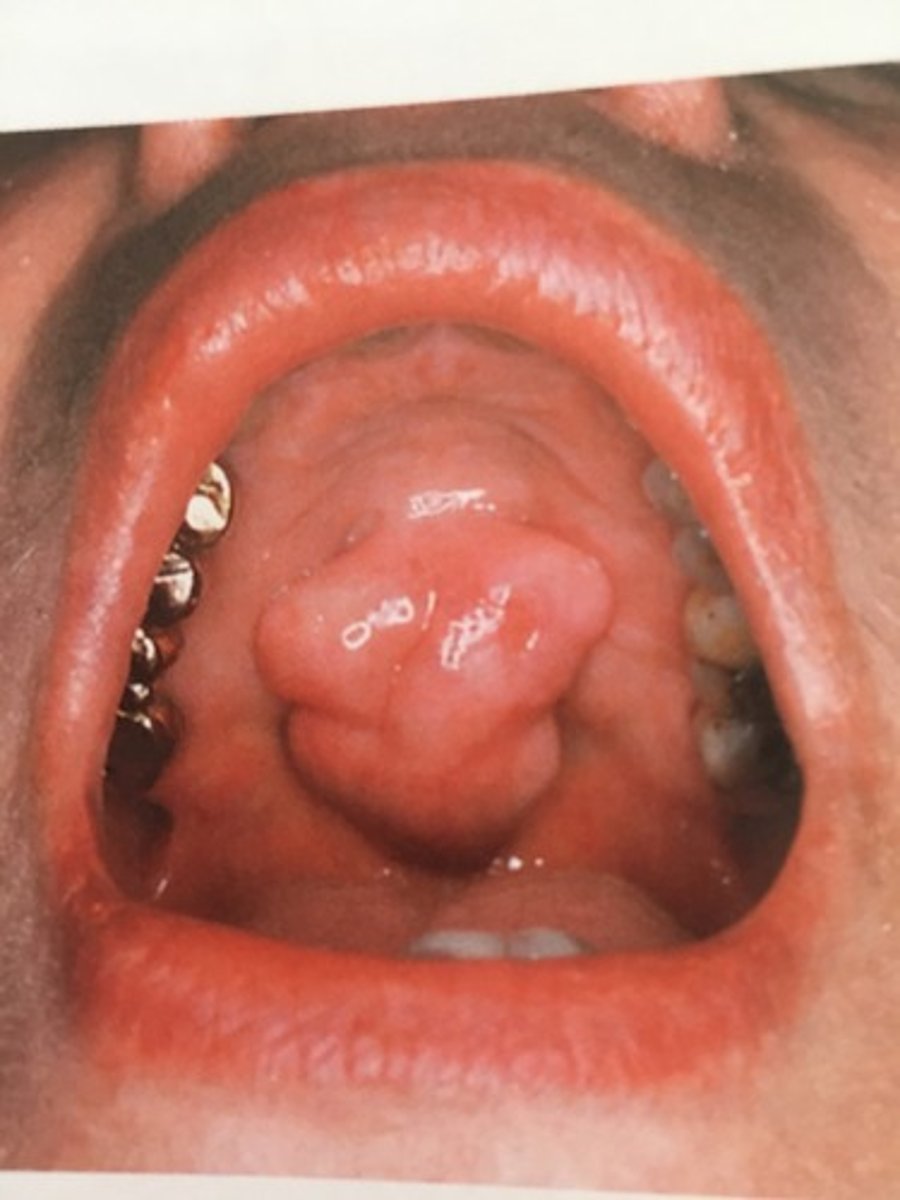
lobule
-a segment or lobe that is part of a whole
-can be fused together
macule
-an area distinguished by color different from the surrounding tissues
-flat and doesn't protrude above the tissue
-example is a freckle
papule
-small circumscribed lesion
-less than 1 cm in diameter
-elevated or protrudes above the surface of the surrounding tissue
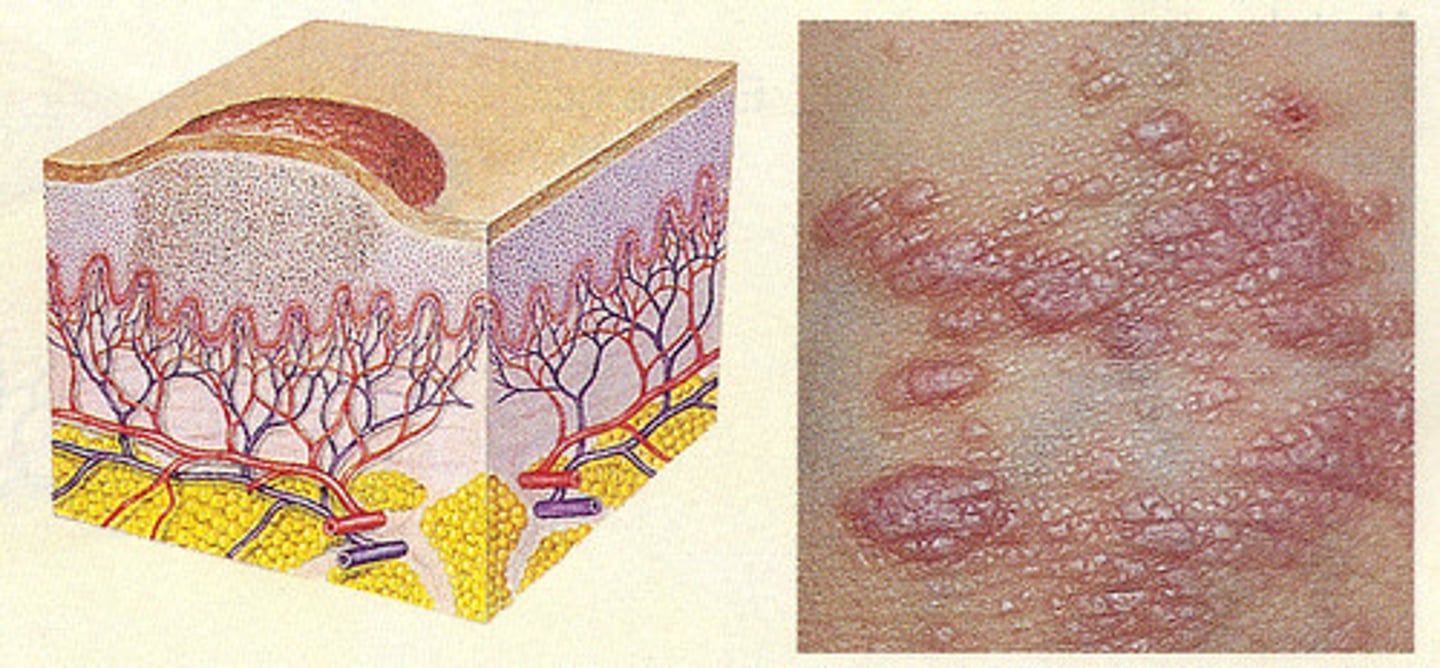
pustules
-variously sized circumscribed evaluations containing pus
vesicle
-small elevated lesion
-less than 1 cm in diameter
-contains serous fluid
pedunculated
-attached by a stemlike or stalklike base
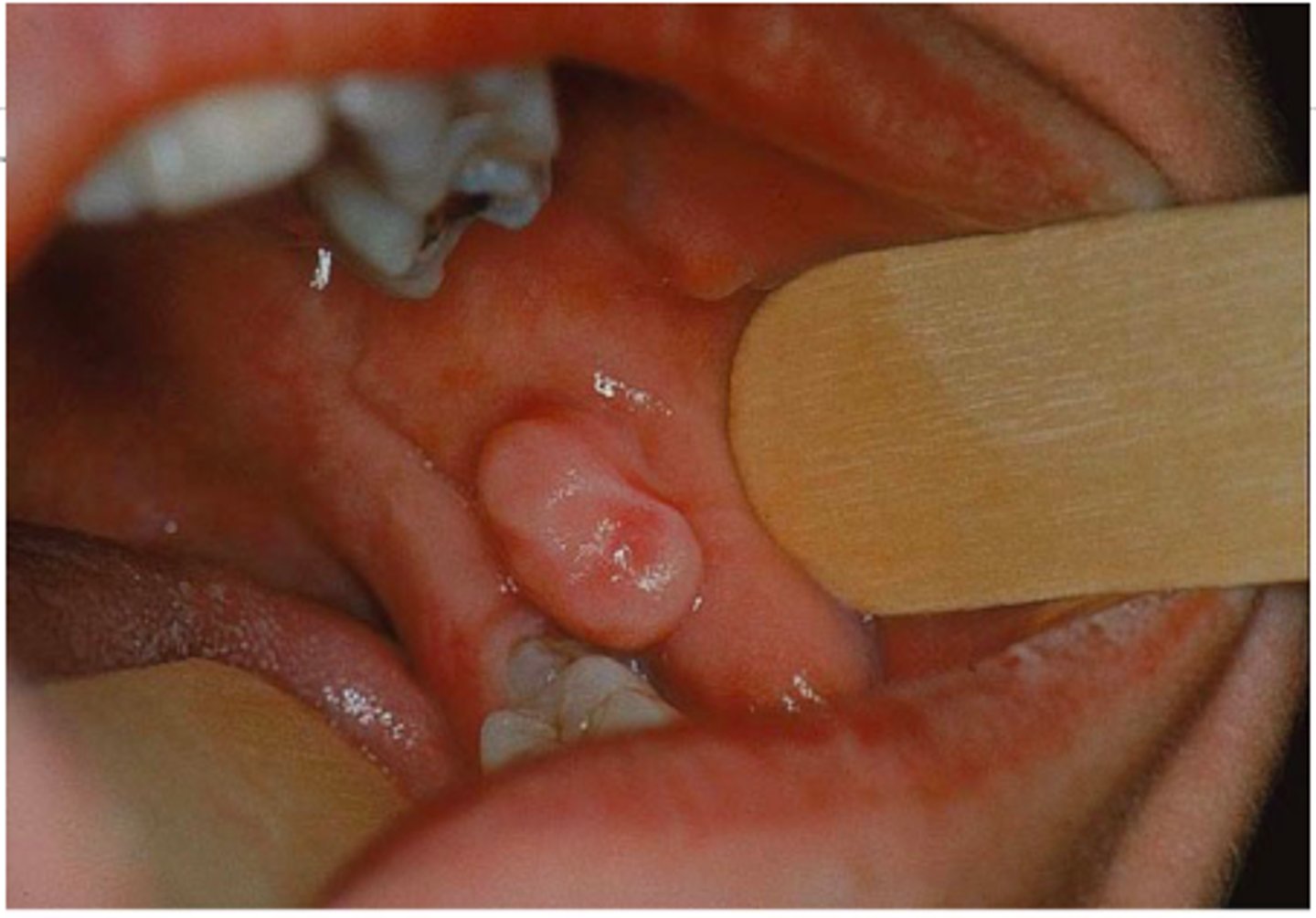
sessile
-describing the base of a lesion that is flat or broad instead of stemlike
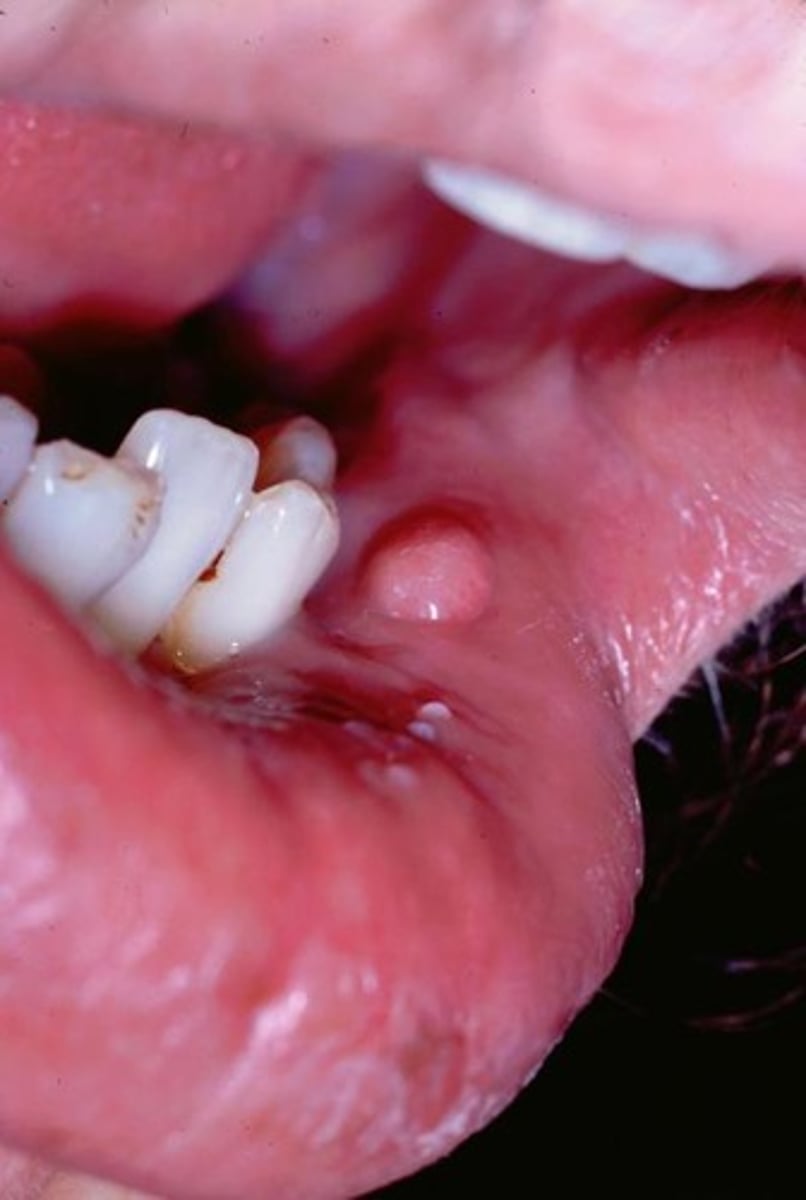
nodule
-palpable solid lesion up to 1 cm in diameter found in soft tissue
-can be above, level with, or beneath the skin surface
Palpation
-evaluation of a lesion by feeling it to determine texture
-descriptive terms include (also describe consistency): soft, firm, semifirm, fluid filled
colors
-frequent descriptors: red, pink, salmon, white, blue-black, brown, black
erythema
abnormal redness
pallor
paleness
erythroplakia
-smooth red patch or granular red velvety patch
-less common than leukoplakia
-90% of erythroplakias demonstrate epithelial dysplasia or squamous cell carcinoma
leukoplakia
-white plaquelike lesion that cannot be rubbed off or diagnosed as a specific disease
size of lesions
-cm: one hundredth of a meter
-mm: one thousandth of a meter (perio probe is useful to describe lesions in mm)
corrugated
wrinkled
fissure
a cleft or groove showing prominent depth
papillary
resembling small, nipple-shaped projections or elevations found in clusters
other terms used to describe texture
-smooth
-rough
-folded
coalescence
The process by which parts of a whole join together, or fuse, to make one
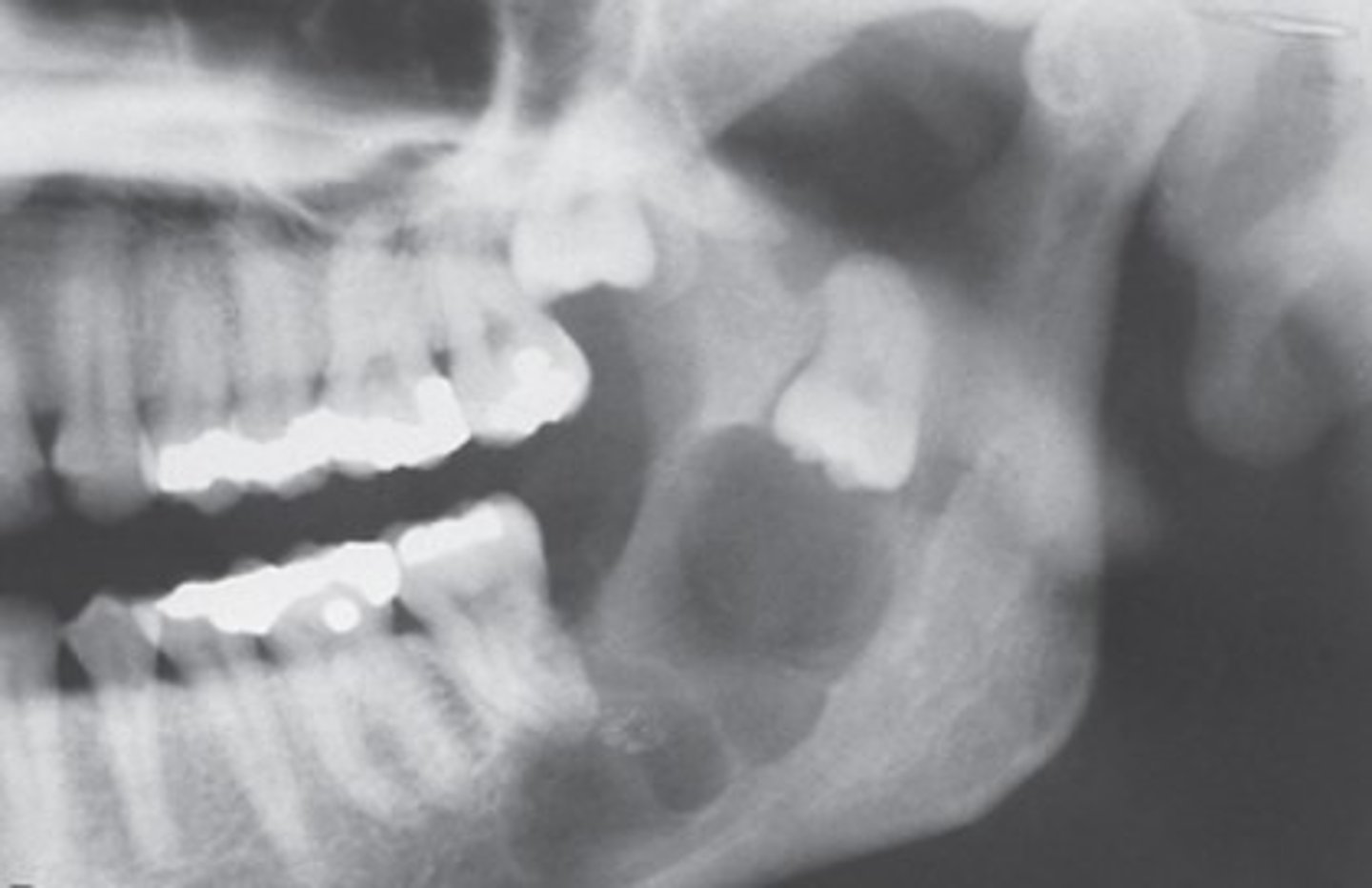
diffuse
-describes a lesion with borders that are not well defined (impossible to detect exact parameters of the lesion)
-can make tx difficult
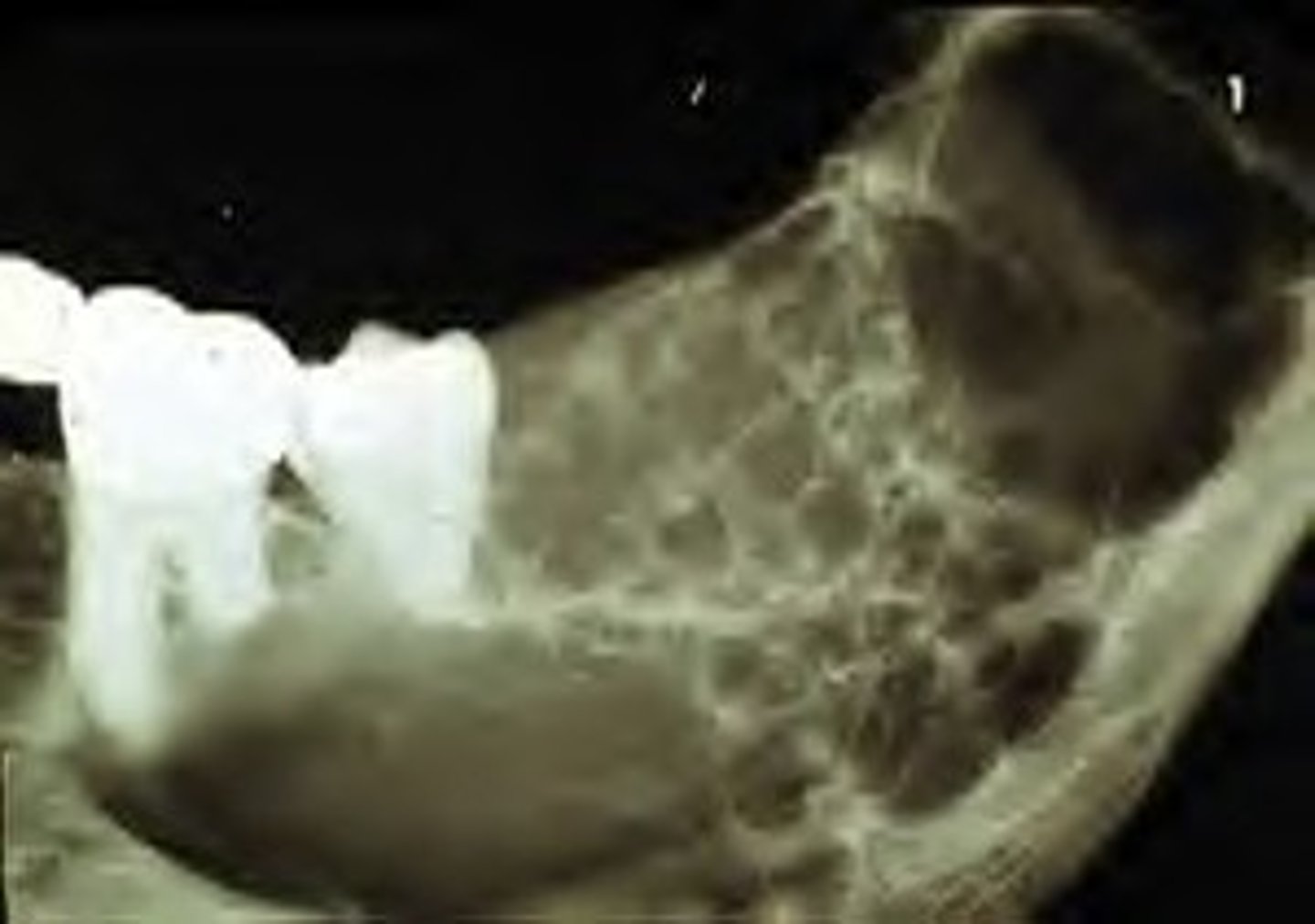
multiocular
-extends beyond the confines of one distinct area
-many lobes or parts somewhat fused together
-resembles soap bubbles
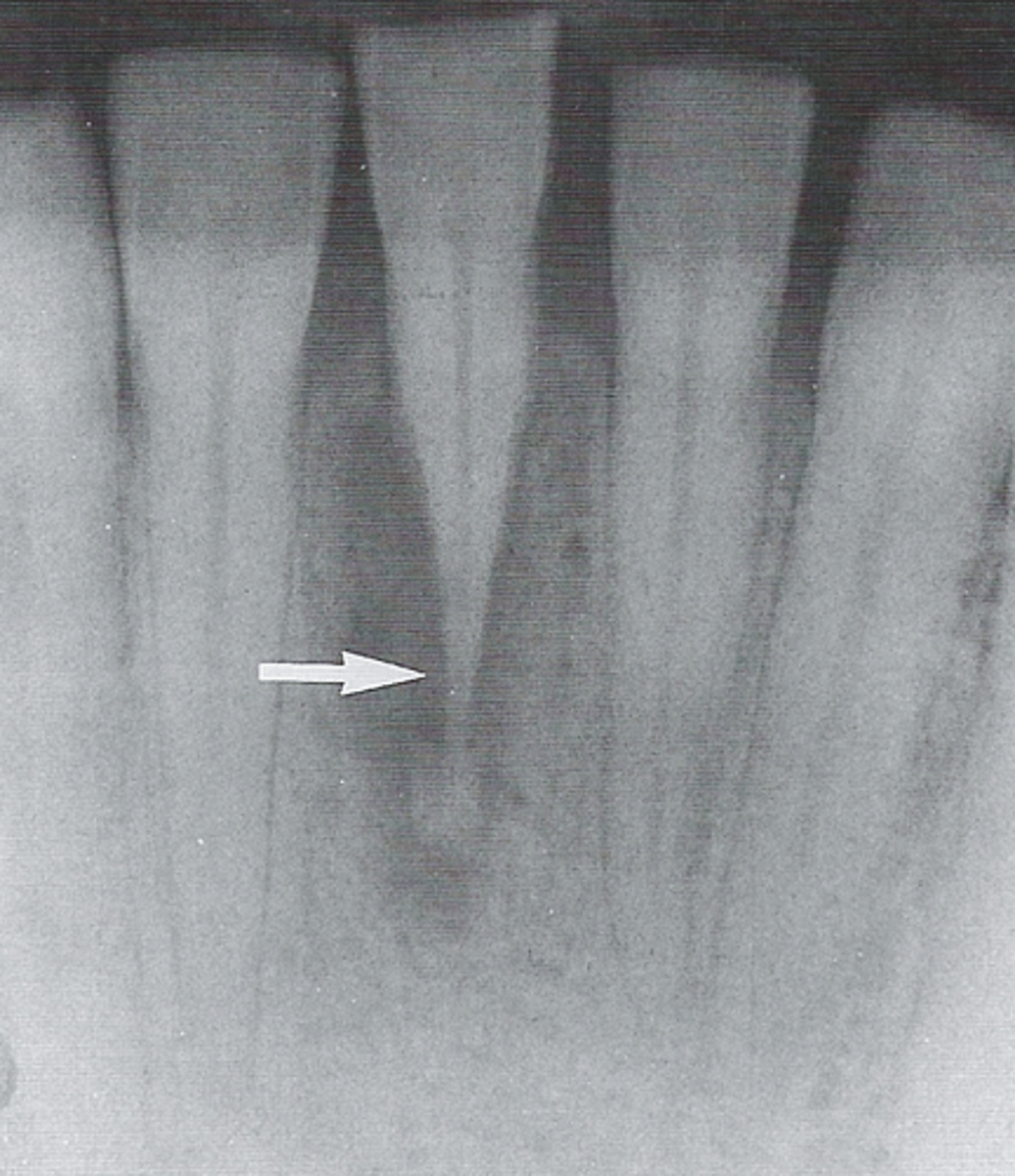
external root resorption
arise from the tissue outside the tooth, such as PDL
internal root resorption
-triggered by pulpal tissue reaction from within the tooth
-pulpal area is seen as a diffuse radiolucency beyond the confines of normal pulp area
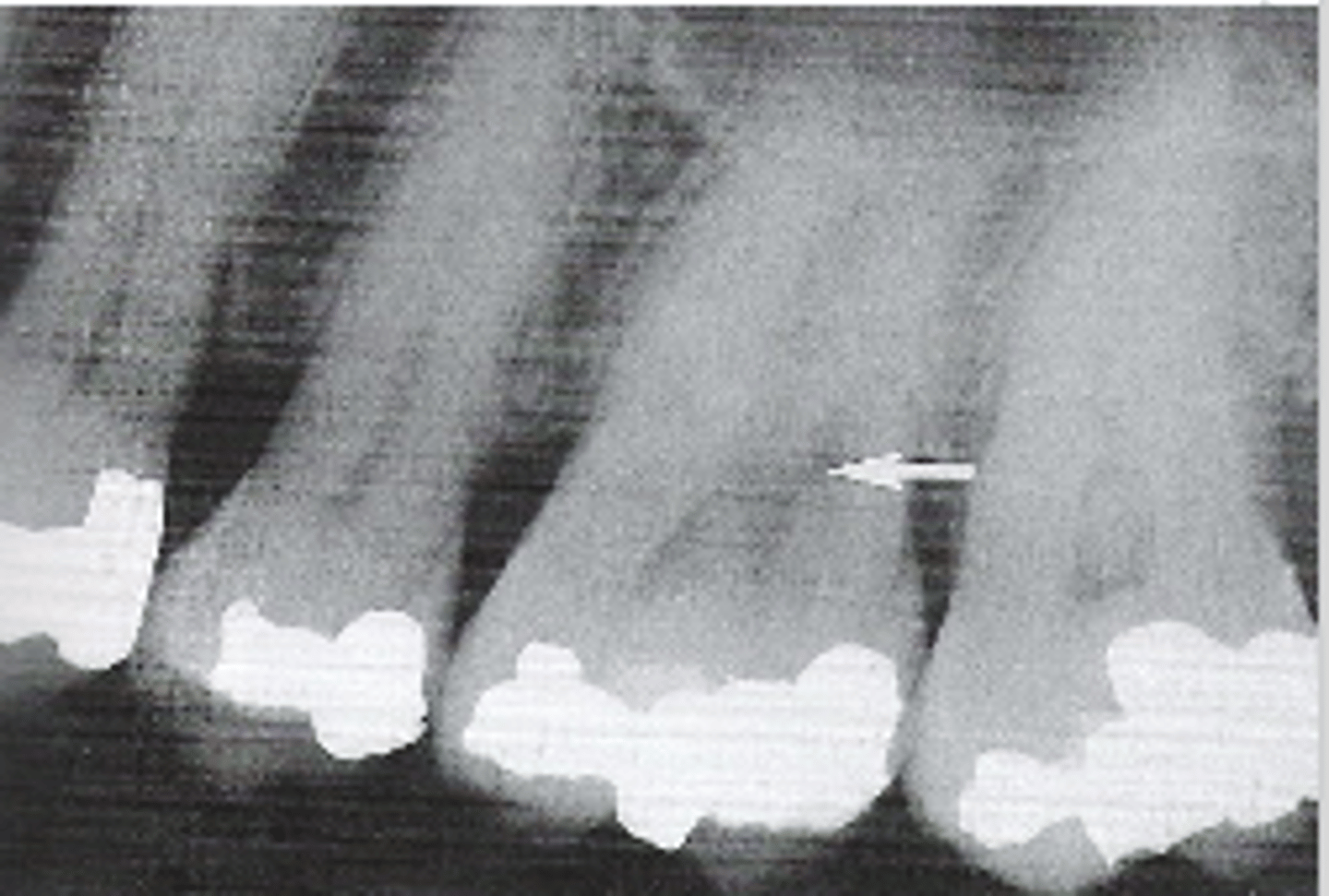
scalloping around the root
radiolucent lesion that appears to extend up the PDL and between the roots
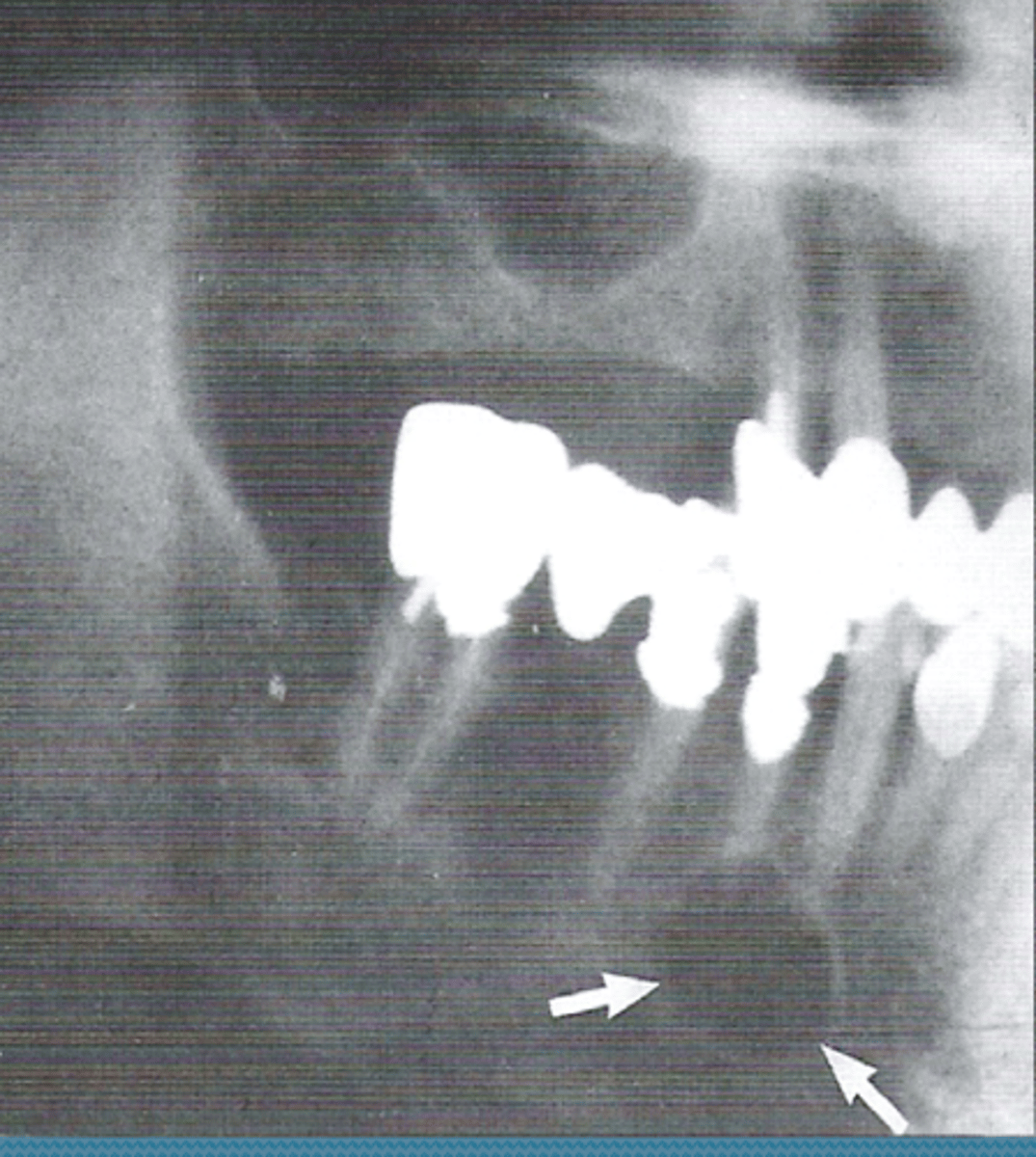
unilocular
-having one compartment or unit that is well defined or outlined
-ex: radicular cyst
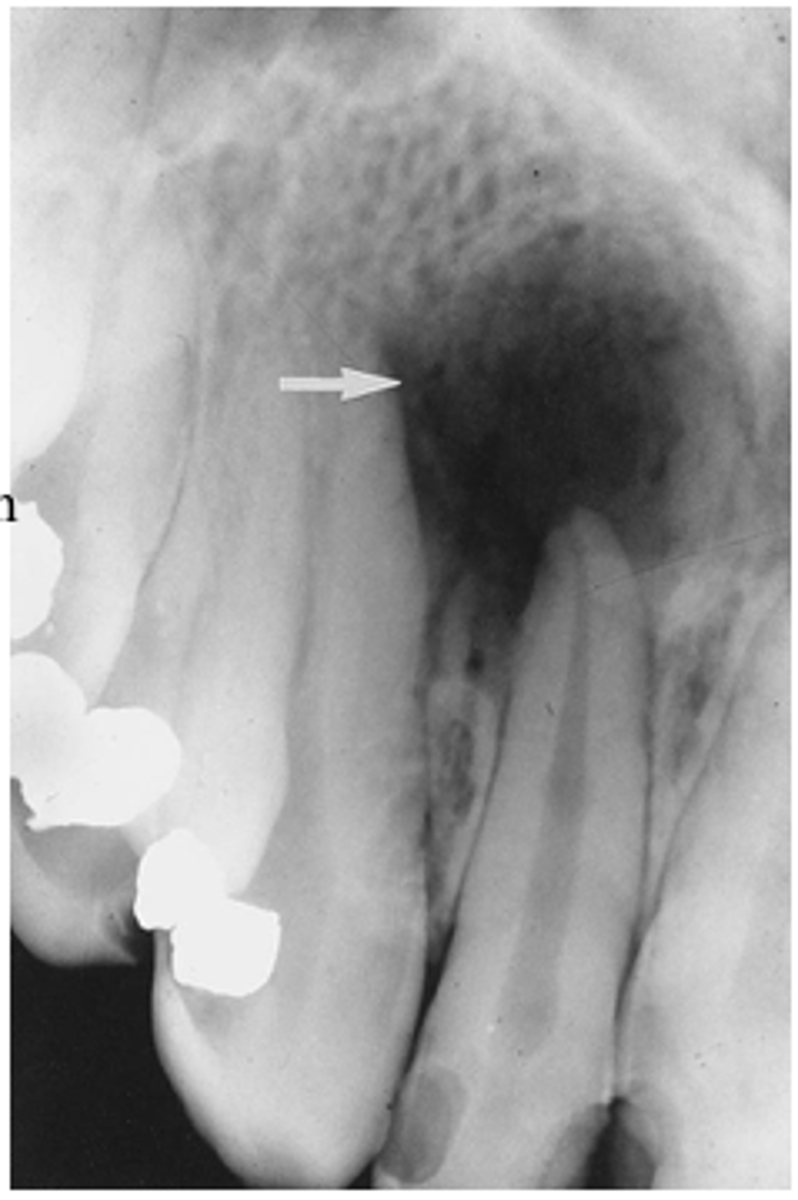
well circumscribed
describes a lesion with specific borders that are defined and have exact margins and extent
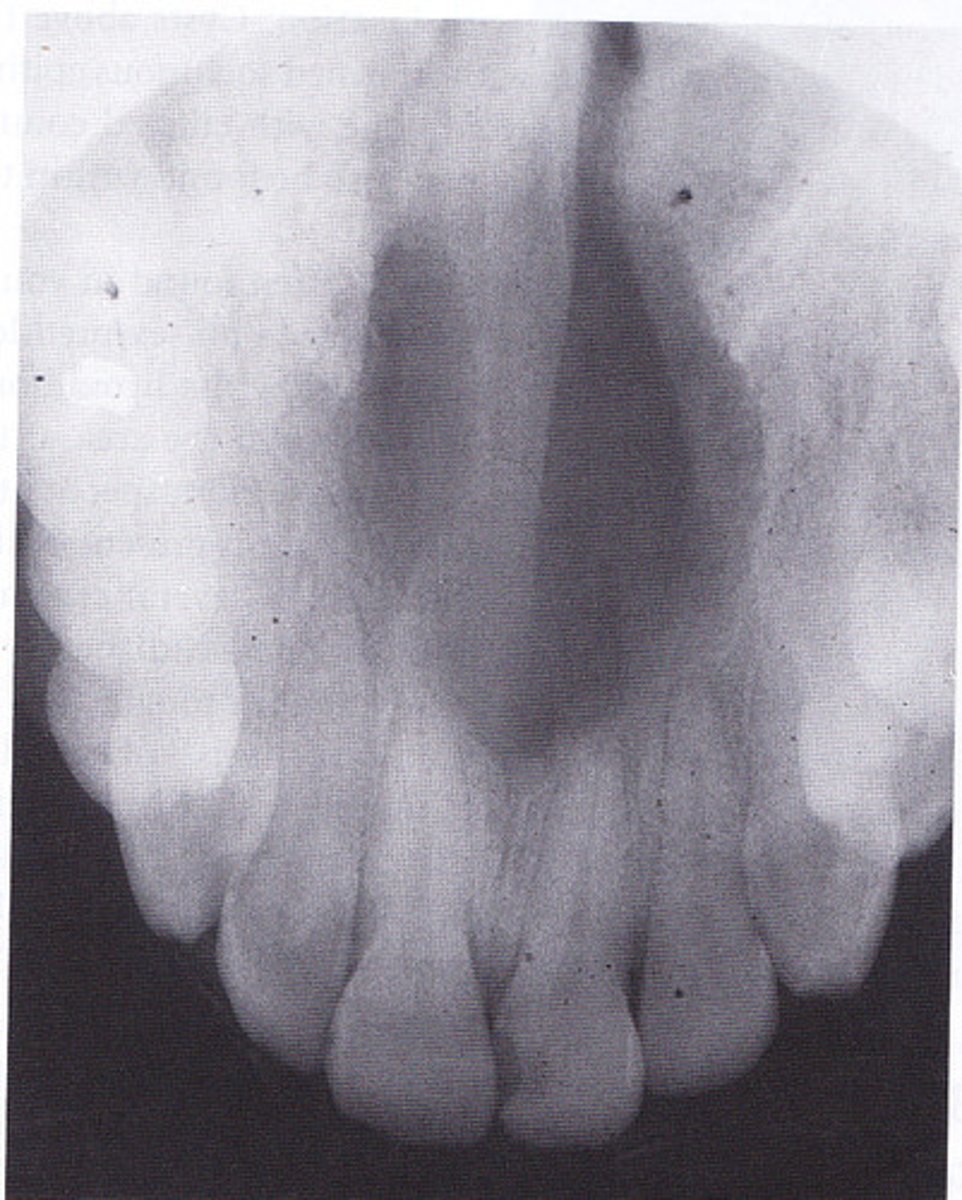
diagnostic process
-clinical diagnosis
-radiographic diagnosis
-lab diagnosis
-microscopic diagnosis
-surgical diagnosis
-therapeutic diagnosis
-differential diagnosis
clinical diagnosis includes
-color
-shape
-location
-hx of lesion
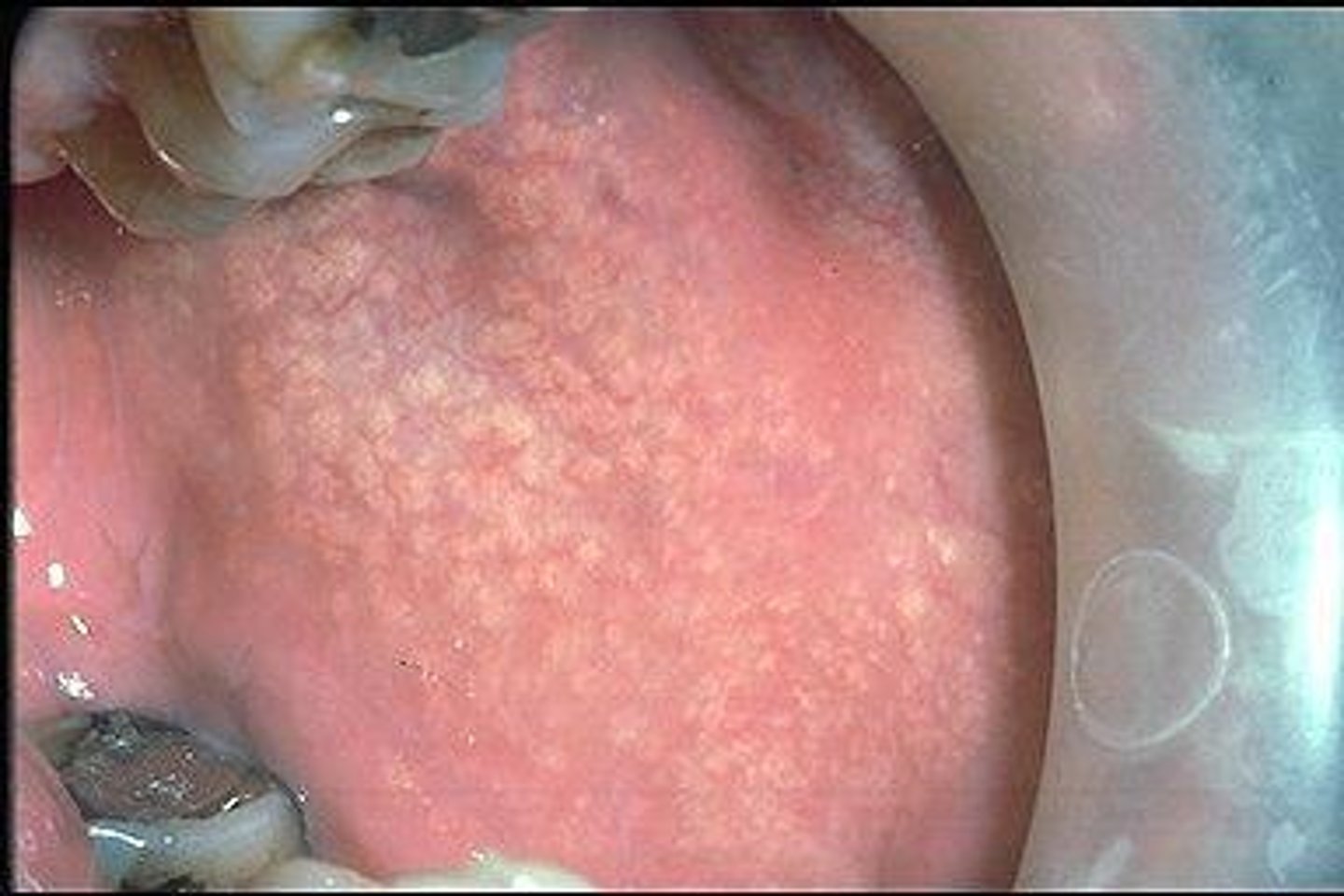
fordyce granules
-cluster of ectopic sebaceous glands
-appears as yellow lobules in clusters
-commonly observed on the vermilion border of the lips and buccal mucosa
-no tx
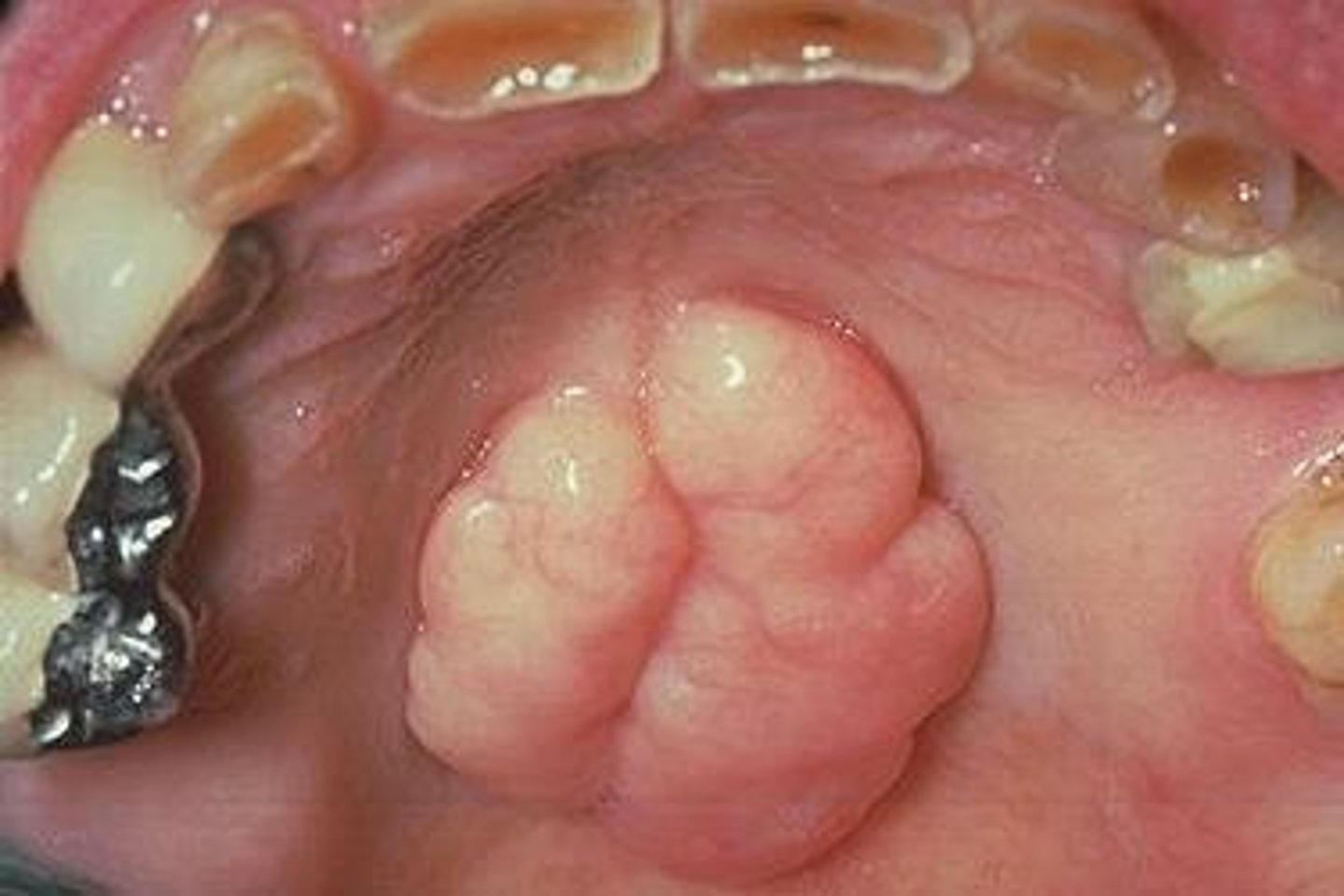
torus palatinus
-exophytic growth of normal compact bone
-clinically in the midline of the hard palate
-inherited, gradual formation
-occurs more commonly in women
-may have various shapes and sizes, lobulated, covered by normal soft tissue
-no tx unless interfere with speech, swallowing, or prosthesis is needed
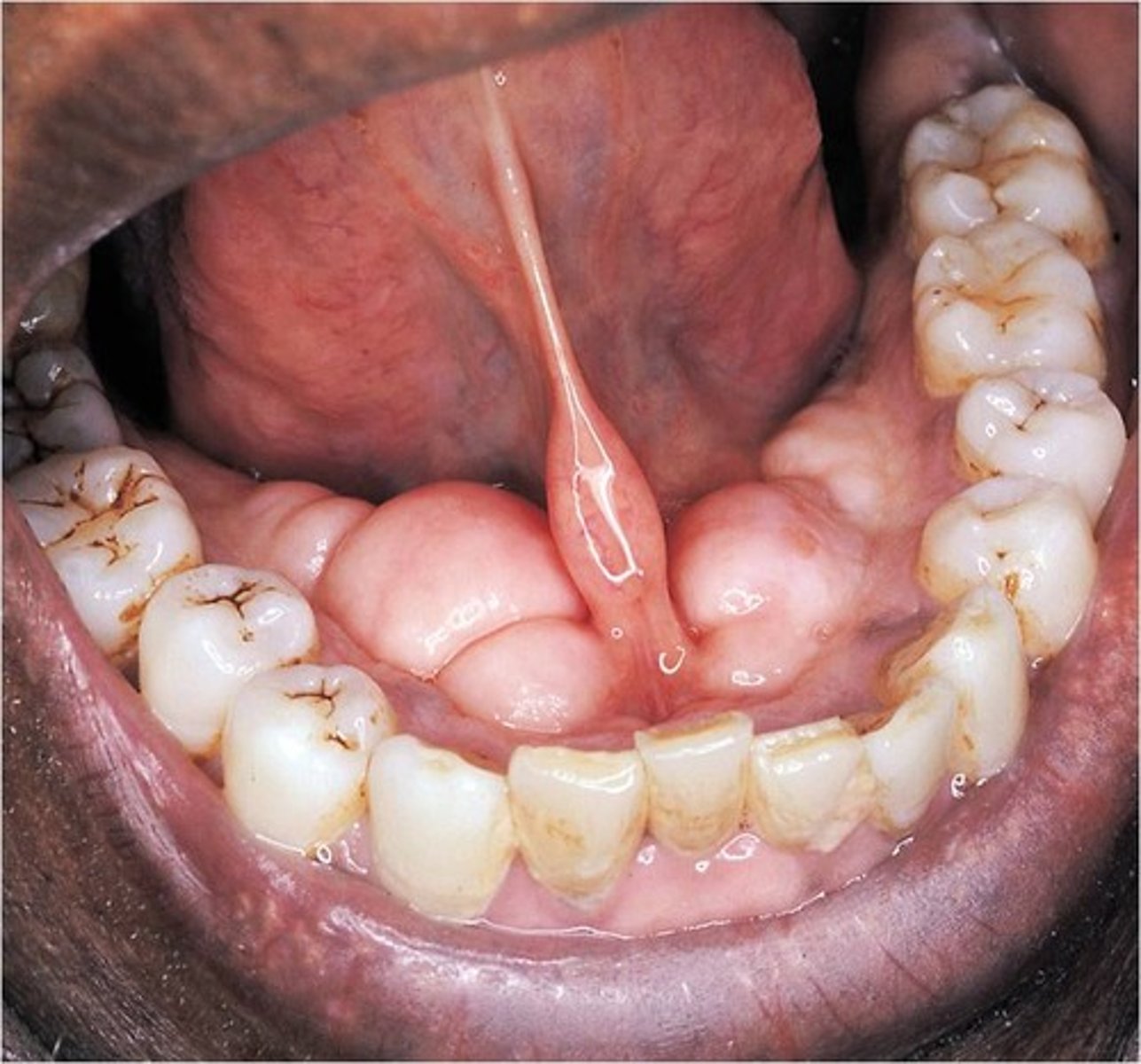
mandibular tori
-outgrowth of dense bone found on lingual aspect of the mandible in the premolar and mylohyoid ridge area
-usually bilateral
-often lobulated or nodular
-can appear fused
-no predilection for either sex
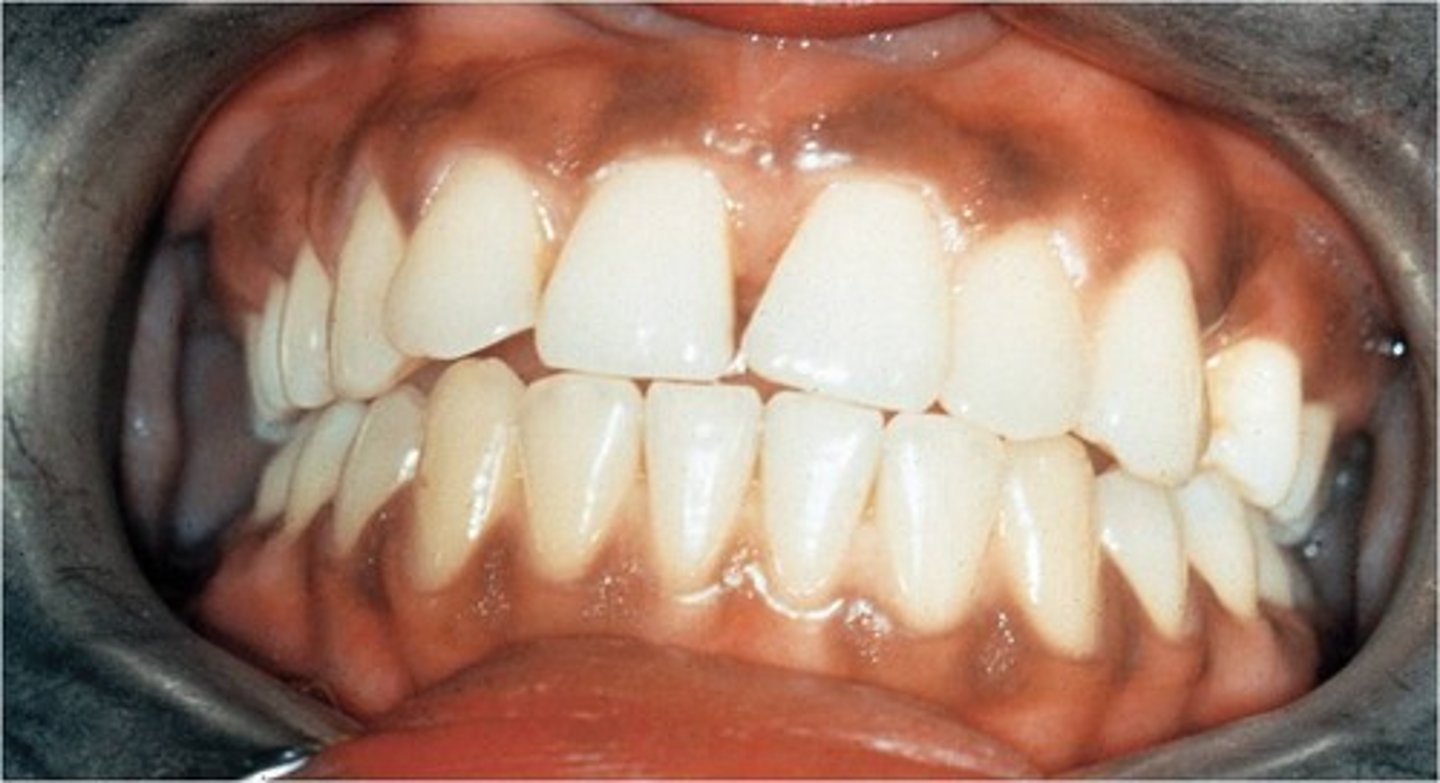
Melanin pigmentation
-The pigment that gives color to skin, eyes, hair, mucosa, and gingiva
-Most commonly observed in dark-skinned individuals
retrocuspid papillae
sessile nodule on the gingival margin of the lingual aspect of the mandibular cuspids
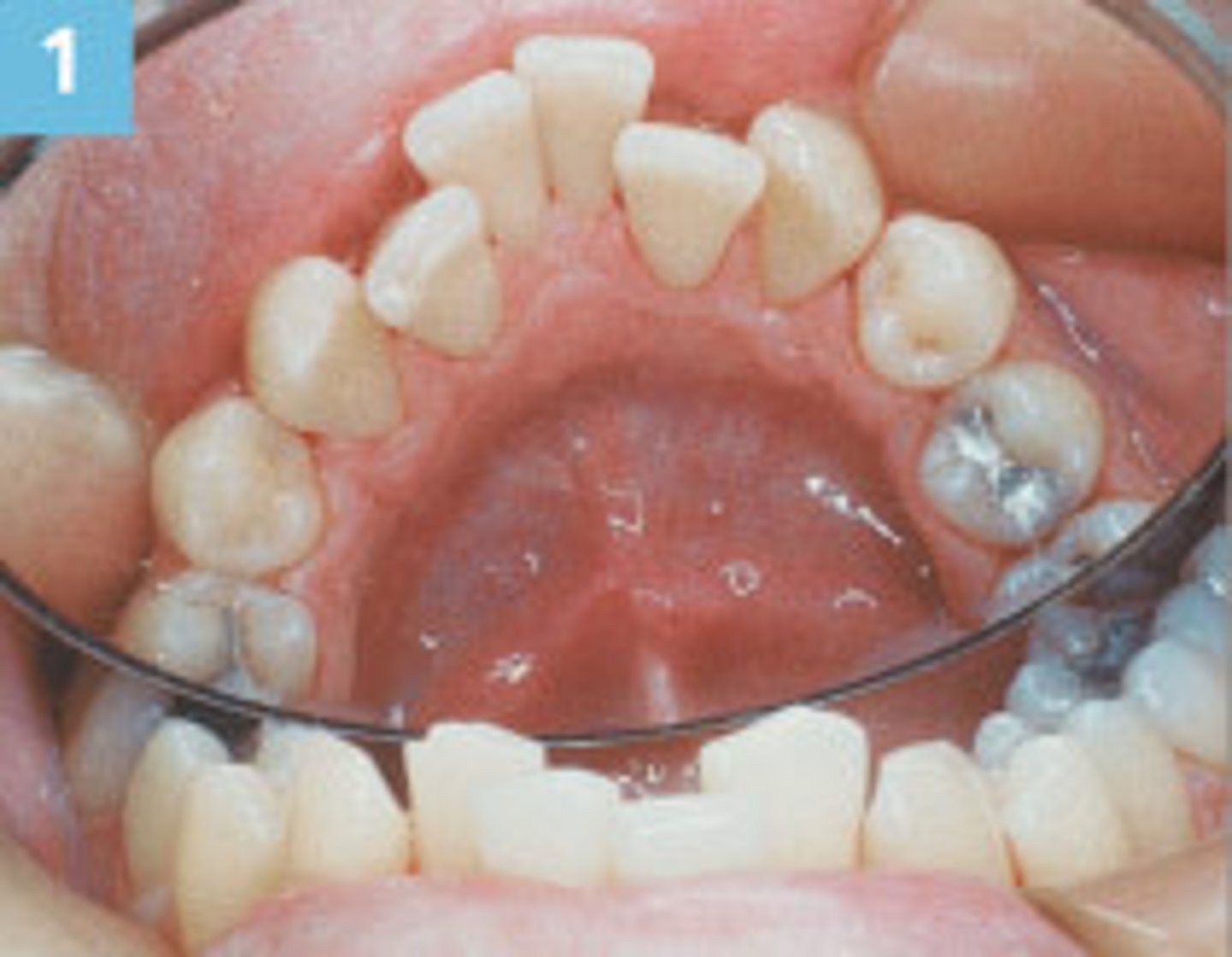
lingual varicosities
-appear red to purple enlarged vessels or clusters
-usually on ventral and lateral surfaces of the tongue
-most common in pts 60 years and older
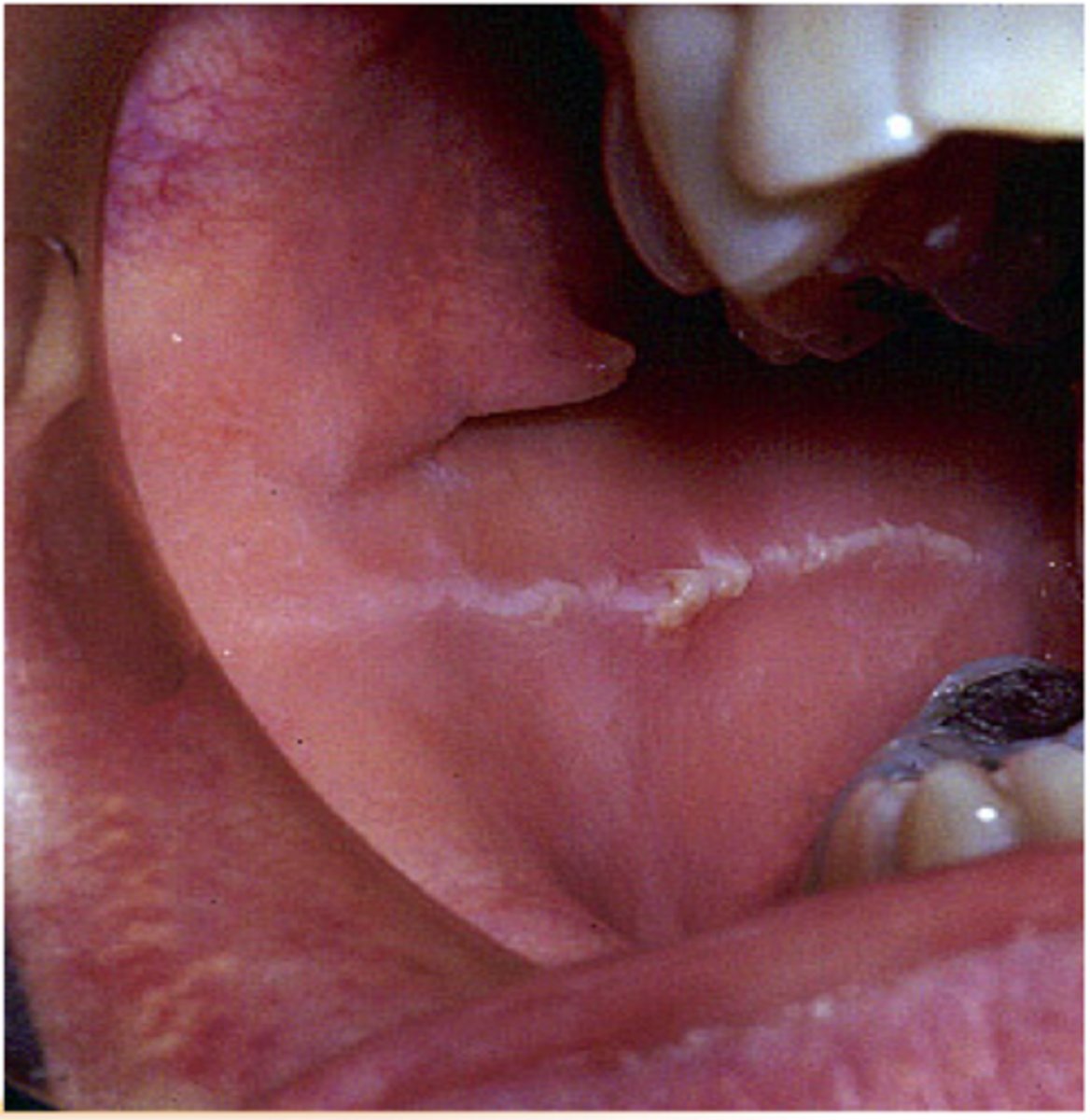
linea alba
-white line that extends anteroposteriorly on buccal mucosa along the occlusal plane
-may be bilateral
-may be prominent in pts who clench or bruxism habit
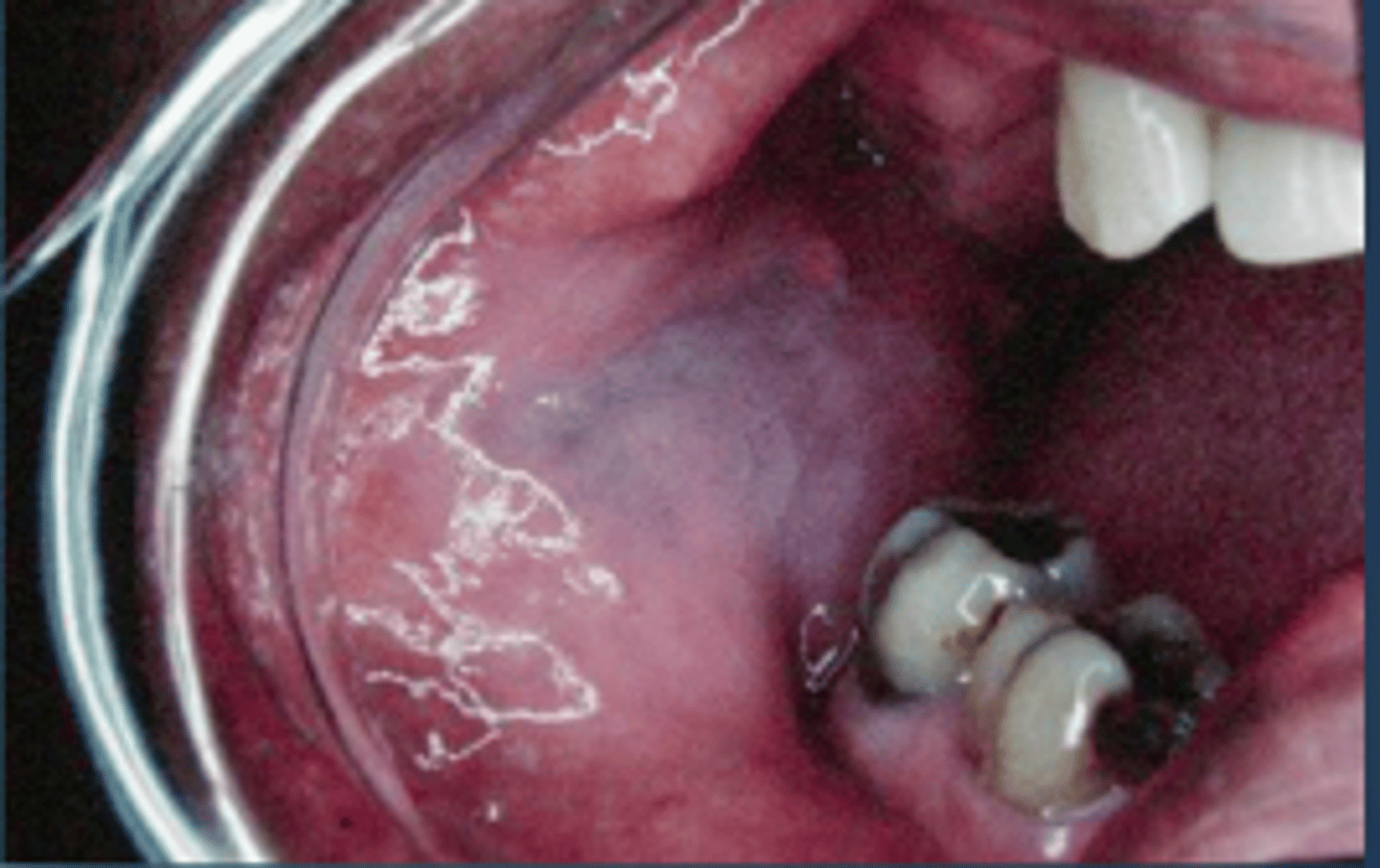
leukoedema
-generalized opalescence on the buccal mucosa
-most commonly found in black adults
-when mucosa is stretched, opalescence is less prominent
-no tx
unusual findings in radiographic diagnoses
-piercings
-impacted teeth
-retained metals (shotgun shrapnel/pellets)
historical diagnosis
-Personal history
-Family history
-Past and present medical and dental histories
-History of drug ingestion
-History of the presenting disease or lesion
lab diagnosis
-blood chemistries
-urinalysis
-cultures
-radiographic appearance: "cotton-wool effect" + elevated serum alkaline phosphate levels = pagets disease
microscopic diagnosis
-often the main component of definitive diagnosis
-adequate tissue sample is necessary
-brush test can be used (can determine the need of a scalpel biopsy)
surgical diagnosis
-surgery preformed to gain info and diagnose
-traumatic bone cyst: may appear as RL that scallops around the roots, when the lesion is opened surgically, an empty void is found.
therapeutic diagnosis
-nutritional deficiencies are common conditions to be diagnosed by therapeutic means
-ex: angular cheilitis associated w vitamin B complex deficiency, commonly a fungal condition tx with nystatin
-necrotizing ulcerative gingivitis: responds to hydrogen peroxide
hygienists role in differential diagnosis
-be observant
-data collection: pts MDHX, history of lesion, clinical description and evaluation, biopsy and microscopy reports
variants of normal
-Fordyce granules
-Torus palatinus
-Mandibular tori
-Melanin pigmentation
-Retrocuspid papilla
-Lingual varicosities
-Linea alba
-Leukoedema
benign conditions w unknown causes
-lingual thyroid nodule
-median rhomboid glossitis
-geographic tongue
-fissured tongue
-hairy tongue
lingual thyroid nodule
-trapped remnants of thyroid tissue
-mass in the midline of the dorsal of the tongue posterior to circumvallate papillae, usually a sessile base and is 2-3 cm in width
-predilection: females and linked to hormonal changes
-tx: eval the pt to determine whether the thyroid gland is present in the normal location
Median Rhomboid Glossitis
-flat or slightly raised oval or rectangular erythema area in center of tongue
-may be associated with Candida albicans
-no tx necessary but antifungal can be used
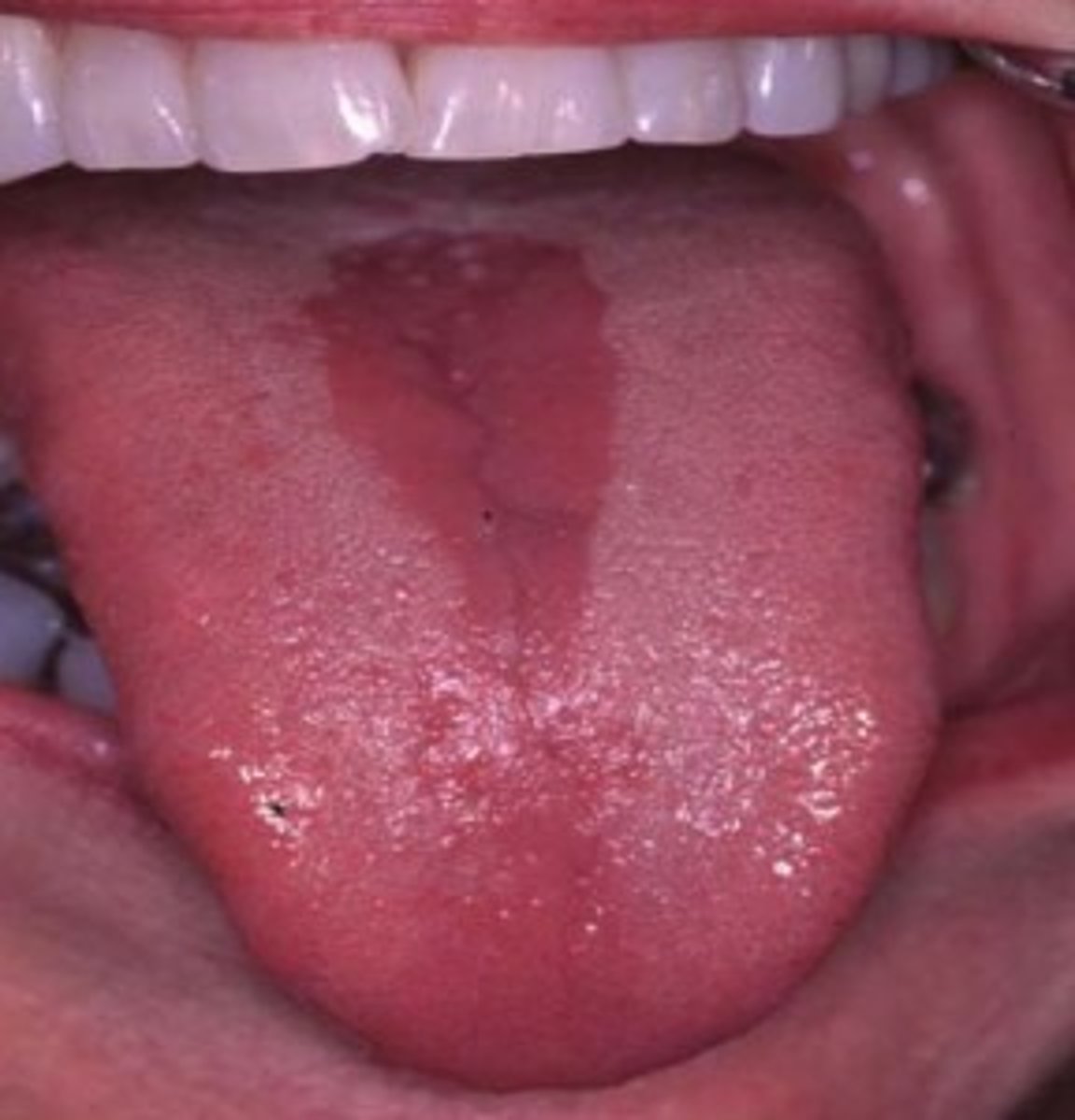
geographic tongue
-erythema patches surrounded by a white or yellow border
-diffuse areas devoid of filiform papillae
-distinct fungiform papillae
-remission and depapillated areas
-aka migratory glossitis
-genetic factors can play a role
-stress may exacerbate
-burning or discomfort can be related
-no tx indicated
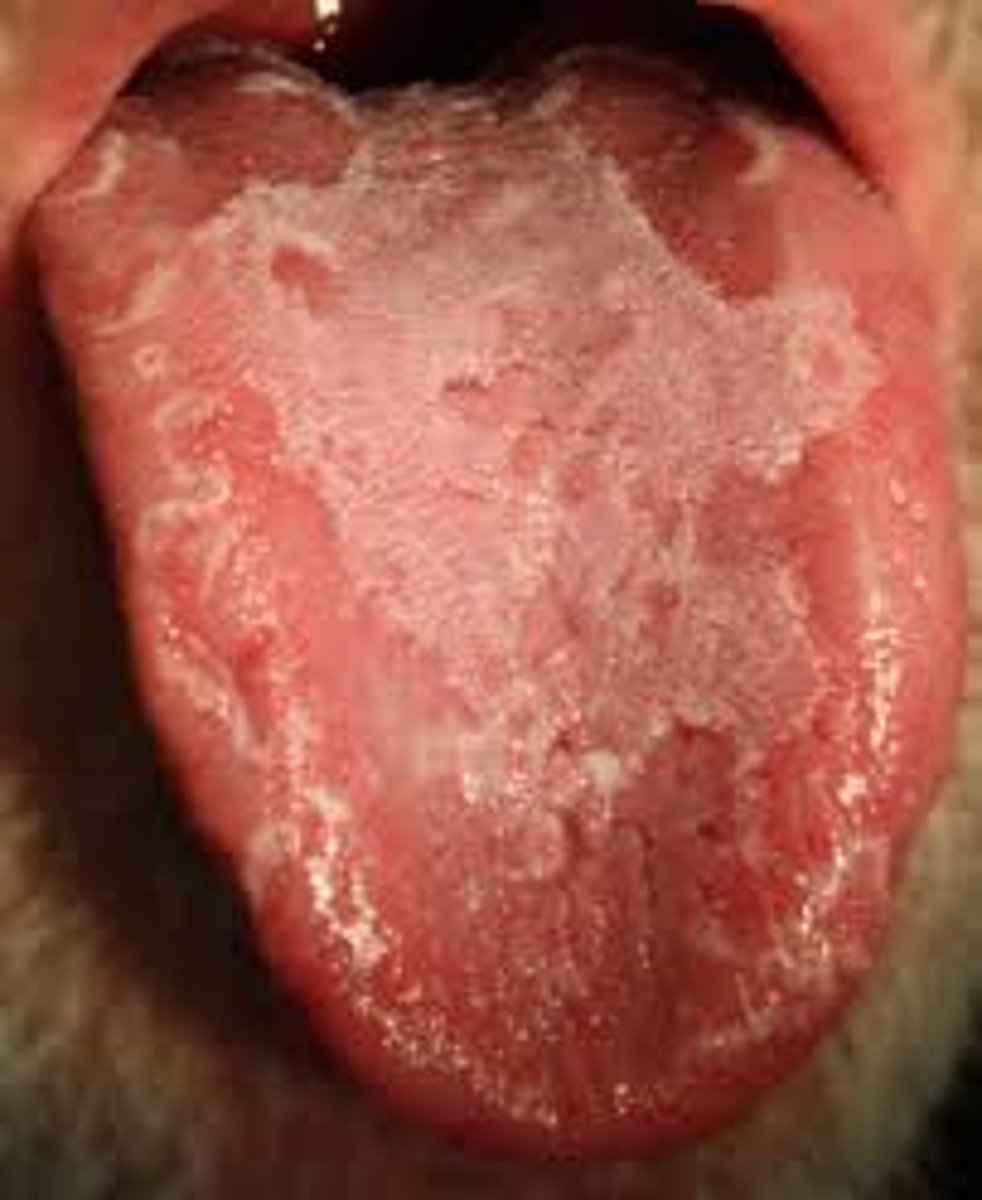
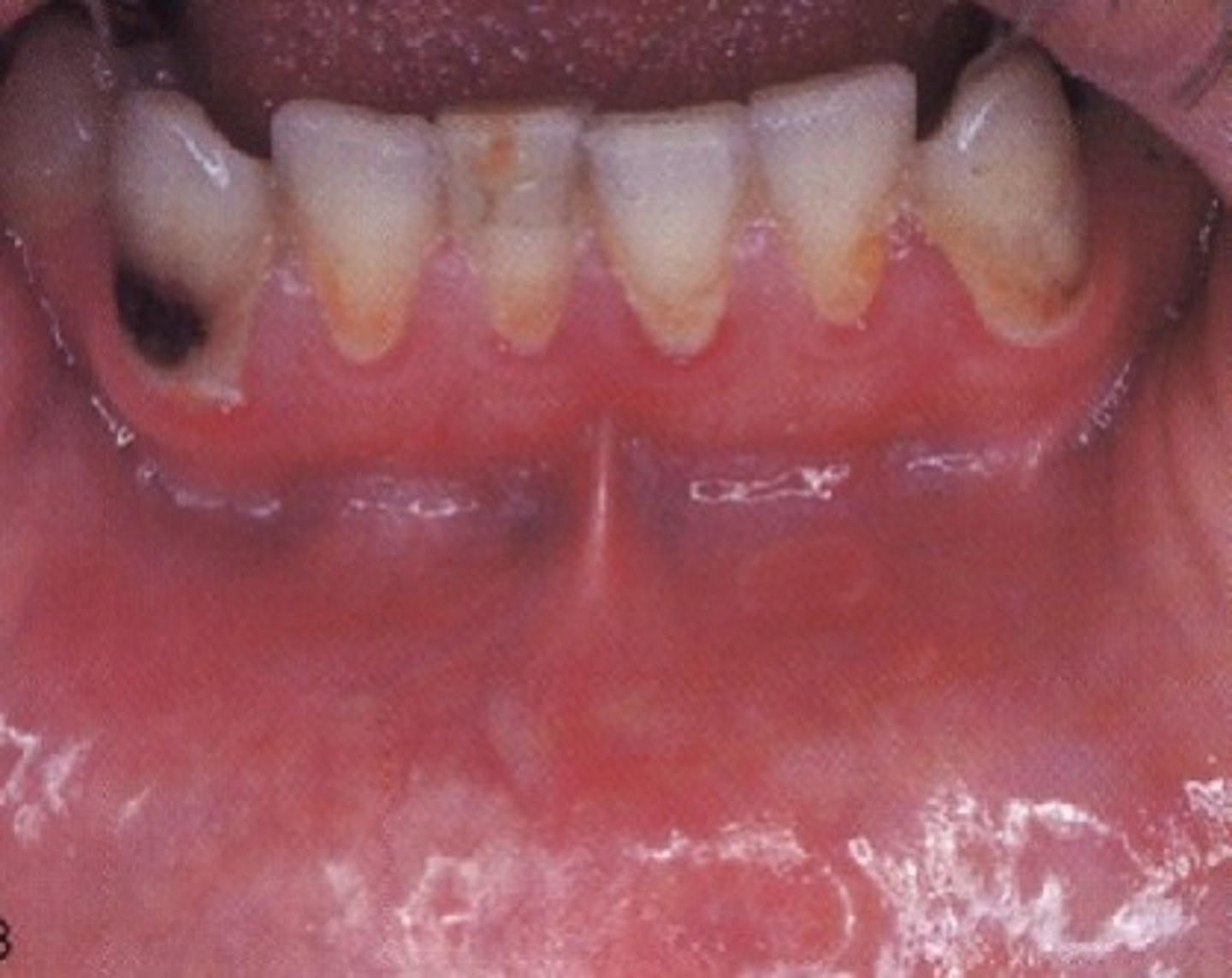
ectopic geographic tongue
geographic tongue used to describe areas found on mucosal surfaces other than the tongue
fissured tongue
-dorsal surface has deep grooves
-probably involves genetic factors, seen in about 5% of population
-homecare: have pt brush tongue gently
-no tx necessary
white hairy tongue
-elongated filiform papillae that are white, results from increased keratin or decrease in normal desquamation
-home care: have pt brush tongue gently
black hairy tongue
-black to brown chromogenic bacteria
-contributing factors: tobacco, foods, hydrogen peroxide, alcohol, chemical rinses
-home care: have pt brush tongue gently