Biology - Molecular Biology of the Gene
0.0(0)
Studied by 4 people Call Kai
 Learn
Learn Practice Test
 Spaced Repetition
 Match
Match Flashcards
 Knowt Play
Card Sorting
1/123

Last updated 4:35 PM on 6/6/26
Name | Mastery | Learn | Test | Matching | Spaced | Call with Kai |
|---|
No analytics yet
Send a link to your students to track their progress
124 Terms
1
New cards
DNA is a polymer. What is its monomer?
nucleotide
2
New cards
Nucleotides are made up of these three things:
pentose sugar, phosphate group, nitrogenous base
3
New cards
the pentose sugar in DNA is:
deoxyribose
4
New cards
the pentose sugar in RNA is:
ribose
5
New cards
what is the difference between deoxyribose and ribose?
deoxyribose lacks an oxygen atom on the second carbon
6
New cards
The numbering system used to identify the carbons in a nucleotide's sugar ring. The ___ carbon is attached to the phosphate group, while the ___ carbon is attached to the hydroxyl group.
5’, 3’
7
New cards
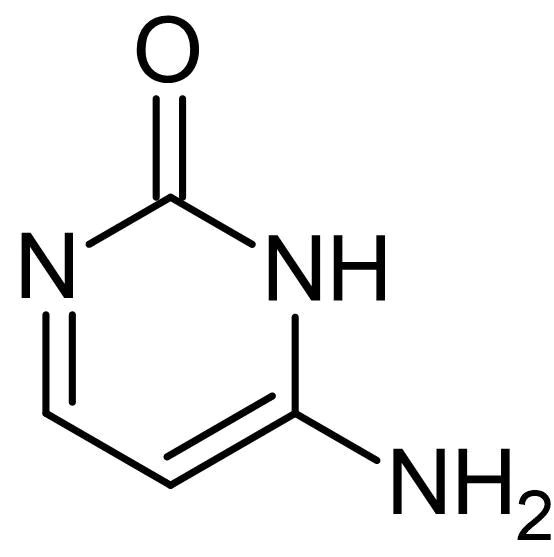
which nucleotide is this?
cytosine
8
New cards
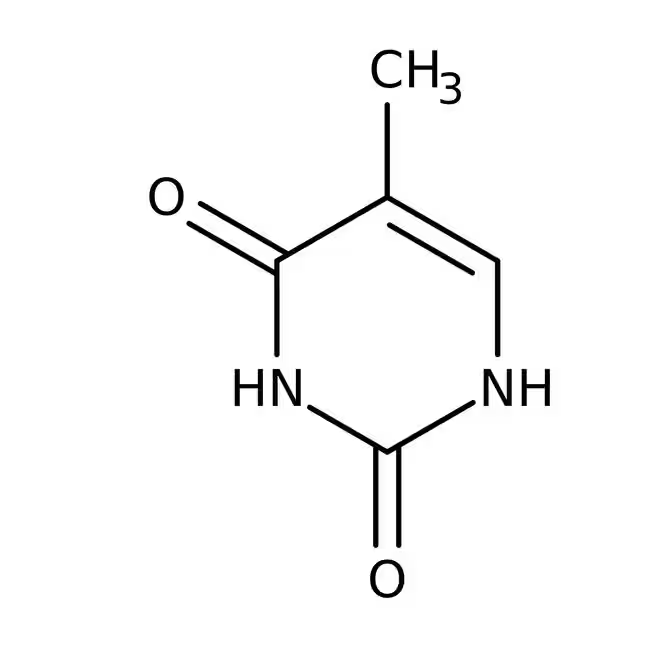
which nucleotide is this?
thymine
9
New cards
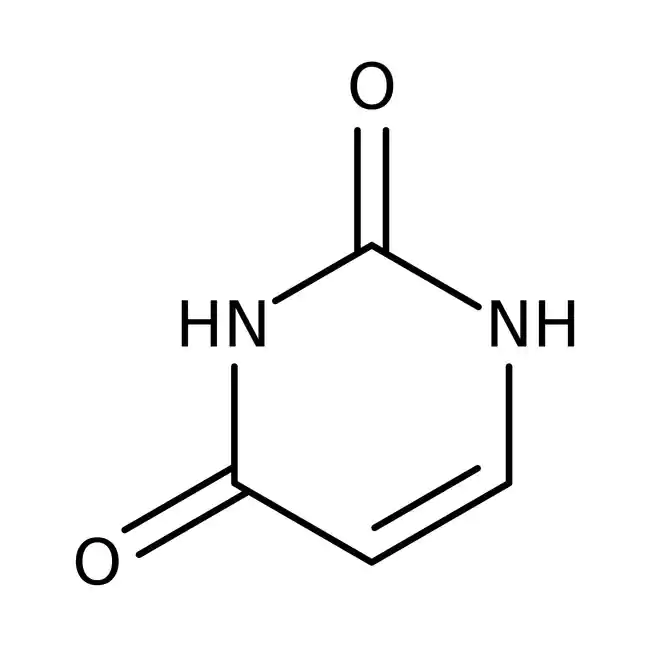
which nucleotide is this?
uracil
10
New cards
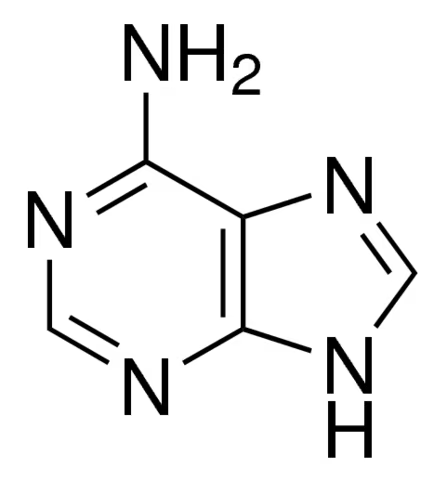
which nucleotide is this?
adenine
11
New cards
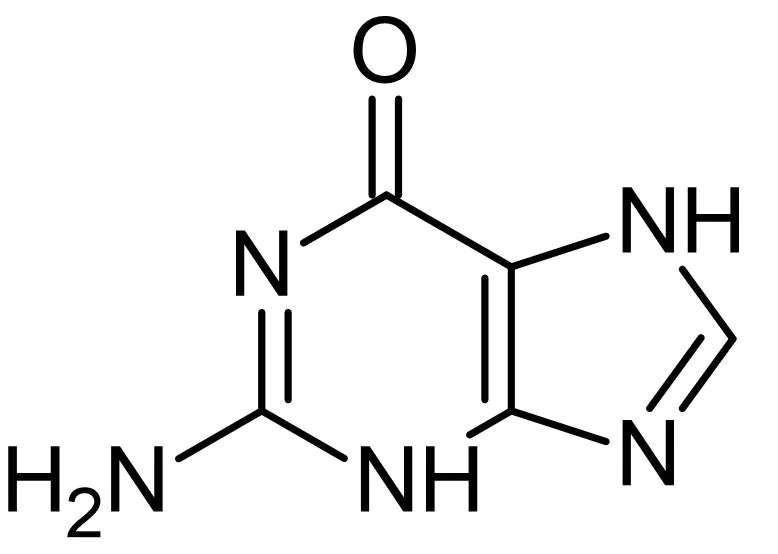
which nucleotide is this?
guanine
12
New cards
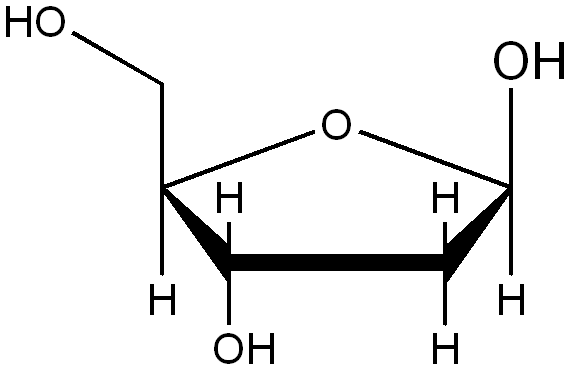
which sugar is this?
deoxyribose
13
New cards
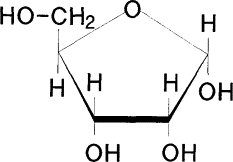
which sugar is this?
ribose
14
New cards
the daughter DNA strand only grows in the ___ → ___ direction
5’,3’
15
New cards
DNA replication begins at specific sites on the double helix called:
origins of replication
16
New cards
this enzyme is responsible for unwinding DNA to form replication forks:
helicase
17
New cards
what molecules hold apart DNA strands as they serve as templates of DNA synthesis?
molecules of single-strand binding proteins
18
New cards
this enzyme makes a short RNA strand called a primer:
primase
19
New cards
this enzyme joins nucleotides to form new DNA strands:
DNA polymerase
20
New cards
this strand is synthesized continuously towards the forking point:
leading strand
21
New cards
the lagging strand is made in sections called:
okazaki fragments
22
New cards
this enzyme joins the okazaki fragments to create the DNA strand:
DNA ligase
23
New cards
Replication proceeds in both directions creating what are called:
replication bubbles
24
New cards
When a double helix replicates, each of the two daughter molecules will have one _______ and one ______. This model is known as the _________.
old strand, newly-made strand, semi-conservative model
25
New cards
Only 1 out of every ____ nucleotides is incorrectly paired.
billion
26
New cards
these are protective sequences at the end of eukaryotic chromosomes:
telomeres
27
New cards
how do telomeres protect DNA?
telomeres protect the organism's genes from being eroded by DNA replication
28
New cards
human telomere sequence:
5′ TTAGGG 3′
29
New cards
why do telomeres shorten?
they shorten because DNA polymerase is unable to replicate the ends of DNA strands (where the telomeres are located).
30
New cards
the "end replication problem" was developed by:
James Watson and Alexei Olovnikov
31
New cards
it is believed telomeres are involved with this process:
the aging process
32
New cards
this enzyme adds telomeres sequences in eukaryotic gamete cells:
telomerase
33
New cards
what was discovered in Dolly the Sheep’s telomeres?
they were as long as a one-year-old sheep’s
34
New cards
the flow of genetic information:
DNA → RNA → proteins
35
New cards
what are the 3 kinds of RNA?
mRNA, tRNA, rRNA
36
New cards
what can triplets of the nitrogenous bases do?
specify the amino acids
37
New cards
a three base code in DNA or mRNA is called:
codons
38
New cards
which 3 codons are stop signals?
UAA, UAG, UGA
39
New cards
what codon is the start signal:
AUG
40
New cards
which researchers supported the one gene one enzyme hypothesis?
Beadle and Tatum
41
New cards
what does the one gene one enzyme hypothesis state:
the function of a gene is to dictate the production of a specific enzyme
42
New cards
what was the one gene one enzyme hypothesis transformed into:
the one gene one polypeptide hypothesis
43
New cards
the process of protein synthesis:
transcription and translation
44
New cards
transferring of genetic information from a DNA template to mRNA:
transcription
45
New cards
transcription occurs in the:
nucleus
46
New cards
this DNA strand provides a template for ordering the sequence of nucleotides:
template strand
47
New cards
three phases of transcription:
initiation, elongation, termination
48
New cards
a specific binding site for RNA polymerase and its helper proteins:
promoter
49
New cards
what does the promoter determine:
which strand in the double helix is used for transcription
50
New cards
this phase is transcription is the attachment of the transcription enzyme, RNA polymerase and the helper proteins (transcription factors), to the promoter:
initiation
51
New cards
this enzyme pulls the DNA strands apart and untwists a short portion of it. also it pairs RNA nucleotides to their DNA complements:
RNA polymerase
52
New cards
during this phase of transcription, RNA elongates.
elongation
53
New cards
during transcription, A pairs with:
U
54
New cards
a sequence of bases on the DNA that signals the end of a gene are called:
terminator
55
New cards
The entire stretch of DNA that is transcribed into an RNA molecule is called a:
transcription unit
56
New cards
after transcription, where does the mRNA go?
to a ribosome in the cytoplasm through the nuclear pores
57
New cards
this process occurs after transcription, and forms the full mRNA:
RNA processing
58
New cards
in RNA processing, what occurs?
a guanine cap and a poly-adenine tail are added to either side of the mRNA.
59
New cards
the guanine cap is added to which side?
the 5’ end
60
New cards
the adenine tail is added to which side?
the 3’ end
61
New cards
parts of the RNA that are not coded:
intron
62
New cards
coding regions of the RNA:
extron
63
New cards
in RNA splicing, what is removed?
the introns are removed
64
New cards
snRNPS stand for:
small nuclear ribonucleoproteins
65
New cards
snRNPs join with other proteins to form:
spliceosomes
66
New cards
this process enables a single gene to encode more than one kind of polypeptide:
alternative RNA splicing
67
New cards
tRNA molecule is made up of around:
80 nucleotides
68
New cards
a special base triplet in tRNA:
anti-codon
69
New cards
At the other end of the tRNA molecule is a:
site where an amino acid can attach
70
New cards
There are about __ different kinds of tRNAs
45
71
New cards
tRNA molecules match the appropriate ___ to the appropiate ______.
codon, amino acid
72
New cards
Ribosomes are where _____ actually takes place.
protein synthesis
73
New cards
ribosomes are made up of:
rRNA
74
New cards
The P site holds the tRNA with the _____. The A site holds the tRNA with the _____. Used tRNAs exit via the ___site.
growing polypeptide, next amino acid, E
75
New cards
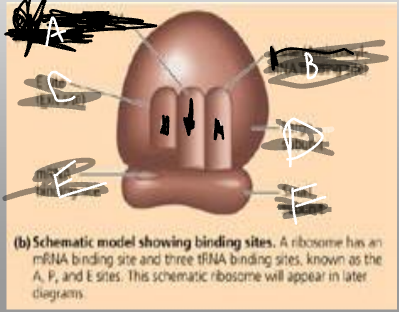
label the ribosome:
A: P site, B: A site, C: E site, D: large subunit, E: mRNA binding site, F: small subunit
76
New cards
a cell reads an mRNA message and assembles a polypeptide in this process:
translation
77
New cards
in this phase of translation, it is established where the translation will begin:
initiation
78
New cards
during initiation, the initiator tRNA binds to the start codon with its anti codon:
UAC
79
New cards
the initiator tRNA always carries this amino acid:
methionine
80
New cards
during elongation of translation, what elongates?
the polypeptide at P site
81
New cards
what is the elongation process (3 steps):
codon recognition, peptide bond formation, translocation
82
New cards
in codon recognition, what happens?
the anticodon of a tRNA molecule pairs with the mRNA codon
83
New cards
in peptide bond formation, what happens?
the growing polypeptide attaches to the amino acid at the A site
84
New cards
in translocation, what happens?
the tRNA at the P site moves to the E site and exits. the tRNA with the polypeptide at the A site moves to the P site.
85
New cards
elongation continues until:
a stop codon reaches the ribosome’s A site
86
New cards
this protein binds to the stop codon and frees the polypeptide from the tRNA:
release factor
87
New cards
after the polypeptide is freed, what happens to the ribosome:
it splits into seperate sub-units
88
New cards
when a number of ribosomes trail along one mRNA chain, what is this called:
polyribosome
89
New cards
these mutations are caused by changes in a nucleotide base pair of a gene:
point mutations
90
New cards
what are the two types of point mutations?
base-pair substitutions, base-pair insertions or deletions
91
New cards
base-pair mutations may result in:
silent mutation, missense mutation, nonsense mutation, little effect on protein
92
New cards
when the change in the base pair alters the codon, but both codons translate into the same amino acid, this is called:
silent mutation
93
New cards
when the change in the base pair still makes an amino acid, just not the normal one:
missense mutation
94
New cards
when the change in the base pair translates into a stop codon:
nonsense mutations
95
New cards
when the new amino acid has properties similar to the original amino acid or its placement is not vital to the protein:
little effect on protein
96
New cards
whenever the number of nucleotides inserted or deleted is not a multiple of three:
frameshift mutation
97
New cards
about _ nucleotide in every 10^10 is altered:
1
98
New cards
these are physical and chemical agents that cause mutations:
mutagens
99
New cards
what are some physical mutagens:
x-rays, uv light
100
New cards
what is an example of a chemical mutation:
base analog