Rocks & Minerals
 Call Kai
 Learn
Learn Practice Test
 Spaced Repetition
 Match
Match Flashcards
1/35

There's no tags or description
Looks like no tags are added yet.
Name | Mastery | Learn | Test | Matching | Spaced | Call with Kai |
|---|
No analytics yet
Send a link to your students to track their progress
36 Terms
Batholith
large mass of intrusive igneous rock believed to have solidified deep within the earth
Cementation
The process in which minerals precipitate into pore spaces between sediment grains and bind sediments together to form rock.
Contact metamorphism
a change in the texture, structure, or chemical composition of a rock due to contact with magma.
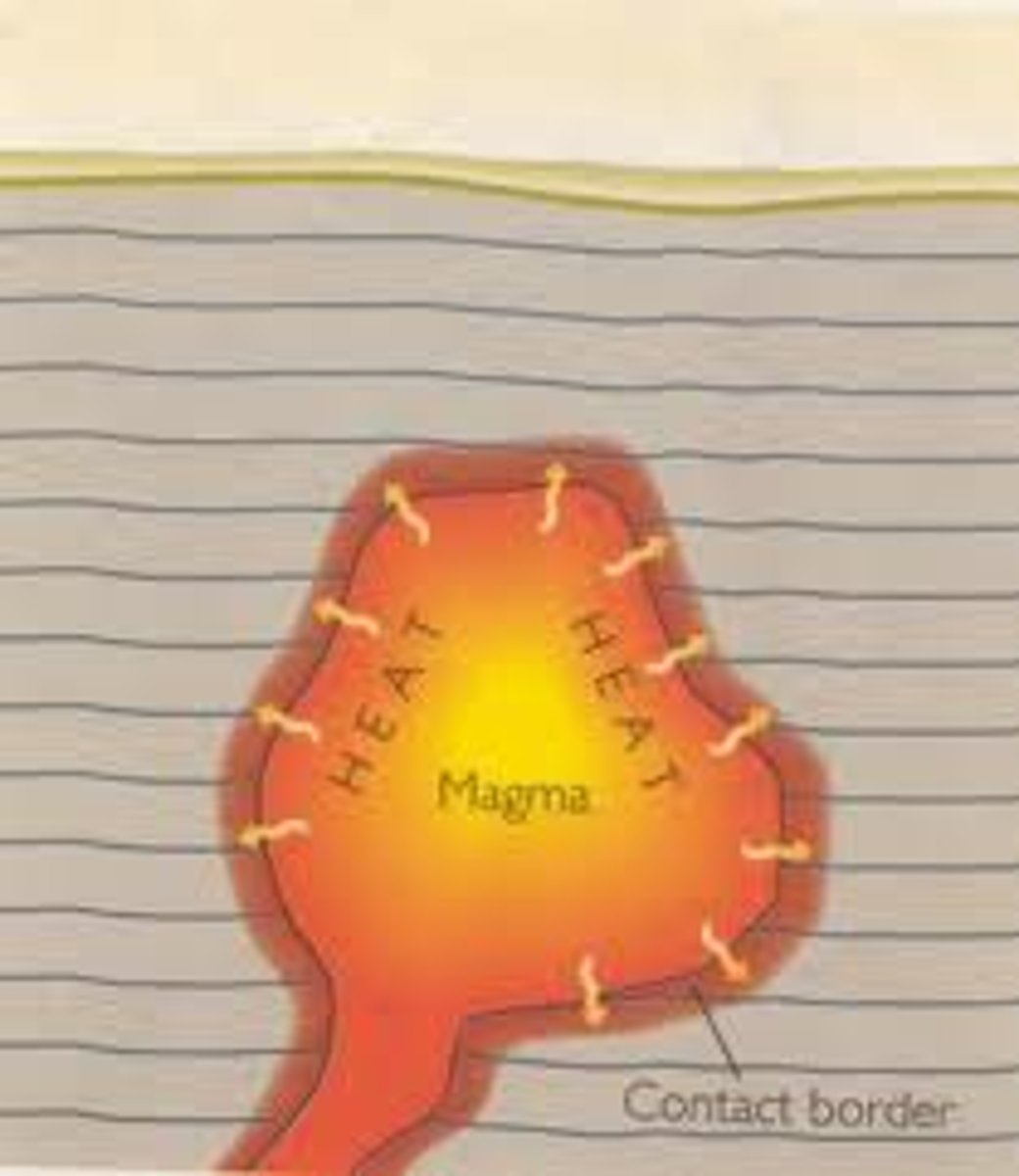
Dike
igneous rock feature formed when magma is squeezed into a vertical crack that cuts across rock layers and hardens underground
Felsic
a type of magma rich in silica that forms light-colored igneous rock; typically the basis of continental crust
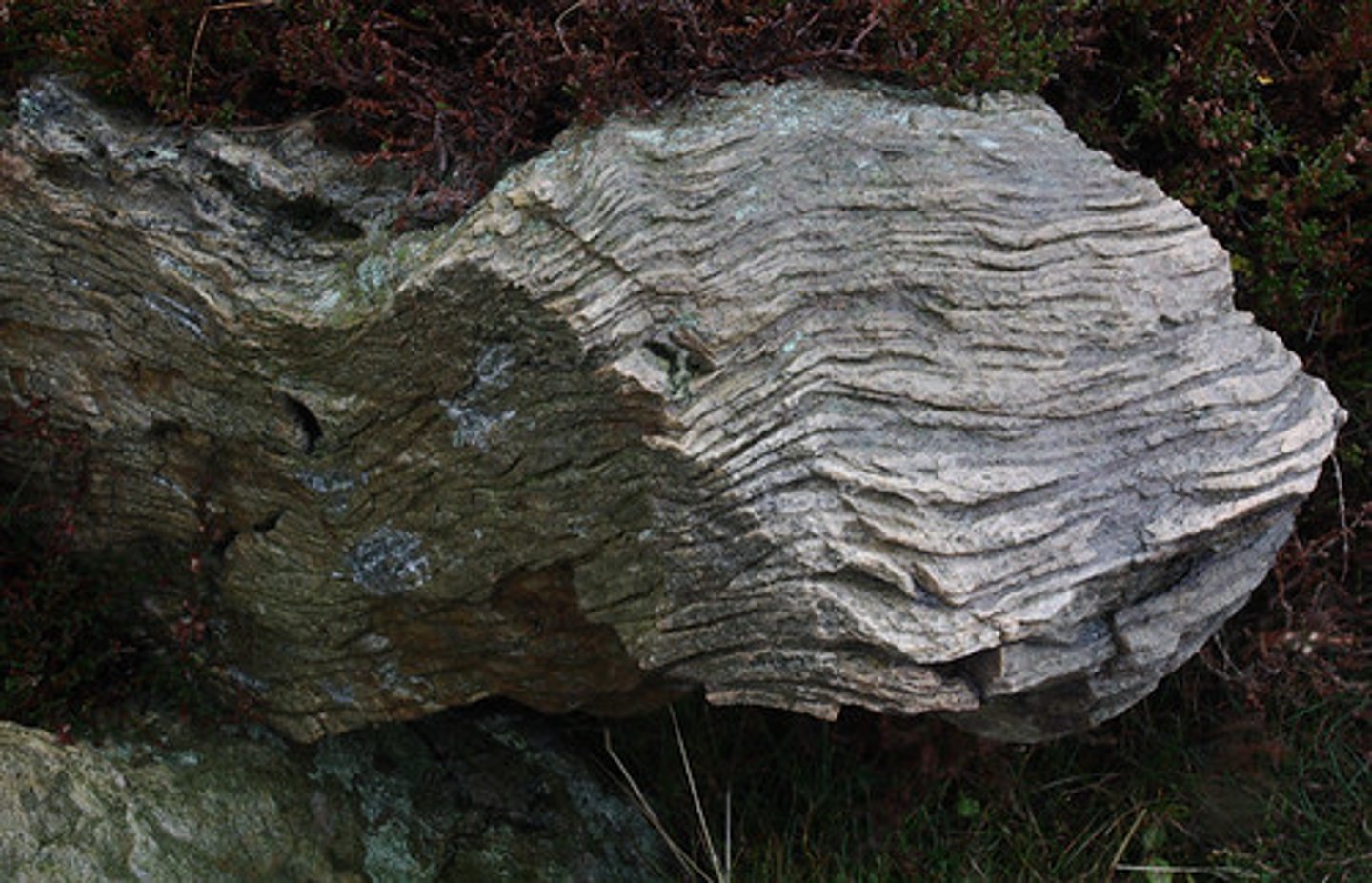
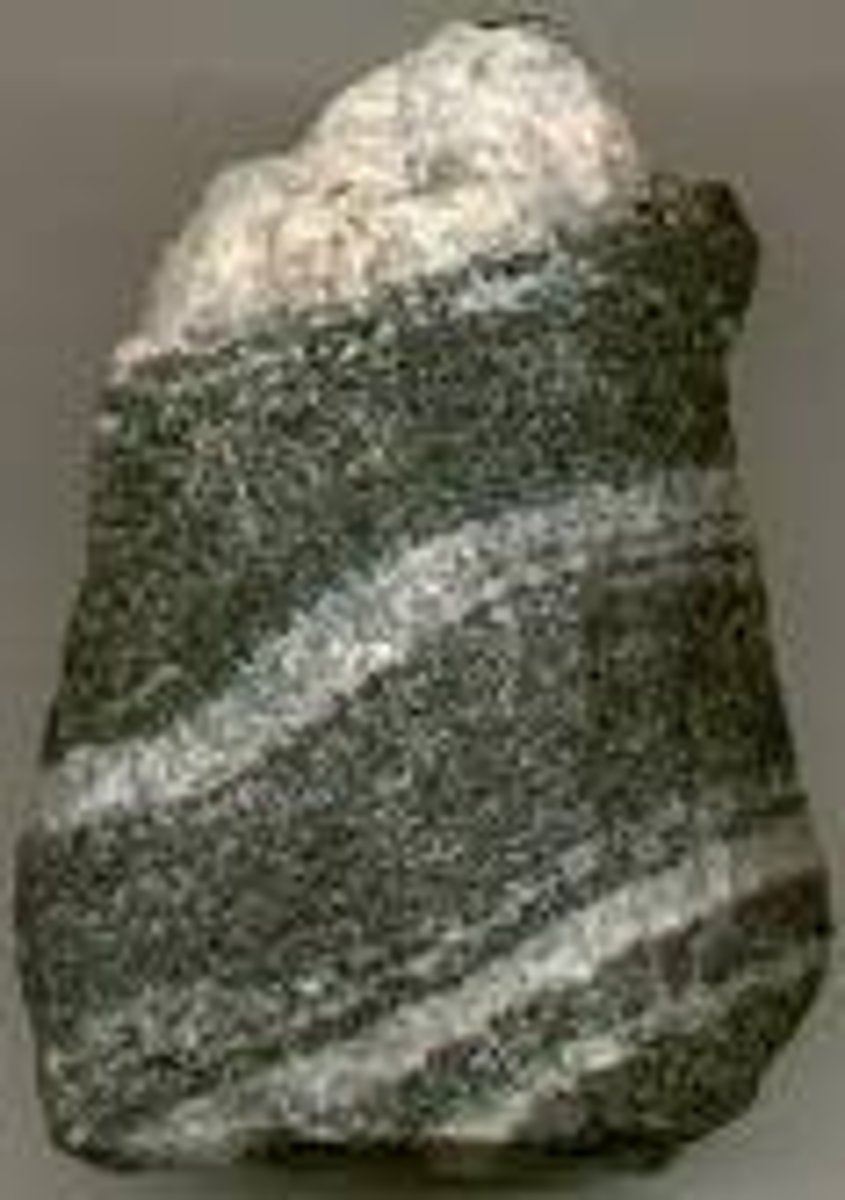
Foliated
rocks that have banding or striping due to extreme pressure
Fossil
the remains, impression, or any other evidence of life from another geologic age preserved in rock
Igneous rock
rock formed by the cooling and hardening of magma or lava
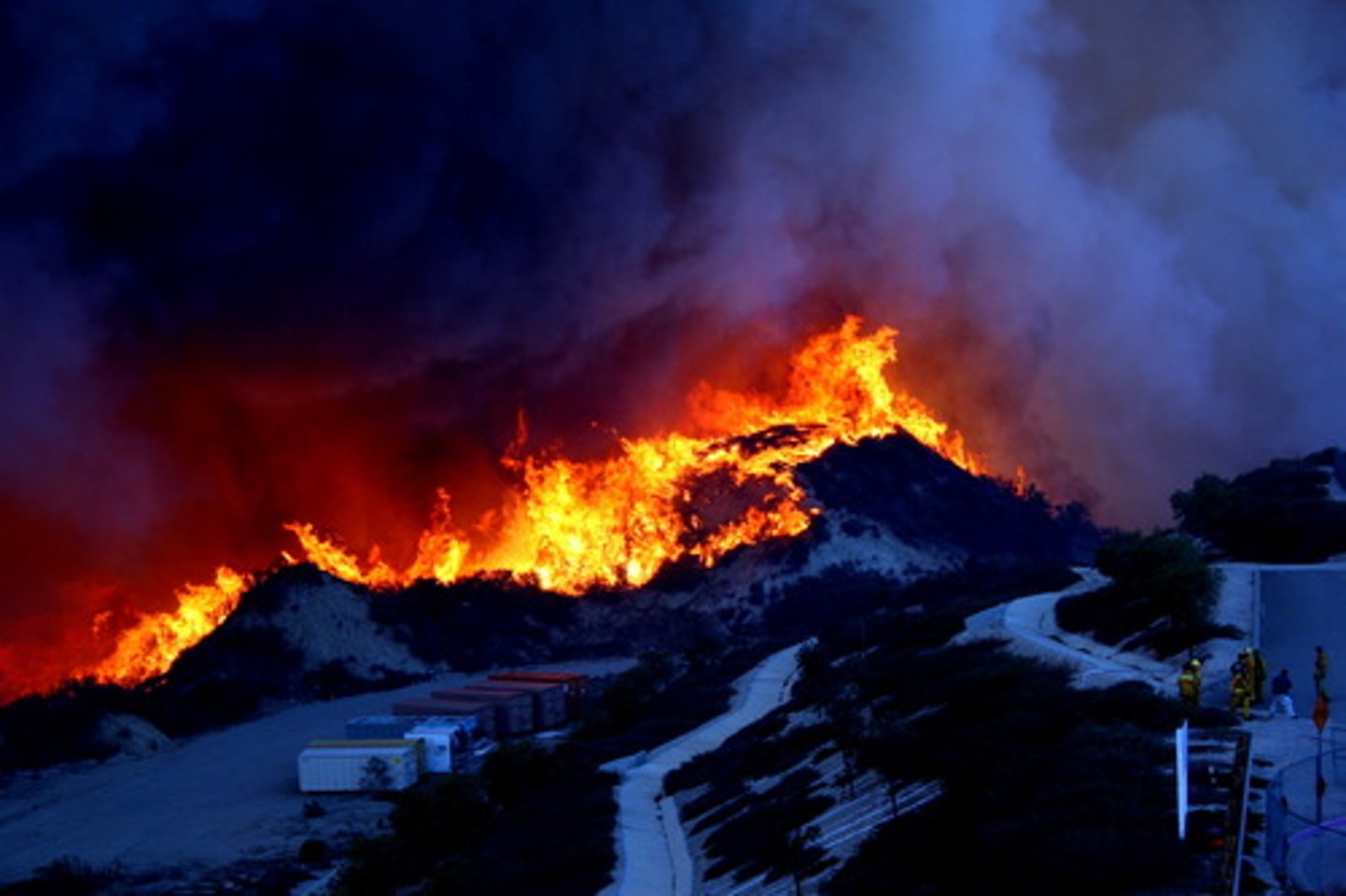
Lava
molten rock that reaches Earth's surface
Mafic
type of magma rich in iron and magnesium and low in silica; typically the basis of oceanic crust
Magma
the hot molten rock that forms beneath Earth's surface
Metamorphic rock
rock that has undergone chemical or structural change due to the effects of heat & pressure
Pluton
an intrusion of magma into Earth's crust
Regional metamorphism
the process of rock formation that results from large areas of rocks being under intense heat & pressure of mountain-building movements
Rock
a naturally formed group of minerals bound together
Rock cycle
a repeated series of events by which rock gradually and continually changes between igneous, sedimentary & metamorphic forms
Sediment
solid particles such as weathered rock fragments, plant & animal remains, or minerals that settle out of solution on lake & ocean bottoms
Sedimentary rock
rock formed by the compaction and cementing of layers of sediments
Sill
igneous rock feature formed when magma is squeezed into a horizontal crack between layers of rock and hardens underground
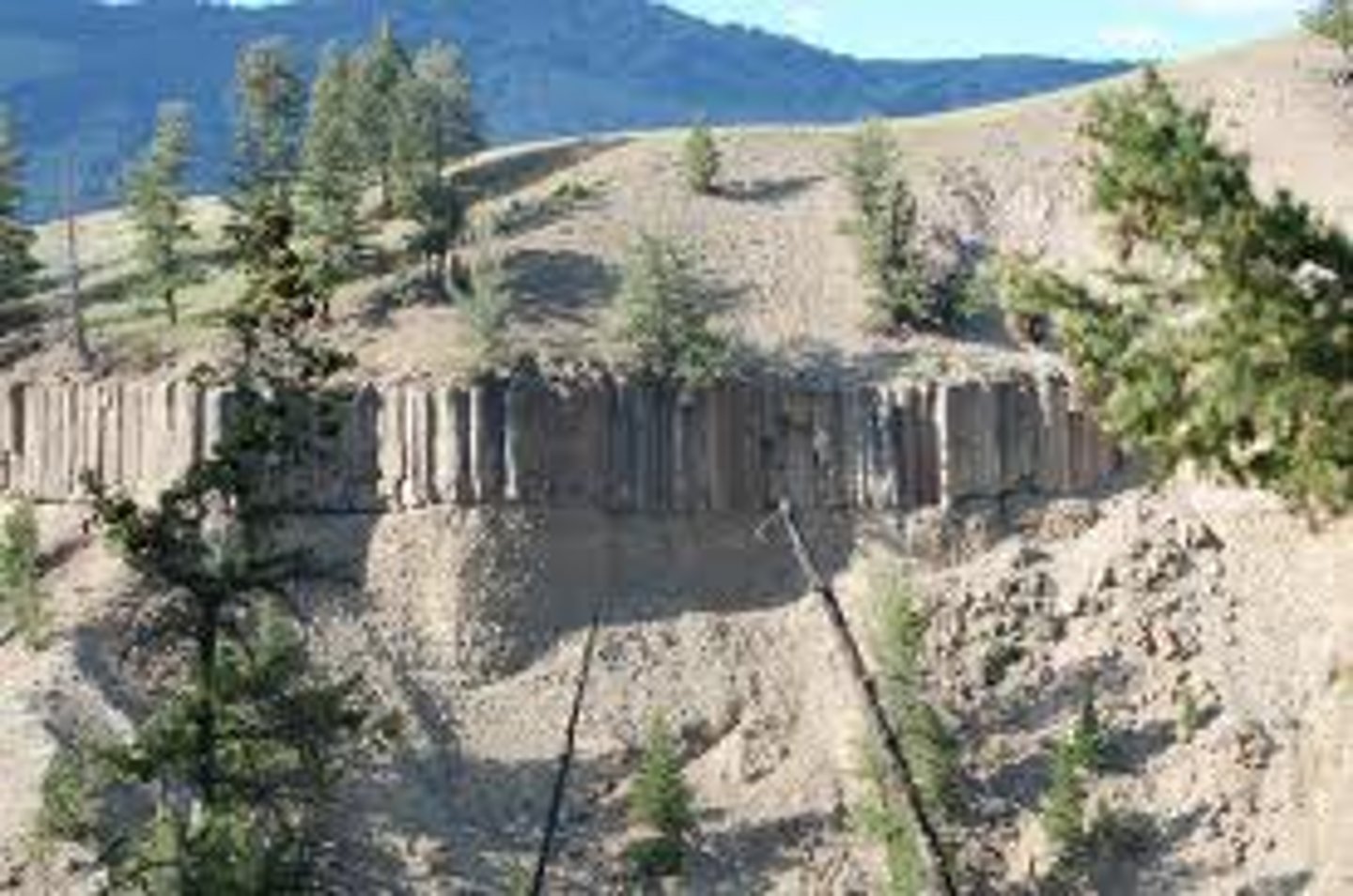
Stratification
the layering of sedimentary rock
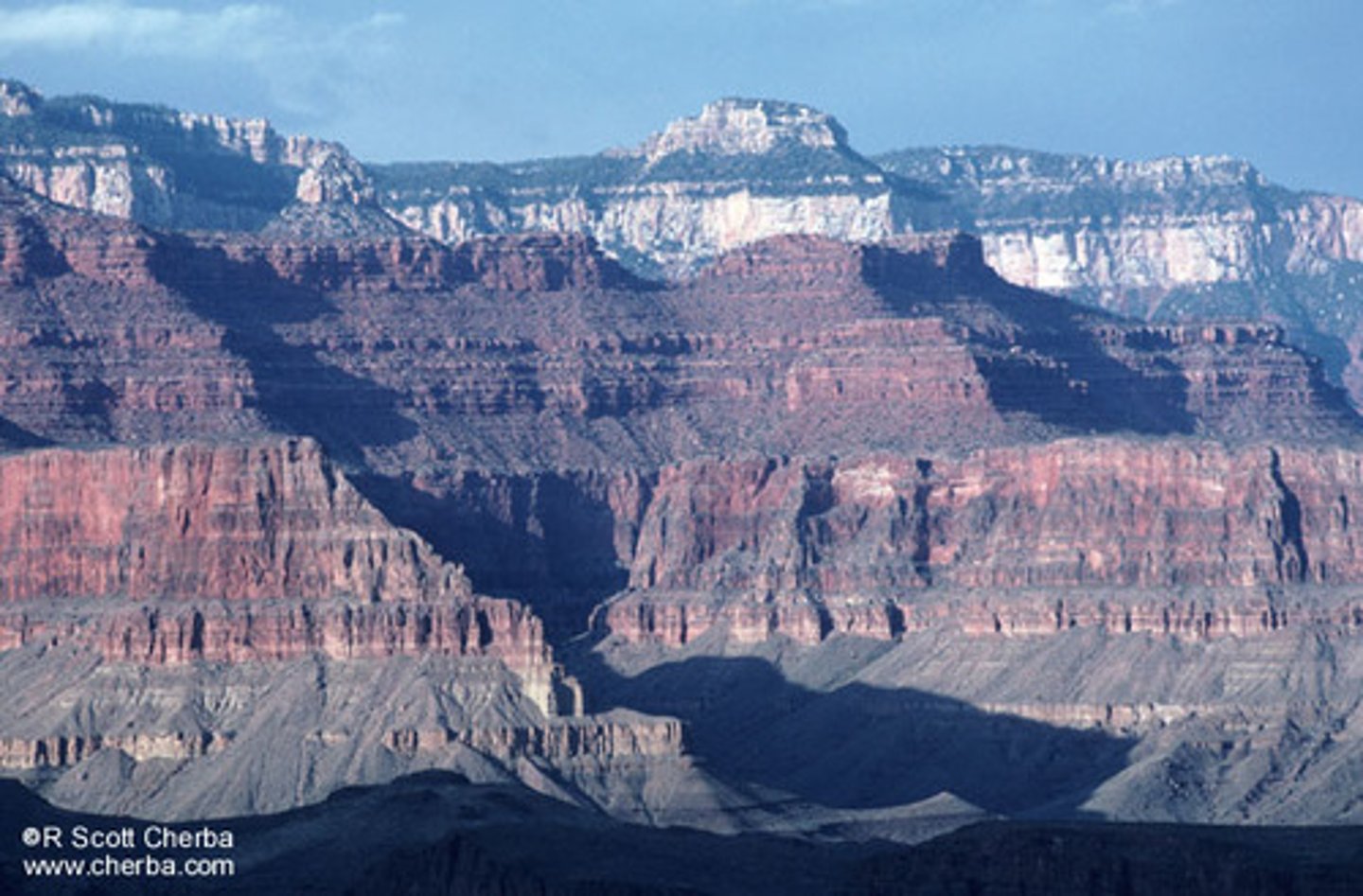
Unfoliated
rocks that have no banding or striping due to extreme pressure
Cleavage
the tendency of a mineral to split along planes of its crystalline structure where bonds are weakest; some minerals break only in one direction, others break in two or more directions
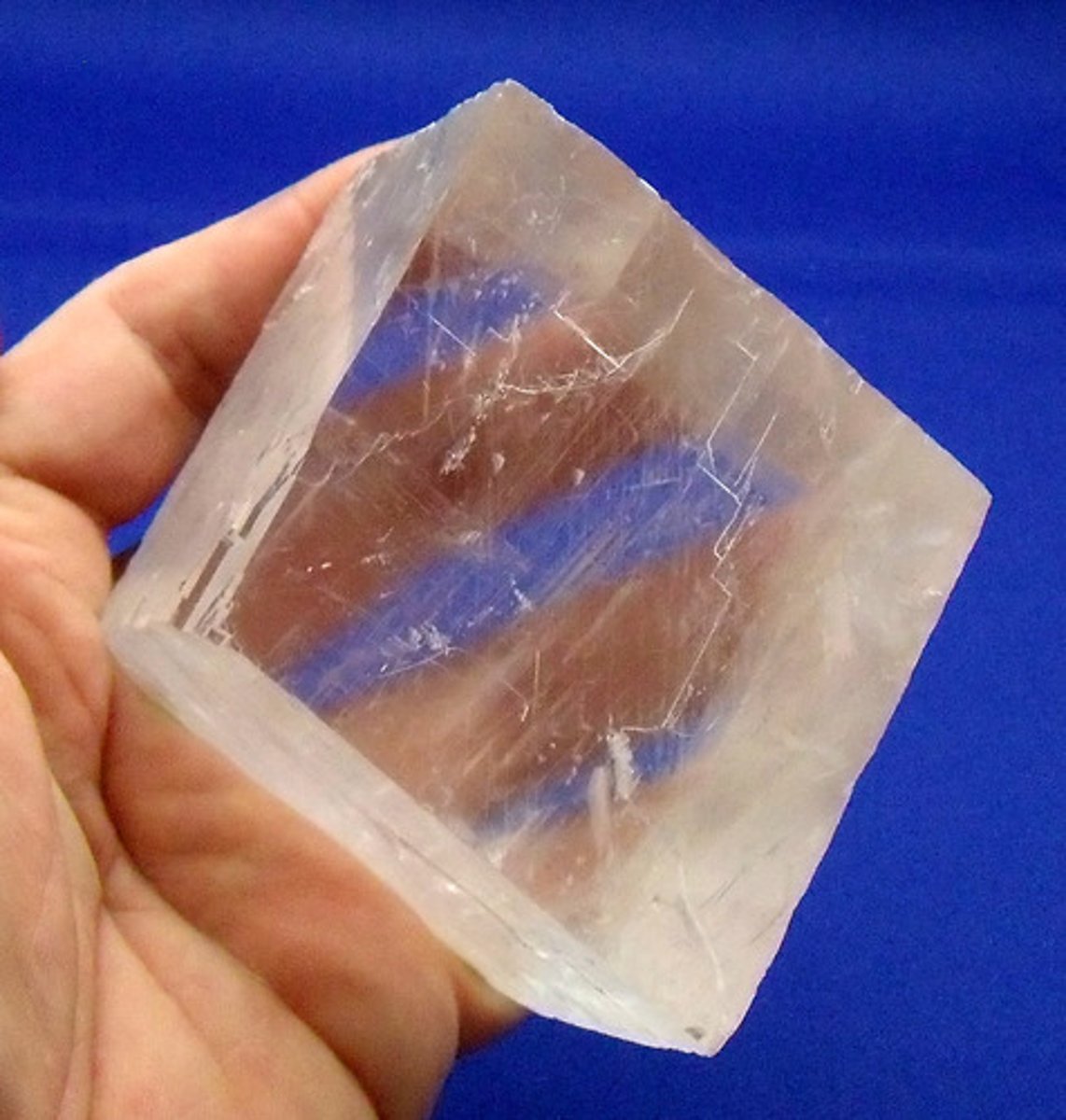
Crystal
solid substance in which atoms are arranged in an orderly pattern that repeats over & over again
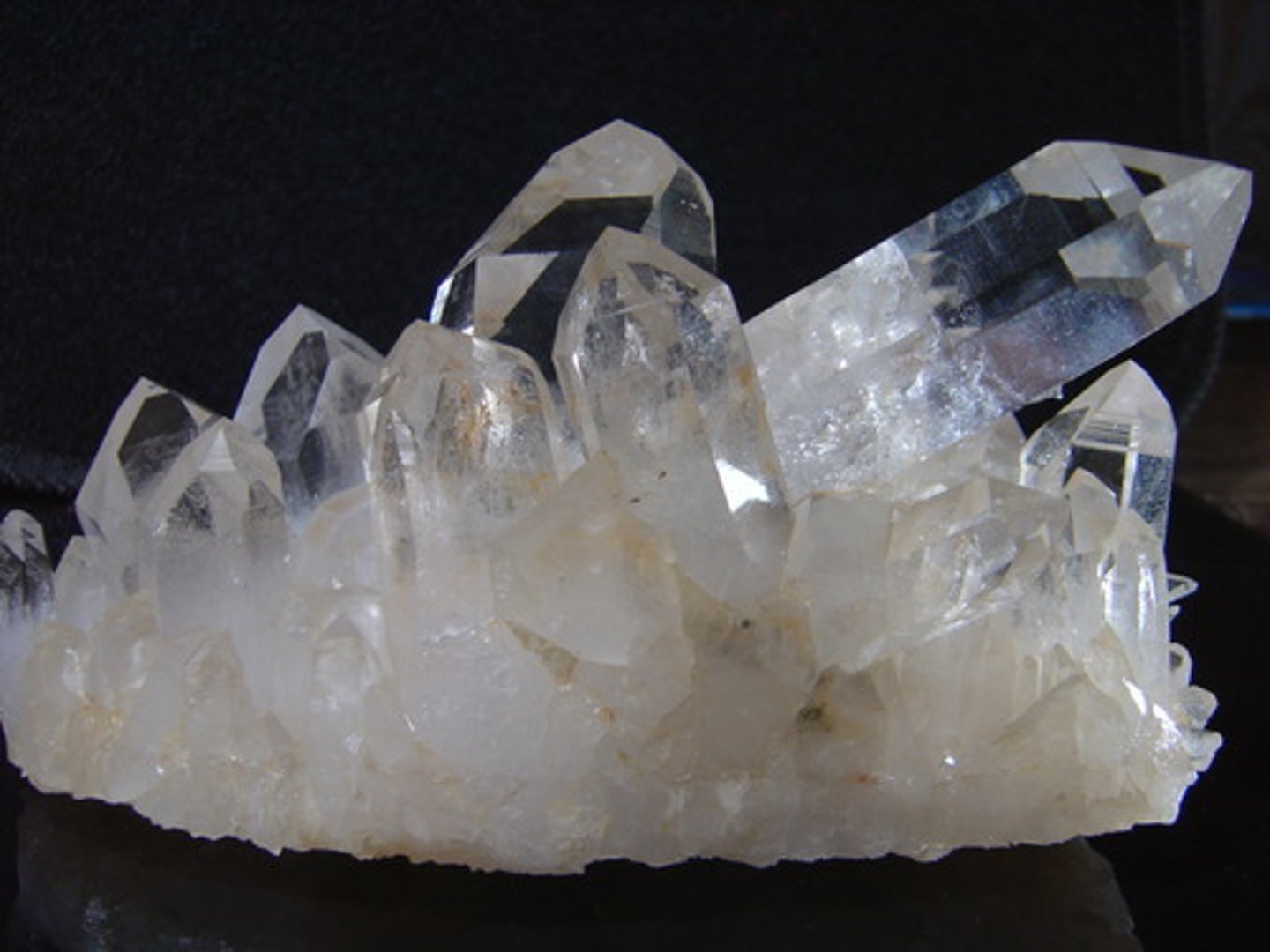
Density
the ratio between the mass & the volume of a substance
Fracture
the property of a mineral that describes an irregular pattern of breakage in a direction other than along cleavage planes; i.e. when a mineral does not have a definite cleavage pattern
Hardness
the resistance of a mineral to scratching
Inorganic
is not now & has never been living tissue
Luster
the property of a mineral that describes the quality or appearance of light reflected from its surface
Mineral
a naturally-occurring inorganic solid with a distinct chemical composition and crystalline structure
Mineralogy
the study of minerals and their properties
Silicate
any mineral that has it building block a tetrahedron of silicon & oxygen; most common group of minerals
Specific gravity
the ratio of the weight of a substance to the weight of an equal volume of water
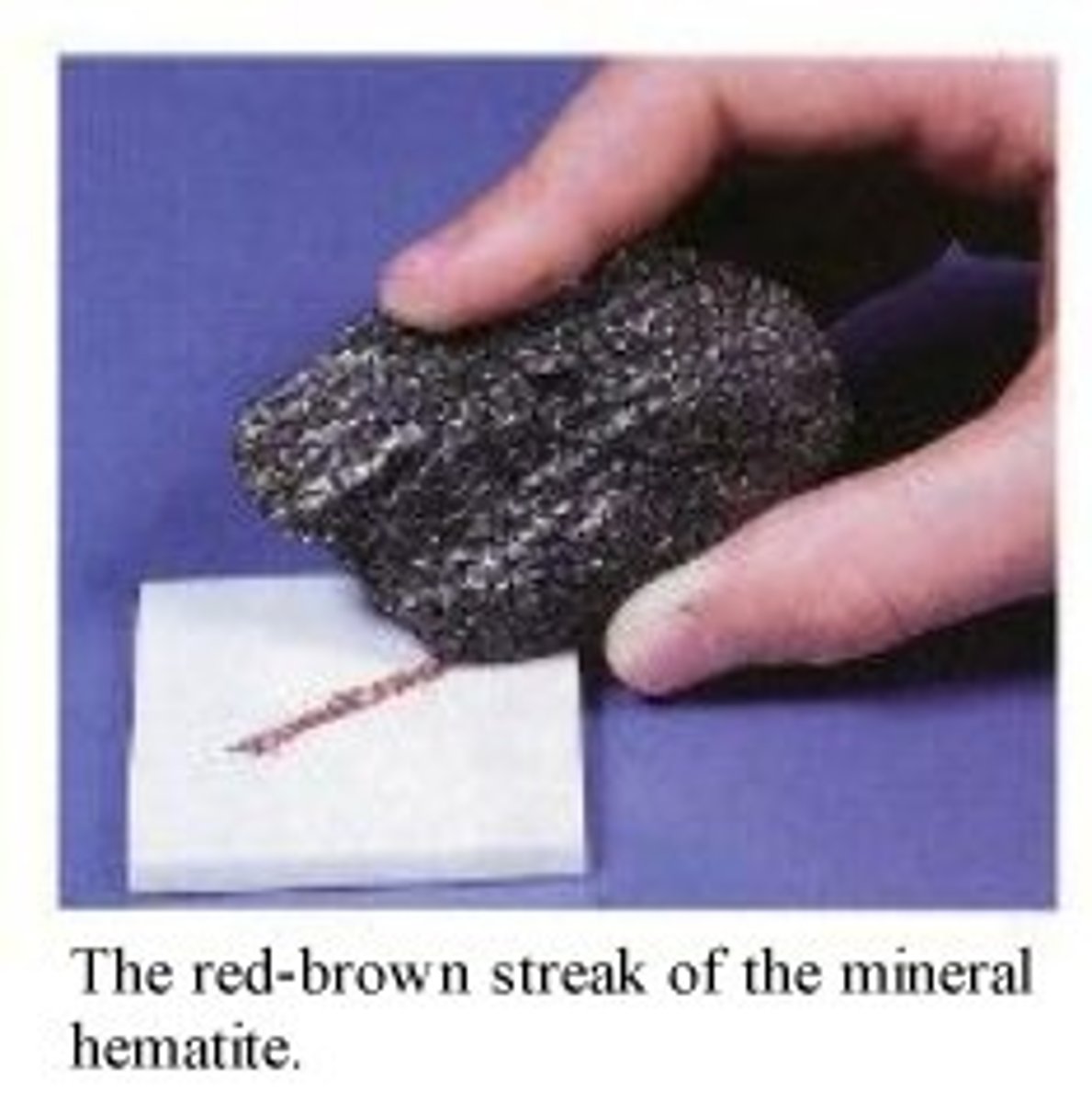
Streak
the property of a mineral that describes its color in powdered form
Conchoidal
a type of fracture where it breaks along a curved, ridged surface like the inside of a clam shell

Clastic
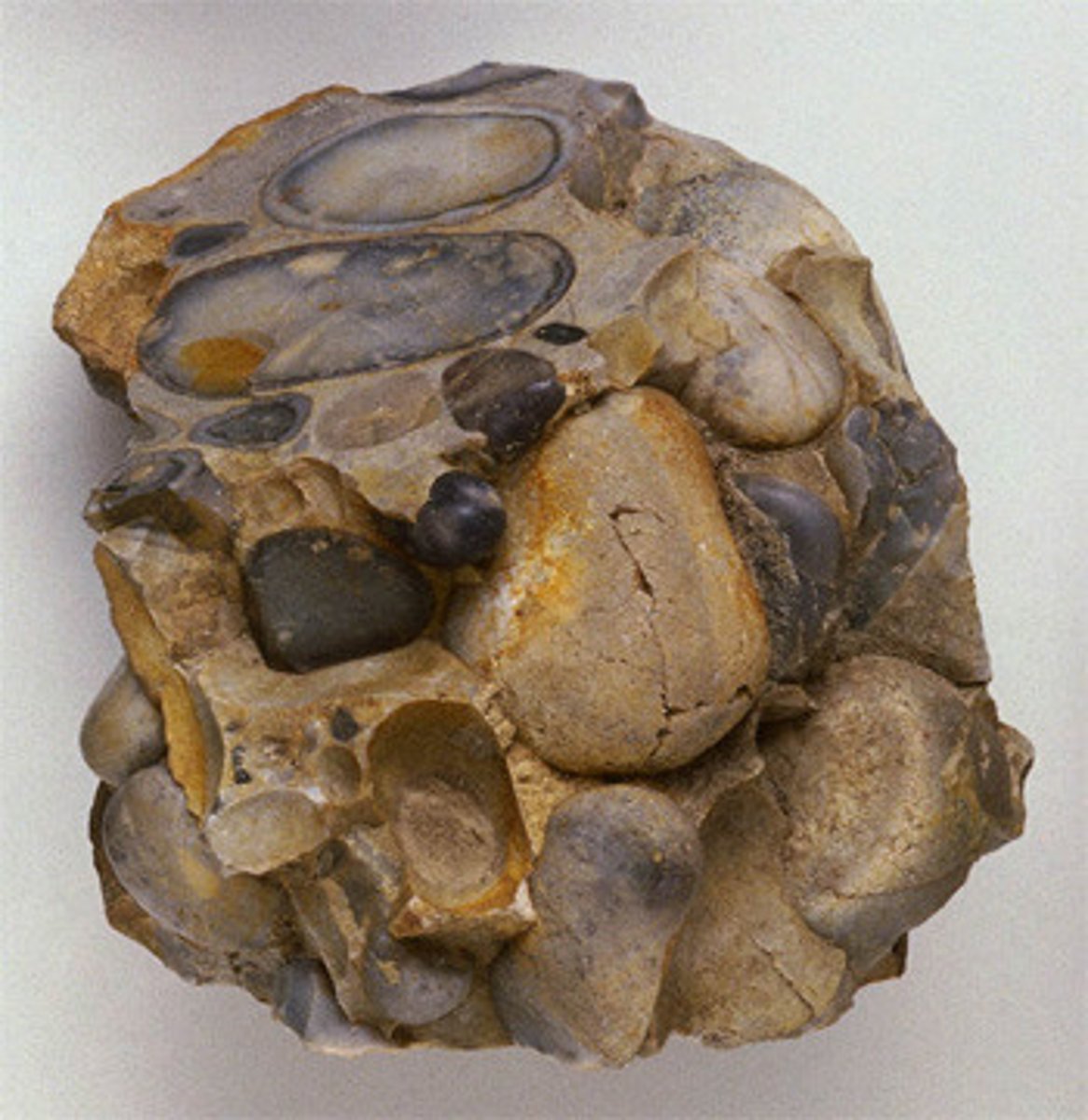
Form when fragments of other rocks are compacted and cemented together
Organic
Composed of matter that is alive or was once alive.