Environment and the Brain (COMPLETE SET)
 Call Kai
 Learn
Learn Practice Test
 Spaced Repetition
 Match
Match Flashcards
 Knowt Play
1/231

There's no tags or description
Looks like no tags are added yet.
Name | Mastery | Learn | Test | Matching | Spaced | Call with Kai |
|---|
No analytics yet
Send a link to your students to track their progress
232 Terms
Regulations on furniture flammability
1977 - Woolworths Manchester Burned down → introduced flame retardants
polyurethane foam in stuffing was highly flammable
Reduced fire related deaths
UK (and a few other EU countries) have regulations covering furniture flammability
GPSD → General Product Safety Directive
EN Standards → especially EN 1021 and EN 597
Flame retardants
example
mechanism
biological issues
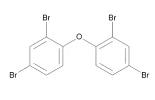
Bromodiphenyl ether (BDE-47)
Halogenated compound which thermally decomposes to release bromine free radicals
halogen free radicals can then quench radicals which sustain combustion (H, OH and O free radicals)
This stops the fire
Poor biodegradability → bromine not found in environment so not used naturally or digested by enzymes so persists in environment and organisms
Lipophilic → not water soluble
can cross BBB and accumulate in body fat
LogP ~ 6
present all over world
Structure of BDE-47
Forever chemicals
Persistent organic pollutants (POP)
Bioaccumulates → persist in the environment for long periods of time
Half-life of days/years in humans
Often contain halogens (Br and Cl)
Present from poles to equator
In natural environments (especially water)
in organisms (mammals, fish, birds) → gets into food chain
in people → found in 100% of 298 human milk samples (Canada. 2008-11)
in buildings and vehicles
Includes flame retardants
Half-life of brominated compounds
Half-life of BDE-47 is around 664 days (1.8 years)
time for concentration to half
This is the time for elimination in the absence of further uptake
follows exponential decay
time for elimination varies with diet and metabolism
decay from systemic circulation results in continuous exposure to the nervous system
Can be much longer in other compounds
BDE-47 systematic reviews and meta-analysis
how
findings
collation of data from several studies, with adjustment for major confounders (maternal education, income, smoking, alcohol, home environment, breast feeding)
BDE-47 in maternal blood, child blood and breast milk measured
Blood BDE-47 up to 1470ng/g of lipid
Breast milk BDE-47 up to 200mg/g lipid
BDE-47 in infants is associated with decrements in motor development, cognitive development and attention-related behaviours
IQ decreased by 3.7
3-6 points decrease per 10 fold IQ decrease
Prenatal exposure is the strongest predictor
limited association with ADHD
Exposure begins in-utero by breast feeding
Mechanisms of BDE-47 in neurobiology
studied by in-vitro and in-vivo studies
looked at Cerebellar granule neurones involved in motor learning, coordination and sensory processing
effects on mouse neurones:
alters signal transduction
oxidative stress
apoptosis
Increases reactive oxygen species (ROS) and reactive carbonyls
decrease cell viability
increase apoptotic markers (Caspase-3)
Limitations of using animal studies in BDE-47 studies
In-vivo duration and dosage
micromolar over days
doesn’t represent human exposure
In-vivo tissue concentration
hard to compare to humans as they are an order larger
studies are post-natal not in-utero
No behavioural follow up → learning, memory, motor function
ROS production is a causal factor in the neuronal dysfunction caused by BDE-47
International legislation and mitigation for flame retardands
mitigation and legislation consensus published in Environmental International in 2023
UK has highest use
unsure of whether and to what extent flame retardants contribute to fire safety
flawed tests for fire safety (eg. ignition test)
recommendations:
minimise use
use less combustible materials
evaluate fire risks and therefore need for flame retardants
promote culture which considers environmental impact
implications of global health
prognosis for future generations
UK legislation (2025)
PBDE regulations (poly-BDE)
tetra-, penta-, hexa-, hepta- and deca-BDEs
manufacture and sales banned
Waste containing PBDEs
destroy or irreversibly transform
Electronics
Max 0.1% PBDE content
Water/envrionment
classified as priority hazzardous pollutants
ongoing surevilance
Waste mannagement
no recycling avove POP limits
mandatory destruction by incineration for water exceeding threshold
strict control of old electronics, foams, textiles and plastics
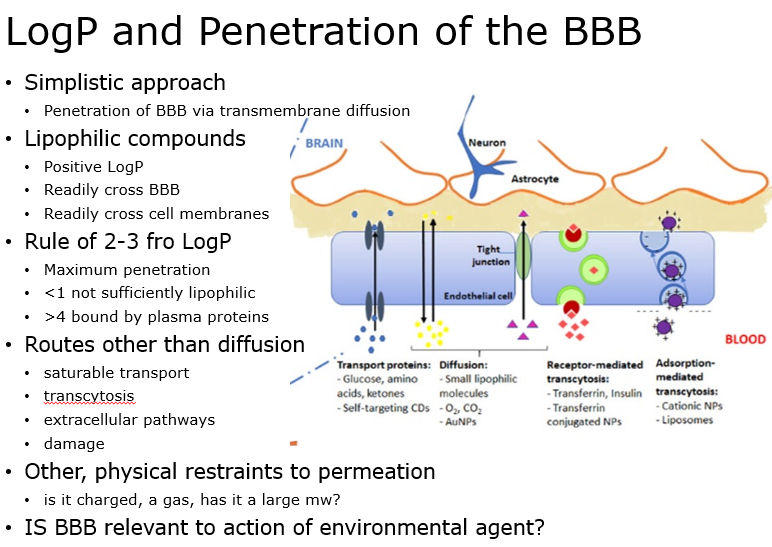
what is LogP?
a quantitative measure of lipophilicity or ability to dissolve into lipid, fat or oil
eg. beta-carotene is highly lipophylic
-ve is hydrophylic
0 is equaly water and fat soluble
+ve is lipophylic
How is logP calculated?
determined by online modelling or experimentallty
measure distribution of a coumpound in a beaker of water and oil (1-octanol)
Henry’s Law → Kp = conc in oil / conc in water
P = [octanol]/[H20]
use logP as numbers are large
LogP = Log10 ([octanol]/[H20]) at a given pH
more lipophilic → more in oil so higher Kp
[fat] = [H20] 10logP
Trichloroethylene TCE LogP
2.2
Rotenone LogP
3.34
Paraquat logP
-6.7
Fat repositorys for lipophiles
white fat is lipophylic and so absorbs fat soluble compounds
fat soluble vitamins → D and A
organic pollutants → BDE, herbicides, pesticides
gases → anaesthetics
drugs → clinical and recreactional
eg. THC in weed → logP 6, found in fat for 2-3 months in long term users
loss of white fat mobilises lipophilic compounds → exercise, starvation, weight loss, breast feeding
BDE on myelin
myelin acts as a repository for lipophilic compounds such as BDE-47
lopophiles accumulate around myelinated brain structures → white matter
Disrupts myelin sheath formation
study using zebra fish embryos
loss of oligodendrocytes in hindbrain
loss of cells was dependent on BDE dose
lipophile disribution in mice brains
accumulate around white matter
radiolabeled hexachlorophene (HCP) has simila log P to BDE (5.5)
use as surrogate for BDE-47 → use to image uptake
uptake in whole brain but especially neck fat and heavily myelinated areas → corbis callosum, nerve bundle and trigeminal nerve
Distribution of lipophiles in the nervous system
CNS → white matter
ANS
pre-ganglionic neurones → thicker myelin
post-ganglionic neurones → thin or no myelin
PNS
A delta, gamma, beta and alpha fibres all have myelin
C fibres → no myelin
thought that BDE accumulates in myelinated fibres, especially Abeta and Aalpha as they have the thickest myelin
LogP and BBB penetration
clinical use of morphine
gold standard analgesic
acts on u-receptor
effective → especially in new users
causes euphoria, and dysphoria in chronic users
causes tolerance → need more for same response in repeat users
can develop dependence
can cause constipation → main side effect
antitussive → stops coughing
drug use distribution in the Americas
opioids mostly in USA
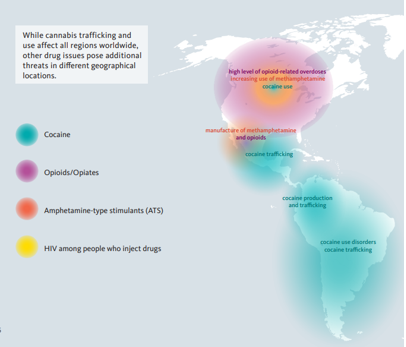
effects of drugs on people → disorders, deaths and treatment
link to environment
most abused drug is marijuana and then opioids
opioids causes most deaths → alters respiratory function, increasing dose increases risk
high number of opioid users need treatment
numbers suggets that there will be cannabinoids and opioids in the environment
Opioid crisis
escalation of use of perscription opioids
increasing overdose deaths
increased production of synthetic opioids of high potency
prescriptions are decreasing but synthetic use ios increasing
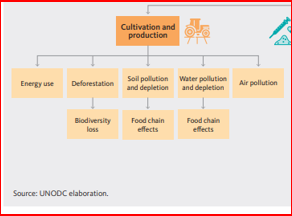
environmental impact of drug cultivation and production
eg. packaging of morphene has biggest effect
waterway testing in drug research
testing drug content in water ways → determine what and how much is being used
can then assess the environmental effects
eg. glastonbury → lots of MDMA
drug concentrations in waterways
drugs enter water via several means
water treatment can alter drugs
water can enter soil and influence the wider environment (and food)
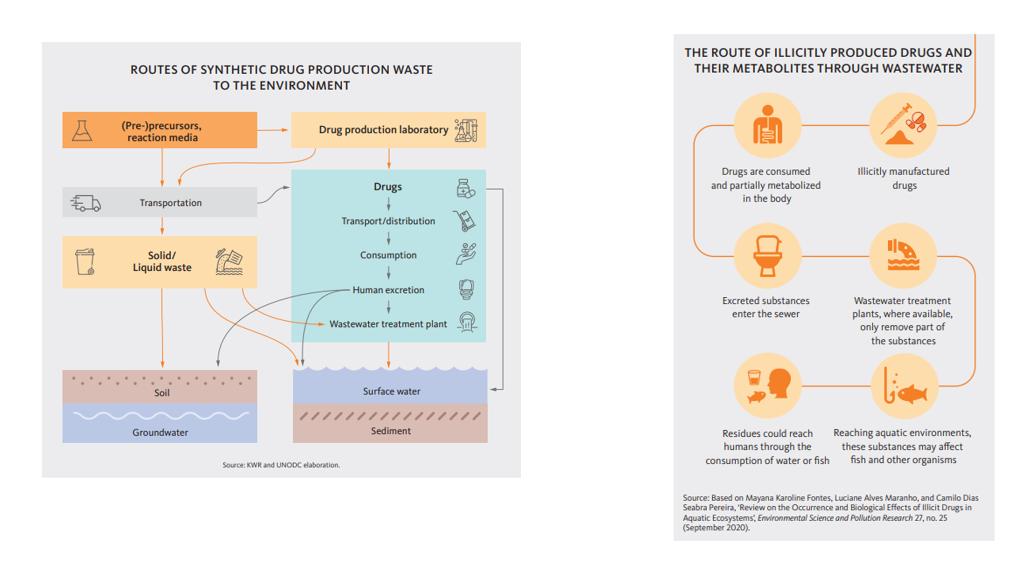
why is detection of drugs in waste water important?
understand what drugs people take and where
identify drug trends and new substances
usefull for public health → easier to support overdoses
very low concenrations of synthetic opioids can be detected → down to 0.01ng/L
used to sample Covid19 infection hotspots → identify asymptomatic hotspots
74% of uk population is under water survaillance
allows harm minimisation and warnings to users → cost effective way to monitor and evaluate response to inverventions
fentanyl and soil
fentanyl exposed to water and soil
is very immobile in environment → persisted for over 7 weeks
has a long term environmental impact
different types of opioids in water
several types in waste and surface water
varied efficacy of removal from water across countries
most common → morphine and its metabolites (codine, dihydrococdeine, oxycodone and tramadol)
methadone → used to reduce opioid dependence
tramadol → long term pain management
issues with water treatment plants
treatment can increase drug levels in the water
metabolises compounds and can change their structures
eg. fentanyl is metabolised into other drugs
high levels of tramadol and its metabolites
opioids in surface water
can impact wildlife
tramadol and its metabolites most abundant
also morphine, codene and methanadone metabolites
opioids in tap water
methanadone and its metabolites most common
opioids in food
in musssels
used to monitor pharmaphseitical levels in water → found antidepressants, drugs etc
filter water so take them up
study bioaccumilation
found that this was not a hazzard (have to eat lots to have an effect) → but does show
envrionmental risks of opioids in water
study exposure on models eg. zebrafish → look at environmental impact
study mechanisms relevant to human disease and disorders
study life cycles of organisms
study combinations of drugs which enter water and different concentrations
reuction stratagies for drug water pollution
education on what to do with unused drugs → drug return programmes
eg. deactivation bags in the US for perscribed opioids
what is a parasite?
an organism taht lives in or on its host and survives off or at the expense of the host
can be:
protozoa → one celled
helminths → multicellular parasitic worms
ectoparasites → live on external surface of host eg. flea, tick, mosquito
fungi
definitive host
hosts that the parasite reaches maturity within and can then reporoduce
intermediate host
host that harbours sexually immature parasites
hosts as vectors
living organism which tranmits parasites between humans or animals
often blood sucking eg. mosquito
toxoplasmosis
toxoplasmosis gondii
single celled parasite
most common human infection
can stay in body for lifetime
few have symptoms
dangerous in pregancy and compromised immune system
why pregnant women cannot eat certain foods or clean cat litter trays
can test some women as they are not at risk if they are already infected
toxoplasmosis life cycle
cats are definitive hosts
unsporulated oocysts in cat faeces
sporulate and become infective
intermediate hosts (birds and rodents) eat material containing oocysts
oocysts transform into tachyzoites after ingestion → invade neural and muscle tissue
develop into bradyzoites
cats consume intermediate host and become infected
animals bred for meat can also become infected with tissue cysts (intermediate hosts)
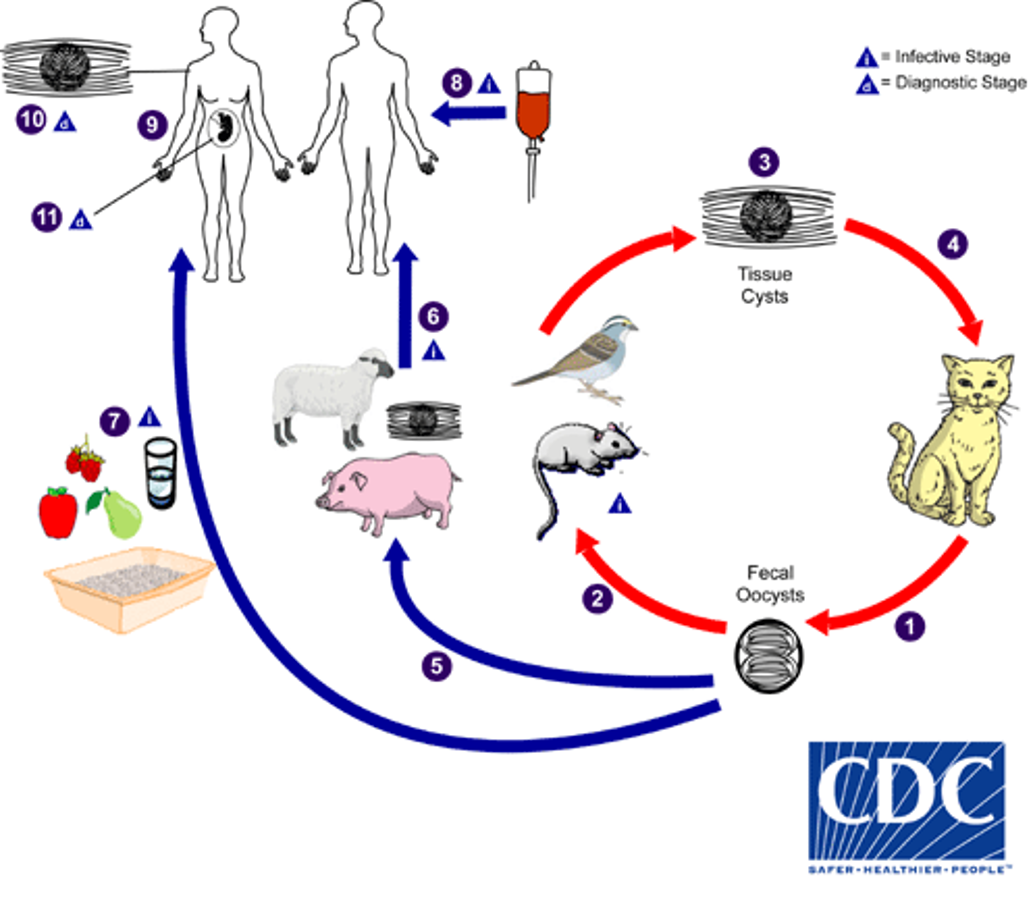
human toxoplasmosis infection
eat undercooked meat
drink infected water
contact with infected cat facaes
contaminated soil
congenital (mother to child) infection
infected organ transplant or blood transfusion
toxoplasmosis infection symptoms
most are asymptomatic
moderate flu → swollen lymph glands or muscle aches
severe → damage to brain, eyes and organs
more likely if weak immunesystem
ocular toxoplasmosis → reduced vision, blurred vision, eye redness
infection at birth → no symptoms until later in life
small number have severe eye and brain damage at birth
toxoplasmosis in the brain
reduced fear, increased impulsiveness → more likely to be preyed upon
can cross BBB
linked to: schizo, bipolar, depression, road traffic accidents, brain tumours, suicide and risk taking/entrepenurial activity
toxoplasmosis invading the brain
tachyzoite spontaneously differentiates into bradyzoite form in muscle and neural cells
latent bradyzoites persist and can reactivate into virulent tachyzoites
cause encephalitis → mostly in immunocompromised hosts
persists in neurones → lifelong slow replication
toxoplasmosis and changes to the brain
cysts express tyrosine hydroxylase and dopamine → 3x increase in DA, increase risk taking
manipulate Ca2+ signalling → silences neurones
blocks apoptosis
loss of neurogenesis
loss of synapses
low grade neuroinflammation → activated microglia and astrocytes, neurodegeneration
Naegleria fowleri
brain eating amoeba
live in warm fresh water and soil
grow in warm conditions → up to 46 degrees C
how does Naegleria fowleri enter the body
enters via nose
destroys beain tissue → causes primary amebic meningoencephalitis (PAM)
almost always fatal
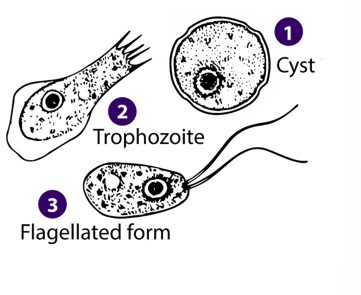
Naegleria fowleri forms
in challenging conditions (eg. below 10 degress or scarce food) → cysts
trophozoite stage → actively feeds and replicates, develops food cups or suckers
flagellated form → change in ionic concentration causes change back to trophozoit stage
Naegleria fowleri in the brain
flagellated form inhaled in water
attaches to nasal mucosa
passes normal immune defences
analogies of ACh recepors → ACh is a stimulus
move alomg olfactory nerve via cribiform plate to olfactory bulbs
enter trophozoite stage → eat neurones and astrophages using food cups
release cytolytic molecules → acid hydrolases and phospholipases
destroy tissue
cause immune response by activating innate immune system → macrophage and neurophil infiltration
swelling → intracranial pressure
death
malaria prevelance and impact
4 african countries (nigeria, DRC, tanzania and niger) account for half maleria deaths
40% of health budget spent on malaria in some countries
619,000 die a year
80% of deaths are children under 5
types of malaria parasite
plasmodium falciparum → responsible for most deaths
plasmodium vivax and plasmodium ovale → have dormant liver stages which cause relapses months or years after contraction
plasmodium malariae → chronic lifelong infection of untreated
plasmodium knowlesi → parasite in monkeys in south east asia, severe and somtimes fatal in humans
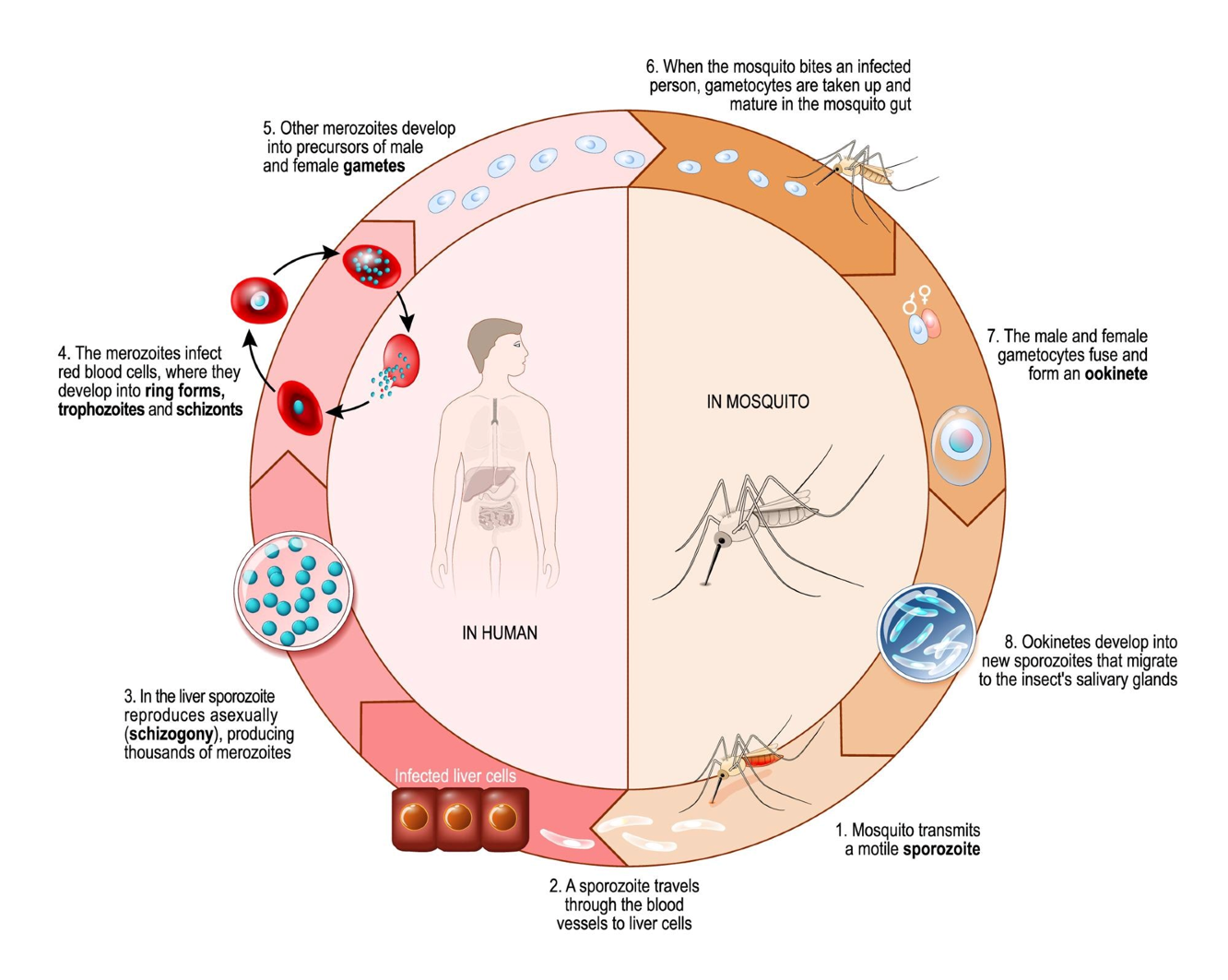
malaria lifecycle
mosquito host parasites motile sporozoites
when bitten they enter the bloodstream and go to the liver
asexually reporoduce in liver into merozoites
infect blood cells and burst blood cell → spreads more
develop into gametes → transfered to mosquito when bitten again
progress in malaria management
many countries have now been certified malaria free
there is progress but some areas still have lots
malaria vector
female anopheles mosquitos
malaria symptoms
most asymptomatic
small number develop severe malaria
cerebral malaria → life threatening complication of severe malaria
20% fatality
causes neurological impairments
can develop at any age
children over 5 are most at risk
classic malaria
lasts 6-10 hours
cold state → cold, shivering
hot stage → fever, headache, vomiting, seizures in children
sweating stage
stages come im waves every 12-48 hours as new parasites are released into blood
can relapse years later → dormant parasites in liver
can trea with antibiotics if recognised early
severe malaria
severe anasemia → destroyed RBCs
Hb in urine
acute respiratory distress syndrome (ARDS) → inflammatory reaction in lungs
abnormal blood coadulation
cardiovascular collapse
acute kidney injury
hyperparasitemia → malaria parasite infects over 5% of RBCs
metabolic acidosis → cannot metabolise ATP
cerebral malaria
cerebral malaria symptoms
coma
seizures
neuroinflammation
post-malaria neurological consequences
long term cognitive deficits
epilepsy
impaired hearing ability
sensory disorders
motor weakness
brain pathology in cerebral malaria
obstructed mucrovasculature → adhesion of plasmodium infected RBCs to endothelial cells, causes hypoxia and oedema (swelling by water entry)
inflammatoon → excessive pro-inflammatory cytokine production
loss of endothelial barrier integrity increases BBB permeability → loss of brain homeostasis, worsens oedema and small haremorrhagic events eg. mini strokes
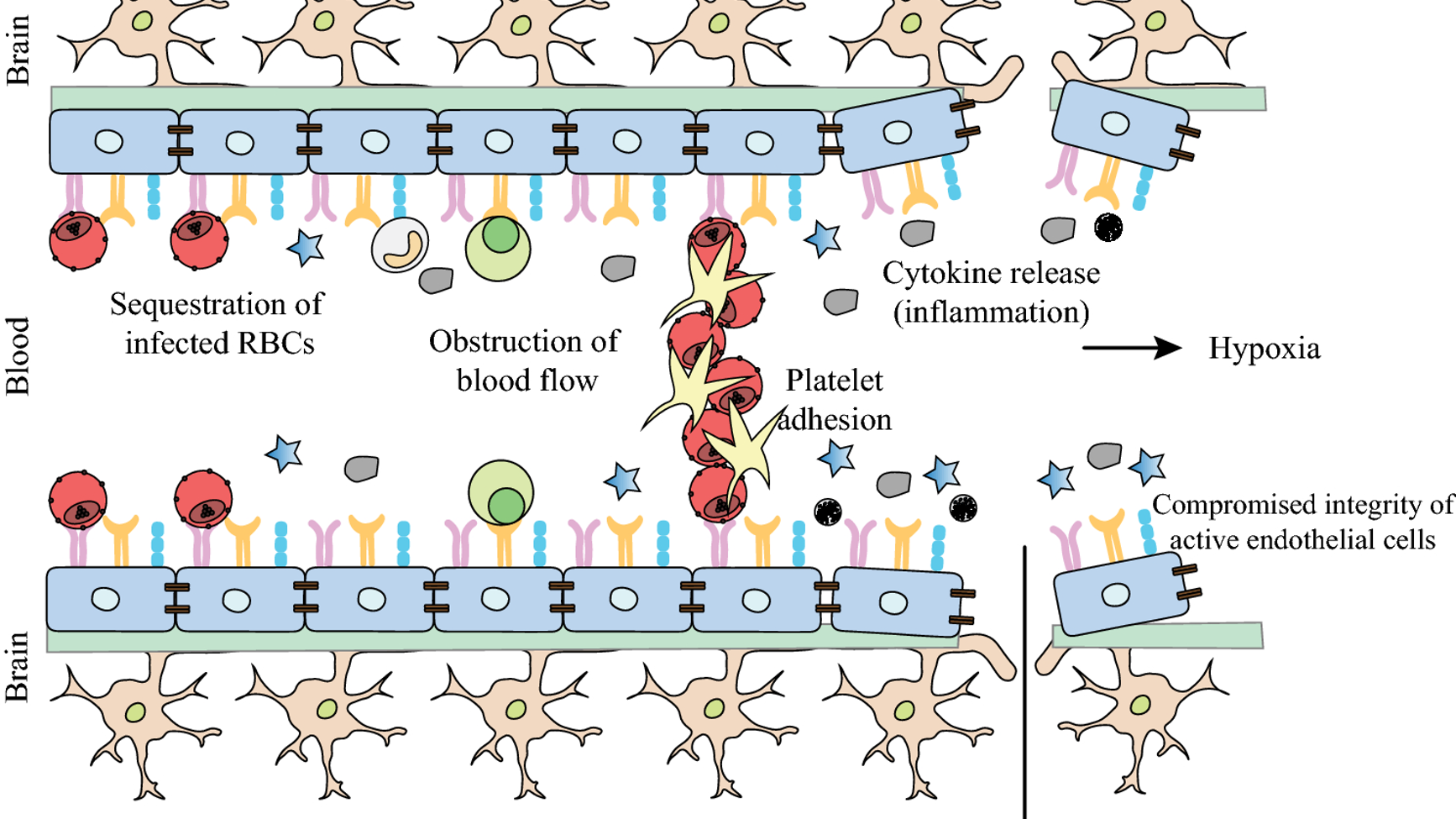
brain in non-cerebral malaria
still has some changes
oedema and blood markers of brain damage (eg. glial proteins)
treatment of malaria
prevention → mosquito nets, repellents, removing stagnant water, lomg sleeves and anti-malaria drugs
vaccines
RTS,S/AS01 → allready rolled out but supply doesnt meed demand
R21 → approved, easier to make
both aginst P.falciparum → most common
safe amd effective in preventing malaria in children in clinical trials
Taenia solium
pork tapeworm
humans are the definitive host
cause neurocysticerosis → cysts in brain
causes headachees and seizures
cysts in brain, muscles and eyes
only infected from eggs in human faeces, not from pork
taenia solium life cycle
human eats undercooked infected pork → gets tapeworm
tapeworm released in faeces → eggs or parts of worm get into environment → no cysts just from worm
infection via eggs or parts of worm in faeces and environment → cysts
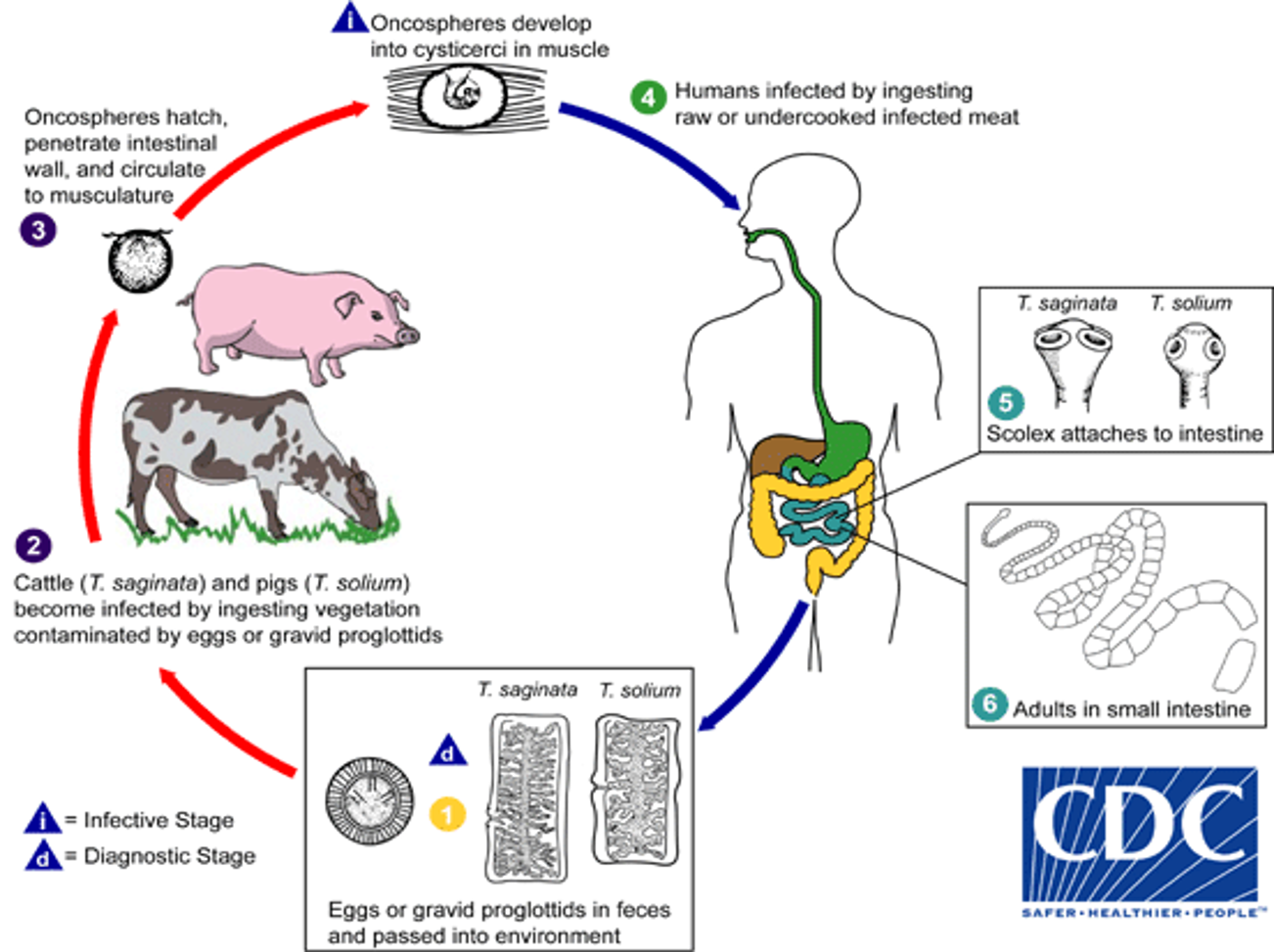
climate change and parasites
many infectious diseases are climate sensitive
warmer climates are expam#nding the areas were vectors can survive
increased rainfall, floods ans drought creates stagnant water → breading and risk of water contamination
extree weather events disrupt infrastructure and health symptoms → increased vulnrabiloty to infection
migration, urbanisation and deforestation impact spread
escelation is worse → need climate intervention now
climate change on vector-borne disease
more places suitable for vectors → warmer temperatures and increased rainfall makes more breeding areas and droughts form pools of stagnant water
warmer climate extends disease transmission season
temperature change affects vector behaviour → change biting behaviour so nets are less effective
fungal infections on the brain
fungal meningitis → meninges become inflammed, more common in weakened immunesystem
HIV
cancer
steroids
immunosuppressants
rare
odds ratio of pesticide exposure and PD
use retrospective study → odds of those who had previously been exposed to pesticides
large chance of PD if exposed to pesticides → OR of 1.94
PD patients 2x more likely to have been exposed to pesticides
prospective study → 1.7 fold increased relarive risk of PD with pesticide use
Parkinsons disease
progressive neurological condition
symptoms → tremor, slow movement, muscle stiffness
risk → increased age, 1.5x more in males, genetics, environmental (head injury, pesticide and herbicide exposure and chlorinated solvents)
pathology → loss of DA neurones in substantia nigra pars compacta in midbrain → nigrostriatal pathway is impaired (motor feedback control)
Rotenone
netural product → in tropical and subtropical plants, especially gena Derris
lipophilic → LogP = 3.3, so can cross BBB
potent → IC50 is 1-10nm
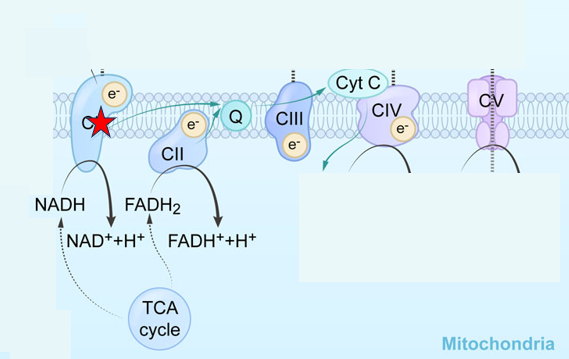
imhibits complex 1 of mitochondrial electron transport chain
used in pesticides → insects eg. weevils, beetles and flies
used to clear lakes of invasive fish (piscicide)
environmental half life of days
associated and causal agent of PD
mechanism of rotenone
complexes of electron transport chain pump H+ across the membtane to power the priduction of ATP
rotenone blocks the transfer of electrons in complex 1 → cannot produce ptoton gradient so no ATP is produced
generates reactive oxygen species (ROS) which activate apoptosis by geberation of caspase 3
can cross BBB
apoptosis of cells in substantia nigra and decreased ATP of these cells
kills dopaminergic cells → parkinsonism
rotenone is selective for the substantia nigra → unknown why, dopamine metabolism?
effect of rotanone on DA metabolism
decreases ATP, so decreased VMAT DA uptake → increased cytosolic DA
MAO oxidises DA to DOPAL → increase cystolic DOPAL
increased ROS decreases ALDH enzyme activity so decreases DOPAC production → build up of cytosolic DOPAL
DOPAL fixes the cell and causes apoptosis → specific to substantia nigra neurones
casscade of intrinsic apoptosis
ROS are generated
causes mitochondrial damage
opens mitochondrial permeability transition pore → hole in the mitochondrial membrane
collapse of mitochondrial membrane potential, loss of membrane and matrix proteins
release of cytochrome C into cytosol → activates Apaf 1 (apoptotic protease activating factor 1)
apoptosome forms
caspase enzyme activation → procaspase 9 activates executioner caspases (3, 6 and 7)
execution phase → DNA fragmentation, degredation of cytoskeleton proteins and formation of apoptotic bodies
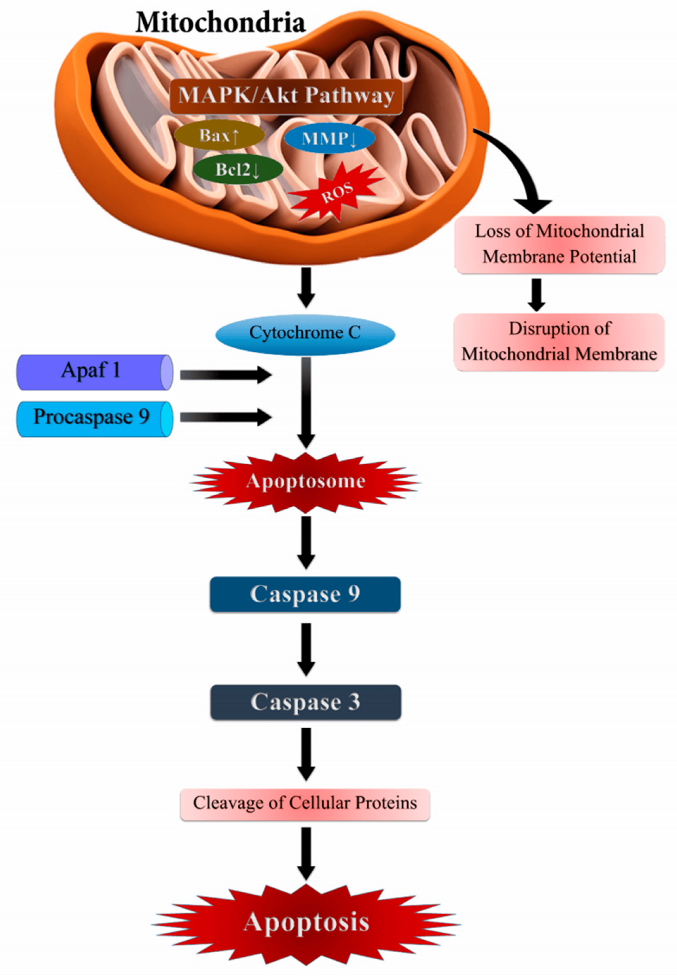
interventions regarding rotenone
evidence for association with PD and mechanistic cause of neurodegeneration
banned in 2009 in UK
banned in USA, EU and switzerland
environmental half life of days → photodegredation
permitted for some things → piscicide
paraquat use
man made oxidant
herbicide
1950s
cheap
increased food productivity and weed control
used on 100s of crop types, mostly plantation crops → maize, organges, tea, coffee, palm oil, sugar cane
USA use troppled 1992-2018
paraquat toxicity
only associated with PD, not causal → no causal mechanism
strong comercial interests and is still exported worldwide
is a systemic poison
half life → >7 years
contaminates soil and water
no antidote to poisoning
LogP of paraquat
LogP = -6.7
hydrophilic → cannot cross BBB
acts like rotenone on isolated mitochondria but cannot enter brain its self
could enter damaged BBB or be metabolised to something which can
paraquat and PD
odds ratios from meta analyses
OR of 1.64
correlational, not causal
forrest plots
use in meta analysis
plot means and weights of odds ratios
calculate mean OR
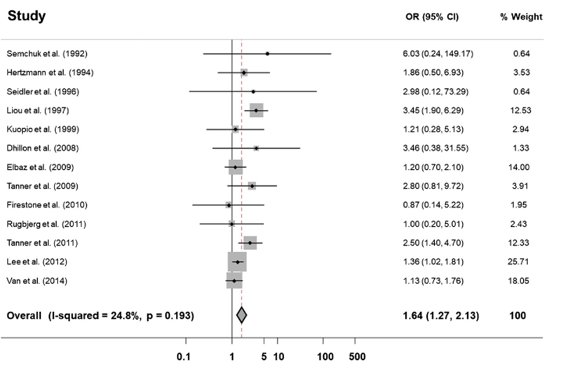
confounders in the link between PD and paraquat
exposure to other pesicides
male
smoke
farmers
farm animal exposure
living on a farm
drinking well water
living in rural area
legistaltion surrounding paraquat
banned in 68 countries
banned in UK in 2007
trichloroethylene (TCE)
solvent
volatile colourless liquid
logP = 2.2 → lipophilic
used to extract fat soluble compounds
uses:
paint remover
degreaser
decaffinating coffee
dry cleaning
carpet cleaning
anaesthetics → trilene, banned 1977
persists in environment → halogenated forever chemical
found in water, food, fat and breast milk
associated with PD
studys on solvent (TCE) exposure
cohort study of US army vererans
increased PD incidence in one camp over another (OR was 1.70)
this camp has TCE contamination in the water supply → from water runnoff from decreasing and cleaning machinery
ingested in food, water and bathing water
associated with PD and no other neurological condition
twin studies
one had PD and one didnt
interviewed on pervious work
increased PD development of worked with degreaser
association not causation
TCE animal study
rat models → replicate in weeks what takes years in a man
high dose of TCE oraly dosed for 6 weeks
measured mitochondrial bioenergetics
use mitochondria from substantia nigra and compared to striatum and liver as controls
changes in bioenergetics seen only in substantia nigra
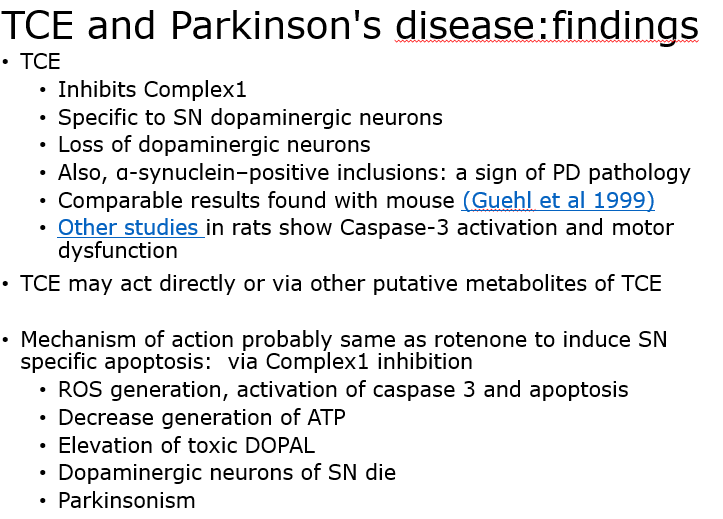
selectively inhibited complex 1
TCE mechanism
inhibits complex 1 to blovk the electron transport chain, oxygen consumption and ATP production
like rotenone
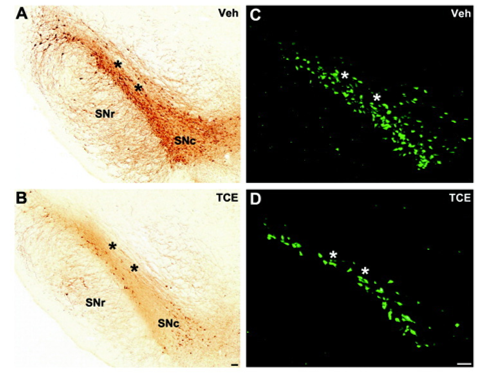
nigrostriatal DA histochemistry after TCE
loss of tyrosine hydroxylase in neurones in substantia nigra pars compacta after TCE treatment (A control vs B TCE)
loss of retrograde labelled fluorogold dopaminergic neurones in substantia nigra pars compacta (C control vs D TCE)
TCE mechanism in relation to parkinsons
has candidate toxic metabolites → DCVC, TaClo and TACH (inhibits ALDH)
current use of TCE
degreasing
chemocal feedstock
textiles
dry cleaning
military (reduced)
no longer used in:
anaesthetic
decaffination
animal feed processing
enters environment via industrial processes leaching into water supply
TCE in in human breastmilk
women with lower BMI have highest breastmilk TCE concentration
fat is protective → leeches TCE
not replicated and small sample
TCE legislation
regulated
america → centre for disease control
europe → european chemical agency
still advertised
ban on domestic use in EU
organic alternatives available
diets that are good for the brain
mediterranean diet
anti-inflammatory diet
diets that are bad for the brain
ultra-processed foods
ketogenic diet and what it does
high fat, low carbohydrate, controlled protein intake
used to treat drug resistant epilepsy → mostly for children, sometimes for adults
treats GLUT1 deficiency
doesnt work for all
must be carefully monitored
changes body energy source from carbohydrates (glucose) to fats (ketones)
increases mitochondrial function and biogenesis
reduces oxidative stress
changes gut microbiome so impacts GBA
mediate neuroinflammation
change gene expression
mediated by circulating miRNA and other epigenetic molecules
molecular impact of ketogenic diet
downregulation of genes
KCNJ12, SLC22A3 and KCNA10 → ion channels, indirect impact on epilepsy
MAO-A, HCRT1 and HCRT2 → neurotransmission, dopamine and sleep regulation (orexin genes, produced when awake)
PRKCG, GNG10 and BSN → synapse strucure
upregulated genes
CACNA1C → ion channels
CDH2, FGF12 and DOC2A → synapse structure
BDNF → synaptogenesis and adult neuronal stem cells
ketogenic diet for GLUT1 deficiency
GLUT1 → expressed on erythrocytes and BBB endothelial cells
facilitates glucose transport across BBB
deficiency
low CSF glucose levels for brain energy
developmental delat movement disorder with generalised intractable epilepsy
keto diet provides alternative brain energy source → ketones cross BBB via MCT1 transporter
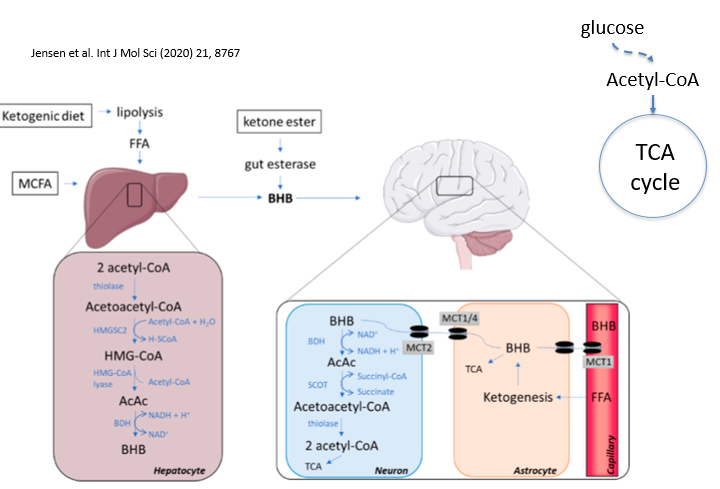
Ketogenic diet metabolic pathway
fats are eaten
converted to ketone bodies in the liver (astrocytes can also produce ketones)
these cross BBB via MCT1 transporter
ketone bodies enter neurone and are digested into 2x acetyl molecules
give 2x energy as glucose
used in TCA cycle to give energy without need for GLUT1
what is included in the mediterranean diet
lean protein, plant based foods and healthy fats
seafood
fruit and veg
whole grains
nuts and legumes
good oils (olive, avocado, nut)
water and some wine
mediterranean diet and depression
meta analysis shows a small decrease in odds ratio with depression
did the same with alternative healthy eating index → similar effects
anti-inflammatory molecules in helathy diets (mediterranean)
omega-3 polyunsaturated fatty acids → seafood
unsaturated fatty acids → olive oil
polypgenols → cocoa, blueberries, curcumin and tumeric
dietary fibre → in whole veg and wholemeal products