Global Health Final (second half terms)
 Call Kai
 Learn
Learn Practice Test
 Spaced Repetition
 Match
Match Flashcards
 Knowt Play
1/153

There's no tags or description
Looks like no tags are added yet.
Name | Mastery | Learn | Test | Matching | Spaced | Call with Kai |
|---|
No analytics yet
Send a link to your students to track their progress
154 Terms
The importance of nutrition
•Nutritional status has a profound relationship with health status
•Childhood underweight is the leading risk factor for death of under-5 children globally
•45% percent of all deaths in children under 5 are attributable to nutrition-related causes
•Low-cost, highly effective interventions are available to improve nutrition status
•The nutritional picture of the world has changed dramatically in the last few decades
•Nearly 31% of the world’s population is overweight or obese; most of these people are in low- and middle-income countries
•Overweight and obesity are closely linked with many noncommunicable diseases, and prevention is complex
•Nutrition is central to the achievement of the SDGs
Malnutrition
refers to those who do not get proper nutrition, whether too little, too much, or the wrong kind
Undernutrition
the three most commonly used indices for child undernutrition are:
1.- weight for age
2.- hight-for-age
3.- weight-for-height
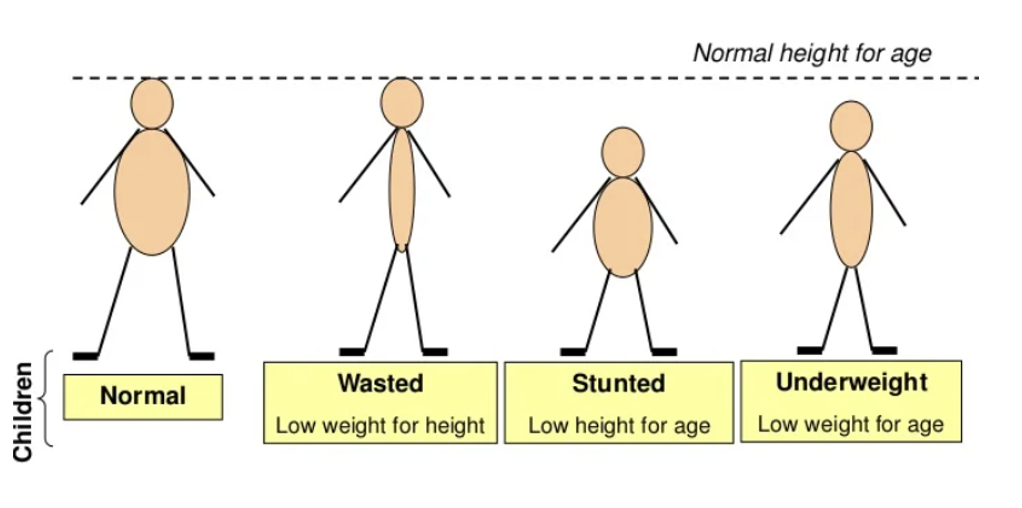
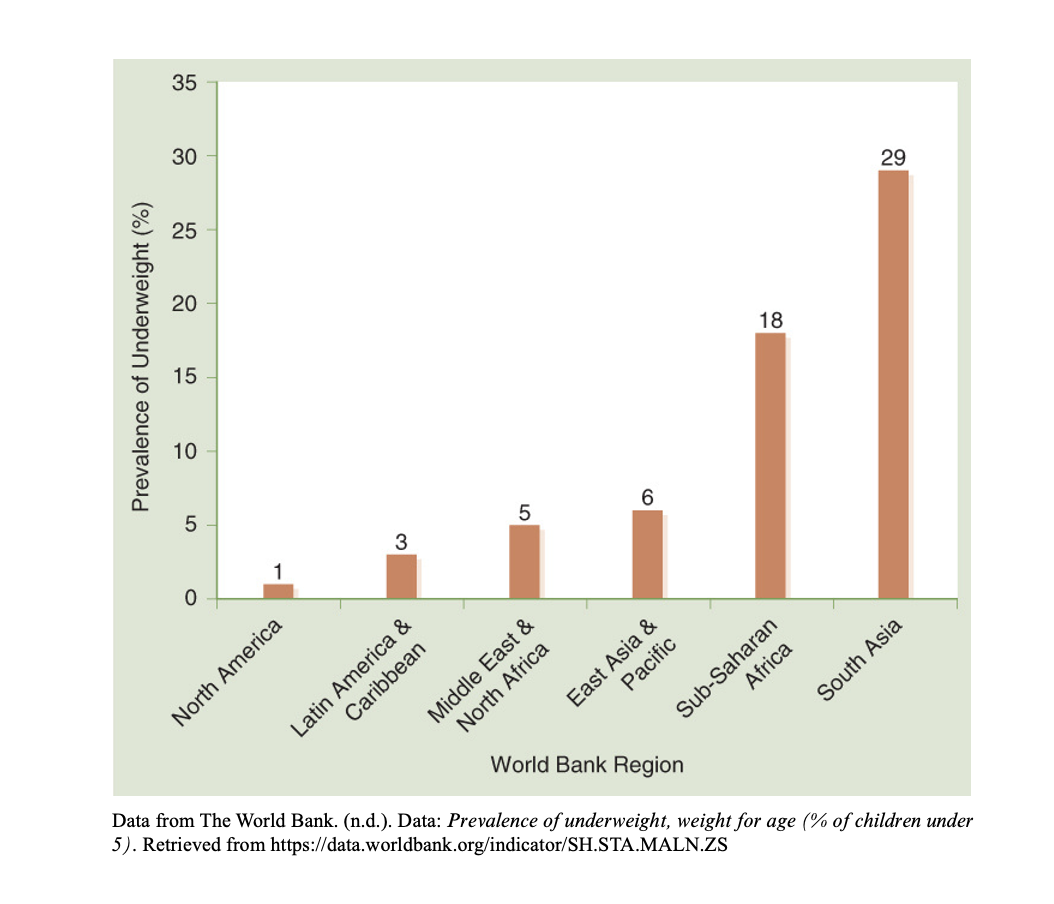
Underweight
( weight for age) low weight-for-age; that is, two z-scores below the international reference
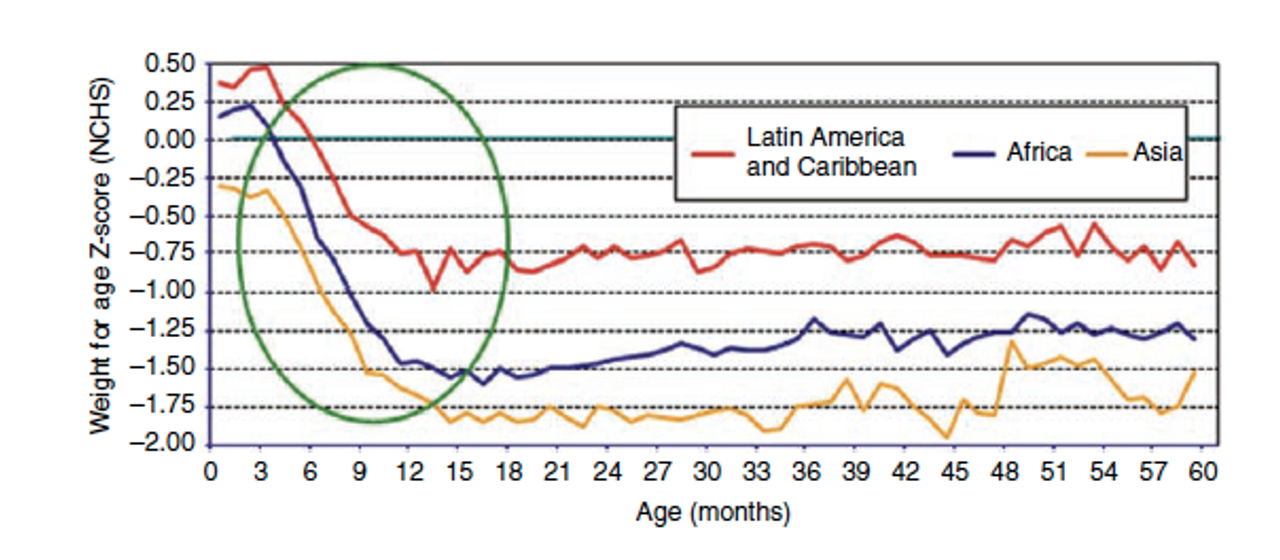
Stunting
(height for age) failure to reach linear growth potential because of inadequate nutrition or poor health. Stunting is measured as height-for-age two z-scores below the international reference
Wasting
(weight for height) weight, measured in kilograms, divided by height in meters squared, that is two z-scores below the international reference
Different types of childhood malnutrition
Overweight
excess weight relative to height; commonly measured by BMI among adults. The international reference for adults is as follows:
⚬ 25–29.99 for grade I (overweight)
⚬ 30–39.99 for grade II (obese)
⚬ > 40 for grade III
For children, overweight is measured as weight-for-height two z-scores above the international reference
The Determinants of Nutritional Status
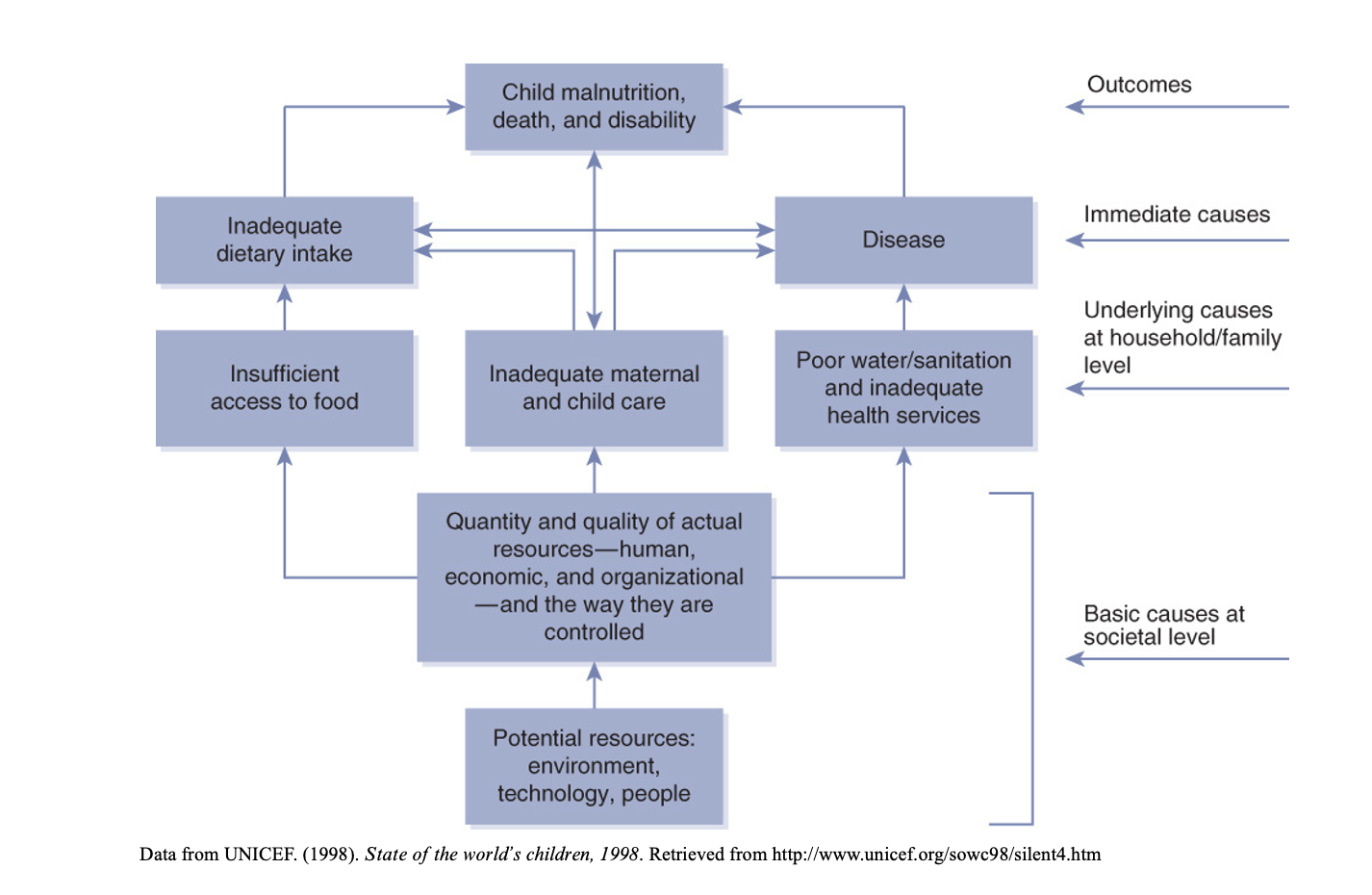
Gauging nutritional status
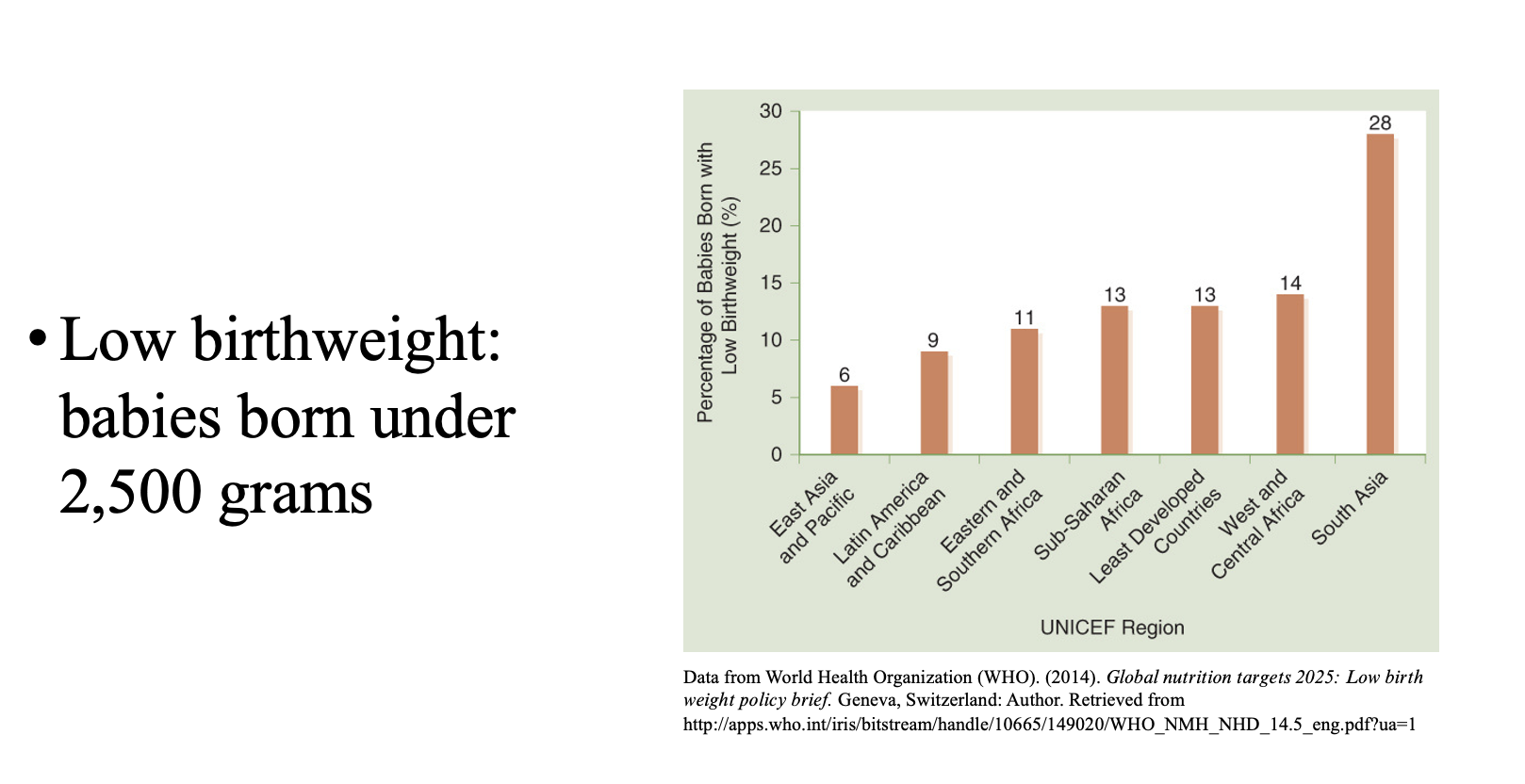
Birthweight—a child has a low birthweight if the child’s weight at birth is below 2,500 grams
Vitamin A
•Found mostly in green leafy vegetables, yellow and orange fruits that are not citrus, and carrots
•Deficiency associated with xeropthalmia, eventually can lead to permanent blindness
•Important to growth and proper functioning of immune system; can impact severity of illness and chance of survival of pneumonia, diarrhea, and measles
xeropthalmia
disease linked with causing permanent blindness (vitamin A deficiency)
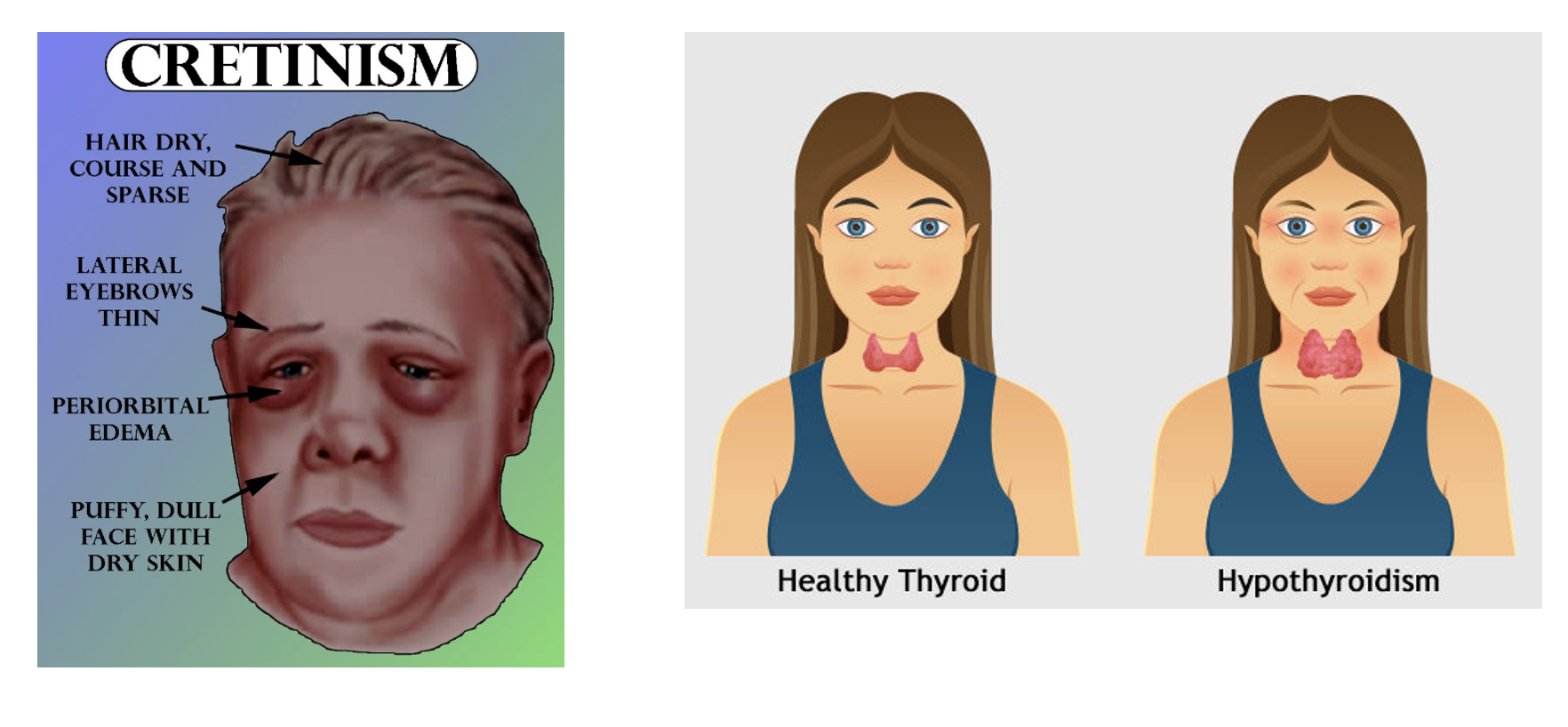
Iodine
•Found in some types of seafood and in plants that are grown in soil that naturally contains iodine
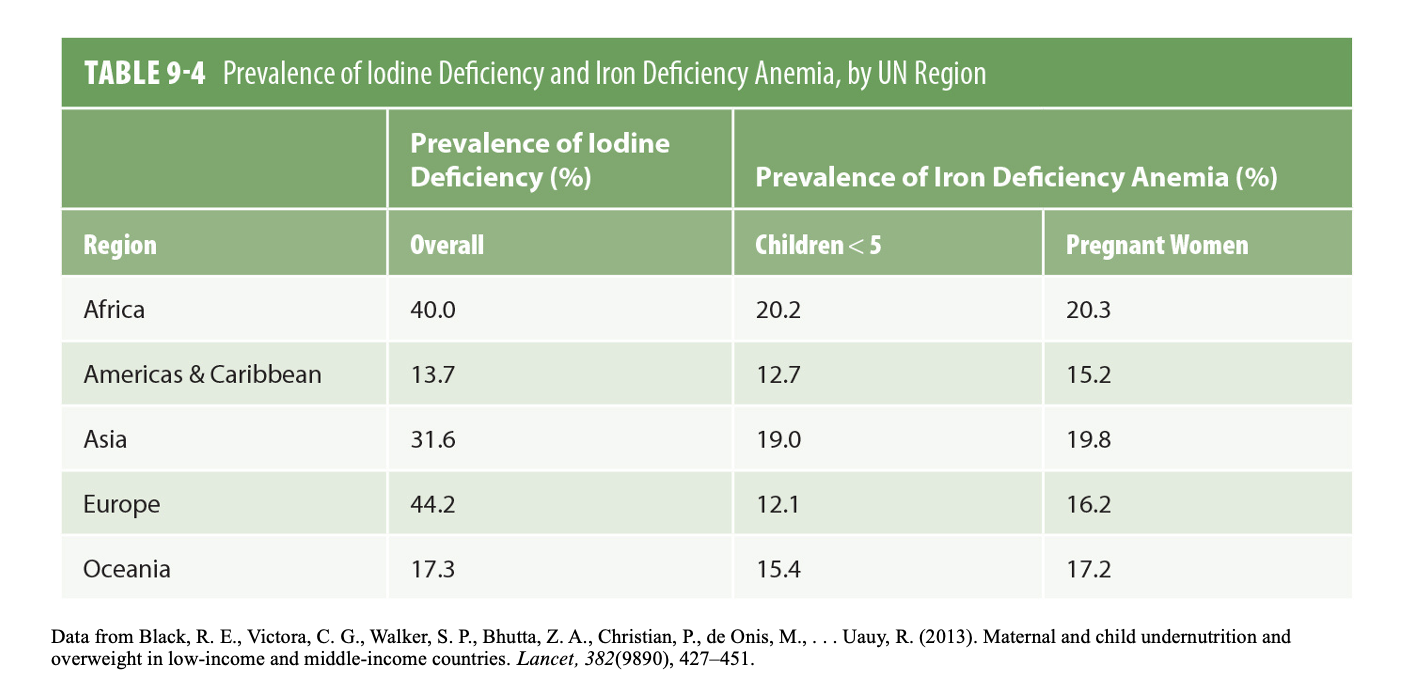
•Deficiency associated with a growth on the thyroid called a goiter and the failure to develop full intellectual potential
•Often occurs in people who live in mountainous regions where less seafood is consumed and the soil is deficient in iodine
Iron
•Found most easily in fish, meat, poultry; also in fruits, grains, vegetables, nuts, and dried beans
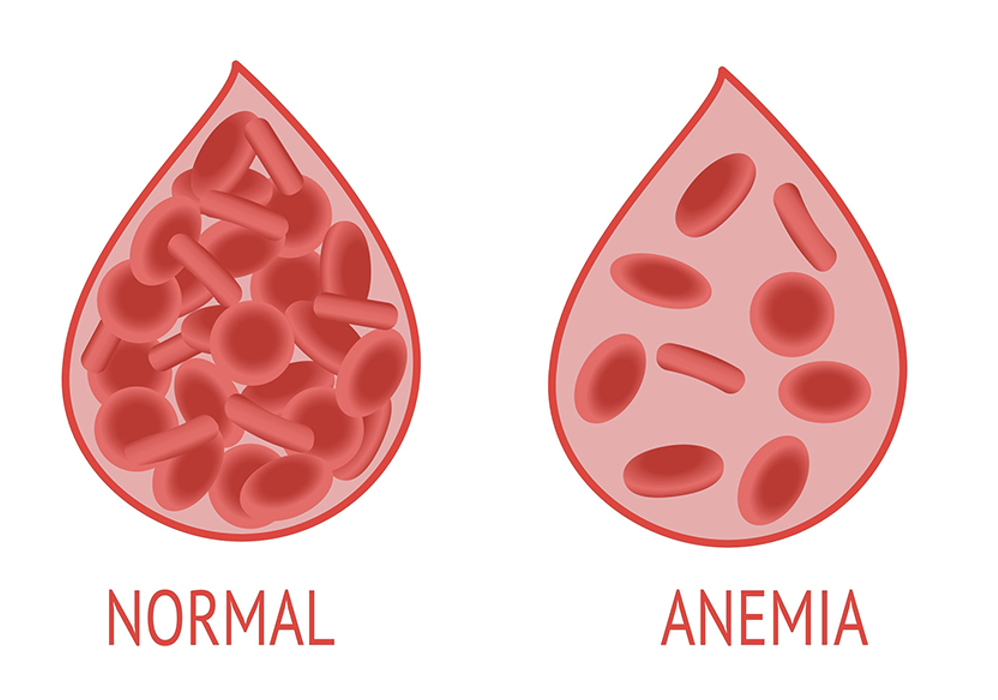
•Lack of iron associated with iron deficiency anemia, associated with fatigue and weakness
•Iron-deficient pregnant women have an increased risk of giving birth to a premature or low birthweight baby, or hemorrhaging and dying in child birth
Folic Acid and Calcium
•Folic acid is primarily found in leafy green vegetables and in enriched products, such as flour
•Calcium is generally found in dairy products
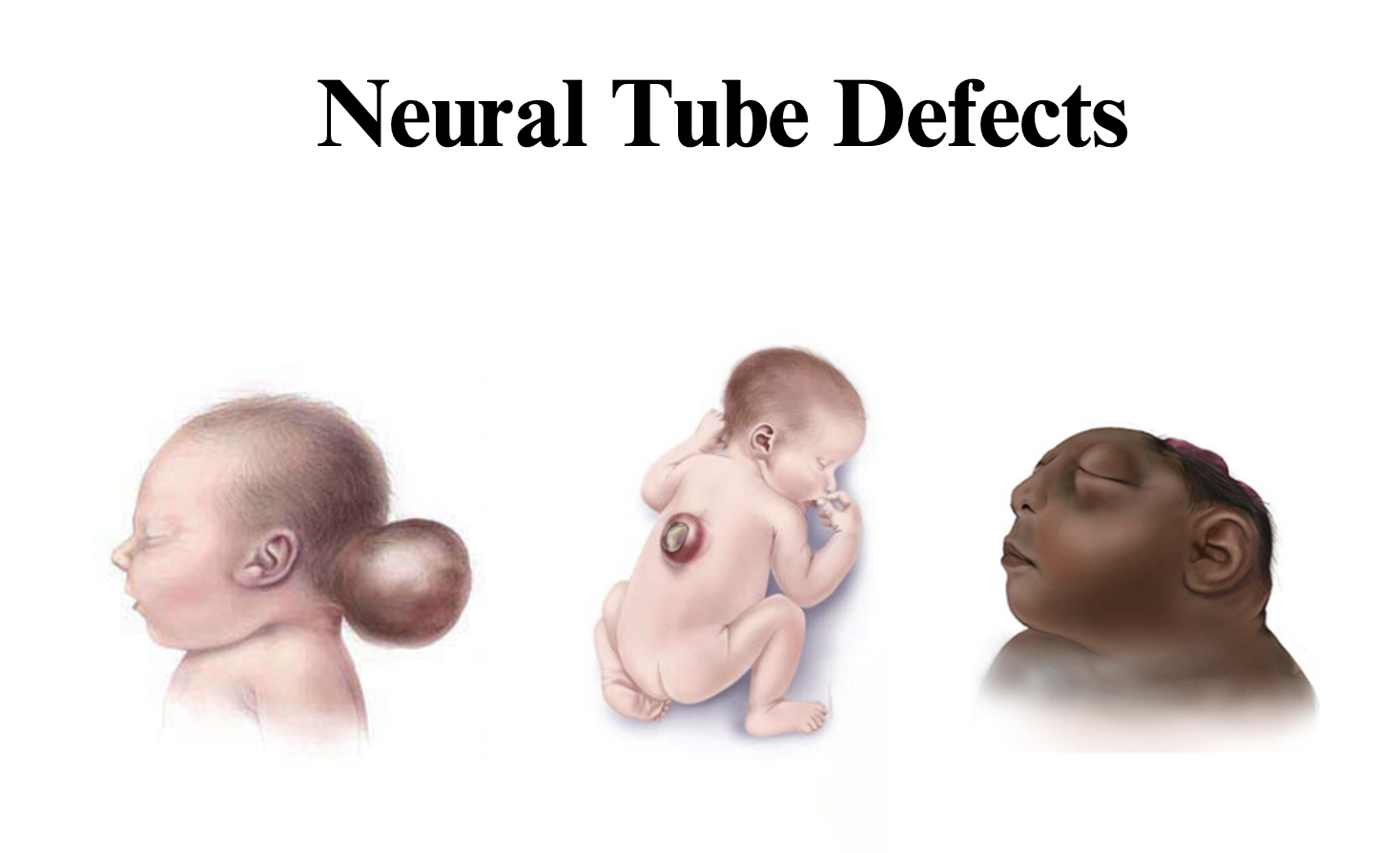
•Deficiencies of folic acid in pregnant women are associated with neural tube defects in their children, such as spina bifida
•Supplementation with calcium reduces the risk of hypertensive disorders of pregnancy
Pregnancy and Birthweight
•Pregnant women need a sufficient amount of protein and energy and should consume 300 more calories a day
•Iron, iodine, folate, zinc, and calcium are also important to the health of the woman and child
•The birthweight of a baby is an extremely important determinant of the extent to which a child will thrive and become a healthy adult
Infancy and Young Childhood
•“Window of opportunity” is conception to 2 years of age
•Nutritional gaps during this time can cause problems with stature, mental development, and frequent infection
•Children need sufficient protein, energy, and fats as well as iodine, iron, vitamin A, and zinc
•Children grow best and stay healthiest if exclusively breastfed for first 6 months
Undernutrition
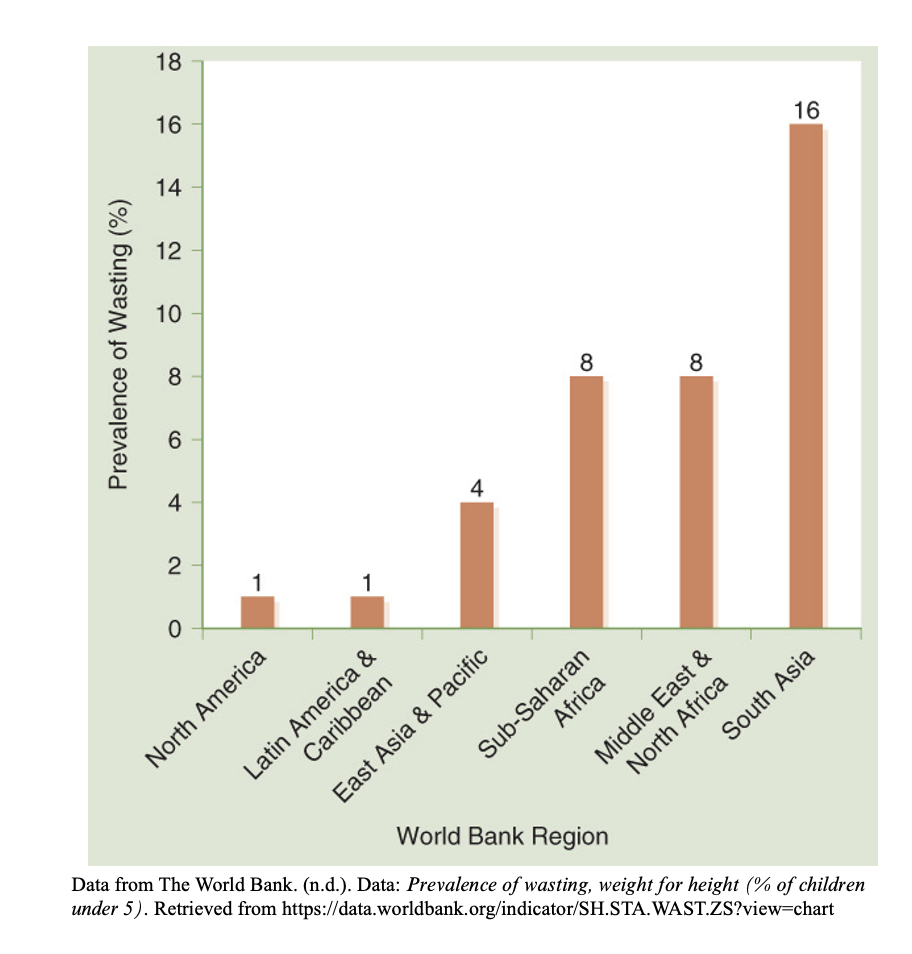
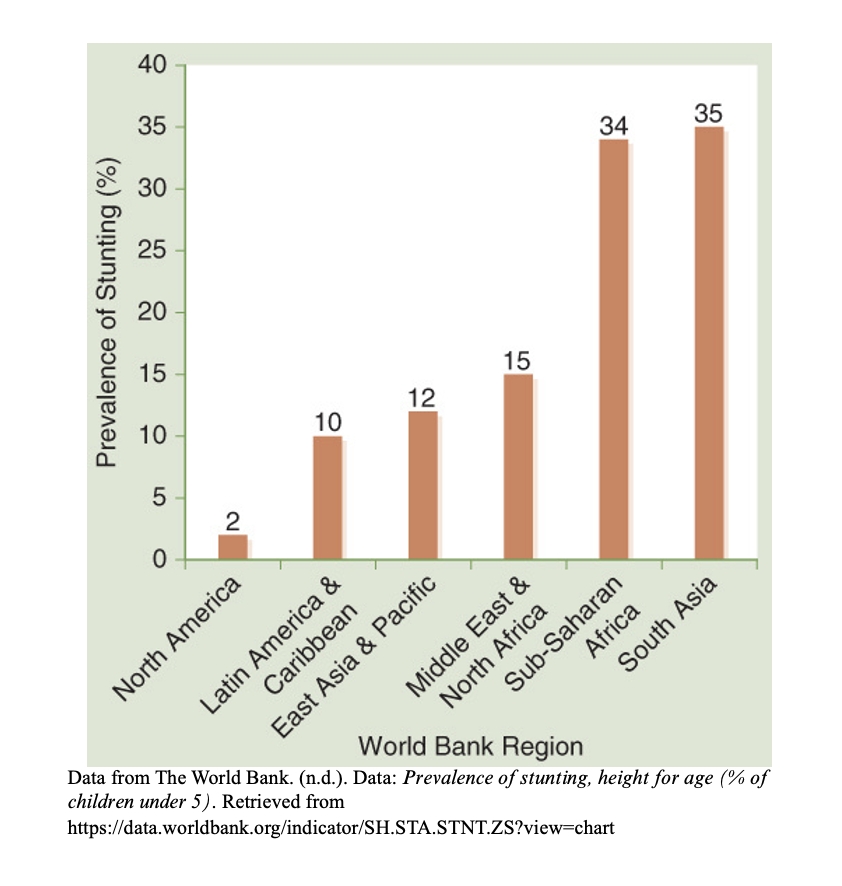
•The rate of underweight in children younger than 5 years of age in low- and middle-income countries fell from about 28% in 1990 to about 14% in 2016
•Still - about 155 million are stunted, and more than 50 million are wasted
Nutritional State of the World (low birthweight)
Nutritional State of the World (prevalence of underweight)
Prevalence of Wasting
Prevalence of Stunting
Prevalence of Iron/Iodine Deficiency
deaths associated with undernutrition
•An important risk factor for death from other causes including diarrhea, pneumonia, measles, and other communicable diseases
•About 45% of all deaths in children under 5 years worldwide are associated with nutritional deficits
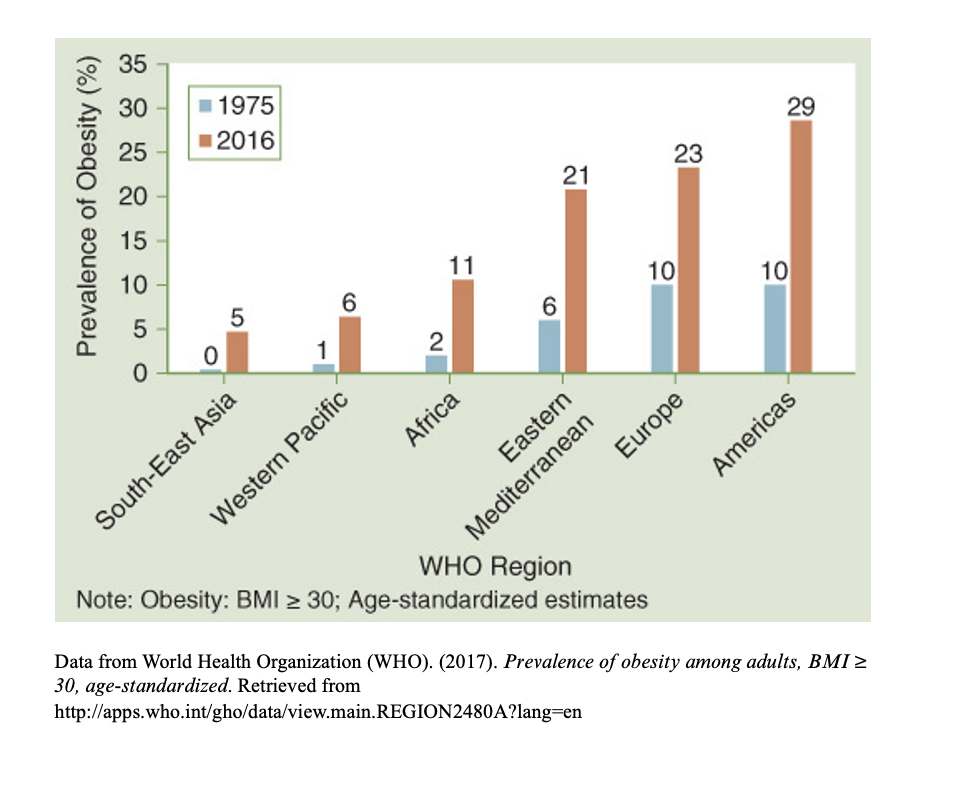
overweight and obesity
•Nearly 31% of the world’s population, 2.3 billion people, are obese or overweight
•Obesity has nearly doubled worldwide since 1980
•Childhood obesity has emerged as one of the most serious public health challenges of the 21st century
Addressing Future Nutrition Challenges
•Policy makers need to understand importance of nutrition to good health and human productivity and act accordingly
•Governments need to work with the food industry to improve the way in which foods are fortified and to be sure that processed foods are healthy
•Further research on what works
•Create partnerships of civil society, government, and the private sector
•Nutrition-specific interventions—those interventions that can have a direct impact on nutrition
•Examples: promotion of exclusive breastfeeding, micronutrient supplementation, and food fortification
Addressing undernutrition for children
Young child deaths could be reduced by about 15% with a package of nutritional interventions for pregnant women that includes:
⚬Folic acid supplementation or fortification
⚬Balanced energy protein supplementation
⚬Calcium supplementation
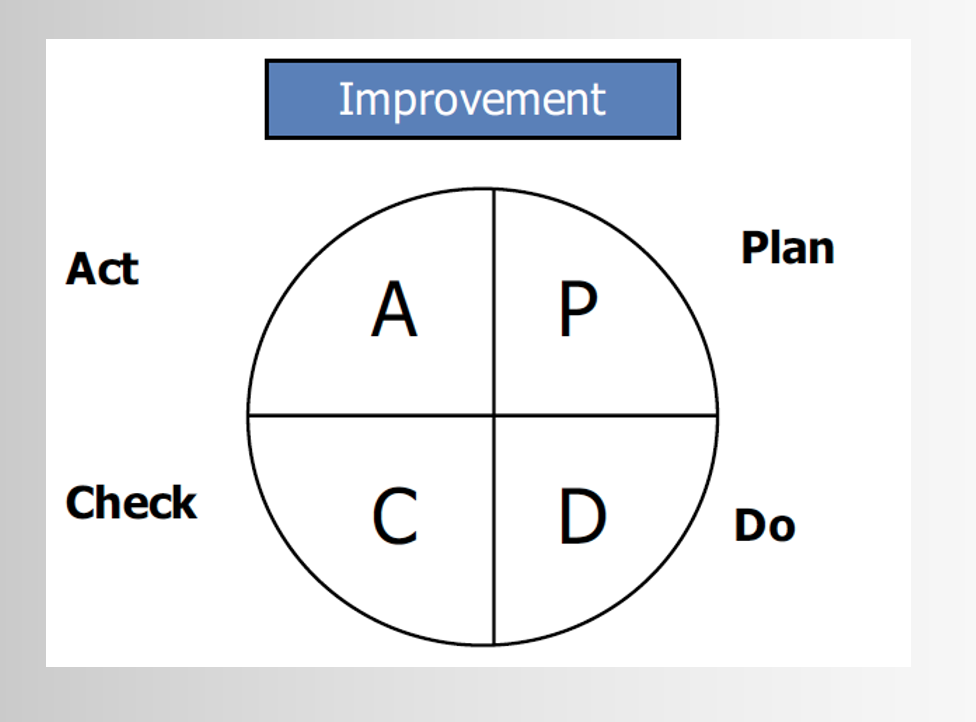
PDCA Cycle
•Deming Cycle or Shewhart Cycle
•A four-step iterative process is used in continuous improvement and problem-solving.
•It’s often used in Six Sigma and other quality management frameworks to drive process efficiency and effectiveness.
Plan: establish a target for improvement
Do: implement the plan.
Check: determine whether implementation has brought planned improvement.
Act: perform and standardize the new procedures to prevent recurrence of the original problem.
the importance of women’s health
•Women face a number of unique health problems
•Poor health of women can have enormous consequences on society
•The health of children depends in many ways on the health of their mothers
•Women’s health is linked closely with the SDGs
Abortion
the premature expulsion or loss of embryo, which may be induced or spontaneous
cesarean delivery
surgical delivery through an abdominal incision
female genital mutilation
traditional practices that are all related to the cutting of the female genital organs
•An estimated 200 million females worldwide have had some form of genital cutting.
•Related to ethnicity
•It can initially cause shock, infection, or hemorrhaging
•Long-term problems include retention of urine, infertility, and obstructed labor
Hemorrhage
significant and uncontrolled loss of blood, either internally or externally, from the body.
Maternal Death
the death of a woman while pregnant, during delivery, or within 42 days of delivery.
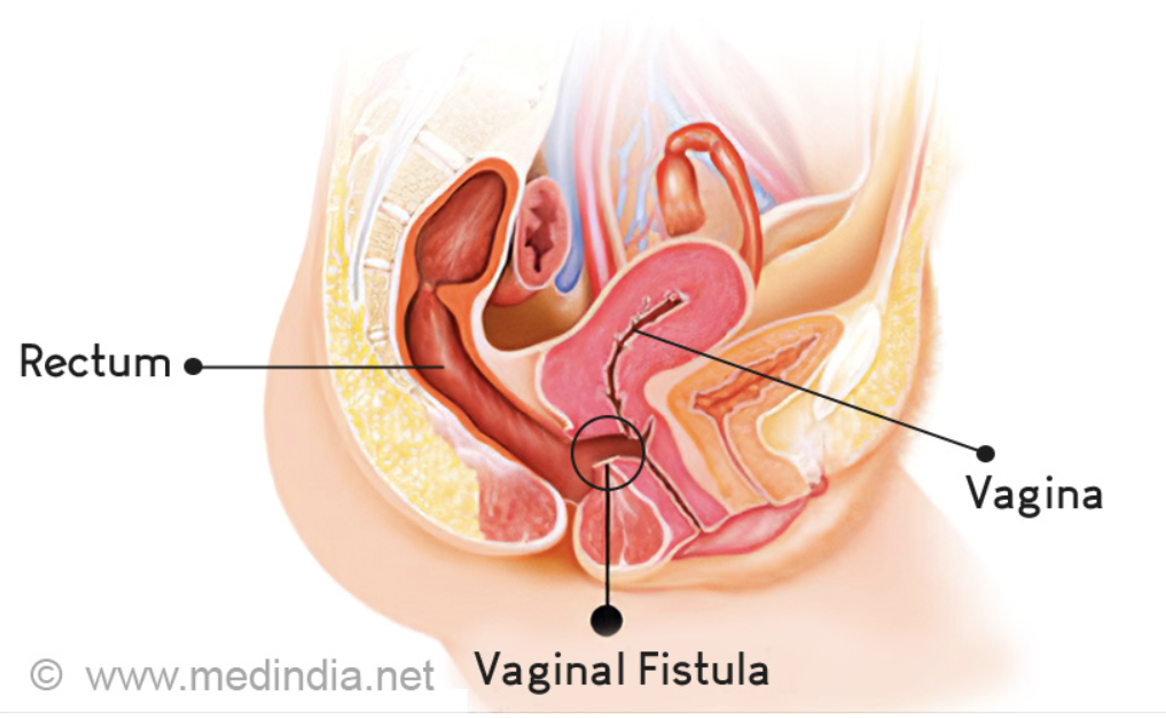
Obstetric Fistula
an injury in the birth canal that allows leakage from the bladder or rectum into the vagina, leaving a woman permanently incontinent
Sex-selective abortion
the practice of aborting a fetus after a determination that the fetus is an undesired sex, typically female
Skewed ratios of males to females in some countries
India: 900 females born for every 1,000 males
China: 870 females born for every 1,000 males
Sexually Transmitted Infections (STIs)
•Women are biologically more susceptible
•Risk factors for women include young age, sex with high-risk partners, and inability to negotiate condom use
•There are an estimated 530,000 cases of HPV a year that cause about 270,000 cervical cancer deaths a year
Violence and Sexual Abuse Against Women
•UNAIDS estimates 10–50% of women worldwide have been abused physically by a partner
•Can lead to injuries, unwanted pregnancy, STIs, depression, disability, and death
•Risk factors include low socioeconomic status, young age of the male partner, and gender inequality
Maternal Morbidity and Mortality
•About 300,000 maternal deaths annually
•Almost 60% of all maternal deaths occur in 10 countries: India, Nigeria, Pakistan, Indonesia, Tanzania, Kenya, Bangladesh, Uganda, Ethiopia, and the Democratic Republic of the Congo
•Birth is the time of greatest risk for mother and baby
*A woman in a high-income country has only a 1:3,300 chance of dying a maternal death, compared to 1:36 chance for a women in Sub-Saharan Africa
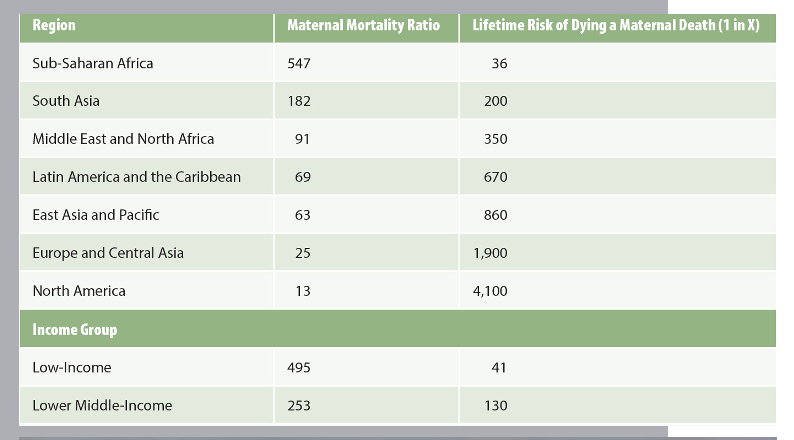
The Burden of Health Conditions for Women
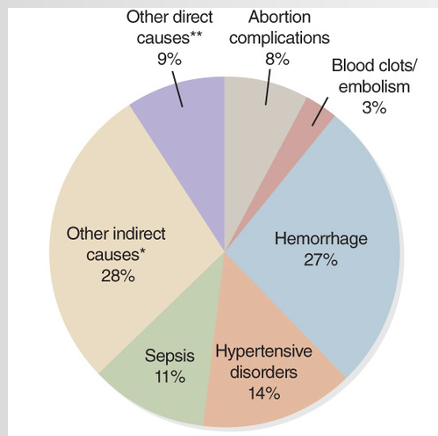
Biological Determinants of Women’s Health
•Iron deficiency anemia related to menstruation
•Complications of pregnancy
•Increased susceptibility to some STIs
•Health conditions, such as ovarian cancer, specific to women for biological reasons
Social Determinants of Women’s Health
•Male preference is sometimes expressed through female abortion or infanticide.
•Young female children are often fed less nutritious food than male children.
•Low social status linked to physical and sexual abuse and also depression.
•Household roles can lead to women cooking with poor ventilation indoors, which is associated with respiratory disease.
•Poverty, lack of or low levels of education, and low social status limit access to healthcare.
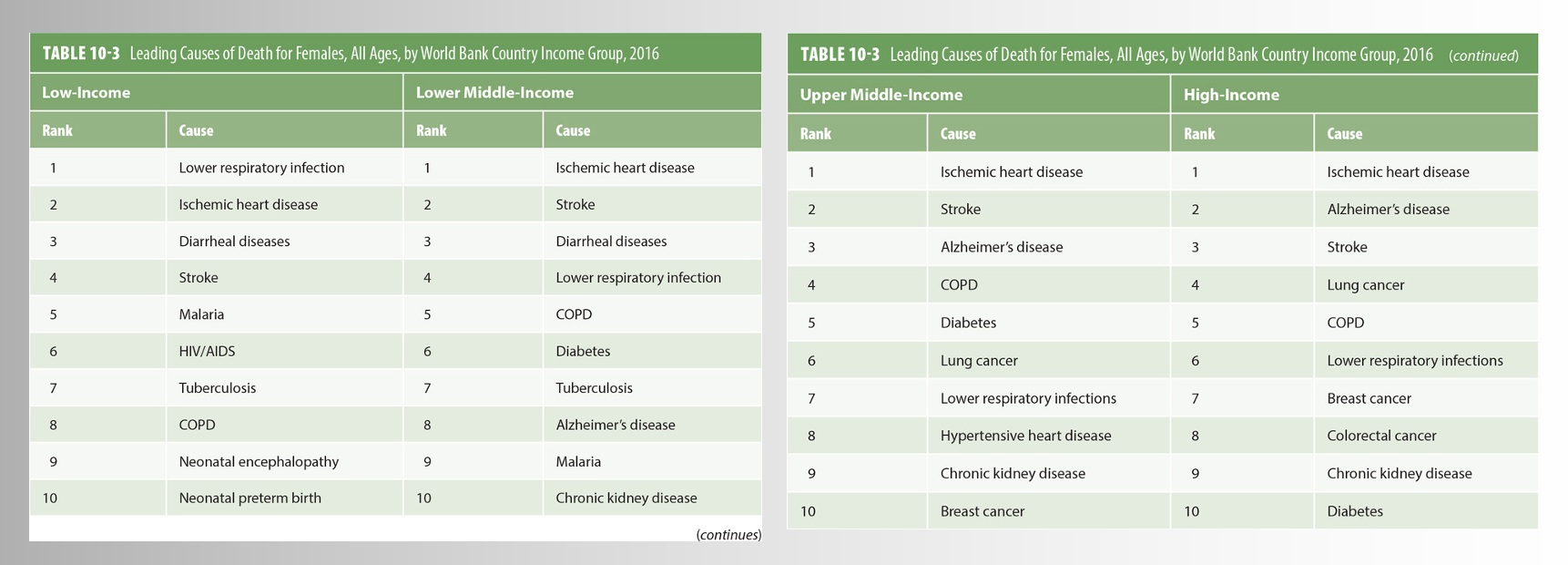
Leading Cause of Death for Women
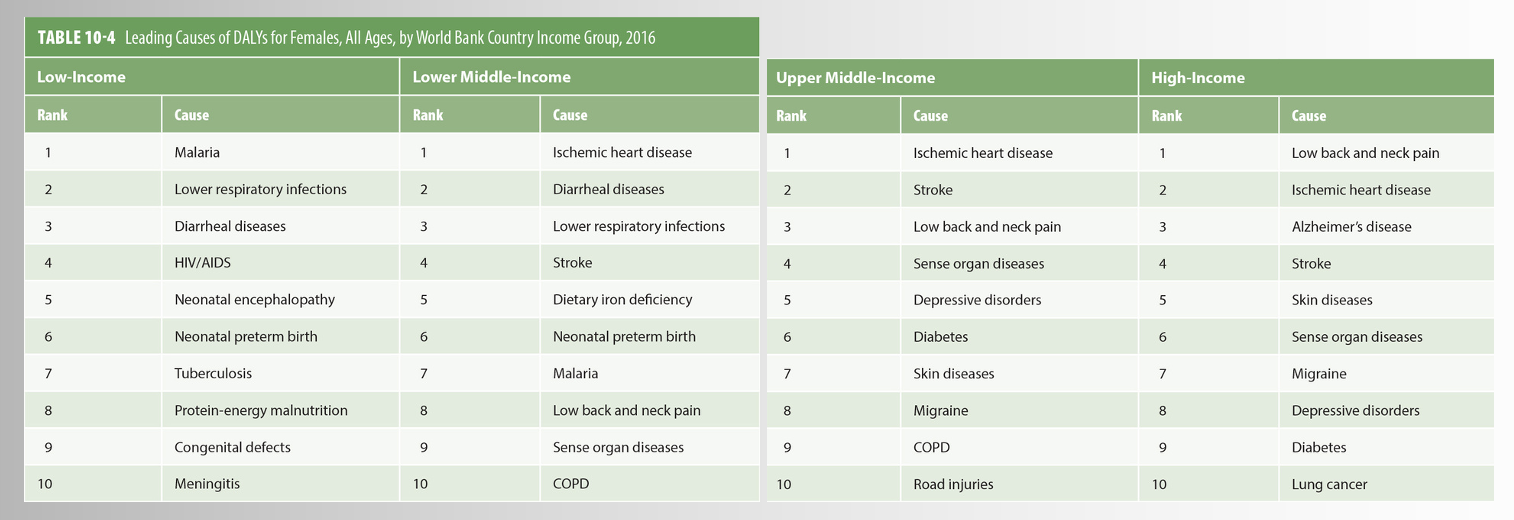
Leading Cause of DALYs for Women
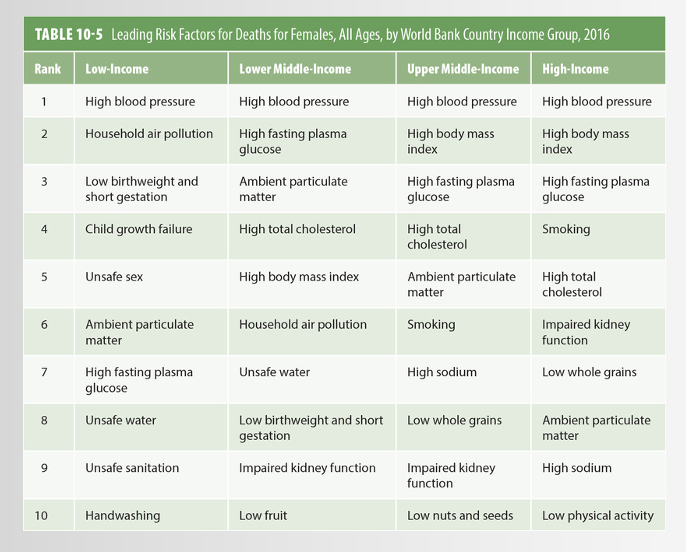
Leading Risk Factors for Death for Women
Leading Cause of Death Males vs. Females
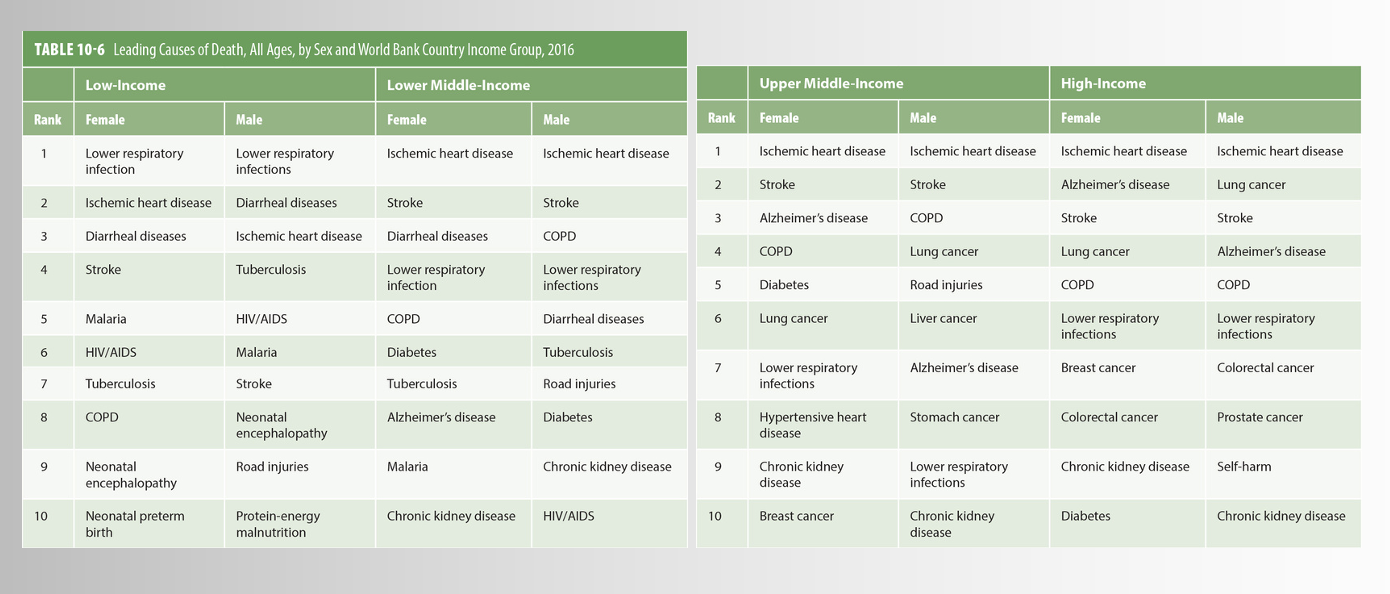
Differences Between the Health of Men and Women
An analysis identified 19 conditions that disproportionately affect women —> Alzheimer’s disease is a higher-ranked cause of death for females than males, Higher rate of dietary iron deficiency among females
Related to women’s higher life expectancy, or are a result of gender discrimination
Family Planning
•Studies show that women in regions like SSA would like to avoid pregnancy but do not have needed access to family planning
•Delaying the age at first birth, increasing birth intervals and reducing the number of births
•Family planning is a cost-effective investment to reduce maternal morbidity and mortality
The Importance of Child Health
5.4 million children under 5 years of age die each year — deaths are preventable
vulnerable population
closely linked with poverty
insufficient progress
Key Age Terms
Perinatal: first week of life
Neonatal: the first month of life
Infant: the first year of life
Under-5: children 0–4 years old
Mortality and the Burden of Disease — children under 5 years
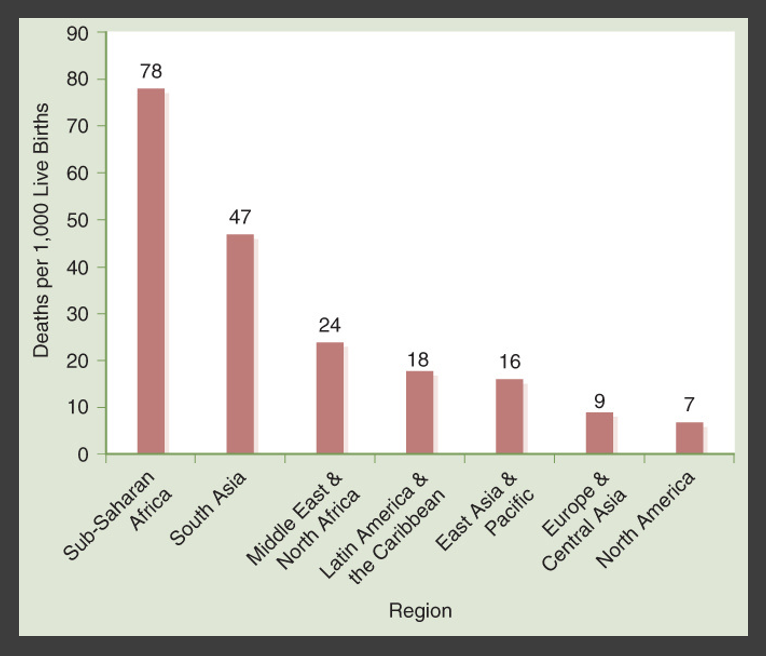
•99% of childhood deaths are in low- and middle-income countries
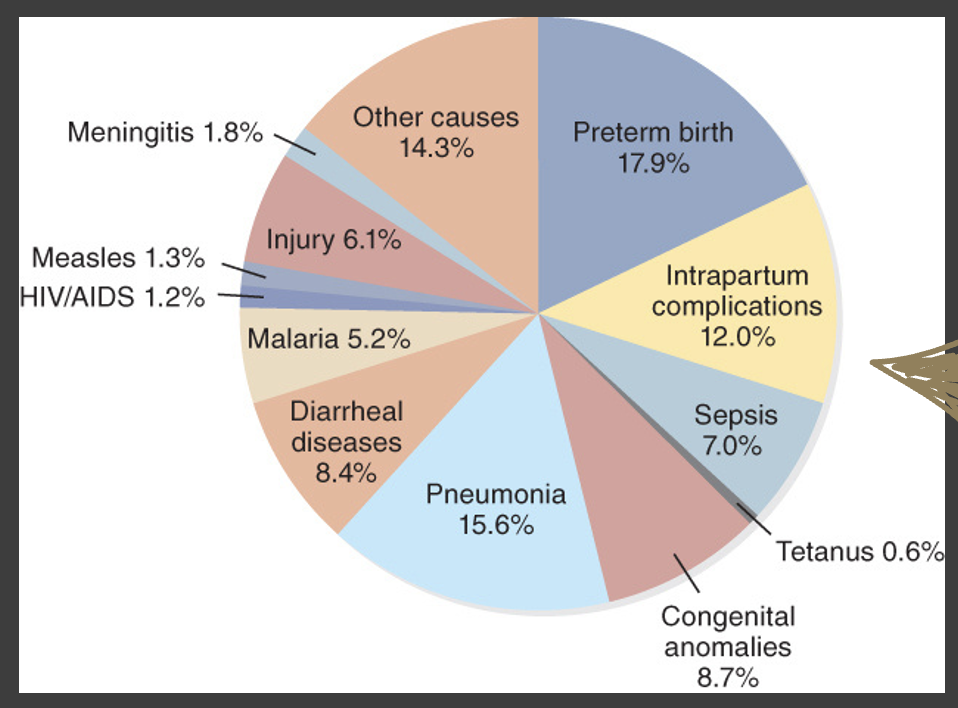
•46% of under-5 child deaths occur among neonates
•General trend is decline, but rates of decline vary considerably by region
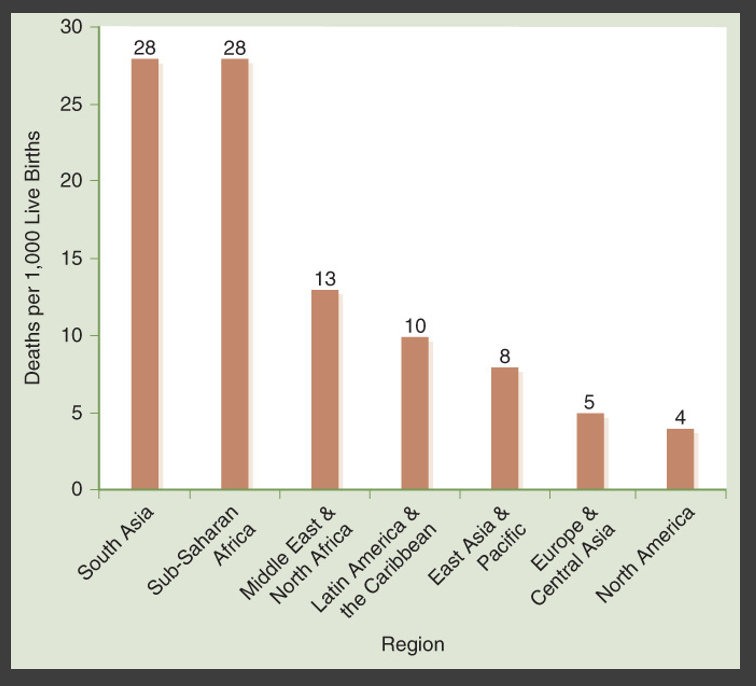
Mortality and the Burden of Disease — Neonates/Region
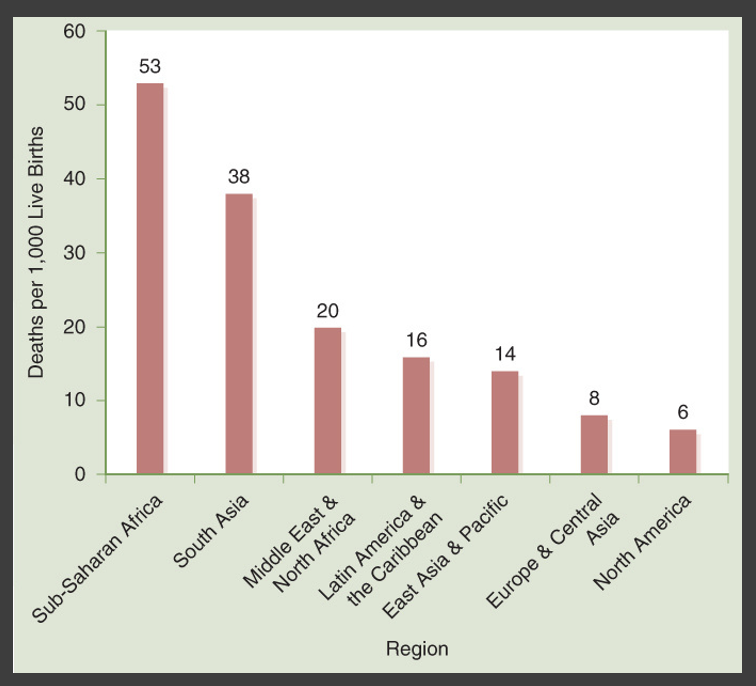
Mortality and the Burden of Disease — Infants/Region
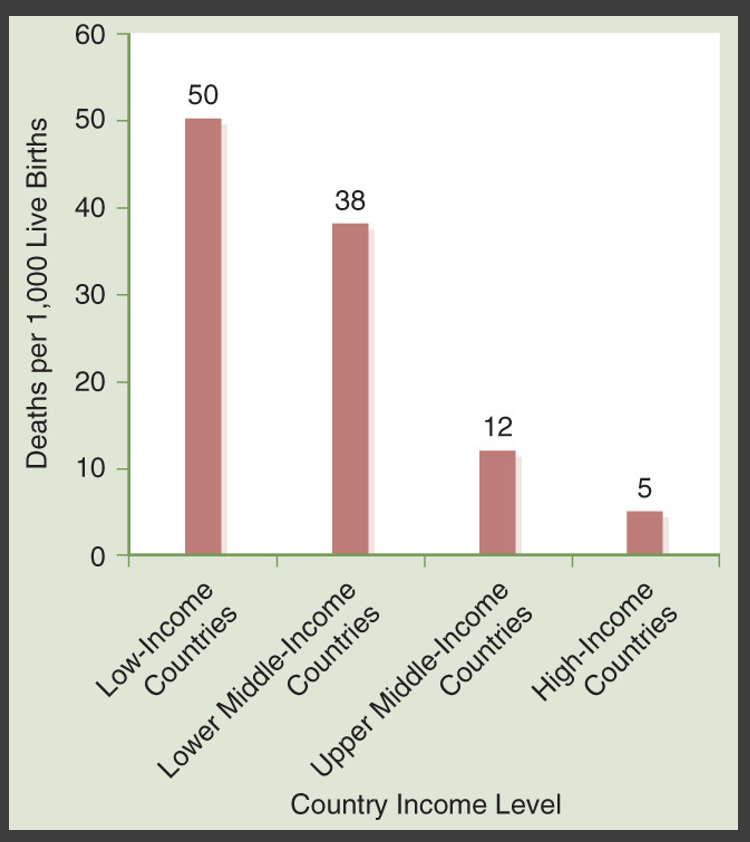
Mortality and the Burden of Disease — Infants/Income
Mortality and the Burden of Disease — Under 5 years/Region
Mortality and the Burden of Disease — pie chart children under 5
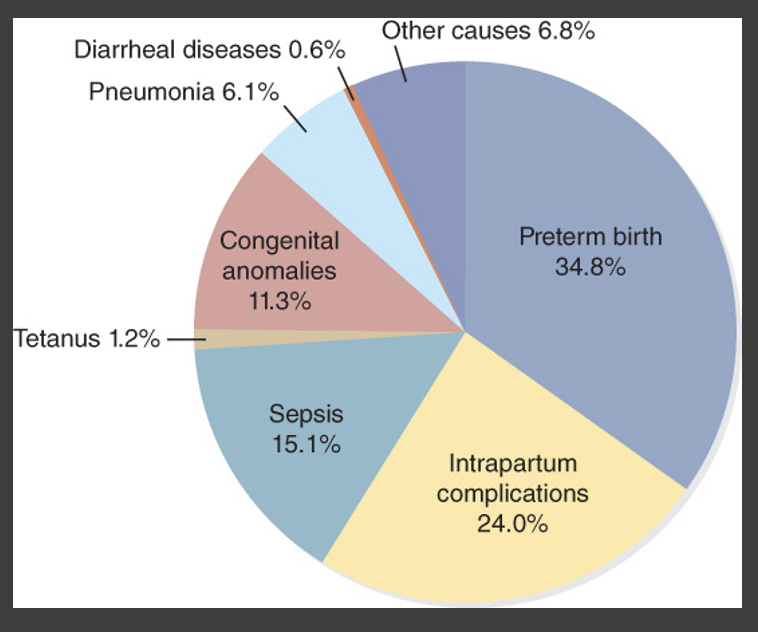
Mortality and the Burden of Disease — pie chart neonatal
Pneumonia
•Children under-5 in low- and middle-income countries average 3–6 acute respiratory infections per year
•More severe and causes higher rates of death in low- and middle-income countries
•Leading infectious cause of death globally in children under-5
Diarrhea
•Second-leading infectious cause of young child death
•Causes dehydration, loss of nutrition or wasting, and damage to the intestines
•Children under-5 in low- and middle-income countries have around 3–4 cases per year; those aged 6–11 months have almost double.
Malaria
•Leading cause of death in children under-5 in sub-Saharan Africa
•Extremely high morbidity; estimate some people in sub-Saharan Africa have about five episodes per year
HIV/AIDS
•In 2017, there were 180,000 newborns infected with HIV and more than 90% of them were in sub-Saharan Africa
•Causes 1.2% of deaths in children under-5
•A newborn has a 15–45% chance of being infected from an HIV-positive.
Measles
•Children under-5 years and vitamin A deficient or HIV-infected are more vulnerable to complications
•Deaths decreased by 80% globally 2000–2016
•Causes 1.3% of deaths in children under-5
Soil-Transmitted Helminths
•Roundworm, hookworm, and whipworm
•270 million pre-school children and 560 million school-aged children live in intense helminth transmission areas
•Infections can lead to severe morbidity, such as iron deficiency anemia
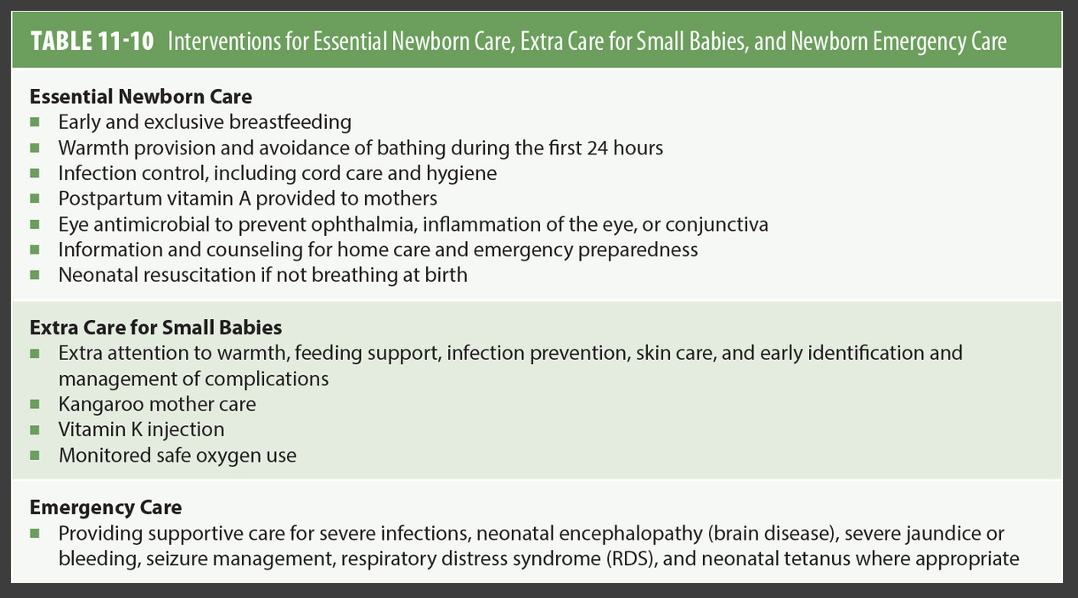
Additional Comments on Neonatal Mortality
•46% of annual under-5 deaths occur within the first month of life
•73% of deaths in first month occur in first week
•Insufficient progress in reducing neonatal death rate
Risk Factors for Neonatal, Infant, and Child Deaths
poverty
maternal health
birth conditions
environmental factors
nutritional status
infections
health care access
education
conflict and displacement
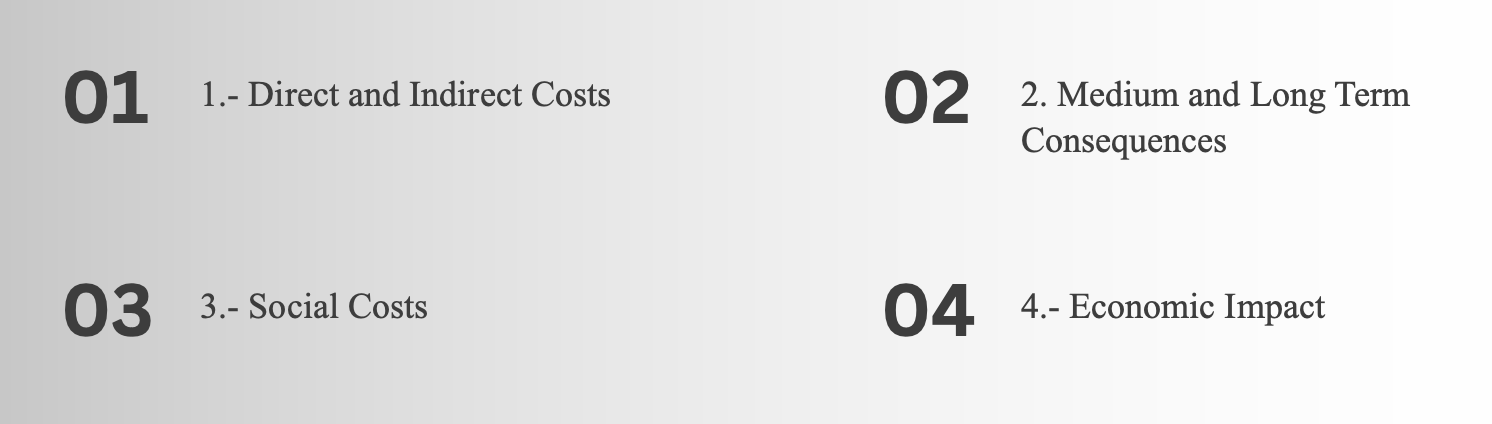
Cost and Consequences of Child Morbidity and Mortality — Economic and Social Impact
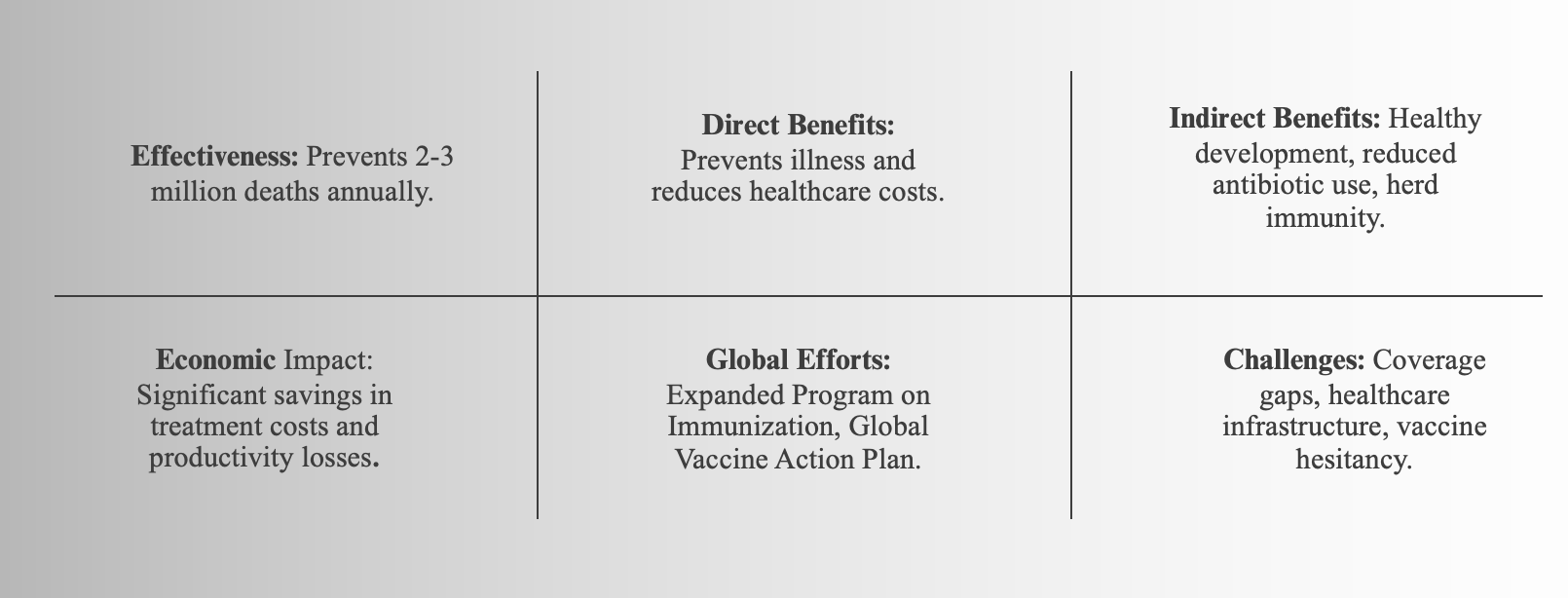
A Best Buy in Global Health — Importance of Immunization
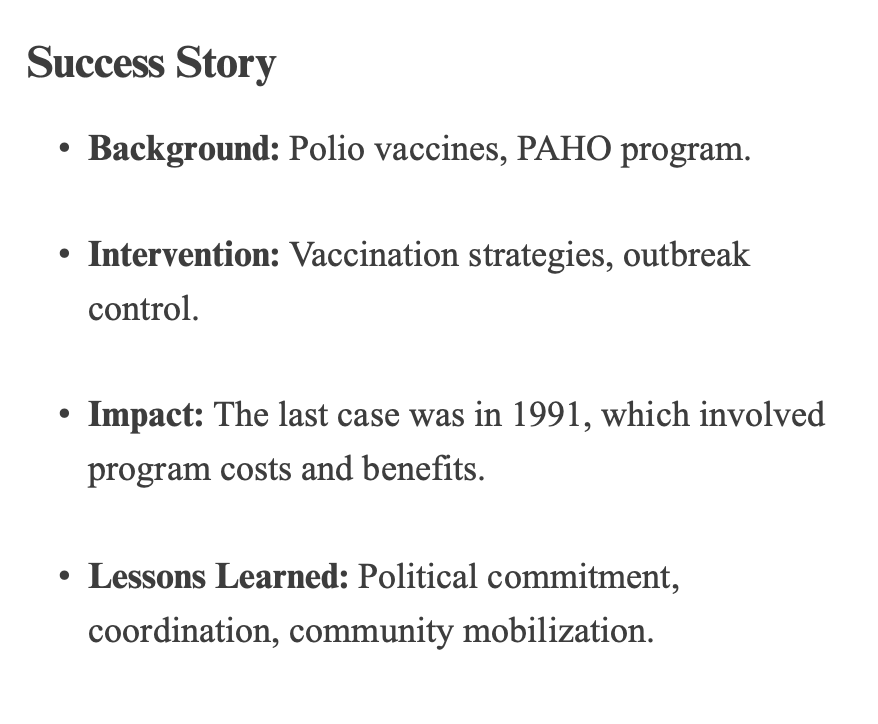
Case Study 1: Eliminating Polio in Latin America and the Caribbean
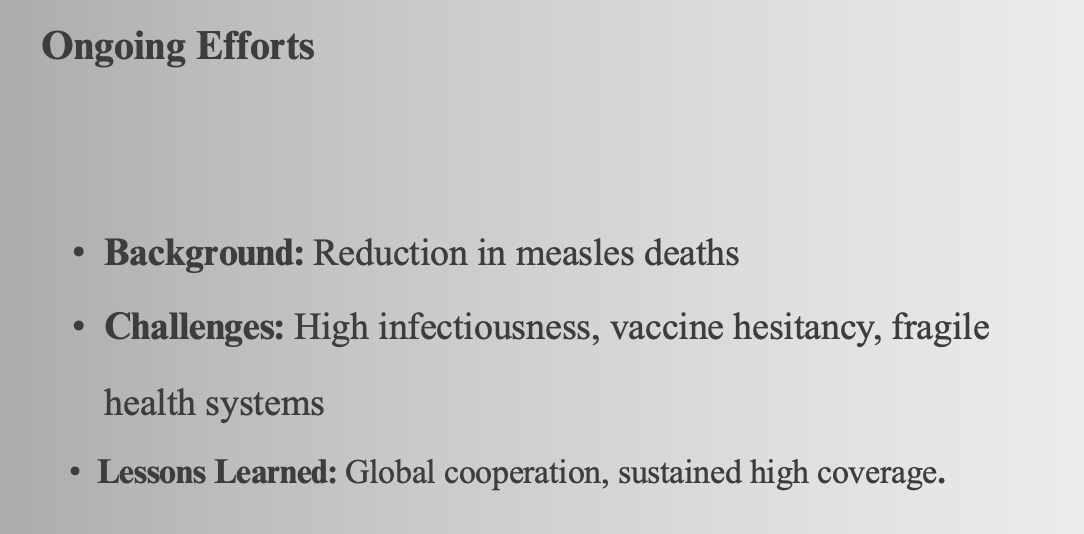
Case Study 2: Measles; Progress and Challenges
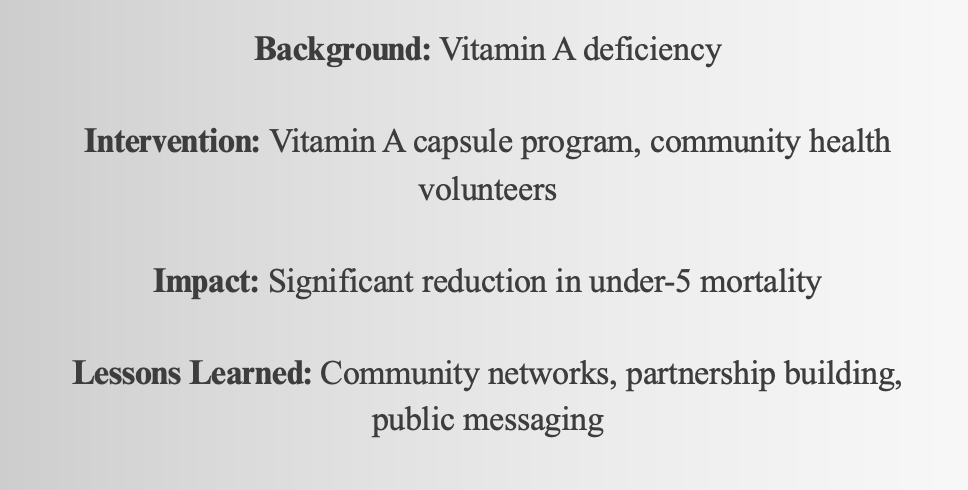
Case Study 3: Reducing Child Mortality in Nepal Through Vitamin A
WHO recommendations for routine immunization
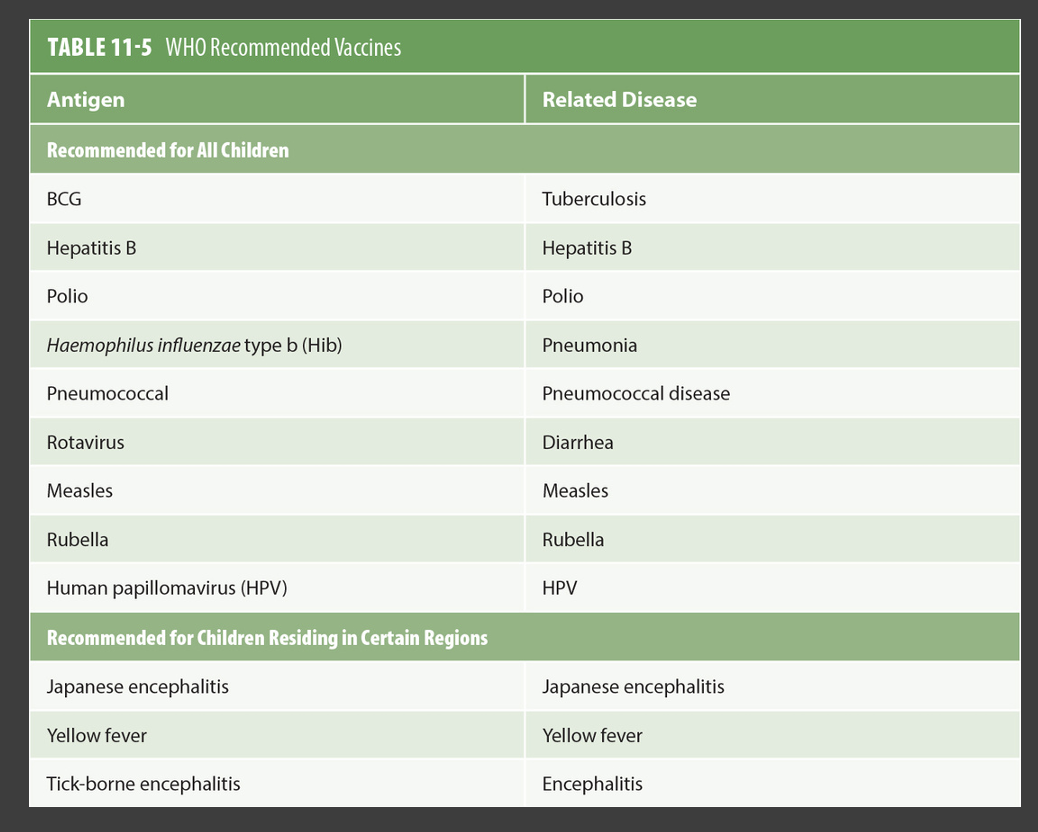
Addressing Key Challenges in Child Health
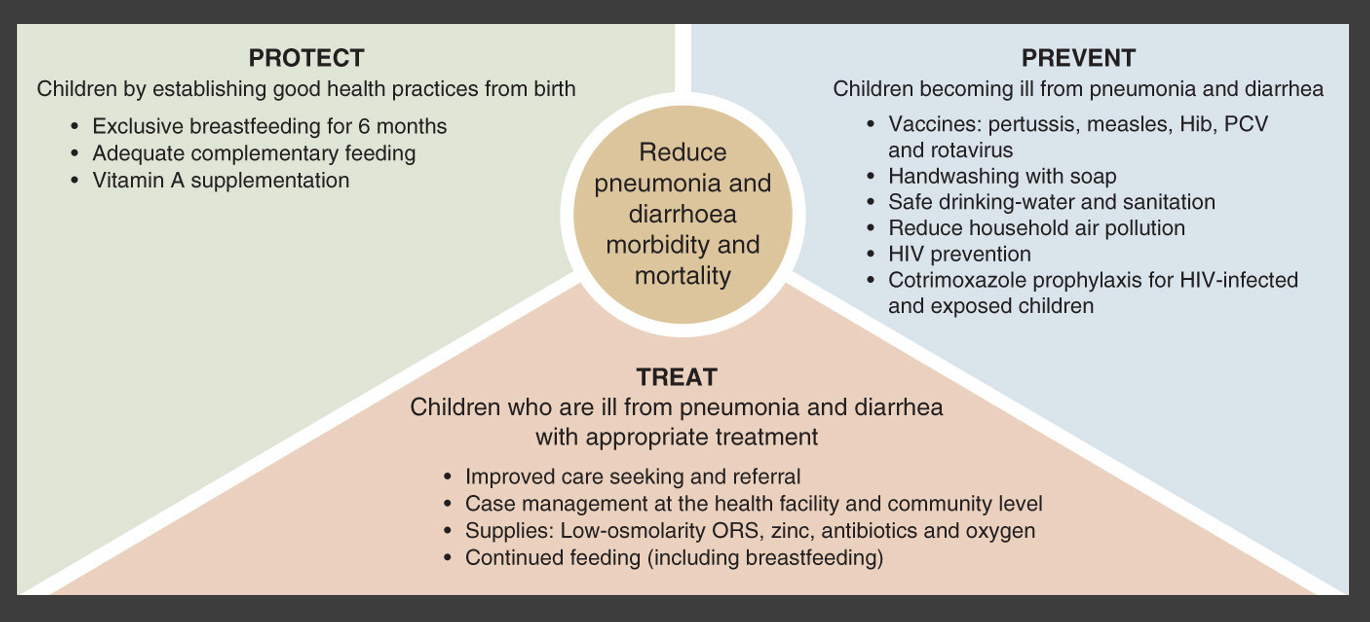
Ending preventable child deaths from pneumonia and diarrhea
Community-Based Approaches to Improving Child Health
•Women’s groups to raise awareness of maternal, fetal, and neonatal issues
•Community-based promotion of hygiene, umbilical cord care, keeping the newborn warm, and exclusive breastfeeding can reduce neonatal mortality 10–40%
The Importance of Adolescent and Young Adult Health
Important health behaviors are set during adolescence
Burden of disease for adolescents and young adults is unique
Important links to the SDGs
Key Definitions for Adolescence Ages
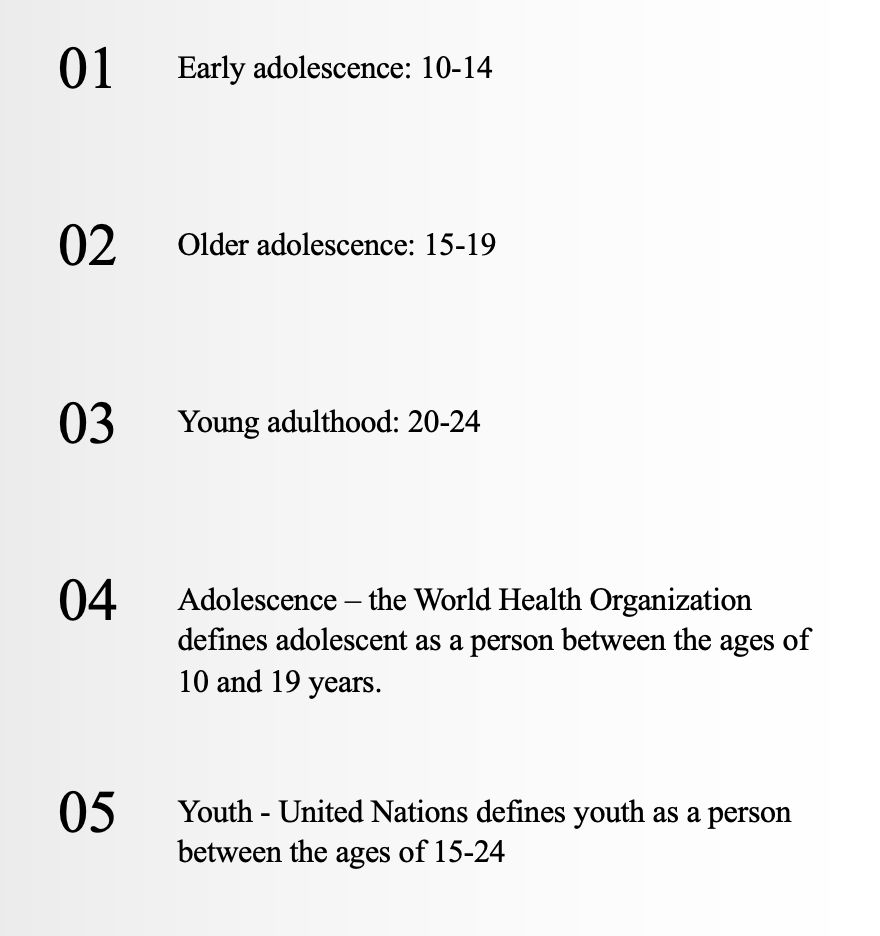
transition period early adolescence
•Physical changes during puberty (menstruation, body hair, perspiration, etc.)
•Improved ability to think abstractly, introspection
•Susceptibility to peer pressure
•Low risk perception
transition period late adolescence
•Continued physical growth
•Improvements in critical thinking, decision making
•Increased independence
•Transition into young adulthood
transition period young adulthood
•Continued physical growth, final organization of adult brain
•Enhanced reasoning and self-regulatory functions, adoption of adult roles and responsibilities
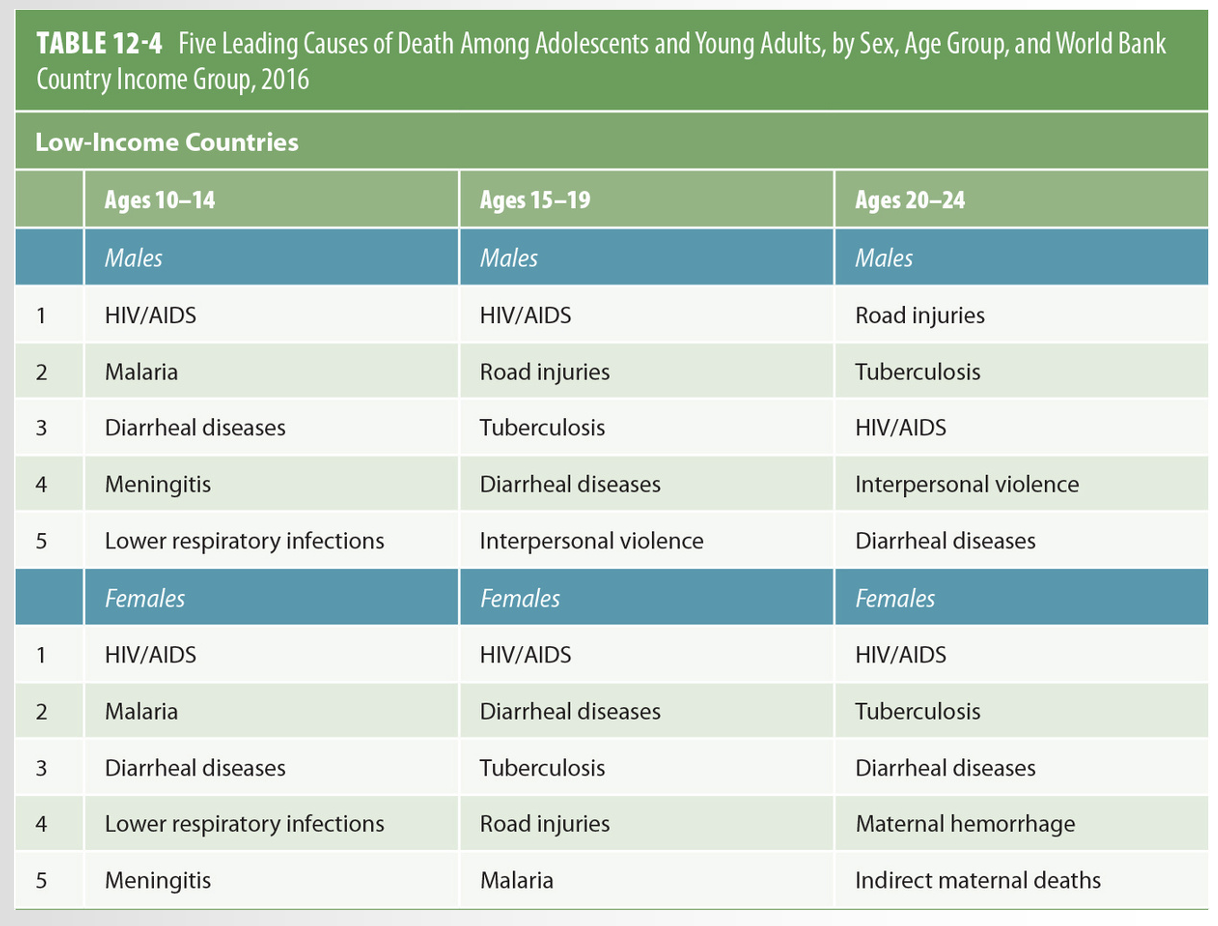
leading cause of death for adolescents low income countries
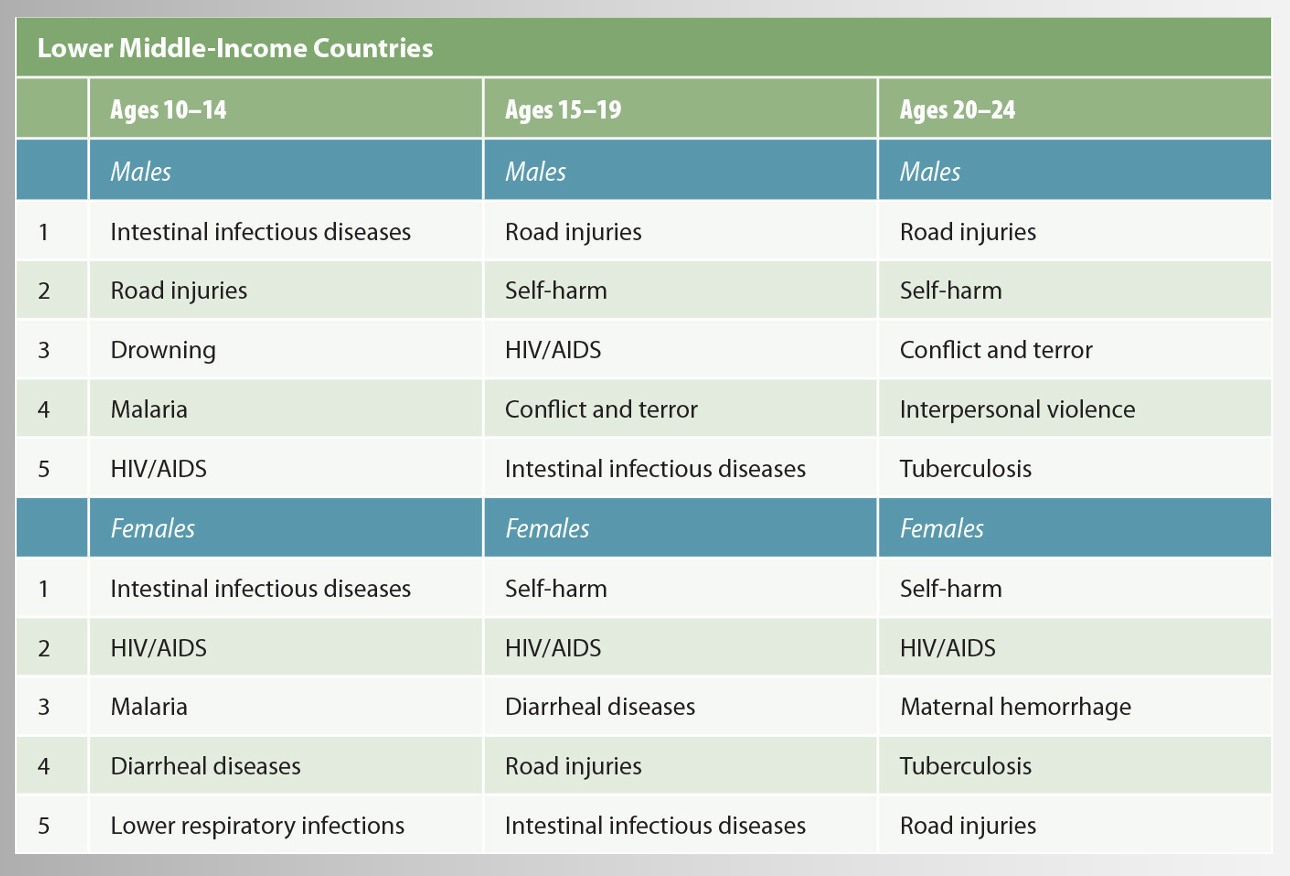
leading cause of death for adolescents lower middle income countries
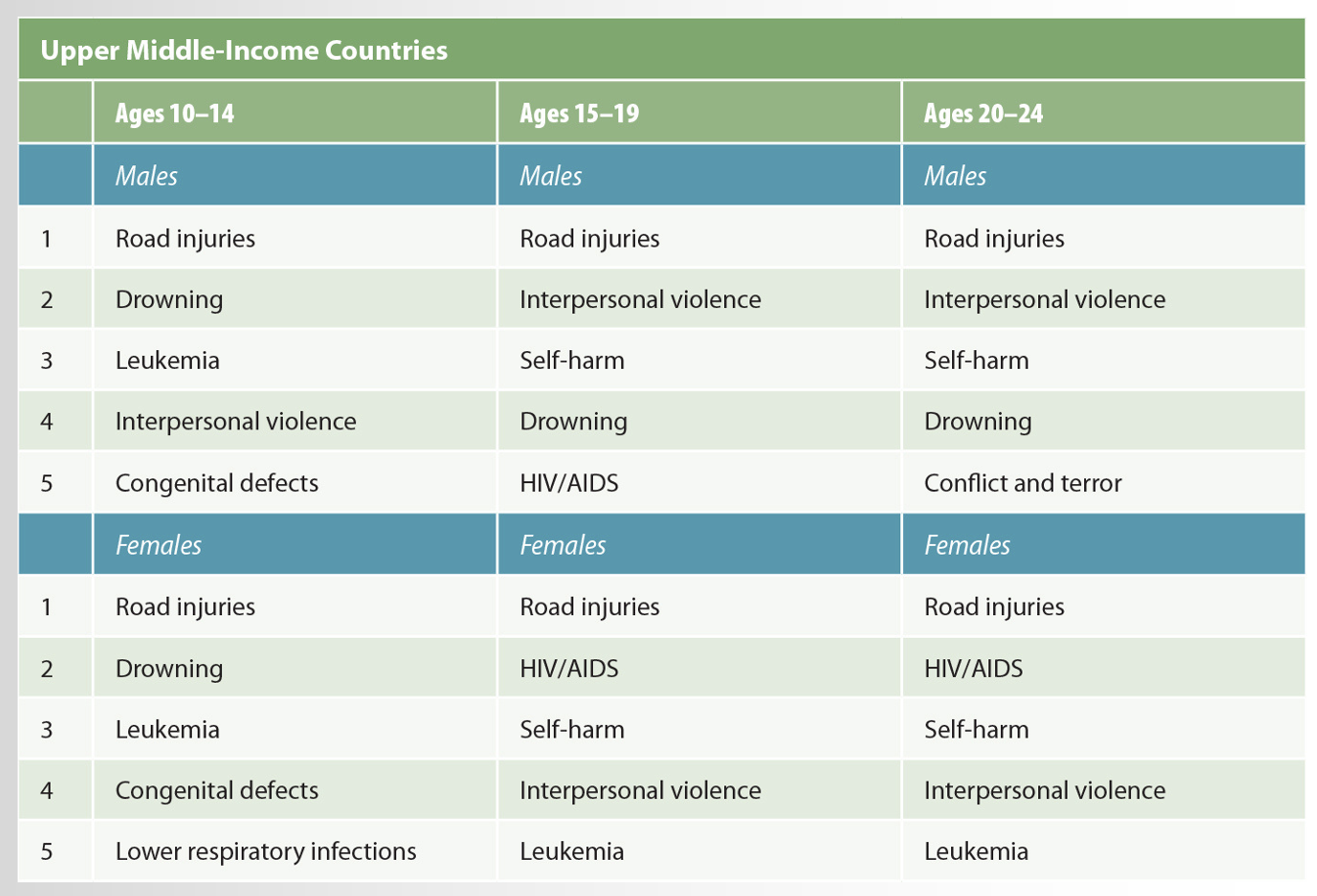
leading cause of death for adolescents upper middle income countries
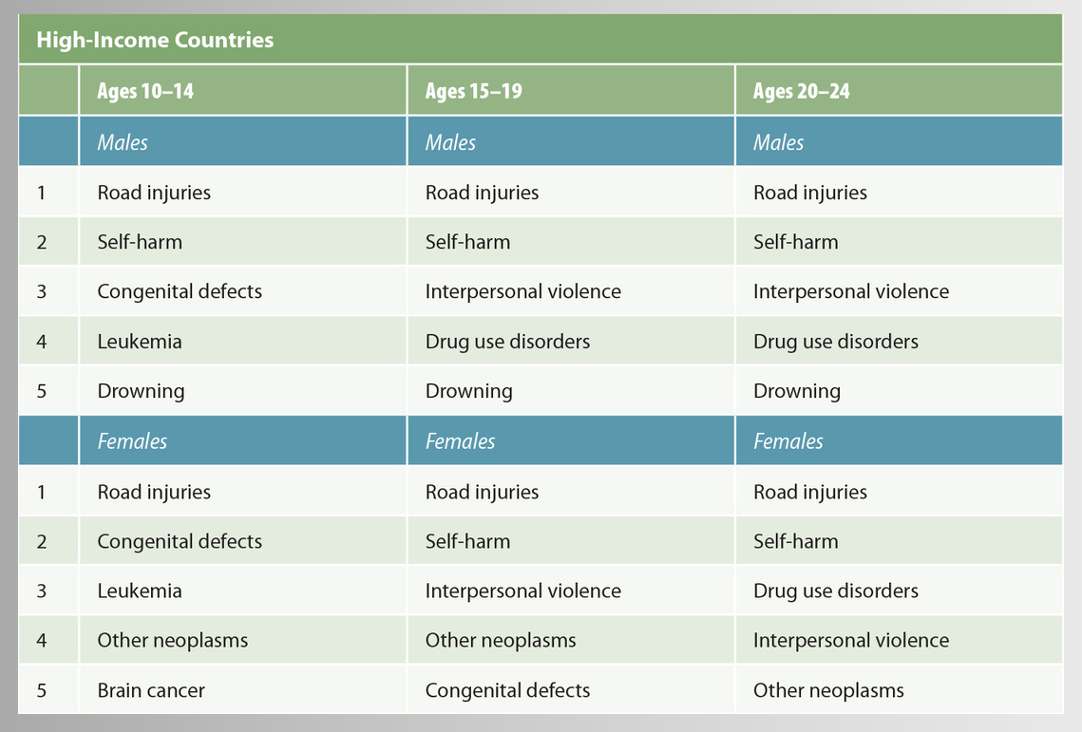
leading cause of death for adolescents high income countries
Leading cause of DALYs
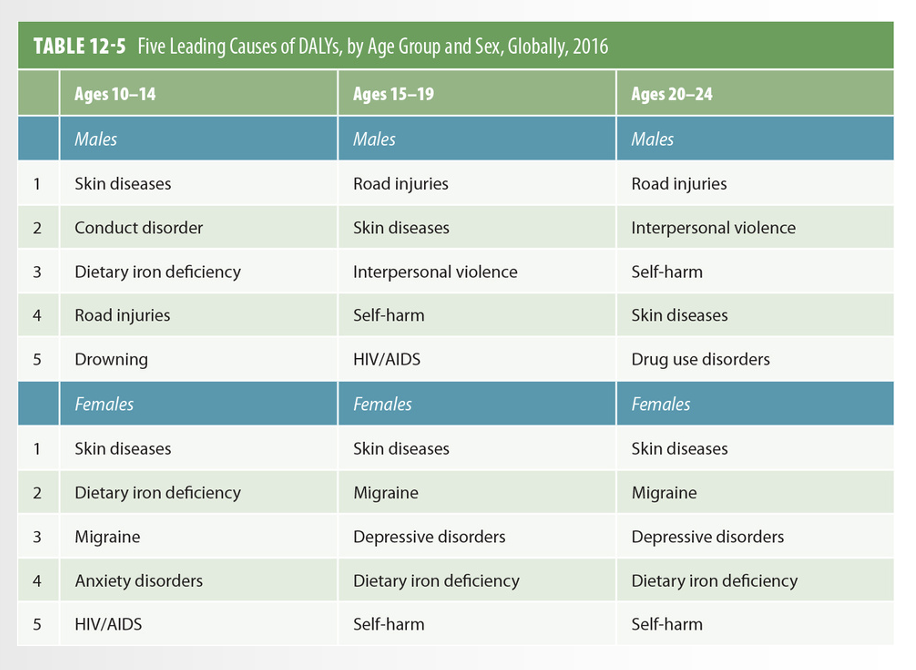
Facts concerning differences in cause of death by sex and age group: younger adolescence
Males:
⚬11% from road injuries,
⚬ 11% diarrhea and intestinal infectious diseases,
⚬9% from drowning
Females:
⚬7% from road injuries,
⚬7% from malaria
⚬13% from diarrheal and intestinal infectious diseases,
Key Facts concerning differences in cause of death by sex and age group: older adolescence
Males:
⚬19% from road injuries,
⚬10% interpersonal violence,
⚬ 7% from self-harm
Females:
⚬10% from self-harm,
⚬9% from maternal disorders,
⚬8% from road injuries
Key Facts concerning differences in cause of death by sex and age group: young adulthood
Males:
⚬20% from road injuries,
⚬12% from interpersonal violence,
⚬10% from self-harm
Females:
⚬13% from maternal disorders,
⚬10% from self-harm,
⚬8% from road injuries
Risk Factors
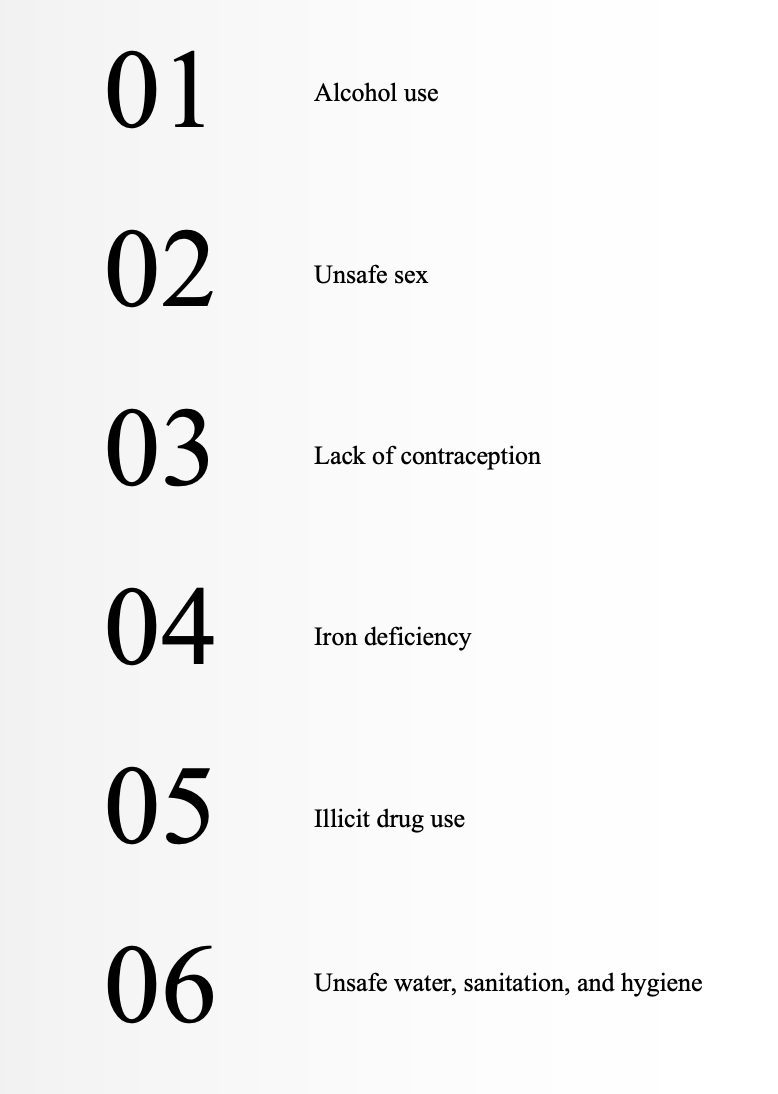
Risk Factors — girls specifically
Adolescent girls in low- and middle-income countries may face particular challenges than adolescent girls face in high-income countries. These include: very time-consuming home-related chores, being married at a young age, or family barriers to continuing schooling
Early Pregnancy and Birth
•There were 44 births per 1,000 older adolescent girls worldwide in 2017
•Three million girls aged 15–19 undergo unsafe abortions every year
•Adolescent girls who give birth are at increased risk for birth complications, infant, and maternal mortality
Iron-deficiency Anemia
•Anemia is closely linked to undernutrition during childhood
•Undernutrition and stunting are prevalent in South Asia, sub-Saharan Africa, and indigenous areas in Latin America
•Leading cause of DALYs among 10 to14 -year-olds
•Long-term consequences: loss of productivity, impaired immune function, cognitive impairment
HIV/AIDS and other STIs
•Two million adolescents are living with HIV/AIDS
•In some countries, 60% of new HIV infections occur in 15 to 24-year-olds
•Concentrated in sub-Saharan Africa
•Alcohol and drug use leading to risky sexual behavior increase the risk of HIV infection
•Girls are at increased risk because of biological differences and gender norms
Other Communicable Diseases
•Increased coverage of childhood vaccinations have decreased measles infections significantly
•Diarrhea, lower respiratory infections, meningitis, and TB remain leading causes of mortality of adolescents and young adults
Noncommunicable Diseases
•Less than 1 in 4 adolescents meet the recommended guidelines for physical activity
•In some countries, as many as 1 in 3 adolescents have obesity
•Rate of smoking is decreasing among adolescents and young adults in high-income countries but increasing in middle-income countries
Mental Health
•Depression is a leading cause of DALYs and self-harm is a leading cause of deaths
•Common mental health issues include anxiety, depression, and conduct disorders
•Related risk factors include violent behavior, risky sexual behavior, and substance abuse
Road Injuries
•Road traffic injuries are the third leading cause of death among those aged 10 to 14 years, and the second leading cause of death among those aged 15-24
•Males are at increased risk because of cultural and behavioral factors
Interpersonal Violence
•A leading cause of adolescent and young adult mortality, resulting in an estimated 180 deaths every day
•Among adolescent males in low- and middle-income countries, 1 in 3 deaths are caused by violence
•Thirty percent of girls aged 15–19 are victims of violence by a partner
Economic and Social Consequences of Adolescent and Young Adult Health Issues
•Essential to maintaining gains made in improving child health
•Health behaviors that set the foundation of adult health status are formed during adolescence and young adulthood
•Future losses to adult productivity and potential
•High costs associated with morbidity, such as, HIV and TB treatment
Health Services and Interventions for Improving Adolescent and Young Adult Health
•Requires a life-course perspective to preventing and treating health issues
•Improve educational and employment opportunities
•Promote universal health coverage to improve access of adolescents and young adults
•Make services more friendly to adolescents and young adults
•Break down data into early adolescence, older adolescence, and young adulthood to better identify group needs
The health of adolescents and young adults is central to…
preserving the gains made in child health and laying a solid foundation for the health of future adults