Clinical Microscopy pt 1
 Call Kai
 Learn
Learn Practice Test
 Spaced Repetition
 Match
Match Flashcards
 Knowt Play
1/62

There's no tags or description
Looks like no tags are added yet.
Name | Mastery | Learn | Test | Matching | Spaced | Call with Kai |
|---|
No analytics yet
Send a link to your students to track their progress
63 Terms
Increased
__change occuring in unpreserved urine
Color
Odor
pH
Nitrite
Bacteria
Decreased
__change occuring in unpreserved urine
Clarity
Glucose
Ketones
Bilirubin
Urobilinogen
RBC, WBC, & Casts
Trichomonas
urochrome
Pigment of urine
9
pH of urine is normally 4.5-8.0
pH of unpreserved urine >___
protein
What is least affected by improper preservation
Bilirubin, Urobilin, Phenazopyridine
Dark yellow/ Amber/ Orange urine
Pathologic causes: ___ & ___
Nonpathologic causes: ___
Porphyria, Hematuria, Hemoglobinuria, Myoglobinuria
Red/ Pink/ Brown urine
Pathologic causes: ___, ___, ___, ___
Nonpathologic causes:
Menstrual contamination
Beets and blackberries consumption
Medications: Rifampin, Phenothiazine, Phenindione, Phenolphthalein
Alkaptonuria, Melanuria
Brown/ Black urine
Pathologic causes: ___, ___
Nonpathologic causes:
Menstrual contamination
Beets and blackberries consumption
Medications: Methyldopa, Levodopa, Phenol derivatives, Metronidazole
UTI, Intestinal tract infection
Blue/ Green urine
Pathologic causes: ___ by P. aeruginosa, ___ by indican
Nonpathologic causes:
Chlorets
Medications: Amitriptyline, Methocarbamol, Methylene blue, Azure A
Acidic
__urine pH
High protein diet
Cranberry
Diabetes mellitus
Diarrhea
Dehydration
Emphysema
E.coli (acid producing organism)
UTI medications
Starvation
Alkaline
__urine pH
High vegetable and fruit diet
Hyperventilation
Renal tubular acidosis
Vomiting
Urease-producing bacteria
Old specimen/ improperly preserved specimen
Postprandial specimen
Urine Nitrite
Clinical significance
Cystitis and pyelonephritis
Evaluate antibiotic therapy
Monitor patients at high risk of UTI
Screen urine culture specimen
Leukocyte Esterase
Indicates presence of pyuria and inflammatory process occurring in the kidney or urinary tract
Esterase may be present in:
Clinical significance
Urinary Tract Infection
Inflammation of the urinary tract
Screening of urine culture specimens
Acidic Normal Crystals
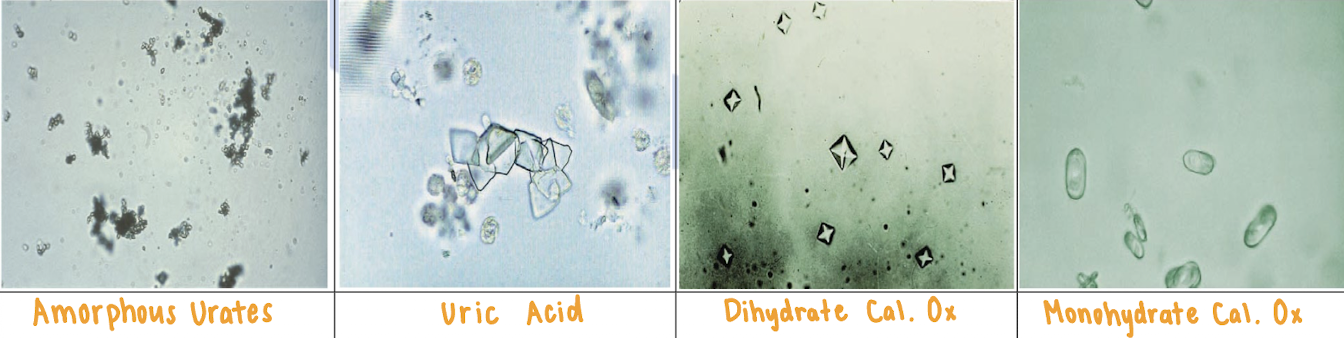
Amorphous Urates
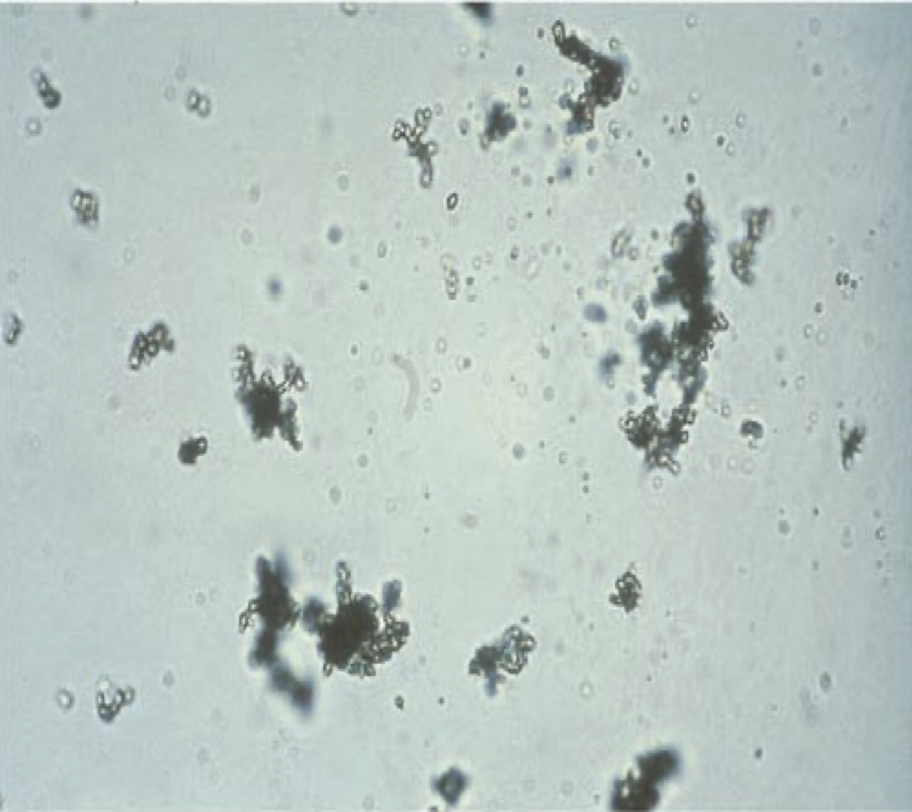
Uric Acid
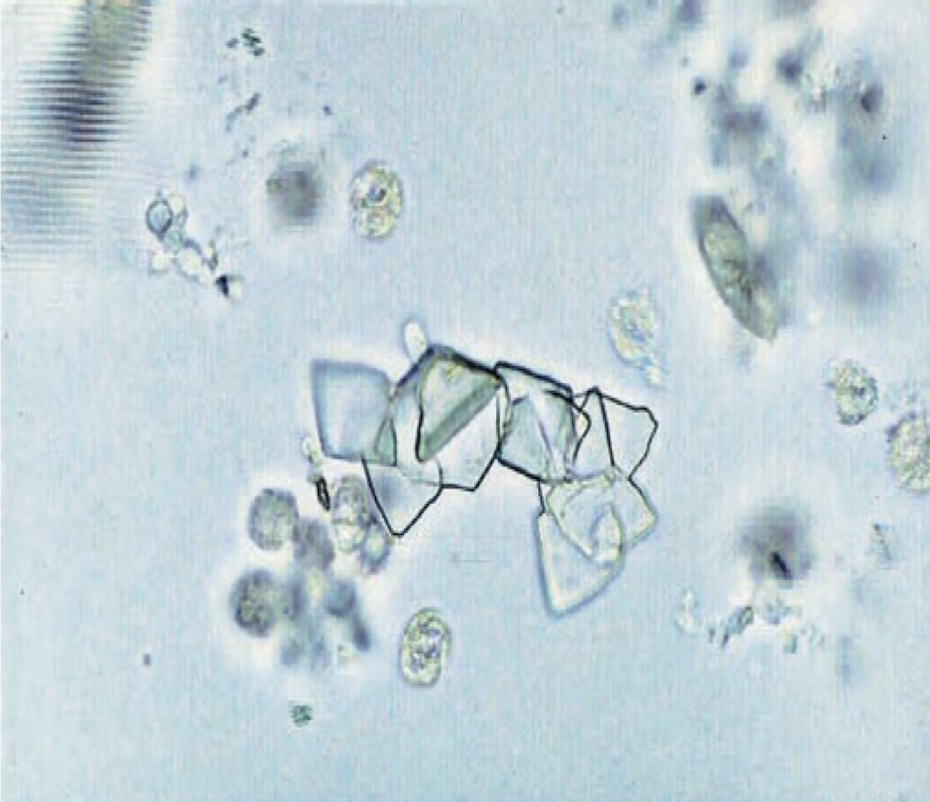
Dihydrate Calcium Oxalate
Monohydrate Calcium Oxalate
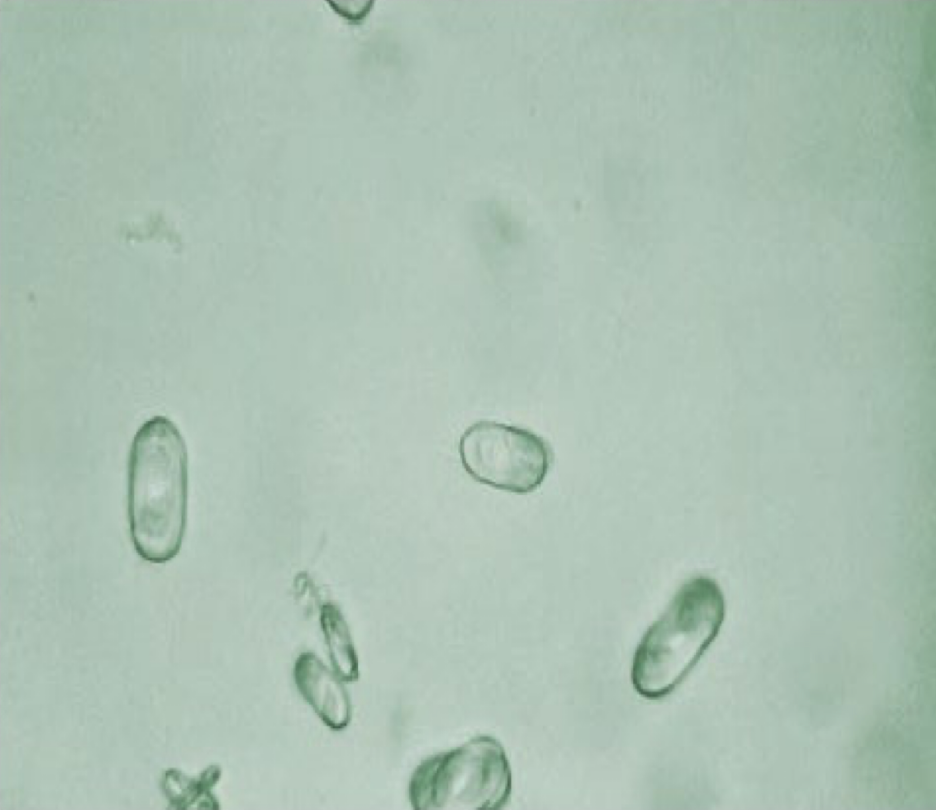
Alkaline Normal Crystals
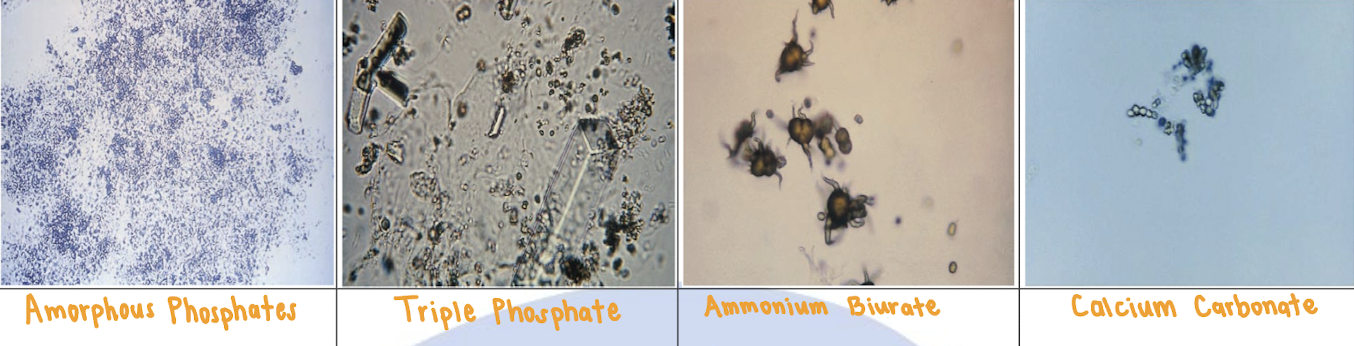
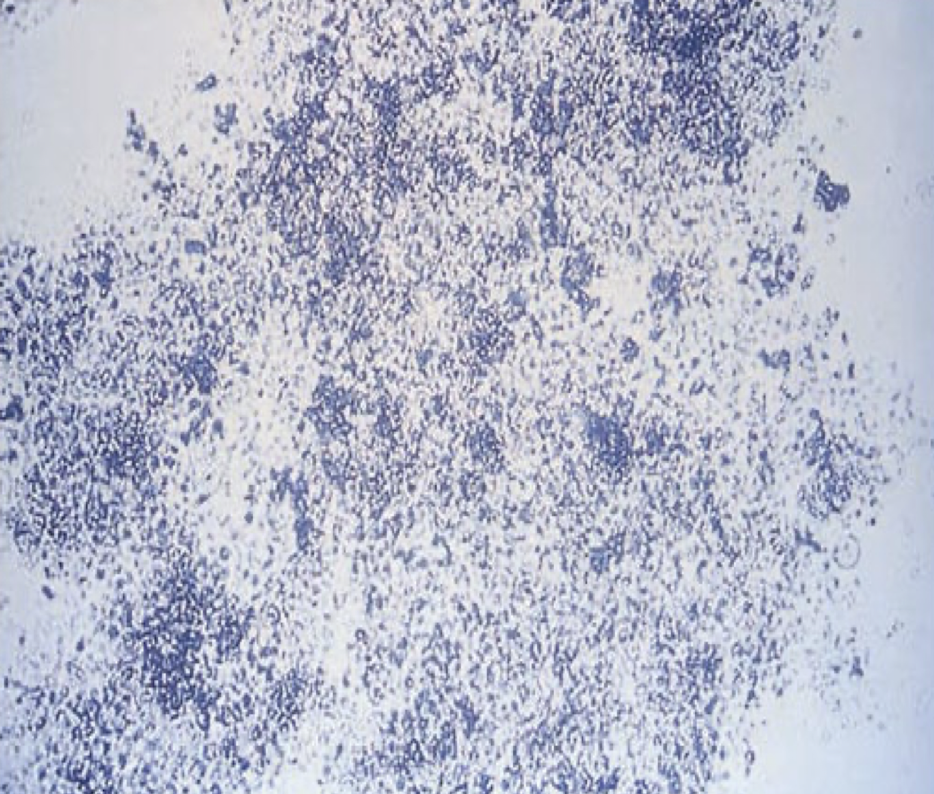
Amorphous Phosphates
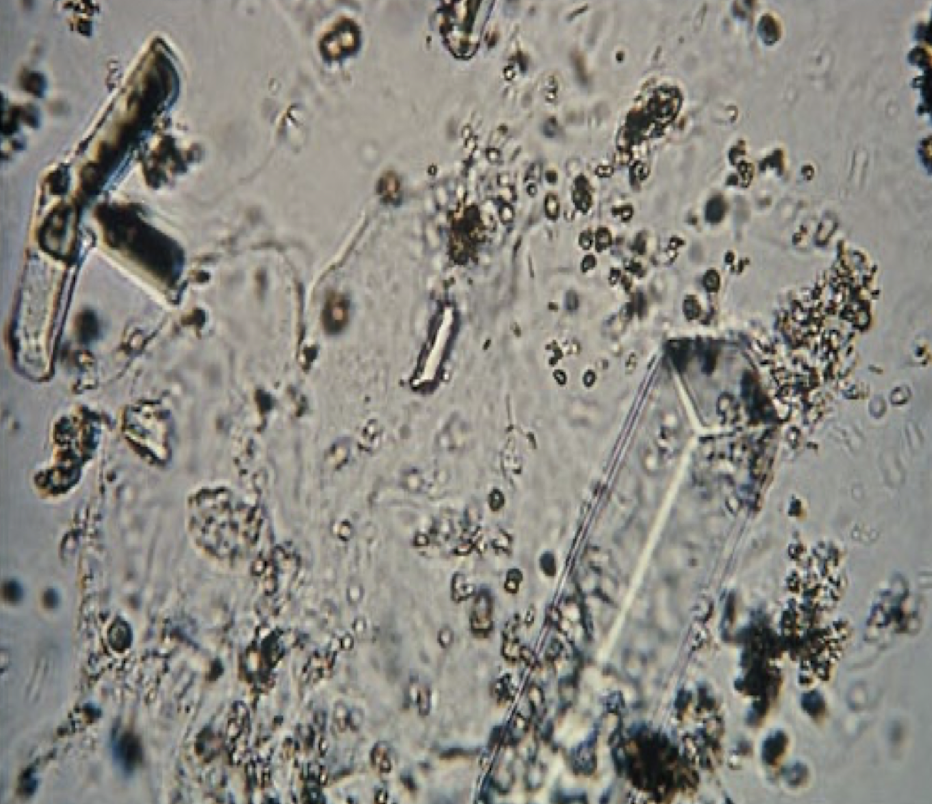
Triple Phosphate
Ammonium Biurate
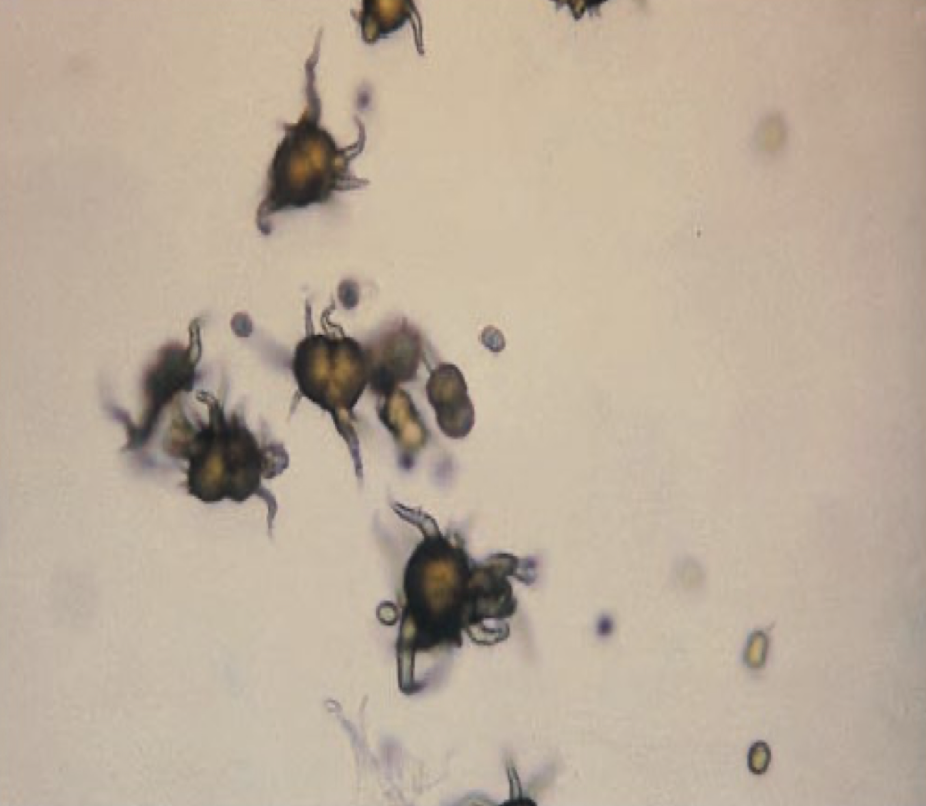
Calcium Carbonate
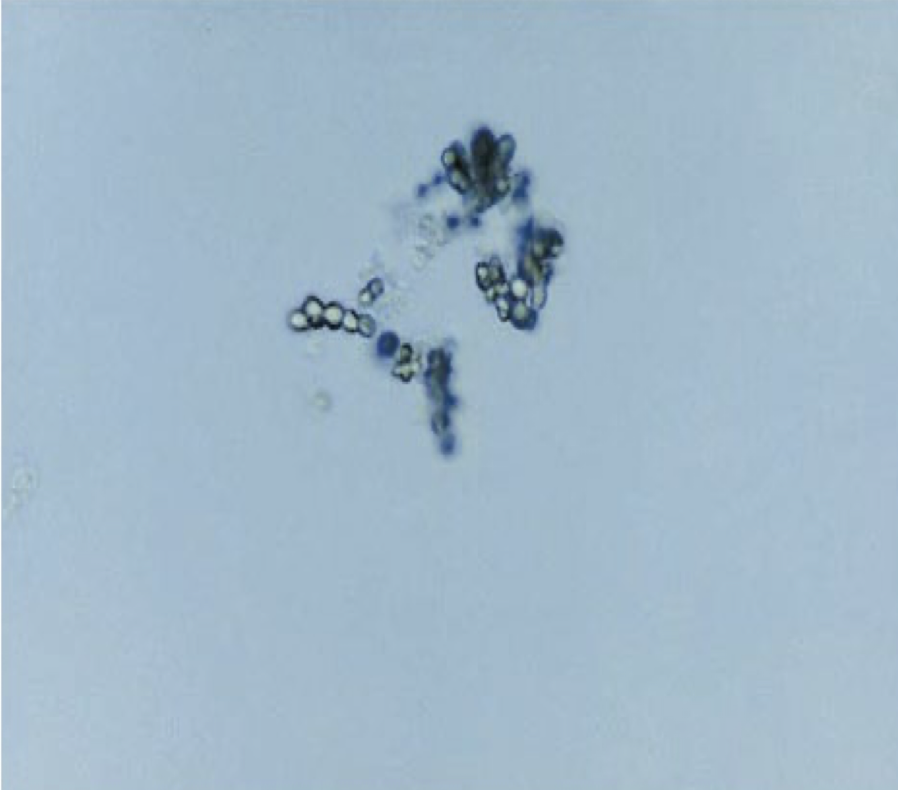
Acidic Abnormal Crystals
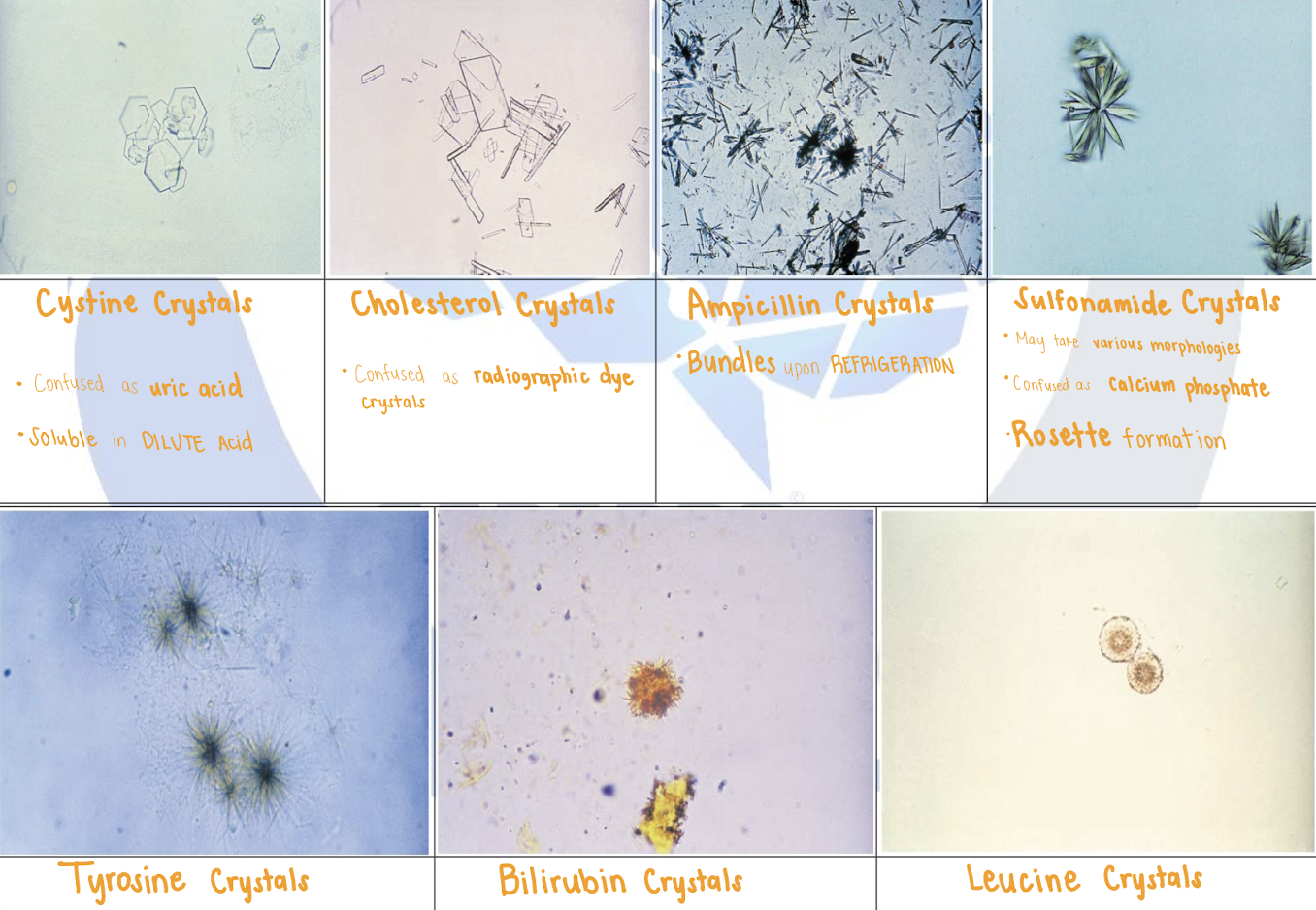
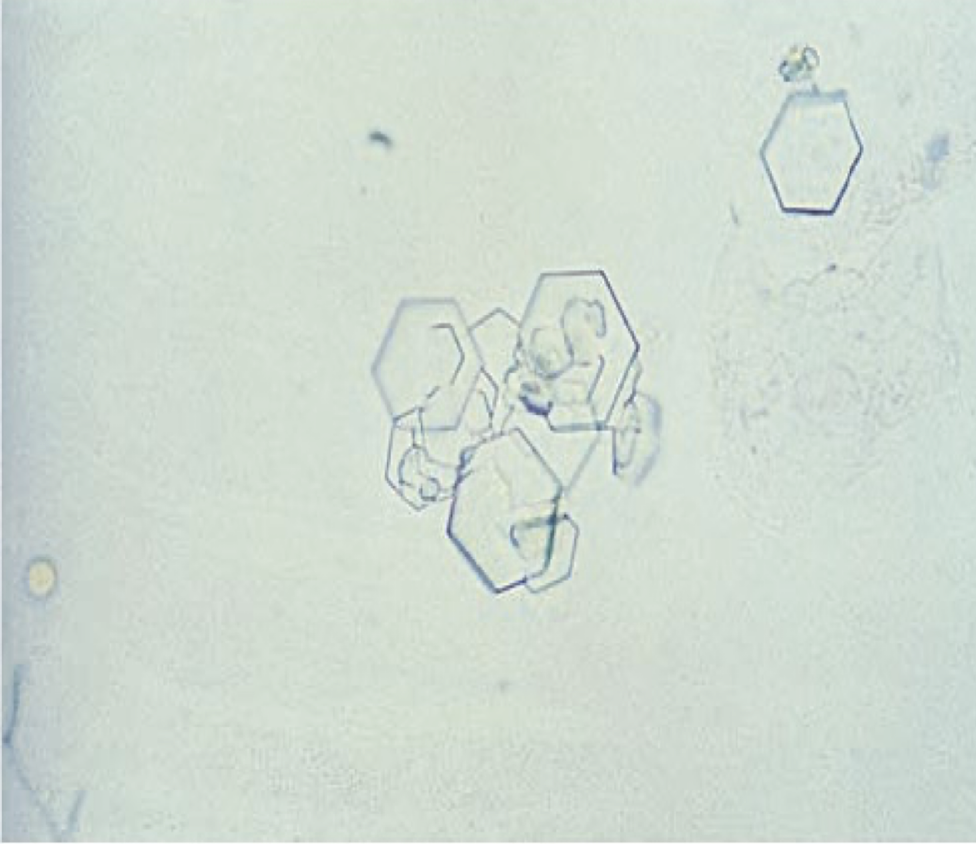
Cystine
Cholesterol
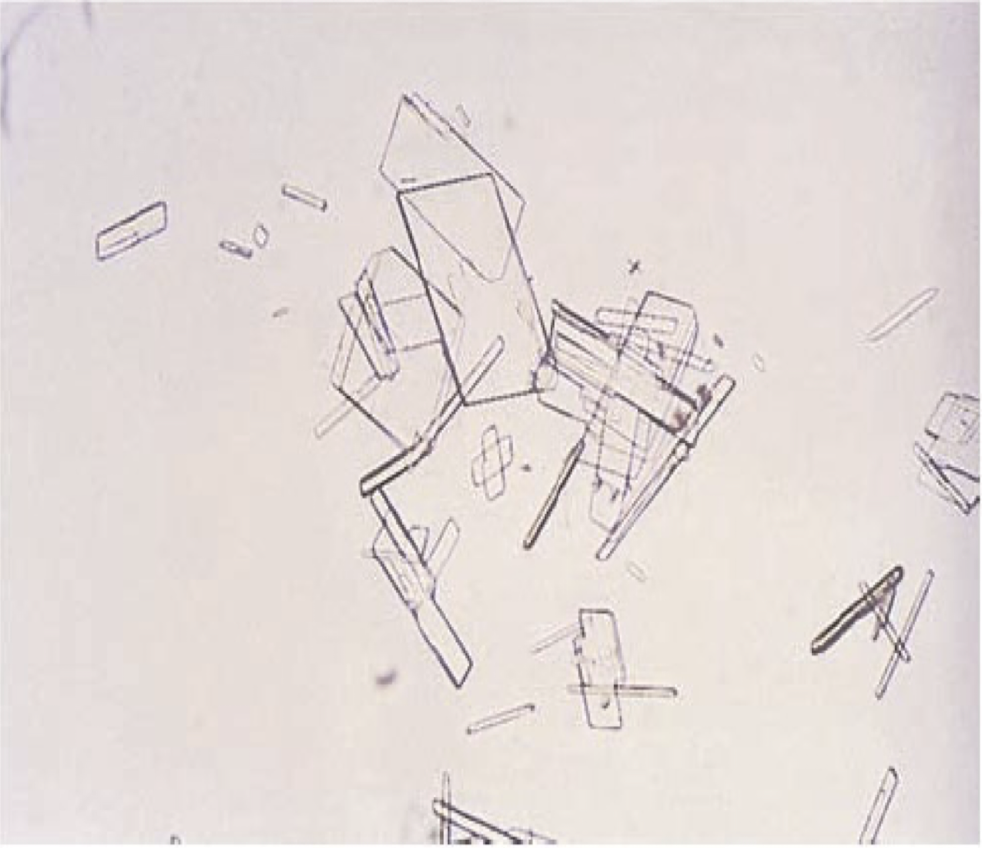
Ampicillin
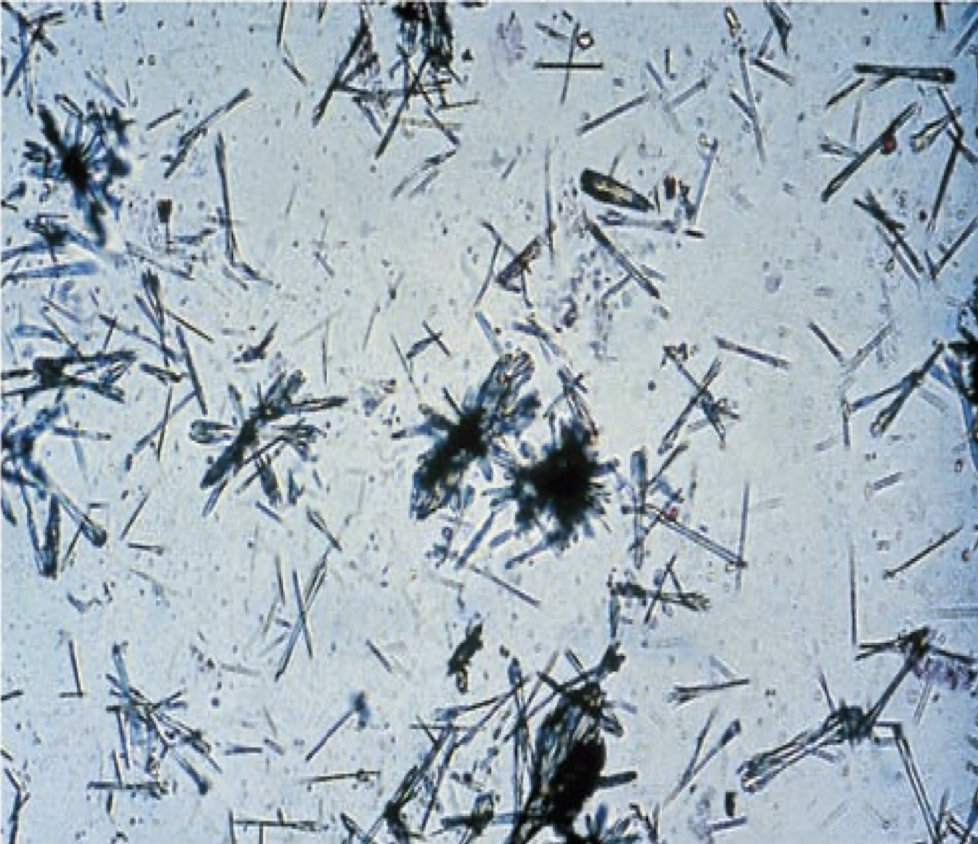
Sulfonamide
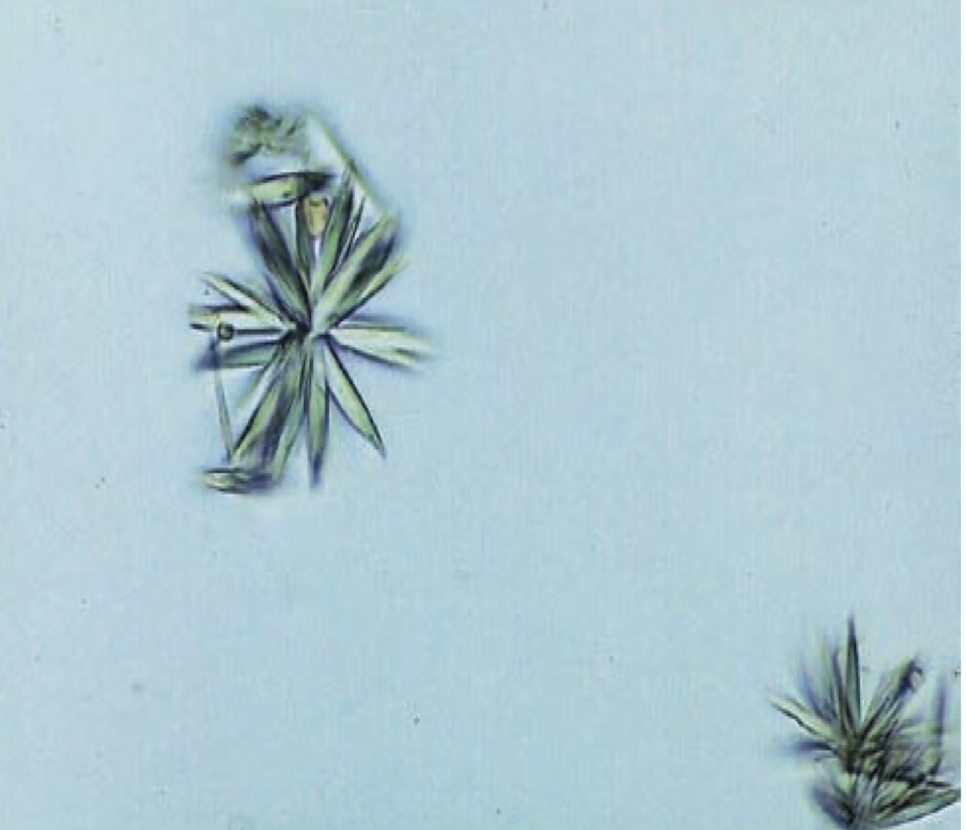
Tyrosine
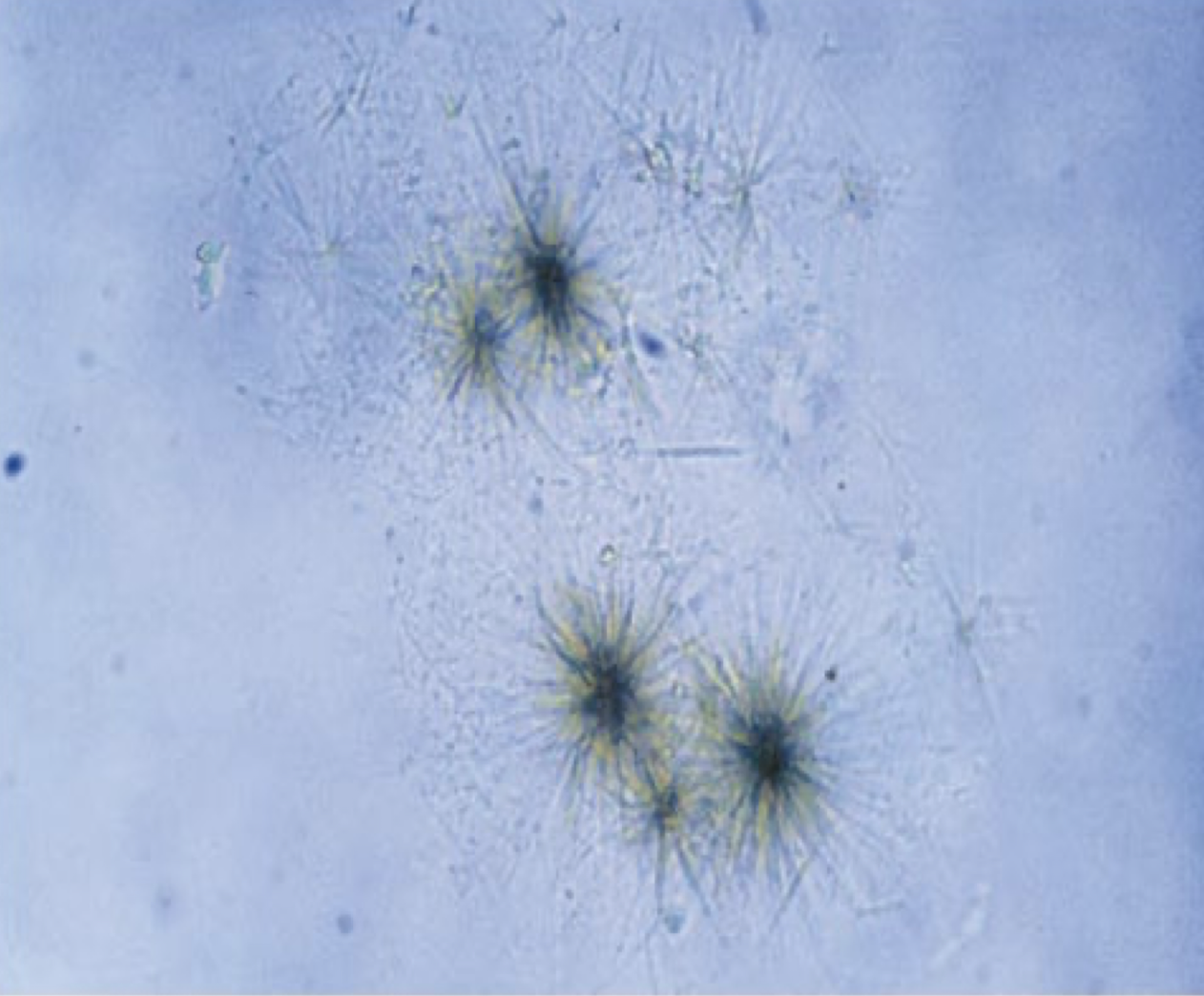
Bilirubin
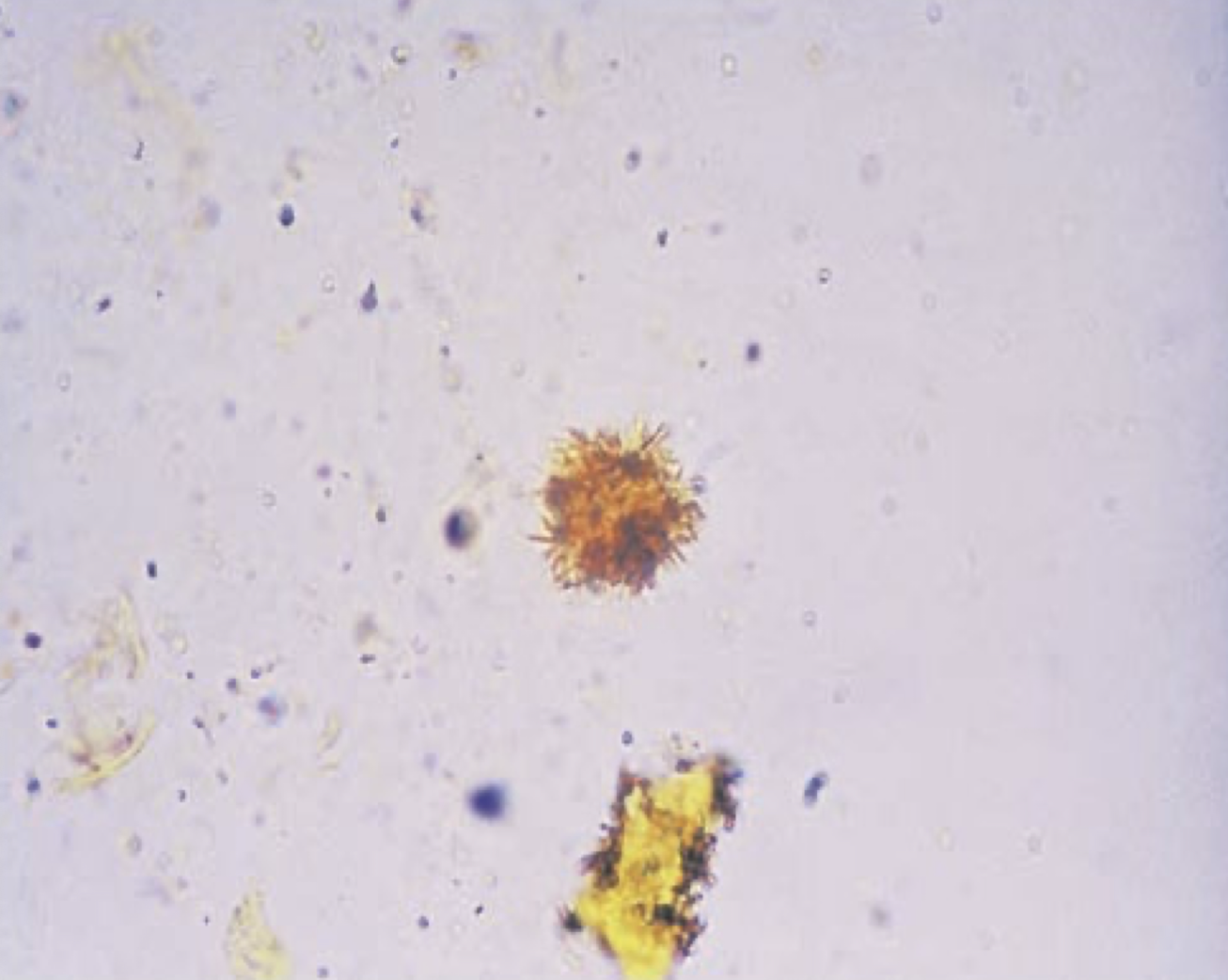
Leucine
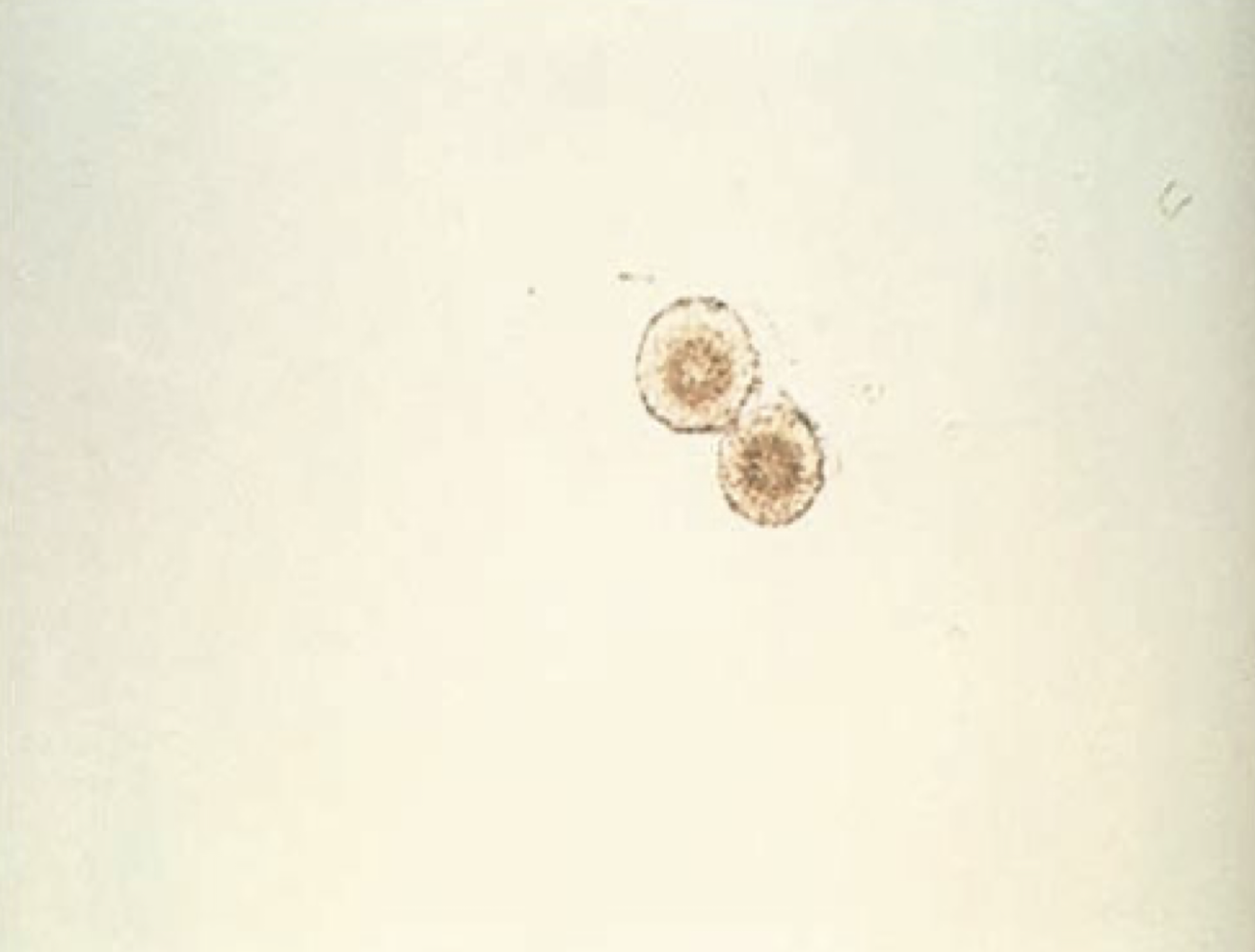
Casts
Only element found in the urine that are unique to the kidneys
Formed primarily within the lumen of distal convoluted tubules and collecting ducts
Formation is favored by urine stasis, acid urine and sodium and calcium presence
Tamm-Horsfall protein or uromodulin serves as the matrix of cast formation, produced by the RTE
Cyclindroids are casts with tapered ends produced at the junction of ALH and DCT
Hyaline, Cellular, Granular, Waxy
Order of cast degeneration
___→___→___→___
Hyaline cast
Only normal and most frequently seen cast
Colorless, homogenous and has same RI with urine
Consist almost entirely Tamm Horsfall protein
Nonpathologic: strenuous exercise, dehydration, heat exposure, emotional stress
Pathologic: acute glomerulonephritis, pyelonephritis, chronic renal disease, congestive heart failure
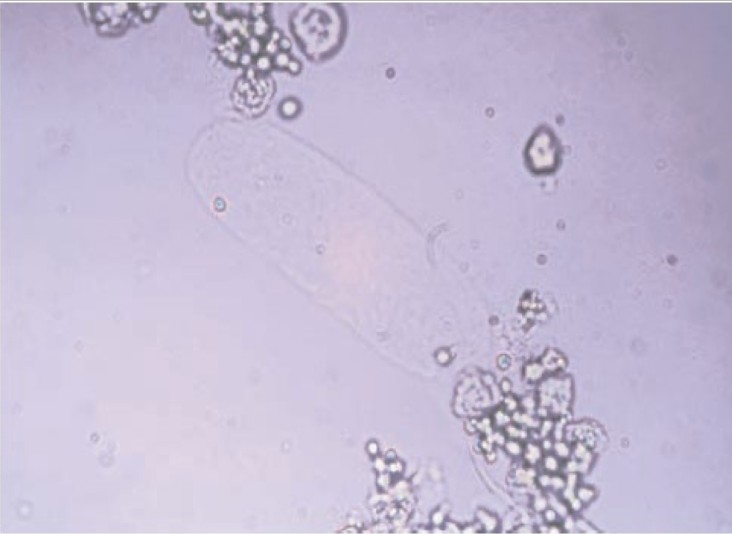
Red blood cell cast
Orange-red color, cast matrix containing RBC
Glomerulonephritis, strenuous exercise
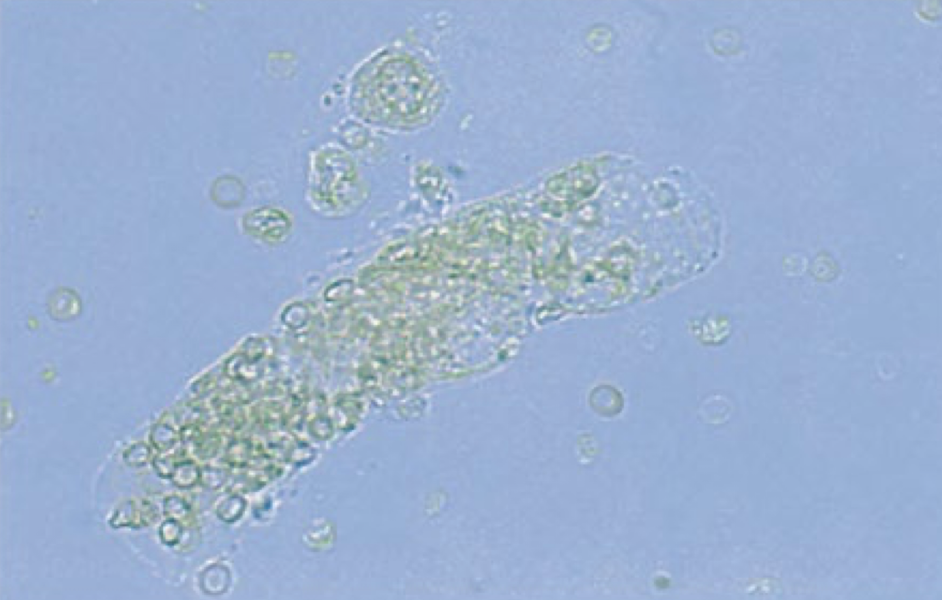
White blood cell cast
Cast matrix containing WBCs
Pyelonephritis, Acute interstitial nephritis
Presence indicates the need to perform bacterial cultures
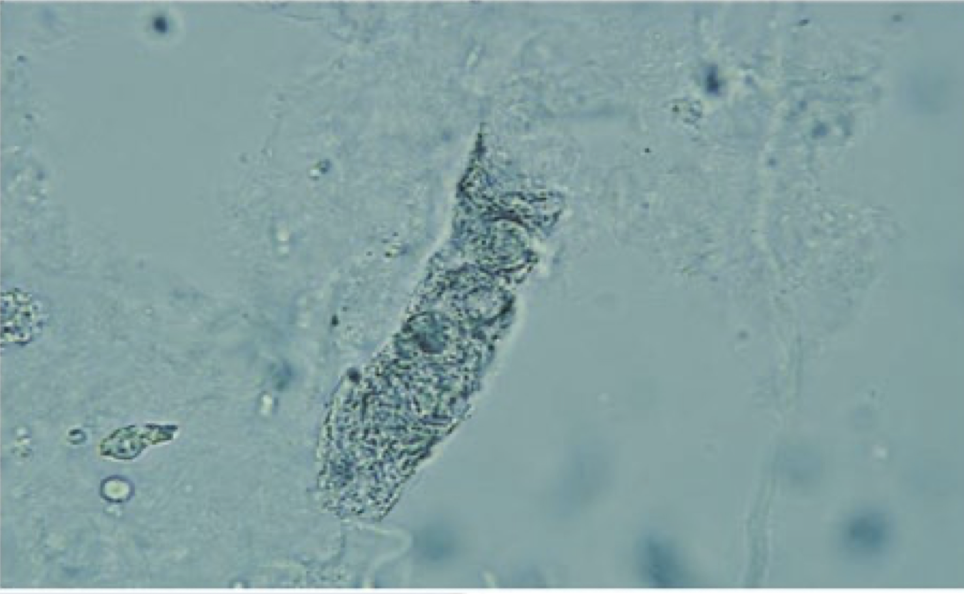
Epithelial cell cast
RTE cells attached to protein matrix
Renal tubular damage
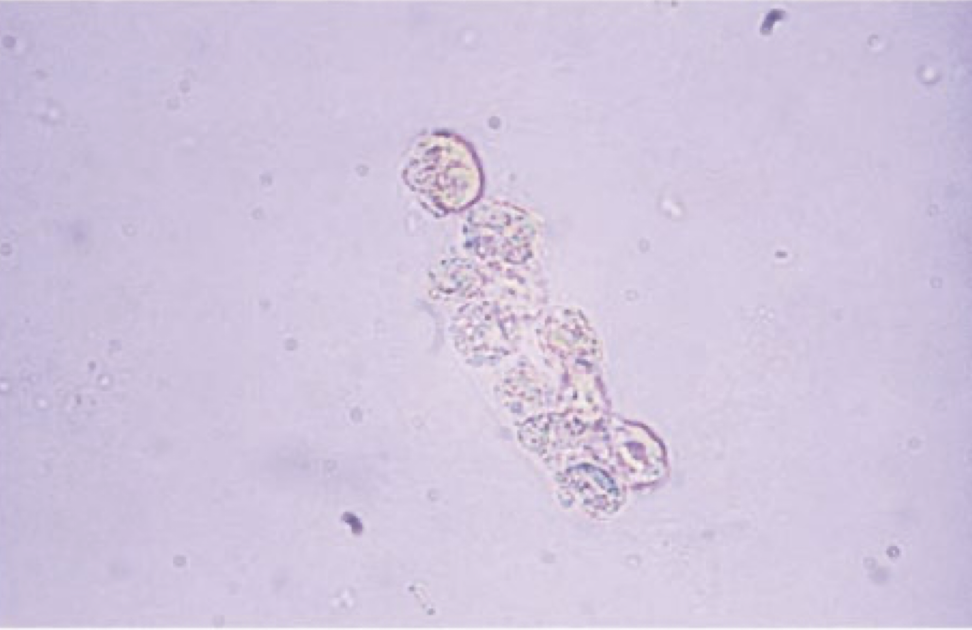
Granular cast
Coarse and fine granules in a cast matrix
Glomerulonephritis, Pyelonephritis, stress and exercise
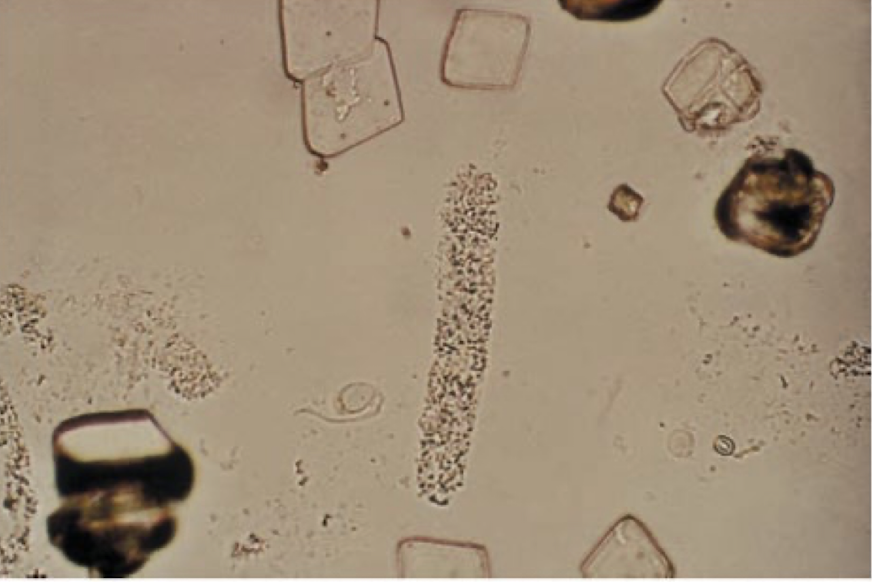
Waxy cast
Highly refractile casts with jagged edges and notches
Stasis of urine flow, chronic renal failure
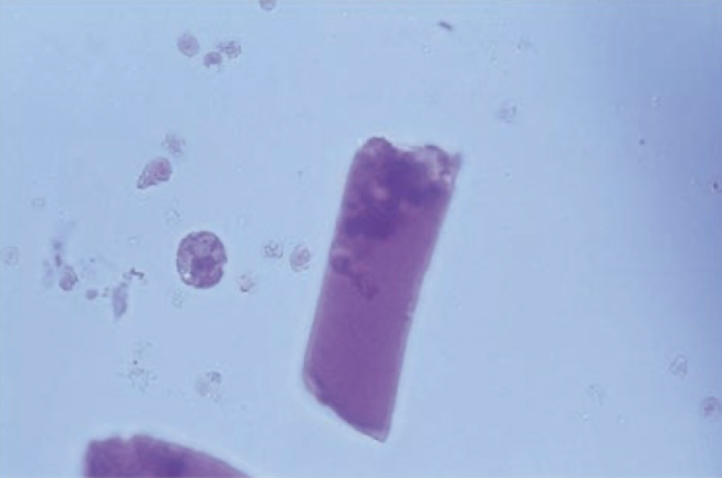
Fatty cast
Fat droplets and oval fat bodies attached to a protein matrix
Nephrotic syndrome, toxic tubular necrosis, diabetes mellitus, crush injuries
Broad cast/ Renal Failure cast
Wider than normal cast matrix
Indicates distention of tubular lumen
Granular and waxy casts are the most common broad casts
Bile-stained broad, waxy casts are seen in tubular necrosis in viral hepatitis
Extreme urine stasis and renal failure
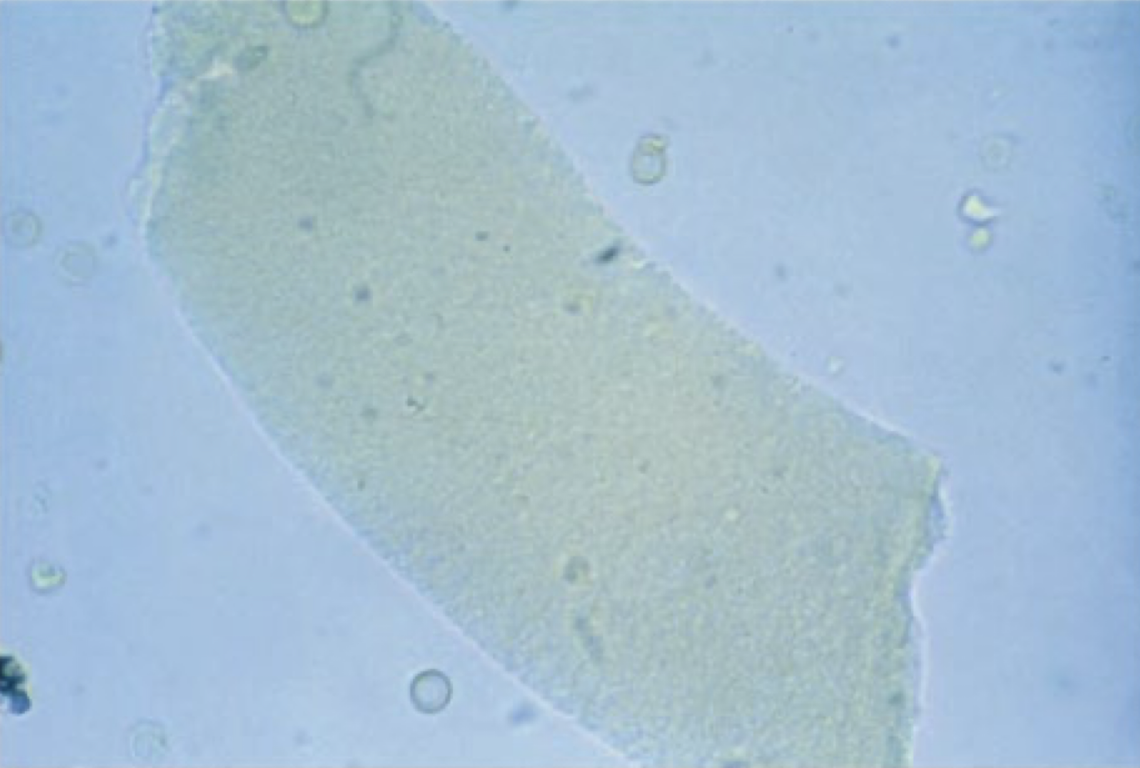
Sediments
Miscellaneous ___
Oval fat bodies
Yeast
Dysmorphic Red Blood Cells
Oval fat bodies
RTE that contains lipid, found in lipiduria
Exhibit maltese cross formation
Seen in Nephrotic Syndrome
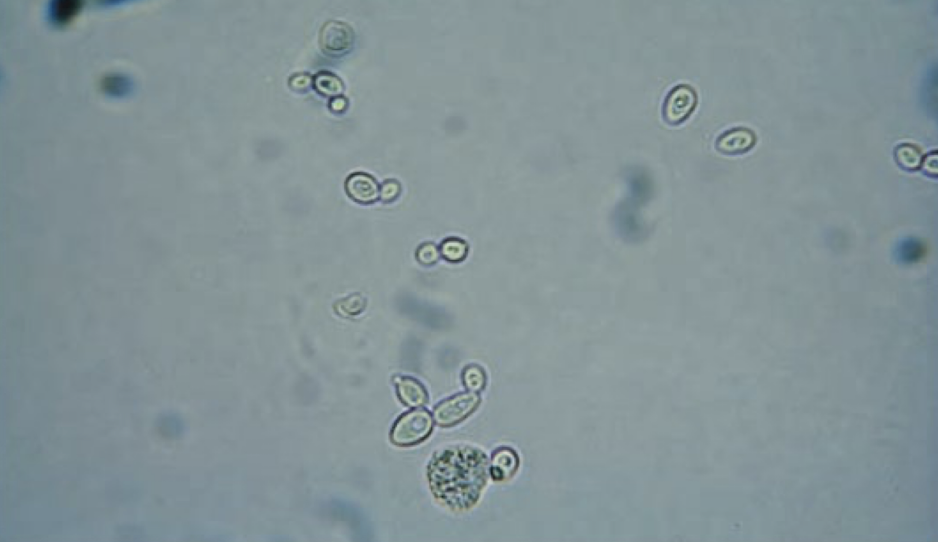
Yeast
Smooth, colorless, usually ovoid cells with double refractile walls, often showing budding
Candida albicans is most common isolate
Mistaken for red cells but can be differentiated by adding acid or alkali
Seen in UTI especially in patients with DM
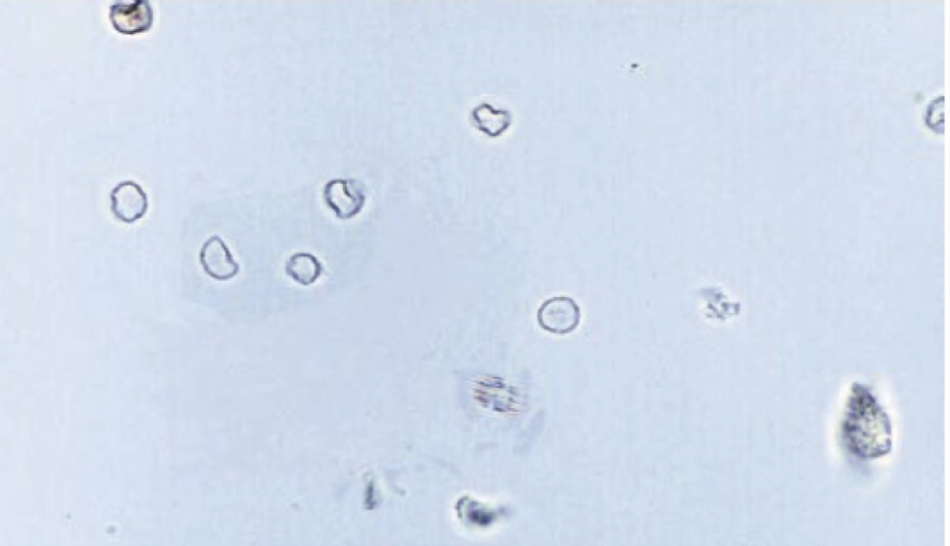
Dysmorphic Red Blood Cells
Seen in glomerular membrane damage
Glomerular bleeding
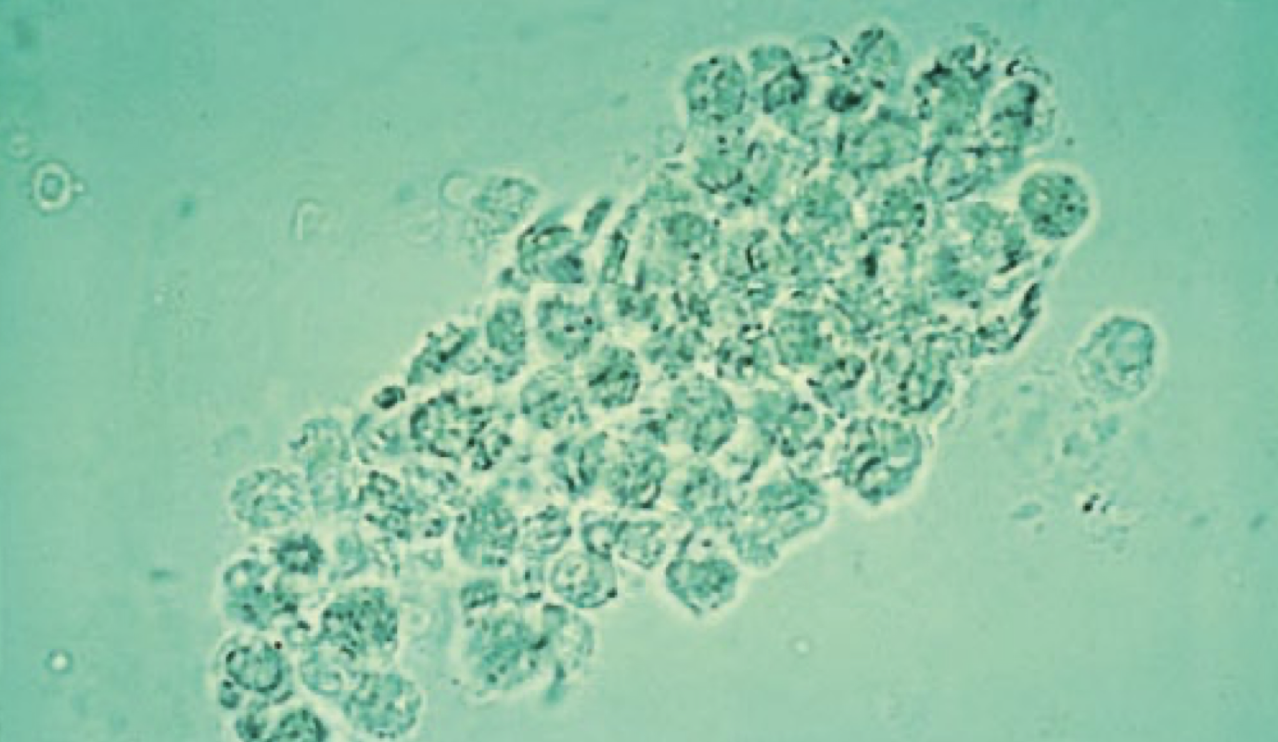
WBC clumps
Associated with cystitis
Usually accompanied with packed field WBC
Cystitis
Mucus Threads
Long, thin, wavy threads composed of Tamm-Horsfall protein
More frequently present in female urine specimens
Urine examined under subdued light
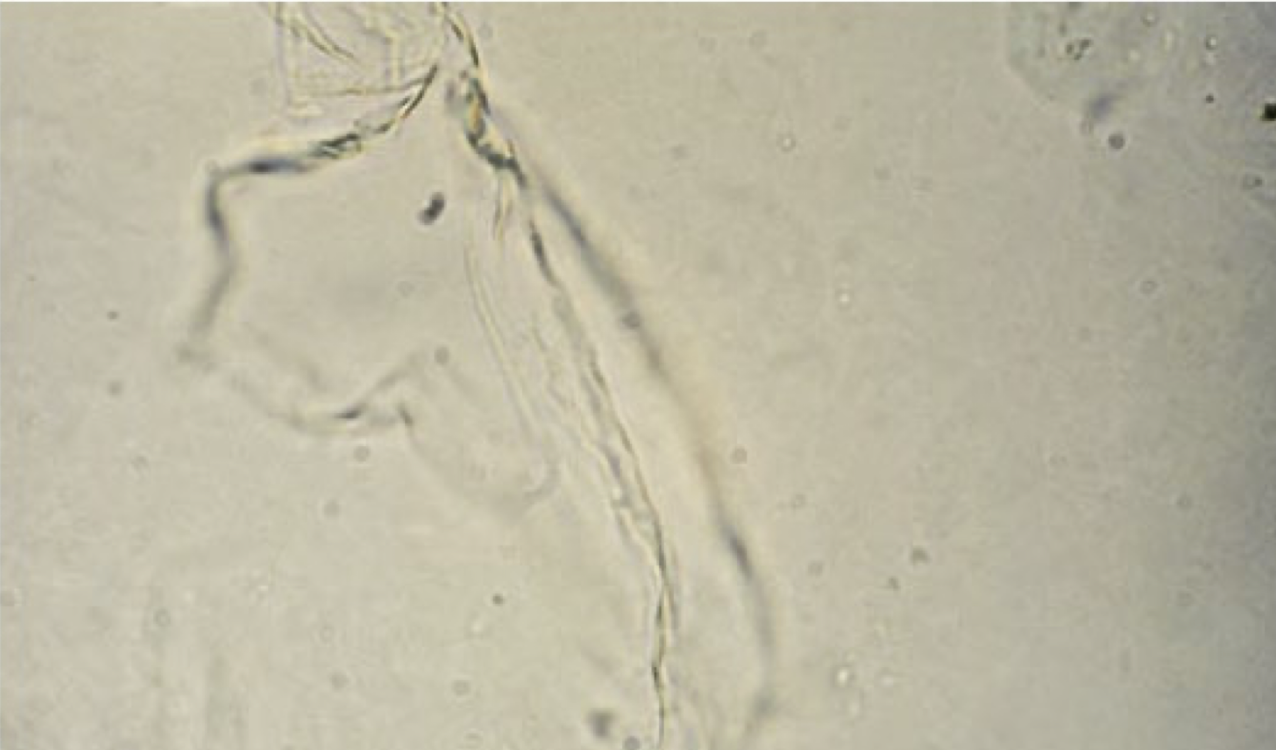
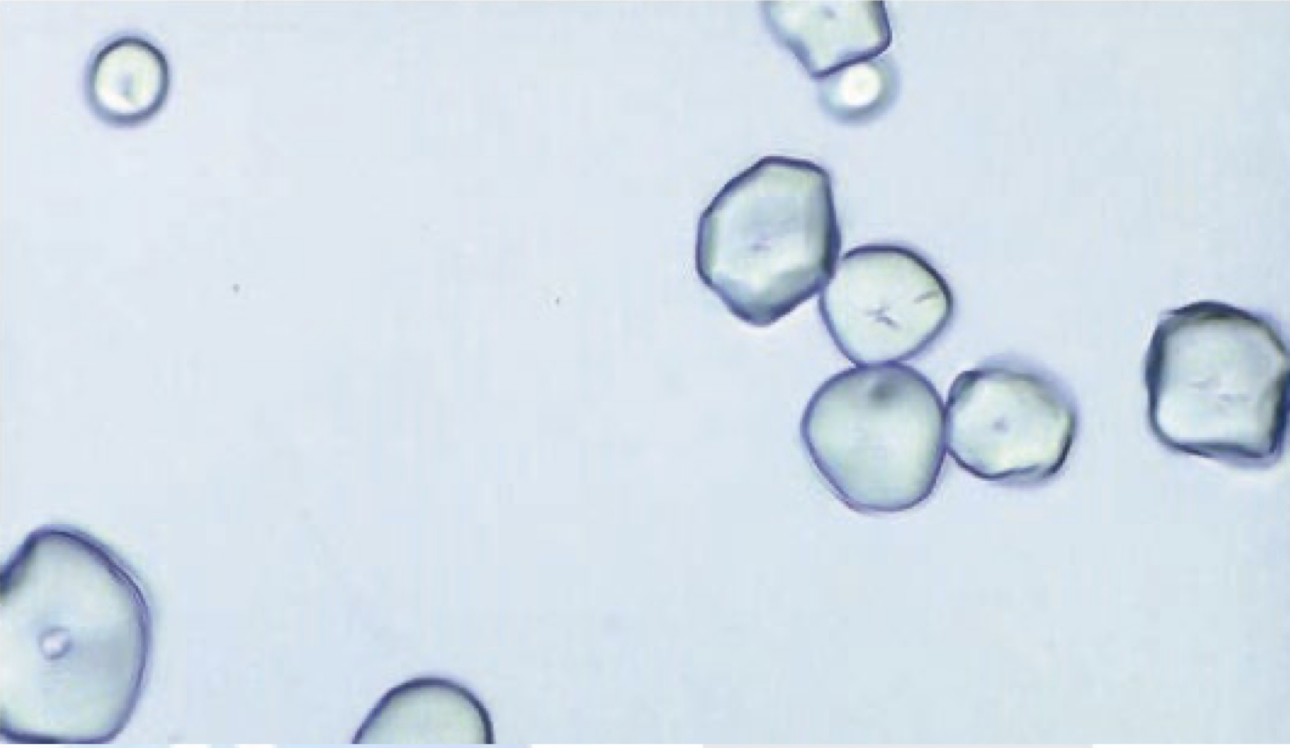
Starch Granules
Highly refractile spheres with dimpled center; use of powdered gloves
Can be mistaken as fat droplets or RBCs
Maltese cross formation
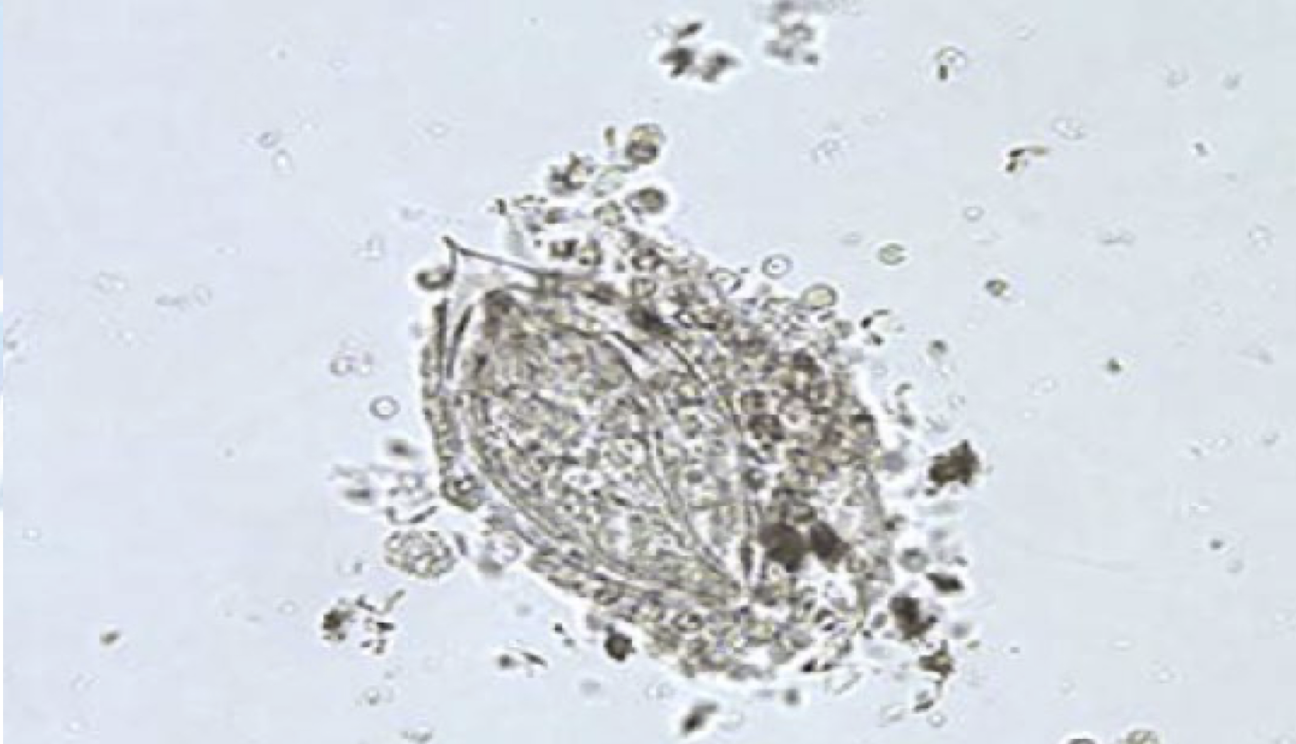
Schistosoma Haematobium
Blood fluke
Ova with terminal spine
Excreted together with erythrocytes
Hematuria
Chemsitry/Serology, Microbiology, Hematology/Cell counts
Order of CSF collection, testing, & preservation
Tube #1: ___
Tube #2: ___
Tube #3: ___
Monosodium urate, Calcium pyrophosphate dihydrate
Primary crystals seen in synovial fluid
Monosodium urate
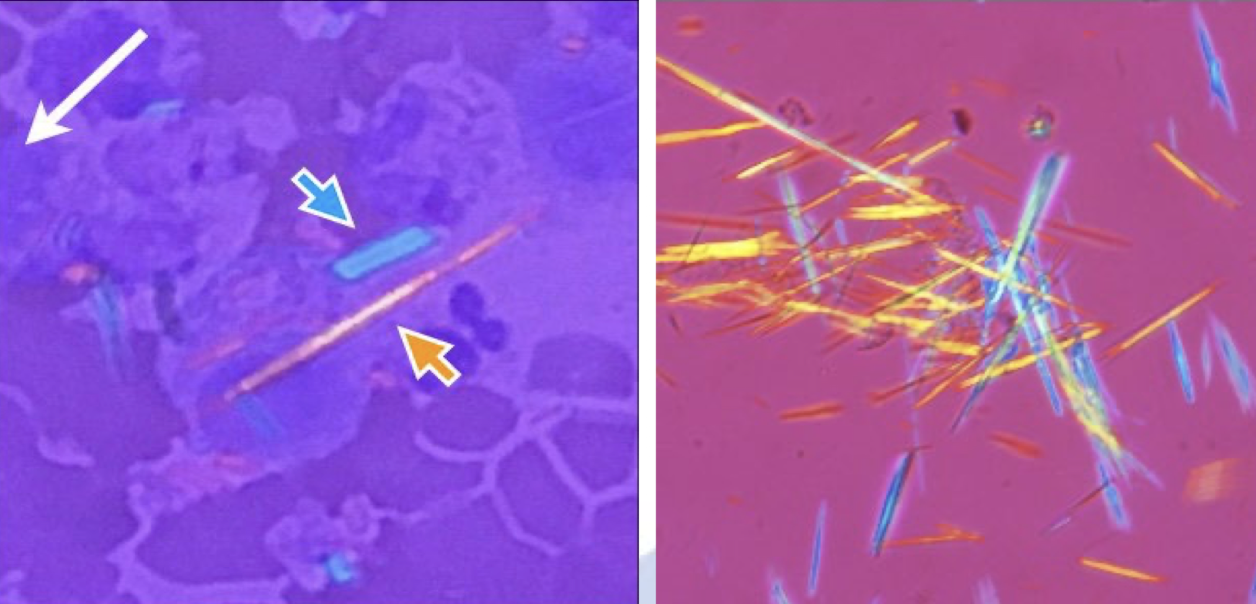
Yellow when parallel
Blue when perpendicular
Calcium pyrophosphate dihydrate
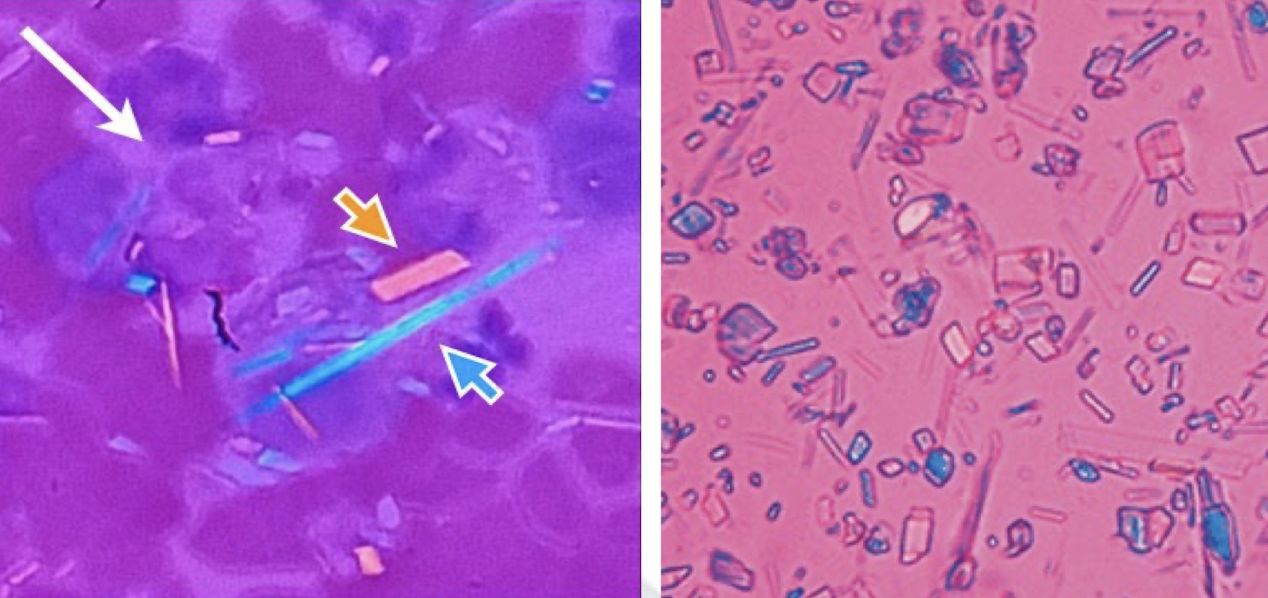
Blue when parallel
Yellow when perpendicular
Chylous
Appearance: milky & white
Thoracic duct leakage
Extractable in ether
Stained by SUDAN III
>110 mg/dl TAG
No cholesterol crystals
Lymphocytes are predominant
Pseudochylous
Appearance: milky w/ grenish tinge
Chronic inflammatory conditions
Not extractable by ether
Not stained by SUDAN III
<50 mg/dl TAG
Cholesterol crystals are present
Mixed cells
L/S Ratio, Amniostat FLM, Microviscosity Assay
Tests for Fetal Lung Maturity
Lecithin/Sphinomyelin Ratio
Reference method
Lecithin is the primary component of the surfactant that maintains alveolar stability
Sphingomyelin is measured to serve as control
CANNOT BE USED when contaminated with blood and meconium
Amniostat FLM
Uses antisera specific for phosphatidylglycerol
Not affected by blood and meconium contamination
Microviscosity Assay
Presence of phospholipids decreases the microviscosity of amniotic fluid
This change in microviscosity is measured using fluorescence polarization by Abbott TDx analyzer
Albumin is used as internal standard
Alpha 1 Fetoprotein, Acetylcholinesterase, Bilirubin
Tests for Fetal Distress
Alpha 1 Fetoprotein
A major protein produced by the fetal liver during early gestation
Found in maternal serum due to combined circulation and amniotic fluid due to fetal urination
Increased level is associated with neutral tube defect
Acetylcholinesterase
Done after an elevated AFP level is detected to confirm neural tube defects
Blood contamination will falsely increase the result
Bilirubin
Done for the evaluation of HDN
Bilirubin is measured using spectrophotometry at 450nm and values are plotted on the Liley graph