🟢 35 - Emerging Viral Hemorrhagic Fevers and Protozoan Diseases: Ebola, Marburg, Malaria, and More L.35
 Call Kai
 Learn
Learn Practice Test
 Spaced Repetition
 Match
Match Flashcards
 Knowt Play
1/53

There's no tags or description
Looks like no tags are added yet.
54 Terms
What was Ebola disease formerly called?
Ebola hemorrhagic fever
What was Marburg disease formerly called?
Marburg hemorrhagic fever
Where are Ebola and Marburg diseases typically found?
Africa
Why are Ebola and Marburg diseases a global concern?
Due to their high case-fatality rate and person-to-person transmission
What category of bioterrorism threats do Ebola and Marburg diseases belong to?
Category A bioterrorism threats
How long after infection do symptoms of Ebola and Marburg diseases typically appear?
5-10 days
What are the initial symptoms of Ebola and Marburg diseases?
Flu-like symptoms including fever, headache, muscle pain, and sometimes sore throat
What severe symptoms can develop in patients with Ebola and Marburg diseases?
Abdominal pain, diarrhea, diffuse macular rash, and hemorrhaging
What is the range of case fatality rates for Ebola and Marburg diseases?
25% to 90% depending on the infected strains
What usually causes death in patients with fatal Ebola or Marburg disease?
Multi-organ failure or shock within two weeks of disease onset
What causes Ebola disease?
Ebola viruses, members of the genus Ebolavirus
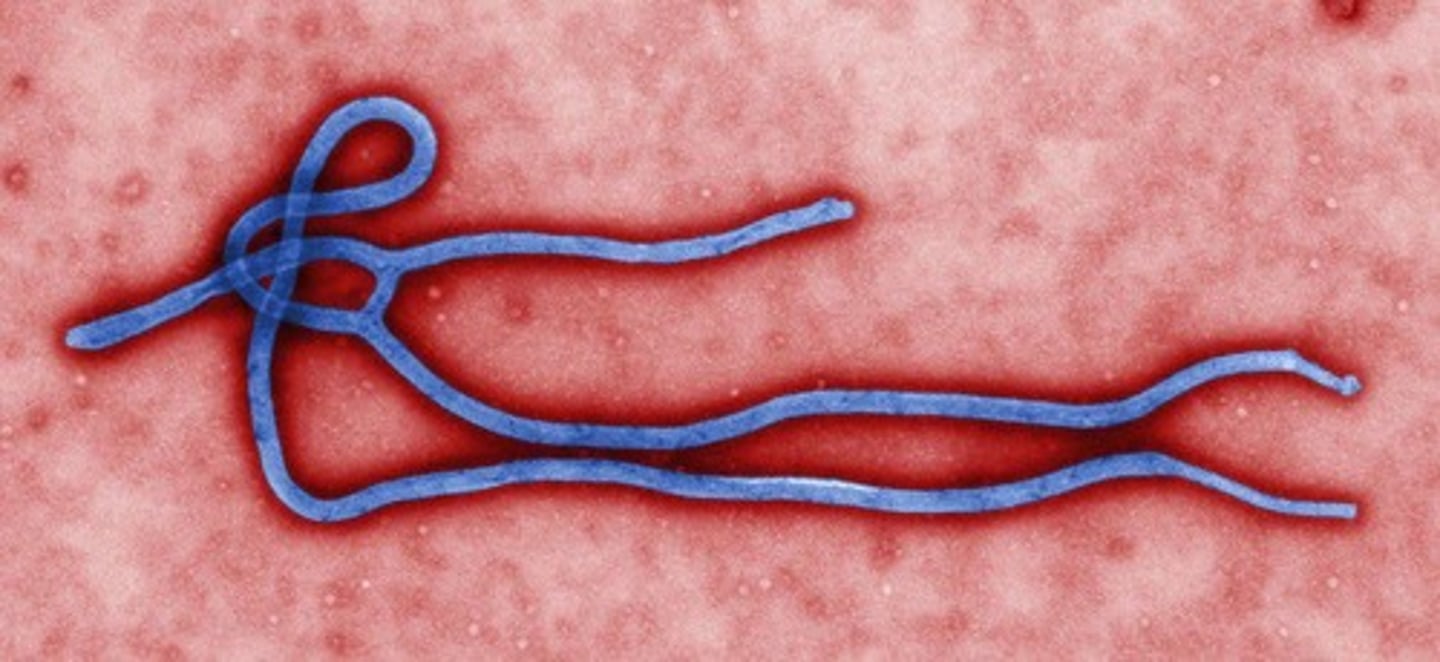
What causes Marburg disease?
Marburg viruses, with Marburg virus being a notable example
What family do Ebola and Marburg viruses belong to?
Filoviridae family
What is known about the pathogenesis of Ebola and Marburg viruses?
They primarily infect cells of the mononuclear phagocyte system and disrupt immune responses
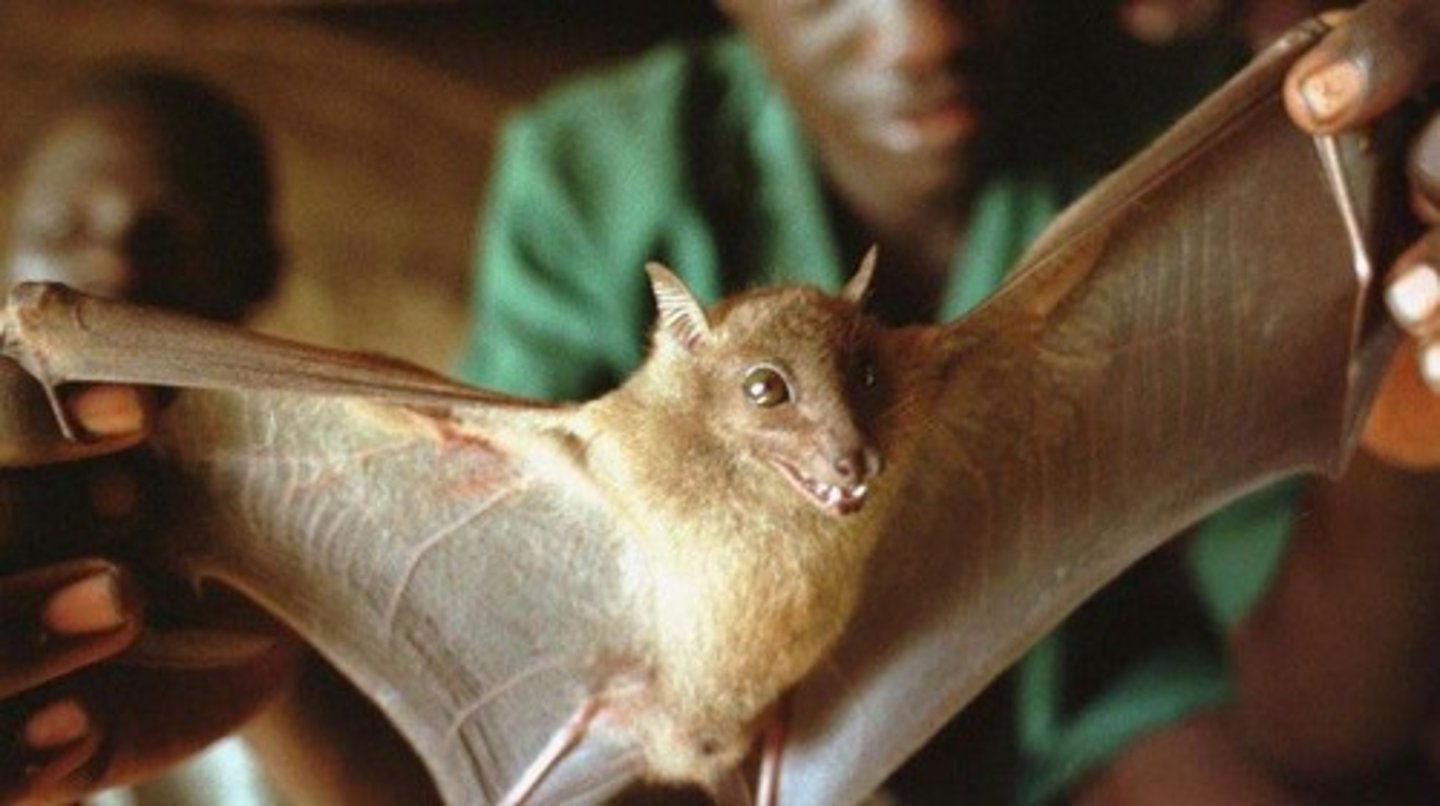
What is the natural reservoir for Ebola and Marburg diseases?
Fruits bats, although evidence suggests non-human primates can also be infected
How is human-to-human transmission of Ebola and Marburg diseases primarily achieved?
Through direct contact with body fluids of symptomatic or deceased patients
What was a significant outbreak of Ebola disease that occurred in 2014?
Outbreak in Guinea that spread to multiple West African countries with over 11,000 deaths
What is the current standard treatment for Ebola and Marburg diseases?
There is no standard treatment; supportive therapy is provided
What type of therapy has shown promise for treating Ebola and Marburg diseases?
Monoclonal antibodies-based therapy
What is essential for preventing the spread of Ebola and Marburg diseases?
Quick diagnosis and rapid response by healthcare workers
What measures must healthcare workers take when treating infected individuals?
Strict infection-control measures
What is the status of vaccines for Ebola and Marburg diseases?
Investigational vaccines have shown effectiveness; others are in clinical trials
What is yellow fever and how is it transmitted?
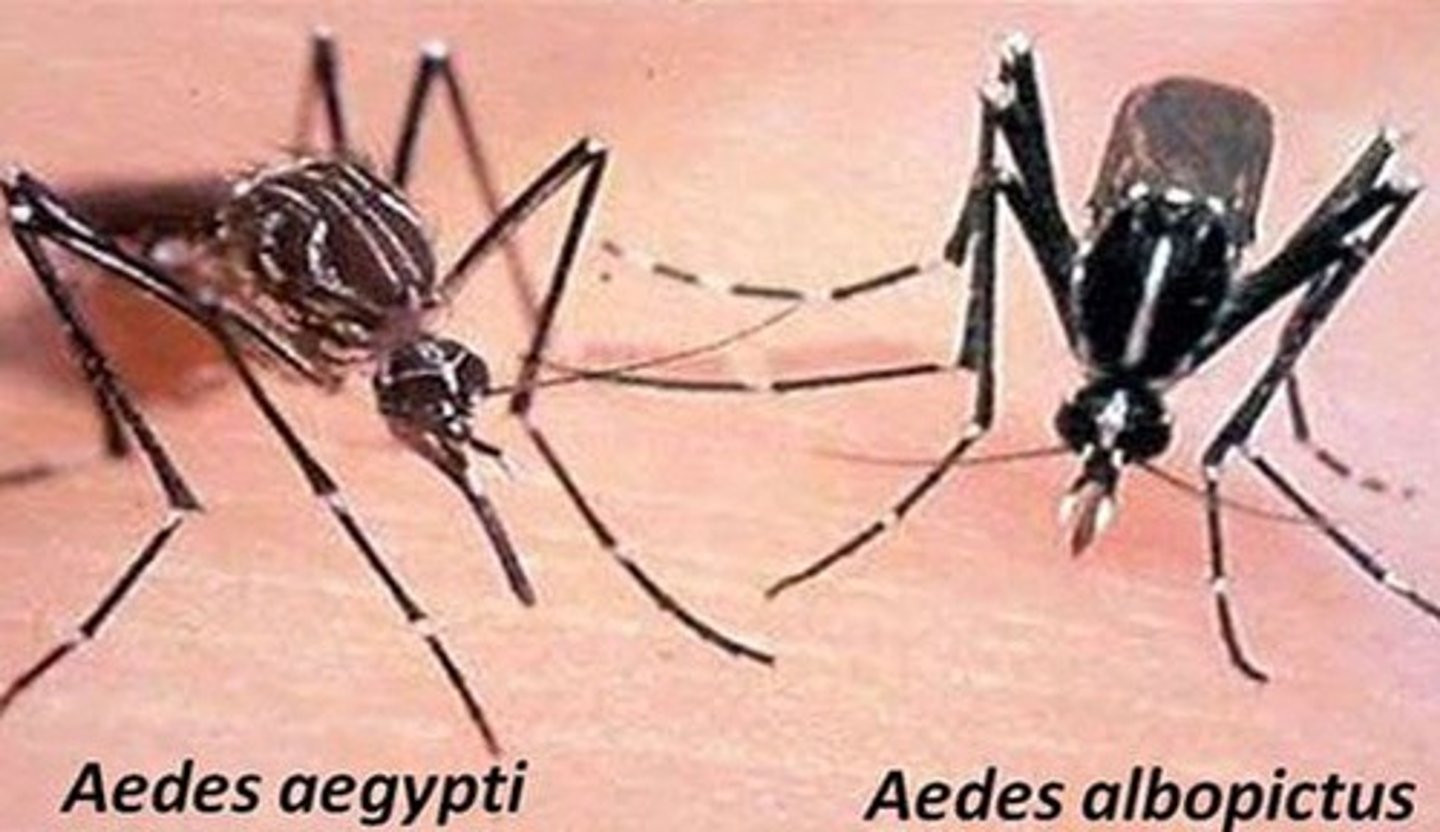
A mosquito-borne viral disease transmitted by infected Aedes aegypti mosquitoes
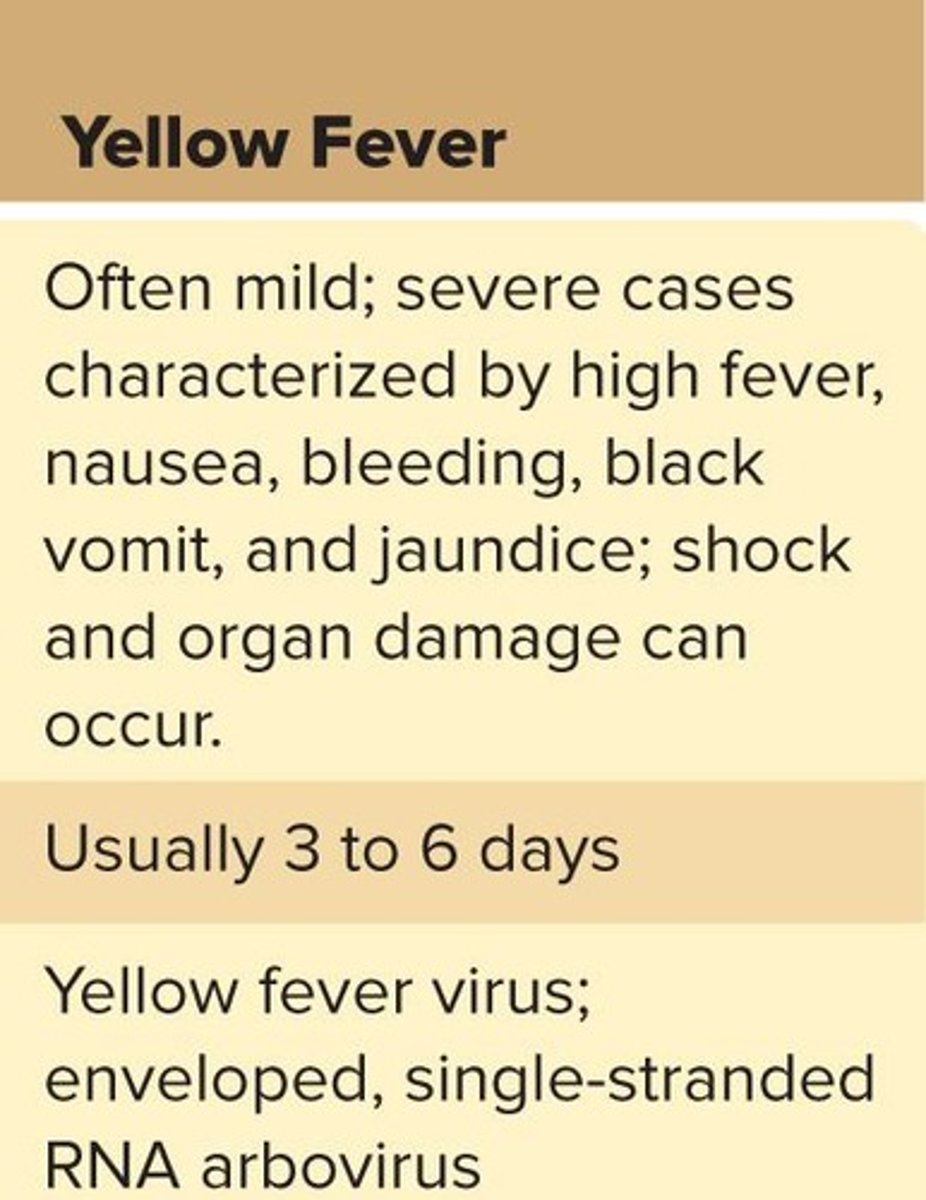
What is the mortality rate range for yellow fever?
May reach up to 50% or more
What is the common name for dengue fever?
Break-bone fever
How many new cases of dengue fever occur each year?
50-100 million new cases
What is Chikungunya commonly known as?
CHIK
What does the name Chikungunya mean?
That which bends up, referring to the bent posture due to severe joint pain
What are the typical symptoms of Chikungunya?
Fever lasting 2-5 days, severe joint pain, rash, headache, conjunctivitis, photophobia, back pain, nausea, and general malaise.
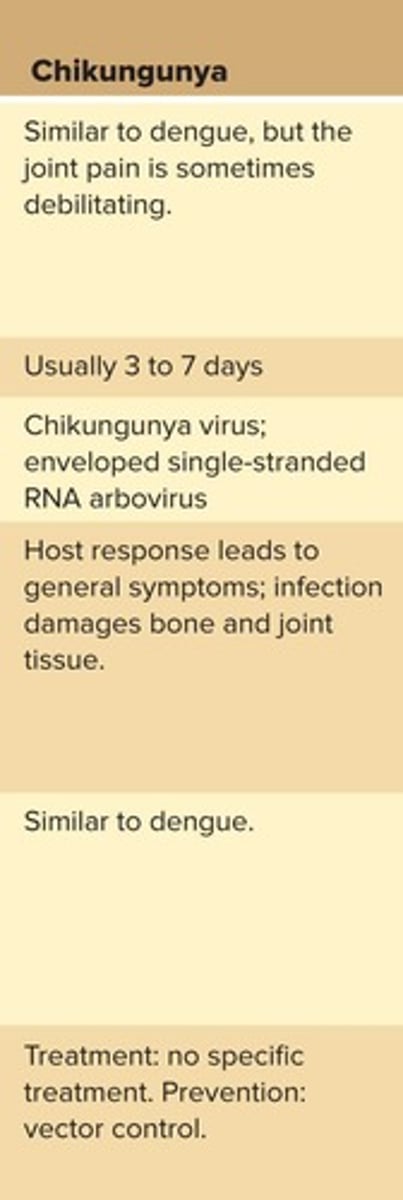
How does Chikungunya differ from dengue fever?
Chikungunya can lead to chronic joint problems, while dengue does not.
What is the primary vector for Chikungunya?
Aedes mosquito species, primarily A. aegypti.
What is the current status of treatment for Chikungunya?
There is no specific treatment; analgesics and fluids are used to manage symptoms.
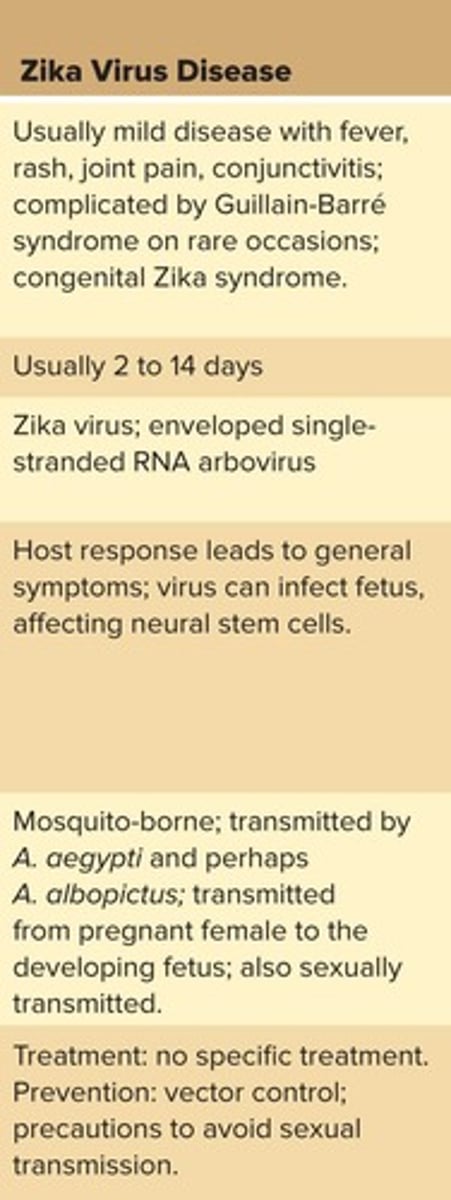
Where was Zika virus first isolated?
In monkeys in the Zika Forest of Uganda in 1947.
What severe birth defect is associated with Zika virus?
Microcephaly (small brain).
What type of virus is Zika virus?
An enveloped, single-stranded RNA virus in the Flaviviridae family.
What is the leading cause of morbidity and mortality worldwide related to protozoan diseases?
Malaria, caused by Plasmodium species.
What was the global impact of malaria in 2018?
228 million cases and 405,000 deaths globally, mostly among children under 5 in sub-Saharan Africa.
Who won a Nobel Prize for describing the life cycle of the malaria-causing protozoan?
Ronald Ross in 1902.
What are the five species of Plasmodium that cause malaria?
P. vivax, P. falciparum, P. malariae, P. ovale, and P. knowlesi.
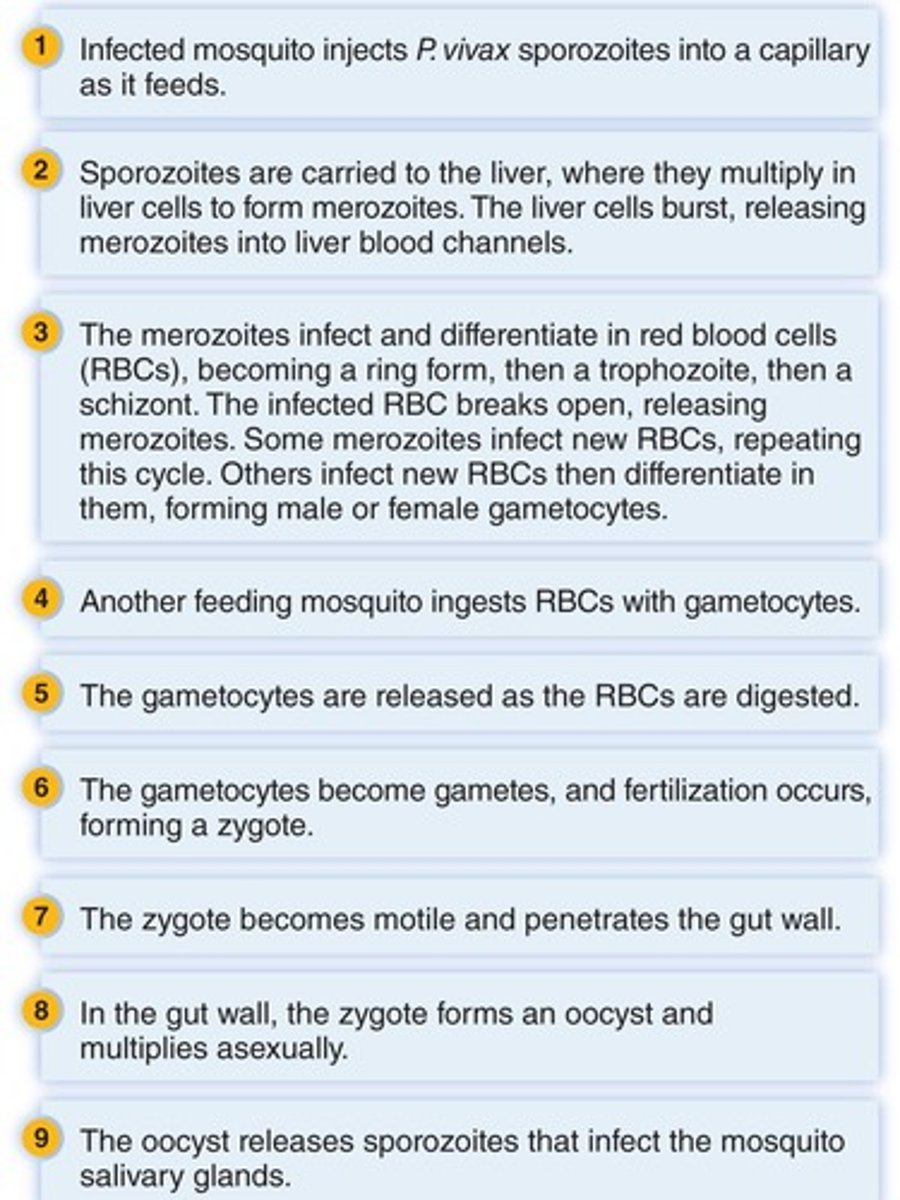
What are the three phases of malaria symptoms?
Cold phase (shaking chills), hot phase (high fever), and wet phase (drenching sweating).
What complication can arise from P. falciparum malaria?
Cerebral malaria and anemia.
What is the role of sickle cell anemia in malaria?
It provides partial protection against malaria.
What is the goal of the 'Roll Back Malaria' initiative?
To reduce malaria deaths by 75% by the year 2015.
What are Artemisinin-based combination therapies (ACTs) used for?
They are used for the treatment of malaria.
What is a significant challenge in treating malaria?
Plasmodium species are becoming resistant to antimicrobial medications.
What recent development has been made in malaria vaccination?
A recombinant vaccine targeting the sporozoite stage has been approved for infants.
What is the main method of preventing Chikungunya?
Effective vector control.
What is the significance of the Chikungunya virus spread in 2013?
It was reported for the first time in the Caribbean nations.
What is the typical duration of fever in malaria after infection?
Symptoms usually start about 2 weeks or more after an infected mosquito bite.
What is the treatment approach for the exoerythrocytic stages of Plasmodium?
Medications like primaquine are used.
What is a common symptom pattern for malaria caused by P. malariae?
Fever recurs every third day.
What are the nonspecific symptoms of Chikungunya?
Headache, conjunctivitis, photophobia, back pain, nausea, and general malaise.
What is the primary method of transmission for Zika virus?
Through Aedes mosquito bites.
What is the effect of Duffy antigen on malaria susceptibility?
People of black African heritage lack Duffy antigen receptors, providing resistance to malaria.