CompGov Unit 1 Test
 Call Kai
 Learn
Learn Practice Test
 Spaced Repetition
 Match
Match Flashcards
 Knowt Play
1/37

Earn XP
Description and Tags
Everything covered up until 9/20
Name | Mastery | Learn | Test | Matching | Spaced | Call with Kai |
|---|
No analytics yet
Send a link to your students to track their progress
38 Terms
Government
The leadership and institutions that make policy decisions for a state
Politics
The struggle for power within a state/government
State
Has a monopoly of violence over a territory
Regime
The rules and norms that set up where power comes from and the balance between freedom and equality
Most to least institutionalized on pyramid
State, regime, government
Democratic regime
Power held by the people
Authoritarian regime
Power held by the elite
Sovereignty
The ability of states to carry out actions independent of internal and external threats
Formal vs. informal institutions
Institutions that are clearly defined (written down) or less so
Institution
An organization or activity that is self-perpetuating and valued for its own sake
Legitimate
An institution that is recognized and accepted as right and proper by the public
Traditional legitimacy
“It’s always been that way”/part of historical identity of citizens (ex: the constitution)
Charismatic legitimacy
Based around a person who gathers crowds for their ideas and often dies with the person who has it
Rational-legal legitimacy
Based on laws or ways of doing things that are rational (modern states based on rational-legal but politicans may use traditional or charismatic)
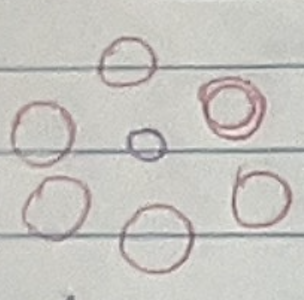
Confederal system - still federalism (power-sharing) but regions have more power
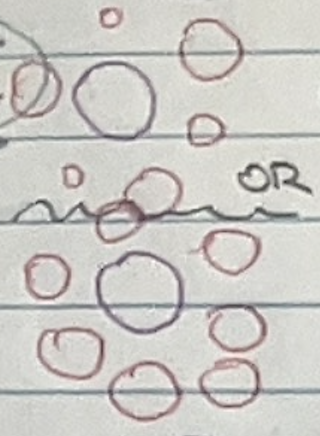
Federalism - power-sharing
Central government can tax
More regional representation
Possibly more individual freedom
More bureaucracy
Keeps federal power in check
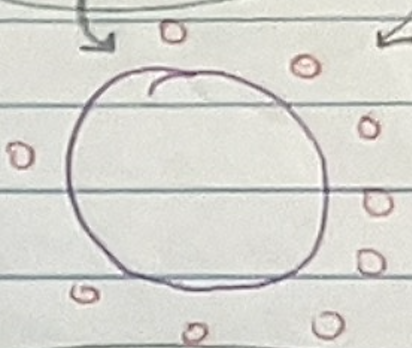
Unitary system - more power at national level
More autonomy
More efficient
Fewer checks and balances
Asymmetric federalism
Power divided unevenly between regional bodies
Decentralization
Moves power closer to people
Ethnic identity
Institutions that bind people together through common culture
National identity
Institutions that bind people together through common political aspirations (collective desire for sovereignty)
Nationalism
Stems from national identity - pride in own people + belief in their sovereignty
Citizenship
Individual or group’s relation to state, social contract, purely POLITICAL
Patriotism
Pride in one’s state, stems from citizenship
Civil society
Organized life outside of state
Promotes democratization because allows people to identify + defend what’s important to them
Most to least institutionalized on pyramid (ethnicity one)
Ethnicity (culture), nationality (political aspirations), citizenship (state relationship)
More individual freedom =
smaller role for state
Nations are…
inherently political
Political attitudes
how fast political change happens and what we do to make it happen
Political ideology
our values about freedom and equality (the balance of the two)
Liberalism (ideology)
high individual freedom (low capacity + autonomy for state)
Communism (ideology)
individual freedom will benefit few, state control + ability to limit individual rights
Socialism (ideology)
strong role for private ownership + market but wants ECONOMIC EQUALITY (strong capacity and autonomy to ensure this). may limit freedom more through taxes and restrictions but individual freedom + equality complement each other
Prime ministers
Elected from legislature
No set term
Can be removed easily through vote of no confidence
Has a cabinet
Parliamentary legislature
Upper houses can be overruled by lowers
Largely controlled by the pm & his cabinet
Presidential systems
Minority parties have less power
Separation of powers
President doesn’t rely on party support
Semi-presidential systems
Hybrid of parliamentary and prez
Head of state + gov both have direct power
President
Foreign relations
Sets policy
Prime minister
Executes policy
Risk of conflict btwn prez + pm
Republicanism
idea that government power comes from the people