Honors Chemistry Final Study Guide
 Call Kai
 Learn
Learn Practice Test
 Spaced Repetition
 Match
Match Flashcards
 Knowt Play
1/38

There's no tags or description
Looks like no tags are added yet.
Name | Mastery | Learn | Test | Matching | Spaced | Call with Kai |
|---|
No analytics yet
Send a link to your students to track their progress
39 Terms
Limiting reactant
The reactant that produces the smallest amount of product in a reaction.
Synthesis
A reaction in which two or more substances combine to form a single product (A + B → AB).
Avogadro’s number
The number 6.022 × 10²³ — the number of particles in one mole of any substance.
Boyle’s Law
Gas law that states P₁V₁ = P₂V₂ at constant temperature.
Charles’s Law
Gas law that states V₁/T₁ = V₂/T₂ at constant pressure (T in Kelvin).
Combustion
A reaction in which a hydrocarbon reacts with oxygen to produce CO₂ and H₂O.
Decomposition
A reaction in which a single compound breaks down into two or more substances (AB → A + B).
Single replacement
A reaction in which an element replaces another element in a compound (A + BC → AC + B).
Neutralization
A reaction between an acid and a base that produces a salt and water.
Solute
The dissolved substance in a solution.
Solvent
The substance doing the dissolving in a solution (often water).
Molarity
Moles of solute per liter of solution.
Acid
A sour-tasting substance that releases H⁺ ions in water and turns litmus red.
Base
A substance that releases OH⁻ ions in water, feels slippery, and has a bitter taste.
pH
The negative logarithm of [H⁺]; values < 7 are acidic, > 7 are basic.
Indicator
A substance such as phenolphthalein or litmus that changes color based on pH.
Molar mass
The mass of one mole of a substance, expressed in grams.
Empirical formula
The simplest whole-number ratio of atoms in a compound.
Excess reactant
The reactant that remains after the reaction is complete.
Joule
The SI unit of energy (1 cal = 4.184 of these).
Synthesis
A + B → AB
Decomposition
AB → A + B
Single Displacement
AB + C → AC + B
Double Displacement
AB + CD → AC + BD
Combustion
AB + O2 → AO + HO
How do you convert mL → L?
____ x 1L/1000mL
Solution Equation
M=mol/L
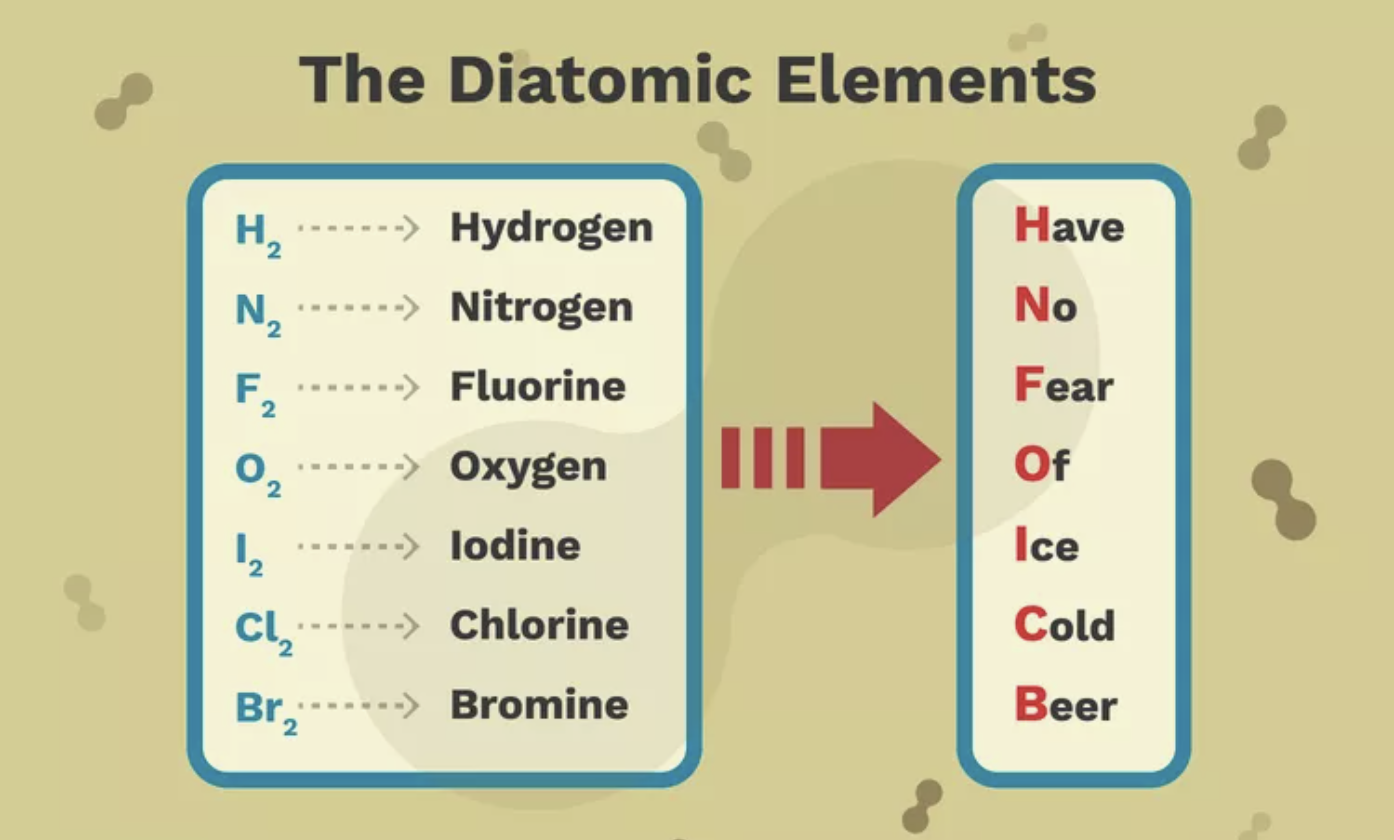
Diatomic Elements
Mole
Avogardo’s number = 6.022 × 10²³
Mole-particle conversions
Atoms, molecules, formula units
Molar volume of a gas at STP
22.4L/mol
Conversion of KJ → J
1 KJ = 1000 J
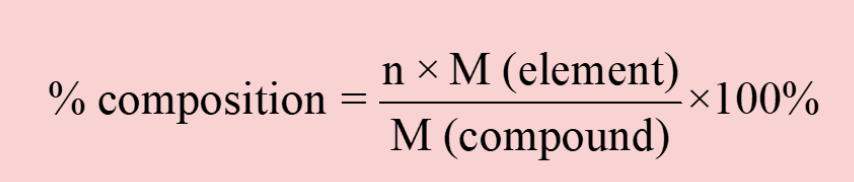
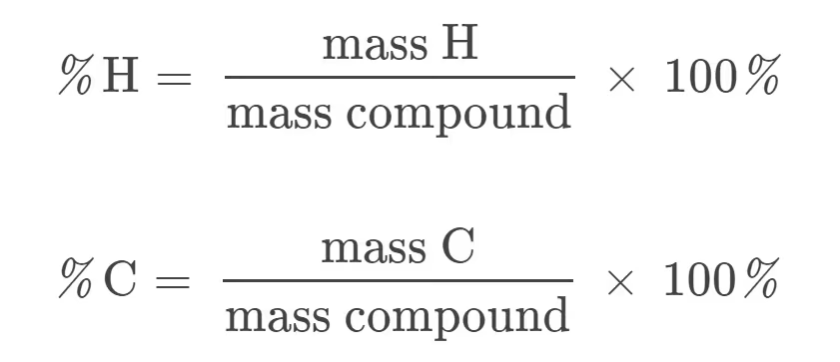
Percent composition by mass
Empirical formula from percent composition
Naming acids
“I ate something icky.”
“Sprite is delicious.”
“My ride has hydrolics.”
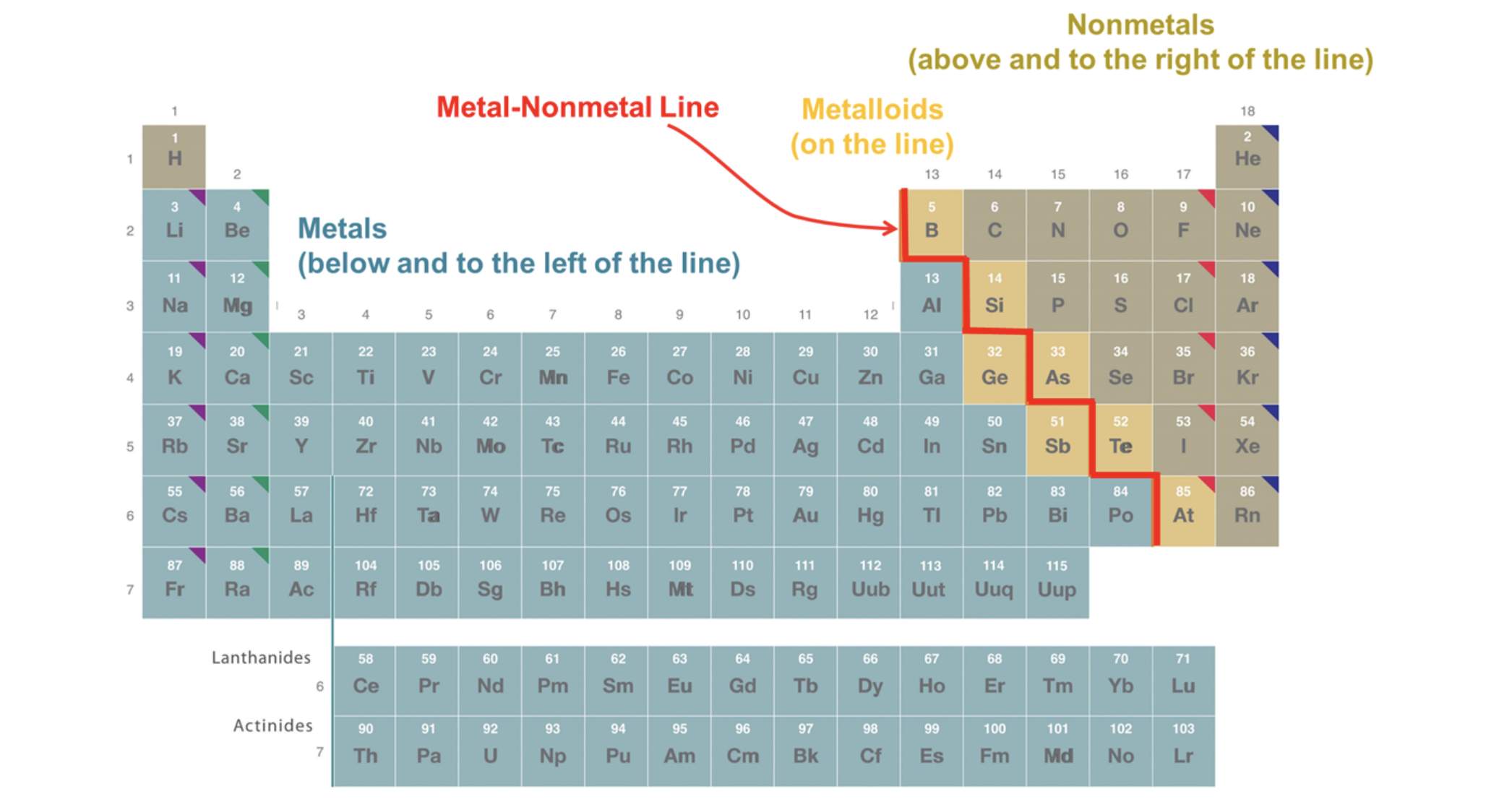
Metals vs Nonmetals
Acid
Contain a pH less than 7, has a sour taste, and always contains the Hydrogen (H+) ion.
Base
Contain a pH greater than 7, has a bitter taste, and always contains the Hydroxide (OH) ion
A reaction between an acid and a base is called a ________ reaction.
Neutralization