SUMMER ATC MIDTERM
 Call Kai
 Learn
Learn Practice Test
 Spaced Repetition
 Match
Match Flashcards
 Knowt Play
1/125

There's no tags or description
Looks like no tags are added yet.
Name | Mastery | Learn | Test | Matching | Spaced | Call with Kai |
|---|
No analytics yet
Send a link to your students to track their progress
126 Terms
What is the primary goal of bag-mask ventilation (BMV) in managing a patient’s airway?
To provide positive-pressure gas movement through a patient’s otherwise unprotected airway.
What is the primary advantage of armored tracheal tubes (TTs), and in which surgical scenarios are they often used?
Armored TTs are resistant to kinking and compression and are often used in head, neck, and tracheal surgery, as well as in positions where the neck is flexed.
During an oromaxillofacial surgery, which type of preformed tube would be most appropriate to use to direct the connector away from the surgical field, and why?
A Ring-Adair-Elwyn (RAE) tube because it has a manufactured, preformed bend that directs the connector away from the surgical field, with nasal and oral designs available.
Which of the following functions does an oropharyngeal airway (OPA) perform?
It bypasses the nasal cavities and nasopharynx, lifts the tongue and possibly the epiglottis, supports mandibular advancement, and improves the bag-mask ventilation (BMV) seal in edentulous patients.
Which of the following is essential for establishing and maintaining airway patency and/or achieving noninvasive and invasive airway access?
Correct patient head and neck positioning
Which of the following describes the shape and function of an oropharyngeal airway (OPA)?
A caudally facing, concave device that follows the oropharyngeal anatomy and contours to the tongue
What is the primary advantage of the Parker Flex-Tip tracheal tube (TT) during endoscopic-aided intubation compared to standard tracheal tubes?
It decreases the gap between the bevel of the tube and the endoscope body, reducing the risk of entrapment of anatomical structures and increasing the success of first-attempt passage.
Which of the following correctly identifies the primary difference between the Mac (Macintosh) and Miller laryngoscope blades?
The Mac blade is curved and designed for indirect lifting of the epiglottis, while the Miller blade is straight and designed for direct lifting of the epiglottis.
In anesthetized and sedated patients, airway obstruction is commonly caused by which of the following anatomical structures?
The tongue and soft palate
What are some key features of the C-Mac (Karl Storz,) video laryngoscope?
It offers a variety of reusable and disposable blades, including curved (Macintosh), straight (Miller type), and hyperangulated blades for all age groups. It also features a cable-free Pocket Monitor (PM) device that mounts the video screen directly to the laryngoscope handle.
A patient with a history of difficult airway management is undergoing planned extubation after a surgical procedure. The anesthesia care team is concerned about the risk of urgent reintubation. Which airway management device would be most appropriate to have on hand, and why?
A single-lumen Cook AEC because it is a hollow, flexible, straight tube designed as a TT exchanger, available in different sizes, and can be fitted with a “Rapi-Fit” adapter for oxygen insufflation. It is recommended for use in patients at risk of urgent reintubation and in those with a difficult airway.
Nasopharyngeal airways (NPA) are sized based on their outer diameter (OD) in French scale.
Which statement accurately describes how these sizes are determined?
NPA sizes are determined by the length of the device in millimeters. Larger OD corresponds to shorter length.
A 45-year-old male patient is brought into the operating room for a surgical procedure. During the pre-anesthesia assessment, the anesthesia care team notes that the patient is edentulous and has a history of chronic nasal congestion. Which airway management device would be most appropriate to use in this scenario, and why?
An oropharyngeal airway (OPA) because it bypasses nasal cavities and lifts the tongue, providing a clear airway for bag-mask ventilation (BMV) in an edentulous patient
When preparing to insert a nasopharyngeal airway (NPA), which of the following is the recommended practice to ensure smooth insertion and minimize patient discomfort?
Lubricate the NPA with a water-based lubricant
According to the International Organization for Standardization (ISO) standard ISO 5361:2016, which specifications must be met for tracheal tubes, and what purpose does the cuff serve in a cuffed tracheal tube?
Specifications include internal diameters (IDs), outer diameters (ODs), angle and direction of the bevel, size and shape of the Murphy eye, and radius of tube curvature. The cuff provides a seal between the tracheal tube (TT) and trachea, protecting the trachea from aspiration of gastric contents and facilitating positive-pressure ventilation.
What features make the Glide Scope, distinctive as the first commercially available video laryngoscope (VL)?
It combines a high-resolution, full-color digital camera with an integrated light-emitting diode (LED) light source and an antifog feature, and offers both multi- and single-use systems.
During an airway surgery involving the use of lasers, what precautions and equipment should an anesthesia care team consider to minimize the risk of airway fires?
Use tracheal tubes made from noncombustible materials, fill tracheal tube cuffs with saline or water containing a dye indicator, and consider laser-resistant tubes with double cuffs to reduce the risk of TT combustion and enhance detection of accidental cuff compromise.
Which of the following best describes the function of a nasopharyngeal airway (NPA)?
A disposable soft tubular device that supports nasal breathing and controls airway obstruction at the nasal cavities, nasopharynx, soft palate, and the base of the tongue.
When considering the McGrath MAC VL (Medtronic, Dublin, Ireland) for airway management, which features make it suitable for both routine and difficult intubations?
It is a small, portable, cable-free video laryngoscope (VL) with a 2.5 cm liquid crystal display (LCD) video monitor screen attached to the handle. It has a long-lasting, nonrechargeable proprietary battery and is available with disposable curved blades (sizes 2, 4) and a hyperangulated X blade (size 3) for difficult intubations. The curved blades can be used with either a direct or indirect approach.
During an induction, an anesthesia provider is performing bag-mask ventilation (BMV) on a 60-year-old female patient. To determine if the BMV is successful, which of the following clinical and objective measurements should be observed?
The patient’s chest rises with each ventilation, there is no excessive gas leak, oxygen saturation is maintained, waveform-exhaled carbon dioxide is present, peak airway pressure is within normal limits, and exhaled tidal volume is adequate.
Nasal cannula is considered what type of oxygen delivery system?
C. Low flow
Which of the following is the most commonly used low-flow oxygen delivery system in anesthesia practice?
Nasal cannula
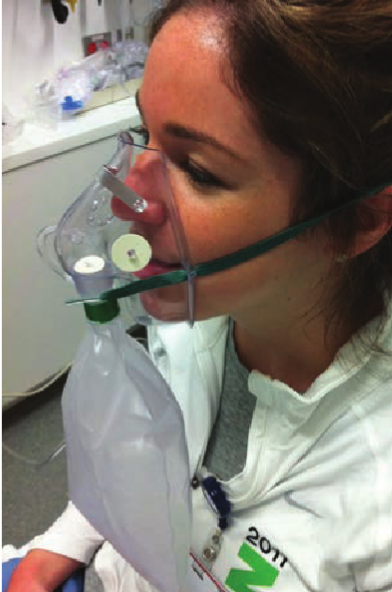
Non-rebreather mask
BMV
Bag-Mask Ventilation
Effective BMV increases urgency to intubate
False
Jaw-thrust maneuver purpose
Restore upper airway patency by displacing mandible forward, relieving tongue obstruction of glottis
Oral and nasal airways prevent occlusion of:
A. Tongue
Goal: effective oxygenation/ventilation without excessive inspiratory pressure (10–12 breaths/min, 1–2 sec)
True
Sellick maneuver
Apply firm pressure to cricoid cartilage to occlude esophagus and reduce aspiration risk
LMA
Laryngeal mask airway
When to use LMA?
Airway rescue device when BMV is difficult and intubation has failed
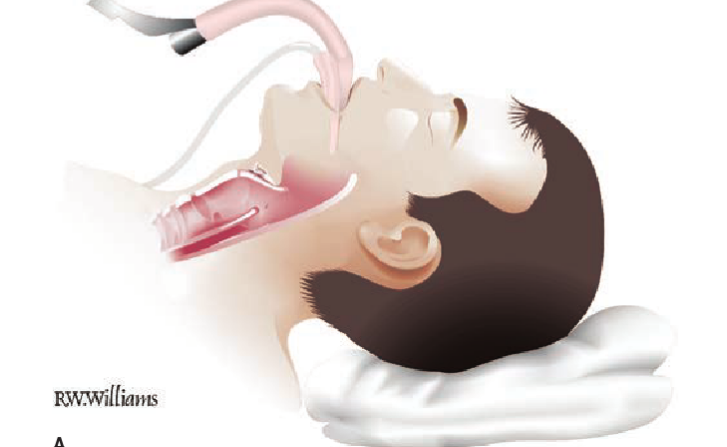
FastTrach
LMAs are effective in pediatrics
True
Retroglottic airway devices (Combitube, King LT, Rusch Easy Tube)
Used in emergency airway management, blindly inserted into esophagus behind larynx/glottis
Combitube is a regular airway device
False
Importance of history and physical exam
Identifies comorbidities and assesses airway/anatomy for anesthetic challenges
History of asthma, COPD, sleep apnea
Respiratory
History of hypertension, heart failure
Cardiac
Pregnancy
Obstetric
Liver disease or hepatitis
Liver
Kidney disease
Renal
GERD
Gastric
Weakness or nerve injury
Neuromuscular
Diabetes or thyroid dysfunction
Endocrine
Blood disorders
Hematologic
Alcohol or recreational drug use
Social History
The airway examination is a minor part of the physical exam and has little impact on how the airway is managed during anesthesia.
False
Mallampati classification assesses
Visibility of pharyngeal structures to estimate tongue-to-oropharynx ratio
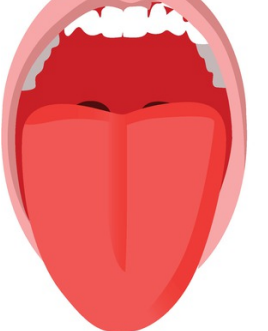
Mallampati III
_____________ is the most common technique for tracheal intubation in the emergency setting
Direct Laryngoscopy
Tracheal intubation is accomplished by passing the ETT through the
Vocal cords
Assists with positioning, equipment, and airway manipulation
Anesthesia Tech
Provides visualization of the vocal cords
Laryngoscope blade and handle
Anesthesia Tech supports the anesthesiologist during intubation
Pass equipment to provider
Ensures patient is ready and vital signs are tracked
Established IV and monitoring
Connects patient to ventilator and gas delivery system
Hook patient to anesthesia circuit
Clears secretions for better visualization
Suction
Inflates the cuff of the endotracheal tube
10cc syringe
Used to guide the endotracheal tube during intubation
Stylet
What size and blade do most prefer for emergency airway
Mac 4
Patient positioning for DL is often described as sniffing position
True
During direct laryngoscopy, what is the key difference between Macintosh and Miller blades?
The Mac blade is inserted along the right molars and indirectly lifts the epiglottis, while the Miller blade is inserted paraglossally and directly lifts the epiglottis
Endotracheal tube introducer and bougie are the same item
True
What are considered video laryngoscopes
C-MAC, McGrath, GlideScope
Video laryngoscopy is a first-line technique for ____________ and ____________ airway
Difficult and routine
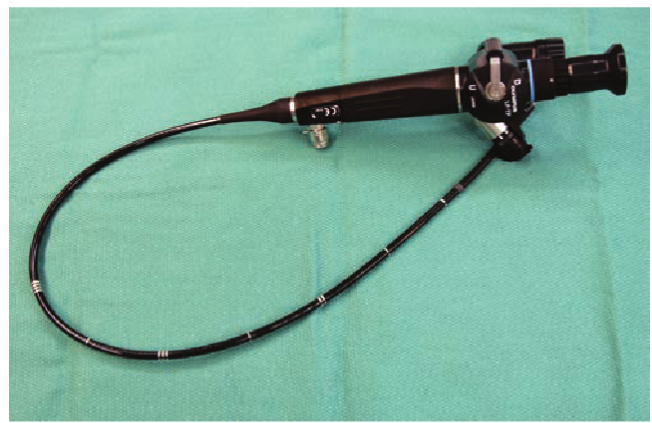
Flexible Endoscopic Bronchoscope
Blind intubation techniques are done with visualization of the larynx or glottis
False
Surgical airway management is defined as the creation of an opening to the _____________
Trachea
Cricothyrotomy involves creating a surgical opening through the tracheal rings below the cricoid cartilage and inserting a nasopharyngeal airway
False
Mnemonic for difficult cricothyrotomy (Surgery, Mass, Access/Anatomy, Radiation, Trauma)
Smart
Surgical airway management is rarely the first choice in emergency airway management
True
The management of ____________ values and maintenance of ____________ anesthesia is essential following induction
Physiological and Surgical
What best describes the emergence phase of general anesthesia?
Return of consciousness, neuromuscular function, and airway reflexes
There are four stages of anesthesia according to Guedel’s classification
True
Once a patient is extubated, reintubation equipment no longer needs to be immediately available
False
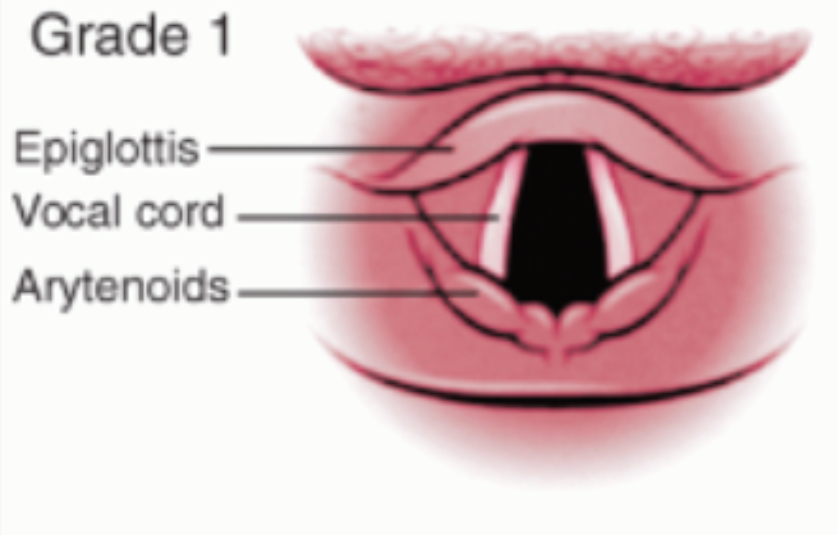
Endotracheal tube introducer and the bougies are the same item.
True
The decision to intubate is based on Three fundamental clinical assessment.
Failed airway maintenance or Protection, Failed ventilation or oxygenation, Clinical course
Endotracheal tube introducer and the bougies are the same item.
True
The decision to intubate is based on Three fundamental clinical assessment.
Failed airway maintenance or Protection, Failed ventilation or oxygenation, Clinical course
Tracheal intubation is accomplished by passing the ETT through the
vocal cords
When troubleshooting the machine there is expiratory backflow to the machine, This is most likely a problem with the
Unidirectional expiratory flow
The first monitor that should be placed on the patient when entering the operation room and the last monitor to be taken off the patient before they leave the operation room should be
Pulse oximeter to measure oxygen saturation
The __________ Algorithm demonstrates how the emergency airway algorithms work together
Universal Emergency AirwaY
Surgical airway management is defined as the creation of an opening to the _____________ by invasive, surgical means to provide ventilation and oxygenation
Trachea
Which of the following correctly identifies the three anatomical segments of the pharynx in order from superior to inferior?
Nasopharynx, Oropharynx, Laryngopharynx
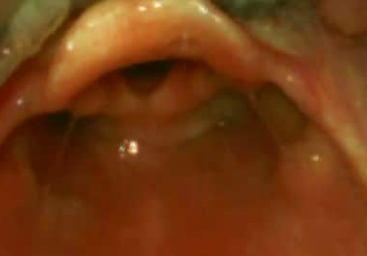
Grade 2
An intubated patient is transported to the SICU. All will probably be needed except for____________
N2O
Awake laryngoscopy has ___________ main roles, both of which apply to patients with anticipated difficult intubation
two
This ETT is commonly used in laser procedure, has two small cuffs on the distal end, one for saline and the other a dye solution
Laser
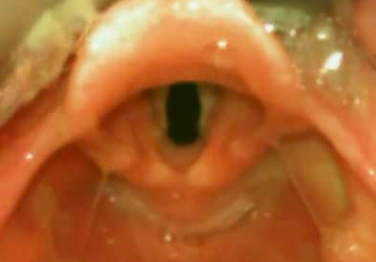
Grade 1
Naloxone reverses Respiratory depression and pain relief due to the use of
Opioids
Lidocaine functions by blocking fast__________ channel in neurons
sodium
66 years old male. History of lung cancer and hypotension
This patient is having an open left thoracotomy with wedge resection.
Position: right lateral
Surgery type: General
ETT: double lumen
Monitoring: ECG, pulse ox, capnography, NIBP and A line, Temp probe, TOF monitor
Nasal cannula is considered what type of oxygen delivery system
low flow
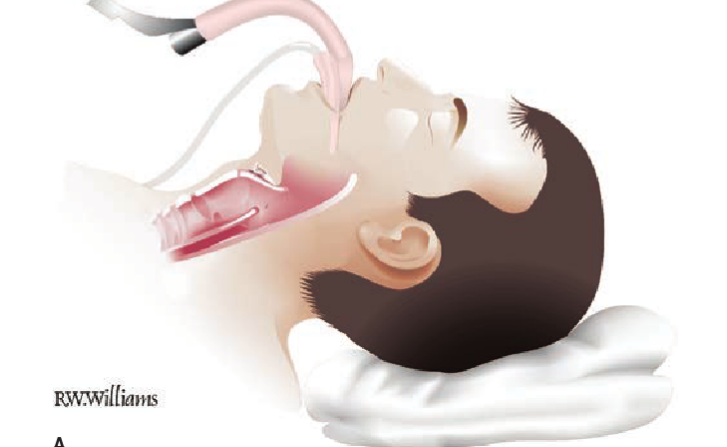
Fast Trach
If the provider is not able to maintain a patient airway upon induction. They will insertion what two airways to restore ventilation
Supraglottic
OPA and NPA with bag mask ventilation
The Vasopressor used to increase the heart rate and blood pressure and to treat asthma and bronchospasm is
Epinephrine
The cricothyroid membrane extends between___________ surface of the cricoid cartilage to the _________ border of the thyroid
Upper Anterior, Inferior anterior
Etomidate has become the induction agent of choice for most emergent RDI because of its rapid onset, its hemodynamic stability, it positive effect on CMRO2 and cerebral perfusion pressure, and its rapid recovery
True