Chapter 35: Epidemiology, Infectious Diseases, and Vaccines: Key Concepts and Public Health
 Call Kai
 Learn
Learn Practice Test
 Spaced Repetition
 Match
Match Flashcards
 Knowt Play
1/24

There's no tags or description
Looks like no tags are added yet.
Name | Mastery | Learn | Test | Matching | Spaced | Call with Kai |
|---|
No analytics yet
Send a link to your students to track their progress
25 Terms
Epidemiology
The study of how diseases affect the health and illness of populations.
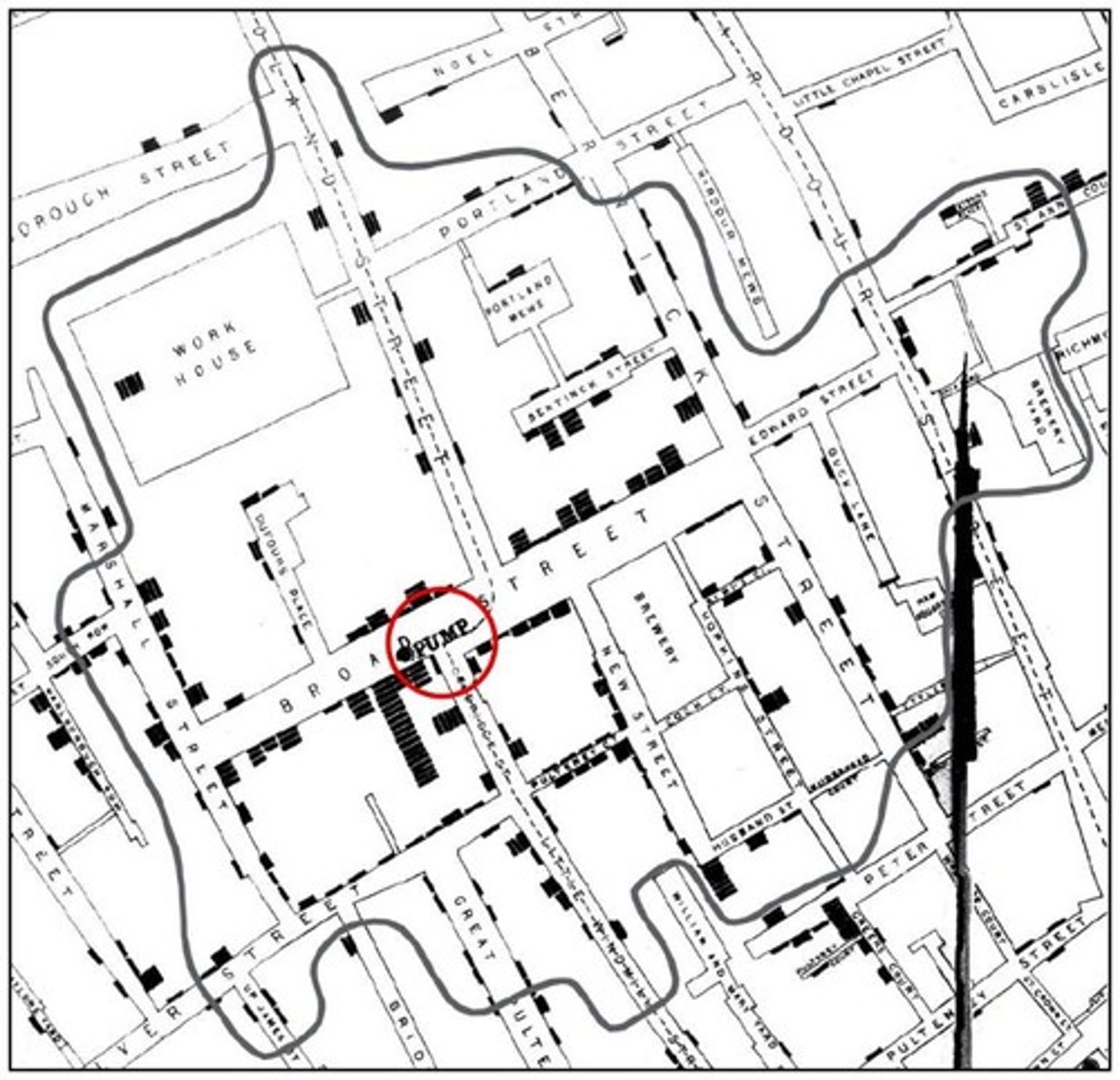
John Snow
The Father of Epidemiology, known for his work during the 1854 cholera outbreak in London.
Sporadic disease
Disease that occurs occasionally at irregular intervals.
Endemic disease
Disease that has a steady low-level frequency in a specific area.
Hyperendemic diseases
Diseases that gradually increase in frequency.
Outbreak
A sudden, unexpected occurrence of disease.
Epidemic
A sudden increase in the frequency of a disease.
Index case
The first case of a disease identified in an outbreak.
Pandemic
An epidemic that usually occurs worldwide.
Public health surveillance
The systematic collection, analysis, and interpretation of health data.
Infectious disease
A disease caused by a microorganism.
Communicable disease
A disease that can be transmitted from person to person.
Common-source epidemic
An epidemic that arises from a specific source.
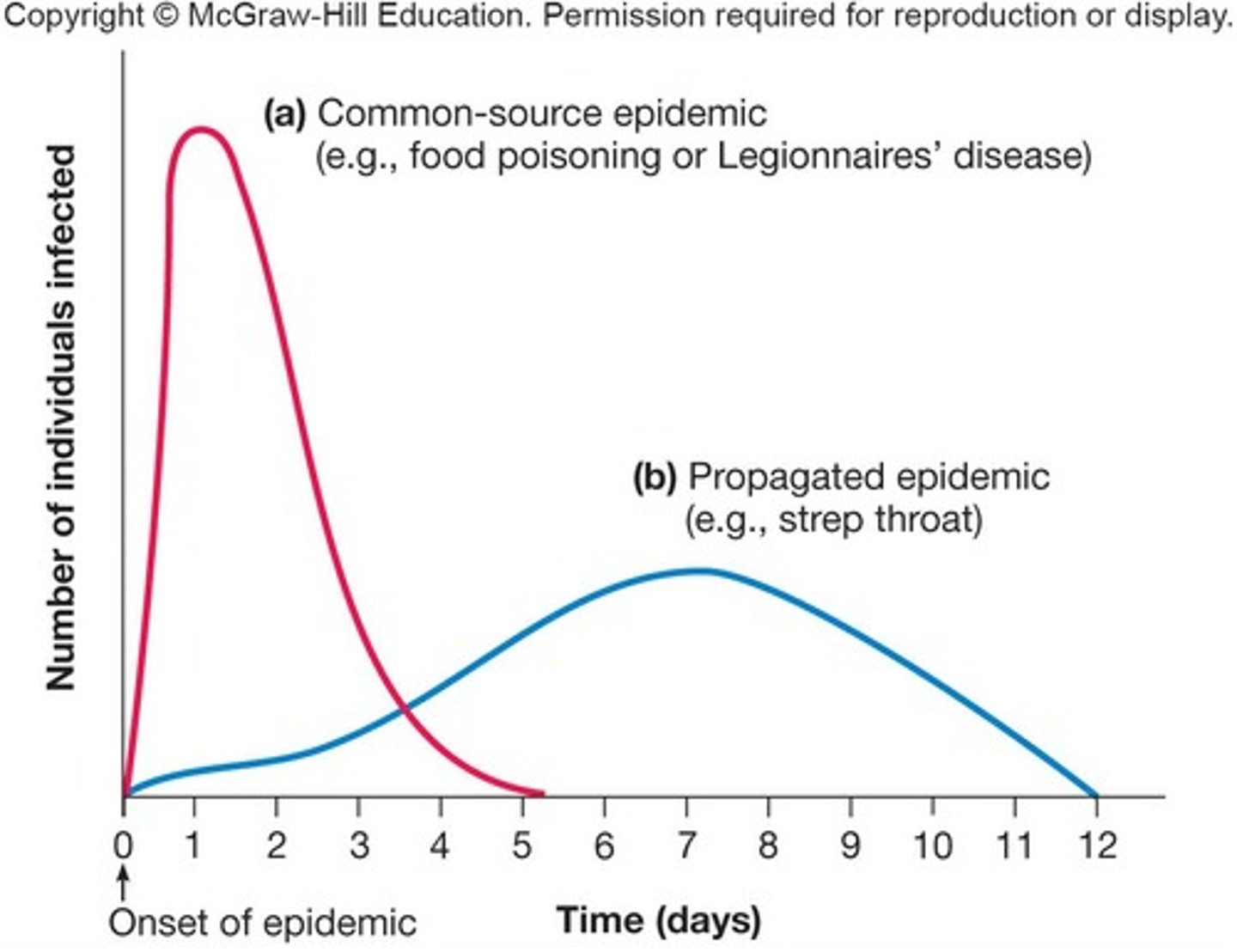
Propagated epidemic
An epidemic that spreads from person to person.
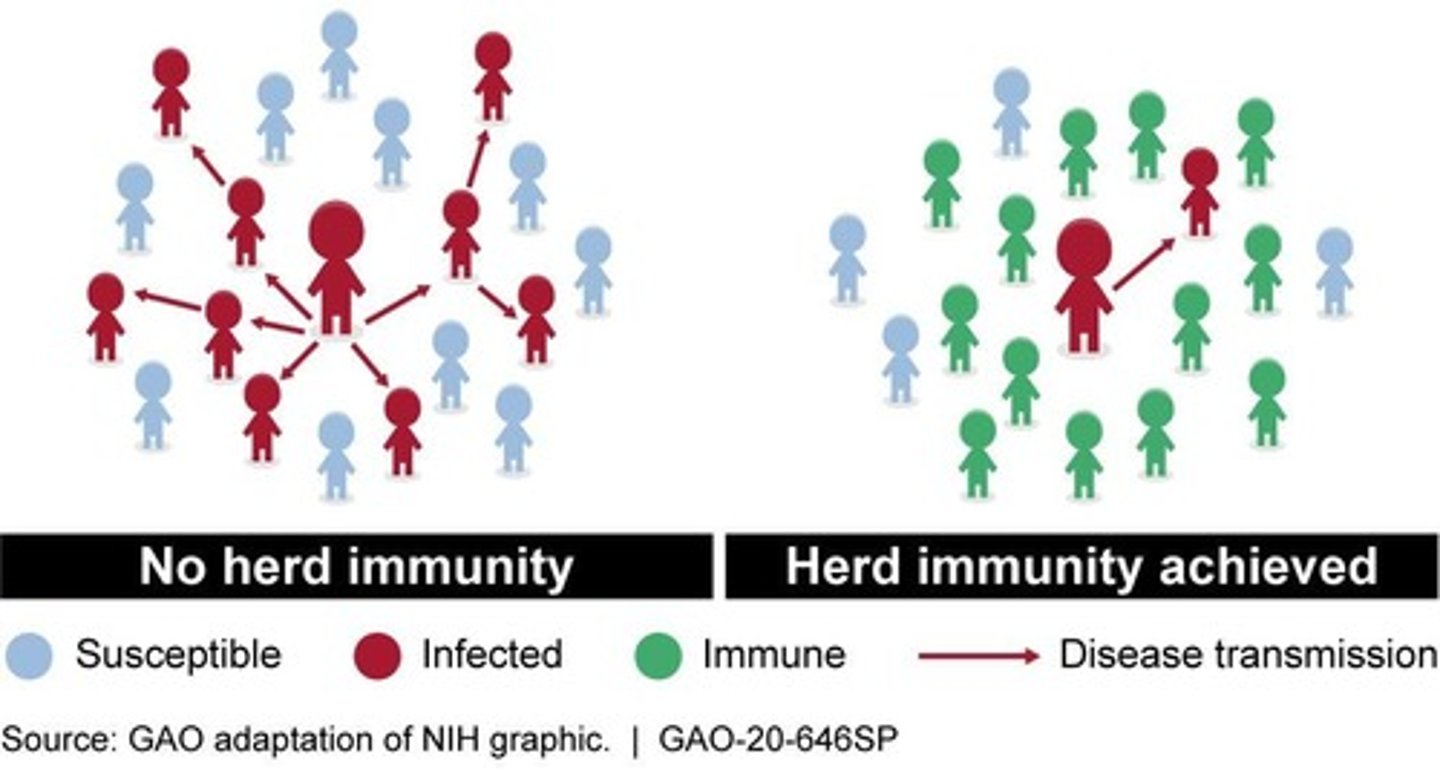
Herd Immunity
The resistance to the spread of a contagious disease within a population.
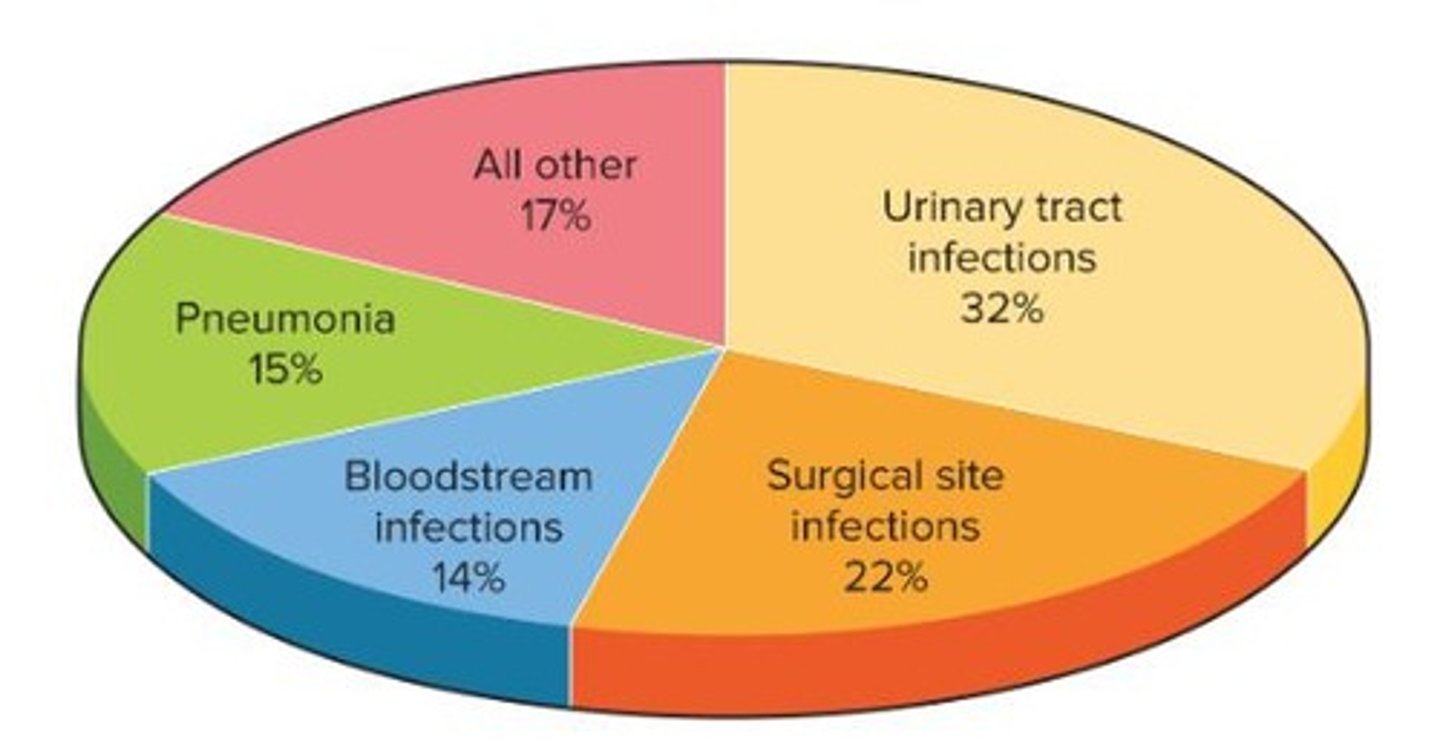
Nosocomial Infections
Hospital-acquired infections (HAI) from pathogens within a hospital.
ESKAPE
A group of antibiotic-resistant pathogens: Enterococcus faecium, Staphylococcus aureus, Klebsiella pneumoniae, Acinetobacter baumannii, Pseudomonas aeruginosa, and Enterobacter spp.
Vaccine
A preparation used to stimulate the body's immune response against diseases.
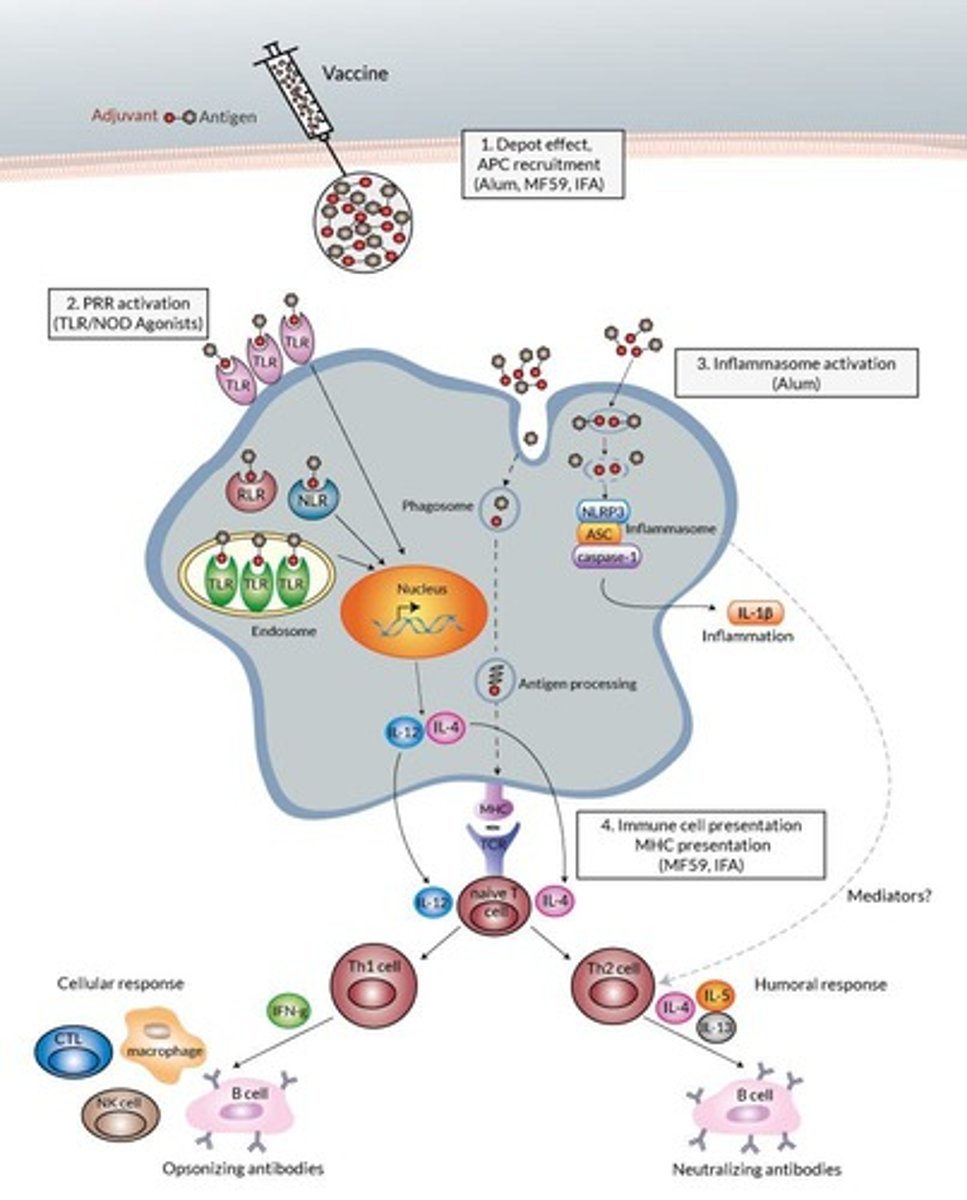
Adjuvants
Nontoxic materials used to enhance the immune response to vaccines.
Whole Cell Vaccines
Vaccines that contain the entire pathogen, either killed or weakened.
Inactivated vaccines
Vaccines that are less immunogenic and require boosters.
Attenuated vaccines
Vaccines that stimulate both humoral and cell-mediated immunity.
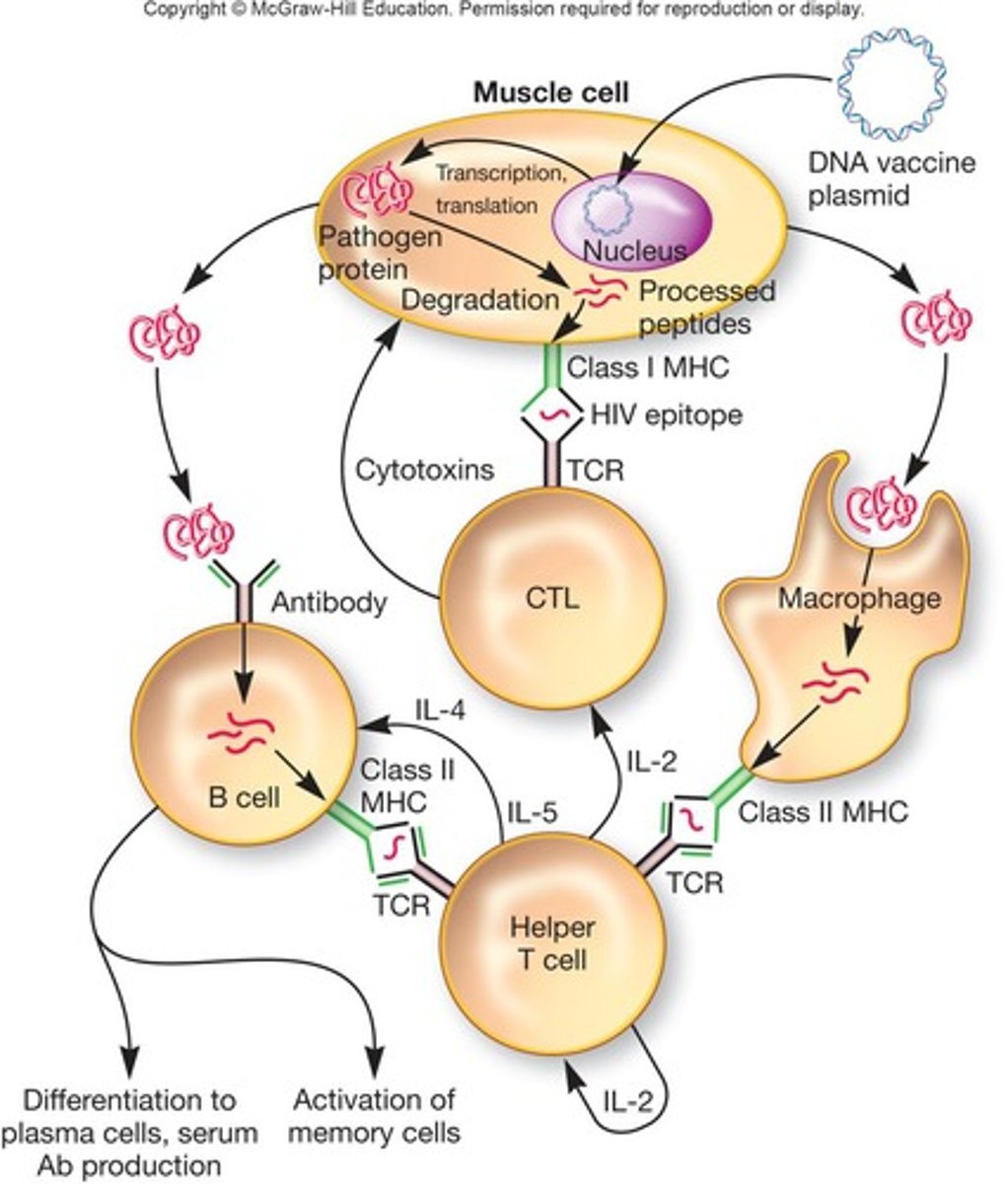
DNA Vaccines
Vaccines where DNA is directly introduced into host cells to elicit an immune response.
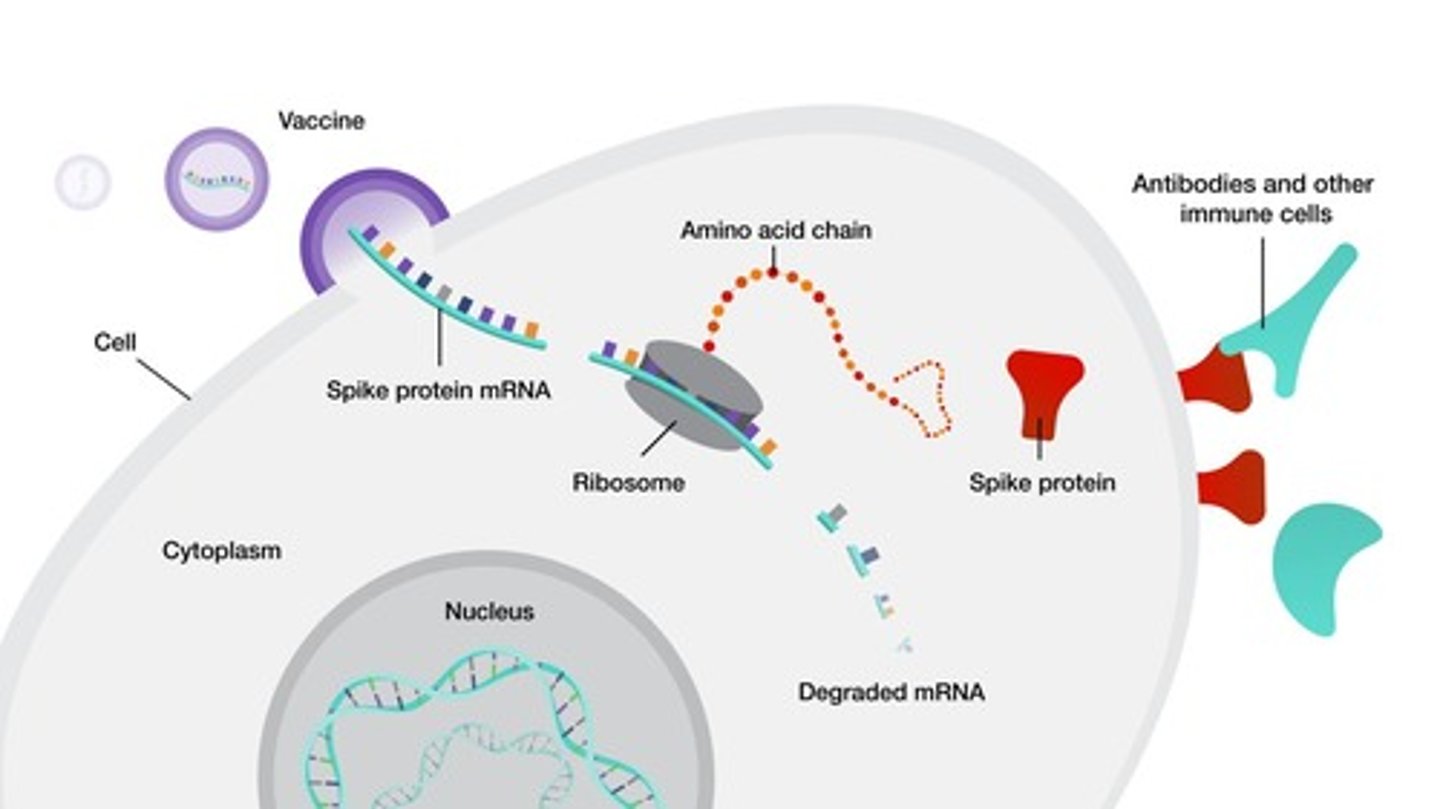
mRNA Vaccines
Vaccines that use messenger RNA to instruct cells to produce a protein that triggers an immune response.
Bioterrorism
The intentional or threatened use of viruses, bacteria, fungi, or toxins to produce death or disease.