6.3. Physiology: Breathing, Performance Physiology and Aging
 Call Kai
 Learn
Learn Practice Test
 Spaced Repetition
 Match
Match Flashcards
 Knowt Play
1/58

There's no tags or description
Looks like no tags are added yet.
Name | Mastery | Learn | Test | Matching | Spaced | Call with Kai |
|---|
No analytics yet
Send a link to your students to track their progress
59 Terms
1. Which statement about erythropoietin is correct?
A. Erythropoietin is produced in the juxtaglomerular cells of the renal cortex.
B. The production of erythropoietin is stimulated by the hypoxia-inducible factor (HIF).
C. Erythropoietin increases the apoptosis rate of erythroblasts.
D. Erythropoietin enhances erythropoiesis mainly by promoting the proliferation of multipotent stem cells in the bone marrow.
E. The stimulus for erythropoietin-induced polycythemia is the decrease in the O₂ partial pressure in the bone marrow.
B. The production of erythropoietin is stimulated by the hypoxia-inducible factor (HIF).
2. In chronic normochromic, normocytic anemia, which of the following is typically true?
A. The mean corpuscular volume (MCV) of individual erythrocytes is decreased.
B. The hemoglobin concentration of the blood is decreased.
C. The mean corpuscular hemoglobin (MCH) of individual erythrocytes is decreased.
D. The O₂ capacity (oxygen transport capacity) of the blood is normal.
E. The number of erythrocytes per liter of blood is normal.
B. The hemoglobin concentration of the blood is decreased.
3. In a patient with normal lung function, the hemoglobin concentration in the blood is 120 g/L (7.4 mmol/L based on globin monomers), and the stroke volume of the heart is 50 mL.
The oxygen pulse (oxygen transported per heartbeat) is then approximately:
A. 8 mL
B. 12 mL
C. 16 mL
D. 20 mL
E. 24 mL
A. 8 mL
4. The binding of oxygen (O₂) to hemoglobin can be altered by various factors.
Which of the following most likely increases the O₂ affinity of the remaining free binding sites on hemoglobin?
A. A decrease in pH
B. Carbon monoxide poisoning
C. An increase in the concentration of 2,3-bisphosphoglycerate
D. An increase in temperature
E. An increase in CO₂ partial pressure
B. Carbon monoxide poisoning
5. A 25-year-old subject with a previously normal acid-base status is instructed to breathe as rapidly and deeply as possible for ten breaths.
Which of the following findings best corresponds to the values in an arterial blood sample taken at the end of this ventilation test?
A. The base excess (BE) is −15 mmol/L.
B. The CO₂ partial pressure is 50 mmHg.
C. The pH value is 7.50.
D. The (current) bicarbonate concentration is 30 mmol/L.
E. The concentration of buffer bases (total buffer bases) is 27 mmol/L.
C. The pH value is 7.50.
6. Which of the following substances is a characteristic component of the electron-dense granules of platelets?
A. Adenosine diphosphate
B. Fibrinogen
C. Coagulation factor VIII
D. Platelet factor 4 (antiheparin)
E. Nitric oxide (NO)
A. Adenosine diphosphate
7. Toll-like receptors (TLRs) serve the innate immune system.
Binding of which of the following ligands is among their functions?
A. Bacterial structures
B. Histamine
C. Immunoglobulin E
D. Interferons
E. Perforin molecules
A. Bacterial structures
8. Which direct effect is most likely caused by a partial blockade of voltage-gated sodium channels?
A. Blockade of the endplate current at nicotinic synapses of skeletal muscle
B. Increase in the threshold potential for excitation of axons in peripheral nerves
C. Hyperpolarization of sensory receptor cells
D. Decrease in the receptor potential at sensory receptors
E. Increase in the action potential amplitude in nerve cells
B. Increase in the threshold potential for excitation of axons in peripheral nerves
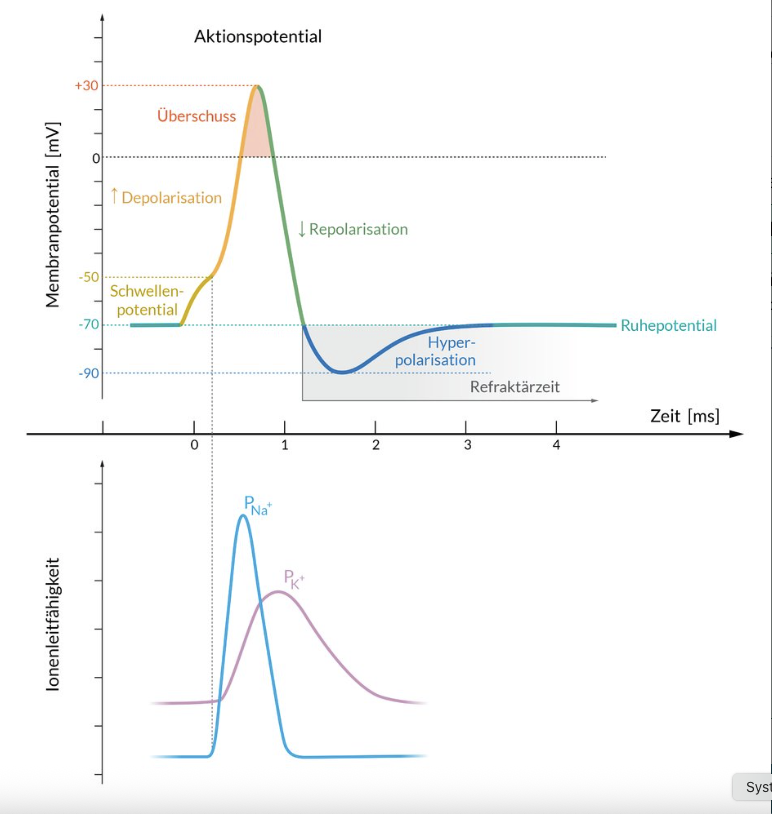
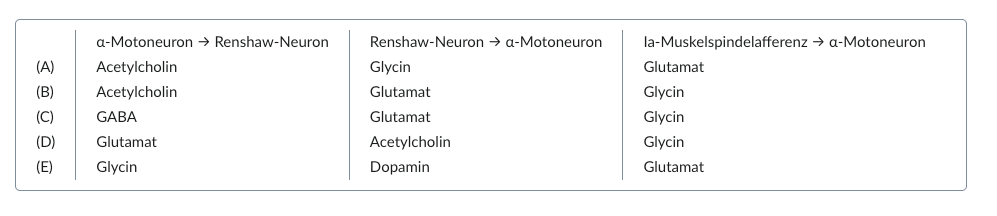
9. Assign the neurotransmitters glutamate, acetylcholine, dopamine, GABA, and glycine to the synaptic connections among α-motoneurons, Renshaw neurons, and Ia muscle spindle afferents.
A. (A)
B. (B)
C. (C)
D. (D)
E. (E)
A. (A)
10. In humans, synaptic transmission from preganglionic to postganglionic neurons of the autonomic nervous system occurs most often:
A. In the parasympathetic system via muscarinic acetylcholine receptors
B. In the sympathetic system via α-adrenoceptors
C. In the sympathetic system via β-adrenoceptors
D. In the sympathetic system via muscarinic acetylcholine receptors
E. In the sympathetic system via nicotinic acetylcholine receptors
E. In the sympathetic system via nicotinic acetylcholine receptors
11. A patient is admitted to the emergency department due to suspected poisoning with an acetylcholinesterase inhibitor.
Which symptom or effect is most likely expected based on the action of this substance at synapses between autonomic nerve fibers and the corresponding target organ?
A. Increased salivation
B. Mydriasis
C. Tachycardia
D. Decreased sweat secretion
E. Dilated bronchi
A. Increased salivation
12. Functional examinations of brain activity are used not only in research but also for clinical purposes.
Which statement about the different test methods is correct?
A. In positron emission tomography (PET), the electrical activity of individual brain areas is measured.
B. Functional magnetic resonance imaging (fMRI) has a higher temporal resolution of brain activity than EEG.
C. In EEG recordings, changes in activity in the auditory pathway can be displayed after a single presentation of an acoustic stimulus (e.g., a click sound).
D. EEG recordings measure the electrical activity primarily of deep brain structures.
E. In functional magnetic resonance imaging (fMRI), there is an increase in the blood-oxygen-level dependent (BOLD) signal over active brain areas.
E. In functional magnetic resonance imaging (fMRI), there is an increase in the blood-oxygen-level dependent (BOLD) signal over active brain areas.
13. In electroencephalographic examinations, DC potential measurements (recorded with direct-current amplifiers) most clearly show, compared to standard EEG recordings (recorded with alternating-current amplifiers):
A. The amplitudes of β-waves, but not those of α-waves
B. The frequency of β-waves, but not that of α-waves
C. Fluctuations in the mean cortical activity level
D. Fluctuations around 10 Hz in excitatory cortical activity
E. Fluctuations around 30 Hz in inhibitory cortical activity
C. Fluctuations in the mean cortical activity level
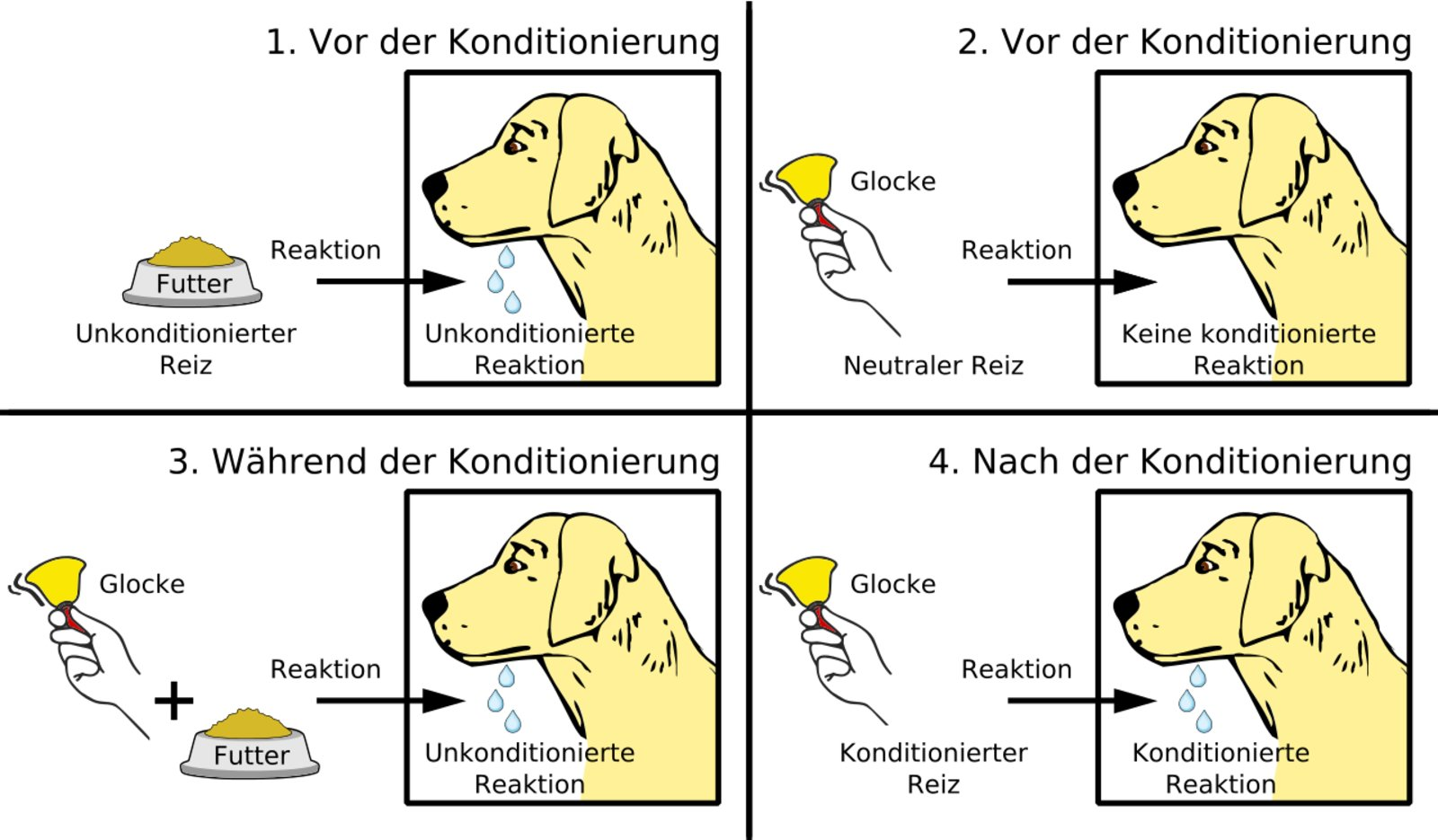
14. Many cancer patients treated in hospitals with antiproliferative drugs (cytostatics) experience nausea and vomiting as side effects.
Which learning process causes some of these patients to feel nauseous merely upon entering the hospital after some time?
A. Transfer into declarative memory
B. Habituation
C. Classical (Pavlovian) conditioning
D. Learning of motor skills
E. Sensitization
C. Classical (Pavlovian) conditioning
15. In neuronal circuits, disinhibition is achieved through the synaptic serial connection of:
A. One excitatory and one inhibitory neuron
B. One inhibitory and one excitatory neuron
C. One inhibitory and two excitatory neurons
D. Two excitatory neurons
E. Two inhibitory neurons
E. Two inhibitory neurons
16. To determine the far point on an optical bench of limited length, a convex lens is placed in the visual axis directly in front of the eye to be examined. Taking into account the refractive power of this lens, the far point of the eye can be calculated.
When examining an eye using a lens with a refractive power of +4 diopters, a common far point of the lens and the eye is measured at 50 cm.
Which conclusion about the refraction of the eye is most likely correct?
A. The eye has a hyperopia of 1 diopter.
B. The eye has a hyperopia of 2 diopters.
C. The eye has a myopia of 1 diopter.
D. The eye has a myopia of 2 diopters.
E. The eye is emmetropic (normal vision).
B. The eye has a hyperopia of 2 diopters.
17. For the distribution of cones and rods in the retina, which statement is correct?
A. The density of rods reaches its highest value within the fovea centralis.
B. The density of rods reaches its highest value within the area 10° to 40° from the center of the fovea.
C. The density of cones reaches its highest value within the area 10° to 40° from the center of the fovea.
D. The density of sensory cells varies greatly within the retina, but the local ratio of rod to cone density is always between 4:1 and 6:1.
E. The densities of rods and cones are approximately equal at every location in the retina (differences less than 50%).
B. The density of rods reaches its highest value within the area 10° to 40° from the center of the fovea.
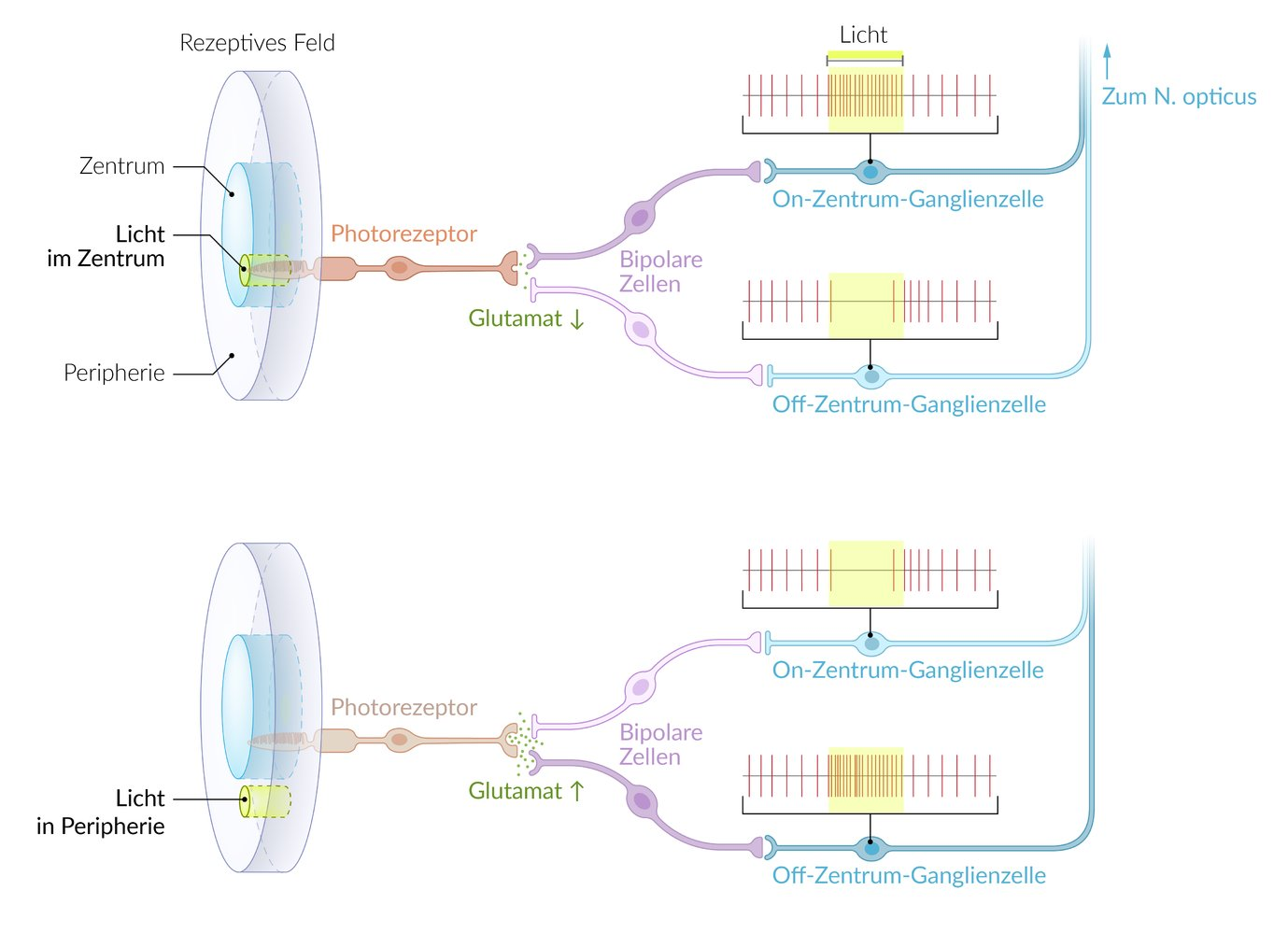
18. Which of the following statements about retinal ganglion cells is characteristically correct?
A. Off-ganglion cells receive signals directly from bipolar cells that are depolarized by cones via ionotropic glutamate receptors.
B. Off-ganglion cells receive signals directly from bipolar cells that are hyperpolarized by cones via metabotropic glutamate receptors.
C. Off-ganglion cells receive signals directly from cones that release more GABA upon illumination.
D. On-ganglion cells receive signals directly from cones that release more glutamate upon illumination.
E. On-ganglion cells receive signals directly from cones that are depolarized by illumination.
A. Off-ganglion cells receive signals directly from bipolar cells that are depolarized by cones via ionotropic glutamate receptors.
19. A sound whose sound pressure is one million times greater than the reference pressure has a sound pressure level of:
A. 6 dB
B. 12 dB
C. 60 dB
D. 120 dB
E. 600 dB
D. 120 dB
20. A 40-year-old patient visits the family doctor because he has noticed a slowly increasing hearing loss in the left ear over the past few months. In addition, he frequently experiences vertigo, which is also slowly increasing in intensity. An initial hearing test shows a bilaterally positive Rinne test and a Weber test lateralizing to the right.
Damage to which of the following structures best explains the combination of these symptoms and findings?
A. Outer hair cells of the left cochlea
B. Inner hair cells of the left cochlea
C. Left m. stapedius
D. Left n. vestibulocochlearis
E. Left tympanic membrane
D. Left n. vestibulocochlearis
21. A patient presents to the general practitioner with a one-day history of intense vertigo accompanied by episodes of nausea and vomiting.
Which of the following symptoms or findings most likely indicates a failure of the right (peripheral) vestibular organ?
A. Optokinetic nystagmus to the left
B. Optokinetic nystagmus to the right
C. Positive Rinne test on the right
D. Spontaneous nystagmus to the left
E. Spontaneous nystagmus to the right
D. Spontaneous nystagmus to the left
22. Which of the following types of receptors is most important for the spatial resolution (two-point discrimination threshold) of touch stimuli at the fingertips?
A. Free nerve endings
B. Hair follicle receptors
C. Merkel cell receptors (SA1)
D. Ruffini corpuscles (SA2)
E. Vater-Pacini corpuscles (PC)
C. Merkel cell receptors (SA1)
23. Certain substances depolarize nociceptive nerve endings (nociceptors) by binding extracellularly to membrane channels of the nociceptors and thereby activating these channels.
Which of the following substances most likely acts in this way?
A. Adenosine triphosphate (ATP)
B. Adrenaline
C. Bradykinin
D. Cortisol
E. Dopamine
A. Adenosine triphosphate (ATP)
24. In the transmission of pain signals from C-fiber afferents to dorsal horn neurons of the spinal cord, cotransmitters are released in addition to glutamate.
Which substance is most likely a cotransmitter in this synaptic transmission?
A. Acetylcholine
B. Dopamine
C. Noradrenaline
D. Serotonin
E. Substance P
E. Substance P
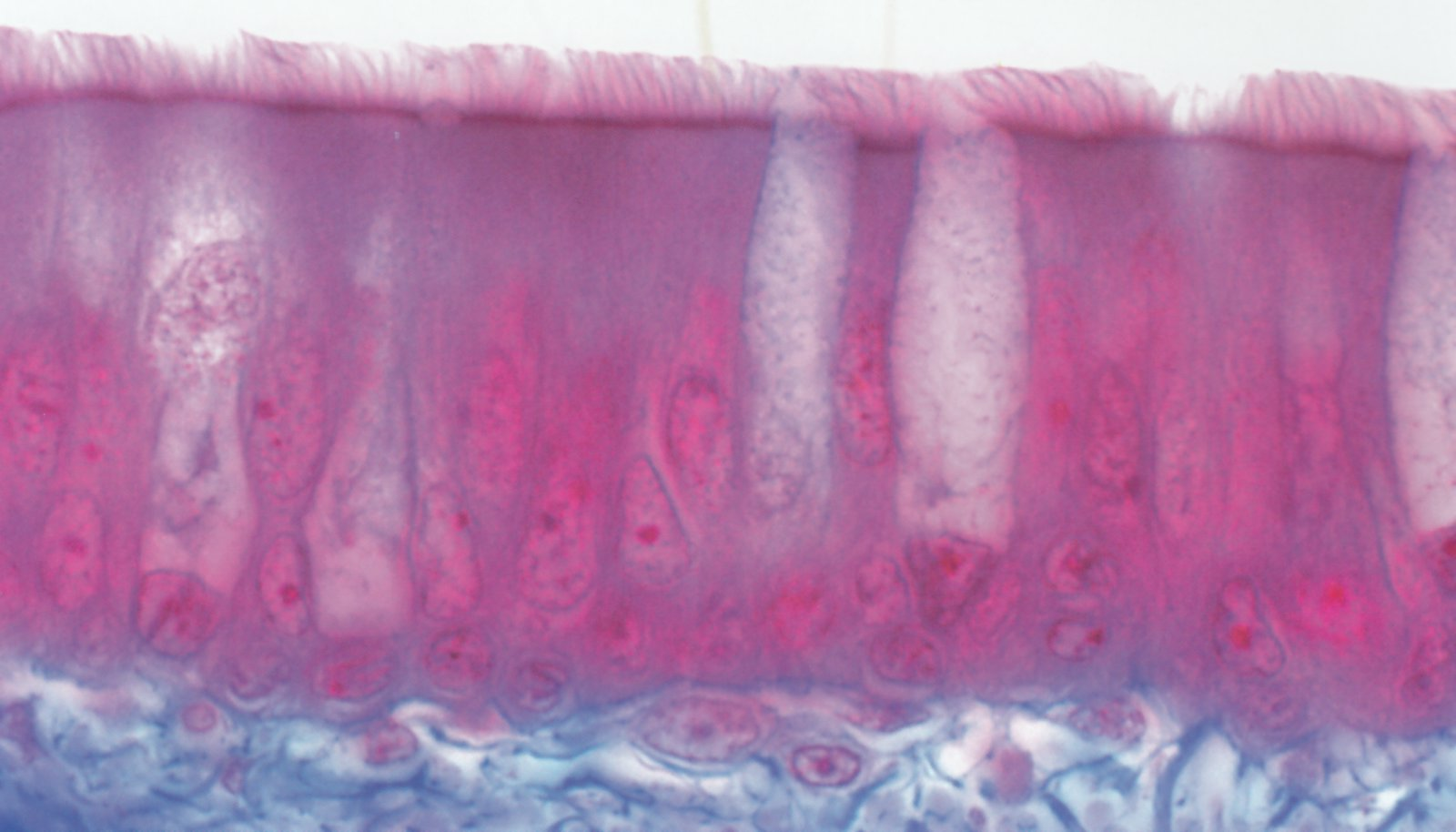
25. The defense and cleaning function of the ciliated epithelium in the respiratory tract (mucociliary clearance) requires unhindered ciliary movement. For this, the cilia must be immersed in a low-viscosity fluid layer of sufficient volume, on which the actual mucus layer floats.
Under which condition is the motility of the cilia of the bronchial epithelium most likely impaired?
A. Surfactant excess
B. Increased transcellular Cl⁻ secretion of the bronchial epithelium
C. Increased transcellular Na⁺ reabsorption of the bronchial epithelium
D. Decreased mucus production of the bronchial epithelium
E. Water vapor pressure in the airways of 6.3 kPa (47 mmHg)
C. Increased transcellular Na⁺ reabsorption of the bronchial epithelium
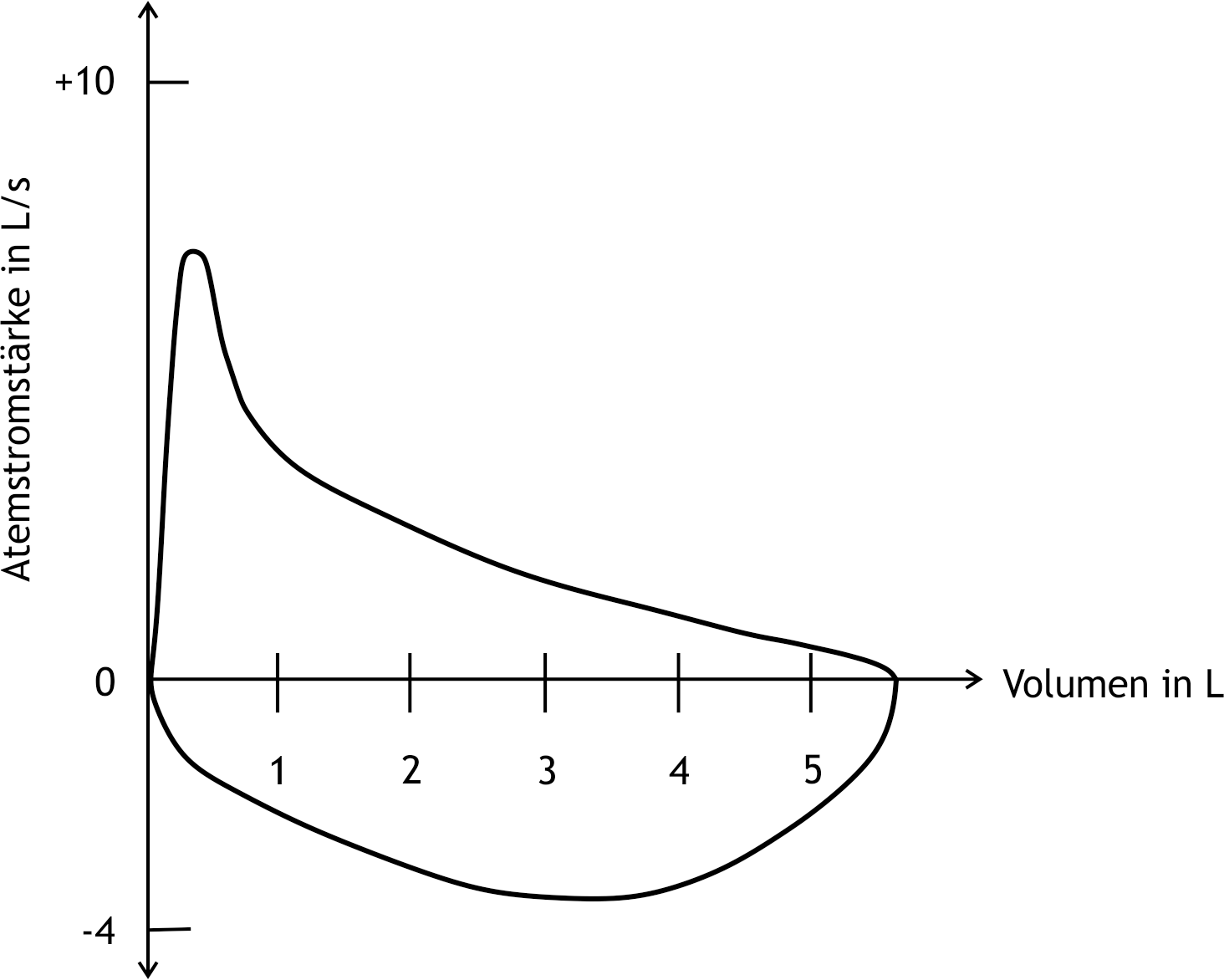
26. In a patient, the flow-volume curve shown schematically was recorded. The patient reports no respiratory complaints. To objectively assess a possible functional disorder through testing, you consider which substance could potentially normalize the finding.
Which substance is most likely to produce such normalization?
A. β-adrenoceptor agonist
B. Histamine H₁ receptor agonist
C. Muscarinic acetylcholine receptor agonist
D. Serotonin receptor agonist
E. Substance P
A. β-adrenoceptor agonist
27. In a patient with bronchial asthma, a forced expiratory volume in one second (FEV₁) of 50% of the vital capacity is measured.
Which of the following changes in smooth muscle cells is most likely to help normalize airway resistance?
A. Activation of phospholipase C
B. Increase in cytosolic inositol-1,4,5-trisphosphate concentration
C. Increase in cytosolic cAMP concentration
D. Inhibition of protein kinase A
E. Decrease in cytosolic cGMP concentration
C. Increase in cytosolic cAMP concentration
28. The pressure in the pleural space shows breathing-dependent differences compared to the atmospheric pressure of the surroundings.
In a healthy adult, the pressure in the pleural space:
A. Exceeds atmospheric pressure following forced expiration after one second of inspiration
B. Is always greater than atmospheric pressure
C. Is lower than atmospheric pressure during quiet breathing at rest (without respiratory effort)
D. Rises above atmospheric pressure during the expiratory phase of quiet breathing
E. Rises above atmospheric pressure during the inspiratory phase of quiet breathing
C. Is lower than atmospheric pressure during quiet breathing at rest (without respiratory effort)
29. A patient is breathing very shallowly and rapidly due to a painful chest contusion. Compared to her condition before the injury, her tidal volume is halved, her respiratory rate is doubled, and her lung volume at the beginning of inspiration remains unchanged.
Which of the following effects is most likely compared to the pre-injury state?
A. The minute ventilation is increased.
B. The arterial CO₂ partial pressure in the systemic circulation is decreased.
C. The arterial O₂ partial pressure in the systemic circulation is increased.
D. The alveolar ventilation is decreased.
E. The dead space ventilation is decreased.
D. The alveolar ventilation is decreased.
30. A chronic obstructive pulmonary disease (COPD) causes a patient to have a permanently increased bronchial resistance, resulting in hypoventilation.
Which finding is most likely to result from this condition?
A. The residual volume is decreased.
B. The arterial CO₂ partial pressure in the systemic circulation is decreased.
C. The arterial O₂ partial pressure in the systemic circulation is decreased.
D. The hematocrit is decreased.
E. The forced expiratory volume in one second (FEV₁) is increased.
C. The arterial O₂ partial pressure in the systemic circulation is decreased.
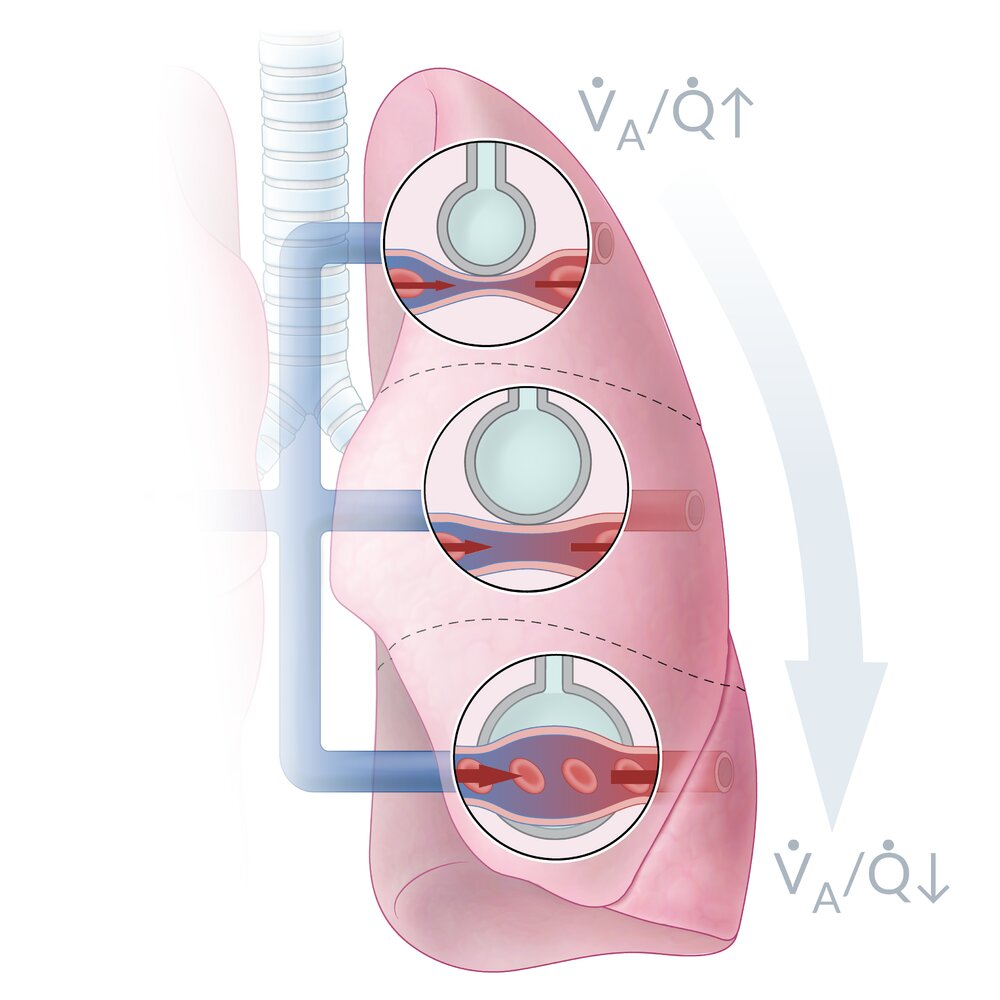
31. The concentrations of oxygen and carbon dioxide in the pulmonary veins depend on lung ventilation and perfusion.
Which statement about ventilation and perfusion of the lungs in the upright position is generally correct?
A. The ventilation-perfusion ratio decreases from the apex of the lung to the base.
B. Perfusion decreases from the apex of the lung to the base.
C. Ventilation decreases from the apex of the lung to the base.
D. A high ventilation-perfusion ratio leads to low O₂ concentration and high CO₂ concentration in the alveoli.
E. Ventilation and perfusion are in the same ratio throughout the lung.
A. The ventilation-perfusion ratio decreases from the apex of the lung to the base.
32. The heart rate can be pharmacologically influenced via β-adrenoceptors.
What does activation of β-adrenoceptors in the heart typically cause?
A. Activation of inward-rectifying K⁺ channels
B. Activation of HCN channels
C. Inhibition of gap junctions
D. Inhibition of voltage-gated Ca²⁺ channels
E. Decrease in energy consumption
B. Activation of HCN channels
33. For a second-degree AV block, given normal atrial excitations, which statement is characteristic?
A. The frequency of QRS complexes equals the frequency of P waves.
B. The heart rate is, on average, lower than the frequency of P waves.
C. Ventricular excitations occur independently of atrial excitations.
D. The PQ interval is always greater than 220 ms.
E. The atria are excited retrogradely from the ventricles.
B. The heart rate is, on average, lower than the frequency of P waves.
34. Which statement regarding myocardial contraction is correct?
A. The increase in cytosolic Ca²⁺ concentration in myocardial cells is independent of the activation of dihydropyridine-sensitive receptors (Cav1.2 channels).
B. Contraction of the myocardial cell is triggered by Ca²⁺-dependent activation of myosin light-chain kinase.
C. The positive inotropic effect of the sympathetic nervous system is mainly due to inhibition of Ca²⁺ reuptake into the sarcoplasmic reticulum of myocardial cells.
D. A persistently elevated extracellular K⁺ concentration of about 30 mmol/L leads to a permanent relaxation of the heart muscle.
E. During ventricular fibrillation, the Ca²⁺ concentration in the myocardium remains at the resting level.
D. A persistently elevated extracellular K⁺ concentration of about 30 mmol/L leads to a permanent relaxation of the heart muscle.
35. Which statement about the pressure-volume (work) diagram of the left ventricle (in situ) is typically correct?
A. The external cardiac work (of one cardiac cycle) is the quotient of stroke volume and maximal ventricular pressure difference.
B. A preload of 25 mmHg is within the normal range (at rest, averaged over 100 heartbeats).
C. A physiological increase in preload acutely leads to a decrease in stroke volume.
D. Positively inotropic substances increase the isovolumetric maxima.
E. Afterload decreases throughout the entire ejection phase.
D. Positively inotropic substances increase the isovolumetric maxima.
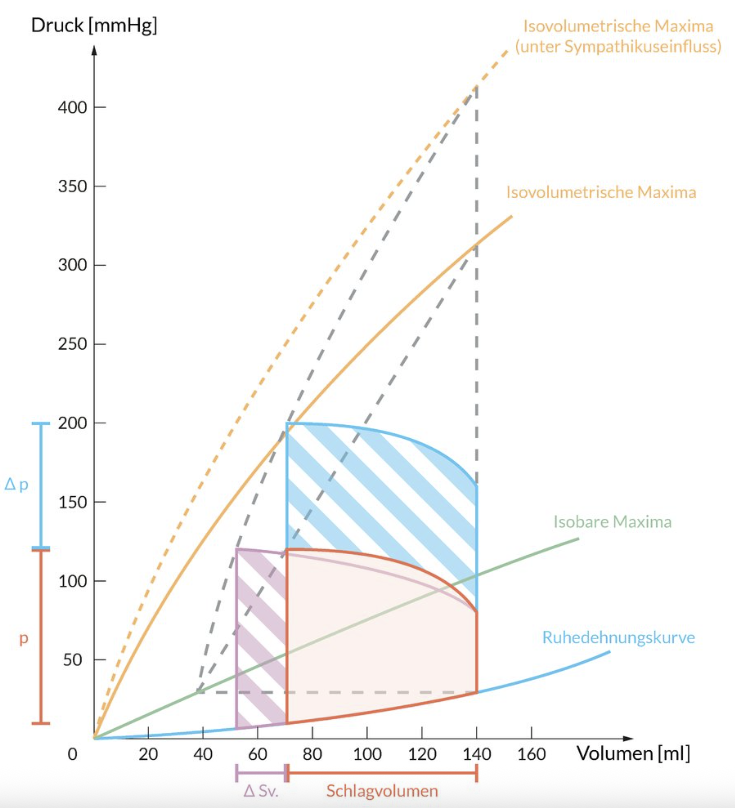
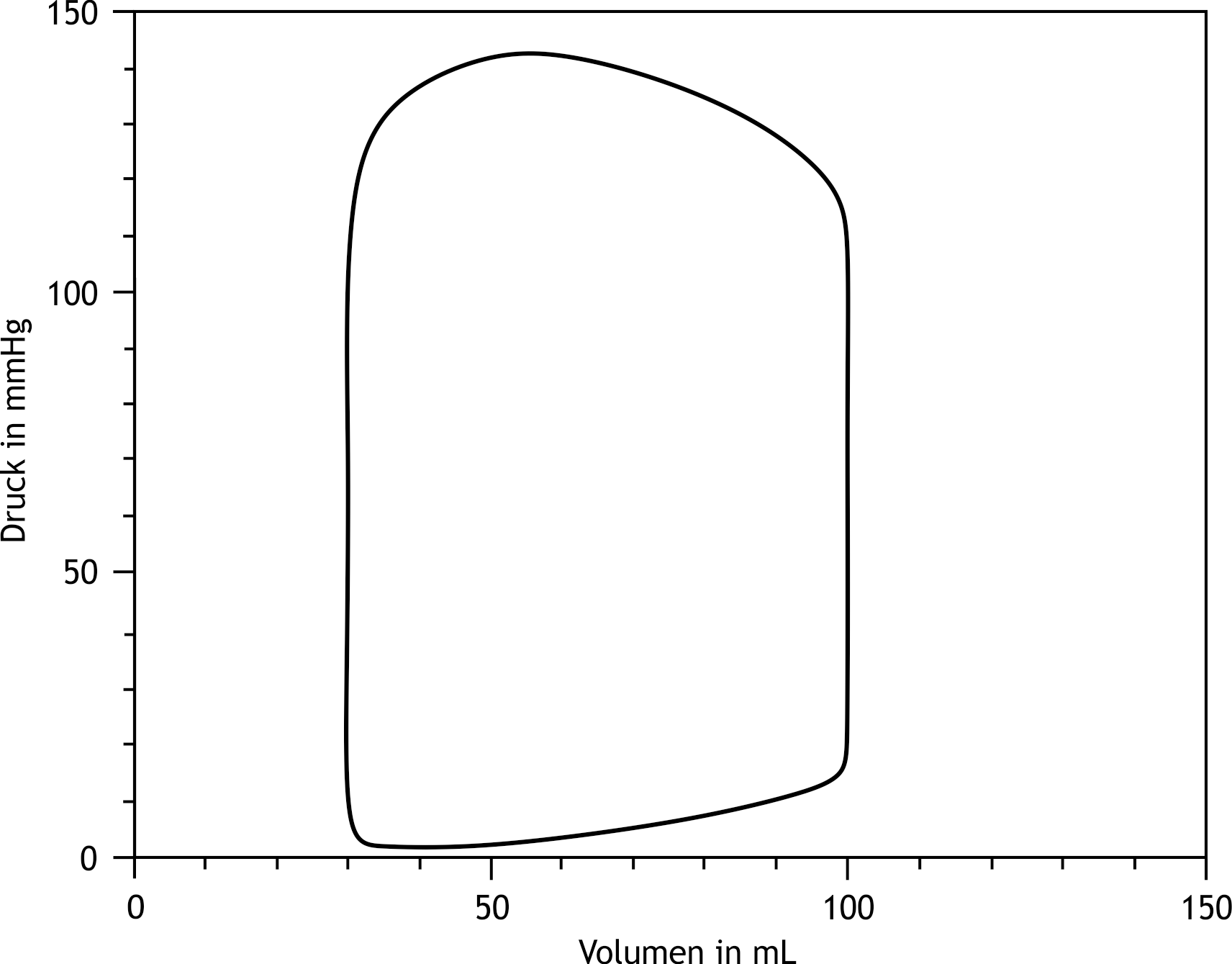
36. At the heart of a patient, the following pressure-volume diagram of the left ventricle was recorded.
According to this diagram, the ejection fraction is most likely:
A. 30%
B. 40%
C. 50%
D. 60%
E. 70%
E. 70%
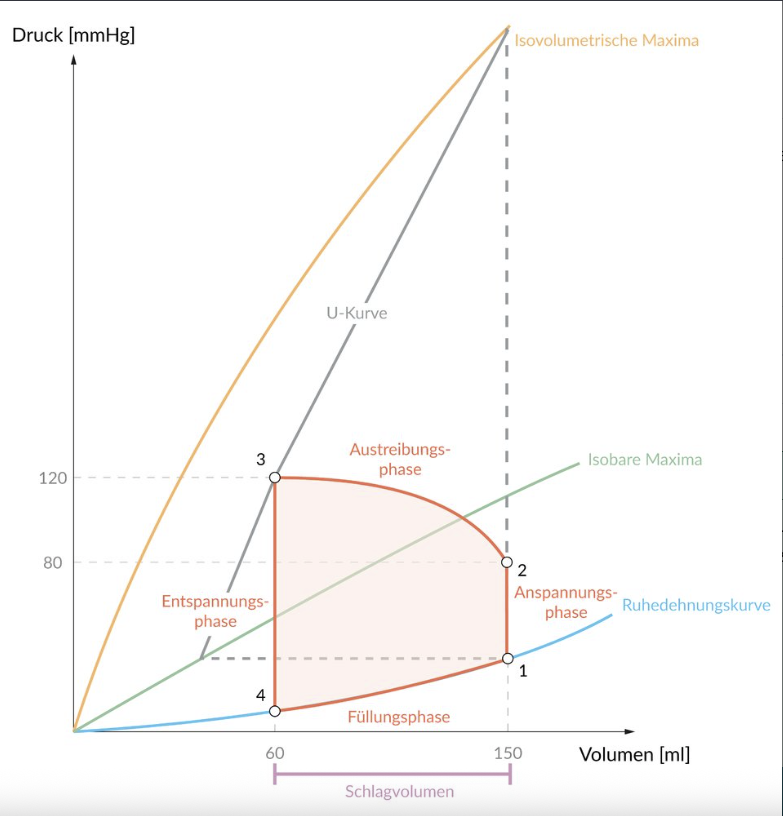
37. Efficient coronary circulation ensures that the heart receives sufficient oxygen and energy substrates.
Which statement about the oxygen and energy supply of the heart is correct?
A. During physical exertion, an increase in coronary blood flow up to 20-fold is possible.
B. The majority of energy is derived from glucose.
C. Oxygen consumption can at most double during exertion.
D. The blood supply to the left ventricular myocardium occurs mainly during systole.
E. The oxygen extraction rate of the heart muscle is greater than that of the kidneys.
E. The oxygen extraction rate of the heart muscle is greater than that of the kidneys.
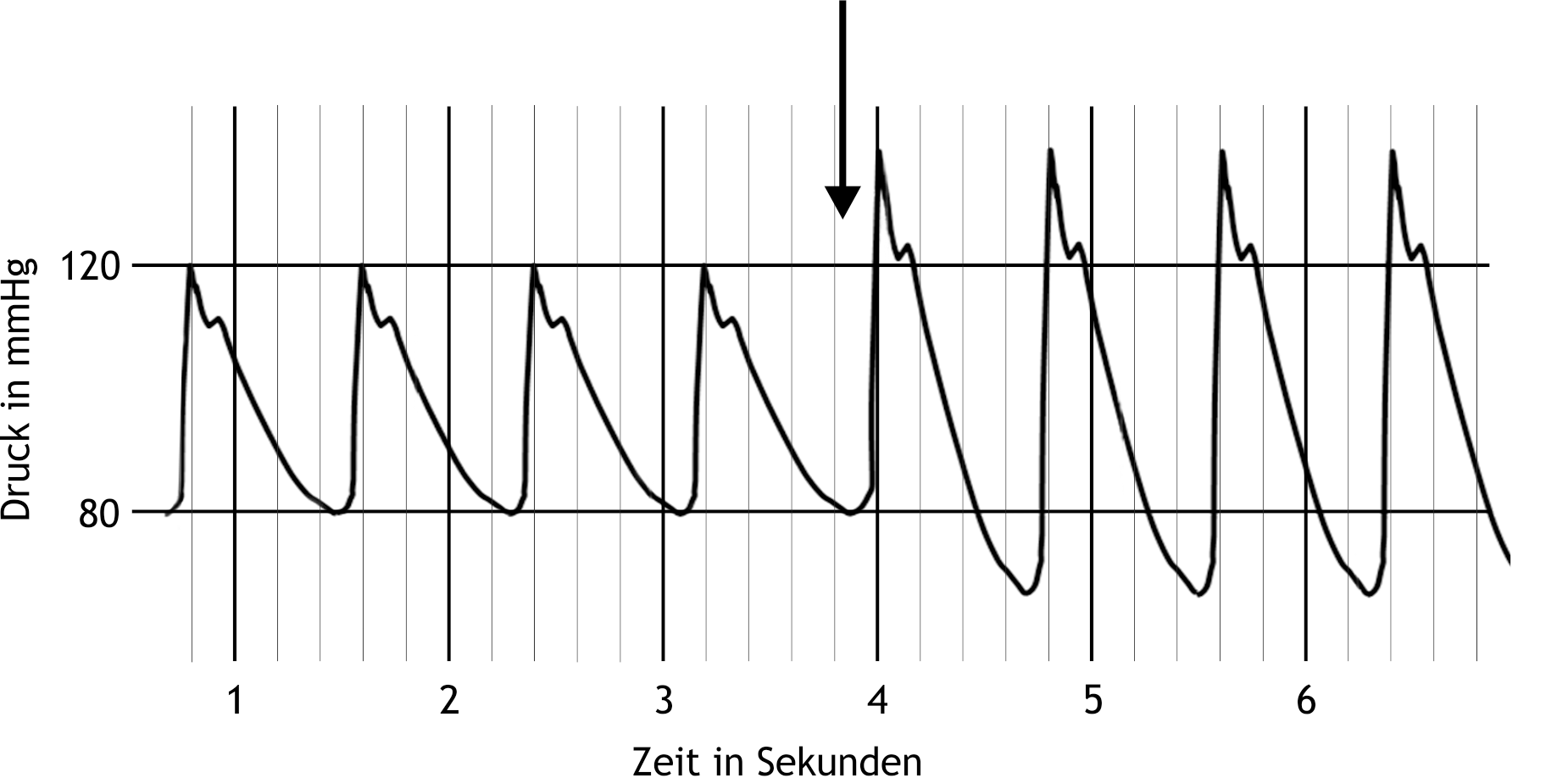
38. In the figure below, pressure measurements in the ascending aorta are shown from a model of the circulatory system that allows individual parameters to be varied independently.
Which change in one of the listed parameters is most likely made at the time indicated by the arrow?
A. Stroke volume is decreased.
B. Peripheral resistance is decreased.
C. The diastolic time fraction is decreased.
D. Aortic compliance is decreased.
E. Heart rate is increased.
D. Aortic compliance is decreased.
39. As part of the aging process, elastin in the aorta becomes fragmented, and collagen content increases.
This leads to:
A. A decrease in arterial blood pressure amplitude
B. A decrease in myocardial oxygen consumption
C. A reduction in the size of the left atrium
D. An increase in aortic pulse wave velocity
E. More efficient cardiac work
D. An increase in aortic pulse wave velocity
40. A healthy 25-year-old man lies down after standing quietly for 3 minutes.
A comparison of cardiovascular parameter values after 5 minutes of quiet lying with those from the last minute of standing most likely shows:
A. A decrease in diastolic arterial blood pressure
B. A decrease in cardiac output
C. A decrease in stroke volume
D. An increase in heart rate
E. An increase in peripheral vascular resistance in the systemic circulation
A. A decrease in diastolic arterial blood pressure
41. The perfusion resistance of organs is regulated, among other factors, by metabolic products and neurotransmitters.
Which of the following most likely causes an increase in perfusion resistance in skeletal muscle?
A. Adenosine from muscle fibers
B. CO₂ from muscle fibers
C. Noradrenaline from sympathetic nerve endings
D. Prostacyclin from the endothelium
E. Nitric oxide (NO) from the endothelium
C. Noradrenaline from sympathetic nerve endings
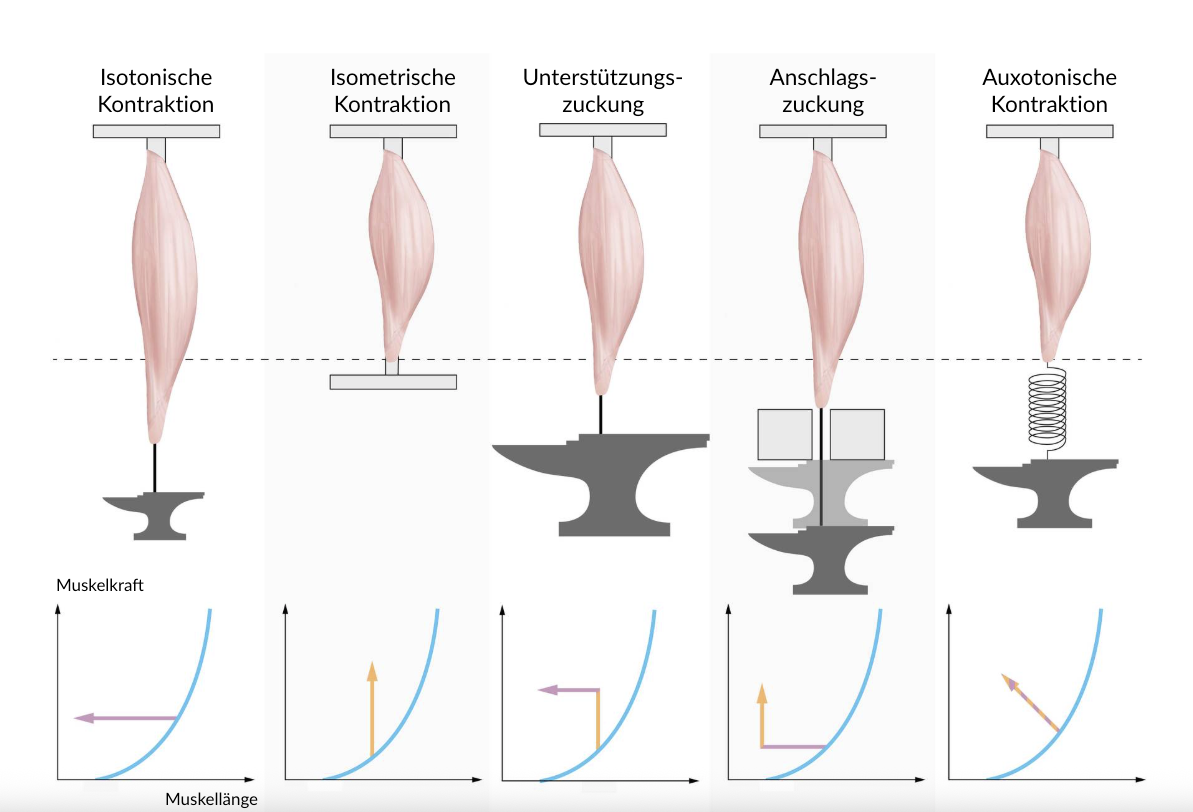
42. For striated skeletal muscle, the relationship between muscle force and muscle length can be described by various types of contractions.
Which statement about muscle contraction is correct for a striated skeletal muscle?
A. Starting from the resting length curve, a maximally possible shortening at constant force ends on the curve of isotonic maxima.
B. The work of a muscle contraction corresponds, in the force–length diagram, to the area under the resting length curve.
C. The force achieved during isometric contractions exceeds the maximum total force achieved during muscle lengthening contractions.
D. Muscle power is maximal at a force corresponding to about 90% of maximal isometric muscle force.
E. Pre-stretching of skeletal muscle has no influence on muscle force.
A. Starting from the resting length curve, a maximally possible shortening at constant force ends on the curve of isotonic maxima.
43. In addition to potassium and sodium, chloride also plays an important role in the membrane potential of skeletal muscle.
Which statement is generally true for skeletal muscle fibers?
A. Due to its high intracellular concentration, Cl⁻ promotes depolarization.
B. Cl⁻ supports repolarization.
C. The equilibrium potential for Cl⁻ is approximately −50 mV.
D. The Cl⁻ conductance of the cell membrane is mainly based on nicotinic acetylcholine receptors.
E. During a tetanic contraction, repolarization occurs exclusively through potassium efflux.
B. Cl⁻ supports repolarization.
44. The energy for skeletal muscle contraction can be supplied through various biochemical pathways, with the duration of physical exertion playing an important role.
In the first 3 seconds of maximal muscle work:
A. Energy supply in the muscle occurs mainly through already available high-energy phosphate compounds.
B. Oxygen consumption of the muscle rises to more than 80% of its maximum.
C. The rate of anaerobic glycolysis in the muscle rises to more than 80% of its maximum.
D. The muscle primarily uses amino acids for energy production.
E. The muscle primarily uses fatty acids for energy production.
A. Energy supply in the muscle occurs mainly through already available high-energy phosphate compounds.
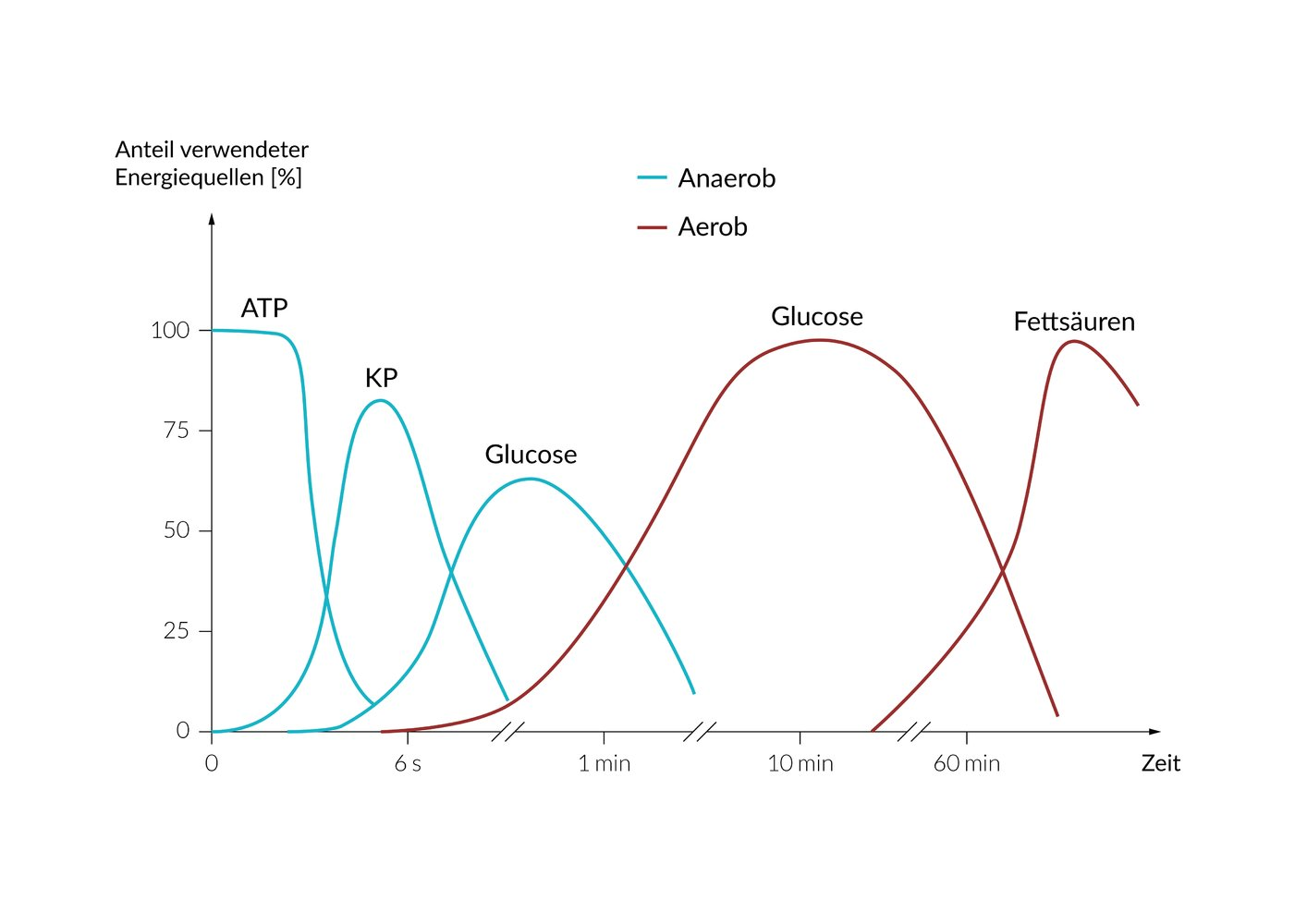
45. In a trained long-distance runner compared to an untrained individual, both at physical rest, which of the following is most likely increased?
A. The minute ventilation
B. The end-diastolic left ventricular volume
C. The diastolic arterial blood pressure
D. The arterial oxygen saturation
E. The heart rate
B. The end-diastolic left ventricular volume
46. Which statement about the body’s thermoregulation under mental and physical rest is generally correct?
A. When surrounding objects have temperatures above 37 °C, the body mainly loses heat through the net effect of radiant heat exchange with all objects.
B. The energy turnover of a nude person is set to higher values at an ambient air temperature of 15 °C than at 25 °C.
C. Core body temperature reaches its daily maximum in the early morning hours.
D. Regulatorily increased heat loss through the skin is caused by a reduction in cardiac output.
E. Thermoreceptors in the skin regulate skin blood flow primarily through endothelin release.
B. The energy turnover of a nude person is set to higher values at an ambient air temperature of 15 °C than at 25 °C.
47. Disturbances in homeostatic regulation are potential causes of obesity.
Which statement is generally correct?
A. Acute hunger requires a simultaneous decrease in leptin concentration in the blood plasma.
B. Insulin has primarily orexigenic (appetite-stimulating) effects directly in the central nervous system.
C. Insulin decreases energy expenditure in the long term.
D. Leptin predominantly decreases sympathetic nervous system activity.
E. Leptin increases energy expenditure in the long term.
E. Leptin increases energy expenditure in the long term.
48. Reflux of gastric juice into the esophagus can cause inflammation of the esophageal mucosa (so-called reflux esophagitis). To prevent gastroesophageal reflux, the tone of the lower esophageal sphincter is important.
Which of the following conditions is most likely to increase the tone of the lower esophageal sphincter?
A. Inhibition of Ca²⁺ channels
B. Stimulation of α-adrenoceptors
C. Drinking alcohol
D. Drinking coffee
E. Effect of progesterone
B. Stimulation of α-adrenoceptors
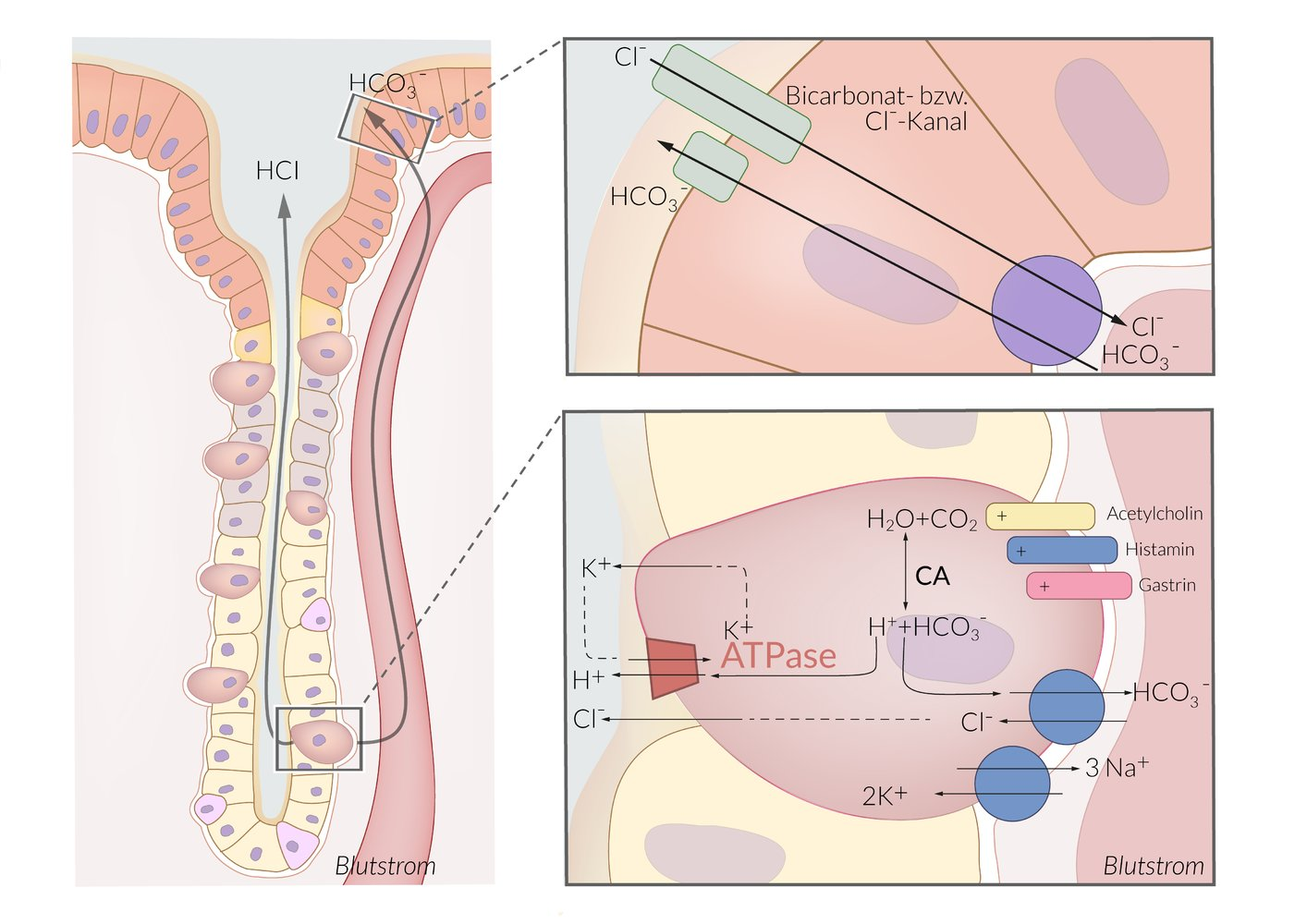
49. At the luminal membrane of the gastric parietal cells, H⁺ ions are transported out of the cell.
Which transport mechanism is primarily responsible for this process?
A. A primary active transport that moves H⁺ together with HCO₃⁻
B. A primary active transport that exchanges Na⁺ for H⁺
C. A secondary active transport that exchanges H⁺ for Na⁺
D. Transport via an ATPase that exchanges H⁺ for K⁺
E. Transport through an H⁺ ion channel
D. Transport via an ATPase that exchanges H⁺ for K⁺
50. The release of cholecystokinin (CCK) by cells of the small intestinal mucosa is:
A. Stimulated by long-chain fatty acids
B. Stimulated by monosaccharides
C. Inhibited by efferent activation of the vagus nerve
D. Inhibited by gastrin-releasing peptide (GRP)
E. Inhibited by secretin
A. Stimulated by long-chain fatty acids
51. The glomerular filtration rate (GFR) is an important parameter for assessing kidney function.
Which condition must at least be met, or which property must a substance have, for its clearance to be used to estimate the GFR?
A. High permeability of the glomerular filter
B. High paracellular permeability of the tubule
C. High plasma protein binding
D. High tubular secretion
E. High molecular weight and negative charge
A. High permeability of the glomerular filter
52. In a man with a creatinine clearance of 120 mL/min and a urine flow rate of 3 mL/min, the urea concentration in the urine is 100 mmol/L and in the blood plasma 5 mmol/L. (Creatinine clearance and GFR are approximately equal.)
The percentage fractional urea excretion (excreted urea as a percentage of the glomerularly filtered amount) is most likely in the range of:
A. 0–20%
B. 21–40%
C. 41–60%
D. 61–80%
E. 81–100%
C. 41–60%
53. After ultrafiltration in the glomerulus, the osmolarity of the primary urine equals that of the blood plasma. The various tubular segments that the primary urine subsequently passes through differ greatly in their transport properties and influence the osmolarity of the urine to varying degrees.
Up to which tubular segment does the urine osmolarity remain approximately identical to the osmolarity of the blood plasma (deviation less than 15%)?
A. Up to the end of the proximal convoluted tubule
B. Up to the end of the loop of Henle
C. Up to the end of the distal convoluted tubule
D. Up to the end of the cortical collecting duct
E. Up to the end of the medullary collecting duct
A. Up to the end of the proximal convoluted tubule
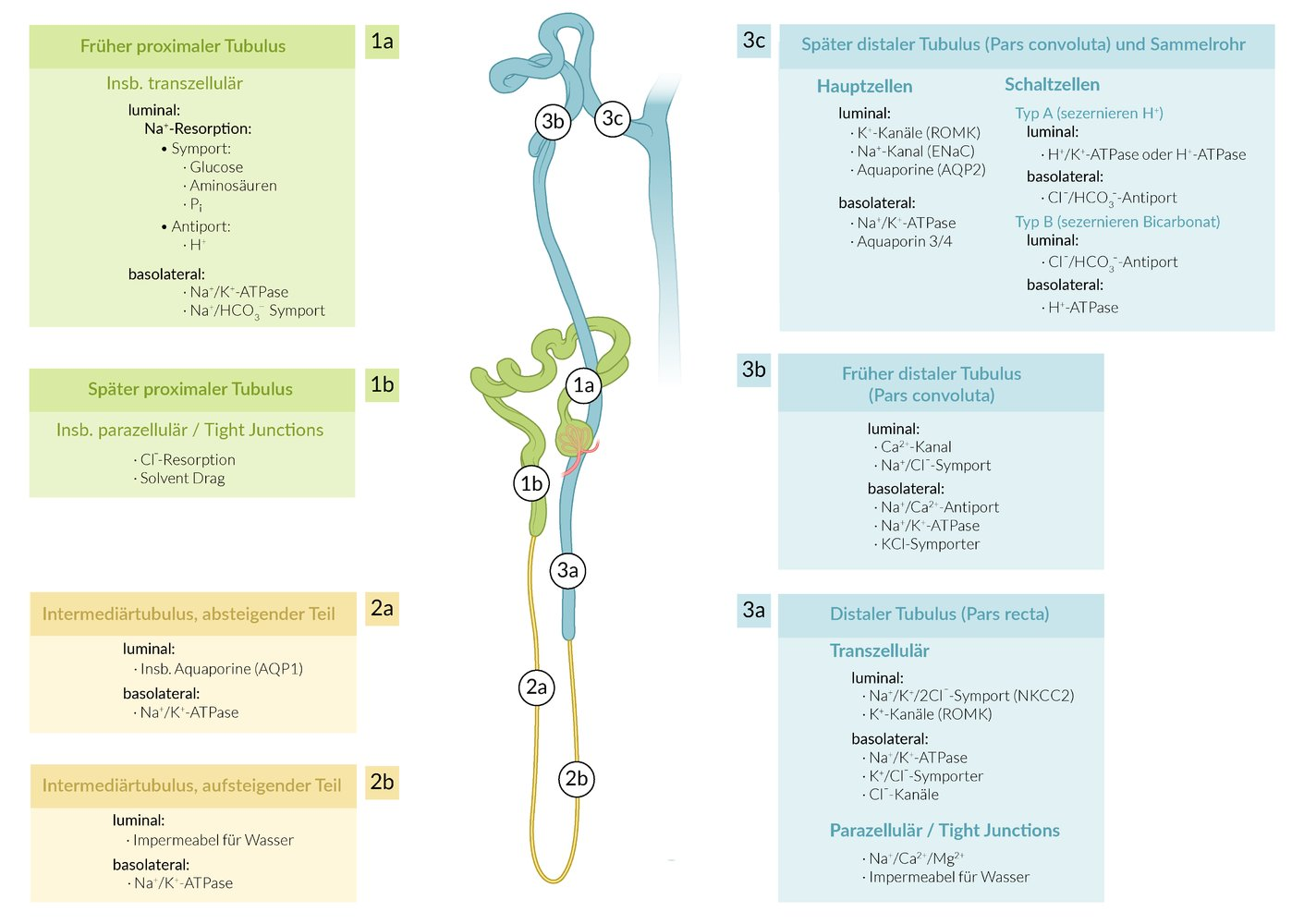
54. Which of the following apical Na⁺ transporters is characteristic of the distal convoluted tubule of the kidney?
A. Na⁺, amino acid symporter
B. Na⁺, Cl⁻ symporter
C. Na⁺, glucose symporter
D. Na⁺, K⁺, 2Cl⁻ symporter
E. Na⁺/H⁺ antiporter
B. Na⁺, Cl⁻ symporter
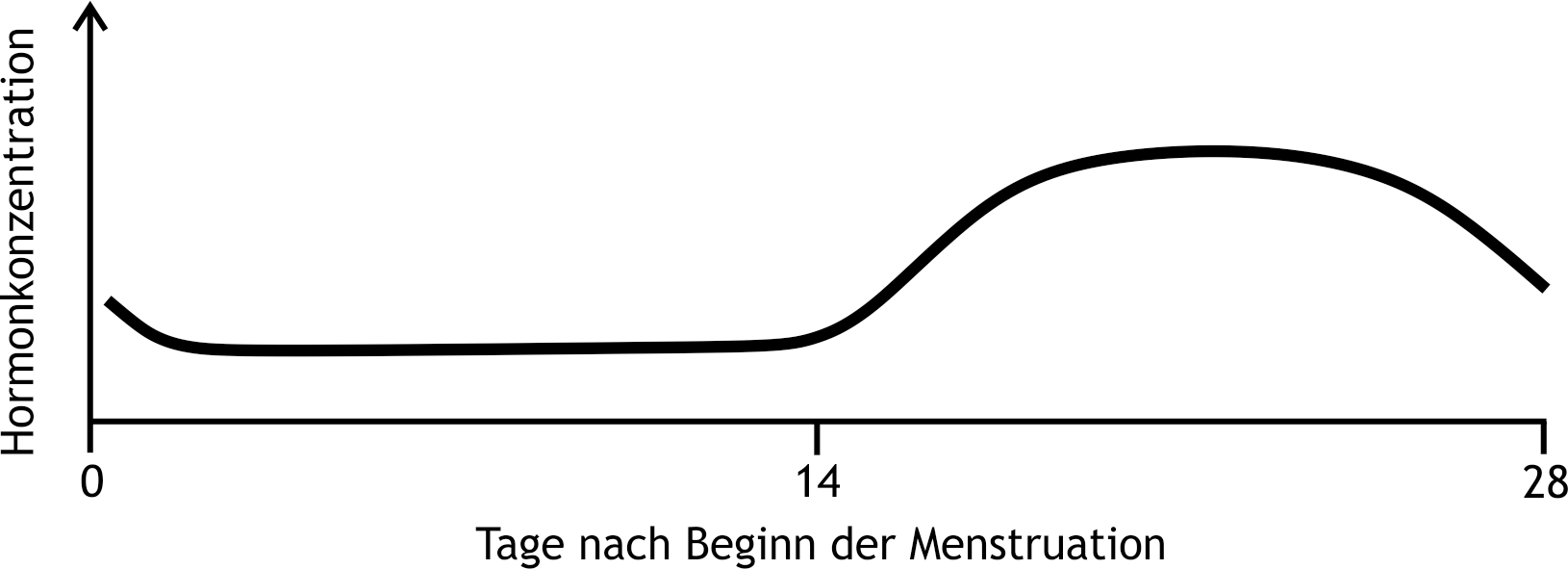
55. The figure shows, with linearly scaled axes, a schematic representation of the concentration curve of a hormone during a menstrual cycle (with ovulation, without nidation).
Which hormone is it most likely?
A. Estradiol
B. FSH
C. Inhibin B
D. LH
E. Progesterone
E. Progesterone
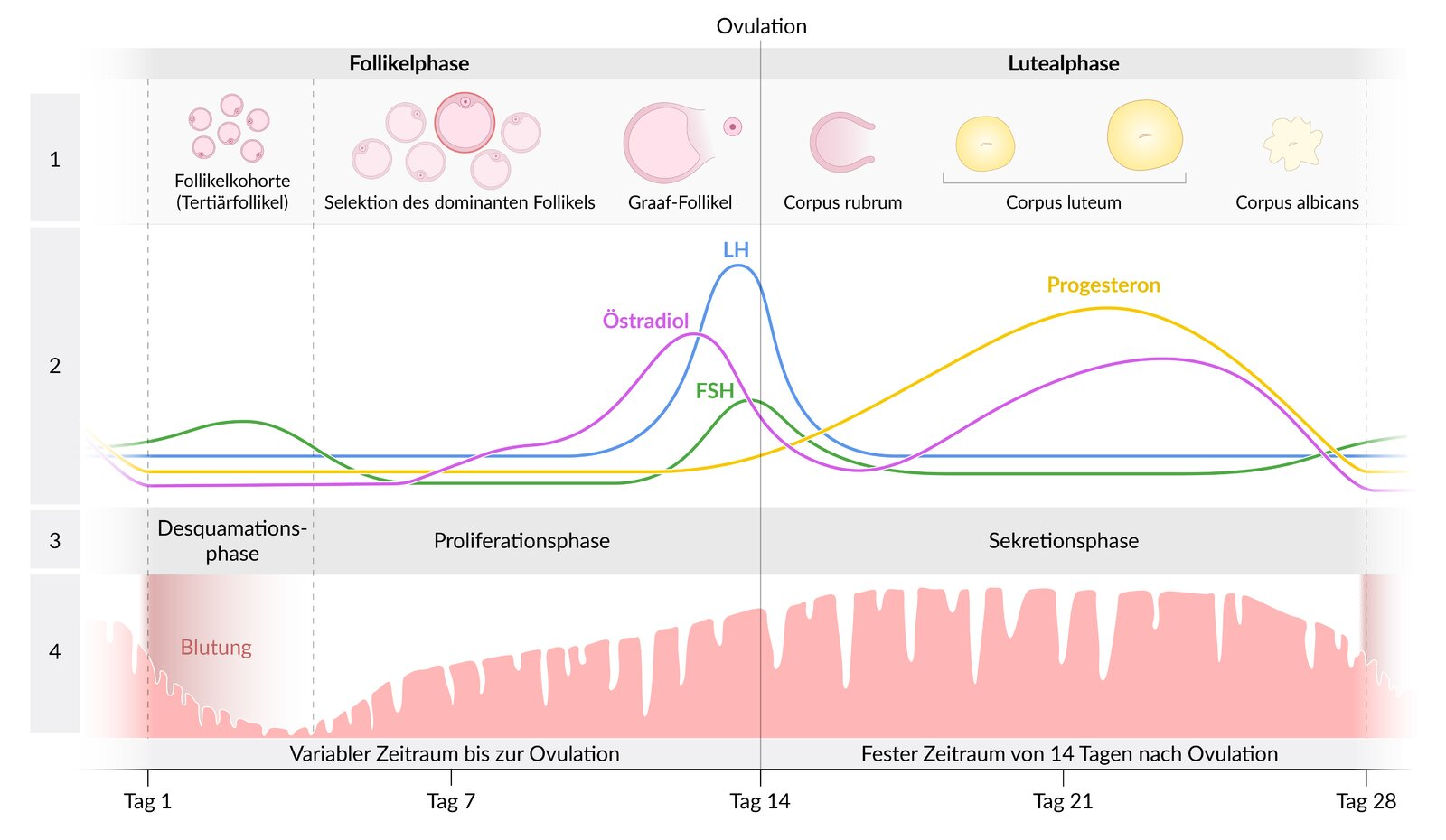
56. Which change compared to the pre-pregnancy state occurs in the maternal organism as a typical adaptation to an existing pregnancy?
A. Decreased glomerular filtration rate
B. Decreased renal glucose excretion
C. Decreased arterial CO₂ partial pressure
D. Decreased blood volume
E. Decreased cardiac output at rest
C. Decreased arterial CO₂ partial pressure
57. patient has an insulin deficiency.
Which of the following changes is most likely caused by this condition?
A. Alkalosis
B. Dehydration
C. Decreased total concentration of free amino acids in the blood plasma
D. Decreased concentration of β-hydroxybutyrate in the blood plasma
E. Decreased minute ventilation
B. Dehydration
58. In primary adrenal insufficiency (Addison’s disease), the adrenal cortex loses its function, which can be fatal if left untreated.
Which of the following findings is most likely to result from the absence of adrenal cortical hormones, based on physiological relationships?
A. Arterial hypertension
B. Depigmentation of the skin
C. Increased K⁺ concentration in the blood plasma
D. Increased Na⁺ concentration in the blood plasma
E. Hyperglycemia
C. Increased K⁺ concentration in the blood plasma
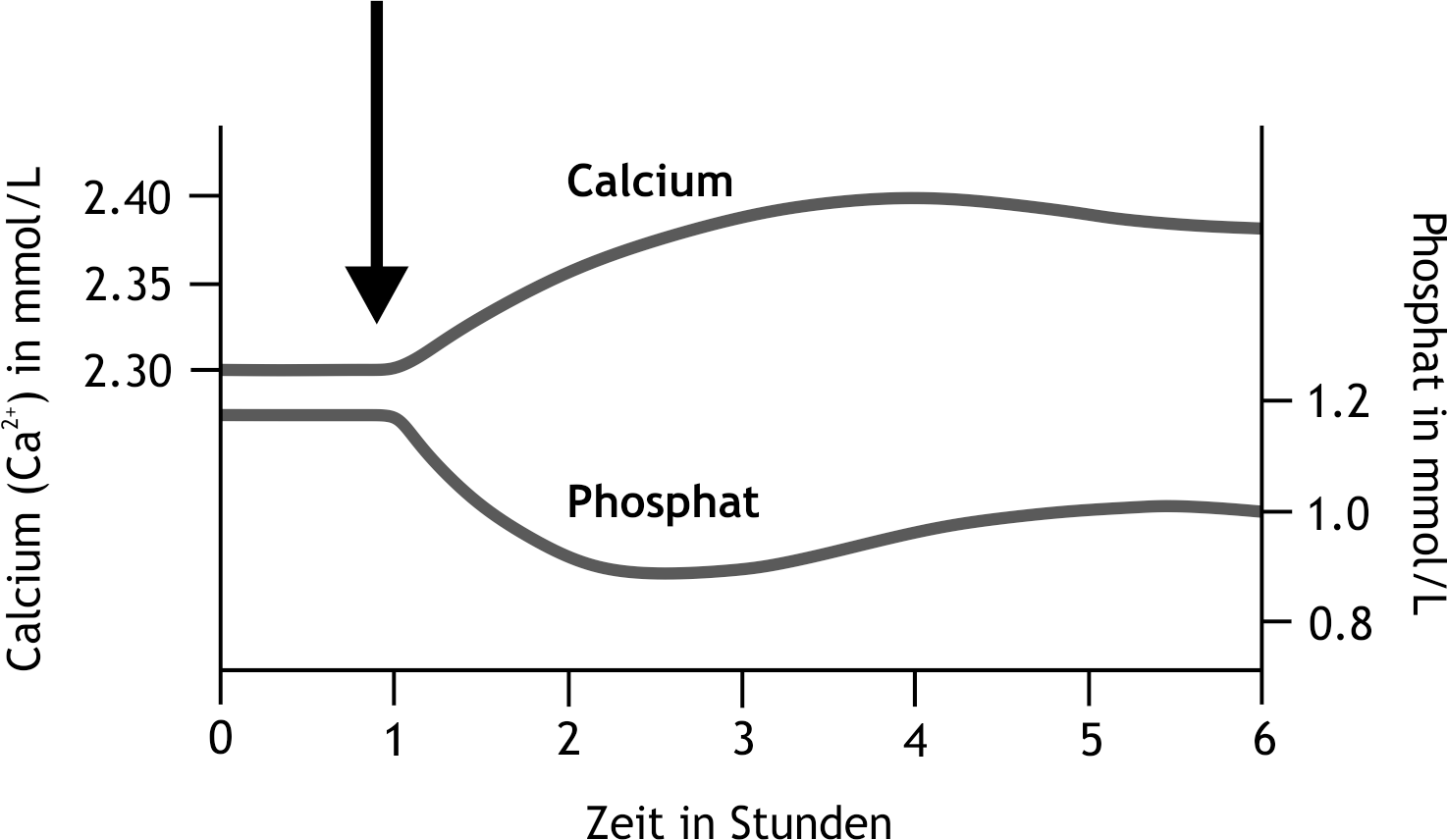
59. From the time indicated by the arrow, a substance is infused in an experimental setting. The approximate concentrations of calcium and phosphate in the blood plasma are shown.
Based on the course of these concentrations, the substance is most likely:
A. Calcitonin
B. Calcitriol
C. An inhibitor of the Na⁺, K⁺, 2Cl⁻ symporter in the loop of Henle
D. FGF23
E. Parathyroid hormone
E. Parathyroid hormone